
The Quest for Automotive Realism in Real-Time: A Balancing Act

The quest for photorealism in real-time experiences has long been the holy grail for 3D artists and game developers. Nowhere is this pursuit more challenging, yet more rewarding, than with automotive models. From the intricate reflections on a polished chassis to the detailed stitching of an interior, bringing a high-fidelity vehicle to life in a real-time environment demands a delicate balance between visual splendor and robust performance.
For years, artists wrestled with aggressive poly reduction, complex normal map baking, and compromises on visual detail to ensure smooth frame rates. However, with the advent of Unreal Engine 5, a new era has dawned. UE5 provides an unprecedented suite of tools that allows us to integrate truly high-end, even CAD-level, 3D automotive models into a game or virtual production pipeline without sacrificing performance. This revolutionary approach tackles the core dilemma head-on, empowering creators to achieve AAA realism while maintaining optimal performance.
This comprehensive guide will navigate the intricacies of integrating sophisticated game-ready car models into Unreal Engine 5, covering everything from meticulous pre-integration asset preparation to leveraging UE5’s groundbreaking features like Nanite and Lumen, and crucial post-integration optimization. If you’re looking to elevate your Unreal Engine 5 automotive projects to cinematic levels, while ensuring they run flawlessly, you’ve come to the right place.
The Quest for Automotive Realism in Real-Time: A Balancing Act
Automotive design is an art form, characterized by sleek lines, complex curves, and meticulously crafted details. Translating this real-world artistry into a real-time environment, whether for a next-gen racing simulator, an interactive configurator, or a virtual production sequence, presents unique challenges. The goal is always to achieve a level of visual fidelity that blurs the line between digital and physical, but this often comes at a significant performance cost.
High-poly automotive models, especially those originating from CAD software, can contain millions, sometimes tens of millions, of polygons. Traditional game development workflows would demand extensive retopology and baking processes, often stripping away the very details that make a vehicle look realistic. Reflections, intricate material properties like clear coats on paint, and subtle interior nuances all contribute to the overall impression of quality. Compromising on these elements detracts from the desired AAA standard. This is where modern real-time rendering optimization techniques, specifically those introduced in Unreal Engine 5, become indispensable.
The demand for high-quality virtual production assets has also pushed the boundaries. Filmmakers and advertisers now expect the same level of realism in their real-time on-set visualizations as they would from pre-rendered CGI. This necessitates a workflow that can handle extremely detailed models efficiently, something UE5 is uniquely positioned to deliver.
Pre-Integration Mastery: Preparing Your High-End Automotive Assets
Before bringing your automotive model into Unreal Engine 5, meticulous preparation is key. A well-prepared asset will streamline the integration process, prevent common issues, and lay the foundation for superior visual quality and performance. This stage is crucial for any high-poly asset conversion, ensuring the source data is clean and optimized for a real-time context.
Model Clean-up and Topology Optimization
Even if you’re planning to use Nanite, starting with clean geometry is always best practice. Remove any non-manifold geometry, co-planar faces, or overlapping vertices that can cause rendering artifacts. While Nanite abstracts away traditional polygon count concerns, good topology simplifies UV mapping and ensures predictable behavior for components that might not be Nanite-enabled, such as skeletal meshes or transparent parts. If you’re sourcing models, ensure they are of high quality, like those available on PBR textures for vehicles. Your model should ideally have multiple UV sets: one for base color, normal, and roughness maps; another for lightmaps (if not relying solely on Lumen); and potentially a third for decals or specialized effects. Ensure there are no overlapping UV islands within each set (except for instances where intentional tiling is desired) to prevent texture bleeding and incorrect lighting information during baking or runtime. Maximize UV space utilization to get the most texture detail for your resolution.
Crafting Advanced PBR Materials
The materials applied to your vehicle are just as important as its geometry. Automotive materials, particularly car paint, are complex, often featuring multiple layers (base coat, metallic flakes, clear coat). Understanding PBR principles—Base Color, Metallic, Roughness, Normal, Ambient Occlusion, and Emissive maps—is paramount. For vehicle paint, you’ll want a master material that can simulate clear coat effects, potentially using a layered material setup. Glass materials require accurate transmission and roughness values. Chrome and other metallic accents need high metallic values and low roughness. Rubber and plastic should have appropriate roughness and dielectric properties. Developing a robust material library for these common automotive surfaces will significantly speed up your workflow and ensure visual consistency.
Harnessing Unreal Engine 5’s Power: Nanite and Lumen for Automotive Detail
Unreal Engine 5 introduces two game-changing technologies, Nanite and Lumen, that are particularly transformative for Unreal Engine 5 automotive projects. They fundamentally alter how we approach high-poly asset conversion and real-time lighting, empowering creators to achieve unprecedented levels of detail and realism.
The Nanite Revolution for Automotive Geometry
Nanite is UE5’s virtualized geometry system, designed to handle immense polygon counts with incredible efficiency. For automotive models, this is a paradigm shift. Instead of spending countless hours on manual retopology and LOD creation, you can now import extremely detailed models – often directly from CAD or high-fidelity sculpting software – and enable Nanite. The system intelligently streams and processes only the necessary detail, ensuring that even a model with tens of millions of triangles renders smoothly in real-time.
The Nanite workflow simplifies asset creation by largely eliminating the need for traditional LODs for the main mesh. This means your high-fidelity car body, intricate engine components, and detailed interior geometry can all retain their original poly count, translating directly to stunning visual quality. To enable Nanite, simply import your mesh as a static mesh and check the ‘Enable Nanite Support’ box in the Static Mesh Editor. Keep in mind Nanite currently has some limitations, such as not supporting meshes with translucent materials, deformers, or some specific vertex painting setups, so strategic application is key.
Lumen: Dynamic Global Illumination for Vehicle Interiors and Exteriors
Lumen is Unreal Engine 5’s fully dynamic global illumination and reflection system. It provides real-time indirect lighting and reflections that react instantly to changes in lighting and geometry. For Unreal Engine 5 automotive visualization, Lumen is a revelation. The way light bounces off a car’s metallic paint, illuminates its interior, or reflects in its windows is crucial for realism. Lumen accurately simulates these complex light interactions, making scenes feel grounded and believable.
Setting up Lumen involves enabling it in your project settings. Once active, your vehicle models will automatically benefit from realistic indirect lighting, soft shadows, and incredibly accurate reflections on metallic and rough surfaces. This dynamic system eliminates the need for baking lightmaps, allowing for flexible lighting setups and real-time iteration, which is invaluable for virtual production assets and interactive experiences.
Strategic Performance Optimization for Game-Ready Car Models
While Nanite and Lumen drastically improve visual quality and simplify workflows, achieving optimal performance for game-ready car models still requires strategic optimization. This is particularly true for components that don’t fully leverage Nanite or for projects targeting lower-end hardware, where every frame counts. Effective real-time rendering optimization combines smart asset management with Unreal Engine’s powerful features.
Smart LOD Strategies for Non-Nanite Components
Even with Nanite handling the primary vehicle body, other parts like glass, transparent headlights, and skeletal meshes (wheels, suspension components, animated doors) may still require traditional Level of Detail (LOD) setups. These components typically cannot be Nanite-enabled due to technical limitations (e.g., translucency, deformation). Implementing robust LOD strategies for these elements is crucial for maintaining performance at varying distances.
Unreal Engine 5 offers both automatic and manual LOD generation. For complex mechanical parts or interiors, manual LOD creation in your 3D software might yield better results, giving you precise control over poly reduction. For simpler parts, UE5’s automatic LOD generation can be a time-saver. Ensure that the transitions between LODs are smooth and visually imperceptible to avoid distracting pops. Aim for a significant poly reduction in distant LODs, prioritizing silhouette preservation over minute details.
Material Instancing and Optimization
Material instances are a powerful optimization technique that significantly reduces draw calls and improves overall rendering performance. Instead of creating a unique material for every color variation or subtle texture change, you should create a robust Master Material with exposed parameters. Then, create Material Instances based on this master, allowing artists to change parameters like paint color, metallic flake intensity, roughness, or interior fabric patterns without compiling new shaders. This is particularly effective for vehicle configurators or games with extensive customization options, as it’s crucial for PBR textures for vehicles.
Collision Meshes and Physics Assets
For game-ready car models, accurate yet optimized collision meshes are vital for realistic physics and interaction. Never use your high-poly visual mesh for collisions, as this will lead to catastrophic performance. Instead, create simplified collision meshes (often using primitive shapes or a low-poly approximation) in your 3D software and import them with the main model, or generate them directly in Unreal Engine. For complex vehicle physics, you’ll also need to set up Physics Assets for components like wheels, suspension, and body panels to allow for realistic deformation and movement.
Texture Streaming and Resolution Management
High-resolution textures can quickly consume significant GPU memory. Unreal Engine’s texture streaming system helps manage this by only loading the necessary mipmaps (lower-resolution versions) based on distance and screen size. Ensure your textures have proper mipmaps generated (usually automatic). Strategically choose texture resolutions; not every part of the car needs 4K textures. Critical, highly visible areas like the main body and interior components warrant higher resolutions, while less visible areas can use smaller textures to save memory without a noticeable drop in visual quality. This smart management is key for effective real-time rendering optimization.
Advanced Integration & Virtual Production Considerations
Beyond the core rendering technologies, integrating high-end 3D automotive models into Unreal Engine 5 for virtual production assets or interactive experiences involves building out functionality and ensuring pipeline readiness.
Blueprint-Driven Functionality
Unreal Engine’s Blueprint visual scripting system is incredibly powerful for adding interactivity and realism to your vehicle. You can use Blueprints to:
- Implement Vehicle Physics: Set up realistic car physics, including engine power, torque, braking, suspension travel, and tire grip, using UE5’s Chaos Vehicles plugin or custom solutions.
- Interactive Elements: Animate opening doors, hoods, and trunks; turn on headlights, taillights, and interior lights; or control wiper blades with Blueprint scripts.
- Customization Options: Create a user interface for changing paint colors, wheel designs, or interior trims in real-time, leveraging the material instancing discussed earlier.
- Camera Systems: Design cinematic camera movements for showcasing the vehicle or interactive camera controls for users to explore it.
This level of interactivity transforms a static model into a dynamic, engaging experience, perfect for simulators or product configurators.
Data Prep for Virtual Production
For virtual production assets, the requirements can be even more stringent. Models need to be highly detailed, accurately lit, and easily integrated into complex real-time sets. Ensuring your UE5 automotive asset pipeline is robust means:
- Consistent Material Pipelines: All materials should adhere to PBR standards and be flexible enough to adapt to different lighting scenarios on a virtual set.
- Scalability: Your asset should be designed to scale in fidelity, meaning it can be rendered at lower quality for on-set monitoring and at full fidelity for final pixel output.
- Rigging and Animation Readiness: For animated sequences, ensure your model is correctly rigged for chassis movement, wheel rotation, suspension compression, and any other mechanical animations.
- Metadata and Naming Conventions: Adhere to strict naming conventions and include relevant metadata for easy asset management and integration into larger virtual production scenes.
These considerations ensure that your high-fidelity car model serves as a versatile and reliable component in a demanding production pipeline.
Post-Integration: Profiling, Debugging, and Refining Your Automotive Experience
Even with the most careful preparation, fine-tuning and debugging are inevitable steps in achieving the perfect balance of realism and performance. Unreal Engine 5 provides a robust suite of tools for profiling performance, identifying bottlenecks, and refining your automotive experience.
Performance Profiling with Unreal Engine’s Tools
Unreal Engine offers several commands and tools to diagnose performance issues:
- Stat Commands: Use `stat unit` for overall frame time, `stat fps` for frame rate, `stat gpu` for GPU performance, `stat rhi` for rendering hardware interface details, and `stat scene rendering` for detailed rendering statistics. These commands provide real-time feedback on where your frame time is being spent (CPU, GPU, draw calls, etc.).
- Unreal Insights: This is a powerful standalone application that captures and visualizes detailed performance data from your running Unreal Engine project. It can track CPU and GPU timings, memory usage, streaming events, and more, allowing you to pinpoint exact frames or sections of code causing slowdowns.
- GPU Visualizer: Accessible via `stat gpu`, the GPU Visualizer breaks down GPU time by rendering passes, helping you identify if materials, post-processing, or geometry rendering are the culprits.
Regularly profiling your scene, especially in target hardware environments, is crucial for effective real-time rendering optimization.
Common Pitfalls and Troubleshooting
When integrating complex automotive models, you might encounter several common issues:
- Incorrect Normals: Flipped or corrupted normals can cause shading artifacts. Always check your mesh normals in your 3D software and in UE5.
- Bad UVs: Overlapping or stretched UVs lead to distorted textures and incorrect lightmap baking. Revisit your UV mapping if textures appear warped or lighting is inconsistent.
- Light Leaks: Gaps in geometry or poorly constructed meshes can cause light to leak into enclosed spaces. Ensure your model is watertight, especially for interior elements that rely on contained lighting.
- Material Complexity: Overly complex materials with too many instructions can be a significant performance drain. Optimize your master materials, reduce unnecessary operations, and leverage material instancing.
- Nanite and Lumen Interactions: Ensure Nanite meshes are not assigned translucent materials. Check Lumen’s scene representation to verify all objects are contributing correctly to global illumination and reflections.
Debugging these issues systematically will help ensure a visually robust and performant asset.
Achieving Consistent Visual Fidelity
Finally, consistency is key. Your high-end automotive model should look spectacular in a variety of lighting conditions and environments. This involves:
- Post-Processing Volumes: Use post-processing volumes to fine-tune exposure, color grading, bloom, ambient occlusion, and other visual effects to enhance the overall aesthetic and match your desired look.
- Lighting Scenarios: Test your vehicle under different lighting scenarios—day, night, overcast, studio lighting—to ensure its materials react realistically.
- Environmental Reflection Captures: While Lumen handles dynamic reflections, strategically placed Reflection Capture Actors can further enhance the accuracy of reflections on non-Lumen reflective surfaces or provide a baseline for certain scenarios.
This final polish ensures that your Unreal Engine 5 automotive asset truly achieves AAA realism across all contexts, especially important for versatile virtual production assets.
Conclusion
Integrating high-end 3D automotive models into Unreal Engine 5 is no longer an insurmountable challenge. With the groundbreaking capabilities of Nanite for geometric detail, Lumen for dynamic global illumination, and a thoughtful approach to asset preparation and optimization, artists and developers can achieve unprecedented levels of AAA realism and performance. The era of sacrificing fidelity for frame rate is behind us, allowing for visually stunning vehicles that perform flawlessly in real-time environments.
By embracing these advanced workflows—from meticulous asset preparation and smart material design to leveraging UE5’s core technologies and diligent performance profiling—you can transform your projects. The journey to creating breathtaking Unreal Engine 5 automotive experiences is an exciting one, opening doors to hyper-realistic games, interactive configurators, and cinematic virtual productions. To kickstart your projects with models that meet these exacting standards, explore the extensive collection of high-quality, game-ready car models available at 88cars3d.com and begin crafting your next masterpiece.
Featured 3D Car Models

Suzuki SX4-002 3D Model
Texture: Yes
Material: Yes
Download the Suzuki SX4-002 3D Model featuring clean geometry, realistic detailing, and a fully modeled interior. Includes .blend, .fbx, .obj, .glb, .stl, .ply, .unreal, and .max formats for rendering, simulation, and game development.
Price: $10

Tesla Model S 2024 3D Model
Texture: Yes
Material: Yes
Download the Tesla Model S 2024 3D Model featuring clean geometry, realistic detailing, and a fully modeled interior. Includes .blend, .fbx, .obj, .glb, .stl, .ply, .unreal, and .max formats for rendering, simulation, and game development.
Price: $10

Subaru Impreza WRX STi-002 3D Model
Texture: Yes
Material: Yes
Download the Subaru Impreza WRX STi-002 3D Model featuring clean geometry, realistic detailing, and a fully modeled interior. Includes .blend, .fbx, .obj, .glb, .stl, .ply, .unreal, and .max formats for rendering, simulation, and game development.
Price: $10

Subaru Impreza WRX STi Sedan 3D Model
Texture: Yes
Material: Yes
Download the Subaru Impreza WRX STi Sedan 3D Model featuring clean geometry, realistic detailing, and a fully modeled interior. Includes .blend, .fbx, .obj, .glb, .stl, .ply, .unreal, and .max formats for rendering, simulation, and game development.
Price: $10

Subaru Legacy 2009 3D Model
Texture: Yes
Material: Yes
Download the Subaru Legacy 2009 3D Model featuring clean geometry, realistic detailing, and a fully modeled interior. Includes .blend, .fbx, .obj, .glb, .stl, .ply, .unreal, and .max formats for rendering, simulation, and game development.
Price: $10

Suzuki Swift 2024 3D Model
Texture: Yes
Material: Yes
Download the Suzuki Swift 2024 3D Model featuring clean geometry, realistic detailing, and a fully modeled interior. Includes .blend, .fbx, .obj, .glb, .stl, .ply, .unreal, and .max formats for rendering, simulation, and game development.
Price: $10

Suzuki Liana Sedan 2004 3D Model
Texture: Yes
Material: Yes
Download the Suzuki Liana Sedan 2004 3D Model featuring clean geometry, realistic detailing, and a fully modeled interior. Includes .blend, .fbx, .obj, .glb, .stl, .ply, .unreal, and .max formats for rendering, simulation, and game development.
Price: $10

Subaru Outback 2024 3D Model
Texture: Yes
Material: Yes
Download the Subaru Outback 2024 3D Model featuring clean geometry, realistic detailing, and a fully modeled interior. Includes .blend, .fbx, .obj, .glb, .stl, .ply, .unreal, and .max formats for rendering, simulation, and game development.
Price: $10

Subaru Legacy 2003 3D Model
Texture: Yes
Material: Yes
Download the Subaru Legacy 2003 3D Model featuring clean geometry, realistic detailing, and a fully modeled interior. Includes .blend, .fbx, .obj, .glb, .stl, .ply, .unreal, and .max formats for rendering, simulation, and game development.
Price: $10

Subaru Legacy Touring Wagon 3D Model
Texture: Yes
Material: Yes
Download the Subaru Legacy Touring Wagon 3D Model featuring clean geometry, realistic detailing, and a fully modeled interior. Includes .blend, .fbx, .obj, .glb, .stl, .ply, .unreal, and .max formats for rendering, simulation, and game development.
Price: $10

Toyota Mark II (X100) 1998 3D Model
Texture: Yes
Material: Yes
Download the Toyota Mark II (X100) 3D Model featuring clean geometry, realistic detailing, and a fully modeled interior. Includes .blend, .fbx, .obj, .glb, .stl, .ply, .unreal, and .max formats for rendering, simulation, and game development.
Price: $10

Toyota Corona 1985 3D Model
Texture: Yes
Material: Yes
Download the Toyota Corona 1985 3D Model featuring clean geometry, realistic detailing, and a fully modeled interior. Includes .blend, .fbx, .obj, .glb, .stl, .ply, .unreal, and .max formats for rendering, simulation, and game development.
Price: $10

Toyota Mark II X81 1990 3D Model
Texture: Yes
Material: Yes
Download the Toyota Mark II X81 1990 3D Model featuring clean geometry, realistic detailing, and a fully modeled interior. Includes .blend, .fbx, .obj, .glb, .stl, .ply, .unreal, and .max formats for rendering, simulation, and game development.
Price: $10

Toyota iQ EV 2012 3D Model
Texture: Yes
Material: Yes
Download the Toyota iQ EV 2012 3D Model featuring clean geometry, realistic detailing, and a fully modeled interior. Includes .blend, .fbx, .obj, .glb, .stl, .ply, .unreal, and .max formats for rendering, simulation, and game development.
Price: $10

Toyota Aygo 2013 3D Model
Texture: Yes
Material: Yes
Download the Toyota Aygo 2013 3D Model featuring clean geometry, realistic detailing, and a fully modeled interior. Includes .blend, .fbx, .obj, .glb, .stl, .ply, .unreal, and .max formats for rendering, simulation, and game development.
Price: $10

Toyota Crown S180 2005 3D Model
Texture: Yes
Material: Yes
Download the Toyota Crown S180 2005 3D Model featuring clean geometry, realistic detailing, and a fully modeled interior. Includes .blend, .fbx, .obj, .glb, .stl, .ply, .unreal, and .max formats for rendering, simulation, and game development.
Price: $10

Toyota Celica 2004 3D Model
Texture: Yes
Material: Yes
Download the Toyota Celica 2004 3D Model featuring clean geometry, realistic detailing, and a fully modeled interior. Includes .blend, .fbx, .obj, .glb, .stl, .ply, .unreal, and .max formats for rendering, simulation, and game development.
Price: $10

Toyota Corolla AE100 1992 3D Model
Texture: Yes
Material: Yes
Download the Toyota Corolla AE100 1992 3D Model featuring clean geometry, realistic detailing, and a fully modeled interior. Includes .blend, .fbx, .obj, .glb, .stl, .ply, .unreal, and .max formats for rendering, simulation, and game development.
Price: $10

Toyota Mark II X110 2000 3D Model
Texture: Yes
Material: Yes
Download the Toyota Mark II X110 2000 3D Model featuring clean geometry, realistic detailing, and a fully modeled interior. Includes .blend, .fbx, .obj, .glb, .stl, .ply, .unreal, and .max formats for rendering, simulation, and game development.
Price: $10

Toyota Corolla 2020 3D Model
Texture: Yes
Material: Yes
Download the Toyota Corolla 2020 3D Model featuring clean geometry, realistic detailing, and a fully modeled interior. Includes .blend, .fbx, .obj, .glb, .stl, .ply, .unreal, and .max formats for rendering, simulation, and game development.
Price: $10

Toyota Yaris 2020 3D Model
Texture: Yes
Material: Yes
Download the Toyota Yaris 2020 3D Model featuring clean geometry, realistic detailing, and a fully modeled interior. Includes .blend, .fbx, .obj, .glb, .stl, .ply, .unreal, and .max formats for rendering, simulation, and game development.
Price: $9.9

Volkswagen Beetle 2012 3D Model
Texture: Yes
Material: Yes
Download the Volkswagen Beetle 2012 3D Model featuring clean geometry, realistic detailing, and a fully modeled interior. Includes .blend, .fbx, .obj, .glb, .stl, .ply, .unreal, and .max formats for rendering, simulation, and game development.
Price: $9.9

Toyota Matrix 2005 3D Model
Texture: Yes
Material: Yes
Download the Toyota Matrix 2005 3D Model featuring clean geometry, realistic detailing, and a fully modeled interior. Includes .blend, .fbx, .obj, .glb, .stl, .ply, .unreal, and .max formats for rendering, simulation, and game development.
Price: $9.9

Toyota Yaris Sedan 3D Model
Texture: Yes
Material: Yes
Download the Toyota Yaris Sedan 3D Model featuring clean geometry, realistic detailing, and a fully modeled interior. Includes .blend, .fbx, .obj, .glb, .stl, .ply, .unreal, and .max formats for rendering, simulation, and game development.
Price: $9.9

Volkswagen Golf R-004 2024 3D Model
Texture: Yes
Material: Yes
Download the Volkswagen Golf R-004 2024 3D Model featuring clean geometry, realistic detailing, and a fully modeled interior. Includes .blend, .fbx, .obj, .glb, .stl, .ply, .unreal, and .max formats for rendering, simulation, and game development.
Price: $9.9

Volkswagen Golf 5 Door 2010 3D Model
Texture: Yes
Material: Yes
Download the Volkswagen Golf 5 Door 2010 3D Model featuring clean geometry, realistic detailing, and a fully modeled interior. Includes .blend, .fbx, .obj, .glb, .stl, .ply, .unreal, and .max formats for rendering, simulation, and game development.
Price: $9.9

Toyota Premio 2010 3D Model
Texture: Yes
Material: Yes
Download the Toyota Premio 2010 3D Model featuring clean geometry, realistic detailing, and a fully modeled interior. Includes .blend, .fbx, .obj, .glb, .stl, .ply, .unreal, and .max formats for rendering, simulation, and game development.
Price: $9.9

Toyota Opa 2000 3D Model
Texture: Yes
Material: Yes
Download the Toyota Opa 2000 3D Model featuring clean geometry, realistic detailing, and a fully modeled interior. Includes .blend, .fbx, .obj, .glb, .stl, .ply, .unreal, and .max formats for rendering, simulation, and game development.
Price: $9.9

Volkswagen Polo 5 Door 2010 3D Model
Texture: Yes
Material: Yes
Download the Volkswagen Polo 5 Door 2010 3D Model featuring clean geometry, realistic detailing, and a fully modeled interior. Includes .blend, .fbx, .obj, .glb, .stl, .ply, .unreal, and .max formats for rendering, simulation, and game development.
Price: $9.9

Toyota Prius 2024 3D Model
Texture: Yes
Material: Yes
Download the Toyota Prius 2024 3D Model featuring clean geometry, realistic detailing, and a fully modeled interior. Includes .blend, .fbx, .obj, .glb, .stl, .ply, .unreal, and .max formats for rendering, simulation, and game development.
Price: $9.9

Toyota Yaris 1999 3D Model
Texture: Yes
Material: Yes
Download the Toyota Yaris 1999 3D Model featuring clean geometry, realistic detailing, and a fully modeled interior. Includes .blend, .fbx, .obj, .glb, .stl, .ply, .unreal, and .max formats for rendering, simulation, and game development.
Price: $9.9

Toyota Supra 2020 3D Model
Texture: Yes
Material: Yes
Download the Toyota Supra 2020 3D Model featuring clean geometry, realistic detailing, and a fully modeled interior. Includes .blend, .fbx, .obj, .glb, .stl, .ply, .unreal, and .max formats for rendering, simulation, and game development.
Price: $9.9

Volkswagen New Beetle 2000 3D Model
Texture: Yes
Material: Yes
Download the Volkswagen New Beetle 2000 3D Model featuring clean geometry, realistic detailing, and a fully modeled interior. Includes .blend, .fbx, .obj, .glb, .stl, .ply, .unreal, and .max formats for rendering, simulation, and game development.
Price: $14.99

Volkswagen Jetta 2005 3D Model
Texture: Yes
Material: Yes
Download the Volkswagen Jetta 2005 3D Model featuring clean geometry, realistic detailing, and a fully modeled interior. Includes .blend, .fbx, .obj, .glb, .stl, .ply, .unreal, and .max formats for rendering, simulation, and game development.
Price: $18.99

Volkswagen Golf 3-Door 3D Model
Texture: Yes
Material: Yes
Download the Volkswagen Golf 3-Door 3D Model featuring clean geometry, realistic detailing, and a fully modeled interior. Includes .blend, .fbx, .obj, .glb, .stl, .ply, .unreal, and .max formats for rendering, simulation, and game development.
Price: $14.99

Volvo V70 2005 3D Model
Texture: Yes
Material: Yes
Download the Volvo V70 2005 3D Model featuring clean geometry, realistic detailing, and a fully modeled interior. Includes .blend, .fbx, .obj, .glb, .stl, .ply, .unreal, and .max formats for rendering, simulation, and game development.
Price: $14.99

Volkswagen Bora 2004 3D Model
Texture: Yes
Material: Yes
Download the Volkswagen Bora 2004 3D Model featuring clean geometry, realistic detailing, and a fully modeled interior. Includes .blend, .fbx, .obj, .glb, .stl, .ply, .unreal, and .max formats for rendering, simulation, and game development.
Price: $14.99

Volkswagen Lupo 3D Model
Texture: Yes
Material: Yes
Download the Volkswagen Lupo 3D Model featuring clean geometry, realistic detailing, and a fully modeled interior. Includes .blend, .fbx, .obj, .glb, .stl, .ply, .unreal, and .max formats for rendering, simulation, and game development.
Price: $19.99

Volkswagen Passat B5 2000 3D Model
Texture: Yes
Material: Yes
Download the Volkswagen Passat B5 2000 3D Model featuring clean geometry, realistic detailing, and a fully modeled interior. Includes .blend, .fbx, .obj, .glb, .stl, .ply, .unreal, and .max formats for rendering, simulation, and game development.
Price: $19.99

Volkswagen Passat CC 3D Model
Texture: Yes
Material: Yes
Download the Volkswagen Passat CC 3D Model featuring clean geometry, realistic detailing, and a fully modeled interior. Includes .blend, .fbx, .obj, .glb, .stl, .ply, .unreal, and .max formats for rendering, simulation, and game development.
Price: $19.99

Volkswagen Golf V 2006 3D Model
Texture: Yes
Material: Yes
Download the Volkswagen Golf V 2006 3D Model featuring clean geometry, realistic detailing, and a fully modeled interior. Includes .blend, .fbx, .obj, .glb, .stl, .ply, .unreal, and .max formats for rendering, simulation, and game development.
Price: $19.99

Volvo S60 R-Design 2024 3D Model
Texture: Yes
Material: Yes
Download the Volvo S60 R-Design 3D Model featuring clean geometry, realistic detailing, and a fully modeled interior. Includes .blend, .fbx, .obj, .glb, .stl, .ply, .unreal, and .max formats for rendering, simulation, and game development.
Price: $19.99

Volkswagen Passat 2025 3D Model
Texture: Yes
Material: Yes
Download the Volkswagen Passat 2025 3D Model featuring clean geometry, realistic detailing, and a fully modeled interior. Includes .blend, .fbx, .obj, .glb, .stl, .ply, .unreal, and .max formats for rendering, simulation, and game development.
Price: $25.99

Volkswagen Passat Variant B6 2005 3D Model
Texture: Yes
Material: Yes
Download the Volkswagen Passat Variant B6 2005 3D Model featuring clean geometry, realistic detailing, and a fully modeled interior. Includes .blend, .fbx, .obj, .glb, .stl, .ply, .unreal, and .max formats for rendering, simulation, and game development.
Price: $25.99

Volkswagen Phaeton W12 2004 3D Model
Texture: Yes
Material: Yes
Download the Volkswagen Phaeton W12 2004 3D Model featuring clean geometry, realistic detailing, and a fully modeled interior. Includes .blend, .fbx, .obj, .glb, .stl, .ply, .unreal, and .max formats for rendering, simulation, and game development.
Price: $25.99

Volkswagen Scirocco 2015 3D Model
Texture: Yes
Material: Yes
Download the Volkswagen Scirocco 2015 3D Model featuring clean geometry, realistic detailing, and a fully modeled interior. Includes .blend, .fbx, .obj, .glb, .stl, .ply, .unreal, and .max formats for rendering, simulation, and game development.
Price: $25.99

Volvo S60 2024 3D Model
Texture: Yes
Material: Yes
Download the Volvo S60 2024 3D Model featuring clean geometry, realistic detailing, and a fully modeled interior. Includes .blend, .fbx, .obj, .glb, .stl, .ply, .unreal, and .max formats for rendering, simulation, and game development.
Price: $25.99

Volkswagen Polo 3D Model
Texture: Yes
Material: Yes
Download the Volkswagen Polo 3D Model featuring clean geometry, realistic detailing, and a fully modeled interior. Includes .blend, .fbx, .obj, .glb, .stl, .ply, .unreal, and .max formats for rendering, simulation, and game development.
Price: $25.99

Volkswagen Golf 5-Doors 2018 3D Model
Texture: Yes
Material: Yes
Download the Volkswagen Golf 5-Doors 3D Model featuring clean geometry, realistic detailing, and a fully modeled interior. Includes .blend, .fbx, .obj, .glb, .stl, .ply, .unreal, and .max formats for rendering, simulation, and game development.
Price: $25.99

Volvo C70 T5 2000 3D Model
Texture: Yes
Material: Yes
Download the Volvo C70 T5 2000 3D Model featuring clean geometry, realistic detailing, and a fully modeled interior. Includes .blend, .fbx, .obj, .glb, .stl, .ply, .unreal, and .max formats for rendering, simulation, and game development.
Price: $23.99

Volvo S40 Sedan 2004 3D Model
Texture: Yes
Material: Yes
Download the Volvo S40 Sedan 2004 3D Model featuring clean geometry, realistic detailing, and a fully modeled interior. Includes .blend, .fbx, .obj, .glb, .stl, .ply, .unreal, and .max formats for rendering, simulation, and game development.
Price: $23.99

Volvo C30 BEV 2012 3D Model
Texture: Yes
Material: Yes
Download the Volvo C30 BEV 2012 3D Model featuring clean geometry, realistic detailing, and a fully modeled interior. Includes .blend, .fbx, .obj, .glb, .stl, .ply, .unreal, and .max formats for rendering, simulation, and game development.
Price: $23.99

Volvo C70 1998 3D Model
Texture: Yes
Material: Yes
Download the Volvo C70 1998 3D Model featuring clean geometry, realistic detailing, and a fully modeled interior. Includes .blend, .fbx, .obj, .glb, .stl, .ply, .unreal, and .max formats for rendering, simulation, and game development.
Price: $23.99

Mazda B-Series 3D Model
Texture: Yes
Material: Yes
Download the Mazda B-Series 3D Model featuring clean geometry, realistic detailing, and a fully modeled interior. Includes .blend, .fbx, .obj, .glb, .stl, .ply, .unreal, and .max formats for rendering, simulation, and game development.
Price: $23.99

Mercsedes Benz Z3-006 3D Model
Texture: Yes
Material: Yes
Download the Mercsedes Benz Z3-006 3D Model featuring clean geometry, realistic detailing, and a fully modeled interior. Includes .blend, .fbx, .obj, .glb, .stl, .ply, .unreal, and .max formats for rendering, simulation, and game development.
Price: $23.99

Mazda RX-7 3D Model
Texture: Yes
Material: Yes
Download the Mazda RX-7 3D Model featuring clean geometry, realistic detailing, and a fully modeled interior. Includes .blend, .fbx, .obj, .glb, .stl, .ply, .unreal, and .max formats for rendering, simulation, and game development.
Price: $23.99

Volvo VCC-003 3D Model
Texture: Yes
Material: Yes
Download the Volvo VCC-003 3D Model featuring clean geometry, realistic detailing, and a fully modeled interior. Includes .blend, .fbx, .obj, .glb, .stl, .ply, .unreal, and .max formats for rendering, simulation, and game development.
Price: $23.99

Mercedes-Benz SLR McLaren 2005 3D Model
Texture: Yes
Material: Yes
Download the Mercedes-Benz SLR McLaren 2005 3D Model featuring clean geometry, realistic detailing, and a fully modeled interior. Includes .blend, .fbx, .obj, .glb, .stl, .ply, .unreal, and .max formats for rendering, simulation, and game development.
Price: $23.99

GAZ 3110 Pickup 2000 3D Model
Texture: Yes
Material: Yes
Download the GAZ 3110 Pickup 3D Model featuring clean geometry, realistic detailing, and a fully modeled interior. Includes .blend, .fbx, .obj, .glb, .stl, .ply, .unreal, and .max formats for rendering, simulation, and game development.
Price: $23.99

Mazda 626 GF 1997 3D Model
Texture: Yes
Material: Yes
Download the Mazda 626 GF 1997 3D Model featuring clean geometry, realistic detailing, and a fully modeled interior. Includes .blend, .fbx, .obj, .glb, .stl, .ply, .unreal, and .max formats for rendering, simulation, and game development.
Price: $23.99

Volvo S80 2011 3D Model
Texture: Yes
Material: Yes
Download the Volvo S80 2011 3D Model featuring clean geometry, realistic detailing, and a fully modeled interior. Includes .blend, .fbx, .obj, .glb, .stl, .ply, .unreal, and .max formats for rendering, simulation, and game development.
Price: $23.99

Volkswagen Touran restyle-006 3D Model
Texture: Yes
Material: Yes
Download the Volkswagen Touran restyle-006 3D Model featuring clean geometry, realistic detailing, and a fully modeled interior. Includes .blend, .fbx, .obj, .glb, .stl, .ply, .unreal, and .max formats for rendering, simulation, and game development.
Price: $23.99

Skoda Octavia Scout 3D Model
Texture: Yes
Material: Yes
Download the Skoda Octavia Scout 3D Model featuring clean geometry, realistic detailing, and a fully modeled interior. Includes .blend, .fbx, .obj, .glb, .stl, .ply, .unreal, and .max formats for rendering, simulation, and game development.
Price: $23.99

Volkswagen Golf V 2006 3D Model
Texture: Yes
Material: Yes
Download the Volkswagen Golf V 2006 3D Model featuring clean geometry, realistic detailing, and a fully modeled interior. Includes .blend, .fbx, .obj, .glb, .stl, .ply, .unreal, and .max formats for rendering, simulation, and game development.
Price: $23.99

Mazda CX-7 3D Model
Texture: Yes
Material: Yes
Download the Mazda CX-7 3D Model featuring clean geometry, realistic detailing, and a fully modeled interior. Includes .blend, .fbx, .obj, .glb, .stl, .ply, .unreal, and .max formats for rendering, simulation, and game development.
Price: $23.99

Mazda Familia 3D Model
Texture: Yes
Material: Yes
Download the Mazda Familia 3D Model featuring clean geometry, realistic detailing, and a fully modeled interior. Includes .blend, .fbx, .obj, .glb, .stl, .ply, .unreal, and .max formats for rendering, simulation, and game development.
Price: $23.99

GAS 21 3D Model
Texture: Yes
Material: Yes
Download the GAS 21 3D Model featuring clean geometry, realistic detailing, and a fully modeled interior. Includes .blend, .fbx, .obj, .glb, .stl, .ply, .unreal, and .max formats for rendering, simulation, and game development.
Price: $23.99

Mercedes-Benz SL500 AMG (R129) 3D Model
Texture: Yes
Material: Yes
Download the Mercedes-Benz SL500 AMG (R129) 3D Model featuring clean geometry, realistic detailing, and a fully modeled interior. Includes .blend, .fbx, .obj, .glb, .stl, .ply, .unreal, and .max formats for rendering, simulation, and game development.
Price: $23.99

Mercedes-Benz S-Class W221 2005 3D Model
Texture: Yes
Material: Yes
Download the Mercedes-Benz S-Class W221 2005 3D Model featuring clean geometry, realistic detailing, and a fully modeled interior. Includes .blend, .fbx, .obj, .glb, .stl, .ply, .unreal, and .max formats for rendering, simulation, and game development.
Price: $23.99

Mercedes-Benz E-Class W212 2009 3D Model
Texture: Yes
Material: Yes
Download the Mercedes-Benz E-Class W212 2009 3D Model featuring clean geometry, realistic detailing, and a fully modeled interior. Includes .blend, .fbx, .obj, .glb, .stl, .ply, .unreal, and .max formats for rendering, simulation, and game development.
Price: $23.99

Mercedes-Benz E-class Estate S212 2009 3D Model
Texture: Yes
Material: Yes
Download the Mercedes-Benz E-class Estate S212 2009 3D Model featuring clean geometry, realistic detailing, and a fully modeled interior. Includes .blend, .fbx, .obj, .glb, .stl, .ply, .unreal, and .max formats for rendering, simulation, and game development.
Price: $23.99

Mercedes-Benz 190 W201 3D Model
Texture: Yes
Material: Yes
Download the Mercedes-Benz 190 W201 3D Model featuring clean geometry, realistic detailing, and a fully modeled interior. Includes .blend, .fbx, .obj, .glb, .stl, .ply, .unreal, and .max formats for rendering, simulation, and game development.
Price: $23.99

Mercedes-Benz C230 SportCoupé 2005 3D Model
Texture: Yes
Material: Yes
Download the Mercedes-Benz C230 SportCoupé 2005 3D Model featuring clean geometry, realistic detailing, and a fully modeled interior. Includes .blend, .fbx, .obj, .glb, .stl, .ply, .unreal, and .max formats for rendering, simulation, and game development.
Price: $23.99

Mercedes-Benz SLK 3D Model
Texture: Yes
Material: Yes
Download the Mercedes-Benz SLK 3D Model featuring clean geometry, realistic detailing, and a fully modeled interior. Includes .blend, .fbx, .obj, .glb, .stl, .ply, .unreal, and .max formats for rendering, simulation, and game development.
Price: $23.99
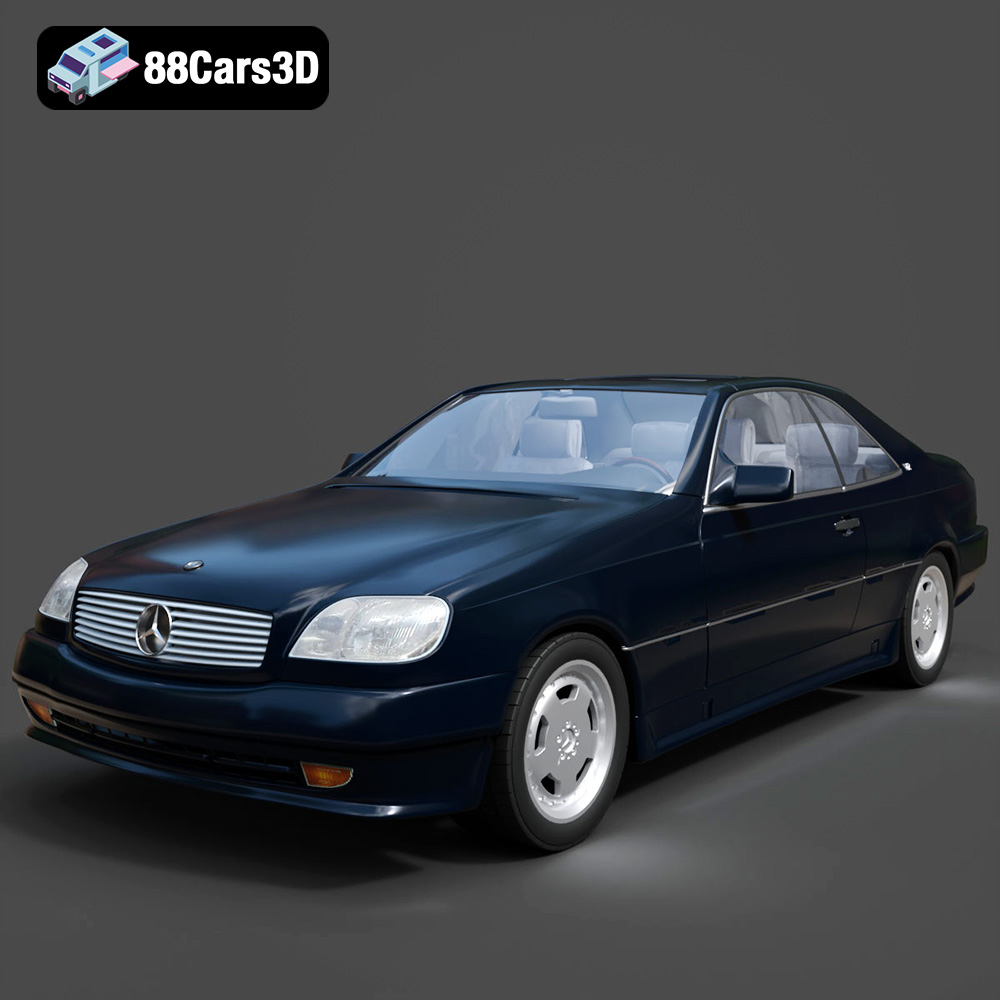
Mercedes 600 SEC W140 1992 3D Model
Texture: Yes
Material: Yes
Download the Mercedes 600 SEC W140 1992 3D Model featuring clean geometry, realistic detailing, and a fully modeled interior. Includes .blend, .fbx, .obj, .glb, .stl, .ply, .unreal, and .max formats for rendering, simulation, and game development.
Price: $23.99
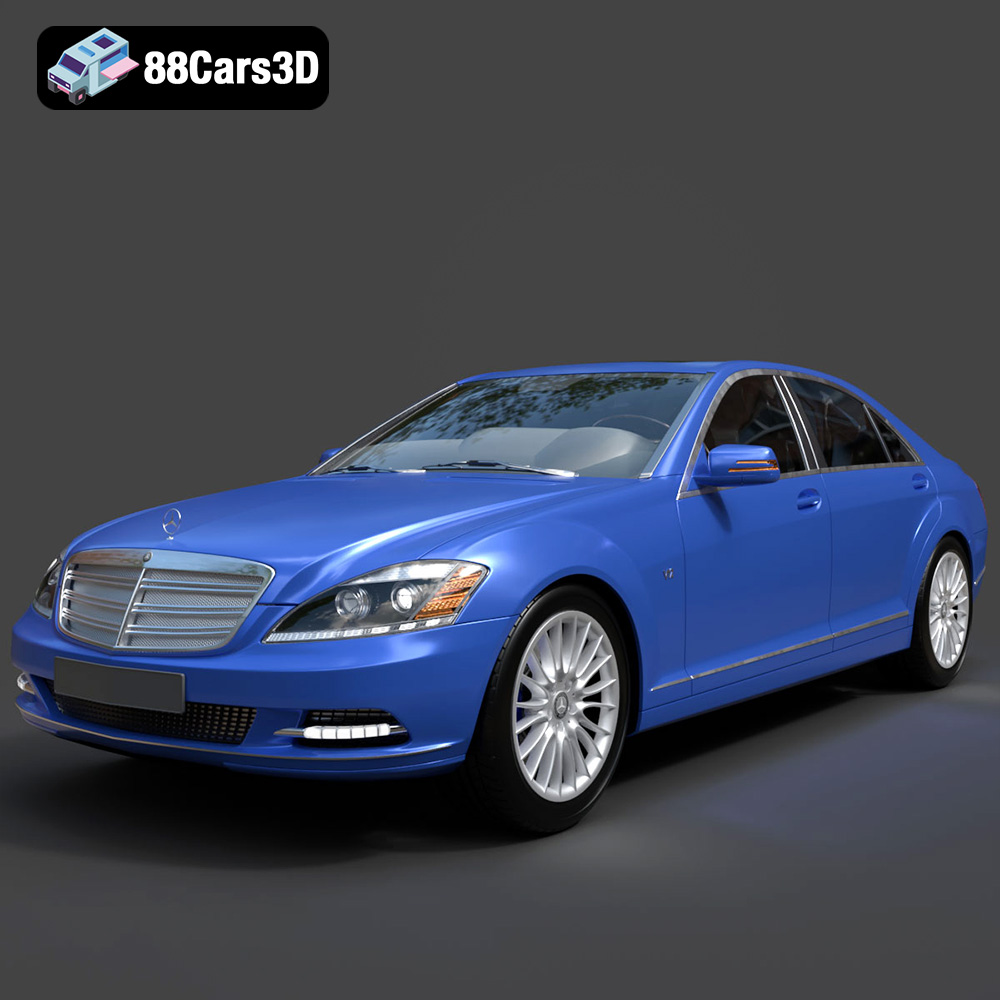
Mercedes S-Class 2010 3D Model
Texture: Yes
Material: Yes
Download the Mercedes S-Class 2010 3D Model featuring clean geometry, realistic detailing, and a fully modeled interior. Includes .blend, .fbx, .obj, .glb, .stl, .ply, .unreal, and .max formats for rendering, simulation, and game development.
Price: $23.99
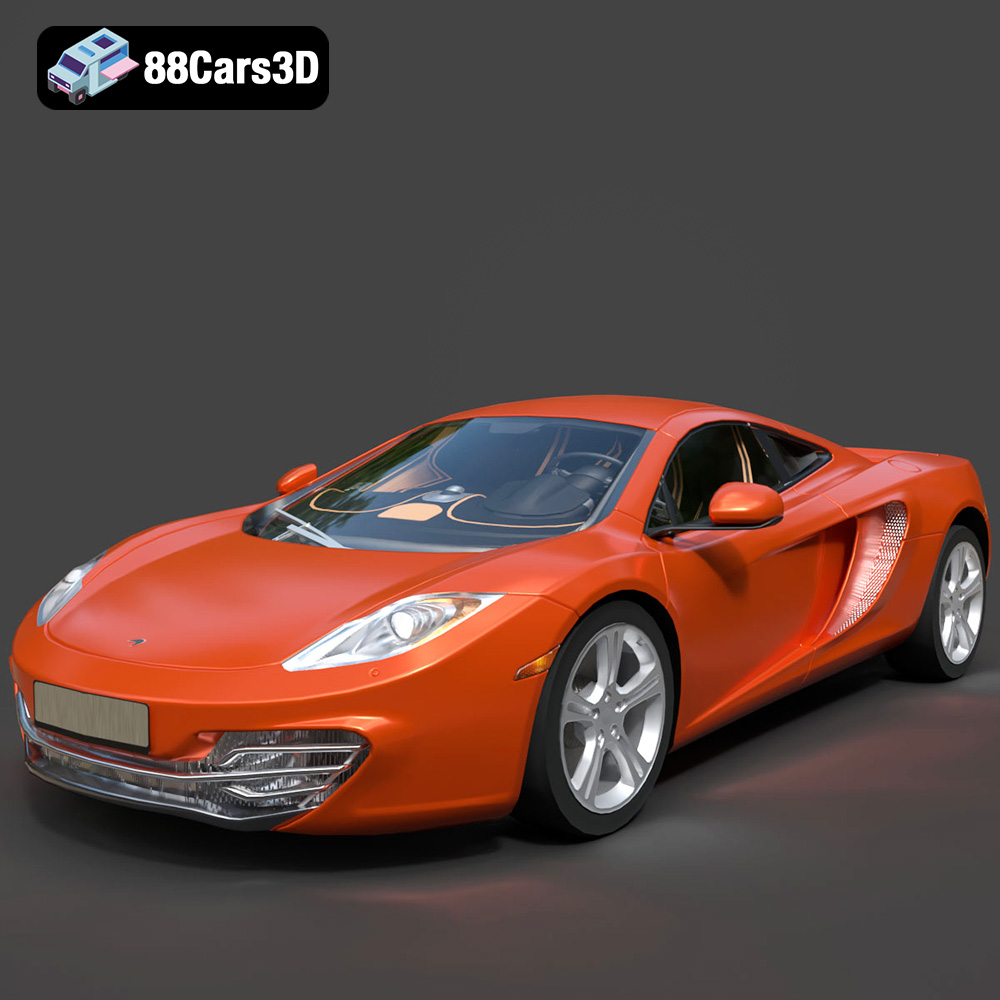
McLaren MP4-12C-001 3D Model
Texture: Yes
Material: Yes
Download the McLaren MP4-12C-001 3D Model featuring clean geometry, realistic detailing, and a fully modeled interior. Includes .blend, .fbx, .obj, .glb, .stl, .ply, .unreal, and .max formats for rendering, simulation, and game development.
Price: $23.99

Mercedes-Benz SLK 350 2005 3D Model
Texture: Yes
Material: Yes
Download the Mercedes-Benz SLK 350 2005 3D Model featuring clean geometry, realistic detailing, and a fully modeled interior. Includes .blend, .fbx, .obj, .glb, .stl, .ply, .unreal, and .max formats for rendering, simulation, and game development.
Price: $23.99
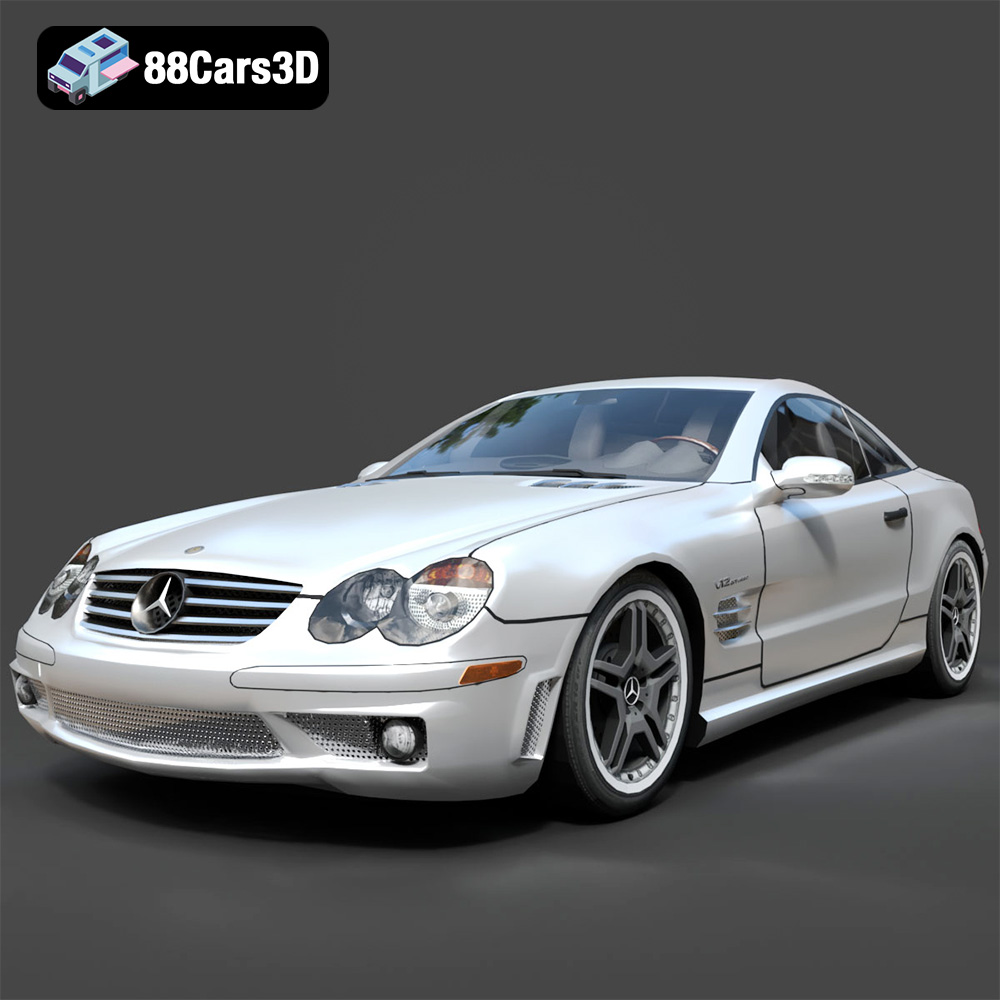
Mercedes-Benz SL 65 AMG 3D Model
Texture: Yes
Material: Yes
Download the Mercedes-Benz SL 65 AMG 3D Model featuring clean geometry, realistic detailing, and a fully modeled interior. Includes .blend, .fbx, .obj, .glb, .stl, .ply, .unreal, and .max formats for rendering, simulation, and game development.
Price: $23.99
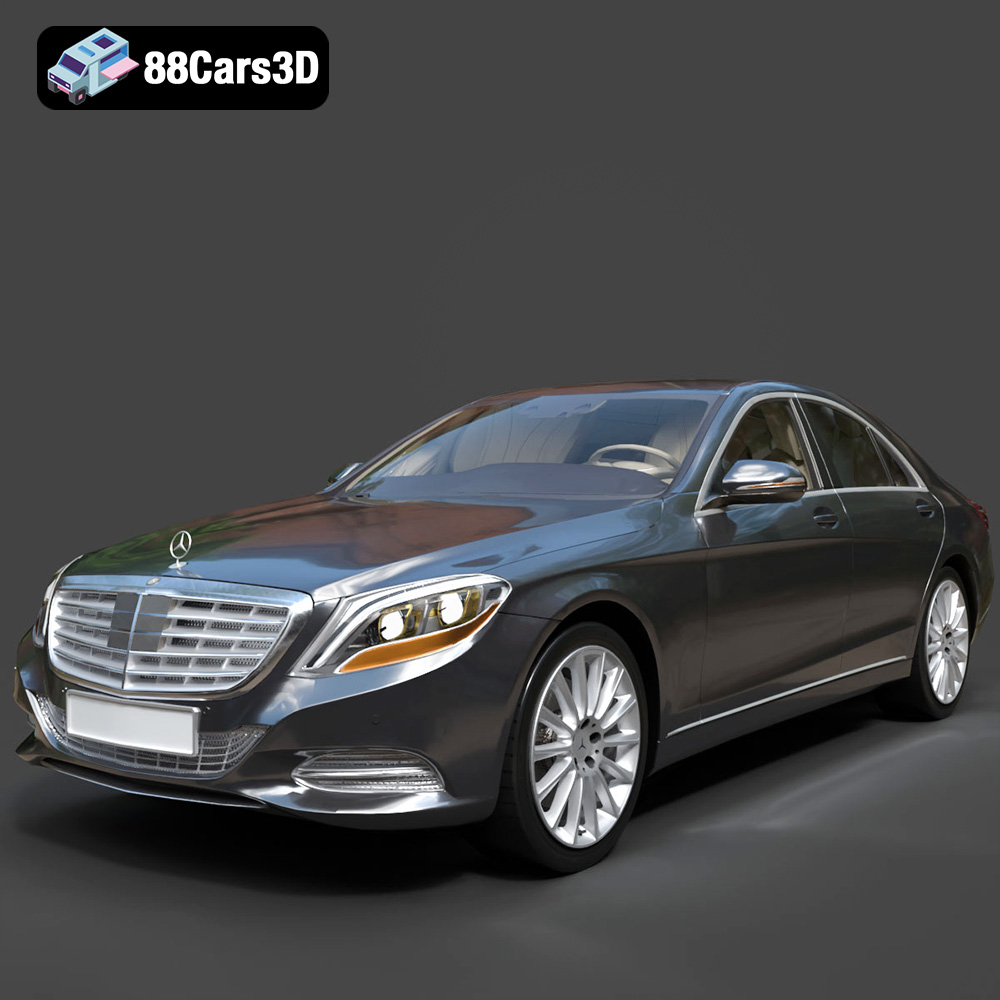
Mercedes-Benz S500 3D Model
Texture: Yes
Material: Yes
Download the Mercedes-Benz S500 3D Model featuring clean geometry, realistic detailing, and a fully modeled interior. Includes .blend, .fbx, .obj, .glb, .stl, .ply, .unreal, and .max formats for rendering, simulation, and game development.
Price: $23.99
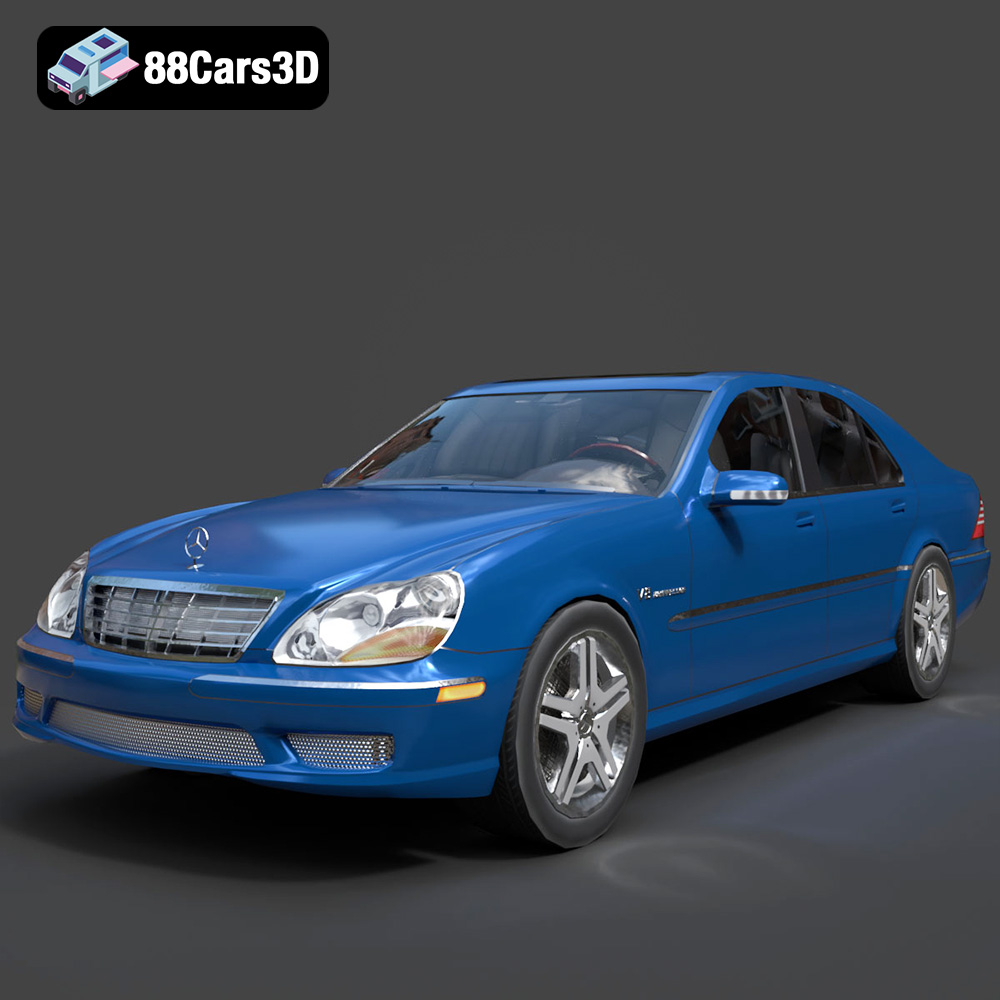
Mercedes-Benz S55 W220 AMG 1999 3D Model
Texture: Yes
Material: Yes
Download the Mercedes-Benz S55 W220 AMG 1999 3D Model featuring clean geometry, realistic detailing, and a fully modeled interior. Includes .blend, .fbx, .obj, .glb, .stl, .ply, .unreal, and .max formats for rendering, simulation, and game development.
Price: $23.99
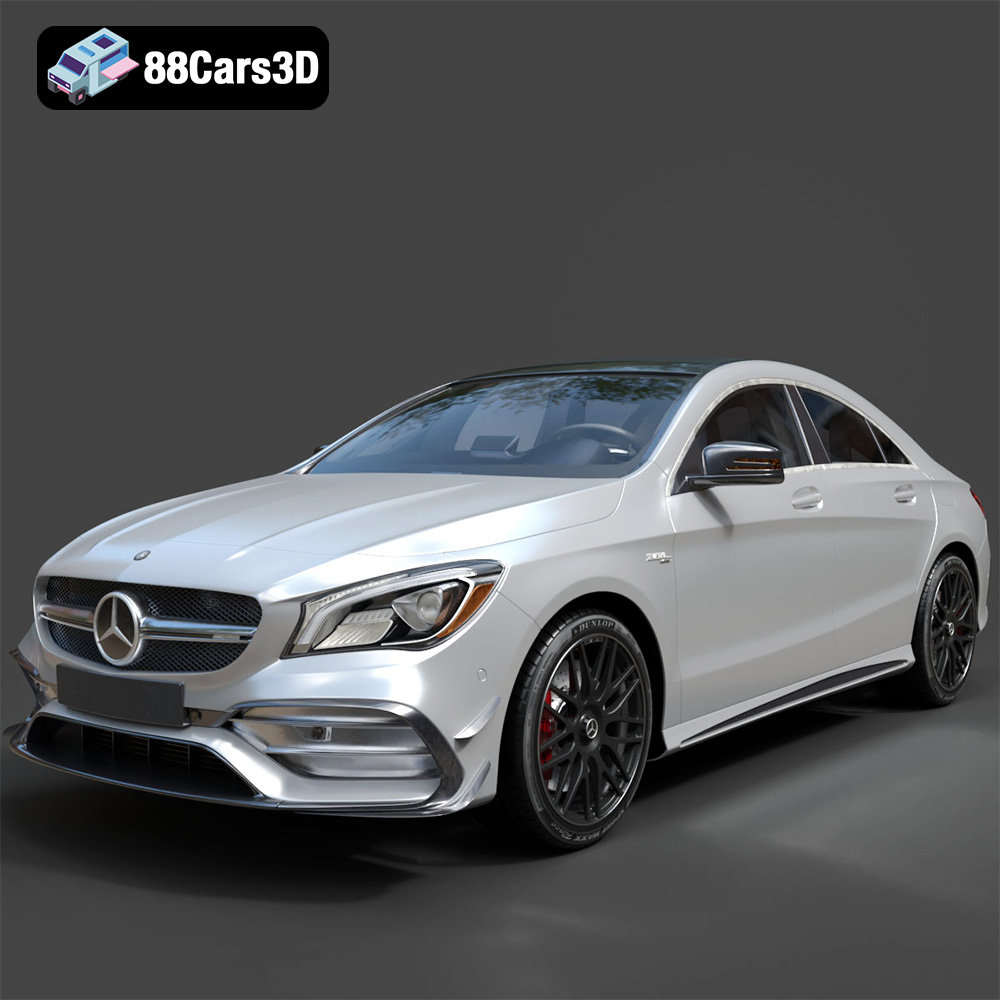
Mercedes-Benz CLA45 AMG 2017 3D Model
Texture: Yes
Material: Yes
Download the Mercedes-Benz CLA45 AMG 2017 3D Model featuring clean geometry, realistic detailing, and a fully modeled interior. Includes .blend, .fbx, .obj, .glb, .stl, .ply, .unreal, and .max formats for rendering, simulation, and game development.
Price: $38.99
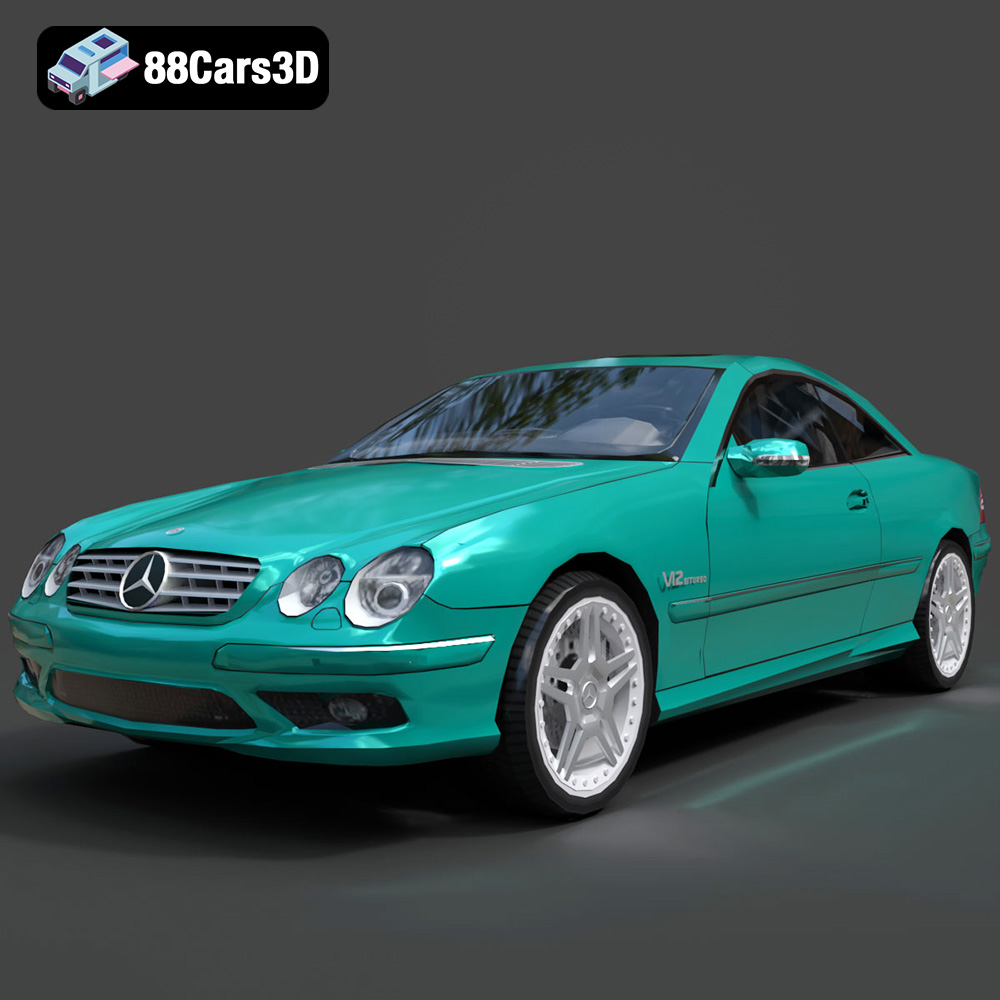
Mercedes-Benz CL65 C215 AMG 3D Model
Texture: Yes
Material: Yes
Download the Mercedes-Benz CL65 C215 AMG 3D Model featuring clean geometry, realistic detailing, and a fully modeled interior. Includes .blend, .fbx, .obj, .glb, .stl, .ply, .unreal, and .max formats for rendering, simulation, and game development.
Price: $23.99
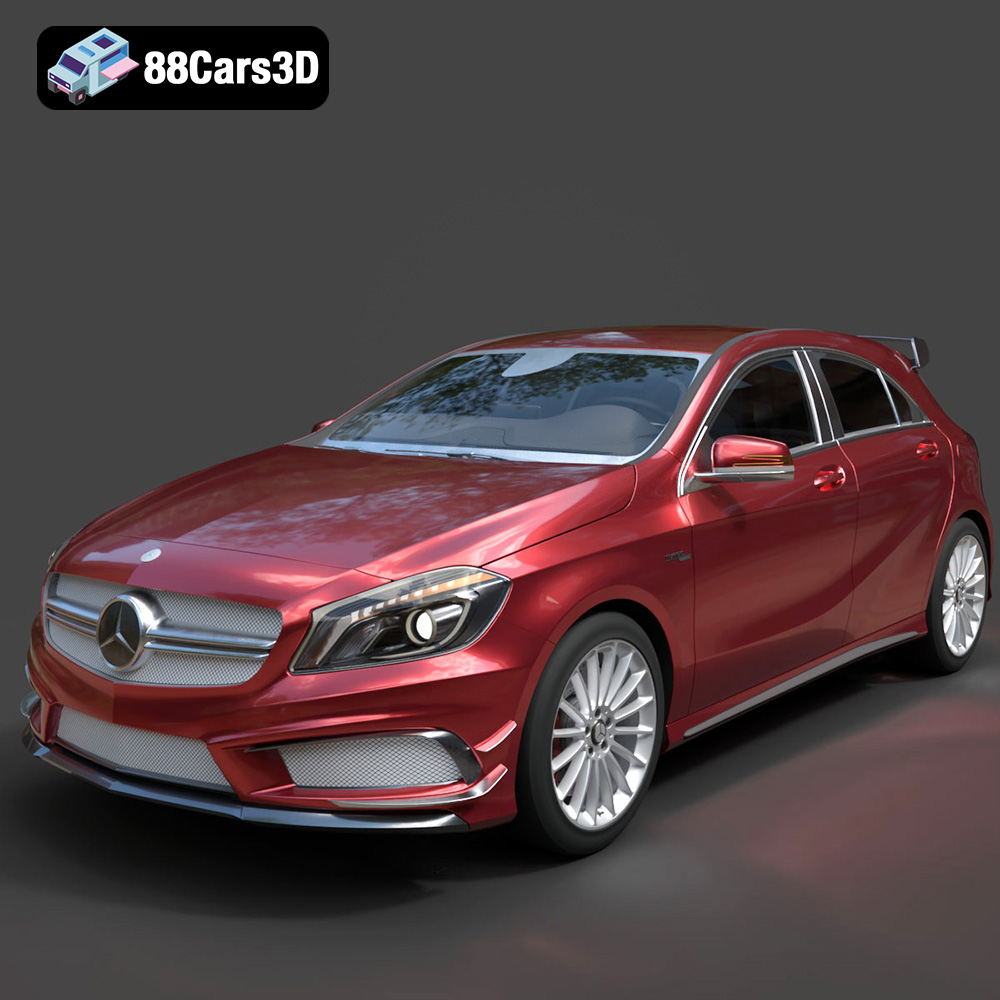
Mercedes-Benz A45 2021 3D Model
Texture: Yes
Material: Yes
Download the Mercedes-Benz A45 2021 3D Model featuring clean geometry, realistic detailing, and a fully modeled interior. Includes .blend, .fbx, .obj, .glb, .stl, .ply, .unreal, and .max formats for rendering, simulation, and game development.
Price: $23.99
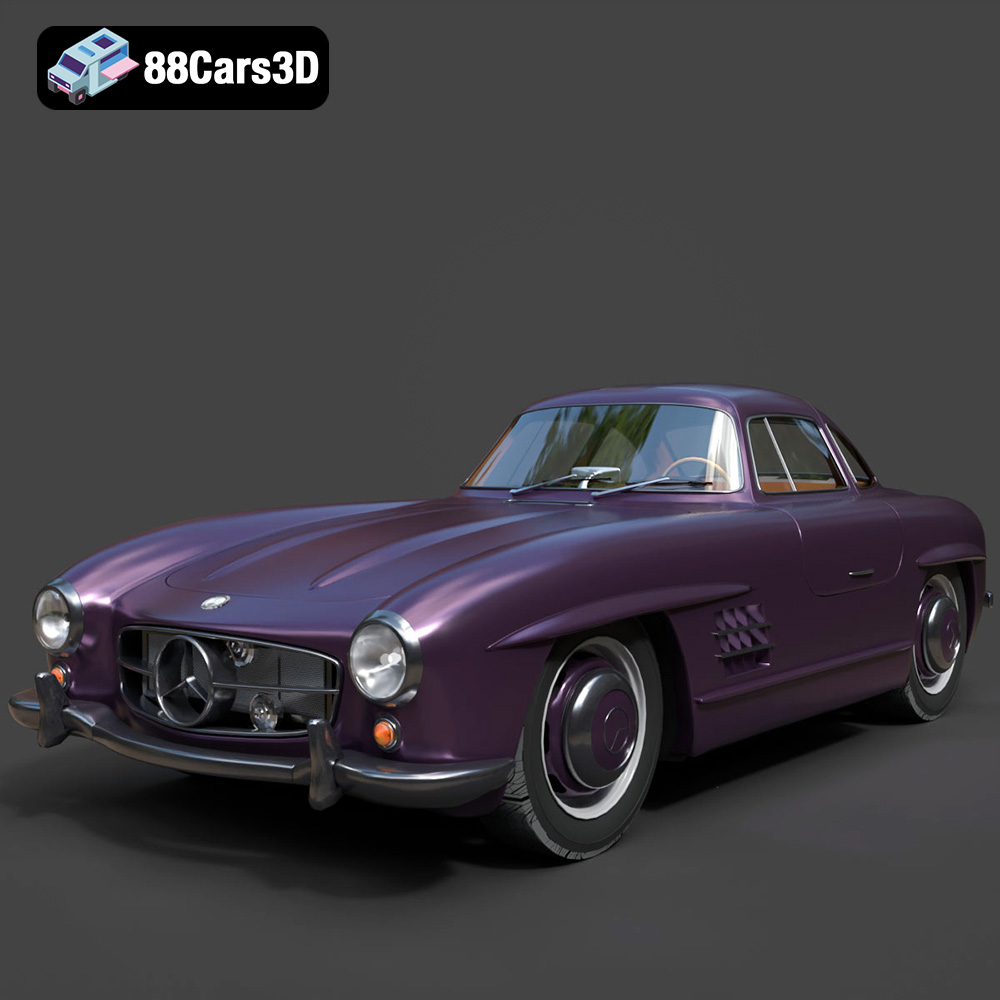
Mercedes-Benz 300SL 1955 3D Model
Texture: Yes
Material: Yes
Download the Mercedes-Benz 300SL 1955 3D Model featuring clean geometry, realistic detailing, and a fully modeled interior. Includes .blend, .fbx, .obj, .glb, .stl, .ply, .unreal, and .max formats for rendering, simulation, and game development.
Price: $23.99
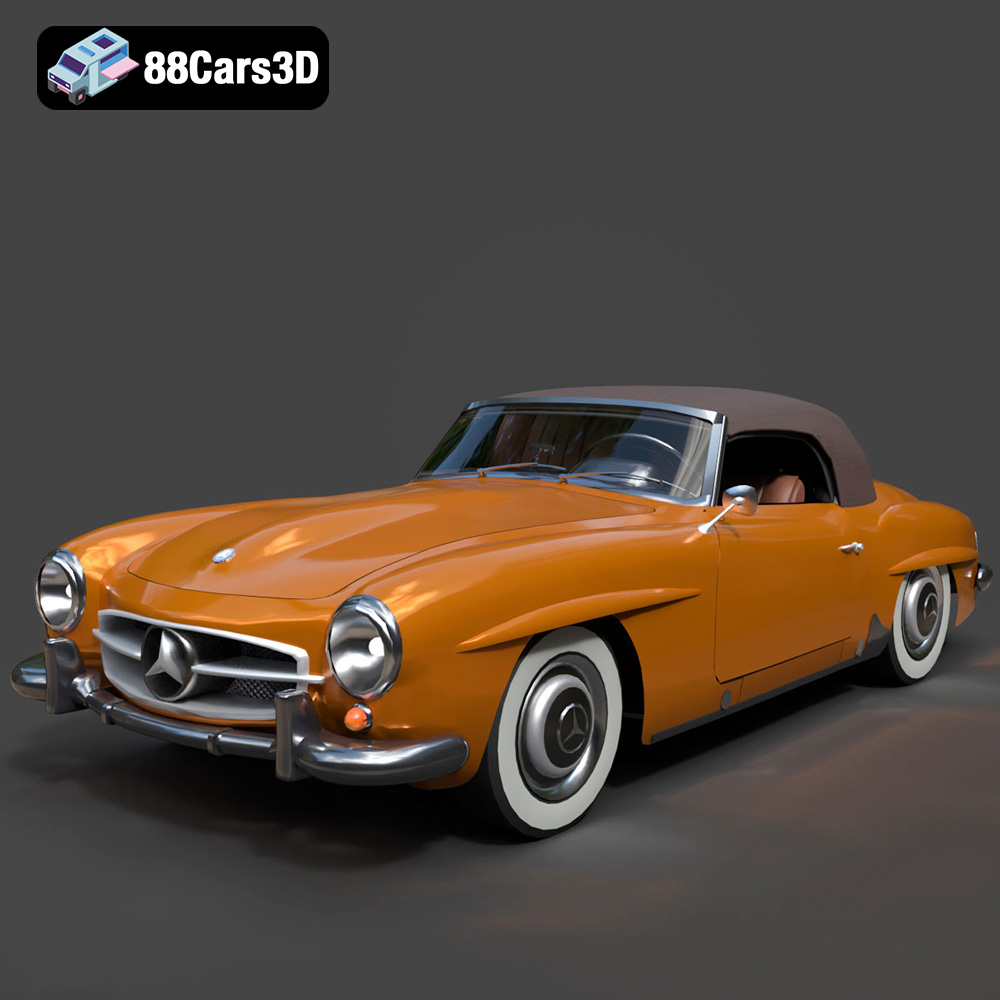
Mercedes-Benz 190SL 1955 3D Model
Texture: Yes
Material: Yes
Download the Mercedes-Benz 190SL 1955 3D Model featuring clean geometry, realistic detailing, and a fully modeled interior. Includes .blend, .fbx, .obj, .glb, .stl, .ply, .unreal, and .max formats for rendering, simulation, and game development.
Price: $23.99
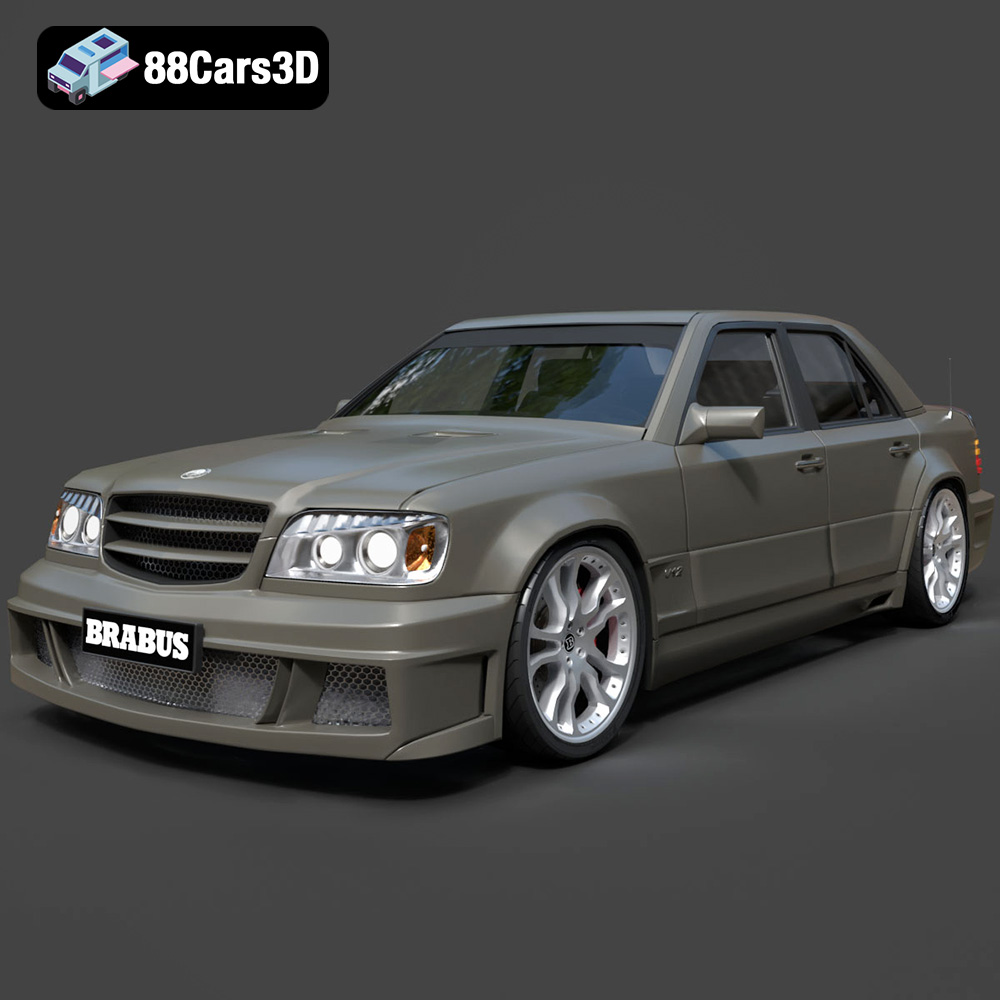
Mercedes-Benz W124 Brabus V12 3D Model
Texture: Yes
Material: Yes
Download the Mercedes-Benz W124 Brabus V12 3D Model featuring clean geometry, realistic detailing, and a fully modeled interior. Includes .blend, .fbx, .obj, .glb, .stl, .ply, .unreal, and .max formats for rendering, simulation, and game development.
Price: $23.99
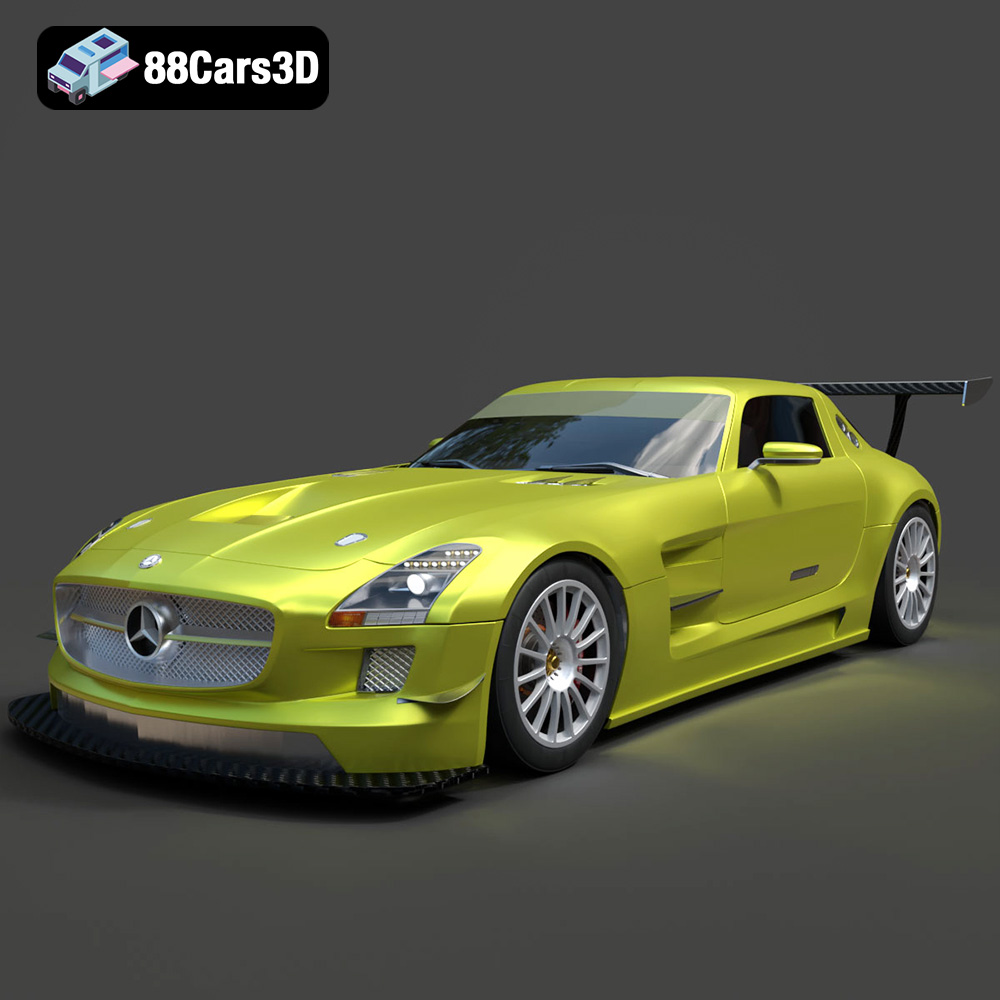
Mercedes-Benz SLS AMG GT3-002 3D Model
Texture: Yes
Material: Yes
Download the Mercedes-Benz SLS AMG GT3-002 3D Model featuring clean geometry, realistic detailing, and a fully modeled interior. Includes .blend, .fbx, .obj, .glb, .stl, .ply, .unreal, and .max formats for rendering, simulation, and game development.
Price: $38.99

Mercedes-Benz C-Class-001 3D Model
Texture: Yes
Material: Yes
Download the Mercedes-Benz C-Class-001 3D Model featuring clean geometry, realistic detailing, and a fully modeled interior. Includes .blend, .fbx, .obj, .glb, .stl, .ply, .unreal, and .max formats for rendering, simulation, and game development.
Price: $38.99
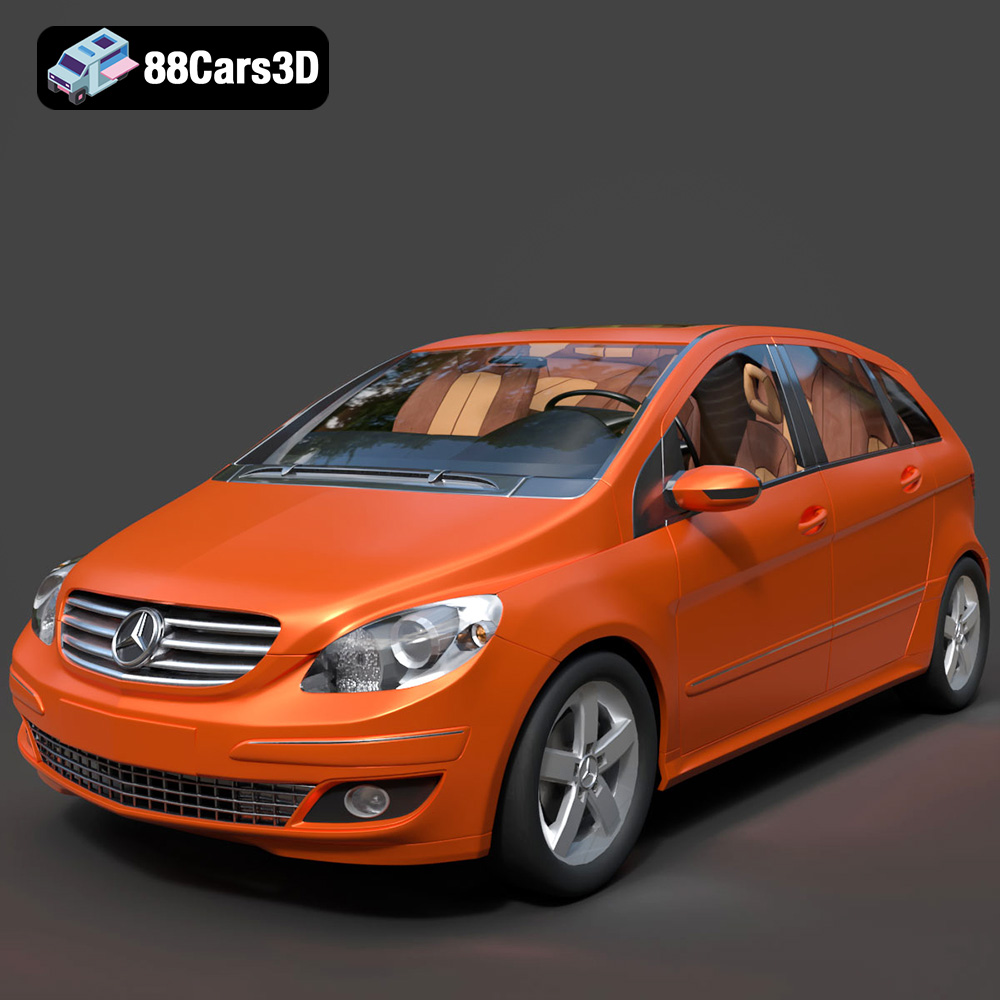
Mercedes-Benz B-Klasse 2023 3D Model
Texture: Yes
Material: Yes
Download the Mercedes-Benz B-Klasse 2023 3D Model featuring clean geometry, realistic detailing, and a fully modeled interior. Includes .blend, .fbx, .obj, .glb, .stl, .ply, .unreal, and .max formats for rendering, simulation, and game development.
Price: $38.99
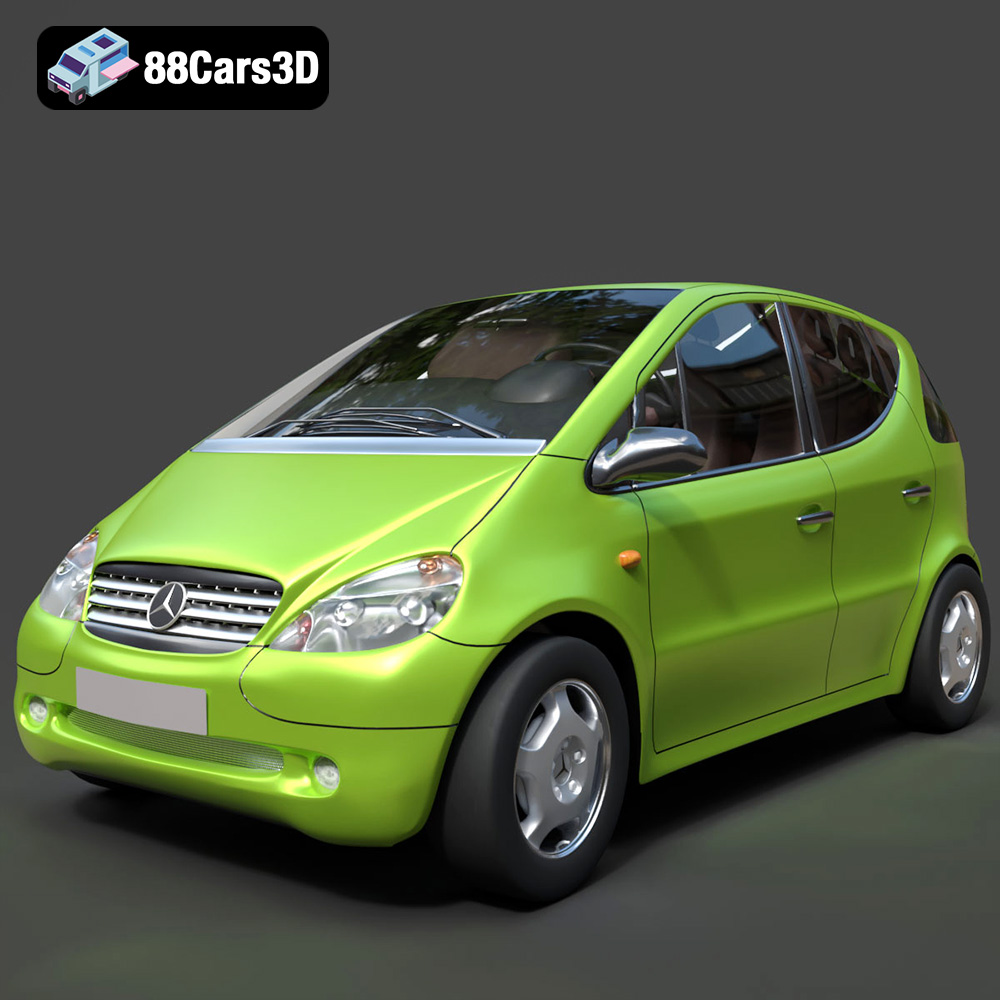
Mercedes-Benz A-Klasse W168 3D Model
Texture: Yes
Material: Yes
Download the Mercedes-Benz A-Klasse W168 3D Model featuring clean geometry, realistic detailing, and a fully modeled interior. Includes .blend, .fbx, .obj, .glb, .stl, .ply, .unreal, and .max formats for rendering, simulation, and game development.
Price: $38.99
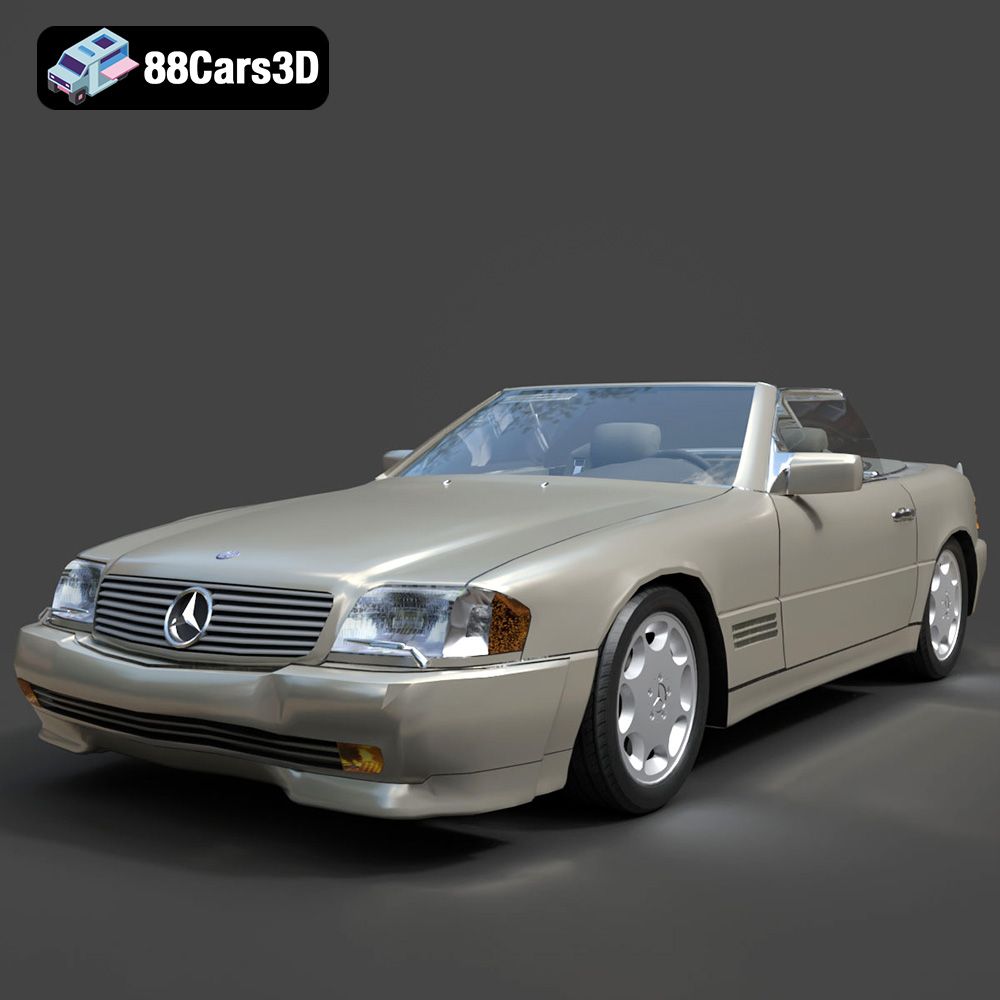
Mercedes-Benz 500SL 2000 3D Model
Texture: Yes
Material: Yes
Download the Mercedes-Benz 500SL 2000 3D Model featuring clean geometry, realistic detailing, and a fully modeled interior. Includes .blend, .fbx, .obj, .glb, .stl, .ply, .unreal, and .max formats for rendering, simulation, and game development.
Price: $38.99
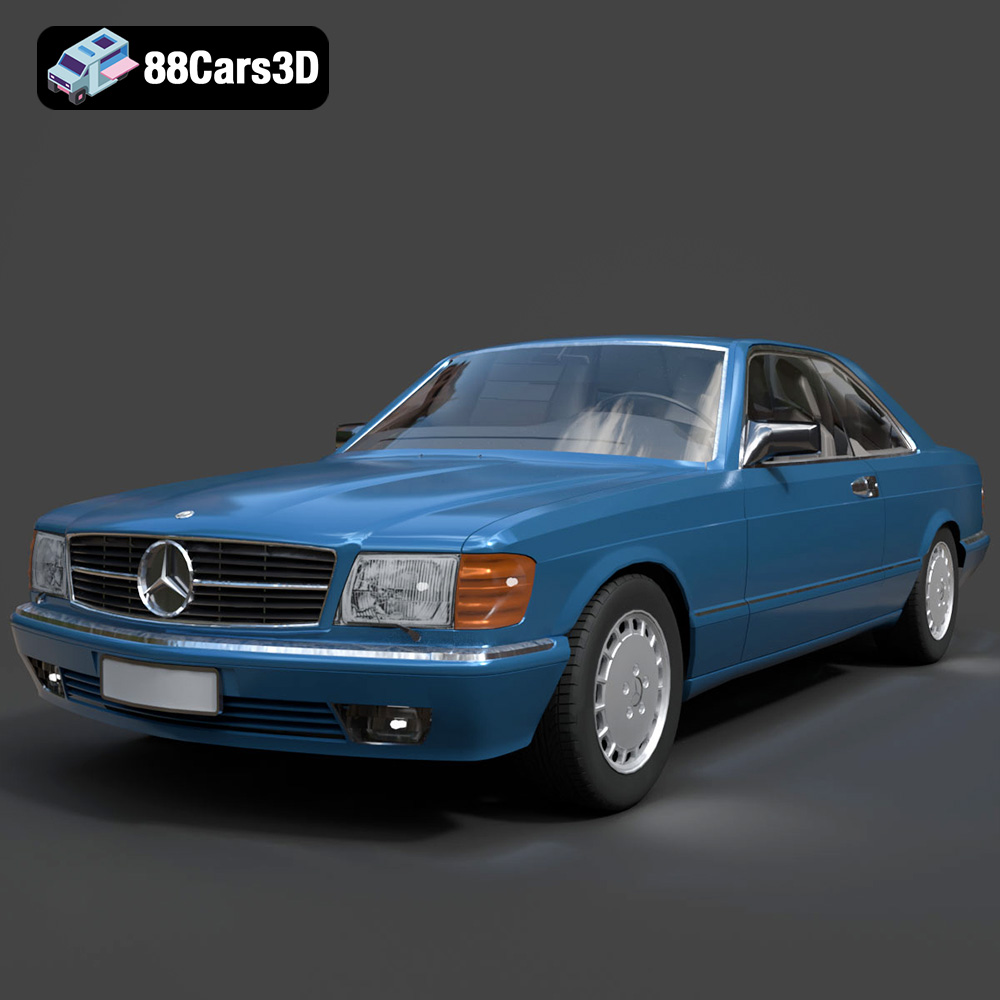
Mercedes-Benz 500SEC 3D Model
Texture: Yes
Material: Yes
Download the Mercedes-Benz 500SEC 3D Model featuring clean geometry, realistic detailing, and a fully modeled interior. Includes .blend, .fbx, .obj, .glb, .stl, .ply, .unreal, and .max formats for rendering, simulation, and game development.
Price: $38.99
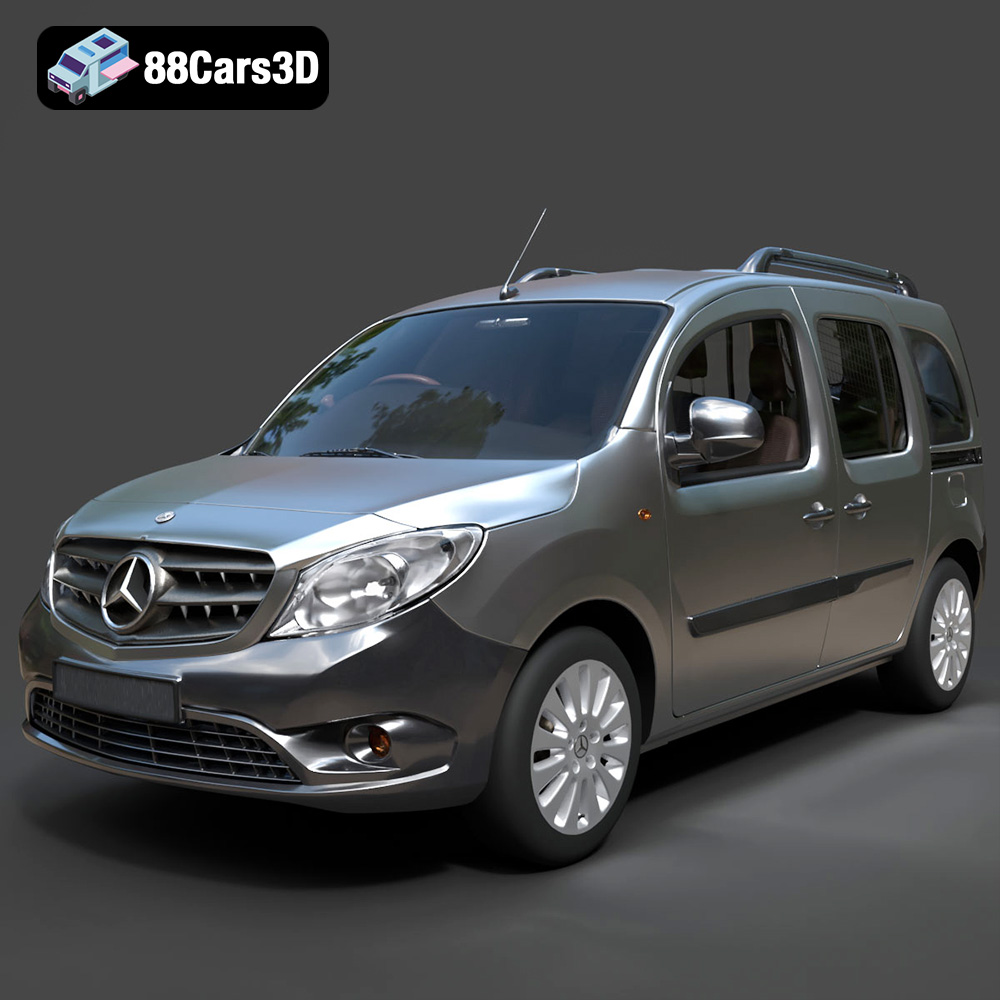
Mercedes-Benz Citan 2025 3D Model
Texture: Yes
Material: Yes
Download the Mercedes-Benz Citan 2025 3D Model featuring clean geometry, realistic detailing, and a fully modeled interior. Includes .blend, .fbx, .obj, .glb, .stl, .ply, .unreal, and .max formats for rendering, simulation, and game development.
Price: $38.99
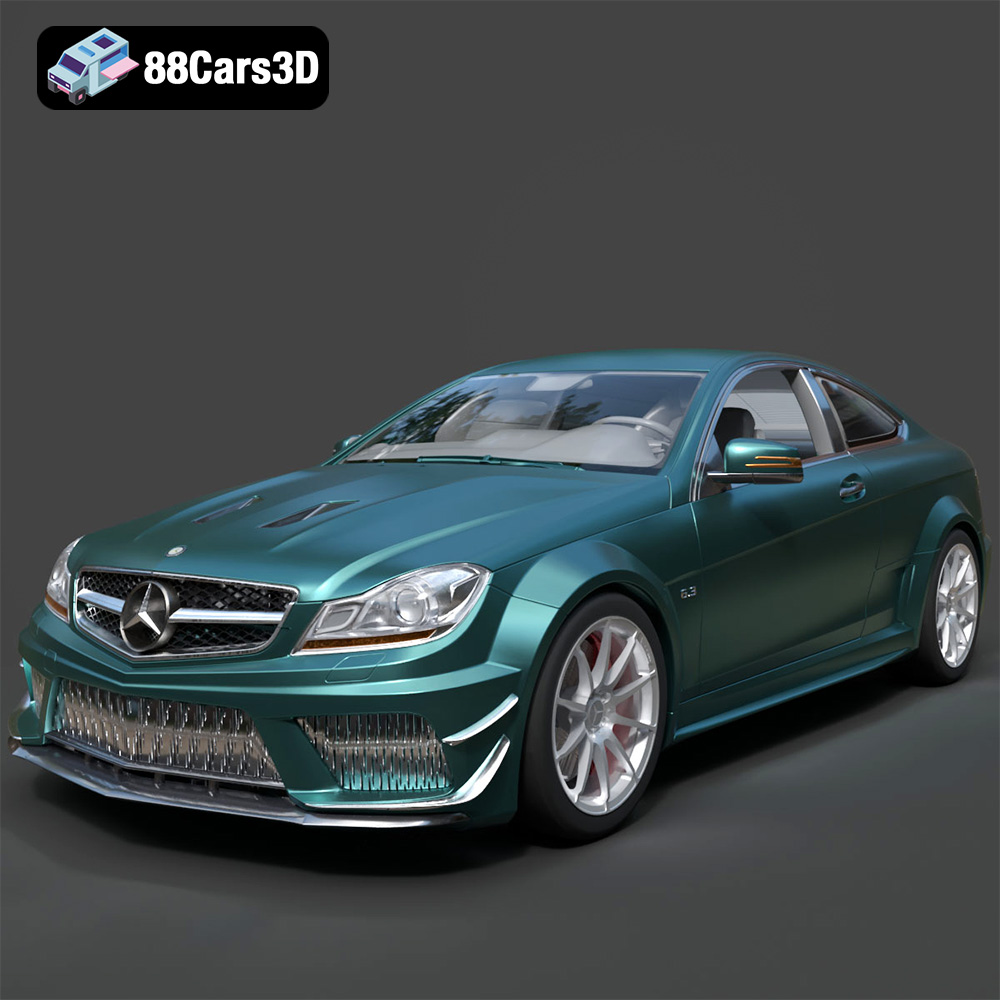
Mercedes-Benz C63 AMG 2012 3D Model
Texture: Yes
Material: Yes
Download the Mercedes-Benz C63 AMG 2012 3D Model featuring clean geometry, realistic detailing, and a fully modeled interior. Includes .blend, .fbx, .obj, .glb, .stl, .ply, .unreal, and .max formats for rendering, simulation, and game development.
Price: $38.99
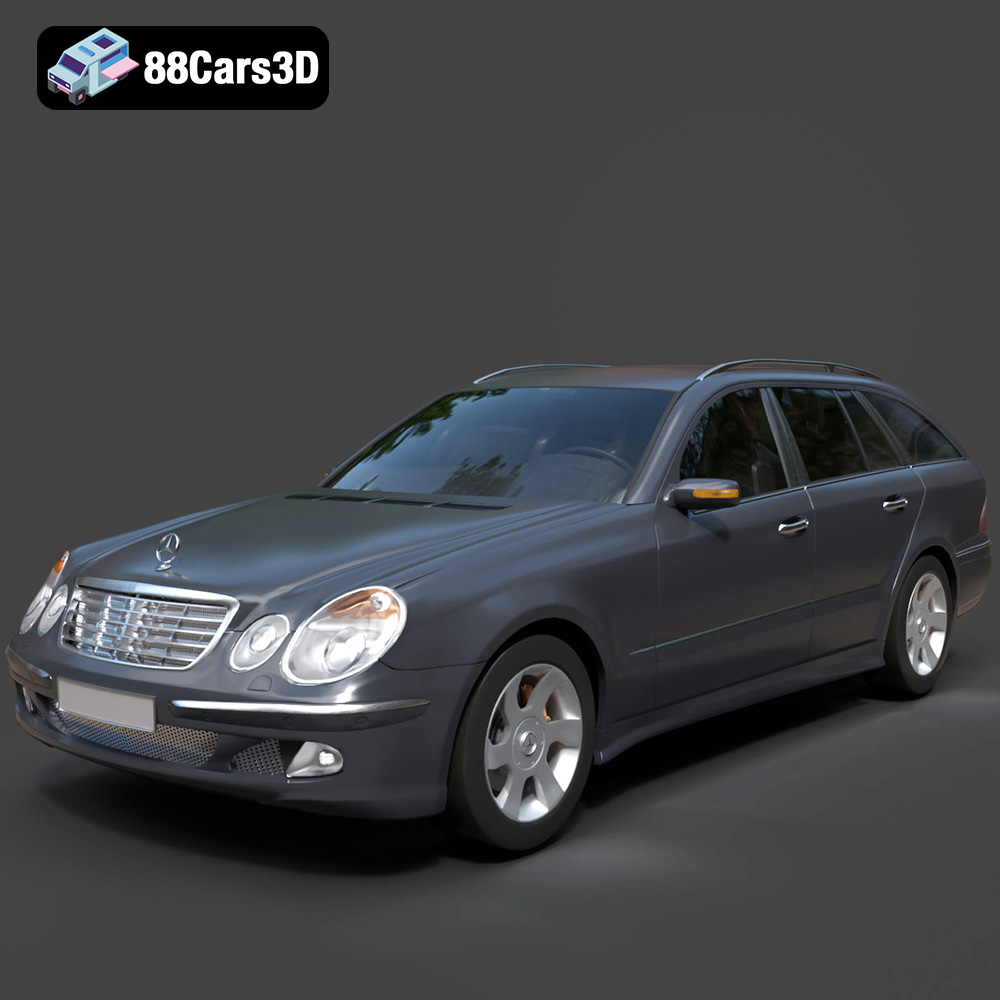
Mercedes-Benz E-Class S211 3D Model
Texture: Yes
Material: Yes
Download the Mercedes-Benz E-Class S211 3D Model featuring clean geometry, realistic detailing, and a fully modeled interior. Includes .blend, .fbx, .obj, .glb, .stl, .ply, .unreal, and .max formats for rendering, simulation, and game development.
Price: $38.99
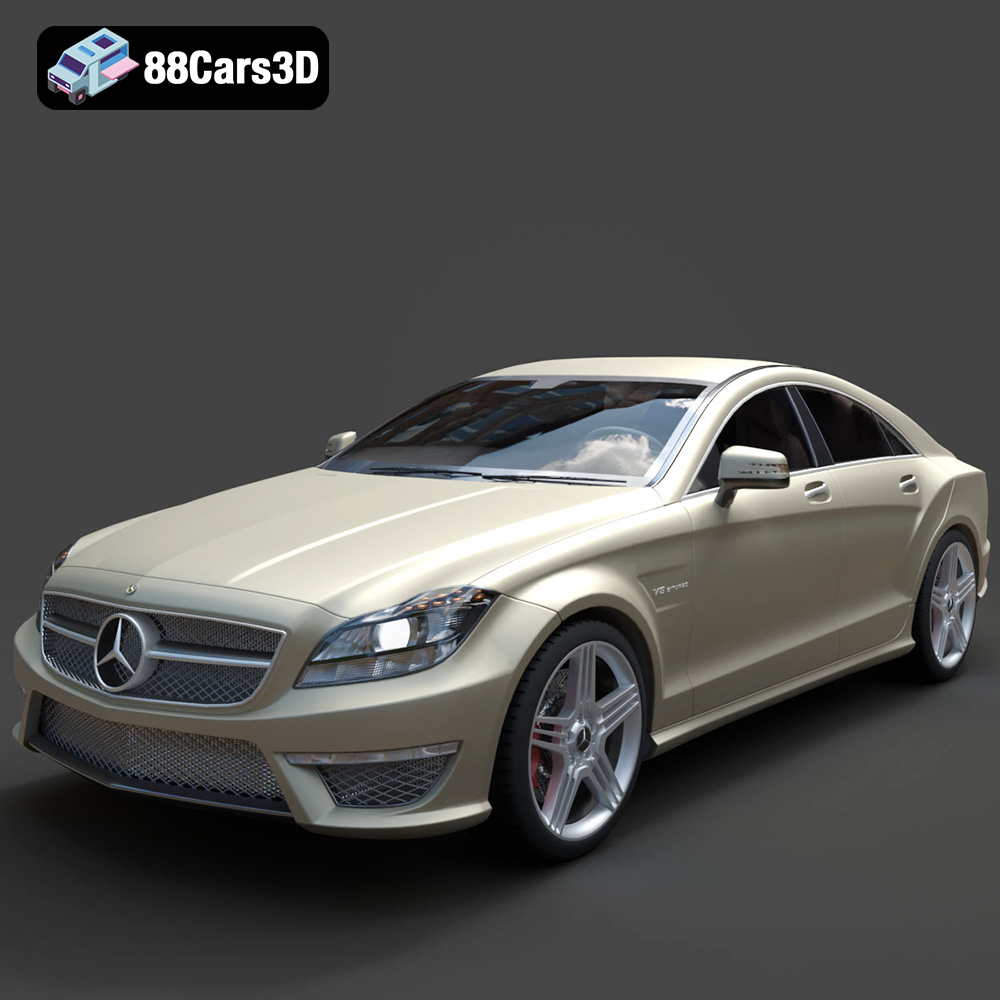
Mercedes-Benz CLS63 AMG (C218) 2014 3D Model
Texture: Yes
Material: Yes
Download the Mercedes-Benz CLS63 AMG (C218) 2014 3D Model featuring clean geometry, realistic detailing, and a fully modeled interior. Includes .blend, .fbx, .obj, .glb, .stl, .ply, .unreal, and .max formats for rendering, simulation, and game development.
Price: $38.99
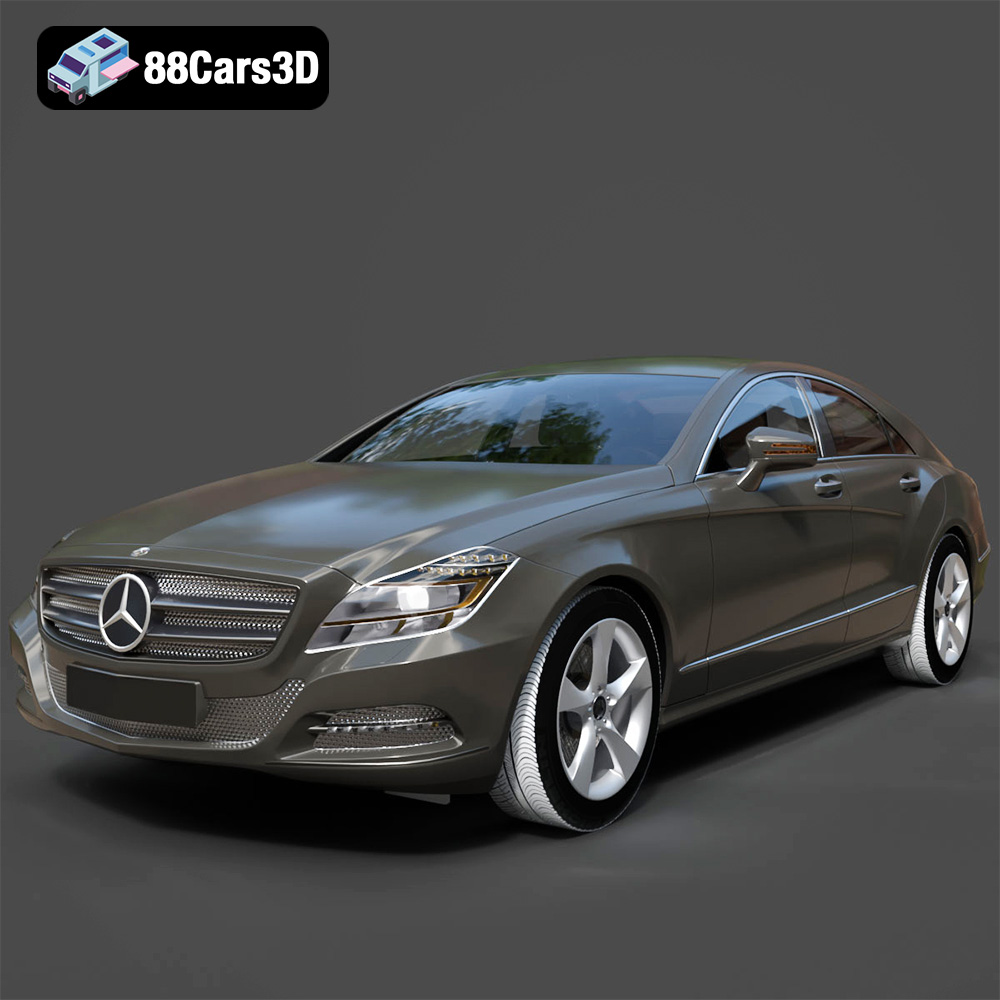
Mercedes-Benz CLS-Klasse 3D Model
Texture: Yes
Material: Yes
Download the Mercedes-Benz CLS-Klasse 3D Model featuring clean geometry, realistic detailing, and a fully modeled interior. Includes .blend, .fbx, .obj, .glb, .stl, .ply, .unreal, and .max formats for rendering, simulation, and game development.
Price: $38.99
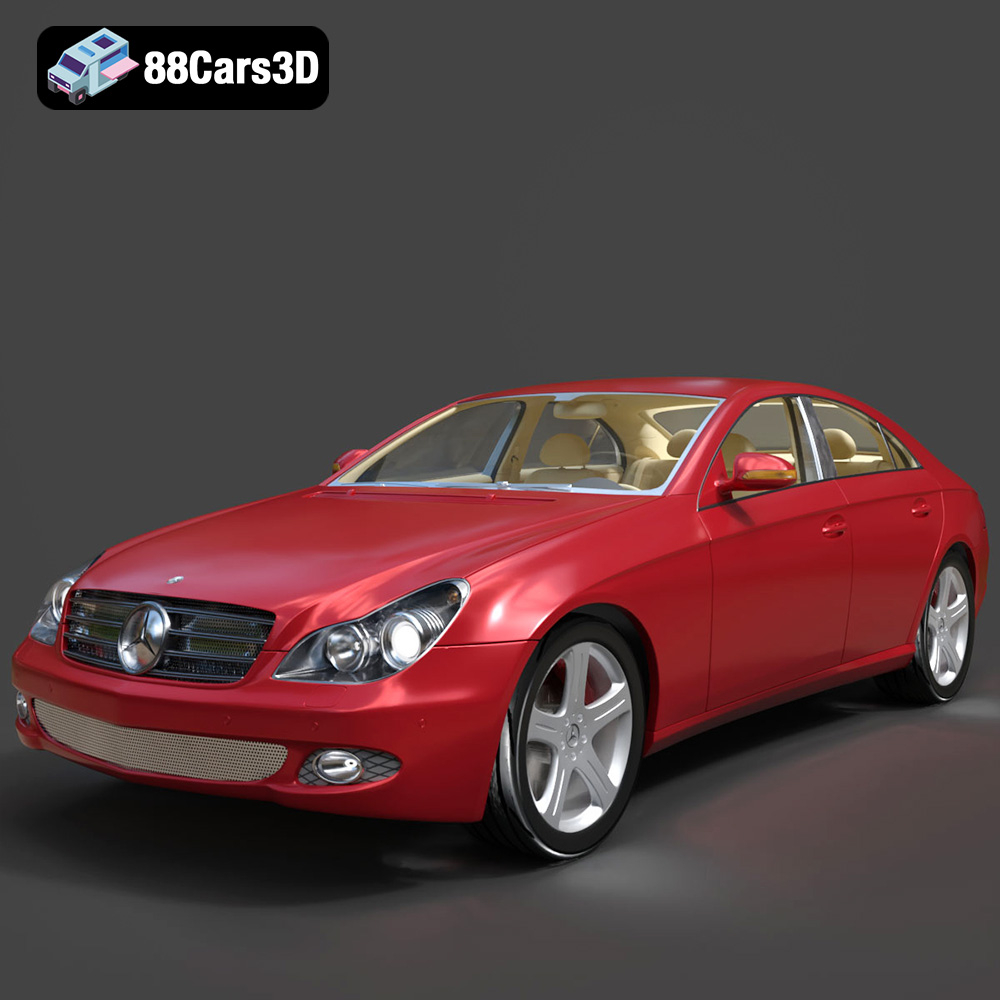
Mercedes-Benz CLS 500 3D Model
Texture: Yes
Material: Yes
Download the Mercedes-Benz CLS 500 3D Model featuring clean geometry, realistic detailing, and a fully modeled interior. Includes .blend, .fbx, .obj, .glb, .stl, .ply, .unreal, and .max formats for rendering, simulation, and game development.
Price: $38.99

Mercedes-Benz CL-Klasse 2001 3D Model
Texture: Yes
Material: Yes
Download the Mercedes-Benz CL-Klasse 2001 3D Model featuring clean geometry, realistic detailing, and a fully modeled interior. Includes .blend, .fbx, .obj, .glb, .stl, .ply, .unreal, and .max formats for rendering, simulation, and game development.
Price: $38.99
