⚡ FLASH SALE: Get 60% OFF All Premium 3D & STL Models! ⚡

In the realm of 3D visualization and game development, few subjects captivate audiences as much as a perfectly rendered car. The allure lies not just in the sleek lines or powerful stance, but profoundly in how light dances across its metallic curves. Achieving truly stunning, photorealistic car reflections in a real-time environment like Unreal Engine 5 is often considered the holy grail for artists and developers.
The challenge is multifaceted: reflections need to be accurate, dynamic, and contribute to the overall immersion without crippling performance. With its latest advancements, Unreal Engine 5 offers an unprecedented toolkit for tackling this, pushing the boundaries of what’s possible in Unreal Engine 5 rendering. This comprehensive guide will delve deep into the technical intricacies, helping you unlock the secrets to creating breathtaking automotive reflections that will leave your audience spellbound.
Before diving into Unreal Engine 5’s specific features, it’s crucial to understand the foundational principles that govern how light interacts with surfaces, especially reflective ones. Photorealism isn’t just about high polygon counts; it’s about accurately simulating real-world physics.
At the heart of modern rendering pipelines is Physically Based Rendering (PBR). PBR materials are designed to react to light in a way that mimics real-world materials, regardless of the lighting conditions. This consistency is vital for achieving believable reflections.
For reflective surfaces like car paint, the key PBR parameters are Metallic and Roughness. A high Metallic value indicates that the surface is a conductor, like metal, reflecting light in a way that retains its color. A low Metallic value signifies a dielectric material, like plastic or glass, where reflections are less color-tinted.
Roughness dictates how sharp or blurry reflections appear. A low Roughness value results in a mirror-like, perfectly sharp reflection, ideal for a polished clear coat. Conversely, a high Roughness value scatters light more, producing a diffused, blurry reflection, suitable for matte finishes or dusty surfaces. Mastering these parameters is fundamental to crafting a realistic PBR car paint shader.
Reflections are, by definition, reflections of light and the environment. Therefore, the quality and accuracy of your lighting setup directly dictate the quality of your reflections. Unreal Engine 5’s robust lighting system provides numerous tools to illuminate your scene effectively.
Direct light sources, such as directional lights (sun), spot lights, and point lights, cast sharp, clearly defined reflections. The intensity, color, and even the size of these light sources significantly impact how they appear in a reflection. For instance, a small, intense light source will produce a sharp specular highlight, while a larger, softer light will create a broader, more diffused reflection.
Indirect lighting, which comes from light bouncing off surfaces, plays an equally critical role. It provides ambient illumination and subtle color bleeding, filling in the shadows and contributing to the overall realism of reflections. Without accurate indirect lighting, reflections can appear flat and artificial, lacking the nuanced interplay of light found in the real world.
Unreal Engine 5 introduces revolutionary rendering features that significantly elevate the quality of reflections. Understanding and correctly implementing these systems is paramount for achieving true photorealism in your automotive renders.
One of the most transformative features for achieving superior reflections is hardware ray tracing. Unlike traditional rasterization, which relies on approximations, ray tracing accurately simulates the path of light rays, leading to physically correct reflections, refractions, and shadows.
To enable hardware ray tracing in UE5, you’ll need a compatible GPU (NVIDIA RTX or AMD RX 6000 series and newer). Navigate to Project Settings > Engine > Rendering and enable “Ray Tracing” under the “Hardware Ray Tracing” section. After restarting the editor, you can then enable specific ray tracing features within your post-process volume or individual lights.
For reflections, ray tracing offers pixel-perfect accuracy, capturing off-screen details and providing coherent reflections across multiple objects. This is especially vital for complex car models, where every curve and panel needs to reflect the environment realistically. While computationally intensive, the visual fidelity it offers for real-time automotive rendering is unparalleled.
You can fine-tune ray tracing reflection quality in the Post Process Volume. Look for the “Ray Tracing Reflections” section. Here, you can adjust parameters like “Samples Per Pixel” for fidelity, “Max Roughness” to control which materials receive ray-traced reflections, and “Max Bounces” to simulate light bouncing multiple times, enhancing realism but increasing cost.
While hardware ray tracing handles direct, precise reflections, Lumen global illumination is UE5’s default, fully dynamic global illumination and reflection system. Lumen is designed to simulate indirect lighting and reflections across very large, detailed environments in real-time. It’s crucial for capturing bounced light and environmental reflections that contribute to a convincing sense of depth and atmosphere.
Lumen operates by tracing rays through the scene, albeit with a different methodology than dedicated ray tracing features. It gathers indirect lighting information and applies it to surfaces, making objects appear naturally grounded in their environment. For reflections, Lumen provides coherent, albeit slightly lower fidelity, indirect reflections that blend seamlessly with direct ray-traced reflections.
The interplay between Lumen and hardware ray tracing is powerful. When both are enabled, Lumen can use hardware ray tracing for more accurate scene queries, further enhancing the quality of indirect reflections and global illumination. This hybrid approach ensures that even complex environments with dynamic lighting changes receive realistic and performant global illumination and reflections, critical for any automotive visualization pipeline.
While Lumen and hardware ray tracing are the stars, Unreal Engine 5 still supports older reflection methods that can serve as valuable complements or fallbacks. Screen Space Reflections (SSR) capture reflections of whatever is currently visible on screen. They are highly performant but have significant limitations, such as not reflecting off-screen objects or objects occluded by others.
SSR can be used as a layer beneath Lumen or ray tracing reflections, particularly for subtle, diffuse reflections on less metallic surfaces. However, for the glossy, sharp reflections needed for car paint, SSR alone is often insufficient. It can introduce artifacts like flickering or fading reflections at screen edges.
Planar Reflections are perfect for highly reflective, flat surfaces like a showroom floor or a pool of water. They achieve perfect, mirror-like reflections by rendering the scene twice from a different camera angle. While incredibly accurate, they are very expensive to render and should be used sparingly, primarily for specific, controlled scenarios where a car might be presented on a reflective platform.
The car paint itself is the canvas upon which all these reflection systems paint their magic. A truly photorealistic car reflection hinges on a meticulously crafted PBR car paint shader. This is where artistic skill meets technical understanding.
Real-world car paint is a complex multi-layered material. In Unreal Engine, we simulate this with a combination of material nodes. The core components are typically a base metallic flake layer and a glossy clear coat.
The base layer provides the underlying color and metallic shimmer. This can be achieved by using a high metallic value (around 0.9-1.0) and a relatively low roughness value to represent the embedded metallic flakes. For added realism, you can introduce a subtle normal map that simulates the directionality of these flakes, creating a faint anisotropic effect that catches the light differently as the camera moves.
The clear coat is the glossy, transparent top layer that gives car paint its depth and protective sheen. This is typically implemented as a separate layer on top of the base. In Unreal Engine, you can achieve this by blending two material layers or using advanced clear coat shading models. The clear coat layer will have a low roughness value (e.g., 0.05-0.15) for its specular component and a dielectric Fresnel effect, meaning its reflection strength increases at glancing angles. This is crucial for capturing that realistic depth and shine.
To implement this in the Material Editor, you’ll often use a “Clear Coat” shading model, or manually blend two layers using a “Lerp” node if you need more custom control. The Clear Coat input on the material node allows you to control the intensity of this reflective layer, while Clear Coat Roughness controls its blurriness. Don’t forget to use a sophisticated normal map for the clear coat to add subtle imperfections and Orange Peel effect, enhancing realism.
Beyond the primary paint, other material details add significant realism. For components like taillights or headlights, subtle Subsurface Scattering (SSS) can simulate the way light penetrates and scatters within translucent plastics, giving them a softer, more realistic glow when illuminated.
Decals are essential for applying badges, pinstripes, or license plates without modifying the base mesh. Unreal Engine’s decal system allows you to project textures onto surfaces, seamlessly integrating fine details onto your car model. Ensure your decals are PBR compliant, with accurate metallic and roughness maps, so they interact correctly with your lighting and reflections.
To streamline your workflow and allow for rapid iteration, always create Material Instances from your master car paint shader. A Material Instance allows you to expose specific parameters (like base color, metallic flake intensity, clear coat roughness, normal map strength) as adjustable values without recompiling the entire shader. This lets you quickly experiment with different paint finishes, colors, and levels of polish, saving valuable development time.
Even the most perfectly crafted car model and shader will look flat without an equally compelling environment to reflect. The environment provides context, bounces light, and is the source for the majority of reflections seen on the car’s surface.
Environment HDRI maps are perhaps the single most impactful element for achieving realistic reflections. An HDRI (High Dynamic Range Image) captures a full 360-degree panoramic image of a real-world environment, including its lighting information (intensity and color) across an extreme dynamic range.
When used as a Sky Light source in Unreal Engine 5, an HDRI provides realistic global illumination and fills your scene with environmental reflections. The car will accurately reflect the sky, ground, and surrounding objects captured in the HDRI. For a showroom setting, a studio HDRI will provide soft, diffused lighting. For an outdoor scene, a sky and landscape HDRI will immerse the car in its natural habitat.
To implement an HDRI, import it as a texture, then assign it to a Sky Light actor in your scene. Ensure the Sky Light’s “Source Type” is set to “SLS Captured Scene” or “SLS Specified Cubemap” (with your HDRI assigned as the Cubemap). For the most accurate results, use high-resolution HDRIs, ideally 8K or higher, to provide crisp, detailed reflections.
Beyond the HDRI, strategic placement of additional light sources and reflection aids is crucial. For studio renders, employ a classic three-point lighting setup or more complex studio arrays using Area Lights (emissive meshes acting as light sources). These lights will create specific, controllable highlights and reflections on the car’s surface.
While Lumen and ray tracing handle dynamic reflections, Reflection Capture actors can still be useful as a fallback or for specific static elements in your scene. Place these spheres strategically around your vehicle to capture the surrounding environment and apply it to objects that might not fully utilize real-time reflections, or to bake reflections for performance. However, for a fully ray-traced setup, their importance is diminished.
Consider using virtual bounce cards or reflectors, which are simple white or silver planes, to direct light onto specific areas of the car. These can soften shadows or add subtle fill lighting, enhancing the overall presentation and interaction of light with the car’s reflective surfaces.
The quality of your car model itself plays a direct role in reflection quality. High-quality, clean geometry with proper UV mapping is essential. Models from a reputable source like 88cars3d.com ensure that you’re starting with assets optimized for performance and visual fidelity. Incorrectly modeled surfaces or poor UVs can lead to distorted reflections or noticeable seams.
Ensure that your tangent space is correctly calculated, especially for normal maps. Any anomalies in tangent space can cause subtle shifts or warps in reflections, breaking the illusion of realism. Modern DCC tools and Unreal Engine usually handle this automatically, but it’s worth verifying if you encounter reflection issues.
Achieving stunning visuals in real-time automotive rendering often comes with a performance cost. Optimizing your scene is about finding the sweet spot between visual fidelity and a smooth frame rate, especially crucial for interactive experiences or virtual production.
Hardware ray tracing is demanding. The key to optimizing it lies in intelligently adjusting its parameters. In your Post Process Volume, reduce “Samples Per Pixel” for reflections to improve performance, using the Denoise option to mitigate noise. Unreal Engine’s built-in denoisers are highly effective at cleaning up noisy ray-traced reflections with minimal visual loss.
Consider setting “Max Bounces” to 1 or 2 for reflections unless absolutely necessary. While more bounces create more realistic light transport, the visual difference for reflections beyond 2-3 bounces is often imperceptible for the performance cost. Also, restrict ray-traced reflections to only the most important reflective surfaces by adjusting the “Max Roughness” threshold.
Lumen global illumination also has tunable quality settings. In Project Settings > Engine > Rendering, adjust “Lumen Global Illumination” and “Lumen Reflections” quality to find a balance. Lowering “Final Gather Quality” or reducing the number of “Bounces” can significantly impact performance. Experiment with “Software Ray Tracing” mode for Lumen if hardware ray tracing is causing too much strain, or if your target hardware doesn’t support it.
Keep your scenes lean. Reduce the number of dynamic lights if possible, as each dynamic light source contributes to Lumen’s computational cost. Static lights and baked lighting (if parts of your scene are static) can be highly performant, though they sacrifice dynamism.
High-quality car models naturally come with higher polygon counts. While ray tracing is less dependent on polygon density than traditional rasterization, excessive geometry can still impact overall scene performance. Utilize Level of Detail (LODs) for your car model and environmental assets. LODs automatically switch to lower-polygon versions of objects when they are further from the camera, significantly reducing the rendering workload for distant elements.
Optimized textures are equally important. Use appropriate texture resolutions (e.g., 4K for the car body, 2K for interior details, 1K for distant props) and ensure textures are compressed efficiently (e.g., using BC7 for high quality, BC5 for normal maps). This helps manage GPU memory, which is crucial for a smooth automotive visualization pipeline.
Finally, post-processing can add that last layer of polish without necessarily incurring significant performance costs. Subtle Screen Space Global Illumination (SSGI) can enhance ambient occlusion and indirect lighting without the full cost of Lumen, serving as a nice complement. Effects like subtle bloom can soften highlights, and vignette can draw focus to the car.
Color grading in the Post Process Volume is essential for setting the mood and ensuring your reflections blend harmoniously with the scene’s overall aesthetic. Use Lookup Tables (LUTs) or direct color adjustments to achieve your desired cinematic look. However, always exercise restraint; overdoing post-processing can detract from the realism you’ve worked so hard to achieve.
Achieving stunning photorealistic car reflections in Unreal Engine 5 is a journey that combines a deep understanding of PBR principles, mastery of UE5’s advanced rendering features, meticulous material authoring, and intelligent environment design. From leveraging the precision of hardware ray tracing and the dynamic realism of Lumen global illumination to crafting the perfect PBR car paint shader and utilizing impactful environment HDRI maps, every element plays a critical role.
The synergy of these technologies allows artists and developers to create visuals that were once confined to offline renderers, now in real-time. The automotive visualization pipeline in Unreal Engine 5 is more powerful and accessible than ever before, empowering you to create truly immersive experiences.
Now it’s your turn to experiment, iterate, and push the boundaries of realism. For high-quality, production-ready car models that provide an excellent foundation for your projects, explore the extensive library available at 88cars3d.com. Start building your next masterpiece today and let your stunning car reflections speak for themselves!

Texture: Yes
Material: Yes
Download the Subaru Impreza Sport Wagon 3D Model featuring clean geometry, realistic detailing, and a fully modeled interior. Includes .blend, .fbx, .obj, .glb, .stl, .ply, .unreal, and .max formats for rendering, simulation, and game development.
Price: $10

Texture: Yes
Material: Yes
Download the Skoda Octavia A7 2017 3D Model featuring clean geometry, realistic detailing, and a fully modeled interior. Includes .blend, .fbx, .obj, .glb, .stl, .ply, .unreal, and .max formats for rendering, simulation, and game development.
Price: $10

Texture: Yes
Material: Yes
Download the Suzuki SX4-002 3D Model featuring clean geometry, realistic detailing, and a fully modeled interior. Includes .blend, .fbx, .obj, .glb, .stl, .ply, .unreal, and .max formats for rendering, simulation, and game development.
Price: $10

Texture: Yes
Material: Yes
Download the Tesla Model S 2024 3D Model featuring clean geometry, realistic detailing, and a fully modeled interior. Includes .blend, .fbx, .obj, .glb, .stl, .ply, .unreal, and .max formats for rendering, simulation, and game development.
Price: $10

Texture: Yes
Material: Yes
Download the Subaru Impreza WRX STi-002 3D Model featuring clean geometry, realistic detailing, and a fully modeled interior. Includes .blend, .fbx, .obj, .glb, .stl, .ply, .unreal, and .max formats for rendering, simulation, and game development.
Price: $10

Texture: Yes
Material: Yes
Download the Subaru Impreza WRX STi Sedan 3D Model featuring clean geometry, realistic detailing, and a fully modeled interior. Includes .blend, .fbx, .obj, .glb, .stl, .ply, .unreal, and .max formats for rendering, simulation, and game development.
Price: $10

Texture: Yes
Material: Yes
Download the Subaru Legacy 2009 3D Model featuring clean geometry, realistic detailing, and a fully modeled interior. Includes .blend, .fbx, .obj, .glb, .stl, .ply, .unreal, and .max formats for rendering, simulation, and game development.
Price: $10

Texture: Yes
Material: Yes
Download the Suzuki Swift 2024 3D Model featuring clean geometry, realistic detailing, and a fully modeled interior. Includes .blend, .fbx, .obj, .glb, .stl, .ply, .unreal, and .max formats for rendering, simulation, and game development.
Price: $10

Texture: Yes
Material: Yes
Download the Suzuki Liana Sedan 2004 3D Model featuring clean geometry, realistic detailing, and a fully modeled interior. Includes .blend, .fbx, .obj, .glb, .stl, .ply, .unreal, and .max formats for rendering, simulation, and game development.
Price: $10

Texture: Yes
Material: Yes
Download the Subaru Outback 2024 3D Model featuring clean geometry, realistic detailing, and a fully modeled interior. Includes .blend, .fbx, .obj, .glb, .stl, .ply, .unreal, and .max formats for rendering, simulation, and game development.
Price: $10

Texture: Yes
Material: Yes
Download the Subaru Legacy 2003 3D Model featuring clean geometry, realistic detailing, and a fully modeled interior. Includes .blend, .fbx, .obj, .glb, .stl, .ply, .unreal, and .max formats for rendering, simulation, and game development.
Price: $10

Texture: Yes
Material: Yes
Download the Subaru Legacy Touring Wagon 3D Model featuring clean geometry, realistic detailing, and a fully modeled interior. Includes .blend, .fbx, .obj, .glb, .stl, .ply, .unreal, and .max formats for rendering, simulation, and game development.
Price: $10

Texture: Yes
Material: Yes
Download the Toyota Mark II (X100) 3D Model featuring clean geometry, realistic detailing, and a fully modeled interior. Includes .blend, .fbx, .obj, .glb, .stl, .ply, .unreal, and .max formats for rendering, simulation, and game development.
Price: $10

Texture: Yes
Material: Yes
Download the Toyota Corona 1985 3D Model featuring clean geometry, realistic detailing, and a fully modeled interior. Includes .blend, .fbx, .obj, .glb, .stl, .ply, .unreal, and .max formats for rendering, simulation, and game development.
Price: $10

Texture: Yes
Material: Yes
Download the Toyota Mark II X81 1990 3D Model featuring clean geometry, realistic detailing, and a fully modeled interior. Includes .blend, .fbx, .obj, .glb, .stl, .ply, .unreal, and .max formats for rendering, simulation, and game development.
Price: $10

Texture: Yes
Material: Yes
Download the Toyota iQ EV 2012 3D Model featuring clean geometry, realistic detailing, and a fully modeled interior. Includes .blend, .fbx, .obj, .glb, .stl, .ply, .unreal, and .max formats for rendering, simulation, and game development.
Price: $10

Texture: Yes
Material: Yes
Download the Toyota Aygo 2013 3D Model featuring clean geometry, realistic detailing, and a fully modeled interior. Includes .blend, .fbx, .obj, .glb, .stl, .ply, .unreal, and .max formats for rendering, simulation, and game development.
Price: $10

Texture: Yes
Material: Yes
Download the Toyota Crown S180 2005 3D Model featuring clean geometry, realistic detailing, and a fully modeled interior. Includes .blend, .fbx, .obj, .glb, .stl, .ply, .unreal, and .max formats for rendering, simulation, and game development.
Price: $10

Texture: Yes
Material: Yes
Download the Toyota Celica 2004 3D Model featuring clean geometry, realistic detailing, and a fully modeled interior. Includes .blend, .fbx, .obj, .glb, .stl, .ply, .unreal, and .max formats for rendering, simulation, and game development.
Price: $10

Texture: Yes
Material: Yes
Download the Toyota Corolla AE100 1992 3D Model featuring clean geometry, realistic detailing, and a fully modeled interior. Includes .blend, .fbx, .obj, .glb, .stl, .ply, .unreal, and .max formats for rendering, simulation, and game development.
Price: $10

Texture: Yes
Material: Yes
Download the Toyota Mark II X110 2000 3D Model featuring clean geometry, realistic detailing, and a fully modeled interior. Includes .blend, .fbx, .obj, .glb, .stl, .ply, .unreal, and .max formats for rendering, simulation, and game development.
Price: $10

Texture: Yes
Material: Yes
Download the Toyota Corolla 2020 3D Model featuring clean geometry, realistic detailing, and a fully modeled interior. Includes .blend, .fbx, .obj, .glb, .stl, .ply, .unreal, and .max formats for rendering, simulation, and game development.
Price: $10

Texture: Yes
Material: Yes
Download the Toyota Yaris 2020 3D Model featuring clean geometry, realistic detailing, and a fully modeled interior. Includes .blend, .fbx, .obj, .glb, .stl, .ply, .unreal, and .max formats for rendering, simulation, and game development.
Price: $9.9

Texture: Yes
Material: Yes
Download the Volkswagen Beetle 2012 3D Model featuring clean geometry, realistic detailing, and a fully modeled interior. Includes .blend, .fbx, .obj, .glb, .stl, .ply, .unreal, and .max formats for rendering, simulation, and game development.
Price: $9.9

Texture: Yes
Material: Yes
Download the Toyota Matrix 2005 3D Model featuring clean geometry, realistic detailing, and a fully modeled interior. Includes .blend, .fbx, .obj, .glb, .stl, .ply, .unreal, and .max formats for rendering, simulation, and game development.
Price: $9.9

Texture: Yes
Material: Yes
Download the Toyota Yaris Sedan 3D Model featuring clean geometry, realistic detailing, and a fully modeled interior. Includes .blend, .fbx, .obj, .glb, .stl, .ply, .unreal, and .max formats for rendering, simulation, and game development.
Price: $9.9

Texture: Yes
Material: Yes
Download the Volkswagen Golf R-004 2024 3D Model featuring clean geometry, realistic detailing, and a fully modeled interior. Includes .blend, .fbx, .obj, .glb, .stl, .ply, .unreal, and .max formats for rendering, simulation, and game development.
Price: $9.9

Texture: Yes
Material: Yes
Download the Volkswagen Golf 5 Door 2010 3D Model featuring clean geometry, realistic detailing, and a fully modeled interior. Includes .blend, .fbx, .obj, .glb, .stl, .ply, .unreal, and .max formats for rendering, simulation, and game development.
Price: $9.9

Texture: Yes
Material: Yes
Download the Toyota Premio 2010 3D Model featuring clean geometry, realistic detailing, and a fully modeled interior. Includes .blend, .fbx, .obj, .glb, .stl, .ply, .unreal, and .max formats for rendering, simulation, and game development.
Price: $9.9

Texture: Yes
Material: Yes
Download the Toyota Opa 2000 3D Model featuring clean geometry, realistic detailing, and a fully modeled interior. Includes .blend, .fbx, .obj, .glb, .stl, .ply, .unreal, and .max formats for rendering, simulation, and game development.
Price: $9.9

Texture: Yes
Material: Yes
Download the Volkswagen Polo 5 Door 2010 3D Model featuring clean geometry, realistic detailing, and a fully modeled interior. Includes .blend, .fbx, .obj, .glb, .stl, .ply, .unreal, and .max formats for rendering, simulation, and game development.
Price: $9.9

Texture: Yes
Material: Yes
Download the Toyota Prius 2024 3D Model featuring clean geometry, realistic detailing, and a fully modeled interior. Includes .blend, .fbx, .obj, .glb, .stl, .ply, .unreal, and .max formats for rendering, simulation, and game development.
Price: $9.9

Texture: Yes
Material: Yes
Download the Toyota Yaris 1999 3D Model featuring clean geometry, realistic detailing, and a fully modeled interior. Includes .blend, .fbx, .obj, .glb, .stl, .ply, .unreal, and .max formats for rendering, simulation, and game development.
Price: $9.9

Texture: Yes
Material: Yes
Download the Toyota Supra 2020 3D Model featuring clean geometry, realistic detailing, and a fully modeled interior. Includes .blend, .fbx, .obj, .glb, .stl, .ply, .unreal, and .max formats for rendering, simulation, and game development.
Price: $9.9

Texture: Yes
Material: Yes
Download the Volkswagen New Beetle 2000 3D Model featuring clean geometry, realistic detailing, and a fully modeled interior. Includes .blend, .fbx, .obj, .glb, .stl, .ply, .unreal, and .max formats for rendering, simulation, and game development.
Price: $14.99

Texture: Yes
Material: Yes
Download the Volkswagen Jetta 2005 3D Model featuring clean geometry, realistic detailing, and a fully modeled interior. Includes .blend, .fbx, .obj, .glb, .stl, .ply, .unreal, and .max formats for rendering, simulation, and game development.
Price: $18.99

Texture: Yes
Material: Yes
Download the Volkswagen Golf 3-Door 3D Model featuring clean geometry, realistic detailing, and a fully modeled interior. Includes .blend, .fbx, .obj, .glb, .stl, .ply, .unreal, and .max formats for rendering, simulation, and game development.
Price: $14.99

Texture: Yes
Material: Yes
Download the Volvo V70 2005 3D Model featuring clean geometry, realistic detailing, and a fully modeled interior. Includes .blend, .fbx, .obj, .glb, .stl, .ply, .unreal, and .max formats for rendering, simulation, and game development.
Price: $14.99

Texture: Yes
Material: Yes
Download the Volkswagen Bora 2004 3D Model featuring clean geometry, realistic detailing, and a fully modeled interior. Includes .blend, .fbx, .obj, .glb, .stl, .ply, .unreal, and .max formats for rendering, simulation, and game development.
Price: $14.99

Texture: Yes
Material: Yes
Download the Volkswagen Lupo 3D Model featuring clean geometry, realistic detailing, and a fully modeled interior. Includes .blend, .fbx, .obj, .glb, .stl, .ply, .unreal, and .max formats for rendering, simulation, and game development.
Price: $19.99

Texture: Yes
Material: Yes
Download the Volkswagen Passat B5 2000 3D Model featuring clean geometry, realistic detailing, and a fully modeled interior. Includes .blend, .fbx, .obj, .glb, .stl, .ply, .unreal, and .max formats for rendering, simulation, and game development.
Price: $19.99

Texture: Yes
Material: Yes
Download the Volkswagen Passat CC 3D Model featuring clean geometry, realistic detailing, and a fully modeled interior. Includes .blend, .fbx, .obj, .glb, .stl, .ply, .unreal, and .max formats for rendering, simulation, and game development.
Price: $19.99

Texture: Yes
Material: Yes
Download the Volkswagen Golf V 2006 3D Model featuring clean geometry, realistic detailing, and a fully modeled interior. Includes .blend, .fbx, .obj, .glb, .stl, .ply, .unreal, and .max formats for rendering, simulation, and game development.
Price: $19.99

Texture: Yes
Material: Yes
Download the Volvo S60 R-Design 3D Model featuring clean geometry, realistic detailing, and a fully modeled interior. Includes .blend, .fbx, .obj, .glb, .stl, .ply, .unreal, and .max formats for rendering, simulation, and game development.
Price: $19.99

Texture: Yes
Material: Yes
Download the Volkswagen Passat 2025 3D Model featuring clean geometry, realistic detailing, and a fully modeled interior. Includes .blend, .fbx, .obj, .glb, .stl, .ply, .unreal, and .max formats for rendering, simulation, and game development.
Price: $25.99

Texture: Yes
Material: Yes
Download the Volkswagen Passat Variant B6 2005 3D Model featuring clean geometry, realistic detailing, and a fully modeled interior. Includes .blend, .fbx, .obj, .glb, .stl, .ply, .unreal, and .max formats for rendering, simulation, and game development.
Price: $25.99

Texture: Yes
Material: Yes
Download the Volkswagen Phaeton W12 2004 3D Model featuring clean geometry, realistic detailing, and a fully modeled interior. Includes .blend, .fbx, .obj, .glb, .stl, .ply, .unreal, and .max formats for rendering, simulation, and game development.
Price: $25.99

Texture: Yes
Material: Yes
Download the Volkswagen Scirocco 2015 3D Model featuring clean geometry, realistic detailing, and a fully modeled interior. Includes .blend, .fbx, .obj, .glb, .stl, .ply, .unreal, and .max formats for rendering, simulation, and game development.
Price: $25.99

Texture: Yes
Material: Yes
Download the Volvo S60 2024 3D Model featuring clean geometry, realistic detailing, and a fully modeled interior. Includes .blend, .fbx, .obj, .glb, .stl, .ply, .unreal, and .max formats for rendering, simulation, and game development.
Price: $25.99

Texture: Yes
Material: Yes
Download the Volkswagen Polo 3D Model featuring clean geometry, realistic detailing, and a fully modeled interior. Includes .blend, .fbx, .obj, .glb, .stl, .ply, .unreal, and .max formats for rendering, simulation, and game development.
Price: $25.99

Texture: Yes
Material: Yes
Download the Volkswagen Golf 5-Doors 3D Model featuring clean geometry, realistic detailing, and a fully modeled interior. Includes .blend, .fbx, .obj, .glb, .stl, .ply, .unreal, and .max formats for rendering, simulation, and game development.
Price: $25.99

Texture: Yes
Material: Yes
Download the Volvo C70 T5 2000 3D Model featuring clean geometry, realistic detailing, and a fully modeled interior. Includes .blend, .fbx, .obj, .glb, .stl, .ply, .unreal, and .max formats for rendering, simulation, and game development.
Price: $23.99

Texture: Yes
Material: Yes
Download the Volvo S40 Sedan 2004 3D Model featuring clean geometry, realistic detailing, and a fully modeled interior. Includes .blend, .fbx, .obj, .glb, .stl, .ply, .unreal, and .max formats for rendering, simulation, and game development.
Price: $23.99

Texture: Yes
Material: Yes
Download the Volvo C30 BEV 2012 3D Model featuring clean geometry, realistic detailing, and a fully modeled interior. Includes .blend, .fbx, .obj, .glb, .stl, .ply, .unreal, and .max formats for rendering, simulation, and game development.
Price: $23.99

Texture: Yes
Material: Yes
Download the Volvo C70 1998 3D Model featuring clean geometry, realistic detailing, and a fully modeled interior. Includes .blend, .fbx, .obj, .glb, .stl, .ply, .unreal, and .max formats for rendering, simulation, and game development.
Price: $23.99

Texture: Yes
Material: Yes
Download the Mazda B-Series 3D Model featuring clean geometry, realistic detailing, and a fully modeled interior. Includes .blend, .fbx, .obj, .glb, .stl, .ply, .unreal, and .max formats for rendering, simulation, and game development.
Price: $23.99

Texture: Yes
Material: Yes
Download the Mercsedes Benz Z3-006 3D Model featuring clean geometry, realistic detailing, and a fully modeled interior. Includes .blend, .fbx, .obj, .glb, .stl, .ply, .unreal, and .max formats for rendering, simulation, and game development.
Price: $23.99

Texture: Yes
Material: Yes
Download the Mazda RX-7 3D Model featuring clean geometry, realistic detailing, and a fully modeled interior. Includes .blend, .fbx, .obj, .glb, .stl, .ply, .unreal, and .max formats for rendering, simulation, and game development.
Price: $23.99

Texture: Yes
Material: Yes
Download the Volvo VCC-003 3D Model featuring clean geometry, realistic detailing, and a fully modeled interior. Includes .blend, .fbx, .obj, .glb, .stl, .ply, .unreal, and .max formats for rendering, simulation, and game development.
Price: $23.99

Texture: Yes
Material: Yes
Download the Mercedes-Benz SLR McLaren 2005 3D Model featuring clean geometry, realistic detailing, and a fully modeled interior. Includes .blend, .fbx, .obj, .glb, .stl, .ply, .unreal, and .max formats for rendering, simulation, and game development.
Price: $23.99

Texture: Yes
Material: Yes
Download the GAZ 3110 Pickup 3D Model featuring clean geometry, realistic detailing, and a fully modeled interior. Includes .blend, .fbx, .obj, .glb, .stl, .ply, .unreal, and .max formats for rendering, simulation, and game development.
Price: $23.99

Texture: Yes
Material: Yes
Download the Mazda 626 GF 1997 3D Model featuring clean geometry, realistic detailing, and a fully modeled interior. Includes .blend, .fbx, .obj, .glb, .stl, .ply, .unreal, and .max formats for rendering, simulation, and game development.
Price: $23.99

Texture: Yes
Material: Yes
Download the Volvo S80 2011 3D Model featuring clean geometry, realistic detailing, and a fully modeled interior. Includes .blend, .fbx, .obj, .glb, .stl, .ply, .unreal, and .max formats for rendering, simulation, and game development.
Price: $23.99

Texture: Yes
Material: Yes
Download the Volkswagen Touran restyle-006 3D Model featuring clean geometry, realistic detailing, and a fully modeled interior. Includes .blend, .fbx, .obj, .glb, .stl, .ply, .unreal, and .max formats for rendering, simulation, and game development.
Price: $23.99

Texture: Yes
Material: Yes
Download the Skoda Octavia Scout 3D Model featuring clean geometry, realistic detailing, and a fully modeled interior. Includes .blend, .fbx, .obj, .glb, .stl, .ply, .unreal, and .max formats for rendering, simulation, and game development.
Price: $23.99

Texture: Yes
Material: Yes
Download the Volkswagen Golf V 2006 3D Model featuring clean geometry, realistic detailing, and a fully modeled interior. Includes .blend, .fbx, .obj, .glb, .stl, .ply, .unreal, and .max formats for rendering, simulation, and game development.
Price: $23.99

Texture: Yes
Material: Yes
Download the Mazda CX-7 3D Model featuring clean geometry, realistic detailing, and a fully modeled interior. Includes .blend, .fbx, .obj, .glb, .stl, .ply, .unreal, and .max formats for rendering, simulation, and game development.
Price: $23.99

Texture: Yes
Material: Yes
Download the Mazda Familia 3D Model featuring clean geometry, realistic detailing, and a fully modeled interior. Includes .blend, .fbx, .obj, .glb, .stl, .ply, .unreal, and .max formats for rendering, simulation, and game development.
Price: $23.99

Texture: Yes
Material: Yes
Download the GAS 21 3D Model featuring clean geometry, realistic detailing, and a fully modeled interior. Includes .blend, .fbx, .obj, .glb, .stl, .ply, .unreal, and .max formats for rendering, simulation, and game development.
Price: $23.99

Texture: Yes
Material: Yes
Download the Mercedes-Benz SL500 AMG (R129) 3D Model featuring clean geometry, realistic detailing, and a fully modeled interior. Includes .blend, .fbx, .obj, .glb, .stl, .ply, .unreal, and .max formats for rendering, simulation, and game development.
Price: $23.99

Texture: Yes
Material: Yes
Download the Mercedes-Benz S-Class W221 2005 3D Model featuring clean geometry, realistic detailing, and a fully modeled interior. Includes .blend, .fbx, .obj, .glb, .stl, .ply, .unreal, and .max formats for rendering, simulation, and game development.
Price: $23.99

Texture: Yes
Material: Yes
Download the Mercedes-Benz E-Class W212 2009 3D Model featuring clean geometry, realistic detailing, and a fully modeled interior. Includes .blend, .fbx, .obj, .glb, .stl, .ply, .unreal, and .max formats for rendering, simulation, and game development.
Price: $23.99

Texture: Yes
Material: Yes
Download the Mercedes-Benz E-class Estate S212 2009 3D Model featuring clean geometry, realistic detailing, and a fully modeled interior. Includes .blend, .fbx, .obj, .glb, .stl, .ply, .unreal, and .max formats for rendering, simulation, and game development.
Price: $23.99

Texture: Yes
Material: Yes
Download the Mercedes-Benz 190 W201 3D Model featuring clean geometry, realistic detailing, and a fully modeled interior. Includes .blend, .fbx, .obj, .glb, .stl, .ply, .unreal, and .max formats for rendering, simulation, and game development.
Price: $23.99

Texture: Yes
Material: Yes
Download the Mercedes-Benz C230 SportCoupé 2005 3D Model featuring clean geometry, realistic detailing, and a fully modeled interior. Includes .blend, .fbx, .obj, .glb, .stl, .ply, .unreal, and .max formats for rendering, simulation, and game development.
Price: $23.99

Texture: Yes
Material: Yes
Download the Mercedes-Benz SLK 3D Model featuring clean geometry, realistic detailing, and a fully modeled interior. Includes .blend, .fbx, .obj, .glb, .stl, .ply, .unreal, and .max formats for rendering, simulation, and game development.
Price: $23.99

Texture: Yes
Material: Yes
Download the Mercedes 600 SEC W140 1992 3D Model featuring clean geometry, realistic detailing, and a fully modeled interior. Includes .blend, .fbx, .obj, .glb, .stl, .ply, .unreal, and .max formats for rendering, simulation, and game development.
Price: $23.99

Texture: Yes
Material: Yes
Download the Mercedes S-Class 2010 3D Model featuring clean geometry, realistic detailing, and a fully modeled interior. Includes .blend, .fbx, .obj, .glb, .stl, .ply, .unreal, and .max formats for rendering, simulation, and game development.
Price: $23.99

Texture: Yes
Material: Yes
Download the McLaren MP4-12C-001 3D Model featuring clean geometry, realistic detailing, and a fully modeled interior. Includes .blend, .fbx, .obj, .glb, .stl, .ply, .unreal, and .max formats for rendering, simulation, and game development.
Price: $23.99

Texture: Yes
Material: Yes
Download the Mercedes-Benz SLK 350 2005 3D Model featuring clean geometry, realistic detailing, and a fully modeled interior. Includes .blend, .fbx, .obj, .glb, .stl, .ply, .unreal, and .max formats for rendering, simulation, and game development.
Price: $23.99

Texture: Yes
Material: Yes
Download the Mercedes-Benz SL 65 AMG 3D Model featuring clean geometry, realistic detailing, and a fully modeled interior. Includes .blend, .fbx, .obj, .glb, .stl, .ply, .unreal, and .max formats for rendering, simulation, and game development.
Price: $23.99

Texture: Yes
Material: Yes
Download the Mercedes-Benz S500 3D Model featuring clean geometry, realistic detailing, and a fully modeled interior. Includes .blend, .fbx, .obj, .glb, .stl, .ply, .unreal, and .max formats for rendering, simulation, and game development.
Price: $23.99

Texture: Yes
Material: Yes
Download the Mercedes-Benz S55 W220 AMG 1999 3D Model featuring clean geometry, realistic detailing, and a fully modeled interior. Includes .blend, .fbx, .obj, .glb, .stl, .ply, .unreal, and .max formats for rendering, simulation, and game development.
Price: $23.99
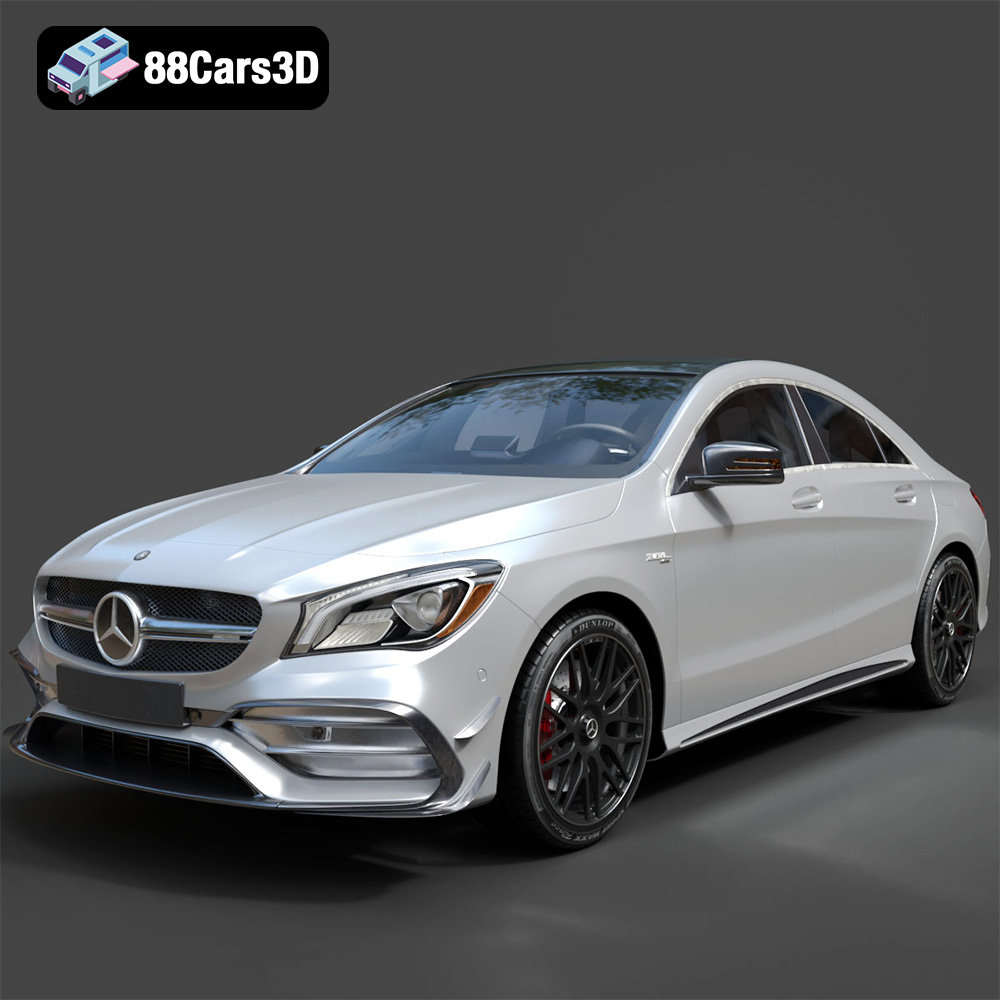
Texture: Yes
Material: Yes
Download the Mercedes-Benz CLA45 AMG 2017 3D Model featuring clean geometry, realistic detailing, and a fully modeled interior. Includes .blend, .fbx, .obj, .glb, .stl, .ply, .unreal, and .max formats for rendering, simulation, and game development.
Price: $38.99
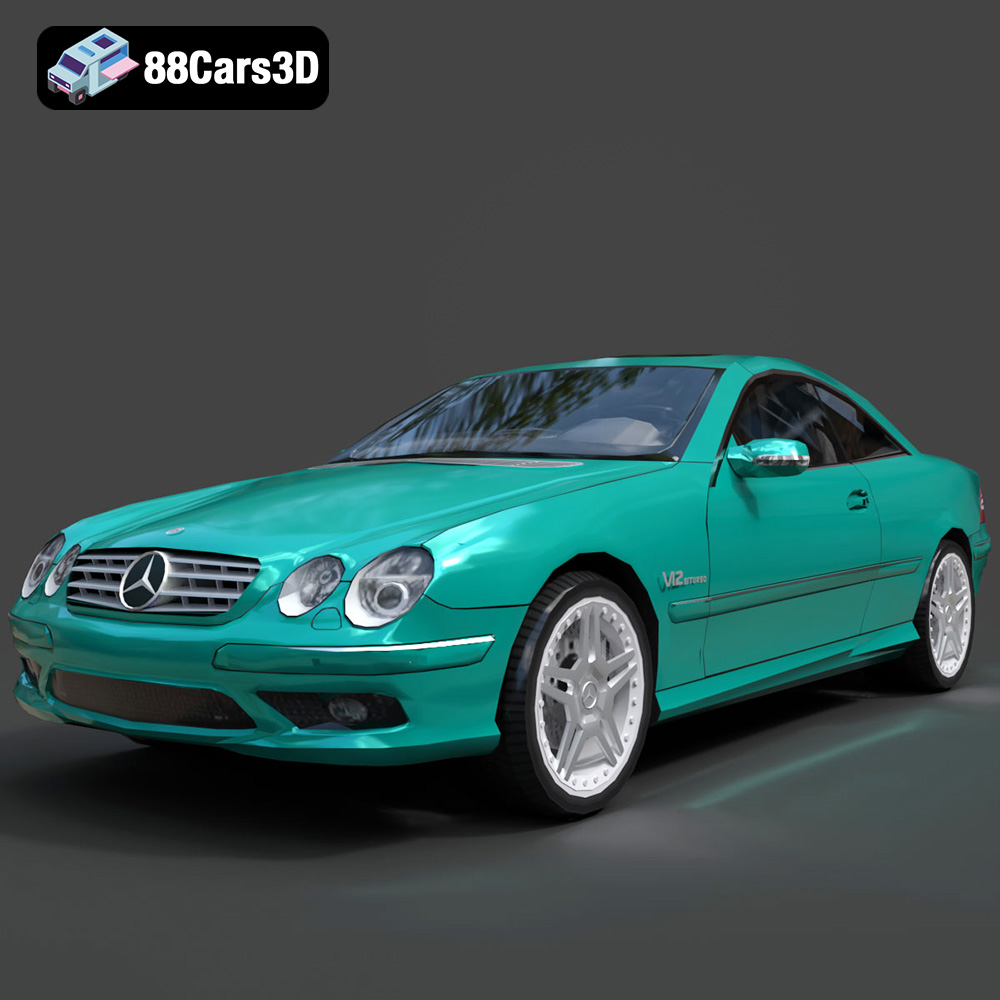
Texture: Yes
Material: Yes
Download the Mercedes-Benz CL65 C215 AMG 3D Model featuring clean geometry, realistic detailing, and a fully modeled interior. Includes .blend, .fbx, .obj, .glb, .stl, .ply, .unreal, and .max formats for rendering, simulation, and game development.
Price: $23.99
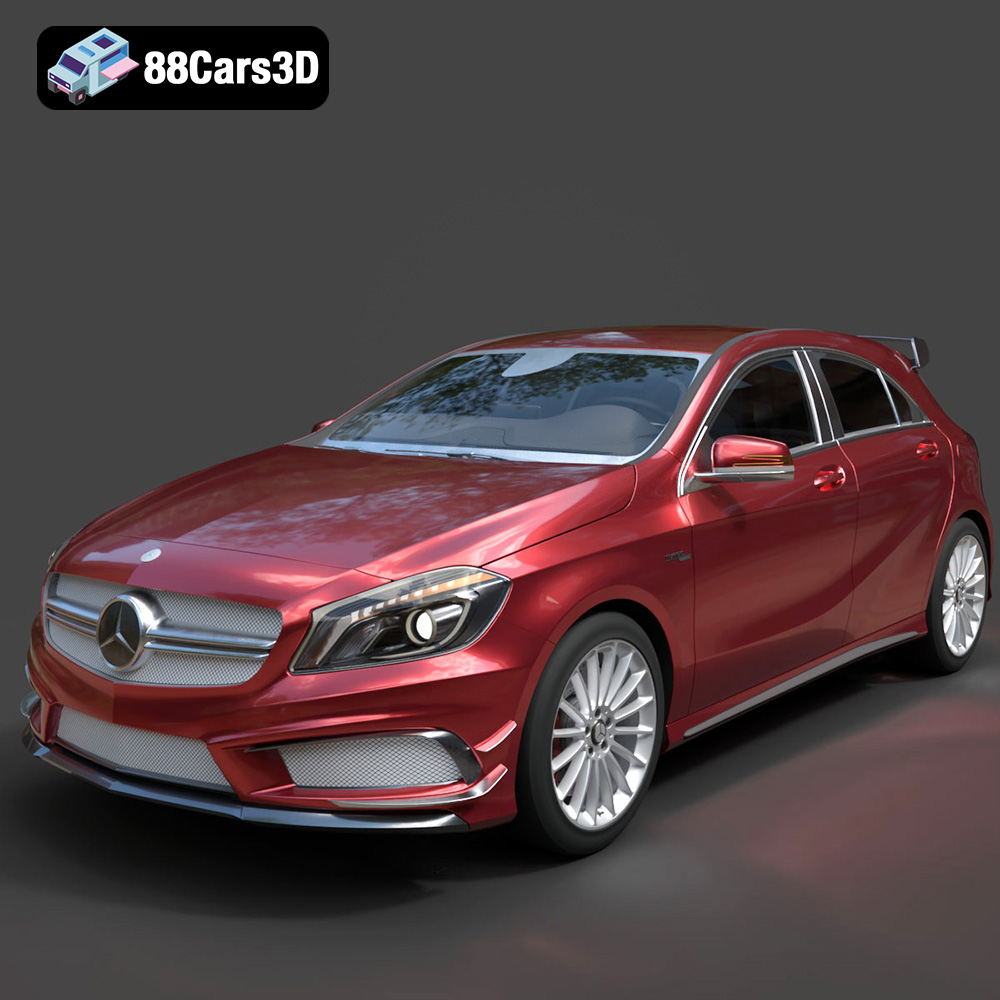
Texture: Yes
Material: Yes
Download the Mercedes-Benz A45 2021 3D Model featuring clean geometry, realistic detailing, and a fully modeled interior. Includes .blend, .fbx, .obj, .glb, .stl, .ply, .unreal, and .max formats for rendering, simulation, and game development.
Price: $23.99
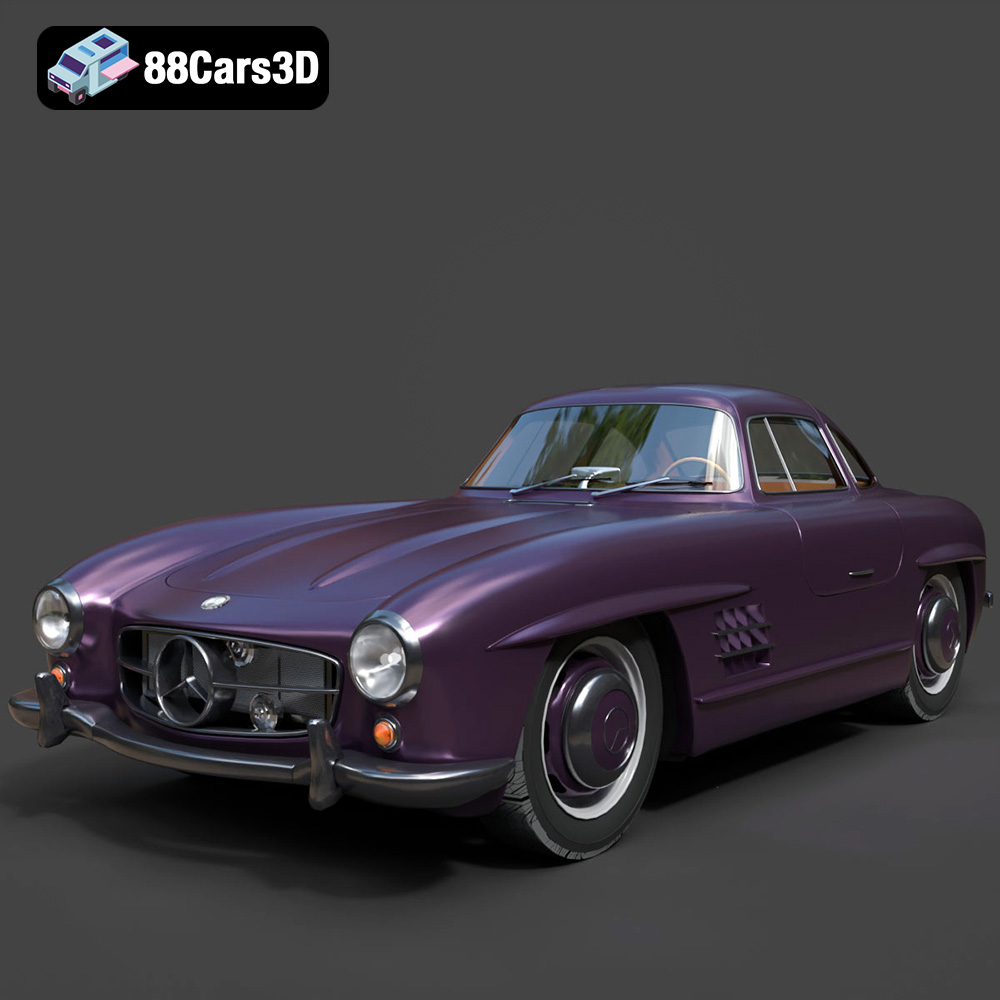
Texture: Yes
Material: Yes
Download the Mercedes-Benz 300SL 1955 3D Model featuring clean geometry, realistic detailing, and a fully modeled interior. Includes .blend, .fbx, .obj, .glb, .stl, .ply, .unreal, and .max formats for rendering, simulation, and game development.
Price: $23.99
Texture: Yes
Material: Yes
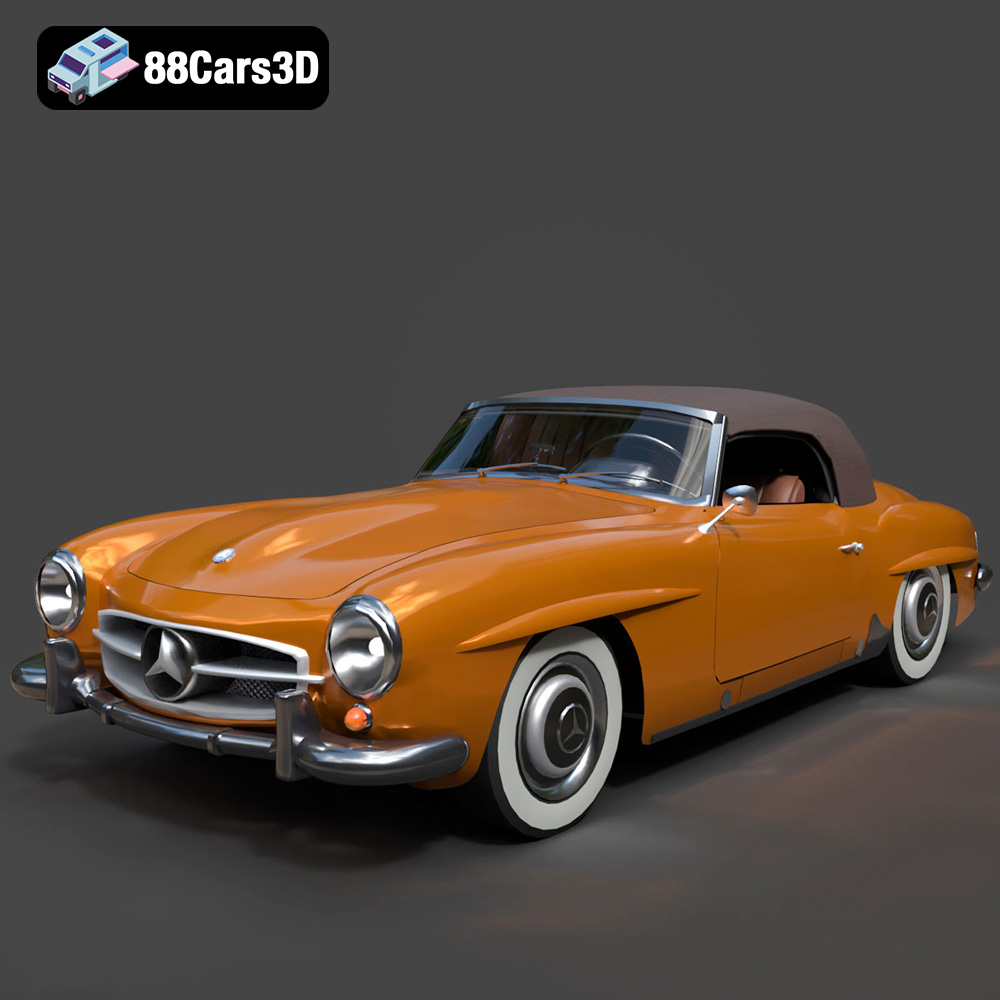
Download the Mercedes-Benz 190SL 1955 3D Model featuring clean geometry, realistic detailing, and a fully modeled interior. Includes .blend, .fbx, .obj, .glb, .stl, .ply, .unreal, and .max formats for rendering, simulation, and game development.
Price: $23.99
Texture: Yes
Material: Yes
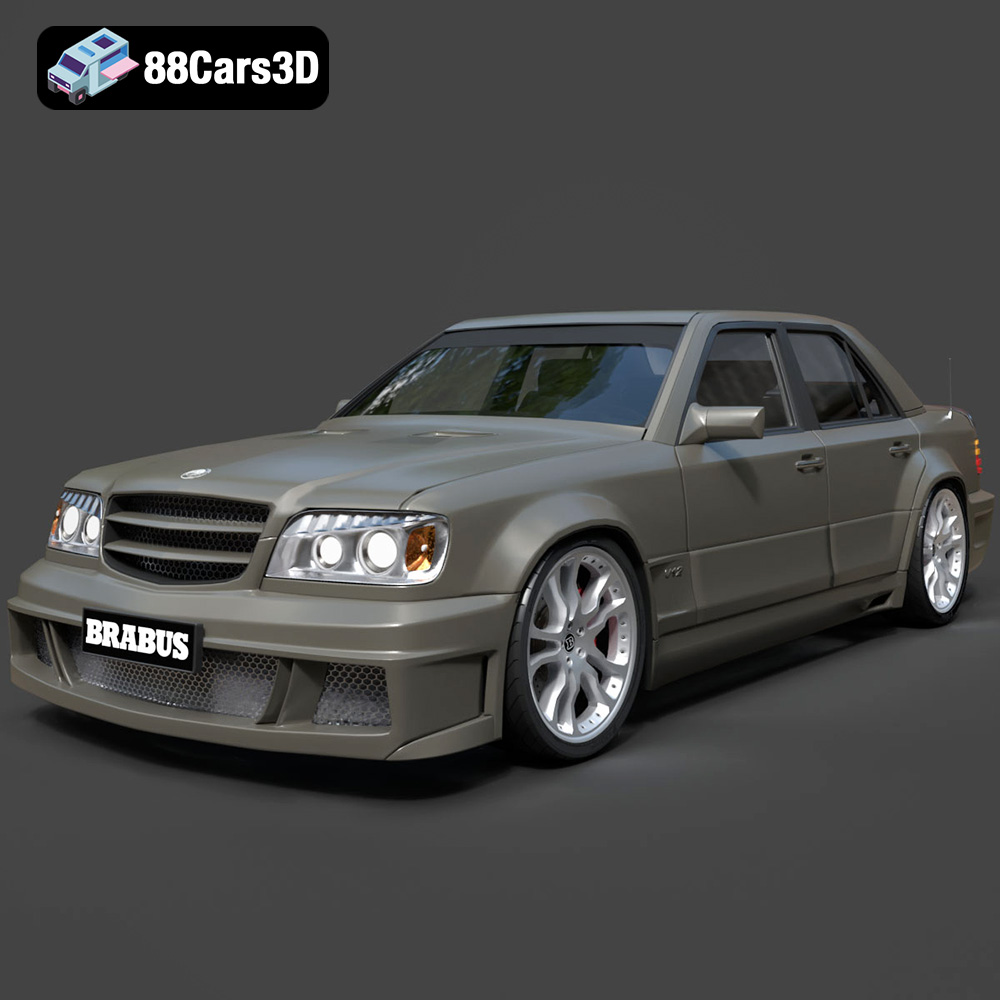
Download the Mercedes-Benz W124 Brabus V12 3D Model featuring clean geometry, realistic detailing, and a fully modeled interior. Includes .blend, .fbx, .obj, .glb, .stl, .ply, .unreal, and .max formats for rendering, simulation, and game development.
Price: $23.99
Texture: Yes
Material: Yes
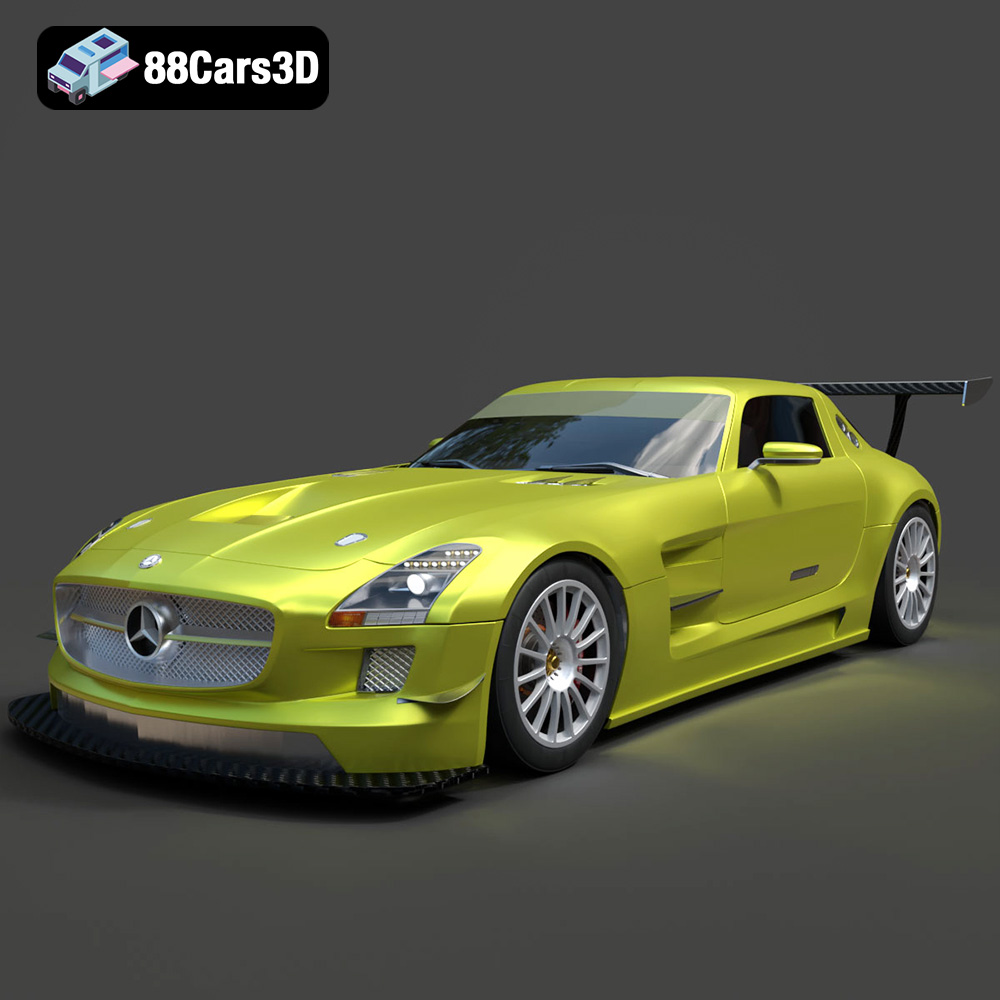
Download the Mercedes-Benz SLS AMG GT3-002 3D Model featuring clean geometry, realistic detailing, and a fully modeled interior. Includes .blend, .fbx, .obj, .glb, .stl, .ply, .unreal, and .max formats for rendering, simulation, and game development.
Price: $38.99

Texture: Yes
Material: Yes
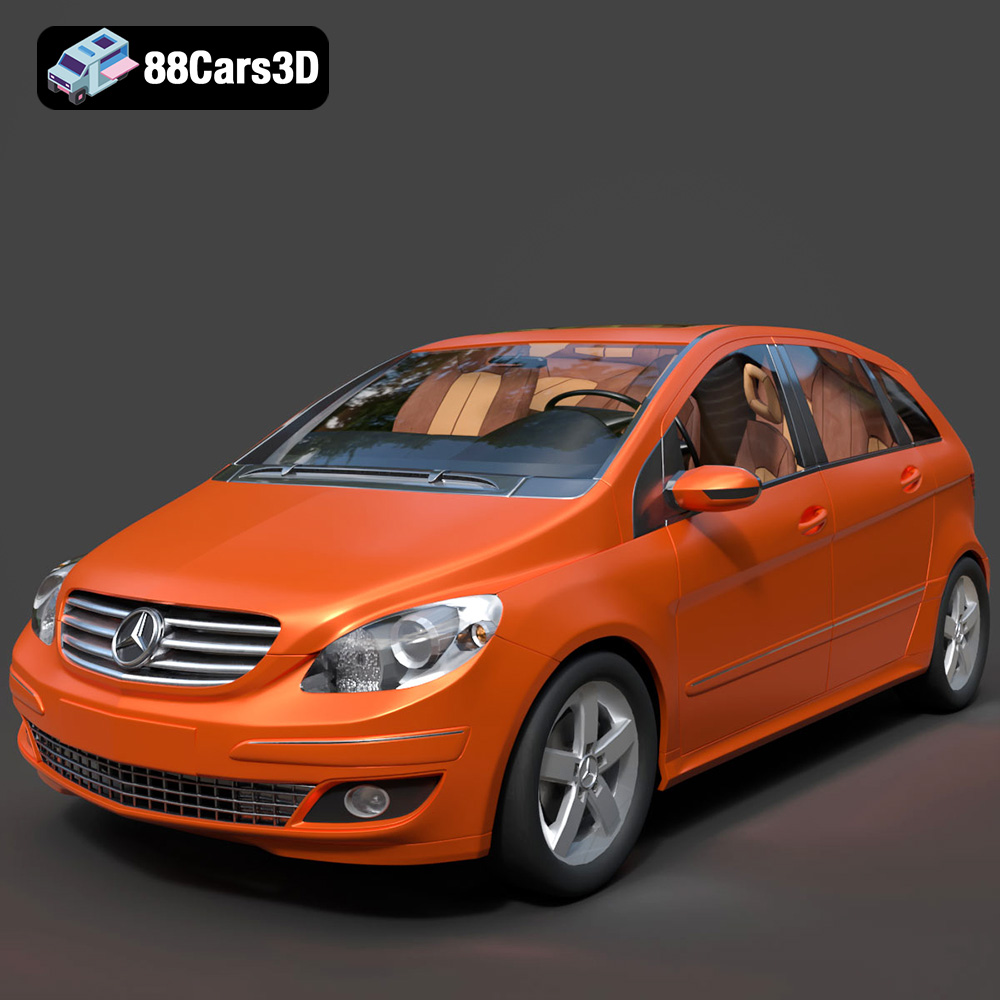
Download the Mercedes-Benz C-Class-001 3D Model featuring clean geometry, realistic detailing, and a fully modeled interior. Includes .blend, .fbx, .obj, .glb, .stl, .ply, .unreal, and .max formats for rendering, simulation, and game development.
Price: $38.99
Texture: Yes
Material: Yes
Download the Mercedes-Benz B-Klasse 2023 3D Model featuring clean geometry, realistic detailing, and a fully modeled interior. Includes .blend, .fbx, .obj, .glb, .stl, .ply, .unreal, and .max formats for rendering, simulation, and game development.
Price: $38.99
Texture: Yes
Material: Yes
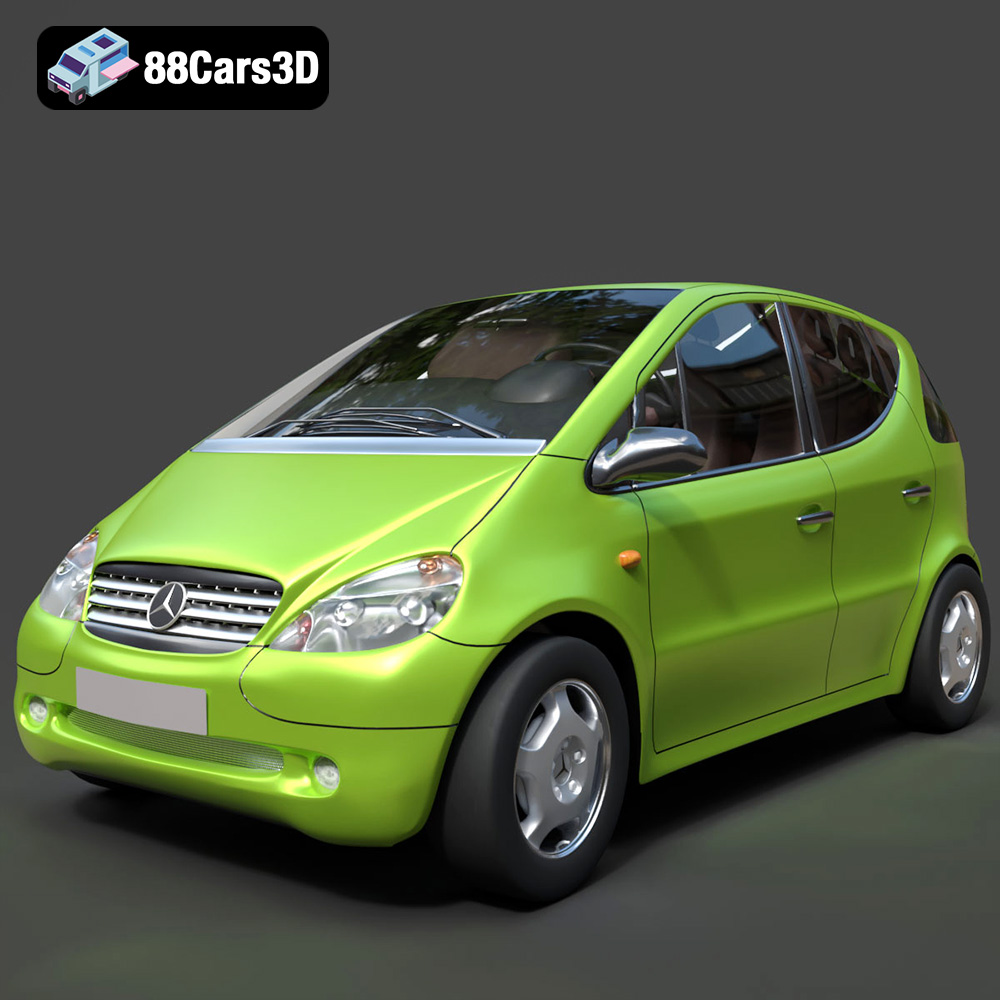
Download the Mercedes-Benz A-Klasse W168 3D Model featuring clean geometry, realistic detailing, and a fully modeled interior. Includes .blend, .fbx, .obj, .glb, .stl, .ply, .unreal, and .max formats for rendering, simulation, and game development.
Price: $38.99
Texture: Yes
Material: Yes
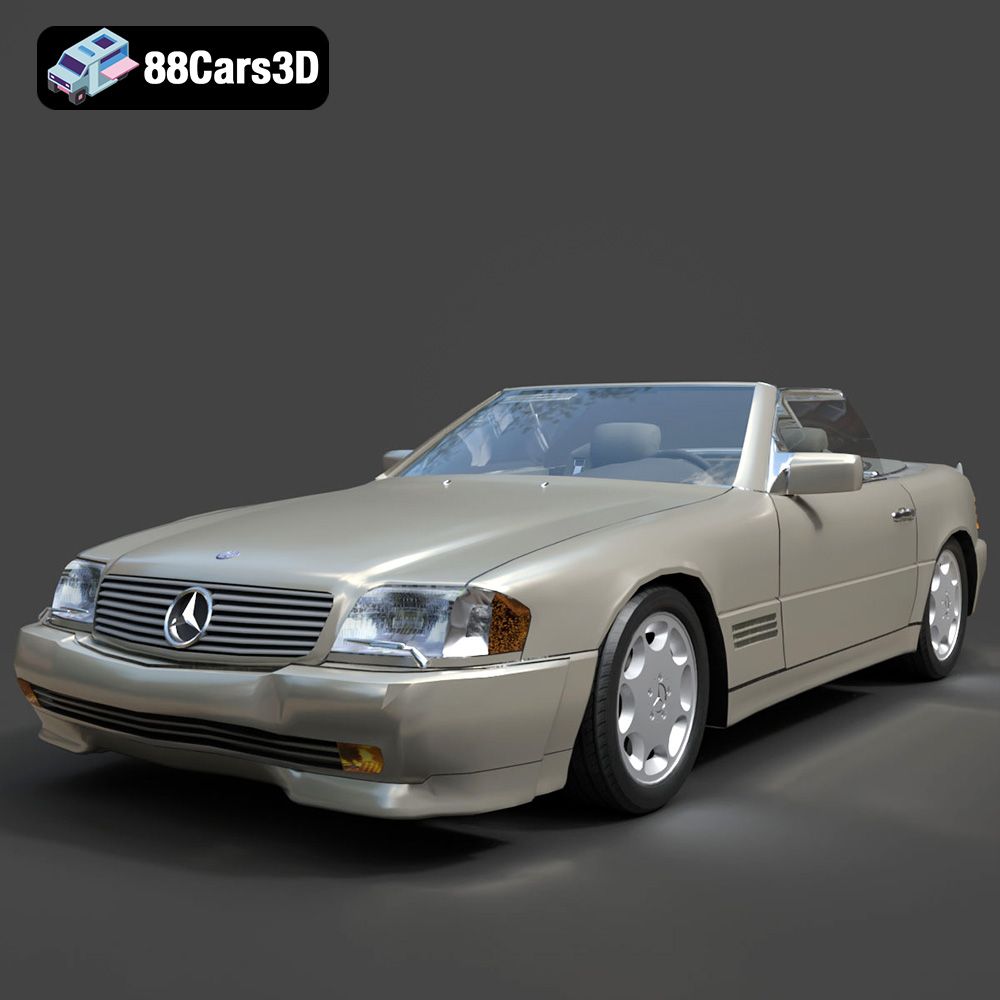
Download the Mercedes-Benz 500SL 2000 3D Model featuring clean geometry, realistic detailing, and a fully modeled interior. Includes .blend, .fbx, .obj, .glb, .stl, .ply, .unreal, and .max formats for rendering, simulation, and game development.
Price: $38.99
Texture: Yes
Material: Yes
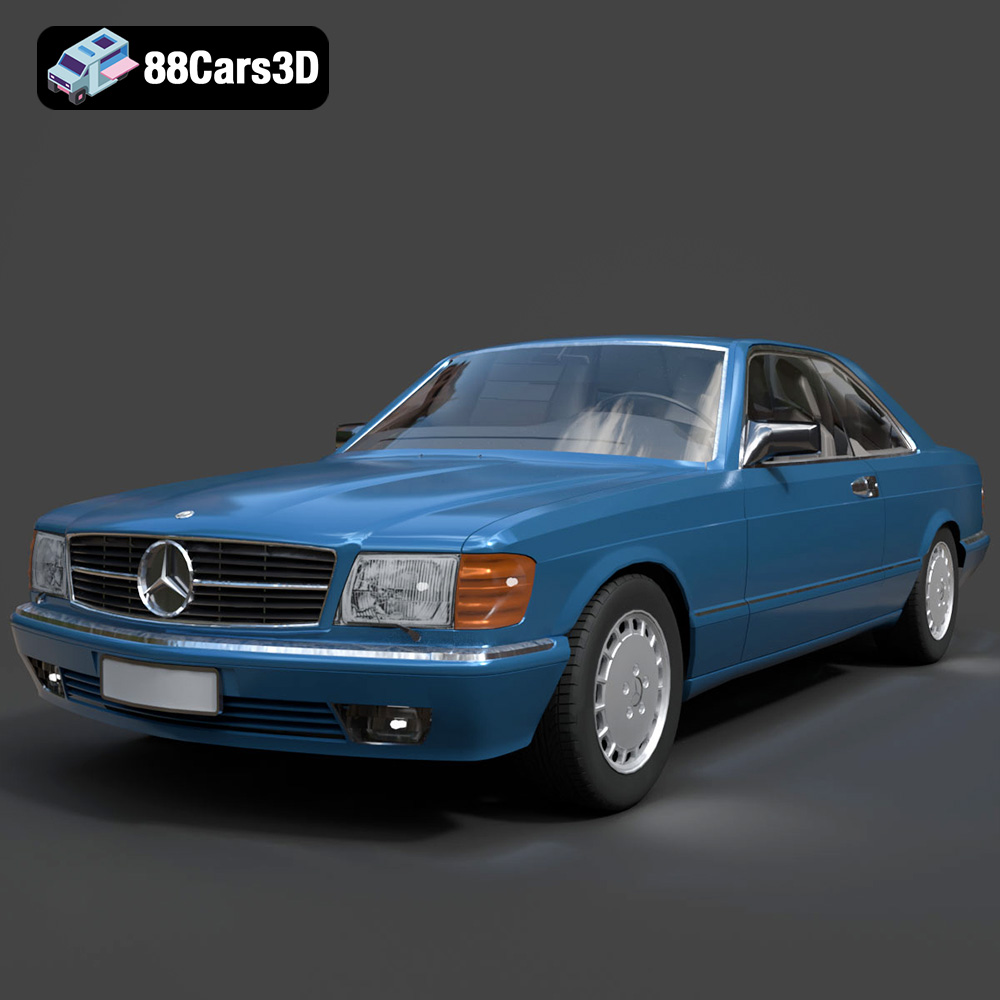
Download the Mercedes-Benz 500SEC 3D Model featuring clean geometry, realistic detailing, and a fully modeled interior. Includes .blend, .fbx, .obj, .glb, .stl, .ply, .unreal, and .max formats for rendering, simulation, and game development.
Price: $38.99
Texture: Yes
Material: Yes
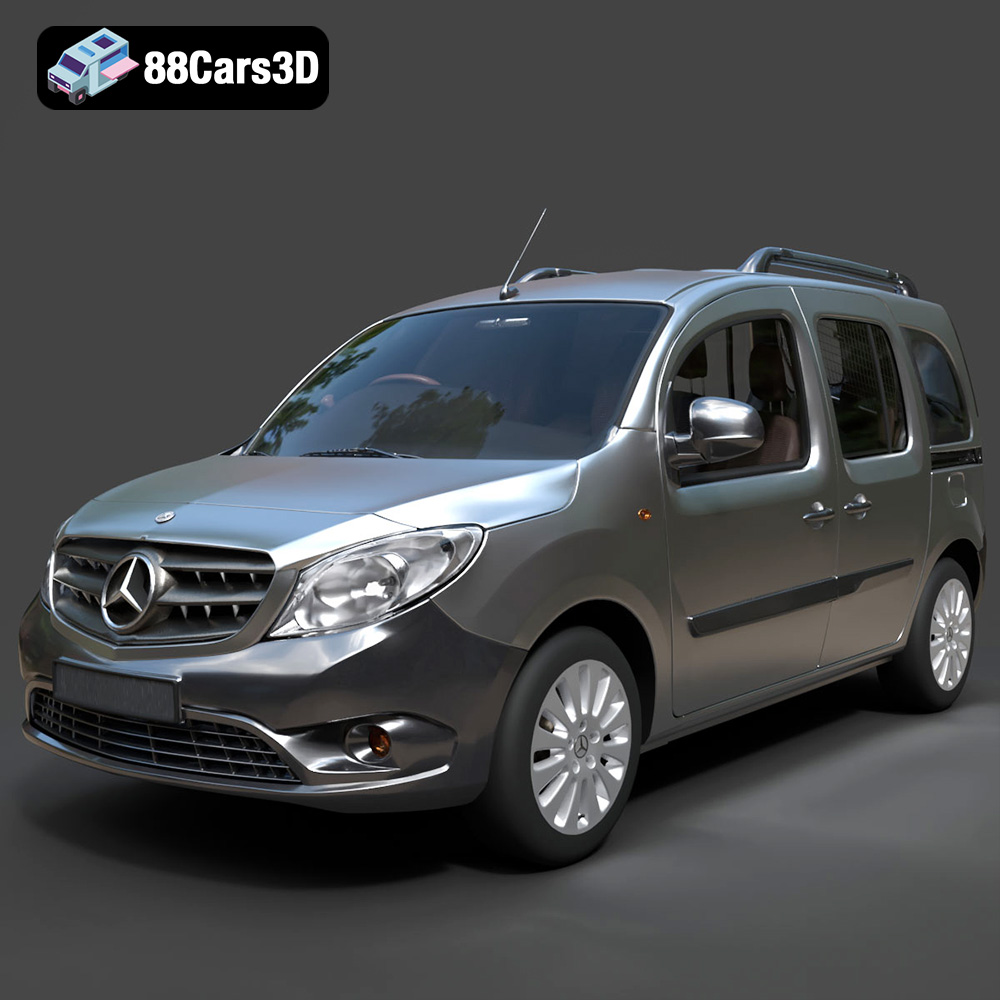
Download the Mercedes-Benz Citan 2025 3D Model featuring clean geometry, realistic detailing, and a fully modeled interior. Includes .blend, .fbx, .obj, .glb, .stl, .ply, .unreal, and .max formats for rendering, simulation, and game development.
Price: $38.99
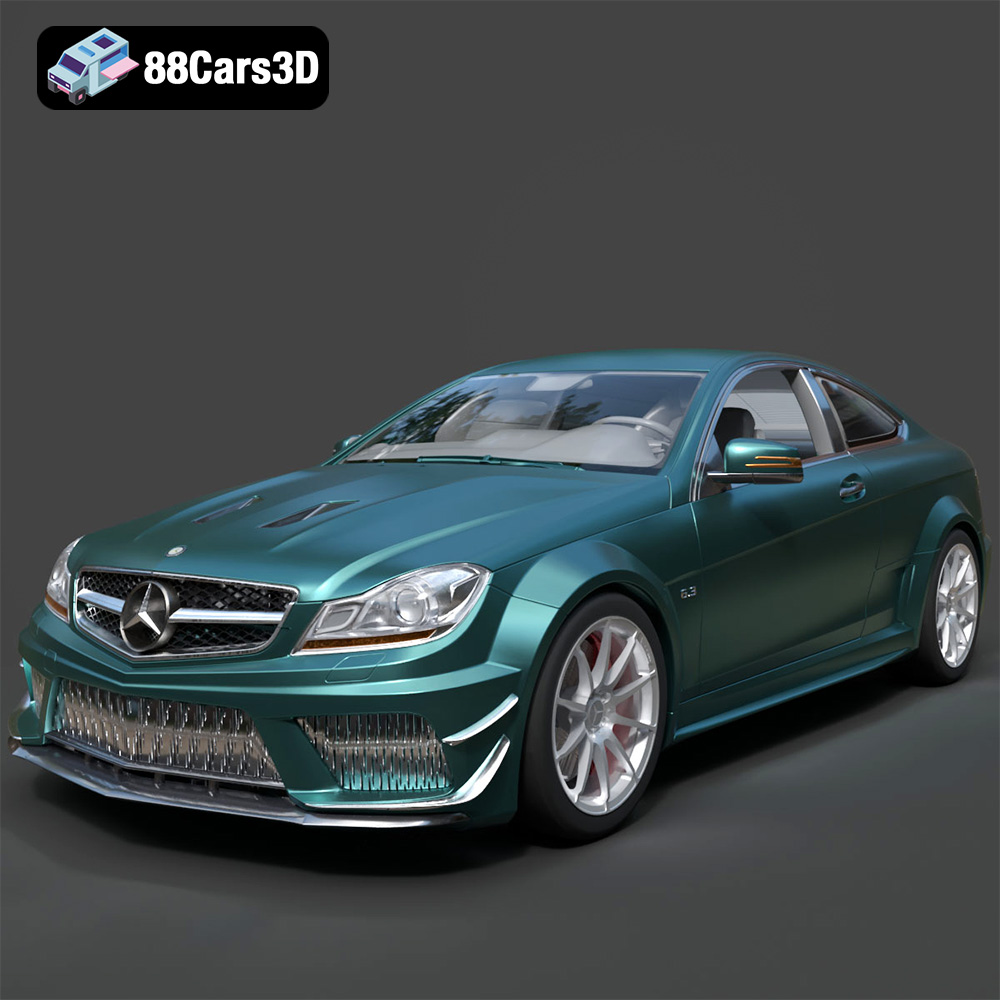
Texture: Yes
Material: Yes
Download the Mercedes-Benz C63 AMG 2012 3D Model featuring clean geometry, realistic detailing, and a fully modeled interior. Includes .blend, .fbx, .obj, .glb, .stl, .ply, .unreal, and .max formats for rendering, simulation, and game development.
Price: $38.99
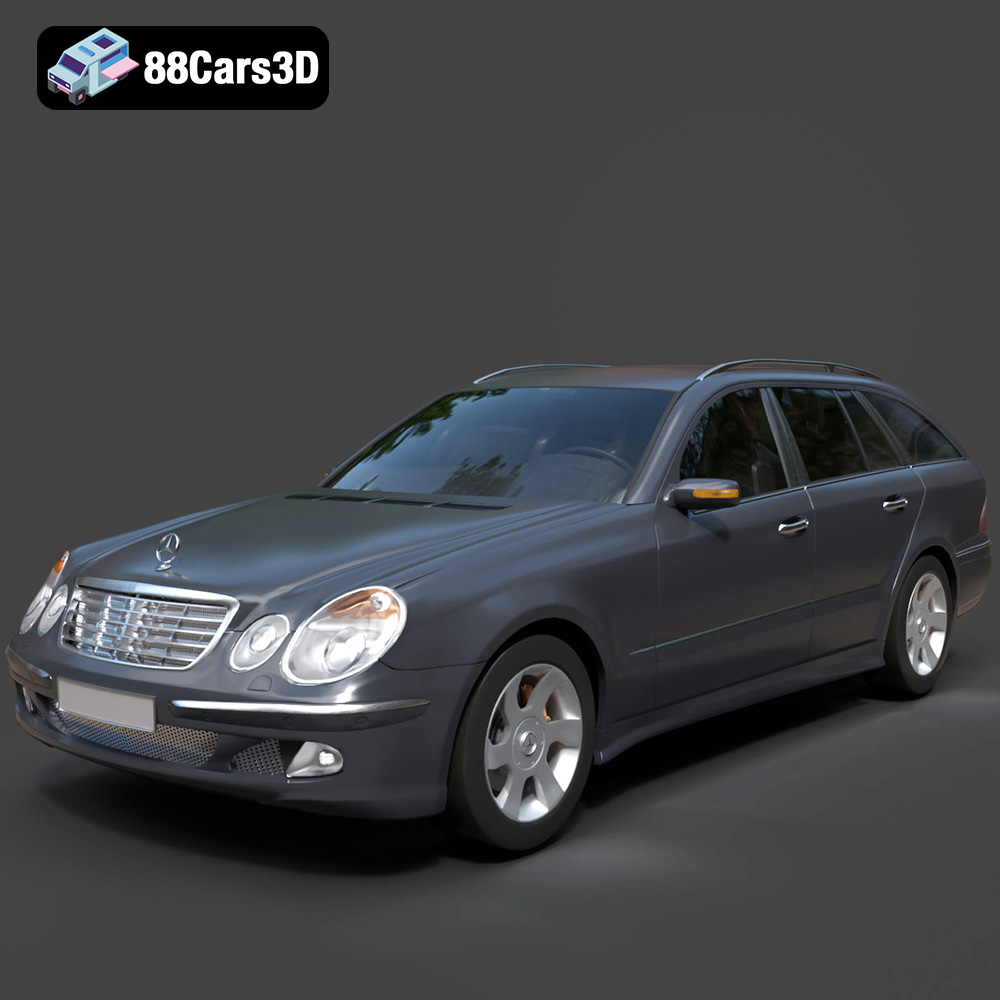
Texture: Yes
Material: Yes
Download the Mercedes-Benz E-Class S211 3D Model featuring clean geometry, realistic detailing, and a fully modeled interior. Includes .blend, .fbx, .obj, .glb, .stl, .ply, .unreal, and .max formats for rendering, simulation, and game development.
Price: $38.99
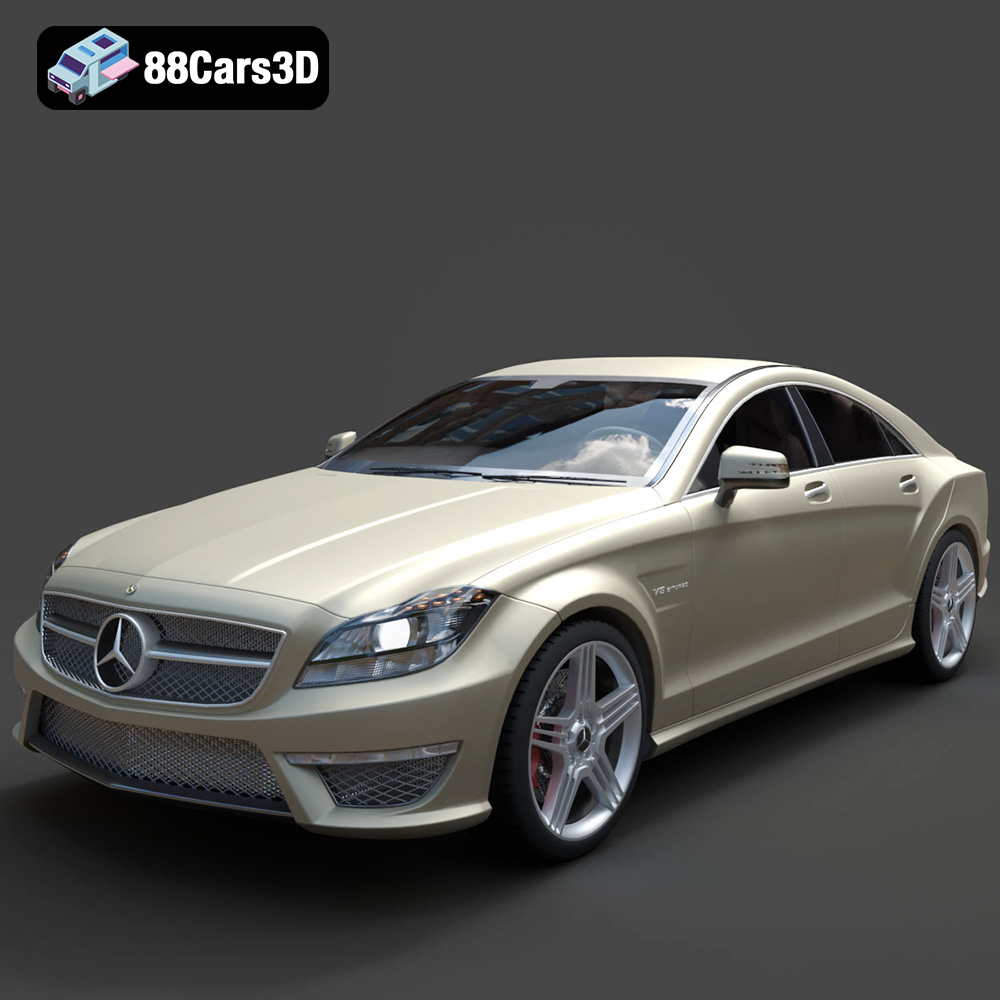
Texture: Yes
Material: Yes
Download the Mercedes-Benz CLS63 AMG (C218) 2014 3D Model featuring clean geometry, realistic detailing, and a fully modeled interior. Includes .blend, .fbx, .obj, .glb, .stl, .ply, .unreal, and .max formats for rendering, simulation, and game development.
Price: $38.99
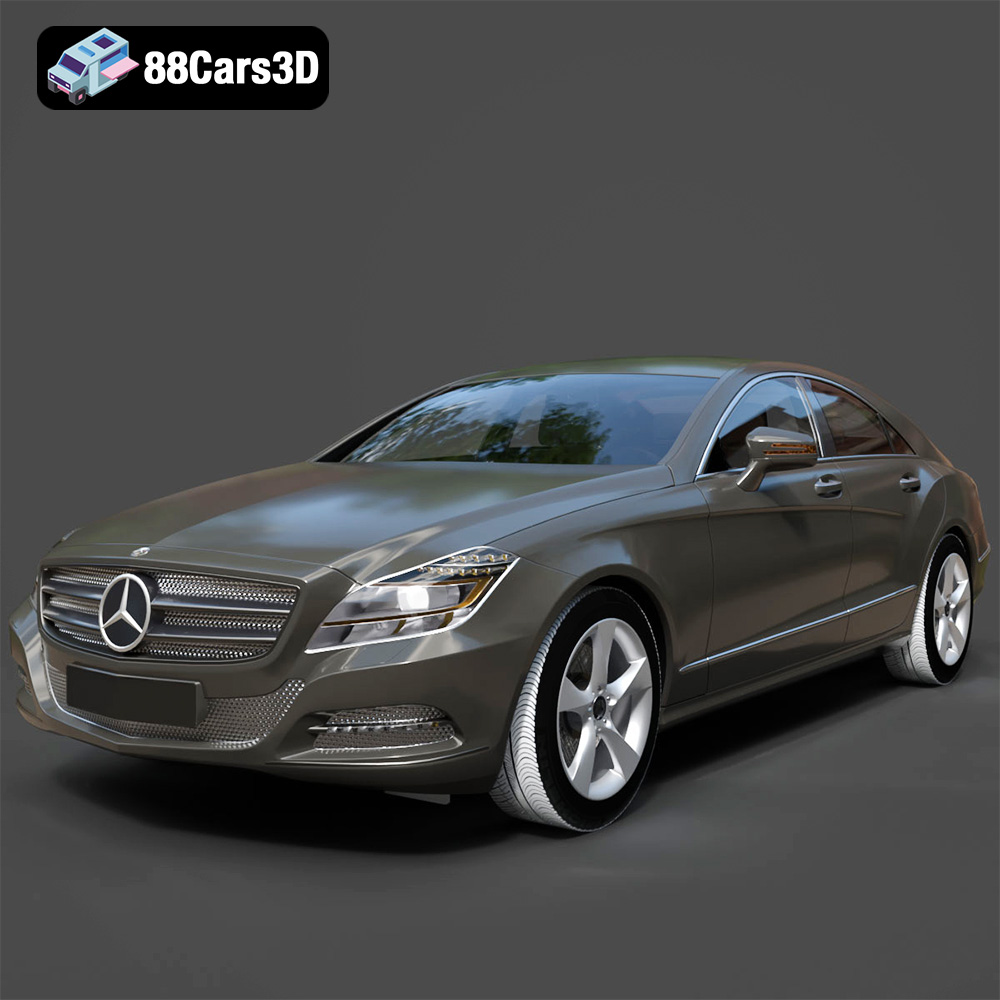
Texture: Yes
Material: Yes
Download the Mercedes-Benz CLS-Klasse 3D Model featuring clean geometry, realistic detailing, and a fully modeled interior. Includes .blend, .fbx, .obj, .glb, .stl, .ply, .unreal, and .max formats for rendering, simulation, and game development.
Price: $38.99

