
The Science of Shine: Deconstructing Automotive Clear Coat Physics

The gleam of a perfectly polished car, reflecting its surroundings with stunning clarity, is a visual masterpiece. It’s a key element that conveys luxury, speed, and meticulous craftsmanship. Yet, for 3D artists, replicating this elusive automotive shine goes far beyond a simple glossy shader. True photorealism in 3D automotive rendering hinges on a deep understanding and precise implementation of the clear coat material. Basic shaders often fall short, leaving renders looking flat or plasticky.
If you’ve ever struggled to achieve that showroom-quality finish, you’re not alone. The journey from a basic material to a hyper-realistic car paint shader involves delving into the nuanced physics of light interaction with surfaces. This ultimate guide will take you beyond the fundamentals, equipping you with the knowledge and techniques to craft breathtaking 3D automotive clear coat materials. We’ll explore the science, PBR implementation, advanced techniques, and optimization strategies that separate good renders from truly exceptional ones.
The Science of Shine: Deconstructing Automotive Clear Coat Physics
At its core, a car’s clear coat is a protective, transparent layer applied over the colored base coat. From a 3D rendering perspective, it acts as a dielectric material, meaning it doesn’t conduct electricity and light interacts with its surface in specific ways. Understanding these fundamental `dielectric material properties` is the bedrock of creating a convincing `clear coat shader`.
One of the most critical phenomena governing the appearance of clear coat is the Fresnel effect. This principle dictates that the amount of light reflected from a surface changes with the viewing angle. When looking straight at a surface (0-degree angle of incidence), reflection is minimal. However, as the viewing angle becomes more grazing (approaching 90 degrees), the reflections become significantly stronger and more mirror-like. Mastering `Fresnel effect rendering` is paramount for any realistic clear coat, preventing your paint from looking uniformly reflective and artificial.
Another crucial factor is micro-roughness. While a clear coat appears smooth to the naked eye, at a microscopic level, it possesses tiny imperfections and variations. These microscopic surface details scatter light, leading to diffuse reflections and a decrease in specularity. In PBR (Physically Based Rendering) workflows, this is typically controlled by a ‘roughness’ or ‘glossiness’ map. A perfectly smooth surface (roughness 0) yields a sharp, mirror-like reflection, while increasing roughness diffuses the reflection, making it softer and broader. This interplay of Fresnel and micro-roughness is what gives `PBR automotive paint` its characteristic depth and realism.
Understanding Key Physical Properties
- Index of Refraction (IOR): For a clear coat, the IOR is typically around 1.4-1.5, similar to glass or plastic. This value directly influences the strength of reflections and refractions. For external clear coats, we primarily focus on reflections.
- Roughness/Glossiness: This PBR parameter controls the microscopic irregularities on the surface. Lower roughness means sharper reflections; higher roughness means softer, more diffused reflections. Even a “perfect” clear coat will have a very subtle amount of roughness.
- Metallic vs. Dielectric: Clear coat is always a dielectric. The base coat beneath it, however, can be metallic or dielectric. This distinction is crucial for setting up the `layered material workflow`.
Building the Foundation: PBR Automotive Clear Coat Shader Essentials
Crafting a robust `PBR automotive paint` material begins with understanding how a clear coat interacts with the underlying base paint. A realistic clear coat shader isn’t just a simple layer; it’s a careful orchestration of physically accurate properties and visual effects. The goal is to simulate light passing through the clear coat, bouncing off the base paint (and any flakes), and then exiting back through the clear coat.
Layered Material Workflow: Integrating Base Coat and Clear Coat
The most effective approach to building a clear coat is using a `layered material workflow`. This involves two distinct material layers: the base paint and the clear coat, stacked on top of each other. Most modern renderers and game engines offer native support for layering materials, or you can achieve it through custom shader networks.
Here’s a simplified breakdown of the process:
- Base Paint Layer: This is where the primary color of the vehicle resides.
- Color: The diffuse color of your car.
- Metallic (if applicable): If your base paint is metallic, set its metallic value to 1.0. For non-metallic (solid) paints, keep it at 0.0.
- Roughness: Give this layer a subtle roughness to simulate the underlying paint texture before the clear coat is applied. This might be a very low value, but rarely perfectly zero.
- Clear Coat Layer: This transparent, reflective layer sits atop the base paint.
- Color: Usually white or very light grey, as clear coats are transparent and don’t inherently add color.
- Metallic: Always 0.0, as clear coat is a dielectric.
- Roughness: A very low value (e.g., 0.05 – 0.15) to simulate a polished, but not impossibly perfect, surface. This is critical for diffuse reflections and subtle imperfections.
- IOR (Index of Refraction): Set to a value appropriate for automotive clear coat, typically around 1.4-1.55. This directly influences `Fresnel effect rendering`.
- Normal Map: Can be used for subtle “orange peel” texture or minor surface imperfections.
The clear coat layer then uses an “additive” or “blend” operation (depending on the renderer) to combine its reflections with the underlying base layer, allowing the base color and metallic properties to show through.
Simulating Metallic Micro-Flakes: The Micro-Flake Paint Effect
Many automotive paints, especially metallic or pearl finishes, contain tiny reflective flakes embedded within the paint layer, beneath the clear coat. Replicating this `micro-flake paint effect` is key to achieving true realism. There are several ways to approach this:
- Procedural Flakes: Many advanced `clear coat shader` setups include procedural flake generators. These typically use a noise pattern to define flake distribution and then apply a high-frequency normal map and anisotropic reflections to simulate individual flakes. The size, density, and reflectivity of these flakes can be controlled.
- Texture-Based Flakes: You can create or use pre-made textures for the flake layer. This might involve a small tileable texture containing normal map data and a mask for flake distribution.
- Anisotropic Flakes: To make flakes truly convincing, they often require their own subtle `anisotropic reflections`. This simulates the flakes catching light differently as the car rotates, creating a shimmering, dynamic effect. This usually involves generating a tangent map specifically for the flakes.
When implementing flakes, remember they are under the clear coat. The clear coat’s roughness and Fresnel effect will still apply over them, slightly diffusing their individual reflections. This adds another layer of complexity and realism, and it’s something the artists at 88cars3d.com pay close attention to for their high-quality 3D models.
Advanced Techniques for Hyper-Realism: Pushing the Envelope
Once you’ve mastered the foundational `PBR automotive paint` setup, it’s time to explore advanced techniques that truly push your renders into the hyper-realistic domain. These methods focus on capturing the subtle nuances and imperfections that make a 3D model indistinguishable from a real photograph.
Anisotropic Reflections: The Signature Sheen
One of the most distinguishing features of polished car paint, especially on curved surfaces, is `anisotropic reflections`. Unlike isotropic reflections which spread evenly in all directions, anisotropic reflections stretch or compress along a specific direction, creating elongated highlights. This effect is particularly noticeable on smooth, curved surfaces where the clear coat has been buffed or brushed in a certain direction.
Implementing `anisotropic reflections` in your `clear coat shader` typically involves:
- Anisotropy Value: A numerical input that controls the strength of the anisotropy.
- Anisotropy Rotation/Direction Map: This is a texture (often a tangent or vector map) that defines the direction along which the reflections should stretch. For automotive surfaces, this map often follows the flow of the car’s body panels and curvature. You can paint these maps manually or generate them procedurally based on surface curvature.
The subtle stretching and warping of reflections due to anisotropy add immense credibility, mimicking how light truly interacts with microscopic scratches and polishing marks on real clear coat. Combined with accurate `Fresnel effect rendering`, this creates a dynamic and captivating visual.
Multi-Layer Clear Coats and Subtle Imperfections
While a single clear coat layer is often sufficient, some high-end automotive finishes might employ multiple clear coats, each with slightly different properties, or specialized effect layers. This is less common in standard workflows but can be explored for ultimate fidelity.
More importantly, introducing subtle imperfections is crucial for breaking the “perfect CG” look:
- Orange Peel Effect: Real car paint is rarely perfectly smooth. The “orange peel” effect refers to a slight, uneven texture on the surface, resembling the skin of an orange. This can be simulated with a subtle, high-frequency normal map on the clear coat layer, or by slightly varying the roughness.
- Dust and Micro-Scratches: Even a brand-new car will have microscopic dust particles and hairline scratches. These can be added with dirt/dust maps, blend masks, and subtle scratch normal maps or grunge maps that slightly increase roughness in specific areas.
- Smudges and Fingerprints: For close-up renders, subtle smudges (areas of higher roughness and slight color variation) can add a touch of human interaction and realism.
These details, when applied subtly, are what truly elevate a render from good to breathtaking. They tell a story about the object and its environment.
Optimization for Performance: Real-Time & Offline
The complexity of your `clear coat shader` will heavily depend on your target output: an offline cinematic render or a `real-time car paint` for a game engine. While the physical principles remain the same, their implementation and approximation differ significantly for performance reasons.
Real-Time Engine Implementation (Unreal Engine, Unity)
Achieving stunning `real-time car paint` in game engines like Unreal Engine or Unity requires careful optimization. Game engines are highly performance-sensitive, and complex multi-layered shaders can quickly impact frame rates. Here’s how to approach it:
- Layered Material Approaches: Both Unreal Engine and Unity offer robust material layering systems.
- Unreal Engine: Utilizes Material Functions and Layered Materials. You can create a master car paint material that stacks the base coat (with flakes) and the clear coat. The Clear Coat Shading Model is specifically designed for this.
- Unity: Often relies on Shader Graph for custom PBR setups. You can blend two PBR shaders (one for base, one for clear coat) using various blend modes or utilize custom shader code for optimized layering.
- Performance Budgets: Be mindful of shader instruction count and texture sample count.
- Flake Optimization: Procedural flakes can be computationally expensive. Consider pre-baking flake normal maps into a texture atlas or using simpler, tiled noise patterns.
- Anisotropy: While possible in real-time, it adds complexity. Ensure your anisotropy maps are optimized and that the effect is visually impactful enough to justify the cost. Many real-time car paints use simpler, approximating reflections for speed.
- Approximations and Fakes: Sometimes, slight visual compromises are necessary.
- Instead of full raytraced reflections, utilize screen-space reflections (SSR), reflection probes, and planar reflections.
- For `micro-flake paint effect`, a simpler, high-frequency normal map with a subtle iridescent tint might suffice instead of fully simulated anisotropic flakes.
The key is to strike a balance between visual fidelity and performance, ensuring a smooth experience for the player while still delivering impressive `PBR automotive paint` visuals.
Offline Renderer Workflows (V-Ray, Arnold, Redshift)
Offline renderers like V-Ray, Arnold, Redshift, or Octane, have the luxury of longer render times, allowing for more physically accurate and complex `clear coat shader` setups. Here, you can push the boundaries of realism without the same real-time performance constraints.
- Full Raytracing: Leverage the full power of raytracing for precise reflections and refractions.
- Multi-layered Materials: These renderers excel at physically accurate multi-layered materials. You can literally stack materials, with the clear coat being a separate coating material on top of your base material. This natively handles light absorption and reflection between layers.
- Accurate IOR and Roughness: Use precise IOR values and detailed roughness maps without fear of performance hits.
- Uncompromised Anisotropic Reflections: Offline renderers can handle complex `anisotropic reflections` with ease, allowing for highly detailed anisotropy rotation maps that follow intricate surface topology.
- Detailed Micro-Flakes: Implement the `micro-flake paint effect` with greater fidelity, using complex noise patterns, multiple normal maps, and even displacement for tiny variations in flake orientation and depth.
- Advanced Subtleties: Deeper implementation of orange peel, dust, scratches, and even volumetric effects within the clear coat itself for extreme close-ups.
The goal with offline rendering is often to achieve photo-realism that is indistinguishable from reality. This is where you can take full advantage of every scientific principle we’ve discussed, ensuring your `PBR automotive paint` looks absolutely perfect.
Common Pitfalls and Troubleshooting
Even with a solid understanding, creating a perfect `clear coat shader` can be challenging. Here are some common issues and how to troubleshoot them:
- Overly Perfect, “Plastic” Reflections: If your clear coat looks too uniform and reflective, like a toy car:
- Solution: Increase the roughness slightly. Even a perfectly polished car has micro-scratches and dust. Add subtle variations with a noise map plugged into the roughness input. Ensure you have subtle `Fresnel effect rendering` applied.
- Incorrect IOR for `Dielectric Material Properties`: If reflections look too weak or too strong, or lack proper falloff:
- Solution: Double-check your IOR value for the clear coat. For automotive clear coat, it should be in the range of 1.4-1.55. Lower values will make reflections weaker, higher values stronger.
- Lack of Micro-Detail (Flat Look): If your paint lacks depth and realism, especially in highlights:
- Solution: Implement `micro-flake paint effect` for metallic paints. Add a subtle normal map for orange peel or very fine scratches. Ensure `anisotropic reflections` are correctly applied for metallic surfaces.
- “CG Clean” Appearance: If the model looks too pristine and artificial:
- Solution: Introduce subtle imperfections like dust, smudges, or very faint scratches using grunge maps or blend materials. Real-world objects are rarely immaculate.
- Performance Issues (Real-Time): If your `real-time car paint` shader is causing frame rate drops:
- Solution: Simplify complex procedural textures. Use baked normal maps instead of dynamically generated ones. Reduce the number of shader layers or switch to more optimized real-time specific clear coat models if available in your engine.
- Flickering Flakes or Anisotropy: This can happen with very small, high-frequency details, especially in motion or at a distance.
- Solution: Adjust flake size, density, or the intensity of the anisotropic effect. Implement mip-mapping for flake textures. Consider softening the effect based on distance.
From Concept to Showroom: Integrating Clear Coat into Your Workflow
Creating a truly photorealistic clear coat is an iterative process that benefits immensely from careful planning and reference. Don’t expect perfection on your first attempt. It’s about refinement and attention to detail.
The Power of Reference
Always start with high-quality reference images and videos of real cars under various lighting conditions. Pay attention to how reflections behave on different curves, the falloff of highlights, the subtle texture of the paint, and how environmental light bounces off the surface. A keen eye for observation is your best tool for achieving realism.
Workflow Tips for Artists
- Start Simple: Begin with a basic `PBR automotive paint` setup (base color, roughness, IOR for clear coat). Get the core look right before adding complexity.
- Iterate and Refine: Make small adjustments and render frequently. Compare your renders directly to your reference.
- Isolate Effects: When troubleshooting, temporarily disable specific effects (e.g., flakes, anisotropy, imperfections) to identify which component is causing an issue or needs adjustment.
- Test in Different Lighting: A clear coat shader that looks good under studio lighting might fall apart in a challenging outdoor HDRI. Test your materials in a variety of lighting environments.
- Utilize High-Quality Base Models: The best clear coat in the world can’t save a poorly modeled car. Start with accurate, high-poly geometry and clean UVs. For exceptional vehicle models ready for these advanced material techniques, consider exploring the extensive library at 88cars3d.com. Their models provide an excellent foundation for achieving professional results.
The journey to mastering 3D automotive clear coat materials is a rewarding one. It transforms static 3D models into captivating digital sculptures that breathe with life and reflect the artistry you pour into them. The satisfaction of seeing your virtual vehicle gleam with true photorealism is unmatched.
Conclusion
The pursuit of photorealistic 3D automotive clear coat materials is a testament to the blend of art and science in 3D rendering. We’ve journeyed through the crucial `dielectric material properties` and `Fresnel effect rendering` that govern light interaction, established a robust `PBR automotive paint` framework using a `layered material workflow`, and explored advanced techniques like `anisotropic reflections` and the intricate `micro-flake paint effect`. We also considered the vital distinction between optimizing for `real-time car paint` in game engines versus pushing the limits of fidelity in offline renderers.
Achieving that stunning, showroom-quality shine is no longer an insurmountable challenge. By meticulously applying these principles and techniques, you can elevate your 3D automotive renders from good to truly exceptional, convincing your audience that they are looking at a real vehicle. The effort invested in a finely tuned `clear coat shader` directly translates into models that resonate with realism and visual impact.
Ready to apply these advanced clear coat techniques to your next project? Start with a foundation of excellence. Explore the vast selection of high-quality, meticulously crafted 3D car models available at 88cars3d.com. Whether you’re a game developer, an automotive designer, or a 3D artist aiming for photorealism, our models provide the perfect canvas for your masterful material work. Elevate your automotive renders today!
Featured 3D Car Models

Suzuki SX4-002 3D Model
Texture: Yes
Material: Yes
Download the Suzuki SX4-002 3D Model featuring clean geometry, realistic detailing, and a fully modeled interior. Includes .blend, .fbx, .obj, .glb, .stl, .ply, .unreal, and .max formats for rendering, simulation, and game development.
Price: $10

Tesla Model S 2024 3D Model
Texture: Yes
Material: Yes
Download the Tesla Model S 2024 3D Model featuring clean geometry, realistic detailing, and a fully modeled interior. Includes .blend, .fbx, .obj, .glb, .stl, .ply, .unreal, and .max formats for rendering, simulation, and game development.
Price: $10

Subaru Impreza WRX STi-002 3D Model
Texture: Yes
Material: Yes
Download the Subaru Impreza WRX STi-002 3D Model featuring clean geometry, realistic detailing, and a fully modeled interior. Includes .blend, .fbx, .obj, .glb, .stl, .ply, .unreal, and .max formats for rendering, simulation, and game development.
Price: $10

Subaru Impreza WRX STi Sedan 3D Model
Texture: Yes
Material: Yes
Download the Subaru Impreza WRX STi Sedan 3D Model featuring clean geometry, realistic detailing, and a fully modeled interior. Includes .blend, .fbx, .obj, .glb, .stl, .ply, .unreal, and .max formats for rendering, simulation, and game development.
Price: $10

Subaru Legacy 2009 3D Model
Texture: Yes
Material: Yes
Download the Subaru Legacy 2009 3D Model featuring clean geometry, realistic detailing, and a fully modeled interior. Includes .blend, .fbx, .obj, .glb, .stl, .ply, .unreal, and .max formats for rendering, simulation, and game development.
Price: $10

Suzuki Swift 2024 3D Model
Texture: Yes
Material: Yes
Download the Suzuki Swift 2024 3D Model featuring clean geometry, realistic detailing, and a fully modeled interior. Includes .blend, .fbx, .obj, .glb, .stl, .ply, .unreal, and .max formats for rendering, simulation, and game development.
Price: $10

Suzuki Liana Sedan 2004 3D Model
Texture: Yes
Material: Yes
Download the Suzuki Liana Sedan 2004 3D Model featuring clean geometry, realistic detailing, and a fully modeled interior. Includes .blend, .fbx, .obj, .glb, .stl, .ply, .unreal, and .max formats for rendering, simulation, and game development.
Price: $10

Subaru Outback 2024 3D Model
Texture: Yes
Material: Yes
Download the Subaru Outback 2024 3D Model featuring clean geometry, realistic detailing, and a fully modeled interior. Includes .blend, .fbx, .obj, .glb, .stl, .ply, .unreal, and .max formats for rendering, simulation, and game development.
Price: $10

Subaru Legacy 2003 3D Model
Texture: Yes
Material: Yes
Download the Subaru Legacy 2003 3D Model featuring clean geometry, realistic detailing, and a fully modeled interior. Includes .blend, .fbx, .obj, .glb, .stl, .ply, .unreal, and .max formats for rendering, simulation, and game development.
Price: $10

Subaru Legacy Touring Wagon 3D Model
Texture: Yes
Material: Yes
Download the Subaru Legacy Touring Wagon 3D Model featuring clean geometry, realistic detailing, and a fully modeled interior. Includes .blend, .fbx, .obj, .glb, .stl, .ply, .unreal, and .max formats for rendering, simulation, and game development.
Price: $10

Toyota Mark II (X100) 1998 3D Model
Texture: Yes
Material: Yes
Download the Toyota Mark II (X100) 3D Model featuring clean geometry, realistic detailing, and a fully modeled interior. Includes .blend, .fbx, .obj, .glb, .stl, .ply, .unreal, and .max formats for rendering, simulation, and game development.
Price: $10

Toyota Corona 1985 3D Model
Texture: Yes
Material: Yes
Download the Toyota Corona 1985 3D Model featuring clean geometry, realistic detailing, and a fully modeled interior. Includes .blend, .fbx, .obj, .glb, .stl, .ply, .unreal, and .max formats for rendering, simulation, and game development.
Price: $10

Toyota Mark II X81 1990 3D Model
Texture: Yes
Material: Yes
Download the Toyota Mark II X81 1990 3D Model featuring clean geometry, realistic detailing, and a fully modeled interior. Includes .blend, .fbx, .obj, .glb, .stl, .ply, .unreal, and .max formats for rendering, simulation, and game development.
Price: $10

Toyota iQ EV 2012 3D Model
Texture: Yes
Material: Yes
Download the Toyota iQ EV 2012 3D Model featuring clean geometry, realistic detailing, and a fully modeled interior. Includes .blend, .fbx, .obj, .glb, .stl, .ply, .unreal, and .max formats for rendering, simulation, and game development.
Price: $10

Toyota Aygo 2013 3D Model
Texture: Yes
Material: Yes
Download the Toyota Aygo 2013 3D Model featuring clean geometry, realistic detailing, and a fully modeled interior. Includes .blend, .fbx, .obj, .glb, .stl, .ply, .unreal, and .max formats for rendering, simulation, and game development.
Price: $10

Toyota Crown S180 2005 3D Model
Texture: Yes
Material: Yes
Download the Toyota Crown S180 2005 3D Model featuring clean geometry, realistic detailing, and a fully modeled interior. Includes .blend, .fbx, .obj, .glb, .stl, .ply, .unreal, and .max formats for rendering, simulation, and game development.
Price: $10

Toyota Celica 2004 3D Model
Texture: Yes
Material: Yes
Download the Toyota Celica 2004 3D Model featuring clean geometry, realistic detailing, and a fully modeled interior. Includes .blend, .fbx, .obj, .glb, .stl, .ply, .unreal, and .max formats for rendering, simulation, and game development.
Price: $10

Toyota Corolla AE100 1992 3D Model
Texture: Yes
Material: Yes
Download the Toyota Corolla AE100 1992 3D Model featuring clean geometry, realistic detailing, and a fully modeled interior. Includes .blend, .fbx, .obj, .glb, .stl, .ply, .unreal, and .max formats for rendering, simulation, and game development.
Price: $10

Toyota Mark II X110 2000 3D Model
Texture: Yes
Material: Yes
Download the Toyota Mark II X110 2000 3D Model featuring clean geometry, realistic detailing, and a fully modeled interior. Includes .blend, .fbx, .obj, .glb, .stl, .ply, .unreal, and .max formats for rendering, simulation, and game development.
Price: $10

Toyota Corolla 2020 3D Model
Texture: Yes
Material: Yes
Download the Toyota Corolla 2020 3D Model featuring clean geometry, realistic detailing, and a fully modeled interior. Includes .blend, .fbx, .obj, .glb, .stl, .ply, .unreal, and .max formats for rendering, simulation, and game development.
Price: $10

Toyota Yaris 2020 3D Model
Texture: Yes
Material: Yes
Download the Toyota Yaris 2020 3D Model featuring clean geometry, realistic detailing, and a fully modeled interior. Includes .blend, .fbx, .obj, .glb, .stl, .ply, .unreal, and .max formats for rendering, simulation, and game development.
Price: $9.9

Volkswagen Beetle 2012 3D Model
Texture: Yes
Material: Yes
Download the Volkswagen Beetle 2012 3D Model featuring clean geometry, realistic detailing, and a fully modeled interior. Includes .blend, .fbx, .obj, .glb, .stl, .ply, .unreal, and .max formats for rendering, simulation, and game development.
Price: $9.9

Toyota Matrix 2005 3D Model
Texture: Yes
Material: Yes
Download the Toyota Matrix 2005 3D Model featuring clean geometry, realistic detailing, and a fully modeled interior. Includes .blend, .fbx, .obj, .glb, .stl, .ply, .unreal, and .max formats for rendering, simulation, and game development.
Price: $9.9

Toyota Yaris Sedan 3D Model
Texture: Yes
Material: Yes
Download the Toyota Yaris Sedan 3D Model featuring clean geometry, realistic detailing, and a fully modeled interior. Includes .blend, .fbx, .obj, .glb, .stl, .ply, .unreal, and .max formats for rendering, simulation, and game development.
Price: $9.9

Volkswagen Golf R-004 2024 3D Model
Texture: Yes
Material: Yes
Download the Volkswagen Golf R-004 2024 3D Model featuring clean geometry, realistic detailing, and a fully modeled interior. Includes .blend, .fbx, .obj, .glb, .stl, .ply, .unreal, and .max formats for rendering, simulation, and game development.
Price: $9.9

Volkswagen Golf 5 Door 2010 3D Model
Texture: Yes
Material: Yes
Download the Volkswagen Golf 5 Door 2010 3D Model featuring clean geometry, realistic detailing, and a fully modeled interior. Includes .blend, .fbx, .obj, .glb, .stl, .ply, .unreal, and .max formats for rendering, simulation, and game development.
Price: $9.9

Toyota Premio 2010 3D Model
Texture: Yes
Material: Yes
Download the Toyota Premio 2010 3D Model featuring clean geometry, realistic detailing, and a fully modeled interior. Includes .blend, .fbx, .obj, .glb, .stl, .ply, .unreal, and .max formats for rendering, simulation, and game development.
Price: $9.9

Toyota Opa 2000 3D Model
Texture: Yes
Material: Yes
Download the Toyota Opa 2000 3D Model featuring clean geometry, realistic detailing, and a fully modeled interior. Includes .blend, .fbx, .obj, .glb, .stl, .ply, .unreal, and .max formats for rendering, simulation, and game development.
Price: $9.9

Volkswagen Polo 5 Door 2010 3D Model
Texture: Yes
Material: Yes
Download the Volkswagen Polo 5 Door 2010 3D Model featuring clean geometry, realistic detailing, and a fully modeled interior. Includes .blend, .fbx, .obj, .glb, .stl, .ply, .unreal, and .max formats for rendering, simulation, and game development.
Price: $9.9

Toyota Prius 2024 3D Model
Texture: Yes
Material: Yes
Download the Toyota Prius 2024 3D Model featuring clean geometry, realistic detailing, and a fully modeled interior. Includes .blend, .fbx, .obj, .glb, .stl, .ply, .unreal, and .max formats for rendering, simulation, and game development.
Price: $9.9

Toyota Yaris 1999 3D Model
Texture: Yes
Material: Yes
Download the Toyota Yaris 1999 3D Model featuring clean geometry, realistic detailing, and a fully modeled interior. Includes .blend, .fbx, .obj, .glb, .stl, .ply, .unreal, and .max formats for rendering, simulation, and game development.
Price: $9.9

Toyota Supra 2020 3D Model
Texture: Yes
Material: Yes
Download the Toyota Supra 2020 3D Model featuring clean geometry, realistic detailing, and a fully modeled interior. Includes .blend, .fbx, .obj, .glb, .stl, .ply, .unreal, and .max formats for rendering, simulation, and game development.
Price: $9.9

Volkswagen New Beetle 2000 3D Model
Texture: Yes
Material: Yes
Download the Volkswagen New Beetle 2000 3D Model featuring clean geometry, realistic detailing, and a fully modeled interior. Includes .blend, .fbx, .obj, .glb, .stl, .ply, .unreal, and .max formats for rendering, simulation, and game development.
Price: $14.99

Volkswagen Jetta 2005 3D Model
Texture: Yes
Material: Yes
Download the Volkswagen Jetta 2005 3D Model featuring clean geometry, realistic detailing, and a fully modeled interior. Includes .blend, .fbx, .obj, .glb, .stl, .ply, .unreal, and .max formats for rendering, simulation, and game development.
Price: $18.99

Volkswagen Golf 3-Door 3D Model
Texture: Yes
Material: Yes
Download the Volkswagen Golf 3-Door 3D Model featuring clean geometry, realistic detailing, and a fully modeled interior. Includes .blend, .fbx, .obj, .glb, .stl, .ply, .unreal, and .max formats for rendering, simulation, and game development.
Price: $14.99

Volvo V70 2005 3D Model
Texture: Yes
Material: Yes
Download the Volvo V70 2005 3D Model featuring clean geometry, realistic detailing, and a fully modeled interior. Includes .blend, .fbx, .obj, .glb, .stl, .ply, .unreal, and .max formats for rendering, simulation, and game development.
Price: $14.99

Volkswagen Bora 2004 3D Model
Texture: Yes
Material: Yes
Download the Volkswagen Bora 2004 3D Model featuring clean geometry, realistic detailing, and a fully modeled interior. Includes .blend, .fbx, .obj, .glb, .stl, .ply, .unreal, and .max formats for rendering, simulation, and game development.
Price: $14.99

Volkswagen Lupo 3D Model
Texture: Yes
Material: Yes
Download the Volkswagen Lupo 3D Model featuring clean geometry, realistic detailing, and a fully modeled interior. Includes .blend, .fbx, .obj, .glb, .stl, .ply, .unreal, and .max formats for rendering, simulation, and game development.
Price: $19.99

Volkswagen Passat B5 2000 3D Model
Texture: Yes
Material: Yes
Download the Volkswagen Passat B5 2000 3D Model featuring clean geometry, realistic detailing, and a fully modeled interior. Includes .blend, .fbx, .obj, .glb, .stl, .ply, .unreal, and .max formats for rendering, simulation, and game development.
Price: $19.99

Volkswagen Passat CC 3D Model
Texture: Yes
Material: Yes
Download the Volkswagen Passat CC 3D Model featuring clean geometry, realistic detailing, and a fully modeled interior. Includes .blend, .fbx, .obj, .glb, .stl, .ply, .unreal, and .max formats for rendering, simulation, and game development.
Price: $19.99

Volkswagen Golf V 2006 3D Model
Texture: Yes
Material: Yes
Download the Volkswagen Golf V 2006 3D Model featuring clean geometry, realistic detailing, and a fully modeled interior. Includes .blend, .fbx, .obj, .glb, .stl, .ply, .unreal, and .max formats for rendering, simulation, and game development.
Price: $19.99

Volvo S60 R-Design 2024 3D Model
Texture: Yes
Material: Yes
Download the Volvo S60 R-Design 3D Model featuring clean geometry, realistic detailing, and a fully modeled interior. Includes .blend, .fbx, .obj, .glb, .stl, .ply, .unreal, and .max formats for rendering, simulation, and game development.
Price: $19.99

Volkswagen Passat 2025 3D Model
Texture: Yes
Material: Yes
Download the Volkswagen Passat 2025 3D Model featuring clean geometry, realistic detailing, and a fully modeled interior. Includes .blend, .fbx, .obj, .glb, .stl, .ply, .unreal, and .max formats for rendering, simulation, and game development.
Price: $25.99

Volkswagen Passat Variant B6 2005 3D Model
Texture: Yes
Material: Yes
Download the Volkswagen Passat Variant B6 2005 3D Model featuring clean geometry, realistic detailing, and a fully modeled interior. Includes .blend, .fbx, .obj, .glb, .stl, .ply, .unreal, and .max formats for rendering, simulation, and game development.
Price: $25.99

Volkswagen Phaeton W12 2004 3D Model
Texture: Yes
Material: Yes
Download the Volkswagen Phaeton W12 2004 3D Model featuring clean geometry, realistic detailing, and a fully modeled interior. Includes .blend, .fbx, .obj, .glb, .stl, .ply, .unreal, and .max formats for rendering, simulation, and game development.
Price: $25.99

Volkswagen Scirocco 2015 3D Model
Texture: Yes
Material: Yes
Download the Volkswagen Scirocco 2015 3D Model featuring clean geometry, realistic detailing, and a fully modeled interior. Includes .blend, .fbx, .obj, .glb, .stl, .ply, .unreal, and .max formats for rendering, simulation, and game development.
Price: $25.99

Volvo S60 2024 3D Model
Texture: Yes
Material: Yes
Download the Volvo S60 2024 3D Model featuring clean geometry, realistic detailing, and a fully modeled interior. Includes .blend, .fbx, .obj, .glb, .stl, .ply, .unreal, and .max formats for rendering, simulation, and game development.
Price: $25.99

Volkswagen Polo 3D Model
Texture: Yes
Material: Yes
Download the Volkswagen Polo 3D Model featuring clean geometry, realistic detailing, and a fully modeled interior. Includes .blend, .fbx, .obj, .glb, .stl, .ply, .unreal, and .max formats for rendering, simulation, and game development.
Price: $25.99

Volkswagen Golf 5-Doors 2018 3D Model
Texture: Yes
Material: Yes
Download the Volkswagen Golf 5-Doors 3D Model featuring clean geometry, realistic detailing, and a fully modeled interior. Includes .blend, .fbx, .obj, .glb, .stl, .ply, .unreal, and .max formats for rendering, simulation, and game development.
Price: $25.99

Volvo C70 T5 2000 3D Model
Texture: Yes
Material: Yes
Download the Volvo C70 T5 2000 3D Model featuring clean geometry, realistic detailing, and a fully modeled interior. Includes .blend, .fbx, .obj, .glb, .stl, .ply, .unreal, and .max formats for rendering, simulation, and game development.
Price: $23.99

Volvo S40 Sedan 2004 3D Model
Texture: Yes
Material: Yes
Download the Volvo S40 Sedan 2004 3D Model featuring clean geometry, realistic detailing, and a fully modeled interior. Includes .blend, .fbx, .obj, .glb, .stl, .ply, .unreal, and .max formats for rendering, simulation, and game development.
Price: $23.99

Volvo C30 BEV 2012 3D Model
Texture: Yes
Material: Yes
Download the Volvo C30 BEV 2012 3D Model featuring clean geometry, realistic detailing, and a fully modeled interior. Includes .blend, .fbx, .obj, .glb, .stl, .ply, .unreal, and .max formats for rendering, simulation, and game development.
Price: $23.99

Volvo C70 1998 3D Model
Texture: Yes
Material: Yes
Download the Volvo C70 1998 3D Model featuring clean geometry, realistic detailing, and a fully modeled interior. Includes .blend, .fbx, .obj, .glb, .stl, .ply, .unreal, and .max formats for rendering, simulation, and game development.
Price: $23.99

Mazda B-Series 3D Model
Texture: Yes
Material: Yes
Download the Mazda B-Series 3D Model featuring clean geometry, realistic detailing, and a fully modeled interior. Includes .blend, .fbx, .obj, .glb, .stl, .ply, .unreal, and .max formats for rendering, simulation, and game development.
Price: $23.99

Mercsedes Benz Z3-006 3D Model
Texture: Yes
Material: Yes
Download the Mercsedes Benz Z3-006 3D Model featuring clean geometry, realistic detailing, and a fully modeled interior. Includes .blend, .fbx, .obj, .glb, .stl, .ply, .unreal, and .max formats for rendering, simulation, and game development.
Price: $23.99

Mazda RX-7 3D Model
Texture: Yes
Material: Yes
Download the Mazda RX-7 3D Model featuring clean geometry, realistic detailing, and a fully modeled interior. Includes .blend, .fbx, .obj, .glb, .stl, .ply, .unreal, and .max formats for rendering, simulation, and game development.
Price: $23.99

Volvo VCC-003 3D Model
Texture: Yes
Material: Yes
Download the Volvo VCC-003 3D Model featuring clean geometry, realistic detailing, and a fully modeled interior. Includes .blend, .fbx, .obj, .glb, .stl, .ply, .unreal, and .max formats for rendering, simulation, and game development.
Price: $23.99

Mercedes-Benz SLR McLaren 2005 3D Model
Texture: Yes
Material: Yes
Download the Mercedes-Benz SLR McLaren 2005 3D Model featuring clean geometry, realistic detailing, and a fully modeled interior. Includes .blend, .fbx, .obj, .glb, .stl, .ply, .unreal, and .max formats for rendering, simulation, and game development.
Price: $23.99

GAZ 3110 Pickup 2000 3D Model
Texture: Yes
Material: Yes
Download the GAZ 3110 Pickup 3D Model featuring clean geometry, realistic detailing, and a fully modeled interior. Includes .blend, .fbx, .obj, .glb, .stl, .ply, .unreal, and .max formats for rendering, simulation, and game development.
Price: $23.99

Mazda 626 GF 1997 3D Model
Texture: Yes
Material: Yes
Download the Mazda 626 GF 1997 3D Model featuring clean geometry, realistic detailing, and a fully modeled interior. Includes .blend, .fbx, .obj, .glb, .stl, .ply, .unreal, and .max formats for rendering, simulation, and game development.
Price: $23.99

Volvo S80 2011 3D Model
Texture: Yes
Material: Yes
Download the Volvo S80 2011 3D Model featuring clean geometry, realistic detailing, and a fully modeled interior. Includes .blend, .fbx, .obj, .glb, .stl, .ply, .unreal, and .max formats for rendering, simulation, and game development.
Price: $23.99

Volkswagen Touran restyle-006 3D Model
Texture: Yes
Material: Yes
Download the Volkswagen Touran restyle-006 3D Model featuring clean geometry, realistic detailing, and a fully modeled interior. Includes .blend, .fbx, .obj, .glb, .stl, .ply, .unreal, and .max formats for rendering, simulation, and game development.
Price: $23.99

Skoda Octavia Scout 3D Model
Texture: Yes
Material: Yes
Download the Skoda Octavia Scout 3D Model featuring clean geometry, realistic detailing, and a fully modeled interior. Includes .blend, .fbx, .obj, .glb, .stl, .ply, .unreal, and .max formats for rendering, simulation, and game development.
Price: $23.99

Volkswagen Golf V 2006 3D Model
Texture: Yes
Material: Yes
Download the Volkswagen Golf V 2006 3D Model featuring clean geometry, realistic detailing, and a fully modeled interior. Includes .blend, .fbx, .obj, .glb, .stl, .ply, .unreal, and .max formats for rendering, simulation, and game development.
Price: $23.99

Mazda CX-7 3D Model
Texture: Yes
Material: Yes
Download the Mazda CX-7 3D Model featuring clean geometry, realistic detailing, and a fully modeled interior. Includes .blend, .fbx, .obj, .glb, .stl, .ply, .unreal, and .max formats for rendering, simulation, and game development.
Price: $23.99

Mazda Familia 3D Model
Texture: Yes
Material: Yes
Download the Mazda Familia 3D Model featuring clean geometry, realistic detailing, and a fully modeled interior. Includes .blend, .fbx, .obj, .glb, .stl, .ply, .unreal, and .max formats for rendering, simulation, and game development.
Price: $23.99

GAS 21 3D Model
Texture: Yes
Material: Yes
Download the GAS 21 3D Model featuring clean geometry, realistic detailing, and a fully modeled interior. Includes .blend, .fbx, .obj, .glb, .stl, .ply, .unreal, and .max formats for rendering, simulation, and game development.
Price: $23.99

Mercedes-Benz SL500 AMG (R129) 3D Model
Texture: Yes
Material: Yes
Download the Mercedes-Benz SL500 AMG (R129) 3D Model featuring clean geometry, realistic detailing, and a fully modeled interior. Includes .blend, .fbx, .obj, .glb, .stl, .ply, .unreal, and .max formats for rendering, simulation, and game development.
Price: $23.99

Mercedes-Benz S-Class W221 2005 3D Model
Texture: Yes
Material: Yes
Download the Mercedes-Benz S-Class W221 2005 3D Model featuring clean geometry, realistic detailing, and a fully modeled interior. Includes .blend, .fbx, .obj, .glb, .stl, .ply, .unreal, and .max formats for rendering, simulation, and game development.
Price: $23.99

Mercedes-Benz E-Class W212 2009 3D Model
Texture: Yes
Material: Yes
Download the Mercedes-Benz E-Class W212 2009 3D Model featuring clean geometry, realistic detailing, and a fully modeled interior. Includes .blend, .fbx, .obj, .glb, .stl, .ply, .unreal, and .max formats for rendering, simulation, and game development.
Price: $23.99

Mercedes-Benz E-class Estate S212 2009 3D Model
Texture: Yes
Material: Yes
Download the Mercedes-Benz E-class Estate S212 2009 3D Model featuring clean geometry, realistic detailing, and a fully modeled interior. Includes .blend, .fbx, .obj, .glb, .stl, .ply, .unreal, and .max formats for rendering, simulation, and game development.
Price: $23.99

Mercedes-Benz 190 W201 3D Model
Texture: Yes
Material: Yes
Download the Mercedes-Benz 190 W201 3D Model featuring clean geometry, realistic detailing, and a fully modeled interior. Includes .blend, .fbx, .obj, .glb, .stl, .ply, .unreal, and .max formats for rendering, simulation, and game development.
Price: $23.99

Mercedes-Benz C230 SportCoupé 2005 3D Model
Texture: Yes
Material: Yes
Download the Mercedes-Benz C230 SportCoupé 2005 3D Model featuring clean geometry, realistic detailing, and a fully modeled interior. Includes .blend, .fbx, .obj, .glb, .stl, .ply, .unreal, and .max formats for rendering, simulation, and game development.
Price: $23.99

Mercedes-Benz SLK 3D Model
Texture: Yes
Material: Yes
Download the Mercedes-Benz SLK 3D Model featuring clean geometry, realistic detailing, and a fully modeled interior. Includes .blend, .fbx, .obj, .glb, .stl, .ply, .unreal, and .max formats for rendering, simulation, and game development.
Price: $23.99

Mercedes 600 SEC W140 1992 3D Model
Texture: Yes
Material: Yes
Download the Mercedes 600 SEC W140 1992 3D Model featuring clean geometry, realistic detailing, and a fully modeled interior. Includes .blend, .fbx, .obj, .glb, .stl, .ply, .unreal, and .max formats for rendering, simulation, and game development.
Price: $23.99

Mercedes S-Class 2010 3D Model
Texture: Yes
Material: Yes
Download the Mercedes S-Class 2010 3D Model featuring clean geometry, realistic detailing, and a fully modeled interior. Includes .blend, .fbx, .obj, .glb, .stl, .ply, .unreal, and .max formats for rendering, simulation, and game development.
Price: $23.99
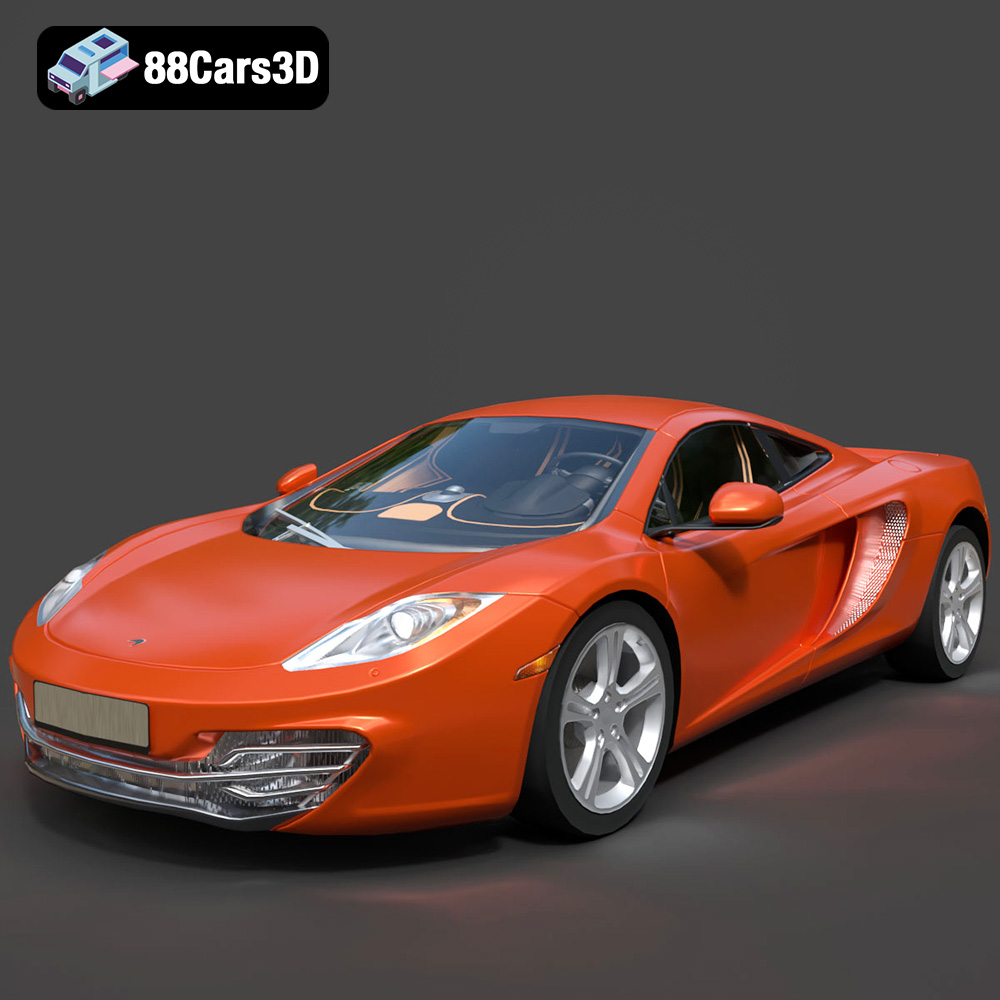
McLaren MP4-12C-001 3D Model
Texture: Yes
Material: Yes
Download the McLaren MP4-12C-001 3D Model featuring clean geometry, realistic detailing, and a fully modeled interior. Includes .blend, .fbx, .obj, .glb, .stl, .ply, .unreal, and .max formats for rendering, simulation, and game development.
Price: $23.99

Mercedes-Benz SLK 350 2005 3D Model
Texture: Yes
Material: Yes
Download the Mercedes-Benz SLK 350 2005 3D Model featuring clean geometry, realistic detailing, and a fully modeled interior. Includes .blend, .fbx, .obj, .glb, .stl, .ply, .unreal, and .max formats for rendering, simulation, and game development.
Price: $23.99

Mercedes-Benz SL 65 AMG 3D Model
Texture: Yes
Material: Yes
Download the Mercedes-Benz SL 65 AMG 3D Model featuring clean geometry, realistic detailing, and a fully modeled interior. Includes .blend, .fbx, .obj, .glb, .stl, .ply, .unreal, and .max formats for rendering, simulation, and game development.
Price: $23.99
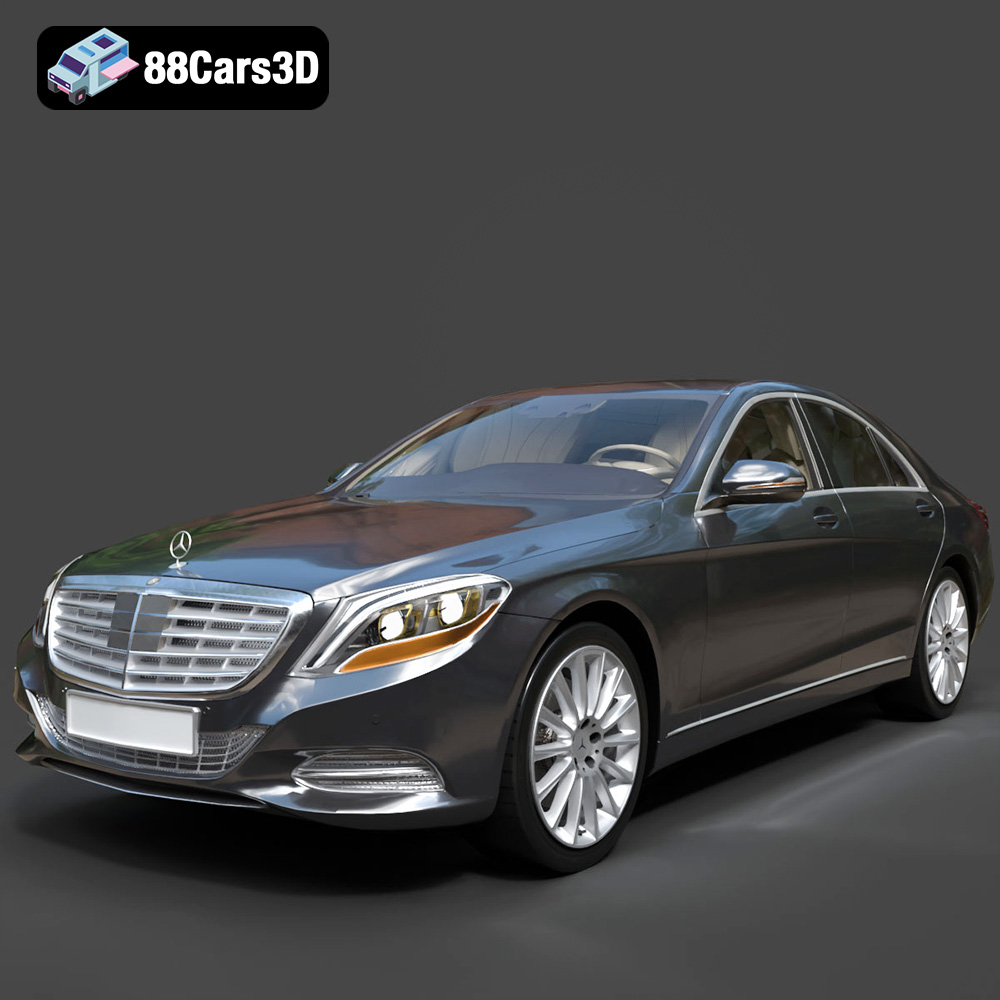
Mercedes-Benz S500 3D Model
Texture: Yes
Material: Yes
Download the Mercedes-Benz S500 3D Model featuring clean geometry, realistic detailing, and a fully modeled interior. Includes .blend, .fbx, .obj, .glb, .stl, .ply, .unreal, and .max formats for rendering, simulation, and game development.
Price: $23.99
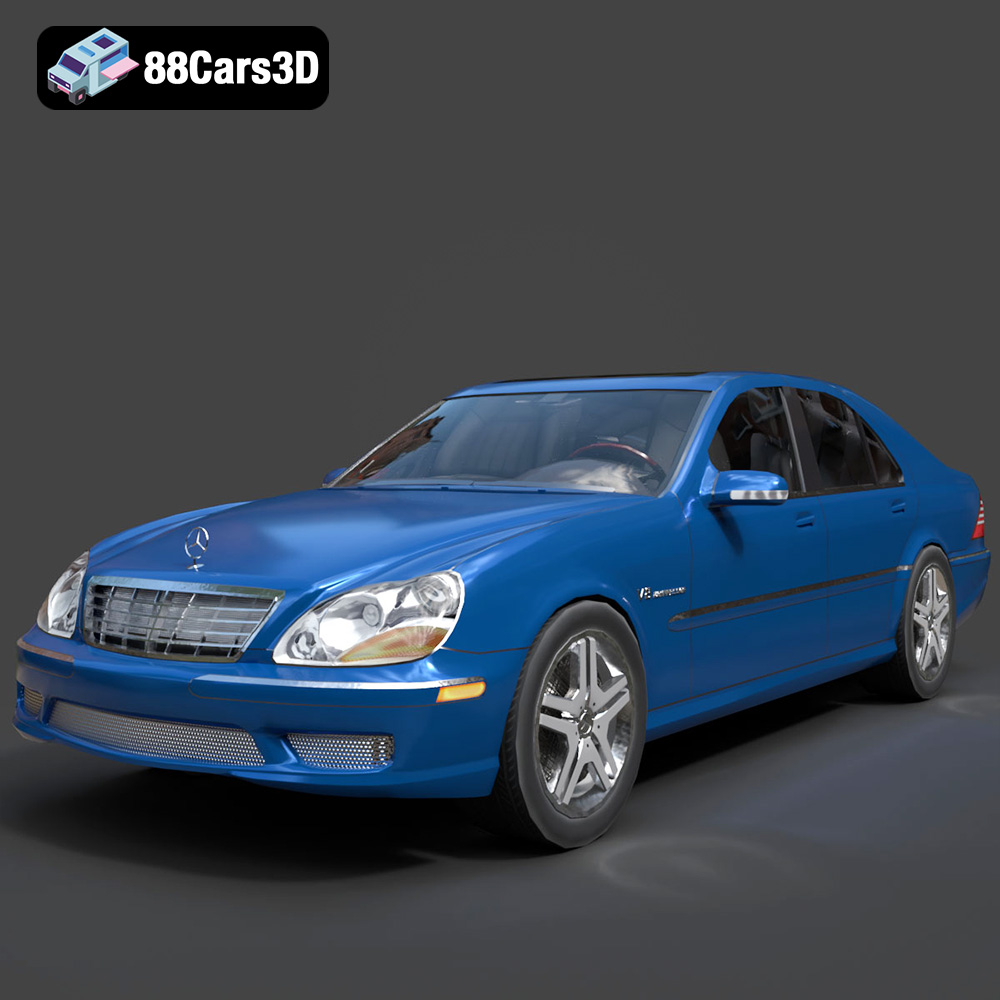
Mercedes-Benz S55 W220 AMG 1999 3D Model
Texture: Yes
Material: Yes
Download the Mercedes-Benz S55 W220 AMG 1999 3D Model featuring clean geometry, realistic detailing, and a fully modeled interior. Includes .blend, .fbx, .obj, .glb, .stl, .ply, .unreal, and .max formats for rendering, simulation, and game development.
Price: $23.99
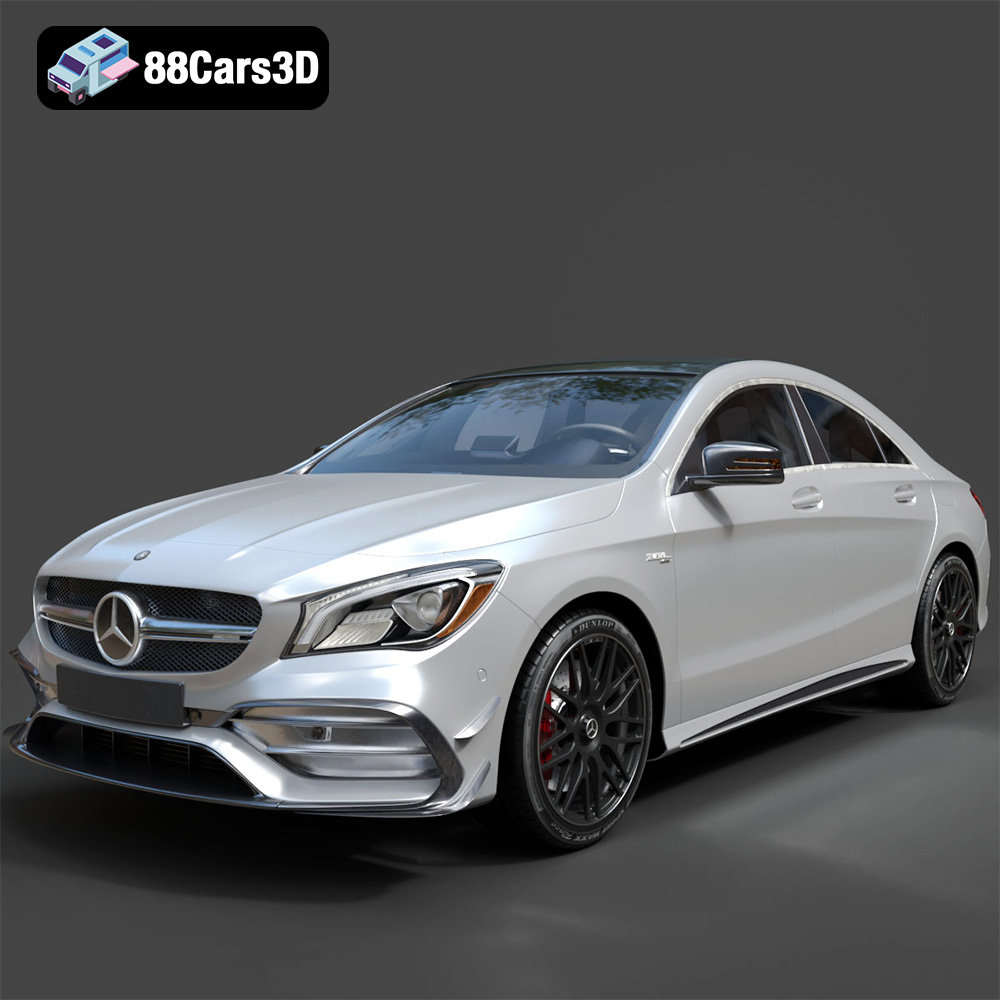
Mercedes-Benz CLA45 AMG 2017 3D Model
Texture: Yes
Material: Yes
Download the Mercedes-Benz CLA45 AMG 2017 3D Model featuring clean geometry, realistic detailing, and a fully modeled interior. Includes .blend, .fbx, .obj, .glb, .stl, .ply, .unreal, and .max formats for rendering, simulation, and game development.
Price: $38.99
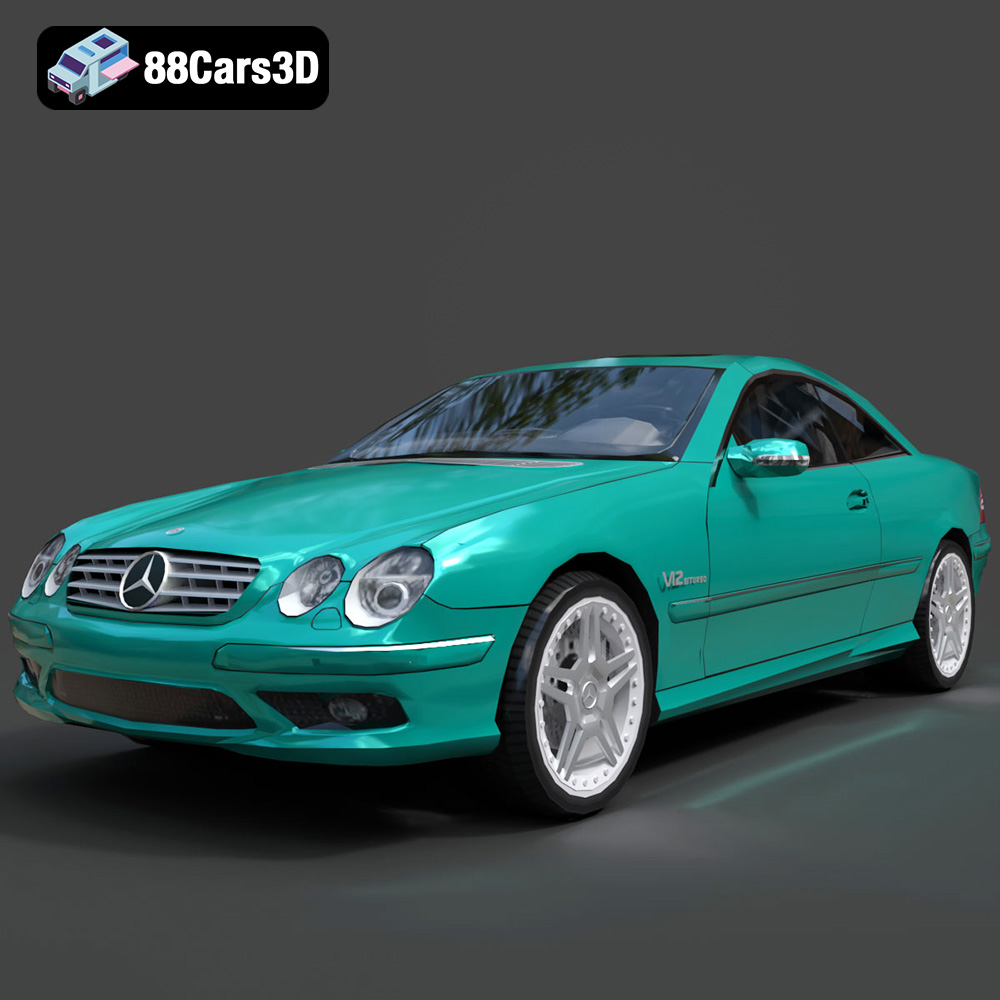
Mercedes-Benz CL65 C215 AMG 3D Model
Texture: Yes
Material: Yes
Download the Mercedes-Benz CL65 C215 AMG 3D Model featuring clean geometry, realistic detailing, and a fully modeled interior. Includes .blend, .fbx, .obj, .glb, .stl, .ply, .unreal, and .max formats for rendering, simulation, and game development.
Price: $23.99
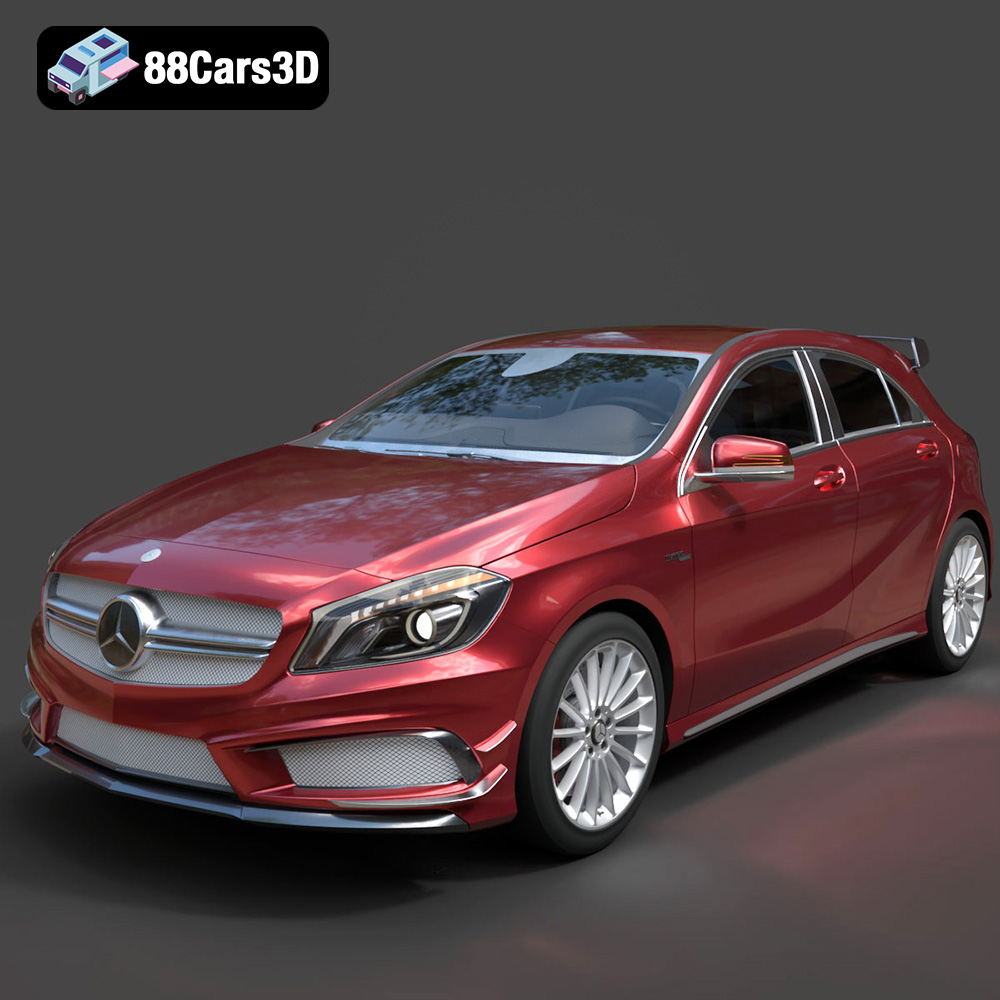
Mercedes-Benz A45 2021 3D Model
Texture: Yes
Material: Yes
Download the Mercedes-Benz A45 2021 3D Model featuring clean geometry, realistic detailing, and a fully modeled interior. Includes .blend, .fbx, .obj, .glb, .stl, .ply, .unreal, and .max formats for rendering, simulation, and game development.
Price: $23.99
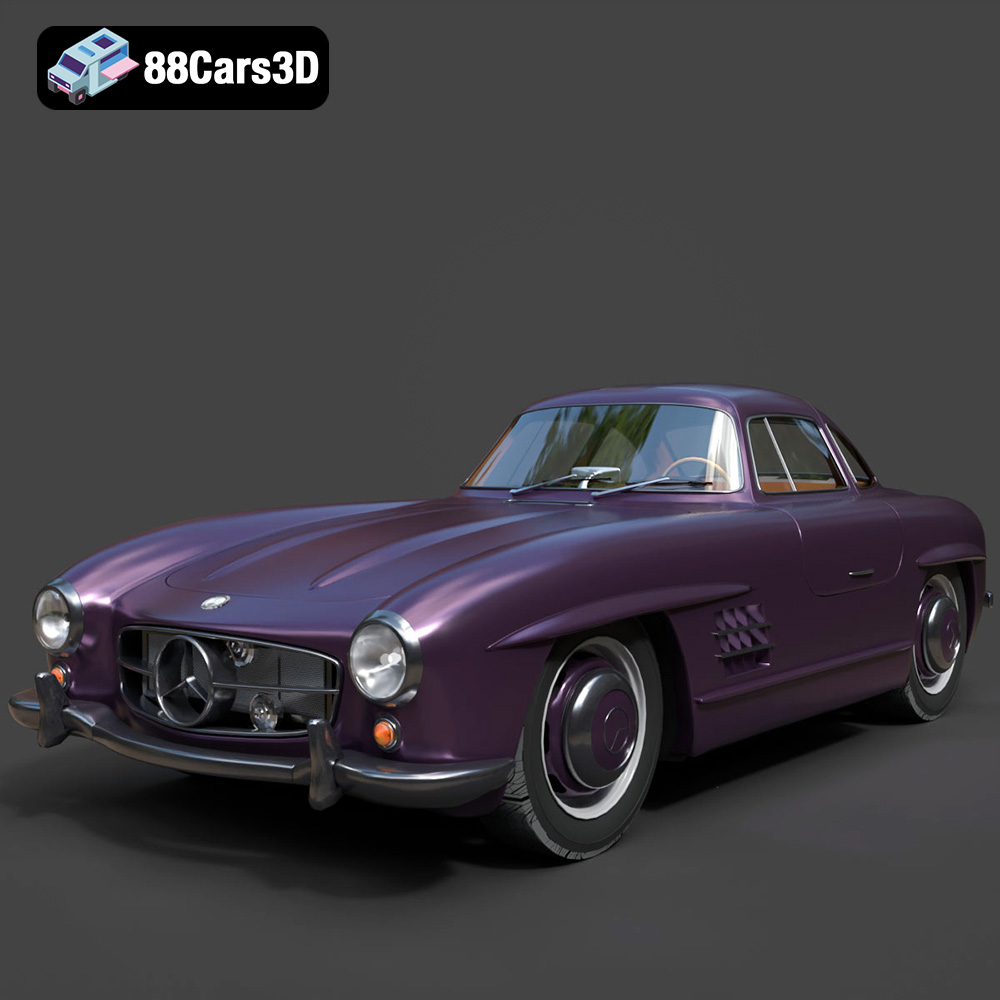
Mercedes-Benz 300SL 1955 3D Model
Texture: Yes
Material: Yes
Download the Mercedes-Benz 300SL 1955 3D Model featuring clean geometry, realistic detailing, and a fully modeled interior. Includes .blend, .fbx, .obj, .glb, .stl, .ply, .unreal, and .max formats for rendering, simulation, and game development.
Price: $23.99
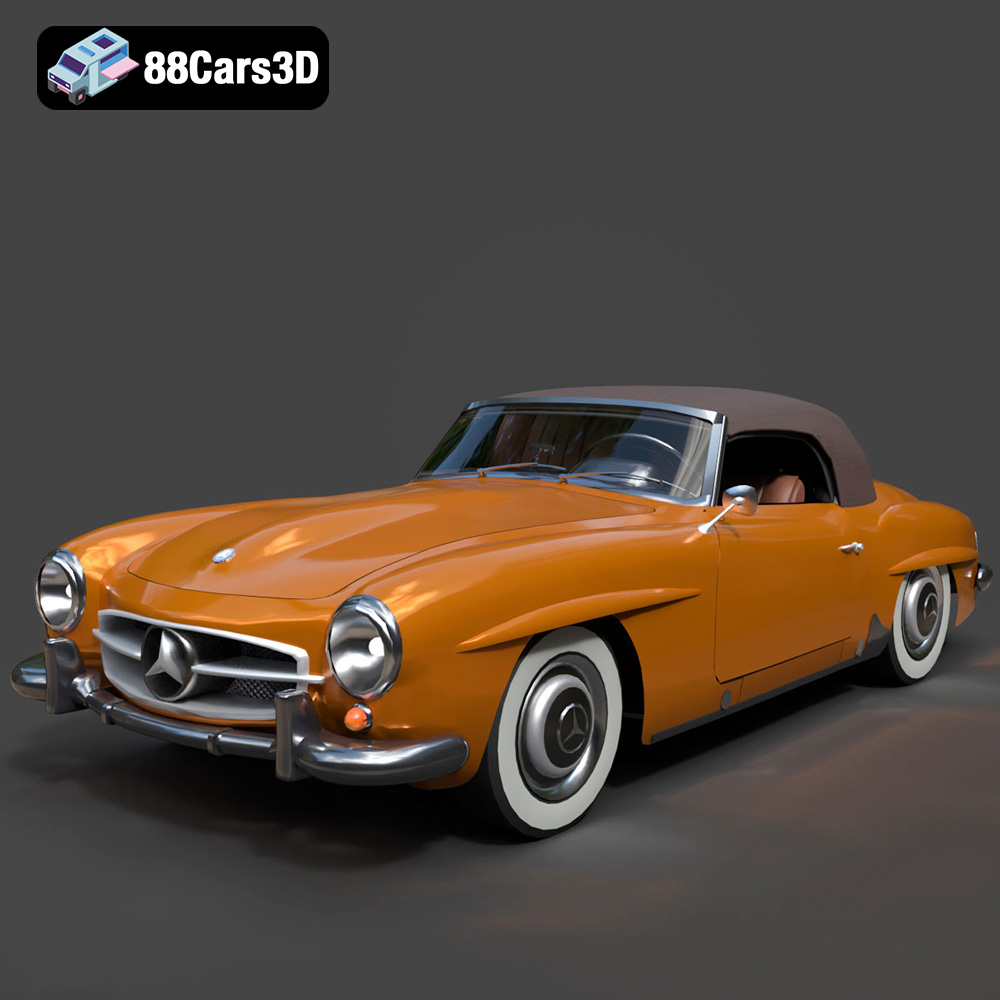
Mercedes-Benz 190SL 1955 3D Model
Texture: Yes
Material: Yes
Download the Mercedes-Benz 190SL 1955 3D Model featuring clean geometry, realistic detailing, and a fully modeled interior. Includes .blend, .fbx, .obj, .glb, .stl, .ply, .unreal, and .max formats for rendering, simulation, and game development.
Price: $23.99
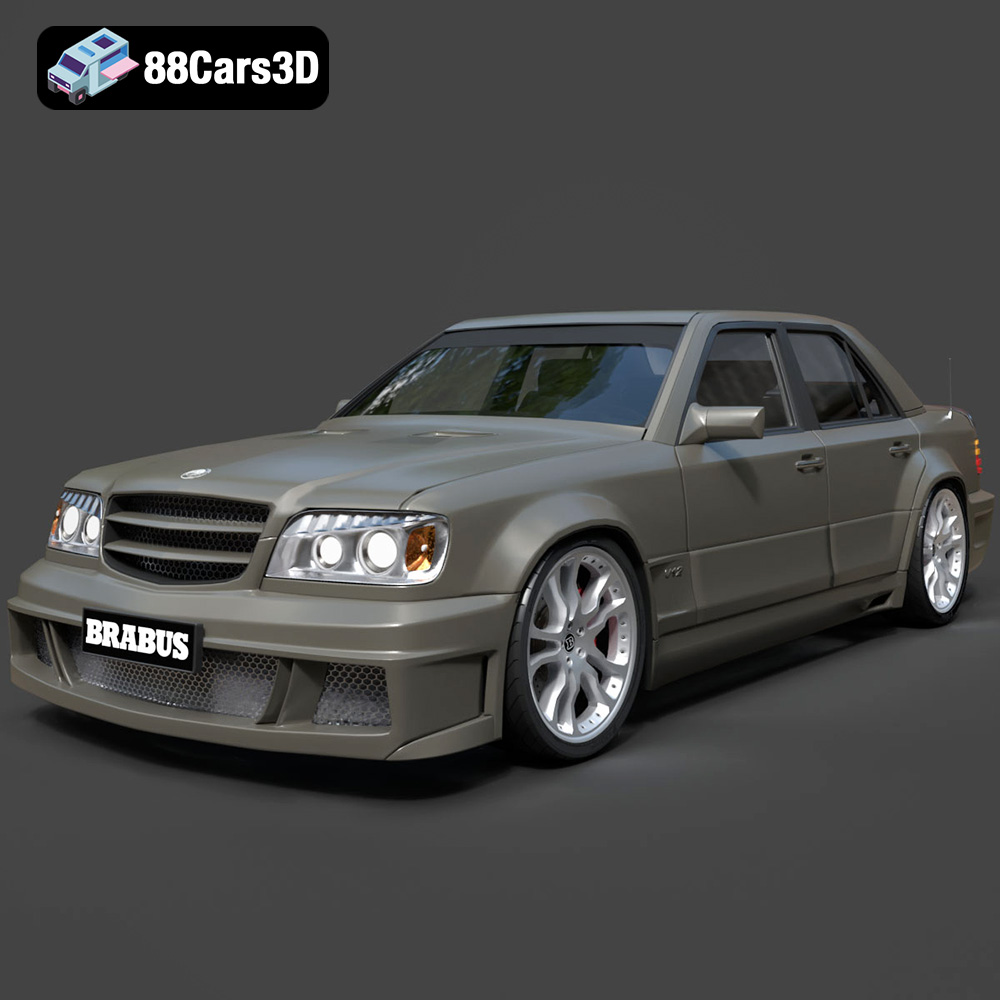
Mercedes-Benz W124 Brabus V12 3D Model
Texture: Yes
Material: Yes
Download the Mercedes-Benz W124 Brabus V12 3D Model featuring clean geometry, realistic detailing, and a fully modeled interior. Includes .blend, .fbx, .obj, .glb, .stl, .ply, .unreal, and .max formats for rendering, simulation, and game development.
Price: $23.99
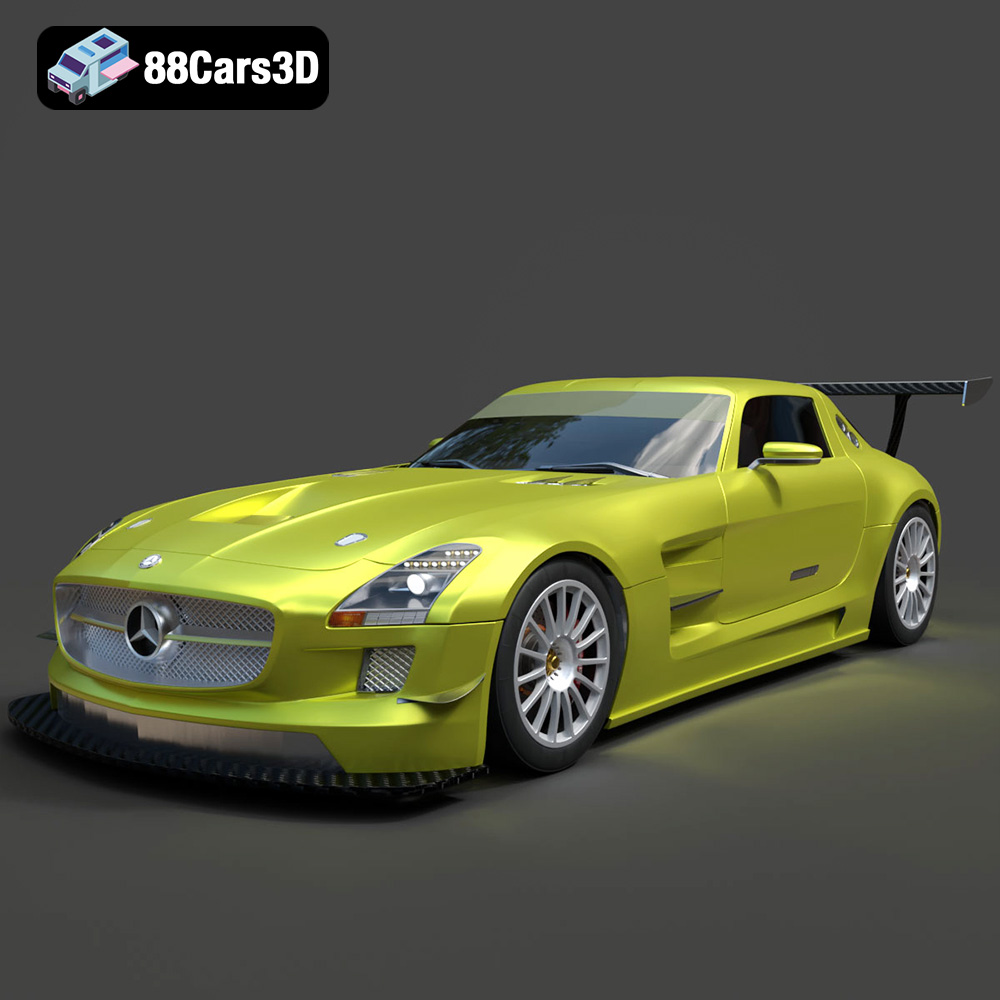
Mercedes-Benz SLS AMG GT3-002 3D Model
Texture: Yes
Material: Yes
Download the Mercedes-Benz SLS AMG GT3-002 3D Model featuring clean geometry, realistic detailing, and a fully modeled interior. Includes .blend, .fbx, .obj, .glb, .stl, .ply, .unreal, and .max formats for rendering, simulation, and game development.
Price: $38.99

Mercedes-Benz C-Class-001 3D Model
Texture: Yes
Material: Yes
Download the Mercedes-Benz C-Class-001 3D Model featuring clean geometry, realistic detailing, and a fully modeled interior. Includes .blend, .fbx, .obj, .glb, .stl, .ply, .unreal, and .max formats for rendering, simulation, and game development.
Price: $38.99
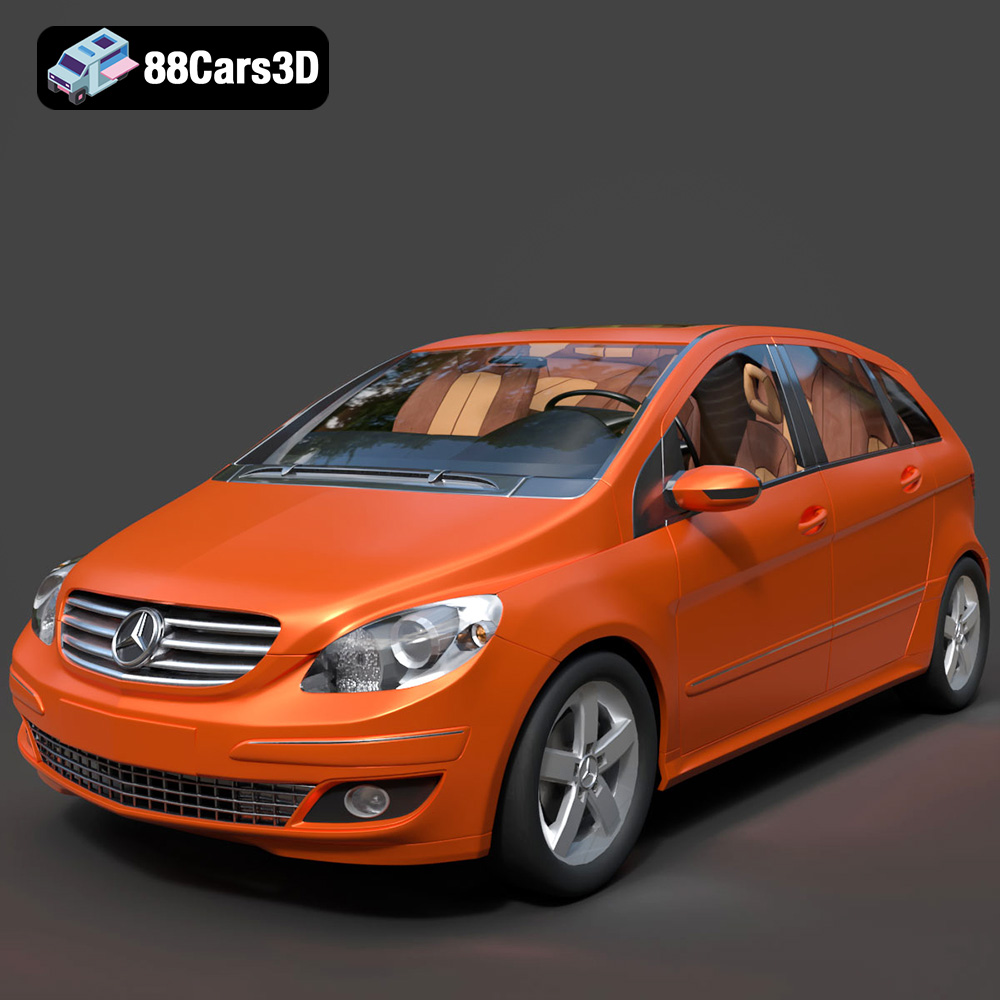
Mercedes-Benz B-Klasse 2023 3D Model
Texture: Yes
Material: Yes
Download the Mercedes-Benz B-Klasse 2023 3D Model featuring clean geometry, realistic detailing, and a fully modeled interior. Includes .blend, .fbx, .obj, .glb, .stl, .ply, .unreal, and .max formats for rendering, simulation, and game development.
Price: $38.99
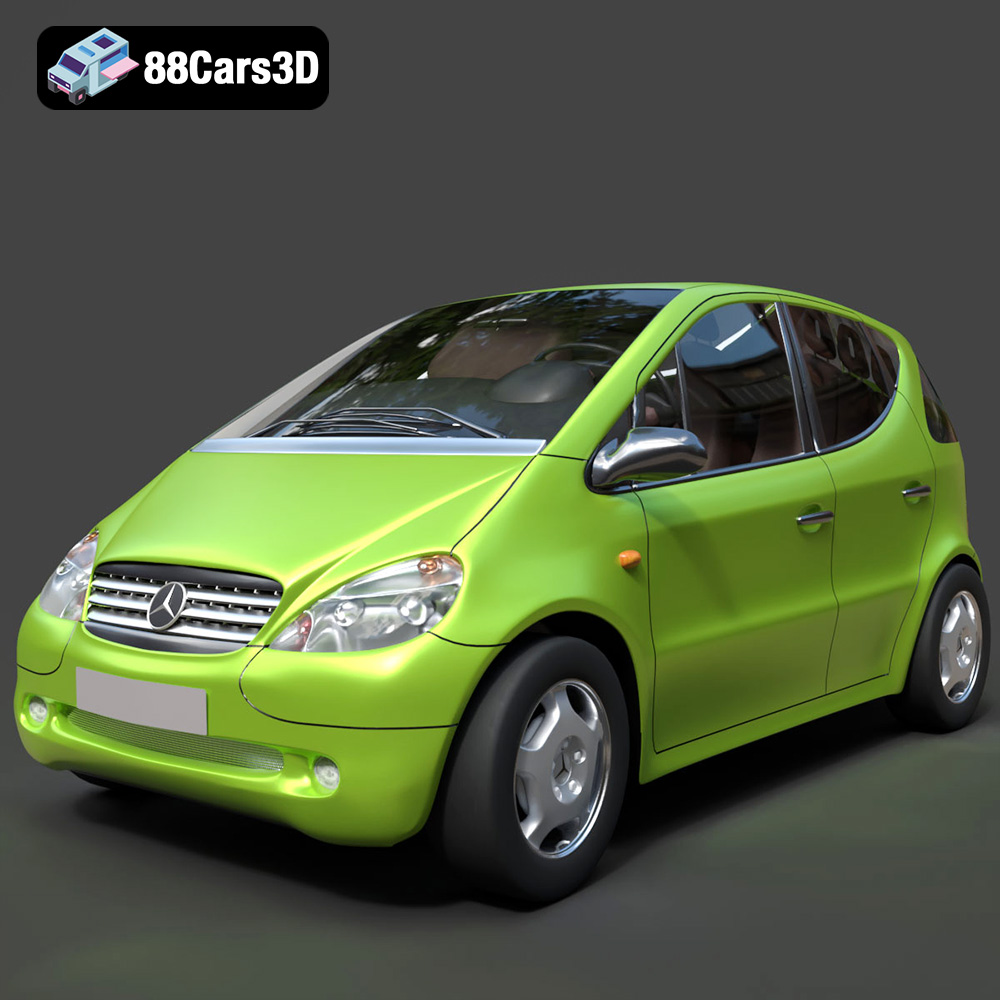
Mercedes-Benz A-Klasse W168 3D Model
Texture: Yes
Material: Yes
Download the Mercedes-Benz A-Klasse W168 3D Model featuring clean geometry, realistic detailing, and a fully modeled interior. Includes .blend, .fbx, .obj, .glb, .stl, .ply, .unreal, and .max formats for rendering, simulation, and game development.
Price: $38.99
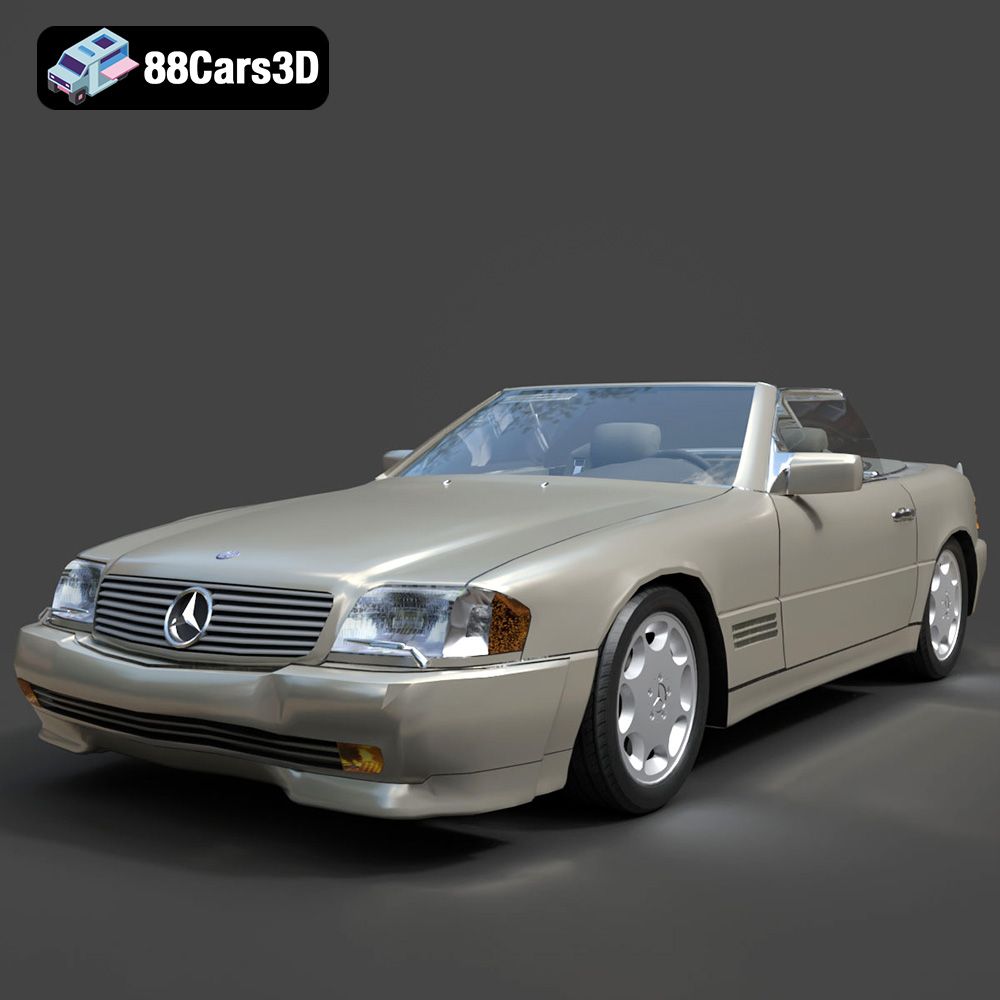
Mercedes-Benz 500SL 2000 3D Model
Texture: Yes
Material: Yes
Download the Mercedes-Benz 500SL 2000 3D Model featuring clean geometry, realistic detailing, and a fully modeled interior. Includes .blend, .fbx, .obj, .glb, .stl, .ply, .unreal, and .max formats for rendering, simulation, and game development.
Price: $38.99
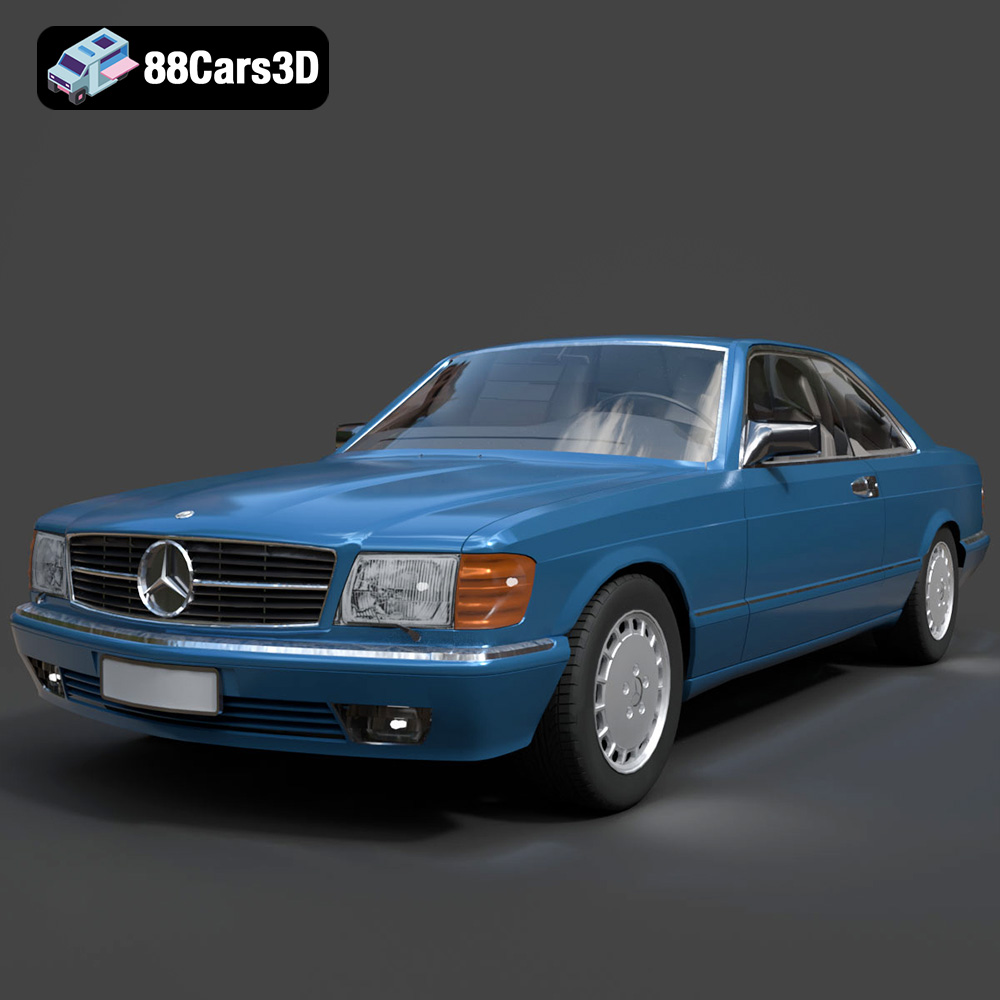
Mercedes-Benz 500SEC 3D Model
Texture: Yes
Material: Yes
Download the Mercedes-Benz 500SEC 3D Model featuring clean geometry, realistic detailing, and a fully modeled interior. Includes .blend, .fbx, .obj, .glb, .stl, .ply, .unreal, and .max formats for rendering, simulation, and game development.
Price: $38.99
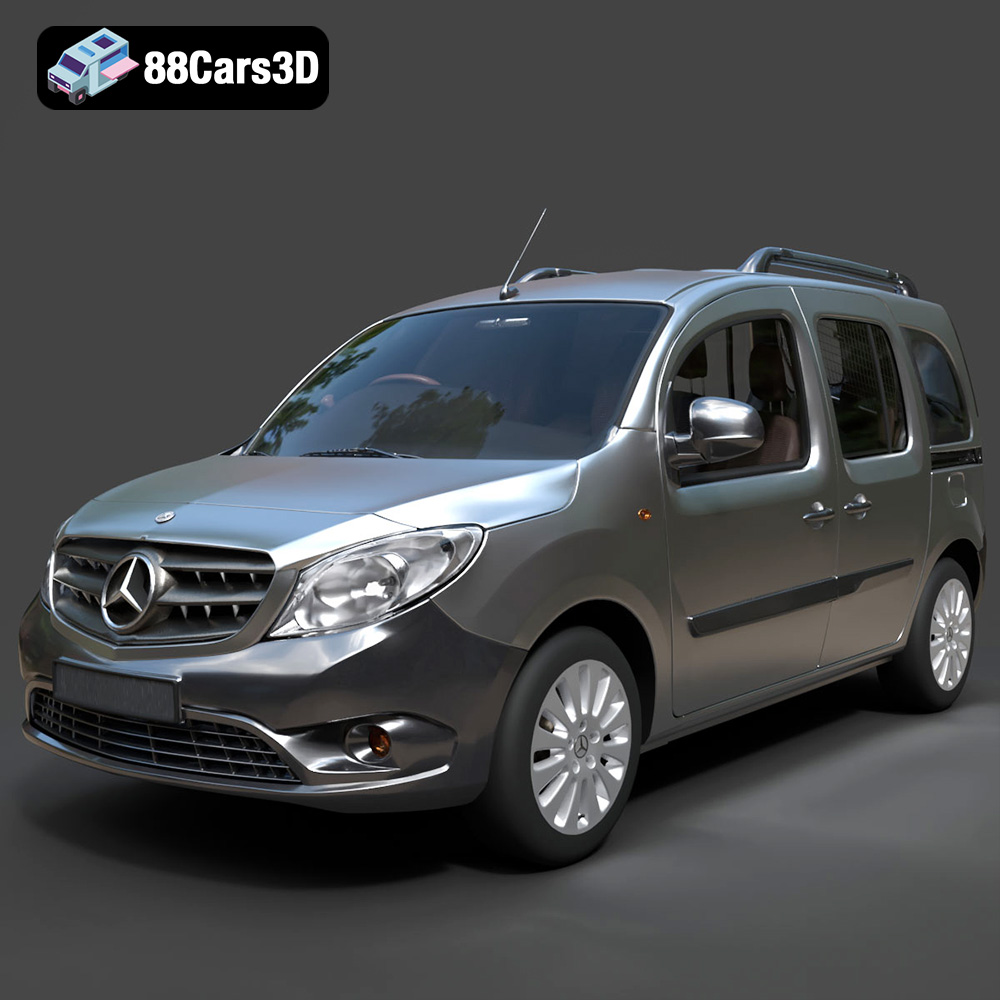
Mercedes-Benz Citan 2025 3D Model
Texture: Yes
Material: Yes
Download the Mercedes-Benz Citan 2025 3D Model featuring clean geometry, realistic detailing, and a fully modeled interior. Includes .blend, .fbx, .obj, .glb, .stl, .ply, .unreal, and .max formats for rendering, simulation, and game development.
Price: $38.99
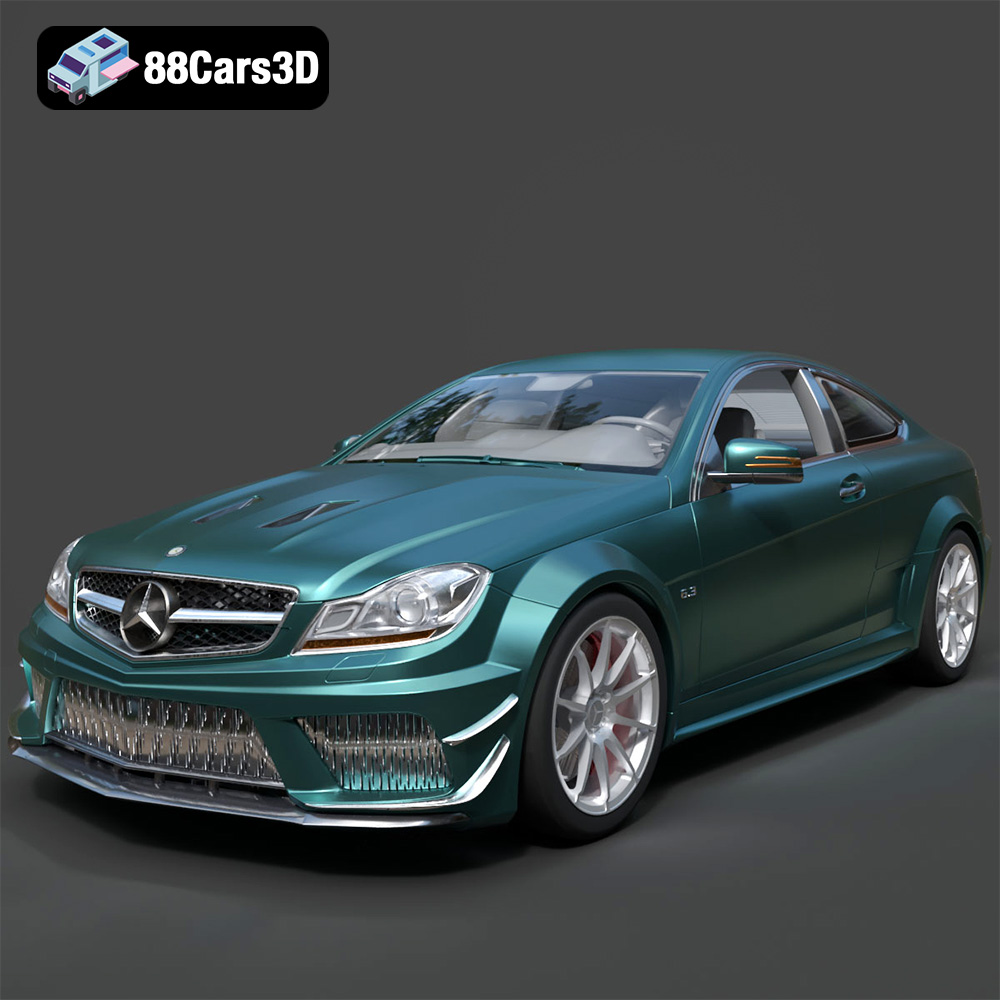
Mercedes-Benz C63 AMG 2012 3D Model
Texture: Yes
Material: Yes
Download the Mercedes-Benz C63 AMG 2012 3D Model featuring clean geometry, realistic detailing, and a fully modeled interior. Includes .blend, .fbx, .obj, .glb, .stl, .ply, .unreal, and .max formats for rendering, simulation, and game development.
Price: $38.99
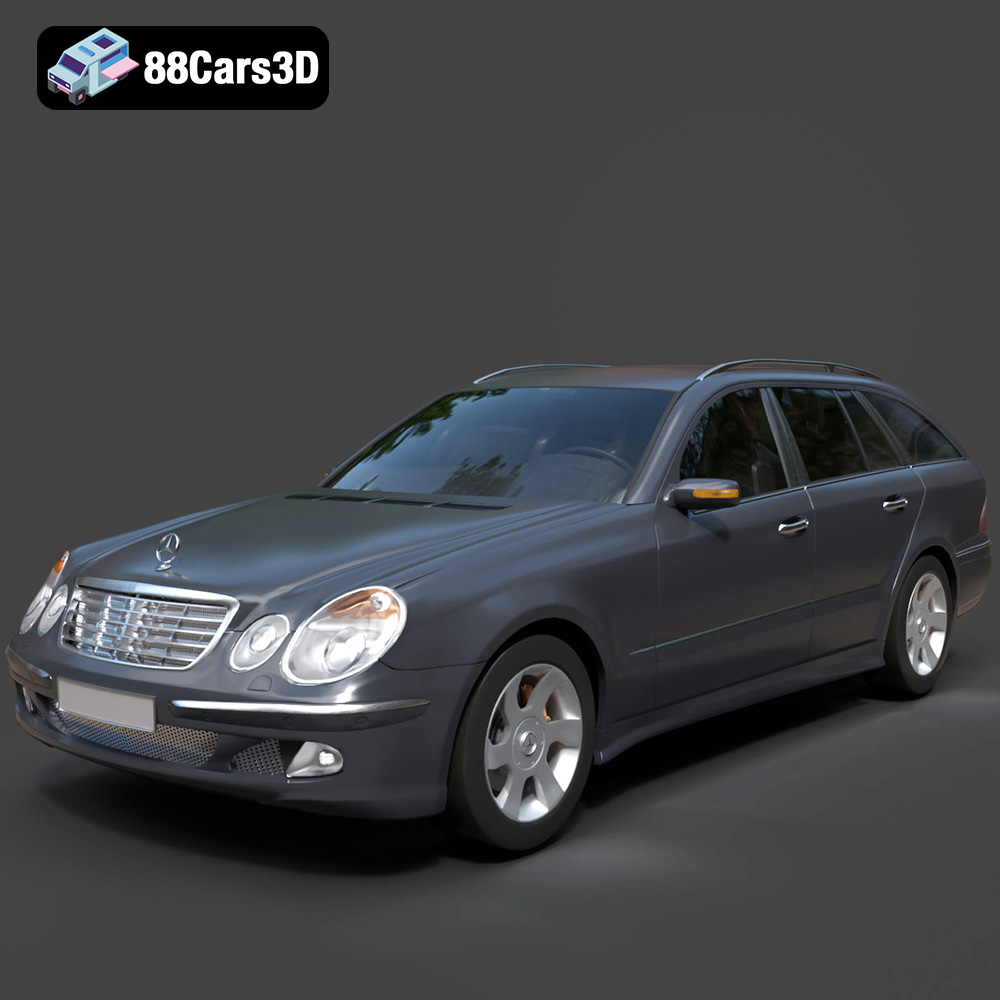
Mercedes-Benz E-Class S211 3D Model
Texture: Yes
Material: Yes
Download the Mercedes-Benz E-Class S211 3D Model featuring clean geometry, realistic detailing, and a fully modeled interior. Includes .blend, .fbx, .obj, .glb, .stl, .ply, .unreal, and .max formats for rendering, simulation, and game development.
Price: $38.99
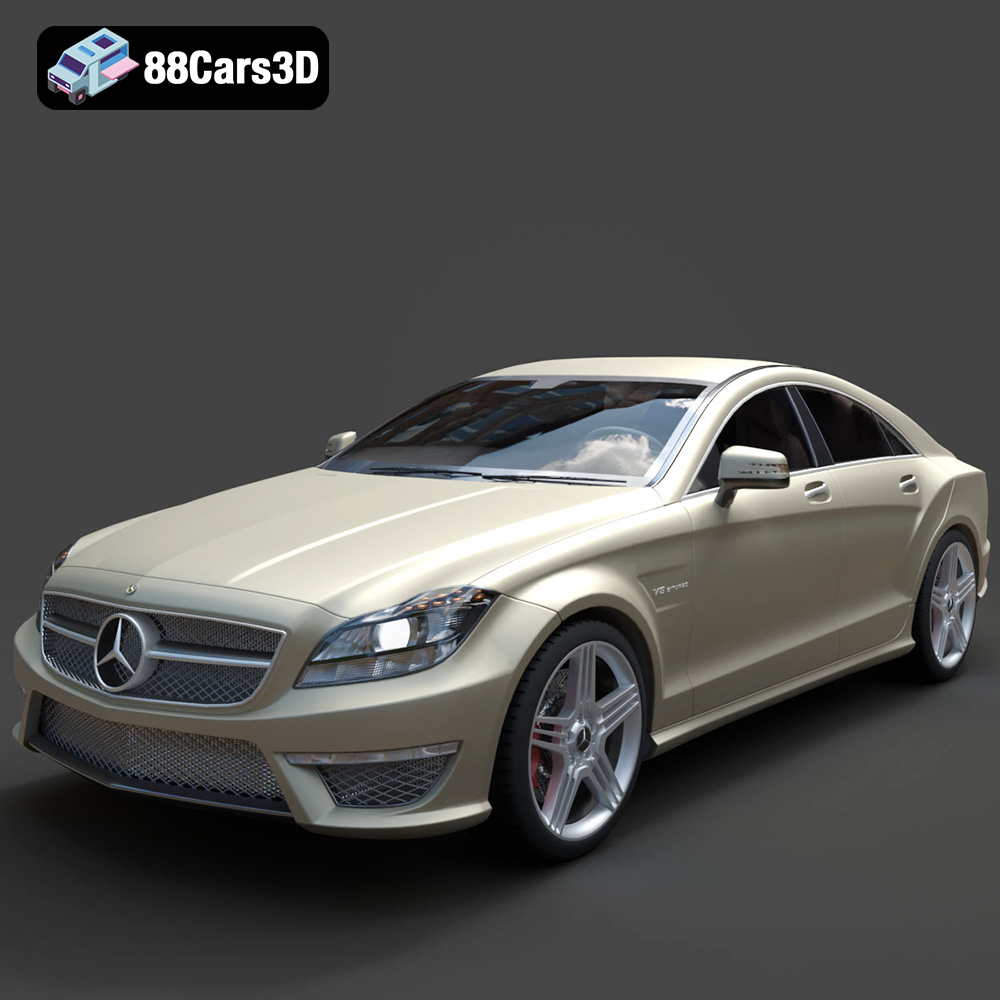
Mercedes-Benz CLS63 AMG (C218) 2014 3D Model
Texture: Yes
Material: Yes
Download the Mercedes-Benz CLS63 AMG (C218) 2014 3D Model featuring clean geometry, realistic detailing, and a fully modeled interior. Includes .blend, .fbx, .obj, .glb, .stl, .ply, .unreal, and .max formats for rendering, simulation, and game development.
Price: $38.99
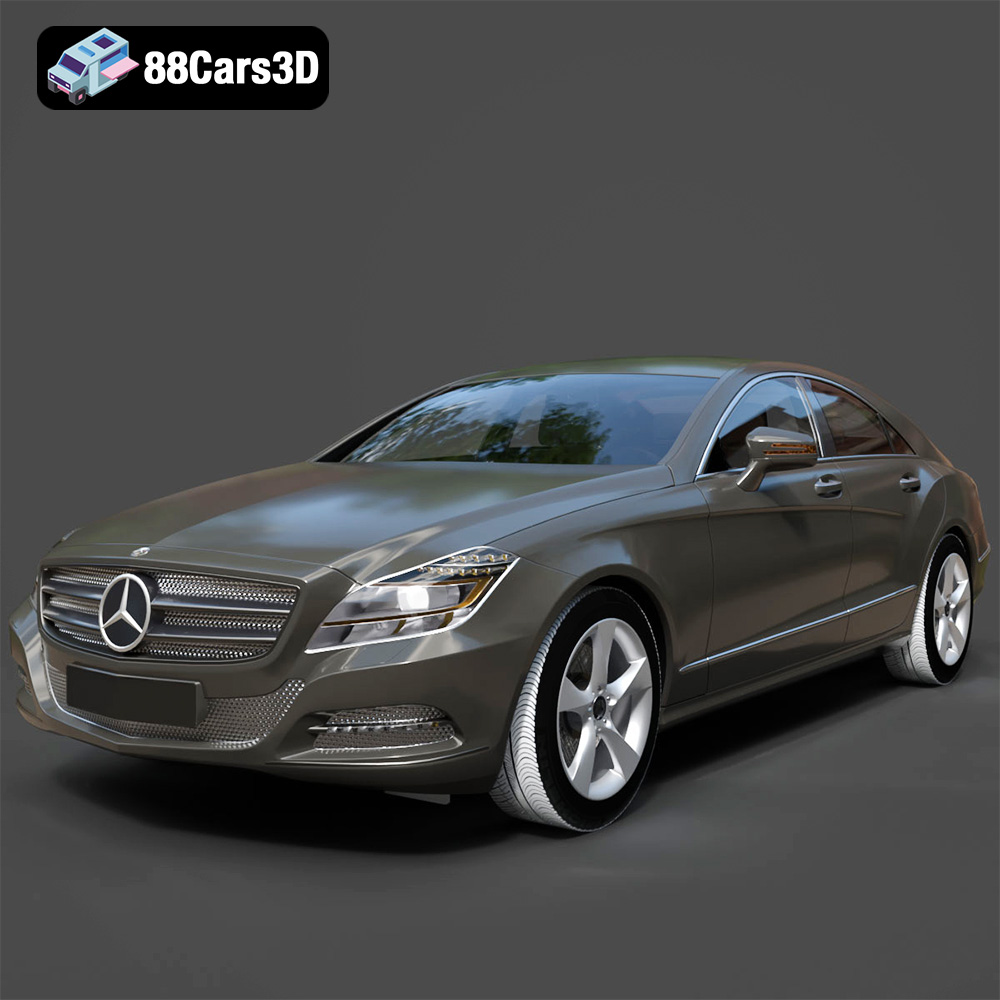
Mercedes-Benz CLS-Klasse 3D Model
Texture: Yes
Material: Yes
Download the Mercedes-Benz CLS-Klasse 3D Model featuring clean geometry, realistic detailing, and a fully modeled interior. Includes .blend, .fbx, .obj, .glb, .stl, .ply, .unreal, and .max formats for rendering, simulation, and game development.
Price: $38.99
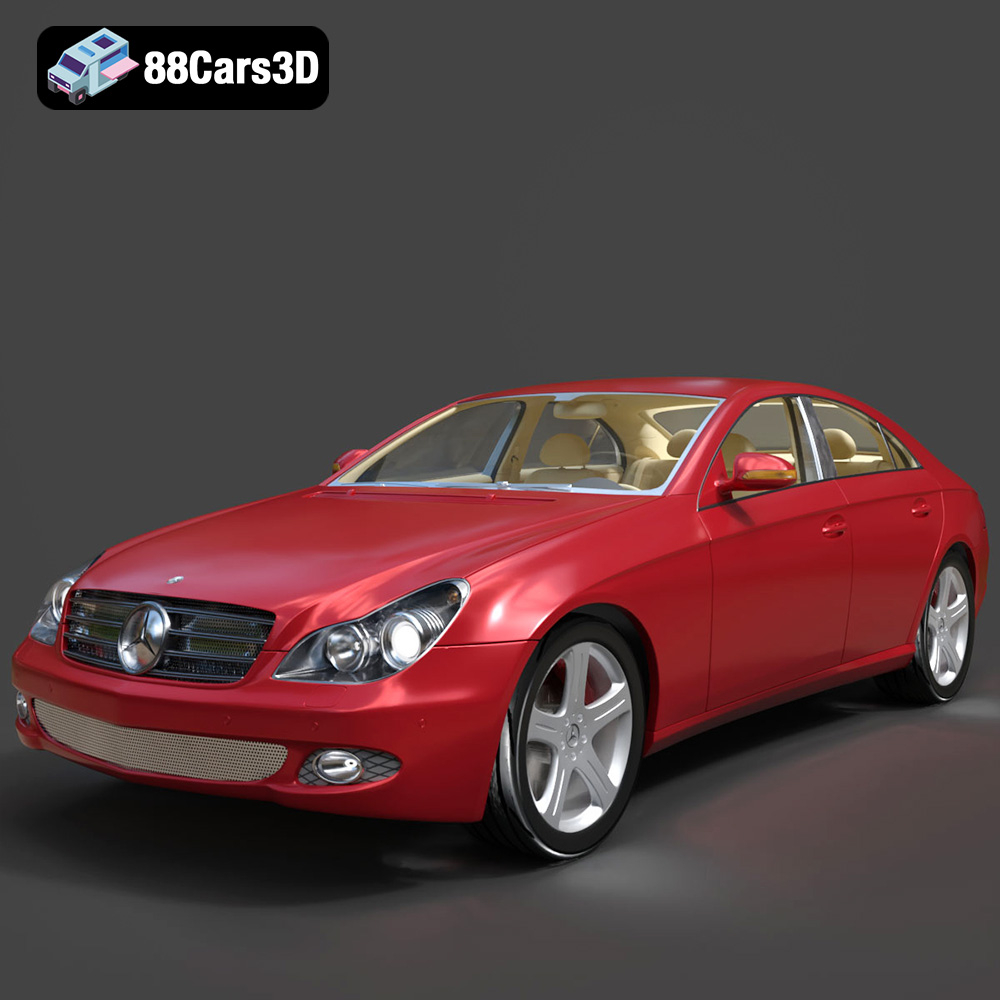
Mercedes-Benz CLS 500 3D Model
Texture: Yes
Material: Yes
Download the Mercedes-Benz CLS 500 3D Model featuring clean geometry, realistic detailing, and a fully modeled interior. Includes .blend, .fbx, .obj, .glb, .stl, .ply, .unreal, and .max formats for rendering, simulation, and game development.
Price: $38.99

Mercedes-Benz CL-Klasse 2001 3D Model
Texture: Yes
Material: Yes
Download the Mercedes-Benz CL-Klasse 2001 3D Model featuring clean geometry, realistic detailing, and a fully modeled interior. Includes .blend, .fbx, .obj, .glb, .stl, .ply, .unreal, and .max formats for rendering, simulation, and game development.
Price: $38.99
