
Understanding CAD Data Challenges for Real-Time Applications

The roar of a finely tuned engine, the glint of sunlight on polished chrome, the distinct lines of an iconic design – these are the hallmarks of a compelling automotive experience. In the world of real-time applications like video games, architectural visualization, and interactive simulations, achieving this level of visual fidelity for vehicles is paramount. However, bridging the gap between intricate engineering CAD models and performant, photorealistic game assets is a journey fraught with technical challenges. It requires a specialized, high-end automotive pipeline designed for precision and efficiency.
Raw CAD data, while accurate for manufacturing, is fundamentally ill-suited for real-time rendering. Its structure, polygon density, and inherent complexities create significant hurdles for game engines. The transformation from an engineering blueprint to a game-ready vehicle demands meticulous attention to detail, advanced optimization techniques, and a deep understanding of PBR workflows. This guide will walk you through the essential steps, from initial CAD data optimization to final engine integration, ensuring your automotive assets shine with real-time photorealism.
For those seeking a head start, or simply the highest quality, pre-optimized models, resources like 88cars3d.com offer an extensive library of meticulously crafted automotive 3D models, ready for your real-time projects.
Understanding CAD Data Challenges for Real-Time Applications
At its core, CAD (Computer-Aided Design) data is engineered for manufacturing precision, not real-time rendering efficiency. These models are typically built using NURBS (Non-Uniform Rational B-Splines) surfaces, which describe curves and surfaces mathematically. When converted to polygons for rendering, these NURBS surfaces are tessellated, often resulting in an incredibly high polygon count that is simply unmanageable for game engines.
One of the primary issues is the sheer geometric complexity. A single automotive CAD model can contain hundreds of millions, or even billions, of polygons. Game engines struggle to render such dense meshes in real-time, leading to abysmal frame rates and performance bottlenecks. Furthermore, the tessellation process often generates triangles that are poorly shaped, extremely small, or create overlapping geometry. This can cause shading artifacts, rendering errors, and difficulties in creating clean UV maps.
Another significant problem is the presence of non-manifold geometry. This refers to edges that connect more than two faces, or isolated vertices and edges. While permissible in CAD software, non-manifold geometry breaks the fundamental rules of a watertight mesh, which is crucial for proper lighting calculations, physics simulations, and successful export to game engines. Addressing these issues early on is vital for effective mesh cleanup automotive processes.
The inherent structure of CAD models also lacks the clean, quad-based topology that game engines and artists prefer. This ‘dirty’ topology complicates UV mapping, rigging, and animation, making it challenging to efficiently bake normal maps and apply textures. Therefore, a specialized pipeline is not merely an option, but a necessity to transform these robust engineering models into agile, real-time assets.
The Core Conversion Workflow: From Raw Data to Optimized Mesh
The journey from raw CAD to a game-ready asset is a multi-stage process that prioritizes efficiency, visual fidelity, and engine compatibility. It’s a deliberate breakdown of complex geometry into manageable, optimized forms.
Data Import and Initial Mesh Cleanup
The first step involves importing the CAD data into a 3D modeling package such as Maya, 3ds Max, Blender, or specialized CAD-to-polygon conversion tools like Datasmith for Unreal Engine. Common export formats for CAD include STEP, IGES, SAT, or often, a pre-tessellated mesh format like OBJ or FBX from a CAD viewer.
Once imported, the initial mesh cleanup automotive phase begins. This is critical for resolving the issues mentioned earlier. Key tasks include:
- Removing Duplicate Geometry: CAD models often have overlapping surfaces or internal components that are not visible. Identifying and deleting these saves significant polygon count.
- Welding Vertices: Merging vertices that are very close but not connected, effectively stitching together surfaces that might have been separate NURBS patches.
- Fixing Non-Manifold Edges: This is a crucial step. Techniques involve carefully identifying and reconstructing problematic areas to ensure a watertight mesh. Automated tools can help, but manual intervention is often required for complex automotive geometry.
- Decimation/Simplification: Aggressive polygon reduction tools can be used initially to bring the mesh down to a more manageable level, though this is a coarse reduction and not a substitute for retopology.
- Checking Normals: Ensuring all polygon normals are facing outwards correctly is fundamental for proper lighting. Flipped normals can cause dark spots or render incorrectly in an engine.
This initial cleanup ensures a more stable foundation for the subsequent, more detailed optimization steps.
High-Poly to Low-Poly Conversion and Retopology
This is arguably the most critical stage for CAD data optimization for real-time applications. The goal is to create a new, much lower-polygon mesh that accurately represents the visual silhouette and form of the original high-poly CAD model, but with clean, efficient topology. This is the essence of high-poly to low-poly conversion.
Retopology for games involves meticulously building a new mesh over the high-polygon source. This process can be done manually, semi-automatically with tools like ZBrush’s ZRemesher, or dedicated retopology software. Manual retopology, though time-consuming, offers the most control and is often preferred for high-end automotive assets where precision is key. Key considerations during retopology include:
- Quad-Dominant Topology: Game engines and artists prefer meshes made primarily of four-sided polygons (quads). Quads deform better, are easier to UV unwrap, and result in cleaner normal map baking.
- Edge Flow: The edges of the new mesh should follow the natural contours and creases of the vehicle. This is vital for smooth deformations if the model needs to be animated (e.g., doors, suspension) and for proper shading.
- Polygon Density: Strategic distribution of polygons. High-detail areas (e.g., sharp edges, intricate grilles) will require more polygons, while flat, simple surfaces can have a much lower density.
- Maintaining Silhouette: The low-poly mesh must accurately capture the overall shape and distinct features of the vehicle from all angles, especially at a distance.
- Optimizing Components: Breaking down the car into logical parts (body, wheels, interior, lights) allows for individual optimization and easier management within the engine.
The result is a game-ready mesh that is significantly lighter than the original CAD model, making it suitable for real-time performance while retaining visual fidelity.
UV Mapping and Texture Baking
Once the retopologized low-poly mesh is complete, it needs proper UVs (U-V coordinates) to apply textures. UV mapping is the process of flattening the 3D surface of the model onto a 2D plane, much like unwrapping a gift box. Efficient UV layout is crucial for:
- Optimized Texture Usage: Maximizing the use of texture space, reducing wasted pixels, and avoiding stretching or distortion.
- Clean Texture Baking: A well-unwrapped model will receive cleaner baked maps without artifacts.
- Material Zones: Organizing UVs by material type (paint, glass, rubber) simplifies the texturing process.
After UVs are established, the next critical step is texture baking. This involves transferring the fine surface details and shading information from the high-poly source model (the cleaned CAD data or a subdivided version) onto the low-poly, UV-mapped target model. The most common maps baked are:
- Normal Map: This map stores surface angle information, simulating high-resolution details like panel lines, bolts, and subtle curves without adding actual geometry. It’s essential for making the low-poly mesh appear as detailed as the high-poly.
- Ambient Occlusion (AO) Map: Calculates how much ambient light a surface receives, simulating soft shadows in crevices and corners, adding depth and realism.
- Curvature Map: Identifies convex and concave areas, useful for procedurally adding wear, dirt, or edge highlights to materials.
- ID/Material Mask Map: Used to define different material zones on a single texture sheet, aiding in material creation within texturing software.
Baking tools are integrated into most 3D software or dedicated applications like Marmoset Toolbag or Substance Painter. This process is fundamental to the real-time rendering workflow, allowing a low-poly model to look high-poly.
Achieving Real-Time Photorealism with PBR Texturing
Photorealism in real-time rendering is largely driven by physically based rendering (PBR) workflows. PBR materials accurately simulate how light interacts with surfaces in the real world, leading to more consistent and believable results across different lighting conditions.
Mastering PBR Material Creation
For PBR texturing automotive assets, several key maps are typically used:
- Base Color (Albedo): Defines the intrinsic color of the surface without any lighting information. For cars, this is the body color, trim color, etc.
- Metallic: A binary map (0 or 1) indicating whether a surface is metallic or dielectric. Car paint clear coat, chrome, and brushed aluminum are metallic. Rubber and plastic are dielectric.
- Roughness: Controls the microscopic surface irregularities. A low roughness value makes a surface reflective and glossy (like polished chrome), while a high value makes it matte (like rough plastic or tire rubber).
- Normal Map: As discussed, provides the illusion of high-resolution geometric detail.
- Ambient Occlusion (AO): Baked from the high-poly, adds subtle contact shadows.
Creating believable automotive materials requires specific attention:
- Car Paint: This is complex. It typically involves layers: a base color, a metallic flake layer, and a glossy clear coat. PBR setups often simulate this with carefully tuned metallic and roughness maps, sometimes with additional custom shader nodes to achieve pearlescent or metallic flake effects.
- Glass: Requires realistic refraction, reflection, and transparency. Tint, imperfections, and subtle dirt or dust maps contribute to realism.
- Chrome & Metals: Characterized by high metallic values and low roughness. Variations in roughness can create brushed metal effects.
- Rubber & Plastics: Generally dielectric, with varying roughness levels. Tire rubber will have significant roughness and intricate tread patterns (often handled with normal maps).
The key is to study real-world references extensively and understand how light behaves on different automotive surfaces.
Texture Resolution and Optimization
Texture resolution is a balance between visual quality and performance. High-resolution textures (e.g., 4K or 8K) provide incredible detail but consume significant memory and VRAM. For automotive assets, specific strategies are employed:
- Prioritize Detail: Body panels, headlights, and badges might warrant higher resolution textures, while less prominent areas can use lower resolutions.
- Texture Atlases: Combining multiple smaller textures for different parts onto a single, larger texture sheet (an atlas) can improve draw call efficiency in game engines.
- Tiling Textures: For repetitive details like tire tread patterns or interior fabrics, tiling textures are efficient. A small, seamlessly tileable texture can cover a large area without high memory cost.
- Consistent Texel Density: Striving for a consistent ratio of texture pixels per unit of surface area across the model helps maintain visual uniformity and prevents noticeable blurriness or pixelation on certain parts.
- Texture Compression: Utilizing appropriate compression formats (e.g., BC7 for color, BC5 for normal maps) within the game engine is vital for memory optimization without significant quality loss.
Thoughtful texture strategy is crucial for delivering stunning visuals while maintaining a smooth real-time rendering workflow.
Game Engine Integration and Advanced Optimization Strategies
Once your automotive asset is meticulously modeled, retopologized, UV-mapped, and textured, the next phase is to prepare it for seamless integration and optimal performance within a game engine like Unreal Engine 5 or Unity HDRP.
Level of Detail (LODs) for Performance
A single, high-detail model is only efficient when viewed up close. For objects viewed from a distance, much of that detail is lost to perspective and screen resolution. This is where Level of Detail (LODs) become indispensable. LODs are simplified versions of your model that the engine swaps in and out based on the camera’s distance or screen size.
A typical LOD setup for a high-end automotive asset might include:
- LOD0 (Highest Detail): The primary game-ready mesh, visible when the camera is very close.
- LOD1 (Medium Detail): A roughly 50% polygon reduction from LOD0, often achieved by further decimation or simplified retopology, for mid-range views.
- LOD2 (Low Detail): A significant polygon reduction (e.g., 75-90% less than LOD0), used for distant views. Details like interior elements might be removed or heavily simplified.
- LOD3 (Very Low Detail/Impostor): A severely simplified mesh, or even a 2D impostor (a texture-baked image of the car on a plane), for extremely distant views or large numbers of cars.
The goal is to provide just enough detail to be visually convincing at any given distance, minimizing render cost. Tools within game engines automate some aspects of LOD generation, but manual creation or refinement of LODs often yields better results for complex assets like cars.
Collision Models and Physics
Beyond visual fidelity, cars need to interact physically with the game world. This requires dedicated collision models. Unlike the render mesh, collision models do not need visual detail; they only need to accurately represent the physical boundaries of the vehicle. Using the render mesh for collisions is highly inefficient due to its polygon count.
Collision models are typically:
- Simplified Mesh: A greatly reduced polygon mesh that approximates the car’s shape. This is often an even lower poly version than your lowest LOD.
- Primitive Colliders: Basic shapes like boxes, spheres, or capsules. A car might use a combination of several box colliders for its main body, and sphere colliders for wheels.
- Convex Hull: A single, concave-free mesh that encloses the object. While more complex than primitives, it’s efficient for accurate physics simulation.
Each wheel also requires its own collision and physics setup, often involving raycasts or individual sphere colliders combined with complex suspension simulations specific to the engine’s vehicle physics system. Setting up accurate collision for Unreal Engine automotive assets or Unity requires careful consideration of the engine’s physics documentation.
Export Best Practices for Engines
Exporting your final optimized model to the game engine requires adherence to specific best practices to ensure everything works as expected:
- FBX Format: The FBX file format is the industry standard for transferring 3D assets between DCC (Digital Content Creation) tools and game engines. It supports meshes, materials, UVs, animations, and more.
- Units and Scale: Ensure your 3D software’s unit system matches the game engine’s (e.g., centimeters in Maya to centimeters in Unreal Engine). Inconsistent scaling can lead to physics issues and visual discrepancies.
- Pivot Points and Orientation: Each mesh component (e.g., car body, individual wheels, doors) should have its pivot point correctly placed (e.g., wheel pivot at its center) for proper rotation and animation. The entire car model should be oriented correctly (e.g., +X forward, +Z up).
- Naming Conventions: Use clear, consistent naming conventions for all meshes, materials, and textures. This makes asset management easier, especially in large projects.
- Material IDs: Assign distinct material IDs to different parts of the car if you plan to use multiple material slots in the engine. This allows for individual PBR material assignments.
- Check for Errors: Before export, perform a final check for any remaining non-manifold geometry, flipped normals, or other mesh errors.
Following these best practices for your real-time rendering workflow minimizes troubleshooting time and ensures your high-quality automotive assets integrate seamlessly.
The Role of Expert Resources and Workflow Efficiency
The journey from CAD to a game-ready, photorealistic automotive asset is undoubtedly complex and resource-intensive. It demands specialized skills in modeling, texturing, and engine optimization. For many studios and individual developers, creating every single automotive asset from scratch following this rigorous pipeline can be prohibitive in terms of time and cost.
This is where leveraging expert resources becomes invaluable. Instead of undergoing the extensive CAD data optimization and transformation process for every vehicle, developers can turn to platforms that provide pre-optimized, high-quality models. These assets have already undergone the rigorous steps of retopology for games, professional UV mapping, and come with expertly crafted PBR textures.
For example, 88cars3d.com specializes in delivering production-ready automotive 3D models specifically designed for real-time engines. Their models are built with game development in mind, featuring clean topology, efficient UVs, baked normal and AO maps, and PBR-ready materials. This significantly accelerates development cycles, allowing artists and developers to focus on scene creation, lighting, and gameplay, rather than spending countless hours on foundational asset preparation. Investing in such resources is a strategic decision that enhances workflow efficiency and guarantees a higher standard of visual fidelity right from the start.
Conclusion
Bringing high-fidelity automotive models from the precise world of CAD to the dynamic environment of real-time rendering is a meticulous but rewarding endeavor. It’s a pipeline built on intelligent compromises, where every decision, from initial mesh cleanup automotive to final Level of Detail (LODs) implementation, contributes to a delicate balance of visual excellence and performance efficiency.
By understanding and mastering each stage – from the challenges of raw CAD data and the intricacies of high-poly to low-poly conversion and retopology for games, through the artistic science of PBR texturing automotive assets, to the technical demands of Unreal Engine automotive assets integration – you can unlock truly immersive and photorealistic experiences. This comprehensive real-time rendering workflow is the backbone of stunning virtual vehicles.
Whether you’re crafting the next generation of racing simulators or visualizing future car designs, a robust pipeline is your strongest asset. Don’t let the technical complexities deter you; embrace them as an opportunity to push the boundaries of real-time graphics. And for those looking to jumpstart their projects with exceptional quality, remember that 88cars3d.com offers a curated selection of production-ready automotive 3D models, primed for your high-end real-time applications.
Featured 3D Car Models

Suzuki SX4-002 3D Model
Texture: Yes
Material: Yes
Download the Suzuki SX4-002 3D Model featuring clean geometry, realistic detailing, and a fully modeled interior. Includes .blend, .fbx, .obj, .glb, .stl, .ply, .unreal, and .max formats for rendering, simulation, and game development.
Price: $10

Tesla Model S 2024 3D Model
Texture: Yes
Material: Yes
Download the Tesla Model S 2024 3D Model featuring clean geometry, realistic detailing, and a fully modeled interior. Includes .blend, .fbx, .obj, .glb, .stl, .ply, .unreal, and .max formats for rendering, simulation, and game development.
Price: $10

Subaru Impreza WRX STi-002 3D Model
Texture: Yes
Material: Yes
Download the Subaru Impreza WRX STi-002 3D Model featuring clean geometry, realistic detailing, and a fully modeled interior. Includes .blend, .fbx, .obj, .glb, .stl, .ply, .unreal, and .max formats for rendering, simulation, and game development.
Price: $10

Subaru Impreza WRX STi Sedan 3D Model
Texture: Yes
Material: Yes
Download the Subaru Impreza WRX STi Sedan 3D Model featuring clean geometry, realistic detailing, and a fully modeled interior. Includes .blend, .fbx, .obj, .glb, .stl, .ply, .unreal, and .max formats for rendering, simulation, and game development.
Price: $10

Subaru Legacy 2009 3D Model
Texture: Yes
Material: Yes
Download the Subaru Legacy 2009 3D Model featuring clean geometry, realistic detailing, and a fully modeled interior. Includes .blend, .fbx, .obj, .glb, .stl, .ply, .unreal, and .max formats for rendering, simulation, and game development.
Price: $10

Suzuki Swift 2024 3D Model
Texture: Yes
Material: Yes
Download the Suzuki Swift 2024 3D Model featuring clean geometry, realistic detailing, and a fully modeled interior. Includes .blend, .fbx, .obj, .glb, .stl, .ply, .unreal, and .max formats for rendering, simulation, and game development.
Price: $10

Suzuki Liana Sedan 2004 3D Model
Texture: Yes
Material: Yes
Download the Suzuki Liana Sedan 2004 3D Model featuring clean geometry, realistic detailing, and a fully modeled interior. Includes .blend, .fbx, .obj, .glb, .stl, .ply, .unreal, and .max formats for rendering, simulation, and game development.
Price: $10

Subaru Outback 2024 3D Model
Texture: Yes
Material: Yes
Download the Subaru Outback 2024 3D Model featuring clean geometry, realistic detailing, and a fully modeled interior. Includes .blend, .fbx, .obj, .glb, .stl, .ply, .unreal, and .max formats for rendering, simulation, and game development.
Price: $10

Subaru Legacy 2003 3D Model
Texture: Yes
Material: Yes
Download the Subaru Legacy 2003 3D Model featuring clean geometry, realistic detailing, and a fully modeled interior. Includes .blend, .fbx, .obj, .glb, .stl, .ply, .unreal, and .max formats for rendering, simulation, and game development.
Price: $10

Subaru Legacy Touring Wagon 3D Model
Texture: Yes
Material: Yes
Download the Subaru Legacy Touring Wagon 3D Model featuring clean geometry, realistic detailing, and a fully modeled interior. Includes .blend, .fbx, .obj, .glb, .stl, .ply, .unreal, and .max formats for rendering, simulation, and game development.
Price: $10

Toyota Mark II (X100) 1998 3D Model
Texture: Yes
Material: Yes
Download the Toyota Mark II (X100) 3D Model featuring clean geometry, realistic detailing, and a fully modeled interior. Includes .blend, .fbx, .obj, .glb, .stl, .ply, .unreal, and .max formats for rendering, simulation, and game development.
Price: $10

Toyota Corona 1985 3D Model
Texture: Yes
Material: Yes
Download the Toyota Corona 1985 3D Model featuring clean geometry, realistic detailing, and a fully modeled interior. Includes .blend, .fbx, .obj, .glb, .stl, .ply, .unreal, and .max formats for rendering, simulation, and game development.
Price: $10

Toyota Mark II X81 1990 3D Model
Texture: Yes
Material: Yes
Download the Toyota Mark II X81 1990 3D Model featuring clean geometry, realistic detailing, and a fully modeled interior. Includes .blend, .fbx, .obj, .glb, .stl, .ply, .unreal, and .max formats for rendering, simulation, and game development.
Price: $10

Toyota iQ EV 2012 3D Model
Texture: Yes
Material: Yes
Download the Toyota iQ EV 2012 3D Model featuring clean geometry, realistic detailing, and a fully modeled interior. Includes .blend, .fbx, .obj, .glb, .stl, .ply, .unreal, and .max formats for rendering, simulation, and game development.
Price: $10

Toyota Aygo 2013 3D Model
Texture: Yes
Material: Yes
Download the Toyota Aygo 2013 3D Model featuring clean geometry, realistic detailing, and a fully modeled interior. Includes .blend, .fbx, .obj, .glb, .stl, .ply, .unreal, and .max formats for rendering, simulation, and game development.
Price: $10

Toyota Crown S180 2005 3D Model
Texture: Yes
Material: Yes
Download the Toyota Crown S180 2005 3D Model featuring clean geometry, realistic detailing, and a fully modeled interior. Includes .blend, .fbx, .obj, .glb, .stl, .ply, .unreal, and .max formats for rendering, simulation, and game development.
Price: $10

Toyota Celica 2004 3D Model
Texture: Yes
Material: Yes
Download the Toyota Celica 2004 3D Model featuring clean geometry, realistic detailing, and a fully modeled interior. Includes .blend, .fbx, .obj, .glb, .stl, .ply, .unreal, and .max formats for rendering, simulation, and game development.
Price: $10

Toyota Corolla AE100 1992 3D Model
Texture: Yes
Material: Yes
Download the Toyota Corolla AE100 1992 3D Model featuring clean geometry, realistic detailing, and a fully modeled interior. Includes .blend, .fbx, .obj, .glb, .stl, .ply, .unreal, and .max formats for rendering, simulation, and game development.
Price: $10

Toyota Mark II X110 2000 3D Model
Texture: Yes
Material: Yes
Download the Toyota Mark II X110 2000 3D Model featuring clean geometry, realistic detailing, and a fully modeled interior. Includes .blend, .fbx, .obj, .glb, .stl, .ply, .unreal, and .max formats for rendering, simulation, and game development.
Price: $10

Toyota Corolla 2020 3D Model
Texture: Yes
Material: Yes
Download the Toyota Corolla 2020 3D Model featuring clean geometry, realistic detailing, and a fully modeled interior. Includes .blend, .fbx, .obj, .glb, .stl, .ply, .unreal, and .max formats for rendering, simulation, and game development.
Price: $10

Toyota Yaris 2020 3D Model
Texture: Yes
Material: Yes
Download the Toyota Yaris 2020 3D Model featuring clean geometry, realistic detailing, and a fully modeled interior. Includes .blend, .fbx, .obj, .glb, .stl, .ply, .unreal, and .max formats for rendering, simulation, and game development.
Price: $9.9

Volkswagen Beetle 2012 3D Model
Texture: Yes
Material: Yes
Download the Volkswagen Beetle 2012 3D Model featuring clean geometry, realistic detailing, and a fully modeled interior. Includes .blend, .fbx, .obj, .glb, .stl, .ply, .unreal, and .max formats for rendering, simulation, and game development.
Price: $9.9

Toyota Matrix 2005 3D Model
Texture: Yes
Material: Yes
Download the Toyota Matrix 2005 3D Model featuring clean geometry, realistic detailing, and a fully modeled interior. Includes .blend, .fbx, .obj, .glb, .stl, .ply, .unreal, and .max formats for rendering, simulation, and game development.
Price: $9.9

Toyota Yaris Sedan 3D Model
Texture: Yes
Material: Yes
Download the Toyota Yaris Sedan 3D Model featuring clean geometry, realistic detailing, and a fully modeled interior. Includes .blend, .fbx, .obj, .glb, .stl, .ply, .unreal, and .max formats for rendering, simulation, and game development.
Price: $9.9

Volkswagen Golf R-004 2024 3D Model
Texture: Yes
Material: Yes
Download the Volkswagen Golf R-004 2024 3D Model featuring clean geometry, realistic detailing, and a fully modeled interior. Includes .blend, .fbx, .obj, .glb, .stl, .ply, .unreal, and .max formats for rendering, simulation, and game development.
Price: $9.9

Volkswagen Golf 5 Door 2010 3D Model
Texture: Yes
Material: Yes
Download the Volkswagen Golf 5 Door 2010 3D Model featuring clean geometry, realistic detailing, and a fully modeled interior. Includes .blend, .fbx, .obj, .glb, .stl, .ply, .unreal, and .max formats for rendering, simulation, and game development.
Price: $9.9

Toyota Premio 2010 3D Model
Texture: Yes
Material: Yes
Download the Toyota Premio 2010 3D Model featuring clean geometry, realistic detailing, and a fully modeled interior. Includes .blend, .fbx, .obj, .glb, .stl, .ply, .unreal, and .max formats for rendering, simulation, and game development.
Price: $9.9

Toyota Opa 2000 3D Model
Texture: Yes
Material: Yes
Download the Toyota Opa 2000 3D Model featuring clean geometry, realistic detailing, and a fully modeled interior. Includes .blend, .fbx, .obj, .glb, .stl, .ply, .unreal, and .max formats for rendering, simulation, and game development.
Price: $9.9

Volkswagen Polo 5 Door 2010 3D Model
Texture: Yes
Material: Yes
Download the Volkswagen Polo 5 Door 2010 3D Model featuring clean geometry, realistic detailing, and a fully modeled interior. Includes .blend, .fbx, .obj, .glb, .stl, .ply, .unreal, and .max formats for rendering, simulation, and game development.
Price: $9.9

Toyota Prius 2024 3D Model
Texture: Yes
Material: Yes
Download the Toyota Prius 2024 3D Model featuring clean geometry, realistic detailing, and a fully modeled interior. Includes .blend, .fbx, .obj, .glb, .stl, .ply, .unreal, and .max formats for rendering, simulation, and game development.
Price: $9.9

Toyota Yaris 1999 3D Model
Texture: Yes
Material: Yes
Download the Toyota Yaris 1999 3D Model featuring clean geometry, realistic detailing, and a fully modeled interior. Includes .blend, .fbx, .obj, .glb, .stl, .ply, .unreal, and .max formats for rendering, simulation, and game development.
Price: $9.9

Toyota Supra 2020 3D Model
Texture: Yes
Material: Yes
Download the Toyota Supra 2020 3D Model featuring clean geometry, realistic detailing, and a fully modeled interior. Includes .blend, .fbx, .obj, .glb, .stl, .ply, .unreal, and .max formats for rendering, simulation, and game development.
Price: $9.9

Volkswagen New Beetle 2000 3D Model
Texture: Yes
Material: Yes
Download the Volkswagen New Beetle 2000 3D Model featuring clean geometry, realistic detailing, and a fully modeled interior. Includes .blend, .fbx, .obj, .glb, .stl, .ply, .unreal, and .max formats for rendering, simulation, and game development.
Price: $14.99

Volkswagen Jetta 2005 3D Model
Texture: Yes
Material: Yes
Download the Volkswagen Jetta 2005 3D Model featuring clean geometry, realistic detailing, and a fully modeled interior. Includes .blend, .fbx, .obj, .glb, .stl, .ply, .unreal, and .max formats for rendering, simulation, and game development.
Price: $18.99

Volkswagen Golf 3-Door 3D Model
Texture: Yes
Material: Yes
Download the Volkswagen Golf 3-Door 3D Model featuring clean geometry, realistic detailing, and a fully modeled interior. Includes .blend, .fbx, .obj, .glb, .stl, .ply, .unreal, and .max formats for rendering, simulation, and game development.
Price: $14.99

Volvo V70 2005 3D Model
Texture: Yes
Material: Yes
Download the Volvo V70 2005 3D Model featuring clean geometry, realistic detailing, and a fully modeled interior. Includes .blend, .fbx, .obj, .glb, .stl, .ply, .unreal, and .max formats for rendering, simulation, and game development.
Price: $14.99

Volkswagen Bora 2004 3D Model
Texture: Yes
Material: Yes
Download the Volkswagen Bora 2004 3D Model featuring clean geometry, realistic detailing, and a fully modeled interior. Includes .blend, .fbx, .obj, .glb, .stl, .ply, .unreal, and .max formats for rendering, simulation, and game development.
Price: $14.99

Volkswagen Lupo 3D Model
Texture: Yes
Material: Yes
Download the Volkswagen Lupo 3D Model featuring clean geometry, realistic detailing, and a fully modeled interior. Includes .blend, .fbx, .obj, .glb, .stl, .ply, .unreal, and .max formats for rendering, simulation, and game development.
Price: $19.99

Volkswagen Passat B5 2000 3D Model
Texture: Yes
Material: Yes
Download the Volkswagen Passat B5 2000 3D Model featuring clean geometry, realistic detailing, and a fully modeled interior. Includes .blend, .fbx, .obj, .glb, .stl, .ply, .unreal, and .max formats for rendering, simulation, and game development.
Price: $19.99

Volkswagen Passat CC 3D Model
Texture: Yes
Material: Yes
Download the Volkswagen Passat CC 3D Model featuring clean geometry, realistic detailing, and a fully modeled interior. Includes .blend, .fbx, .obj, .glb, .stl, .ply, .unreal, and .max formats for rendering, simulation, and game development.
Price: $19.99

Volkswagen Golf V 2006 3D Model
Texture: Yes
Material: Yes
Download the Volkswagen Golf V 2006 3D Model featuring clean geometry, realistic detailing, and a fully modeled interior. Includes .blend, .fbx, .obj, .glb, .stl, .ply, .unreal, and .max formats for rendering, simulation, and game development.
Price: $19.99

Volvo S60 R-Design 2024 3D Model
Texture: Yes
Material: Yes
Download the Volvo S60 R-Design 3D Model featuring clean geometry, realistic detailing, and a fully modeled interior. Includes .blend, .fbx, .obj, .glb, .stl, .ply, .unreal, and .max formats for rendering, simulation, and game development.
Price: $19.99

Volkswagen Passat 2025 3D Model
Texture: Yes
Material: Yes
Download the Volkswagen Passat 2025 3D Model featuring clean geometry, realistic detailing, and a fully modeled interior. Includes .blend, .fbx, .obj, .glb, .stl, .ply, .unreal, and .max formats for rendering, simulation, and game development.
Price: $25.99

Volkswagen Passat Variant B6 2005 3D Model
Texture: Yes
Material: Yes
Download the Volkswagen Passat Variant B6 2005 3D Model featuring clean geometry, realistic detailing, and a fully modeled interior. Includes .blend, .fbx, .obj, .glb, .stl, .ply, .unreal, and .max formats for rendering, simulation, and game development.
Price: $25.99

Volkswagen Phaeton W12 2004 3D Model
Texture: Yes
Material: Yes
Download the Volkswagen Phaeton W12 2004 3D Model featuring clean geometry, realistic detailing, and a fully modeled interior. Includes .blend, .fbx, .obj, .glb, .stl, .ply, .unreal, and .max formats for rendering, simulation, and game development.
Price: $25.99

Volkswagen Scirocco 2015 3D Model
Texture: Yes
Material: Yes
Download the Volkswagen Scirocco 2015 3D Model featuring clean geometry, realistic detailing, and a fully modeled interior. Includes .blend, .fbx, .obj, .glb, .stl, .ply, .unreal, and .max formats for rendering, simulation, and game development.
Price: $25.99

Volvo S60 2024 3D Model
Texture: Yes
Material: Yes
Download the Volvo S60 2024 3D Model featuring clean geometry, realistic detailing, and a fully modeled interior. Includes .blend, .fbx, .obj, .glb, .stl, .ply, .unreal, and .max formats for rendering, simulation, and game development.
Price: $25.99

Volkswagen Polo 3D Model
Texture: Yes
Material: Yes
Download the Volkswagen Polo 3D Model featuring clean geometry, realistic detailing, and a fully modeled interior. Includes .blend, .fbx, .obj, .glb, .stl, .ply, .unreal, and .max formats for rendering, simulation, and game development.
Price: $25.99

Volkswagen Golf 5-Doors 2018 3D Model
Texture: Yes
Material: Yes
Download the Volkswagen Golf 5-Doors 3D Model featuring clean geometry, realistic detailing, and a fully modeled interior. Includes .blend, .fbx, .obj, .glb, .stl, .ply, .unreal, and .max formats for rendering, simulation, and game development.
Price: $25.99

Volvo C70 T5 2000 3D Model
Texture: Yes
Material: Yes
Download the Volvo C70 T5 2000 3D Model featuring clean geometry, realistic detailing, and a fully modeled interior. Includes .blend, .fbx, .obj, .glb, .stl, .ply, .unreal, and .max formats for rendering, simulation, and game development.
Price: $23.99

Volvo S40 Sedan 2004 3D Model
Texture: Yes
Material: Yes
Download the Volvo S40 Sedan 2004 3D Model featuring clean geometry, realistic detailing, and a fully modeled interior. Includes .blend, .fbx, .obj, .glb, .stl, .ply, .unreal, and .max formats for rendering, simulation, and game development.
Price: $23.99

Volvo C30 BEV 2012 3D Model
Texture: Yes
Material: Yes
Download the Volvo C30 BEV 2012 3D Model featuring clean geometry, realistic detailing, and a fully modeled interior. Includes .blend, .fbx, .obj, .glb, .stl, .ply, .unreal, and .max formats for rendering, simulation, and game development.
Price: $23.99

Volvo C70 1998 3D Model
Texture: Yes
Material: Yes
Download the Volvo C70 1998 3D Model featuring clean geometry, realistic detailing, and a fully modeled interior. Includes .blend, .fbx, .obj, .glb, .stl, .ply, .unreal, and .max formats for rendering, simulation, and game development.
Price: $23.99

Mazda B-Series 3D Model
Texture: Yes
Material: Yes
Download the Mazda B-Series 3D Model featuring clean geometry, realistic detailing, and a fully modeled interior. Includes .blend, .fbx, .obj, .glb, .stl, .ply, .unreal, and .max formats for rendering, simulation, and game development.
Price: $23.99

Mercsedes Benz Z3-006 3D Model
Texture: Yes
Material: Yes
Download the Mercsedes Benz Z3-006 3D Model featuring clean geometry, realistic detailing, and a fully modeled interior. Includes .blend, .fbx, .obj, .glb, .stl, .ply, .unreal, and .max formats for rendering, simulation, and game development.
Price: $23.99

Mazda RX-7 3D Model
Texture: Yes
Material: Yes
Download the Mazda RX-7 3D Model featuring clean geometry, realistic detailing, and a fully modeled interior. Includes .blend, .fbx, .obj, .glb, .stl, .ply, .unreal, and .max formats for rendering, simulation, and game development.
Price: $23.99

Volvo VCC-003 3D Model
Texture: Yes
Material: Yes
Download the Volvo VCC-003 3D Model featuring clean geometry, realistic detailing, and a fully modeled interior. Includes .blend, .fbx, .obj, .glb, .stl, .ply, .unreal, and .max formats for rendering, simulation, and game development.
Price: $23.99

Mercedes-Benz SLR McLaren 2005 3D Model
Texture: Yes
Material: Yes
Download the Mercedes-Benz SLR McLaren 2005 3D Model featuring clean geometry, realistic detailing, and a fully modeled interior. Includes .blend, .fbx, .obj, .glb, .stl, .ply, .unreal, and .max formats for rendering, simulation, and game development.
Price: $23.99

GAZ 3110 Pickup 2000 3D Model
Texture: Yes
Material: Yes
Download the GAZ 3110 Pickup 3D Model featuring clean geometry, realistic detailing, and a fully modeled interior. Includes .blend, .fbx, .obj, .glb, .stl, .ply, .unreal, and .max formats for rendering, simulation, and game development.
Price: $23.99

Mazda 626 GF 1997 3D Model
Texture: Yes
Material: Yes
Download the Mazda 626 GF 1997 3D Model featuring clean geometry, realistic detailing, and a fully modeled interior. Includes .blend, .fbx, .obj, .glb, .stl, .ply, .unreal, and .max formats for rendering, simulation, and game development.
Price: $23.99

Volvo S80 2011 3D Model
Texture: Yes
Material: Yes
Download the Volvo S80 2011 3D Model featuring clean geometry, realistic detailing, and a fully modeled interior. Includes .blend, .fbx, .obj, .glb, .stl, .ply, .unreal, and .max formats for rendering, simulation, and game development.
Price: $23.99

Volkswagen Touran restyle-006 3D Model
Texture: Yes
Material: Yes
Download the Volkswagen Touran restyle-006 3D Model featuring clean geometry, realistic detailing, and a fully modeled interior. Includes .blend, .fbx, .obj, .glb, .stl, .ply, .unreal, and .max formats for rendering, simulation, and game development.
Price: $23.99

Skoda Octavia Scout 3D Model
Texture: Yes
Material: Yes
Download the Skoda Octavia Scout 3D Model featuring clean geometry, realistic detailing, and a fully modeled interior. Includes .blend, .fbx, .obj, .glb, .stl, .ply, .unreal, and .max formats for rendering, simulation, and game development.
Price: $23.99

Volkswagen Golf V 2006 3D Model
Texture: Yes
Material: Yes
Download the Volkswagen Golf V 2006 3D Model featuring clean geometry, realistic detailing, and a fully modeled interior. Includes .blend, .fbx, .obj, .glb, .stl, .ply, .unreal, and .max formats for rendering, simulation, and game development.
Price: $23.99

Mazda CX-7 3D Model
Texture: Yes
Material: Yes
Download the Mazda CX-7 3D Model featuring clean geometry, realistic detailing, and a fully modeled interior. Includes .blend, .fbx, .obj, .glb, .stl, .ply, .unreal, and .max formats for rendering, simulation, and game development.
Price: $23.99

Mazda Familia 3D Model
Texture: Yes
Material: Yes
Download the Mazda Familia 3D Model featuring clean geometry, realistic detailing, and a fully modeled interior. Includes .blend, .fbx, .obj, .glb, .stl, .ply, .unreal, and .max formats for rendering, simulation, and game development.
Price: $23.99

GAS 21 3D Model
Texture: Yes
Material: Yes
Download the GAS 21 3D Model featuring clean geometry, realistic detailing, and a fully modeled interior. Includes .blend, .fbx, .obj, .glb, .stl, .ply, .unreal, and .max formats for rendering, simulation, and game development.
Price: $23.99

Mercedes-Benz SL500 AMG (R129) 3D Model
Texture: Yes
Material: Yes
Download the Mercedes-Benz SL500 AMG (R129) 3D Model featuring clean geometry, realistic detailing, and a fully modeled interior. Includes .blend, .fbx, .obj, .glb, .stl, .ply, .unreal, and .max formats for rendering, simulation, and game development.
Price: $23.99

Mercedes-Benz S-Class W221 2005 3D Model
Texture: Yes
Material: Yes
Download the Mercedes-Benz S-Class W221 2005 3D Model featuring clean geometry, realistic detailing, and a fully modeled interior. Includes .blend, .fbx, .obj, .glb, .stl, .ply, .unreal, and .max formats for rendering, simulation, and game development.
Price: $23.99

Mercedes-Benz E-Class W212 2009 3D Model
Texture: Yes
Material: Yes
Download the Mercedes-Benz E-Class W212 2009 3D Model featuring clean geometry, realistic detailing, and a fully modeled interior. Includes .blend, .fbx, .obj, .glb, .stl, .ply, .unreal, and .max formats for rendering, simulation, and game development.
Price: $23.99

Mercedes-Benz E-class Estate S212 2009 3D Model
Texture: Yes
Material: Yes
Download the Mercedes-Benz E-class Estate S212 2009 3D Model featuring clean geometry, realistic detailing, and a fully modeled interior. Includes .blend, .fbx, .obj, .glb, .stl, .ply, .unreal, and .max formats for rendering, simulation, and game development.
Price: $23.99
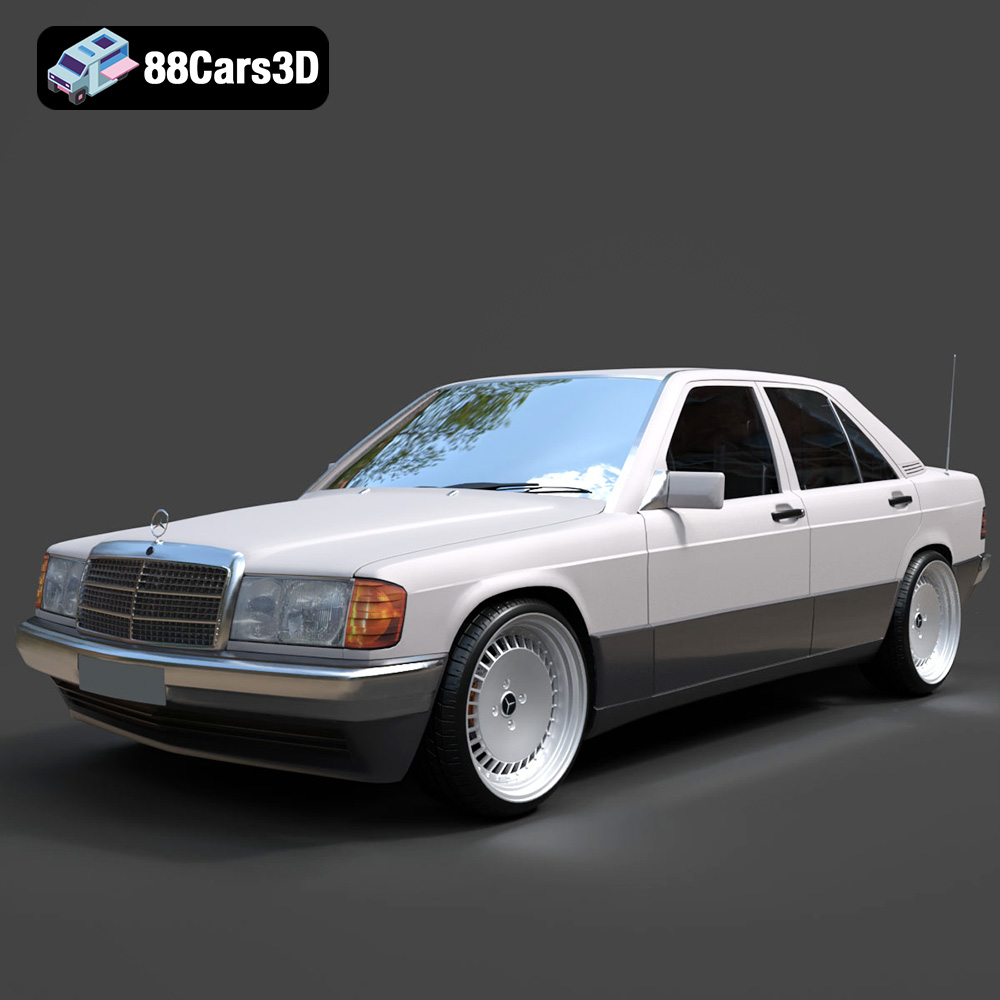
Mercedes-Benz 190 W201 3D Model
Texture: Yes
Material: Yes
Download the Mercedes-Benz 190 W201 3D Model featuring clean geometry, realistic detailing, and a fully modeled interior. Includes .blend, .fbx, .obj, .glb, .stl, .ply, .unreal, and .max formats for rendering, simulation, and game development.
Price: $23.99
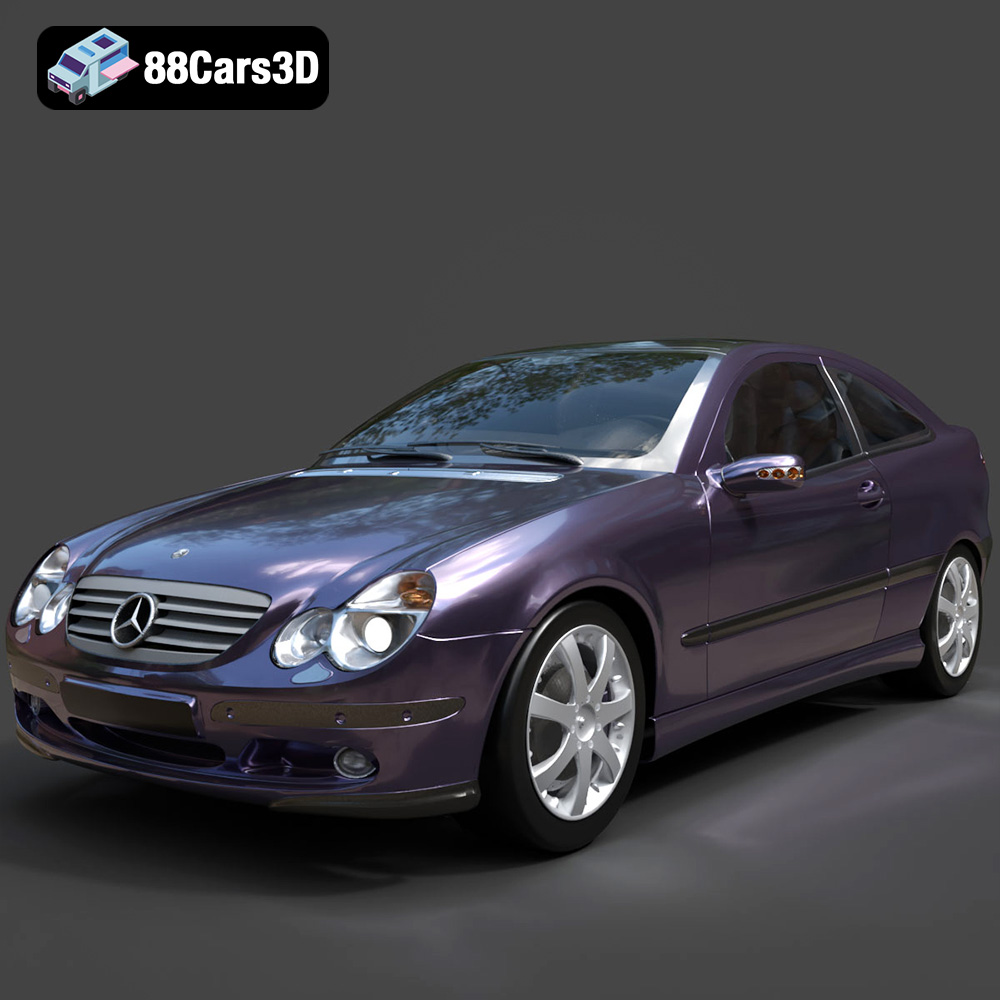
Mercedes-Benz C230 SportCoupé 2005 3D Model
Texture: Yes
Material: Yes
Download the Mercedes-Benz C230 SportCoupé 2005 3D Model featuring clean geometry, realistic detailing, and a fully modeled interior. Includes .blend, .fbx, .obj, .glb, .stl, .ply, .unreal, and .max formats for rendering, simulation, and game development.
Price: $23.99
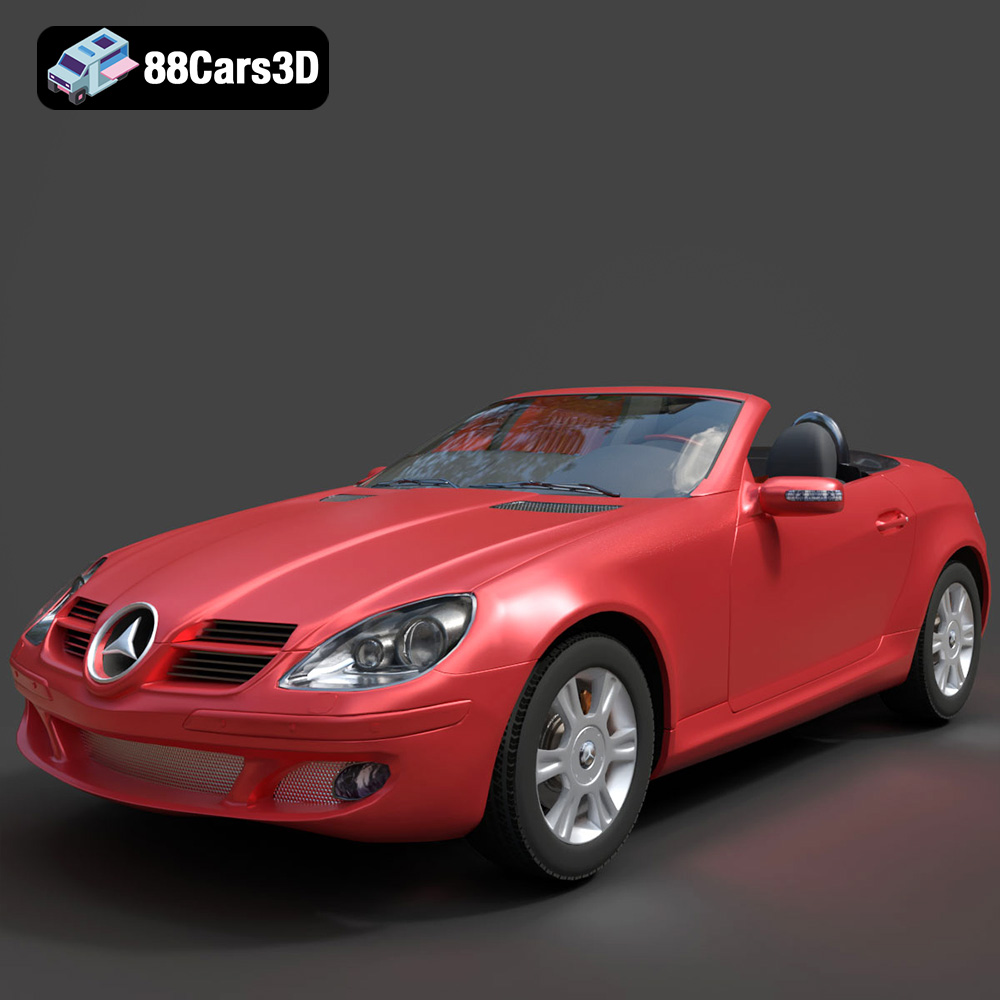
Mercedes-Benz SLK 3D Model
Texture: Yes
Material: Yes
Download the Mercedes-Benz SLK 3D Model featuring clean geometry, realistic detailing, and a fully modeled interior. Includes .blend, .fbx, .obj, .glb, .stl, .ply, .unreal, and .max formats for rendering, simulation, and game development.
Price: $23.99
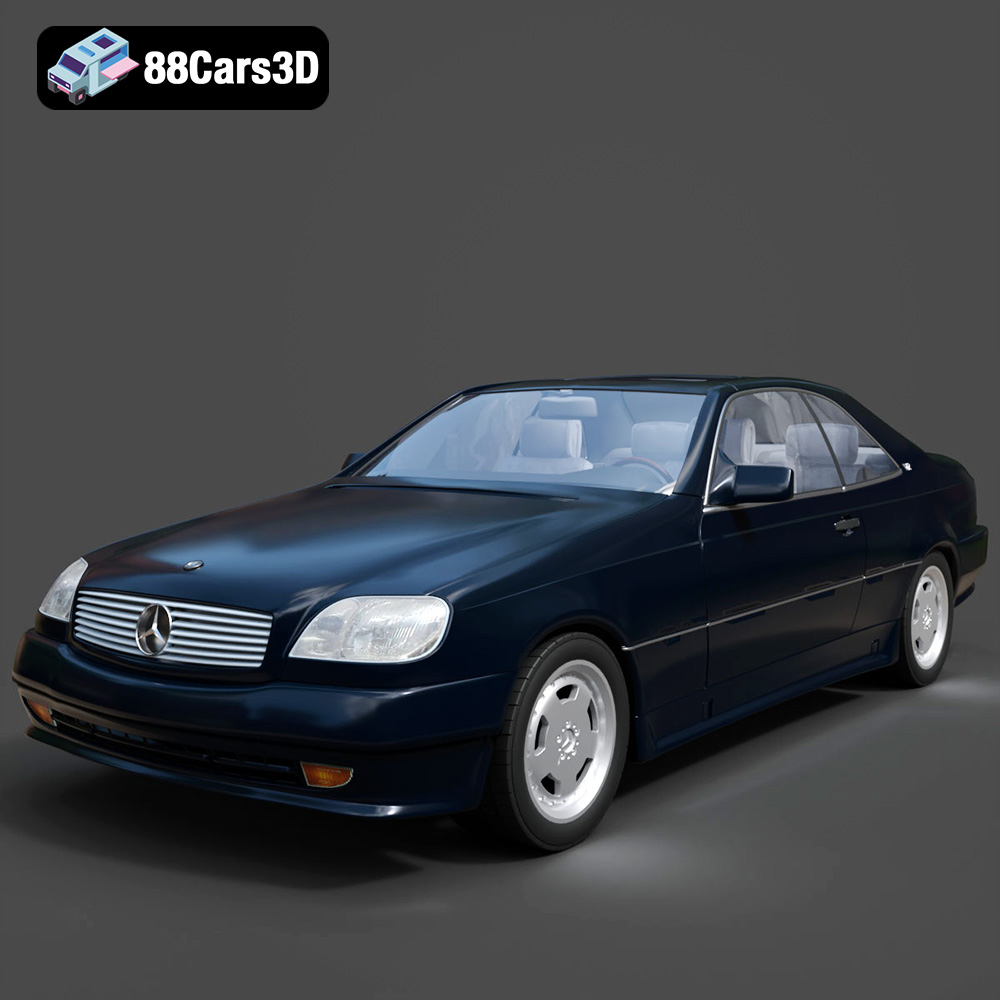
Mercedes 600 SEC W140 1992 3D Model
Texture: Yes
Material: Yes
Download the Mercedes 600 SEC W140 1992 3D Model featuring clean geometry, realistic detailing, and a fully modeled interior. Includes .blend, .fbx, .obj, .glb, .stl, .ply, .unreal, and .max formats for rendering, simulation, and game development.
Price: $23.99
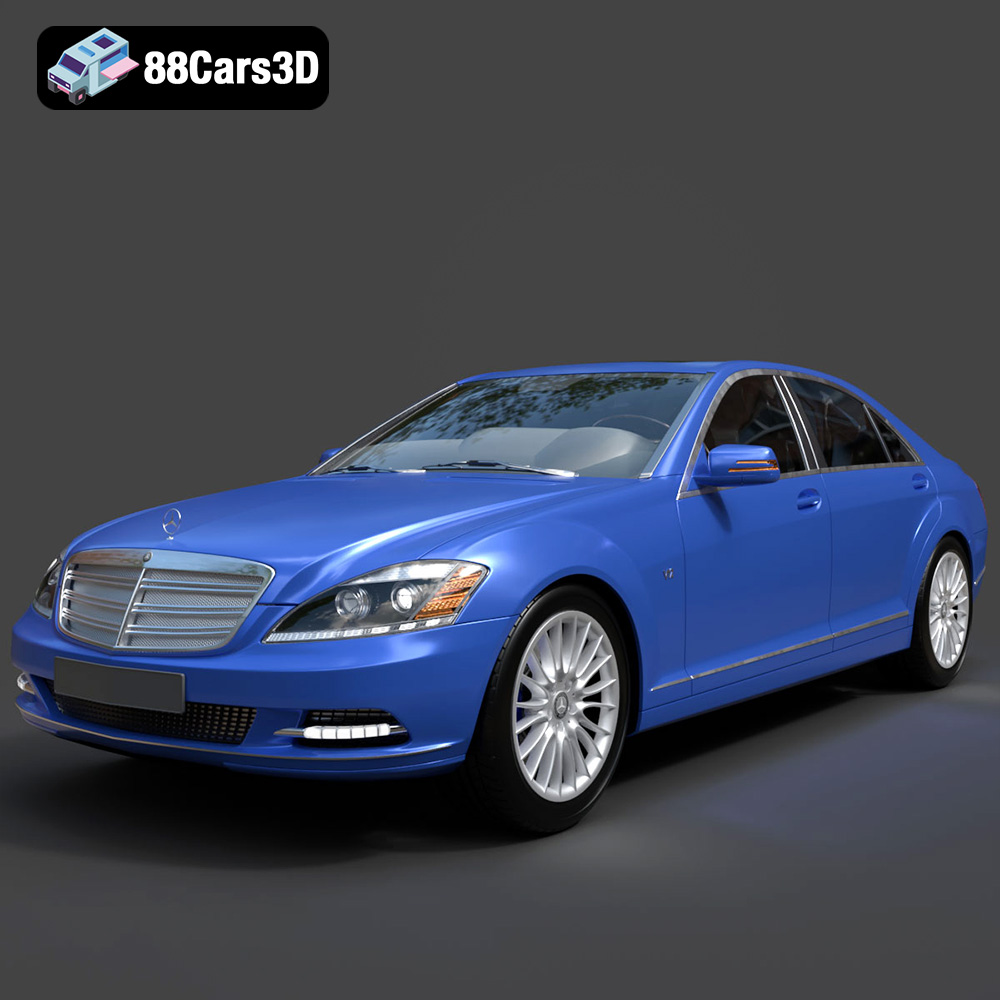
Mercedes S-Class 2010 3D Model
Texture: Yes
Material: Yes
Download the Mercedes S-Class 2010 3D Model featuring clean geometry, realistic detailing, and a fully modeled interior. Includes .blend, .fbx, .obj, .glb, .stl, .ply, .unreal, and .max formats for rendering, simulation, and game development.
Price: $23.99
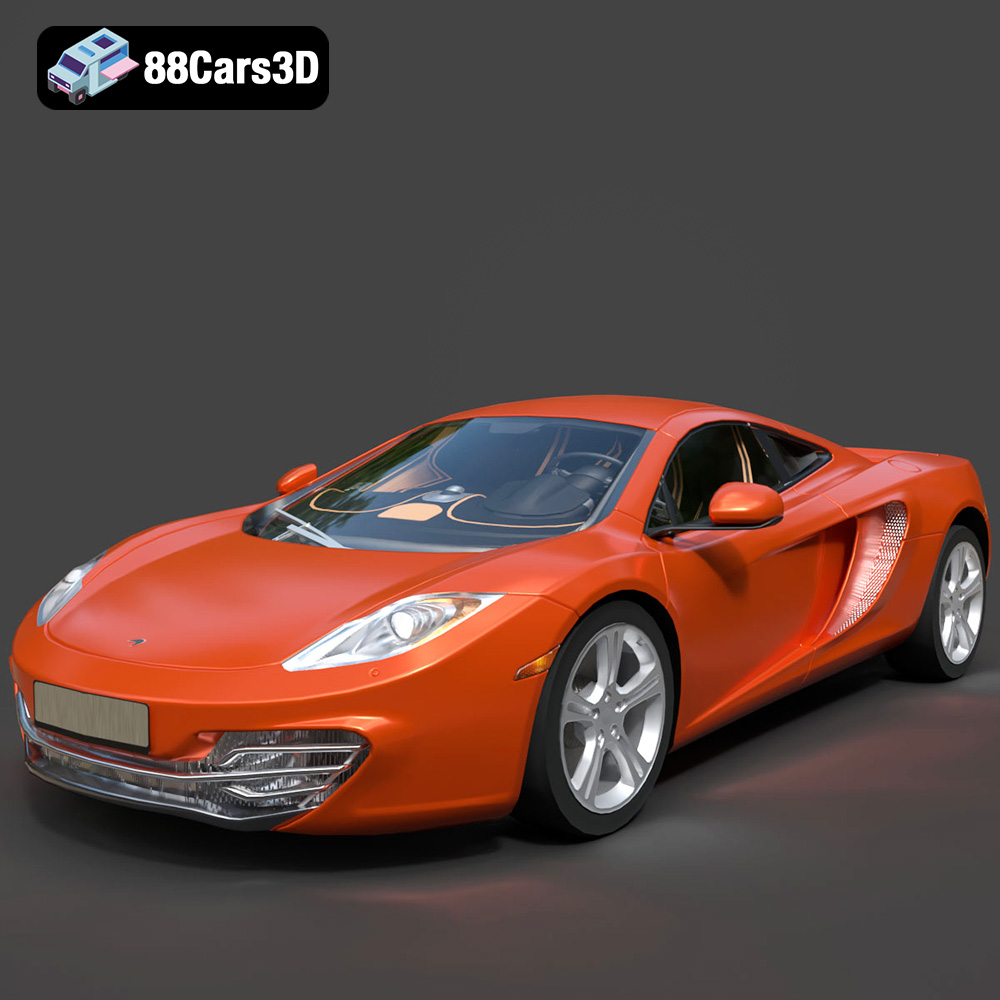
McLaren MP4-12C-001 3D Model
Texture: Yes
Material: Yes
Download the McLaren MP4-12C-001 3D Model featuring clean geometry, realistic detailing, and a fully modeled interior. Includes .blend, .fbx, .obj, .glb, .stl, .ply, .unreal, and .max formats for rendering, simulation, and game development.
Price: $23.99

Mercedes-Benz SLK 350 2005 3D Model
Texture: Yes
Material: Yes
Download the Mercedes-Benz SLK 350 2005 3D Model featuring clean geometry, realistic detailing, and a fully modeled interior. Includes .blend, .fbx, .obj, .glb, .stl, .ply, .unreal, and .max formats for rendering, simulation, and game development.
Price: $23.99
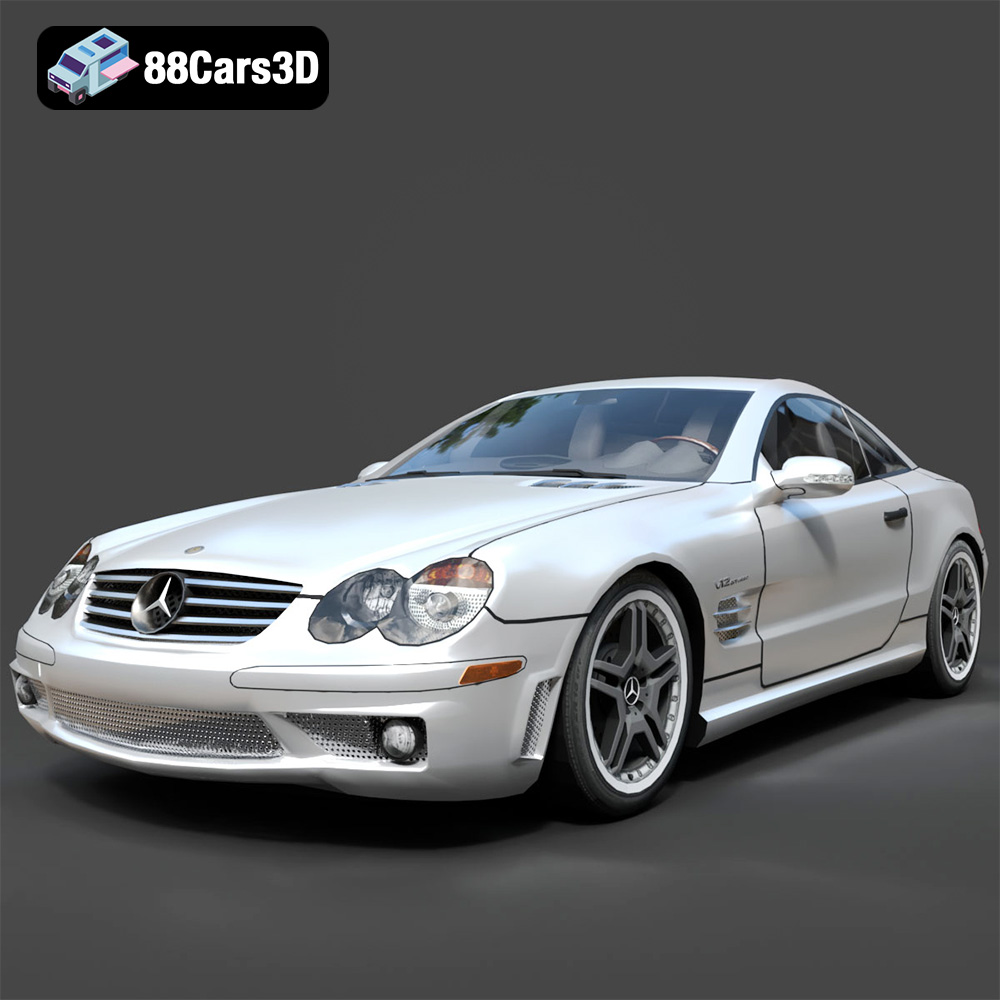
Mercedes-Benz SL 65 AMG 3D Model
Texture: Yes
Material: Yes
Download the Mercedes-Benz SL 65 AMG 3D Model featuring clean geometry, realistic detailing, and a fully modeled interior. Includes .blend, .fbx, .obj, .glb, .stl, .ply, .unreal, and .max formats for rendering, simulation, and game development.
Price: $23.99
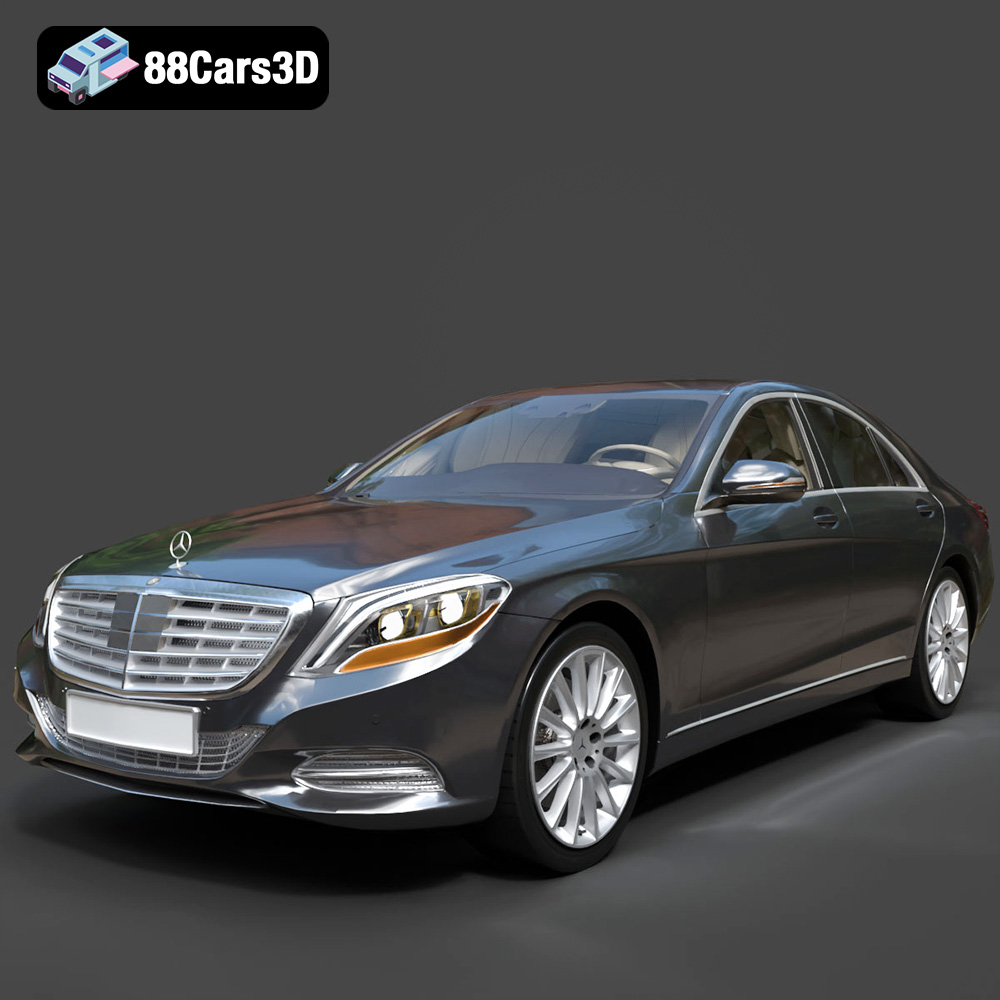
Mercedes-Benz S500 3D Model
Texture: Yes
Material: Yes
Download the Mercedes-Benz S500 3D Model featuring clean geometry, realistic detailing, and a fully modeled interior. Includes .blend, .fbx, .obj, .glb, .stl, .ply, .unreal, and .max formats for rendering, simulation, and game development.
Price: $23.99
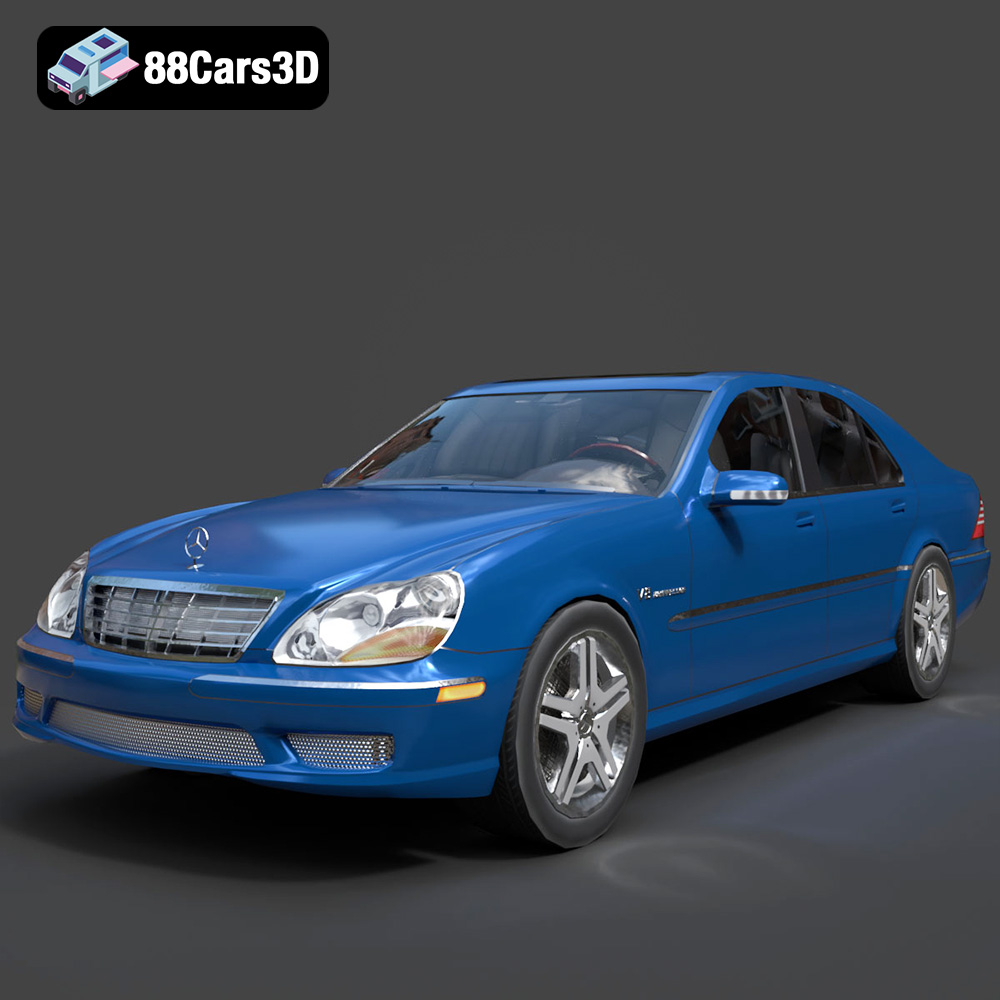
Mercedes-Benz S55 W220 AMG 1999 3D Model
Texture: Yes
Material: Yes
Download the Mercedes-Benz S55 W220 AMG 1999 3D Model featuring clean geometry, realistic detailing, and a fully modeled interior. Includes .blend, .fbx, .obj, .glb, .stl, .ply, .unreal, and .max formats for rendering, simulation, and game development.
Price: $23.99
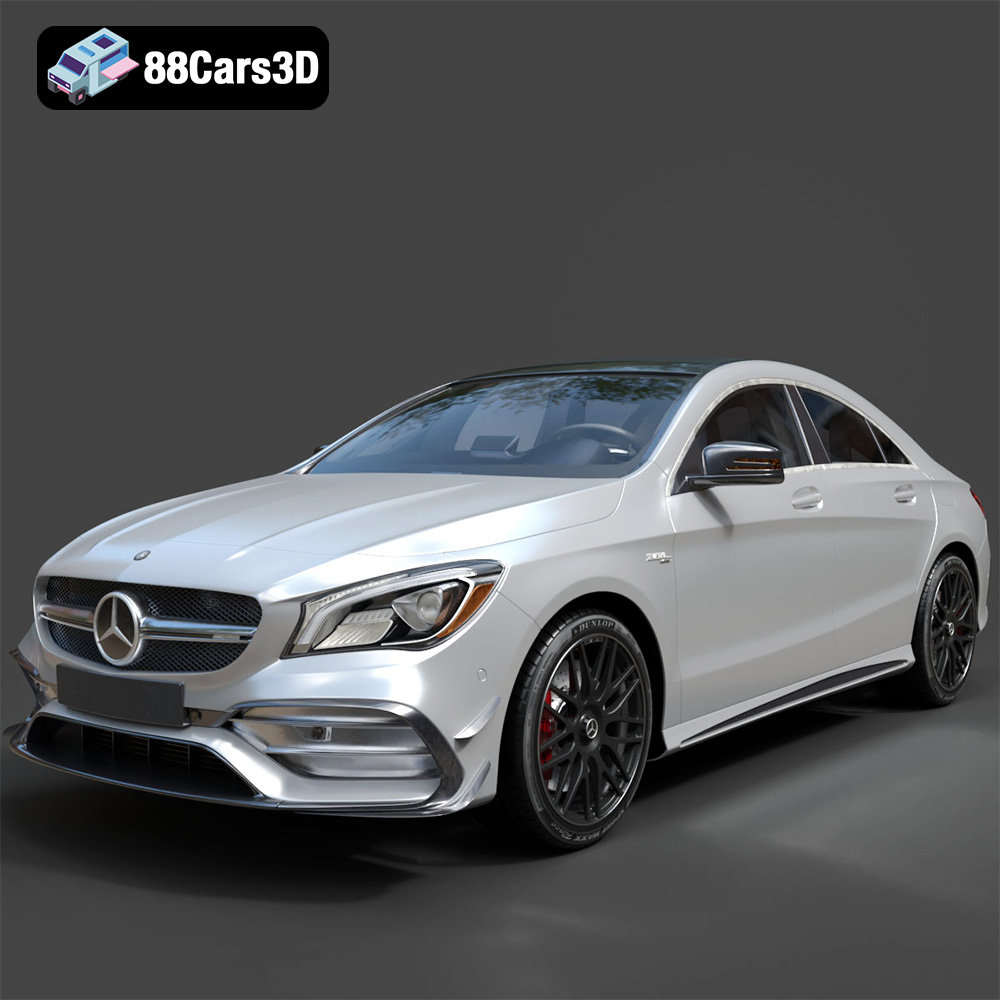
Mercedes-Benz CLA45 AMG 2017 3D Model
Texture: Yes
Material: Yes
Download the Mercedes-Benz CLA45 AMG 2017 3D Model featuring clean geometry, realistic detailing, and a fully modeled interior. Includes .blend, .fbx, .obj, .glb, .stl, .ply, .unreal, and .max formats for rendering, simulation, and game development.
Price: $38.99
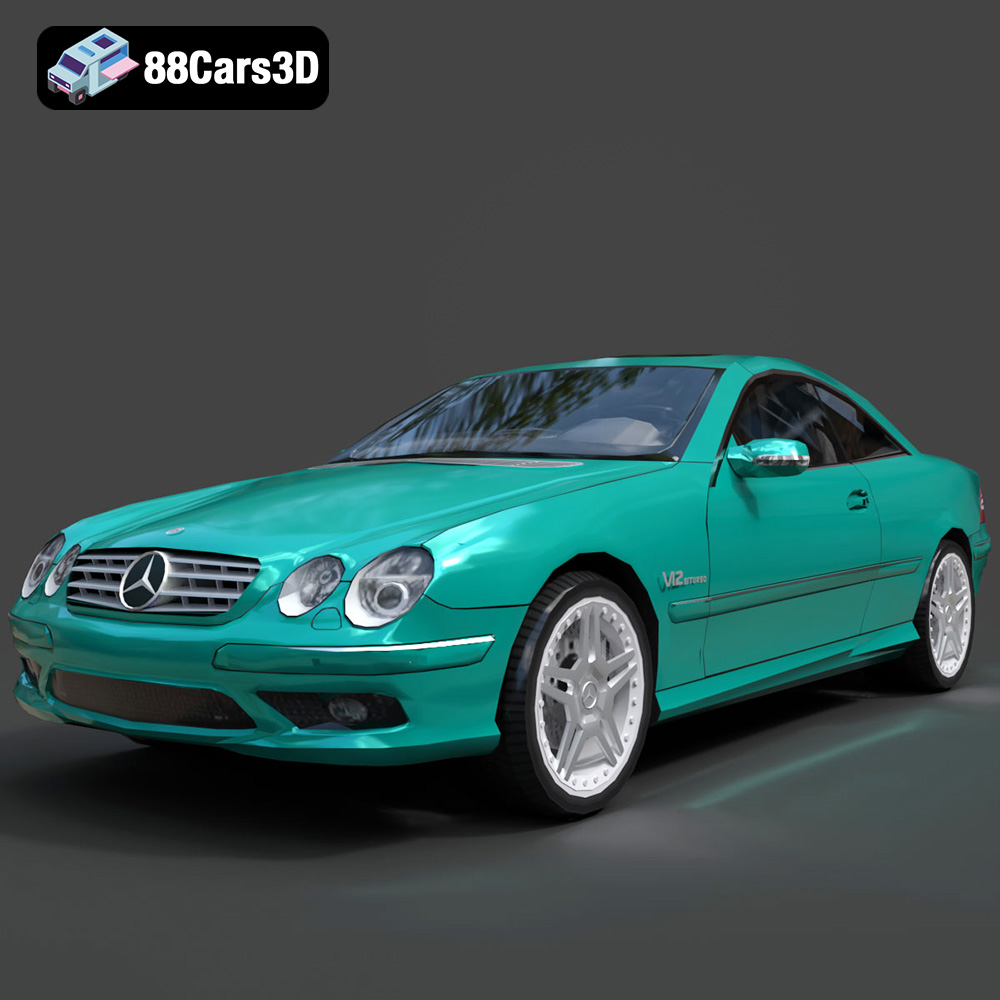
Mercedes-Benz CL65 C215 AMG 3D Model
Texture: Yes
Material: Yes
Download the Mercedes-Benz CL65 C215 AMG 3D Model featuring clean geometry, realistic detailing, and a fully modeled interior. Includes .blend, .fbx, .obj, .glb, .stl, .ply, .unreal, and .max formats for rendering, simulation, and game development.
Price: $23.99
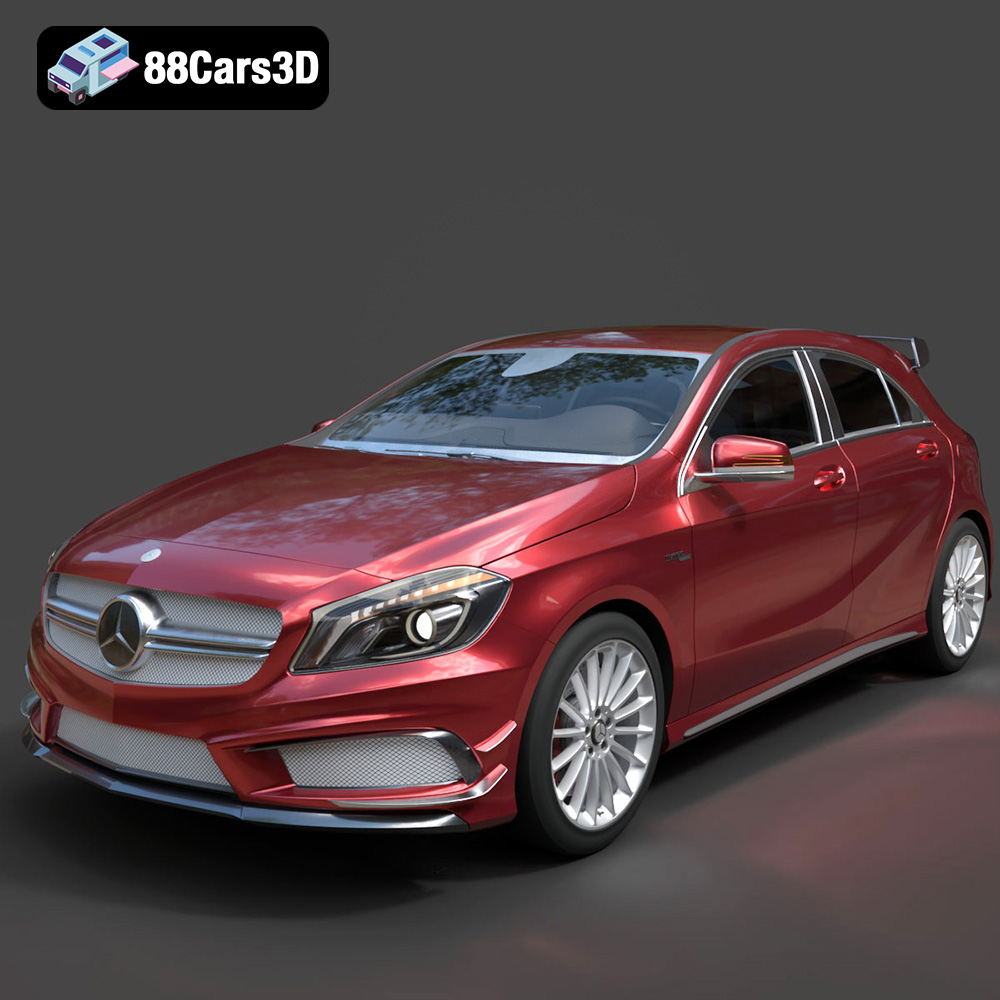
Mercedes-Benz A45 2021 3D Model
Texture: Yes
Material: Yes
Download the Mercedes-Benz A45 2021 3D Model featuring clean geometry, realistic detailing, and a fully modeled interior. Includes .blend, .fbx, .obj, .glb, .stl, .ply, .unreal, and .max formats for rendering, simulation, and game development.
Price: $23.99
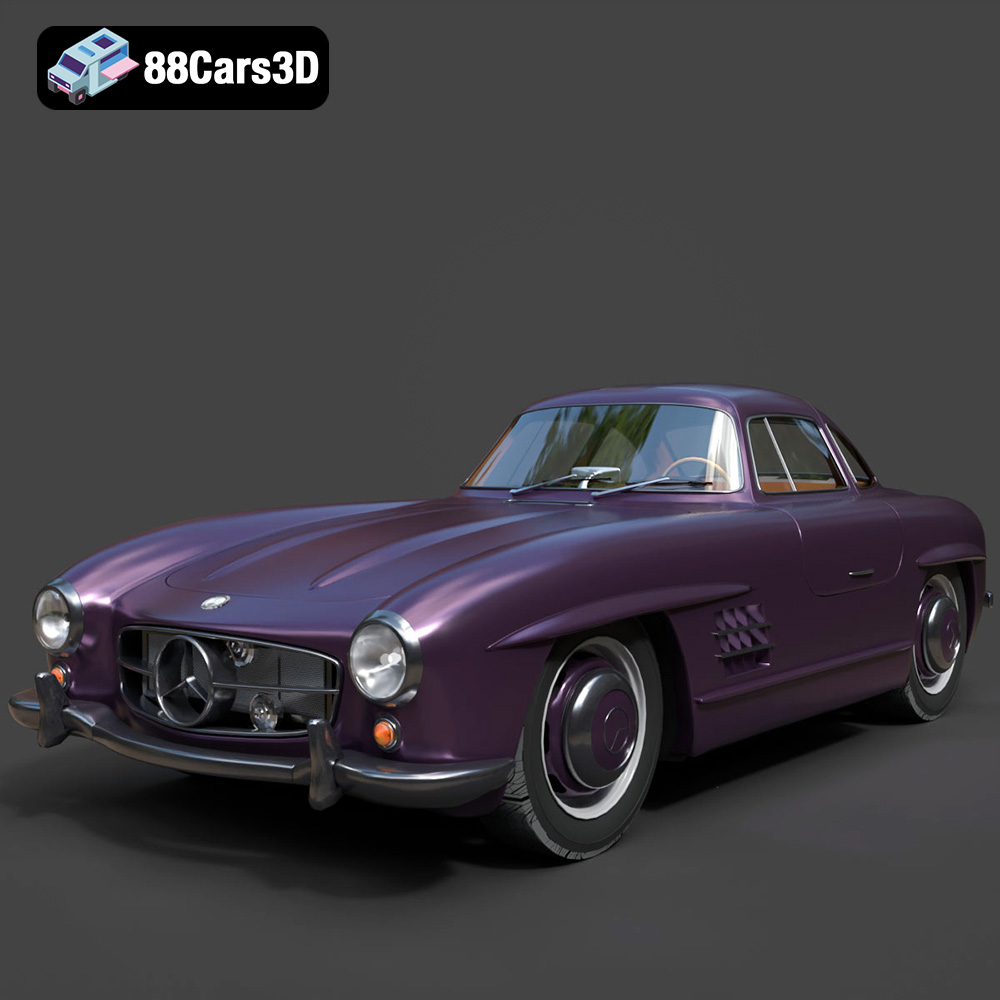
Mercedes-Benz 300SL 1955 3D Model
Texture: Yes
Material: Yes
Download the Mercedes-Benz 300SL 1955 3D Model featuring clean geometry, realistic detailing, and a fully modeled interior. Includes .blend, .fbx, .obj, .glb, .stl, .ply, .unreal, and .max formats for rendering, simulation, and game development.
Price: $23.99
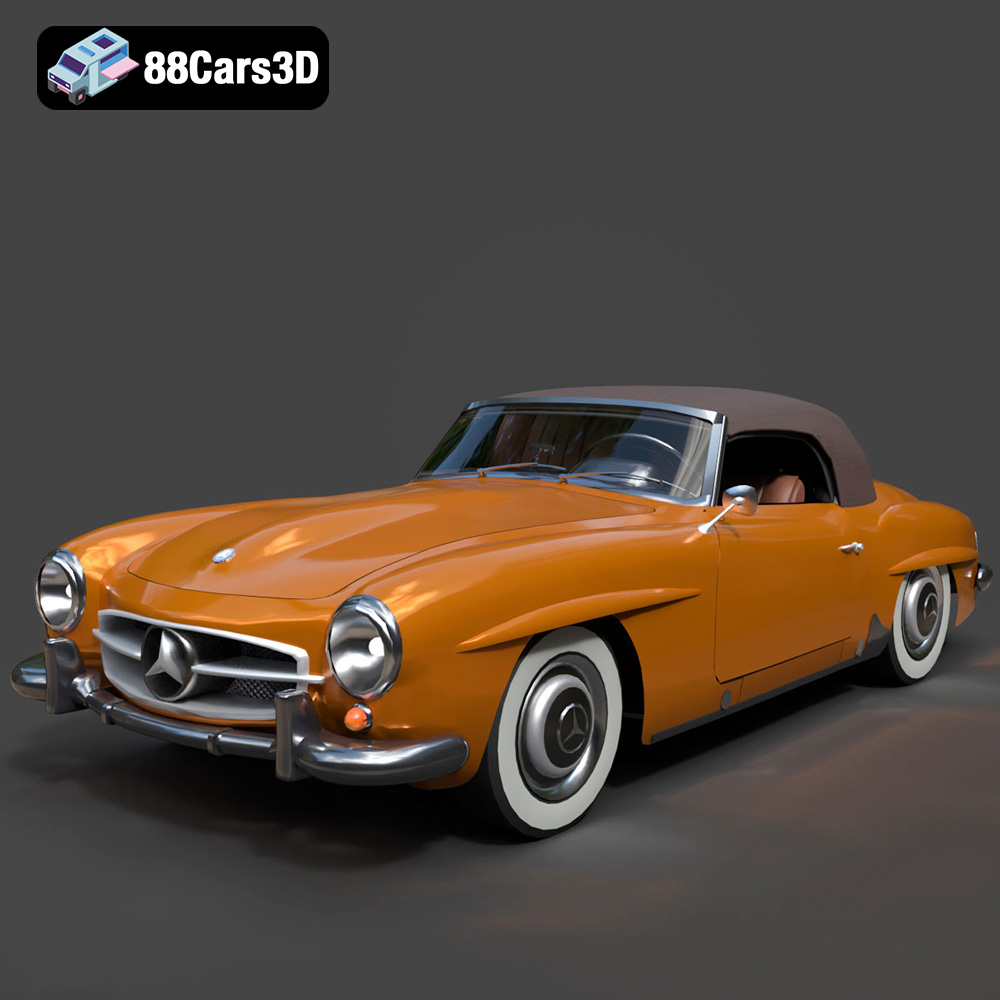
Mercedes-Benz 190SL 1955 3D Model
Texture: Yes
Material: Yes
Download the Mercedes-Benz 190SL 1955 3D Model featuring clean geometry, realistic detailing, and a fully modeled interior. Includes .blend, .fbx, .obj, .glb, .stl, .ply, .unreal, and .max formats for rendering, simulation, and game development.
Price: $23.99
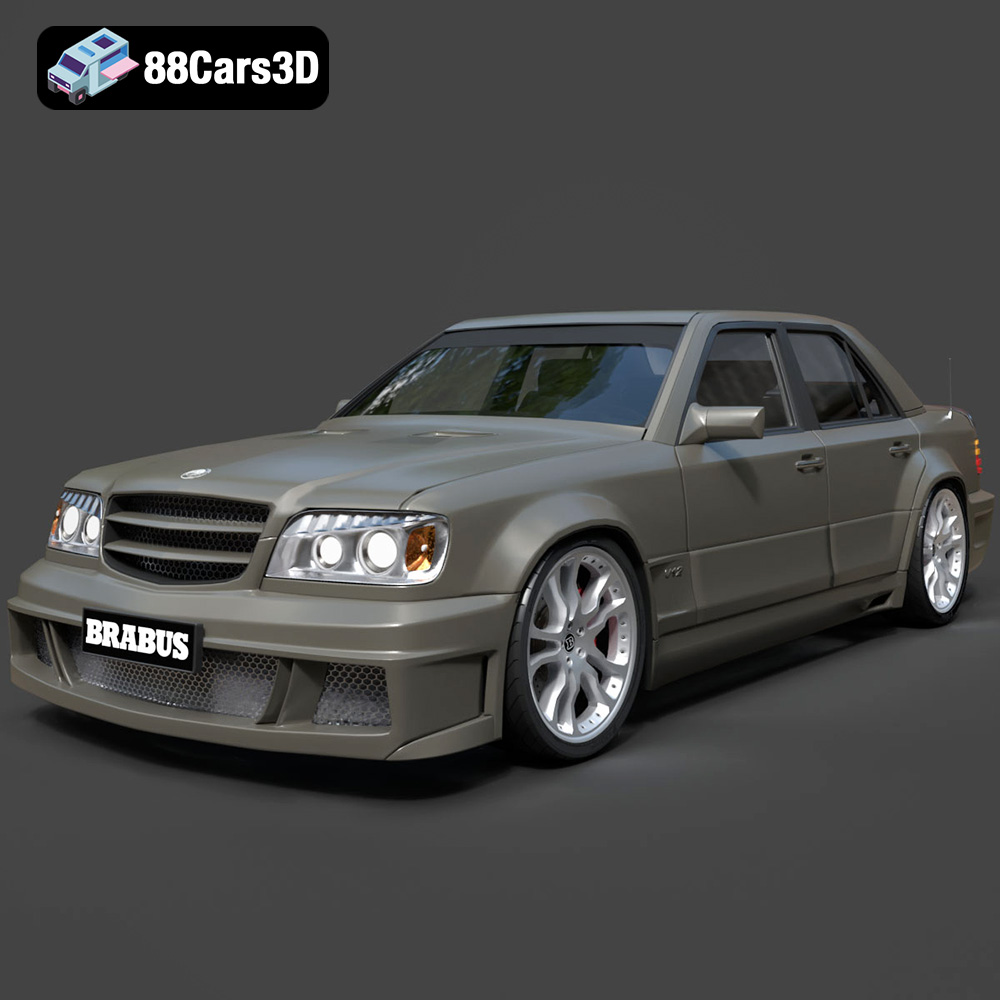
Mercedes-Benz W124 Brabus V12 3D Model
Texture: Yes
Material: Yes
Download the Mercedes-Benz W124 Brabus V12 3D Model featuring clean geometry, realistic detailing, and a fully modeled interior. Includes .blend, .fbx, .obj, .glb, .stl, .ply, .unreal, and .max formats for rendering, simulation, and game development.
Price: $23.99
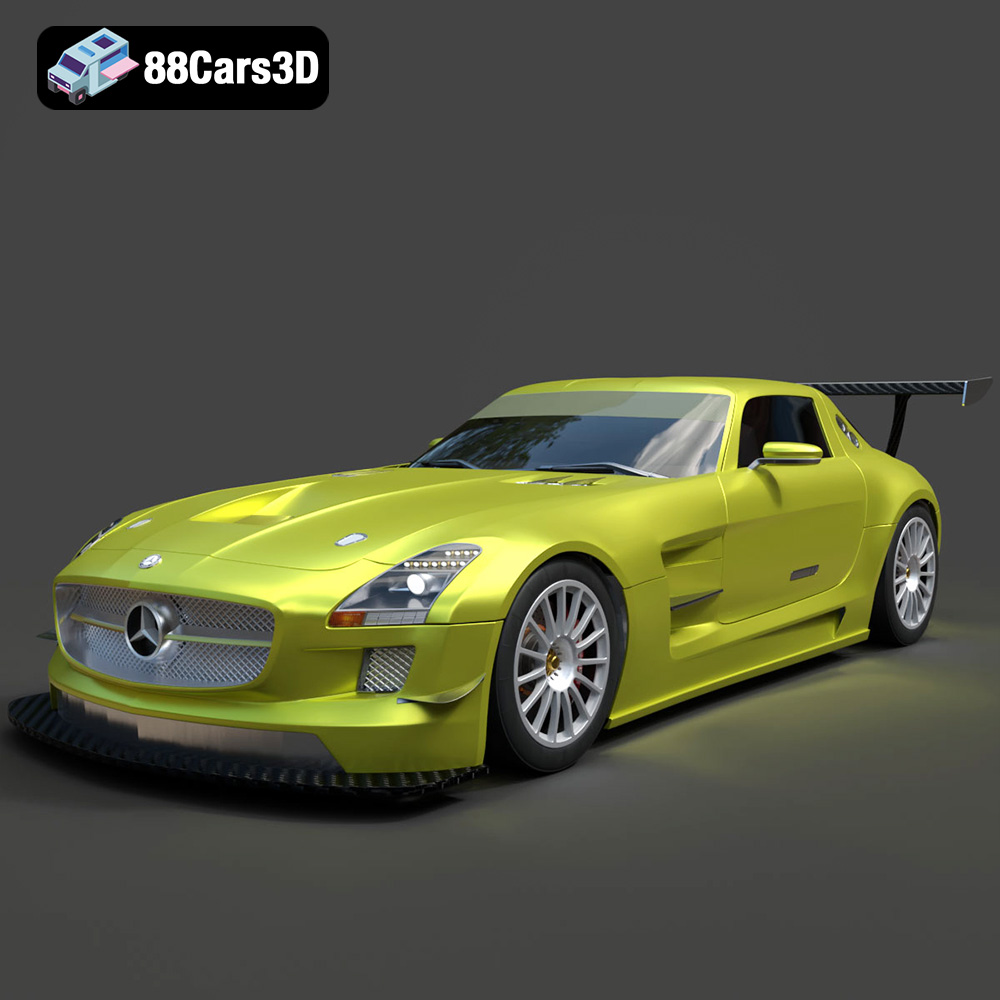
Mercedes-Benz SLS AMG GT3-002 3D Model
Texture: Yes
Material: Yes
Download the Mercedes-Benz SLS AMG GT3-002 3D Model featuring clean geometry, realistic detailing, and a fully modeled interior. Includes .blend, .fbx, .obj, .glb, .stl, .ply, .unreal, and .max formats for rendering, simulation, and game development.
Price: $38.99

Mercedes-Benz C-Class-001 3D Model
Texture: Yes
Material: Yes
Download the Mercedes-Benz C-Class-001 3D Model featuring clean geometry, realistic detailing, and a fully modeled interior. Includes .blend, .fbx, .obj, .glb, .stl, .ply, .unreal, and .max formats for rendering, simulation, and game development.
Price: $38.99
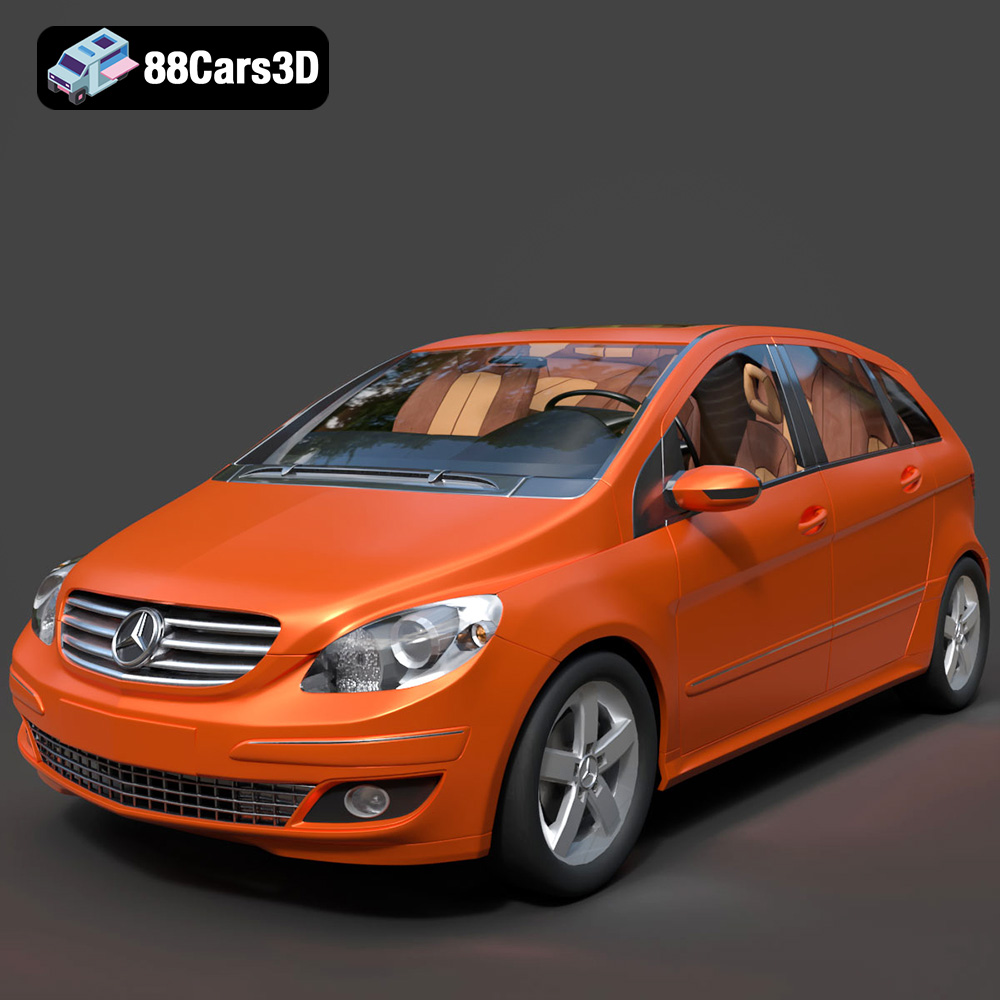
Mercedes-Benz B-Klasse 2023 3D Model
Texture: Yes
Material: Yes
Download the Mercedes-Benz B-Klasse 2023 3D Model featuring clean geometry, realistic detailing, and a fully modeled interior. Includes .blend, .fbx, .obj, .glb, .stl, .ply, .unreal, and .max formats for rendering, simulation, and game development.
Price: $38.99
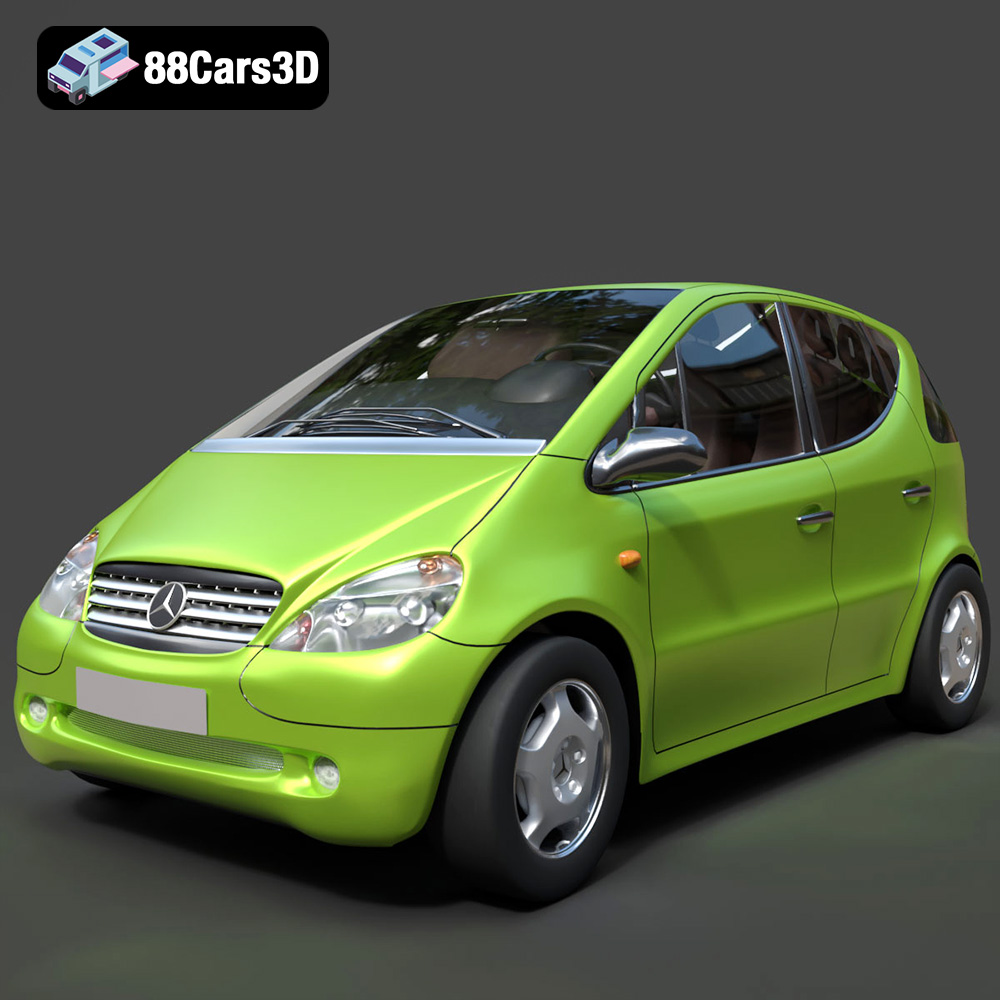
Mercedes-Benz A-Klasse W168 3D Model
Texture: Yes
Material: Yes
Download the Mercedes-Benz A-Klasse W168 3D Model featuring clean geometry, realistic detailing, and a fully modeled interior. Includes .blend, .fbx, .obj, .glb, .stl, .ply, .unreal, and .max formats for rendering, simulation, and game development.
Price: $38.99
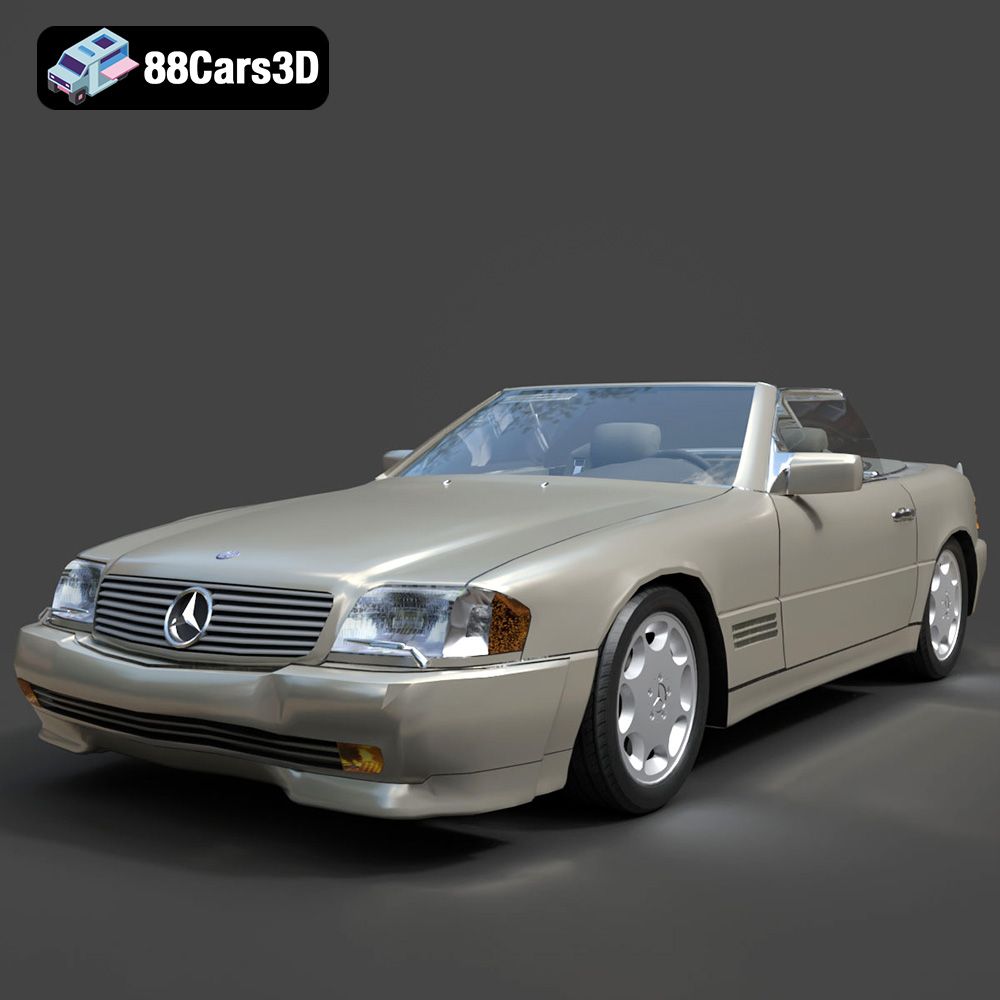
Mercedes-Benz 500SL 2000 3D Model
Texture: Yes
Material: Yes
Download the Mercedes-Benz 500SL 2000 3D Model featuring clean geometry, realistic detailing, and a fully modeled interior. Includes .blend, .fbx, .obj, .glb, .stl, .ply, .unreal, and .max formats for rendering, simulation, and game development.
Price: $38.99
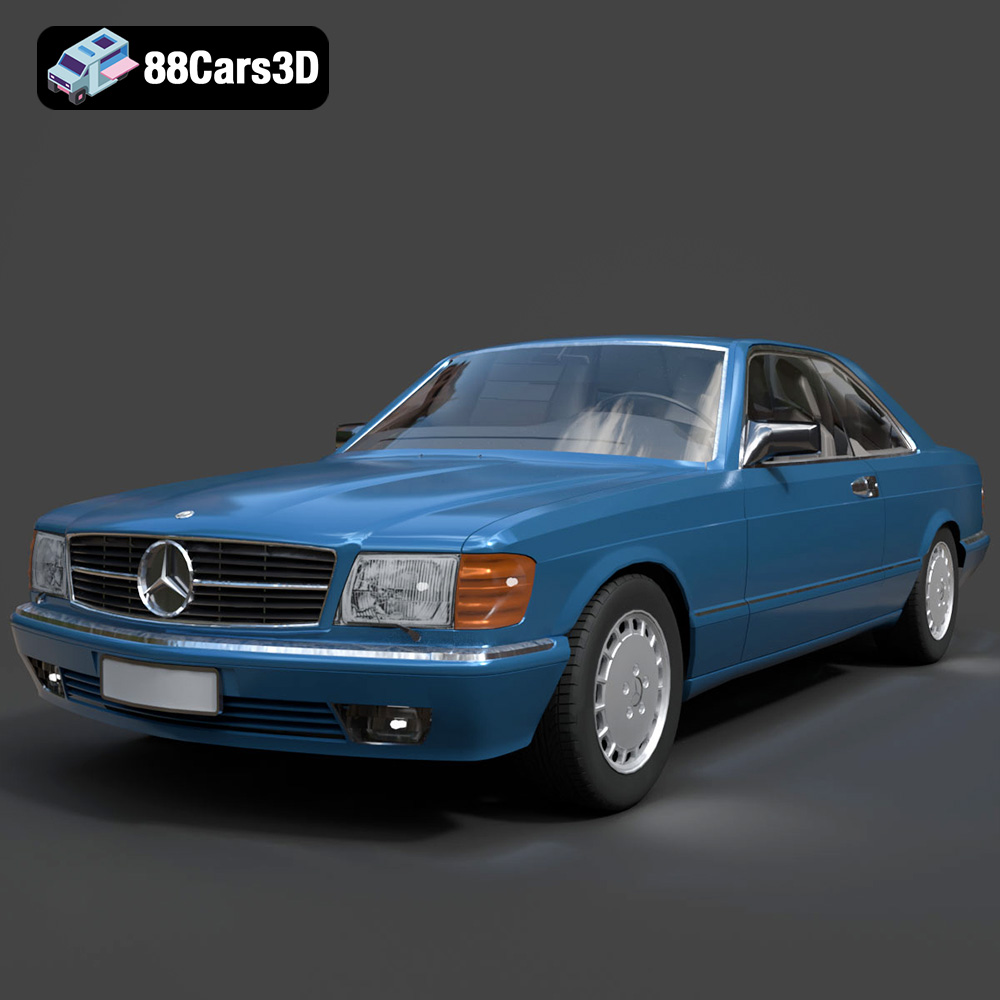
Mercedes-Benz 500SEC 3D Model
Texture: Yes
Material: Yes
Download the Mercedes-Benz 500SEC 3D Model featuring clean geometry, realistic detailing, and a fully modeled interior. Includes .blend, .fbx, .obj, .glb, .stl, .ply, .unreal, and .max formats for rendering, simulation, and game development.
Price: $38.99
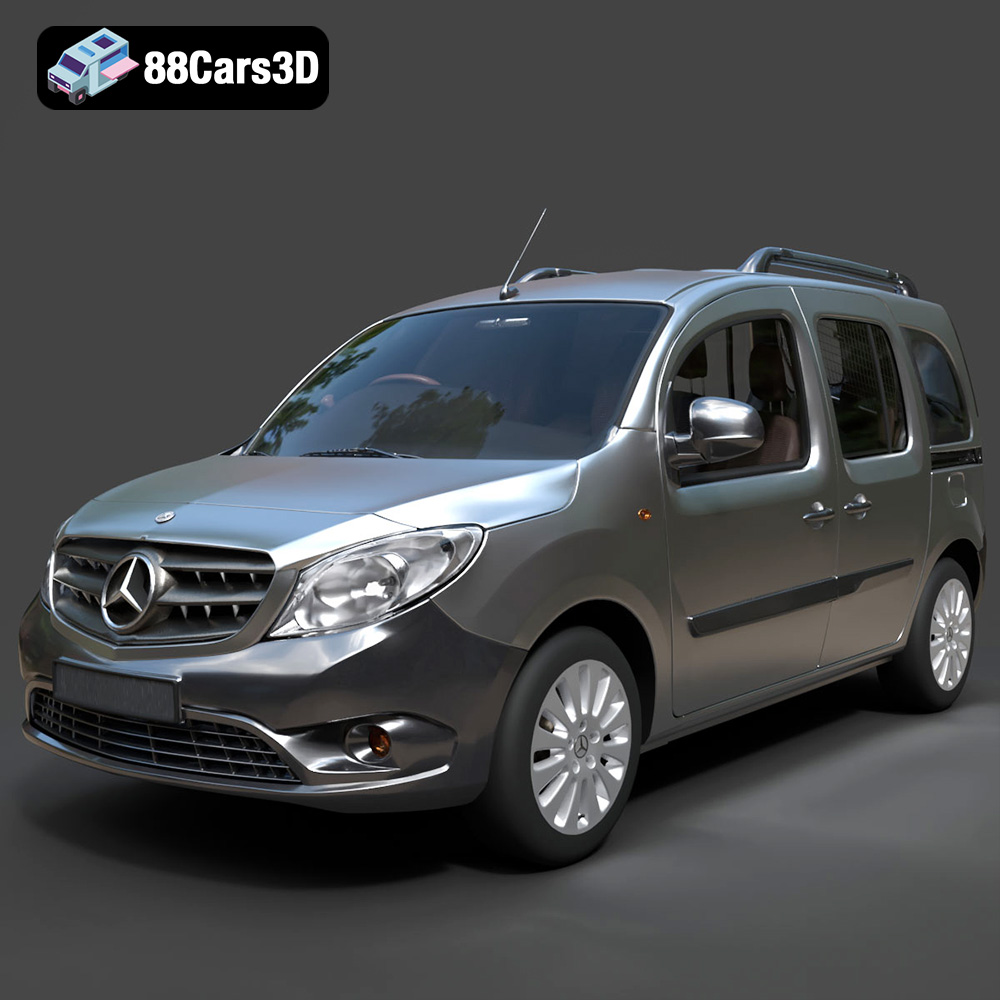
Mercedes-Benz Citan 2025 3D Model
Texture: Yes
Material: Yes
Download the Mercedes-Benz Citan 2025 3D Model featuring clean geometry, realistic detailing, and a fully modeled interior. Includes .blend, .fbx, .obj, .glb, .stl, .ply, .unreal, and .max formats for rendering, simulation, and game development.
Price: $38.99
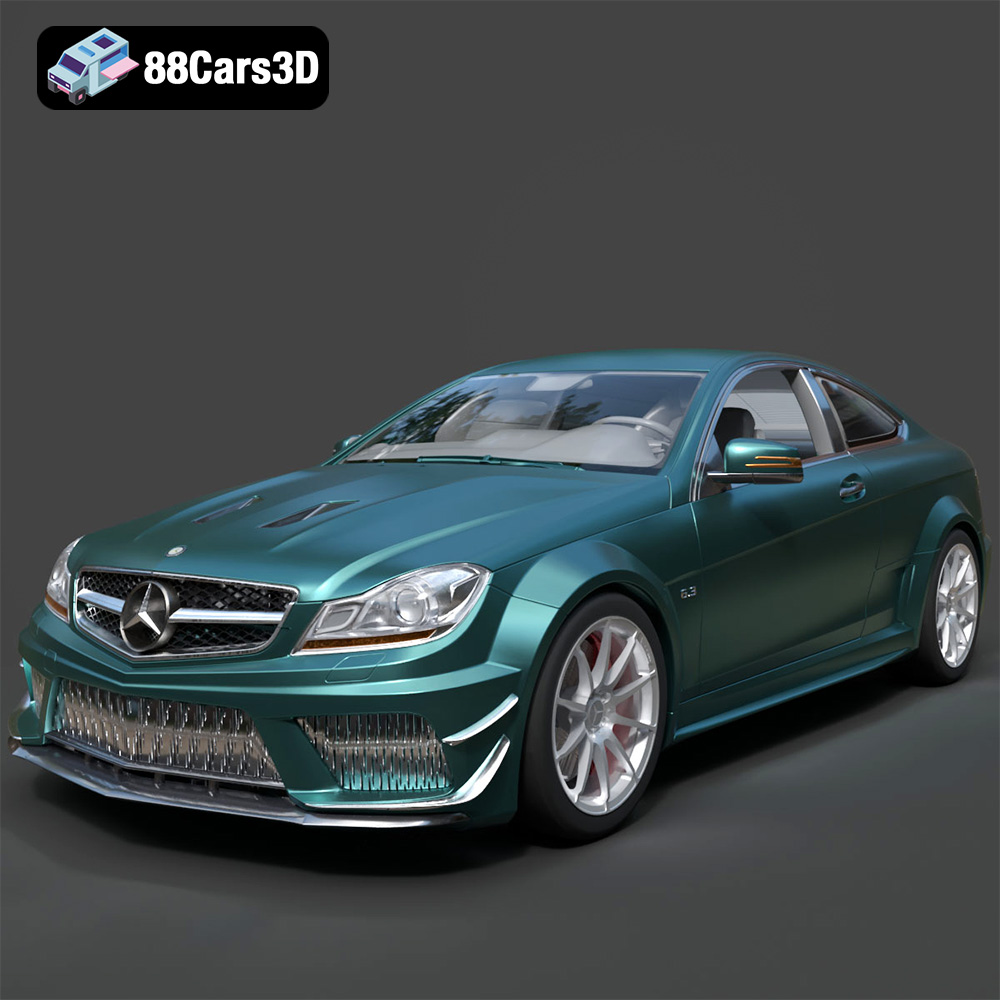
Mercedes-Benz C63 AMG 2012 3D Model
Texture: Yes
Material: Yes
Download the Mercedes-Benz C63 AMG 2012 3D Model featuring clean geometry, realistic detailing, and a fully modeled interior. Includes .blend, .fbx, .obj, .glb, .stl, .ply, .unreal, and .max formats for rendering, simulation, and game development.
Price: $38.99
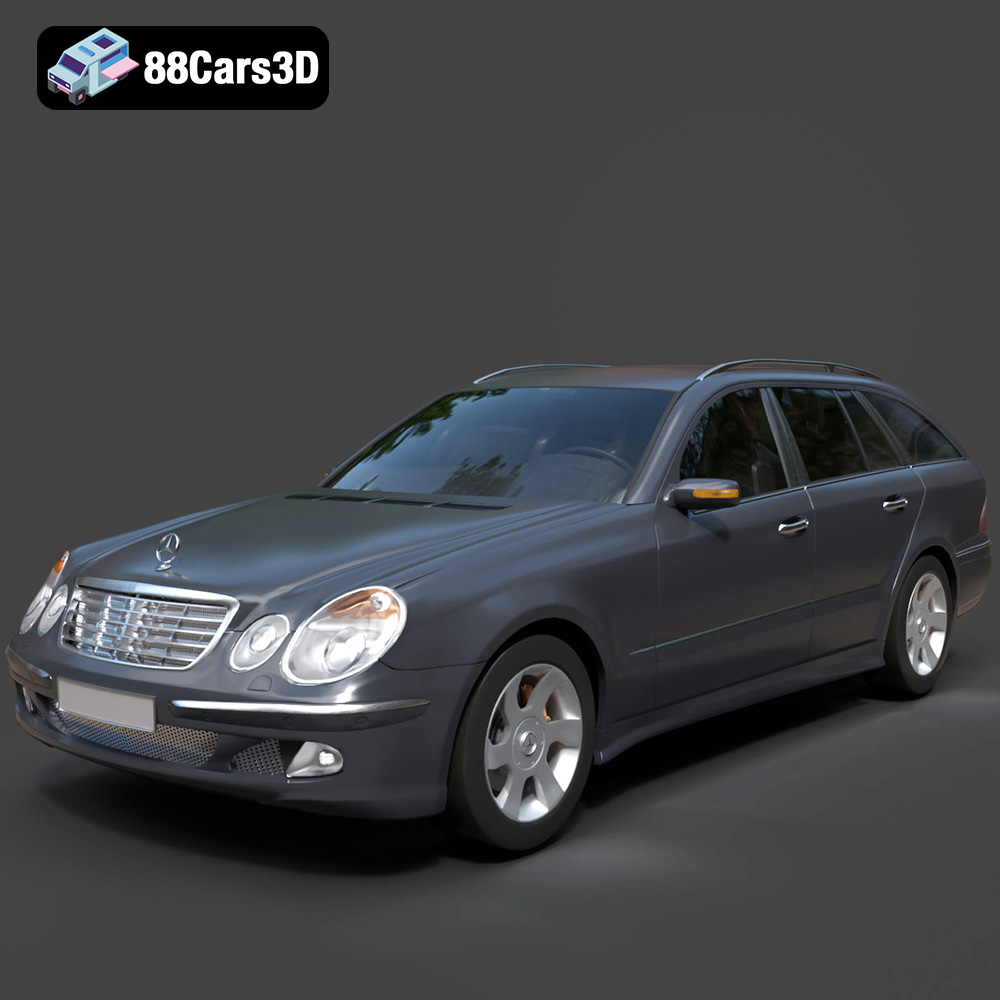
Mercedes-Benz E-Class S211 3D Model
Texture: Yes
Material: Yes
Download the Mercedes-Benz E-Class S211 3D Model featuring clean geometry, realistic detailing, and a fully modeled interior. Includes .blend, .fbx, .obj, .glb, .stl, .ply, .unreal, and .max formats for rendering, simulation, and game development.
Price: $38.99
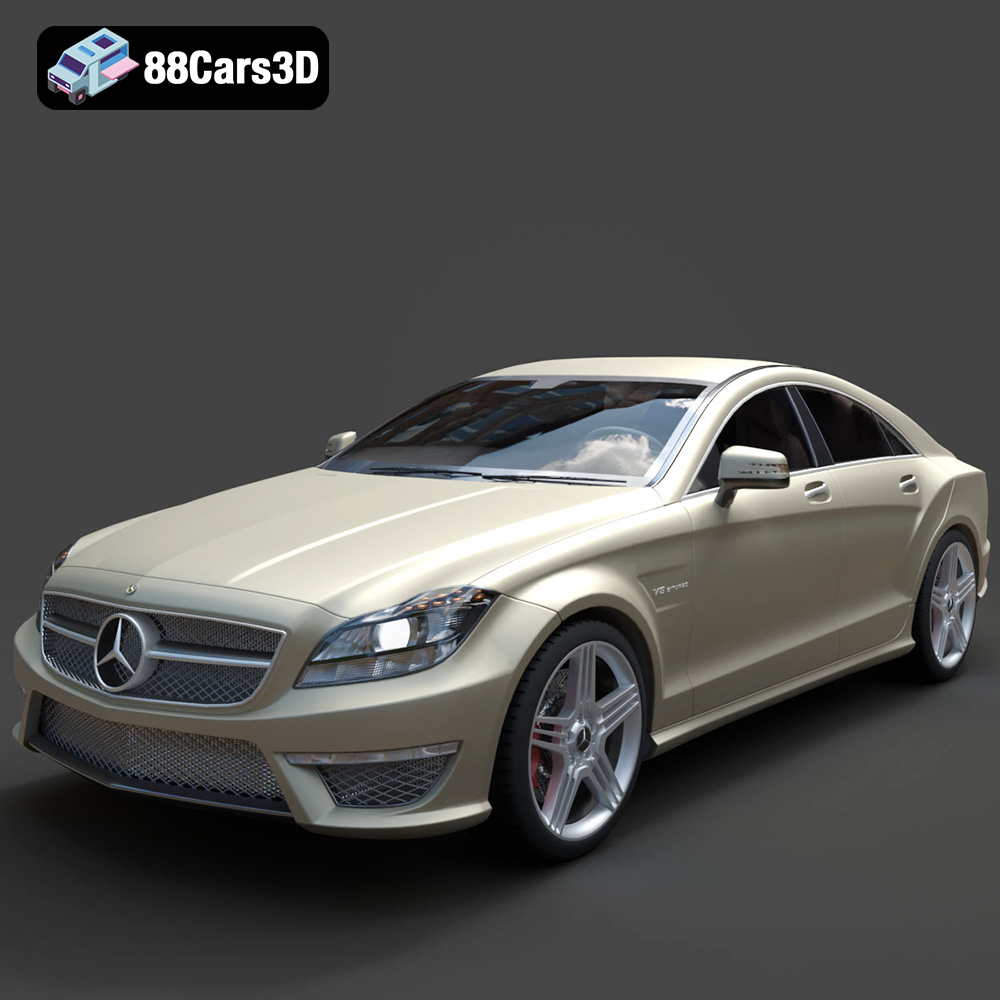
Mercedes-Benz CLS63 AMG (C218) 2014 3D Model
Texture: Yes
Material: Yes
Download the Mercedes-Benz CLS63 AMG (C218) 2014 3D Model featuring clean geometry, realistic detailing, and a fully modeled interior. Includes .blend, .fbx, .obj, .glb, .stl, .ply, .unreal, and .max formats for rendering, simulation, and game development.
Price: $38.99
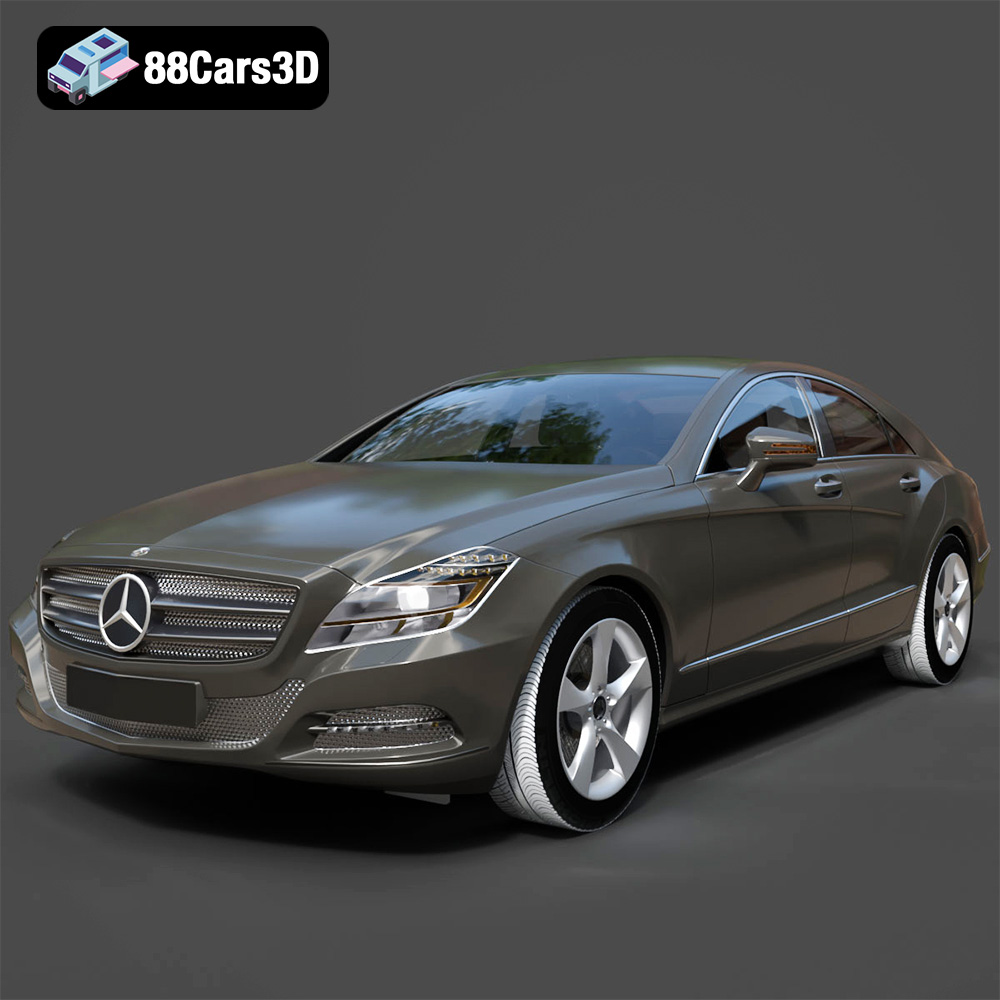
Mercedes-Benz CLS-Klasse 3D Model
Texture: Yes
Material: Yes
Download the Mercedes-Benz CLS-Klasse 3D Model featuring clean geometry, realistic detailing, and a fully modeled interior. Includes .blend, .fbx, .obj, .glb, .stl, .ply, .unreal, and .max formats for rendering, simulation, and game development.
Price: $38.99
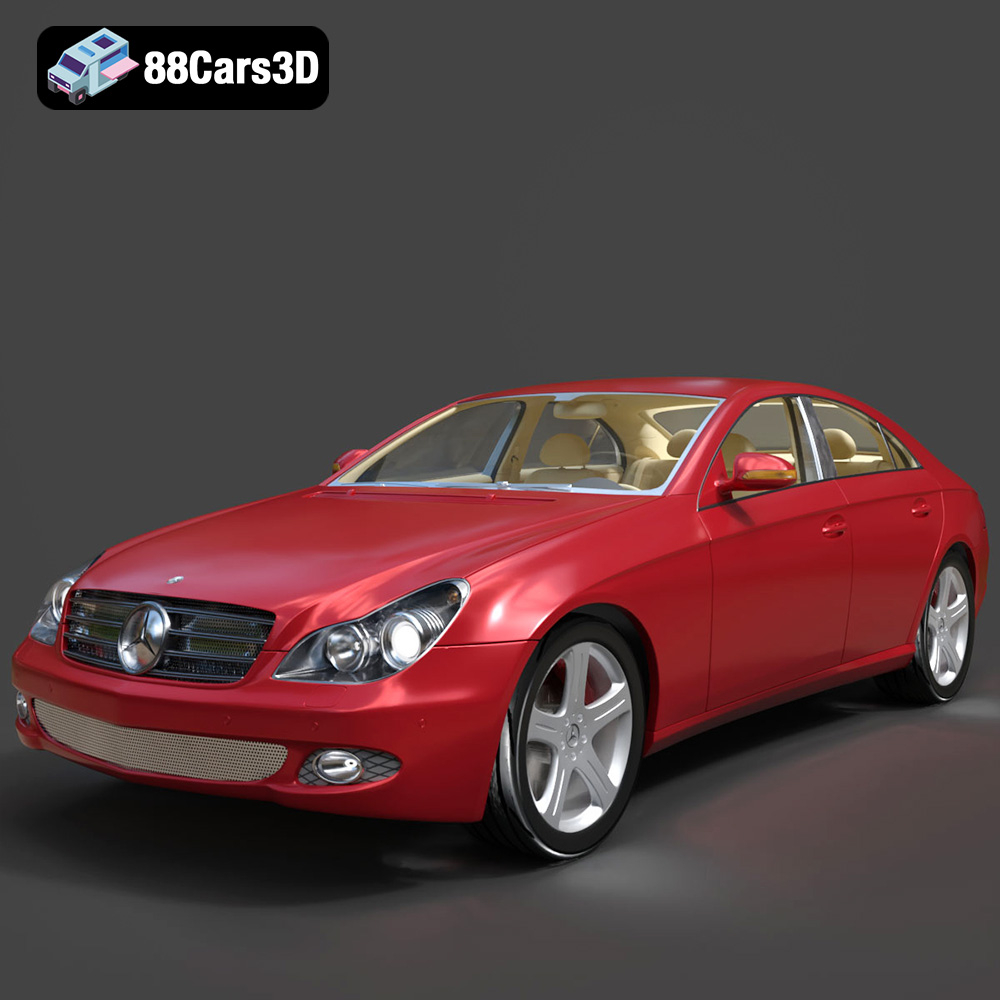
Mercedes-Benz CLS 500 3D Model
Texture: Yes
Material: Yes
Download the Mercedes-Benz CLS 500 3D Model featuring clean geometry, realistic detailing, and a fully modeled interior. Includes .blend, .fbx, .obj, .glb, .stl, .ply, .unreal, and .max formats for rendering, simulation, and game development.
Price: $38.99

Mercedes-Benz CL-Klasse 2001 3D Model
Texture: Yes
Material: Yes
Download the Mercedes-Benz CL-Klasse 2001 3D Model featuring clean geometry, realistic detailing, and a fully modeled interior. Includes .blend, .fbx, .obj, .glb, .stl, .ply, .unreal, and .max formats for rendering, simulation, and game development.
Price: $38.99
