
Understanding the Anatomy of Automotive Paint: Beyond Simple Colors

Have you ever marveled at a 3D car render that looks so real, you could almost reach out and touch it? The kind where the reflections shimmer with incredible depth, and the paint itself tells a story of craftsmanship and precision? More often than not, the secret ingredient isn’t just the model’s geometry or the overall lighting setup; it’s the meticulous detail in the automotive paint shader.
Creating truly stunning car renders goes far beyond applying a simple colored material. It delves into the intricate physics of light interaction with multiple layers, microscopic flakes, and highly polished surfaces. If your renders are falling short of that elusive photorealistic sheen, it’s likely your paint materials need a deep dive. At 88cars3d.com, we understand the pursuit of perfection in automotive visualization, and this guide is designed to equip you with the advanced techniques needed to transform your car renders from good to breathtaking.
In this comprehensive guide, we’ll peel back the layers of virtual paint, exploring everything from the physical composition of real-world automotive finishes to the advanced material graph setups required to simulate them accurately. We’ll uncover the nuances of PBR automotive paint, master the complexities of the clear coat, and leverage the power of HDRI lighting to achieve unparalleled realism. Get ready to unlock the true potential of your photorealistic car rendering projects.
Understanding the Anatomy of Automotive Paint: Beyond Simple Colors
Before we even touch a node editor, it’s crucial to understand what real car paint is made of. Automotive finishes are not monolithic; they are complex, multi-layered systems, each contributing to the final appearance. Ignoring this layered structure is a primary reason many 3D car renders lack authenticity.
The Layered Structure of Real-World Automotive Finishes
Typically, a modern automotive paint job consists of several distinct layers, each serving a specific purpose. Understanding these layers is the foundation for building a convincing PBR automotive paint shader in 3D.
- Primer Coat: This is the foundational layer applied directly to the car’s body. It promotes adhesion for subsequent layers, provides corrosion resistance, and helps smooth out minor surface imperfections. While not always directly visible, it influences the base color’s depth.
- Base Coat (Color Coat): This layer contains the primary pigment that gives the car its color. It can be solid, metallic, or pearlescent. The base coat’s optical properties, such as its interaction with light and any embedded flakes, are critical for the final look.
- Clear Coat Layer: Perhaps the most visually impactful layer, the clear coat layer is a transparent, high-gloss finish applied over the base coat. It provides protection against UV radiation, scratches, and chemical etching. More importantly for 3D artists, it’s responsible for the deep reflections, the “wet” look, and the overall luster of car paint. This is often where the most significant visual fidelity lies.
- Varnishes and Lacquers: In a broader sense, the clear coat itself is a type of varnish or lacquer. Historically, specific varnishes and lacquers were used, but modern automotive finishes typically refer to the clear coat as the primary protective and glossy layer. Its material properties, like Index of Refraction (IOR) and roughness, are paramount.
The Role of Metallic and Pearl Flakes
Many popular car paints incorporate special pigments that create unique optical effects. These are typically metallic flakes or pearlescent pigments embedded within the base coat.
- Metallic Flakes: These are tiny aluminum particles that reflect light, creating a sparkling effect. The size, shape, and density of these flakes dictate how intensely the paint glitters and how reflections appear broken up on the surface. A well-crafted metallic flake shader is essential for replicating this look.
- Pearlescent Pigments: These are usually mica-based particles coated with titanium dioxide or other metal oxides. They produce a multi-color shifting effect, often seen as a subtle iridescence or “flip-flop” color change depending on the viewing angle. Simulating this requires more advanced techniques, often involving fresnel-driven color shifts or complex shaders.
Understanding these physical components is the first step toward building a truly authentic digital representation. Every parameter in your 3D shader should ideally correspond to a real-world physical property.
Mastering Advanced Material Node Setup for Automotive Paint
With a solid understanding of the physical layers, we can now translate that knowledge into a robust material graph setup. The goal is to build a shader that accurately mimics the interaction of light with each layer, especially the base coat and the crucial clear coat.
Building a Layered Shader Architecture
Most modern renderers and 3D software allow for layered materials or blending shaders. This is the cornerstone of a realistic automotive paint shader. Instead of a single monolithic material, you’ll construct two primary layers:
- The Base Coat Material: This layer defines the primary color and the properties of the metallic or pearl flakes. It’s often set up as a diffuse component with a metallic reflectivity based on PBR principles.
- The Clear Coat Material: This is a highly reflective, often transparent, dielectric layer applied on top. It acts like a thin sheet of glass over the base coat, refracting and reflecting light.
The trick is to blend these two layers correctly. In renderers like Arnold, Redshift, or V-Ray, you might use a “Layered Shader” or “Material Blend” node. In Unreal Engine, you’d build this within the material editor. Blender’s Principled BSDF has a dedicated clear coat input, simplifying some of these steps, but understanding the underlying principles allows for even more control.
PBR Principles in Automotive Paint
PBR automotive paint relies heavily on physically based rendering principles. This means ensuring energy conservation (light isn’t created or destroyed), using realistic values for parameters like IOR, and separating diffuse and specular components accurately. For car paint, the metallic/roughness workflow is often preferred, though specular/glossiness can also work.
- Albedo/Base Color: This is the diffuse color of the base coat, *before* any metallic flakes or clear coat are applied. For metallic paints, this color will be less vibrant due to the reflectivity of the flakes.
- Metallic: For the base coat, if it’s a metallic paint, the metallic value will be greater than 0, indicating the presence of tiny metal particles. For solid paints, it would be 0.
- Roughness: This controls the micro-surface detail. A lower roughness value means a smoother, more reflective surface. The base coat usually has a higher roughness than the clear coat because the clear coat is polished to a mirror finish.
- Normal Maps: While the overall paint surface is smooth, a normal map can introduce subtle imperfections like micro-scratches or very slight “orange peel” texture, which adds to the realism of photorealistic car rendering.
Paying attention to these values and ensuring they are physically plausible is crucial. Avoid arbitrary numbers; instead, research real-world material properties.
Simulating Complex Clear Coat and Metallic Flake Properties
The beauty of a car’s finish often hinges on the quality of its clear coat and the way its metallic flakes catch the light. These are areas where meticulous detail truly pays off.
Deep Dive into the Clear Coat Layer
The clear coat layer is arguably the most important component for a realistic car paint shader. It’s what gives car paint its characteristic depth and glossy sheen.
- Index of Refraction (IOR): For varnishes and lacquers, a typical IOR value ranges from 1.4 to 1.55. A common value for automotive clear coats is around 1.48 to 1.5. This value dictates how light bends as it enters and exits the clear coat, and how strongly it reflects at grazing angles (Fresnel effect).
- Roughness/Glossiness: The clear coat should have a very low roughness value (or high glossiness) to produce sharp, mirror-like reflections. However, a perfectly zero roughness is rarely realistic; a tiny amount (e.g., 0.01-0.03) can prevent an overly perfect, sterile look.
- Clear Coat Normal and Micro-Scratches: A perfectly smooth clear coat can look too digital. Introducing a subtle normal map that simulates micro-scratches, swirl marks, or even a very fine “orange peel” texture (a slight dimpling from the spray application process) can add incredible realism. This can be a procedural noise or a custom texture.
- Tint/Absorption: While a clean clear coat is essentially transparent, for aged or custom paints, you might introduce a very subtle tint or absorption color. This can simulate yellowing over time or add a specific aesthetic touch.
Correctly setting up the clear coat will instantly elevate your renders, giving them that coveted wet, glossy look that defines automotive excellence.
Crafting the Perfect Metallic Flake Shader
The metallic flake shader is what brings sparkle and depth to metallic paints. This is often achieved by simulating thousands of tiny reflective particles within the base coat.
- Flake Size and Density: These are critical parameters. Too large, and the flakes look like glitter; too small, and they disappear. Density controls how many flakes are visible. These are often controlled via textures or procedural noise functions.
- Flake Distribution: Flakes are usually randomly distributed, but their orientation can sometimes be subtly influenced by the application method. For simulation, random distribution is often sufficient.
- Flake Reflectivity and Roughness: Each flake acts as a tiny mirror. They should be highly reflective, almost metallic, with a very low roughness value. However, their individual orientation and interaction with the clear coat can create a scattered, sparkling appearance rather than a uniform reflection.
- Simulating Flakes with Normal Maps or Microfacets:
- Procedural Normal Maps: A common technique is to generate a procedural normal map that simulates randomly oriented microfacets. This creates a shimmering effect without needing actual geometry for each flake.
- Geometry-based Flakes (less common for real-time): For extreme close-ups or specialized renders, you might use actual tiny geometry flakes, though this is very performance-intensive.
- Hybrid Approaches: Some advanced shaders might use a specific BRDF (Bidirectional Reflectance Distribution Function) designed for flake-like materials, scattering light in a physically accurate way.
- Color Shifting (Pearlescent Effect): For pearlescent paints, the color of the flakes might subtly shift based on the viewing angle. This can be simulated using a fresnel node to drive a color blend, creating an iridescent quality.
The interaction between the metallic flakes and the clear coat is what generates the unique sparkle and depth seen in high-quality automotive finishes. When light hits the clear coat, some is reflected, and some passes through to hit the flakes, which then scatter it back through the clear coat, creating complex refractions and reflections.
Achieving Stunning Anisotropic Reflections and Depth
Beyond the clear coat and flakes, another advanced optical phenomenon significantly contributes to the realism of car paint: anisotropy. While often associated with brushed metals, subtle anisotropic reflections can be crucial for an authentic automotive finish, especially on specific materials or under the clear coat.
Understanding Anisotropy in Reflections
Anisotropy describes a material property where its reflections stretch or squash in a specific direction, rather than appearing as perfectly circular highlights. Imagine a brushed metal surface; the tiny parallel grooves cause light to scatter preferentially along the direction of the brush strokes, creating elongated reflections.
While car paint itself isn’t typically considered strongly anisotropic like brushed metal, subtle effects can be present:
- Micro-Scratches: A clear coat with very fine, parallel micro-scratches (e.g., from car washes or polishing) can exhibit subtle anisotropy.
- Flake Orientation: In some manufacturing processes, metallic flakes might have a slight preferential orientation, leading to a subtle directional sheen that isn’t isotropic.
- Underlying Materials: The painted parts of a car often have other materials visible, such as chrome trim or exhaust tips, where anisotropy is absolutely critical.
Ignoring anisotropy on parts where it’s expected will immediately break the realism, pulling the viewer out of the illusion of a photorealistic car rendering.
Implementing Anisotropic Reflections in Your Shader
Most advanced renderers offer specific nodes or parameters to control anisotropy. The implementation typically involves:
- Anisotropy Amount: A value (usually 0 to 1) that controls the strength of the anisotropic effect.
- Anisotropy Rotation/Tangent: This is the crucial parameter. It defines the direction in which the reflections will stretch. It’s often controlled by a tangent map, which is a grayscale or color map indicating the tangent direction across the surface. For a brushed effect, this might follow UVs or a procedural pattern.
For car paint, you might apply very subtle anisotropy to the clear coat itself, driven by a faint procedural noise or a specific normal map to simulate micro-swirls. However, the most prominent use of anisotropy on a car model will likely be on metallic components like chrome grilles, polished rims, or exhaust pipes, where it is absolutely essential to convey the manufacturing process and material properties.
When working on complex car models, such as those found on 88cars3d.com, you’ll find that attention to these subtle material properties across all components – not just the paint – contributes immensely to the final realism.
The Critical Impact of Lighting & Environments
Even the most meticulously crafted shader will fall flat without appropriate lighting. Automotive paint, with its highly reflective clear coat layer and light-scattering metallic flake shader, is exceptionally sensitive to its environment. Lighting is not just about illuminating the car; it’s about defining its form, revealing its contours, and showcasing the material properties of the paint.
The Power of HDRI Environment Lighting
For photorealistic car rendering, HDRI environment lighting is indispensable. High Dynamic Range Images (HDRIs) capture the full range of light intensities from real-world locations, providing incredibly accurate and complex lighting and reflections.
- Realistic Reflections: The primary benefit of HDRIs is the rich, detailed reflections they cast onto the car’s surface. These reflections provide context, depth, and a sense of belonging within a scene. A clear coat with sharp reflections will pick up every detail of the HDRI.
- Accurate Global Illumination: HDRIs provide realistic indirect lighting and ambient occlusion, bouncing light throughout the scene and giving the car a natural integration.
- Environment Context: By using an HDRI that matches your background image or a specific location, you create a cohesive and believable scene. Experiment with different HDRIs – studio setups for clean reflections, outdoor scenes for vibrant natural light.
- Rotation is Key: Don’t just place an HDRI and render. Rotate it to find the angles that best highlight the car’s body lines and reveal the interplay of light on the paint. Small rotations can drastically change the mood and impact of your render.
Studio Lighting Setups for Automotive Renders
While HDRIs provide the ambient and environmental lighting, studio lights offer precise control to sculpt the car’s form and accentuate specific features. These lights complement, rather than replace, your HDRI.
- Large Softboxes/Area Lights: These are crucial for creating large, clean reflections on the car’s glossy surfaces. Position them to emphasize the contours and curves of the bodywork. Think of them as giant light sources that wrap around the car.
- Rim Lights/Edge Lights: Placing narrow, bright lights behind and to the sides of the car helps to define its silhouette and separate it from the background. This accentuates the crisp edges and dramatic lines.
- Spot Lights/Targeted Lighting: Use these sparingly to draw attention to specific details, like badges, wheel designs, or interior elements. They can also create dramatic shadows and highlights.
- Floor Reflections: A highly reflective floor plane (often with a subtle falloff) can complete the studio look, providing elegant reflections from beneath the car and grounding it in the scene.
The interaction between your carefully crafted paint shader and the lighting environment is a dance. The clear coat layer will brilliantly reflect the environment, while the metallic flake shader will sparkle in response to direct light sources, creating a dynamic and visually rich result.
Optimization and Best Practices for Car Paint Shaders
Creating highly detailed automotive paint shaders can be computationally intensive. Striking a balance between visual fidelity and rendering performance is key, especially when considering different end-use cases like high-resolution cinematics versus real-time game assets.
Balancing Fidelity and Performance
Your optimization strategy will largely depend on your target output. A render for a marketing campaign has different requirements than an asset for a video game.
- For Cinematic Renders (High Fidelity):
- Complex Material Graph Setup: Don’t shy away from layered shaders, extensive node networks, and subtle procedural textures for micro-scratches or orange peel.
- High Sample Counts: Use sufficient rendering samples to resolve noise, especially in reflections and global illumination, which are critical for car paint.
- Detailed Normal Maps: Bake high-resolution normal maps for imperfections or procedural flake patterns.
- Physical Accuracy Over Speed: Prioritize accurate light transport and physically correct material properties.
- For Real-Time Game Assets (Optimized Performance):
- Simpler Shaders: Leverage game engine-specific car paint shaders that are highly optimized. Often, these use techniques like parallax mapping for flakes rather than complex geometry.
- Baked Textures: Bake complex procedural effects or high-resolution details into efficient PBR texture maps (Albedo, Metallic, Roughness, Normal) that can be sampled quickly by the GPU.
- LODs (Levels of Detail): Implement different material complexities for various distances. A car far away might use a much simpler paint shader than one in a close-up cinematic.
- Shader Complexity Analysis: Use engine tools to visualize and optimize shader performance.
Remember that even for real-time, the core principles of PBR automotive paint still apply; it’s just about how efficiently you achieve those effects.
Workflow Tips for Car Paint Mastery
- Reference Gathering is Paramount: Collect high-resolution photos of real car paint, under various lighting conditions. Pay attention to how reflections behave, how flakes sparkle, and the subtle imperfections. This visual library is invaluable.
- Iterative Testing: Don’t expect perfection on the first try. Render small regions of your car with different material parameters, adjusting one setting at a time. This allows you to quickly see the impact of each change.
- Start with a Good Base: Many renderers and 3D software offer starter PBR automotive paint presets. Use these as a foundation and then customize them to fit your specific needs, rather than starting from scratch every time.
- Use High-Quality Models: The quality of your underlying 3D model, especially its UVs and topology, directly impacts how well your shader will look. High-quality car models, like those available at 88cars3d.com, provide an excellent starting point, often coming with well-structured materials that can be easily adapted and enhanced.
Common Pitfalls to Avoid
- Overly Glossy Clear Coats: A perfectly smooth, zero-roughness clear coat often looks artificial. Introduce a tiny bit of roughness or a subtle normal map for micro-scratches.
- Too Prominent Flakes: Metallic flakes should be subtle in most cases, adding sparkle rather than appearing as distinct dots. Adjust density and size carefully.
- Incorrect IOR: Using a default IOR (like 1.33 for water) for your clear coat will give incorrect reflections and refraction. Stick to values around 1.48-1.5.
- Ignoring the Environment: A beautiful paint shader looks its best when interacting with a rich, detailed lighting environment. Don’t neglect your HDRI environment lighting or studio setup.
- Uniformity: Real car paint has subtle variations. Break up perfect uniformity with very faint noise in roughness or normal maps.
By keeping these best practices and pitfalls in mind, you can streamline your workflow and achieve stunning results more efficiently.
Conclusion: The Art and Science of Car Paint Rendering
The journey to crafting truly stunning car renders is a blend of artistic vision and technical understanding. As we’ve explored, the secret lies not in a single trick, but in a meticulous approach to understanding the physical properties of automotive paint and translating them into a sophisticated material graph setup. From the intricate layered structure of the base and clear coat layer to the shimmering intricacies of the metallic flake shader, every detail contributes to the final masterpiece.
Mastering PBR automotive paint means diving deep into parameters like IOR for varnishes and lacquers, carefully balancing roughness, and knowing how to introduce subtle anisotropic reflections. Crucially, none of this exists in a vacuum; the interaction with a compelling HDRI environment lighting and carefully placed studio lights is what brings your photorealistic car rendering to life, allowing the paint to beautifully reflect its surroundings and showcase its depth.
The path to perfection is iterative, requiring keen observation, continuous experimentation, and a commitment to physical accuracy. Don’t be afraid to experiment with different nodes, textures, and lighting scenarios. For an excellent head start, consider exploring the professional-grade 3D car models available at 88cars3d.com, which often come with carefully constructed base materials ready for your advanced shader refinements. Embrace the complexity, and watch as your car renders transition from merely good to truly unforgettable. Start applying these techniques today and elevate your automotive visualizations to an entirely new level of realism!
Featured 3D Car Models

Suzuki SX4-002 3D Model
Texture: Yes
Material: Yes
Download the Suzuki SX4-002 3D Model featuring clean geometry, realistic detailing, and a fully modeled interior. Includes .blend, .fbx, .obj, .glb, .stl, .ply, .unreal, and .max formats for rendering, simulation, and game development.
Price: $10

Tesla Model S 2024 3D Model
Texture: Yes
Material: Yes
Download the Tesla Model S 2024 3D Model featuring clean geometry, realistic detailing, and a fully modeled interior. Includes .blend, .fbx, .obj, .glb, .stl, .ply, .unreal, and .max formats for rendering, simulation, and game development.
Price: $10

Subaru Impreza WRX STi-002 3D Model
Texture: Yes
Material: Yes
Download the Subaru Impreza WRX STi-002 3D Model featuring clean geometry, realistic detailing, and a fully modeled interior. Includes .blend, .fbx, .obj, .glb, .stl, .ply, .unreal, and .max formats for rendering, simulation, and game development.
Price: $10

Subaru Impreza WRX STi Sedan 3D Model
Texture: Yes
Material: Yes
Download the Subaru Impreza WRX STi Sedan 3D Model featuring clean geometry, realistic detailing, and a fully modeled interior. Includes .blend, .fbx, .obj, .glb, .stl, .ply, .unreal, and .max formats for rendering, simulation, and game development.
Price: $10

Subaru Legacy 2009 3D Model
Texture: Yes
Material: Yes
Download the Subaru Legacy 2009 3D Model featuring clean geometry, realistic detailing, and a fully modeled interior. Includes .blend, .fbx, .obj, .glb, .stl, .ply, .unreal, and .max formats for rendering, simulation, and game development.
Price: $10

Suzuki Swift 2024 3D Model
Texture: Yes
Material: Yes
Download the Suzuki Swift 2024 3D Model featuring clean geometry, realistic detailing, and a fully modeled interior. Includes .blend, .fbx, .obj, .glb, .stl, .ply, .unreal, and .max formats for rendering, simulation, and game development.
Price: $10

Suzuki Liana Sedan 2004 3D Model
Texture: Yes
Material: Yes
Download the Suzuki Liana Sedan 2004 3D Model featuring clean geometry, realistic detailing, and a fully modeled interior. Includes .blend, .fbx, .obj, .glb, .stl, .ply, .unreal, and .max formats for rendering, simulation, and game development.
Price: $10

Subaru Outback 2024 3D Model
Texture: Yes
Material: Yes
Download the Subaru Outback 2024 3D Model featuring clean geometry, realistic detailing, and a fully modeled interior. Includes .blend, .fbx, .obj, .glb, .stl, .ply, .unreal, and .max formats for rendering, simulation, and game development.
Price: $10

Subaru Legacy 2003 3D Model
Texture: Yes
Material: Yes
Download the Subaru Legacy 2003 3D Model featuring clean geometry, realistic detailing, and a fully modeled interior. Includes .blend, .fbx, .obj, .glb, .stl, .ply, .unreal, and .max formats for rendering, simulation, and game development.
Price: $10

Subaru Legacy Touring Wagon 3D Model
Texture: Yes
Material: Yes
Download the Subaru Legacy Touring Wagon 3D Model featuring clean geometry, realistic detailing, and a fully modeled interior. Includes .blend, .fbx, .obj, .glb, .stl, .ply, .unreal, and .max formats for rendering, simulation, and game development.
Price: $10

Toyota Mark II (X100) 1998 3D Model
Texture: Yes
Material: Yes
Download the Toyota Mark II (X100) 3D Model featuring clean geometry, realistic detailing, and a fully modeled interior. Includes .blend, .fbx, .obj, .glb, .stl, .ply, .unreal, and .max formats for rendering, simulation, and game development.
Price: $10

Toyota Corona 1985 3D Model
Texture: Yes
Material: Yes
Download the Toyota Corona 1985 3D Model featuring clean geometry, realistic detailing, and a fully modeled interior. Includes .blend, .fbx, .obj, .glb, .stl, .ply, .unreal, and .max formats for rendering, simulation, and game development.
Price: $10

Toyota Mark II X81 1990 3D Model
Texture: Yes
Material: Yes
Download the Toyota Mark II X81 1990 3D Model featuring clean geometry, realistic detailing, and a fully modeled interior. Includes .blend, .fbx, .obj, .glb, .stl, .ply, .unreal, and .max formats for rendering, simulation, and game development.
Price: $10

Toyota iQ EV 2012 3D Model
Texture: Yes
Material: Yes
Download the Toyota iQ EV 2012 3D Model featuring clean geometry, realistic detailing, and a fully modeled interior. Includes .blend, .fbx, .obj, .glb, .stl, .ply, .unreal, and .max formats for rendering, simulation, and game development.
Price: $10

Toyota Aygo 2013 3D Model
Texture: Yes
Material: Yes
Download the Toyota Aygo 2013 3D Model featuring clean geometry, realistic detailing, and a fully modeled interior. Includes .blend, .fbx, .obj, .glb, .stl, .ply, .unreal, and .max formats for rendering, simulation, and game development.
Price: $10

Toyota Crown S180 2005 3D Model
Texture: Yes
Material: Yes
Download the Toyota Crown S180 2005 3D Model featuring clean geometry, realistic detailing, and a fully modeled interior. Includes .blend, .fbx, .obj, .glb, .stl, .ply, .unreal, and .max formats for rendering, simulation, and game development.
Price: $10

Toyota Celica 2004 3D Model
Texture: Yes
Material: Yes
Download the Toyota Celica 2004 3D Model featuring clean geometry, realistic detailing, and a fully modeled interior. Includes .blend, .fbx, .obj, .glb, .stl, .ply, .unreal, and .max formats for rendering, simulation, and game development.
Price: $10

Toyota Corolla AE100 1992 3D Model
Texture: Yes
Material: Yes
Download the Toyota Corolla AE100 1992 3D Model featuring clean geometry, realistic detailing, and a fully modeled interior. Includes .blend, .fbx, .obj, .glb, .stl, .ply, .unreal, and .max formats for rendering, simulation, and game development.
Price: $10

Toyota Mark II X110 2000 3D Model
Texture: Yes
Material: Yes
Download the Toyota Mark II X110 2000 3D Model featuring clean geometry, realistic detailing, and a fully modeled interior. Includes .blend, .fbx, .obj, .glb, .stl, .ply, .unreal, and .max formats for rendering, simulation, and game development.
Price: $10

Toyota Corolla 2020 3D Model
Texture: Yes
Material: Yes
Download the Toyota Corolla 2020 3D Model featuring clean geometry, realistic detailing, and a fully modeled interior. Includes .blend, .fbx, .obj, .glb, .stl, .ply, .unreal, and .max formats for rendering, simulation, and game development.
Price: $10

Toyota Yaris 2020 3D Model
Texture: Yes
Material: Yes
Download the Toyota Yaris 2020 3D Model featuring clean geometry, realistic detailing, and a fully modeled interior. Includes .blend, .fbx, .obj, .glb, .stl, .ply, .unreal, and .max formats for rendering, simulation, and game development.
Price: $9.9

Volkswagen Beetle 2012 3D Model
Texture: Yes
Material: Yes
Download the Volkswagen Beetle 2012 3D Model featuring clean geometry, realistic detailing, and a fully modeled interior. Includes .blend, .fbx, .obj, .glb, .stl, .ply, .unreal, and .max formats for rendering, simulation, and game development.
Price: $9.9

Toyota Matrix 2005 3D Model
Texture: Yes
Material: Yes
Download the Toyota Matrix 2005 3D Model featuring clean geometry, realistic detailing, and a fully modeled interior. Includes .blend, .fbx, .obj, .glb, .stl, .ply, .unreal, and .max formats for rendering, simulation, and game development.
Price: $9.9

Toyota Yaris Sedan 3D Model
Texture: Yes
Material: Yes
Download the Toyota Yaris Sedan 3D Model featuring clean geometry, realistic detailing, and a fully modeled interior. Includes .blend, .fbx, .obj, .glb, .stl, .ply, .unreal, and .max formats for rendering, simulation, and game development.
Price: $9.9

Volkswagen Golf R-004 2024 3D Model
Texture: Yes
Material: Yes
Download the Volkswagen Golf R-004 2024 3D Model featuring clean geometry, realistic detailing, and a fully modeled interior. Includes .blend, .fbx, .obj, .glb, .stl, .ply, .unreal, and .max formats for rendering, simulation, and game development.
Price: $9.9

Volkswagen Golf 5 Door 2010 3D Model
Texture: Yes
Material: Yes
Download the Volkswagen Golf 5 Door 2010 3D Model featuring clean geometry, realistic detailing, and a fully modeled interior. Includes .blend, .fbx, .obj, .glb, .stl, .ply, .unreal, and .max formats for rendering, simulation, and game development.
Price: $9.9

Toyota Premio 2010 3D Model
Texture: Yes
Material: Yes
Download the Toyota Premio 2010 3D Model featuring clean geometry, realistic detailing, and a fully modeled interior. Includes .blend, .fbx, .obj, .glb, .stl, .ply, .unreal, and .max formats for rendering, simulation, and game development.
Price: $9.9

Toyota Opa 2000 3D Model
Texture: Yes
Material: Yes
Download the Toyota Opa 2000 3D Model featuring clean geometry, realistic detailing, and a fully modeled interior. Includes .blend, .fbx, .obj, .glb, .stl, .ply, .unreal, and .max formats for rendering, simulation, and game development.
Price: $9.9

Volkswagen Polo 5 Door 2010 3D Model
Texture: Yes
Material: Yes
Download the Volkswagen Polo 5 Door 2010 3D Model featuring clean geometry, realistic detailing, and a fully modeled interior. Includes .blend, .fbx, .obj, .glb, .stl, .ply, .unreal, and .max formats for rendering, simulation, and game development.
Price: $9.9

Toyota Prius 2024 3D Model
Texture: Yes
Material: Yes
Download the Toyota Prius 2024 3D Model featuring clean geometry, realistic detailing, and a fully modeled interior. Includes .blend, .fbx, .obj, .glb, .stl, .ply, .unreal, and .max formats for rendering, simulation, and game development.
Price: $9.9

Toyota Yaris 1999 3D Model
Texture: Yes
Material: Yes
Download the Toyota Yaris 1999 3D Model featuring clean geometry, realistic detailing, and a fully modeled interior. Includes .blend, .fbx, .obj, .glb, .stl, .ply, .unreal, and .max formats for rendering, simulation, and game development.
Price: $9.9

Toyota Supra 2020 3D Model
Texture: Yes
Material: Yes
Download the Toyota Supra 2020 3D Model featuring clean geometry, realistic detailing, and a fully modeled interior. Includes .blend, .fbx, .obj, .glb, .stl, .ply, .unreal, and .max formats for rendering, simulation, and game development.
Price: $9.9

Volkswagen New Beetle 2000 3D Model
Texture: Yes
Material: Yes
Download the Volkswagen New Beetle 2000 3D Model featuring clean geometry, realistic detailing, and a fully modeled interior. Includes .blend, .fbx, .obj, .glb, .stl, .ply, .unreal, and .max formats for rendering, simulation, and game development.
Price: $14.99

Volkswagen Jetta 2005 3D Model
Texture: Yes
Material: Yes
Download the Volkswagen Jetta 2005 3D Model featuring clean geometry, realistic detailing, and a fully modeled interior. Includes .blend, .fbx, .obj, .glb, .stl, .ply, .unreal, and .max formats for rendering, simulation, and game development.
Price: $18.99

Volkswagen Golf 3-Door 3D Model
Texture: Yes
Material: Yes
Download the Volkswagen Golf 3-Door 3D Model featuring clean geometry, realistic detailing, and a fully modeled interior. Includes .blend, .fbx, .obj, .glb, .stl, .ply, .unreal, and .max formats for rendering, simulation, and game development.
Price: $14.99

Volvo V70 2005 3D Model
Texture: Yes
Material: Yes
Download the Volvo V70 2005 3D Model featuring clean geometry, realistic detailing, and a fully modeled interior. Includes .blend, .fbx, .obj, .glb, .stl, .ply, .unreal, and .max formats for rendering, simulation, and game development.
Price: $14.99

Volkswagen Bora 2004 3D Model
Texture: Yes
Material: Yes
Download the Volkswagen Bora 2004 3D Model featuring clean geometry, realistic detailing, and a fully modeled interior. Includes .blend, .fbx, .obj, .glb, .stl, .ply, .unreal, and .max formats for rendering, simulation, and game development.
Price: $14.99

Volkswagen Lupo 3D Model
Texture: Yes
Material: Yes
Download the Volkswagen Lupo 3D Model featuring clean geometry, realistic detailing, and a fully modeled interior. Includes .blend, .fbx, .obj, .glb, .stl, .ply, .unreal, and .max formats for rendering, simulation, and game development.
Price: $19.99

Volkswagen Passat B5 2000 3D Model
Texture: Yes
Material: Yes
Download the Volkswagen Passat B5 2000 3D Model featuring clean geometry, realistic detailing, and a fully modeled interior. Includes .blend, .fbx, .obj, .glb, .stl, .ply, .unreal, and .max formats for rendering, simulation, and game development.
Price: $19.99

Volkswagen Passat CC 3D Model
Texture: Yes
Material: Yes
Download the Volkswagen Passat CC 3D Model featuring clean geometry, realistic detailing, and a fully modeled interior. Includes .blend, .fbx, .obj, .glb, .stl, .ply, .unreal, and .max formats for rendering, simulation, and game development.
Price: $19.99

Volkswagen Golf V 2006 3D Model
Texture: Yes
Material: Yes
Download the Volkswagen Golf V 2006 3D Model featuring clean geometry, realistic detailing, and a fully modeled interior. Includes .blend, .fbx, .obj, .glb, .stl, .ply, .unreal, and .max formats for rendering, simulation, and game development.
Price: $19.99

Volvo S60 R-Design 2024 3D Model
Texture: Yes
Material: Yes
Download the Volvo S60 R-Design 3D Model featuring clean geometry, realistic detailing, and a fully modeled interior. Includes .blend, .fbx, .obj, .glb, .stl, .ply, .unreal, and .max formats for rendering, simulation, and game development.
Price: $19.99

Volkswagen Passat 2025 3D Model
Texture: Yes
Material: Yes
Download the Volkswagen Passat 2025 3D Model featuring clean geometry, realistic detailing, and a fully modeled interior. Includes .blend, .fbx, .obj, .glb, .stl, .ply, .unreal, and .max formats for rendering, simulation, and game development.
Price: $25.99

Volkswagen Passat Variant B6 2005 3D Model
Texture: Yes
Material: Yes
Download the Volkswagen Passat Variant B6 2005 3D Model featuring clean geometry, realistic detailing, and a fully modeled interior. Includes .blend, .fbx, .obj, .glb, .stl, .ply, .unreal, and .max formats for rendering, simulation, and game development.
Price: $25.99

Volkswagen Phaeton W12 2004 3D Model
Texture: Yes
Material: Yes
Download the Volkswagen Phaeton W12 2004 3D Model featuring clean geometry, realistic detailing, and a fully modeled interior. Includes .blend, .fbx, .obj, .glb, .stl, .ply, .unreal, and .max formats for rendering, simulation, and game development.
Price: $25.99

Volkswagen Scirocco 2015 3D Model
Texture: Yes
Material: Yes
Download the Volkswagen Scirocco 2015 3D Model featuring clean geometry, realistic detailing, and a fully modeled interior. Includes .blend, .fbx, .obj, .glb, .stl, .ply, .unreal, and .max formats for rendering, simulation, and game development.
Price: $25.99

Volvo S60 2024 3D Model
Texture: Yes
Material: Yes
Download the Volvo S60 2024 3D Model featuring clean geometry, realistic detailing, and a fully modeled interior. Includes .blend, .fbx, .obj, .glb, .stl, .ply, .unreal, and .max formats for rendering, simulation, and game development.
Price: $25.99

Volkswagen Polo 3D Model
Texture: Yes
Material: Yes
Download the Volkswagen Polo 3D Model featuring clean geometry, realistic detailing, and a fully modeled interior. Includes .blend, .fbx, .obj, .glb, .stl, .ply, .unreal, and .max formats for rendering, simulation, and game development.
Price: $25.99

Volkswagen Golf 5-Doors 2018 3D Model
Texture: Yes
Material: Yes
Download the Volkswagen Golf 5-Doors 3D Model featuring clean geometry, realistic detailing, and a fully modeled interior. Includes .blend, .fbx, .obj, .glb, .stl, .ply, .unreal, and .max formats for rendering, simulation, and game development.
Price: $25.99

Volvo C70 T5 2000 3D Model
Texture: Yes
Material: Yes
Download the Volvo C70 T5 2000 3D Model featuring clean geometry, realistic detailing, and a fully modeled interior. Includes .blend, .fbx, .obj, .glb, .stl, .ply, .unreal, and .max formats for rendering, simulation, and game development.
Price: $23.99

Volvo S40 Sedan 2004 3D Model
Texture: Yes
Material: Yes
Download the Volvo S40 Sedan 2004 3D Model featuring clean geometry, realistic detailing, and a fully modeled interior. Includes .blend, .fbx, .obj, .glb, .stl, .ply, .unreal, and .max formats for rendering, simulation, and game development.
Price: $23.99

Volvo C30 BEV 2012 3D Model
Texture: Yes
Material: Yes
Download the Volvo C30 BEV 2012 3D Model featuring clean geometry, realistic detailing, and a fully modeled interior. Includes .blend, .fbx, .obj, .glb, .stl, .ply, .unreal, and .max formats for rendering, simulation, and game development.
Price: $23.99

Volvo C70 1998 3D Model
Texture: Yes
Material: Yes
Download the Volvo C70 1998 3D Model featuring clean geometry, realistic detailing, and a fully modeled interior. Includes .blend, .fbx, .obj, .glb, .stl, .ply, .unreal, and .max formats for rendering, simulation, and game development.
Price: $23.99

Mazda B-Series 3D Model
Texture: Yes
Material: Yes
Download the Mazda B-Series 3D Model featuring clean geometry, realistic detailing, and a fully modeled interior. Includes .blend, .fbx, .obj, .glb, .stl, .ply, .unreal, and .max formats for rendering, simulation, and game development.
Price: $23.99

Mercsedes Benz Z3-006 3D Model
Texture: Yes
Material: Yes
Download the Mercsedes Benz Z3-006 3D Model featuring clean geometry, realistic detailing, and a fully modeled interior. Includes .blend, .fbx, .obj, .glb, .stl, .ply, .unreal, and .max formats for rendering, simulation, and game development.
Price: $23.99

Mazda RX-7 3D Model
Texture: Yes
Material: Yes
Download the Mazda RX-7 3D Model featuring clean geometry, realistic detailing, and a fully modeled interior. Includes .blend, .fbx, .obj, .glb, .stl, .ply, .unreal, and .max formats for rendering, simulation, and game development.
Price: $23.99

Volvo VCC-003 3D Model
Texture: Yes
Material: Yes
Download the Volvo VCC-003 3D Model featuring clean geometry, realistic detailing, and a fully modeled interior. Includes .blend, .fbx, .obj, .glb, .stl, .ply, .unreal, and .max formats for rendering, simulation, and game development.
Price: $23.99

Mercedes-Benz SLR McLaren 2005 3D Model
Texture: Yes
Material: Yes
Download the Mercedes-Benz SLR McLaren 2005 3D Model featuring clean geometry, realistic detailing, and a fully modeled interior. Includes .blend, .fbx, .obj, .glb, .stl, .ply, .unreal, and .max formats for rendering, simulation, and game development.
Price: $23.99

GAZ 3110 Pickup 2000 3D Model
Texture: Yes
Material: Yes
Download the GAZ 3110 Pickup 3D Model featuring clean geometry, realistic detailing, and a fully modeled interior. Includes .blend, .fbx, .obj, .glb, .stl, .ply, .unreal, and .max formats for rendering, simulation, and game development.
Price: $23.99

Mazda 626 GF 1997 3D Model
Texture: Yes
Material: Yes
Download the Mazda 626 GF 1997 3D Model featuring clean geometry, realistic detailing, and a fully modeled interior. Includes .blend, .fbx, .obj, .glb, .stl, .ply, .unreal, and .max formats for rendering, simulation, and game development.
Price: $23.99

Volvo S80 2011 3D Model
Texture: Yes
Material: Yes
Download the Volvo S80 2011 3D Model featuring clean geometry, realistic detailing, and a fully modeled interior. Includes .blend, .fbx, .obj, .glb, .stl, .ply, .unreal, and .max formats for rendering, simulation, and game development.
Price: $23.99

Volkswagen Touran restyle-006 3D Model
Texture: Yes
Material: Yes
Download the Volkswagen Touran restyle-006 3D Model featuring clean geometry, realistic detailing, and a fully modeled interior. Includes .blend, .fbx, .obj, .glb, .stl, .ply, .unreal, and .max formats for rendering, simulation, and game development.
Price: $23.99

Skoda Octavia Scout 3D Model
Texture: Yes
Material: Yes
Download the Skoda Octavia Scout 3D Model featuring clean geometry, realistic detailing, and a fully modeled interior. Includes .blend, .fbx, .obj, .glb, .stl, .ply, .unreal, and .max formats for rendering, simulation, and game development.
Price: $23.99

Volkswagen Golf V 2006 3D Model
Texture: Yes
Material: Yes
Download the Volkswagen Golf V 2006 3D Model featuring clean geometry, realistic detailing, and a fully modeled interior. Includes .blend, .fbx, .obj, .glb, .stl, .ply, .unreal, and .max formats for rendering, simulation, and game development.
Price: $23.99

Mazda CX-7 3D Model
Texture: Yes
Material: Yes
Download the Mazda CX-7 3D Model featuring clean geometry, realistic detailing, and a fully modeled interior. Includes .blend, .fbx, .obj, .glb, .stl, .ply, .unreal, and .max formats for rendering, simulation, and game development.
Price: $23.99

Mazda Familia 3D Model
Texture: Yes
Material: Yes
Download the Mazda Familia 3D Model featuring clean geometry, realistic detailing, and a fully modeled interior. Includes .blend, .fbx, .obj, .glb, .stl, .ply, .unreal, and .max formats for rendering, simulation, and game development.
Price: $23.99

GAS 21 3D Model
Texture: Yes
Material: Yes
Download the GAS 21 3D Model featuring clean geometry, realistic detailing, and a fully modeled interior. Includes .blend, .fbx, .obj, .glb, .stl, .ply, .unreal, and .max formats for rendering, simulation, and game development.
Price: $23.99

Mercedes-Benz SL500 AMG (R129) 3D Model
Texture: Yes
Material: Yes
Download the Mercedes-Benz SL500 AMG (R129) 3D Model featuring clean geometry, realistic detailing, and a fully modeled interior. Includes .blend, .fbx, .obj, .glb, .stl, .ply, .unreal, and .max formats for rendering, simulation, and game development.
Price: $23.99

Mercedes-Benz S-Class W221 2005 3D Model
Texture: Yes
Material: Yes
Download the Mercedes-Benz S-Class W221 2005 3D Model featuring clean geometry, realistic detailing, and a fully modeled interior. Includes .blend, .fbx, .obj, .glb, .stl, .ply, .unreal, and .max formats for rendering, simulation, and game development.
Price: $23.99

Mercedes-Benz E-Class W212 2009 3D Model
Texture: Yes
Material: Yes
Download the Mercedes-Benz E-Class W212 2009 3D Model featuring clean geometry, realistic detailing, and a fully modeled interior. Includes .blend, .fbx, .obj, .glb, .stl, .ply, .unreal, and .max formats for rendering, simulation, and game development.
Price: $23.99

Mercedes-Benz E-class Estate S212 2009 3D Model
Texture: Yes
Material: Yes
Download the Mercedes-Benz E-class Estate S212 2009 3D Model featuring clean geometry, realistic detailing, and a fully modeled interior. Includes .blend, .fbx, .obj, .glb, .stl, .ply, .unreal, and .max formats for rendering, simulation, and game development.
Price: $23.99

Mercedes-Benz 190 W201 3D Model
Texture: Yes
Material: Yes
Download the Mercedes-Benz 190 W201 3D Model featuring clean geometry, realistic detailing, and a fully modeled interior. Includes .blend, .fbx, .obj, .glb, .stl, .ply, .unreal, and .max formats for rendering, simulation, and game development.
Price: $23.99

Mercedes-Benz C230 SportCoupé 2005 3D Model
Texture: Yes
Material: Yes
Download the Mercedes-Benz C230 SportCoupé 2005 3D Model featuring clean geometry, realistic detailing, and a fully modeled interior. Includes .blend, .fbx, .obj, .glb, .stl, .ply, .unreal, and .max formats for rendering, simulation, and game development.
Price: $23.99

Mercedes-Benz SLK 3D Model
Texture: Yes
Material: Yes
Download the Mercedes-Benz SLK 3D Model featuring clean geometry, realistic detailing, and a fully modeled interior. Includes .blend, .fbx, .obj, .glb, .stl, .ply, .unreal, and .max formats for rendering, simulation, and game development.
Price: $23.99

Mercedes 600 SEC W140 1992 3D Model
Texture: Yes
Material: Yes
Download the Mercedes 600 SEC W140 1992 3D Model featuring clean geometry, realistic detailing, and a fully modeled interior. Includes .blend, .fbx, .obj, .glb, .stl, .ply, .unreal, and .max formats for rendering, simulation, and game development.
Price: $23.99

Mercedes S-Class 2010 3D Model
Texture: Yes
Material: Yes
Download the Mercedes S-Class 2010 3D Model featuring clean geometry, realistic detailing, and a fully modeled interior. Includes .blend, .fbx, .obj, .glb, .stl, .ply, .unreal, and .max formats for rendering, simulation, and game development.
Price: $23.99

McLaren MP4-12C-001 3D Model
Texture: Yes
Material: Yes
Download the McLaren MP4-12C-001 3D Model featuring clean geometry, realistic detailing, and a fully modeled interior. Includes .blend, .fbx, .obj, .glb, .stl, .ply, .unreal, and .max formats for rendering, simulation, and game development.
Price: $23.99

Mercedes-Benz SLK 350 2005 3D Model
Texture: Yes
Material: Yes
Download the Mercedes-Benz SLK 350 2005 3D Model featuring clean geometry, realistic detailing, and a fully modeled interior. Includes .blend, .fbx, .obj, .glb, .stl, .ply, .unreal, and .max formats for rendering, simulation, and game development.
Price: $23.99

Mercedes-Benz SL 65 AMG 3D Model
Texture: Yes
Material: Yes
Download the Mercedes-Benz SL 65 AMG 3D Model featuring clean geometry, realistic detailing, and a fully modeled interior. Includes .blend, .fbx, .obj, .glb, .stl, .ply, .unreal, and .max formats for rendering, simulation, and game development.
Price: $23.99

Mercedes-Benz S500 3D Model
Texture: Yes
Material: Yes
Download the Mercedes-Benz S500 3D Model featuring clean geometry, realistic detailing, and a fully modeled interior. Includes .blend, .fbx, .obj, .glb, .stl, .ply, .unreal, and .max formats for rendering, simulation, and game development.
Price: $23.99

Mercedes-Benz S55 W220 AMG 1999 3D Model
Texture: Yes
Material: Yes
Download the Mercedes-Benz S55 W220 AMG 1999 3D Model featuring clean geometry, realistic detailing, and a fully modeled interior. Includes .blend, .fbx, .obj, .glb, .stl, .ply, .unreal, and .max formats for rendering, simulation, and game development.
Price: $23.99

Mercedes-Benz CLA45 AMG 2017 3D Model
Texture: Yes
Material: Yes
Download the Mercedes-Benz CLA45 AMG 2017 3D Model featuring clean geometry, realistic detailing, and a fully modeled interior. Includes .blend, .fbx, .obj, .glb, .stl, .ply, .unreal, and .max formats for rendering, simulation, and game development.
Price: $38.99

Mercedes-Benz CL65 C215 AMG 3D Model
Texture: Yes
Material: Yes
Download the Mercedes-Benz CL65 C215 AMG 3D Model featuring clean geometry, realistic detailing, and a fully modeled interior. Includes .blend, .fbx, .obj, .glb, .stl, .ply, .unreal, and .max formats for rendering, simulation, and game development.
Price: $23.99

Mercedes-Benz A45 2021 3D Model
Texture: Yes
Material: Yes
Download the Mercedes-Benz A45 2021 3D Model featuring clean geometry, realistic detailing, and a fully modeled interior. Includes .blend, .fbx, .obj, .glb, .stl, .ply, .unreal, and .max formats for rendering, simulation, and game development.
Price: $23.99

Mercedes-Benz 300SL 1955 3D Model
Texture: Yes
Material: Yes
Download the Mercedes-Benz 300SL 1955 3D Model featuring clean geometry, realistic detailing, and a fully modeled interior. Includes .blend, .fbx, .obj, .glb, .stl, .ply, .unreal, and .max formats for rendering, simulation, and game development.
Price: $23.99

Mercedes-Benz 190SL 1955 3D Model
Texture: Yes
Material: Yes
Download the Mercedes-Benz 190SL 1955 3D Model featuring clean geometry, realistic detailing, and a fully modeled interior. Includes .blend, .fbx, .obj, .glb, .stl, .ply, .unreal, and .max formats for rendering, simulation, and game development.
Price: $23.99
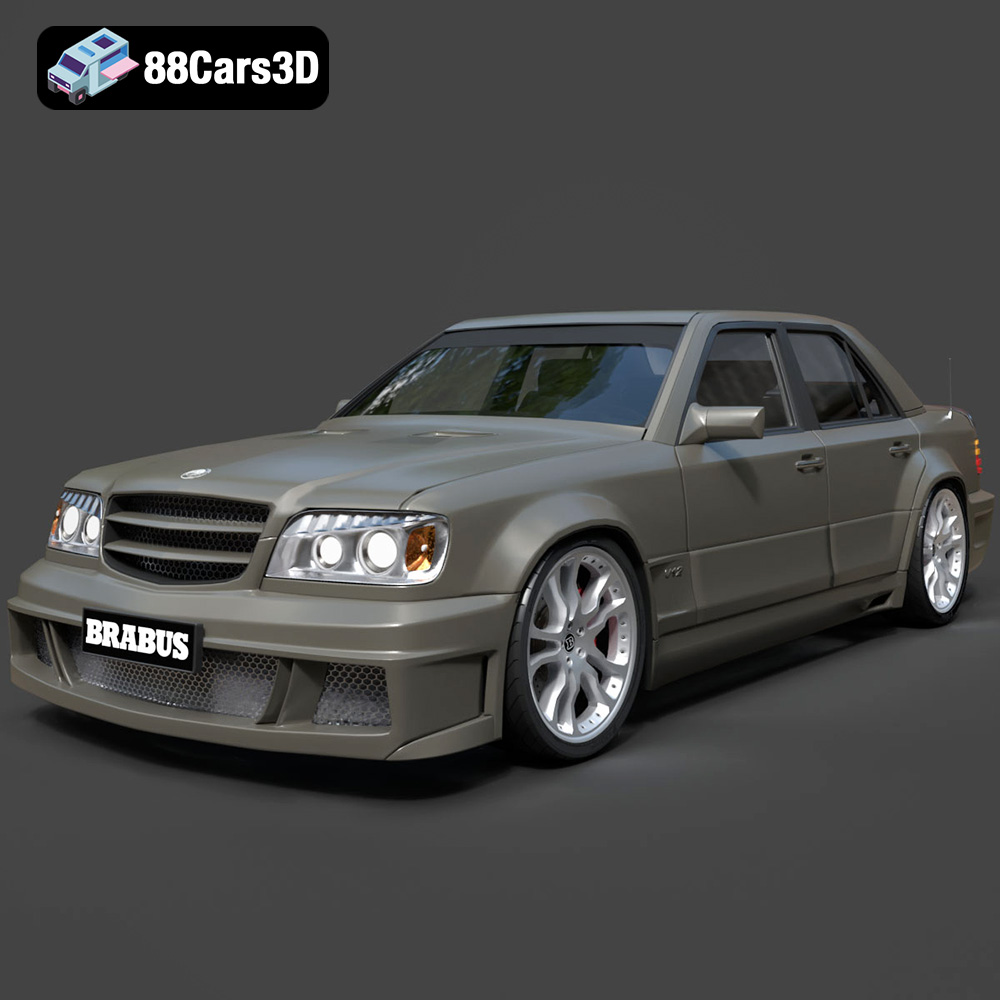
Mercedes-Benz W124 Brabus V12 3D Model
Texture: Yes
Material: Yes
Download the Mercedes-Benz W124 Brabus V12 3D Model featuring clean geometry, realistic detailing, and a fully modeled interior. Includes .blend, .fbx, .obj, .glb, .stl, .ply, .unreal, and .max formats for rendering, simulation, and game development.
Price: $23.99
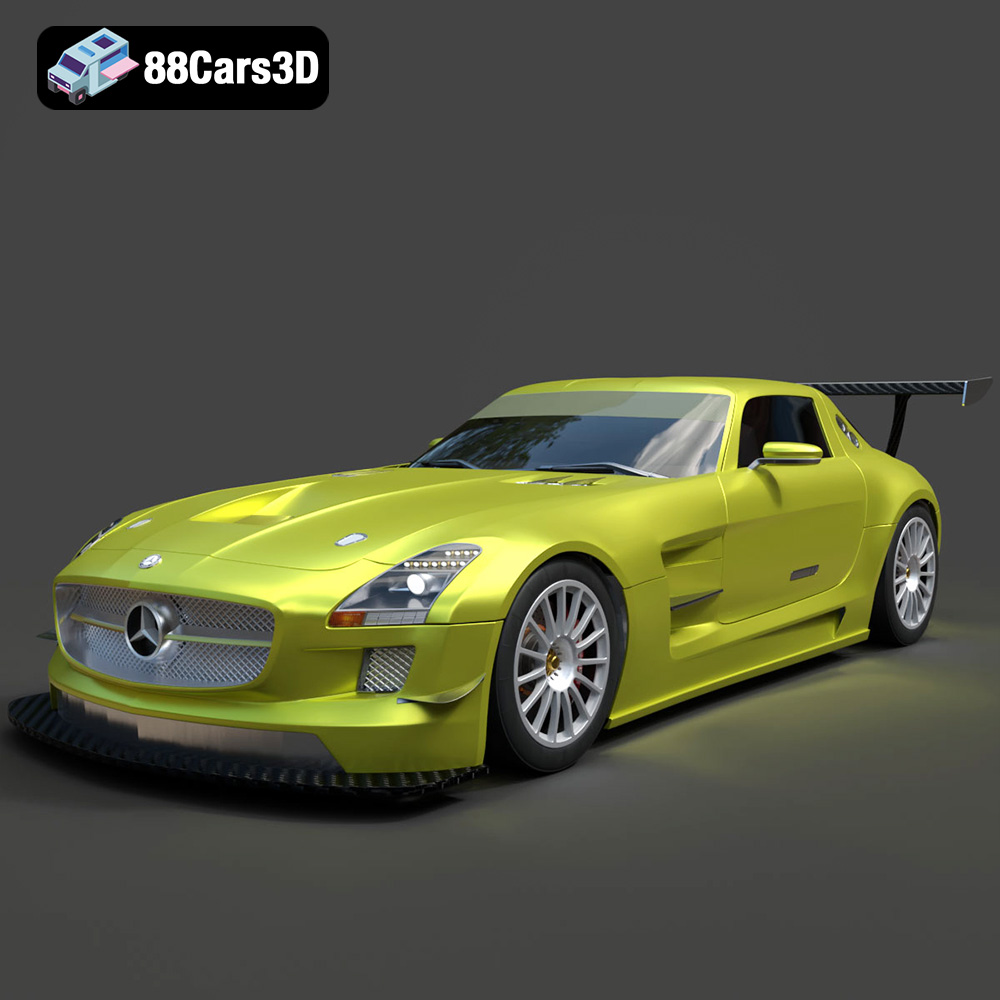
Mercedes-Benz SLS AMG GT3-002 3D Model
Texture: Yes
Material: Yes
Download the Mercedes-Benz SLS AMG GT3-002 3D Model featuring clean geometry, realistic detailing, and a fully modeled interior. Includes .blend, .fbx, .obj, .glb, .stl, .ply, .unreal, and .max formats for rendering, simulation, and game development.
Price: $38.99

Mercedes-Benz C-Class-001 3D Model
Texture: Yes
Material: Yes
Download the Mercedes-Benz C-Class-001 3D Model featuring clean geometry, realistic detailing, and a fully modeled interior. Includes .blend, .fbx, .obj, .glb, .stl, .ply, .unreal, and .max formats for rendering, simulation, and game development.
Price: $38.99
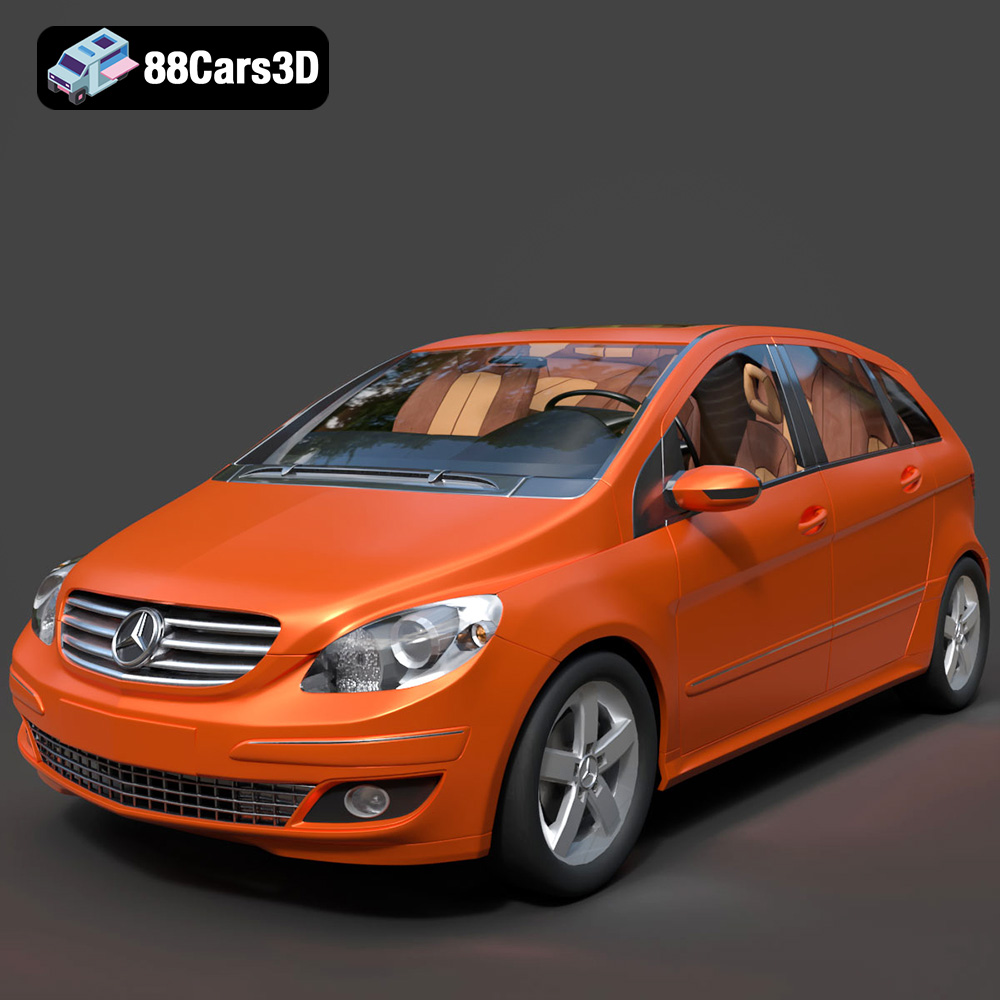
Mercedes-Benz B-Klasse 2023 3D Model
Texture: Yes
Material: Yes
Download the Mercedes-Benz B-Klasse 2023 3D Model featuring clean geometry, realistic detailing, and a fully modeled interior. Includes .blend, .fbx, .obj, .glb, .stl, .ply, .unreal, and .max formats for rendering, simulation, and game development.
Price: $38.99
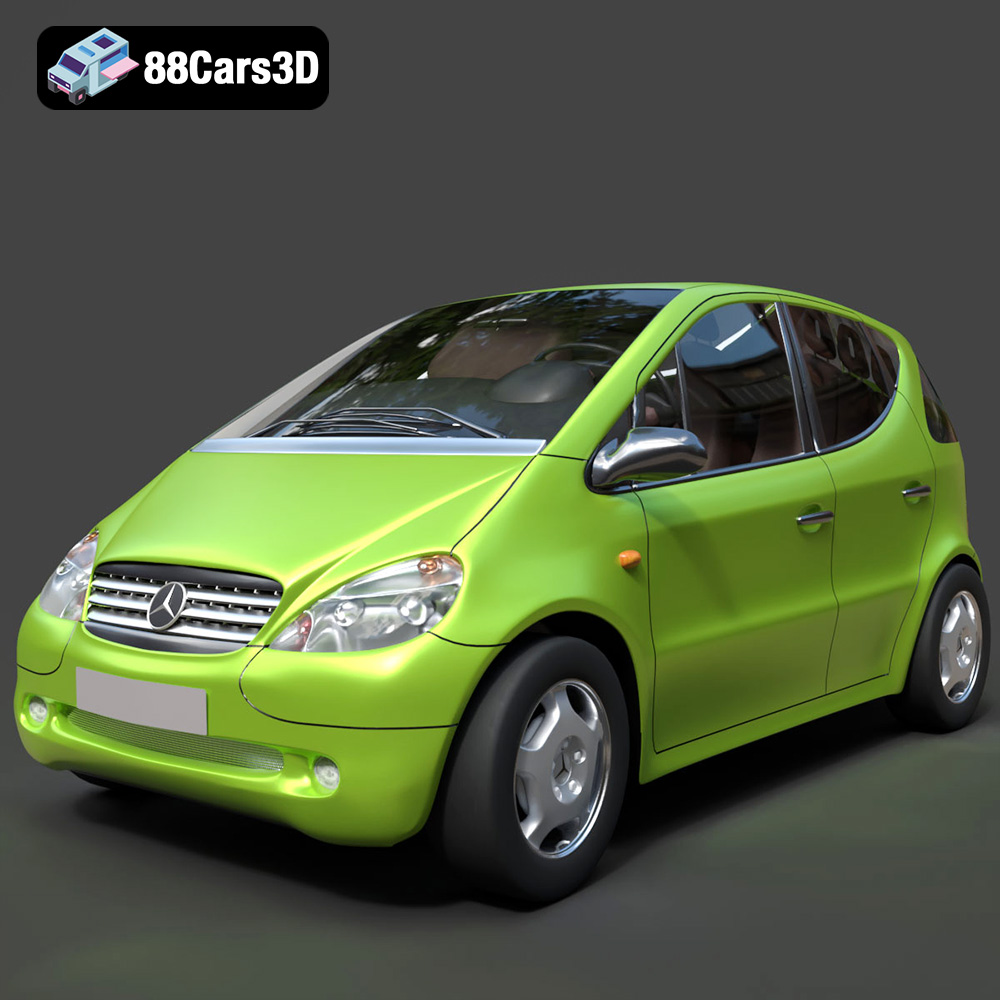
Mercedes-Benz A-Klasse W168 3D Model
Texture: Yes
Material: Yes
Download the Mercedes-Benz A-Klasse W168 3D Model featuring clean geometry, realistic detailing, and a fully modeled interior. Includes .blend, .fbx, .obj, .glb, .stl, .ply, .unreal, and .max formats for rendering, simulation, and game development.
Price: $38.99
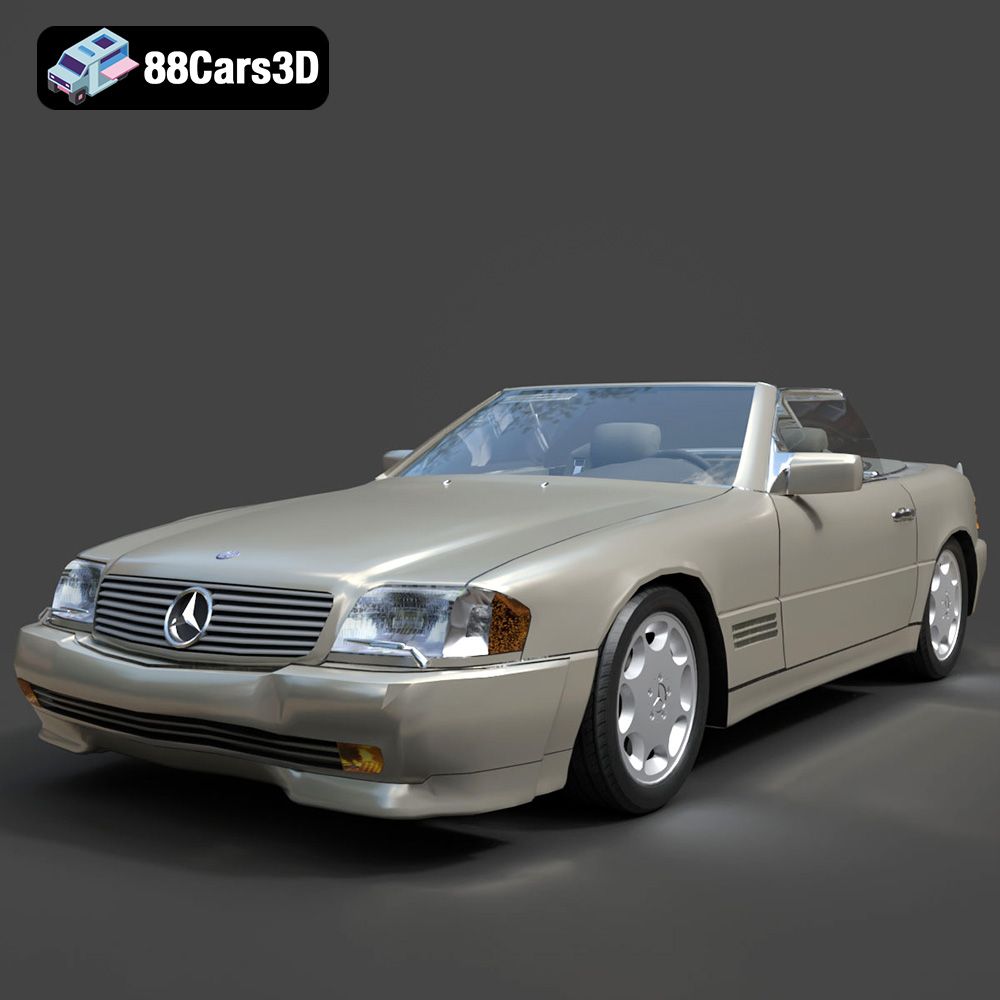
Mercedes-Benz 500SL 2000 3D Model
Texture: Yes
Material: Yes
Download the Mercedes-Benz 500SL 2000 3D Model featuring clean geometry, realistic detailing, and a fully modeled interior. Includes .blend, .fbx, .obj, .glb, .stl, .ply, .unreal, and .max formats for rendering, simulation, and game development.
Price: $38.99
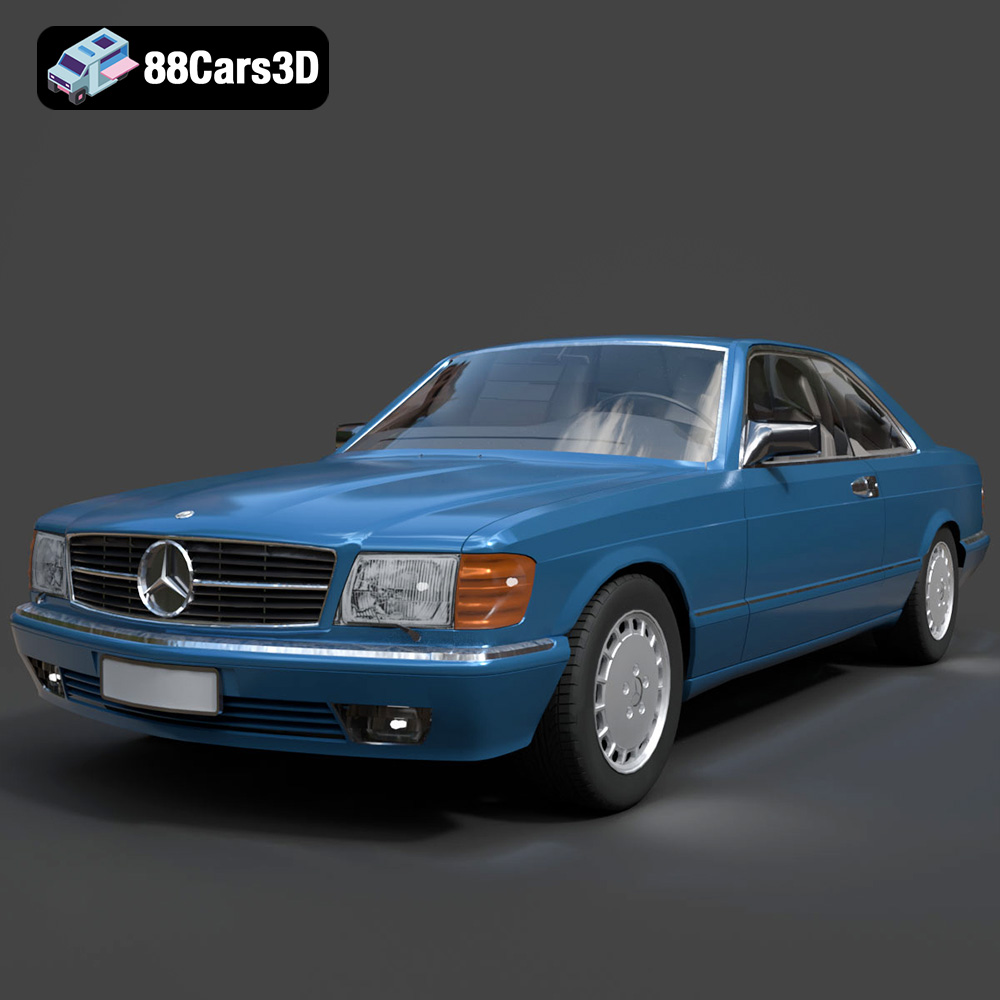
Mercedes-Benz 500SEC 3D Model
Texture: Yes
Material: Yes
Download the Mercedes-Benz 500SEC 3D Model featuring clean geometry, realistic detailing, and a fully modeled interior. Includes .blend, .fbx, .obj, .glb, .stl, .ply, .unreal, and .max formats for rendering, simulation, and game development.
Price: $38.99
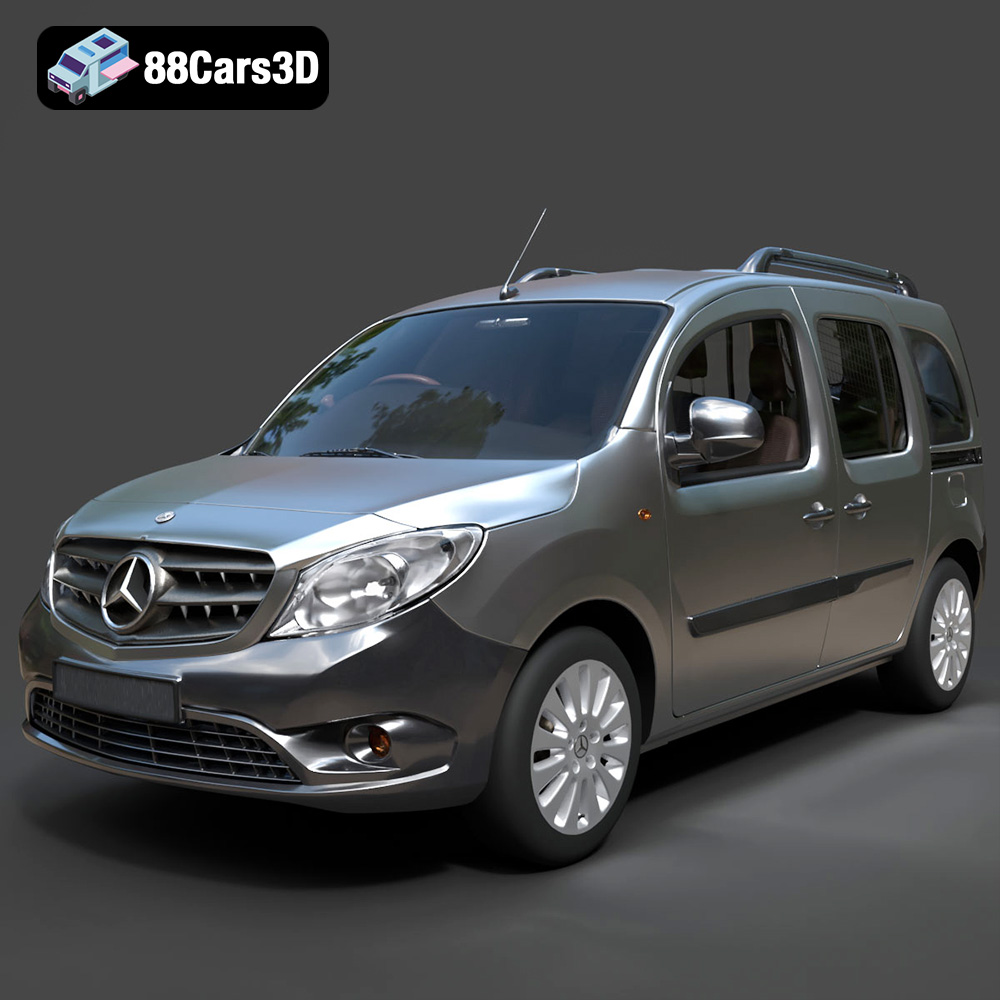
Mercedes-Benz Citan 2025 3D Model
Texture: Yes
Material: Yes
Download the Mercedes-Benz Citan 2025 3D Model featuring clean geometry, realistic detailing, and a fully modeled interior. Includes .blend, .fbx, .obj, .glb, .stl, .ply, .unreal, and .max formats for rendering, simulation, and game development.
Price: $38.99
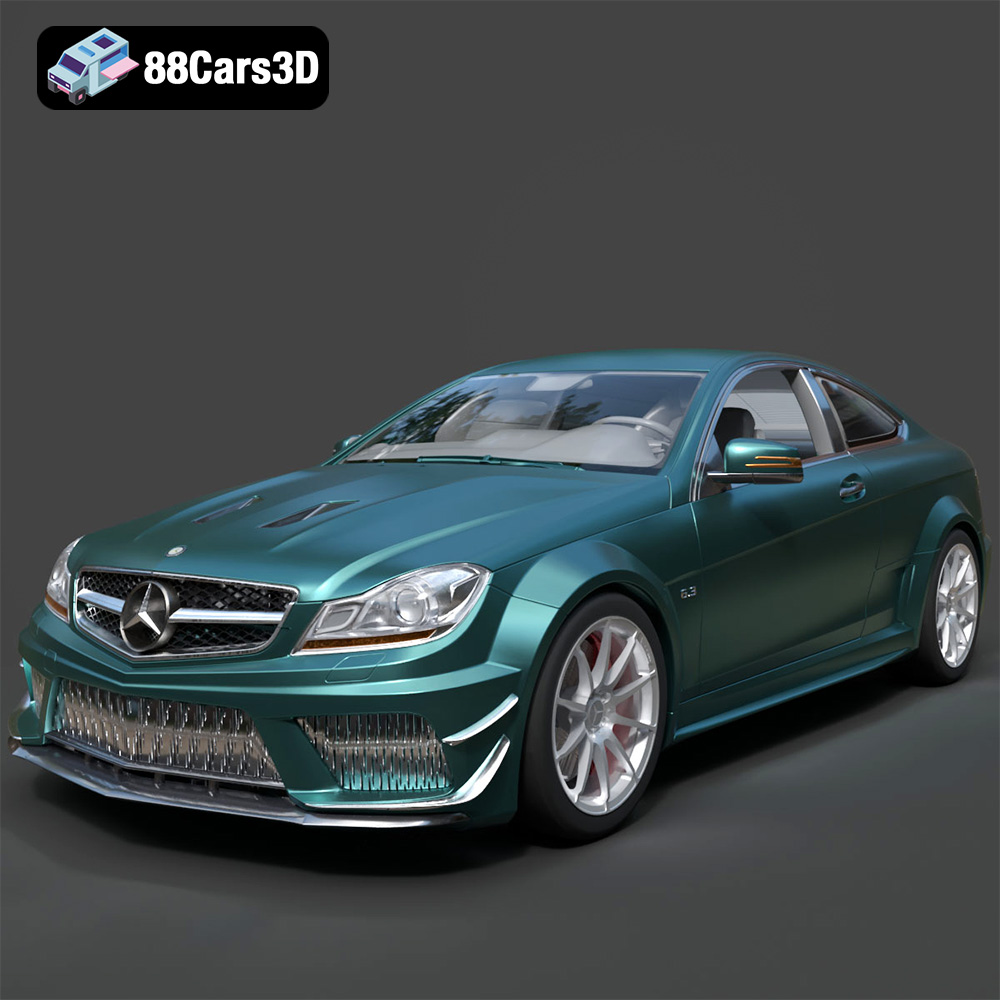
Mercedes-Benz C63 AMG 2012 3D Model
Texture: Yes
Material: Yes
Download the Mercedes-Benz C63 AMG 2012 3D Model featuring clean geometry, realistic detailing, and a fully modeled interior. Includes .blend, .fbx, .obj, .glb, .stl, .ply, .unreal, and .max formats for rendering, simulation, and game development.
Price: $38.99
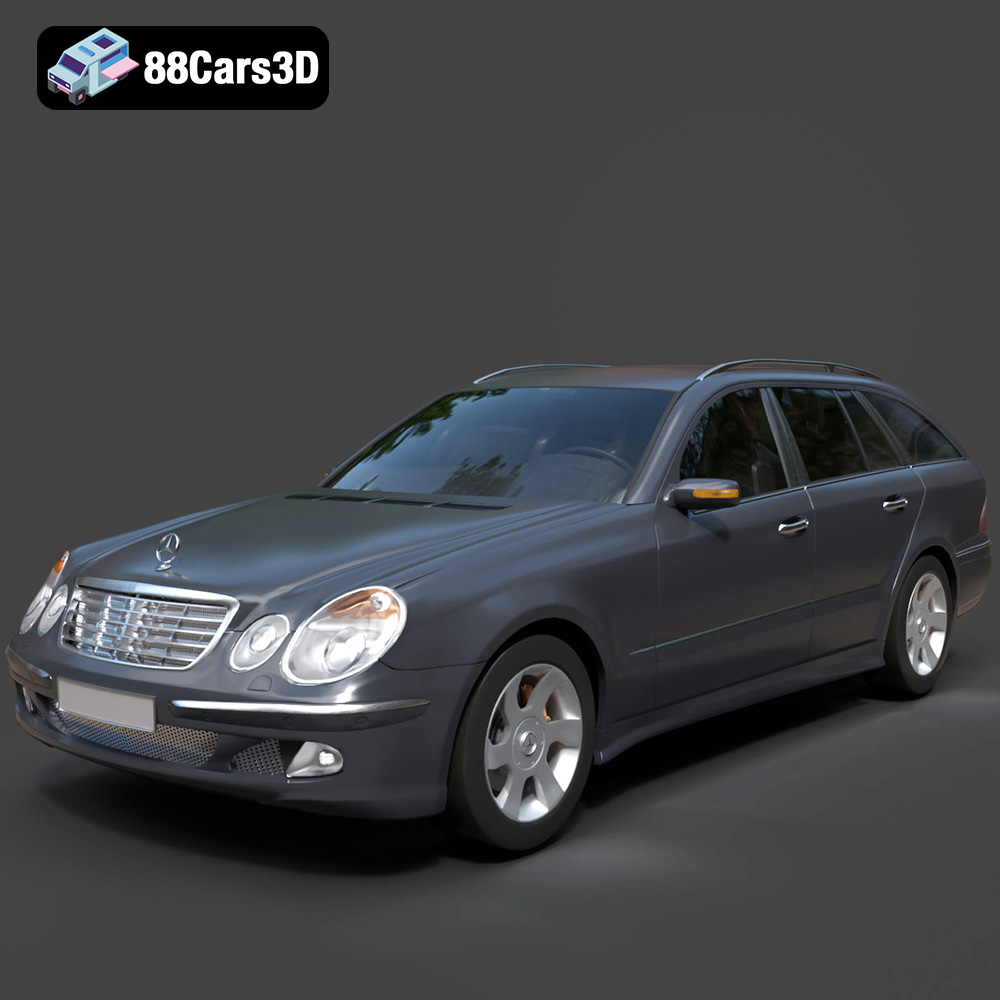
Mercedes-Benz E-Class S211 3D Model
Texture: Yes
Material: Yes
Download the Mercedes-Benz E-Class S211 3D Model featuring clean geometry, realistic detailing, and a fully modeled interior. Includes .blend, .fbx, .obj, .glb, .stl, .ply, .unreal, and .max formats for rendering, simulation, and game development.
Price: $38.99
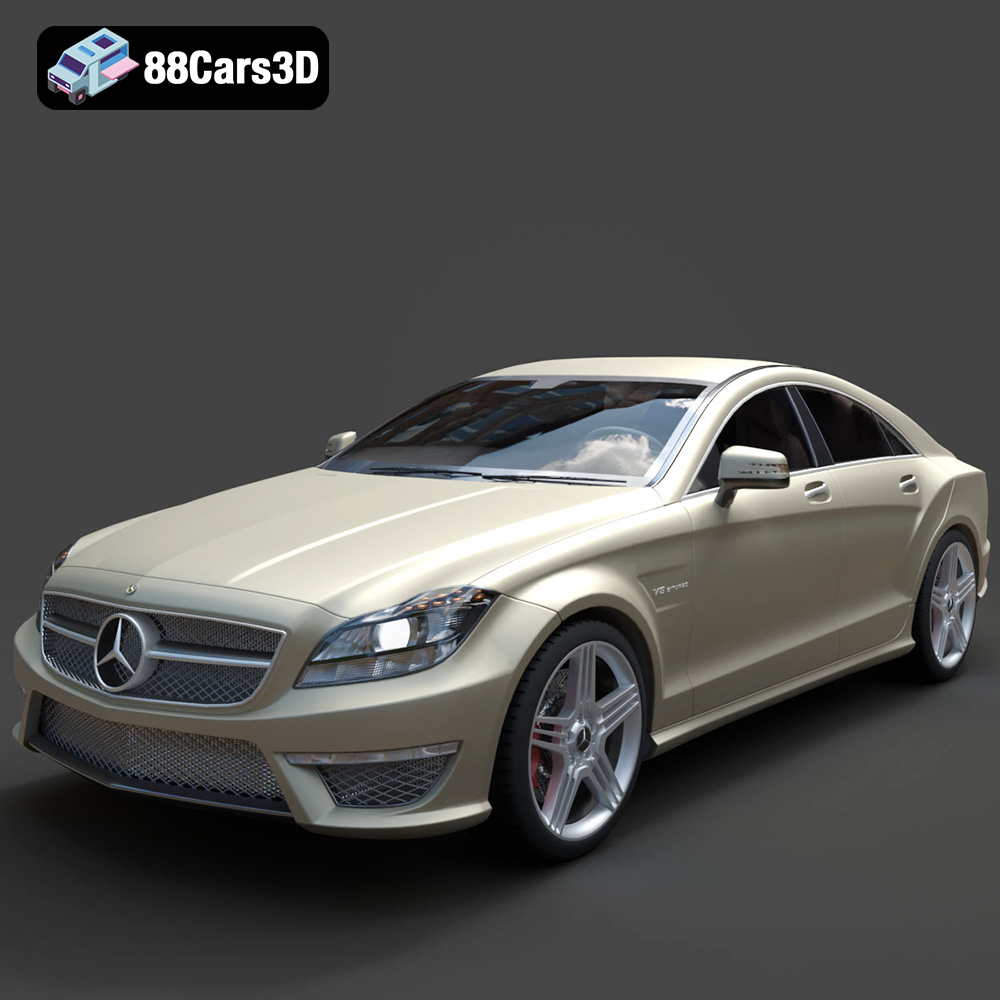
Mercedes-Benz CLS63 AMG (C218) 2014 3D Model
Texture: Yes
Material: Yes
Download the Mercedes-Benz CLS63 AMG (C218) 2014 3D Model featuring clean geometry, realistic detailing, and a fully modeled interior. Includes .blend, .fbx, .obj, .glb, .stl, .ply, .unreal, and .max formats for rendering, simulation, and game development.
Price: $38.99
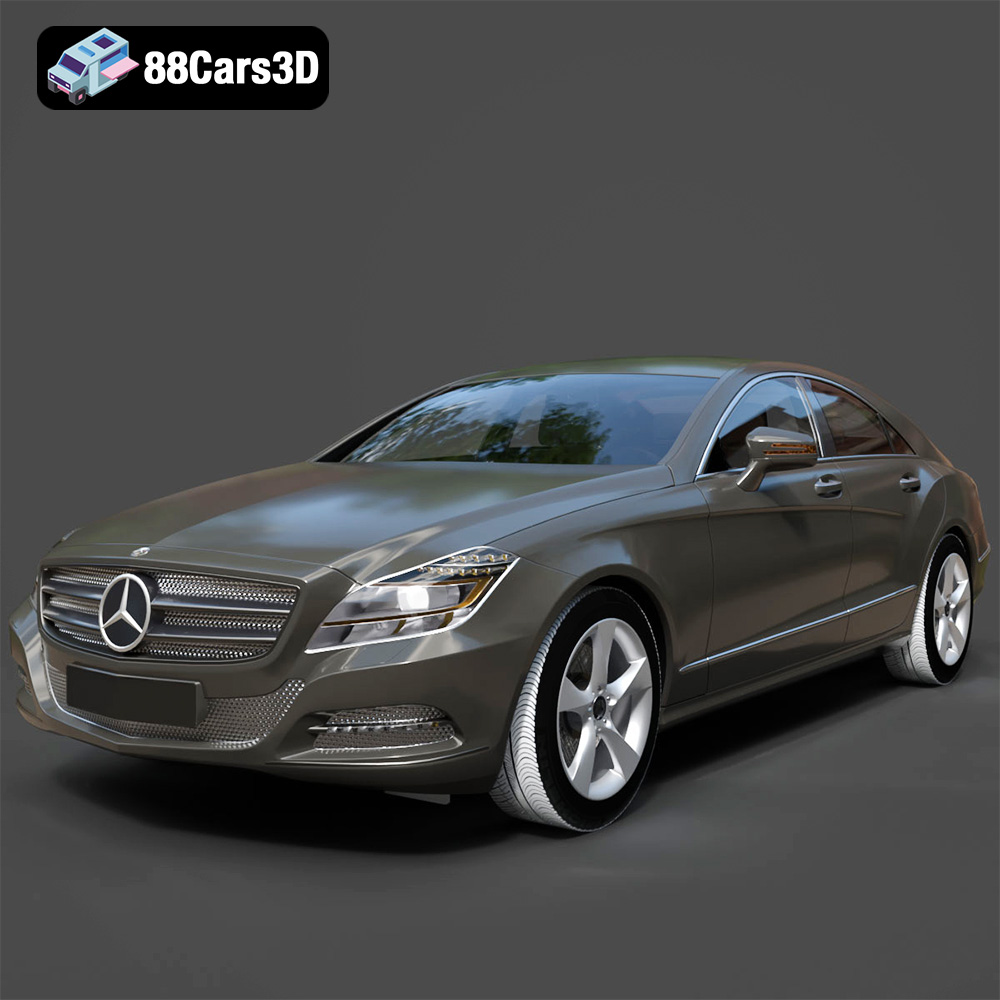
Mercedes-Benz CLS-Klasse 3D Model
Texture: Yes
Material: Yes
Download the Mercedes-Benz CLS-Klasse 3D Model featuring clean geometry, realistic detailing, and a fully modeled interior. Includes .blend, .fbx, .obj, .glb, .stl, .ply, .unreal, and .max formats for rendering, simulation, and game development.
Price: $38.99
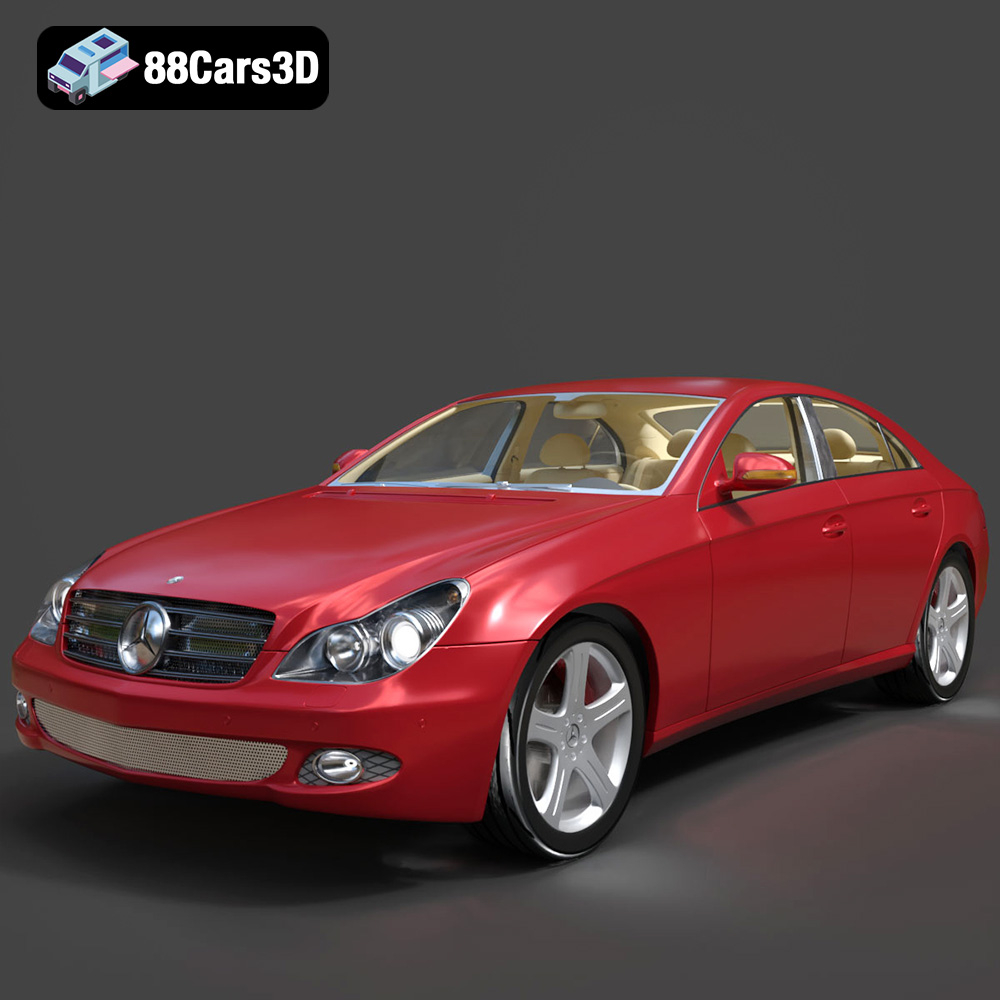
Mercedes-Benz CLS 500 3D Model
Texture: Yes
Material: Yes
Download the Mercedes-Benz CLS 500 3D Model featuring clean geometry, realistic detailing, and a fully modeled interior. Includes .blend, .fbx, .obj, .glb, .stl, .ply, .unreal, and .max formats for rendering, simulation, and game development.
Price: $38.99

Mercedes-Benz CL-Klasse 2001 3D Model
Texture: Yes
Material: Yes
Download the Mercedes-Benz CL-Klasse 2001 3D Model featuring clean geometry, realistic detailing, and a fully modeled interior. Includes .blend, .fbx, .obj, .glb, .stl, .ply, .unreal, and .max formats for rendering, simulation, and game development.
Price: $38.99
