
Unlock Photorealism: Migrating High-End Automotive 3D Models to Unreal Engine 5 (Without Losing Detail)

Unlock Photorealism: Migrating High-End Automotive 3D Models to Unreal Engine 5 (Without Losing Detail)
The pursuit of photorealism in 3D visualization has long been a holy grail for artists and designers. Historically, achieving truly stunning visual fidelity for automotive models meant relying on offline renderers like V-Ray, Corona, or Redshift. These tools excel at producing breathtaking stills and animations, but they come with a significant trade-off: render times that can span hours, or even days, for complex scenes.
Today, the landscape is rapidly evolving. Unreal Engine 5 (UE5) has emerged as a powerhouse, offering real-time rendering capabilities that push the boundaries of visual quality. The challenge, however, lies in seamlessly transitioning those meticulously crafted, high-end automotive 3D models—often optimized for offline rendering—into UE5 without sacrificing the intricate details that make them shine. This guide will walk you through the essential techniques and workflows to unlock the full potential of your automotive assets within Unreal Engine 5, ensuring your photorealistic car models UE5 projects truly stand out.
Bridging the Gap: The Photorealism Divide
Migrating automotive assets from a dedicated offline renderer to a real-time engine like Unreal Engine 5 is not merely a matter of importing files. It involves a fundamental shift in mindset and workflow. Understanding these differences is crucial for a successful transition.
Understanding Offline vs. Real-time Rendering Paradigms
Offline renderers calculate light paths and material interactions with painstaking precision, often using techniques like unbiased path tracing or photon mapping. This delivers unparalleled accuracy, but it’s a computationally intensive process. Every bounce of light, every subtle reflection, is meticulously simulated.
Real-time engines, on the other hand, employ clever approximations and optimizations to achieve interactive frame rates. They leverage rasterization, screen-space effects, and highly optimized global illumination solutions to create the illusion of reality at incredible speed. While historically a compromise on fidelity, UE5’s advancements, particularly with Lumen and Nanite, are closing this gap rapidly. The goal is to translate the aesthetic intent of your high-fidelity models into a real-time environment while maintaining visual integrity.
Common Pitfalls in Automotive Model Migration
Many artists encounter similar hurdles when bringing high-poly automotive models into UE5. A common issue is excessive poly counts that cripple performance. Another frequent problem is mismatched materials, where textures and shaders designed for one renderer don’t translate correctly, resulting in flat or unrealistic surfaces.
Incorrect UV mapping can also lead to texture distortion or scaling issues. Furthermore, a lack of understanding regarding UE5’s specific lighting and post-processing pipelines can result in scenes that lack depth, realism, or proper exposure. Addressing these challenges upfront is key to a smooth automotive 3D workflow. For incredible starting points, remember that 88cars3d.com offers a range of high-quality, pre-optimized automotive models perfect for your UE5 projects.
Mastering Automotive Asset Preparation for UE5
The foundation of any successful UE5 automotive project lies in meticulous asset preparation. This phase directly impacts both visual quality and performance. A well-prepared model will save countless hours in the engine.
Geometry Optimization with Nanite and Traditional Methods
Unreal Engine 5’s Nanite virtualized micropolygon geometry system is a game-changer for high-poly to game-ready assets. It allows artists to import film-quality meshes with millions of polygons directly into the engine, achieving incredible geometric detail without the traditional performance hit associated with complex geometry. Nanite automatically handles LODs (Levels of Detail) and culling, making it ideal for the intricate surfaces of modern vehicles.
However, Nanite is not a magic bullet for every scenario. It’s primarily beneficial for static meshes. For deformable parts or specific cases where traditional LODs are still needed (e.g., custom animation blending, specific physics interactions), conventional mesh optimization techniques remain relevant. This includes judicious use of decimation tools, manual retopology for areas requiring clean deformation, and creating multiple LOD levels. Always consider the ultimate purpose of your model—whether it’s for a detailed close-up in a virtual production environment or a distant vehicle in an open-world game.
UV Mapping and Texture Set Strategy
Proper UV mapping is non-negotiable for achieving photorealistic car models UE5. Each part of your automotive model should have clean, non-overlapping UVs to prevent texture stretching and allow for efficient texture baking. For complex vehicles, it’s often best to use multiple UV sets:
* Primary UV Set (Channel 0): For diffuse, normal, roughness, and other PBR texture maps. This should be as optimized as possible to maximize texel density.
* Secondary UV Set (Channel 1): For lightmap baking. This set needs to be completely unique and non-overlapping to prevent light bleeding artifacts.
When it comes to texture sets, organize your materials logically. Instead of one giant 8K texture for the entire car, break it down into manageable sections: body paint, interior, wheels, glass, undercarriage, and small details. This modular approach improves performance by only loading necessary textures and makes it easier to manage PBR materials for vehicles. Utilizing texture atlases where possible for small, repeated elements can also boost efficiency.
Crafting PBR Materials for Unreal Engine 5
Unreal Engine 5 is built upon a Physically Based Rendering (PBR) pipeline, which means your materials must adhere to PBR principles for accurate lighting and reflections. This is where many traditional render materials fall short. PBR materials for vehicles require specific texture maps:
* Base Color (Albedo): Represents the color of the surface without any lighting information.
* Normal Map: Adds surface detail and bumps without increasing polygon count.
* Roughness Map: Controls how rough or smooth a surface is, directly impacting reflections. A value of 0 is perfectly smooth (mirror-like), while 1 is completely rough (matte).
* Metallic Map: Indicates whether a surface is metallic (white) or dielectric (black).
* Ambient Occlusion Map: Simulates soft shadowing where surfaces are close together.
* Emissive Map: For light-emitting surfaces (headlights, tail lights, dashboard displays).
When creating or adapting these maps, ensure they are authored correctly for a linear workflow. Metals should have vibrant, saturated base colors and a metallic value of 1. Dielectrics (plastics, paint, glass) should have desaturated base colors and a metallic value of 0. Pay particular attention to the roughness map; this map alone can make or break the realism of a car’s paint, chrome, or interior surfaces. Utilize the material editor in UE5 to create complex shader networks, blending different materials and adding procedural elements like dirt, scratches, or subtle variations to enhance realism.
Elevating Realism: Unreal Engine 5’s Rendering Arsenal
Once your assets are prepared, Unreal Engine 5 offers a suite of powerful tools to bring your automotive scenes to life with unparalleled realism. Leveraging these features is key to achieving showroom-quality results in real-time.
Harnessing Lumen for Dynamic Global Illumination
Lumen is Unreal Engine 5’s revolutionary dynamic global illumination and reflections system. It calculates indirect lighting and reflections in real-time, adapting instantly to changes in lighting or geometry. For *Unreal Engine 5 automotive rendering*, Lumen is indispensable. It ensures that light bounces realistically off your car’s surfaces and throughout the environment, creating convincing ambient light and subtle color bleeding.
Configuring Lumen correctly involves balancing quality and performance. Experiment with Lumen’s various settings in the Post Process Volume, such as ‘GI Quality,’ ‘Reflection Quality,’ and ‘Final Gather Quality.’ For exterior shots, ensure your environment accurately reflects light back onto the car. For interior scenes, Lumen will brilliantly illuminate the cabin, reacting to headlights, dashboard lights, and external light sources passing through windows.
Achieving Ultimate Fidelity with Path Tracing
While Lumen provides excellent real-time global illumination, for the absolute pinnacle of visual fidelity, especially for hero shots or cinematic sequences, UE5’s Path Tracing renderer is your go-to. Path tracing automotive models offers a physically accurate, unbiased rendering solution directly within Unreal Engine, essentially bringing offline rendering quality into the engine.
When you activate Path Tracing, UE5 simulates light paths with maximum accuracy, generating pristine reflections, refractions, and global illumination. This is particularly beneficial for showcasing intricate materials like automotive paint, glass, and chrome, where subtle nuances in reflections are critical. While not real-time in the interactive sense (it renders a final image over time, much like an offline renderer), it’s far faster than traditional offline renderers for individual frames and integrates seamlessly into your UE5 workflow. Enable it via the ‘Ray Tracing’ settings in Project Settings and then activate it in the Post Process Volume for stunning output. This feature is a game-changer for virtual production automotive projects requiring absolute visual perfection.
Advanced Material Setups for Automotive Surfaces
Beyond basic PBR textures, creating truly convincing automotive materials requires advanced shader networks in UE5.
* Car Paint: Automotive paint is complex, often featuring metallic flakes, clear coat layers, and subtle color shifts (iridescence). Use a layered material setup: a base metallic layer for the flakes, a clear coat layer with specific fresnel reflections and high roughness values for the clear coat, and perhaps a ‘flake normal map’ to enhance the sparkling effect. Parameters for flake density, size, and tint should be exposed for easy adjustment.
* Glass & Lenses: For realistic glass, use UE5’s translucency settings. Ensure proper IOR (Index of Refraction) values (around 1.5-1.55 for typical glass) and tint. For headlights and taillights, incorporate emissive maps and use physically accurate light sources (IES profiles) in conjunction with clear glass shaders to simulate complex lens effects.
* Tires: Tires require a robust rubber material, often with subtle grime and wear. A detailed normal map is essential for tread patterns. Vary the roughness map to show wear and tear, and consider adding subtle subsurface scattering for certain types of rubber, particularly at thinner edges. Utilize texture bombing or detail texture layering to avoid noticeable tiling.
These advanced techniques contribute significantly to *photorealistic car models UE5* projects. Don’t forget to leverage features like clear coat normals for enhanced surface detail on painted parts.
Dynamic Visual Effects with Niagara and Blueprints
Bringing a car to life isn’t just about its static beauty; it’s also about dynamic elements. Unreal Engine 5’s Niagara particle system is perfect for creating realistic visual effects:
* Smoke & Exhaust: Simulate exhaust fumes, tire smoke during drifts, or even subtle dust kicked up by wheels.
* Rain & Water Effects: Dynamic rain droplets on the windshield, puddles forming, and water streaks flowing over the car’s body.
* Headlight Beams & Lens Flares: Enhance the realism of light sources with volumetric fog and custom lens flare effects.
Blueprints, UE5’s visual scripting system, can be used to drive these effects based on vehicle speed, braking, or environmental conditions. For instance, you could program headlights to automatically turn on at night, or activate a “dirty car” material blend based on distance traveled in a simulation. Combining Niagara with Blueprint logic creates highly interactive and immersive automotive experiences.
Optimizing Performance for Interactive Automotive Experiences
Achieving stunning visuals in Unreal Engine 5 is one part of the equation; maintaining smooth performance is the other, especially for interactive experiences or games. Real-time rendering optimization is crucial for making your *photorealistic car models UE5* projects accessible and enjoyable.
Strategic Use of LODs and Culling
While Nanite handles LODs for static meshes, there are still scenarios where manual LODs (Levels of Detail) are necessary, particularly for animated components or custom interactive elements. Create several LOD levels for components not managed by Nanite, reducing polygon count and texture resolution as the object moves further from the camera. UE5’s automatic LOD generation can be a good starting point, but manual tweaking often yields better results.
Frustum culling and occlusion culling are automatic processes in UE5 that prevent objects outside the camera’s view or hidden by other objects from being rendered. Ensure your scene geometry is optimized to allow these systems to work effectively. Properly set up visibility culling distances for assets to remove unnecessary rendering calls.
Efficient Lighting and Shadow Techniques
Lighting is the most impactful factor in visual quality, but it can also be the biggest performance hog. For *Unreal Engine 5 automotive rendering*, adopt a hybrid approach:
* Dynamic Lights: Use a limited number of dynamic lights (e.g., a single directional light for the sun, a few spot/point lights for specific effects).
* Baked Lighting (Lightmaps): For static elements in your environment, use baked lightmaps. This pre-calculates lighting information, significantly reducing real-time performance costs. Use secondary UVs (UV Channel 1) specifically for lightmap baking.
* Virtual Shadow Maps (VSM): UE5’s VSMs offer high-quality, stable shadows with good performance, especially for detailed automotive models. Adjust their settings in the Project Settings for your specific needs.
* Optimized Ray Tracing: When using ray tracing automotive models, be mindful of the number of rays and bounces. While path tracing is for ultimate fidelity, for real-time ray-traced reflections and shadows, you might need to dial back the quality to maintain interactivity.
* HDRI Skydomes: Use High Dynamic Range Image (HDRI) skydomes for realistic environmental lighting and reflections. These are highly efficient and provide convincing global illumination.
Data Management and Project Scalability
A well-organized project is a high-performing project. Keep your assets structured logically in folders. Use asset naming conventions to maintain clarity. Large texture files can quickly consume VRAM; optimize textures by compressing them appropriately (e.g., BC7 for high quality, BC5 for normal maps, BC4 for grayscale maps) and ensuring they are streamed efficiently.
Consider using data layers or level streaming for very large scenes. This allows you to load and unload portions of your environment dynamically, keeping the active scene manageable and optimizing memory usage. For large-scale projects, utilizing source control (like Perforce or Git LFS) is essential for collaborative workflows and managing numerous high-quality assets, such as those found on 88cars3d.com.
Real-World Applications: Virtual Production and Beyond
The ability to render *photorealistic car models UE5* in real-time opens up a vast array of possibilities beyond traditional game development. The *virtual production automotive* sector is rapidly adopting UE5 for its unparalleled flexibility and speed.
Virtual Studios and Automotive Configurators
In virtual production, automotive models can be seamlessly integrated into LED volumes or green screen stages, allowing filmmakers to place virtual cars into real-world environments with perfect lighting and perspective match. This reduces the need for physical prototypes, costly location shoots, and complex post-production, revolutionizing how automotive advertisements and films are made. Artists can make real-time adjustments to lighting, camera angles, and even vehicle configurations on set.
Automotive configurators are another powerful application. Imagine potential buyers exploring every detail of a car, changing colors, rims, and interior options in real-time, experiencing a truly immersive preview from the comfort of their home or a showroom. This level of interactivity and visual fidelity provided by *Unreal Engine 5 automotive rendering* significantly enhances the customer experience and accelerates the sales process.
Training Simulators and Marketing Visualizations
For professional training, UE5 provides the perfect platform to develop highly realistic driving simulators. From driver training for emergency services to test driving prototypes, the immersive environment allows for invaluable experience without physical risk or cost. The accurate physics and detailed visuals achievable with *photorealistic car models UE5* make these simulations incredibly effective.
Furthermore, marketing and design visualization benefit immensely. Designers can iterate rapidly on new concepts, presenting them to stakeholders with cinematic quality long before a physical model exists. Architectural visualizations can integrate detailed vehicles to add realism and scale. This allows for faster decision-making and a more engaging presentation of automotive designs, bridging the gap between concept and reality.
Conclusion: Driving Innovation with Unreal Engine 5
Migrating high-end automotive 3D models to Unreal Engine 5 without losing detail is a journey that requires technical skill, a deep understanding of PBR workflows, and a strategic approach to optimization. From preparing your geometry with Nanite to crafting advanced PBR materials for vehicles, and leveraging UE5’s powerful rendering features like Lumen and Path Tracing, every step contributes to achieving breathtaking realism in real-time.
The future of automotive design, visualization, and virtual production is undeniably intertwined with engines like Unreal Engine 5. By mastering these techniques, you’re not just creating pretty pictures; you’re building interactive, immersive experiences that push the boundaries of what’s possible. Ready to accelerate your projects? Start with high-quality foundational assets. Visit 88cars3d.com today to explore our extensive collection of premium 3D automotive models, meticulously crafted and optimized to kickstart your next *Unreal Engine 5 automotive rendering* masterpiece. Embrace the power of real-time and unlock new dimensions of creativity and efficiency!
Featured 3D Car Models

Suzuki SX4-002 3D Model
Texture: Yes
Material: Yes
Download the Suzuki SX4-002 3D Model featuring clean geometry, realistic detailing, and a fully modeled interior. Includes .blend, .fbx, .obj, .glb, .stl, .ply, .unreal, and .max formats for rendering, simulation, and game development.
Price: $10

Tesla Model S 2024 3D Model
Texture: Yes
Material: Yes
Download the Tesla Model S 2024 3D Model featuring clean geometry, realistic detailing, and a fully modeled interior. Includes .blend, .fbx, .obj, .glb, .stl, .ply, .unreal, and .max formats for rendering, simulation, and game development.
Price: $10

Subaru Impreza WRX STi-002 3D Model
Texture: Yes
Material: Yes
Download the Subaru Impreza WRX STi-002 3D Model featuring clean geometry, realistic detailing, and a fully modeled interior. Includes .blend, .fbx, .obj, .glb, .stl, .ply, .unreal, and .max formats for rendering, simulation, and game development.
Price: $10

Subaru Impreza WRX STi Sedan 3D Model
Texture: Yes
Material: Yes
Download the Subaru Impreza WRX STi Sedan 3D Model featuring clean geometry, realistic detailing, and a fully modeled interior. Includes .blend, .fbx, .obj, .glb, .stl, .ply, .unreal, and .max formats for rendering, simulation, and game development.
Price: $10

Subaru Legacy 2009 3D Model
Texture: Yes
Material: Yes
Download the Subaru Legacy 2009 3D Model featuring clean geometry, realistic detailing, and a fully modeled interior. Includes .blend, .fbx, .obj, .glb, .stl, .ply, .unreal, and .max formats for rendering, simulation, and game development.
Price: $10

Suzuki Swift 2024 3D Model
Texture: Yes
Material: Yes
Download the Suzuki Swift 2024 3D Model featuring clean geometry, realistic detailing, and a fully modeled interior. Includes .blend, .fbx, .obj, .glb, .stl, .ply, .unreal, and .max formats for rendering, simulation, and game development.
Price: $10

Suzuki Liana Sedan 2004 3D Model
Texture: Yes
Material: Yes
Download the Suzuki Liana Sedan 2004 3D Model featuring clean geometry, realistic detailing, and a fully modeled interior. Includes .blend, .fbx, .obj, .glb, .stl, .ply, .unreal, and .max formats for rendering, simulation, and game development.
Price: $10

Subaru Outback 2024 3D Model
Texture: Yes
Material: Yes
Download the Subaru Outback 2024 3D Model featuring clean geometry, realistic detailing, and a fully modeled interior. Includes .blend, .fbx, .obj, .glb, .stl, .ply, .unreal, and .max formats for rendering, simulation, and game development.
Price: $10

Subaru Legacy 2003 3D Model
Texture: Yes
Material: Yes
Download the Subaru Legacy 2003 3D Model featuring clean geometry, realistic detailing, and a fully modeled interior. Includes .blend, .fbx, .obj, .glb, .stl, .ply, .unreal, and .max formats for rendering, simulation, and game development.
Price: $10

Subaru Legacy Touring Wagon 3D Model
Texture: Yes
Material: Yes
Download the Subaru Legacy Touring Wagon 3D Model featuring clean geometry, realistic detailing, and a fully modeled interior. Includes .blend, .fbx, .obj, .glb, .stl, .ply, .unreal, and .max formats for rendering, simulation, and game development.
Price: $10

Toyota Mark II (X100) 1998 3D Model
Texture: Yes
Material: Yes
Download the Toyota Mark II (X100) 3D Model featuring clean geometry, realistic detailing, and a fully modeled interior. Includes .blend, .fbx, .obj, .glb, .stl, .ply, .unreal, and .max formats for rendering, simulation, and game development.
Price: $10

Toyota Corona 1985 3D Model
Texture: Yes
Material: Yes
Download the Toyota Corona 1985 3D Model featuring clean geometry, realistic detailing, and a fully modeled interior. Includes .blend, .fbx, .obj, .glb, .stl, .ply, .unreal, and .max formats for rendering, simulation, and game development.
Price: $10

Toyota Mark II X81 1990 3D Model
Texture: Yes
Material: Yes
Download the Toyota Mark II X81 1990 3D Model featuring clean geometry, realistic detailing, and a fully modeled interior. Includes .blend, .fbx, .obj, .glb, .stl, .ply, .unreal, and .max formats for rendering, simulation, and game development.
Price: $10

Toyota iQ EV 2012 3D Model
Texture: Yes
Material: Yes
Download the Toyota iQ EV 2012 3D Model featuring clean geometry, realistic detailing, and a fully modeled interior. Includes .blend, .fbx, .obj, .glb, .stl, .ply, .unreal, and .max formats for rendering, simulation, and game development.
Price: $10

Toyota Aygo 2013 3D Model
Texture: Yes
Material: Yes
Download the Toyota Aygo 2013 3D Model featuring clean geometry, realistic detailing, and a fully modeled interior. Includes .blend, .fbx, .obj, .glb, .stl, .ply, .unreal, and .max formats for rendering, simulation, and game development.
Price: $10

Toyota Crown S180 2005 3D Model
Texture: Yes
Material: Yes
Download the Toyota Crown S180 2005 3D Model featuring clean geometry, realistic detailing, and a fully modeled interior. Includes .blend, .fbx, .obj, .glb, .stl, .ply, .unreal, and .max formats for rendering, simulation, and game development.
Price: $10

Toyota Celica 2004 3D Model
Texture: Yes
Material: Yes
Download the Toyota Celica 2004 3D Model featuring clean geometry, realistic detailing, and a fully modeled interior. Includes .blend, .fbx, .obj, .glb, .stl, .ply, .unreal, and .max formats for rendering, simulation, and game development.
Price: $10

Toyota Corolla AE100 1992 3D Model
Texture: Yes
Material: Yes
Download the Toyota Corolla AE100 1992 3D Model featuring clean geometry, realistic detailing, and a fully modeled interior. Includes .blend, .fbx, .obj, .glb, .stl, .ply, .unreal, and .max formats for rendering, simulation, and game development.
Price: $10

Toyota Mark II X110 2000 3D Model
Texture: Yes
Material: Yes
Download the Toyota Mark II X110 2000 3D Model featuring clean geometry, realistic detailing, and a fully modeled interior. Includes .blend, .fbx, .obj, .glb, .stl, .ply, .unreal, and .max formats for rendering, simulation, and game development.
Price: $10

Toyota Corolla 2020 3D Model
Texture: Yes
Material: Yes
Download the Toyota Corolla 2020 3D Model featuring clean geometry, realistic detailing, and a fully modeled interior. Includes .blend, .fbx, .obj, .glb, .stl, .ply, .unreal, and .max formats for rendering, simulation, and game development.
Price: $10

Toyota Yaris 2020 3D Model
Texture: Yes
Material: Yes
Download the Toyota Yaris 2020 3D Model featuring clean geometry, realistic detailing, and a fully modeled interior. Includes .blend, .fbx, .obj, .glb, .stl, .ply, .unreal, and .max formats for rendering, simulation, and game development.
Price: $9.9

Volkswagen Beetle 2012 3D Model
Texture: Yes
Material: Yes
Download the Volkswagen Beetle 2012 3D Model featuring clean geometry, realistic detailing, and a fully modeled interior. Includes .blend, .fbx, .obj, .glb, .stl, .ply, .unreal, and .max formats for rendering, simulation, and game development.
Price: $9.9

Toyota Matrix 2005 3D Model
Texture: Yes
Material: Yes
Download the Toyota Matrix 2005 3D Model featuring clean geometry, realistic detailing, and a fully modeled interior. Includes .blend, .fbx, .obj, .glb, .stl, .ply, .unreal, and .max formats for rendering, simulation, and game development.
Price: $9.9

Toyota Yaris Sedan 3D Model
Texture: Yes
Material: Yes
Download the Toyota Yaris Sedan 3D Model featuring clean geometry, realistic detailing, and a fully modeled interior. Includes .blend, .fbx, .obj, .glb, .stl, .ply, .unreal, and .max formats for rendering, simulation, and game development.
Price: $9.9

Volkswagen Golf R-004 2024 3D Model
Texture: Yes
Material: Yes
Download the Volkswagen Golf R-004 2024 3D Model featuring clean geometry, realistic detailing, and a fully modeled interior. Includes .blend, .fbx, .obj, .glb, .stl, .ply, .unreal, and .max formats for rendering, simulation, and game development.
Price: $9.9

Volkswagen Golf 5 Door 2010 3D Model
Texture: Yes
Material: Yes
Download the Volkswagen Golf 5 Door 2010 3D Model featuring clean geometry, realistic detailing, and a fully modeled interior. Includes .blend, .fbx, .obj, .glb, .stl, .ply, .unreal, and .max formats for rendering, simulation, and game development.
Price: $9.9

Toyota Premio 2010 3D Model
Texture: Yes
Material: Yes
Download the Toyota Premio 2010 3D Model featuring clean geometry, realistic detailing, and a fully modeled interior. Includes .blend, .fbx, .obj, .glb, .stl, .ply, .unreal, and .max formats for rendering, simulation, and game development.
Price: $9.9

Toyota Opa 2000 3D Model
Texture: Yes
Material: Yes
Download the Toyota Opa 2000 3D Model featuring clean geometry, realistic detailing, and a fully modeled interior. Includes .blend, .fbx, .obj, .glb, .stl, .ply, .unreal, and .max formats for rendering, simulation, and game development.
Price: $9.9

Volkswagen Polo 5 Door 2010 3D Model
Texture: Yes
Material: Yes
Download the Volkswagen Polo 5 Door 2010 3D Model featuring clean geometry, realistic detailing, and a fully modeled interior. Includes .blend, .fbx, .obj, .glb, .stl, .ply, .unreal, and .max formats for rendering, simulation, and game development.
Price: $9.9

Toyota Prius 2024 3D Model
Texture: Yes
Material: Yes
Download the Toyota Prius 2024 3D Model featuring clean geometry, realistic detailing, and a fully modeled interior. Includes .blend, .fbx, .obj, .glb, .stl, .ply, .unreal, and .max formats for rendering, simulation, and game development.
Price: $9.9

Toyota Yaris 1999 3D Model
Texture: Yes
Material: Yes
Download the Toyota Yaris 1999 3D Model featuring clean geometry, realistic detailing, and a fully modeled interior. Includes .blend, .fbx, .obj, .glb, .stl, .ply, .unreal, and .max formats for rendering, simulation, and game development.
Price: $9.9

Toyota Supra 2020 3D Model
Texture: Yes
Material: Yes
Download the Toyota Supra 2020 3D Model featuring clean geometry, realistic detailing, and a fully modeled interior. Includes .blend, .fbx, .obj, .glb, .stl, .ply, .unreal, and .max formats for rendering, simulation, and game development.
Price: $9.9

Volkswagen New Beetle 2000 3D Model
Texture: Yes
Material: Yes
Download the Volkswagen New Beetle 2000 3D Model featuring clean geometry, realistic detailing, and a fully modeled interior. Includes .blend, .fbx, .obj, .glb, .stl, .ply, .unreal, and .max formats for rendering, simulation, and game development.
Price: $14.99

Volkswagen Jetta 2005 3D Model
Texture: Yes
Material: Yes
Download the Volkswagen Jetta 2005 3D Model featuring clean geometry, realistic detailing, and a fully modeled interior. Includes .blend, .fbx, .obj, .glb, .stl, .ply, .unreal, and .max formats for rendering, simulation, and game development.
Price: $18.99

Volkswagen Golf 3-Door 3D Model
Texture: Yes
Material: Yes
Download the Volkswagen Golf 3-Door 3D Model featuring clean geometry, realistic detailing, and a fully modeled interior. Includes .blend, .fbx, .obj, .glb, .stl, .ply, .unreal, and .max formats for rendering, simulation, and game development.
Price: $14.99

Volvo V70 2005 3D Model
Texture: Yes
Material: Yes
Download the Volvo V70 2005 3D Model featuring clean geometry, realistic detailing, and a fully modeled interior. Includes .blend, .fbx, .obj, .glb, .stl, .ply, .unreal, and .max formats for rendering, simulation, and game development.
Price: $14.99

Volkswagen Bora 2004 3D Model
Texture: Yes
Material: Yes
Download the Volkswagen Bora 2004 3D Model featuring clean geometry, realistic detailing, and a fully modeled interior. Includes .blend, .fbx, .obj, .glb, .stl, .ply, .unreal, and .max formats for rendering, simulation, and game development.
Price: $14.99

Volkswagen Lupo 3D Model
Texture: Yes
Material: Yes
Download the Volkswagen Lupo 3D Model featuring clean geometry, realistic detailing, and a fully modeled interior. Includes .blend, .fbx, .obj, .glb, .stl, .ply, .unreal, and .max formats for rendering, simulation, and game development.
Price: $19.99

Volkswagen Passat B5 2000 3D Model
Texture: Yes
Material: Yes
Download the Volkswagen Passat B5 2000 3D Model featuring clean geometry, realistic detailing, and a fully modeled interior. Includes .blend, .fbx, .obj, .glb, .stl, .ply, .unreal, and .max formats for rendering, simulation, and game development.
Price: $19.99

Volkswagen Passat CC 3D Model
Texture: Yes
Material: Yes
Download the Volkswagen Passat CC 3D Model featuring clean geometry, realistic detailing, and a fully modeled interior. Includes .blend, .fbx, .obj, .glb, .stl, .ply, .unreal, and .max formats for rendering, simulation, and game development.
Price: $19.99

Volkswagen Golf V 2006 3D Model
Texture: Yes
Material: Yes
Download the Volkswagen Golf V 2006 3D Model featuring clean geometry, realistic detailing, and a fully modeled interior. Includes .blend, .fbx, .obj, .glb, .stl, .ply, .unreal, and .max formats for rendering, simulation, and game development.
Price: $19.99

Volvo S60 R-Design 2024 3D Model
Texture: Yes
Material: Yes
Download the Volvo S60 R-Design 3D Model featuring clean geometry, realistic detailing, and a fully modeled interior. Includes .blend, .fbx, .obj, .glb, .stl, .ply, .unreal, and .max formats for rendering, simulation, and game development.
Price: $19.99

Volkswagen Passat 2025 3D Model
Texture: Yes
Material: Yes
Download the Volkswagen Passat 2025 3D Model featuring clean geometry, realistic detailing, and a fully modeled interior. Includes .blend, .fbx, .obj, .glb, .stl, .ply, .unreal, and .max formats for rendering, simulation, and game development.
Price: $25.99

Volkswagen Passat Variant B6 2005 3D Model
Texture: Yes
Material: Yes
Download the Volkswagen Passat Variant B6 2005 3D Model featuring clean geometry, realistic detailing, and a fully modeled interior. Includes .blend, .fbx, .obj, .glb, .stl, .ply, .unreal, and .max formats for rendering, simulation, and game development.
Price: $25.99

Volkswagen Phaeton W12 2004 3D Model
Texture: Yes
Material: Yes
Download the Volkswagen Phaeton W12 2004 3D Model featuring clean geometry, realistic detailing, and a fully modeled interior. Includes .blend, .fbx, .obj, .glb, .stl, .ply, .unreal, and .max formats for rendering, simulation, and game development.
Price: $25.99

Volkswagen Scirocco 2015 3D Model
Texture: Yes
Material: Yes
Download the Volkswagen Scirocco 2015 3D Model featuring clean geometry, realistic detailing, and a fully modeled interior. Includes .blend, .fbx, .obj, .glb, .stl, .ply, .unreal, and .max formats for rendering, simulation, and game development.
Price: $25.99

Volvo S60 2024 3D Model
Texture: Yes
Material: Yes
Download the Volvo S60 2024 3D Model featuring clean geometry, realistic detailing, and a fully modeled interior. Includes .blend, .fbx, .obj, .glb, .stl, .ply, .unreal, and .max formats for rendering, simulation, and game development.
Price: $25.99

Volkswagen Polo 3D Model
Texture: Yes
Material: Yes
Download the Volkswagen Polo 3D Model featuring clean geometry, realistic detailing, and a fully modeled interior. Includes .blend, .fbx, .obj, .glb, .stl, .ply, .unreal, and .max formats for rendering, simulation, and game development.
Price: $25.99

Volkswagen Golf 5-Doors 2018 3D Model
Texture: Yes
Material: Yes
Download the Volkswagen Golf 5-Doors 3D Model featuring clean geometry, realistic detailing, and a fully modeled interior. Includes .blend, .fbx, .obj, .glb, .stl, .ply, .unreal, and .max formats for rendering, simulation, and game development.
Price: $25.99

Volvo C70 T5 2000 3D Model
Texture: Yes
Material: Yes
Download the Volvo C70 T5 2000 3D Model featuring clean geometry, realistic detailing, and a fully modeled interior. Includes .blend, .fbx, .obj, .glb, .stl, .ply, .unreal, and .max formats for rendering, simulation, and game development.
Price: $23.99

Volvo S40 Sedan 2004 3D Model
Texture: Yes
Material: Yes
Download the Volvo S40 Sedan 2004 3D Model featuring clean geometry, realistic detailing, and a fully modeled interior. Includes .blend, .fbx, .obj, .glb, .stl, .ply, .unreal, and .max formats for rendering, simulation, and game development.
Price: $23.99

Volvo C30 BEV 2012 3D Model
Texture: Yes
Material: Yes
Download the Volvo C30 BEV 2012 3D Model featuring clean geometry, realistic detailing, and a fully modeled interior. Includes .blend, .fbx, .obj, .glb, .stl, .ply, .unreal, and .max formats for rendering, simulation, and game development.
Price: $23.99

Volvo C70 1998 3D Model
Texture: Yes
Material: Yes
Download the Volvo C70 1998 3D Model featuring clean geometry, realistic detailing, and a fully modeled interior. Includes .blend, .fbx, .obj, .glb, .stl, .ply, .unreal, and .max formats for rendering, simulation, and game development.
Price: $23.99

Mazda B-Series 3D Model
Texture: Yes
Material: Yes
Download the Mazda B-Series 3D Model featuring clean geometry, realistic detailing, and a fully modeled interior. Includes .blend, .fbx, .obj, .glb, .stl, .ply, .unreal, and .max formats for rendering, simulation, and game development.
Price: $23.99

Mercsedes Benz Z3-006 3D Model
Texture: Yes
Material: Yes
Download the Mercsedes Benz Z3-006 3D Model featuring clean geometry, realistic detailing, and a fully modeled interior. Includes .blend, .fbx, .obj, .glb, .stl, .ply, .unreal, and .max formats for rendering, simulation, and game development.
Price: $23.99

Mazda RX-7 3D Model
Texture: Yes
Material: Yes
Download the Mazda RX-7 3D Model featuring clean geometry, realistic detailing, and a fully modeled interior. Includes .blend, .fbx, .obj, .glb, .stl, .ply, .unreal, and .max formats for rendering, simulation, and game development.
Price: $23.99

Volvo VCC-003 3D Model
Texture: Yes
Material: Yes
Download the Volvo VCC-003 3D Model featuring clean geometry, realistic detailing, and a fully modeled interior. Includes .blend, .fbx, .obj, .glb, .stl, .ply, .unreal, and .max formats for rendering, simulation, and game development.
Price: $23.99

Mercedes-Benz SLR McLaren 2005 3D Model
Texture: Yes
Material: Yes
Download the Mercedes-Benz SLR McLaren 2005 3D Model featuring clean geometry, realistic detailing, and a fully modeled interior. Includes .blend, .fbx, .obj, .glb, .stl, .ply, .unreal, and .max formats for rendering, simulation, and game development.
Price: $23.99

GAZ 3110 Pickup 2000 3D Model
Texture: Yes
Material: Yes
Download the GAZ 3110 Pickup 3D Model featuring clean geometry, realistic detailing, and a fully modeled interior. Includes .blend, .fbx, .obj, .glb, .stl, .ply, .unreal, and .max formats for rendering, simulation, and game development.
Price: $23.99

Mazda 626 GF 1997 3D Model
Texture: Yes
Material: Yes
Download the Mazda 626 GF 1997 3D Model featuring clean geometry, realistic detailing, and a fully modeled interior. Includes .blend, .fbx, .obj, .glb, .stl, .ply, .unreal, and .max formats for rendering, simulation, and game development.
Price: $23.99

Volvo S80 2011 3D Model
Texture: Yes
Material: Yes
Download the Volvo S80 2011 3D Model featuring clean geometry, realistic detailing, and a fully modeled interior. Includes .blend, .fbx, .obj, .glb, .stl, .ply, .unreal, and .max formats for rendering, simulation, and game development.
Price: $23.99

Volkswagen Touran restyle-006 3D Model
Texture: Yes
Material: Yes
Download the Volkswagen Touran restyle-006 3D Model featuring clean geometry, realistic detailing, and a fully modeled interior. Includes .blend, .fbx, .obj, .glb, .stl, .ply, .unreal, and .max formats for rendering, simulation, and game development.
Price: $23.99

Skoda Octavia Scout 3D Model
Texture: Yes
Material: Yes
Download the Skoda Octavia Scout 3D Model featuring clean geometry, realistic detailing, and a fully modeled interior. Includes .blend, .fbx, .obj, .glb, .stl, .ply, .unreal, and .max formats for rendering, simulation, and game development.
Price: $23.99

Volkswagen Golf V 2006 3D Model
Texture: Yes
Material: Yes
Download the Volkswagen Golf V 2006 3D Model featuring clean geometry, realistic detailing, and a fully modeled interior. Includes .blend, .fbx, .obj, .glb, .stl, .ply, .unreal, and .max formats for rendering, simulation, and game development.
Price: $23.99

Mazda CX-7 3D Model
Texture: Yes
Material: Yes
Download the Mazda CX-7 3D Model featuring clean geometry, realistic detailing, and a fully modeled interior. Includes .blend, .fbx, .obj, .glb, .stl, .ply, .unreal, and .max formats for rendering, simulation, and game development.
Price: $23.99

Mazda Familia 3D Model
Texture: Yes
Material: Yes
Download the Mazda Familia 3D Model featuring clean geometry, realistic detailing, and a fully modeled interior. Includes .blend, .fbx, .obj, .glb, .stl, .ply, .unreal, and .max formats for rendering, simulation, and game development.
Price: $23.99

GAS 21 3D Model
Texture: Yes
Material: Yes
Download the GAS 21 3D Model featuring clean geometry, realistic detailing, and a fully modeled interior. Includes .blend, .fbx, .obj, .glb, .stl, .ply, .unreal, and .max formats for rendering, simulation, and game development.
Price: $23.99

Mercedes-Benz SL500 AMG (R129) 3D Model
Texture: Yes
Material: Yes
Download the Mercedes-Benz SL500 AMG (R129) 3D Model featuring clean geometry, realistic detailing, and a fully modeled interior. Includes .blend, .fbx, .obj, .glb, .stl, .ply, .unreal, and .max formats for rendering, simulation, and game development.
Price: $23.99

Mercedes-Benz S-Class W221 2005 3D Model
Texture: Yes
Material: Yes
Download the Mercedes-Benz S-Class W221 2005 3D Model featuring clean geometry, realistic detailing, and a fully modeled interior. Includes .blend, .fbx, .obj, .glb, .stl, .ply, .unreal, and .max formats for rendering, simulation, and game development.
Price: $23.99

Mercedes-Benz E-Class W212 2009 3D Model
Texture: Yes
Material: Yes
Download the Mercedes-Benz E-Class W212 2009 3D Model featuring clean geometry, realistic detailing, and a fully modeled interior. Includes .blend, .fbx, .obj, .glb, .stl, .ply, .unreal, and .max formats for rendering, simulation, and game development.
Price: $23.99

Mercedes-Benz E-class Estate S212 2009 3D Model
Texture: Yes
Material: Yes
Download the Mercedes-Benz E-class Estate S212 2009 3D Model featuring clean geometry, realistic detailing, and a fully modeled interior. Includes .blend, .fbx, .obj, .glb, .stl, .ply, .unreal, and .max formats for rendering, simulation, and game development.
Price: $23.99

Mercedes-Benz 190 W201 3D Model
Texture: Yes
Material: Yes
Download the Mercedes-Benz 190 W201 3D Model featuring clean geometry, realistic detailing, and a fully modeled interior. Includes .blend, .fbx, .obj, .glb, .stl, .ply, .unreal, and .max formats for rendering, simulation, and game development.
Price: $23.99

Mercedes-Benz C230 SportCoupé 2005 3D Model
Texture: Yes
Material: Yes
Download the Mercedes-Benz C230 SportCoupé 2005 3D Model featuring clean geometry, realistic detailing, and a fully modeled interior. Includes .blend, .fbx, .obj, .glb, .stl, .ply, .unreal, and .max formats for rendering, simulation, and game development.
Price: $23.99

Mercedes-Benz SLK 3D Model
Texture: Yes
Material: Yes
Download the Mercedes-Benz SLK 3D Model featuring clean geometry, realistic detailing, and a fully modeled interior. Includes .blend, .fbx, .obj, .glb, .stl, .ply, .unreal, and .max formats for rendering, simulation, and game development.
Price: $23.99

Mercedes 600 SEC W140 1992 3D Model
Texture: Yes
Material: Yes
Download the Mercedes 600 SEC W140 1992 3D Model featuring clean geometry, realistic detailing, and a fully modeled interior. Includes .blend, .fbx, .obj, .glb, .stl, .ply, .unreal, and .max formats for rendering, simulation, and game development.
Price: $23.99

Mercedes S-Class 2010 3D Model
Texture: Yes
Material: Yes
Download the Mercedes S-Class 2010 3D Model featuring clean geometry, realistic detailing, and a fully modeled interior. Includes .blend, .fbx, .obj, .glb, .stl, .ply, .unreal, and .max formats for rendering, simulation, and game development.
Price: $23.99

McLaren MP4-12C-001 3D Model
Texture: Yes
Material: Yes
Download the McLaren MP4-12C-001 3D Model featuring clean geometry, realistic detailing, and a fully modeled interior. Includes .blend, .fbx, .obj, .glb, .stl, .ply, .unreal, and .max formats for rendering, simulation, and game development.
Price: $23.99

Mercedes-Benz SLK 350 2005 3D Model
Texture: Yes
Material: Yes
Download the Mercedes-Benz SLK 350 2005 3D Model featuring clean geometry, realistic detailing, and a fully modeled interior. Includes .blend, .fbx, .obj, .glb, .stl, .ply, .unreal, and .max formats for rendering, simulation, and game development.
Price: $23.99

Mercedes-Benz SL 65 AMG 3D Model
Texture: Yes
Material: Yes
Download the Mercedes-Benz SL 65 AMG 3D Model featuring clean geometry, realistic detailing, and a fully modeled interior. Includes .blend, .fbx, .obj, .glb, .stl, .ply, .unreal, and .max formats for rendering, simulation, and game development.
Price: $23.99

Mercedes-Benz S500 3D Model
Texture: Yes
Material: Yes
Download the Mercedes-Benz S500 3D Model featuring clean geometry, realistic detailing, and a fully modeled interior. Includes .blend, .fbx, .obj, .glb, .stl, .ply, .unreal, and .max formats for rendering, simulation, and game development.
Price: $23.99

Mercedes-Benz S55 W220 AMG 1999 3D Model
Texture: Yes
Material: Yes
Download the Mercedes-Benz S55 W220 AMG 1999 3D Model featuring clean geometry, realistic detailing, and a fully modeled interior. Includes .blend, .fbx, .obj, .glb, .stl, .ply, .unreal, and .max formats for rendering, simulation, and game development.
Price: $23.99

Mercedes-Benz CLA45 AMG 2017 3D Model
Texture: Yes
Material: Yes
Download the Mercedes-Benz CLA45 AMG 2017 3D Model featuring clean geometry, realistic detailing, and a fully modeled interior. Includes .blend, .fbx, .obj, .glb, .stl, .ply, .unreal, and .max formats for rendering, simulation, and game development.
Price: $38.99

Mercedes-Benz CL65 C215 AMG 3D Model
Texture: Yes
Material: Yes
Download the Mercedes-Benz CL65 C215 AMG 3D Model featuring clean geometry, realistic detailing, and a fully modeled interior. Includes .blend, .fbx, .obj, .glb, .stl, .ply, .unreal, and .max formats for rendering, simulation, and game development.
Price: $23.99

Mercedes-Benz A45 2021 3D Model
Texture: Yes
Material: Yes
Download the Mercedes-Benz A45 2021 3D Model featuring clean geometry, realistic detailing, and a fully modeled interior. Includes .blend, .fbx, .obj, .glb, .stl, .ply, .unreal, and .max formats for rendering, simulation, and game development.
Price: $23.99

Mercedes-Benz 300SL 1955 3D Model
Texture: Yes
Material: Yes
Download the Mercedes-Benz 300SL 1955 3D Model featuring clean geometry, realistic detailing, and a fully modeled interior. Includes .blend, .fbx, .obj, .glb, .stl, .ply, .unreal, and .max formats for rendering, simulation, and game development.
Price: $23.99

Mercedes-Benz 190SL 1955 3D Model
Texture: Yes
Material: Yes
Download the Mercedes-Benz 190SL 1955 3D Model featuring clean geometry, realistic detailing, and a fully modeled interior. Includes .blend, .fbx, .obj, .glb, .stl, .ply, .unreal, and .max formats for rendering, simulation, and game development.
Price: $23.99

Mercedes-Benz W124 Brabus V12 3D Model
Texture: Yes
Material: Yes
Download the Mercedes-Benz W124 Brabus V12 3D Model featuring clean geometry, realistic detailing, and a fully modeled interior. Includes .blend, .fbx, .obj, .glb, .stl, .ply, .unreal, and .max formats for rendering, simulation, and game development.
Price: $23.99
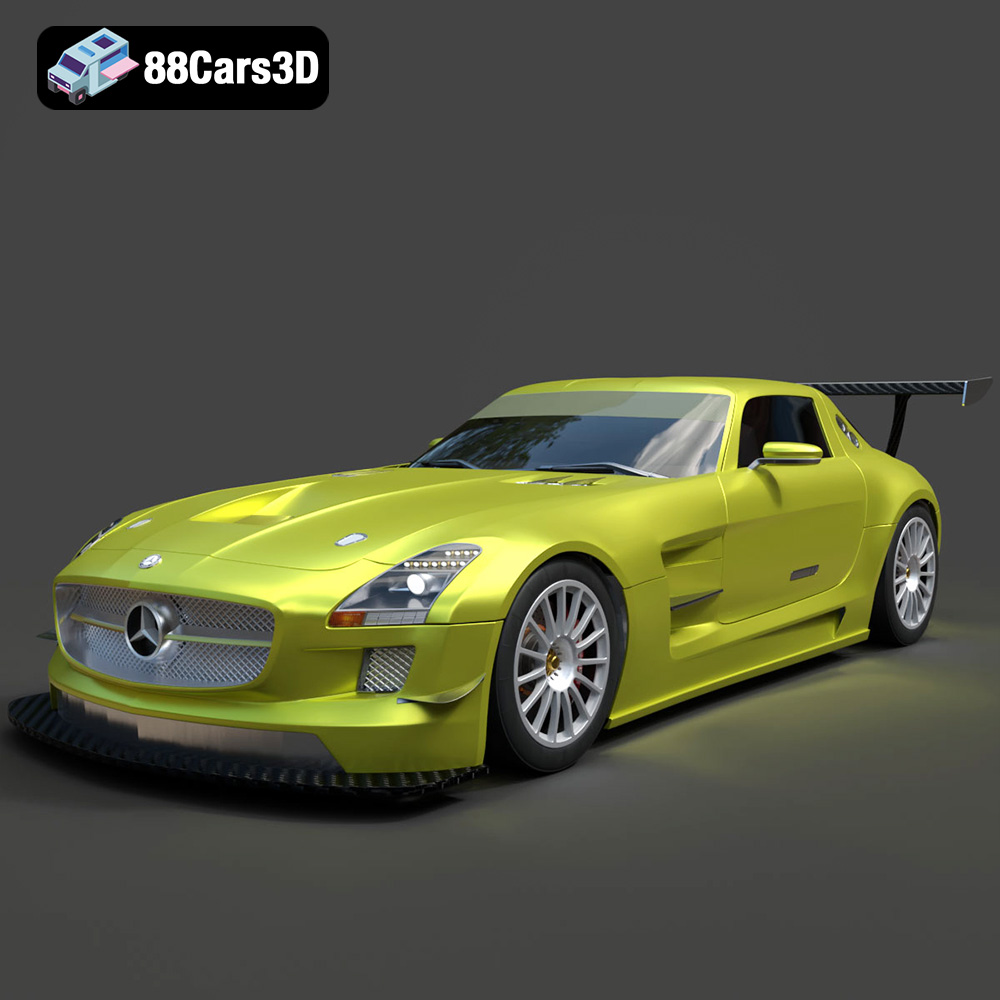
Mercedes-Benz SLS AMG GT3-002 3D Model
Texture: Yes
Material: Yes
Download the Mercedes-Benz SLS AMG GT3-002 3D Model featuring clean geometry, realistic detailing, and a fully modeled interior. Includes .blend, .fbx, .obj, .glb, .stl, .ply, .unreal, and .max formats for rendering, simulation, and game development.
Price: $38.99

Mercedes-Benz C-Class-001 3D Model
Texture: Yes
Material: Yes
Download the Mercedes-Benz C-Class-001 3D Model featuring clean geometry, realistic detailing, and a fully modeled interior. Includes .blend, .fbx, .obj, .glb, .stl, .ply, .unreal, and .max formats for rendering, simulation, and game development.
Price: $38.99
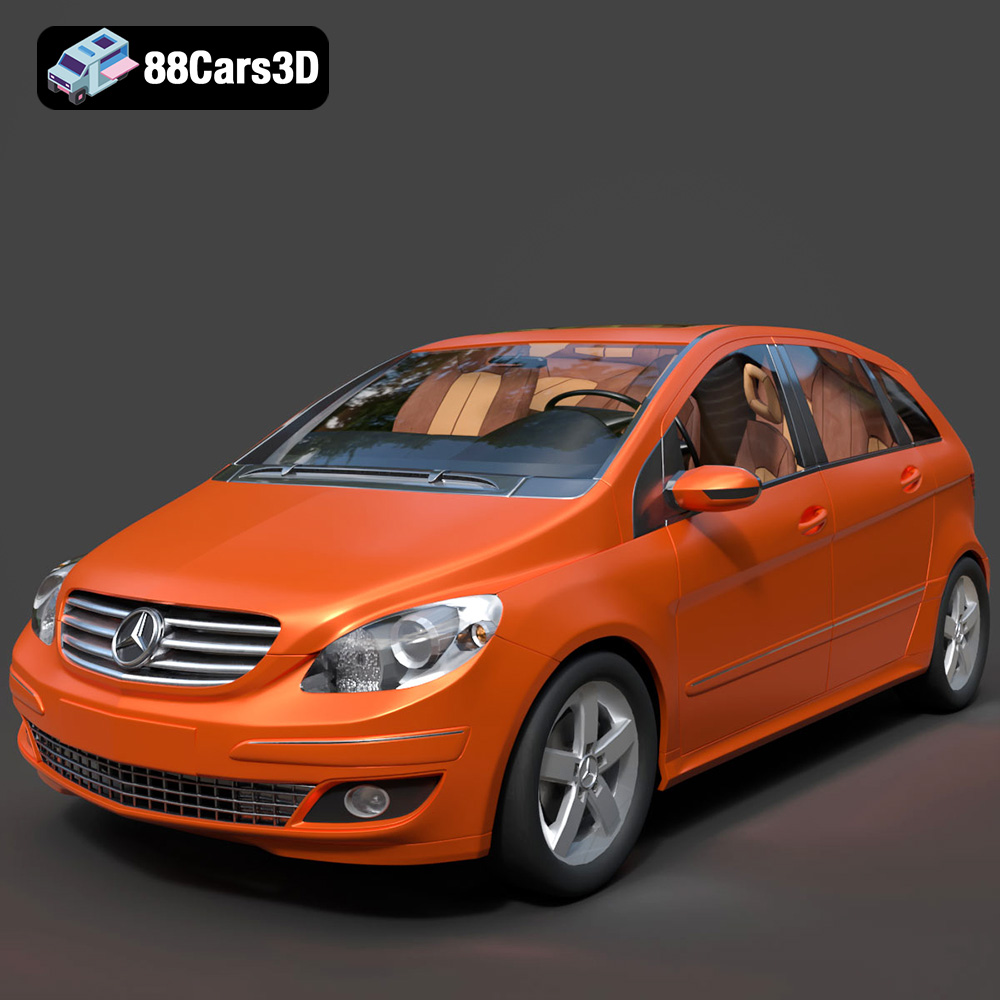
Mercedes-Benz B-Klasse 2023 3D Model
Texture: Yes
Material: Yes
Download the Mercedes-Benz B-Klasse 2023 3D Model featuring clean geometry, realistic detailing, and a fully modeled interior. Includes .blend, .fbx, .obj, .glb, .stl, .ply, .unreal, and .max formats for rendering, simulation, and game development.
Price: $38.99
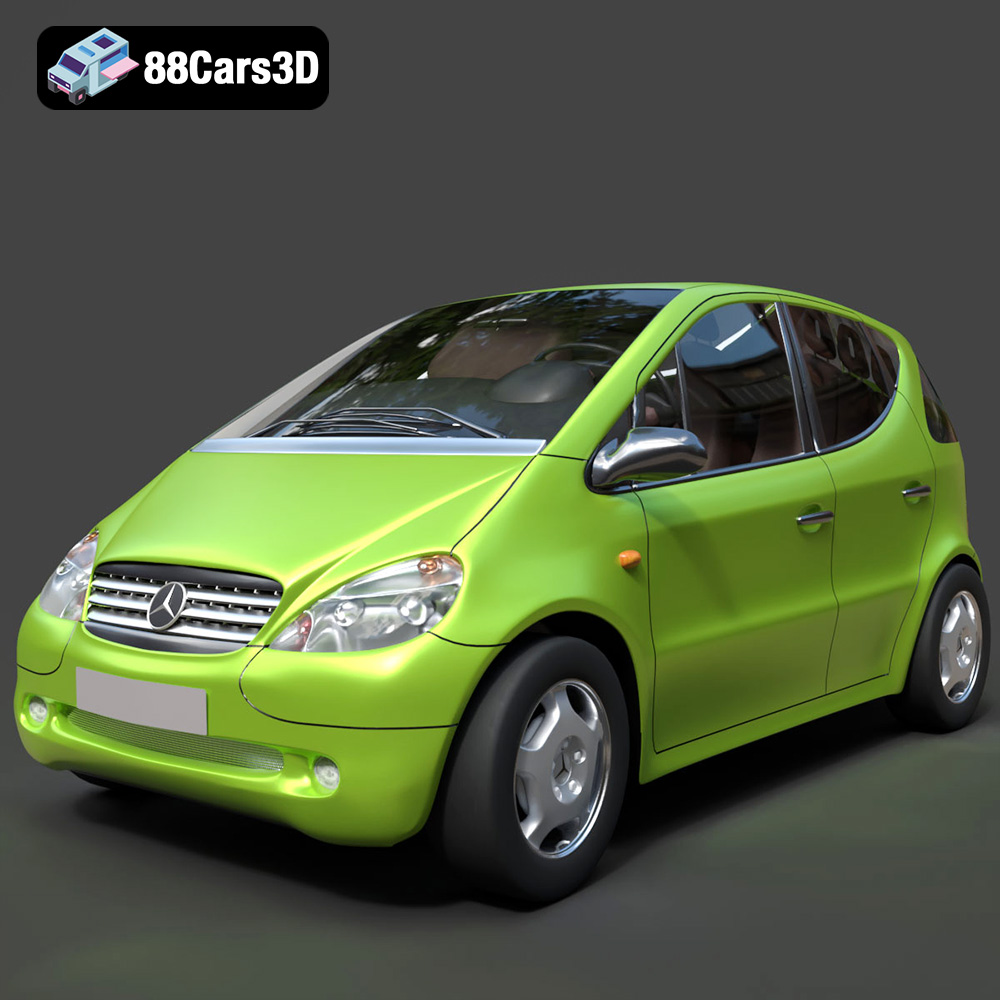
Mercedes-Benz A-Klasse W168 3D Model
Texture: Yes
Material: Yes
Download the Mercedes-Benz A-Klasse W168 3D Model featuring clean geometry, realistic detailing, and a fully modeled interior. Includes .blend, .fbx, .obj, .glb, .stl, .ply, .unreal, and .max formats for rendering, simulation, and game development.
Price: $38.99
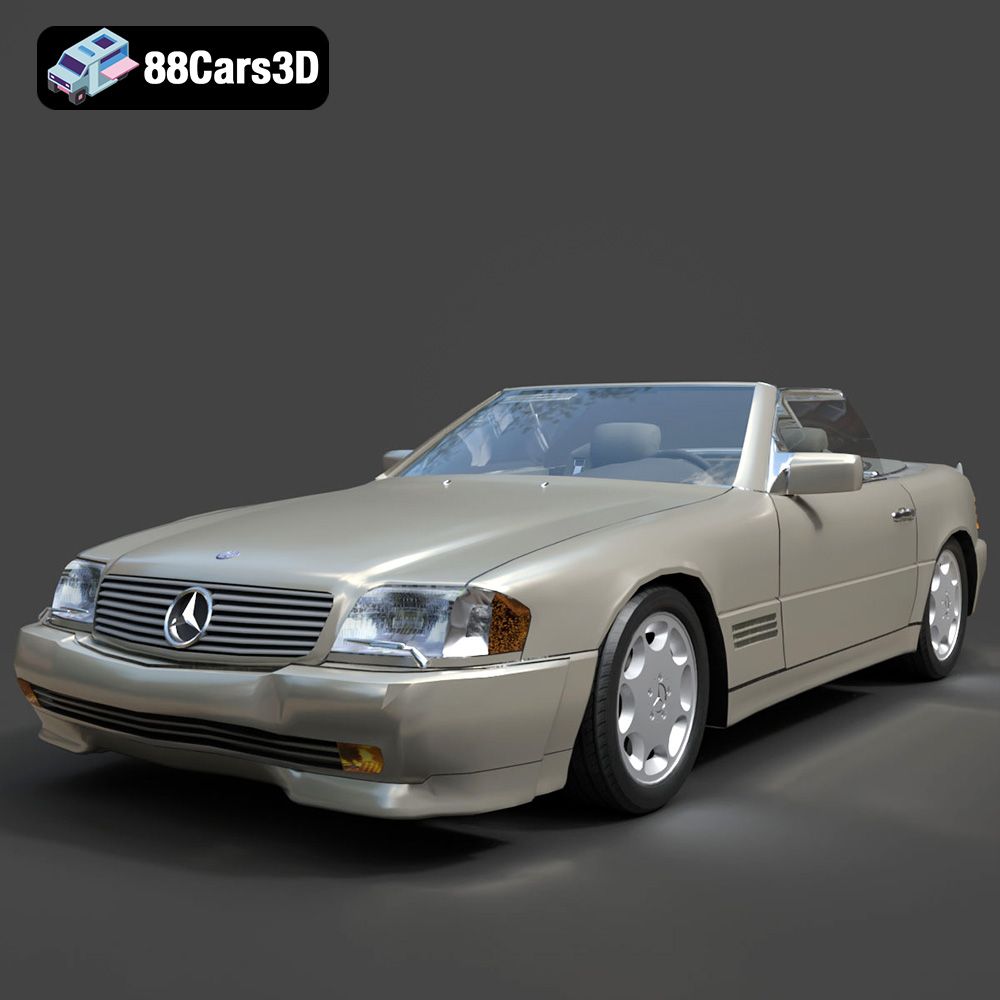
Mercedes-Benz 500SL 2000 3D Model
Texture: Yes
Material: Yes
Download the Mercedes-Benz 500SL 2000 3D Model featuring clean geometry, realistic detailing, and a fully modeled interior. Includes .blend, .fbx, .obj, .glb, .stl, .ply, .unreal, and .max formats for rendering, simulation, and game development.
Price: $38.99
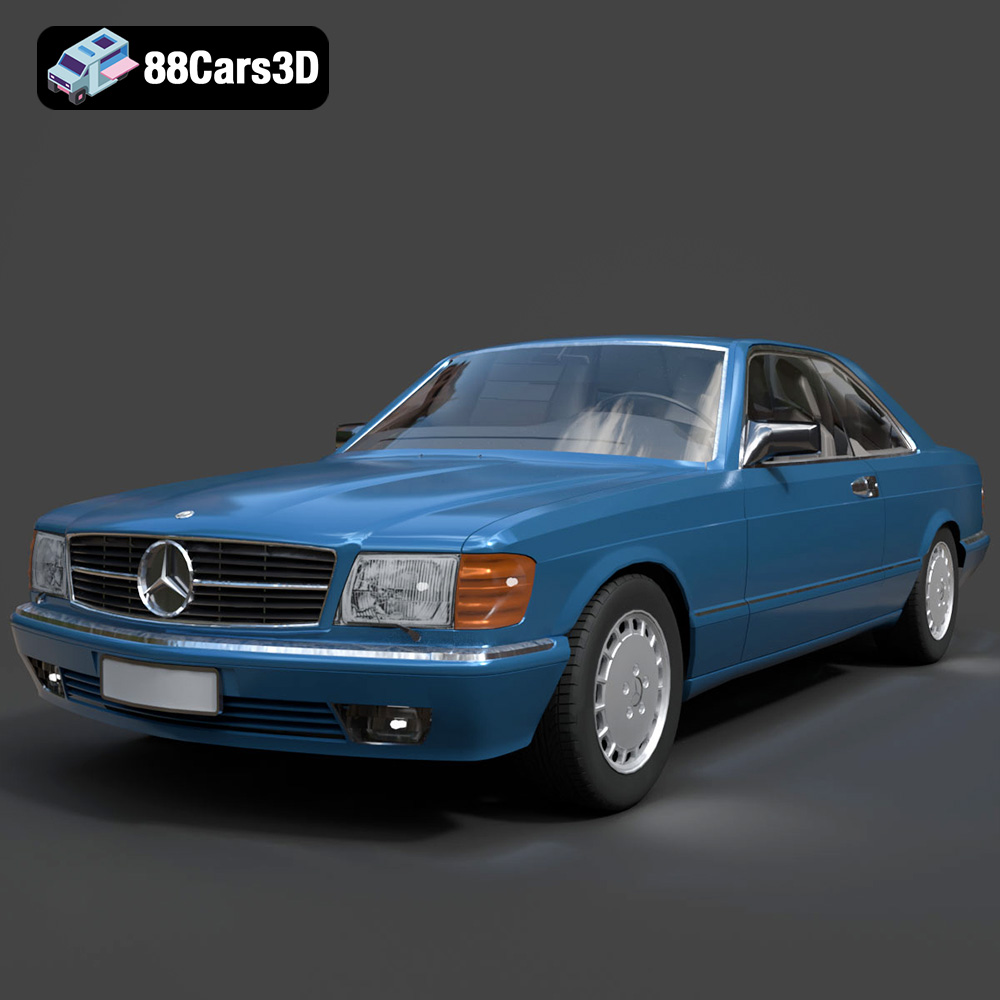
Mercedes-Benz 500SEC 3D Model
Texture: Yes
Material: Yes
Download the Mercedes-Benz 500SEC 3D Model featuring clean geometry, realistic detailing, and a fully modeled interior. Includes .blend, .fbx, .obj, .glb, .stl, .ply, .unreal, and .max formats for rendering, simulation, and game development.
Price: $38.99
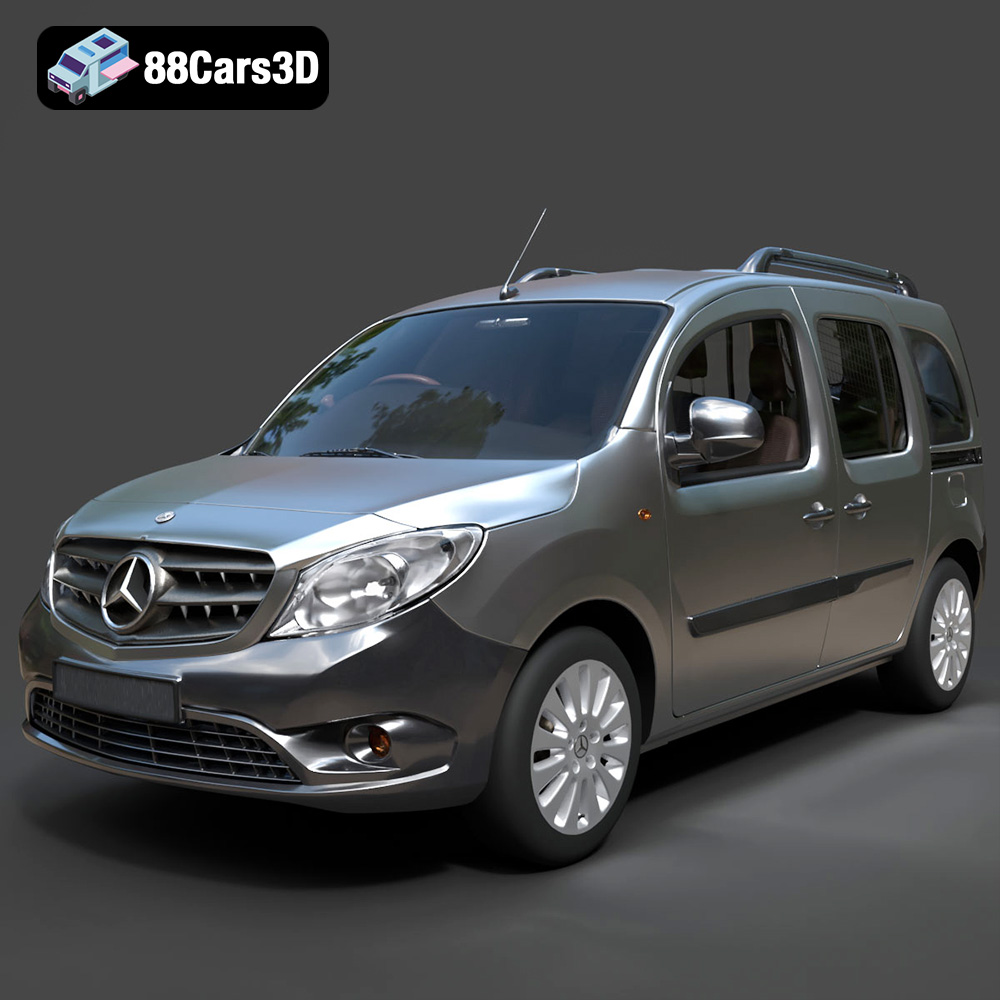
Mercedes-Benz Citan 2025 3D Model
Texture: Yes
Material: Yes
Download the Mercedes-Benz Citan 2025 3D Model featuring clean geometry, realistic detailing, and a fully modeled interior. Includes .blend, .fbx, .obj, .glb, .stl, .ply, .unreal, and .max formats for rendering, simulation, and game development.
Price: $38.99
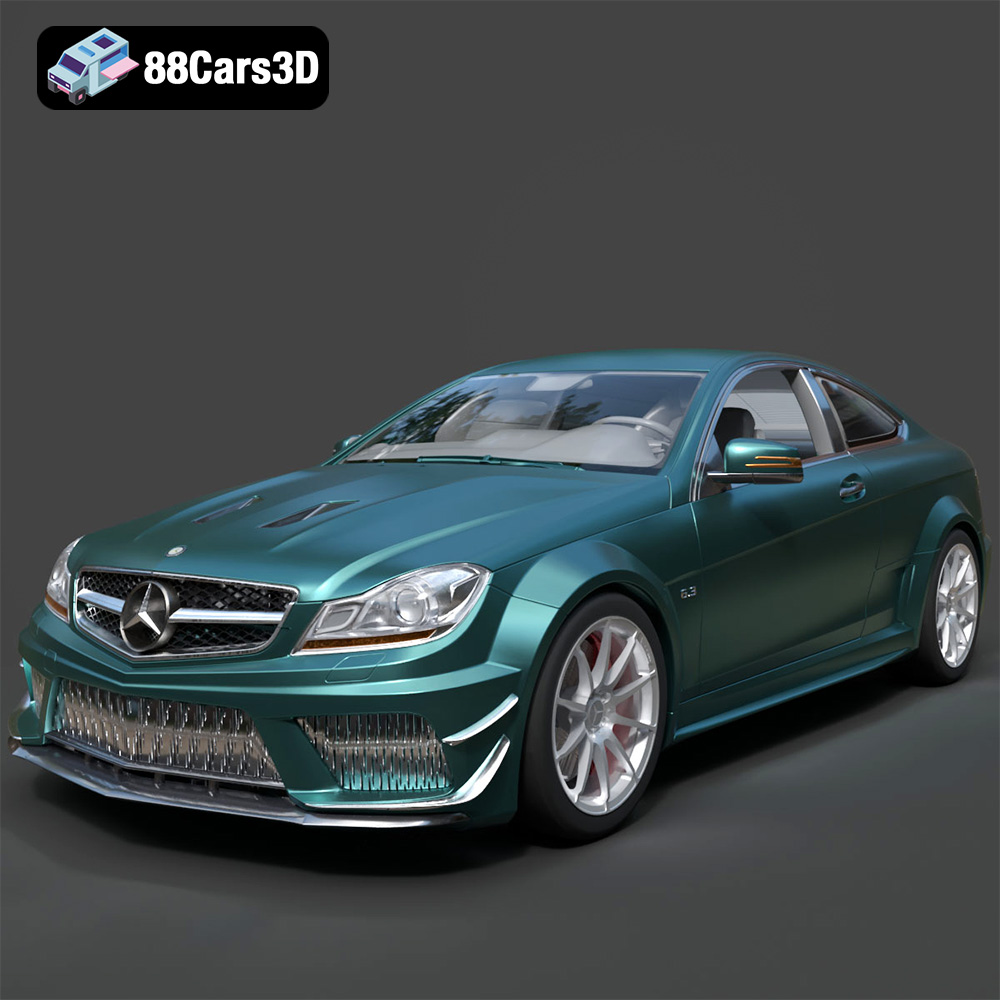
Mercedes-Benz C63 AMG 2012 3D Model
Texture: Yes
Material: Yes
Download the Mercedes-Benz C63 AMG 2012 3D Model featuring clean geometry, realistic detailing, and a fully modeled interior. Includes .blend, .fbx, .obj, .glb, .stl, .ply, .unreal, and .max formats for rendering, simulation, and game development.
Price: $38.99
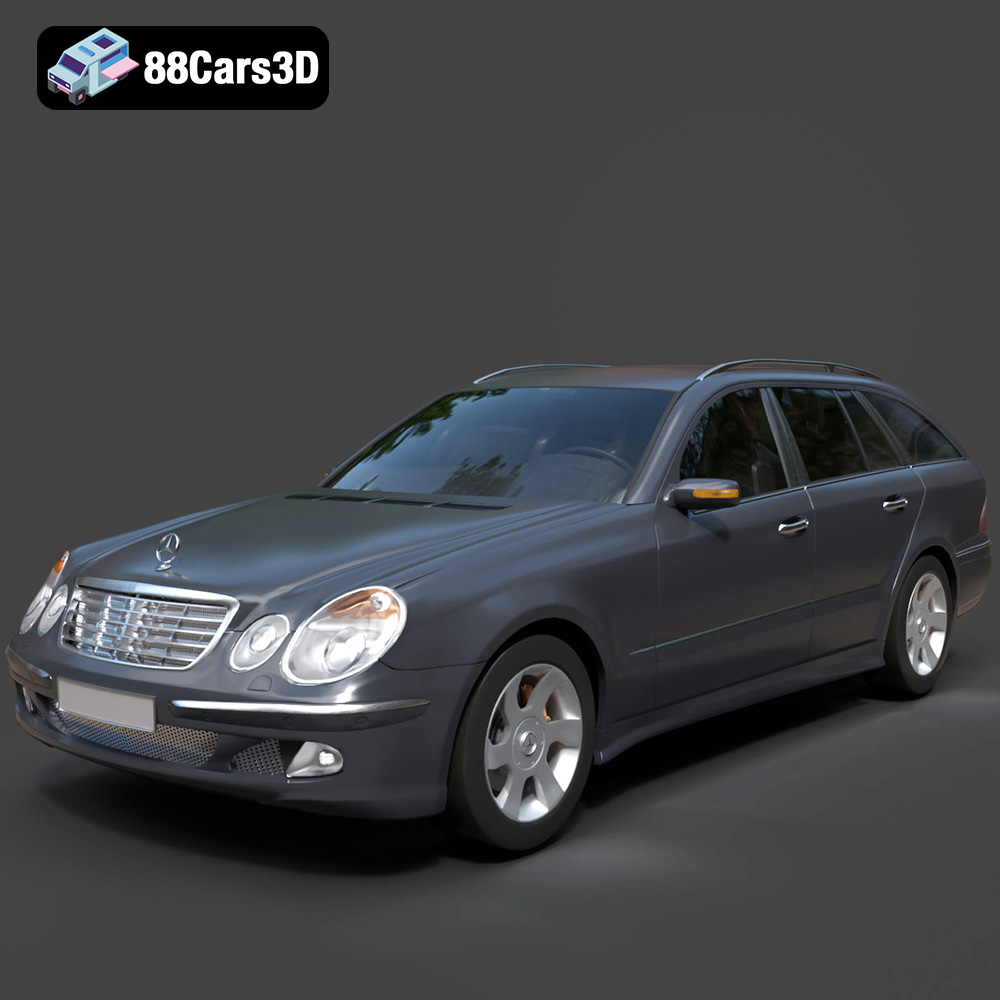
Mercedes-Benz E-Class S211 3D Model
Texture: Yes
Material: Yes
Download the Mercedes-Benz E-Class S211 3D Model featuring clean geometry, realistic detailing, and a fully modeled interior. Includes .blend, .fbx, .obj, .glb, .stl, .ply, .unreal, and .max formats for rendering, simulation, and game development.
Price: $38.99
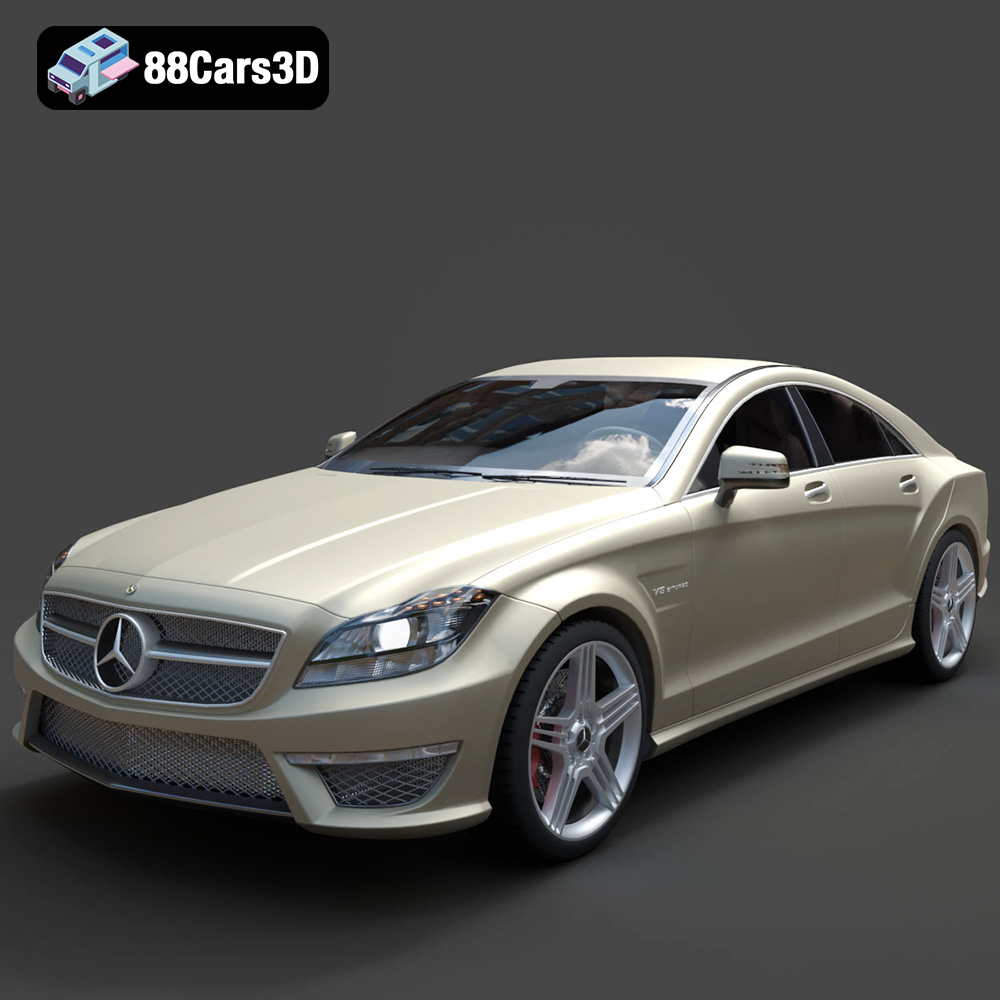
Mercedes-Benz CLS63 AMG (C218) 2014 3D Model
Texture: Yes
Material: Yes
Download the Mercedes-Benz CLS63 AMG (C218) 2014 3D Model featuring clean geometry, realistic detailing, and a fully modeled interior. Includes .blend, .fbx, .obj, .glb, .stl, .ply, .unreal, and .max formats for rendering, simulation, and game development.
Price: $38.99
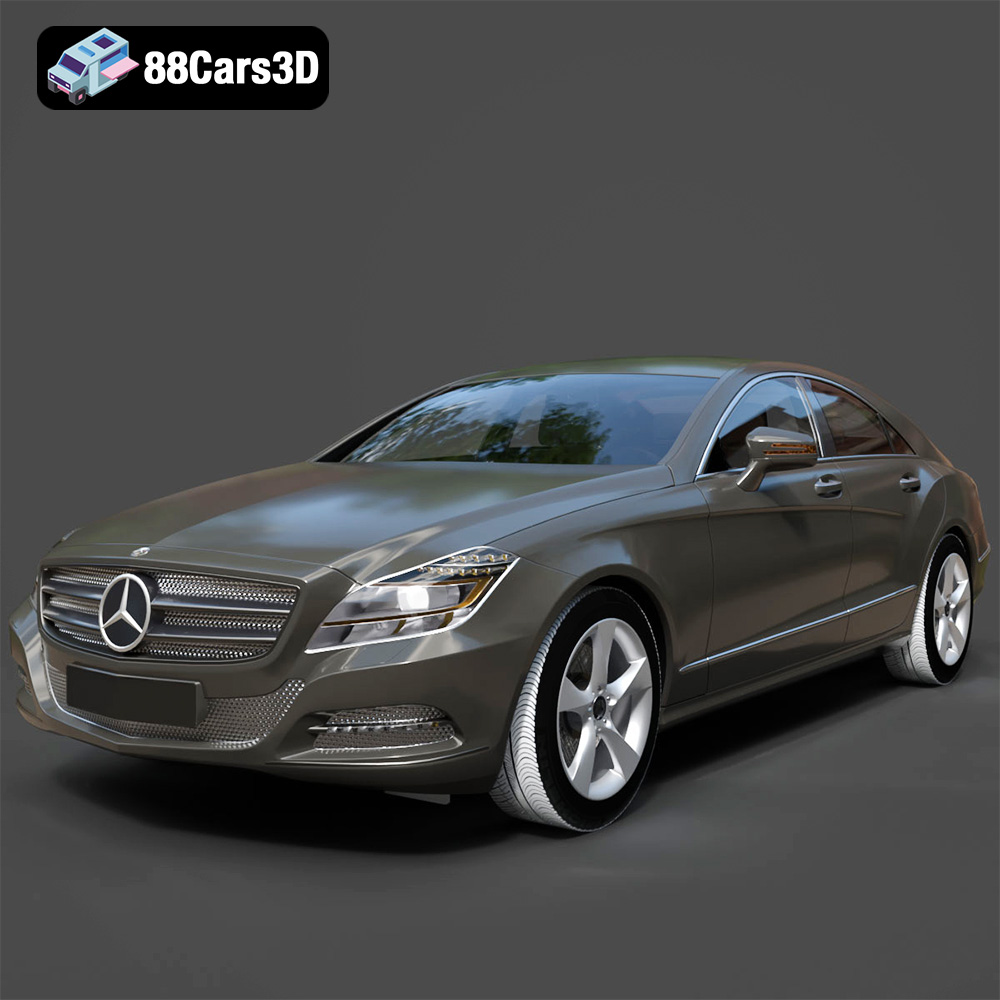
Mercedes-Benz CLS-Klasse 3D Model
Texture: Yes
Material: Yes
Download the Mercedes-Benz CLS-Klasse 3D Model featuring clean geometry, realistic detailing, and a fully modeled interior. Includes .blend, .fbx, .obj, .glb, .stl, .ply, .unreal, and .max formats for rendering, simulation, and game development.
Price: $38.99
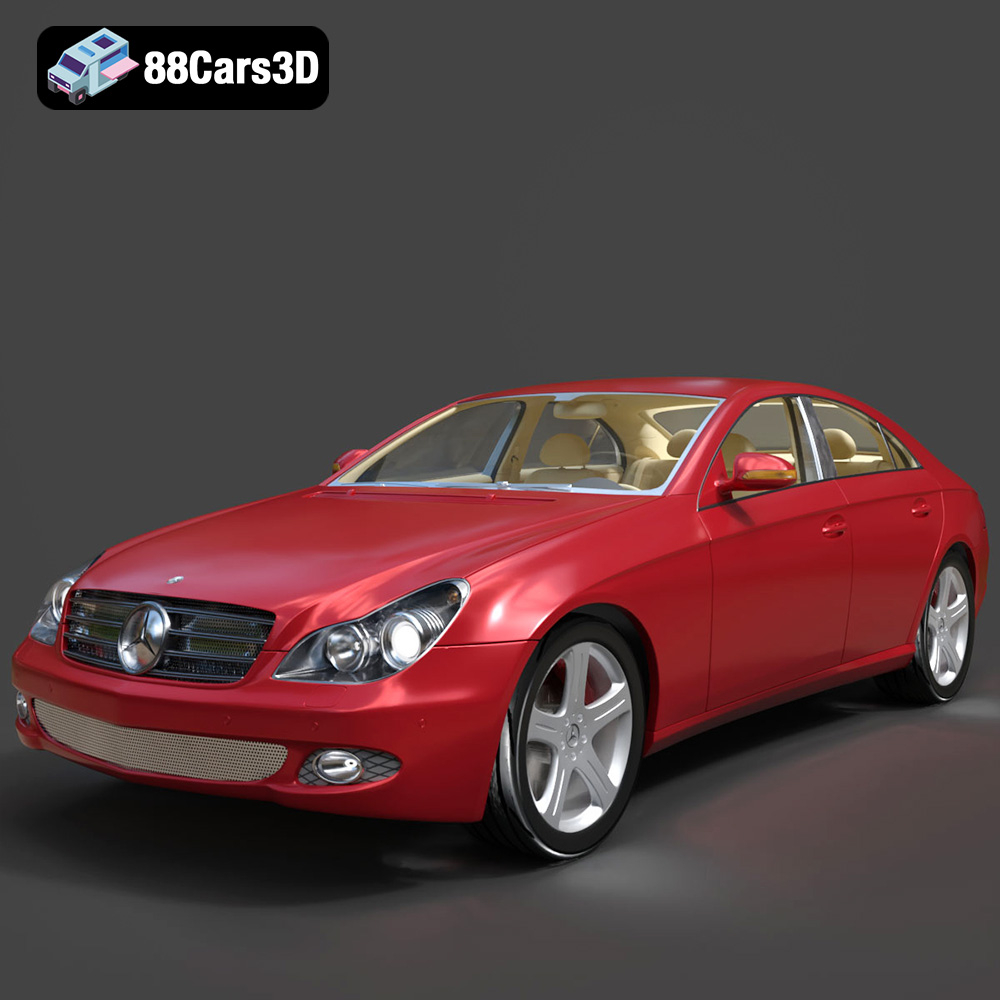
Mercedes-Benz CLS 500 3D Model
Texture: Yes
Material: Yes
Download the Mercedes-Benz CLS 500 3D Model featuring clean geometry, realistic detailing, and a fully modeled interior. Includes .blend, .fbx, .obj, .glb, .stl, .ply, .unreal, and .max formats for rendering, simulation, and game development.
Price: $38.99

Mercedes-Benz CL-Klasse 2001 3D Model
Texture: Yes
Material: Yes
Download the Mercedes-Benz CL-Klasse 2001 3D Model featuring clean geometry, realistic detailing, and a fully modeled interior. Includes .blend, .fbx, .obj, .glb, .stl, .ply, .unreal, and .max formats for rendering, simulation, and game development.
Price: $38.99
