
Unreal Engine 5 Performance: Optimizing High-Fidelity 3D Car Models for Game-Ready Photorealism

Unreal Engine 5 Performance: Optimizing High-Fidelity 3D Car Models for Game-Ready Photorealism
The pursuit of photorealism in real-time applications has long been a holy grail for 3D artists and game developers. With the advent of Unreal Engine 5 (UE5), this ambition is closer to reality than ever before. UE5’s powerful features, such as Nanite and Lumen, offer unprecedented opportunities to render stunningly detailed environments and assets.
However, bringing high-fidelity 3D car models—often designed for offline rendering or film production—into a real-time game engine presents a unique set of challenges. These models typically boast immense polygon counts and intricate material setups that can cripple even the most robust hardware if not properly optimized. The key lies in striking a delicate balance between visual fidelity and optimal real-time rendering performance.
This guide delves deep into the strategies and techniques necessary to transform exquisite automotive designs into game-ready assets within Unreal Engine 5. We’ll explore everything from geometric optimization to material pipeline mastery, ensuring your high-performance vehicles look breathtaking without sacrificing frame rates. For those seeking a head start, 88cars3d.com offers a premium selection of pre-optimized, high-quality 3D car models ready for integration.
The High-Fidelity Dilemma: Bridging the Gap Between Studio and Game Engine
Raw studio-grade 3D car models are masterpieces of digital craftsmanship. They often feature millions of polygons, intricate sub-division surfaces, and a myriad of individual material IDs designed for meticulous ray tracing and long render times. While perfect for cinematic sequences or static renders, this level of detail is a performance killer in a real-time environment.
Game engines operate under strict budgets for polygon count, draw calls, and texture memory. Every frame must be rendered within milliseconds to maintain a smooth gameplay experience. A single unoptimized car model can consume the resources meant for an entire scene, leading to significant frame rate drops and a poor user experience.
The challenge, therefore, is not to simply import these models, but to intelligently adapt them. We need to reduce their computational footprint without visibly degrading their aesthetic appeal. This involves a strategic approach to geometry, materials, and textures, all while harnessing Unreal Engine 5’s unique optimization tools.
Understanding this fundamental dilemma is the first step towards achieving seamless, high-performance game-ready photorealism. Our goal is to leverage UE5’s capabilities to maintain stunning visual quality while adhering to real-time rendering performance budgets.
Geometry Optimization: Unleashing Nanite and Mastering LOD Strategies
Optimizing the geometric complexity of your 3D car models is paramount for real-time performance. Unreal Engine 5 offers groundbreaking technologies like Nanite, alongside traditional methods such as Level of Detail (LOD) generation and manual polygon count reduction, to achieve this balance effectively.
Understanding Nanite for Automotive Models
Nanite is Unreal Engine 5’s virtualized micro-polygon geometry system, designed to render pixel-scale detail with virtually no LODs. It intelligently streams and processes only the visible geometry, allowing artists to import film-quality assets directly into the engine without significant performance overhead. For complex automotive meshes with intricate panels, badges, and interior details, Nanite optimization is a game-changer.
When preparing car models for Nanite, focus on clean mesh topology where possible, even though Nanite handles incredibly dense geometry. Ensure there are no overlapping faces or non-manifold geometry, as these can sometimes cause issues. Static meshes with a high polygon count are ideal candidates for Nanite conversion. Simply enable Nanite support on your static mesh asset within Unreal Engine 5’s editor, and the engine handles the rest, significantly boosting real-time rendering performance.
Strategic Level of Detail (LOD) Generation
While Nanite excels for primary, highly detailed assets, traditional LOD strategies remain crucial for broader scenes and assets viewed from varying distances, or for scenarios where Nanite isn’t suitable (e.g., skinned meshes). LODs are simplified versions of your mesh that are swapped in based on the camera’s distance, drastically reducing polygon count when an object is far away.
For high-fidelity car models, a well-planned LOD hierarchy is essential. Typically, you’ll want 3-5 LOD levels. LOD0 is your full-detail mesh (potentially Nanite-enabled). LOD1 might be 50% of the polygon count, LOD2 at 25%, and so on, down to a very simplified silhouette for distant views. Unreal Engine 5’s built-in LOD generation tools can automate this process, but manual adjustments often yield superior results, especially for critical automotive features like grilles and headlights.
When setting up LODs, pay close attention to the screen size thresholds at which they swap. Incorrect thresholds can lead to noticeable pop-in or pop-out artifacts, detracting from realism. Fine-tuning these transitions ensures a smooth visual experience across all viewing distances, further enhancing game engine integration.
Manual Polygon Reduction Techniques
Even with Nanite and automated LODs, manual polygon count reduction remains a vital skill. This is particularly true for meshes that might not benefit fully from Nanite (e.g., smaller, less critical components, or specific parts requiring precise collision). Techniques include:
- Decimation: Using software tools to systematically reduce face count while trying to preserve shape. This is often an initial pass.
- Retopology: Manually recreating a lower-polygon mesh over your high-poly model. This provides the cleanest and most efficient topology, ideal for animation or deformation, although it’s labor-intensive.
- Removing Hidden Geometry: Eliminating polygons that will never be seen by the player, such as internal engine components not visible from the exterior, or faces hidden by other body parts.
- Merging Objects: Combining smaller, adjacent objects into a single mesh where appropriate to reduce draw calls, especially for interior components or undercarriage parts.
The goal is to eliminate unnecessary vertices and faces without compromising the visual integrity of the car model, ensuring that every polygon contributes meaningfully to the perceived detail. This meticulous approach directly contributes to a lighter memory footprint and improved real-time rendering performance.
Material and Texture Pipeline Mastery: Crafting Realistic PBR Car Surfaces
Beyond geometry, the quality and optimization of your materials and textures play an equally critical role in achieving game-ready photorealism and efficient Unreal Engine 5 performance. Physically Based Rendering (PBR) materials are the standard for realism, but they require careful handling in a real-time context.
Optimizing PBR Materials for Unreal Engine 5
PBR materials for automotive surfaces demand precision. Car paints, metallic trims, glass, and rubber all have distinct PBR properties (Base Color, Metallic, Roughness, Normal, Ambient Occlusion, etc.). Within Unreal Engine 5, create master materials that can be instanced for various car parts, allowing for easy parameter adjustments without recompiling shaders for every material. This modularity not only speeds up workflow but also optimizes draw calls.
Minimize the number of unique PBR materials used across the entire car. Can multiple chrome parts share a single chrome material instance with slightly different color tints? Can different plastics share a base plastic material? Consolidating materials where possible significantly reduces the shader complexity and improves real-time rendering performance.
For car paint, consider using a layered material approach to simulate clear coat, flakes, and base color accurately. UE5’s material editor provides robust tools for this, allowing you to blend multiple layers of PBR properties. However, be mindful of the instruction count; complex shaders can become a performance bottleneck. Simplify logic wherever possible, and use static switches for optional features to compile out unused code.
The Power of Texture Atlasing
Texture atlasing is a fundamental optimization technique for consolidating multiple smaller textures into a single, larger texture map. For car models, this means packing various components’ textures (e.g., headlights, taillights, interior buttons, badges) into one or a few atlases, rather than having dozens of individual texture files. This dramatically reduces the number of texture samples and draw calls, directly improving real-time rendering performance.
When creating texture atlases, ensure a consistent texel density across all packed elements to avoid blurry or pixelated details on some parts while others look sharp. Tools like Substance Painter or Photoshop can assist in the packing process. Consider creating separate atlases for different material types (e.g., one for metallic details, one for plastics) to maintain better control over PBR properties and resolution.
Proper `texture atlasing` also synergizes well with UV unwrapping best practices. When unwrapping your car parts, allocate UV space efficiently within the atlas. Avoid wasted space and ensure sufficient padding between texture islands to prevent bleeding, especially for high-resolution output.
UV Unwrapping Best Practices for Automotive Assets
Clean and efficient UV unwrapping is critical for applying textures correctly and maximizing texture resolution. For high-fidelity car models, follow these `UV unwrapping best practices`:
- Minimize Seams: Reduce the number of UV seams to prevent visual discontinuities in textures and simplify material creation. Place seams in less visible areas.
- Non-Overlapping UVs: Ensure all UV islands are non-overlapping, especially if you plan to bake ambient occlusion or normal maps. Overlapping UVs lead to incorrect texture application.
- Consistent Texel Density: Maintain a uniform texel density across the entire model. This ensures that all surfaces have a consistent level of texture detail, preventing some areas from looking blurry while others are crisp. Larger or more important parts should receive proportionately more UV space.
- Straighten UV Islands: Straighten UV shells where possible (e.g., rectangular panels, stripes) to reduce texture distortion and make it easier to paint and apply tileable textures.
- Utilize UV Space: Maximize the use of the 0-1 UV space. Don’t leave large empty gaps. This is where texture atlasing becomes incredibly useful.
- Separate Critical Parts: For unique parts like grilles, badges, or specific decals, consider giving them their own UV space or a dedicated section within an atlas, ensuring maximum resolution and clarity.
Adhering to these UV unwrapping best practices ensures that your PBR materials for automotive surfaces are rendered flawlessly, contributing significantly to the visual appeal and performance of your car models within Unreal Engine 5.
Unreal Engine 5 Integration: From Import to Game-Ready Performance
Successfully integrating high-fidelity 3D car models into Unreal Engine 5 requires more than just optimized assets; it demands a streamlined workflow from import to final setup. This section covers the practical steps and considerations for achieving seamless `game engine integration` and excellent `real-time rendering performance`.
Importing High-Fidelity Car Models
When importing your optimized car models, FBX is the industry standard. Ensure your FBX export settings from your 3D software are configured correctly: typically, “embed media” should be off if you’re using separate texture files, and “smoothing groups” should be enabled for proper normal shading. It’s often best to export the car as a single FBX file containing multiple static meshes (body, wheels, interior, etc.) rather than individual files, to simplify management.
Upon import into Unreal Engine 5, you’ll have options for Nanite, LODs, and material creation. Enable Nanite for your high-detail meshes. For models where Nanite isn’t applicable or for distant LODs, ensure Unreal’s automatic LOD generation is set up, or import your pre-made LODs. Pay close attention to scale during import; consistently working in centimeters (1 unit = 1cm) is a standard practice that avoids scaling issues later.
Setting Up Materials and Shaders
Once imported, apply your PBR materials for automotive surfaces. Use master materials and material instances for flexibility and optimization. Connect your Base Color, Metallic, Roughness, Normal, and Ambient Occlusion textures to their respective pins. For advanced car paint, experiment with clear coat settings, metallic flakes, and custom roughness maps to achieve that realistic automotive sheen.
Consider using Material Functions for reusable shader graphs, such as common utility nodes or complex blending logic. This keeps your main material graphs clean and makes it easier to manage complexity. Utilize the “Shared Wrap” and “Shared Clamp” texture samplers to reduce instruction count when sampling multiple textures with the same properties. Proper setup here directly impacts your real-time rendering performance.
Performance Profiling and Debugging
Unreal Engine 5 provides powerful profiling tools to identify and address performance bottlenecks. Use the “Stat Unit,” “Stat GPU,” and “Stat RHI” commands in the console to get real-time performance metrics. The Profiler and Session Frontend tools offer a deeper dive, allowing you to analyze CPU and GPU usage across various systems, including rendering, physics, and AI.
When profiling your car model, look for high draw calls, excessive shader complexity, or overdrawn pixels. High draw calls might indicate too many separate meshes or materials; consider merging where appropriate or using texture atlasing. Shader complexity can be visualized directly in the viewport (Show > Visualize > Shader Complexity). Optimize complex PBR materials by simplifying logic or reducing texture sample count.
If you notice performance issues specific to your vehicle, use the “Profile GPU” command to get a detailed breakdown of what the GPU is spending its time on. This can reveal if issues are related to shadow rendering, post-processing, or specific material calculations. Iterative testing and optimization are key to achieving desired `real-time rendering performance` levels.
Advanced Optimization Techniques for Peak Performance
Beyond the fundamental geometric and material optimizations, several advanced techniques can further refine your high-fidelity 3D car models within Unreal Engine 5, pushing them towards peak real-time rendering performance.
Occlusion Culling and Distance Culling
Unreal Engine 5 automatically performs frustum culling (not rendering objects outside the camera’s view) and occlusion culling (not rendering objects hidden behind others). Ensure your car models have appropriate collision meshes, even simplified ones, to aid the engine’s culling systems. This is particularly important for interior elements or undercarriage components that might be visually occluded by the main bodywork.
Distance culling thresholds, often set per static mesh or per LOD, determine at what distance an object completely disappears. For very distant or small elements of your car that don’t need to be rendered at all, setting a sensible culling distance can save valuable GPU cycles. Utilize the “Min Draw Distance” and “Max Draw Distance” properties on your static meshes to fine-tune this behavior. For incredibly detailed automotive assets, 88cars3d.com ensures their models are structured to benefit from these culling techniques.
Blueprint Optimizations
If your car model involves complex Blueprint logic for interactions, animations, or dynamic effects, optimizing these Blueprints is crucial. Avoid running complex calculations on “Event Tick” if they don’t need to update every frame. Instead, use timers, custom events, or “Event Begin Play” for logic that only needs to execute once or at specific intervals.
Minimize the use of “ForEach Loop” over large arrays in Blueprint, as this can be computationally expensive. Use “Do N” or “Do Once” nodes to restrict how often certain code blocks execute. For heavy physics simulations or complex procedural animations, consider offloading logic to C++ if performance becomes a severe bottleneck.
Lightmass/Lumen Considerations
While Lumen provides dynamic global illumination, for static elements of your car (e.g., specific paint effects that rely on baked data or interior components in a static scene), traditional Lightmass precomputed lighting might still be relevant for certain scenarios or lower-end platforms. When baking lighting, ensure your car model’s UVs for lightmaps are unique and have adequate padding to prevent light bleed.
For Lumen, understand its performance implications. Its dynamic nature is excellent for moving vehicles and real-time reflections, but it has a performance cost. Ensure your car materials provide accurate G-buffer data (Base Color, Metallic, Specular, Roughness, Normal) for Lumen to calculate global illumination correctly. Optimize reflection captures or Screen Space Global Illumination (SSGI) fallback for performance gains in specific cases.
Each of these advanced considerations contributes to a holistic optimization strategy, ensuring your high-fidelity car models not only look stunning but also perform flawlessly within Unreal Engine 5’s demanding real-time environment. It’s this meticulous attention to detail that sets truly game-ready assets apart.
Conclusion: Driving Towards Unrivaled Automotive Realism
Optimizing high-fidelity 3D car models for Unreal Engine 5 is a multifaceted process that demands a deep understanding of both artistic principles and technical performance. By meticulously addressing geometry with `Nanite optimization` and sophisticated `LOD strategies`, mastering `PBR materials for automotive` surfaces, implementing intelligent `texture atlasing`, and adhering to `UV unwrapping best practices`, you can transform cinematic-grade assets into truly game-ready photorealistic vehicles.
Seamless `game engine integration` and unwavering focus on `real-time rendering performance` are the cornerstones of this endeavor. Through diligent profiling, material simplification, and leveraging UE5’s powerful features, you can ensure your automotive creations not only look incredible but also contribute to a fluid and immersive user experience. The journey from raw model to optimized asset is an iterative one, requiring patience and a keen eye for detail.
Ready to accelerate your projects with top-tier assets? Visit 88cars3d.com for a comprehensive collection of professionally optimized 3D car models, designed from the ground up to meet the rigorous demands of Unreal Engine 5. Empower your development with assets that truly deliver unparalleled realism and performance straight out of the box.
Featured 3D Car Models

Suzuki SX4-002 3D Model
Texture: Yes
Material: Yes
Download the Suzuki SX4-002 3D Model featuring clean geometry, realistic detailing, and a fully modeled interior. Includes .blend, .fbx, .obj, .glb, .stl, .ply, .unreal, and .max formats for rendering, simulation, and game development.
Price: $10

Tesla Model S 2024 3D Model
Texture: Yes
Material: Yes
Download the Tesla Model S 2024 3D Model featuring clean geometry, realistic detailing, and a fully modeled interior. Includes .blend, .fbx, .obj, .glb, .stl, .ply, .unreal, and .max formats for rendering, simulation, and game development.
Price: $10

Subaru Impreza WRX STi-002 3D Model
Texture: Yes
Material: Yes
Download the Subaru Impreza WRX STi-002 3D Model featuring clean geometry, realistic detailing, and a fully modeled interior. Includes .blend, .fbx, .obj, .glb, .stl, .ply, .unreal, and .max formats for rendering, simulation, and game development.
Price: $10

Subaru Impreza WRX STi Sedan 3D Model
Texture: Yes
Material: Yes
Download the Subaru Impreza WRX STi Sedan 3D Model featuring clean geometry, realistic detailing, and a fully modeled interior. Includes .blend, .fbx, .obj, .glb, .stl, .ply, .unreal, and .max formats for rendering, simulation, and game development.
Price: $10

Subaru Legacy 2009 3D Model
Texture: Yes
Material: Yes
Download the Subaru Legacy 2009 3D Model featuring clean geometry, realistic detailing, and a fully modeled interior. Includes .blend, .fbx, .obj, .glb, .stl, .ply, .unreal, and .max formats for rendering, simulation, and game development.
Price: $10

Suzuki Swift 2024 3D Model
Texture: Yes
Material: Yes
Download the Suzuki Swift 2024 3D Model featuring clean geometry, realistic detailing, and a fully modeled interior. Includes .blend, .fbx, .obj, .glb, .stl, .ply, .unreal, and .max formats for rendering, simulation, and game development.
Price: $10

Suzuki Liana Sedan 2004 3D Model
Texture: Yes
Material: Yes
Download the Suzuki Liana Sedan 2004 3D Model featuring clean geometry, realistic detailing, and a fully modeled interior. Includes .blend, .fbx, .obj, .glb, .stl, .ply, .unreal, and .max formats for rendering, simulation, and game development.
Price: $10

Subaru Outback 2024 3D Model
Texture: Yes
Material: Yes
Download the Subaru Outback 2024 3D Model featuring clean geometry, realistic detailing, and a fully modeled interior. Includes .blend, .fbx, .obj, .glb, .stl, .ply, .unreal, and .max formats for rendering, simulation, and game development.
Price: $10

Subaru Legacy 2003 3D Model
Texture: Yes
Material: Yes
Download the Subaru Legacy 2003 3D Model featuring clean geometry, realistic detailing, and a fully modeled interior. Includes .blend, .fbx, .obj, .glb, .stl, .ply, .unreal, and .max formats for rendering, simulation, and game development.
Price: $10

Subaru Legacy Touring Wagon 3D Model
Texture: Yes
Material: Yes
Download the Subaru Legacy Touring Wagon 3D Model featuring clean geometry, realistic detailing, and a fully modeled interior. Includes .blend, .fbx, .obj, .glb, .stl, .ply, .unreal, and .max formats for rendering, simulation, and game development.
Price: $10

Toyota Mark II (X100) 1998 3D Model
Texture: Yes
Material: Yes
Download the Toyota Mark II (X100) 3D Model featuring clean geometry, realistic detailing, and a fully modeled interior. Includes .blend, .fbx, .obj, .glb, .stl, .ply, .unreal, and .max formats for rendering, simulation, and game development.
Price: $10

Toyota Corona 1985 3D Model
Texture: Yes
Material: Yes
Download the Toyota Corona 1985 3D Model featuring clean geometry, realistic detailing, and a fully modeled interior. Includes .blend, .fbx, .obj, .glb, .stl, .ply, .unreal, and .max formats for rendering, simulation, and game development.
Price: $10

Toyota Mark II X81 1990 3D Model
Texture: Yes
Material: Yes
Download the Toyota Mark II X81 1990 3D Model featuring clean geometry, realistic detailing, and a fully modeled interior. Includes .blend, .fbx, .obj, .glb, .stl, .ply, .unreal, and .max formats for rendering, simulation, and game development.
Price: $10

Toyota iQ EV 2012 3D Model
Texture: Yes
Material: Yes
Download the Toyota iQ EV 2012 3D Model featuring clean geometry, realistic detailing, and a fully modeled interior. Includes .blend, .fbx, .obj, .glb, .stl, .ply, .unreal, and .max formats for rendering, simulation, and game development.
Price: $10

Toyota Aygo 2013 3D Model
Texture: Yes
Material: Yes
Download the Toyota Aygo 2013 3D Model featuring clean geometry, realistic detailing, and a fully modeled interior. Includes .blend, .fbx, .obj, .glb, .stl, .ply, .unreal, and .max formats for rendering, simulation, and game development.
Price: $10

Toyota Crown S180 2005 3D Model
Texture: Yes
Material: Yes
Download the Toyota Crown S180 2005 3D Model featuring clean geometry, realistic detailing, and a fully modeled interior. Includes .blend, .fbx, .obj, .glb, .stl, .ply, .unreal, and .max formats for rendering, simulation, and game development.
Price: $10

Toyota Celica 2004 3D Model
Texture: Yes
Material: Yes
Download the Toyota Celica 2004 3D Model featuring clean geometry, realistic detailing, and a fully modeled interior. Includes .blend, .fbx, .obj, .glb, .stl, .ply, .unreal, and .max formats for rendering, simulation, and game development.
Price: $10

Toyota Corolla AE100 1992 3D Model
Texture: Yes
Material: Yes
Download the Toyota Corolla AE100 1992 3D Model featuring clean geometry, realistic detailing, and a fully modeled interior. Includes .blend, .fbx, .obj, .glb, .stl, .ply, .unreal, and .max formats for rendering, simulation, and game development.
Price: $10

Toyota Mark II X110 2000 3D Model
Texture: Yes
Material: Yes
Download the Toyota Mark II X110 2000 3D Model featuring clean geometry, realistic detailing, and a fully modeled interior. Includes .blend, .fbx, .obj, .glb, .stl, .ply, .unreal, and .max formats for rendering, simulation, and game development.
Price: $10

Toyota Corolla 2020 3D Model
Texture: Yes
Material: Yes
Download the Toyota Corolla 2020 3D Model featuring clean geometry, realistic detailing, and a fully modeled interior. Includes .blend, .fbx, .obj, .glb, .stl, .ply, .unreal, and .max formats for rendering, simulation, and game development.
Price: $10

Toyota Yaris 2020 3D Model
Texture: Yes
Material: Yes
Download the Toyota Yaris 2020 3D Model featuring clean geometry, realistic detailing, and a fully modeled interior. Includes .blend, .fbx, .obj, .glb, .stl, .ply, .unreal, and .max formats for rendering, simulation, and game development.
Price: $9.9

Volkswagen Beetle 2012 3D Model
Texture: Yes
Material: Yes
Download the Volkswagen Beetle 2012 3D Model featuring clean geometry, realistic detailing, and a fully modeled interior. Includes .blend, .fbx, .obj, .glb, .stl, .ply, .unreal, and .max formats for rendering, simulation, and game development.
Price: $9.9

Toyota Matrix 2005 3D Model
Texture: Yes
Material: Yes
Download the Toyota Matrix 2005 3D Model featuring clean geometry, realistic detailing, and a fully modeled interior. Includes .blend, .fbx, .obj, .glb, .stl, .ply, .unreal, and .max formats for rendering, simulation, and game development.
Price: $9.9

Toyota Yaris Sedan 3D Model
Texture: Yes
Material: Yes
Download the Toyota Yaris Sedan 3D Model featuring clean geometry, realistic detailing, and a fully modeled interior. Includes .blend, .fbx, .obj, .glb, .stl, .ply, .unreal, and .max formats for rendering, simulation, and game development.
Price: $9.9

Volkswagen Golf R-004 2024 3D Model
Texture: Yes
Material: Yes
Download the Volkswagen Golf R-004 2024 3D Model featuring clean geometry, realistic detailing, and a fully modeled interior. Includes .blend, .fbx, .obj, .glb, .stl, .ply, .unreal, and .max formats for rendering, simulation, and game development.
Price: $9.9

Volkswagen Golf 5 Door 2010 3D Model
Texture: Yes
Material: Yes
Download the Volkswagen Golf 5 Door 2010 3D Model featuring clean geometry, realistic detailing, and a fully modeled interior. Includes .blend, .fbx, .obj, .glb, .stl, .ply, .unreal, and .max formats for rendering, simulation, and game development.
Price: $9.9

Toyota Premio 2010 3D Model
Texture: Yes
Material: Yes
Download the Toyota Premio 2010 3D Model featuring clean geometry, realistic detailing, and a fully modeled interior. Includes .blend, .fbx, .obj, .glb, .stl, .ply, .unreal, and .max formats for rendering, simulation, and game development.
Price: $9.9

Toyota Opa 2000 3D Model
Texture: Yes
Material: Yes
Download the Toyota Opa 2000 3D Model featuring clean geometry, realistic detailing, and a fully modeled interior. Includes .blend, .fbx, .obj, .glb, .stl, .ply, .unreal, and .max formats for rendering, simulation, and game development.
Price: $9.9

Volkswagen Polo 5 Door 2010 3D Model
Texture: Yes
Material: Yes
Download the Volkswagen Polo 5 Door 2010 3D Model featuring clean geometry, realistic detailing, and a fully modeled interior. Includes .blend, .fbx, .obj, .glb, .stl, .ply, .unreal, and .max formats for rendering, simulation, and game development.
Price: $9.9

Toyota Prius 2024 3D Model
Texture: Yes
Material: Yes
Download the Toyota Prius 2024 3D Model featuring clean geometry, realistic detailing, and a fully modeled interior. Includes .blend, .fbx, .obj, .glb, .stl, .ply, .unreal, and .max formats for rendering, simulation, and game development.
Price: $9.9

Toyota Yaris 1999 3D Model
Texture: Yes
Material: Yes
Download the Toyota Yaris 1999 3D Model featuring clean geometry, realistic detailing, and a fully modeled interior. Includes .blend, .fbx, .obj, .glb, .stl, .ply, .unreal, and .max formats for rendering, simulation, and game development.
Price: $9.9

Toyota Supra 2020 3D Model
Texture: Yes
Material: Yes
Download the Toyota Supra 2020 3D Model featuring clean geometry, realistic detailing, and a fully modeled interior. Includes .blend, .fbx, .obj, .glb, .stl, .ply, .unreal, and .max formats for rendering, simulation, and game development.
Price: $9.9

Volkswagen New Beetle 2000 3D Model
Texture: Yes
Material: Yes
Download the Volkswagen New Beetle 2000 3D Model featuring clean geometry, realistic detailing, and a fully modeled interior. Includes .blend, .fbx, .obj, .glb, .stl, .ply, .unreal, and .max formats for rendering, simulation, and game development.
Price: $14.99

Volkswagen Jetta 2005 3D Model
Texture: Yes
Material: Yes
Download the Volkswagen Jetta 2005 3D Model featuring clean geometry, realistic detailing, and a fully modeled interior. Includes .blend, .fbx, .obj, .glb, .stl, .ply, .unreal, and .max formats for rendering, simulation, and game development.
Price: $18.99

Volkswagen Golf 3-Door 3D Model
Texture: Yes
Material: Yes
Download the Volkswagen Golf 3-Door 3D Model featuring clean geometry, realistic detailing, and a fully modeled interior. Includes .blend, .fbx, .obj, .glb, .stl, .ply, .unreal, and .max formats for rendering, simulation, and game development.
Price: $14.99

Volvo V70 2005 3D Model
Texture: Yes
Material: Yes
Download the Volvo V70 2005 3D Model featuring clean geometry, realistic detailing, and a fully modeled interior. Includes .blend, .fbx, .obj, .glb, .stl, .ply, .unreal, and .max formats for rendering, simulation, and game development.
Price: $14.99

Volkswagen Bora 2004 3D Model
Texture: Yes
Material: Yes
Download the Volkswagen Bora 2004 3D Model featuring clean geometry, realistic detailing, and a fully modeled interior. Includes .blend, .fbx, .obj, .glb, .stl, .ply, .unreal, and .max formats for rendering, simulation, and game development.
Price: $14.99

Volkswagen Lupo 3D Model
Texture: Yes
Material: Yes
Download the Volkswagen Lupo 3D Model featuring clean geometry, realistic detailing, and a fully modeled interior. Includes .blend, .fbx, .obj, .glb, .stl, .ply, .unreal, and .max formats for rendering, simulation, and game development.
Price: $19.99

Volkswagen Passat B5 2000 3D Model
Texture: Yes
Material: Yes
Download the Volkswagen Passat B5 2000 3D Model featuring clean geometry, realistic detailing, and a fully modeled interior. Includes .blend, .fbx, .obj, .glb, .stl, .ply, .unreal, and .max formats for rendering, simulation, and game development.
Price: $19.99

Volkswagen Passat CC 3D Model
Texture: Yes
Material: Yes
Download the Volkswagen Passat CC 3D Model featuring clean geometry, realistic detailing, and a fully modeled interior. Includes .blend, .fbx, .obj, .glb, .stl, .ply, .unreal, and .max formats for rendering, simulation, and game development.
Price: $19.99

Volkswagen Golf V 2006 3D Model
Texture: Yes
Material: Yes
Download the Volkswagen Golf V 2006 3D Model featuring clean geometry, realistic detailing, and a fully modeled interior. Includes .blend, .fbx, .obj, .glb, .stl, .ply, .unreal, and .max formats for rendering, simulation, and game development.
Price: $19.99

Volvo S60 R-Design 2024 3D Model
Texture: Yes
Material: Yes
Download the Volvo S60 R-Design 3D Model featuring clean geometry, realistic detailing, and a fully modeled interior. Includes .blend, .fbx, .obj, .glb, .stl, .ply, .unreal, and .max formats for rendering, simulation, and game development.
Price: $19.99

Volkswagen Passat 2025 3D Model
Texture: Yes
Material: Yes
Download the Volkswagen Passat 2025 3D Model featuring clean geometry, realistic detailing, and a fully modeled interior. Includes .blend, .fbx, .obj, .glb, .stl, .ply, .unreal, and .max formats for rendering, simulation, and game development.
Price: $25.99

Volkswagen Passat Variant B6 2005 3D Model
Texture: Yes
Material: Yes
Download the Volkswagen Passat Variant B6 2005 3D Model featuring clean geometry, realistic detailing, and a fully modeled interior. Includes .blend, .fbx, .obj, .glb, .stl, .ply, .unreal, and .max formats for rendering, simulation, and game development.
Price: $25.99

Volkswagen Phaeton W12 2004 3D Model
Texture: Yes
Material: Yes
Download the Volkswagen Phaeton W12 2004 3D Model featuring clean geometry, realistic detailing, and a fully modeled interior. Includes .blend, .fbx, .obj, .glb, .stl, .ply, .unreal, and .max formats for rendering, simulation, and game development.
Price: $25.99

Volkswagen Scirocco 2015 3D Model
Texture: Yes
Material: Yes
Download the Volkswagen Scirocco 2015 3D Model featuring clean geometry, realistic detailing, and a fully modeled interior. Includes .blend, .fbx, .obj, .glb, .stl, .ply, .unreal, and .max formats for rendering, simulation, and game development.
Price: $25.99

Volvo S60 2024 3D Model
Texture: Yes
Material: Yes
Download the Volvo S60 2024 3D Model featuring clean geometry, realistic detailing, and a fully modeled interior. Includes .blend, .fbx, .obj, .glb, .stl, .ply, .unreal, and .max formats for rendering, simulation, and game development.
Price: $25.99

Volkswagen Polo 3D Model
Texture: Yes
Material: Yes
Download the Volkswagen Polo 3D Model featuring clean geometry, realistic detailing, and a fully modeled interior. Includes .blend, .fbx, .obj, .glb, .stl, .ply, .unreal, and .max formats for rendering, simulation, and game development.
Price: $25.99

Volkswagen Golf 5-Doors 2018 3D Model
Texture: Yes
Material: Yes
Download the Volkswagen Golf 5-Doors 3D Model featuring clean geometry, realistic detailing, and a fully modeled interior. Includes .blend, .fbx, .obj, .glb, .stl, .ply, .unreal, and .max formats for rendering, simulation, and game development.
Price: $25.99

Volvo C70 T5 2000 3D Model
Texture: Yes
Material: Yes
Download the Volvo C70 T5 2000 3D Model featuring clean geometry, realistic detailing, and a fully modeled interior. Includes .blend, .fbx, .obj, .glb, .stl, .ply, .unreal, and .max formats for rendering, simulation, and game development.
Price: $23.99

Volvo S40 Sedan 2004 3D Model
Texture: Yes
Material: Yes
Download the Volvo S40 Sedan 2004 3D Model featuring clean geometry, realistic detailing, and a fully modeled interior. Includes .blend, .fbx, .obj, .glb, .stl, .ply, .unreal, and .max formats for rendering, simulation, and game development.
Price: $23.99

Volvo C30 BEV 2012 3D Model
Texture: Yes
Material: Yes
Download the Volvo C30 BEV 2012 3D Model featuring clean geometry, realistic detailing, and a fully modeled interior. Includes .blend, .fbx, .obj, .glb, .stl, .ply, .unreal, and .max formats for rendering, simulation, and game development.
Price: $23.99

Volvo C70 1998 3D Model
Texture: Yes
Material: Yes
Download the Volvo C70 1998 3D Model featuring clean geometry, realistic detailing, and a fully modeled interior. Includes .blend, .fbx, .obj, .glb, .stl, .ply, .unreal, and .max formats for rendering, simulation, and game development.
Price: $23.99

Mazda B-Series 3D Model
Texture: Yes
Material: Yes
Download the Mazda B-Series 3D Model featuring clean geometry, realistic detailing, and a fully modeled interior. Includes .blend, .fbx, .obj, .glb, .stl, .ply, .unreal, and .max formats for rendering, simulation, and game development.
Price: $23.99

Mercsedes Benz Z3-006 3D Model
Texture: Yes
Material: Yes
Download the Mercsedes Benz Z3-006 3D Model featuring clean geometry, realistic detailing, and a fully modeled interior. Includes .blend, .fbx, .obj, .glb, .stl, .ply, .unreal, and .max formats for rendering, simulation, and game development.
Price: $23.99

Mazda RX-7 3D Model
Texture: Yes
Material: Yes
Download the Mazda RX-7 3D Model featuring clean geometry, realistic detailing, and a fully modeled interior. Includes .blend, .fbx, .obj, .glb, .stl, .ply, .unreal, and .max formats for rendering, simulation, and game development.
Price: $23.99

Volvo VCC-003 3D Model
Texture: Yes
Material: Yes
Download the Volvo VCC-003 3D Model featuring clean geometry, realistic detailing, and a fully modeled interior. Includes .blend, .fbx, .obj, .glb, .stl, .ply, .unreal, and .max formats for rendering, simulation, and game development.
Price: $23.99

Mercedes-Benz SLR McLaren 2005 3D Model
Texture: Yes
Material: Yes
Download the Mercedes-Benz SLR McLaren 2005 3D Model featuring clean geometry, realistic detailing, and a fully modeled interior. Includes .blend, .fbx, .obj, .glb, .stl, .ply, .unreal, and .max formats for rendering, simulation, and game development.
Price: $23.99

GAZ 3110 Pickup 2000 3D Model
Texture: Yes
Material: Yes
Download the GAZ 3110 Pickup 3D Model featuring clean geometry, realistic detailing, and a fully modeled interior. Includes .blend, .fbx, .obj, .glb, .stl, .ply, .unreal, and .max formats for rendering, simulation, and game development.
Price: $23.99

Mazda 626 GF 1997 3D Model
Texture: Yes
Material: Yes
Download the Mazda 626 GF 1997 3D Model featuring clean geometry, realistic detailing, and a fully modeled interior. Includes .blend, .fbx, .obj, .glb, .stl, .ply, .unreal, and .max formats for rendering, simulation, and game development.
Price: $23.99

Volvo S80 2011 3D Model
Texture: Yes
Material: Yes
Download the Volvo S80 2011 3D Model featuring clean geometry, realistic detailing, and a fully modeled interior. Includes .blend, .fbx, .obj, .glb, .stl, .ply, .unreal, and .max formats for rendering, simulation, and game development.
Price: $23.99

Volkswagen Touran restyle-006 3D Model
Texture: Yes
Material: Yes
Download the Volkswagen Touran restyle-006 3D Model featuring clean geometry, realistic detailing, and a fully modeled interior. Includes .blend, .fbx, .obj, .glb, .stl, .ply, .unreal, and .max formats for rendering, simulation, and game development.
Price: $23.99

Skoda Octavia Scout 3D Model
Texture: Yes
Material: Yes
Download the Skoda Octavia Scout 3D Model featuring clean geometry, realistic detailing, and a fully modeled interior. Includes .blend, .fbx, .obj, .glb, .stl, .ply, .unreal, and .max formats for rendering, simulation, and game development.
Price: $23.99

Volkswagen Golf V 2006 3D Model
Texture: Yes
Material: Yes
Download the Volkswagen Golf V 2006 3D Model featuring clean geometry, realistic detailing, and a fully modeled interior. Includes .blend, .fbx, .obj, .glb, .stl, .ply, .unreal, and .max formats for rendering, simulation, and game development.
Price: $23.99

Mazda CX-7 3D Model
Texture: Yes
Material: Yes
Download the Mazda CX-7 3D Model featuring clean geometry, realistic detailing, and a fully modeled interior. Includes .blend, .fbx, .obj, .glb, .stl, .ply, .unreal, and .max formats for rendering, simulation, and game development.
Price: $23.99

Mazda Familia 3D Model
Texture: Yes
Material: Yes
Download the Mazda Familia 3D Model featuring clean geometry, realistic detailing, and a fully modeled interior. Includes .blend, .fbx, .obj, .glb, .stl, .ply, .unreal, and .max formats for rendering, simulation, and game development.
Price: $23.99

GAS 21 3D Model
Texture: Yes
Material: Yes
Download the GAS 21 3D Model featuring clean geometry, realistic detailing, and a fully modeled interior. Includes .blend, .fbx, .obj, .glb, .stl, .ply, .unreal, and .max formats for rendering, simulation, and game development.
Price: $23.99

Mercedes-Benz SL500 AMG (R129) 3D Model
Texture: Yes
Material: Yes
Download the Mercedes-Benz SL500 AMG (R129) 3D Model featuring clean geometry, realistic detailing, and a fully modeled interior. Includes .blend, .fbx, .obj, .glb, .stl, .ply, .unreal, and .max formats for rendering, simulation, and game development.
Price: $23.99

Mercedes-Benz S-Class W221 2005 3D Model
Texture: Yes
Material: Yes
Download the Mercedes-Benz S-Class W221 2005 3D Model featuring clean geometry, realistic detailing, and a fully modeled interior. Includes .blend, .fbx, .obj, .glb, .stl, .ply, .unreal, and .max formats for rendering, simulation, and game development.
Price: $23.99

Mercedes-Benz E-Class W212 2009 3D Model
Texture: Yes
Material: Yes
Download the Mercedes-Benz E-Class W212 2009 3D Model featuring clean geometry, realistic detailing, and a fully modeled interior. Includes .blend, .fbx, .obj, .glb, .stl, .ply, .unreal, and .max formats for rendering, simulation, and game development.
Price: $23.99

Mercedes-Benz E-class Estate S212 2009 3D Model
Texture: Yes
Material: Yes
Download the Mercedes-Benz E-class Estate S212 2009 3D Model featuring clean geometry, realistic detailing, and a fully modeled interior. Includes .blend, .fbx, .obj, .glb, .stl, .ply, .unreal, and .max formats for rendering, simulation, and game development.
Price: $23.99

Mercedes-Benz 190 W201 3D Model
Texture: Yes
Material: Yes
Download the Mercedes-Benz 190 W201 3D Model featuring clean geometry, realistic detailing, and a fully modeled interior. Includes .blend, .fbx, .obj, .glb, .stl, .ply, .unreal, and .max formats for rendering, simulation, and game development.
Price: $23.99

Mercedes-Benz C230 SportCoupé 2005 3D Model
Texture: Yes
Material: Yes
Download the Mercedes-Benz C230 SportCoupé 2005 3D Model featuring clean geometry, realistic detailing, and a fully modeled interior. Includes .blend, .fbx, .obj, .glb, .stl, .ply, .unreal, and .max formats for rendering, simulation, and game development.
Price: $23.99

Mercedes-Benz SLK 3D Model
Texture: Yes
Material: Yes
Download the Mercedes-Benz SLK 3D Model featuring clean geometry, realistic detailing, and a fully modeled interior. Includes .blend, .fbx, .obj, .glb, .stl, .ply, .unreal, and .max formats for rendering, simulation, and game development.
Price: $23.99

Mercedes 600 SEC W140 1992 3D Model
Texture: Yes
Material: Yes
Download the Mercedes 600 SEC W140 1992 3D Model featuring clean geometry, realistic detailing, and a fully modeled interior. Includes .blend, .fbx, .obj, .glb, .stl, .ply, .unreal, and .max formats for rendering, simulation, and game development.
Price: $23.99

Mercedes S-Class 2010 3D Model
Texture: Yes
Material: Yes
Download the Mercedes S-Class 2010 3D Model featuring clean geometry, realistic detailing, and a fully modeled interior. Includes .blend, .fbx, .obj, .glb, .stl, .ply, .unreal, and .max formats for rendering, simulation, and game development.
Price: $23.99

McLaren MP4-12C-001 3D Model
Texture: Yes
Material: Yes
Download the McLaren MP4-12C-001 3D Model featuring clean geometry, realistic detailing, and a fully modeled interior. Includes .blend, .fbx, .obj, .glb, .stl, .ply, .unreal, and .max formats for rendering, simulation, and game development.
Price: $23.99

Mercedes-Benz SLK 350 2005 3D Model
Texture: Yes
Material: Yes
Download the Mercedes-Benz SLK 350 2005 3D Model featuring clean geometry, realistic detailing, and a fully modeled interior. Includes .blend, .fbx, .obj, .glb, .stl, .ply, .unreal, and .max formats for rendering, simulation, and game development.
Price: $23.99

Mercedes-Benz SL 65 AMG 3D Model
Texture: Yes
Material: Yes
Download the Mercedes-Benz SL 65 AMG 3D Model featuring clean geometry, realistic detailing, and a fully modeled interior. Includes .blend, .fbx, .obj, .glb, .stl, .ply, .unreal, and .max formats for rendering, simulation, and game development.
Price: $23.99

Mercedes-Benz S500 3D Model
Texture: Yes
Material: Yes
Download the Mercedes-Benz S500 3D Model featuring clean geometry, realistic detailing, and a fully modeled interior. Includes .blend, .fbx, .obj, .glb, .stl, .ply, .unreal, and .max formats for rendering, simulation, and game development.
Price: $23.99

Mercedes-Benz S55 W220 AMG 1999 3D Model
Texture: Yes
Material: Yes
Download the Mercedes-Benz S55 W220 AMG 1999 3D Model featuring clean geometry, realistic detailing, and a fully modeled interior. Includes .blend, .fbx, .obj, .glb, .stl, .ply, .unreal, and .max formats for rendering, simulation, and game development.
Price: $23.99
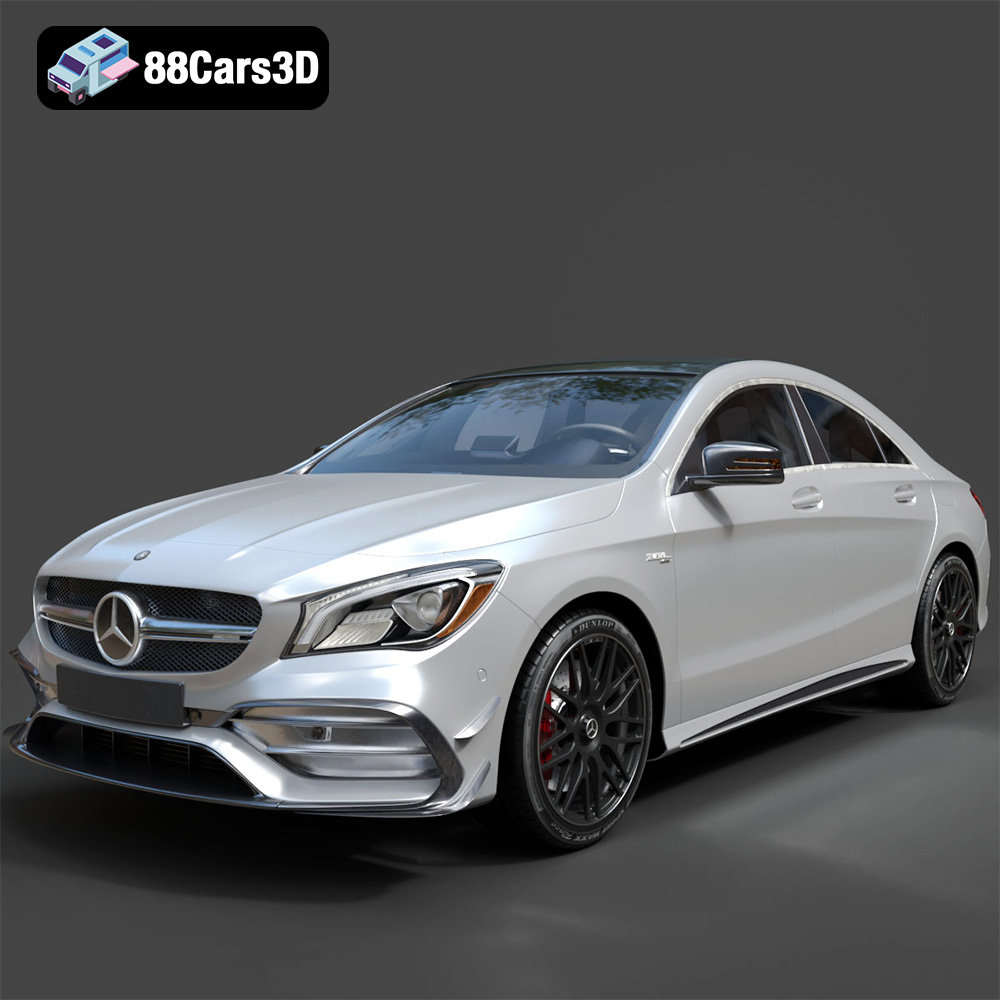
Mercedes-Benz CLA45 AMG 2017 3D Model
Texture: Yes
Material: Yes
Download the Mercedes-Benz CLA45 AMG 2017 3D Model featuring clean geometry, realistic detailing, and a fully modeled interior. Includes .blend, .fbx, .obj, .glb, .stl, .ply, .unreal, and .max formats for rendering, simulation, and game development.
Price: $38.99
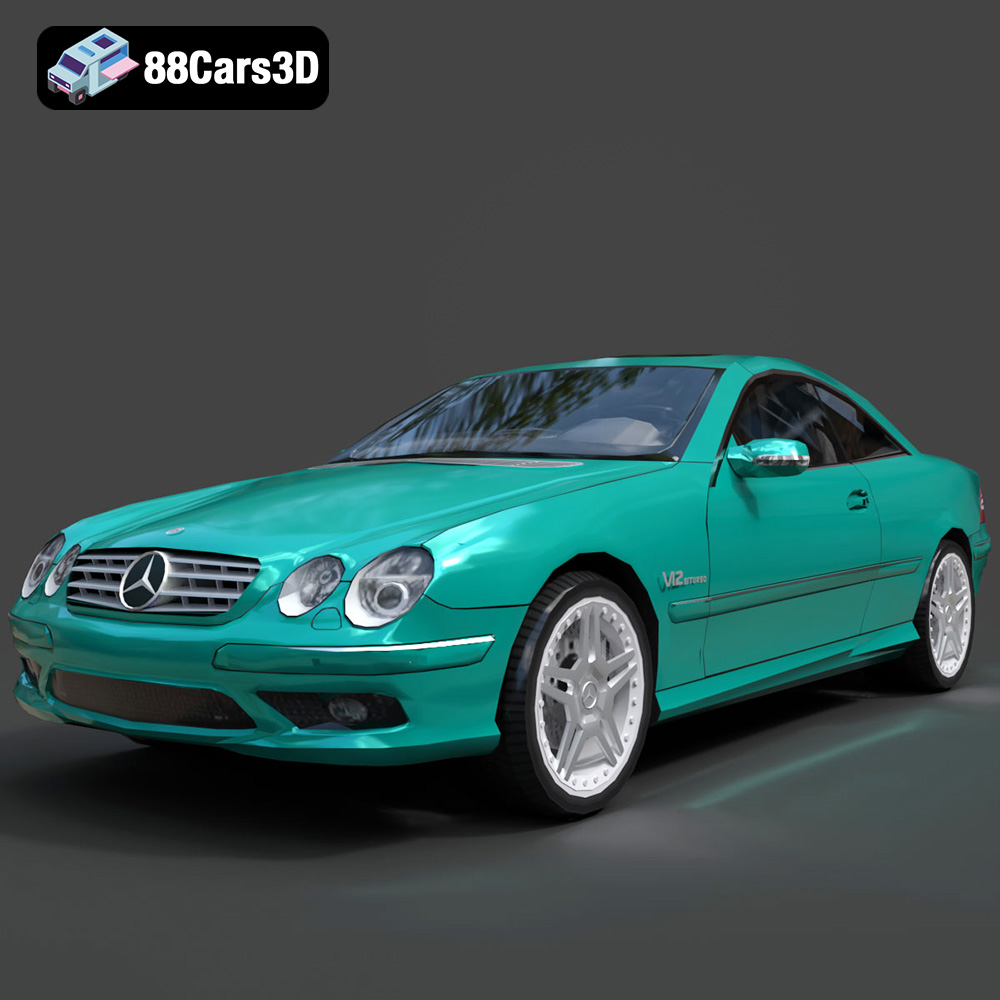
Mercedes-Benz CL65 C215 AMG 3D Model
Texture: Yes
Material: Yes
Download the Mercedes-Benz CL65 C215 AMG 3D Model featuring clean geometry, realistic detailing, and a fully modeled interior. Includes .blend, .fbx, .obj, .glb, .stl, .ply, .unreal, and .max formats for rendering, simulation, and game development.
Price: $23.99
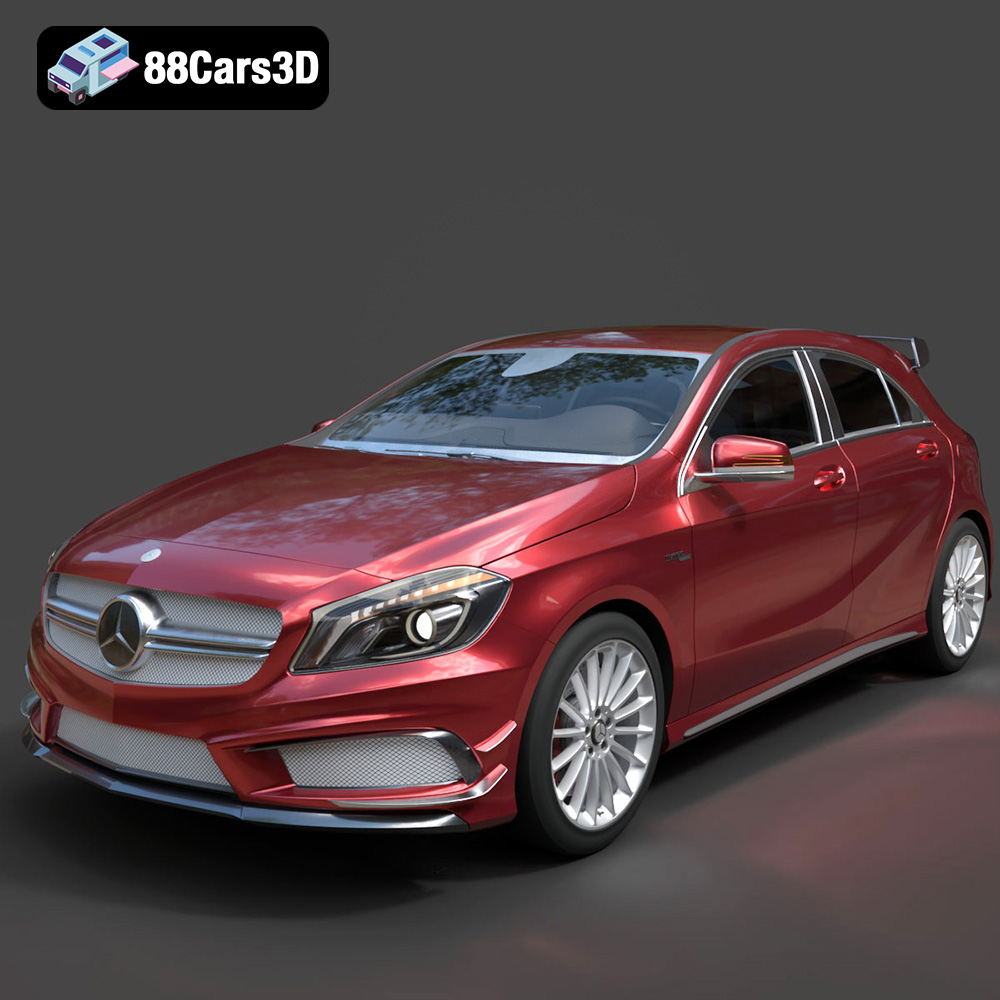
Mercedes-Benz A45 2021 3D Model
Texture: Yes
Material: Yes
Download the Mercedes-Benz A45 2021 3D Model featuring clean geometry, realistic detailing, and a fully modeled interior. Includes .blend, .fbx, .obj, .glb, .stl, .ply, .unreal, and .max formats for rendering, simulation, and game development.
Price: $23.99
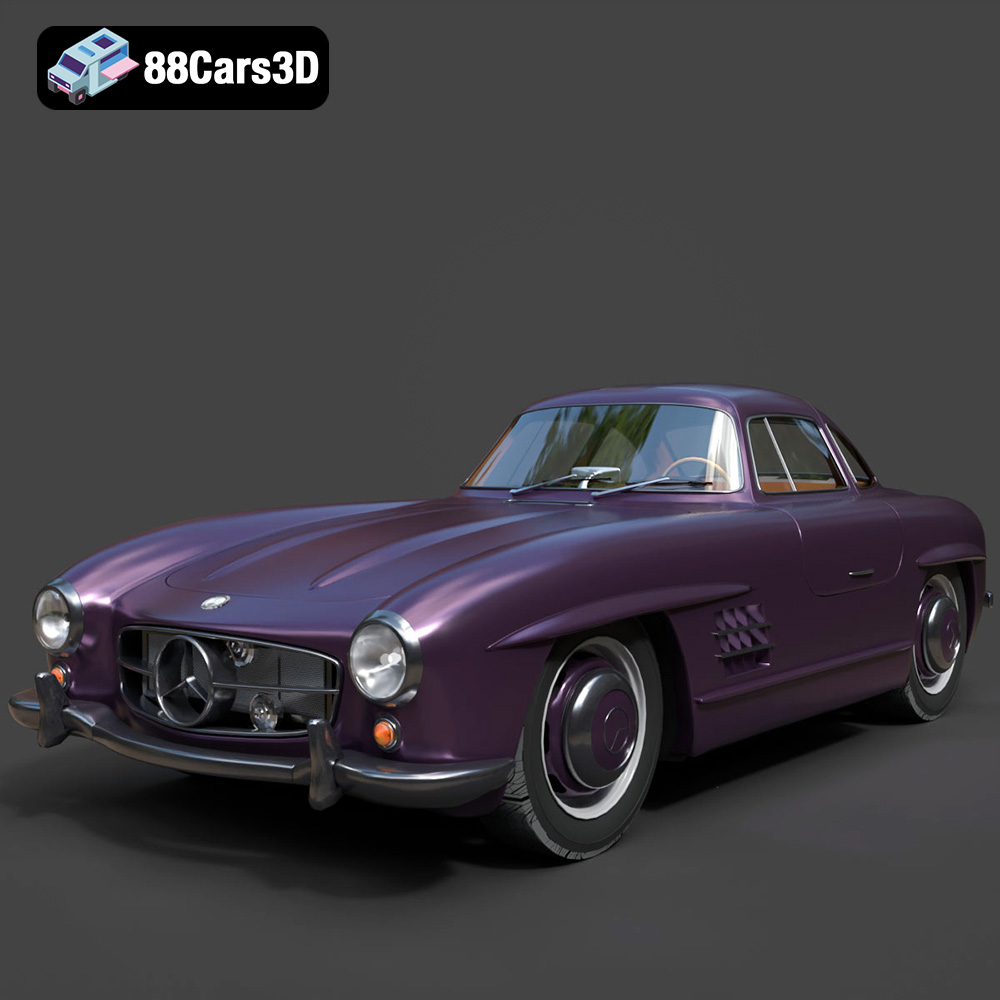
Mercedes-Benz 300SL 1955 3D Model
Texture: Yes
Material: Yes
Download the Mercedes-Benz 300SL 1955 3D Model featuring clean geometry, realistic detailing, and a fully modeled interior. Includes .blend, .fbx, .obj, .glb, .stl, .ply, .unreal, and .max formats for rendering, simulation, and game development.
Price: $23.99
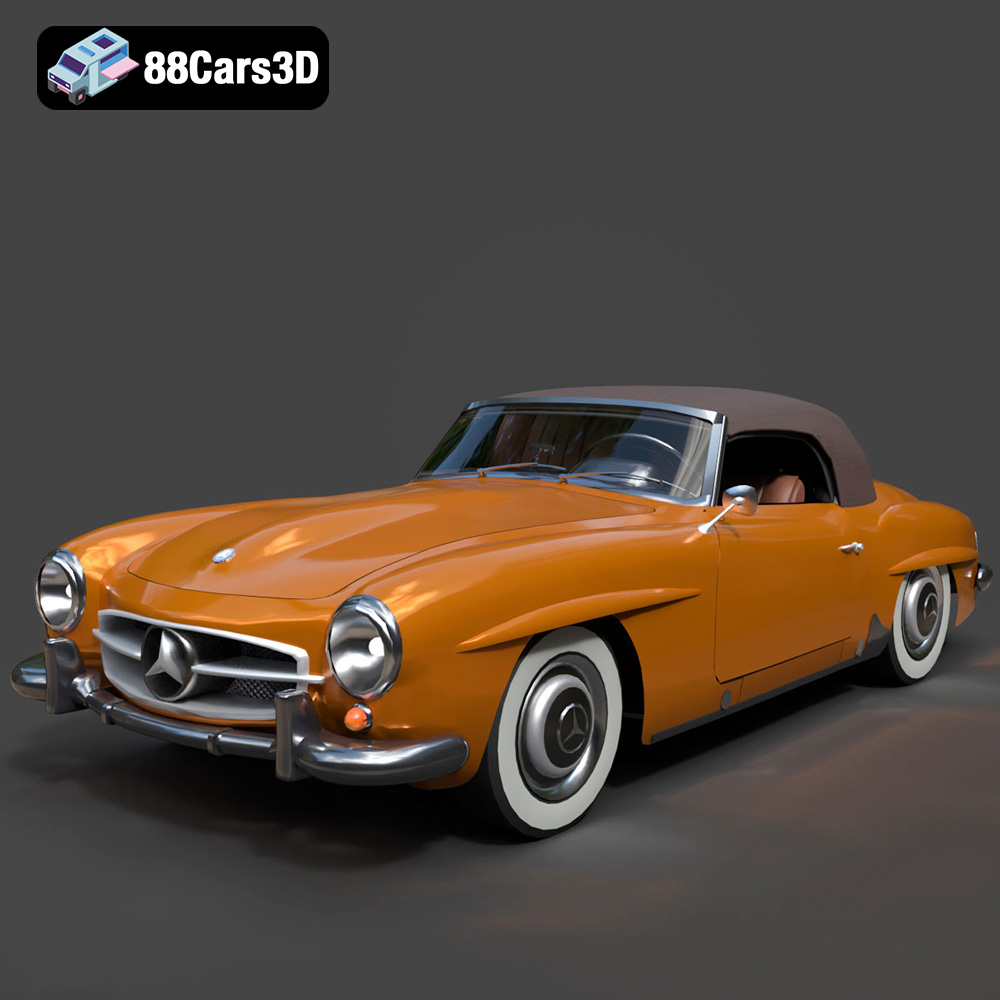
Mercedes-Benz 190SL 1955 3D Model
Texture: Yes
Material: Yes
Download the Mercedes-Benz 190SL 1955 3D Model featuring clean geometry, realistic detailing, and a fully modeled interior. Includes .blend, .fbx, .obj, .glb, .stl, .ply, .unreal, and .max formats for rendering, simulation, and game development.
Price: $23.99
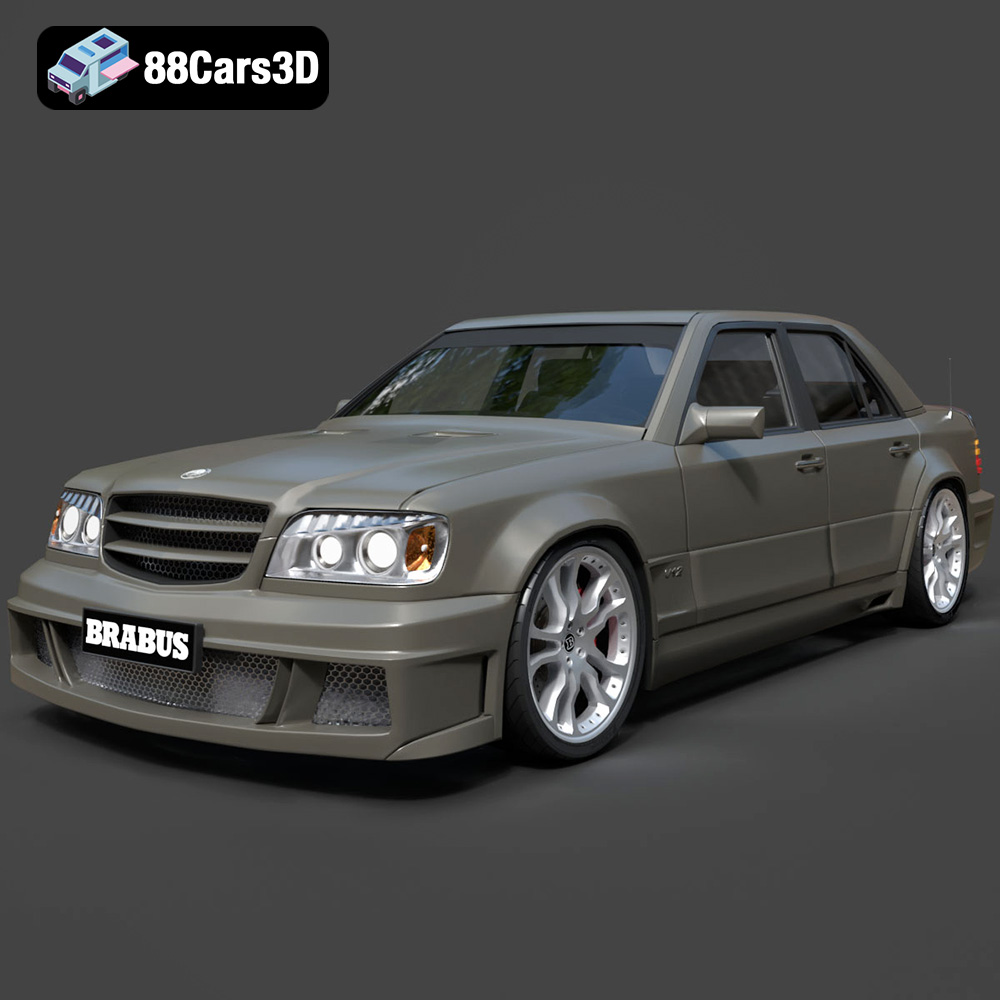
Mercedes-Benz W124 Brabus V12 3D Model
Texture: Yes
Material: Yes
Download the Mercedes-Benz W124 Brabus V12 3D Model featuring clean geometry, realistic detailing, and a fully modeled interior. Includes .blend, .fbx, .obj, .glb, .stl, .ply, .unreal, and .max formats for rendering, simulation, and game development.
Price: $23.99
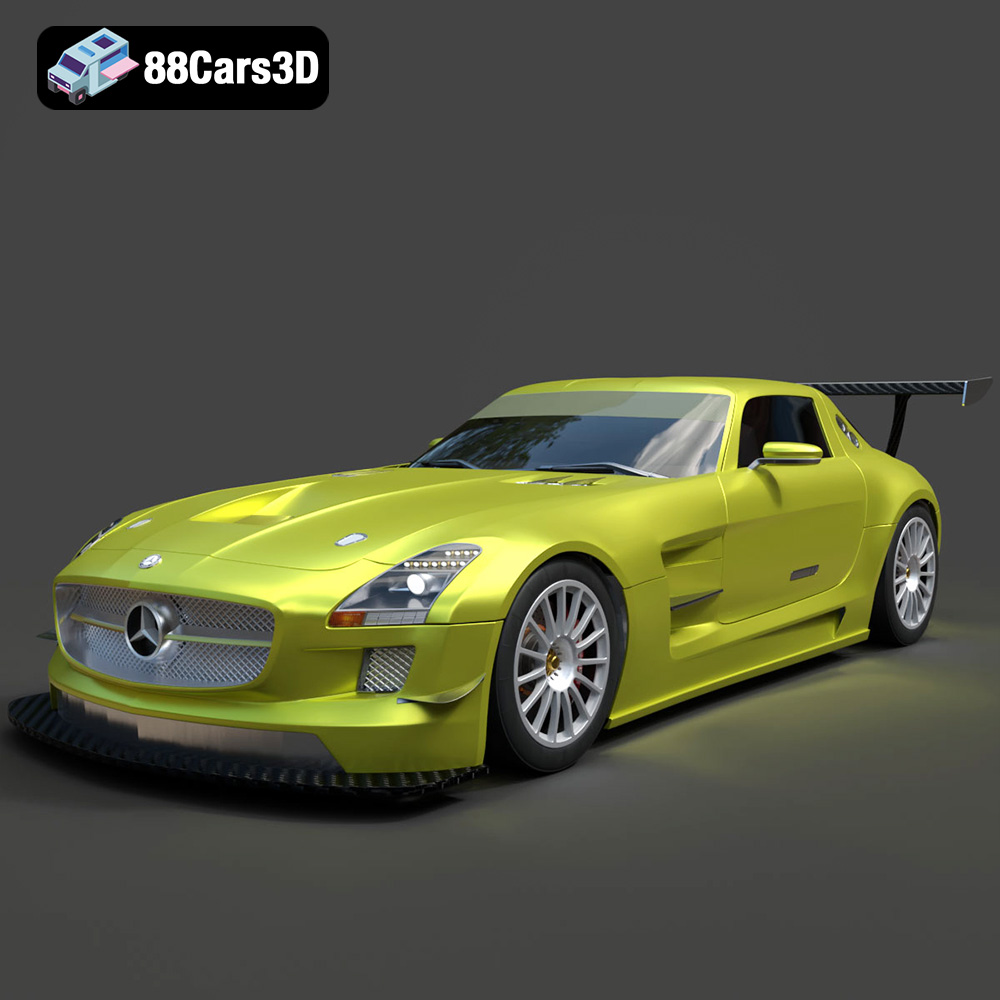
Mercedes-Benz SLS AMG GT3-002 3D Model
Texture: Yes
Material: Yes
Download the Mercedes-Benz SLS AMG GT3-002 3D Model featuring clean geometry, realistic detailing, and a fully modeled interior. Includes .blend, .fbx, .obj, .glb, .stl, .ply, .unreal, and .max formats for rendering, simulation, and game development.
Price: $38.99

Mercedes-Benz C-Class-001 3D Model
Texture: Yes
Material: Yes
Download the Mercedes-Benz C-Class-001 3D Model featuring clean geometry, realistic detailing, and a fully modeled interior. Includes .blend, .fbx, .obj, .glb, .stl, .ply, .unreal, and .max formats for rendering, simulation, and game development.
Price: $38.99
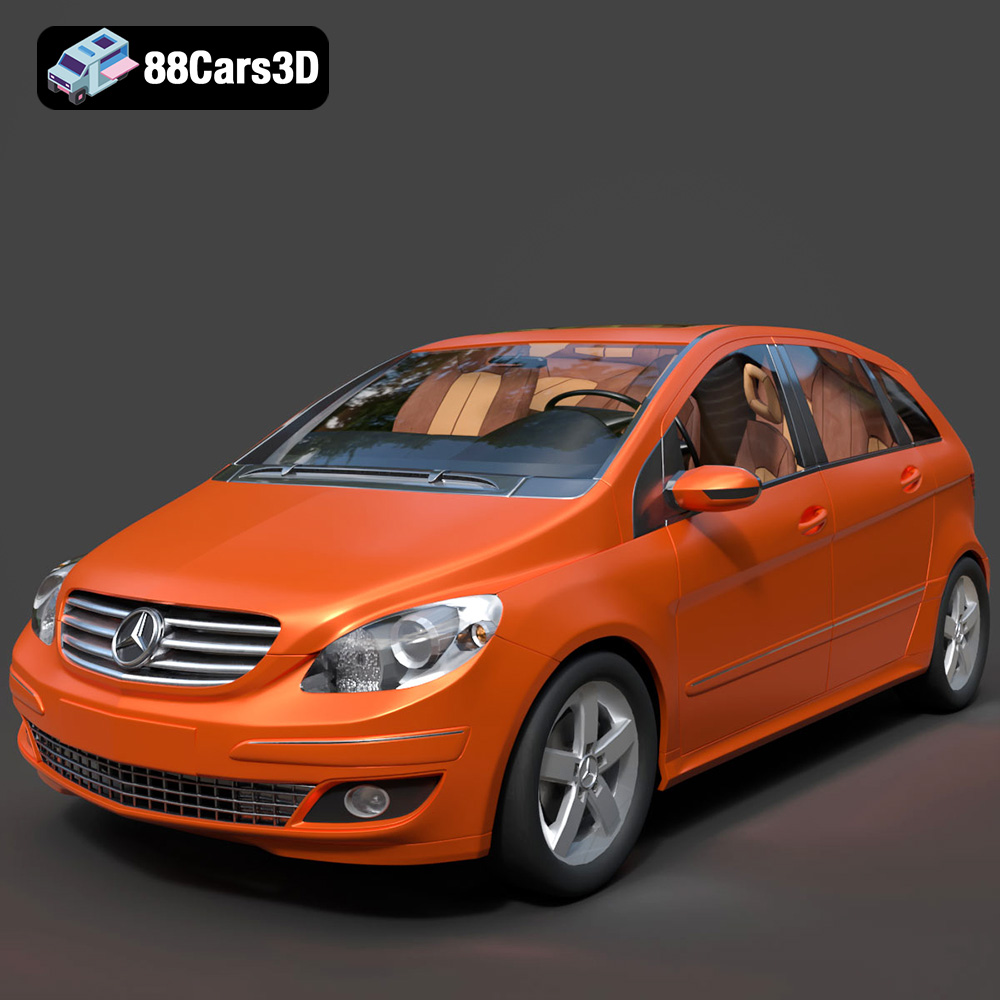
Mercedes-Benz B-Klasse 2023 3D Model
Texture: Yes
Material: Yes
Download the Mercedes-Benz B-Klasse 2023 3D Model featuring clean geometry, realistic detailing, and a fully modeled interior. Includes .blend, .fbx, .obj, .glb, .stl, .ply, .unreal, and .max formats for rendering, simulation, and game development.
Price: $38.99
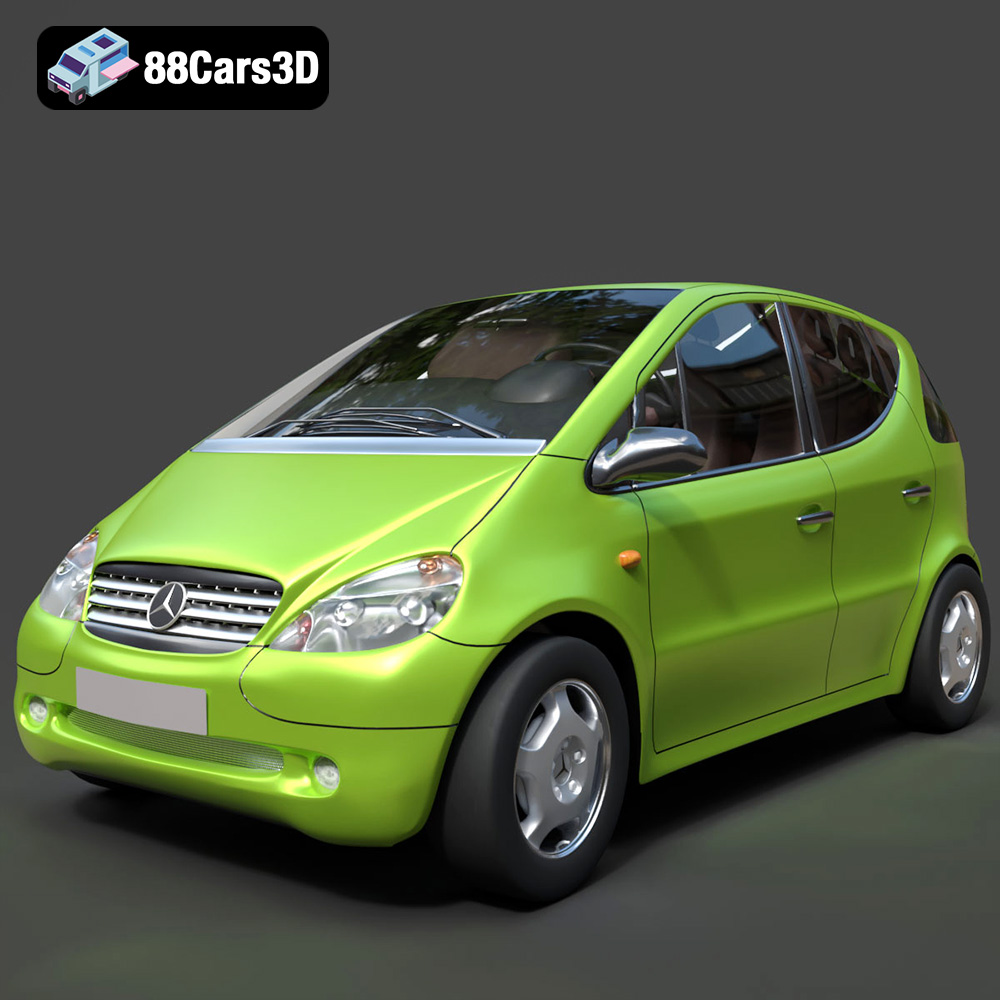
Mercedes-Benz A-Klasse W168 3D Model
Texture: Yes
Material: Yes
Download the Mercedes-Benz A-Klasse W168 3D Model featuring clean geometry, realistic detailing, and a fully modeled interior. Includes .blend, .fbx, .obj, .glb, .stl, .ply, .unreal, and .max formats for rendering, simulation, and game development.
Price: $38.99
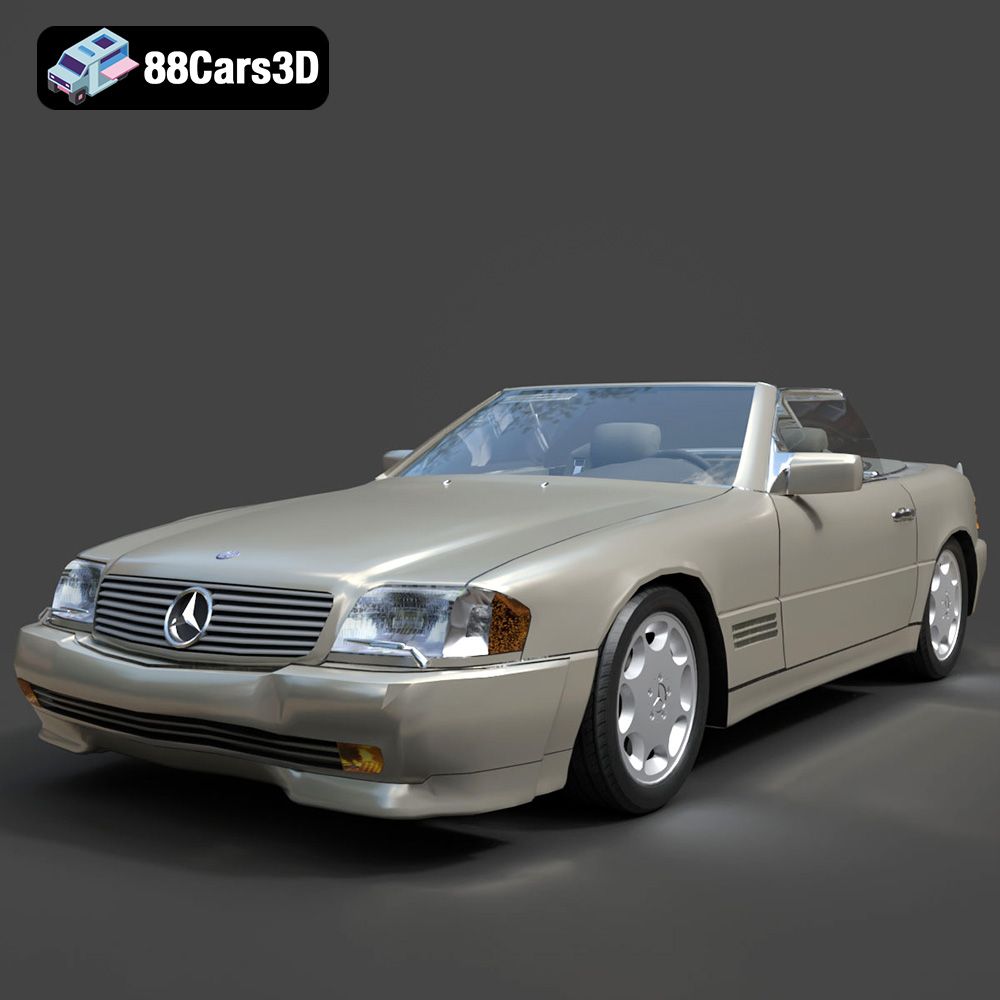
Mercedes-Benz 500SL 2000 3D Model
Texture: Yes
Material: Yes
Download the Mercedes-Benz 500SL 2000 3D Model featuring clean geometry, realistic detailing, and a fully modeled interior. Includes .blend, .fbx, .obj, .glb, .stl, .ply, .unreal, and .max formats for rendering, simulation, and game development.
Price: $38.99
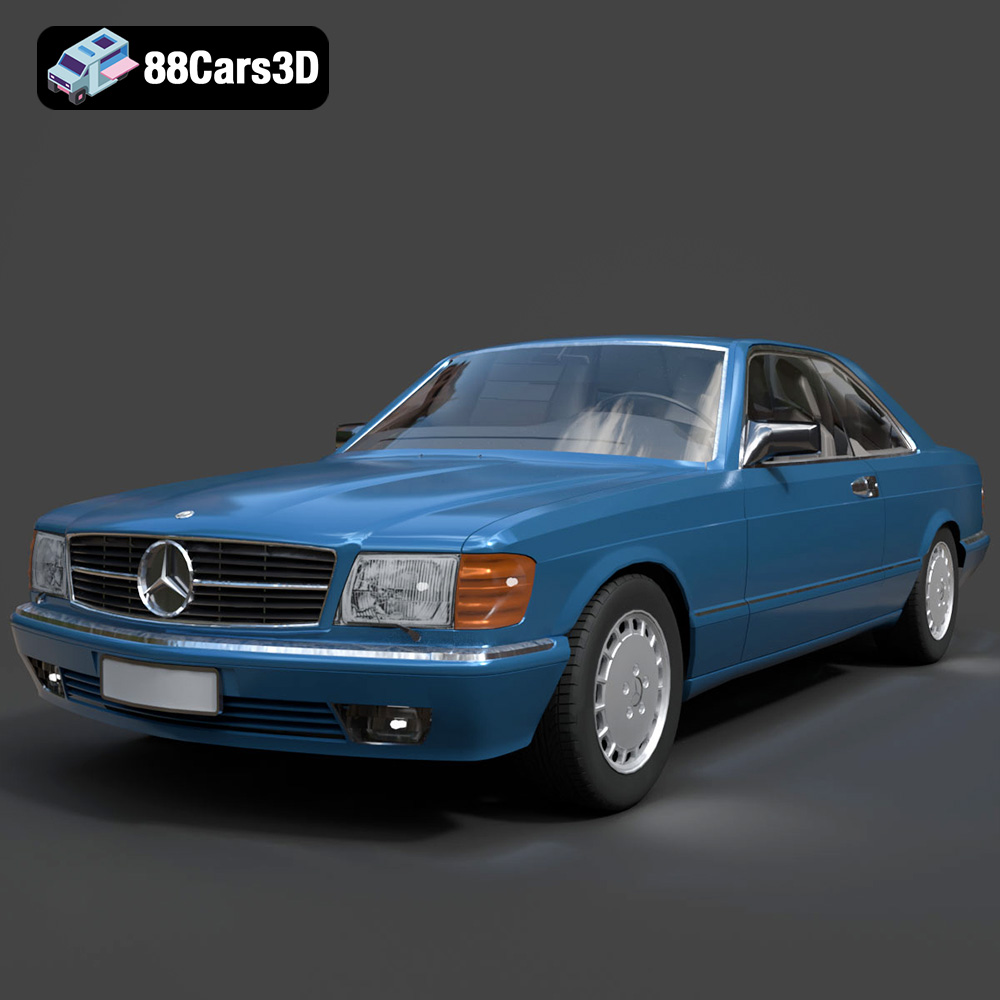
Mercedes-Benz 500SEC 3D Model
Texture: Yes
Material: Yes
Download the Mercedes-Benz 500SEC 3D Model featuring clean geometry, realistic detailing, and a fully modeled interior. Includes .blend, .fbx, .obj, .glb, .stl, .ply, .unreal, and .max formats for rendering, simulation, and game development.
Price: $38.99
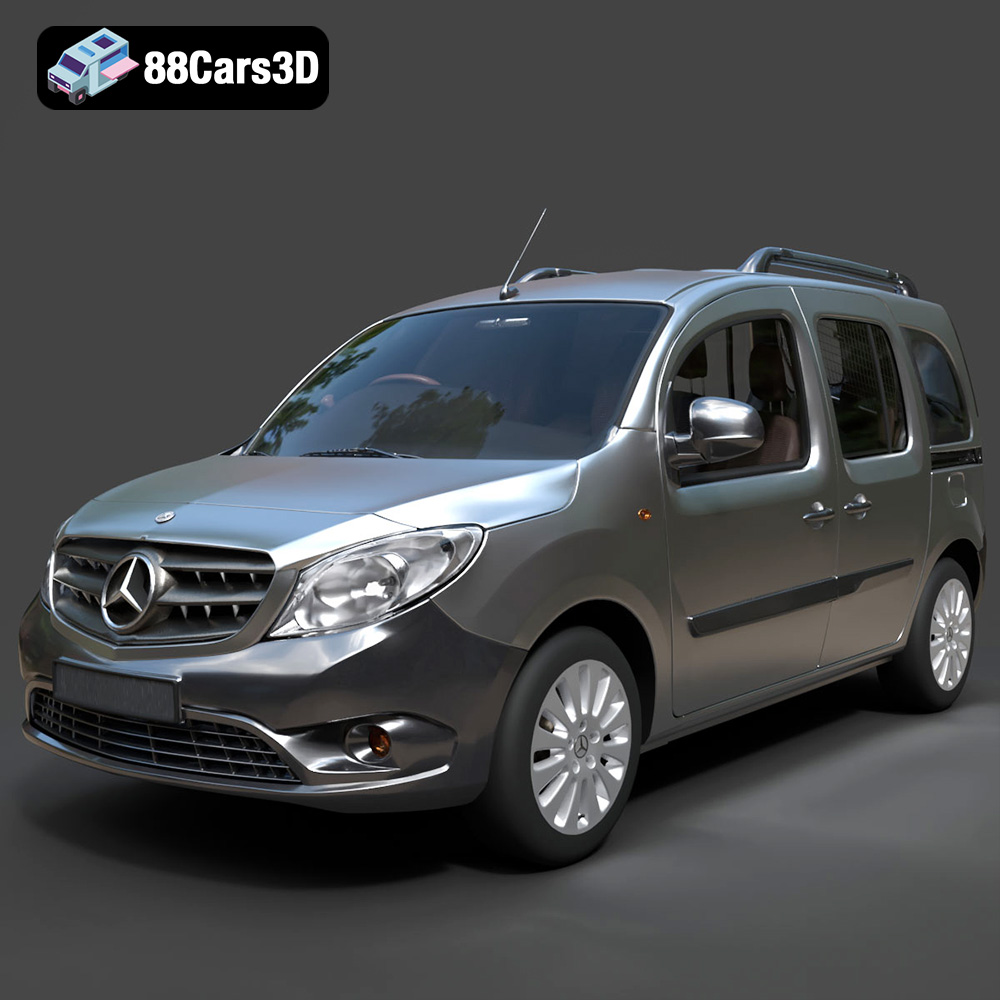
Mercedes-Benz Citan 2025 3D Model
Texture: Yes
Material: Yes
Download the Mercedes-Benz Citan 2025 3D Model featuring clean geometry, realistic detailing, and a fully modeled interior. Includes .blend, .fbx, .obj, .glb, .stl, .ply, .unreal, and .max formats for rendering, simulation, and game development.
Price: $38.99
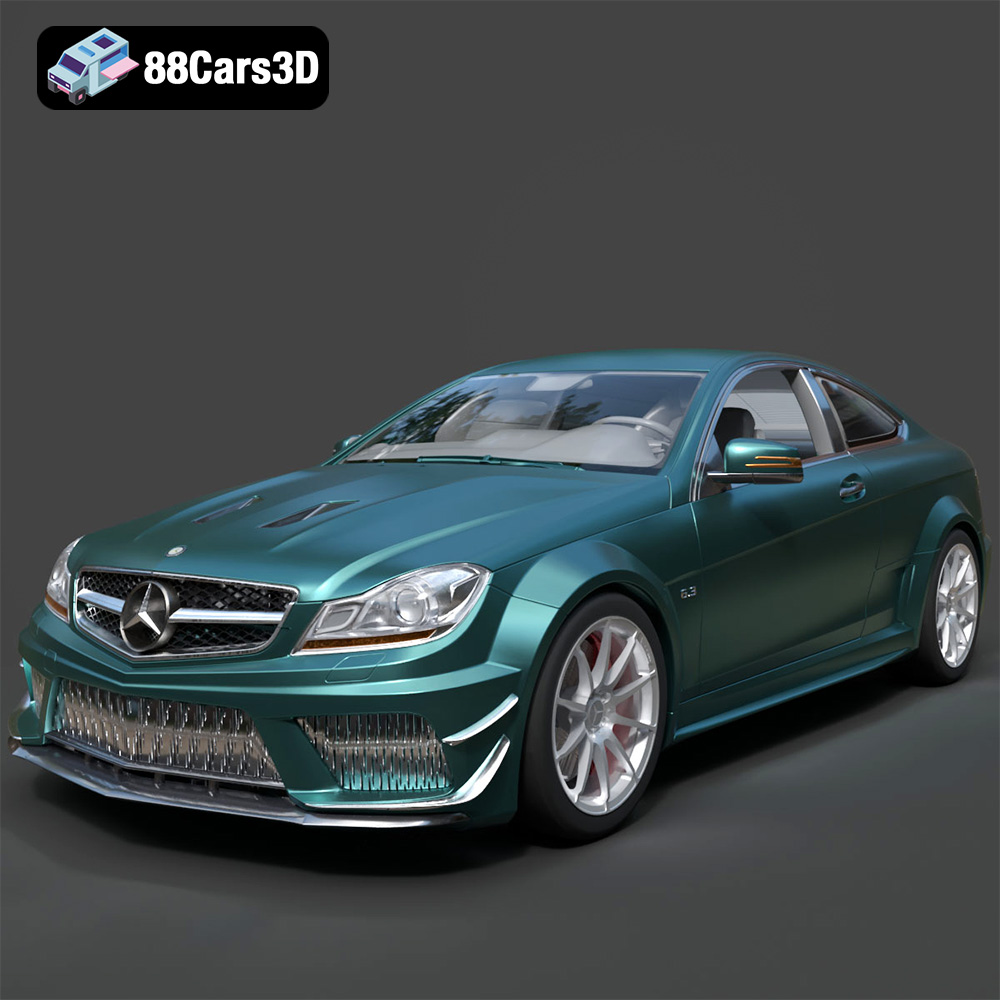
Mercedes-Benz C63 AMG 2012 3D Model
Texture: Yes
Material: Yes
Download the Mercedes-Benz C63 AMG 2012 3D Model featuring clean geometry, realistic detailing, and a fully modeled interior. Includes .blend, .fbx, .obj, .glb, .stl, .ply, .unreal, and .max formats for rendering, simulation, and game development.
Price: $38.99
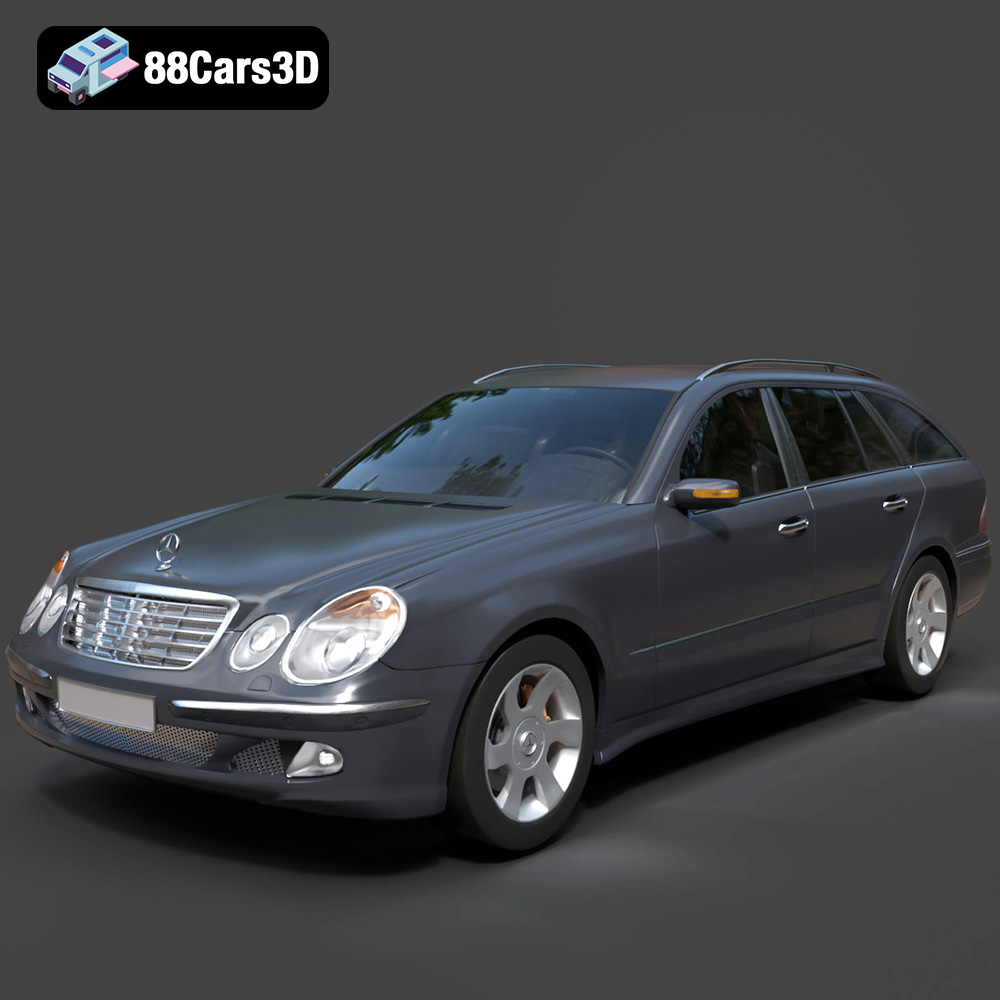
Mercedes-Benz E-Class S211 3D Model
Texture: Yes
Material: Yes
Download the Mercedes-Benz E-Class S211 3D Model featuring clean geometry, realistic detailing, and a fully modeled interior. Includes .blend, .fbx, .obj, .glb, .stl, .ply, .unreal, and .max formats for rendering, simulation, and game development.
Price: $38.99
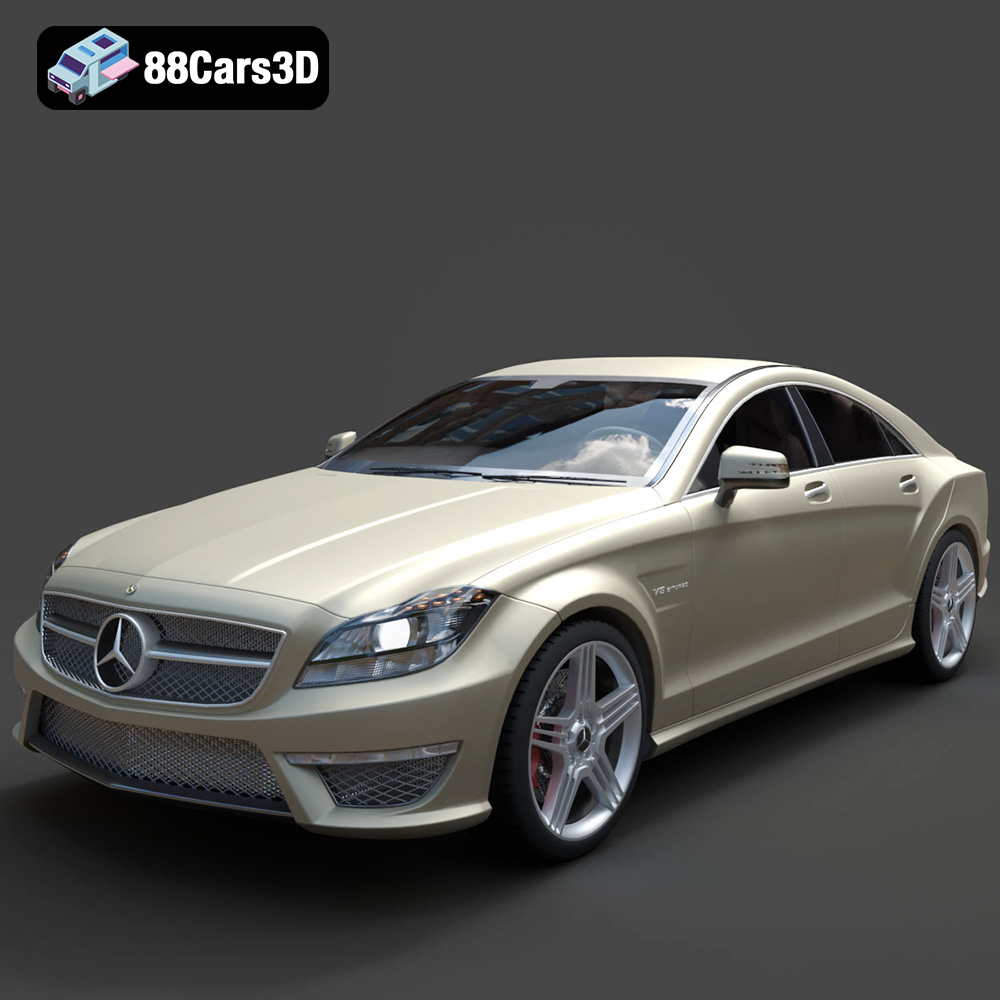
Mercedes-Benz CLS63 AMG (C218) 2014 3D Model
Texture: Yes
Material: Yes
Download the Mercedes-Benz CLS63 AMG (C218) 2014 3D Model featuring clean geometry, realistic detailing, and a fully modeled interior. Includes .blend, .fbx, .obj, .glb, .stl, .ply, .unreal, and .max formats for rendering, simulation, and game development.
Price: $38.99
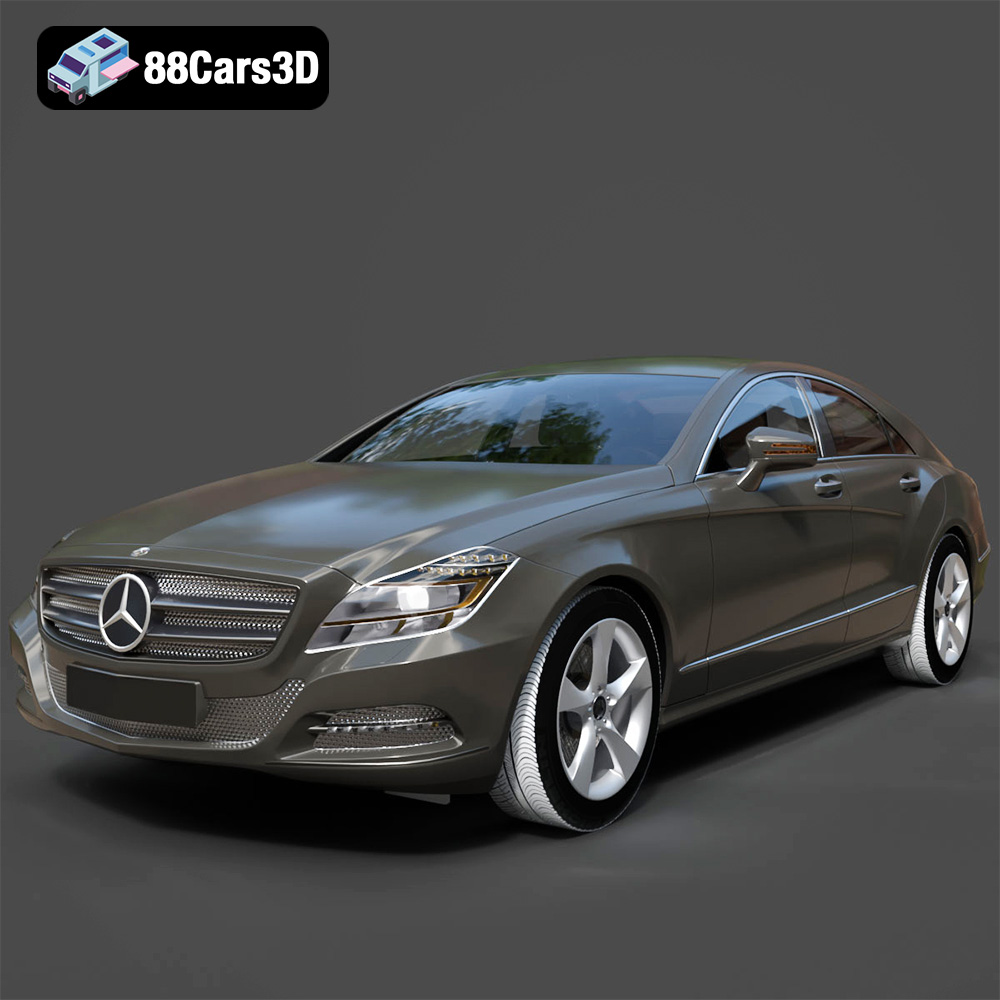
Mercedes-Benz CLS-Klasse 3D Model
Texture: Yes
Material: Yes
Download the Mercedes-Benz CLS-Klasse 3D Model featuring clean geometry, realistic detailing, and a fully modeled interior. Includes .blend, .fbx, .obj, .glb, .stl, .ply, .unreal, and .max formats for rendering, simulation, and game development.
Price: $38.99
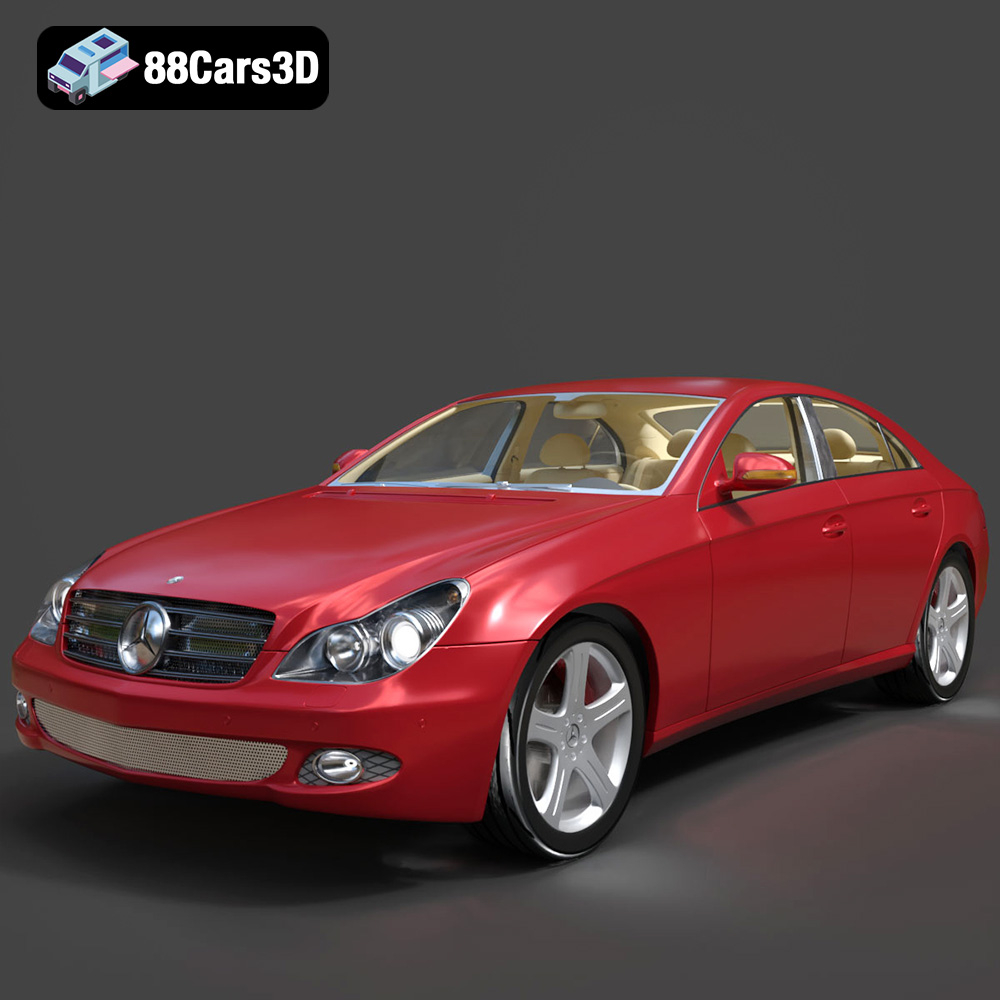
Mercedes-Benz CLS 500 3D Model
Texture: Yes
Material: Yes
Download the Mercedes-Benz CLS 500 3D Model featuring clean geometry, realistic detailing, and a fully modeled interior. Includes .blend, .fbx, .obj, .glb, .stl, .ply, .unreal, and .max formats for rendering, simulation, and game development.
Price: $38.99

Mercedes-Benz CL-Klasse 2001 3D Model
Texture: Yes
Material: Yes
Download the Mercedes-Benz CL-Klasse 2001 3D Model featuring clean geometry, realistic detailing, and a fully modeled interior. Includes .blend, .fbx, .obj, .glb, .stl, .ply, .unreal, and .max formats for rendering, simulation, and game development.
Price: $38.99
