⚡ FLASH SALE: Get 60% OFF All Premium 3D & STL Models! ⚡

The quest for photorealism in real-time environments has long been a holy grail for 3D artists, especially within the demanding realm of automotive design. Historically, the breathtaking fidelity seen in offline renders, with their intricate reflections and complex material interactions, seemed almost impossible to achieve interactively. However, with the advent of Unreal Engine 5, the landscape of real-time automotive rendering has been revolutionized.
This powerful engine has introduced a suite of groundbreaking technologies that are closing the gap between pre-rendered cinematics and interactive experiences. Artists, game developers, and automotive designers can now push the boundaries of visual fidelity, creating stunning automotive visualization that was once confined to render farms. This guide will delve into advanced techniques to master hyper-photorealism for automotive assets within Unreal Engine 5.
We’ll explore how to harness UE5’s core features, from handling immense geometric detail to crafting exquisite materials and lighting. Our aim is to equip you with the knowledge to produce visuals indistinguishable from reality, ready for virtual production workflows, configurators, or high-end game development. Here at 88cars3d.com, we understand the pursuit of perfection in digital automotive assets, and Unreal Engine 5 offers the tools to achieve it.
Bringing high-fidelity automotive models from offline renderers or CAD software into a real-time engine presents a unique set of challenges. Traditional real-time environments struggled with the sheer geometric complexity of car bodies, the intricate reflections of paint and chrome, and the nuanced global illumination required for convincing scenes. Performance constraints often forced severe compromises on visual quality.
The goal of real-time automotive rendering is not just to display a car, but to evoke the same emotional response as seeing a physical vehicle. This requires meticulous attention to every surface, every shadow, and every reflection. Offline renderers could brute-force these calculations, but real-time demands efficiency without sacrificing aesthetic integrity.
Unreal Engine 5 addresses these fundamental hurdles head-on, offering solutions that were previously unimaginable for interactive experiences. Its architectural changes and feature set are specifically tailored to handle the data-heavy and visually demanding nature of modern automotive assets. Understanding these underlying challenges is the first step towards effectively leveraging UE5’s capabilities.
Unreal Engine 5 introduces several paradigm-shifting technologies that fundamentally alter how we approach creating high-fidelity game-ready car models and scenes. For automotive artists, three stand out as particularly transformative: Nanite, Lumen, and hardware-accelerated Ray Tracing. These features work in concert to deliver unparalleled visual quality.
Nanite is Unreal Engine 5’s virtualized micropolygon geometry system, and it’s a game-changer for handling complex automotive assets. Traditionally, high-detail models from CAD software or photogrammetry had to undergo extensive mesh optimization techniques, including retopology and baking normal maps, to be performant in real-time. Nanite largely eliminates this painstaking process.
With Unreal Engine 5 Nanite, artists can import cinematic-quality source art with millions or even billions of polygons directly into the engine. Nanite intelligently streams and processes only the necessary detail, maintaining high fidelity up close while optimizing performance from a distance. This means an end to polygon budgets and the freedom to use incredibly detailed source meshes for car bodies, intricate interiors, and complex mechanical components.
The benefits for automotive visualization are immense. Intricate grille patterns, tire treads, interior stitching, and subtle surface variations can all be represented with true geometric detail. This allows for stunning close-ups and reduces the reliance on normal maps for fine details, leading to more accurate reflections and shading. Preparing CAD data for real-time has never been easier or more visually rewarding.
Lumen global illumination is Unreal Engine 5’s fully dynamic global illumination and reflections system, providing an incredibly realistic and interactive lighting solution. Unlike baked lighting, Lumen reacts in real-time to changes in direct lighting, emissive materials, and geometry. This is crucial for automotive scenes where subtle light bounces and color bleeding are essential for realism.
For car interiors, Lumen accurately simulates light bouncing off seats, dashboards, and headliners, creating natural ambient light and soft shadows. On the exterior, it ensures that the environment’s colors and light contribute realistically to the car’s reflections and overall illumination. This dynamic behavior makes iterating on lighting setups incredibly fast and intuitive.
Lumen also plays a vital role in grounding the vehicle within its environment, making it feel like it truly belongs in the scene. The interaction of light with various materials, from metallic paint to glass, is dynamically computed, contributing significantly to the sense of presence and realism. It’s a cornerstone for achieving true hyper-photorealism in any automotive setting.
While Lumen handles general global illumination and reflections, hardware-accelerated Ray Tracing in Unreal Engine 5 provides pinpoint accuracy for reflections, refractions, and shadows. For automotive assets, where highly reflective surfaces are paramount, Ray Tracing is indispensable. It delivers physically accurate reflections on car paint, chrome trim, glass, and mirrors, capturing the environment with stunning clarity.
Ray Traced reflections are particularly crucial for showcasing the elegant curves and intricate surfacing of a vehicle. The way light bounces off a car’s body panels defines its form and character, and Ray Tracing ensures these reflections are geometrically correct and visually compelling. This fidelity extends to interior elements like polished wood or metal accents.
Beyond reflections, Ray Traced shadows offer incredibly soft, accurate contact shadows that naturally ground the car in the scene. This eliminates the “floating” effect often seen with less advanced shadow systems. Similarly, Ray Traced ambient occlusion further enhances realism by subtly darkening crevices and overlapping surfaces, adding depth and definition to complex geometric details.
Achieving hyper-photorealism for automotive assets goes beyond geometry and lighting; it hinges on masterful material creation. Physically Based Rendering (PBR) workflows are essential for materials to react correctly to light, but for cars, we need to push PBR further. Advanced PBR material authoring in Unreal Engine 5 allows for incredibly nuanced and realistic surfaces.
Automotive paint is one of the most complex materials to replicate accurately due to its multi-layered nature. A typical car paint shader needs to account for a base coat, metallic flakes (if applicable), and a clear coat. Unreal Engine 5’s layered material system is perfect for this, allowing artists to build sophisticated shaders that simulate these real-world properties.
The base coat defines the primary color and underlying roughness. For metallic paints, a dedicated layer with a fine noise texture driving metallic flakes is critical. These flakes should be small and numerous, with their normal maps contributing to the unique glint. The clear coat, applied as a top layer, provides the characteristic high gloss, deep reflections, and subtle fresnel effect.
Crucially, understanding the nuances of roughness and specular values is key. Automotive paint typically has a very low roughness for its clear coat, leading to sharp, mirror-like reflections. Subtle variations in roughness maps can simulate dust or very fine scratches, adding to the realism without detracting from the overall shine. We often leverage advanced shader techniques for effects like iridescent or pearlescent finishes.
Beyond paint, other automotive materials require specialized attention. Car glass, for instance, needs accurate refraction, subtle tint, and reflections that correspond to its physical properties. Using a dedicated glass material with proper IOR (Index of Refraction) and controlling its roughness to simulate cleanliness or smudges is vital. Transparent surfaces can benefit immensely from Ray Traced refractions.
Chrome and other polished metals demand extremely high metallic values and very low roughness. Anisotropic reflections, which spread and stretch reflections along a particular direction, are also crucial for brushed metals or directional finishes often found on trims and wheel spokes. These subtle details make a significant difference in perceived realism.
Rubber, such as tires and seals, requires a distinct approach. While not as reflective as paint or chrome, it has its own subtle sheen and texture. Detailed normal maps derived from high-poly sculpts or scans are essential for tire treads and sidewall texturing. Roughness maps with fine variations can break up uniformity, and a slight darkening via ambient occlusion can enhance depth.
The final touch in material realism often comes from the imperfections. No car is perfectly pristine in the real world. Adding subtle dirt, dust, water streaks, fingerprints, or even light scratches can dramatically enhance believability. These can be implemented using decal actors, layered materials, or vertex painting.
Decals are excellent for adding specific logos, badging, or localized dirt. Layered materials allow for blending wear effects based on masks, such as edge wear or general grime accumulation. Even subtle variations in the clear coat roughness map can imply areas of wear or polishing. This attention to detail transforms a generic asset into a living, breathing component of a scene.
Even with perfectly crafted models and materials, a scene won’t look hyper-realistic without expert lighting. Lighting is an art form that sculpts the forms of the car, creates mood, and integrates the vehicle seamlessly into its environment. Unreal Engine 5 offers a robust suite of tools for achieving cinematic-quality illumination for automotive visualization.
High Dynamic Range Images (HDRIs) are foundational for realistic environmental lighting in automotive scenes. An HDRI provides both the background image and the light source data, casting accurate color and intensity onto the vehicle and scene. This results in incredibly convincing reflections and diffuse illumination, making the car feel truly embedded in its surroundings.
When selecting an HDRI, consider the mood and time of day you want to convey. A clear blue sky HDRI will yield bright, cool reflections, while a sunset HDRI will bathe the car in warm, rich tones. The quality of the HDRI is paramount; higher resolution and dynamic range will provide sharper reflections and more nuanced lighting. Using a Sky Light actor in UE5 with an HDRI assigned is the simplest yet most effective way to leverage this.
Experiment with different HDRIs to see how they interact with your car’s paint and materials. You can also rotate the HDRI within the Sky Light to adjust the direction of the key reflections and shadows, subtly altering the car’s visual impact. This allows for quick iteration on various environmental moods without re-lighting the entire scene.
While HDRIs provide excellent foundational lighting, real-time light sources like Directional Lights, Spot Lights, and Rect Lights are essential for adding artistic control and emphasis. A Directional Light can simulate the sun or a strong primary light source, creating sharp, dramatic shadows and highlights that complement the HDRI.
Spot Lights and Rect Lights are invaluable for studio-style setups or highlighting specific details. Use Rect Lights to simulate softbox lighting, casting broad, even illumination over car panels for clean reflections. Spot Lights can draw attention to intricate details like headlights, badges, or interior features, providing punch and definition where needed. These supplementary lights interact dynamically with Lumen global illumination, ensuring their bounces contribute to the scene’s overall realism.
Combining these lights allows for complex and sophisticated lighting schemes. For example, a strong directional light for primary illumination, an HDRI for environmental context and global reflections, and several rect lights to softly fill shadows and emphasize contours. This layered approach is key to achieving truly cinematic lighting.
Once your scene is lit, post-processing is the final layer of polish that pushes it towards cinematic realism. Unreal Engine 5’s Post Process Volume offers a vast array of controls, including color grading, bloom, depth of field, and vignette. These effects can significantly enhance the mood and visual impact of your automotive visualization.
Color grading allows you to subtly adjust the overall color palette, contrast, and saturation, achieving a desired aesthetic or matching a specific visual style. Bloom can enhance the glow of bright light sources, like headlights or reflections, adding to the sense of photographic realism. Depth of field is crucial for cinematic shots, drawing the viewer’s eye to the car and artfully blurring the foreground and background.
Subtle effects like lens flares, chromatic aberration, and grain can further emulate real-world camera artifacts, giving the render an authentic photographic feel. However, use these sparingly; overdoing post-processing can quickly detract from realism. The goal is to enhance, not obscure, the underlying fidelity of your assets and lighting.
Achieving hyper-photorealism isn’t just about visual quality; it’s also about performance and efficiency, especially in virtual production workflows and game development. While Nanite handles geometric complexity, careful data preparation and strategic optimization remain crucial for a smooth and scalable pipeline. This ensures your stunning game-ready car models run flawlessly.
The journey from CAD (Computer-Aided Design) data to Unreal Engine 5 assets often involves several critical steps. CAD models are typically NURBS-based, designed for precision engineering rather than real-time rendering. They need to be tessellated into polygon meshes. Tools like Datasmith in Unreal Engine are invaluable here, providing robust pipelines for importing CAD data from various software, optimizing it, and translating materials.
During tessellation, it’s important to balance polygon count with fidelity, although Unreal Engine 5 Nanite greatly simplifies this. Ensure the geometry is clean, manifold, and free of inverted normals. Address any overlapping or redundant geometry early in the process. Properly organizing your CAD data with clear naming conventions and hierarchy will also streamline the import and material assignment process in UE5.
Post-import, it’s good practice to inspect the asset for any artifacts introduced during the conversion. While Nanite is forgiving, a clean base mesh will always yield better results and more predictable performance. Investing time in meticulous data preparation at this stage saves considerable effort down the line.
While Nanite manages the display of complex geometry, not every asset in your scene will be Nanite-enabled, and a sensible approach to mesh optimization techniques still holds value. For example, animated parts, translucent meshes, or skeletal meshes might not be compatible with Nanite in all scenarios. For these, traditional Level of Detail (LOD) generation is still relevant.
Even for Nanite meshes, a well-structured base mesh can contribute to faster iteration and smaller file sizes. Consider manual optimization for specific, non-Nanite elements like character models, intricate interior screens, or small props. Use UE5’s built-in Mesh Editor or external DCC tools to simplify geometry where visual impact is minimal but polygon count is high.
The goal is to ensure the entire scene, not just the car, remains performant. A holistic view of optimization, combining Nanite’s power with traditional methods for specific cases, is the most effective strategy for demanding virtual production workflows.
Once your hyper-realistic automotive assets are created, integrating them into broader virtual production workflows or game development requires careful planning. For virtual production, this involves setting up sequences, camera movements, and interactive controls for real-time configurators. Blueprints in Unreal Engine allow for rapid prototyping of interactive features, such as changing paint colors, wheel designs, or opening doors.
Leverage Unreal Engine’s Sequencer for crafting cinematic shots, animating cameras, and orchestrating complex vehicle movements. For game development, consider the scalability of your assets across different platforms and optimization targets. Game-ready car models should be thoroughly tested for performance and visual consistency under various conditions.
The power of Unreal Engine 5 lies in its ability to serve multiple purposes from a single asset pipeline. A highly detailed car model can be used for a cinematic, an interactive configurator, and even a driving simulator, all while maintaining incredible visual fidelity. This streamlined approach maximizes asset reuse and efficiency across different projects.
The journey to mastering hyper-photorealism for automotive assets in Unreal Engine 5 is an exciting one, propelled by revolutionary technologies. By harnessing the unparalleled geometric detail of Unreal Engine 5 Nanite, the dynamic and immersive lighting of Lumen global illumination, and the precision of Ray Tracing, artists can now achieve a level of visual fidelity that truly blurs the line between digital and reality.
Expert PBR material authoring, especially for complex automotive paint and reflective surfaces, is crucial in bringing these vehicles to life. Coupled with cinematic lighting techniques and meticulous post-processing, your automotive visualization will captivate and immerse your audience. Furthermore, smart data preparation and mesh optimization techniques ensure these stunning assets perform efficiently within virtual production workflows and game environments.
The tools are at your fingertips to create truly groundbreaking real-time automotive rendering experiences. Dive in, experiment, and push the boundaries of what’s possible. For those seeking a head start with meticulously crafted, high-fidelity game-ready car models, explore the extensive library at 88cars3d.com. We provide the foundation for your next masterpiece, allowing you to focus on bringing your vision to stunning, photorealistic life.

Texture: Yes
Material: Yes
Download the Subaru BRZ 2025 3D Model featuring clean geometry, realistic detailing, and a fully modeled interior. Includes .blend, .fbx, .obj, .glb, .stl, .ply, .unreal, and .max formats for rendering, simulation, and game development.
Price: $10

Texture: Yes
Material: Yes
Download the SsangYong Rodius 2007 3D Model featuring clean geometry, realistic detailing, and a fully modeled interior. Includes .blend, .fbx, .obj, .glb, .stl, .ply, .unreal, and .max formats for rendering, simulation, and game development.
Price: $10

Texture: Yes
Material: Yes
Download the Subaru Impreza 1992 3D Model featuring clean geometry, realistic detailing, and a fully modeled interior. Includes .blend, .fbx, .obj, .glb, .stl, .ply, .unreal, and .max formats for rendering, simulation, and game development.
Price: $10

Texture: Yes
Material: Yes
Download the Subaru Impreza Sport Wagon 3D Model featuring clean geometry, realistic detailing, and a fully modeled interior. Includes .blend, .fbx, .obj, .glb, .stl, .ply, .unreal, and .max formats for rendering, simulation, and game development.
Price: $10

Texture: Yes
Material: Yes
Download the Skoda Octavia A7 2017 3D Model featuring clean geometry, realistic detailing, and a fully modeled interior. Includes .blend, .fbx, .obj, .glb, .stl, .ply, .unreal, and .max formats for rendering, simulation, and game development.
Price: $10

Texture: Yes
Material: Yes
Download the Suzuki SX4-002 3D Model featuring clean geometry, realistic detailing, and a fully modeled interior. Includes .blend, .fbx, .obj, .glb, .stl, .ply, .unreal, and .max formats for rendering, simulation, and game development.
Price: $10

Texture: Yes
Material: Yes
Download the Tesla Model S 2024 3D Model featuring clean geometry, realistic detailing, and a fully modeled interior. Includes .blend, .fbx, .obj, .glb, .stl, .ply, .unreal, and .max formats for rendering, simulation, and game development.
Price: $10

Texture: Yes
Material: Yes
Download the Subaru Impreza WRX STi-002 3D Model featuring clean geometry, realistic detailing, and a fully modeled interior. Includes .blend, .fbx, .obj, .glb, .stl, .ply, .unreal, and .max formats for rendering, simulation, and game development.
Price: $10

Texture: Yes
Material: Yes
Download the Subaru Impreza WRX STi Sedan 3D Model featuring clean geometry, realistic detailing, and a fully modeled interior. Includes .blend, .fbx, .obj, .glb, .stl, .ply, .unreal, and .max formats for rendering, simulation, and game development.
Price: $10

Texture: Yes
Material: Yes
Download the Subaru Legacy 2009 3D Model featuring clean geometry, realistic detailing, and a fully modeled interior. Includes .blend, .fbx, .obj, .glb, .stl, .ply, .unreal, and .max formats for rendering, simulation, and game development.
Price: $10

Texture: Yes
Material: Yes
Download the Suzuki Swift 2024 3D Model featuring clean geometry, realistic detailing, and a fully modeled interior. Includes .blend, .fbx, .obj, .glb, .stl, .ply, .unreal, and .max formats for rendering, simulation, and game development.
Price: $10

Texture: Yes
Material: Yes
Download the Suzuki Liana Sedan 2004 3D Model featuring clean geometry, realistic detailing, and a fully modeled interior. Includes .blend, .fbx, .obj, .glb, .stl, .ply, .unreal, and .max formats for rendering, simulation, and game development.
Price: $10

Texture: Yes
Material: Yes
Download the Subaru Outback 2024 3D Model featuring clean geometry, realistic detailing, and a fully modeled interior. Includes .blend, .fbx, .obj, .glb, .stl, .ply, .unreal, and .max formats for rendering, simulation, and game development.
Price: $10

Texture: Yes
Material: Yes
Download the Subaru Legacy 2003 3D Model featuring clean geometry, realistic detailing, and a fully modeled interior. Includes .blend, .fbx, .obj, .glb, .stl, .ply, .unreal, and .max formats for rendering, simulation, and game development.
Price: $10

Texture: Yes
Material: Yes
Download the Subaru Legacy Touring Wagon 3D Model featuring clean geometry, realistic detailing, and a fully modeled interior. Includes .blend, .fbx, .obj, .glb, .stl, .ply, .unreal, and .max formats for rendering, simulation, and game development.
Price: $10

Texture: Yes
Material: Yes
Download the Toyota Mark II (X100) 3D Model featuring clean geometry, realistic detailing, and a fully modeled interior. Includes .blend, .fbx, .obj, .glb, .stl, .ply, .unreal, and .max formats for rendering, simulation, and game development.
Price: $10

Texture: Yes
Material: Yes
Download the Toyota Corona 1985 3D Model featuring clean geometry, realistic detailing, and a fully modeled interior. Includes .blend, .fbx, .obj, .glb, .stl, .ply, .unreal, and .max formats for rendering, simulation, and game development.
Price: $10

Texture: Yes
Material: Yes
Download the Toyota Mark II X81 1990 3D Model featuring clean geometry, realistic detailing, and a fully modeled interior. Includes .blend, .fbx, .obj, .glb, .stl, .ply, .unreal, and .max formats for rendering, simulation, and game development.
Price: $10

Texture: Yes
Material: Yes
Download the Toyota iQ EV 2012 3D Model featuring clean geometry, realistic detailing, and a fully modeled interior. Includes .blend, .fbx, .obj, .glb, .stl, .ply, .unreal, and .max formats for rendering, simulation, and game development.
Price: $10

Texture: Yes
Material: Yes
Download the Toyota Aygo 2013 3D Model featuring clean geometry, realistic detailing, and a fully modeled interior. Includes .blend, .fbx, .obj, .glb, .stl, .ply, .unreal, and .max formats for rendering, simulation, and game development.
Price: $10

Texture: Yes
Material: Yes
Download the Toyota Crown S180 2005 3D Model featuring clean geometry, realistic detailing, and a fully modeled interior. Includes .blend, .fbx, .obj, .glb, .stl, .ply, .unreal, and .max formats for rendering, simulation, and game development.
Price: $10

Texture: Yes
Material: Yes
Download the Toyota Celica 2004 3D Model featuring clean geometry, realistic detailing, and a fully modeled interior. Includes .blend, .fbx, .obj, .glb, .stl, .ply, .unreal, and .max formats for rendering, simulation, and game development.
Price: $10

Texture: Yes
Material: Yes
Download the Toyota Corolla AE100 1992 3D Model featuring clean geometry, realistic detailing, and a fully modeled interior. Includes .blend, .fbx, .obj, .glb, .stl, .ply, .unreal, and .max formats for rendering, simulation, and game development.
Price: $10

Texture: Yes
Material: Yes
Download the Toyota Mark II X110 2000 3D Model featuring clean geometry, realistic detailing, and a fully modeled interior. Includes .blend, .fbx, .obj, .glb, .stl, .ply, .unreal, and .max formats for rendering, simulation, and game development.
Price: $10

Texture: Yes
Material: Yes
Download the Toyota Corolla 2020 3D Model featuring clean geometry, realistic detailing, and a fully modeled interior. Includes .blend, .fbx, .obj, .glb, .stl, .ply, .unreal, and .max formats for rendering, simulation, and game development.
Price: $10

Texture: Yes
Material: Yes
Download the Toyota Yaris 2020 3D Model featuring clean geometry, realistic detailing, and a fully modeled interior. Includes .blend, .fbx, .obj, .glb, .stl, .ply, .unreal, and .max formats for rendering, simulation, and game development.
Price: $9.9

Texture: Yes
Material: Yes
Download the Volkswagen Beetle 2012 3D Model featuring clean geometry, realistic detailing, and a fully modeled interior. Includes .blend, .fbx, .obj, .glb, .stl, .ply, .unreal, and .max formats for rendering, simulation, and game development.
Price: $9.9

Texture: Yes
Material: Yes
Download the Toyota Matrix 2005 3D Model featuring clean geometry, realistic detailing, and a fully modeled interior. Includes .blend, .fbx, .obj, .glb, .stl, .ply, .unreal, and .max formats for rendering, simulation, and game development.
Price: $9.9

Texture: Yes
Material: Yes
Download the Toyota Yaris Sedan 3D Model featuring clean geometry, realistic detailing, and a fully modeled interior. Includes .blend, .fbx, .obj, .glb, .stl, .ply, .unreal, and .max formats for rendering, simulation, and game development.
Price: $9.9

Texture: Yes
Material: Yes
Download the Volkswagen Golf R-004 2024 3D Model featuring clean geometry, realistic detailing, and a fully modeled interior. Includes .blend, .fbx, .obj, .glb, .stl, .ply, .unreal, and .max formats for rendering, simulation, and game development.
Price: $9.9

Texture: Yes
Material: Yes
Download the Volkswagen Golf 5 Door 2010 3D Model featuring clean geometry, realistic detailing, and a fully modeled interior. Includes .blend, .fbx, .obj, .glb, .stl, .ply, .unreal, and .max formats for rendering, simulation, and game development.
Price: $9.9

Texture: Yes
Material: Yes
Download the Toyota Premio 2010 3D Model featuring clean geometry, realistic detailing, and a fully modeled interior. Includes .blend, .fbx, .obj, .glb, .stl, .ply, .unreal, and .max formats for rendering, simulation, and game development.
Price: $9.9

Texture: Yes
Material: Yes
Download the Toyota Opa 2000 3D Model featuring clean geometry, realistic detailing, and a fully modeled interior. Includes .blend, .fbx, .obj, .glb, .stl, .ply, .unreal, and .max formats for rendering, simulation, and game development.
Price: $9.9

Texture: Yes
Material: Yes
Download the Volkswagen Polo 5 Door 2010 3D Model featuring clean geometry, realistic detailing, and a fully modeled interior. Includes .blend, .fbx, .obj, .glb, .stl, .ply, .unreal, and .max formats for rendering, simulation, and game development.
Price: $9.9

Texture: Yes
Material: Yes
Download the Toyota Prius 2024 3D Model featuring clean geometry, realistic detailing, and a fully modeled interior. Includes .blend, .fbx, .obj, .glb, .stl, .ply, .unreal, and .max formats for rendering, simulation, and game development.
Price: $9.9

Texture: Yes
Material: Yes
Download the Toyota Yaris 1999 3D Model featuring clean geometry, realistic detailing, and a fully modeled interior. Includes .blend, .fbx, .obj, .glb, .stl, .ply, .unreal, and .max formats for rendering, simulation, and game development.
Price: $9.9

Texture: Yes
Material: Yes
Download the Toyota Supra 2020 3D Model featuring clean geometry, realistic detailing, and a fully modeled interior. Includes .blend, .fbx, .obj, .glb, .stl, .ply, .unreal, and .max formats for rendering, simulation, and game development.
Price: $9.9

Texture: Yes
Material: Yes
Download the Volkswagen New Beetle 2000 3D Model featuring clean geometry, realistic detailing, and a fully modeled interior. Includes .blend, .fbx, .obj, .glb, .stl, .ply, .unreal, and .max formats for rendering, simulation, and game development.
Price: $14.99

Texture: Yes
Material: Yes
Download the Volkswagen Jetta 2005 3D Model featuring clean geometry, realistic detailing, and a fully modeled interior. Includes .blend, .fbx, .obj, .glb, .stl, .ply, .unreal, and .max formats for rendering, simulation, and game development.
Price: $18.99

Texture: Yes
Material: Yes
Download the Volkswagen Golf 3-Door 3D Model featuring clean geometry, realistic detailing, and a fully modeled interior. Includes .blend, .fbx, .obj, .glb, .stl, .ply, .unreal, and .max formats for rendering, simulation, and game development.
Price: $14.99

Texture: Yes
Material: Yes
Download the Volvo V70 2005 3D Model featuring clean geometry, realistic detailing, and a fully modeled interior. Includes .blend, .fbx, .obj, .glb, .stl, .ply, .unreal, and .max formats for rendering, simulation, and game development.
Price: $14.99

Texture: Yes
Material: Yes
Download the Volkswagen Bora 2004 3D Model featuring clean geometry, realistic detailing, and a fully modeled interior. Includes .blend, .fbx, .obj, .glb, .stl, .ply, .unreal, and .max formats for rendering, simulation, and game development.
Price: $14.99

Texture: Yes
Material: Yes
Download the Volkswagen Lupo 3D Model featuring clean geometry, realistic detailing, and a fully modeled interior. Includes .blend, .fbx, .obj, .glb, .stl, .ply, .unreal, and .max formats for rendering, simulation, and game development.
Price: $19.99

Texture: Yes
Material: Yes
Download the Volkswagen Passat B5 2000 3D Model featuring clean geometry, realistic detailing, and a fully modeled interior. Includes .blend, .fbx, .obj, .glb, .stl, .ply, .unreal, and .max formats for rendering, simulation, and game development.
Price: $19.99

Texture: Yes
Material: Yes
Download the Volkswagen Passat CC 3D Model featuring clean geometry, realistic detailing, and a fully modeled interior. Includes .blend, .fbx, .obj, .glb, .stl, .ply, .unreal, and .max formats for rendering, simulation, and game development.
Price: $19.99

Texture: Yes
Material: Yes
Download the Volkswagen Golf V 2006 3D Model featuring clean geometry, realistic detailing, and a fully modeled interior. Includes .blend, .fbx, .obj, .glb, .stl, .ply, .unreal, and .max formats for rendering, simulation, and game development.
Price: $19.99

Texture: Yes
Material: Yes
Download the Volvo S60 R-Design 3D Model featuring clean geometry, realistic detailing, and a fully modeled interior. Includes .blend, .fbx, .obj, .glb, .stl, .ply, .unreal, and .max formats for rendering, simulation, and game development.
Price: $19.99

Texture: Yes
Material: Yes
Download the Volkswagen Passat 2025 3D Model featuring clean geometry, realistic detailing, and a fully modeled interior. Includes .blend, .fbx, .obj, .glb, .stl, .ply, .unreal, and .max formats for rendering, simulation, and game development.
Price: $25.99

Texture: Yes
Material: Yes
Download the Volkswagen Passat Variant B6 2005 3D Model featuring clean geometry, realistic detailing, and a fully modeled interior. Includes .blend, .fbx, .obj, .glb, .stl, .ply, .unreal, and .max formats for rendering, simulation, and game development.
Price: $25.99

Texture: Yes
Material: Yes
Download the Volkswagen Phaeton W12 2004 3D Model featuring clean geometry, realistic detailing, and a fully modeled interior. Includes .blend, .fbx, .obj, .glb, .stl, .ply, .unreal, and .max formats for rendering, simulation, and game development.
Price: $25.99

Texture: Yes
Material: Yes
Download the Volkswagen Scirocco 2015 3D Model featuring clean geometry, realistic detailing, and a fully modeled interior. Includes .blend, .fbx, .obj, .glb, .stl, .ply, .unreal, and .max formats for rendering, simulation, and game development.
Price: $25.99

Texture: Yes
Material: Yes
Download the Volvo S60 2024 3D Model featuring clean geometry, realistic detailing, and a fully modeled interior. Includes .blend, .fbx, .obj, .glb, .stl, .ply, .unreal, and .max formats for rendering, simulation, and game development.
Price: $25.99

Texture: Yes
Material: Yes
Download the Volkswagen Polo 3D Model featuring clean geometry, realistic detailing, and a fully modeled interior. Includes .blend, .fbx, .obj, .glb, .stl, .ply, .unreal, and .max formats for rendering, simulation, and game development.
Price: $25.99

Texture: Yes
Material: Yes
Download the Volkswagen Golf 5-Doors 3D Model featuring clean geometry, realistic detailing, and a fully modeled interior. Includes .blend, .fbx, .obj, .glb, .stl, .ply, .unreal, and .max formats for rendering, simulation, and game development.
Price: $25.99

Texture: Yes
Material: Yes
Download the Volvo C70 T5 2000 3D Model featuring clean geometry, realistic detailing, and a fully modeled interior. Includes .blend, .fbx, .obj, .glb, .stl, .ply, .unreal, and .max formats for rendering, simulation, and game development.
Price: $23.99

Texture: Yes
Material: Yes
Download the Volvo S40 Sedan 2004 3D Model featuring clean geometry, realistic detailing, and a fully modeled interior. Includes .blend, .fbx, .obj, .glb, .stl, .ply, .unreal, and .max formats for rendering, simulation, and game development.
Price: $23.99

Texture: Yes
Material: Yes
Download the Volvo C30 BEV 2012 3D Model featuring clean geometry, realistic detailing, and a fully modeled interior. Includes .blend, .fbx, .obj, .glb, .stl, .ply, .unreal, and .max formats for rendering, simulation, and game development.
Price: $23.99

Texture: Yes
Material: Yes
Download the Volvo C70 1998 3D Model featuring clean geometry, realistic detailing, and a fully modeled interior. Includes .blend, .fbx, .obj, .glb, .stl, .ply, .unreal, and .max formats for rendering, simulation, and game development.
Price: $23.99

Texture: Yes
Material: Yes
Download the Mazda B-Series 3D Model featuring clean geometry, realistic detailing, and a fully modeled interior. Includes .blend, .fbx, .obj, .glb, .stl, .ply, .unreal, and .max formats for rendering, simulation, and game development.
Price: $23.99

Texture: Yes
Material: Yes
Download the Mercsedes Benz Z3-006 3D Model featuring clean geometry, realistic detailing, and a fully modeled interior. Includes .blend, .fbx, .obj, .glb, .stl, .ply, .unreal, and .max formats for rendering, simulation, and game development.
Price: $23.99

Texture: Yes
Material: Yes
Download the Mazda RX-7 3D Model featuring clean geometry, realistic detailing, and a fully modeled interior. Includes .blend, .fbx, .obj, .glb, .stl, .ply, .unreal, and .max formats for rendering, simulation, and game development.
Price: $23.99

Texture: Yes
Material: Yes
Download the Volvo VCC-003 3D Model featuring clean geometry, realistic detailing, and a fully modeled interior. Includes .blend, .fbx, .obj, .glb, .stl, .ply, .unreal, and .max formats for rendering, simulation, and game development.
Price: $23.99

Texture: Yes
Material: Yes
Download the Mercedes-Benz SLR McLaren 2005 3D Model featuring clean geometry, realistic detailing, and a fully modeled interior. Includes .blend, .fbx, .obj, .glb, .stl, .ply, .unreal, and .max formats for rendering, simulation, and game development.
Price: $23.99

Texture: Yes
Material: Yes
Download the GAZ 3110 Pickup 3D Model featuring clean geometry, realistic detailing, and a fully modeled interior. Includes .blend, .fbx, .obj, .glb, .stl, .ply, .unreal, and .max formats for rendering, simulation, and game development.
Price: $23.99

Texture: Yes
Material: Yes
Download the Mazda 626 GF 1997 3D Model featuring clean geometry, realistic detailing, and a fully modeled interior. Includes .blend, .fbx, .obj, .glb, .stl, .ply, .unreal, and .max formats for rendering, simulation, and game development.
Price: $23.99

Texture: Yes
Material: Yes
Download the Volvo S80 2011 3D Model featuring clean geometry, realistic detailing, and a fully modeled interior. Includes .blend, .fbx, .obj, .glb, .stl, .ply, .unreal, and .max formats for rendering, simulation, and game development.
Price: $23.99

Texture: Yes
Material: Yes
Download the Volkswagen Touran restyle-006 3D Model featuring clean geometry, realistic detailing, and a fully modeled interior. Includes .blend, .fbx, .obj, .glb, .stl, .ply, .unreal, and .max formats for rendering, simulation, and game development.
Price: $23.99

Texture: Yes
Material: Yes
Download the Skoda Octavia Scout 3D Model featuring clean geometry, realistic detailing, and a fully modeled interior. Includes .blend, .fbx, .obj, .glb, .stl, .ply, .unreal, and .max formats for rendering, simulation, and game development.
Price: $23.99

Texture: Yes
Material: Yes
Download the Volkswagen Golf V 2006 3D Model featuring clean geometry, realistic detailing, and a fully modeled interior. Includes .blend, .fbx, .obj, .glb, .stl, .ply, .unreal, and .max formats for rendering, simulation, and game development.
Price: $23.99

Texture: Yes
Material: Yes
Download the Mazda CX-7 3D Model featuring clean geometry, realistic detailing, and a fully modeled interior. Includes .blend, .fbx, .obj, .glb, .stl, .ply, .unreal, and .max formats for rendering, simulation, and game development.
Price: $23.99

Texture: Yes
Material: Yes
Download the Mazda Familia 3D Model featuring clean geometry, realistic detailing, and a fully modeled interior. Includes .blend, .fbx, .obj, .glb, .stl, .ply, .unreal, and .max formats for rendering, simulation, and game development.
Price: $23.99

Texture: Yes
Material: Yes
Download the GAS 21 3D Model featuring clean geometry, realistic detailing, and a fully modeled interior. Includes .blend, .fbx, .obj, .glb, .stl, .ply, .unreal, and .max formats for rendering, simulation, and game development.
Price: $23.99

Texture: Yes
Material: Yes
Download the Mercedes-Benz SL500 AMG (R129) 3D Model featuring clean geometry, realistic detailing, and a fully modeled interior. Includes .blend, .fbx, .obj, .glb, .stl, .ply, .unreal, and .max formats for rendering, simulation, and game development.
Price: $23.99

Texture: Yes
Material: Yes
Download the Mercedes-Benz S-Class W221 2005 3D Model featuring clean geometry, realistic detailing, and a fully modeled interior. Includes .blend, .fbx, .obj, .glb, .stl, .ply, .unreal, and .max formats for rendering, simulation, and game development.
Price: $23.99

Texture: Yes
Material: Yes
Download the Mercedes-Benz E-Class W212 2009 3D Model featuring clean geometry, realistic detailing, and a fully modeled interior. Includes .blend, .fbx, .obj, .glb, .stl, .ply, .unreal, and .max formats for rendering, simulation, and game development.
Price: $23.99

Texture: Yes
Material: Yes
Download the Mercedes-Benz E-class Estate S212 2009 3D Model featuring clean geometry, realistic detailing, and a fully modeled interior. Includes .blend, .fbx, .obj, .glb, .stl, .ply, .unreal, and .max formats for rendering, simulation, and game development.
Price: $23.99

Texture: Yes
Material: Yes
Download the Mercedes-Benz 190 W201 3D Model featuring clean geometry, realistic detailing, and a fully modeled interior. Includes .blend, .fbx, .obj, .glb, .stl, .ply, .unreal, and .max formats for rendering, simulation, and game development.
Price: $23.99

Texture: Yes
Material: Yes
Download the Mercedes-Benz C230 SportCoupé 2005 3D Model featuring clean geometry, realistic detailing, and a fully modeled interior. Includes .blend, .fbx, .obj, .glb, .stl, .ply, .unreal, and .max formats for rendering, simulation, and game development.
Price: $23.99

Texture: Yes
Material: Yes
Download the Mercedes-Benz SLK 3D Model featuring clean geometry, realistic detailing, and a fully modeled interior. Includes .blend, .fbx, .obj, .glb, .stl, .ply, .unreal, and .max formats for rendering, simulation, and game development.
Price: $23.99

Texture: Yes
Material: Yes
Download the Mercedes 600 SEC W140 1992 3D Model featuring clean geometry, realistic detailing, and a fully modeled interior. Includes .blend, .fbx, .obj, .glb, .stl, .ply, .unreal, and .max formats for rendering, simulation, and game development.
Price: $23.99

Texture: Yes
Material: Yes
Download the Mercedes S-Class 2010 3D Model featuring clean geometry, realistic detailing, and a fully modeled interior. Includes .blend, .fbx, .obj, .glb, .stl, .ply, .unreal, and .max formats for rendering, simulation, and game development.
Price: $23.99

Texture: Yes
Material: Yes
Download the McLaren MP4-12C-001 3D Model featuring clean geometry, realistic detailing, and a fully modeled interior. Includes .blend, .fbx, .obj, .glb, .stl, .ply, .unreal, and .max formats for rendering, simulation, and game development.
Price: $23.99

Texture: Yes
Material: Yes
Download the Mercedes-Benz SLK 350 2005 3D Model featuring clean geometry, realistic detailing, and a fully modeled interior. Includes .blend, .fbx, .obj, .glb, .stl, .ply, .unreal, and .max formats for rendering, simulation, and game development.
Price: $23.99
Texture: Yes
Material: Yes
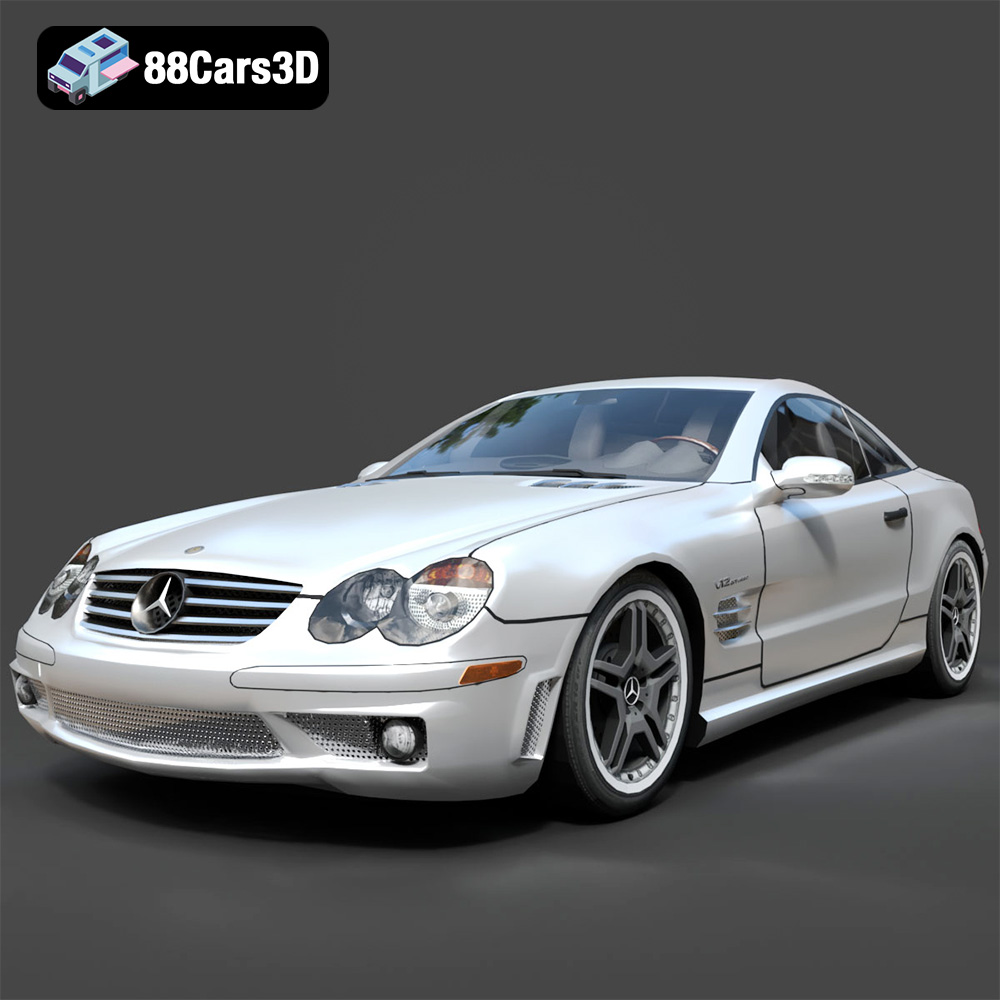
Download the Mercedes-Benz SL 65 AMG 3D Model featuring clean geometry, realistic detailing, and a fully modeled interior. Includes .blend, .fbx, .obj, .glb, .stl, .ply, .unreal, and .max formats for rendering, simulation, and game development.
Price: $23.99
Texture: Yes
Material: Yes
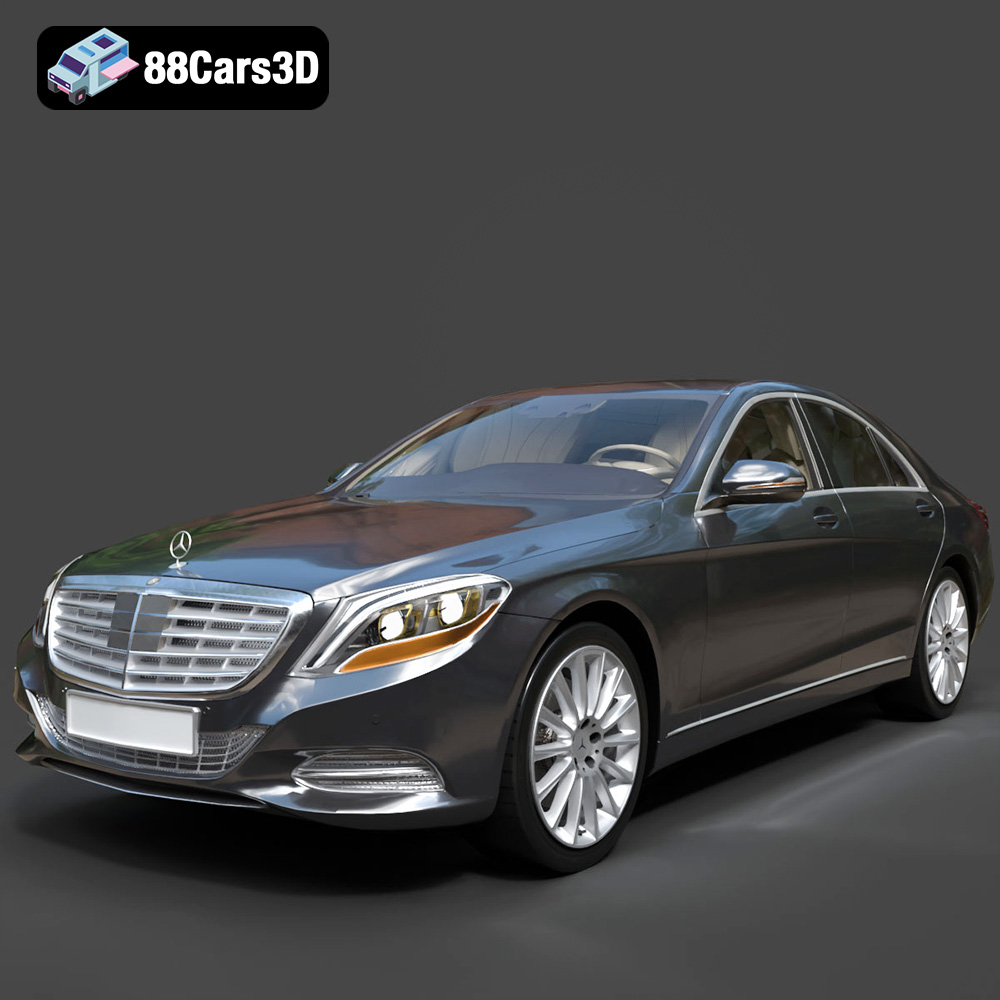
Download the Mercedes-Benz S500 3D Model featuring clean geometry, realistic detailing, and a fully modeled interior. Includes .blend, .fbx, .obj, .glb, .stl, .ply, .unreal, and .max formats for rendering, simulation, and game development.
Price: $23.99
Texture: Yes
Material: Yes
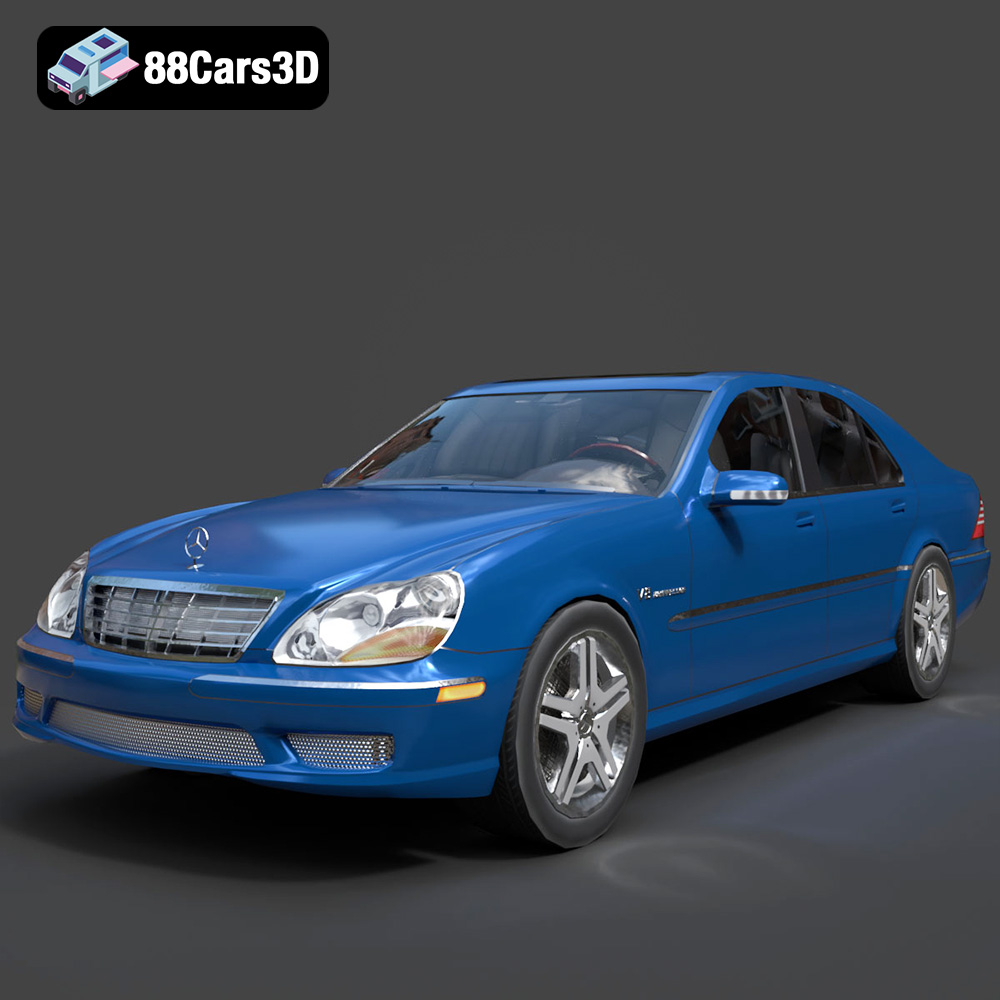
Download the Mercedes-Benz S55 W220 AMG 1999 3D Model featuring clean geometry, realistic detailing, and a fully modeled interior. Includes .blend, .fbx, .obj, .glb, .stl, .ply, .unreal, and .max formats for rendering, simulation, and game development.
Price: $23.99
Texture: Yes
Material: Yes
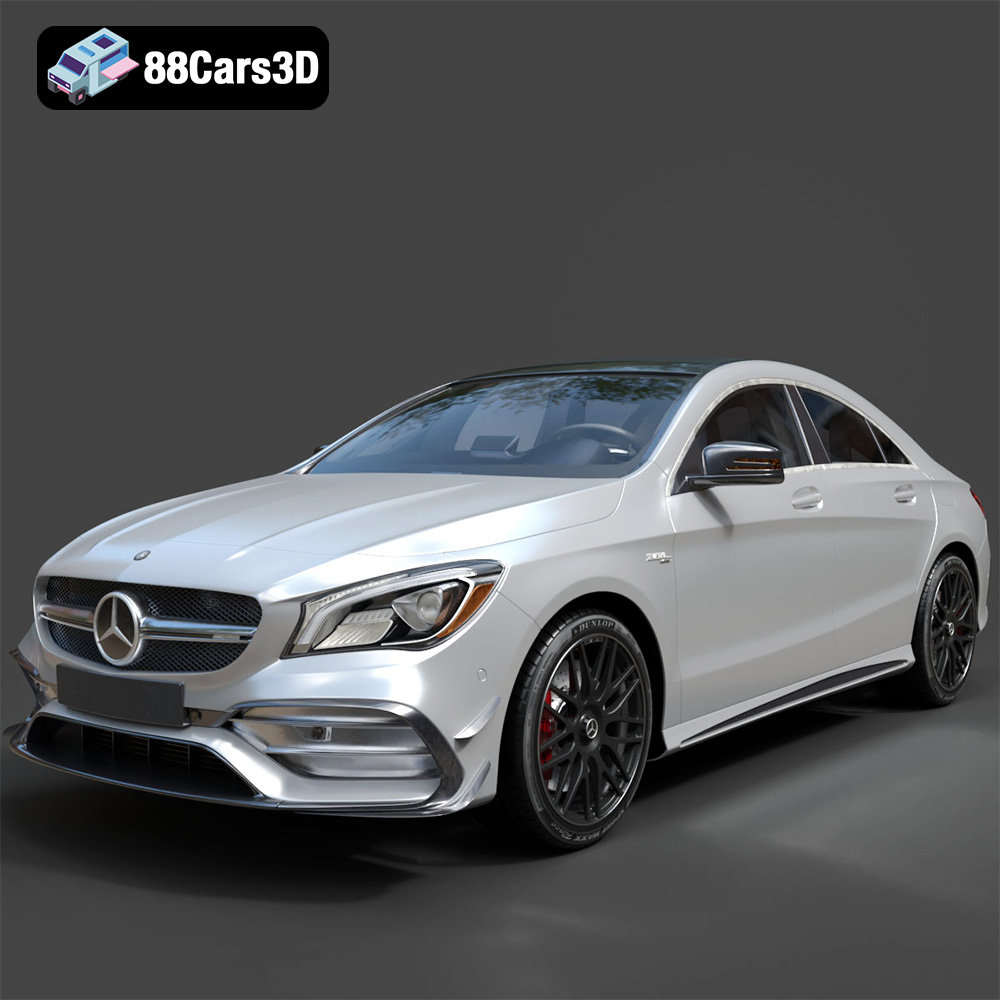
Download the Mercedes-Benz CLA45 AMG 2017 3D Model featuring clean geometry, realistic detailing, and a fully modeled interior. Includes .blend, .fbx, .obj, .glb, .stl, .ply, .unreal, and .max formats for rendering, simulation, and game development.
Price: $38.99
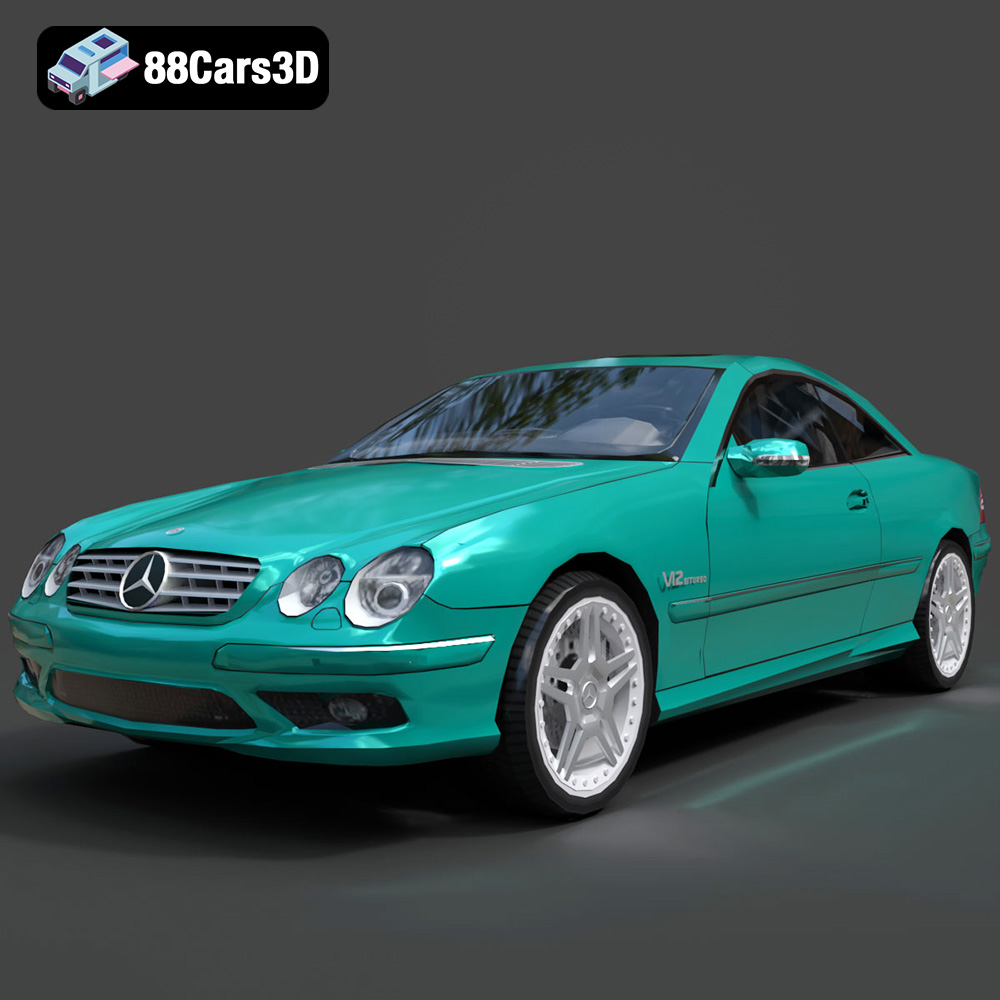
Texture: Yes
Material: Yes
Download the Mercedes-Benz CL65 C215 AMG 3D Model featuring clean geometry, realistic detailing, and a fully modeled interior. Includes .blend, .fbx, .obj, .glb, .stl, .ply, .unreal, and .max formats for rendering, simulation, and game development.
Price: $23.99
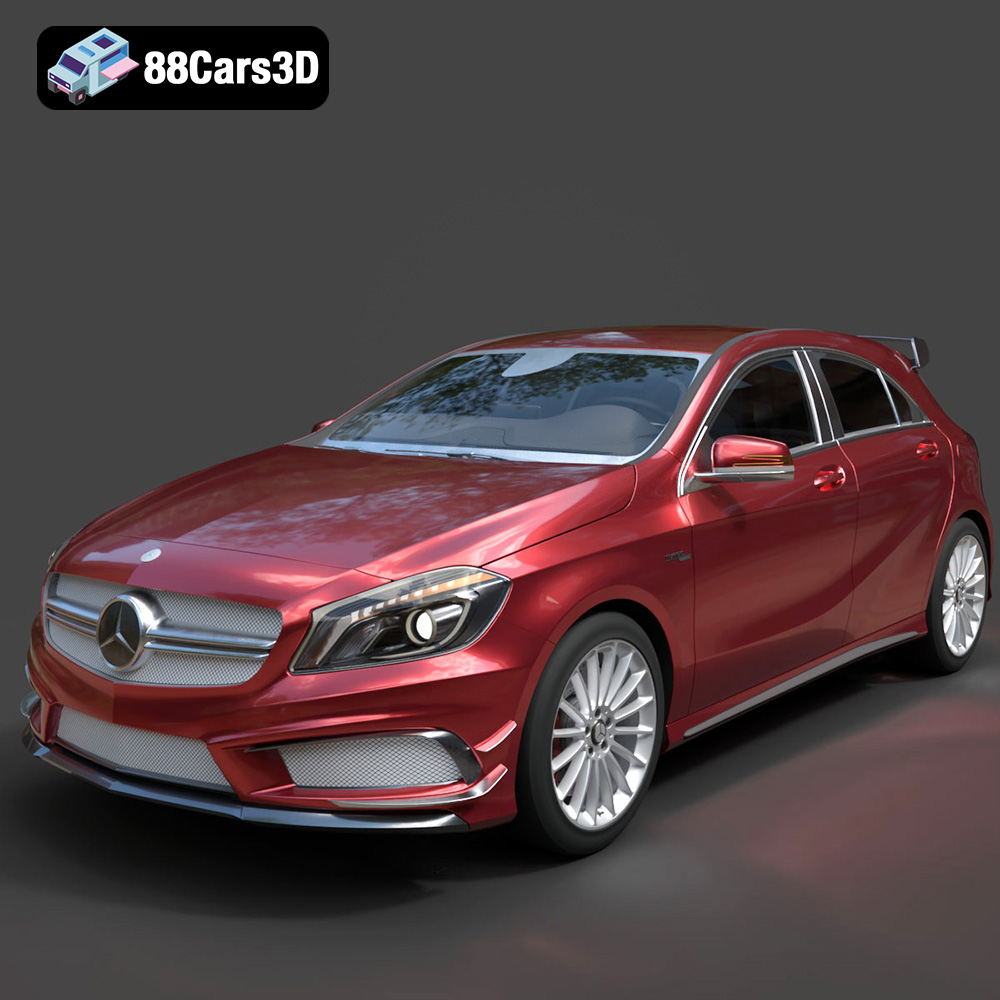
Texture: Yes
Material: Yes
Download the Mercedes-Benz A45 2021 3D Model featuring clean geometry, realistic detailing, and a fully modeled interior. Includes .blend, .fbx, .obj, .glb, .stl, .ply, .unreal, and .max formats for rendering, simulation, and game development.
Price: $23.99
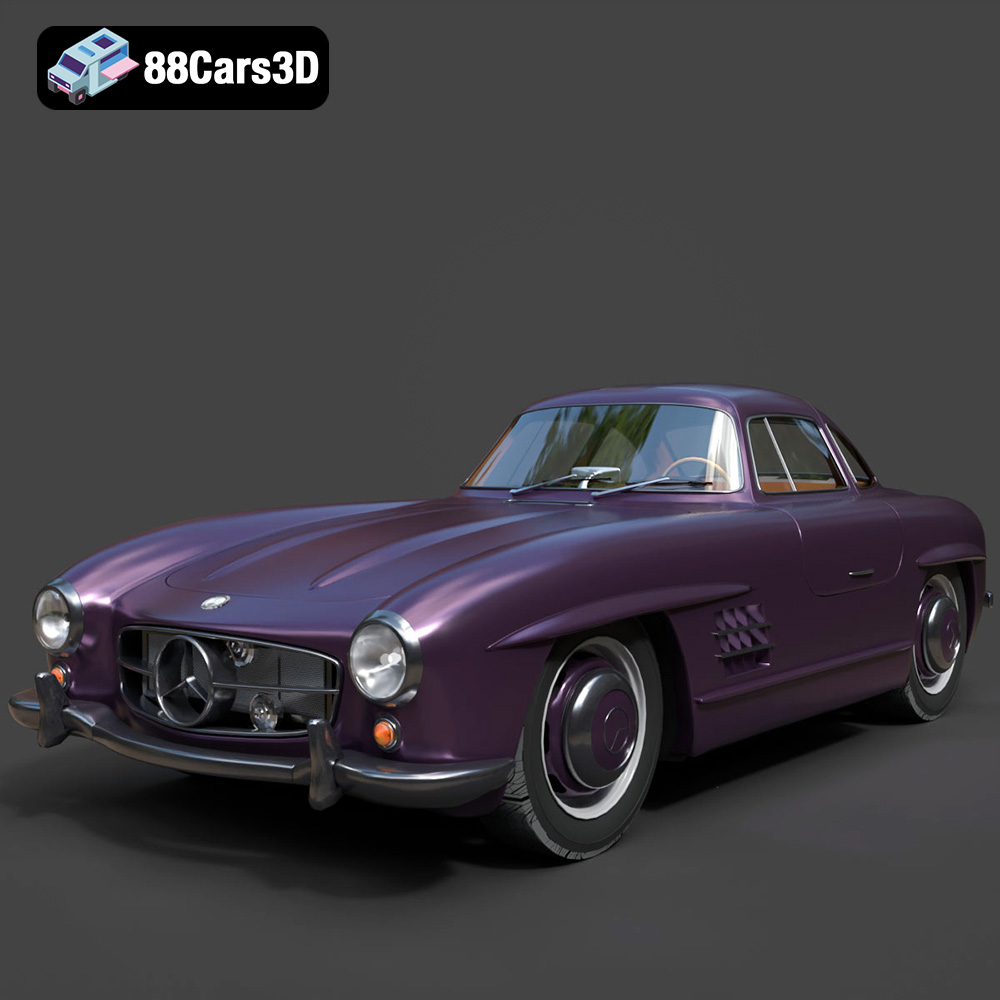
Texture: Yes
Material: Yes
Download the Mercedes-Benz 300SL 1955 3D Model featuring clean geometry, realistic detailing, and a fully modeled interior. Includes .blend, .fbx, .obj, .glb, .stl, .ply, .unreal, and .max formats for rendering, simulation, and game development.
Price: $23.99
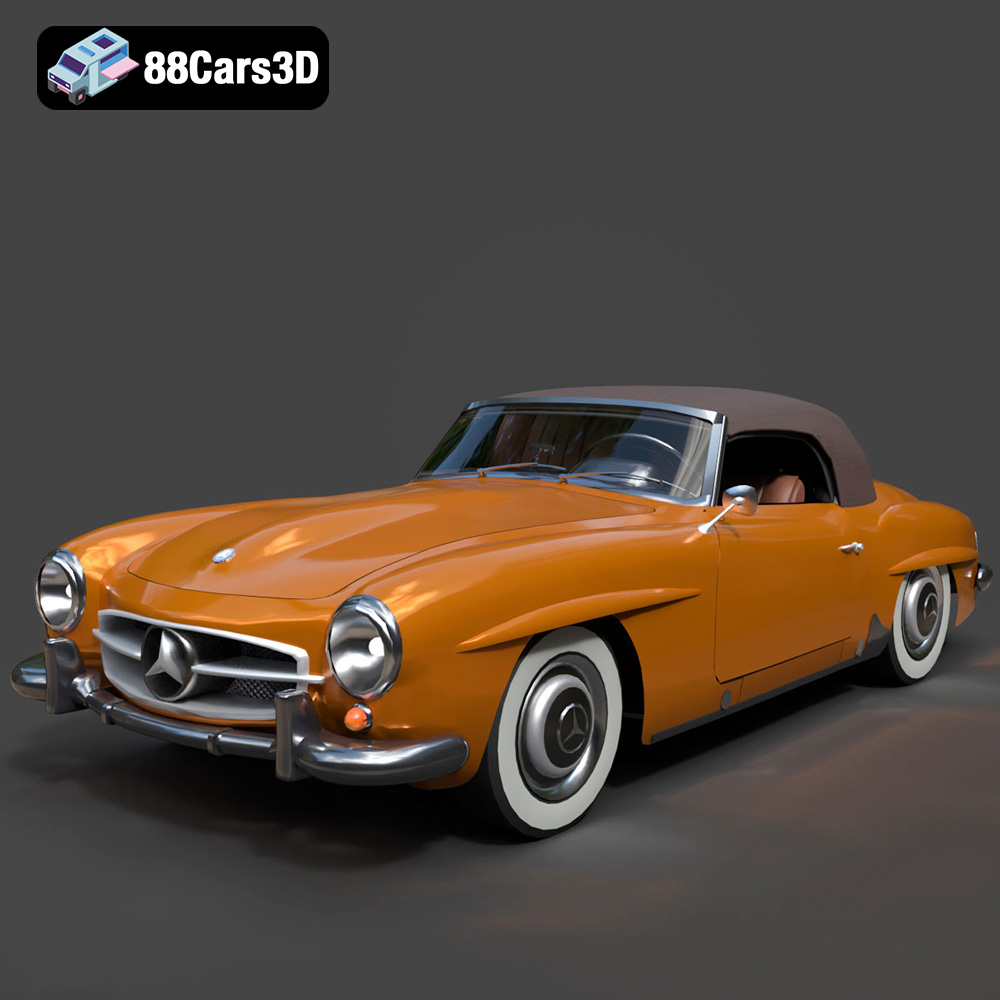
Texture: Yes
Material: Yes
Download the Mercedes-Benz 190SL 1955 3D Model featuring clean geometry, realistic detailing, and a fully modeled interior. Includes .blend, .fbx, .obj, .glb, .stl, .ply, .unreal, and .max formats for rendering, simulation, and game development.
Price: $23.99
Texture: Yes
Material: Yes
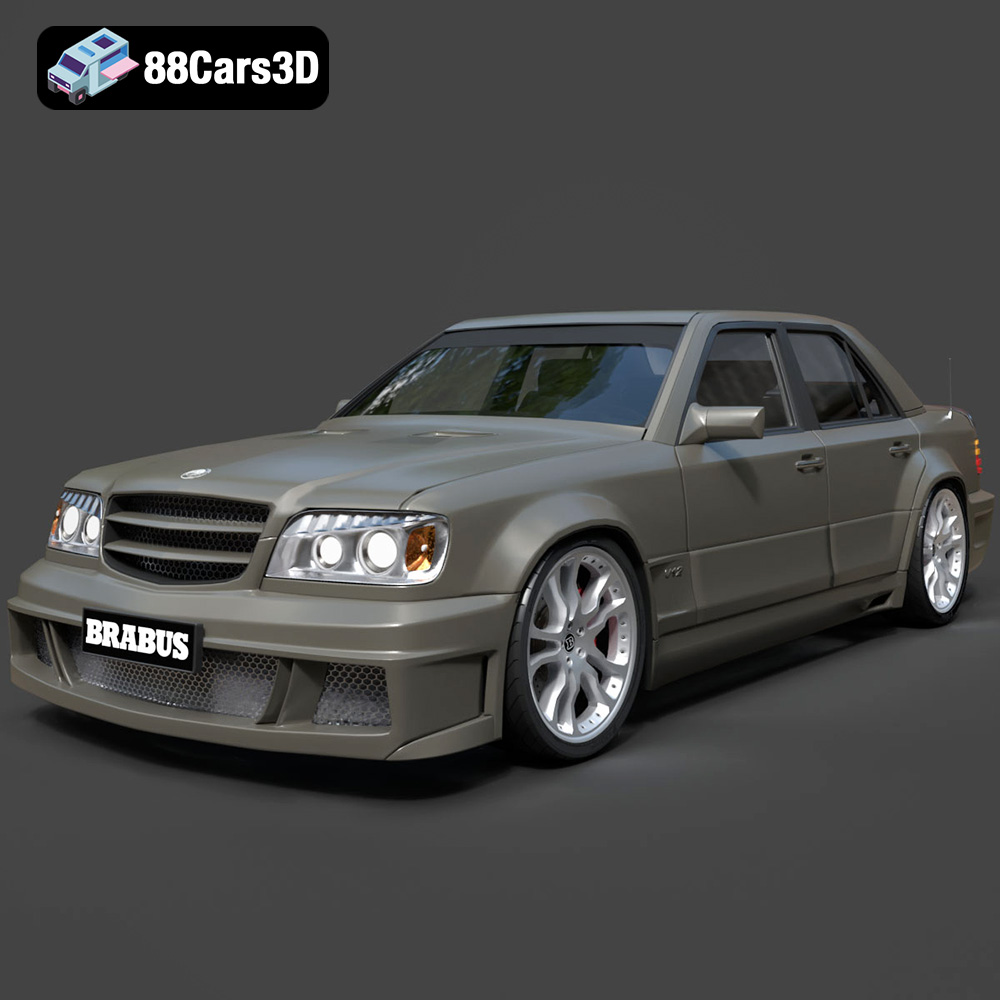
Download the Mercedes-Benz W124 Brabus V12 3D Model featuring clean geometry, realistic detailing, and a fully modeled interior. Includes .blend, .fbx, .obj, .glb, .stl, .ply, .unreal, and .max formats for rendering, simulation, and game development.
Price: $23.99
Texture: Yes
Material: Yes
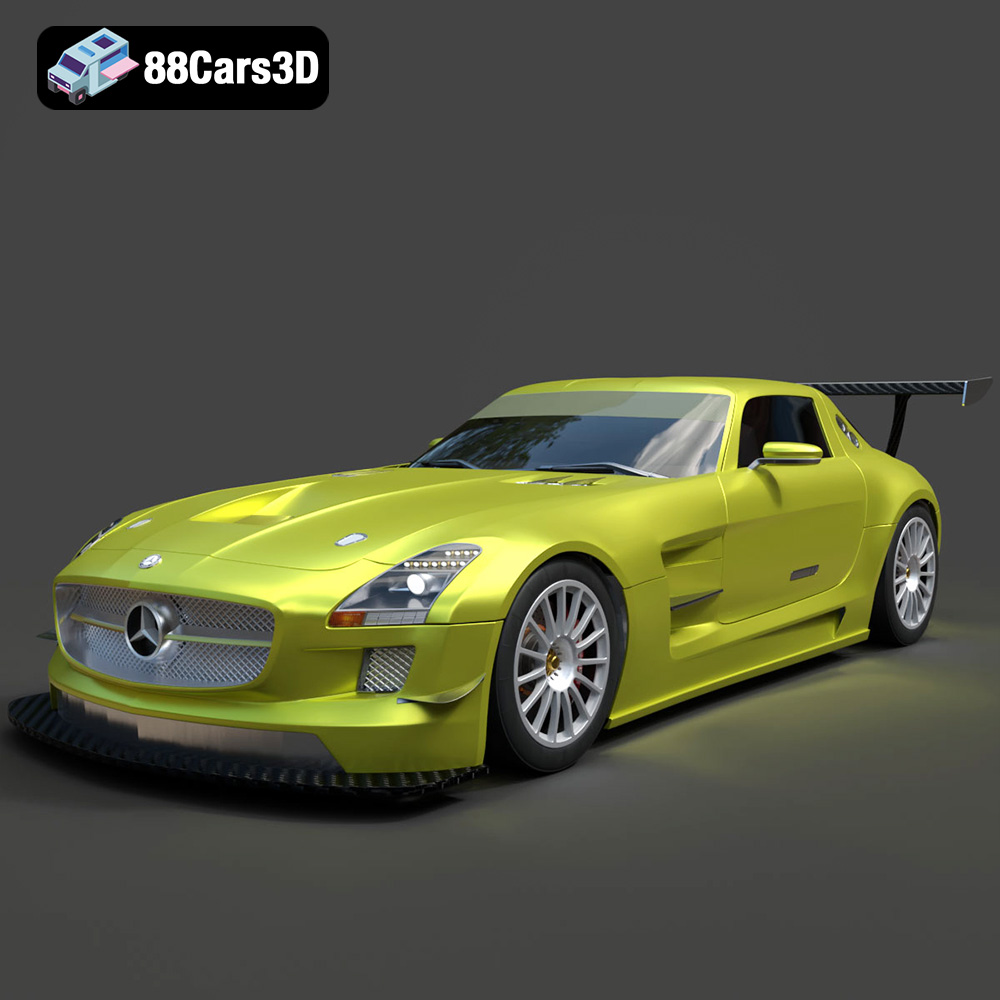
Download the Mercedes-Benz SLS AMG GT3-002 3D Model featuring clean geometry, realistic detailing, and a fully modeled interior. Includes .blend, .fbx, .obj, .glb, .stl, .ply, .unreal, and .max formats for rendering, simulation, and game development.
Price: $38.99

Texture: Yes
Material: Yes
Download the Mercedes-Benz C-Class-001 3D Model featuring clean geometry, realistic detailing, and a fully modeled interior. Includes .blend, .fbx, .obj, .glb, .stl, .ply, .unreal, and .max formats for rendering, simulation, and game development.
Price: $38.99
Texture: Yes
Material: Yes
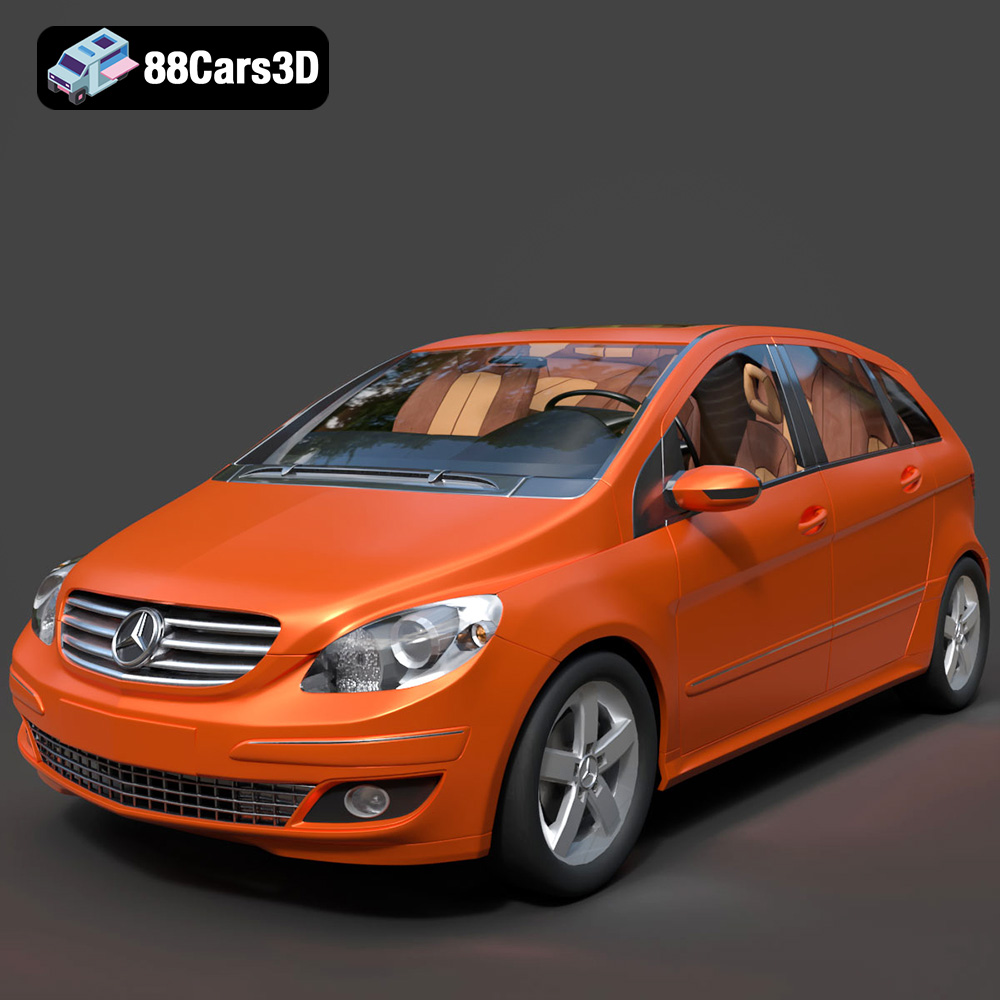
Download the Mercedes-Benz B-Klasse 2023 3D Model featuring clean geometry, realistic detailing, and a fully modeled interior. Includes .blend, .fbx, .obj, .glb, .stl, .ply, .unreal, and .max formats for rendering, simulation, and game development.
Price: $38.99
Texture: Yes
Material: Yes
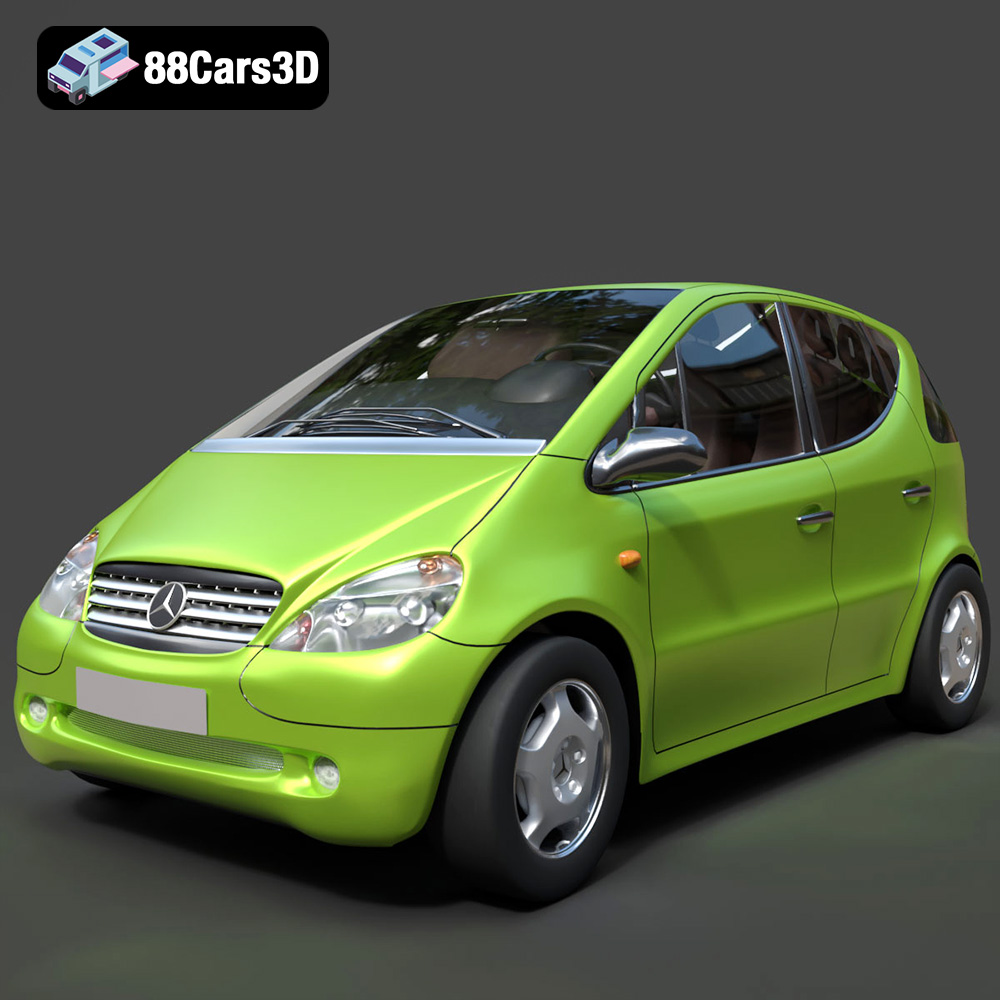
Download the Mercedes-Benz A-Klasse W168 3D Model featuring clean geometry, realistic detailing, and a fully modeled interior. Includes .blend, .fbx, .obj, .glb, .stl, .ply, .unreal, and .max formats for rendering, simulation, and game development.
Price: $38.99
Texture: Yes
Material: Yes
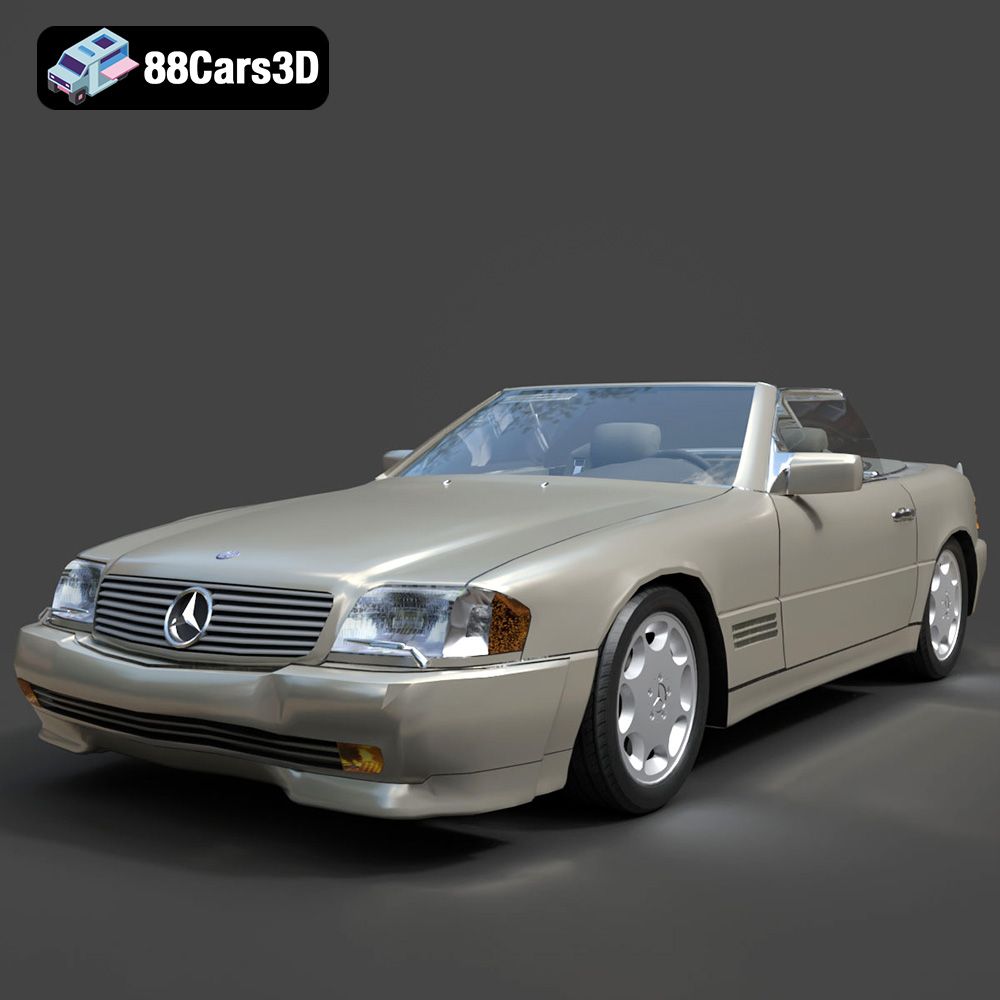
Download the Mercedes-Benz 500SL 2000 3D Model featuring clean geometry, realistic detailing, and a fully modeled interior. Includes .blend, .fbx, .obj, .glb, .stl, .ply, .unreal, and .max formats for rendering, simulation, and game development.
Price: $38.99
Texture: Yes
Material: Yes
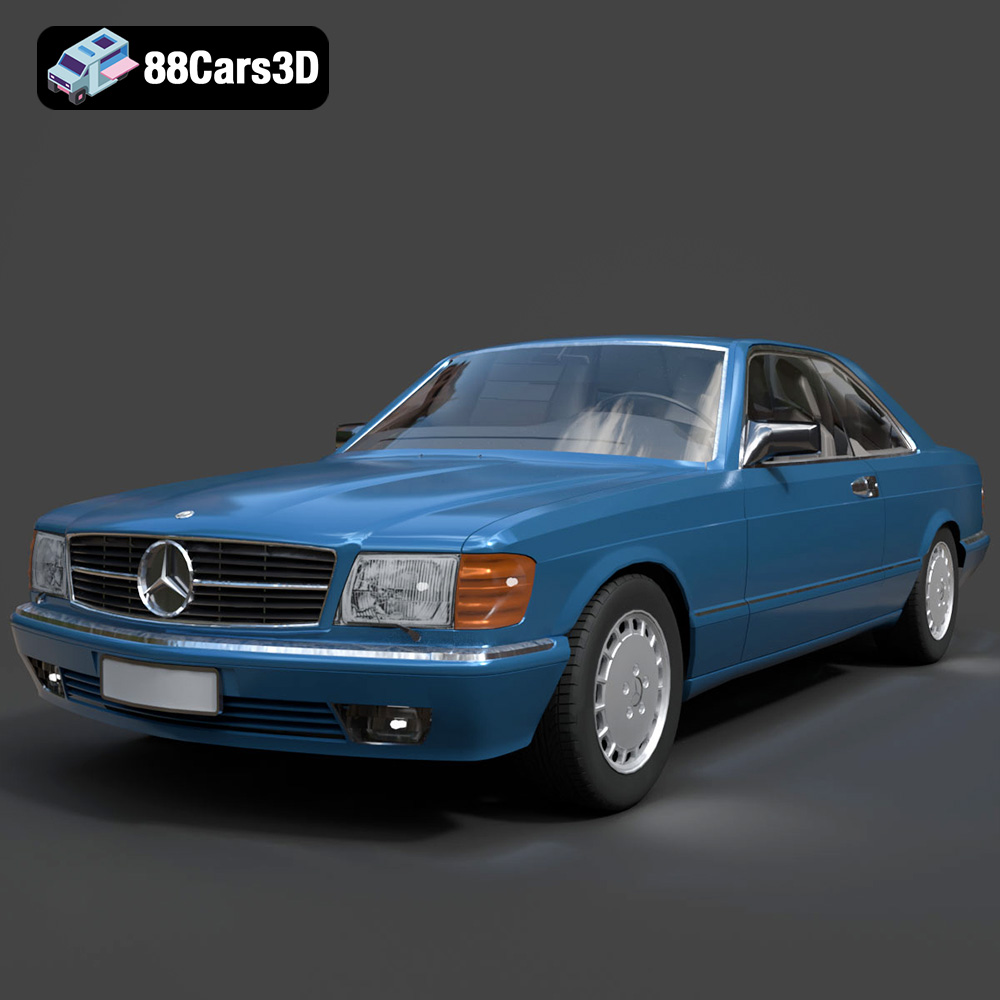
Download the Mercedes-Benz 500SEC 3D Model featuring clean geometry, realistic detailing, and a fully modeled interior. Includes .blend, .fbx, .obj, .glb, .stl, .ply, .unreal, and .max formats for rendering, simulation, and game development.
Price: $38.99
Texture: Yes
Material: Yes
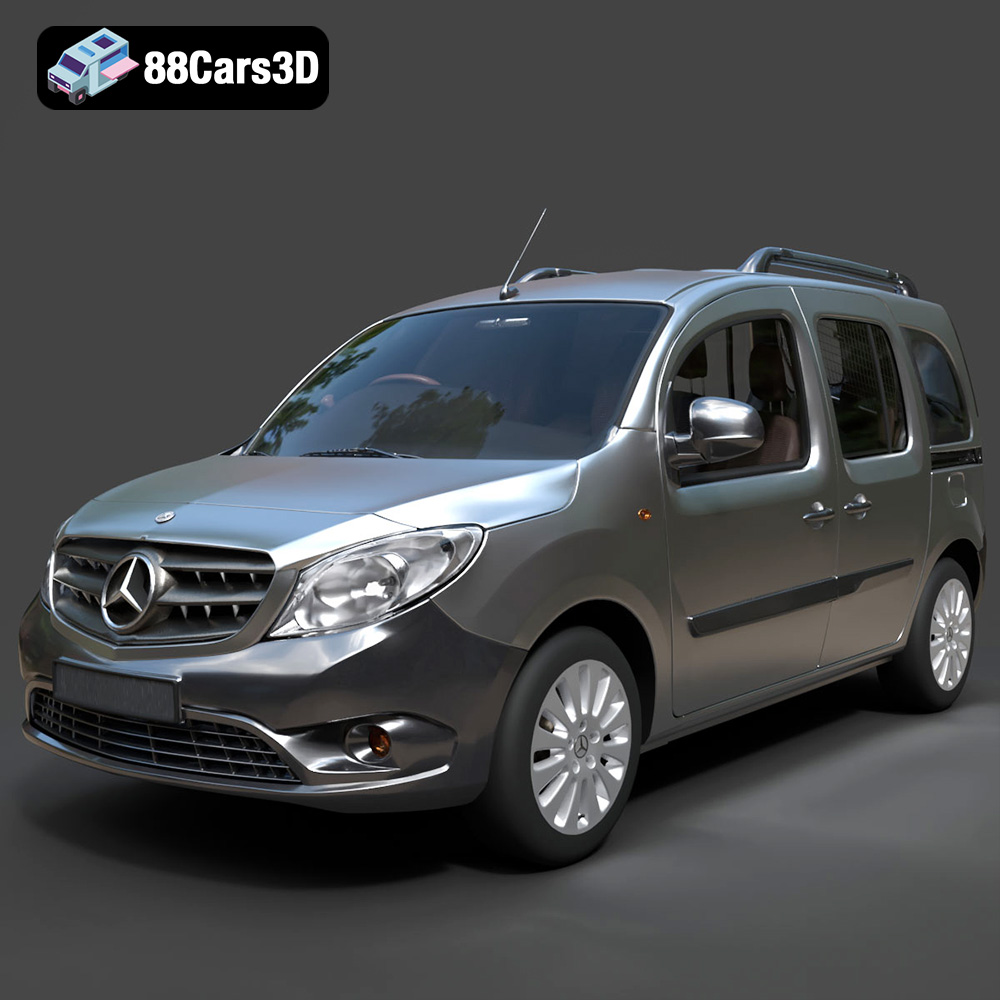
Download the Mercedes-Benz Citan 2025 3D Model featuring clean geometry, realistic detailing, and a fully modeled interior. Includes .blend, .fbx, .obj, .glb, .stl, .ply, .unreal, and .max formats for rendering, simulation, and game development.
Price: $38.99
Texture: Yes
Material: Yes
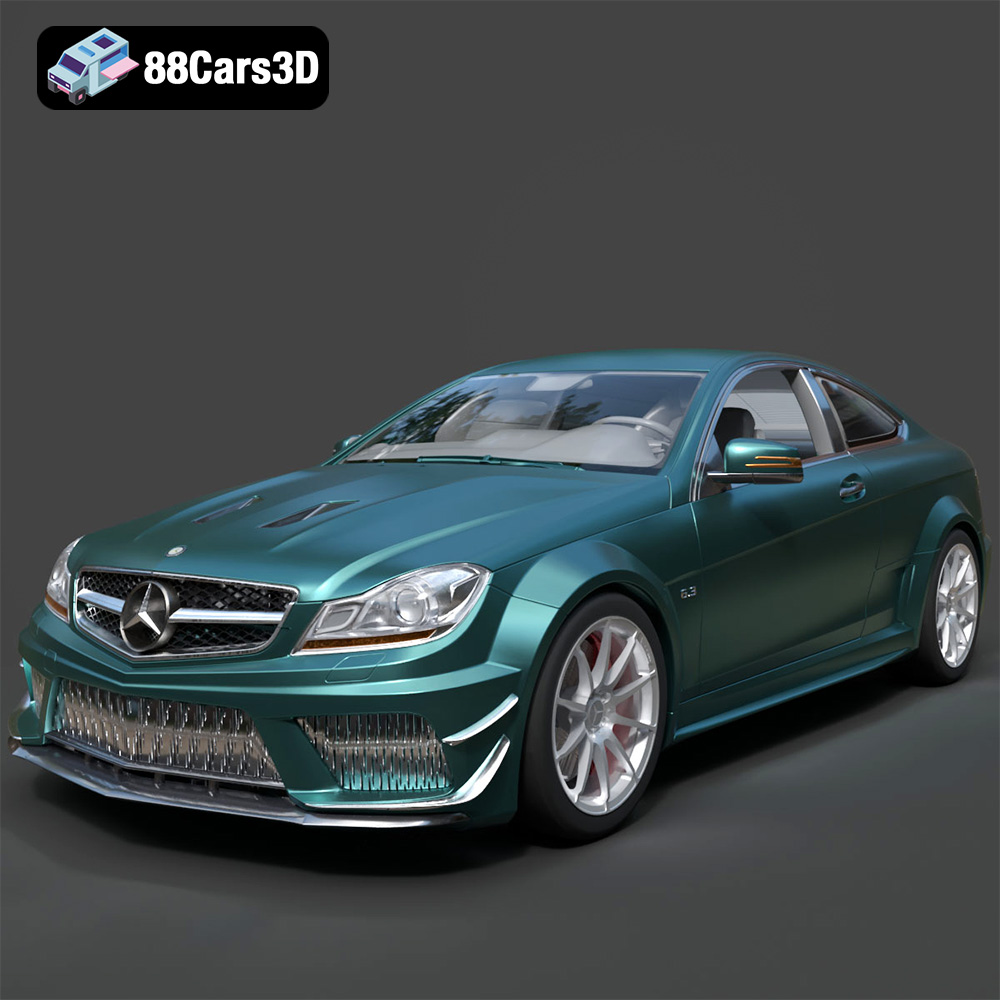
Download the Mercedes-Benz C63 AMG 2012 3D Model featuring clean geometry, realistic detailing, and a fully modeled interior. Includes .blend, .fbx, .obj, .glb, .stl, .ply, .unreal, and .max formats for rendering, simulation, and game development.
Price: $38.99

