
From NURBS to Real-Time: Optimizing CAD Automotive Data for Game Engines and Virtual Production

From NURBS to Real-Time: Optimizing CAD Automotive Data for Game Engines and Virtual Production
The sleek curves and intricate details of a modern automobile are a testament to advanced engineering and design. For years, these designs have lived primarily in specialized CAD (Computer-Aided Design) software, meticulously crafted using Non-Uniform Rational B-Splines, or NURBS. NURBS models offer unparalleled precision and flexibility, making them ideal for manufacturing and engineering specifications. However, the world of real-time rendering—be it for immersive video games, cutting-edge virtual production, or interactive configurators—demands a fundamentally different kind of data: optimized polygonal meshes.
Bridging the gap between the engineering precision of CAD and the performance requirements of real-time engines is a critical challenge for 3D artists and automotive designers today. Simply importing raw CAD data into a game engine often results in unwieldy file sizes, poor performance, and visual artifacts. This comprehensive guide will walk you through the essential steps, techniques, and best practices for transforming complex NURBS automotive data into high-fidelity, real-time-ready assets, perfectly suited for game engine optimization and virtual production pipelines. If you’re looking for a head start with high-quality, pre-optimized models, resources like 88cars3d.com offer an excellent foundation.
The CAD-to-Polygon Challenge: Bridging the Divide Between Engineering and Real-Time Graphics
At its core, the challenge lies in the fundamental differences between NURBS and polygonal modeling paradigms. NURBS define surfaces mathematically, using control points, weights, and knots to create smooth, precise curves and surfaces independent of resolution. This parametric nature is invaluable for design iterations, engineering tolerances, and manufacturing processes, ensuring perfect curvature and tangency across complex surfaces. They are, in essence, an infinite resolution surface.
Real-time rendering, on the other hand, relies exclusively on polygonal meshes. These meshes are composed of vertices, edges, and faces (triangles or quads), which are discrete, finite representations of surfaces. Modern GPUs are specifically designed to process and render these polygonal structures with incredible efficiency. The problem arises because native NURBS data cannot be directly rendered by a GPU in real-time. It must be converted, or “tessellated,” into polygons. A direct tessellation of high-fidelity NURBS can result in an astronomically high polygon count, leading to unacceptable performance in game engines.
This conversion process is where the initial hurdle presents itself. Simply turning a NURBS model into a dense polygonal mesh can introduce issues like non-manifold geometry, overlapping faces, and an unmanageable poly count that cripples real-time performance. Furthermore, the resulting mesh often lacks the clean, quad-based topology necessary for proper deformation, smooth UV unwrapping, and efficient Level of Detail (LOD) generation. Understanding this fundamental disconnect is the first step toward effective game engine optimization and building a robust virtual production pipeline.
Essential Conversion Workflow: From Raw CAD to Optimized Polygonal Mesh
Transforming raw CAD data into a real-time-ready asset requires a systematic approach. This workflow prioritizes clean geometry, efficient topology, and robust data integrity throughout the process.
Data Import and Initial Cleanup
The journey begins with importing the CAD data into your preferred 3D software (e.g., Maya, 3ds Max, Blender, or dedicated CAD visualization tools like VRED or Modo). CAD files come in various formats, such as STEP, IGES, JT, or native vendor formats like CATIA or SolidWorks files. Most 3D packages offer importers for these, though the quality of the tessellation can vary.
- Format Selection: Whenever possible, aim for formats that retain hierarchical information and material IDs.
- Unit Consistency: Ensure your scene units match the imported CAD data (e.g., meters, centimeters) to prevent scaling issues later in the game engine.
- Initial Geometry Check: After import, meticulously inspect the model for common CAD translation issues. Look for:
- Non-manifold geometry: Edges connected to more than two faces, or vertices with disconnected faces.
- Duplicate surfaces/components: Often, CAD exports can create multiple overlapping elements.
- Tiny, disconnected components: Small floating pieces that may have been insignificant in CAD but add unnecessary polycount in real-time.
- Broken surfaces or gaps: Imperfections in the original CAD or tessellation artifacts.
- Clean-up Tools: Utilize your 3D software’s tools to merge vertices, delete duplicate faces, and fix normals. This foundational cleanup is crucial for a smooth NURBS to mesh conversion.
NURBS to Mesh Conversion Strategies
Once the CAD data is clean, the next critical step is the actual NURBS to mesh conversion. This involves tessellating the mathematical NURBS surfaces into polygons. The key is to find the right balance between detail and polygon count.
- Tessellation Parameters: When converting NURBS, you’ll typically encounter parameters such as:
- Chord Height/Tolerance: Controls the maximum distance between the original NURBS surface and the resulting polygonal face. Smaller values yield more polygons and higher accuracy.
- Normal Deviation/Angle Tolerance: Defines the maximum angle between the normals of adjacent polygonal faces. Smaller angles create smoother transitions on curved surfaces.
- Edge Length: Some converters allow you to define a maximum edge length for the resulting polygons.
- Iterative Tessellation: Instead of a one-size-fits-all approach, consider tessellating different parts of the vehicle with varying parameters. High-detail areas like headlights, grilles, or complex body lines might require finer tessellation, while flatter panels or interior components visible from a distance can be more aggressively tessellated.
- Dedicated Conversion Tools: Some software, like VRED or specialized plugins, offer superior CAD data preparation and tessellation controls compared to general-purpose 3D applications, providing cleaner initial meshes.
Automotive Retopology: Crafting Clean and Efficient Geometry
Even with careful tessellation, the initial polygonal mesh from a NURBS to mesh conversion is rarely ideal for real-time applications. It often consists of long, thin triangles, unevenly distributed polygons, and poor edge flow. This is where automotive retopology becomes indispensable. Retopology is the process of rebuilding the mesh with clean, quad-based topology that is optimized for performance, UV mapping, and deformation.
- Why Retopology is Crucial:
- Performance: Clean quad topology processes more efficiently on GPUs.
- Shading: Evenly distributed quads prevent pinching and artifacts, ensuring smooth shading across surfaces.
- UV Mapping: A clean mesh with proper edge flow makes UV unwrapping significantly easier and more effective.
- LOD Generation: Well-structured topology is essential for creating robust Level of Detail (LOD) meshes through automatic or manual methods.
- Deformation/Animation: While less common for static car bodies, good topology is vital if parts need to animate (e.g., doors, suspension).
- Manual Retopology Techniques: This is often the most precise method. Artists manually draw new polygons over the high-polygon source mesh (often used as a background reference).
- Quad Drawing: Focus on creating a mesh entirely of quads.
- Edge Flow: Ensure edges follow the natural contours and creases of the car’s design, especially around panel lines, vents, and sharp transitions.
- Pole Placement: Strategically place 3-edge or 5-edge poles in areas where curvature changes significantly, but avoid them on large flat surfaces.
- Mirroring: Utilize symmetry tools for efficient workflow, as most car designs are symmetrical.
- Semi-Automatic Tools: Software like ZBrush (ZRemesher), Blender (QuadRemesher add-on), or TopoGun offer semi-automatic retopology solutions. While they can provide a good starting point, manual cleanup and refinement are almost always necessary for complex automotive surfaces to achieve ideal results.
- Component-Based Retopology: Break down the car into manageable components (body panels, wheels, lights, interior). Retopologize each part separately before assembling them. This allows for focused automotive retopology and better control over individual asset performance.
Real-Time Optimization & PBR: Sculpting Performance and Visual Fidelity
With a clean, retopologized mesh, the next phase focuses on fine-tuning its performance characteristics and preparing it for stunning visual presentation using physically based rendering (PBR).
Polygon Reduction Techniques for Game Engine Optimization
Even after meticulous retopology, your base mesh (LOD0) might still be too dense for certain real-time applications, or you might need lower-poly versions for distant views. Polygon reduction techniques are key to achieving optimal game engine optimization.
- Decimation Tools: Most 3D software includes decimation or poly-reduce modifiers. These algorithms attempt to reduce polygon count while preserving visual shape.
- Iterative Decimation: Apply reduction in stages, always visually inspecting the result.
- Target Triangle Count: Often you’ll aim for a specific triangle budget for different components or LOD levels.
- Preserve UVs/Normals: Ensure the tool doesn’t destroy existing UVs or create glaring normal inconsistencies.
- Manual Optimization: For critical areas, manual optimization is superior.
- Merging Vertices/Edges: Carefully merge redundant vertices or dissolve edges that don’t contribute to the silhouette or detail.
- Delete Hidden Geometry: Remove polygons that will never be seen (e.g., inside parts of merged components, faces inside headlights, under an engine cover).
- Component Merging: Combine small, interconnected meshes into a single mesh where appropriate to reduce draw calls, but be mindful of material assignments.
Level of Detail (LOD) Generation
LOD generation is fundamental for game engine optimization, especially for assets like cars that can be viewed from varying distances. LODs are simplified versions of the model that automatically switch based on the viewer’s distance from the object, significantly reducing the computational load for objects far away.
- LOD Strategy: Create multiple LOD levels (e.g., LOD0 – full detail, LOD1 – ~50% reduction, LOD2 – ~75% reduction, LOD3 – ~90% reduction, or even billboard/imposter for extreme distances).
- Automatic LOD Tools: Game engines like Unreal Engine and Unity have built-in LOD generation tools. External tools and plugins also exist.
- Manual Refinement: While automatic tools are useful, manual adjustments are often needed to ensure crucial silhouettes and details are maintained at lower LODs. For automotive assets, ensure distinctive features like logos, grilles, and wheel designs remain recognizable.
- UV and Material Preservation: Crucially, all LODs must share the same UV coordinates and material slots to ensure consistent texturing when they swap.
UV Mapping for Automotive Assets
UV mapping is the process of creating a 2D representation of your 3D model’s surface, allowing textures to be applied accurately. Clean UVs are non-negotiable for high-quality PBR car materials.
- Unwrapping Principles:
- No Overlaps: Prevent texture artifacts and ensure unique texture space.
- Minimal Distortion: Ensure the 2D representation closely matches the 3D surface to avoid stretched textures.
- Seam Placement: Strategically place UV seams in less visible areas (e.g., along panel gaps, under the car, inside wheel wells).
- Material ID vs. Object-Based UVs:
- Material ID Method: Each distinct material (paint, glass, chrome, rubber) gets its own UV space, often packed into a single texture atlas. This is common for game assets.
- Object-Based Method: Each logical component (e.g., body, wheel, interior) might have its own UV map and associated textures.
- Texture Packing: Efficiently arrange UV shells within the 0-1 UV space to maximize texture resolution and minimize wasted space. Use padding between shells to prevent bleed.
- Multiple UV Sets: You might need a second UV set for baked lighting, custom decals, or specific effects, separate from your main texture UVs.
Baking Essential Maps
Baking allows you to transfer high-detail information from a high-polygon source mesh (often the original tessellated CAD or a detailed sculpt) onto your optimized, low-polygon retopologized mesh. This is vital for visual fidelity without heavy geometry.
- Normal Maps: These are paramount for automotive assets. A normal map stores surface normal direction information, allowing a low-poly mesh to simulate the fine details of a high-poly mesh (e.g., sharp panel lines, bolts, small vents, badges) without adding geometry. This is a core aspect of polygon reduction techniques.
- Ambient Occlusion (AO) Maps: AO maps simulate soft, diffuse shadowing that occurs where surfaces are close together, adding depth and realism to the model. They are crucial for grounding the asset visually.
- Curvature Maps: Useful for adding edge wear or dirt accumulation to exposed edges.
- ID Maps: A color-coded map used to quickly select different material zones in texturing software like Substance Painter for efficient material application.
Crafting Photorealistic PBR Car Materials
PBR car materials are what truly bring an automotive model to life in real-time. Physically Based Rendering (PBR) workflows accurately simulate how light interacts with surfaces, resulting in highly realistic and consistent visuals across different lighting environments.
- Understanding PBR Principles: Most real-time engines use a metallic-roughness workflow.
- Base Color (Albedo): The color of the surface without any lighting information.
- Metallic: A grayscale map (0-1) indicating if a surface is a metal (1) or dielectric (0).
- Roughness: A grayscale map (0-1) defining the microscopic surface imperfections that scatter light. Low roughness = shiny, high roughness = matte.
- Normal Map: Provides high-frequency surface detail.
- Ambient Occlusion Map: Adds soft contact shadows.
- Automotive Paint Shaders: Replicating car paint is complex due to its multi-layered nature.
- Base Coat: The primary color, often metallic or pearlescent. This involves careful control over the metallic and roughness maps.
- Clear Coat: A transparent, reflective layer on top. Game engines often have specific clear coat shader models that simulate this additional reflective layer.
- Flake/Sparkle: For metallic paints, a separate texture or procedural noise can simulate the reflective flakes suspended in the base coat, often controlled by a dedicated mask.
- Glass Materials: Automotive glass requires attention to refraction, reflection, and tint.
- Opacity/Transmission: Controls transparency.
- IOR (Index of Refraction): Simulates how light bends as it passes through the glass.
- Roughness: A small amount of roughness can simulate dirt or haze.
- Tint: Base color provides the tint.
- Chrome and Other Metals: These are typically set with a high metallic value (close to 1) and varying roughness depending on polish (low roughness for mirror-like chrome, higher for brushed metal). Anisotropy can simulate brushed metal effects.
- Rubber, Plastics, and Interior Fabrics: These generally use dielectric PBR settings (metallic=0) with varying roughness and detailed normal maps to capture micro-surface details.
- Texture Resolution and Packing: Use appropriate texture resolutions (e.g., 4K for body, 2K for wheels, 1K for interior details) and consider packing multiple grayscale maps into RGB channels (e.g., roughness, metallic, AO) to save memory.
Seamless Integration into Game Engines and Virtual Production Pipelines
With your automotive data meticulously optimized and textured, the final stage involves bringing it into the real-time environment, whether it’s a game engine or a virtual production pipeline.
Exporting Optimized Data
The choice of export format is crucial for smooth integration. FBX is the industry standard for transferring 3D assets to game engines, though glTF is gaining significant traction due to its efficiency and PBR material support.
- FBX Export Settings:
- Geometry: Ensure “Smooth Groups,” “Tangents and Binormals,” and “Triangulate” options are enabled for consistent shading and normal map application.
- UVs: Export all necessary UV sets.
- Materials: Embed media if possible, or ensure textures are correctly linked.
- Animation/Rigging: If applicable, ensure skeleton and animation data is included.
- Units: Maintain consistent scale with your engine’s settings.
- glTF Export: Increasingly supported, glTF is an excellent choice for web-based real-time viewers and some engines due to its compact nature and native PBR material definition.
Importing and Setting Up in Unreal Engine/Unity
Once exported, the car model needs to be imported and configured within the game engine.
- Import Settings:
- Scale: Verify import scale matches your scene units.
- Normal Import Method: Crucial for correct normal map display. Experiment with “Import Normals and Tangents” or “Calculate Normals” if issues arise.
- Material Creation: Allow the engine to create new materials based on your imported data.
- Combine Meshes: Decide whether to combine all meshes or keep them separate based on your asset’s needs (e.g., separate for individual destruction, combined for performance).
- Applying PBR Materials: Assign your carefully crafted PBR texture maps (Base Color, Normal, Metallic, Roughness, AO) to the corresponding material slots in the engine’s shader graph. Fine-tune parameters like clear coat settings if available.
- LOD Setup in Engine: Utilize the engine’s LOD system. Assign your pre-generated LOD meshes (or let the engine generate them from your LOD0) and define appropriate screen size thresholds for switching.
- Collision Meshes: Create simplified collision meshes for physics interactions (e.g., wheels, body) to ensure efficient collision detection without using complex visual geometry.
- Lighting and Post-Processing: Set up realistic lighting (HDRI environments, directional lights, skylights) and apply post-processing effects (e.g., bloom, depth of field, color grading, screen-space reflections) to enhance realism and visual impact.
- Performance Considerations: Monitor draw calls, triangle count, and shader complexity in real-time. Identify and optimize any bottlenecks to ensure smooth frame rates, crucial for a robust virtual production pipeline.
Virtual Production Pipeline Considerations
For virtual production, where high-fidelity cars are often rendered in real-time alongside live-action footage, additional considerations apply.
- Data Consistency: Ensure the optimized car model’s appearance is consistent across all stages of the virtual production pipeline, from pre-visualization to final rendering.
- Real-Time Tracking Integration: If the car is part of a real-time set, its position and movement must be accurately tracked and synchronized with cameras and other virtual elements.
- Look Development: The materials and lighting setup in the game engine must closely match the desired cinematic look. This often involves extensive shader customization and integration with cinematic rendering features.
- Iterative Workflows: Virtual production thrives on rapid iteration. The optimization process should allow for quick updates and adjustments to the car model as creative decisions evolve.
Common Pitfalls and Best Practices for Automotive Data Optimization
Navigating the complexities of CAD-to-real-time conversion comes with its share of challenges. Being aware of common pitfalls and adhering to best practices can save significant time and effort.
Avoiding Pitfalls
- Over-optimizing Too Early: Don’t decimate your mesh aggressively before you’ve performed automotive retopology and UV mapping. A low-quality base mesh will lead to poor normal map bakes and visual degradation.
- Poor Topology Leading to Shading Issues: Triangles or N-gons on large, curved surfaces will almost always result in visible faceting or pinching. Invest time in clean, quad-based retopology.
- Incorrect Scale or Units: Inconsistent units between your CAD software, 3D package, and game engine will lead to scale mismatches, physics errors, and lighting artifacts.
- Inconsistent Material Assignments: If material IDs are not properly maintained during export, you’ll face a laborious re-assignment process in the engine.
- Neglecting LODs: Failing to implement a proper LOD generation strategy will cripple performance, especially in open-world games or detailed virtual environments.
- Texture Bleed/UV Overlaps: Overlapping UVs or insufficient padding between UV shells will cause texture artifacts, especially noticeable with baked lighting.
Best Practices
- Start Clean: Always begin with the cleanest possible CAD data. Address any geometrical issues in the source CAD or immediately after import. This is foundational for effective CAD data preparation.
- Iterative Optimization: Regularly export and test your model in the target game engine throughout the optimization process. This helps identify performance bottlenecks and visual issues early.
- Organize Your Scene: Use clear naming conventions for meshes, materials, and textures. Maintain a logical hierarchy for easy navigation and management.
- Leverage Existing Assets: For complex components like interiors or engines, consider using high-quality, pre-optimized 3D car models or parts from reputable sources. Websites like 88cars3d.com provide excellent starting points for various automotive projects.
- Document Your Process: Keep notes on polygon counts, texture resolutions, and specific optimization techniques used for different parts of the car. This is invaluable for future iterations or team collaboration.
- Reference Real-World Materials: When creating PBR car materials, always refer to real-world references for paint, glass, rubber, and metal. Pay attention to how light interacts with different finishes.
Conclusion
The journey from precise NURBS CAD data to a fully optimized, real-time-ready automotive asset is a meticulous process, but one that unlocks immense creative and technical possibilities. By mastering NURBS to mesh conversion, diligently applying automotive retopology, and expertly implementing polygon reduction techniques and LOD generation, you can transform complex engineering data into stunning visuals that perform flawlessly in game engines and virtual production pipelines.
Crafting photorealistic PBR car materials and ensuring meticulous CAD data preparation are not just technical steps; they are artistic endeavors that breathe life into your virtual vehicles. The demand for high-fidelity automotive assets in real-time environments will only continue to grow. By following these guidelines, you’ll be well-equipped to meet that demand with professional-grade results.
Ready to accelerate your projects? Explore a vast selection of high-quality, pre-optimized 3D car models for your next game development or virtual production endeavor at 88cars3d.com, and spend less time on conversion and more time on creation.
Featured 3D Car Models

Subaru BRZ 2025 3D Model
Texture: Yes
Material: Yes
Download the Subaru BRZ 2025 3D Model featuring clean geometry, realistic detailing, and a fully modeled interior. Includes .blend, .fbx, .obj, .glb, .stl, .ply, .unreal, and .max formats for rendering, simulation, and game development.
Price: $10

SsangYong Rodius 2007 3D Model
Texture: Yes
Material: Yes
Download the SsangYong Rodius 2007 3D Model featuring clean geometry, realistic detailing, and a fully modeled interior. Includes .blend, .fbx, .obj, .glb, .stl, .ply, .unreal, and .max formats for rendering, simulation, and game development.
Price: $10

Subaru Impreza 1992 3D Model
Texture: Yes
Material: Yes
Download the Subaru Impreza 1992 3D Model featuring clean geometry, realistic detailing, and a fully modeled interior. Includes .blend, .fbx, .obj, .glb, .stl, .ply, .unreal, and .max formats for rendering, simulation, and game development.
Price: $10

Subaru Impreza Sport Wagon 3D Model
Texture: Yes
Material: Yes
Download the Subaru Impreza Sport Wagon 3D Model featuring clean geometry, realistic detailing, and a fully modeled interior. Includes .blend, .fbx, .obj, .glb, .stl, .ply, .unreal, and .max formats for rendering, simulation, and game development.
Price: $10

Skoda Octavia A7 2017 3D Model
Texture: Yes
Material: Yes
Download the Skoda Octavia A7 2017 3D Model featuring clean geometry, realistic detailing, and a fully modeled interior. Includes .blend, .fbx, .obj, .glb, .stl, .ply, .unreal, and .max formats for rendering, simulation, and game development.
Price: $10

Suzuki SX4-002 3D Model
Texture: Yes
Material: Yes
Download the Suzuki SX4-002 3D Model featuring clean geometry, realistic detailing, and a fully modeled interior. Includes .blend, .fbx, .obj, .glb, .stl, .ply, .unreal, and .max formats for rendering, simulation, and game development.
Price: $10

Tesla Model S 2024 3D Model
Texture: Yes
Material: Yes
Download the Tesla Model S 2024 3D Model featuring clean geometry, realistic detailing, and a fully modeled interior. Includes .blend, .fbx, .obj, .glb, .stl, .ply, .unreal, and .max formats for rendering, simulation, and game development.
Price: $10

Subaru Impreza WRX STi-002 3D Model
Texture: Yes
Material: Yes
Download the Subaru Impreza WRX STi-002 3D Model featuring clean geometry, realistic detailing, and a fully modeled interior. Includes .blend, .fbx, .obj, .glb, .stl, .ply, .unreal, and .max formats for rendering, simulation, and game development.
Price: $10

Subaru Impreza WRX STi Sedan 3D Model
Texture: Yes
Material: Yes
Download the Subaru Impreza WRX STi Sedan 3D Model featuring clean geometry, realistic detailing, and a fully modeled interior. Includes .blend, .fbx, .obj, .glb, .stl, .ply, .unreal, and .max formats for rendering, simulation, and game development.
Price: $10

Subaru Legacy 2009 3D Model
Texture: Yes
Material: Yes
Download the Subaru Legacy 2009 3D Model featuring clean geometry, realistic detailing, and a fully modeled interior. Includes .blend, .fbx, .obj, .glb, .stl, .ply, .unreal, and .max formats for rendering, simulation, and game development.
Price: $10

Suzuki Swift 2024 3D Model
Texture: Yes
Material: Yes
Download the Suzuki Swift 2024 3D Model featuring clean geometry, realistic detailing, and a fully modeled interior. Includes .blend, .fbx, .obj, .glb, .stl, .ply, .unreal, and .max formats for rendering, simulation, and game development.
Price: $10

Suzuki Liana Sedan 2004 3D Model
Texture: Yes
Material: Yes
Download the Suzuki Liana Sedan 2004 3D Model featuring clean geometry, realistic detailing, and a fully modeled interior. Includes .blend, .fbx, .obj, .glb, .stl, .ply, .unreal, and .max formats for rendering, simulation, and game development.
Price: $10

Subaru Outback 2024 3D Model
Texture: Yes
Material: Yes
Download the Subaru Outback 2024 3D Model featuring clean geometry, realistic detailing, and a fully modeled interior. Includes .blend, .fbx, .obj, .glb, .stl, .ply, .unreal, and .max formats for rendering, simulation, and game development.
Price: $10

Subaru Legacy 2003 3D Model
Texture: Yes
Material: Yes
Download the Subaru Legacy 2003 3D Model featuring clean geometry, realistic detailing, and a fully modeled interior. Includes .blend, .fbx, .obj, .glb, .stl, .ply, .unreal, and .max formats for rendering, simulation, and game development.
Price: $10

Subaru Legacy Touring Wagon 3D Model
Texture: Yes
Material: Yes
Download the Subaru Legacy Touring Wagon 3D Model featuring clean geometry, realistic detailing, and a fully modeled interior. Includes .blend, .fbx, .obj, .glb, .stl, .ply, .unreal, and .max formats for rendering, simulation, and game development.
Price: $10

Toyota Mark II (X100) 1998 3D Model
Texture: Yes
Material: Yes
Download the Toyota Mark II (X100) 3D Model featuring clean geometry, realistic detailing, and a fully modeled interior. Includes .blend, .fbx, .obj, .glb, .stl, .ply, .unreal, and .max formats for rendering, simulation, and game development.
Price: $10

Toyota Corona 1985 3D Model
Texture: Yes
Material: Yes
Download the Toyota Corona 1985 3D Model featuring clean geometry, realistic detailing, and a fully modeled interior. Includes .blend, .fbx, .obj, .glb, .stl, .ply, .unreal, and .max formats for rendering, simulation, and game development.
Price: $10

Toyota Mark II X81 1990 3D Model
Texture: Yes
Material: Yes
Download the Toyota Mark II X81 1990 3D Model featuring clean geometry, realistic detailing, and a fully modeled interior. Includes .blend, .fbx, .obj, .glb, .stl, .ply, .unreal, and .max formats for rendering, simulation, and game development.
Price: $10

Toyota iQ EV 2012 3D Model
Texture: Yes
Material: Yes
Download the Toyota iQ EV 2012 3D Model featuring clean geometry, realistic detailing, and a fully modeled interior. Includes .blend, .fbx, .obj, .glb, .stl, .ply, .unreal, and .max formats for rendering, simulation, and game development.
Price: $10

Toyota Aygo 2013 3D Model
Texture: Yes
Material: Yes
Download the Toyota Aygo 2013 3D Model featuring clean geometry, realistic detailing, and a fully modeled interior. Includes .blend, .fbx, .obj, .glb, .stl, .ply, .unreal, and .max formats for rendering, simulation, and game development.
Price: $10

Toyota Crown S180 2005 3D Model
Texture: Yes
Material: Yes
Download the Toyota Crown S180 2005 3D Model featuring clean geometry, realistic detailing, and a fully modeled interior. Includes .blend, .fbx, .obj, .glb, .stl, .ply, .unreal, and .max formats for rendering, simulation, and game development.
Price: $10

Toyota Celica 2004 3D Model
Texture: Yes
Material: Yes
Download the Toyota Celica 2004 3D Model featuring clean geometry, realistic detailing, and a fully modeled interior. Includes .blend, .fbx, .obj, .glb, .stl, .ply, .unreal, and .max formats for rendering, simulation, and game development.
Price: $10

Toyota Corolla AE100 1992 3D Model
Texture: Yes
Material: Yes
Download the Toyota Corolla AE100 1992 3D Model featuring clean geometry, realistic detailing, and a fully modeled interior. Includes .blend, .fbx, .obj, .glb, .stl, .ply, .unreal, and .max formats for rendering, simulation, and game development.
Price: $10

Toyota Mark II X110 2000 3D Model
Texture: Yes
Material: Yes
Download the Toyota Mark II X110 2000 3D Model featuring clean geometry, realistic detailing, and a fully modeled interior. Includes .blend, .fbx, .obj, .glb, .stl, .ply, .unreal, and .max formats for rendering, simulation, and game development.
Price: $10

Toyota Corolla 2020 3D Model
Texture: Yes
Material: Yes
Download the Toyota Corolla 2020 3D Model featuring clean geometry, realistic detailing, and a fully modeled interior. Includes .blend, .fbx, .obj, .glb, .stl, .ply, .unreal, and .max formats for rendering, simulation, and game development.
Price: $10

Toyota Yaris 2020 3D Model
Texture: Yes
Material: Yes
Download the Toyota Yaris 2020 3D Model featuring clean geometry, realistic detailing, and a fully modeled interior. Includes .blend, .fbx, .obj, .glb, .stl, .ply, .unreal, and .max formats for rendering, simulation, and game development.
Price: $9.9

Volkswagen Beetle 2012 3D Model
Texture: Yes
Material: Yes
Download the Volkswagen Beetle 2012 3D Model featuring clean geometry, realistic detailing, and a fully modeled interior. Includes .blend, .fbx, .obj, .glb, .stl, .ply, .unreal, and .max formats for rendering, simulation, and game development.
Price: $9.9

Toyota Matrix 2005 3D Model
Texture: Yes
Material: Yes
Download the Toyota Matrix 2005 3D Model featuring clean geometry, realistic detailing, and a fully modeled interior. Includes .blend, .fbx, .obj, .glb, .stl, .ply, .unreal, and .max formats for rendering, simulation, and game development.
Price: $9.9

Toyota Yaris Sedan 3D Model
Texture: Yes
Material: Yes
Download the Toyota Yaris Sedan 3D Model featuring clean geometry, realistic detailing, and a fully modeled interior. Includes .blend, .fbx, .obj, .glb, .stl, .ply, .unreal, and .max formats for rendering, simulation, and game development.
Price: $9.9

Volkswagen Golf R-004 2024 3D Model
Texture: Yes
Material: Yes
Download the Volkswagen Golf R-004 2024 3D Model featuring clean geometry, realistic detailing, and a fully modeled interior. Includes .blend, .fbx, .obj, .glb, .stl, .ply, .unreal, and .max formats for rendering, simulation, and game development.
Price: $9.9

Volkswagen Golf 5 Door 2010 3D Model
Texture: Yes
Material: Yes
Download the Volkswagen Golf 5 Door 2010 3D Model featuring clean geometry, realistic detailing, and a fully modeled interior. Includes .blend, .fbx, .obj, .glb, .stl, .ply, .unreal, and .max formats for rendering, simulation, and game development.
Price: $9.9

Toyota Premio 2010 3D Model
Texture: Yes
Material: Yes
Download the Toyota Premio 2010 3D Model featuring clean geometry, realistic detailing, and a fully modeled interior. Includes .blend, .fbx, .obj, .glb, .stl, .ply, .unreal, and .max formats for rendering, simulation, and game development.
Price: $9.9

Toyota Opa 2000 3D Model
Texture: Yes
Material: Yes
Download the Toyota Opa 2000 3D Model featuring clean geometry, realistic detailing, and a fully modeled interior. Includes .blend, .fbx, .obj, .glb, .stl, .ply, .unreal, and .max formats for rendering, simulation, and game development.
Price: $9.9

Volkswagen Polo 5 Door 2010 3D Model
Texture: Yes
Material: Yes
Download the Volkswagen Polo 5 Door 2010 3D Model featuring clean geometry, realistic detailing, and a fully modeled interior. Includes .blend, .fbx, .obj, .glb, .stl, .ply, .unreal, and .max formats for rendering, simulation, and game development.
Price: $9.9

Toyota Prius 2024 3D Model
Texture: Yes
Material: Yes
Download the Toyota Prius 2024 3D Model featuring clean geometry, realistic detailing, and a fully modeled interior. Includes .blend, .fbx, .obj, .glb, .stl, .ply, .unreal, and .max formats for rendering, simulation, and game development.
Price: $9.9

Toyota Yaris 1999 3D Model
Texture: Yes
Material: Yes
Download the Toyota Yaris 1999 3D Model featuring clean geometry, realistic detailing, and a fully modeled interior. Includes .blend, .fbx, .obj, .glb, .stl, .ply, .unreal, and .max formats for rendering, simulation, and game development.
Price: $9.9

Toyota Supra 2020 3D Model
Texture: Yes
Material: Yes
Download the Toyota Supra 2020 3D Model featuring clean geometry, realistic detailing, and a fully modeled interior. Includes .blend, .fbx, .obj, .glb, .stl, .ply, .unreal, and .max formats for rendering, simulation, and game development.
Price: $9.9

Volkswagen New Beetle 2000 3D Model
Texture: Yes
Material: Yes
Download the Volkswagen New Beetle 2000 3D Model featuring clean geometry, realistic detailing, and a fully modeled interior. Includes .blend, .fbx, .obj, .glb, .stl, .ply, .unreal, and .max formats for rendering, simulation, and game development.
Price: $14.99

Volkswagen Jetta 2005 3D Model
Texture: Yes
Material: Yes
Download the Volkswagen Jetta 2005 3D Model featuring clean geometry, realistic detailing, and a fully modeled interior. Includes .blend, .fbx, .obj, .glb, .stl, .ply, .unreal, and .max formats for rendering, simulation, and game development.
Price: $18.99

Volkswagen Golf 3-Door 3D Model
Texture: Yes
Material: Yes
Download the Volkswagen Golf 3-Door 3D Model featuring clean geometry, realistic detailing, and a fully modeled interior. Includes .blend, .fbx, .obj, .glb, .stl, .ply, .unreal, and .max formats for rendering, simulation, and game development.
Price: $14.99

Volvo V70 2005 3D Model
Texture: Yes
Material: Yes
Download the Volvo V70 2005 3D Model featuring clean geometry, realistic detailing, and a fully modeled interior. Includes .blend, .fbx, .obj, .glb, .stl, .ply, .unreal, and .max formats for rendering, simulation, and game development.
Price: $14.99

Volkswagen Bora 2004 3D Model
Texture: Yes
Material: Yes
Download the Volkswagen Bora 2004 3D Model featuring clean geometry, realistic detailing, and a fully modeled interior. Includes .blend, .fbx, .obj, .glb, .stl, .ply, .unreal, and .max formats for rendering, simulation, and game development.
Price: $14.99

Volkswagen Lupo 3D Model
Texture: Yes
Material: Yes
Download the Volkswagen Lupo 3D Model featuring clean geometry, realistic detailing, and a fully modeled interior. Includes .blend, .fbx, .obj, .glb, .stl, .ply, .unreal, and .max formats for rendering, simulation, and game development.
Price: $19.99

Volkswagen Passat B5 2000 3D Model
Texture: Yes
Material: Yes
Download the Volkswagen Passat B5 2000 3D Model featuring clean geometry, realistic detailing, and a fully modeled interior. Includes .blend, .fbx, .obj, .glb, .stl, .ply, .unreal, and .max formats for rendering, simulation, and game development.
Price: $19.99

Volkswagen Passat CC 3D Model
Texture: Yes
Material: Yes
Download the Volkswagen Passat CC 3D Model featuring clean geometry, realistic detailing, and a fully modeled interior. Includes .blend, .fbx, .obj, .glb, .stl, .ply, .unreal, and .max formats for rendering, simulation, and game development.
Price: $19.99

Volkswagen Golf V 2006 3D Model
Texture: Yes
Material: Yes
Download the Volkswagen Golf V 2006 3D Model featuring clean geometry, realistic detailing, and a fully modeled interior. Includes .blend, .fbx, .obj, .glb, .stl, .ply, .unreal, and .max formats for rendering, simulation, and game development.
Price: $19.99

Volvo S60 R-Design 2024 3D Model
Texture: Yes
Material: Yes
Download the Volvo S60 R-Design 3D Model featuring clean geometry, realistic detailing, and a fully modeled interior. Includes .blend, .fbx, .obj, .glb, .stl, .ply, .unreal, and .max formats for rendering, simulation, and game development.
Price: $19.99

Volkswagen Passat 2025 3D Model
Texture: Yes
Material: Yes
Download the Volkswagen Passat 2025 3D Model featuring clean geometry, realistic detailing, and a fully modeled interior. Includes .blend, .fbx, .obj, .glb, .stl, .ply, .unreal, and .max formats for rendering, simulation, and game development.
Price: $25.99

Volkswagen Passat Variant B6 2005 3D Model
Texture: Yes
Material: Yes
Download the Volkswagen Passat Variant B6 2005 3D Model featuring clean geometry, realistic detailing, and a fully modeled interior. Includes .blend, .fbx, .obj, .glb, .stl, .ply, .unreal, and .max formats for rendering, simulation, and game development.
Price: $25.99

Volkswagen Phaeton W12 2004 3D Model
Texture: Yes
Material: Yes
Download the Volkswagen Phaeton W12 2004 3D Model featuring clean geometry, realistic detailing, and a fully modeled interior. Includes .blend, .fbx, .obj, .glb, .stl, .ply, .unreal, and .max formats for rendering, simulation, and game development.
Price: $25.99

Volkswagen Scirocco 2015 3D Model
Texture: Yes
Material: Yes
Download the Volkswagen Scirocco 2015 3D Model featuring clean geometry, realistic detailing, and a fully modeled interior. Includes .blend, .fbx, .obj, .glb, .stl, .ply, .unreal, and .max formats for rendering, simulation, and game development.
Price: $25.99

Volvo S60 2024 3D Model
Texture: Yes
Material: Yes
Download the Volvo S60 2024 3D Model featuring clean geometry, realistic detailing, and a fully modeled interior. Includes .blend, .fbx, .obj, .glb, .stl, .ply, .unreal, and .max formats for rendering, simulation, and game development.
Price: $25.99

Volkswagen Polo 3D Model
Texture: Yes
Material: Yes
Download the Volkswagen Polo 3D Model featuring clean geometry, realistic detailing, and a fully modeled interior. Includes .blend, .fbx, .obj, .glb, .stl, .ply, .unreal, and .max formats for rendering, simulation, and game development.
Price: $25.99

Volkswagen Golf 5-Doors 2018 3D Model
Texture: Yes
Material: Yes
Download the Volkswagen Golf 5-Doors 3D Model featuring clean geometry, realistic detailing, and a fully modeled interior. Includes .blend, .fbx, .obj, .glb, .stl, .ply, .unreal, and .max formats for rendering, simulation, and game development.
Price: $25.99

Volvo C70 T5 2000 3D Model
Texture: Yes
Material: Yes
Download the Volvo C70 T5 2000 3D Model featuring clean geometry, realistic detailing, and a fully modeled interior. Includes .blend, .fbx, .obj, .glb, .stl, .ply, .unreal, and .max formats for rendering, simulation, and game development.
Price: $23.99

Volvo S40 Sedan 2004 3D Model
Texture: Yes
Material: Yes
Download the Volvo S40 Sedan 2004 3D Model featuring clean geometry, realistic detailing, and a fully modeled interior. Includes .blend, .fbx, .obj, .glb, .stl, .ply, .unreal, and .max formats for rendering, simulation, and game development.
Price: $23.99

Volvo C30 BEV 2012 3D Model
Texture: Yes
Material: Yes
Download the Volvo C30 BEV 2012 3D Model featuring clean geometry, realistic detailing, and a fully modeled interior. Includes .blend, .fbx, .obj, .glb, .stl, .ply, .unreal, and .max formats for rendering, simulation, and game development.
Price: $23.99

Volvo C70 1998 3D Model
Texture: Yes
Material: Yes
Download the Volvo C70 1998 3D Model featuring clean geometry, realistic detailing, and a fully modeled interior. Includes .blend, .fbx, .obj, .glb, .stl, .ply, .unreal, and .max formats for rendering, simulation, and game development.
Price: $23.99

Mazda B-Series 3D Model
Texture: Yes
Material: Yes
Download the Mazda B-Series 3D Model featuring clean geometry, realistic detailing, and a fully modeled interior. Includes .blend, .fbx, .obj, .glb, .stl, .ply, .unreal, and .max formats for rendering, simulation, and game development.
Price: $23.99

Mercsedes Benz Z3-006 3D Model
Texture: Yes
Material: Yes
Download the Mercsedes Benz Z3-006 3D Model featuring clean geometry, realistic detailing, and a fully modeled interior. Includes .blend, .fbx, .obj, .glb, .stl, .ply, .unreal, and .max formats for rendering, simulation, and game development.
Price: $23.99

Mazda RX-7 3D Model
Texture: Yes
Material: Yes
Download the Mazda RX-7 3D Model featuring clean geometry, realistic detailing, and a fully modeled interior. Includes .blend, .fbx, .obj, .glb, .stl, .ply, .unreal, and .max formats for rendering, simulation, and game development.
Price: $23.99

Volvo VCC-003 3D Model
Texture: Yes
Material: Yes
Download the Volvo VCC-003 3D Model featuring clean geometry, realistic detailing, and a fully modeled interior. Includes .blend, .fbx, .obj, .glb, .stl, .ply, .unreal, and .max formats for rendering, simulation, and game development.
Price: $23.99

Mercedes-Benz SLR McLaren 2005 3D Model
Texture: Yes
Material: Yes
Download the Mercedes-Benz SLR McLaren 2005 3D Model featuring clean geometry, realistic detailing, and a fully modeled interior. Includes .blend, .fbx, .obj, .glb, .stl, .ply, .unreal, and .max formats for rendering, simulation, and game development.
Price: $23.99

GAZ 3110 Pickup 2000 3D Model
Texture: Yes
Material: Yes
Download the GAZ 3110 Pickup 3D Model featuring clean geometry, realistic detailing, and a fully modeled interior. Includes .blend, .fbx, .obj, .glb, .stl, .ply, .unreal, and .max formats for rendering, simulation, and game development.
Price: $23.99

Mazda 626 GF 1997 3D Model
Texture: Yes
Material: Yes
Download the Mazda 626 GF 1997 3D Model featuring clean geometry, realistic detailing, and a fully modeled interior. Includes .blend, .fbx, .obj, .glb, .stl, .ply, .unreal, and .max formats for rendering, simulation, and game development.
Price: $23.99

Volvo S80 2011 3D Model
Texture: Yes
Material: Yes
Download the Volvo S80 2011 3D Model featuring clean geometry, realistic detailing, and a fully modeled interior. Includes .blend, .fbx, .obj, .glb, .stl, .ply, .unreal, and .max formats for rendering, simulation, and game development.
Price: $23.99

Volkswagen Touran restyle-006 3D Model
Texture: Yes
Material: Yes
Download the Volkswagen Touran restyle-006 3D Model featuring clean geometry, realistic detailing, and a fully modeled interior. Includes .blend, .fbx, .obj, .glb, .stl, .ply, .unreal, and .max formats for rendering, simulation, and game development.
Price: $23.99

Skoda Octavia Scout 3D Model
Texture: Yes
Material: Yes
Download the Skoda Octavia Scout 3D Model featuring clean geometry, realistic detailing, and a fully modeled interior. Includes .blend, .fbx, .obj, .glb, .stl, .ply, .unreal, and .max formats for rendering, simulation, and game development.
Price: $23.99

Volkswagen Golf V 2006 3D Model
Texture: Yes
Material: Yes
Download the Volkswagen Golf V 2006 3D Model featuring clean geometry, realistic detailing, and a fully modeled interior. Includes .blend, .fbx, .obj, .glb, .stl, .ply, .unreal, and .max formats for rendering, simulation, and game development.
Price: $23.99

Mazda CX-7 3D Model
Texture: Yes
Material: Yes
Download the Mazda CX-7 3D Model featuring clean geometry, realistic detailing, and a fully modeled interior. Includes .blend, .fbx, .obj, .glb, .stl, .ply, .unreal, and .max formats for rendering, simulation, and game development.
Price: $23.99

Mazda Familia 3D Model
Texture: Yes
Material: Yes
Download the Mazda Familia 3D Model featuring clean geometry, realistic detailing, and a fully modeled interior. Includes .blend, .fbx, .obj, .glb, .stl, .ply, .unreal, and .max formats for rendering, simulation, and game development.
Price: $23.99

GAS 21 3D Model
Texture: Yes
Material: Yes
Download the GAS 21 3D Model featuring clean geometry, realistic detailing, and a fully modeled interior. Includes .blend, .fbx, .obj, .glb, .stl, .ply, .unreal, and .max formats for rendering, simulation, and game development.
Price: $23.99

Mercedes-Benz SL500 AMG (R129) 3D Model
Texture: Yes
Material: Yes
Download the Mercedes-Benz SL500 AMG (R129) 3D Model featuring clean geometry, realistic detailing, and a fully modeled interior. Includes .blend, .fbx, .obj, .glb, .stl, .ply, .unreal, and .max formats for rendering, simulation, and game development.
Price: $23.99

Mercedes-Benz S-Class W221 2005 3D Model
Texture: Yes
Material: Yes
Download the Mercedes-Benz S-Class W221 2005 3D Model featuring clean geometry, realistic detailing, and a fully modeled interior. Includes .blend, .fbx, .obj, .glb, .stl, .ply, .unreal, and .max formats for rendering, simulation, and game development.
Price: $23.99

Mercedes-Benz E-Class W212 2009 3D Model
Texture: Yes
Material: Yes
Download the Mercedes-Benz E-Class W212 2009 3D Model featuring clean geometry, realistic detailing, and a fully modeled interior. Includes .blend, .fbx, .obj, .glb, .stl, .ply, .unreal, and .max formats for rendering, simulation, and game development.
Price: $23.99

Mercedes-Benz E-class Estate S212 2009 3D Model
Texture: Yes
Material: Yes
Download the Mercedes-Benz E-class Estate S212 2009 3D Model featuring clean geometry, realistic detailing, and a fully modeled interior. Includes .blend, .fbx, .obj, .glb, .stl, .ply, .unreal, and .max formats for rendering, simulation, and game development.
Price: $23.99

Mercedes-Benz 190 W201 3D Model
Texture: Yes
Material: Yes
Download the Mercedes-Benz 190 W201 3D Model featuring clean geometry, realistic detailing, and a fully modeled interior. Includes .blend, .fbx, .obj, .glb, .stl, .ply, .unreal, and .max formats for rendering, simulation, and game development.
Price: $23.99

Mercedes-Benz C230 SportCoupé 2005 3D Model
Texture: Yes
Material: Yes
Download the Mercedes-Benz C230 SportCoupé 2005 3D Model featuring clean geometry, realistic detailing, and a fully modeled interior. Includes .blend, .fbx, .obj, .glb, .stl, .ply, .unreal, and .max formats for rendering, simulation, and game development.
Price: $23.99

Mercedes-Benz SLK 3D Model
Texture: Yes
Material: Yes
Download the Mercedes-Benz SLK 3D Model featuring clean geometry, realistic detailing, and a fully modeled interior. Includes .blend, .fbx, .obj, .glb, .stl, .ply, .unreal, and .max formats for rendering, simulation, and game development.
Price: $23.99

Mercedes 600 SEC W140 1992 3D Model
Texture: Yes
Material: Yes
Download the Mercedes 600 SEC W140 1992 3D Model featuring clean geometry, realistic detailing, and a fully modeled interior. Includes .blend, .fbx, .obj, .glb, .stl, .ply, .unreal, and .max formats for rendering, simulation, and game development.
Price: $23.99

Mercedes S-Class 2010 3D Model
Texture: Yes
Material: Yes
Download the Mercedes S-Class 2010 3D Model featuring clean geometry, realistic detailing, and a fully modeled interior. Includes .blend, .fbx, .obj, .glb, .stl, .ply, .unreal, and .max formats for rendering, simulation, and game development.
Price: $23.99

McLaren MP4-12C-001 3D Model
Texture: Yes
Material: Yes
Download the McLaren MP4-12C-001 3D Model featuring clean geometry, realistic detailing, and a fully modeled interior. Includes .blend, .fbx, .obj, .glb, .stl, .ply, .unreal, and .max formats for rendering, simulation, and game development.
Price: $23.99

Mercedes-Benz SLK 350 2005 3D Model
Texture: Yes
Material: Yes
Download the Mercedes-Benz SLK 350 2005 3D Model featuring clean geometry, realistic detailing, and a fully modeled interior. Includes .blend, .fbx, .obj, .glb, .stl, .ply, .unreal, and .max formats for rendering, simulation, and game development.
Price: $23.99
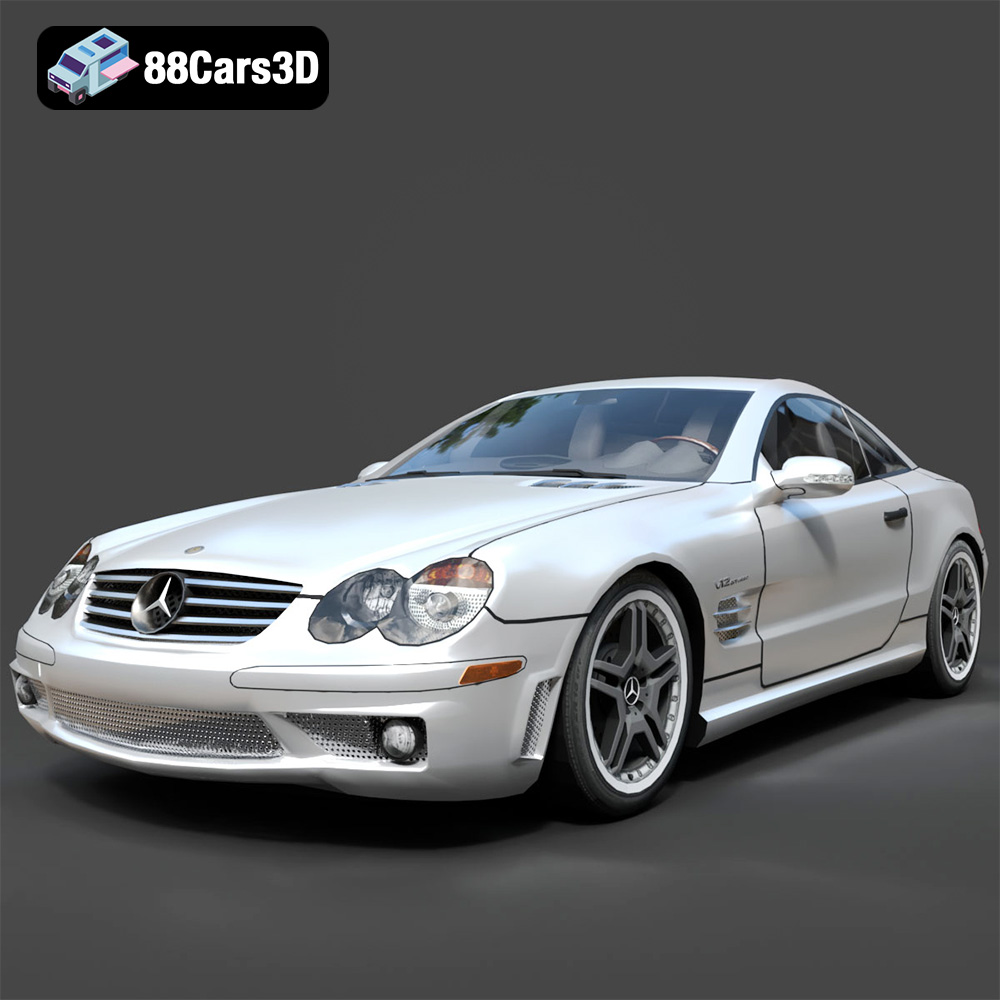
Mercedes-Benz SL 65 AMG 3D Model
Texture: Yes
Material: Yes
Download the Mercedes-Benz SL 65 AMG 3D Model featuring clean geometry, realistic detailing, and a fully modeled interior. Includes .blend, .fbx, .obj, .glb, .stl, .ply, .unreal, and .max formats for rendering, simulation, and game development.
Price: $23.99
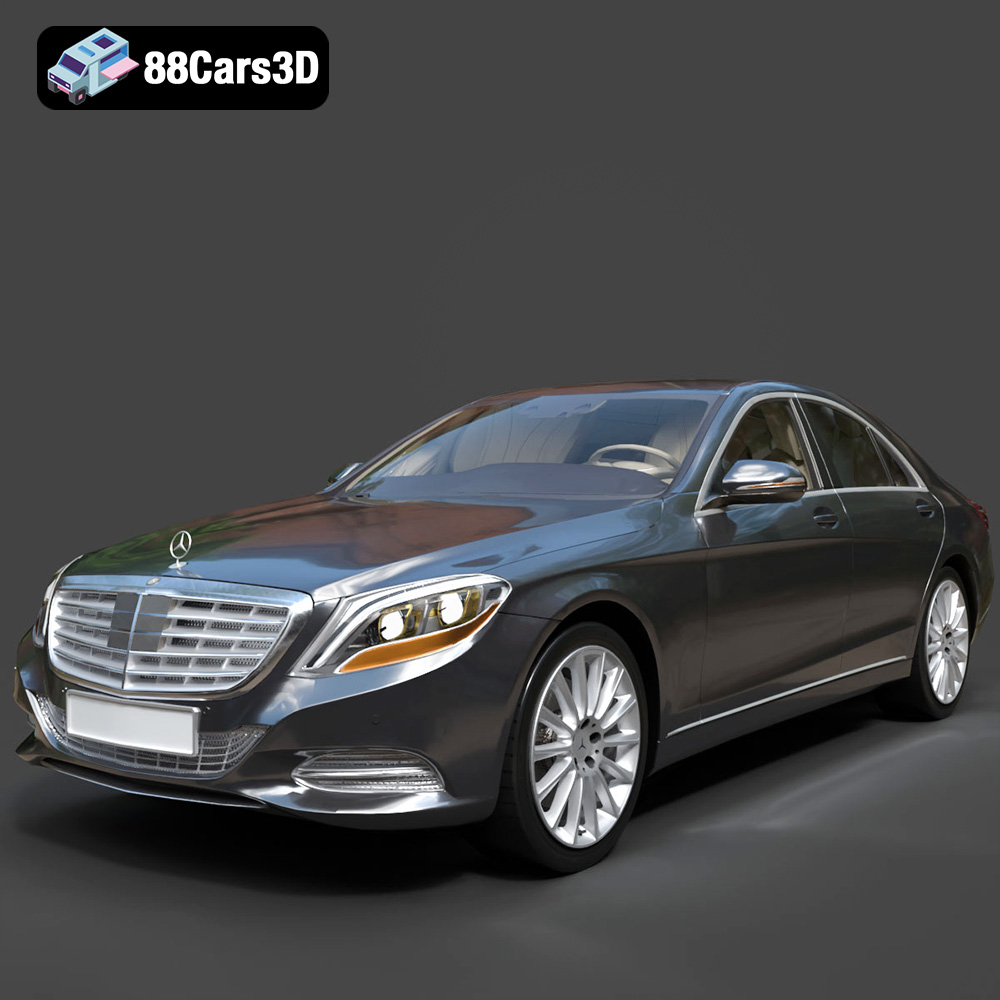
Mercedes-Benz S500 3D Model
Texture: Yes
Material: Yes
Download the Mercedes-Benz S500 3D Model featuring clean geometry, realistic detailing, and a fully modeled interior. Includes .blend, .fbx, .obj, .glb, .stl, .ply, .unreal, and .max formats for rendering, simulation, and game development.
Price: $23.99
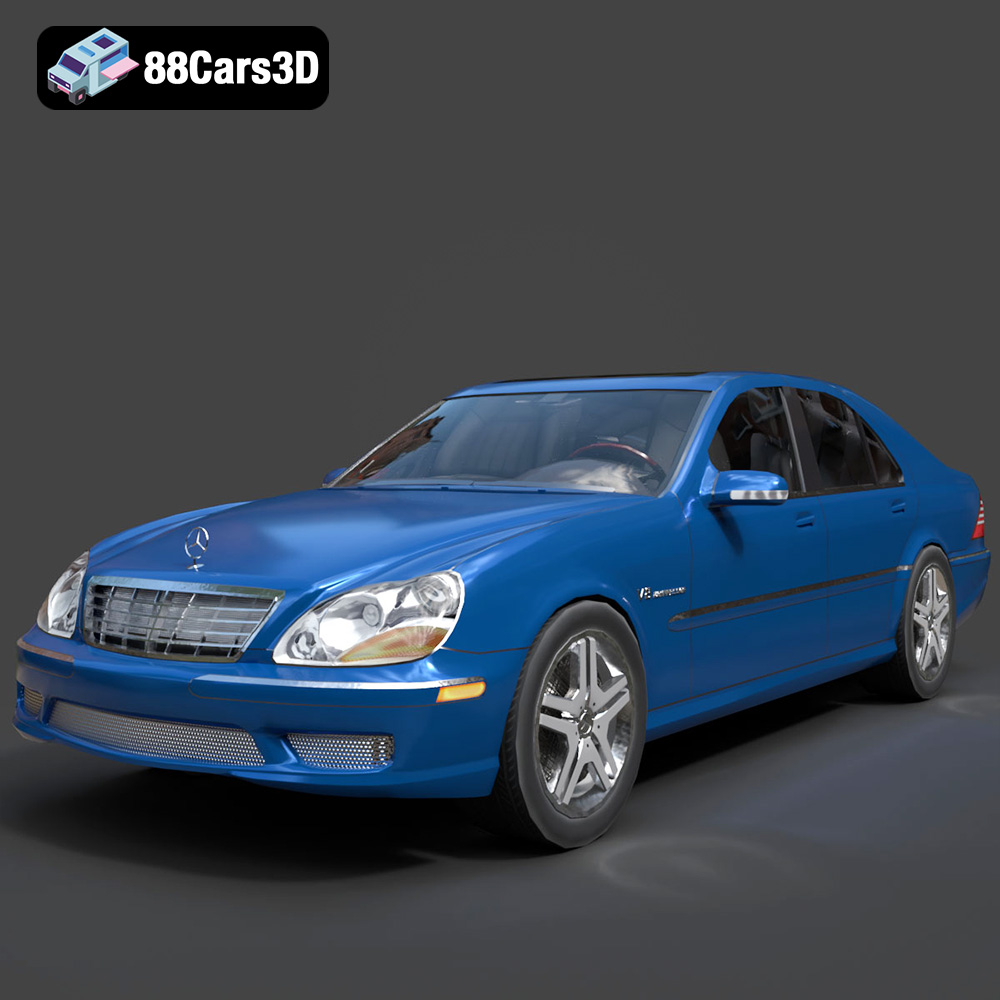
Mercedes-Benz S55 W220 AMG 1999 3D Model
Texture: Yes
Material: Yes
Download the Mercedes-Benz S55 W220 AMG 1999 3D Model featuring clean geometry, realistic detailing, and a fully modeled interior. Includes .blend, .fbx, .obj, .glb, .stl, .ply, .unreal, and .max formats for rendering, simulation, and game development.
Price: $23.99
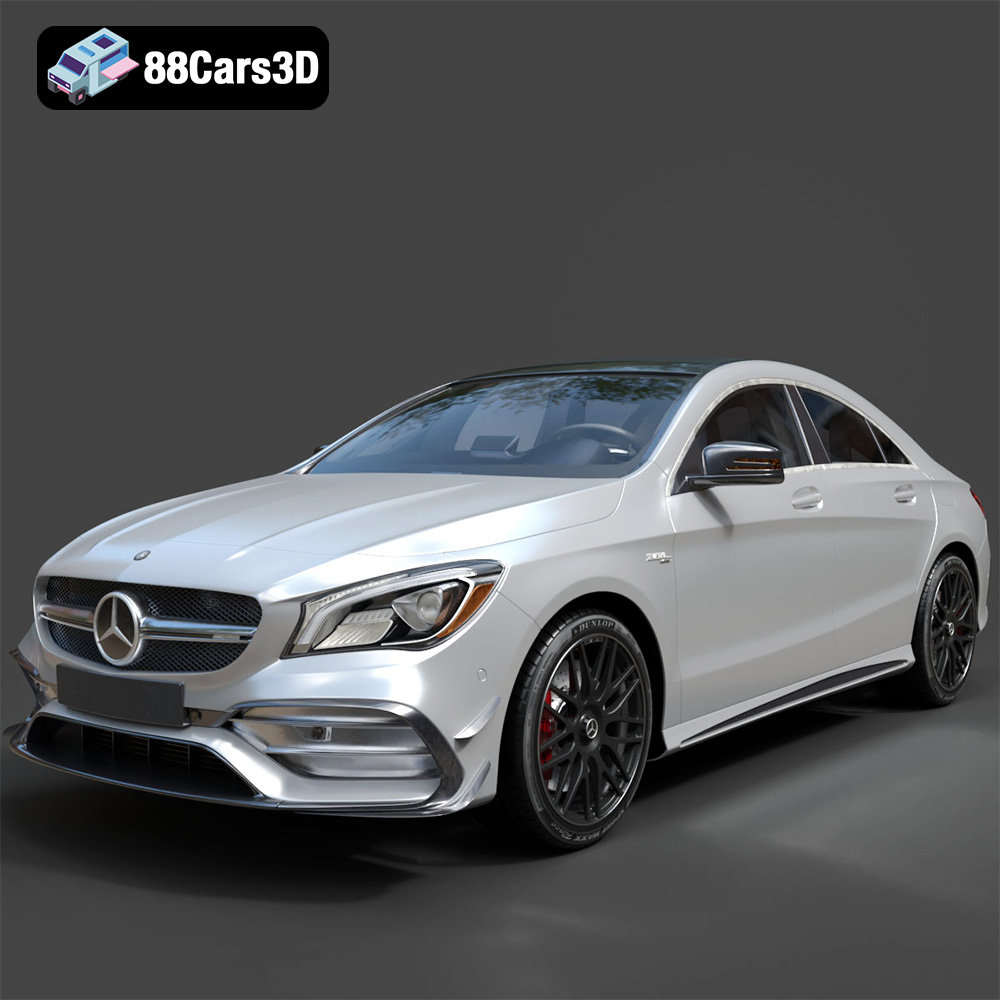
Mercedes-Benz CLA45 AMG 2017 3D Model
Texture: Yes
Material: Yes
Download the Mercedes-Benz CLA45 AMG 2017 3D Model featuring clean geometry, realistic detailing, and a fully modeled interior. Includes .blend, .fbx, .obj, .glb, .stl, .ply, .unreal, and .max formats for rendering, simulation, and game development.
Price: $38.99
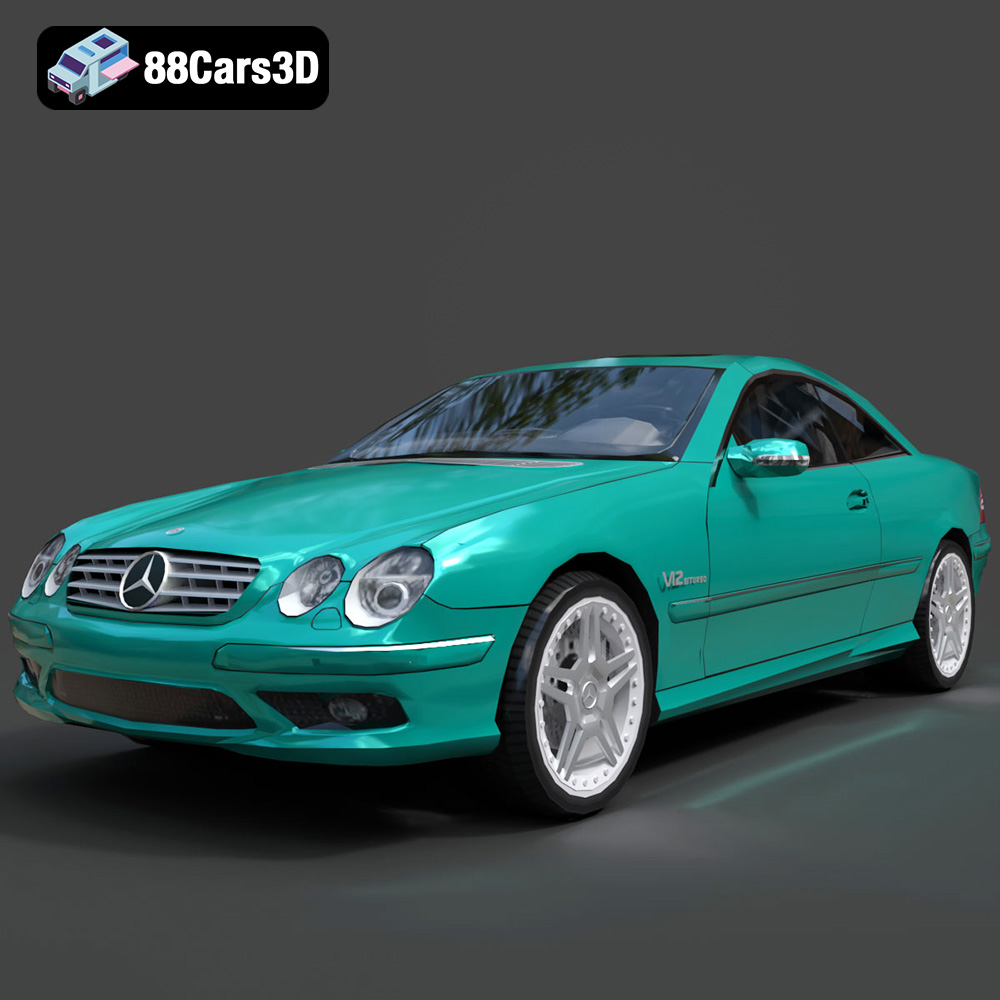
Mercedes-Benz CL65 C215 AMG 3D Model
Texture: Yes
Material: Yes
Download the Mercedes-Benz CL65 C215 AMG 3D Model featuring clean geometry, realistic detailing, and a fully modeled interior. Includes .blend, .fbx, .obj, .glb, .stl, .ply, .unreal, and .max formats for rendering, simulation, and game development.
Price: $23.99
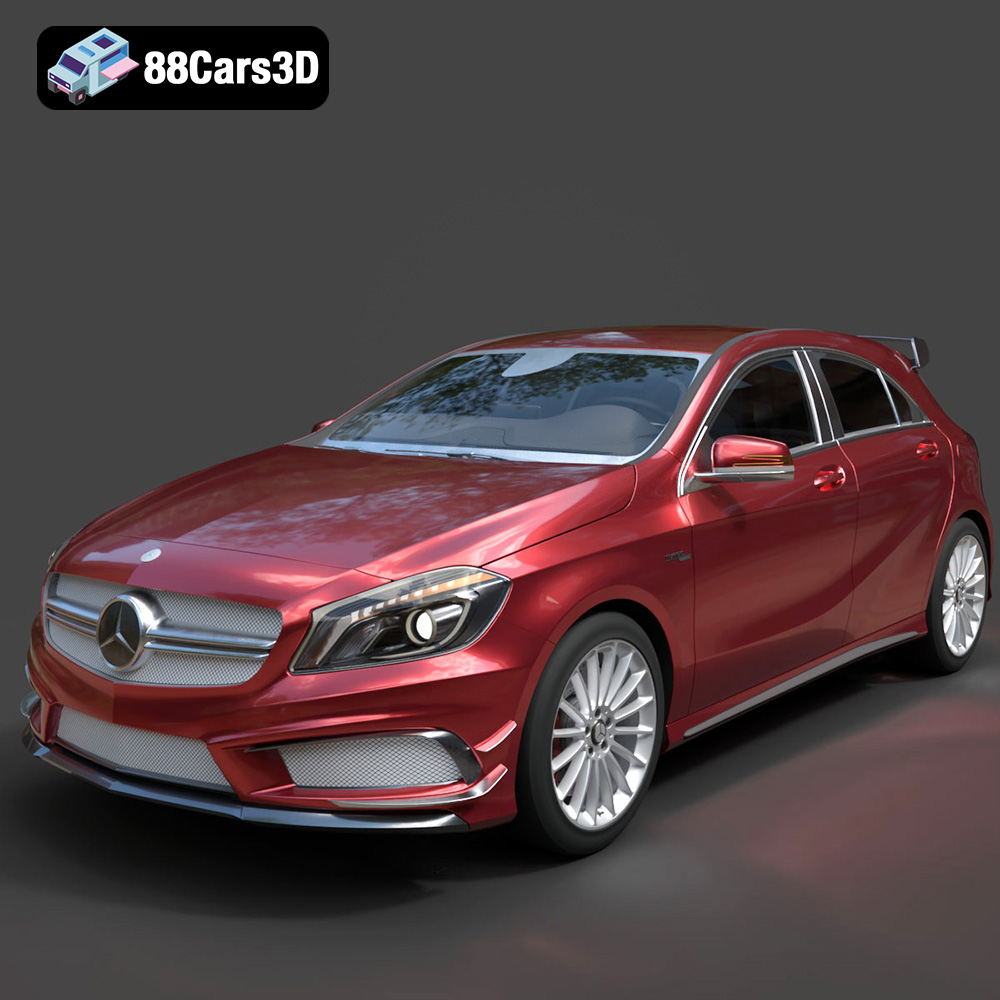
Mercedes-Benz A45 2021 3D Model
Texture: Yes
Material: Yes
Download the Mercedes-Benz A45 2021 3D Model featuring clean geometry, realistic detailing, and a fully modeled interior. Includes .blend, .fbx, .obj, .glb, .stl, .ply, .unreal, and .max formats for rendering, simulation, and game development.
Price: $23.99
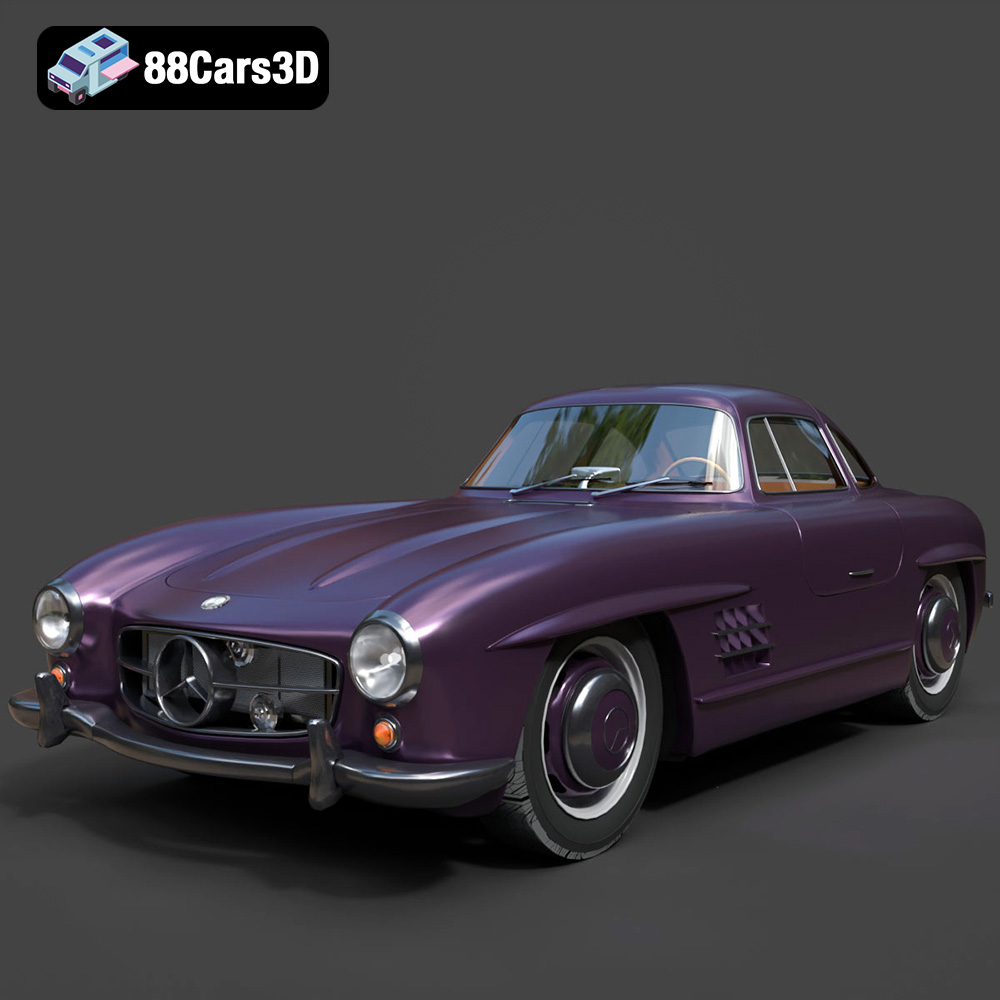
Mercedes-Benz 300SL 1955 3D Model
Texture: Yes
Material: Yes
Download the Mercedes-Benz 300SL 1955 3D Model featuring clean geometry, realistic detailing, and a fully modeled interior. Includes .blend, .fbx, .obj, .glb, .stl, .ply, .unreal, and .max formats for rendering, simulation, and game development.
Price: $23.99
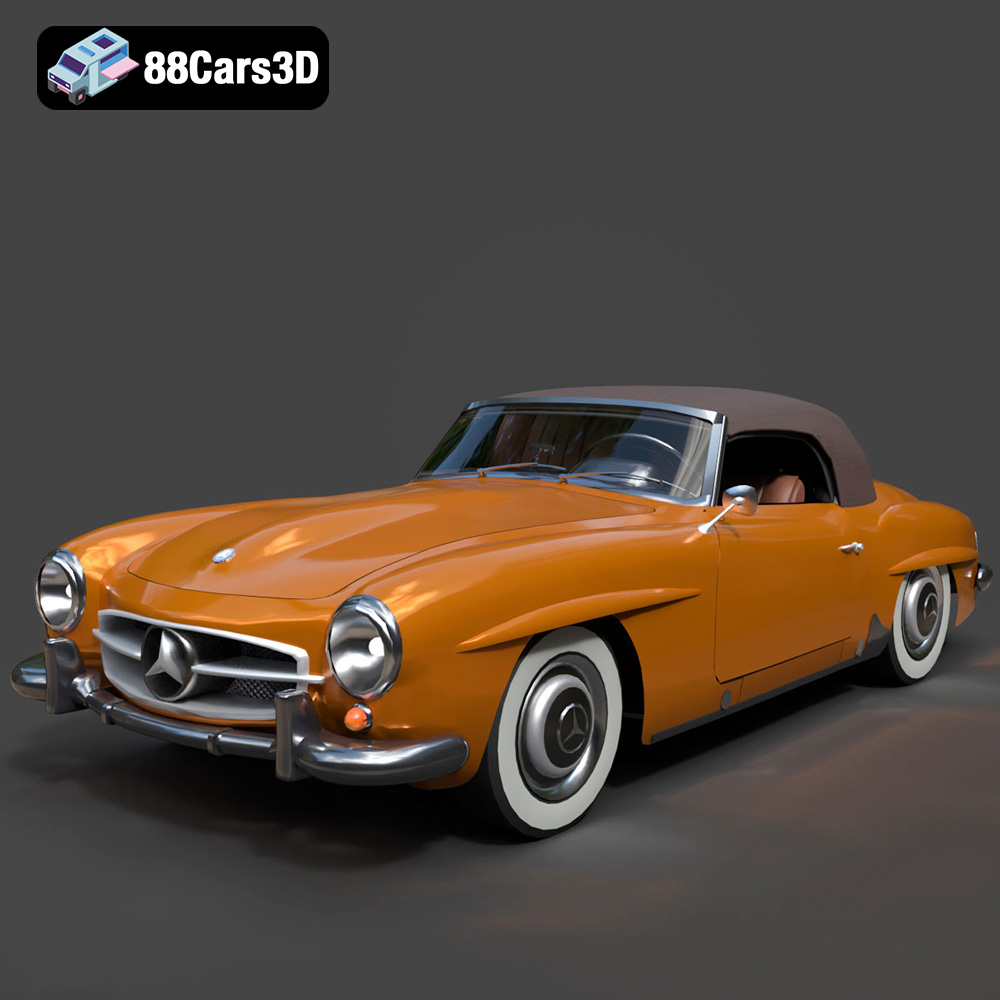
Mercedes-Benz 190SL 1955 3D Model
Texture: Yes
Material: Yes
Download the Mercedes-Benz 190SL 1955 3D Model featuring clean geometry, realistic detailing, and a fully modeled interior. Includes .blend, .fbx, .obj, .glb, .stl, .ply, .unreal, and .max formats for rendering, simulation, and game development.
Price: $23.99
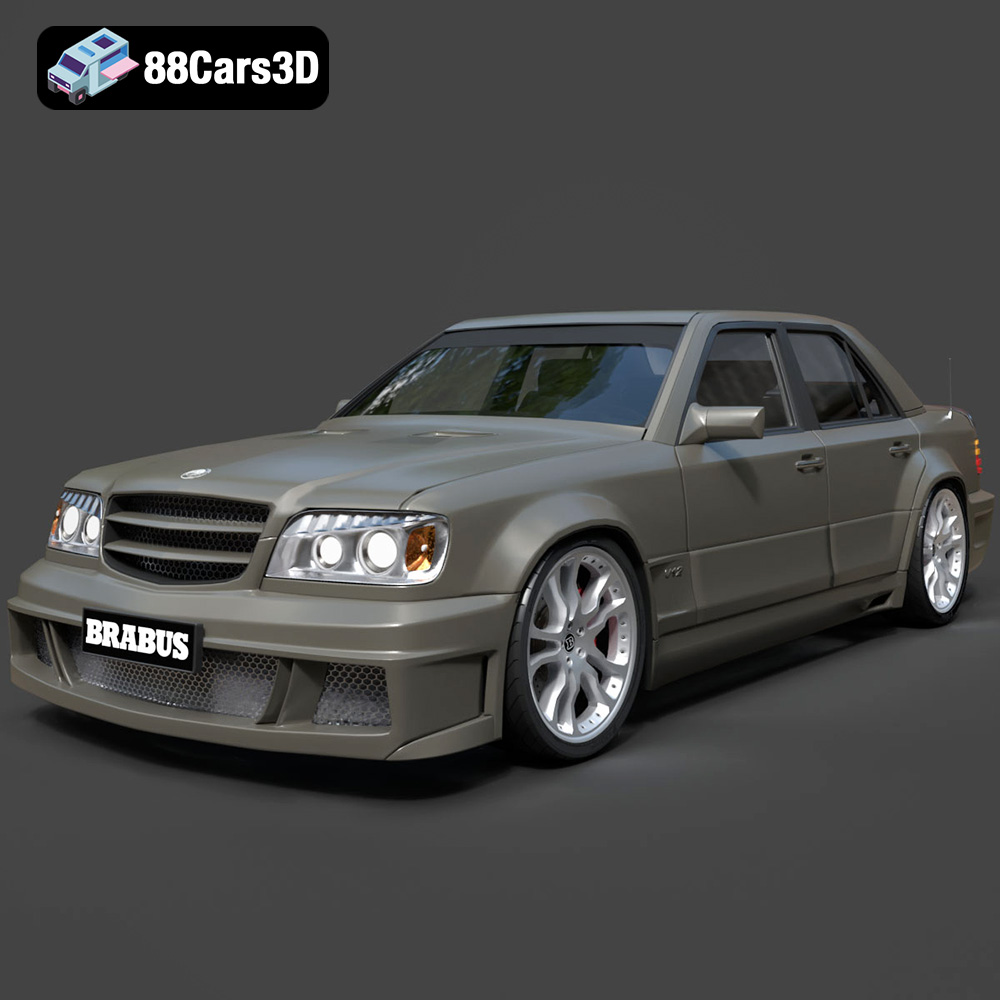
Mercedes-Benz W124 Brabus V12 3D Model
Texture: Yes
Material: Yes
Download the Mercedes-Benz W124 Brabus V12 3D Model featuring clean geometry, realistic detailing, and a fully modeled interior. Includes .blend, .fbx, .obj, .glb, .stl, .ply, .unreal, and .max formats for rendering, simulation, and game development.
Price: $23.99
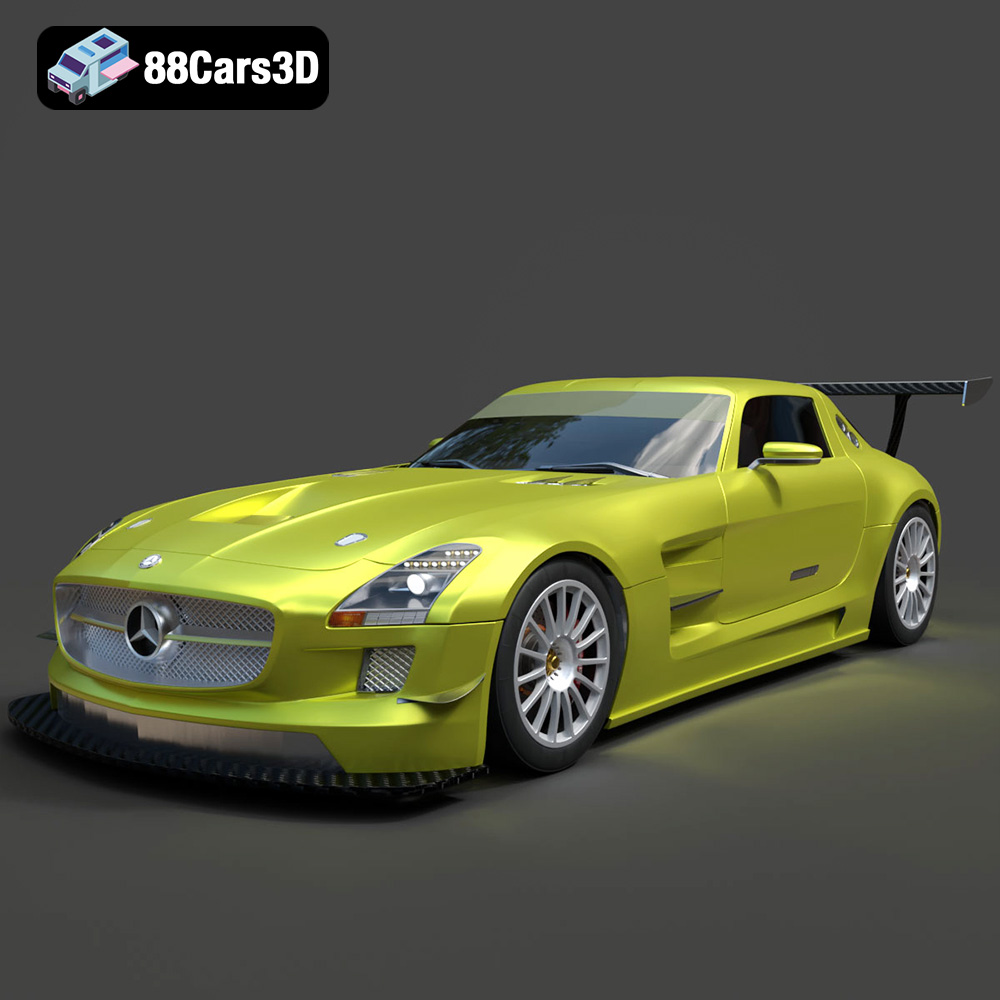
Mercedes-Benz SLS AMG GT3-002 3D Model
Texture: Yes
Material: Yes
Download the Mercedes-Benz SLS AMG GT3-002 3D Model featuring clean geometry, realistic detailing, and a fully modeled interior. Includes .blend, .fbx, .obj, .glb, .stl, .ply, .unreal, and .max formats for rendering, simulation, and game development.
Price: $38.99

Mercedes-Benz C-Class-001 3D Model
Texture: Yes
Material: Yes
Download the Mercedes-Benz C-Class-001 3D Model featuring clean geometry, realistic detailing, and a fully modeled interior. Includes .blend, .fbx, .obj, .glb, .stl, .ply, .unreal, and .max formats for rendering, simulation, and game development.
Price: $38.99
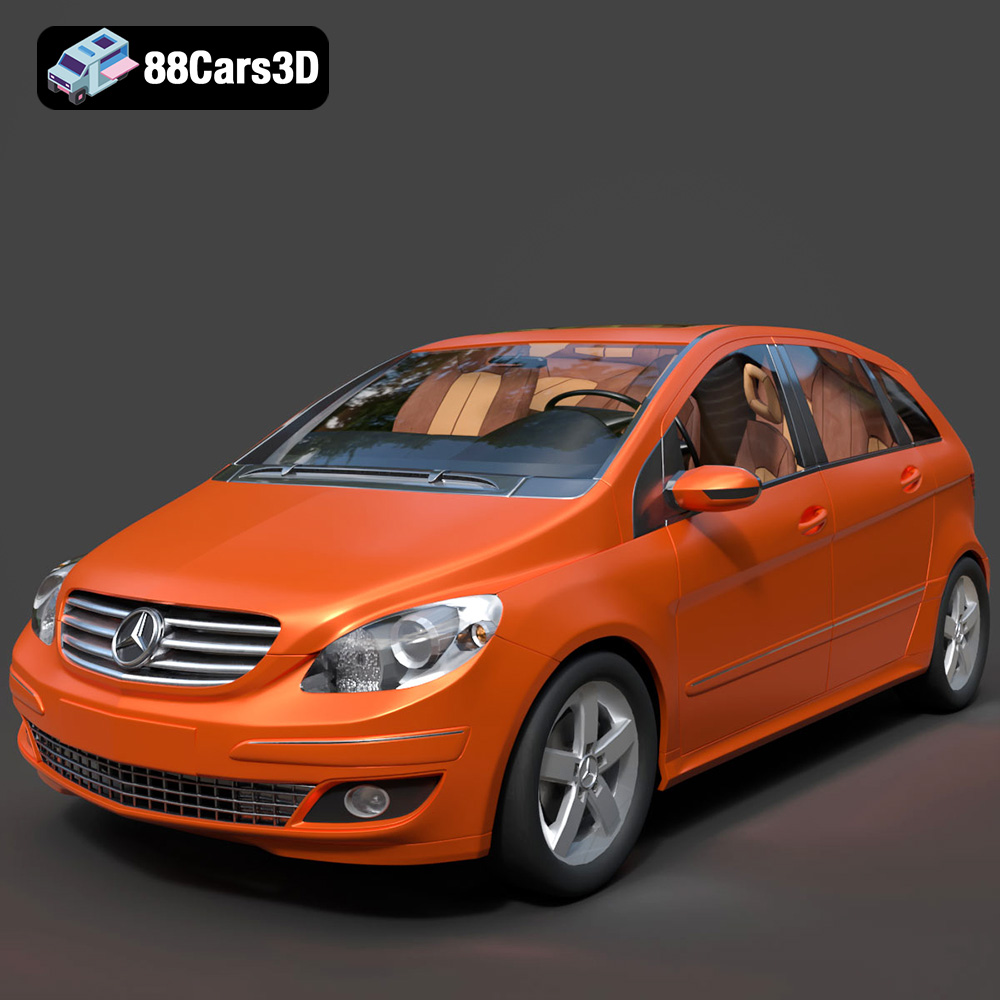
Mercedes-Benz B-Klasse 2023 3D Model
Texture: Yes
Material: Yes
Download the Mercedes-Benz B-Klasse 2023 3D Model featuring clean geometry, realistic detailing, and a fully modeled interior. Includes .blend, .fbx, .obj, .glb, .stl, .ply, .unreal, and .max formats for rendering, simulation, and game development.
Price: $38.99
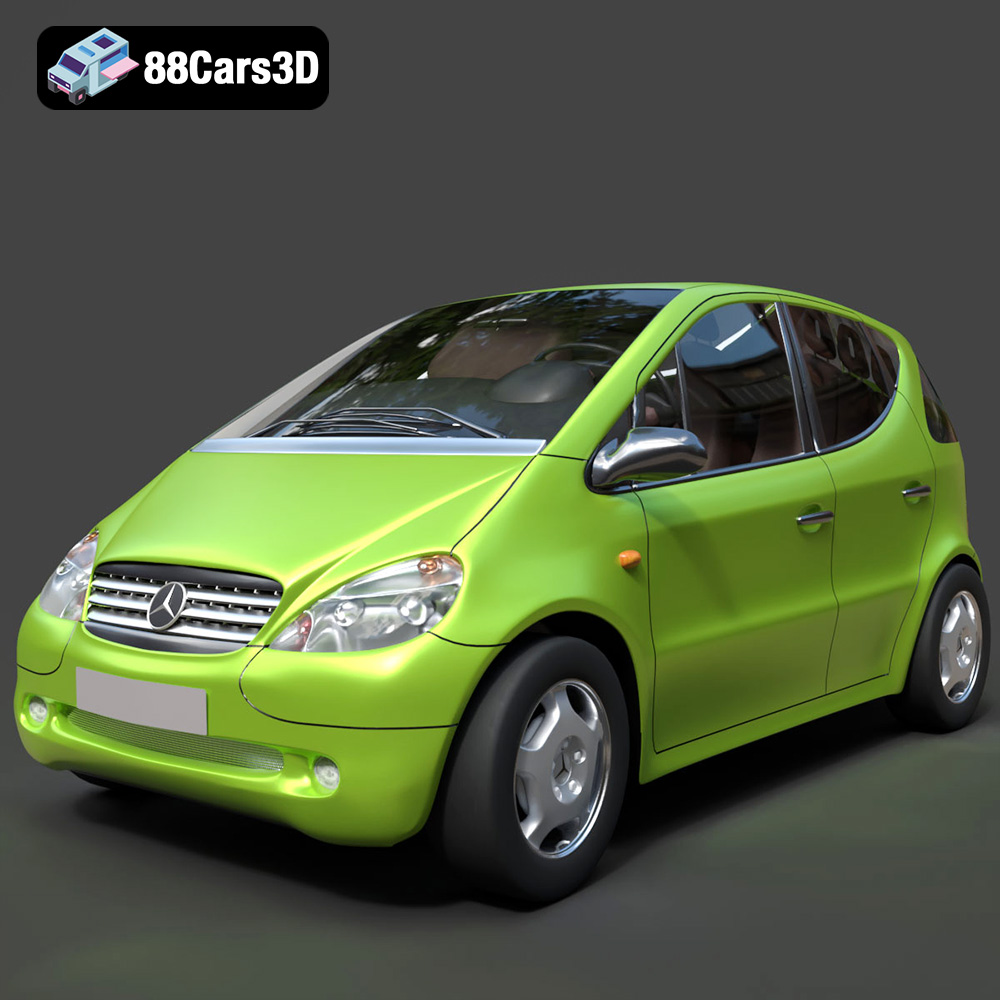
Mercedes-Benz A-Klasse W168 3D Model
Texture: Yes
Material: Yes
Download the Mercedes-Benz A-Klasse W168 3D Model featuring clean geometry, realistic detailing, and a fully modeled interior. Includes .blend, .fbx, .obj, .glb, .stl, .ply, .unreal, and .max formats for rendering, simulation, and game development.
Price: $38.99
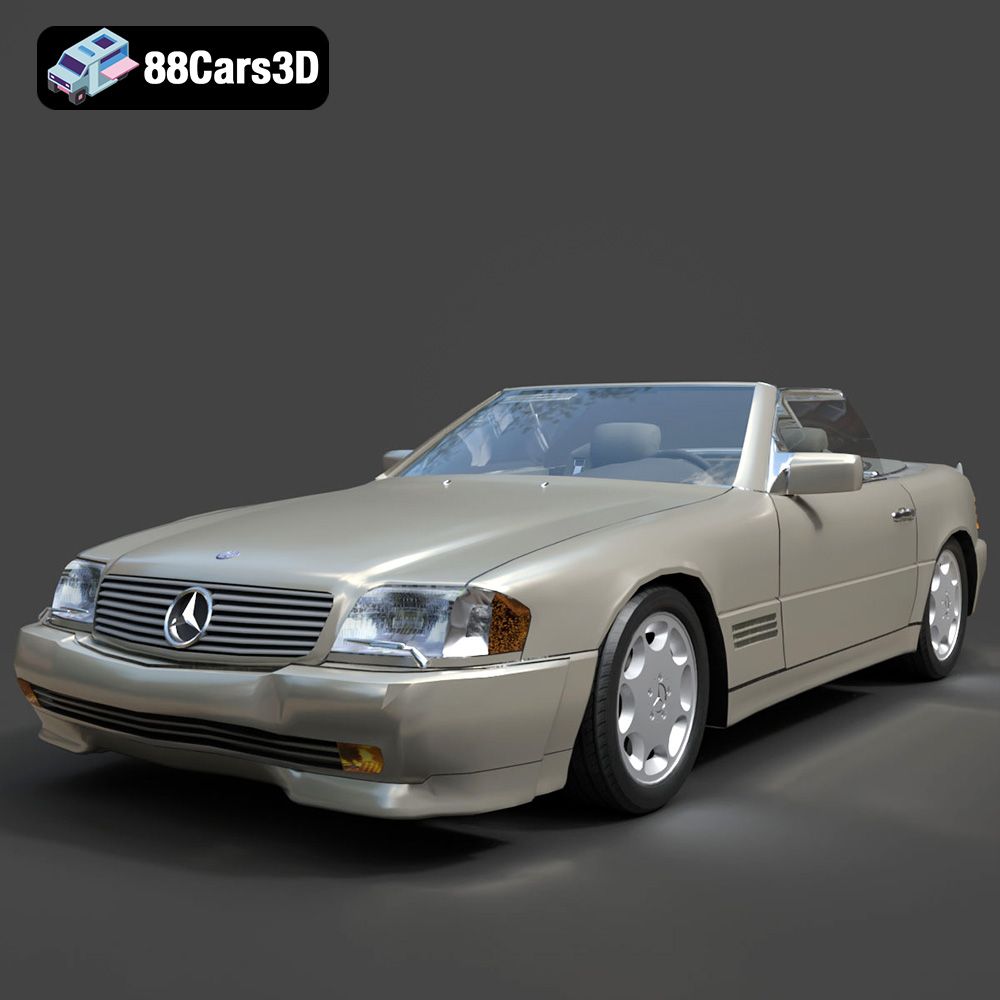
Mercedes-Benz 500SL 2000 3D Model
Texture: Yes
Material: Yes
Download the Mercedes-Benz 500SL 2000 3D Model featuring clean geometry, realistic detailing, and a fully modeled interior. Includes .blend, .fbx, .obj, .glb, .stl, .ply, .unreal, and .max formats for rendering, simulation, and game development.
Price: $38.99
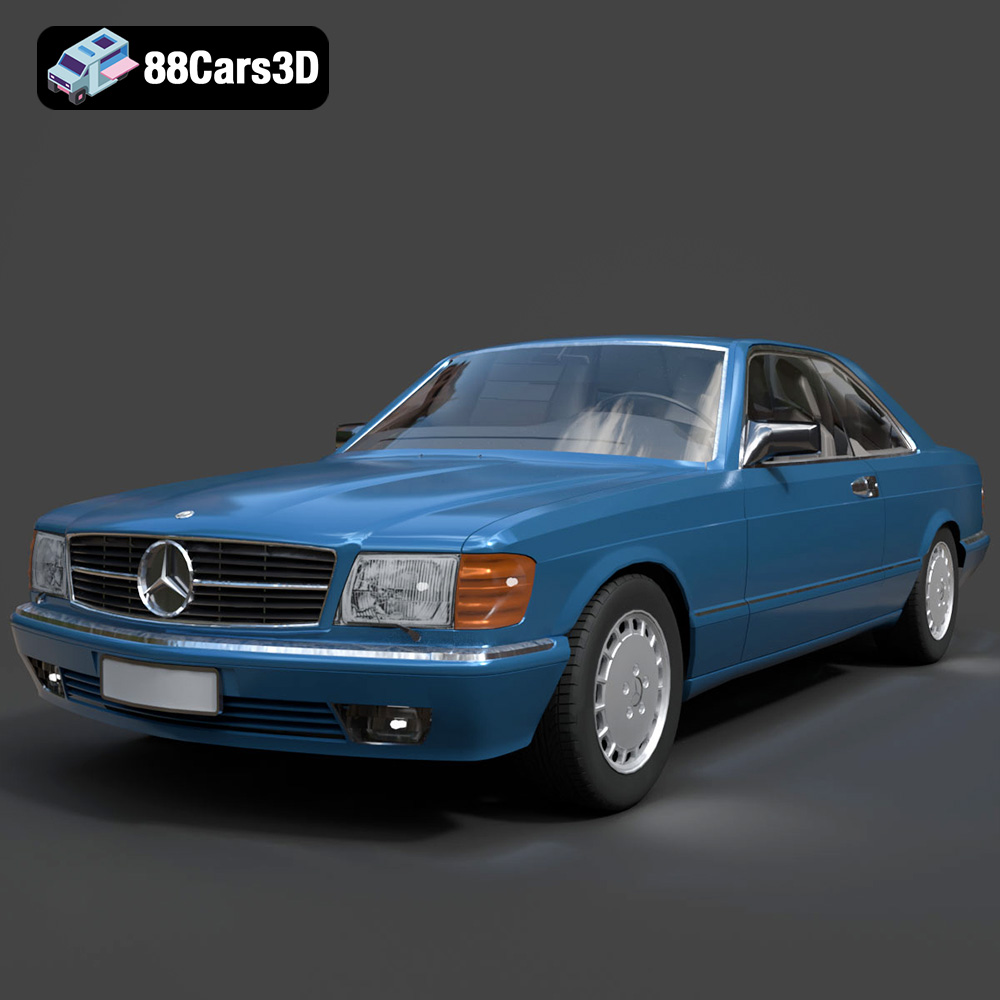
Mercedes-Benz 500SEC 3D Model
Texture: Yes
Material: Yes
Download the Mercedes-Benz 500SEC 3D Model featuring clean geometry, realistic detailing, and a fully modeled interior. Includes .blend, .fbx, .obj, .glb, .stl, .ply, .unreal, and .max formats for rendering, simulation, and game development.
Price: $38.99
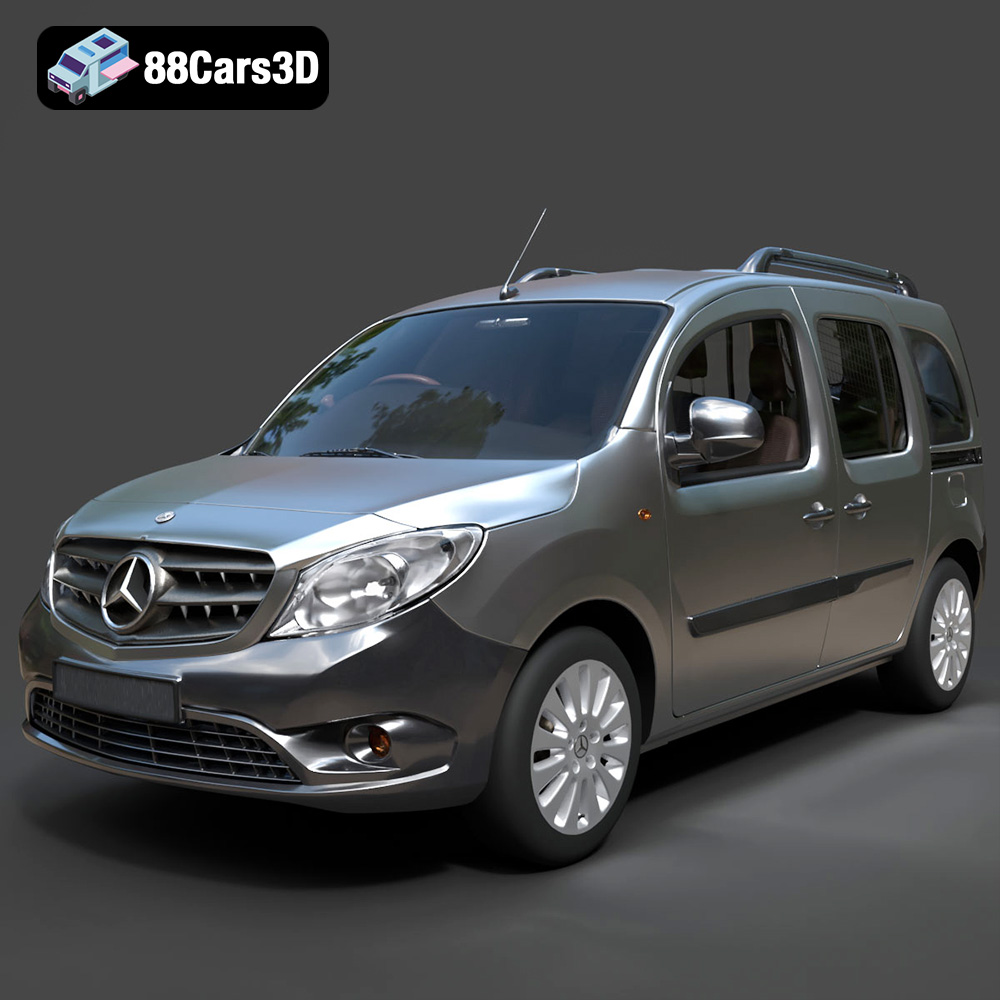
Mercedes-Benz Citan 2025 3D Model
Texture: Yes
Material: Yes
Download the Mercedes-Benz Citan 2025 3D Model featuring clean geometry, realistic detailing, and a fully modeled interior. Includes .blend, .fbx, .obj, .glb, .stl, .ply, .unreal, and .max formats for rendering, simulation, and game development.
Price: $38.99
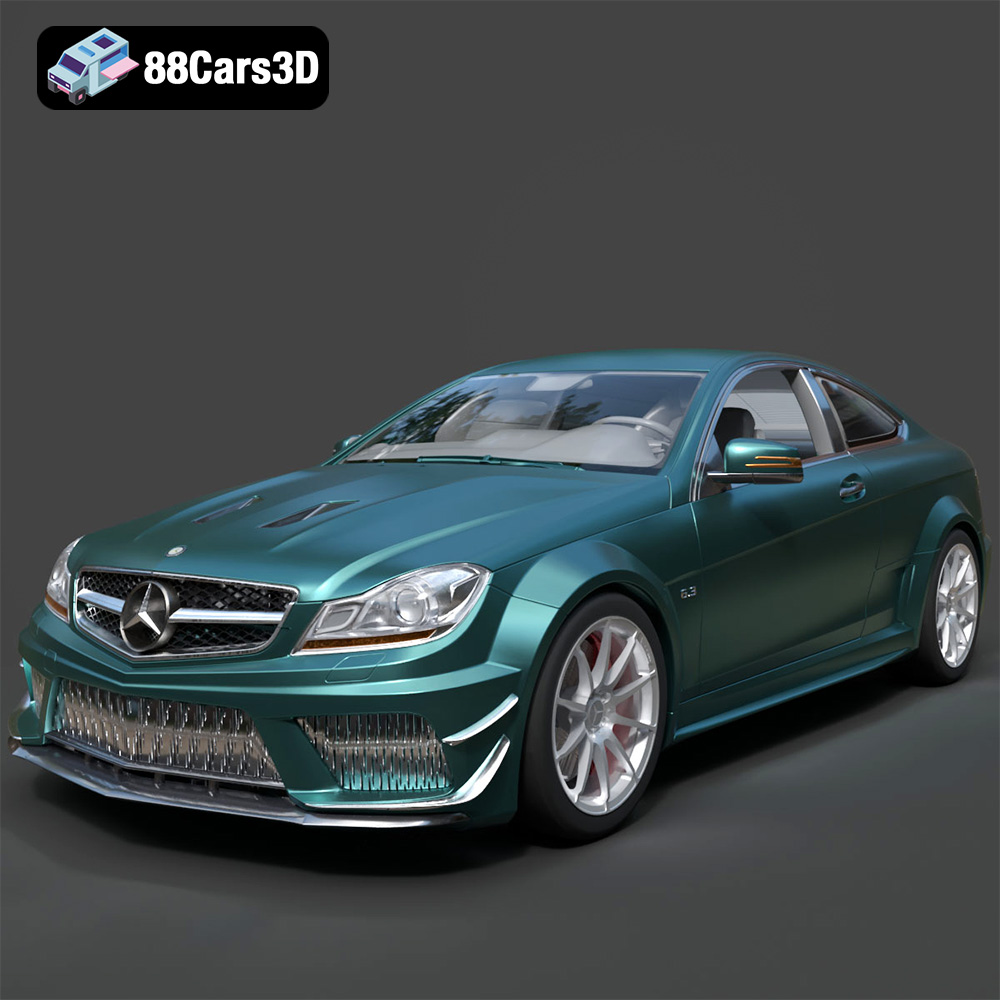
Mercedes-Benz C63 AMG 2012 3D Model
Texture: Yes
Material: Yes
Download the Mercedes-Benz C63 AMG 2012 3D Model featuring clean geometry, realistic detailing, and a fully modeled interior. Includes .blend, .fbx, .obj, .glb, .stl, .ply, .unreal, and .max formats for rendering, simulation, and game development.
Price: $38.99
