⚡ FLASH SALE: Get 60% OFF All Premium 3D & STL Models! ⚡

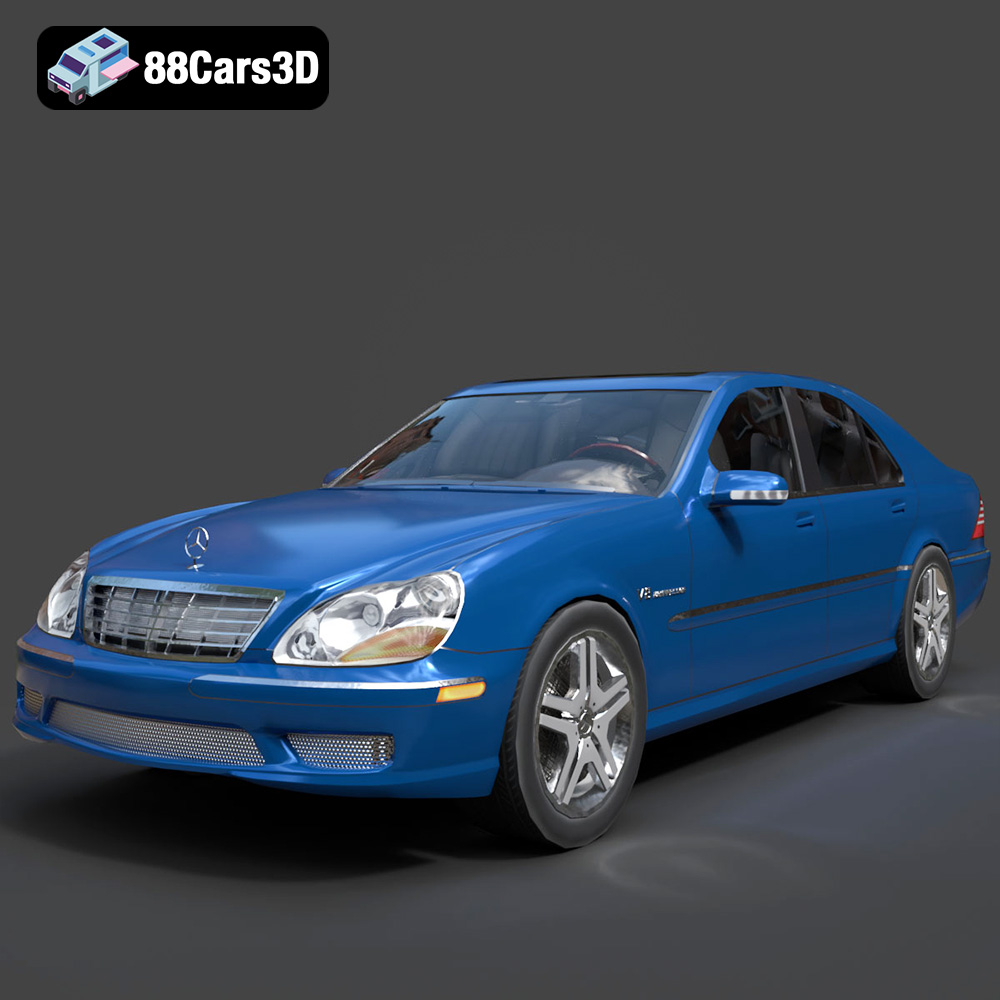
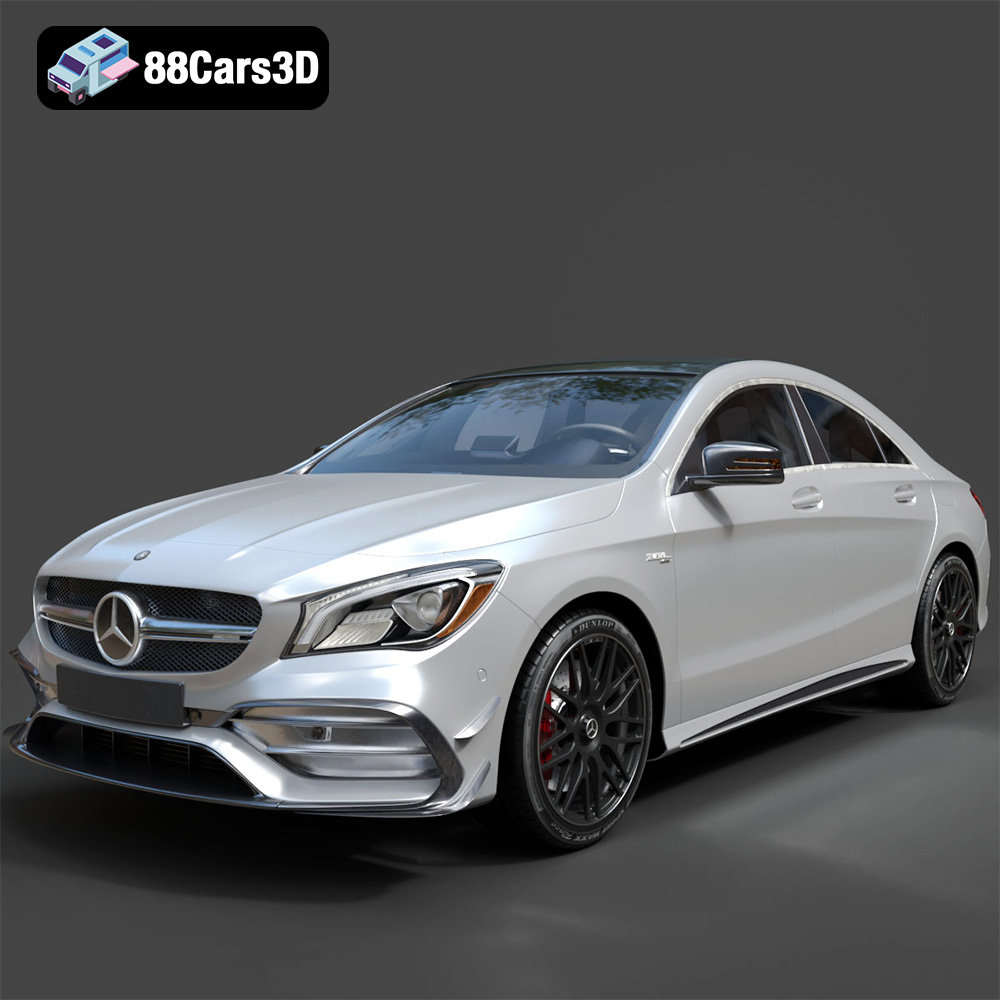
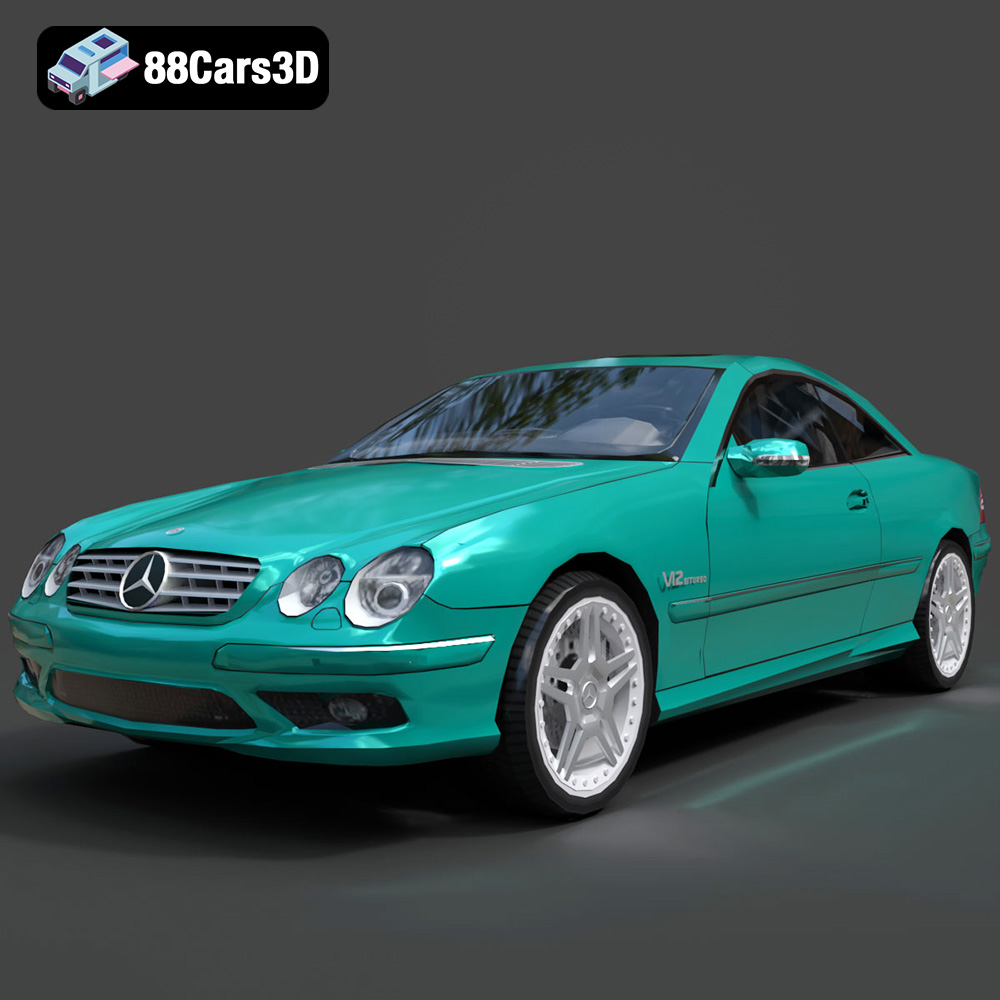
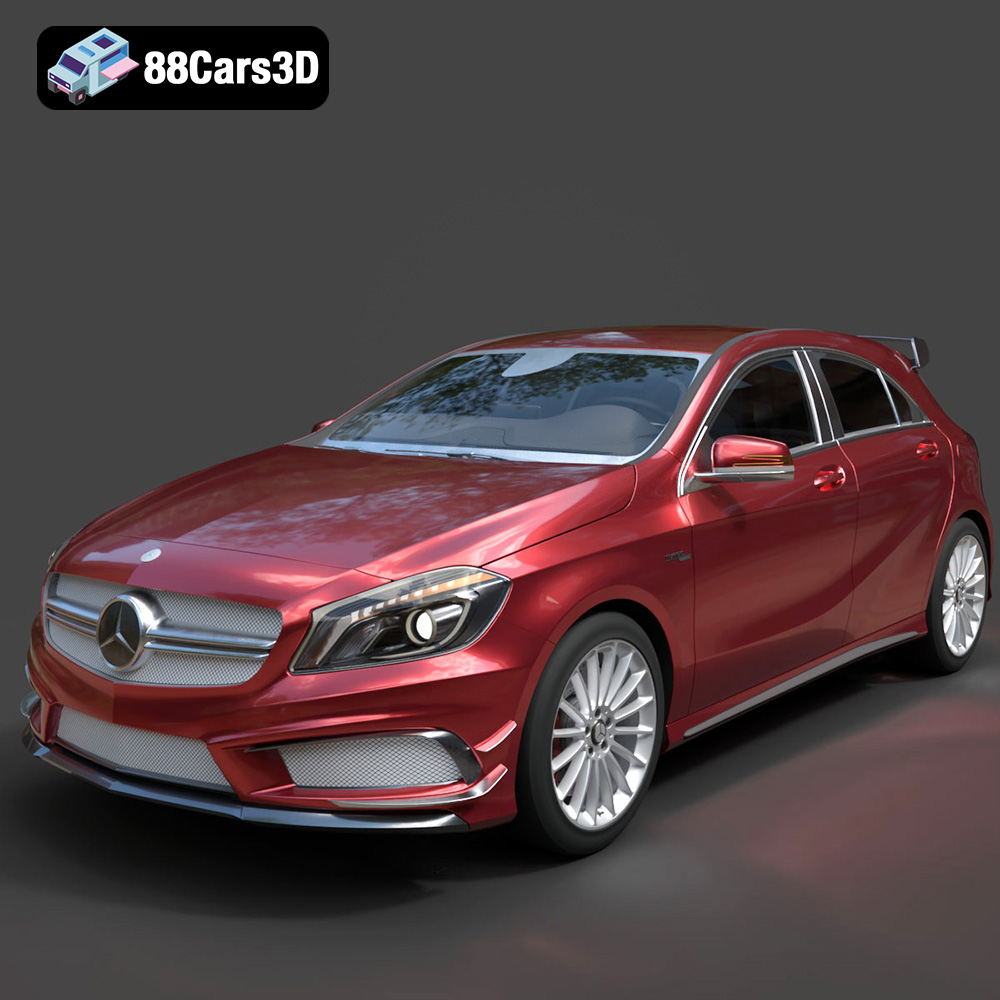
There’s an undeniable magic to a perfectly rendered automobile. The glint of light across a perfectly curved fender, the intricate detail of a headlight assembly, the subtle texture of leather on a steering wheel—these are the elements that bridge the gap between digital asset and tangible reality. But achieving this level of photorealism or real-time performance isn’t just about powerful rendering engines or expert lighting. It begins with the most fundamental component: the 3D car model itself.
A great model is the foundation upon which stunning visuals are built. Conversely, a poorly constructed model, no matter how skilled the artist, will lead to frustrating technical hurdles, visual artifacts, and wasted production time. This comprehensive guide will walk you through the entire pipeline, from selecting the right asset to preparing it for both high-fidelity automotive rendering and performance-critical real-time applications like games and VR.
Before you can prepare a model, you must understand what separates a professional-grade asset from a hobbyist’s creation. When evaluating a 3D car model, look beyond the preview renders and inspect the core technical specifications. These details are the true indicators of quality and usability.
Topology is the language of 3D surfaces. It dictates how light reflects, how the model deforms, and how it subdivides. For automotive models, clean, quad-based topology is non-negotiable. Triangles and N-gons can cause pinching, shading errors, and unpredictable results with subdivision modifiers like TurboSmooth or OpenSubdiv.
UV mapping is the process of flattening a 3D model’s surface into 2D space to apply textures. Poor UVs lead to stretched, distorted, or blurry details. A professional model will have clean, non-overlapping UVs with minimal distortion.
Authenticity is paramount. A high-quality model is a digital twin of its real-world counterpart. This means precise proportions, accurate panel gaps, and correctly modeled details like light internals, grilles, and badges. The level of detail should match your project’s needs. Is the interior visible? Will the engine bay be shown? Does the undercarriage need to be detailed? A great asset will often come with a fully modeled interior, engine, and chassis, allowing you to choose what to render.
The “best” 3D car model is entirely dependent on its end use. A model perfect for a V-Ray render will be unusable in Unreal Engine without significant optimization, and vice-versa. Let’s explore two common case studies.
Imagine you’re a CGI artist tasked with creating key visuals for a new luxury sedan’s marketing campaign. Your final output will be a series of 8K still images for a brochure and a 30-second animation.
Your requirements are:
For a project like this, you need a top-tier, high-polygon model. Marketplaces like 88cars3d.com specialize in providing meticulously crafted 3D car models that cater to these demanding specifications, saving you hundreds of hours in modeling and cleanup.
Now, picture yourself as a vehicle artist for a next-gen racing game. The car will be driven by the player, viewed from multiple angles, and must perform flawlessly at 60+ frames per second alongside dozens of other assets.
Your requirements are:
This requires a model built from the ground up for performance. Attempting to manually optimize a 2-million-polygon cinematic model for this purpose is often more work than starting from scratch.
Once you’ve selected your high-poly model, the next step is preparing it for a stunning render. This workflow focuses on refining the asset for maximum realism.
Even the best models may need a quick check-up. Import the model and ensure the scale is correct (e.g., set your system units to centimeters). Check for any flipped normals, which will cause black or inverted surfaces. In 3ds Max, apply an “Edit Normals” modifier. This is a crucial step for automotive rendering. It allows you to select all the normals on a continuous body panel and unify them, forcing perfectly smooth and consistent reflections, eliminating any subtle faceting from the base geometry.
A realistic car paint material is not a single layer. It’s a complex shader with at least three components. In the V-Ray Material (VRayMtl), you would build this:
A car only looks as good as the environment it reflects. HDRI (High Dynamic Range Image) lighting is the industry standard. Use a high-quality, high-resolution HDRI of a studio environment or an outdoor scene. This will provide realistic global illumination and detailed reflections. Supplement this with 2-3 large area lights (V-Ray Lights) acting as key and fill lights to sculpt the car’s shape and create beautiful specular highlights along its body lines.
Preparing a game asset is a different beast entirely. The goal is to preserve visual quality while ruthlessly optimizing for performance. Let’s use a Blender to Unreal Engine pipeline as an example.
If you start with a mid-to-high poly model, your first step is reduction. In Blender, the “Decimate” modifier is your tool. Use the “Planar” mode for hard surfaces to preserve flat areas, or “Collapse” for a more general reduction. The goal for your LOD0 is to remove any geometry the player will never see (like the inside of bumpers) and simplify dense areas while preserving the silhouette. For LOD1, LOD2, etc., you will be more aggressive, aiming for 50-60% polygon reduction with each step.
How do you retain sharp panel gaps and small details on a lower-poly model? By baking them. You take your original high-poly model and your optimized low-poly model and use a baking process (available in Blender, Substance Painter, or Marmoset Toolbag) to generate a normal map. This special texture map fakes the lighting and shadow information of the high-poly details onto the low-poly surface, creating the illusion of high detail at a fraction of the performance cost.
To save memory and improve shader performance, you’ll pack multiple grayscale textures into one. A common “ORM” map uses the Red channel for Ambient Occlusion, Green for Roughness, and Blue for Metallic. Export your model parts as FBX files (e.g., `chassis.fbx`, `wheel_front_left.fbx`). In Unreal Engine, import these assets, ensuring “Combine Meshes” is turned off. Create a master material for the car paint, exposing parameters for color, roughness, and metallic values. This allows you to create endless color variations without creating new textures.
Pushing your work from good to great involves mastering the final 10%. Here are some tips and traps to avoid.
No real-world surface is perfectly smooth. For ultimate realism in automotive rendering, add a very subtle noise map to the clear coat’s bump or normal slot. This simulates “orange peel,” the slightly bumpy texture of real car paint, which breaks up reflections in a very natural way. The strength should be almost imperceptible, but it makes a world of difference.
For configurators, games, or animations, you’ll need basic rigging. This is less about complex character skeletons and more about proper pivot points. Ensure the pivot for each wheel is in its absolute center for correct rotation. The pivot for each door should be placed exactly where the real-world hinges would be, allowing it to open realistically.
Whether you’re creating a jaw-dropping cinematic shot or an immersive driving experience, your success begins with the quality of your core asset. Understanding the technical anatomy of a 3D car model—its topology, UVs, and construction—is the first and most critical step. From there, a methodical, purpose-driven preparation workflow separates amateur results from professional-grade visuals.
By tailoring your approach to the specific demands of either high-fidelity rendering or real-time performance, you can transform a great model into a truly spectacular final product. Investing time in proper material setup, lighting, and optimization pays dividends. Starting with a premium, well-constructed asset from a trusted source like 88cars3d.com can dramatically accelerate this process, allowing you to bypass tedious cleanup and focus directly on the creative work of bringing these incredible digital machines to life.