
Mastering Automotive Paint in Unreal Engine 5: Photorealism, Performance, and PBR Workflow

Mastering Automotive Paint in Unreal Engine 5: Photorealism, Performance, and PBR Workflow
The allure of a perfectly rendered car in a game, film, or architectural visualization is undeniable. The way light dances across its curves, the subtle glimmer of metallic flakes, and the deep, wet look of a flawless clear coat can elevate a project from good to breathtaking. However, achieving this level of visual fidelity for automotive paint in a real-time engine like Unreal Engine 5 is one of the most demanding tasks for any 3D artist or developer. It’s a complex interplay of physics, material science, and rendering techniques that requires a deep understanding of PBR workflows and engine capabilities.
The challenge lies in accurately simulating the multi-layered nature of real-world automotive finishes, which go far beyond a simple texture. From the base color and metallic particles to the highly reflective protective clear coat, each component contributes to the final appearance and must be meticulously crafted. In this comprehensive guide, we’ll dive into the intricacies of creating a stunning automotive paint shader in Unreal Engine 5, focusing on photorealism, balancing performance, and adhering to a robust PBR materials Unreal Engine workflow. We’ll explore how to leverage UE5’s powerful features to bring your high-poly car model rendering to life without compromising on frame rate.
The PBR Challenge of Automotive Paint: Layers and Nuance
Automotive paint isn’t a monolithic surface; it’s a sophisticated system of distinct layers, each interacting with light in unique ways. Understanding these layers is fundamental to creating a physically accurate representation in a PBR renderer. The primary components typically include:
- Primer: The foundational layer, usually unseen, but critical for surface adhesion.
- Base Coat (Color Coat): This provides the primary color of the vehicle. It can be solid, metallic, or pearlescent. The base coat itself can have a slight roughness.
- Metallic Flakes/Pearlescent Pigments: Embedded within or on top of the base coat, these tiny particles are responsible for the characteristic sparkle and color shift seen in many car paints. Their size, density, and orientation heavily influence the final look.
- Clear Coat: This is the outermost, transparent, and highly reflective layer. It provides protection, depth, and the signature glossy, wet appearance. It’s also where imperfections like micro-scratches and dust become most visible.
When translating this to PBR materials Unreal Engine, each layer demands careful consideration of its parameters: Base Color (Albedo), Metallic, Roughness, and Specular (or Dielectric F0). The interaction between these layers, particularly how the clear coat refracts and reflects light off the base coat and flakes, is what makes clear coat realism so challenging yet rewarding to achieve. You’re not just creating one material; you’re building a stack of materials, with the clear coat acting as a transparent, protective shell over the underlying layers.
The inherent reflectivity of car paint means that accurate environmental lighting and reflections are paramount. Without a convincing clear coat, even the best base color will fall flat. The subtle variations in roughness across the surface, caused by dirt or wear, also contribute significantly to photorealism, making the material truly come alive.
Crafting the Ultimate Automotive Paint Shader in Unreal Engine 5
Building a high-quality automotive paint shader in Unreal Engine 5 involves a modular approach, allowing for flexibility and performance. We’ll leverage UE5’s Material Editor to construct a material that captures the complex layered look.
Setting Up the Base Material Graph
Start with a standard Master Material. You’ll want to utilize a physically based shading model. For car paint, the default Lit shading model is usually sufficient, but for advanced clear coat effects, a two-sided material or even a custom shading model might be considered if you want to perfectly simulate internal reflections, though often unnecessary for exterior shots.
- Base Color: This will be your primary car color. Use a Vector3 parameter for easy color adjustments via Material Instances.
- Metallic: Generally, car paint is considered dielectric, meaning its Metallic value should be 0. However, the metallic flakes *within* the paint are indeed metallic. We’ll simulate this later.
- Roughness: This is crucial. A perfectly clean, new car will have a very low roughness value (e.g., 0.05-0.1) for the clear coat. Introduce variations using grunge maps or procedural noise for imperfections.
- Specular: For dielectrics, Specular is typically 0.5. For clear coats, the reflectivity (F0) is higher, around 0.04-0.05, often represented by the default value, but sometimes tweaked if a custom clear coat is used.
- Normal: Connect a normal map for subtle surface imperfections, orange peel, or panel details.
Simulating the Base Coat and Color Shift
The base coat provides the primary hue. To add realism, especially for pearlescent or candy paints, you might want to simulate a subtle color shift based on the viewing angle. This can be achieved using a Fresnel effect or a custom lookup texture controlled by the camera vector. Lerping between two colors based on a Fresnel function’s output can create a dynamic, iridescent quality that responds beautifully to light.
For solid paints, simply using a strong base color combined with the clear coat is effective. For metallic paints, this is where the flakes come into play.
The Metallic Flake Shader UE5
This is arguably the most visually striking component of an automotive paint shader. The metallic flakes are tiny, reflective particles suspended in the base coat. To simulate this in UE5, we often overlay a masked material or blend a texture with varying roughness and metallic values onto our base material.
- Noise Texture: Start with a high-frequency noise texture (e.g., a Perlin noise or Voronoi) as the basis for your flakes. Tile it very finely.
- Masking and Threshold: Use a ‘Power’ node or ‘Subtract’ node on the noise texture to create high-contrast spots. These bright spots will represent your flakes. Parameterize the threshold to control flake density.
- Metallic Value: Multiply this masked output by a high metallic value (e.g., 0.8-1.0) and add it to the base metallic value (which is usually 0).
- Roughness Variation: You might want the flakes to have a slightly different roughness than the surrounding paint. Subtract a small value from the base roughness where flakes are present, making them appear sharper.
- Normal Perturbation (Optional): For even more detail, you can use the flake mask to perturb the normal map slightly, giving the impression of physical flakes subtly distorting the surface. A ‘BlendAngleCorrectedNormals’ node can be useful here.
- Tinting (Optional): For colored flakes, multiply the flake output by a subtle color parameter before blending.
This approach gives you a convincing metallic flake shader UE5 that twinkles realistically under direct light, adding immense depth and realism. Remember to keep the flake texture scale extremely fine to avoid visible tiling.
Achieving Clear Coat Realism
The clear coat is critical for that wet, reflective look. Unreal Engine 5’s default PBR model handles clear coats quite well, but for exceptional clear coat realism, you might need to go a step further. Modern car paints often have two layers of clear coat, or a single very thick one, which contributes to their depth.
The key to clear coat realism lies in manipulating the roughness and normal inputs. The clear coat should have a very low roughness value (high gloss) and be affected by subtle normal details like orange peel or micro-scratches. These imperfections break up perfect reflections, making them look natural.
A common technique is to use a layered material structure. You can simulate the clear coat using the main material outputs (low roughness, dielectric metallic 0). Then, for additional depth or internal reflections (if truly needed), one could explore using a custom material function that simulates a second specular lobe, or even a second material layer if performance allows. However, for most automotive scenes, focusing on realistic roughness variations and high-quality normal maps for micro-scratches on a single, well-tuned PBR material yields excellent results. Think of layering different grunge masks at different scales to simulate dust, smudges, and fine scratches on the clear coat layer, each with its own roughness value.
Adding Imperfections for Photorealism
No real car is perfectly pristine. Adding subtle imperfections like dust, smudges, water spots, and micro-scratches dramatically enhances photorealism. These are typically achieved through texture maps:
- Roughness Maps: These are your most powerful tool. Use grunge textures, fingerprints, and scratch patterns to modulate the base roughness value. Where a scratch exists, the roughness should be higher.
- Normal Maps: While subtle, normal maps can add depth to scratches and give the paint a slight “orange peel” texture, which is present in most real-world paint jobs.
- Dust/Dirt Layers: Blend in darker, rougher textures at the edges or in recessed areas using ambient occlusion maps or vertex colors.
The key is subtlety. These details should only be noticeable upon close inspection, not dominate the material. Parameterize their intensity and blend modes for easy adjustment in Material Instances.
Performance & Fidelity: Real-Time Rendering Optimization for Automotive Assets
Achieving photorealism is one half of the equation; the other is ensuring your beautiful car runs smoothly in real-time. This is where real-time rendering optimization becomes critical, especially for interactive experiences and games within the game asset pipeline.
Leveraging Nanite for High-Poly Car Model Rendering
Unreal Engine 5’s Nanite virtualized micropolygon geometry system is a game-changer for high-poly car model rendering. It allows artists to import extremely detailed models – think millions of polygons for a single car – without worrying about traditional polygon budget constraints or LODs (Levels of Detail). Nanite intelligently streams and processes only the necessary geometry at render time, ensuring incredible detail up close while maintaining performance at a distance.
For automotive models, Nanite means you can bring in CAD-level detail, capture every fillet, every bolt, and every intricate curve without baking normal maps for primary forms. This significantly shortens the production pipeline and improves visual quality. However, there are considerations:
- Static Meshes: Nanite currently works best with static meshes. Dynamic objects have limitations.
- Overdraw: While Nanite handles poly counts, complex overlapping surfaces (like an engine with many internal parts) can still cause overdraw, affecting performance. Optimize geometry where it won’t be seen.
- Materials: Nanite primarily optimizes geometry. Your material complexity (number of instructions, texture lookups) still directly impacts performance. A highly optimized automotive paint shader is still crucial.
When working with Nanite automotive models, artists can focus more on model fidelity and less on polycount reduction, streamlining the workflow significantly.
Lumen and Reflection Systems
Lumen, UE5’s fully dynamic global illumination and reflections system, is vital for realistic automotive paint. The metallic and reflective nature of car paint means it heavily relies on accurate lighting and reflections from its environment.
- Lumen GI: Provides believable bounced light, illuminating the car’s underside and interior realistically.
- Lumen Reflections: Offers real-time reflections that dynamically update with environment changes. Ensure your environment has sufficient detail for Lumen to capture accurate reflections.
- Screen Space Reflections (SSR): Still useful for immediate, close-up reflections but suffer from screen-space limitations.
- Planar Reflections: For critical, perfectly flat surfaces (like a floor plane reflecting a car), planar reflections offer high quality but are expensive. Use sparingly.
- Ray Tracing: For the ultimate in reflection accuracy and global illumination (especially for reflections of transparent objects or complex refractions), hardware-accelerated Ray Tracing can be enabled. While highly demanding, it delivers unparalleled visual fidelity for cinematic shots or high-end visualizations. Balance its use with your target performance.
Texture Optimization Techniques
Even with Nanite, textures are a significant part of performance. Efficient texture management is key to a smooth game asset pipeline.
- Resolution: Use appropriate resolutions. A 4K texture for a primary body panel is fine, but smaller components or hidden parts can use 1K or 512.
- Compression: Utilize Unreal Engine’s texture compression settings (e.g., BC7 for high quality, DXT1/5 for others).
- Mipmaps: Ensure mipmaps are generated to reduce texture aliasing and improve performance at a distance.
- Channel Packing: Combine grayscale textures (Roughness, Metallic, AO) into a single RGB texture to reduce texture lookups and memory footprint. For instance, R=Roughness, G=Metallic, B=Ambient Occlusion.
LODs and Culling Strategies
While Nanite reduces the reliance on traditional LODs for primary static meshes, they are still relevant for non-Nanite assets (e.g., animated parts, translucent elements) or if you need precise control over distant detail for specific platforms. Implementing proper LODs for complex interiors or engine parts that aren’t Nanite-enabled helps maintain performance. Frustum culling and occlusion culling, managed by the engine, also play a role in preventing objects outside the camera’s view from being rendered.
Integrating High-End Car Models into the Game Asset Pipeline
Bringing intricate 3D car models from your DCC (Digital Content Creation) software into Unreal Engine 5 requires a structured approach to ensure fidelity and efficiency within the game asset pipeline. Whether you’re working with your own creations or utilizing high-quality assets from resources like 88cars3d.com, these practices are essential.
Exporting Best Practices from DCC Software
The FBX format is the industry standard for importing models into Unreal. Ensure these settings are correct during export:
- Scale: Maintain consistent scale (e.g., 1 unit = 1cm in both DCC and Unreal).
- Pivot Point: Set the pivot point to a logical location (e.g., origin or base of the model) for easy placement and manipulation in Unreal.
- Smoothing Groups/Hard Edges: Ensure your model has proper smoothing groups or hard/soft edges defined to prevent shading artifacts. Unreal respects these.
- Triangulation: Exporting with triangulation enabled can prevent unexpected triangulation issues in Unreal.
- Naming Conventions: Use clear and consistent naming for meshes and materials to streamline organization in the Content Browser.
UV Mapping for Automotive Paint and Details
Clean and efficient UV mapping is paramount, especially for automotive paint. You’ll typically need at least two UV channels:
- UV Channel 0: For your main PBR textures (Base Color, Normal, Roughness, Metallic). This channel should be optimized for texture density and minimal stretching, without overlapping UV islands.
- UV Channel 1 (Lightmap UVs): Essential for baked static lighting (though less critical with Lumen) and for tiling detail textures like dust, scratches, or specific flake patterns. This channel must have no overlapping UVs.
For custom paint jobs or decals, ensure enough texture space is allocated for high-resolution details on key body panels. Overlapping UVs on the primary channel will cause issues with unique texture application and custom paint features.
Handling Complex Geometries and Details
Even with Nanite automotive models, it’s beneficial to organize your car model into logical components (e.g., Body, Wheels, Interior, Engine). This modularity allows for easier material assignment, damage states, or interactive elements. Importing parts as separate meshes or as a single combined mesh depends on your pipeline and interaction needs.
When working with extremely high-poly car model rendering, separating smaller, intricate details like emblems, grilles, or brake calipers into distinct meshes can give you more control over their materials and potential optimization strategies.
Material Assignment and Instancing
Once imported, assign your master automotive paint shader to the relevant mesh parts. Crucially, create Material Instances from your master material. Material Instances allow you to create variations of your paint (different colors, flake densities, roughness levels) without recompiling the shader, leading to much faster iteration times and better performance. This is fundamental for offering a wide range of customization options for your vehicles, especially in a game or configurator setting.
Leveraging high-quality 3D car models from resources like 88cars3d.com often means they come pre-optimized for efficient import and material assignment, significantly speeding up this integration phase.
Advanced Techniques and Future Trends
Beyond the core PBR workflow, there are always avenues for pushing the boundaries of realism and interactivity.
Custom Shading Models for Unique Effects
While Unreal Engine’s default Lit shading model is versatile, a custom shading model can provide granular control over how light interacts with your specific automotive paint. This might be used for highly specialized paint effects like multi-layer pearlescent finishes with distinct internal reflections or complex anistropic effects. Creating a custom shading model requires C++ knowledge and a deeper understanding of Unreal’s rendering pipeline, but it offers ultimate flexibility for artists and developers aiming for unique, signature looks.
Data-Driven Material Systems for Customization
For automotive configurators or games with extensive vehicle customization, a data-driven material system is invaluable. You can use Unreal’s Blueprint system to expose material parameters to UI elements or external data sources (like JSON files). This allows users to dynamically change paint colors, metallic flake intensity, clear coat roughness, and even add decals without artists manually creating hundreds of Material Instances. This approach greatly enhances the user experience and streamlines the game asset pipeline for customization.
Ray Tracing for Ultimate Fidelity
For cinematics, high-end visualizations, or next-generation console games, hardware-accelerated Ray Tracing offers unparalleled visual fidelity. Enabling Ray Tracing in Unreal Engine 5 provides incredibly accurate reflections, global illumination, and shadows, which are particularly impactful on the highly reflective surfaces of automotive paint. While still performance-intensive, the visual payoff for high-poly car model rendering with Ray Tracing can be astounding, delivering photo-quality results that blur the line between real and virtual.
Conclusion
Mastering automotive paint in Unreal Engine 5 is a journey that blends artistic vision with technical expertise. By understanding the layered nature of real-world car finishes, meticulously crafting your automotive paint shader with an emphasis on metallic flake shader UE5 and clear coat realism, and rigorously applying real-time rendering optimization techniques, you can achieve truly stunning results.
Unreal Engine 5, with features like Nanite and Lumen, has dramatically lowered the barrier for integrating and rendering high-poly car model rendering with exceptional fidelity, making advanced material workflows more accessible than ever. Whether you’re developing a game, a configurator, or a stunning cinematic, a solid grasp of PBR materials Unreal Engine and a well-optimized game asset pipeline will be your greatest assets.
Experiment with the techniques discussed, push the boundaries of what’s possible, and don’t be afraid to fine-tune every parameter. The difference between good and great automotive paint often lies in the subtle details. If you’re looking to jumpstart your projects with premium, high-fidelity car models, be sure to explore the extensive collection at 88cars3d.com. Our models are crafted to integrate seamlessly into your Unreal Engine 5 projects, helping you achieve that photorealistic automotive dream.
Featured 3D Car Models

Subaru BRZ 2025 3D Model
Texture: Yes
Material: Yes
Download the Subaru BRZ 2025 3D Model featuring clean geometry, realistic detailing, and a fully modeled interior. Includes .blend, .fbx, .obj, .glb, .stl, .ply, .unreal, and .max formats for rendering, simulation, and game development.
Price: $10

SsangYong Rodius 2007 3D Model
Texture: Yes
Material: Yes
Download the SsangYong Rodius 2007 3D Model featuring clean geometry, realistic detailing, and a fully modeled interior. Includes .blend, .fbx, .obj, .glb, .stl, .ply, .unreal, and .max formats for rendering, simulation, and game development.
Price: $10

Subaru Impreza 1992 3D Model
Texture: Yes
Material: Yes
Download the Subaru Impreza 1992 3D Model featuring clean geometry, realistic detailing, and a fully modeled interior. Includes .blend, .fbx, .obj, .glb, .stl, .ply, .unreal, and .max formats for rendering, simulation, and game development.
Price: $10

Subaru Impreza Sport Wagon 3D Model
Texture: Yes
Material: Yes
Download the Subaru Impreza Sport Wagon 3D Model featuring clean geometry, realistic detailing, and a fully modeled interior. Includes .blend, .fbx, .obj, .glb, .stl, .ply, .unreal, and .max formats for rendering, simulation, and game development.
Price: $10

Skoda Octavia A7 2017 3D Model
Texture: Yes
Material: Yes
Download the Skoda Octavia A7 2017 3D Model featuring clean geometry, realistic detailing, and a fully modeled interior. Includes .blend, .fbx, .obj, .glb, .stl, .ply, .unreal, and .max formats for rendering, simulation, and game development.
Price: $10

Suzuki SX4-002 3D Model
Texture: Yes
Material: Yes
Download the Suzuki SX4-002 3D Model featuring clean geometry, realistic detailing, and a fully modeled interior. Includes .blend, .fbx, .obj, .glb, .stl, .ply, .unreal, and .max formats for rendering, simulation, and game development.
Price: $10

Tesla Model S 2024 3D Model
Texture: Yes
Material: Yes
Download the Tesla Model S 2024 3D Model featuring clean geometry, realistic detailing, and a fully modeled interior. Includes .blend, .fbx, .obj, .glb, .stl, .ply, .unreal, and .max formats for rendering, simulation, and game development.
Price: $10

Subaru Impreza WRX STi-002 3D Model
Texture: Yes
Material: Yes
Download the Subaru Impreza WRX STi-002 3D Model featuring clean geometry, realistic detailing, and a fully modeled interior. Includes .blend, .fbx, .obj, .glb, .stl, .ply, .unreal, and .max formats for rendering, simulation, and game development.
Price: $10

Subaru Impreza WRX STi Sedan 3D Model
Texture: Yes
Material: Yes
Download the Subaru Impreza WRX STi Sedan 3D Model featuring clean geometry, realistic detailing, and a fully modeled interior. Includes .blend, .fbx, .obj, .glb, .stl, .ply, .unreal, and .max formats for rendering, simulation, and game development.
Price: $10

Subaru Legacy 2009 3D Model
Texture: Yes
Material: Yes
Download the Subaru Legacy 2009 3D Model featuring clean geometry, realistic detailing, and a fully modeled interior. Includes .blend, .fbx, .obj, .glb, .stl, .ply, .unreal, and .max formats for rendering, simulation, and game development.
Price: $10

Suzuki Swift 2024 3D Model
Texture: Yes
Material: Yes
Download the Suzuki Swift 2024 3D Model featuring clean geometry, realistic detailing, and a fully modeled interior. Includes .blend, .fbx, .obj, .glb, .stl, .ply, .unreal, and .max formats for rendering, simulation, and game development.
Price: $10

Suzuki Liana Sedan 2004 3D Model
Texture: Yes
Material: Yes
Download the Suzuki Liana Sedan 2004 3D Model featuring clean geometry, realistic detailing, and a fully modeled interior. Includes .blend, .fbx, .obj, .glb, .stl, .ply, .unreal, and .max formats for rendering, simulation, and game development.
Price: $10

Subaru Outback 2024 3D Model
Texture: Yes
Material: Yes
Download the Subaru Outback 2024 3D Model featuring clean geometry, realistic detailing, and a fully modeled interior. Includes .blend, .fbx, .obj, .glb, .stl, .ply, .unreal, and .max formats for rendering, simulation, and game development.
Price: $10

Subaru Legacy 2003 3D Model
Texture: Yes
Material: Yes
Download the Subaru Legacy 2003 3D Model featuring clean geometry, realistic detailing, and a fully modeled interior. Includes .blend, .fbx, .obj, .glb, .stl, .ply, .unreal, and .max formats for rendering, simulation, and game development.
Price: $10

Subaru Legacy Touring Wagon 3D Model
Texture: Yes
Material: Yes
Download the Subaru Legacy Touring Wagon 3D Model featuring clean geometry, realistic detailing, and a fully modeled interior. Includes .blend, .fbx, .obj, .glb, .stl, .ply, .unreal, and .max formats for rendering, simulation, and game development.
Price: $10

Toyota Mark II (X100) 1998 3D Model
Texture: Yes
Material: Yes
Download the Toyota Mark II (X100) 3D Model featuring clean geometry, realistic detailing, and a fully modeled interior. Includes .blend, .fbx, .obj, .glb, .stl, .ply, .unreal, and .max formats for rendering, simulation, and game development.
Price: $10

Toyota Corona 1985 3D Model
Texture: Yes
Material: Yes
Download the Toyota Corona 1985 3D Model featuring clean geometry, realistic detailing, and a fully modeled interior. Includes .blend, .fbx, .obj, .glb, .stl, .ply, .unreal, and .max formats for rendering, simulation, and game development.
Price: $10

Toyota Mark II X81 1990 3D Model
Texture: Yes
Material: Yes
Download the Toyota Mark II X81 1990 3D Model featuring clean geometry, realistic detailing, and a fully modeled interior. Includes .blend, .fbx, .obj, .glb, .stl, .ply, .unreal, and .max formats for rendering, simulation, and game development.
Price: $10

Toyota iQ EV 2012 3D Model
Texture: Yes
Material: Yes
Download the Toyota iQ EV 2012 3D Model featuring clean geometry, realistic detailing, and a fully modeled interior. Includes .blend, .fbx, .obj, .glb, .stl, .ply, .unreal, and .max formats for rendering, simulation, and game development.
Price: $10

Toyota Aygo 2013 3D Model
Texture: Yes
Material: Yes
Download the Toyota Aygo 2013 3D Model featuring clean geometry, realistic detailing, and a fully modeled interior. Includes .blend, .fbx, .obj, .glb, .stl, .ply, .unreal, and .max formats for rendering, simulation, and game development.
Price: $10

Toyota Crown S180 2005 3D Model
Texture: Yes
Material: Yes
Download the Toyota Crown S180 2005 3D Model featuring clean geometry, realistic detailing, and a fully modeled interior. Includes .blend, .fbx, .obj, .glb, .stl, .ply, .unreal, and .max formats for rendering, simulation, and game development.
Price: $10

Toyota Celica 2004 3D Model
Texture: Yes
Material: Yes
Download the Toyota Celica 2004 3D Model featuring clean geometry, realistic detailing, and a fully modeled interior. Includes .blend, .fbx, .obj, .glb, .stl, .ply, .unreal, and .max formats for rendering, simulation, and game development.
Price: $10

Toyota Corolla AE100 1992 3D Model
Texture: Yes
Material: Yes
Download the Toyota Corolla AE100 1992 3D Model featuring clean geometry, realistic detailing, and a fully modeled interior. Includes .blend, .fbx, .obj, .glb, .stl, .ply, .unreal, and .max formats for rendering, simulation, and game development.
Price: $10

Toyota Mark II X110 2000 3D Model
Texture: Yes
Material: Yes
Download the Toyota Mark II X110 2000 3D Model featuring clean geometry, realistic detailing, and a fully modeled interior. Includes .blend, .fbx, .obj, .glb, .stl, .ply, .unreal, and .max formats for rendering, simulation, and game development.
Price: $10

Toyota Corolla 2020 3D Model
Texture: Yes
Material: Yes
Download the Toyota Corolla 2020 3D Model featuring clean geometry, realistic detailing, and a fully modeled interior. Includes .blend, .fbx, .obj, .glb, .stl, .ply, .unreal, and .max formats for rendering, simulation, and game development.
Price: $10

Toyota Yaris 2020 3D Model
Texture: Yes
Material: Yes
Download the Toyota Yaris 2020 3D Model featuring clean geometry, realistic detailing, and a fully modeled interior. Includes .blend, .fbx, .obj, .glb, .stl, .ply, .unreal, and .max formats for rendering, simulation, and game development.
Price: $9.9

Volkswagen Beetle 2012 3D Model
Texture: Yes
Material: Yes
Download the Volkswagen Beetle 2012 3D Model featuring clean geometry, realistic detailing, and a fully modeled interior. Includes .blend, .fbx, .obj, .glb, .stl, .ply, .unreal, and .max formats for rendering, simulation, and game development.
Price: $9.9

Toyota Matrix 2005 3D Model
Texture: Yes
Material: Yes
Download the Toyota Matrix 2005 3D Model featuring clean geometry, realistic detailing, and a fully modeled interior. Includes .blend, .fbx, .obj, .glb, .stl, .ply, .unreal, and .max formats for rendering, simulation, and game development.
Price: $9.9

Toyota Yaris Sedan 3D Model
Texture: Yes
Material: Yes
Download the Toyota Yaris Sedan 3D Model featuring clean geometry, realistic detailing, and a fully modeled interior. Includes .blend, .fbx, .obj, .glb, .stl, .ply, .unreal, and .max formats for rendering, simulation, and game development.
Price: $9.9

Volkswagen Golf R-004 2024 3D Model
Texture: Yes
Material: Yes
Download the Volkswagen Golf R-004 2024 3D Model featuring clean geometry, realistic detailing, and a fully modeled interior. Includes .blend, .fbx, .obj, .glb, .stl, .ply, .unreal, and .max formats for rendering, simulation, and game development.
Price: $9.9

Volkswagen Golf 5 Door 2010 3D Model
Texture: Yes
Material: Yes
Download the Volkswagen Golf 5 Door 2010 3D Model featuring clean geometry, realistic detailing, and a fully modeled interior. Includes .blend, .fbx, .obj, .glb, .stl, .ply, .unreal, and .max formats for rendering, simulation, and game development.
Price: $9.9

Toyota Premio 2010 3D Model
Texture: Yes
Material: Yes
Download the Toyota Premio 2010 3D Model featuring clean geometry, realistic detailing, and a fully modeled interior. Includes .blend, .fbx, .obj, .glb, .stl, .ply, .unreal, and .max formats for rendering, simulation, and game development.
Price: $9.9

Toyota Opa 2000 3D Model
Texture: Yes
Material: Yes
Download the Toyota Opa 2000 3D Model featuring clean geometry, realistic detailing, and a fully modeled interior. Includes .blend, .fbx, .obj, .glb, .stl, .ply, .unreal, and .max formats for rendering, simulation, and game development.
Price: $9.9

Volkswagen Polo 5 Door 2010 3D Model
Texture: Yes
Material: Yes
Download the Volkswagen Polo 5 Door 2010 3D Model featuring clean geometry, realistic detailing, and a fully modeled interior. Includes .blend, .fbx, .obj, .glb, .stl, .ply, .unreal, and .max formats for rendering, simulation, and game development.
Price: $9.9

Toyota Prius 2024 3D Model
Texture: Yes
Material: Yes
Download the Toyota Prius 2024 3D Model featuring clean geometry, realistic detailing, and a fully modeled interior. Includes .blend, .fbx, .obj, .glb, .stl, .ply, .unreal, and .max formats for rendering, simulation, and game development.
Price: $9.9

Toyota Yaris 1999 3D Model
Texture: Yes
Material: Yes
Download the Toyota Yaris 1999 3D Model featuring clean geometry, realistic detailing, and a fully modeled interior. Includes .blend, .fbx, .obj, .glb, .stl, .ply, .unreal, and .max formats for rendering, simulation, and game development.
Price: $9.9

Toyota Supra 2020 3D Model
Texture: Yes
Material: Yes
Download the Toyota Supra 2020 3D Model featuring clean geometry, realistic detailing, and a fully modeled interior. Includes .blend, .fbx, .obj, .glb, .stl, .ply, .unreal, and .max formats for rendering, simulation, and game development.
Price: $9.9

Volkswagen New Beetle 2000 3D Model
Texture: Yes
Material: Yes
Download the Volkswagen New Beetle 2000 3D Model featuring clean geometry, realistic detailing, and a fully modeled interior. Includes .blend, .fbx, .obj, .glb, .stl, .ply, .unreal, and .max formats for rendering, simulation, and game development.
Price: $14.99

Volkswagen Jetta 2005 3D Model
Texture: Yes
Material: Yes
Download the Volkswagen Jetta 2005 3D Model featuring clean geometry, realistic detailing, and a fully modeled interior. Includes .blend, .fbx, .obj, .glb, .stl, .ply, .unreal, and .max formats for rendering, simulation, and game development.
Price: $18.99

Volkswagen Golf 3-Door 3D Model
Texture: Yes
Material: Yes
Download the Volkswagen Golf 3-Door 3D Model featuring clean geometry, realistic detailing, and a fully modeled interior. Includes .blend, .fbx, .obj, .glb, .stl, .ply, .unreal, and .max formats for rendering, simulation, and game development.
Price: $14.99

Volvo V70 2005 3D Model
Texture: Yes
Material: Yes
Download the Volvo V70 2005 3D Model featuring clean geometry, realistic detailing, and a fully modeled interior. Includes .blend, .fbx, .obj, .glb, .stl, .ply, .unreal, and .max formats for rendering, simulation, and game development.
Price: $14.99

Volkswagen Bora 2004 3D Model
Texture: Yes
Material: Yes
Download the Volkswagen Bora 2004 3D Model featuring clean geometry, realistic detailing, and a fully modeled interior. Includes .blend, .fbx, .obj, .glb, .stl, .ply, .unreal, and .max formats for rendering, simulation, and game development.
Price: $14.99

Volkswagen Lupo 3D Model
Texture: Yes
Material: Yes
Download the Volkswagen Lupo 3D Model featuring clean geometry, realistic detailing, and a fully modeled interior. Includes .blend, .fbx, .obj, .glb, .stl, .ply, .unreal, and .max formats for rendering, simulation, and game development.
Price: $19.99

Volkswagen Passat B5 2000 3D Model
Texture: Yes
Material: Yes
Download the Volkswagen Passat B5 2000 3D Model featuring clean geometry, realistic detailing, and a fully modeled interior. Includes .blend, .fbx, .obj, .glb, .stl, .ply, .unreal, and .max formats for rendering, simulation, and game development.
Price: $19.99

Volkswagen Passat CC 3D Model
Texture: Yes
Material: Yes
Download the Volkswagen Passat CC 3D Model featuring clean geometry, realistic detailing, and a fully modeled interior. Includes .blend, .fbx, .obj, .glb, .stl, .ply, .unreal, and .max formats for rendering, simulation, and game development.
Price: $19.99

Volkswagen Golf V 2006 3D Model
Texture: Yes
Material: Yes
Download the Volkswagen Golf V 2006 3D Model featuring clean geometry, realistic detailing, and a fully modeled interior. Includes .blend, .fbx, .obj, .glb, .stl, .ply, .unreal, and .max formats for rendering, simulation, and game development.
Price: $19.99

Volvo S60 R-Design 2024 3D Model
Texture: Yes
Material: Yes
Download the Volvo S60 R-Design 3D Model featuring clean geometry, realistic detailing, and a fully modeled interior. Includes .blend, .fbx, .obj, .glb, .stl, .ply, .unreal, and .max formats for rendering, simulation, and game development.
Price: $19.99

Volkswagen Passat 2025 3D Model
Texture: Yes
Material: Yes
Download the Volkswagen Passat 2025 3D Model featuring clean geometry, realistic detailing, and a fully modeled interior. Includes .blend, .fbx, .obj, .glb, .stl, .ply, .unreal, and .max formats for rendering, simulation, and game development.
Price: $25.99

Volkswagen Passat Variant B6 2005 3D Model
Texture: Yes
Material: Yes
Download the Volkswagen Passat Variant B6 2005 3D Model featuring clean geometry, realistic detailing, and a fully modeled interior. Includes .blend, .fbx, .obj, .glb, .stl, .ply, .unreal, and .max formats for rendering, simulation, and game development.
Price: $25.99

Volkswagen Phaeton W12 2004 3D Model
Texture: Yes
Material: Yes
Download the Volkswagen Phaeton W12 2004 3D Model featuring clean geometry, realistic detailing, and a fully modeled interior. Includes .blend, .fbx, .obj, .glb, .stl, .ply, .unreal, and .max formats for rendering, simulation, and game development.
Price: $25.99

Volkswagen Scirocco 2015 3D Model
Texture: Yes
Material: Yes
Download the Volkswagen Scirocco 2015 3D Model featuring clean geometry, realistic detailing, and a fully modeled interior. Includes .blend, .fbx, .obj, .glb, .stl, .ply, .unreal, and .max formats for rendering, simulation, and game development.
Price: $25.99

Volvo S60 2024 3D Model
Texture: Yes
Material: Yes
Download the Volvo S60 2024 3D Model featuring clean geometry, realistic detailing, and a fully modeled interior. Includes .blend, .fbx, .obj, .glb, .stl, .ply, .unreal, and .max formats for rendering, simulation, and game development.
Price: $25.99

Volkswagen Polo 3D Model
Texture: Yes
Material: Yes
Download the Volkswagen Polo 3D Model featuring clean geometry, realistic detailing, and a fully modeled interior. Includes .blend, .fbx, .obj, .glb, .stl, .ply, .unreal, and .max formats for rendering, simulation, and game development.
Price: $25.99

Volkswagen Golf 5-Doors 2018 3D Model
Texture: Yes
Material: Yes
Download the Volkswagen Golf 5-Doors 3D Model featuring clean geometry, realistic detailing, and a fully modeled interior. Includes .blend, .fbx, .obj, .glb, .stl, .ply, .unreal, and .max formats for rendering, simulation, and game development.
Price: $25.99

Volvo C70 T5 2000 3D Model
Texture: Yes
Material: Yes
Download the Volvo C70 T5 2000 3D Model featuring clean geometry, realistic detailing, and a fully modeled interior. Includes .blend, .fbx, .obj, .glb, .stl, .ply, .unreal, and .max formats for rendering, simulation, and game development.
Price: $23.99

Volvo S40 Sedan 2004 3D Model
Texture: Yes
Material: Yes
Download the Volvo S40 Sedan 2004 3D Model featuring clean geometry, realistic detailing, and a fully modeled interior. Includes .blend, .fbx, .obj, .glb, .stl, .ply, .unreal, and .max formats for rendering, simulation, and game development.
Price: $23.99

Volvo C30 BEV 2012 3D Model
Texture: Yes
Material: Yes
Download the Volvo C30 BEV 2012 3D Model featuring clean geometry, realistic detailing, and a fully modeled interior. Includes .blend, .fbx, .obj, .glb, .stl, .ply, .unreal, and .max formats for rendering, simulation, and game development.
Price: $23.99

Volvo C70 1998 3D Model
Texture: Yes
Material: Yes
Download the Volvo C70 1998 3D Model featuring clean geometry, realistic detailing, and a fully modeled interior. Includes .blend, .fbx, .obj, .glb, .stl, .ply, .unreal, and .max formats for rendering, simulation, and game development.
Price: $23.99

Mazda B-Series 3D Model
Texture: Yes
Material: Yes
Download the Mazda B-Series 3D Model featuring clean geometry, realistic detailing, and a fully modeled interior. Includes .blend, .fbx, .obj, .glb, .stl, .ply, .unreal, and .max formats for rendering, simulation, and game development.
Price: $23.99

Mercsedes Benz Z3-006 3D Model
Texture: Yes
Material: Yes
Download the Mercsedes Benz Z3-006 3D Model featuring clean geometry, realistic detailing, and a fully modeled interior. Includes .blend, .fbx, .obj, .glb, .stl, .ply, .unreal, and .max formats for rendering, simulation, and game development.
Price: $23.99

Mazda RX-7 3D Model
Texture: Yes
Material: Yes
Download the Mazda RX-7 3D Model featuring clean geometry, realistic detailing, and a fully modeled interior. Includes .blend, .fbx, .obj, .glb, .stl, .ply, .unreal, and .max formats for rendering, simulation, and game development.
Price: $23.99

Volvo VCC-003 3D Model
Texture: Yes
Material: Yes
Download the Volvo VCC-003 3D Model featuring clean geometry, realistic detailing, and a fully modeled interior. Includes .blend, .fbx, .obj, .glb, .stl, .ply, .unreal, and .max formats for rendering, simulation, and game development.
Price: $23.99

Mercedes-Benz SLR McLaren 2005 3D Model
Texture: Yes
Material: Yes
Download the Mercedes-Benz SLR McLaren 2005 3D Model featuring clean geometry, realistic detailing, and a fully modeled interior. Includes .blend, .fbx, .obj, .glb, .stl, .ply, .unreal, and .max formats for rendering, simulation, and game development.
Price: $23.99

GAZ 3110 Pickup 2000 3D Model
Texture: Yes
Material: Yes
Download the GAZ 3110 Pickup 3D Model featuring clean geometry, realistic detailing, and a fully modeled interior. Includes .blend, .fbx, .obj, .glb, .stl, .ply, .unreal, and .max formats for rendering, simulation, and game development.
Price: $23.99

Mazda 626 GF 1997 3D Model
Texture: Yes
Material: Yes
Download the Mazda 626 GF 1997 3D Model featuring clean geometry, realistic detailing, and a fully modeled interior. Includes .blend, .fbx, .obj, .glb, .stl, .ply, .unreal, and .max formats for rendering, simulation, and game development.
Price: $23.99

Volvo S80 2011 3D Model
Texture: Yes
Material: Yes
Download the Volvo S80 2011 3D Model featuring clean geometry, realistic detailing, and a fully modeled interior. Includes .blend, .fbx, .obj, .glb, .stl, .ply, .unreal, and .max formats for rendering, simulation, and game development.
Price: $23.99

Volkswagen Touran restyle-006 3D Model
Texture: Yes
Material: Yes
Download the Volkswagen Touran restyle-006 3D Model featuring clean geometry, realistic detailing, and a fully modeled interior. Includes .blend, .fbx, .obj, .glb, .stl, .ply, .unreal, and .max formats for rendering, simulation, and game development.
Price: $23.99

Skoda Octavia Scout 3D Model
Texture: Yes
Material: Yes
Download the Skoda Octavia Scout 3D Model featuring clean geometry, realistic detailing, and a fully modeled interior. Includes .blend, .fbx, .obj, .glb, .stl, .ply, .unreal, and .max formats for rendering, simulation, and game development.
Price: $23.99

Volkswagen Golf V 2006 3D Model
Texture: Yes
Material: Yes
Download the Volkswagen Golf V 2006 3D Model featuring clean geometry, realistic detailing, and a fully modeled interior. Includes .blend, .fbx, .obj, .glb, .stl, .ply, .unreal, and .max formats for rendering, simulation, and game development.
Price: $23.99

Mazda CX-7 3D Model
Texture: Yes
Material: Yes
Download the Mazda CX-7 3D Model featuring clean geometry, realistic detailing, and a fully modeled interior. Includes .blend, .fbx, .obj, .glb, .stl, .ply, .unreal, and .max formats for rendering, simulation, and game development.
Price: $23.99

Mazda Familia 3D Model
Texture: Yes
Material: Yes
Download the Mazda Familia 3D Model featuring clean geometry, realistic detailing, and a fully modeled interior. Includes .blend, .fbx, .obj, .glb, .stl, .ply, .unreal, and .max formats for rendering, simulation, and game development.
Price: $23.99

GAS 21 3D Model
Texture: Yes
Material: Yes
Download the GAS 21 3D Model featuring clean geometry, realistic detailing, and a fully modeled interior. Includes .blend, .fbx, .obj, .glb, .stl, .ply, .unreal, and .max formats for rendering, simulation, and game development.
Price: $23.99

Mercedes-Benz SL500 AMG (R129) 3D Model
Texture: Yes
Material: Yes
Download the Mercedes-Benz SL500 AMG (R129) 3D Model featuring clean geometry, realistic detailing, and a fully modeled interior. Includes .blend, .fbx, .obj, .glb, .stl, .ply, .unreal, and .max formats for rendering, simulation, and game development.
Price: $23.99

Mercedes-Benz S-Class W221 2005 3D Model
Texture: Yes
Material: Yes
Download the Mercedes-Benz S-Class W221 2005 3D Model featuring clean geometry, realistic detailing, and a fully modeled interior. Includes .blend, .fbx, .obj, .glb, .stl, .ply, .unreal, and .max formats for rendering, simulation, and game development.
Price: $23.99

Mercedes-Benz E-Class W212 2009 3D Model
Texture: Yes
Material: Yes
Download the Mercedes-Benz E-Class W212 2009 3D Model featuring clean geometry, realistic detailing, and a fully modeled interior. Includes .blend, .fbx, .obj, .glb, .stl, .ply, .unreal, and .max formats for rendering, simulation, and game development.
Price: $23.99

Mercedes-Benz E-class Estate S212 2009 3D Model
Texture: Yes
Material: Yes
Download the Mercedes-Benz E-class Estate S212 2009 3D Model featuring clean geometry, realistic detailing, and a fully modeled interior. Includes .blend, .fbx, .obj, .glb, .stl, .ply, .unreal, and .max formats for rendering, simulation, and game development.
Price: $23.99

Mercedes-Benz 190 W201 3D Model
Texture: Yes
Material: Yes
Download the Mercedes-Benz 190 W201 3D Model featuring clean geometry, realistic detailing, and a fully modeled interior. Includes .blend, .fbx, .obj, .glb, .stl, .ply, .unreal, and .max formats for rendering, simulation, and game development.
Price: $23.99

Mercedes-Benz C230 SportCoupé 2005 3D Model
Texture: Yes
Material: Yes
Download the Mercedes-Benz C230 SportCoupé 2005 3D Model featuring clean geometry, realistic detailing, and a fully modeled interior. Includes .blend, .fbx, .obj, .glb, .stl, .ply, .unreal, and .max formats for rendering, simulation, and game development.
Price: $23.99

Mercedes-Benz SLK 3D Model
Texture: Yes
Material: Yes
Download the Mercedes-Benz SLK 3D Model featuring clean geometry, realistic detailing, and a fully modeled interior. Includes .blend, .fbx, .obj, .glb, .stl, .ply, .unreal, and .max formats for rendering, simulation, and game development.
Price: $23.99

Mercedes 600 SEC W140 1992 3D Model
Texture: Yes
Material: Yes
Download the Mercedes 600 SEC W140 1992 3D Model featuring clean geometry, realistic detailing, and a fully modeled interior. Includes .blend, .fbx, .obj, .glb, .stl, .ply, .unreal, and .max formats for rendering, simulation, and game development.
Price: $23.99

Mercedes S-Class 2010 3D Model
Texture: Yes
Material: Yes
Download the Mercedes S-Class 2010 3D Model featuring clean geometry, realistic detailing, and a fully modeled interior. Includes .blend, .fbx, .obj, .glb, .stl, .ply, .unreal, and .max formats for rendering, simulation, and game development.
Price: $23.99

McLaren MP4-12C-001 3D Model
Texture: Yes
Material: Yes
Download the McLaren MP4-12C-001 3D Model featuring clean geometry, realistic detailing, and a fully modeled interior. Includes .blend, .fbx, .obj, .glb, .stl, .ply, .unreal, and .max formats for rendering, simulation, and game development.
Price: $23.99

Mercedes-Benz SLK 350 2005 3D Model
Texture: Yes
Material: Yes
Download the Mercedes-Benz SLK 350 2005 3D Model featuring clean geometry, realistic detailing, and a fully modeled interior. Includes .blend, .fbx, .obj, .glb, .stl, .ply, .unreal, and .max formats for rendering, simulation, and game development.
Price: $23.99

Mercedes-Benz SL 65 AMG 3D Model
Texture: Yes
Material: Yes
Download the Mercedes-Benz SL 65 AMG 3D Model featuring clean geometry, realistic detailing, and a fully modeled interior. Includes .blend, .fbx, .obj, .glb, .stl, .ply, .unreal, and .max formats for rendering, simulation, and game development.
Price: $23.99

Mercedes-Benz S500 3D Model
Texture: Yes
Material: Yes
Download the Mercedes-Benz S500 3D Model featuring clean geometry, realistic detailing, and a fully modeled interior. Includes .blend, .fbx, .obj, .glb, .stl, .ply, .unreal, and .max formats for rendering, simulation, and game development.
Price: $23.99
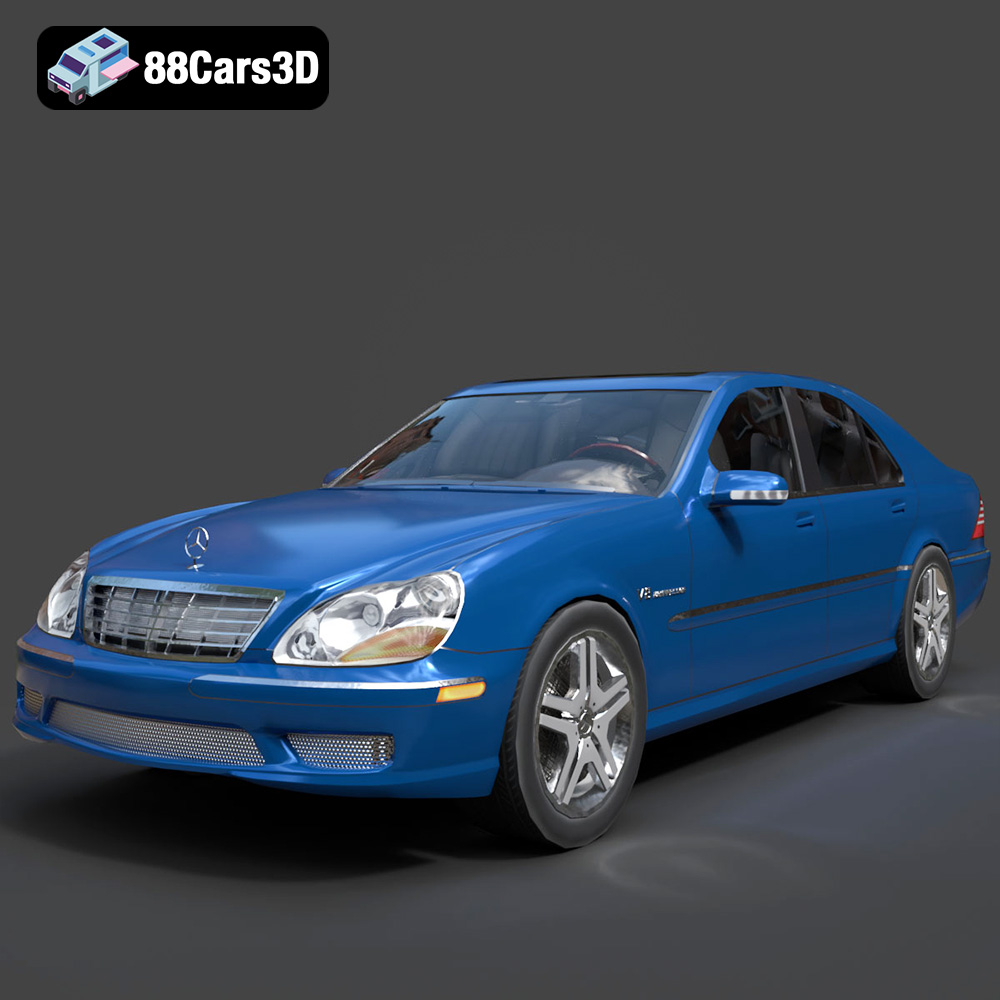
Mercedes-Benz S55 W220 AMG 1999 3D Model
Texture: Yes
Material: Yes
Download the Mercedes-Benz S55 W220 AMG 1999 3D Model featuring clean geometry, realistic detailing, and a fully modeled interior. Includes .blend, .fbx, .obj, .glb, .stl, .ply, .unreal, and .max formats for rendering, simulation, and game development.
Price: $23.99
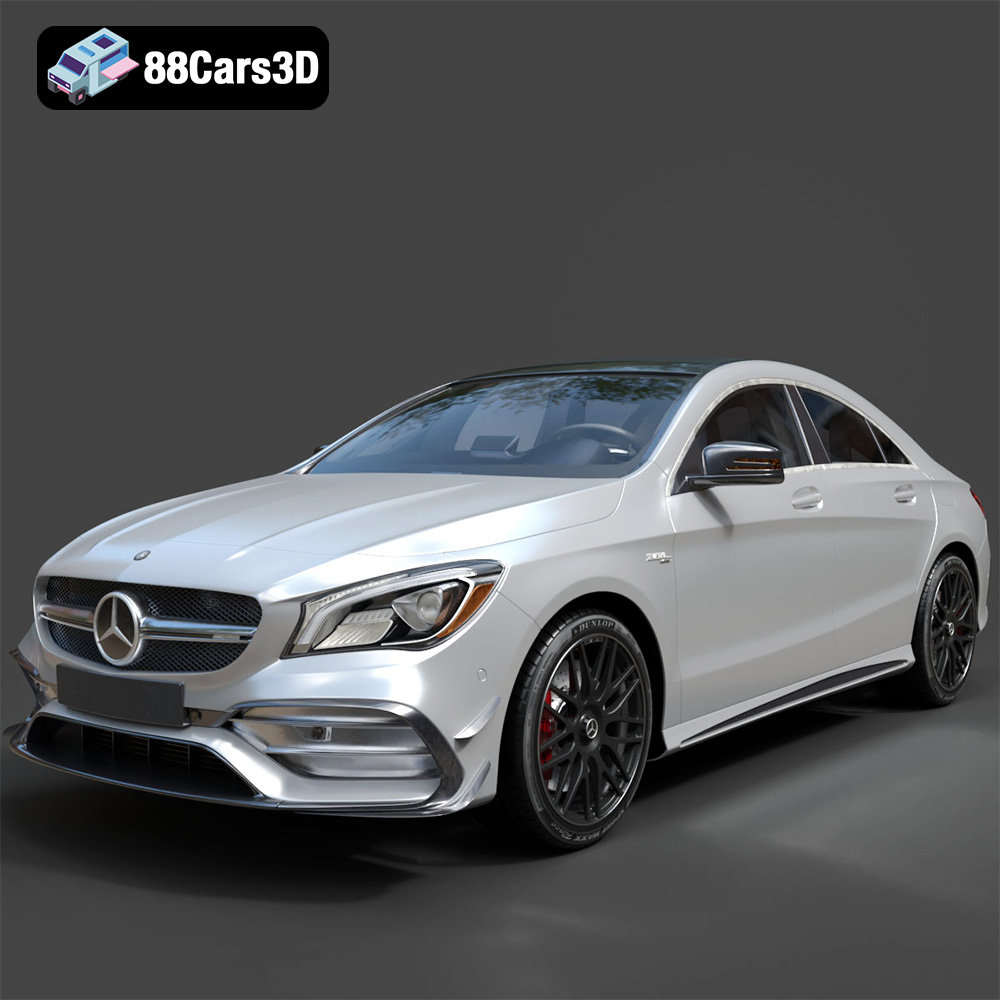
Mercedes-Benz CLA45 AMG 2017 3D Model
Texture: Yes
Material: Yes
Download the Mercedes-Benz CLA45 AMG 2017 3D Model featuring clean geometry, realistic detailing, and a fully modeled interior. Includes .blend, .fbx, .obj, .glb, .stl, .ply, .unreal, and .max formats for rendering, simulation, and game development.
Price: $38.99
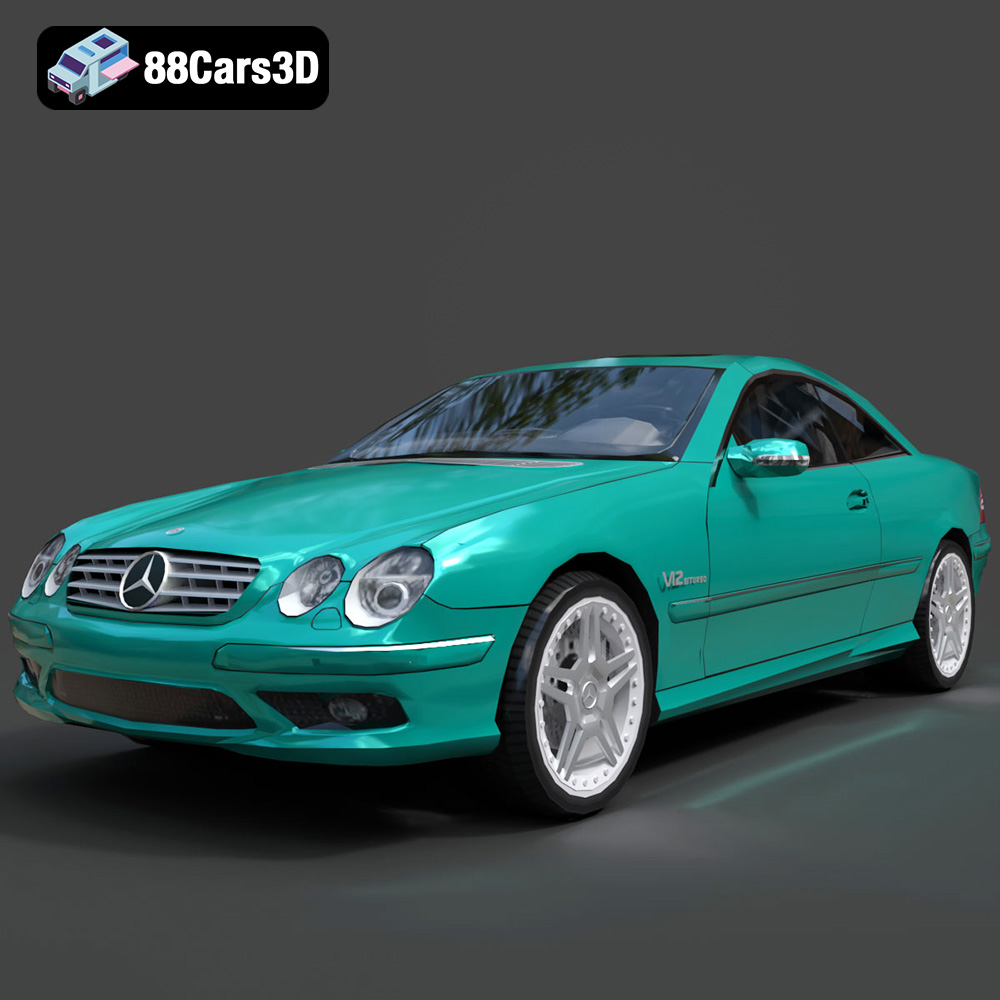
Mercedes-Benz CL65 C215 AMG 3D Model
Texture: Yes
Material: Yes
Download the Mercedes-Benz CL65 C215 AMG 3D Model featuring clean geometry, realistic detailing, and a fully modeled interior. Includes .blend, .fbx, .obj, .glb, .stl, .ply, .unreal, and .max formats for rendering, simulation, and game development.
Price: $23.99
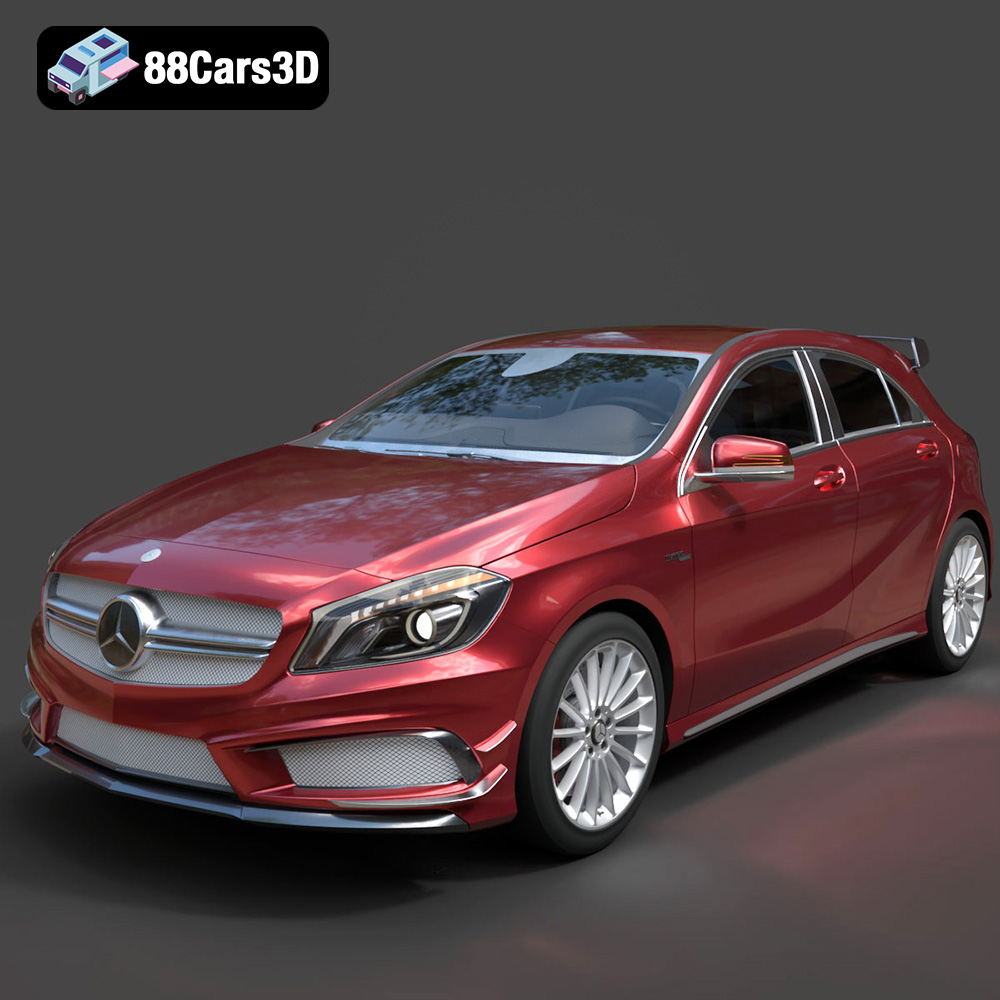
Mercedes-Benz A45 2021 3D Model
Texture: Yes
Material: Yes
Download the Mercedes-Benz A45 2021 3D Model featuring clean geometry, realistic detailing, and a fully modeled interior. Includes .blend, .fbx, .obj, .glb, .stl, .ply, .unreal, and .max formats for rendering, simulation, and game development.
Price: $23.99
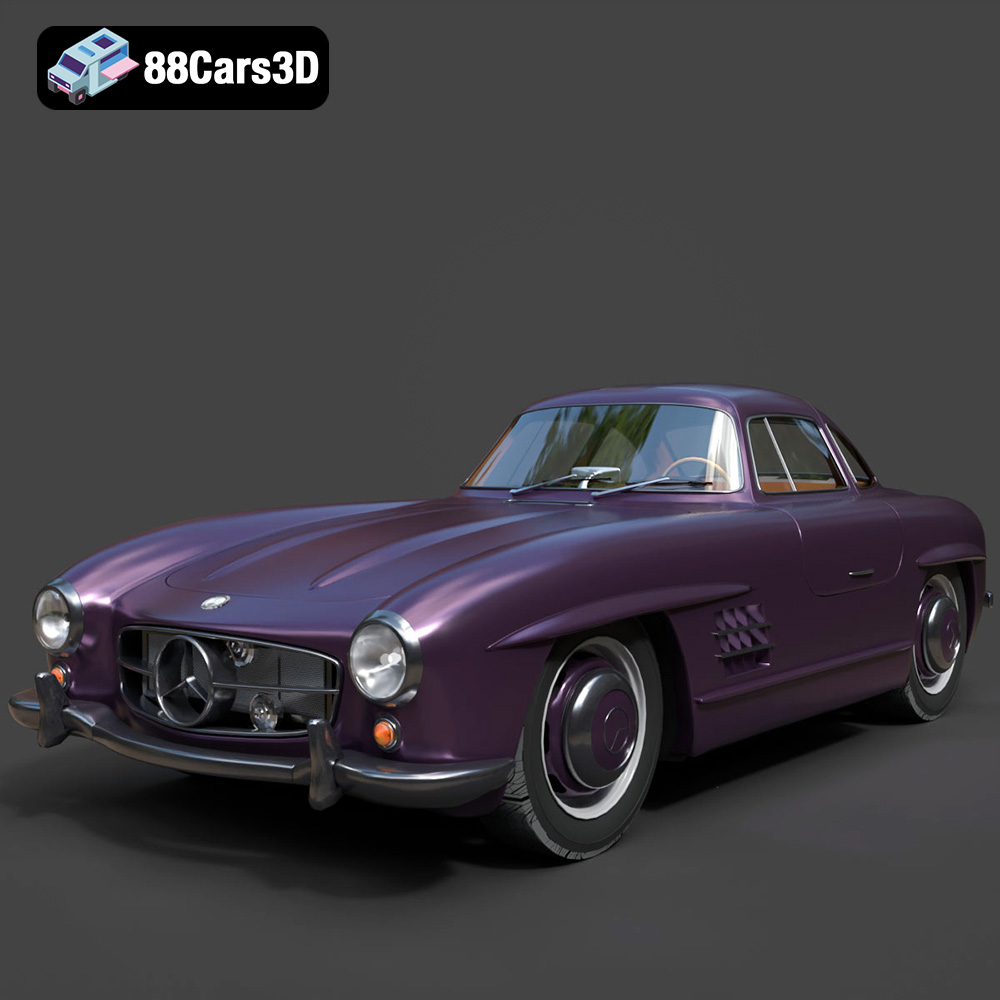
Mercedes-Benz 300SL 1955 3D Model
Texture: Yes
Material: Yes
Download the Mercedes-Benz 300SL 1955 3D Model featuring clean geometry, realistic detailing, and a fully modeled interior. Includes .blend, .fbx, .obj, .glb, .stl, .ply, .unreal, and .max formats for rendering, simulation, and game development.
Price: $23.99
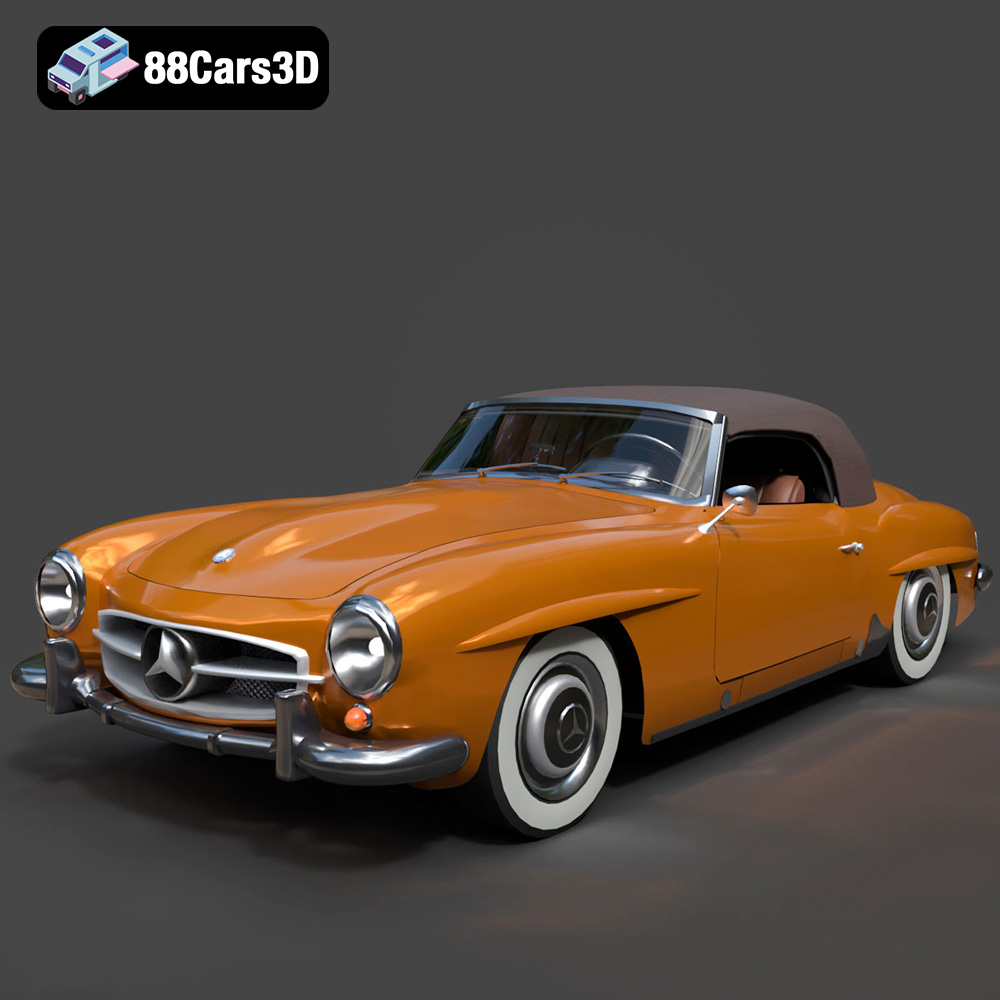
Mercedes-Benz 190SL 1955 3D Model
Texture: Yes
Material: Yes
Download the Mercedes-Benz 190SL 1955 3D Model featuring clean geometry, realistic detailing, and a fully modeled interior. Includes .blend, .fbx, .obj, .glb, .stl, .ply, .unreal, and .max formats for rendering, simulation, and game development.
Price: $23.99
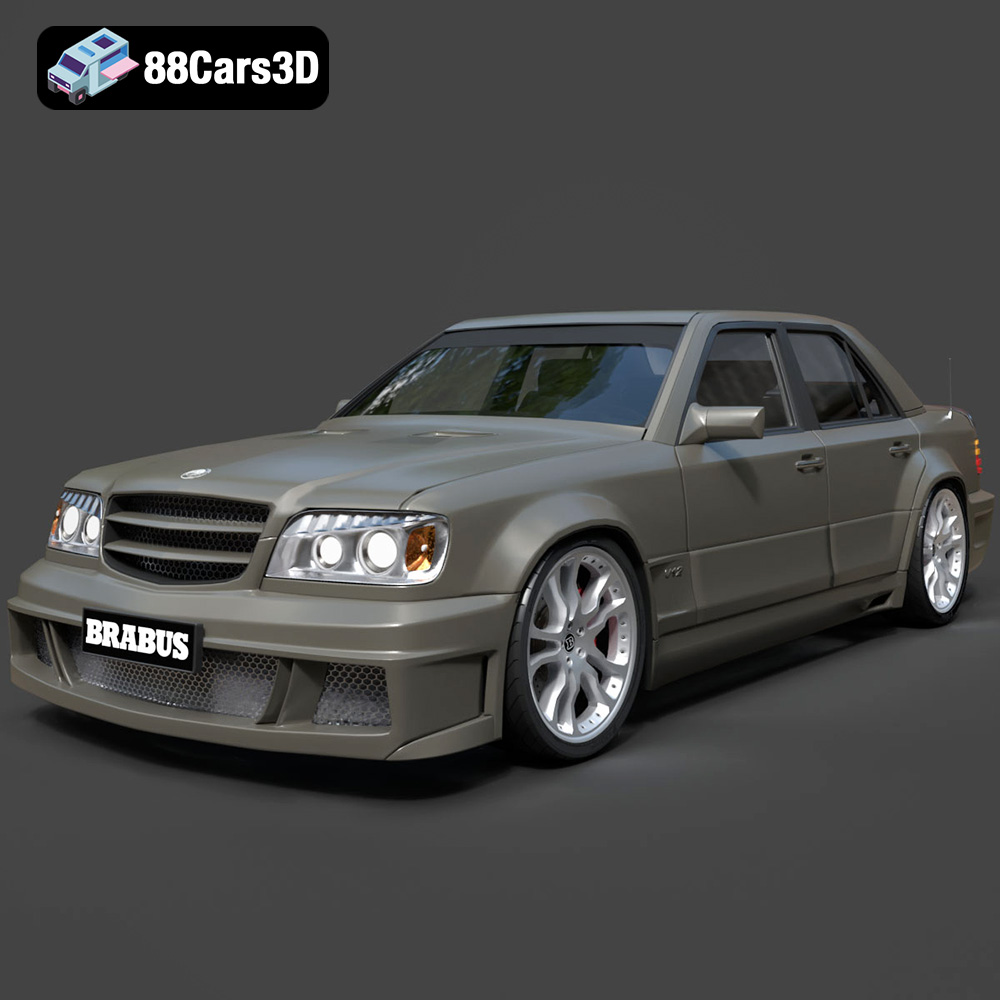
Mercedes-Benz W124 Brabus V12 3D Model
Texture: Yes
Material: Yes
Download the Mercedes-Benz W124 Brabus V12 3D Model featuring clean geometry, realistic detailing, and a fully modeled interior. Includes .blend, .fbx, .obj, .glb, .stl, .ply, .unreal, and .max formats for rendering, simulation, and game development.
Price: $23.99
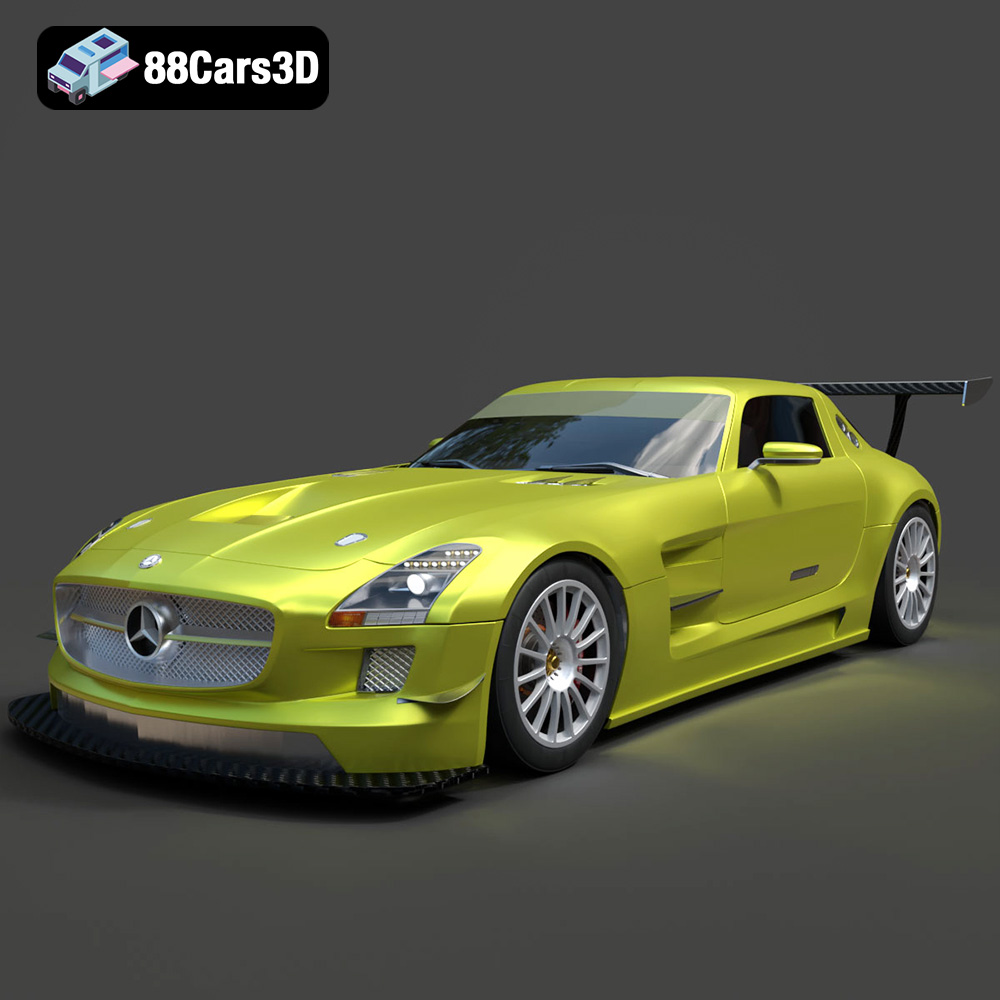
Mercedes-Benz SLS AMG GT3-002 3D Model
Texture: Yes
Material: Yes
Download the Mercedes-Benz SLS AMG GT3-002 3D Model featuring clean geometry, realistic detailing, and a fully modeled interior. Includes .blend, .fbx, .obj, .glb, .stl, .ply, .unreal, and .max formats for rendering, simulation, and game development.
Price: $38.99

Mercedes-Benz C-Class-001 3D Model
Texture: Yes
Material: Yes
Download the Mercedes-Benz C-Class-001 3D Model featuring clean geometry, realistic detailing, and a fully modeled interior. Includes .blend, .fbx, .obj, .glb, .stl, .ply, .unreal, and .max formats for rendering, simulation, and game development.
Price: $38.99
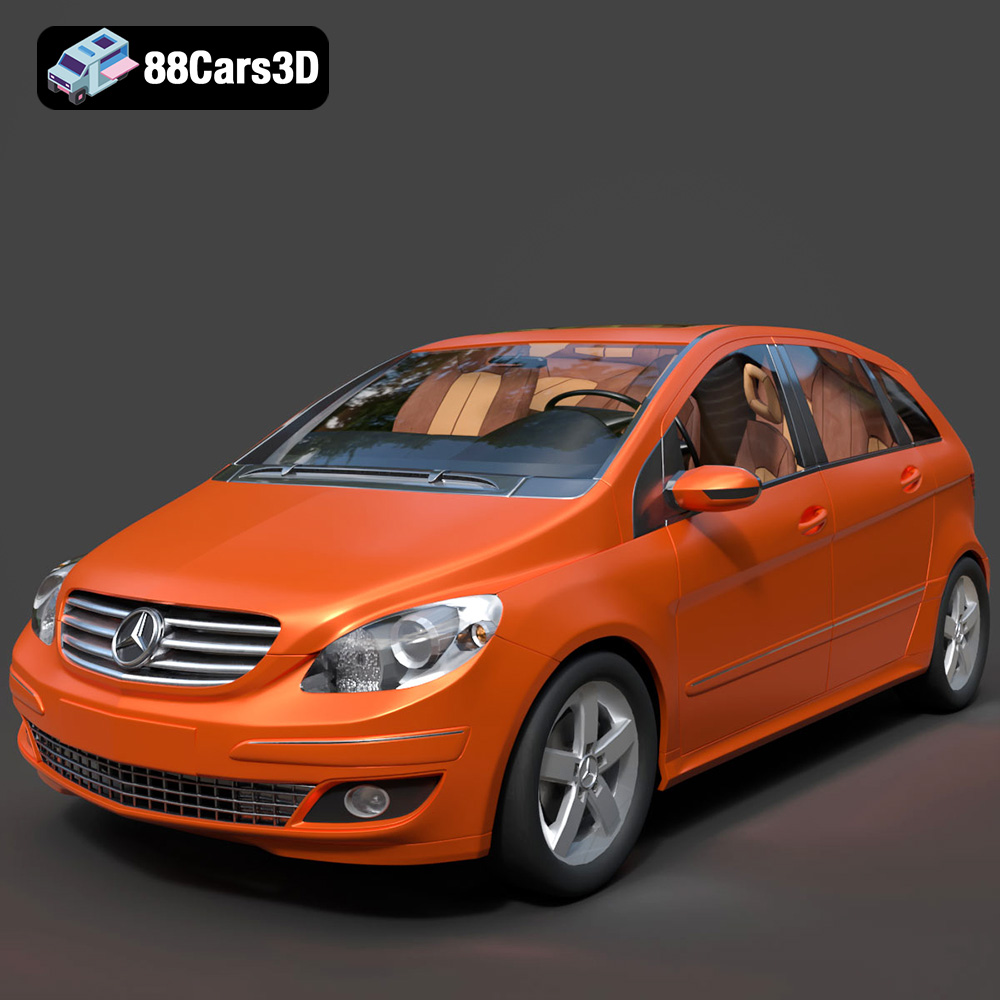
Mercedes-Benz B-Klasse 2023 3D Model
Texture: Yes
Material: Yes
Download the Mercedes-Benz B-Klasse 2023 3D Model featuring clean geometry, realistic detailing, and a fully modeled interior. Includes .blend, .fbx, .obj, .glb, .stl, .ply, .unreal, and .max formats for rendering, simulation, and game development.
Price: $38.99
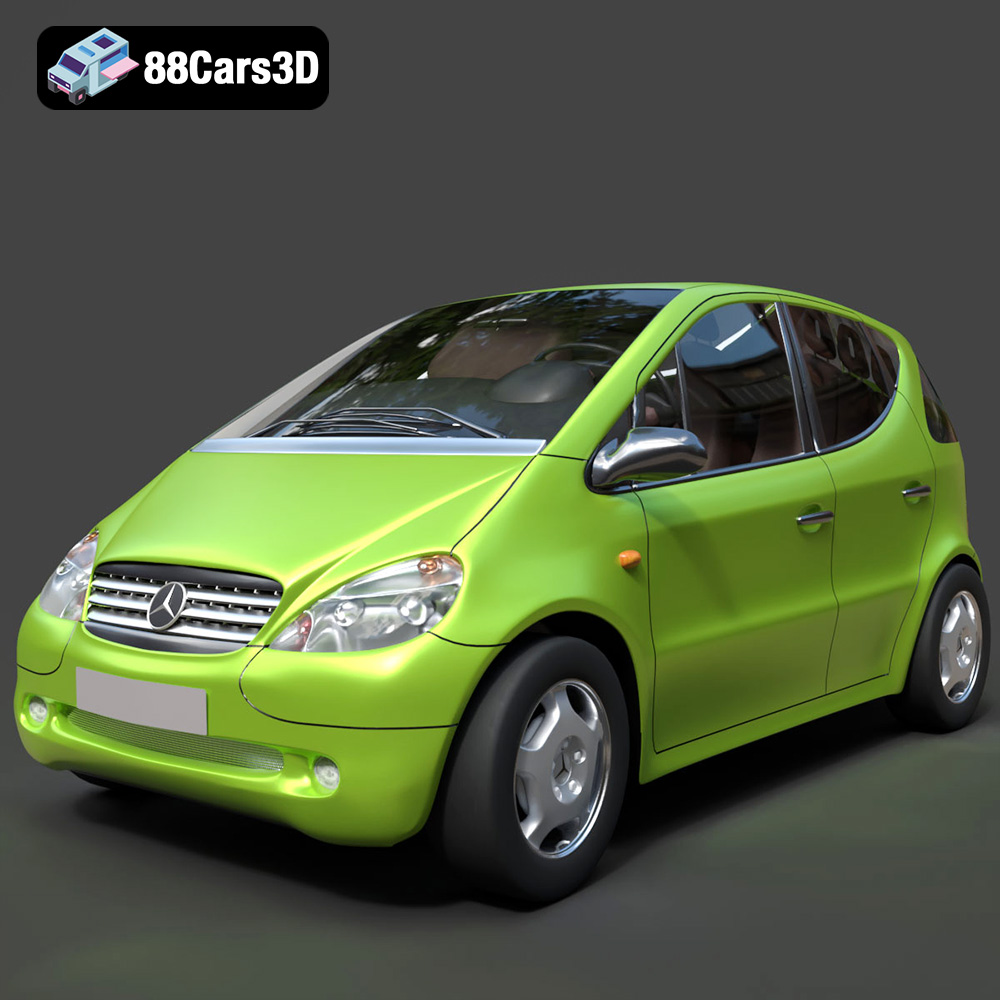
Mercedes-Benz A-Klasse W168 3D Model
Texture: Yes
Material: Yes
Download the Mercedes-Benz A-Klasse W168 3D Model featuring clean geometry, realistic detailing, and a fully modeled interior. Includes .blend, .fbx, .obj, .glb, .stl, .ply, .unreal, and .max formats for rendering, simulation, and game development.
Price: $38.99
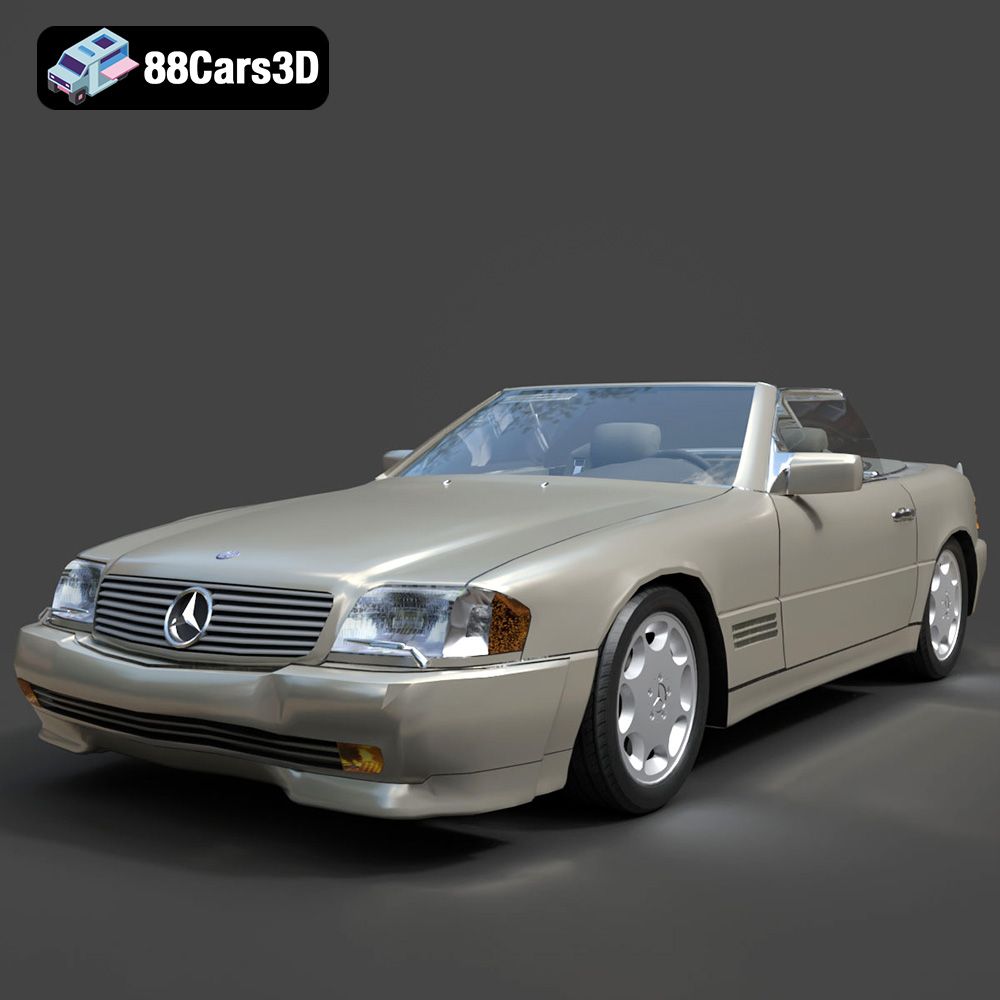
Mercedes-Benz 500SL 2000 3D Model
Texture: Yes
Material: Yes
Download the Mercedes-Benz 500SL 2000 3D Model featuring clean geometry, realistic detailing, and a fully modeled interior. Includes .blend, .fbx, .obj, .glb, .stl, .ply, .unreal, and .max formats for rendering, simulation, and game development.
Price: $38.99
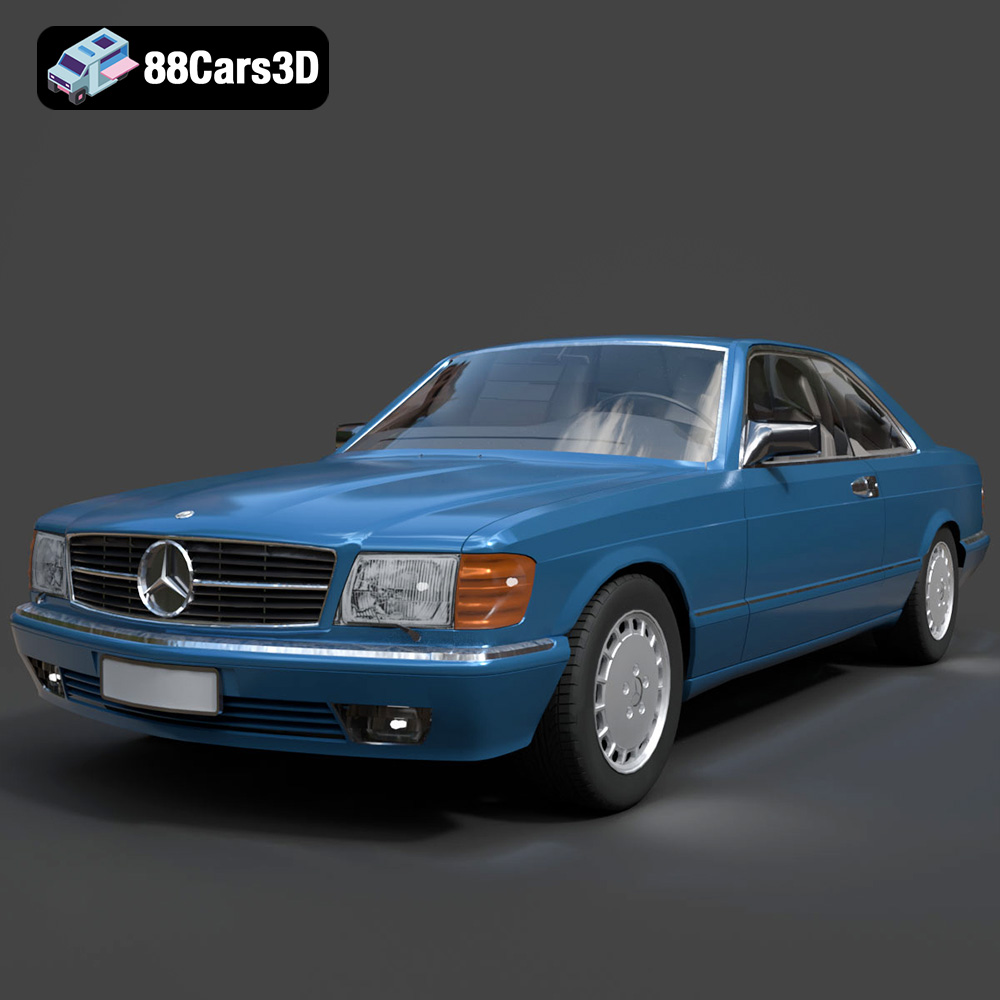
Mercedes-Benz 500SEC 3D Model
Texture: Yes
Material: Yes
Download the Mercedes-Benz 500SEC 3D Model featuring clean geometry, realistic detailing, and a fully modeled interior. Includes .blend, .fbx, .obj, .glb, .stl, .ply, .unreal, and .max formats for rendering, simulation, and game development.
Price: $38.99
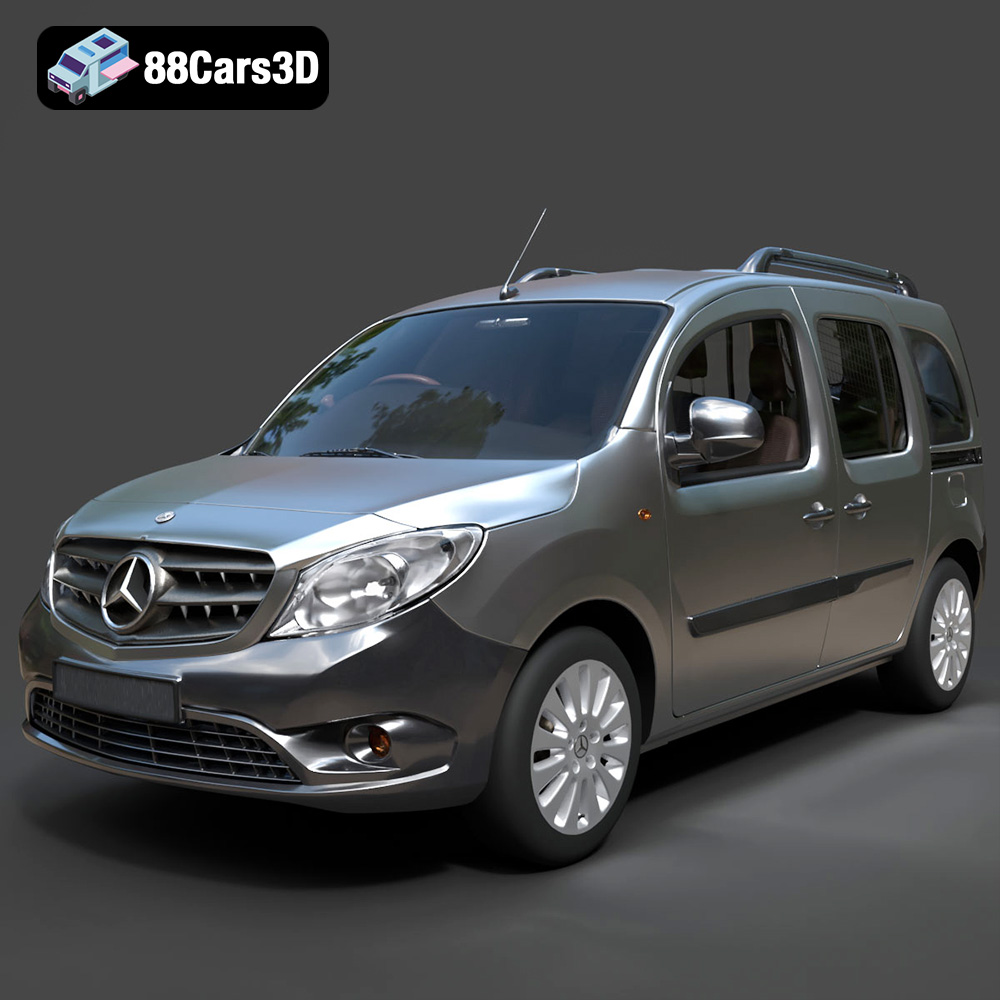
Mercedes-Benz Citan 2025 3D Model
Texture: Yes
Material: Yes
Download the Mercedes-Benz Citan 2025 3D Model featuring clean geometry, realistic detailing, and a fully modeled interior. Includes .blend, .fbx, .obj, .glb, .stl, .ply, .unreal, and .max formats for rendering, simulation, and game development.
Price: $38.99
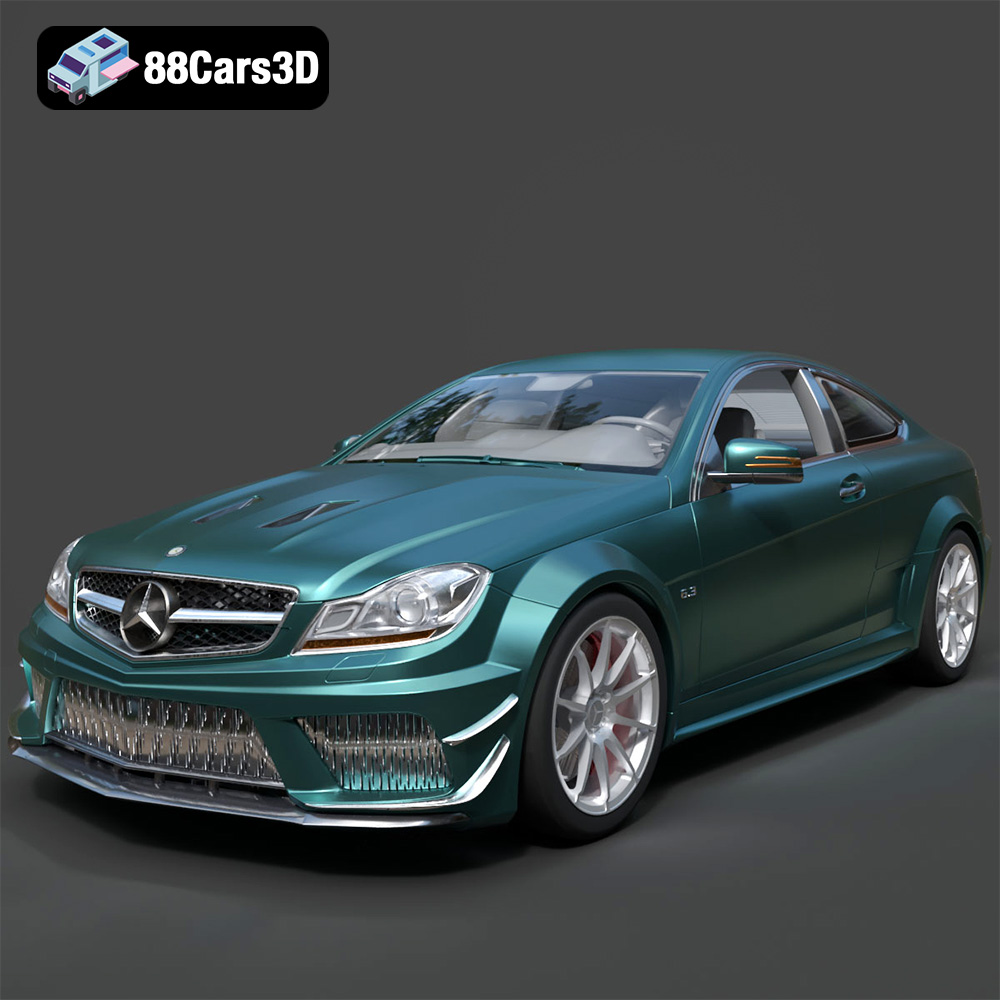
Mercedes-Benz C63 AMG 2012 3D Model
Texture: Yes
Material: Yes
Download the Mercedes-Benz C63 AMG 2012 3D Model featuring clean geometry, realistic detailing, and a fully modeled interior. Includes .blend, .fbx, .obj, .glb, .stl, .ply, .unreal, and .max formats for rendering, simulation, and game development.
Price: $38.99
