⚡ FLASH SALE: Get 60% OFF All Premium 3D & STL Models! ⚡

The quest for ultimate realism in automotive visualization has always pushed the boundaries of technology. For years, achieving truly photorealistic renders of vehicles demanded extensive render farm computations and offline workflows. However, with the advent of Unreal Engine 5, the landscape has dramatically shifted. This powerful real-time engine, renowned for its stunning visual fidelity and robust toolset, now offers unprecedented capabilities for automotive designers, game developers, and 3D artists to create breathtaking, interactive experiences. Mastering automotive photorealism in UE5 isn’t just about tweaking settings; it’s about understanding the synergy between its core technologies and applying advanced artistic and technical principles.
This comprehensive guide delves into the advanced rendering techniques that elevate car models from good to truly indistinguishable from reality. We’ll explore how to leverage Unreal Engine 5’s groundbreaking features, craft physically accurate materials, master cinematic lighting, and optimize your scenes for both visual impact and performance. Whether you’re aiming for a high-fidelity marketing render or an immersive interactive experience, the techniques discussed here will equip you to achieve unparalleled levels of realism.
Unreal Engine 5’s revolutionary core technologies, Nanite and Lumen, are game-changers for achieving automotive photorealism. These systems fundamentally alter how we approach geometry detail and global illumination, offering levels of fidelity previously thought impossible in real-time.
Nanite is a virtualized micro-polygon geometry system that allows artists to import and render incredibly high-detail assets directly into Unreal Engine 5 without the traditional performance bottlenecks. For **Nanite automotive models**, this means you can use CAD data, photogrammetry scans, or sculpts with millions of polygons without needing to bake normal maps or aggressively decimate meshes.
* **Importing High-Poly Assets:** Simply import your **high-poly car rendering** models as FBX or USD. Unreal Engine will automatically convert them to Nanite meshes upon import or with a simple toggle in the static mesh editor. This process handles the LOD generation automatically, ensuring optimal performance from far distances to extreme close-ups.
* **Geometric Fidelity:** Nanite excels at preserving sharp edges, intricate details like panel gaps, intricate grilles, and even tire treads. This eliminates the “fake” look that normal maps can sometimes produce, especially under glancing angles or close inspection.
* **Workflow Efficiency:** Artists can focus on creating detail rather than constantly optimizing polygon counts. This speeds up the iteration process in **automotive design visualization UE5**, allowing more time for creative exploration and refinement.
Lumen is Unreal Engine 5’s fully dynamic global illumination and reflections system, providing spectacular light bounces and indirect lighting that greatly enhance realism. For **real-time ray tracing vehicles**, Lumen simulates how light interacts with surfaces, creating soft shadows, subtle color bleeding, and accurate reflections that are crucial for automotive aesthetics.
* **Dynamic GI and Reflections:** Lumen calculates global illumination in real-time, meaning that if you move a light source or change the color of a wall, the scene’s lighting reacts instantly. This is invaluable for showcasing different vehicle colors or environments without re-baking lightmaps.
* **Material Interaction:** Lumen accurately reflects the properties of your **PBR materials cars**, ensuring that metallic paints reflect more light, and rough surfaces diffuse it appropriately. This interaction is key to realistic ambient occlusion and diffuse bounces.
* **Optimizing Lumen:** While powerful, Lumen can be performance-intensive. For **automotive design visualization UE5**, ensure your project settings are configured for quality. Experiment with Lumen settings like “Global Illumination Quality” and “Reflection Quality” in the Post Process Volume to balance fidelity and framerate. Remember that Lumen uses software ray tracing, but it can be combined with hardware ray tracing for reflections and shadows where available, further enhancing realism.
The car paint shader is arguably the most critical component for achieving **photorealistic car paint shader** realism. Modern automotive paints are complex, multi-layered materials that exhibit unique optical properties. Replicating these in Unreal Engine 5 requires a deep understanding of PBR (Physically Based Rendering) principles and advanced material graph techniques.
A typical car paint consists of several layers, each contributing to its final appearance:
1. **Base Coat:** This is the primary color layer, often containing metallic flakes or pearlescent pigments. It dictates the base hue and can be either metallic or solid.
2. **Clear Coat:** A transparent, highly reflective, and glossy layer applied over the base coat. This layer provides depth, protection, and the characteristic “wet” look of car paint.
3. **Flakes:** Microscopic metallic or pearlescent particles embedded in the base coat, responsible for the sparkle and subtle color shift seen at different angles.
Unreal Engine’s material editor is robust enough to construct sophisticated layered materials. Here’s a foundational approach:
* **Custom Material Function for Flakes:** Create a material function that generates a flake pattern. This can involve combining several noisy textures, transforming them based on world position, and using them to drive subtle normal map perturbations and metallic responses. The flakes should only be visible at certain grazing angles and react to light.
* **Base Coat Material:** Start with a standard PBR setup. Use a Base Color for the primary hue. The Metallic input should be set based on whether it’s a solid or metallic paint (e.g., 0.0 for solid, 1.0 for metallic). Roughness should be relatively low but not zero, and driven by a texture or parameter for subtle imperfections.
* **Clear Coat Material (Anisotropy & Specular Lobe):** The clear coat is where the magic happens. This is best achieved using a “two-lobe” approach, where a separate specular reflection is added on top of the base material.
* **Layered Material Blend:** Use a `Make Material Attributes` node for your base coat, and another for your clear coat. Blend them using a `Layered Material` node.
* **Clear Coat Properties:** The clear coat should have a very low roughness (close to 0.0) and a high metallic value (1.0) to simulate its reflective nature, but importantly, its base color should be black to ensure it only contributes specular reflections. Its normal input can be connected to the same normal map as the base coat or a slightly blurred version for a smoother finish.
* **Anisotropy:** High-end **photorealistic car paint shader** often benefits from anisotropy, especially on curved surfaces where reflections stretch. This can be implemented by providing a Tangent vector to the material and manipulating it based on surface curvature and lighting direction. This creates those distinctive “streaks” of light on highly polished surfaces.
* **Dirt and Scratches:** For ultimate realism, subtle dirt and micro-scratches are essential. Blend these in using grunge masks and normal maps, layering them over the clear coat. Ensure the dirt layer has a higher roughness and less metallic appearance.
While car paint steals the show, the surrounding materials – glass, tires, and interior elements – are equally vital for grounding your **PBR materials cars** in reality. Each requires careful attention to PBR principles and specific material properties.
Automotive glass is more than just a transparent surface; it’s a complex material that refracts light, reflects the environment, and often has subtle imperfections.
* **PBR Fundamentals:** Set the material’s blend mode to `Translucent`. The **PBR materials cars** base color should be a dark gray or black for clean glass, and metallic should be 0.0. Roughness will determine how blurry reflections and refractions are.
* **Refraction:** The `Refraction` input in a translucent material is critical. Connect it to a `Constant` parameter with a value around 1.5-1.6 for automotive glass (Index of Refraction for glass). For tinted windows, add a slight color to the Base Color input.
* **Imperfections:** Real glass is never perfectly clean. Add subtle smudges, fingerprints, and dirt using grayscale masks plugged into the `Roughness` and `Normal` inputs. A slightly perturbed normal map can simulate subtle surface variations. Use `Screen Space Reflection` and `Planar Reflections` for high-quality glass reflections in **real-time ray tracing vehicles**.
Tires are often overlooked but are crucial for a convincing **high-poly car rendering**. Their material properties are unique.
* **Rubber Base:** Use a very dark grey for the Base Color. Metallic should be 0.0. Roughness should be relatively high (0.6-0.8) for dry rubber, but can vary with wetness.
* **Tread Detail:** High-resolution normal maps and displacement maps (for Nanite meshes) are essential to capture the intricate tread patterns.
* **Anisotropy:** Rubber often exhibits a subtle anisotropic reflection, especially on worn surfaces or specific manufacturing textures. Similar to the car paint, adding an anisotropic component to the material can significantly enhance realism. Create a texture to drive the `Tangent` input, or derive it from the mesh’s UVs.
* **Wear and Tear:** Implement masks for dust, dirt, and wear on the treads and sidewalls. These should affect the roughness, base color, and possibly normal maps.
Automotive interiors comprise a vast array of materials, each demanding accurate PBR representation.
* **Leather:** Base color, medium roughness (0.4-0.6), and a subtle normal map for grain. For worn leather, introduce variations in roughness and slight color desaturation.
* **Plastics:** Varying roughness based on type (matte, glossy), and appropriate base colors. Normal maps can add subtle texture.
* **Metals:** High metallic values (1.0) with varied roughness depending on polished or brushed finishes. Use anisotropic reflections for brushed metals. For carbon fiber, use complex normal and diffuse maps that simulate the weave and reflective properties under a clear coat.
* **Fabrics:** Use detailed normal maps for weave patterns and subtle variations in roughness. Often, a slight fuzziness is desired, which can be achieved with `Fuzzy Shading` material functions or careful use of `Subsurface Scattering` for soft textiles.
Lighting is the cornerstone of **automotive photorealism**. The way light interacts with your **high-poly car rendering** determines its visual impact, mood, and how materials are perceived. In Unreal Engine 5, combining **HDR automotive lighting** with strategic artificial lights and global illumination creates truly convincing results.
The quickest and most effective way to establish realistic lighting is through an High Dynamic Range Image (HDRI) environment. These 360-degree panoramic images capture real-world lighting conditions, providing accurate ambient light, reflections, and shadows.
* **Importing HDRIs:** Import your HDRI as a texture, ensure it’s set to `Cube Map` and `HDR`.
* **Sky Sphere Blueprint:** Place an `HDRIBackdrop` actor in your scene. Assign your imported HDRI texture to it. This actor acts as a physical representation of the sky and a source of indirect light.
* **Controlling Intensity and Rotation:** Adjust the `Intensity` and `Rotation` parameters of the `HDRIBackdrop` to match your desired mood and light direction. The rotation is critical for accurately casting shadows and illuminating your **Nanite automotive models**.
* **Importance of Quality HDRIs:** Invest in high-quality, high-resolution HDRIs with a wide dynamic range. These provide cleaner shadows, more accurate reflections, and richer ambient lighting for your **automotive design visualization UE5**.
While HDRIs provide excellent ambient lighting, artificial lights are essential for highlighting specific features, adding drama, and shaping your vehicle.
* **Key Light:** The primary light source, typically a `Directional Light` or a `Rect Light`, simulating the sun or a studio light. It defines the main shadows and highlights. Adjust its intensity, color temperature, and angle to create the desired mood. For **real-time ray tracing vehicles**, ensure ray tracing is enabled for your lights for accurate shadows and bounced light.
* **Fill Light:** A softer, less intense light (`Rect Light` or `Spot Light` with wide cone) used to soften shadows created by the key light and bring out details in darker areas. It reduces contrast without flattening the image.
* **Rim Light:** Positioned behind the vehicle and slightly to the side, this light (`Spot Light` or `Rect Light`) creates a bright outline along the contours of the car, separating it from the background and adding depth. This is particularly effective for accentuating the sleek lines of **Nanite automotive models**.
* **Reflector Cards and Bounce Lighting:** Simulate real-world studio setups by placing `Rect Lights` set to a low intensity with a white or slightly colored texture. These act like reflector cards, bouncing light onto the vehicle to fill in dark areas and enhance reflections on the **photorealistic car paint shader**. Lumen will naturally handle some of this, but explicit lights offer more control.
Once your lighting and materials are set, post-processing is the final layer of polish that transforms a good render into a cinematic masterpiece. Combined with thoughtful camera techniques, it elevates your **automotive design visualization UE5** to a professional standard.
A `PostProcessVolume` is where you apply global visual effects to your scene. Ensure it’s unbound to affect the entire scene.
* **Exposure:** Crucial for balancing the overall brightness. Auto-exposure can be helpful, but often manual adjustments are needed for specific shots.
* **Color Grading:** Use the `Color Grading` tools to adjust global hue, saturation, and contrast. Apply LUTs (Look-Up Tables) for specific cinematic looks. This allows you to fine-tune the mood and atmosphere, ensuring the **photorealistic car paint shader** colors pop.
* **Bloom:** Simulates light scattering in the camera lens, creating a glow around bright areas. Use sparingly for subtle highlights, especially on reflective surfaces and light sources.
* **Vignette:** A subtle darkening towards the edges of the frame, often used to draw the viewer’s eye towards the center.
* **Chromatic Aberration:** Mimics lens imperfections, adding a subtle fringing effect at high contrast edges. Use very subtly, if at all, for a more “filmic” look.
* **Ambient Occlusion:** Enhances contact shadows and crevice shading, adding depth. Lumen handles a good amount of this, but additional screen-space AO can be layered.
* **Global Illumination & Reflections:** Fine-tune Lumen’s GI and Reflection quality settings within the Post Process Volume for optimal **Unreal Engine 5 Lumen** performance and visual fidelity.
Camera settings and movement are as important as the render itself in **automotive design visualization UE5**.
* **Cine Camera Actor:** Always use a `Cine Camera Actor` for cinematic shots. It offers real-world camera controls like focal length, aperture, and shutter speed.
* **Focal Length:** Experiment with different focal lengths. Wide-angle lenses (e.g., 20-35mm) can emphasize the car’s presence in an environment, while telephoto lenses (e.g., 85-135mm) are great for isolating details and compressing perspective, ideal for close-ups of **Nanite automotive models**.
* **Depth of Field (DOF):** Crucial for realism and artistic focus. Control DOF using the `Aperture` (f-stop) and `Focus Distance` settings on your Cine Camera. A wide aperture (low f-stop value) creates a shallow DOF, blurring the foreground and background to draw attention to the vehicle. For **high-poly car rendering**, this helps to isolate the subject.
* **Motion Blur:** Essential for conveying speed and dynamism in animation. Set the `Motion Blur` amount in the Post Process Volume and ensure your Cine Camera has a `Shutter Speed` defined.
While Unreal Engine 5 allows for incredible detail, maintaining smooth performance, especially for interactive experiences or **real-time ray tracing vehicles**, requires smart optimization strategies. Balancing visual fidelity with performance is key.
Nanite fundamentally changes optimization, but it’s not a silver bullet for everything.
* **Nanite for Static Meshes:** Enable Nanite for all high-poly, static meshes that demand extreme detail, such as the car body, wheels, engine components, and intricate interior pieces. This ensures efficient **high-poly car rendering**.
* **Non-Nanite for Deforming Meshes and Small Props:** Meshes that deform (e.g., car doors opening, suspension movement) or very small, distant props that don’t benefit from micro-polygon detail should remain non-Nanite.
* **Nanite Settings:** Within the Static Mesh Editor, adjust Nanite’s `Fallback Relative Error` and `Preserve Area` settings to control the detail loss at distance. Higher error values mean more aggressive simplification, which can be useful for background elements.
Efficient texture management is crucial for performance.
* **Texture Streaming:** Unreal Engine automatically handles texture streaming. Ensure your texture assets have `Streamable` enabled.
* **Mip Maps:** Generate mip maps for all textures. These are lower-resolution versions of your textures that the engine uses at a distance, saving memory and VRAM.
* **Appropriate Resolutions:** Don’t use unnecessarily high-resolution textures. A 4K texture for a small, distant bolt is overkill. Prioritize resolutions for prominent elements like the **photorealistic car paint shader**, tires, and dashboard.
* **Texture Formats:** Use efficient formats like BC7 (for color) and BC5 (for normal maps) to compress textures without significant quality loss.
Several project settings can significantly impact performance for **automotive design visualization UE5**.
* **Ray Tracing Settings:** Under `Project Settings > Rendering > Hardware Ray Tracing`, enable ray tracing features selectively. While `Real-time Ray Tracing Vehicles` benefit from all features, you might choose to only enable Ray Traced Shadows and Ray Traced Reflections for a performance boost, letting Lumen handle GI.
* **Lumen Settings:** In `Project Settings > Rendering > Global Illumination`, adjust Lumen’s quality. For high-end visualization, you’ll want `High` or `Epic`, but for interactive experiences, lower settings might be necessary. Also, consider the `Lumen Scene Detail` and `Surface Cache Resolution`.
* **Anti-Aliasing:** Temporal Super Resolution (TSR) is Unreal Engine 5’s default and highly effective. Ensure it’s configured for quality, as good anti-aliasing is vital for sharp edges on **Nanite automotive models**.
* **Scalability Settings:** Utilize the engine’s built-in scalability settings (e.g., `r.PostProcessAAQuality` for anti-aliasing) to quickly adjust visual quality across different hardware configurations.
By meticulously applying these advanced techniques, you can achieve a level of **automotive photorealism** in Unreal Engine 5 that was previously the exclusive domain of offline renderers. The combination of Nanite’s geometric prowess, Lumen’s dynamic lighting, and carefully crafted **PBR materials cars** empowers artists to create truly stunning and immersive experiences.
The journey to mastering automotive photorealism in Unreal Engine 5 is one of continuous learning and artistic refinement. From leveraging the groundbreaking detail capabilities of **Nanite automotive models** to crafting intricate **photorealistic car paint shaders**, and illuminating scenes with sophisticated **HDR automotive lighting** and **Unreal Engine 5 Lumen**, every step contributes to the final breathtaking image. The ability to achieve this level of fidelity in real-time with **real-time ray tracing vehicles** is not just a technical marvel but a creative liberation for artists and designers alike.
The future of **automotive design visualization UE5** is undoubtedly interactive and real-time. Whether you’re presenting design concepts, creating marketing assets, or developing immersive configurators, Unreal Engine 5 provides an unparalleled platform. For those seeking a head start with top-tier assets, resources like 88cars3d.com offer high-quality, production-ready models that serve as excellent foundations for applying these advanced rendering techniques. Start experimenting, pushing boundaries, and transform your **high-poly car rendering** into captivating realities. The power is now in your hands.

Texture: Yes
Material: Yes
Download the Subaru Impreza Sport Wagon 3D Model featuring clean geometry, realistic detailing, and a fully modeled interior. Includes .blend, .fbx, .obj, .glb, .stl, .ply, .unreal, and .max formats for rendering, simulation, and game development.
Price: $10

Texture: Yes
Material: Yes
Download the Skoda Octavia A7 2017 3D Model featuring clean geometry, realistic detailing, and a fully modeled interior. Includes .blend, .fbx, .obj, .glb, .stl, .ply, .unreal, and .max formats for rendering, simulation, and game development.
Price: $10

Texture: Yes
Material: Yes
Download the Suzuki SX4-002 3D Model featuring clean geometry, realistic detailing, and a fully modeled interior. Includes .blend, .fbx, .obj, .glb, .stl, .ply, .unreal, and .max formats for rendering, simulation, and game development.
Price: $10

Texture: Yes
Material: Yes
Download the Tesla Model S 2024 3D Model featuring clean geometry, realistic detailing, and a fully modeled interior. Includes .blend, .fbx, .obj, .glb, .stl, .ply, .unreal, and .max formats for rendering, simulation, and game development.
Price: $10

Texture: Yes
Material: Yes
Download the Subaru Impreza WRX STi-002 3D Model featuring clean geometry, realistic detailing, and a fully modeled interior. Includes .blend, .fbx, .obj, .glb, .stl, .ply, .unreal, and .max formats for rendering, simulation, and game development.
Price: $10

Texture: Yes
Material: Yes
Download the Subaru Impreza WRX STi Sedan 3D Model featuring clean geometry, realistic detailing, and a fully modeled interior. Includes .blend, .fbx, .obj, .glb, .stl, .ply, .unreal, and .max formats for rendering, simulation, and game development.
Price: $10

Texture: Yes
Material: Yes
Download the Subaru Legacy 2009 3D Model featuring clean geometry, realistic detailing, and a fully modeled interior. Includes .blend, .fbx, .obj, .glb, .stl, .ply, .unreal, and .max formats for rendering, simulation, and game development.
Price: $10

Texture: Yes
Material: Yes
Download the Suzuki Swift 2024 3D Model featuring clean geometry, realistic detailing, and a fully modeled interior. Includes .blend, .fbx, .obj, .glb, .stl, .ply, .unreal, and .max formats for rendering, simulation, and game development.
Price: $10

Texture: Yes
Material: Yes
Download the Suzuki Liana Sedan 2004 3D Model featuring clean geometry, realistic detailing, and a fully modeled interior. Includes .blend, .fbx, .obj, .glb, .stl, .ply, .unreal, and .max formats for rendering, simulation, and game development.
Price: $10

Texture: Yes
Material: Yes
Download the Subaru Outback 2024 3D Model featuring clean geometry, realistic detailing, and a fully modeled interior. Includes .blend, .fbx, .obj, .glb, .stl, .ply, .unreal, and .max formats for rendering, simulation, and game development.
Price: $10

Texture: Yes
Material: Yes
Download the Subaru Legacy 2003 3D Model featuring clean geometry, realistic detailing, and a fully modeled interior. Includes .blend, .fbx, .obj, .glb, .stl, .ply, .unreal, and .max formats for rendering, simulation, and game development.
Price: $10

Texture: Yes
Material: Yes
Download the Subaru Legacy Touring Wagon 3D Model featuring clean geometry, realistic detailing, and a fully modeled interior. Includes .blend, .fbx, .obj, .glb, .stl, .ply, .unreal, and .max formats for rendering, simulation, and game development.
Price: $10

Texture: Yes
Material: Yes
Download the Toyota Mark II (X100) 3D Model featuring clean geometry, realistic detailing, and a fully modeled interior. Includes .blend, .fbx, .obj, .glb, .stl, .ply, .unreal, and .max formats for rendering, simulation, and game development.
Price: $10

Texture: Yes
Material: Yes
Download the Toyota Corona 1985 3D Model featuring clean geometry, realistic detailing, and a fully modeled interior. Includes .blend, .fbx, .obj, .glb, .stl, .ply, .unreal, and .max formats for rendering, simulation, and game development.
Price: $10

Texture: Yes
Material: Yes
Download the Toyota Mark II X81 1990 3D Model featuring clean geometry, realistic detailing, and a fully modeled interior. Includes .blend, .fbx, .obj, .glb, .stl, .ply, .unreal, and .max formats for rendering, simulation, and game development.
Price: $10

Texture: Yes
Material: Yes
Download the Toyota iQ EV 2012 3D Model featuring clean geometry, realistic detailing, and a fully modeled interior. Includes .blend, .fbx, .obj, .glb, .stl, .ply, .unreal, and .max formats for rendering, simulation, and game development.
Price: $10

Texture: Yes
Material: Yes
Download the Toyota Aygo 2013 3D Model featuring clean geometry, realistic detailing, and a fully modeled interior. Includes .blend, .fbx, .obj, .glb, .stl, .ply, .unreal, and .max formats for rendering, simulation, and game development.
Price: $10

Texture: Yes
Material: Yes
Download the Toyota Crown S180 2005 3D Model featuring clean geometry, realistic detailing, and a fully modeled interior. Includes .blend, .fbx, .obj, .glb, .stl, .ply, .unreal, and .max formats for rendering, simulation, and game development.
Price: $10

Texture: Yes
Material: Yes
Download the Toyota Celica 2004 3D Model featuring clean geometry, realistic detailing, and a fully modeled interior. Includes .blend, .fbx, .obj, .glb, .stl, .ply, .unreal, and .max formats for rendering, simulation, and game development.
Price: $10

Texture: Yes
Material: Yes
Download the Toyota Corolla AE100 1992 3D Model featuring clean geometry, realistic detailing, and a fully modeled interior. Includes .blend, .fbx, .obj, .glb, .stl, .ply, .unreal, and .max formats for rendering, simulation, and game development.
Price: $10

Texture: Yes
Material: Yes
Download the Toyota Mark II X110 2000 3D Model featuring clean geometry, realistic detailing, and a fully modeled interior. Includes .blend, .fbx, .obj, .glb, .stl, .ply, .unreal, and .max formats for rendering, simulation, and game development.
Price: $10

Texture: Yes
Material: Yes
Download the Toyota Corolla 2020 3D Model featuring clean geometry, realistic detailing, and a fully modeled interior. Includes .blend, .fbx, .obj, .glb, .stl, .ply, .unreal, and .max formats for rendering, simulation, and game development.
Price: $10

Texture: Yes
Material: Yes
Download the Toyota Yaris 2020 3D Model featuring clean geometry, realistic detailing, and a fully modeled interior. Includes .blend, .fbx, .obj, .glb, .stl, .ply, .unreal, and .max formats for rendering, simulation, and game development.
Price: $9.9

Texture: Yes
Material: Yes
Download the Volkswagen Beetle 2012 3D Model featuring clean geometry, realistic detailing, and a fully modeled interior. Includes .blend, .fbx, .obj, .glb, .stl, .ply, .unreal, and .max formats for rendering, simulation, and game development.
Price: $9.9

Texture: Yes
Material: Yes
Download the Toyota Matrix 2005 3D Model featuring clean geometry, realistic detailing, and a fully modeled interior. Includes .blend, .fbx, .obj, .glb, .stl, .ply, .unreal, and .max formats for rendering, simulation, and game development.
Price: $9.9

Texture: Yes
Material: Yes
Download the Toyota Yaris Sedan 3D Model featuring clean geometry, realistic detailing, and a fully modeled interior. Includes .blend, .fbx, .obj, .glb, .stl, .ply, .unreal, and .max formats for rendering, simulation, and game development.
Price: $9.9

Texture: Yes
Material: Yes
Download the Volkswagen Golf R-004 2024 3D Model featuring clean geometry, realistic detailing, and a fully modeled interior. Includes .blend, .fbx, .obj, .glb, .stl, .ply, .unreal, and .max formats for rendering, simulation, and game development.
Price: $9.9

Texture: Yes
Material: Yes
Download the Volkswagen Golf 5 Door 2010 3D Model featuring clean geometry, realistic detailing, and a fully modeled interior. Includes .blend, .fbx, .obj, .glb, .stl, .ply, .unreal, and .max formats for rendering, simulation, and game development.
Price: $9.9

Texture: Yes
Material: Yes
Download the Toyota Premio 2010 3D Model featuring clean geometry, realistic detailing, and a fully modeled interior. Includes .blend, .fbx, .obj, .glb, .stl, .ply, .unreal, and .max formats for rendering, simulation, and game development.
Price: $9.9

Texture: Yes
Material: Yes
Download the Toyota Opa 2000 3D Model featuring clean geometry, realistic detailing, and a fully modeled interior. Includes .blend, .fbx, .obj, .glb, .stl, .ply, .unreal, and .max formats for rendering, simulation, and game development.
Price: $9.9

Texture: Yes
Material: Yes
Download the Volkswagen Polo 5 Door 2010 3D Model featuring clean geometry, realistic detailing, and a fully modeled interior. Includes .blend, .fbx, .obj, .glb, .stl, .ply, .unreal, and .max formats for rendering, simulation, and game development.
Price: $9.9

Texture: Yes
Material: Yes
Download the Toyota Prius 2024 3D Model featuring clean geometry, realistic detailing, and a fully modeled interior. Includes .blend, .fbx, .obj, .glb, .stl, .ply, .unreal, and .max formats for rendering, simulation, and game development.
Price: $9.9

Texture: Yes
Material: Yes
Download the Toyota Yaris 1999 3D Model featuring clean geometry, realistic detailing, and a fully modeled interior. Includes .blend, .fbx, .obj, .glb, .stl, .ply, .unreal, and .max formats for rendering, simulation, and game development.
Price: $9.9

Texture: Yes
Material: Yes
Download the Toyota Supra 2020 3D Model featuring clean geometry, realistic detailing, and a fully modeled interior. Includes .blend, .fbx, .obj, .glb, .stl, .ply, .unreal, and .max formats for rendering, simulation, and game development.
Price: $9.9

Texture: Yes
Material: Yes
Download the Volkswagen New Beetle 2000 3D Model featuring clean geometry, realistic detailing, and a fully modeled interior. Includes .blend, .fbx, .obj, .glb, .stl, .ply, .unreal, and .max formats for rendering, simulation, and game development.
Price: $14.99

Texture: Yes
Material: Yes
Download the Volkswagen Jetta 2005 3D Model featuring clean geometry, realistic detailing, and a fully modeled interior. Includes .blend, .fbx, .obj, .glb, .stl, .ply, .unreal, and .max formats for rendering, simulation, and game development.
Price: $18.99

Texture: Yes
Material: Yes
Download the Volkswagen Golf 3-Door 3D Model featuring clean geometry, realistic detailing, and a fully modeled interior. Includes .blend, .fbx, .obj, .glb, .stl, .ply, .unreal, and .max formats for rendering, simulation, and game development.
Price: $14.99

Texture: Yes
Material: Yes
Download the Volvo V70 2005 3D Model featuring clean geometry, realistic detailing, and a fully modeled interior. Includes .blend, .fbx, .obj, .glb, .stl, .ply, .unreal, and .max formats for rendering, simulation, and game development.
Price: $14.99

Texture: Yes
Material: Yes
Download the Volkswagen Bora 2004 3D Model featuring clean geometry, realistic detailing, and a fully modeled interior. Includes .blend, .fbx, .obj, .glb, .stl, .ply, .unreal, and .max formats for rendering, simulation, and game development.
Price: $14.99

Texture: Yes
Material: Yes
Download the Volkswagen Lupo 3D Model featuring clean geometry, realistic detailing, and a fully modeled interior. Includes .blend, .fbx, .obj, .glb, .stl, .ply, .unreal, and .max formats for rendering, simulation, and game development.
Price: $19.99

Texture: Yes
Material: Yes
Download the Volkswagen Passat B5 2000 3D Model featuring clean geometry, realistic detailing, and a fully modeled interior. Includes .blend, .fbx, .obj, .glb, .stl, .ply, .unreal, and .max formats for rendering, simulation, and game development.
Price: $19.99

Texture: Yes
Material: Yes
Download the Volkswagen Passat CC 3D Model featuring clean geometry, realistic detailing, and a fully modeled interior. Includes .blend, .fbx, .obj, .glb, .stl, .ply, .unreal, and .max formats for rendering, simulation, and game development.
Price: $19.99

Texture: Yes
Material: Yes
Download the Volkswagen Golf V 2006 3D Model featuring clean geometry, realistic detailing, and a fully modeled interior. Includes .blend, .fbx, .obj, .glb, .stl, .ply, .unreal, and .max formats for rendering, simulation, and game development.
Price: $19.99

Texture: Yes
Material: Yes
Download the Volvo S60 R-Design 3D Model featuring clean geometry, realistic detailing, and a fully modeled interior. Includes .blend, .fbx, .obj, .glb, .stl, .ply, .unreal, and .max formats for rendering, simulation, and game development.
Price: $19.99

Texture: Yes
Material: Yes
Download the Volkswagen Passat 2025 3D Model featuring clean geometry, realistic detailing, and a fully modeled interior. Includes .blend, .fbx, .obj, .glb, .stl, .ply, .unreal, and .max formats for rendering, simulation, and game development.
Price: $25.99

Texture: Yes
Material: Yes
Download the Volkswagen Passat Variant B6 2005 3D Model featuring clean geometry, realistic detailing, and a fully modeled interior. Includes .blend, .fbx, .obj, .glb, .stl, .ply, .unreal, and .max formats for rendering, simulation, and game development.
Price: $25.99

Texture: Yes
Material: Yes
Download the Volkswagen Phaeton W12 2004 3D Model featuring clean geometry, realistic detailing, and a fully modeled interior. Includes .blend, .fbx, .obj, .glb, .stl, .ply, .unreal, and .max formats for rendering, simulation, and game development.
Price: $25.99

Texture: Yes
Material: Yes
Download the Volkswagen Scirocco 2015 3D Model featuring clean geometry, realistic detailing, and a fully modeled interior. Includes .blend, .fbx, .obj, .glb, .stl, .ply, .unreal, and .max formats for rendering, simulation, and game development.
Price: $25.99

Texture: Yes
Material: Yes
Download the Volvo S60 2024 3D Model featuring clean geometry, realistic detailing, and a fully modeled interior. Includes .blend, .fbx, .obj, .glb, .stl, .ply, .unreal, and .max formats for rendering, simulation, and game development.
Price: $25.99

Texture: Yes
Material: Yes
Download the Volkswagen Polo 3D Model featuring clean geometry, realistic detailing, and a fully modeled interior. Includes .blend, .fbx, .obj, .glb, .stl, .ply, .unreal, and .max formats for rendering, simulation, and game development.
Price: $25.99

Texture: Yes
Material: Yes
Download the Volkswagen Golf 5-Doors 3D Model featuring clean geometry, realistic detailing, and a fully modeled interior. Includes .blend, .fbx, .obj, .glb, .stl, .ply, .unreal, and .max formats for rendering, simulation, and game development.
Price: $25.99

Texture: Yes
Material: Yes
Download the Volvo C70 T5 2000 3D Model featuring clean geometry, realistic detailing, and a fully modeled interior. Includes .blend, .fbx, .obj, .glb, .stl, .ply, .unreal, and .max formats for rendering, simulation, and game development.
Price: $23.99

Texture: Yes
Material: Yes
Download the Volvo S40 Sedan 2004 3D Model featuring clean geometry, realistic detailing, and a fully modeled interior. Includes .blend, .fbx, .obj, .glb, .stl, .ply, .unreal, and .max formats for rendering, simulation, and game development.
Price: $23.99

Texture: Yes
Material: Yes
Download the Volvo C30 BEV 2012 3D Model featuring clean geometry, realistic detailing, and a fully modeled interior. Includes .blend, .fbx, .obj, .glb, .stl, .ply, .unreal, and .max formats for rendering, simulation, and game development.
Price: $23.99

Texture: Yes
Material: Yes
Download the Volvo C70 1998 3D Model featuring clean geometry, realistic detailing, and a fully modeled interior. Includes .blend, .fbx, .obj, .glb, .stl, .ply, .unreal, and .max formats for rendering, simulation, and game development.
Price: $23.99

Texture: Yes
Material: Yes
Download the Mazda B-Series 3D Model featuring clean geometry, realistic detailing, and a fully modeled interior. Includes .blend, .fbx, .obj, .glb, .stl, .ply, .unreal, and .max formats for rendering, simulation, and game development.
Price: $23.99

Texture: Yes
Material: Yes
Download the Mercsedes Benz Z3-006 3D Model featuring clean geometry, realistic detailing, and a fully modeled interior. Includes .blend, .fbx, .obj, .glb, .stl, .ply, .unreal, and .max formats for rendering, simulation, and game development.
Price: $23.99

Texture: Yes
Material: Yes
Download the Mazda RX-7 3D Model featuring clean geometry, realistic detailing, and a fully modeled interior. Includes .blend, .fbx, .obj, .glb, .stl, .ply, .unreal, and .max formats for rendering, simulation, and game development.
Price: $23.99

Texture: Yes
Material: Yes
Download the Volvo VCC-003 3D Model featuring clean geometry, realistic detailing, and a fully modeled interior. Includes .blend, .fbx, .obj, .glb, .stl, .ply, .unreal, and .max formats for rendering, simulation, and game development.
Price: $23.99

Texture: Yes
Material: Yes
Download the Mercedes-Benz SLR McLaren 2005 3D Model featuring clean geometry, realistic detailing, and a fully modeled interior. Includes .blend, .fbx, .obj, .glb, .stl, .ply, .unreal, and .max formats for rendering, simulation, and game development.
Price: $23.99

Texture: Yes
Material: Yes
Download the GAZ 3110 Pickup 3D Model featuring clean geometry, realistic detailing, and a fully modeled interior. Includes .blend, .fbx, .obj, .glb, .stl, .ply, .unreal, and .max formats for rendering, simulation, and game development.
Price: $23.99

Texture: Yes
Material: Yes
Download the Mazda 626 GF 1997 3D Model featuring clean geometry, realistic detailing, and a fully modeled interior. Includes .blend, .fbx, .obj, .glb, .stl, .ply, .unreal, and .max formats for rendering, simulation, and game development.
Price: $23.99

Texture: Yes
Material: Yes
Download the Volvo S80 2011 3D Model featuring clean geometry, realistic detailing, and a fully modeled interior. Includes .blend, .fbx, .obj, .glb, .stl, .ply, .unreal, and .max formats for rendering, simulation, and game development.
Price: $23.99

Texture: Yes
Material: Yes
Download the Volkswagen Touran restyle-006 3D Model featuring clean geometry, realistic detailing, and a fully modeled interior. Includes .blend, .fbx, .obj, .glb, .stl, .ply, .unreal, and .max formats for rendering, simulation, and game development.
Price: $23.99

Texture: Yes
Material: Yes
Download the Skoda Octavia Scout 3D Model featuring clean geometry, realistic detailing, and a fully modeled interior. Includes .blend, .fbx, .obj, .glb, .stl, .ply, .unreal, and .max formats for rendering, simulation, and game development.
Price: $23.99

Texture: Yes
Material: Yes
Download the Volkswagen Golf V 2006 3D Model featuring clean geometry, realistic detailing, and a fully modeled interior. Includes .blend, .fbx, .obj, .glb, .stl, .ply, .unreal, and .max formats for rendering, simulation, and game development.
Price: $23.99

Texture: Yes
Material: Yes
Download the Mazda CX-7 3D Model featuring clean geometry, realistic detailing, and a fully modeled interior. Includes .blend, .fbx, .obj, .glb, .stl, .ply, .unreal, and .max formats for rendering, simulation, and game development.
Price: $23.99

Texture: Yes
Material: Yes
Download the Mazda Familia 3D Model featuring clean geometry, realistic detailing, and a fully modeled interior. Includes .blend, .fbx, .obj, .glb, .stl, .ply, .unreal, and .max formats for rendering, simulation, and game development.
Price: $23.99

Texture: Yes
Material: Yes
Download the GAS 21 3D Model featuring clean geometry, realistic detailing, and a fully modeled interior. Includes .blend, .fbx, .obj, .glb, .stl, .ply, .unreal, and .max formats for rendering, simulation, and game development.
Price: $23.99

Texture: Yes
Material: Yes
Download the Mercedes-Benz SL500 AMG (R129) 3D Model featuring clean geometry, realistic detailing, and a fully modeled interior. Includes .blend, .fbx, .obj, .glb, .stl, .ply, .unreal, and .max formats for rendering, simulation, and game development.
Price: $23.99

Texture: Yes
Material: Yes
Download the Mercedes-Benz S-Class W221 2005 3D Model featuring clean geometry, realistic detailing, and a fully modeled interior. Includes .blend, .fbx, .obj, .glb, .stl, .ply, .unreal, and .max formats for rendering, simulation, and game development.
Price: $23.99

Texture: Yes
Material: Yes
Download the Mercedes-Benz E-Class W212 2009 3D Model featuring clean geometry, realistic detailing, and a fully modeled interior. Includes .blend, .fbx, .obj, .glb, .stl, .ply, .unreal, and .max formats for rendering, simulation, and game development.
Price: $23.99

Texture: Yes
Material: Yes
Download the Mercedes-Benz E-class Estate S212 2009 3D Model featuring clean geometry, realistic detailing, and a fully modeled interior. Includes .blend, .fbx, .obj, .glb, .stl, .ply, .unreal, and .max formats for rendering, simulation, and game development.
Price: $23.99

Texture: Yes
Material: Yes
Download the Mercedes-Benz 190 W201 3D Model featuring clean geometry, realistic detailing, and a fully modeled interior. Includes .blend, .fbx, .obj, .glb, .stl, .ply, .unreal, and .max formats for rendering, simulation, and game development.
Price: $23.99

Texture: Yes
Material: Yes
Download the Mercedes-Benz C230 SportCoupé 2005 3D Model featuring clean geometry, realistic detailing, and a fully modeled interior. Includes .blend, .fbx, .obj, .glb, .stl, .ply, .unreal, and .max formats for rendering, simulation, and game development.
Price: $23.99

Texture: Yes
Material: Yes
Download the Mercedes-Benz SLK 3D Model featuring clean geometry, realistic detailing, and a fully modeled interior. Includes .blend, .fbx, .obj, .glb, .stl, .ply, .unreal, and .max formats for rendering, simulation, and game development.
Price: $23.99

Texture: Yes
Material: Yes
Download the Mercedes 600 SEC W140 1992 3D Model featuring clean geometry, realistic detailing, and a fully modeled interior. Includes .blend, .fbx, .obj, .glb, .stl, .ply, .unreal, and .max formats for rendering, simulation, and game development.
Price: $23.99

Texture: Yes
Material: Yes
Download the Mercedes S-Class 2010 3D Model featuring clean geometry, realistic detailing, and a fully modeled interior. Includes .blend, .fbx, .obj, .glb, .stl, .ply, .unreal, and .max formats for rendering, simulation, and game development.
Price: $23.99

Texture: Yes
Material: Yes
Download the McLaren MP4-12C-001 3D Model featuring clean geometry, realistic detailing, and a fully modeled interior. Includes .blend, .fbx, .obj, .glb, .stl, .ply, .unreal, and .max formats for rendering, simulation, and game development.
Price: $23.99

Texture: Yes
Material: Yes
Download the Mercedes-Benz SLK 350 2005 3D Model featuring clean geometry, realistic detailing, and a fully modeled interior. Includes .blend, .fbx, .obj, .glb, .stl, .ply, .unreal, and .max formats for rendering, simulation, and game development.
Price: $23.99

Texture: Yes
Material: Yes
Download the Mercedes-Benz SL 65 AMG 3D Model featuring clean geometry, realistic detailing, and a fully modeled interior. Includes .blend, .fbx, .obj, .glb, .stl, .ply, .unreal, and .max formats for rendering, simulation, and game development.
Price: $23.99

Texture: Yes
Material: Yes
Download the Mercedes-Benz S500 3D Model featuring clean geometry, realistic detailing, and a fully modeled interior. Includes .blend, .fbx, .obj, .glb, .stl, .ply, .unreal, and .max formats for rendering, simulation, and game development.
Price: $23.99

Texture: Yes
Material: Yes
Download the Mercedes-Benz S55 W220 AMG 1999 3D Model featuring clean geometry, realistic detailing, and a fully modeled interior. Includes .blend, .fbx, .obj, .glb, .stl, .ply, .unreal, and .max formats for rendering, simulation, and game development.
Price: $23.99

Texture: Yes
Material: Yes
Download the Mercedes-Benz CLA45 AMG 2017 3D Model featuring clean geometry, realistic detailing, and a fully modeled interior. Includes .blend, .fbx, .obj, .glb, .stl, .ply, .unreal, and .max formats for rendering, simulation, and game development.
Price: $38.99

Texture: Yes
Material: Yes
Download the Mercedes-Benz CL65 C215 AMG 3D Model featuring clean geometry, realistic detailing, and a fully modeled interior. Includes .blend, .fbx, .obj, .glb, .stl, .ply, .unreal, and .max formats for rendering, simulation, and game development.
Price: $23.99

Texture: Yes
Material: Yes
Download the Mercedes-Benz A45 2021 3D Model featuring clean geometry, realistic detailing, and a fully modeled interior. Includes .blend, .fbx, .obj, .glb, .stl, .ply, .unreal, and .max formats for rendering, simulation, and game development.
Price: $23.99

Texture: Yes
Material: Yes
Download the Mercedes-Benz 300SL 1955 3D Model featuring clean geometry, realistic detailing, and a fully modeled interior. Includes .blend, .fbx, .obj, .glb, .stl, .ply, .unreal, and .max formats for rendering, simulation, and game development.
Price: $23.99

Texture: Yes
Material: Yes
Download the Mercedes-Benz 190SL 1955 3D Model featuring clean geometry, realistic detailing, and a fully modeled interior. Includes .blend, .fbx, .obj, .glb, .stl, .ply, .unreal, and .max formats for rendering, simulation, and game development.
Price: $23.99

Texture: Yes
Material: Yes
Download the Mercedes-Benz W124 Brabus V12 3D Model featuring clean geometry, realistic detailing, and a fully modeled interior. Includes .blend, .fbx, .obj, .glb, .stl, .ply, .unreal, and .max formats for rendering, simulation, and game development.
Price: $23.99
Texture: Yes
Material: Yes
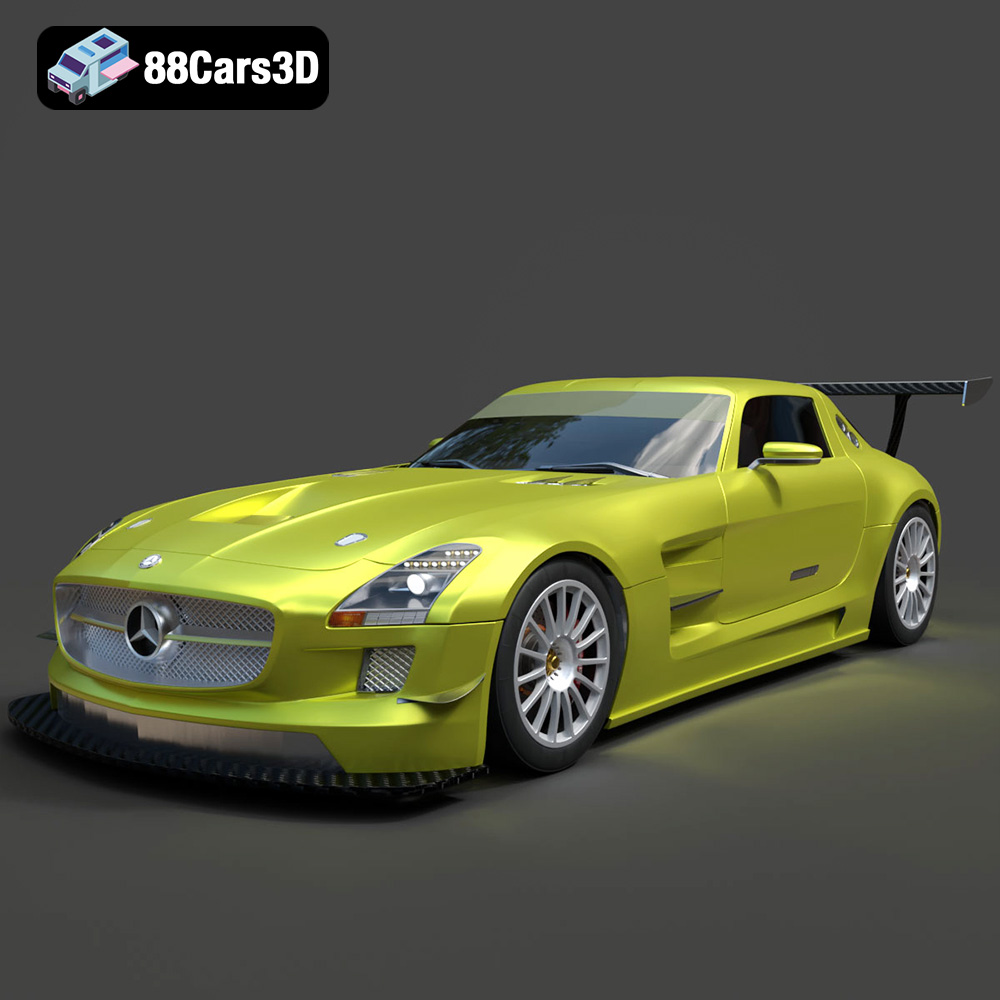
Download the Mercedes-Benz SLS AMG GT3-002 3D Model featuring clean geometry, realistic detailing, and a fully modeled interior. Includes .blend, .fbx, .obj, .glb, .stl, .ply, .unreal, and .max formats for rendering, simulation, and game development.
Price: $38.99

Texture: Yes
Material: Yes
Download the Mercedes-Benz C-Class-001 3D Model featuring clean geometry, realistic detailing, and a fully modeled interior. Includes .blend, .fbx, .obj, .glb, .stl, .ply, .unreal, and .max formats for rendering, simulation, and game development.
Price: $38.99
Texture: Yes
Material: Yes
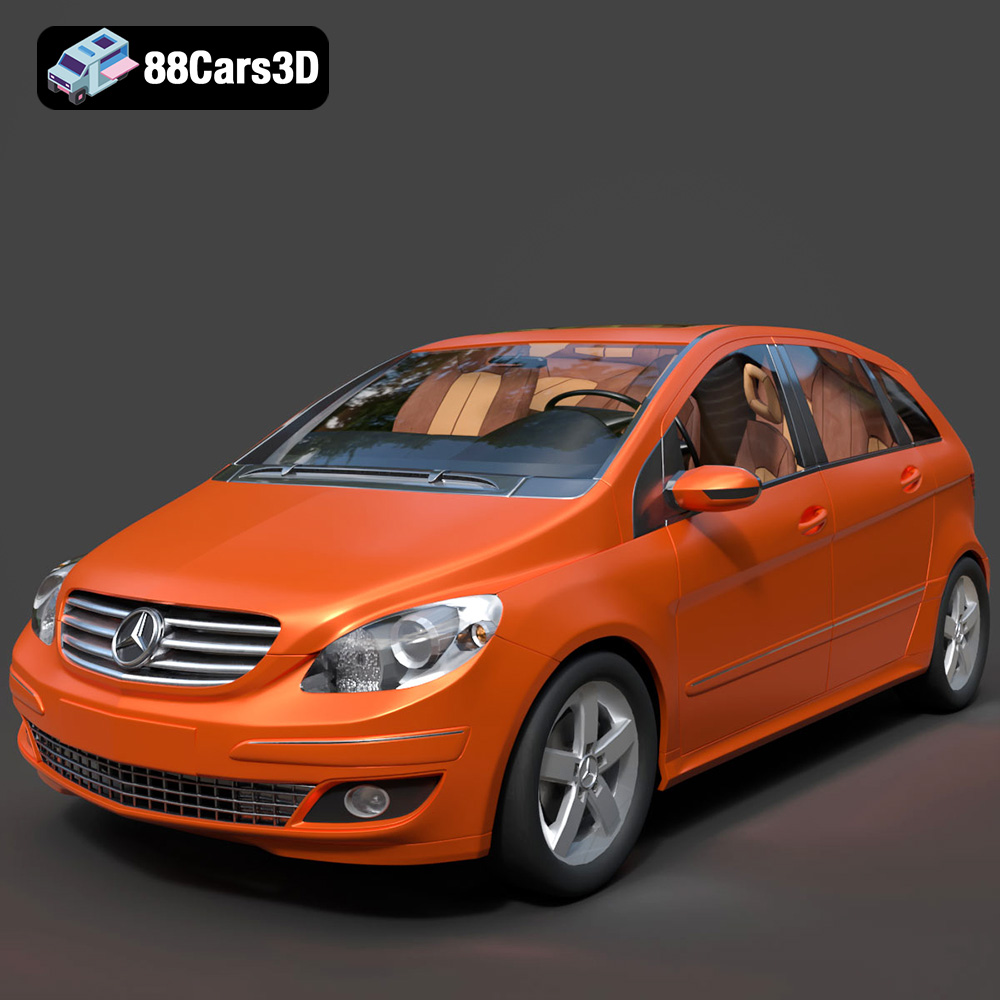
Download the Mercedes-Benz B-Klasse 2023 3D Model featuring clean geometry, realistic detailing, and a fully modeled interior. Includes .blend, .fbx, .obj, .glb, .stl, .ply, .unreal, and .max formats for rendering, simulation, and game development.
Price: $38.99
Texture: Yes
Material: Yes
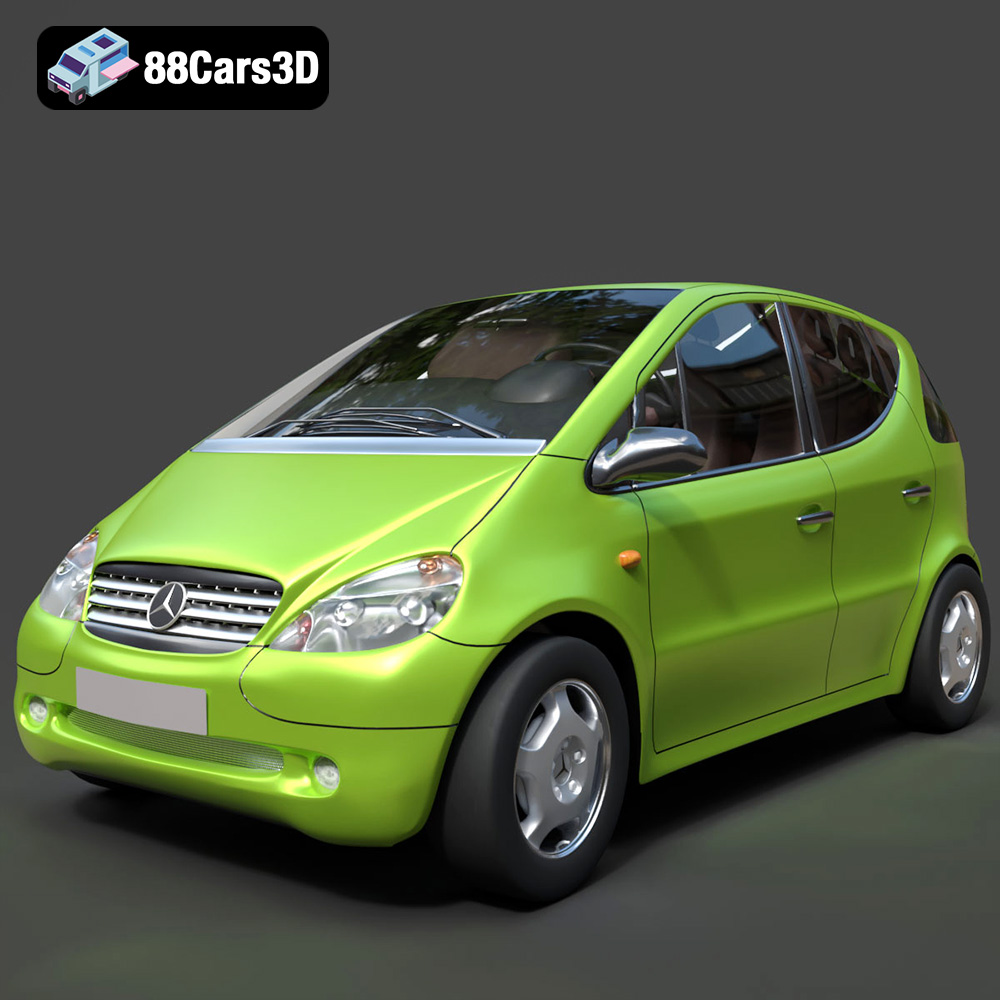
Download the Mercedes-Benz A-Klasse W168 3D Model featuring clean geometry, realistic detailing, and a fully modeled interior. Includes .blend, .fbx, .obj, .glb, .stl, .ply, .unreal, and .max formats for rendering, simulation, and game development.
Price: $38.99
Texture: Yes
Material: Yes
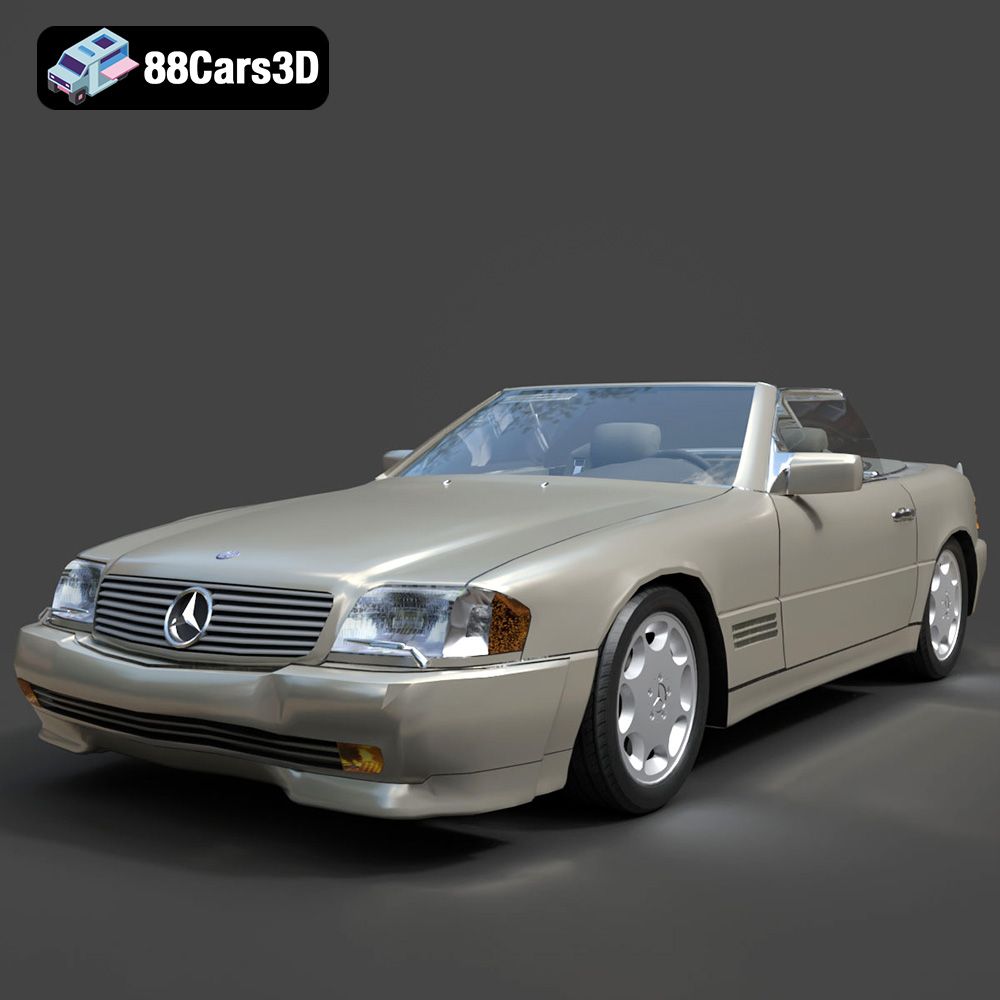
Download the Mercedes-Benz 500SL 2000 3D Model featuring clean geometry, realistic detailing, and a fully modeled interior. Includes .blend, .fbx, .obj, .glb, .stl, .ply, .unreal, and .max formats for rendering, simulation, and game development.
Price: $38.99
Texture: Yes
Material: Yes
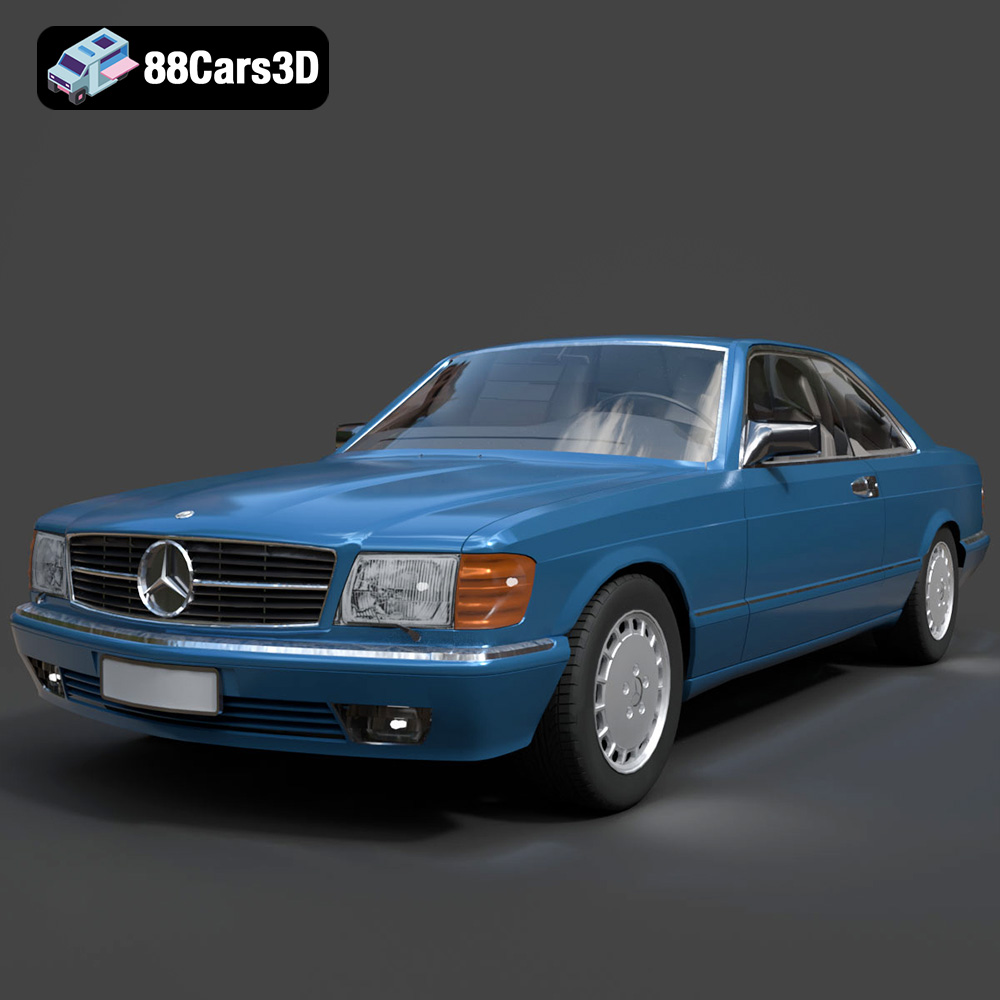
Download the Mercedes-Benz 500SEC 3D Model featuring clean geometry, realistic detailing, and a fully modeled interior. Includes .blend, .fbx, .obj, .glb, .stl, .ply, .unreal, and .max formats for rendering, simulation, and game development.
Price: $38.99
Texture: Yes
Material: Yes
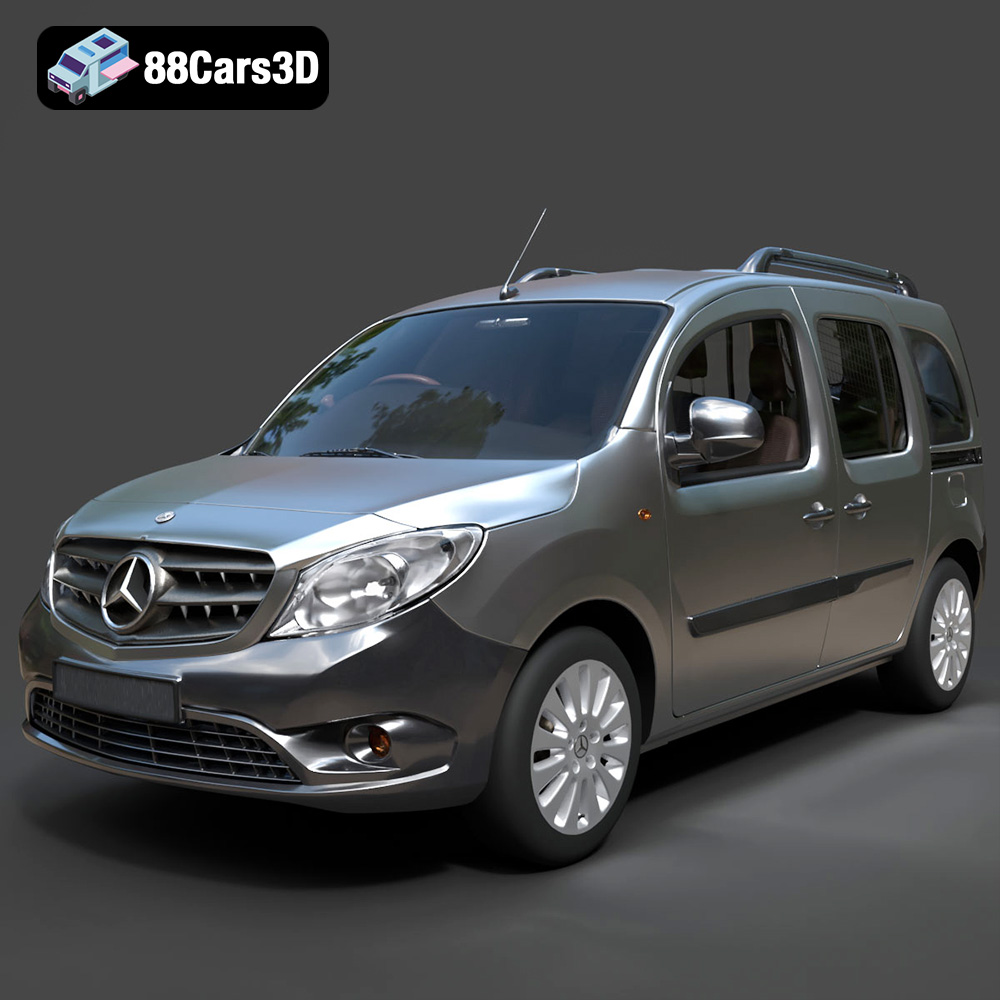
Download the Mercedes-Benz Citan 2025 3D Model featuring clean geometry, realistic detailing, and a fully modeled interior. Includes .blend, .fbx, .obj, .glb, .stl, .ply, .unreal, and .max formats for rendering, simulation, and game development.
Price: $38.99
Texture: Yes
Material: Yes
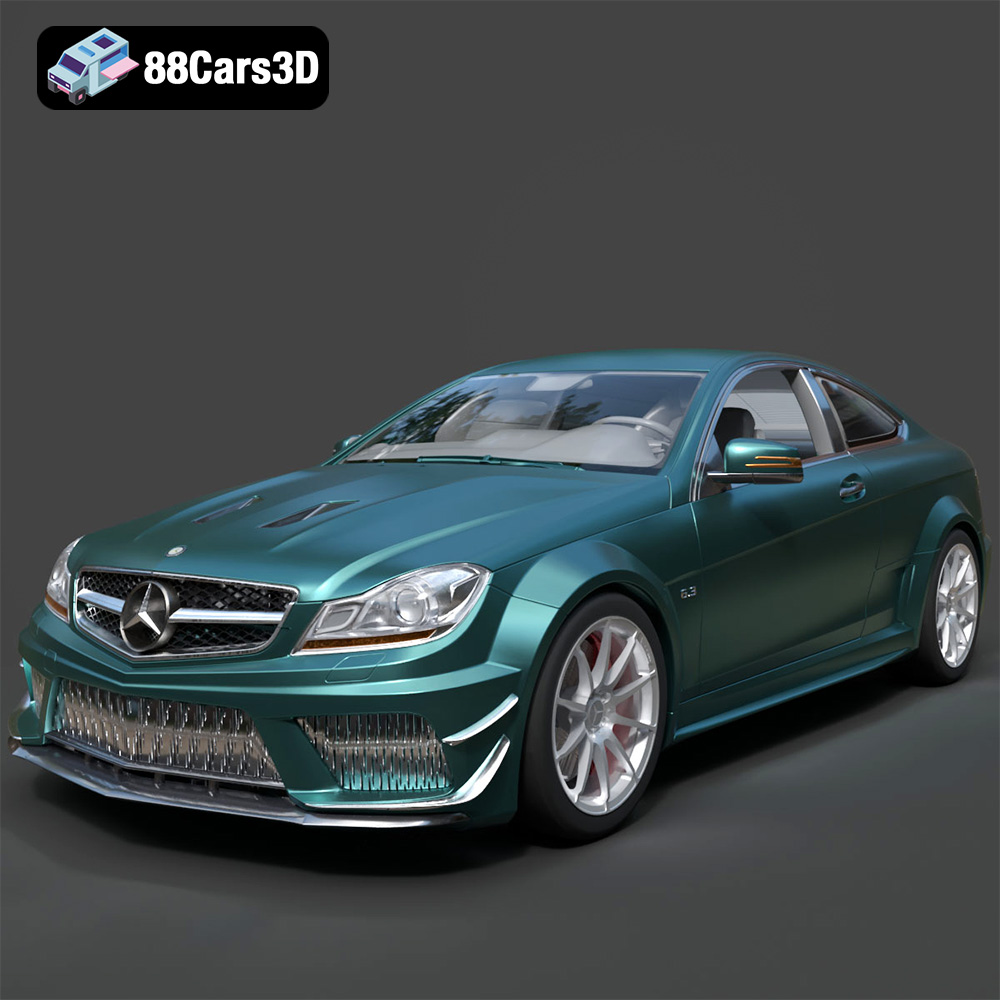
Download the Mercedes-Benz C63 AMG 2012 3D Model featuring clean geometry, realistic detailing, and a fully modeled interior. Includes .blend, .fbx, .obj, .glb, .stl, .ply, .unreal, and .max formats for rendering, simulation, and game development.
Price: $38.99
Texture: Yes
Material: Yes
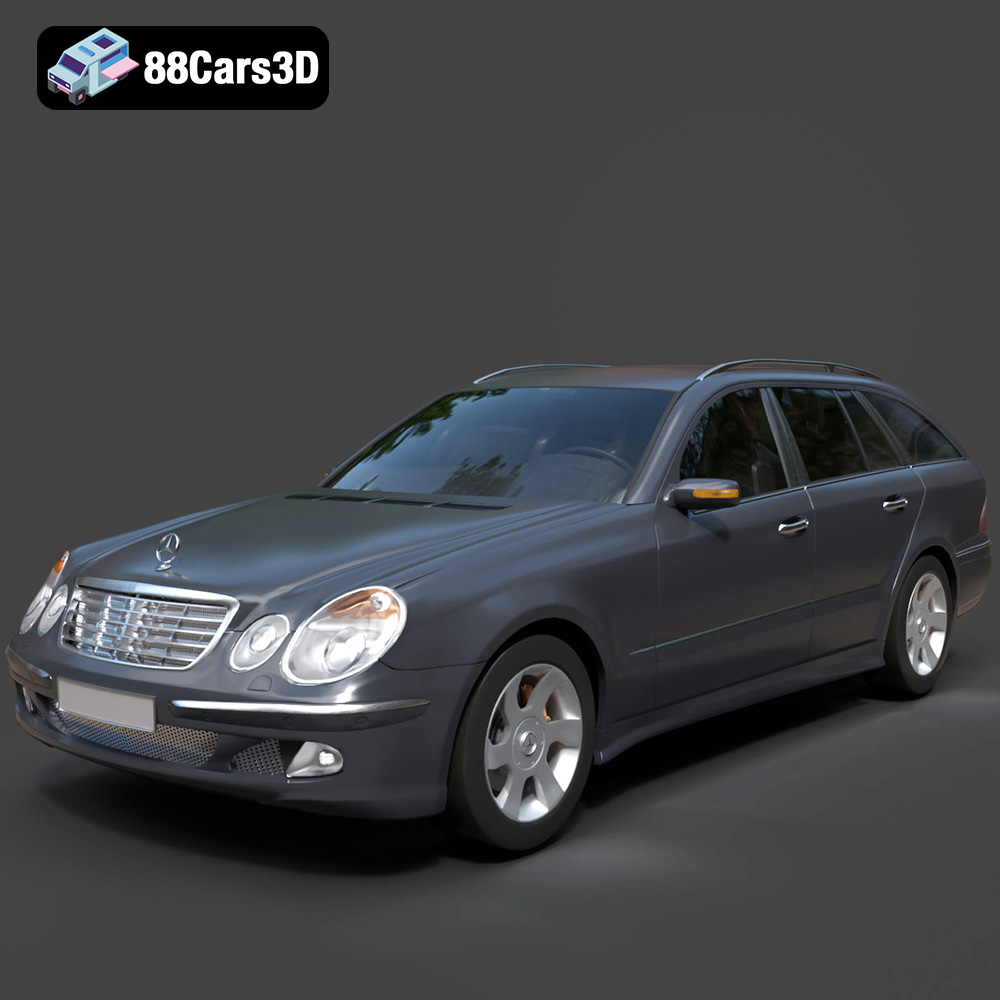
Download the Mercedes-Benz E-Class S211 3D Model featuring clean geometry, realistic detailing, and a fully modeled interior. Includes .blend, .fbx, .obj, .glb, .stl, .ply, .unreal, and .max formats for rendering, simulation, and game development.
Price: $38.99
Texture: Yes
Material: Yes
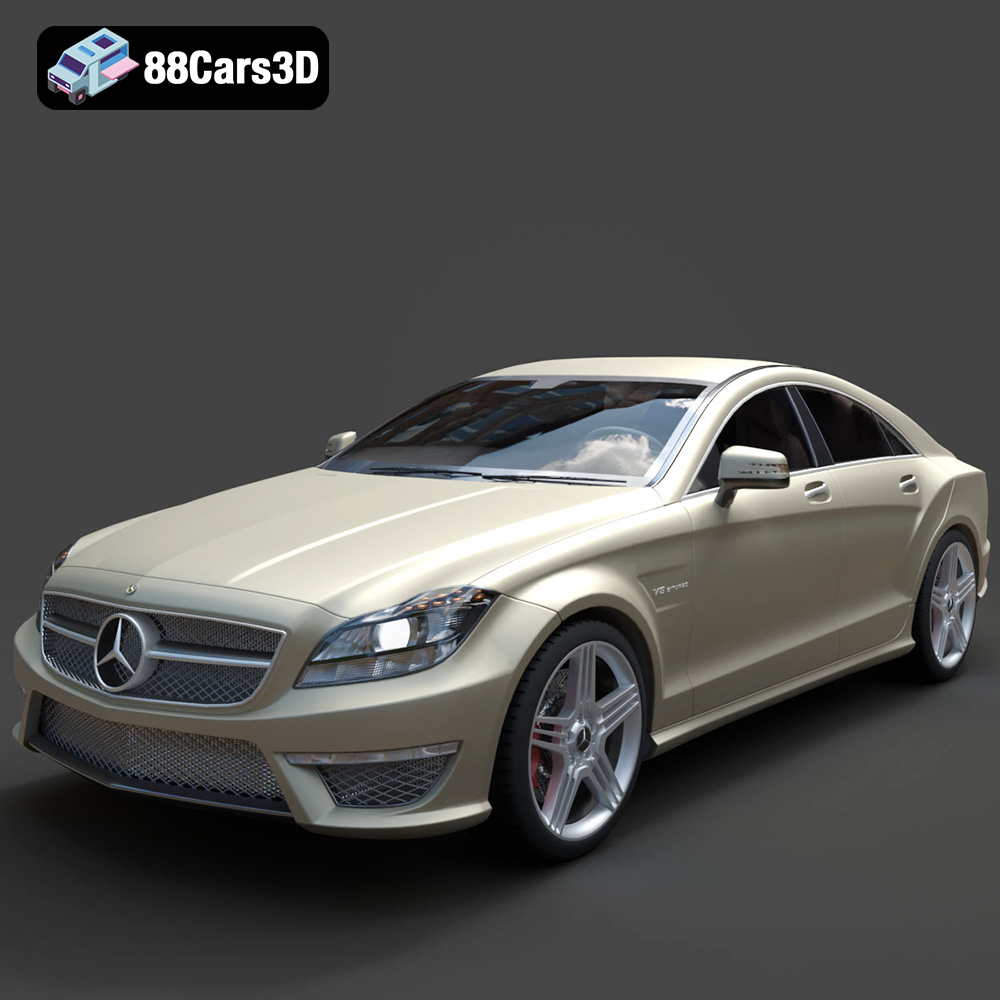
Download the Mercedes-Benz CLS63 AMG (C218) 2014 3D Model featuring clean geometry, realistic detailing, and a fully modeled interior. Includes .blend, .fbx, .obj, .glb, .stl, .ply, .unreal, and .max formats for rendering, simulation, and game development.
Price: $38.99
Texture: Yes
Material: Yes
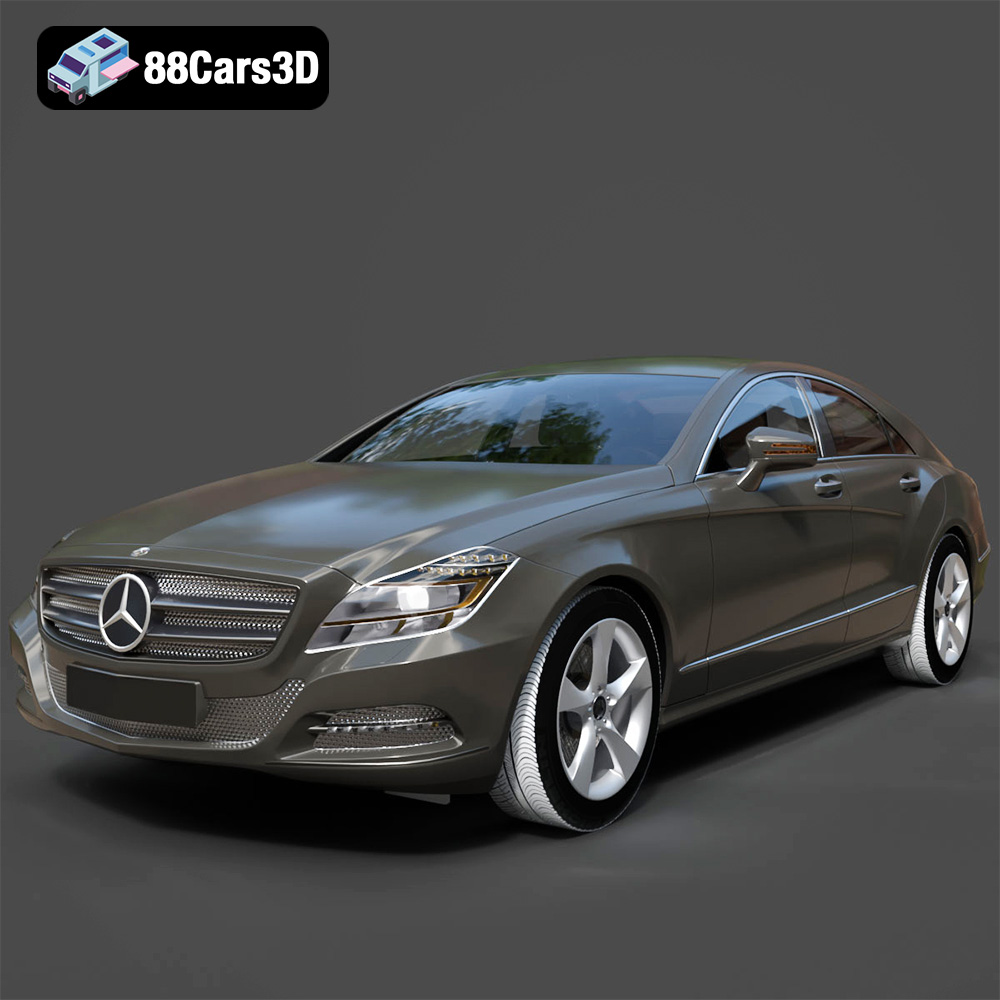
Download the Mercedes-Benz CLS-Klasse 3D Model featuring clean geometry, realistic detailing, and a fully modeled interior. Includes .blend, .fbx, .obj, .glb, .stl, .ply, .unreal, and .max formats for rendering, simulation, and game development.
Price: $38.99

