
Mastering Photorealism: The Ultimate Guide to Automotive Rendering in Real-Time Game Engines

Mastering Photorealism: The Ultimate Guide to Automotive Rendering in Real-Time Game Engines
The allure of a perfectly rendered car is undeniable. From sleek concept unveils to breathtaking game cinematics, automotive visualization pushes the boundaries of digital artistry. However, achieving true cinematic photorealism for vehicles, especially within the confines of a real-time game engine like Unreal Engine or Unity HDRP, presents a unique set of challenges. It’s a delicate dance between artistic vision and technical mastery, requiring meticulous attention to detail in every aspect of the pipeline.
Gone are the days when real-time graphics meant a significant compromise on visual fidelity. Modern game engines, bolstered by advancements in rendering technology, now offer tools capable of producing truly stunning results that were once exclusive to offline renderers. This guide from 88cars3d.com will take you on a comprehensive journey, exploring the advanced photorealistic rendering techniques necessary to elevate your automotive projects from realistic to truly indistinguishable from reality. We’ll delve into everything from preparing immaculate high-fidelity vehicle assets to leveraging cutting-edge lighting and post-processing, ensuring your digital vehicles command attention in any interactive experience.
The Foundation: High-Fidelity Vehicle Assets and Data Preparation
The journey to photorealism begins not with rendering, but with the quality of your source model. A flawed foundation will inevitably lead to compromised results, no matter how sophisticated your rendering techniques. For breathtaking Unreal Engine automotive visualizations, starting with pristine geometry is non-negotiable.
Choosing the Right Starting Point: CAD, Scan Data, or Hand-Modeled
The origin of your vehicle model significantly impacts the quality and efficiency of your real-time pipeline. CAD data, often provided by automotive manufacturers, offers unparalleled precision but requires substantial cleanup and optimization for real-time engines. Scan data captures incredible surface detail but can introduce noisy topology and requires extensive retopology. Hand-modeled vehicles offer the most control over topology and detail but demand exceptional skill and time. Regardless of the source, the goal is always clean, optimized mesh data.
Efficient Retopology and UV Mapping for Real-Time Performance
Optimizing your model’s geometry is crucial for game engine optimization for cars. High poly counts from CAD or scan data must be intelligently reduced through retopology, focusing on maintaining crucial edge loops and surface curvature while eliminating unnecessary polygons. Proper quad-dominant topology is essential for clean deformations, efficient LOD generation, and smooth shading. Equally important is thoughtful UV mapping. Overlapping UVs, stretching, and inefficient packing can degrade texture quality and performance. Aim for logical, non-overlapping UV islands that maximize texture space efficiency, often utilizing multiple UV sets for different material layers.
LODs (Levels of Detail) for Performance Scalability
High-fidelity vehicle assets are resource-intensive. To ensure smooth performance across various viewing distances and hardware configurations, implementing Levels of Detail (LODs) is paramount. Each LOD represents a progressively lower polygon count version of your model, which is swapped in by the engine as the vehicle moves further from the camera. A well-constructed LOD strategy can dramatically reduce GPU load without perceptible visual degradation. Typically, 3-5 LODs are sufficient, with the lowest LODs often incorporating baked normal maps from the higher-resolution meshes to retain detail.
Crafting Unmatched Materials: The Power of PBR
Once you have a meticulously prepared model, the next step is to imbue it with life through physically based rendering (PBR) materials. PBR is the cornerstone of modern photorealistic rendering techniques, ensuring that surfaces interact with light in a physically plausible manner, regardless of lighting conditions. For automotive rendering, this means creating surfaces that reflect, refract, and absorb light just like their real-world counterparts.
Understanding PBR for Automotive Surfaces
PBR workflows rely on a set of standardized texture maps—Albedo/Base Color, Metallic, Roughness, Normal, and optionally Ambient Occlusion—that define how light interacts with a surface. Understanding the physical properties these maps represent is critical. Albedo defines the base color without lighting information, Metallic dictates whether a surface is conductive (metal) or dielectric (non-metal), and Roughness controls the micro-surface detail that scatters reflections. For realistic vehicles, accuracy in these maps is paramount. Many artists find high-quality models at 88cars3d.com already come with well-prepared PBR textures, saving significant development time.
The Advanced Car Paint Shader: Layers of Realism
The automotive paint finish is arguably the most complex and defining material on a vehicle. A basic metallic PBR shader won’t cut it. To achieve truly stunning results, you need an advanced car paint shader that simulates multiple layers:
- Base Coat: This provides the primary color and often includes metallic flakes, which are micro-metallic particles embedded in the paint. These flakes can be simulated using a custom normal map or a procedural texture that modifies the roughness or normal vector based on viewing angle.
- Clear Coat: A transparent, highly reflective layer that sits on top of the base coat. This clear coat adds depth, gloss, and distinctive specular highlights. It typically has a very low roughness value and can feature subtle “orange peel” texture—a slight waviness common in real-world paint finishes, which can be achieved with a subtle normal map.
- Flake Normal/Anisotropy: Beyond simple metallic flakes, some paints exhibit anisotropic reflections, where the highlight stretches in a particular direction. This is common in brushed metals but can also be a subtle characteristic of certain metallic paints.
Developing this multi-layered effect often involves custom material functions or complex node networks within the game engine’s material editor, carefully blending the properties of each layer.
Realistic Glass, Chrome, and Rubber Materials
Beyond the paint, every other material contributes to the overall realism. Windshields and windows require accurate transparency, refraction, and subtle reflections, often incorporating dirt, dust, or water droplet normal maps. Chrome and highly polished metals demand extremely low roughness values and accurate metallic properties. Rubber tires should exhibit a matte, slightly rough appearance, with subtle variations in reflectivity and often a detailed normal map to simulate tread patterns and sidewall texturing. Achieving physical accuracy across all these disparate materials is a testament to strong PBR principles.
Interior Detailing: Fabrics, Leathers, and Plastics
The interior of a vehicle is a complex world of its own, featuring a diverse range of materials. Leathers often have distinct normal and roughness maps to convey their grain and sheen. Fabrics require intricate normal maps to simulate weave patterns and subtle fuzz. Plastics can range from highly reflective gloss to matte, textured surfaces, each demanding specific PBR parameters. Attention to these details, even for parts not always in direct view, significantly enhances the overall sense of immersion and photorealistic rendering techniques.
Illuminating the Scene: Automotive Lighting Setups
Lighting is the sculptor of perception, defining form, mood, and realism. For automotive rendering, the right automotive lighting setups are critical to showcasing the vehicle’s design, paint finish, and intricate details. Whether aiming for a studio photoshoot aesthetic or an open-world environmental render, mastering light is non-negotiable.
The Role of HDRI and Sky Domes
High Dynamic Range Images (HDRIs) are indispensable for realistic lighting. An HDRI captures the full range of light information from a real-world environment, providing both ambient lighting and reflections. When used with a sky dome or skysphere in your game engine, the HDRI acts as a primary light source, wrapping the scene in realistic environmental illumination. This single element can dramatically enhance the perceived realism of your vehicle by providing nuanced color temperatures, natural shadows, and accurate reflections that respond to the environment.
Strategic Fill and Key Lights
While HDRIs provide ambient realism, direct light sources are essential for shaping the vehicle and highlighting its contours. A “key light” is your primary directional light, typically simulating the sun or a powerful studio light. It defines the dominant shadows and specular highlights. “Fill lights” are softer, less intense lights used to reduce harsh shadows and reveal details in darker areas. Often, these are subtle point lights or area lights placed to emphasize body lines or interior elements. The interplay between key and fill lights creates depth and visual interest, akin to professional photography studio setups.
Simulating Studio and Environmental Lighting
For cinematic shots, replicating traditional studio lighting setups is highly effective. This often involves multiple area lights arranged to create soft, even illumination with controlled reflections. Think of softboxes and strip lights. For environmental shots, consider the time of day and weather conditions captured by your HDRI. Adjusting the sun’s angle (if using a directional light in conjunction with the HDRI) and intensity to match the HDRI’s lighting ensures consistency and strengthens the illusion of reality. Realistic light sources, like emissive headlights and taillights, also play a vital role, especially in low-light scenarios, contributing significantly to the authenticity of Unreal Engine automotive scenes.
Understanding Light Bounces and GI (Global Illumination)
Real-world light bounces off surfaces, picking up color and subtly illuminating areas not directly hit by a light source. This phenomenon is Global Illumination (GI). In real-time engines, GI solutions—whether baked (pre-calculated lightmaps), screen-space, or increasingly, real-time ray tracing—are critical for achieving depth and natural soft shadows. Accurate GI prevents scenes from looking flat and ensures that areas under the vehicle or within recesses are lit realistically by reflected light, elevating the overall visual fidelity.
Embracing the Future: Real-Time Ray Tracing and Path Tracing
The advent of hardware-accelerated real-time ray tracing has been a game-changer for photorealistic rendering techniques in game engines. No longer a luxury reserved for offline renders, ray tracing now offers unparalleled accuracy in reflections, refractions, shadows, and global illumination, fundamentally transforming how we approach automotive visualization in interactive environments.
The Fundamentals of Real-Time Ray Tracing
Ray tracing works by simulating the path of light rays as they interact with objects in a scene. For automotive rendering, its benefits are immediate and profound:
- Ray-Traced Reflections: Provides perfectly accurate reflections on highly metallic or glossy surfaces, correctly reflecting the entire environment and other objects. This is crucial for realistic car paint, chrome, and glass.
- Ray-Traced Shadows: Generates physically accurate soft shadows with correct penumbrae (the fuzzy edges of shadows), reacting realistically to light source size and distance.
- Ray-Traced Ambient Occlusion: Calculates realistic contact shadows and subtle darkening in crevices and corners, grounding the vehicle in the scene.
These features, when enabled, instantly add a layer of realism that traditional screen-space effects struggle to match, especially for the intricate surfaces of a vehicle.
Leveraging Ray-Traced Global Illumination
Beyond direct lighting, ray-traced global illumination (RTGI) takes realism a step further by accurately simulating indirect light bounces. This means that light from a bright surface will subtly illuminate adjacent surfaces with its color, and shadowed areas will receive realistic fill light from the environment. For an Unreal Engine automotive scene, RTGI ensures that the underside of the car or the interior receives natural, nuanced lighting, avoiding the artificial flatness often associated with less advanced GI solutions.
Path Tracing for Uncompromised Fidelity in Unreal Engine
Unreal Engine’s Path Tracer represents the pinnacle of real-time rendering fidelity, offering a physically accurate, unbiased renderer directly within the engine. While more computationally intensive than standard real-time ray tracing, it’s ideal for generating cinematic stills, product configurators, or high-quality video sequences where absolute visual fidelity is paramount. The Path Tracer inherently handles complex light interactions like caustics, multi-bounce GI, and diffuse interreflection with stunning accuracy, making it an invaluable tool for showcasing high-fidelity vehicle assets in their best light.
Performance Considerations and Optimization for Ray Tracing
While powerful, real-time ray tracing is demanding. Optimizing your scene is key to maintaining playable frame rates. This involves using efficient geometry, fewer opaque objects casting complex shadows, and strategically balancing ray tracing quality settings (e.g., number of bounces, samples per pixel) with performance targets. For interactive applications, careful profiling and leveraging NVIDIA DLSS or AMD FSR can help recover performance without sacrificing too much visual quality.
Post-Processing and Cinematic Touches
Even with impeccable models, materials, and lighting, the final layer of polish comes from post-processing. These effects, applied to the entire rendered image, are what elevate a realistic scene to a cinematic masterpiece, mimicking the characteristics of real-world camera lenses and film production workflows.
Color Grading and Look Development
Color grading is paramount for setting the mood and ensuring visual consistency. It involves adjusting color balance, contrast, saturation, and exposure to achieve a desired aesthetic. Tools like color lookup tables (LUTs) or the powerful color grading panel in game engines allow for precise control, letting you dial in everything from a gritty, desaturated look to a vibrant, high-contrast style. This is where you infuse artistic intent into your photorealistic rendering techniques.
Depth of Field and Motion Blur for Dynamic Shots
Depth of Field (DoF) simulates the focal plane of a camera lens, blurring elements outside the focus distance. It draws the viewer’s eye to the most important parts of the vehicle and adds a sense of photographic realism. Motion Blur, essential for dynamic shots, simulates the streaking effect of moving objects or camera shake, making fast-paced sequences feel more fluid and exciting. Both effects, when used judiciously, significantly enhance the cinematic quality of your Unreal Engine automotive renders.
Lens Flares, Bloom, and Vignetting
Subtle atmospheric and camera effects can greatly enhance realism:
- Bloom: Simulates the glow around bright light sources, like headlights or reflections on chrome, adding a sense of intensity.
- Lens Flares: Replicates the artifacts produced by light scattering within a camera lens, particularly when a bright light source is in frame. Use sparingly for effect.
- Vignetting: A subtle darkening of the image corners, a common characteristic of real camera lenses, can help frame the subject and draw the eye inward.
These effects should be used with restraint to avoid an artificial or over-processed look, but when applied correctly, they complete the illusion of a real camera capturing a real scene.
Integrating Real-World Camera Effects
Beyond the core effects, consider emulating other real-world camera behaviors. Subtle film grain, chromatic aberration (color fringing at high-contrast edges), and even sensor noise can add an organic, analog feel to your digital renders. Modern game engines offer robust post-processing stacks that allow artists to layer these effects, mimicking the nuances of professional cinematography and further pushing the boundaries of photorealistic rendering techniques.
Optimizing for Performance: Smooth Real-Time Experiences
Achieving visual fidelity is one challenge; maintaining smooth performance is another, especially for interactive experiences and virtual showrooms. Game engine optimization for cars requires a continuous effort throughout the development process, ensuring that your beautiful renders run efficiently.
Material Instancing and Draw Call Reduction
Materials can be a significant performance bottleneck. Instead of creating a unique material for every slightly different variation (e.g., different paint colors), leverage material instancing. A master material contains the core logic, and instances inherit its properties, allowing you to change parameters like color or roughness without incurring additional draw calls. This drastically reduces the number of instructions the GPU has to process. Similarly, consolidating meshes or using atlases to reduce the number of materials applied to a single object can lead to fewer draw calls and better performance.
Texture Streaming and Virtual Texturing
High-resolution textures are essential for detail but can quickly exhaust VRAM. Texture streaming dynamically loads higher-resolution textures only when they are needed (e.g., when the camera is close to an object), freeing up memory. Virtual Texturing, particularly in Unreal Engine, takes this a step further by allowing massive, high-detail textures (often gigapixels in size) to be used with minimal VRAM footprint, as only the visible parts of the texture are loaded on demand. This is invaluable for detailed high-fidelity vehicle assets.
Culling Techniques (Frustum, Occlusion)
Culling is the process of preventing the engine from rendering objects that are not visible to the camera. Frustum culling automatically hides objects outside the camera’s view frustum. Occlusion culling takes this further by identifying and not rendering objects that are blocked by other objects, even if they are within the frustum. Implementing effective occlusion culling for complex automotive scenes, especially interiors, can significantly reduce the number of polygons and draw calls the GPU has to process, leading to improved frame rates.
Profiling and Identifying Bottlenecks in Unreal Engine/Unity
Optimization is an iterative process. Game engines provide powerful profiling tools (e.g., Unreal Engine’s GPU Visualizer, Unreal Insights, or Unity’s Profiler) that allow you to analyze performance in real-time. These tools help identify bottlenecks related to CPU, GPU, memory, and draw calls. By understanding where your resources are being spent, you can make informed decisions about where to focus your optimization efforts—whether it’s reducing polygon count, simplifying materials, or optimizing lighting—ensuring your Unreal Engine automotive project runs as smoothly as it looks.
Conclusion
Mastering photorealistic rendering techniques for automotive visualization in real-time game engines is a journey that blends artistic sensibility with deep technical understanding. From the foundational quality of your high-fidelity vehicle assets and the meticulous creation of PBR materials, especially an advanced car paint shader, to the sophisticated art of automotive lighting setups and the cutting-edge power of real-time ray tracing, every element plays a crucial role.
Ultimately, achieving true photorealism in real-time environments is about consistency, attention to detail, and a commitment to pushing the boundaries of what’s possible. By embracing modern rendering pipelines and continually optimizing your projects for superior game engine optimization for cars, you can create interactive experiences that captivate and immerse your audience. So, dive in, experiment, and leverage the powerful tools at your disposal to bring your automotive visions to life with unparalleled fidelity.
Ready to jumpstart your projects with industry-leading models? Explore the extensive collection of meticulously crafted high-fidelity vehicle assets available at 88cars3d.com and begin building your next masterpiece today!
Featured 3D Car Models

Subaru Impreza Sport Wagon 3D Model
Texture: Yes
Material: Yes
Download the Subaru Impreza Sport Wagon 3D Model featuring clean geometry, realistic detailing, and a fully modeled interior. Includes .blend, .fbx, .obj, .glb, .stl, .ply, .unreal, and .max formats for rendering, simulation, and game development.
Price: $10

Skoda Octavia A7 2017 3D Model
Texture: Yes
Material: Yes
Download the Skoda Octavia A7 2017 3D Model featuring clean geometry, realistic detailing, and a fully modeled interior. Includes .blend, .fbx, .obj, .glb, .stl, .ply, .unreal, and .max formats for rendering, simulation, and game development.
Price: $10

Suzuki SX4-002 3D Model
Texture: Yes
Material: Yes
Download the Suzuki SX4-002 3D Model featuring clean geometry, realistic detailing, and a fully modeled interior. Includes .blend, .fbx, .obj, .glb, .stl, .ply, .unreal, and .max formats for rendering, simulation, and game development.
Price: $10

Tesla Model S 2024 3D Model
Texture: Yes
Material: Yes
Download the Tesla Model S 2024 3D Model featuring clean geometry, realistic detailing, and a fully modeled interior. Includes .blend, .fbx, .obj, .glb, .stl, .ply, .unreal, and .max formats for rendering, simulation, and game development.
Price: $10

Subaru Impreza WRX STi-002 3D Model
Texture: Yes
Material: Yes
Download the Subaru Impreza WRX STi-002 3D Model featuring clean geometry, realistic detailing, and a fully modeled interior. Includes .blend, .fbx, .obj, .glb, .stl, .ply, .unreal, and .max formats for rendering, simulation, and game development.
Price: $10

Subaru Impreza WRX STi Sedan 3D Model
Texture: Yes
Material: Yes
Download the Subaru Impreza WRX STi Sedan 3D Model featuring clean geometry, realistic detailing, and a fully modeled interior. Includes .blend, .fbx, .obj, .glb, .stl, .ply, .unreal, and .max formats for rendering, simulation, and game development.
Price: $10

Subaru Legacy 2009 3D Model
Texture: Yes
Material: Yes
Download the Subaru Legacy 2009 3D Model featuring clean geometry, realistic detailing, and a fully modeled interior. Includes .blend, .fbx, .obj, .glb, .stl, .ply, .unreal, and .max formats for rendering, simulation, and game development.
Price: $10

Suzuki Swift 2024 3D Model
Texture: Yes
Material: Yes
Download the Suzuki Swift 2024 3D Model featuring clean geometry, realistic detailing, and a fully modeled interior. Includes .blend, .fbx, .obj, .glb, .stl, .ply, .unreal, and .max formats for rendering, simulation, and game development.
Price: $10

Suzuki Liana Sedan 2004 3D Model
Texture: Yes
Material: Yes
Download the Suzuki Liana Sedan 2004 3D Model featuring clean geometry, realistic detailing, and a fully modeled interior. Includes .blend, .fbx, .obj, .glb, .stl, .ply, .unreal, and .max formats for rendering, simulation, and game development.
Price: $10

Subaru Outback 2024 3D Model
Texture: Yes
Material: Yes
Download the Subaru Outback 2024 3D Model featuring clean geometry, realistic detailing, and a fully modeled interior. Includes .blend, .fbx, .obj, .glb, .stl, .ply, .unreal, and .max formats for rendering, simulation, and game development.
Price: $10

Subaru Legacy 2003 3D Model
Texture: Yes
Material: Yes
Download the Subaru Legacy 2003 3D Model featuring clean geometry, realistic detailing, and a fully modeled interior. Includes .blend, .fbx, .obj, .glb, .stl, .ply, .unreal, and .max formats for rendering, simulation, and game development.
Price: $10

Subaru Legacy Touring Wagon 3D Model
Texture: Yes
Material: Yes
Download the Subaru Legacy Touring Wagon 3D Model featuring clean geometry, realistic detailing, and a fully modeled interior. Includes .blend, .fbx, .obj, .glb, .stl, .ply, .unreal, and .max formats for rendering, simulation, and game development.
Price: $10

Toyota Mark II (X100) 1998 3D Model
Texture: Yes
Material: Yes
Download the Toyota Mark II (X100) 3D Model featuring clean geometry, realistic detailing, and a fully modeled interior. Includes .blend, .fbx, .obj, .glb, .stl, .ply, .unreal, and .max formats for rendering, simulation, and game development.
Price: $10

Toyota Corona 1985 3D Model
Texture: Yes
Material: Yes
Download the Toyota Corona 1985 3D Model featuring clean geometry, realistic detailing, and a fully modeled interior. Includes .blend, .fbx, .obj, .glb, .stl, .ply, .unreal, and .max formats for rendering, simulation, and game development.
Price: $10

Toyota Mark II X81 1990 3D Model
Texture: Yes
Material: Yes
Download the Toyota Mark II X81 1990 3D Model featuring clean geometry, realistic detailing, and a fully modeled interior. Includes .blend, .fbx, .obj, .glb, .stl, .ply, .unreal, and .max formats for rendering, simulation, and game development.
Price: $10

Toyota iQ EV 2012 3D Model
Texture: Yes
Material: Yes
Download the Toyota iQ EV 2012 3D Model featuring clean geometry, realistic detailing, and a fully modeled interior. Includes .blend, .fbx, .obj, .glb, .stl, .ply, .unreal, and .max formats for rendering, simulation, and game development.
Price: $10

Toyota Aygo 2013 3D Model
Texture: Yes
Material: Yes
Download the Toyota Aygo 2013 3D Model featuring clean geometry, realistic detailing, and a fully modeled interior. Includes .blend, .fbx, .obj, .glb, .stl, .ply, .unreal, and .max formats for rendering, simulation, and game development.
Price: $10

Toyota Crown S180 2005 3D Model
Texture: Yes
Material: Yes
Download the Toyota Crown S180 2005 3D Model featuring clean geometry, realistic detailing, and a fully modeled interior. Includes .blend, .fbx, .obj, .glb, .stl, .ply, .unreal, and .max formats for rendering, simulation, and game development.
Price: $10

Toyota Celica 2004 3D Model
Texture: Yes
Material: Yes
Download the Toyota Celica 2004 3D Model featuring clean geometry, realistic detailing, and a fully modeled interior. Includes .blend, .fbx, .obj, .glb, .stl, .ply, .unreal, and .max formats for rendering, simulation, and game development.
Price: $10

Toyota Corolla AE100 1992 3D Model
Texture: Yes
Material: Yes
Download the Toyota Corolla AE100 1992 3D Model featuring clean geometry, realistic detailing, and a fully modeled interior. Includes .blend, .fbx, .obj, .glb, .stl, .ply, .unreal, and .max formats for rendering, simulation, and game development.
Price: $10

Toyota Mark II X110 2000 3D Model
Texture: Yes
Material: Yes
Download the Toyota Mark II X110 2000 3D Model featuring clean geometry, realistic detailing, and a fully modeled interior. Includes .blend, .fbx, .obj, .glb, .stl, .ply, .unreal, and .max formats for rendering, simulation, and game development.
Price: $10

Toyota Corolla 2020 3D Model
Texture: Yes
Material: Yes
Download the Toyota Corolla 2020 3D Model featuring clean geometry, realistic detailing, and a fully modeled interior. Includes .blend, .fbx, .obj, .glb, .stl, .ply, .unreal, and .max formats for rendering, simulation, and game development.
Price: $10

Toyota Yaris 2020 3D Model
Texture: Yes
Material: Yes
Download the Toyota Yaris 2020 3D Model featuring clean geometry, realistic detailing, and a fully modeled interior. Includes .blend, .fbx, .obj, .glb, .stl, .ply, .unreal, and .max formats for rendering, simulation, and game development.
Price: $9.9

Volkswagen Beetle 2012 3D Model
Texture: Yes
Material: Yes
Download the Volkswagen Beetle 2012 3D Model featuring clean geometry, realistic detailing, and a fully modeled interior. Includes .blend, .fbx, .obj, .glb, .stl, .ply, .unreal, and .max formats for rendering, simulation, and game development.
Price: $9.9

Toyota Matrix 2005 3D Model
Texture: Yes
Material: Yes
Download the Toyota Matrix 2005 3D Model featuring clean geometry, realistic detailing, and a fully modeled interior. Includes .blend, .fbx, .obj, .glb, .stl, .ply, .unreal, and .max formats for rendering, simulation, and game development.
Price: $9.9

Toyota Yaris Sedan 3D Model
Texture: Yes
Material: Yes
Download the Toyota Yaris Sedan 3D Model featuring clean geometry, realistic detailing, and a fully modeled interior. Includes .blend, .fbx, .obj, .glb, .stl, .ply, .unreal, and .max formats for rendering, simulation, and game development.
Price: $9.9

Volkswagen Golf R-004 2024 3D Model
Texture: Yes
Material: Yes
Download the Volkswagen Golf R-004 2024 3D Model featuring clean geometry, realistic detailing, and a fully modeled interior. Includes .blend, .fbx, .obj, .glb, .stl, .ply, .unreal, and .max formats for rendering, simulation, and game development.
Price: $9.9

Volkswagen Golf 5 Door 2010 3D Model
Texture: Yes
Material: Yes
Download the Volkswagen Golf 5 Door 2010 3D Model featuring clean geometry, realistic detailing, and a fully modeled interior. Includes .blend, .fbx, .obj, .glb, .stl, .ply, .unreal, and .max formats for rendering, simulation, and game development.
Price: $9.9

Toyota Premio 2010 3D Model
Texture: Yes
Material: Yes
Download the Toyota Premio 2010 3D Model featuring clean geometry, realistic detailing, and a fully modeled interior. Includes .blend, .fbx, .obj, .glb, .stl, .ply, .unreal, and .max formats for rendering, simulation, and game development.
Price: $9.9

Toyota Opa 2000 3D Model
Texture: Yes
Material: Yes
Download the Toyota Opa 2000 3D Model featuring clean geometry, realistic detailing, and a fully modeled interior. Includes .blend, .fbx, .obj, .glb, .stl, .ply, .unreal, and .max formats for rendering, simulation, and game development.
Price: $9.9

Volkswagen Polo 5 Door 2010 3D Model
Texture: Yes
Material: Yes
Download the Volkswagen Polo 5 Door 2010 3D Model featuring clean geometry, realistic detailing, and a fully modeled interior. Includes .blend, .fbx, .obj, .glb, .stl, .ply, .unreal, and .max formats for rendering, simulation, and game development.
Price: $9.9

Toyota Prius 2024 3D Model
Texture: Yes
Material: Yes
Download the Toyota Prius 2024 3D Model featuring clean geometry, realistic detailing, and a fully modeled interior. Includes .blend, .fbx, .obj, .glb, .stl, .ply, .unreal, and .max formats for rendering, simulation, and game development.
Price: $9.9

Toyota Yaris 1999 3D Model
Texture: Yes
Material: Yes
Download the Toyota Yaris 1999 3D Model featuring clean geometry, realistic detailing, and a fully modeled interior. Includes .blend, .fbx, .obj, .glb, .stl, .ply, .unreal, and .max formats for rendering, simulation, and game development.
Price: $9.9

Toyota Supra 2020 3D Model
Texture: Yes
Material: Yes
Download the Toyota Supra 2020 3D Model featuring clean geometry, realistic detailing, and a fully modeled interior. Includes .blend, .fbx, .obj, .glb, .stl, .ply, .unreal, and .max formats for rendering, simulation, and game development.
Price: $9.9

Volkswagen New Beetle 2000 3D Model
Texture: Yes
Material: Yes
Download the Volkswagen New Beetle 2000 3D Model featuring clean geometry, realistic detailing, and a fully modeled interior. Includes .blend, .fbx, .obj, .glb, .stl, .ply, .unreal, and .max formats for rendering, simulation, and game development.
Price: $14.99

Volkswagen Jetta 2005 3D Model
Texture: Yes
Material: Yes
Download the Volkswagen Jetta 2005 3D Model featuring clean geometry, realistic detailing, and a fully modeled interior. Includes .blend, .fbx, .obj, .glb, .stl, .ply, .unreal, and .max formats for rendering, simulation, and game development.
Price: $18.99

Volkswagen Golf 3-Door 3D Model
Texture: Yes
Material: Yes
Download the Volkswagen Golf 3-Door 3D Model featuring clean geometry, realistic detailing, and a fully modeled interior. Includes .blend, .fbx, .obj, .glb, .stl, .ply, .unreal, and .max formats for rendering, simulation, and game development.
Price: $14.99

Volvo V70 2005 3D Model
Texture: Yes
Material: Yes
Download the Volvo V70 2005 3D Model featuring clean geometry, realistic detailing, and a fully modeled interior. Includes .blend, .fbx, .obj, .glb, .stl, .ply, .unreal, and .max formats for rendering, simulation, and game development.
Price: $14.99

Volkswagen Bora 2004 3D Model
Texture: Yes
Material: Yes
Download the Volkswagen Bora 2004 3D Model featuring clean geometry, realistic detailing, and a fully modeled interior. Includes .blend, .fbx, .obj, .glb, .stl, .ply, .unreal, and .max formats for rendering, simulation, and game development.
Price: $14.99

Volkswagen Lupo 3D Model
Texture: Yes
Material: Yes
Download the Volkswagen Lupo 3D Model featuring clean geometry, realistic detailing, and a fully modeled interior. Includes .blend, .fbx, .obj, .glb, .stl, .ply, .unreal, and .max formats for rendering, simulation, and game development.
Price: $19.99

Volkswagen Passat B5 2000 3D Model
Texture: Yes
Material: Yes
Download the Volkswagen Passat B5 2000 3D Model featuring clean geometry, realistic detailing, and a fully modeled interior. Includes .blend, .fbx, .obj, .glb, .stl, .ply, .unreal, and .max formats for rendering, simulation, and game development.
Price: $19.99

Volkswagen Passat CC 3D Model
Texture: Yes
Material: Yes
Download the Volkswagen Passat CC 3D Model featuring clean geometry, realistic detailing, and a fully modeled interior. Includes .blend, .fbx, .obj, .glb, .stl, .ply, .unreal, and .max formats for rendering, simulation, and game development.
Price: $19.99

Volkswagen Golf V 2006 3D Model
Texture: Yes
Material: Yes
Download the Volkswagen Golf V 2006 3D Model featuring clean geometry, realistic detailing, and a fully modeled interior. Includes .blend, .fbx, .obj, .glb, .stl, .ply, .unreal, and .max formats for rendering, simulation, and game development.
Price: $19.99

Volvo S60 R-Design 2024 3D Model
Texture: Yes
Material: Yes
Download the Volvo S60 R-Design 3D Model featuring clean geometry, realistic detailing, and a fully modeled interior. Includes .blend, .fbx, .obj, .glb, .stl, .ply, .unreal, and .max formats for rendering, simulation, and game development.
Price: $19.99

Volkswagen Passat 2025 3D Model
Texture: Yes
Material: Yes
Download the Volkswagen Passat 2025 3D Model featuring clean geometry, realistic detailing, and a fully modeled interior. Includes .blend, .fbx, .obj, .glb, .stl, .ply, .unreal, and .max formats for rendering, simulation, and game development.
Price: $25.99

Volkswagen Passat Variant B6 2005 3D Model
Texture: Yes
Material: Yes
Download the Volkswagen Passat Variant B6 2005 3D Model featuring clean geometry, realistic detailing, and a fully modeled interior. Includes .blend, .fbx, .obj, .glb, .stl, .ply, .unreal, and .max formats for rendering, simulation, and game development.
Price: $25.99

Volkswagen Phaeton W12 2004 3D Model
Texture: Yes
Material: Yes
Download the Volkswagen Phaeton W12 2004 3D Model featuring clean geometry, realistic detailing, and a fully modeled interior. Includes .blend, .fbx, .obj, .glb, .stl, .ply, .unreal, and .max formats for rendering, simulation, and game development.
Price: $25.99

Volkswagen Scirocco 2015 3D Model
Texture: Yes
Material: Yes
Download the Volkswagen Scirocco 2015 3D Model featuring clean geometry, realistic detailing, and a fully modeled interior. Includes .blend, .fbx, .obj, .glb, .stl, .ply, .unreal, and .max formats for rendering, simulation, and game development.
Price: $25.99

Volvo S60 2024 3D Model
Texture: Yes
Material: Yes
Download the Volvo S60 2024 3D Model featuring clean geometry, realistic detailing, and a fully modeled interior. Includes .blend, .fbx, .obj, .glb, .stl, .ply, .unreal, and .max formats for rendering, simulation, and game development.
Price: $25.99

Volkswagen Polo 3D Model
Texture: Yes
Material: Yes
Download the Volkswagen Polo 3D Model featuring clean geometry, realistic detailing, and a fully modeled interior. Includes .blend, .fbx, .obj, .glb, .stl, .ply, .unreal, and .max formats for rendering, simulation, and game development.
Price: $25.99

Volkswagen Golf 5-Doors 2018 3D Model
Texture: Yes
Material: Yes
Download the Volkswagen Golf 5-Doors 3D Model featuring clean geometry, realistic detailing, and a fully modeled interior. Includes .blend, .fbx, .obj, .glb, .stl, .ply, .unreal, and .max formats for rendering, simulation, and game development.
Price: $25.99

Volvo C70 T5 2000 3D Model
Texture: Yes
Material: Yes
Download the Volvo C70 T5 2000 3D Model featuring clean geometry, realistic detailing, and a fully modeled interior. Includes .blend, .fbx, .obj, .glb, .stl, .ply, .unreal, and .max formats for rendering, simulation, and game development.
Price: $23.99

Volvo S40 Sedan 2004 3D Model
Texture: Yes
Material: Yes
Download the Volvo S40 Sedan 2004 3D Model featuring clean geometry, realistic detailing, and a fully modeled interior. Includes .blend, .fbx, .obj, .glb, .stl, .ply, .unreal, and .max formats for rendering, simulation, and game development.
Price: $23.99

Volvo C30 BEV 2012 3D Model
Texture: Yes
Material: Yes
Download the Volvo C30 BEV 2012 3D Model featuring clean geometry, realistic detailing, and a fully modeled interior. Includes .blend, .fbx, .obj, .glb, .stl, .ply, .unreal, and .max formats for rendering, simulation, and game development.
Price: $23.99

Volvo C70 1998 3D Model
Texture: Yes
Material: Yes
Download the Volvo C70 1998 3D Model featuring clean geometry, realistic detailing, and a fully modeled interior. Includes .blend, .fbx, .obj, .glb, .stl, .ply, .unreal, and .max formats for rendering, simulation, and game development.
Price: $23.99

Mazda B-Series 3D Model
Texture: Yes
Material: Yes
Download the Mazda B-Series 3D Model featuring clean geometry, realistic detailing, and a fully modeled interior. Includes .blend, .fbx, .obj, .glb, .stl, .ply, .unreal, and .max formats for rendering, simulation, and game development.
Price: $23.99

Mercsedes Benz Z3-006 3D Model
Texture: Yes
Material: Yes
Download the Mercsedes Benz Z3-006 3D Model featuring clean geometry, realistic detailing, and a fully modeled interior. Includes .blend, .fbx, .obj, .glb, .stl, .ply, .unreal, and .max formats for rendering, simulation, and game development.
Price: $23.99

Mazda RX-7 3D Model
Texture: Yes
Material: Yes
Download the Mazda RX-7 3D Model featuring clean geometry, realistic detailing, and a fully modeled interior. Includes .blend, .fbx, .obj, .glb, .stl, .ply, .unreal, and .max formats for rendering, simulation, and game development.
Price: $23.99

Volvo VCC-003 3D Model
Texture: Yes
Material: Yes
Download the Volvo VCC-003 3D Model featuring clean geometry, realistic detailing, and a fully modeled interior. Includes .blend, .fbx, .obj, .glb, .stl, .ply, .unreal, and .max formats for rendering, simulation, and game development.
Price: $23.99

Mercedes-Benz SLR McLaren 2005 3D Model
Texture: Yes
Material: Yes
Download the Mercedes-Benz SLR McLaren 2005 3D Model featuring clean geometry, realistic detailing, and a fully modeled interior. Includes .blend, .fbx, .obj, .glb, .stl, .ply, .unreal, and .max formats for rendering, simulation, and game development.
Price: $23.99

GAZ 3110 Pickup 2000 3D Model
Texture: Yes
Material: Yes
Download the GAZ 3110 Pickup 3D Model featuring clean geometry, realistic detailing, and a fully modeled interior. Includes .blend, .fbx, .obj, .glb, .stl, .ply, .unreal, and .max formats for rendering, simulation, and game development.
Price: $23.99

Mazda 626 GF 1997 3D Model
Texture: Yes
Material: Yes
Download the Mazda 626 GF 1997 3D Model featuring clean geometry, realistic detailing, and a fully modeled interior. Includes .blend, .fbx, .obj, .glb, .stl, .ply, .unreal, and .max formats for rendering, simulation, and game development.
Price: $23.99

Volvo S80 2011 3D Model
Texture: Yes
Material: Yes
Download the Volvo S80 2011 3D Model featuring clean geometry, realistic detailing, and a fully modeled interior. Includes .blend, .fbx, .obj, .glb, .stl, .ply, .unreal, and .max formats for rendering, simulation, and game development.
Price: $23.99

Volkswagen Touran restyle-006 3D Model
Texture: Yes
Material: Yes
Download the Volkswagen Touran restyle-006 3D Model featuring clean geometry, realistic detailing, and a fully modeled interior. Includes .blend, .fbx, .obj, .glb, .stl, .ply, .unreal, and .max formats for rendering, simulation, and game development.
Price: $23.99

Skoda Octavia Scout 3D Model
Texture: Yes
Material: Yes
Download the Skoda Octavia Scout 3D Model featuring clean geometry, realistic detailing, and a fully modeled interior. Includes .blend, .fbx, .obj, .glb, .stl, .ply, .unreal, and .max formats for rendering, simulation, and game development.
Price: $23.99

Volkswagen Golf V 2006 3D Model
Texture: Yes
Material: Yes
Download the Volkswagen Golf V 2006 3D Model featuring clean geometry, realistic detailing, and a fully modeled interior. Includes .blend, .fbx, .obj, .glb, .stl, .ply, .unreal, and .max formats for rendering, simulation, and game development.
Price: $23.99

Mazda CX-7 3D Model
Texture: Yes
Material: Yes
Download the Mazda CX-7 3D Model featuring clean geometry, realistic detailing, and a fully modeled interior. Includes .blend, .fbx, .obj, .glb, .stl, .ply, .unreal, and .max formats for rendering, simulation, and game development.
Price: $23.99

Mazda Familia 3D Model
Texture: Yes
Material: Yes
Download the Mazda Familia 3D Model featuring clean geometry, realistic detailing, and a fully modeled interior. Includes .blend, .fbx, .obj, .glb, .stl, .ply, .unreal, and .max formats for rendering, simulation, and game development.
Price: $23.99

GAS 21 3D Model
Texture: Yes
Material: Yes
Download the GAS 21 3D Model featuring clean geometry, realistic detailing, and a fully modeled interior. Includes .blend, .fbx, .obj, .glb, .stl, .ply, .unreal, and .max formats for rendering, simulation, and game development.
Price: $23.99

Mercedes-Benz SL500 AMG (R129) 3D Model
Texture: Yes
Material: Yes
Download the Mercedes-Benz SL500 AMG (R129) 3D Model featuring clean geometry, realistic detailing, and a fully modeled interior. Includes .blend, .fbx, .obj, .glb, .stl, .ply, .unreal, and .max formats for rendering, simulation, and game development.
Price: $23.99

Mercedes-Benz S-Class W221 2005 3D Model
Texture: Yes
Material: Yes
Download the Mercedes-Benz S-Class W221 2005 3D Model featuring clean geometry, realistic detailing, and a fully modeled interior. Includes .blend, .fbx, .obj, .glb, .stl, .ply, .unreal, and .max formats for rendering, simulation, and game development.
Price: $23.99

Mercedes-Benz E-Class W212 2009 3D Model
Texture: Yes
Material: Yes
Download the Mercedes-Benz E-Class W212 2009 3D Model featuring clean geometry, realistic detailing, and a fully modeled interior. Includes .blend, .fbx, .obj, .glb, .stl, .ply, .unreal, and .max formats for rendering, simulation, and game development.
Price: $23.99

Mercedes-Benz E-class Estate S212 2009 3D Model
Texture: Yes
Material: Yes
Download the Mercedes-Benz E-class Estate S212 2009 3D Model featuring clean geometry, realistic detailing, and a fully modeled interior. Includes .blend, .fbx, .obj, .glb, .stl, .ply, .unreal, and .max formats for rendering, simulation, and game development.
Price: $23.99

Mercedes-Benz 190 W201 3D Model
Texture: Yes
Material: Yes
Download the Mercedes-Benz 190 W201 3D Model featuring clean geometry, realistic detailing, and a fully modeled interior. Includes .blend, .fbx, .obj, .glb, .stl, .ply, .unreal, and .max formats for rendering, simulation, and game development.
Price: $23.99

Mercedes-Benz C230 SportCoupé 2005 3D Model
Texture: Yes
Material: Yes
Download the Mercedes-Benz C230 SportCoupé 2005 3D Model featuring clean geometry, realistic detailing, and a fully modeled interior. Includes .blend, .fbx, .obj, .glb, .stl, .ply, .unreal, and .max formats for rendering, simulation, and game development.
Price: $23.99

Mercedes-Benz SLK 3D Model
Texture: Yes
Material: Yes
Download the Mercedes-Benz SLK 3D Model featuring clean geometry, realistic detailing, and a fully modeled interior. Includes .blend, .fbx, .obj, .glb, .stl, .ply, .unreal, and .max formats for rendering, simulation, and game development.
Price: $23.99

Mercedes 600 SEC W140 1992 3D Model
Texture: Yes
Material: Yes
Download the Mercedes 600 SEC W140 1992 3D Model featuring clean geometry, realistic detailing, and a fully modeled interior. Includes .blend, .fbx, .obj, .glb, .stl, .ply, .unreal, and .max formats for rendering, simulation, and game development.
Price: $23.99

Mercedes S-Class 2010 3D Model
Texture: Yes
Material: Yes
Download the Mercedes S-Class 2010 3D Model featuring clean geometry, realistic detailing, and a fully modeled interior. Includes .blend, .fbx, .obj, .glb, .stl, .ply, .unreal, and .max formats for rendering, simulation, and game development.
Price: $23.99

McLaren MP4-12C-001 3D Model
Texture: Yes
Material: Yes
Download the McLaren MP4-12C-001 3D Model featuring clean geometry, realistic detailing, and a fully modeled interior. Includes .blend, .fbx, .obj, .glb, .stl, .ply, .unreal, and .max formats for rendering, simulation, and game development.
Price: $23.99

Mercedes-Benz SLK 350 2005 3D Model
Texture: Yes
Material: Yes
Download the Mercedes-Benz SLK 350 2005 3D Model featuring clean geometry, realistic detailing, and a fully modeled interior. Includes .blend, .fbx, .obj, .glb, .stl, .ply, .unreal, and .max formats for rendering, simulation, and game development.
Price: $23.99
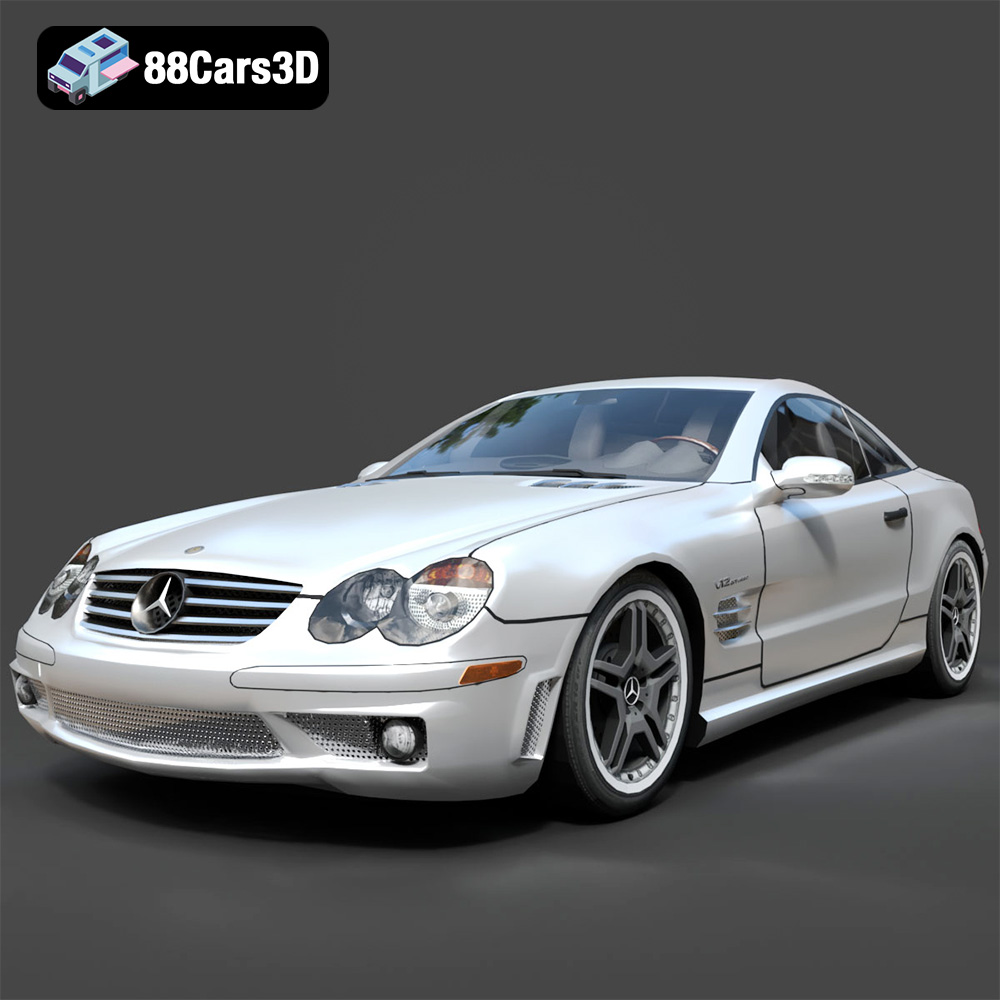
Mercedes-Benz SL 65 AMG 3D Model
Texture: Yes
Material: Yes
Download the Mercedes-Benz SL 65 AMG 3D Model featuring clean geometry, realistic detailing, and a fully modeled interior. Includes .blend, .fbx, .obj, .glb, .stl, .ply, .unreal, and .max formats for rendering, simulation, and game development.
Price: $23.99
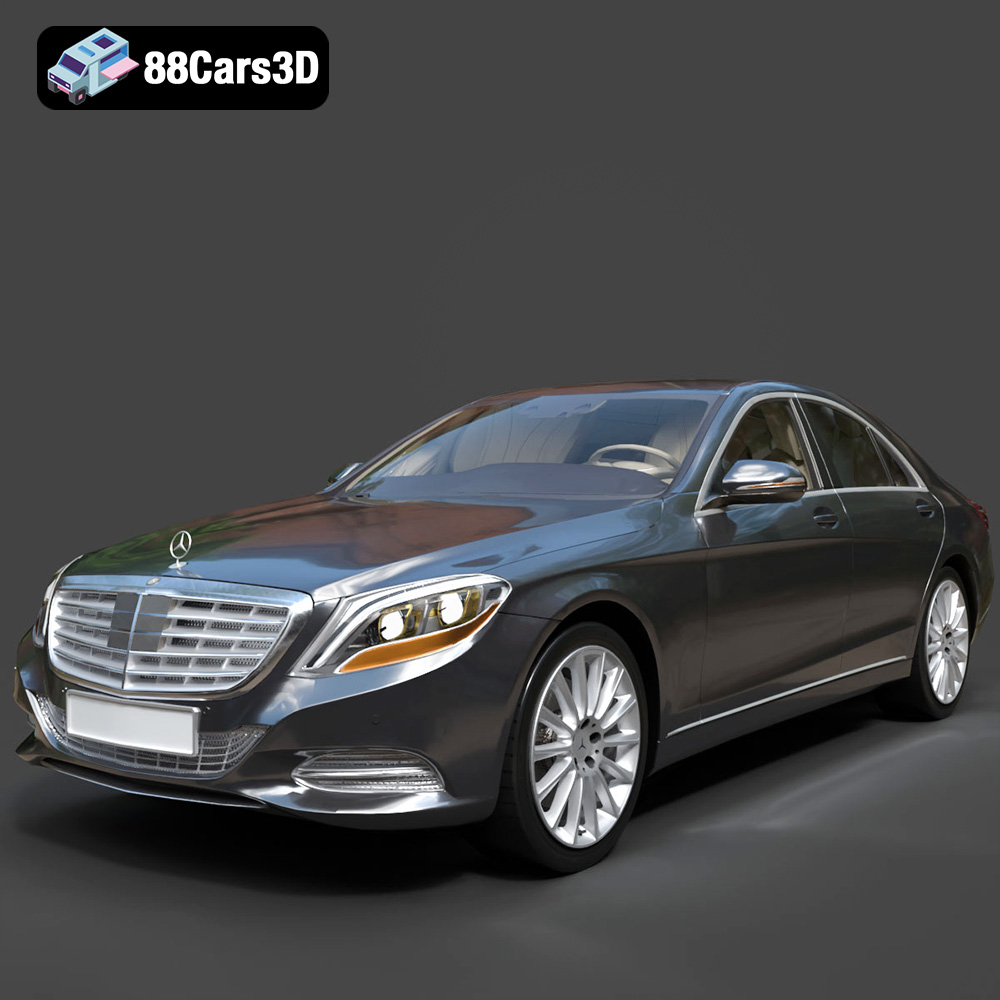
Mercedes-Benz S500 3D Model
Texture: Yes
Material: Yes
Download the Mercedes-Benz S500 3D Model featuring clean geometry, realistic detailing, and a fully modeled interior. Includes .blend, .fbx, .obj, .glb, .stl, .ply, .unreal, and .max formats for rendering, simulation, and game development.
Price: $23.99
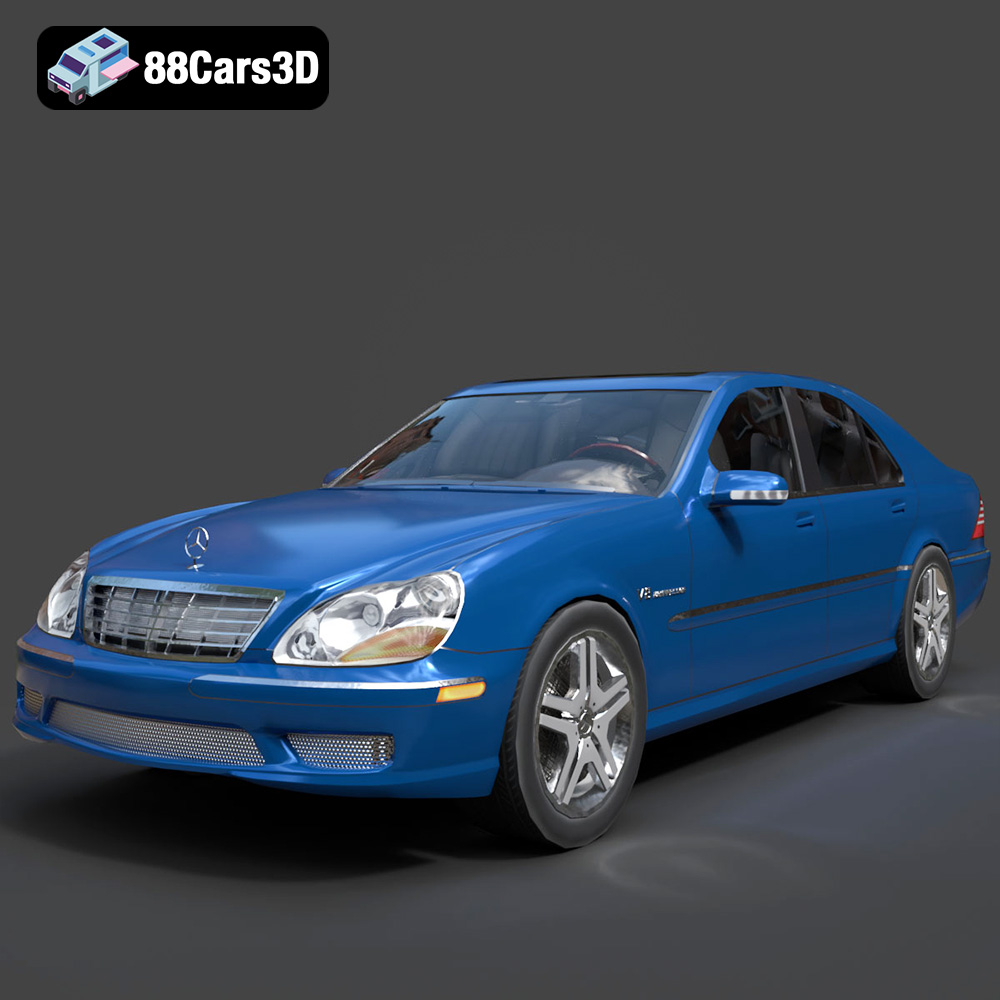
Mercedes-Benz S55 W220 AMG 1999 3D Model
Texture: Yes
Material: Yes
Download the Mercedes-Benz S55 W220 AMG 1999 3D Model featuring clean geometry, realistic detailing, and a fully modeled interior. Includes .blend, .fbx, .obj, .glb, .stl, .ply, .unreal, and .max formats for rendering, simulation, and game development.
Price: $23.99
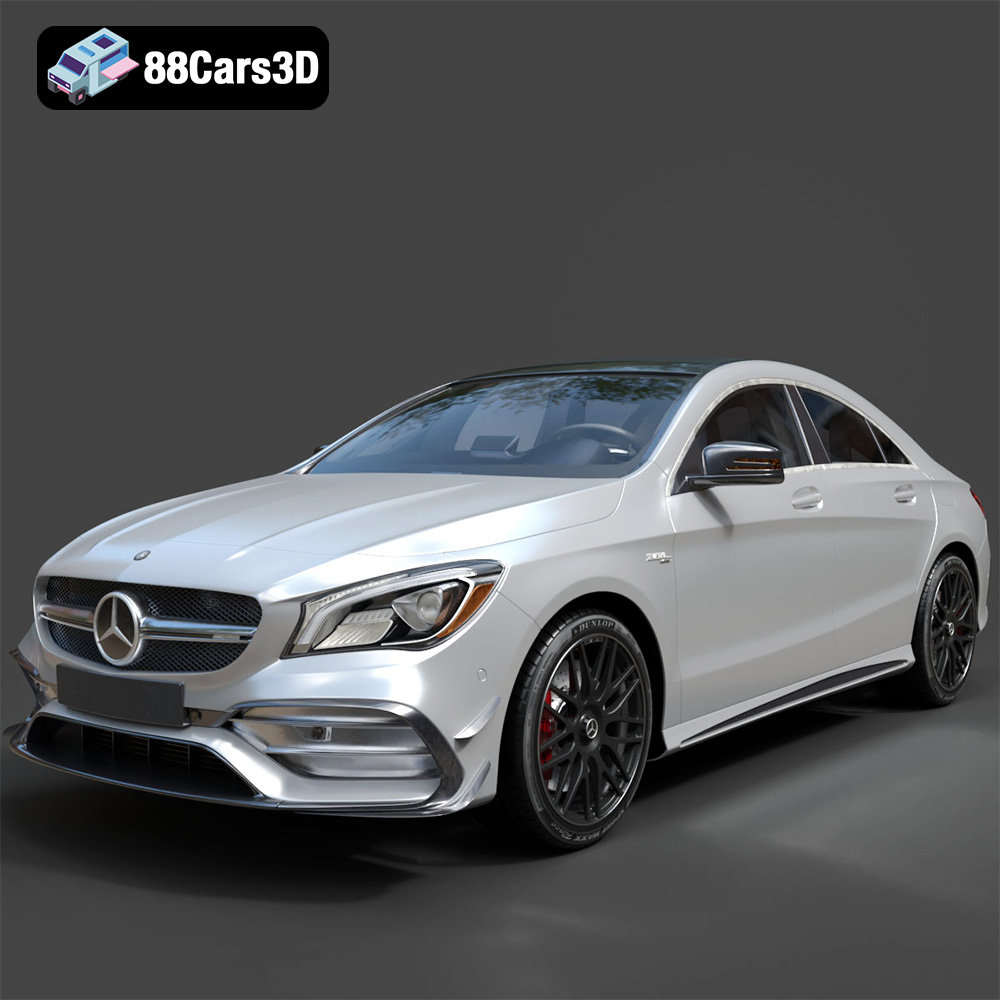
Mercedes-Benz CLA45 AMG 2017 3D Model
Texture: Yes
Material: Yes
Download the Mercedes-Benz CLA45 AMG 2017 3D Model featuring clean geometry, realistic detailing, and a fully modeled interior. Includes .blend, .fbx, .obj, .glb, .stl, .ply, .unreal, and .max formats for rendering, simulation, and game development.
Price: $38.99
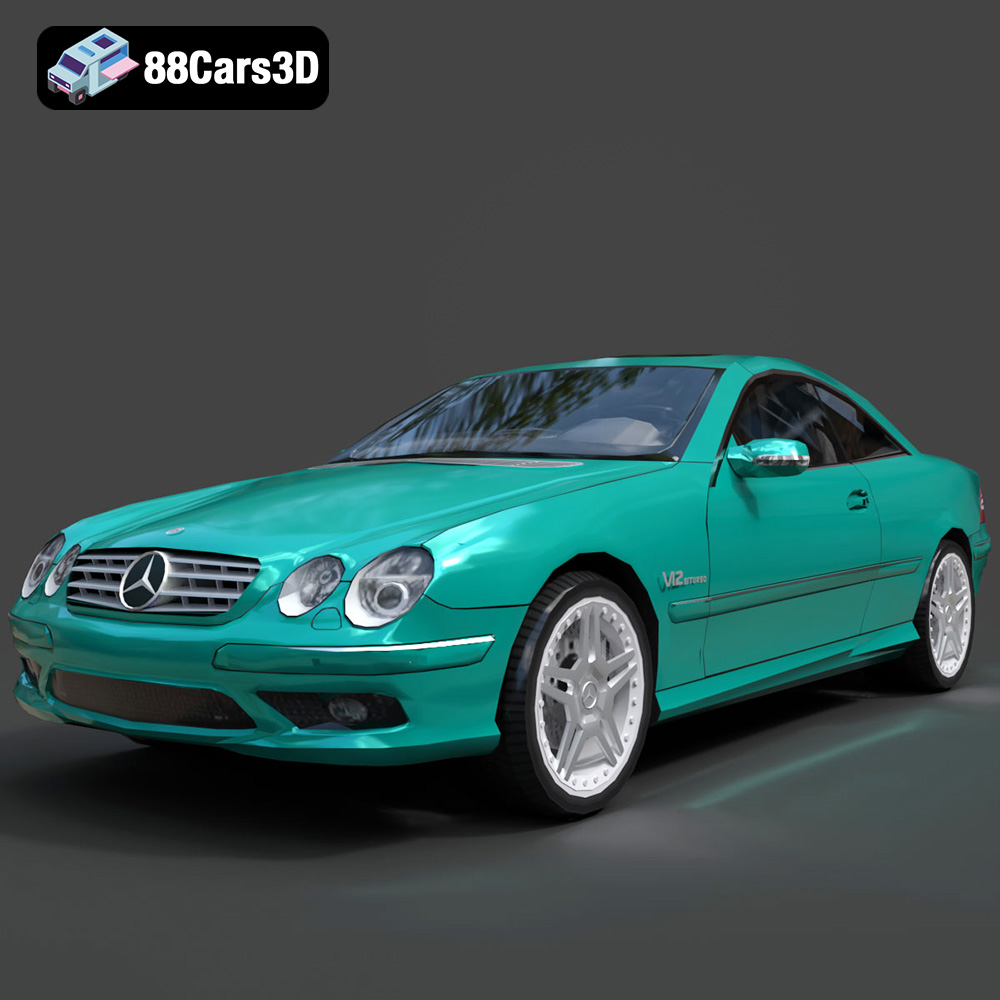
Mercedes-Benz CL65 C215 AMG 3D Model
Texture: Yes
Material: Yes
Download the Mercedes-Benz CL65 C215 AMG 3D Model featuring clean geometry, realistic detailing, and a fully modeled interior. Includes .blend, .fbx, .obj, .glb, .stl, .ply, .unreal, and .max formats for rendering, simulation, and game development.
Price: $23.99
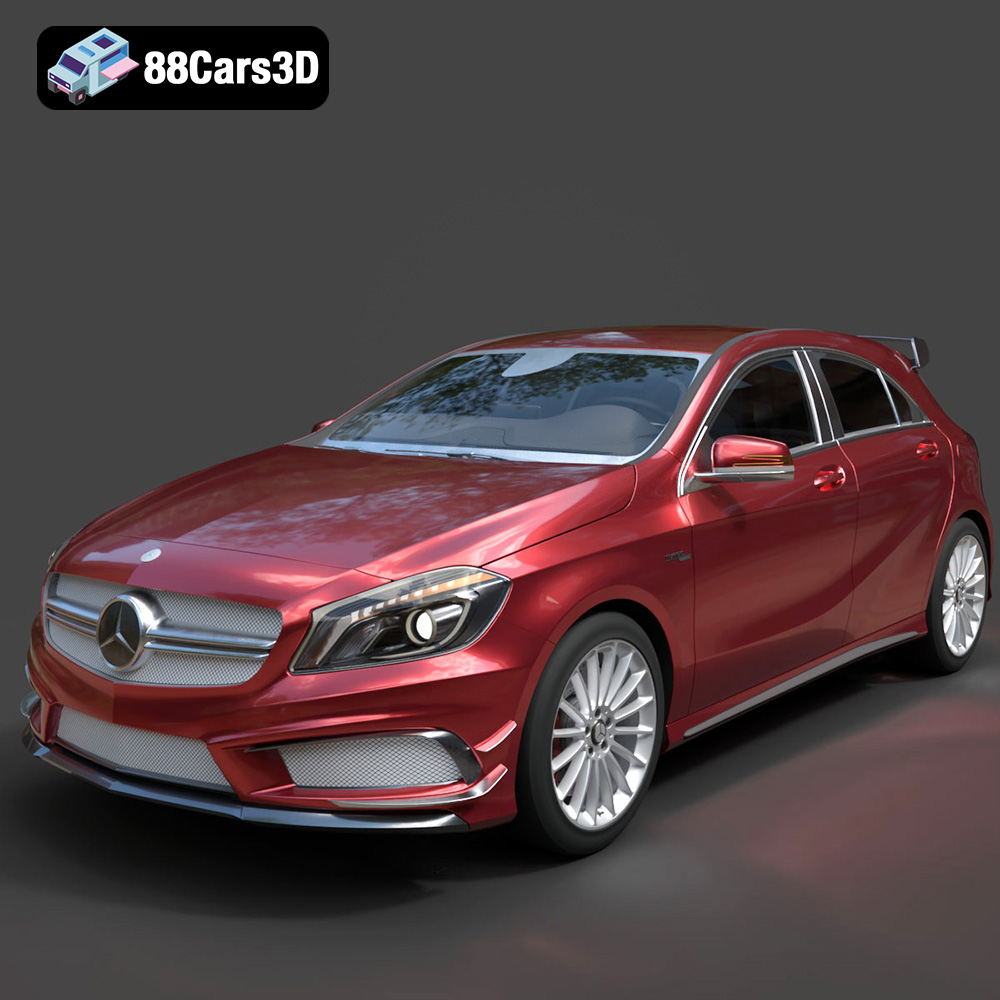
Mercedes-Benz A45 2021 3D Model
Texture: Yes
Material: Yes
Download the Mercedes-Benz A45 2021 3D Model featuring clean geometry, realistic detailing, and a fully modeled interior. Includes .blend, .fbx, .obj, .glb, .stl, .ply, .unreal, and .max formats for rendering, simulation, and game development.
Price: $23.99
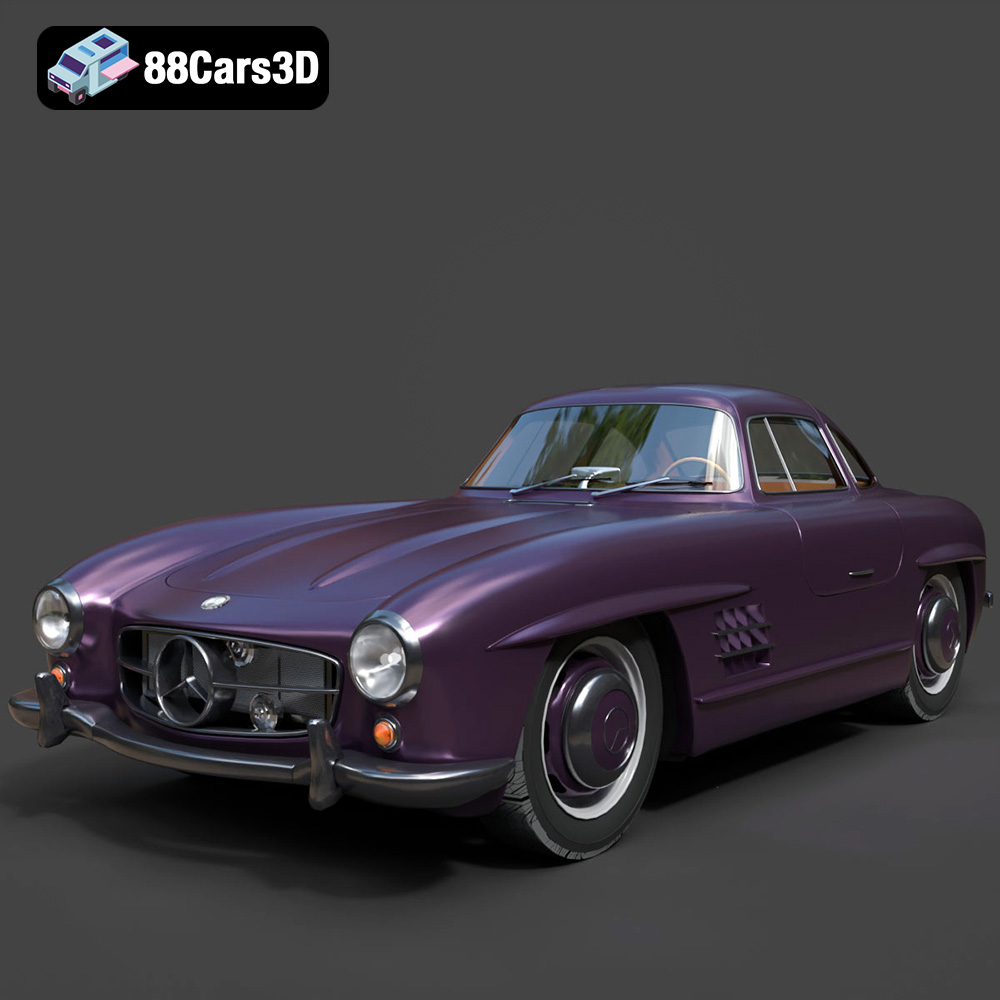
Mercedes-Benz 300SL 1955 3D Model
Texture: Yes
Material: Yes
Download the Mercedes-Benz 300SL 1955 3D Model featuring clean geometry, realistic detailing, and a fully modeled interior. Includes .blend, .fbx, .obj, .glb, .stl, .ply, .unreal, and .max formats for rendering, simulation, and game development.
Price: $23.99
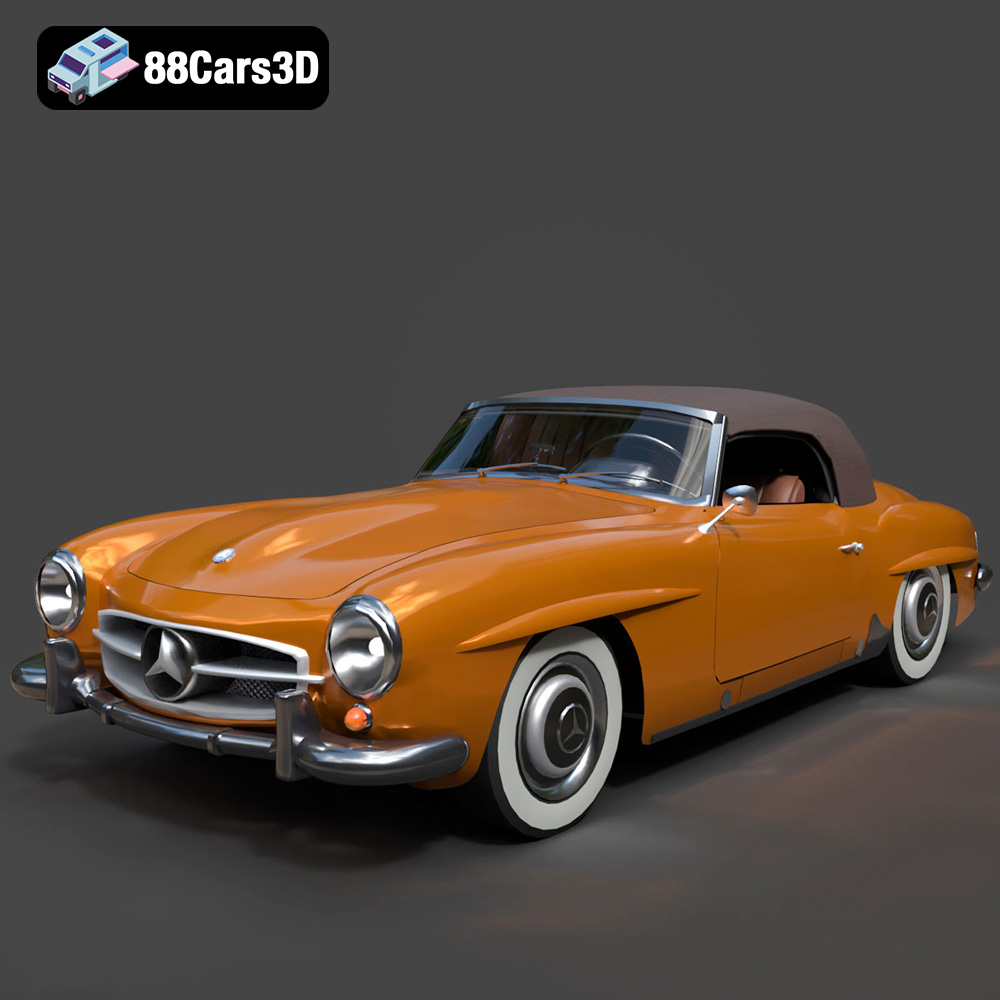
Mercedes-Benz 190SL 1955 3D Model
Texture: Yes
Material: Yes
Download the Mercedes-Benz 190SL 1955 3D Model featuring clean geometry, realistic detailing, and a fully modeled interior. Includes .blend, .fbx, .obj, .glb, .stl, .ply, .unreal, and .max formats for rendering, simulation, and game development.
Price: $23.99
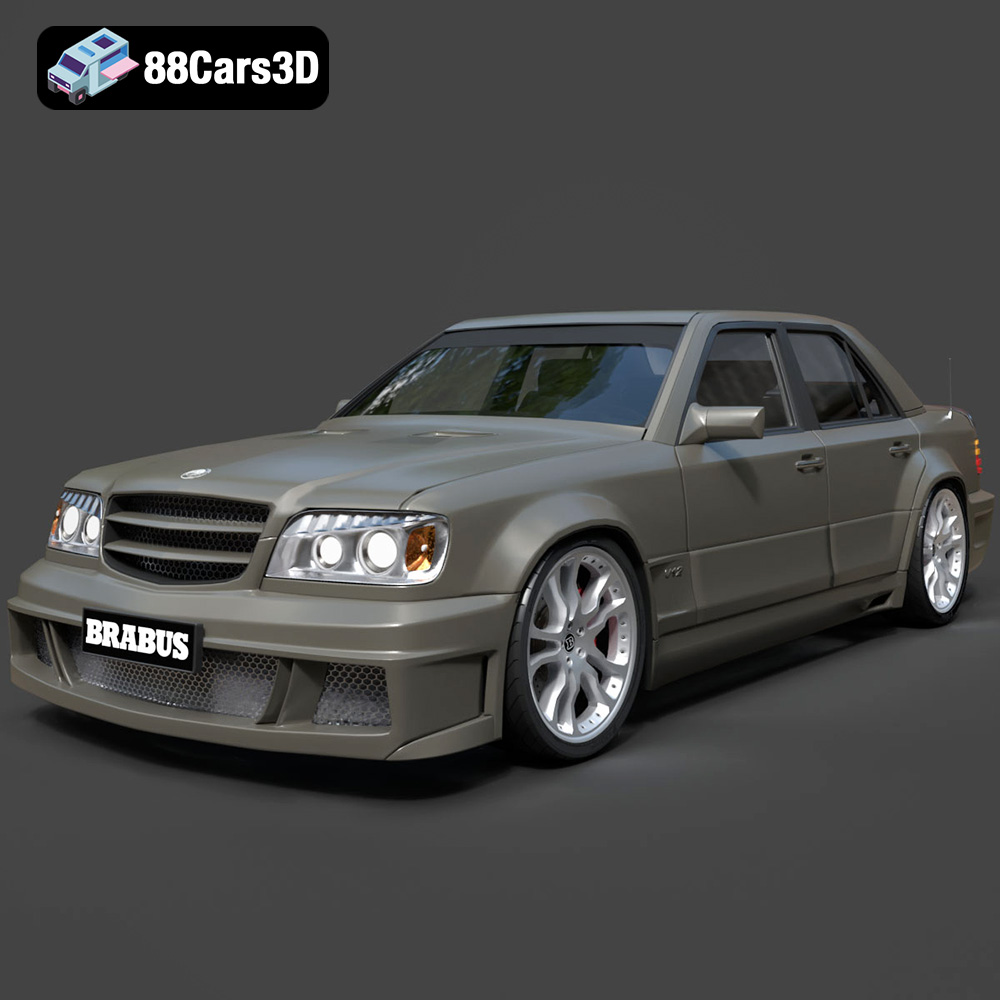
Mercedes-Benz W124 Brabus V12 3D Model
Texture: Yes
Material: Yes
Download the Mercedes-Benz W124 Brabus V12 3D Model featuring clean geometry, realistic detailing, and a fully modeled interior. Includes .blend, .fbx, .obj, .glb, .stl, .ply, .unreal, and .max formats for rendering, simulation, and game development.
Price: $23.99
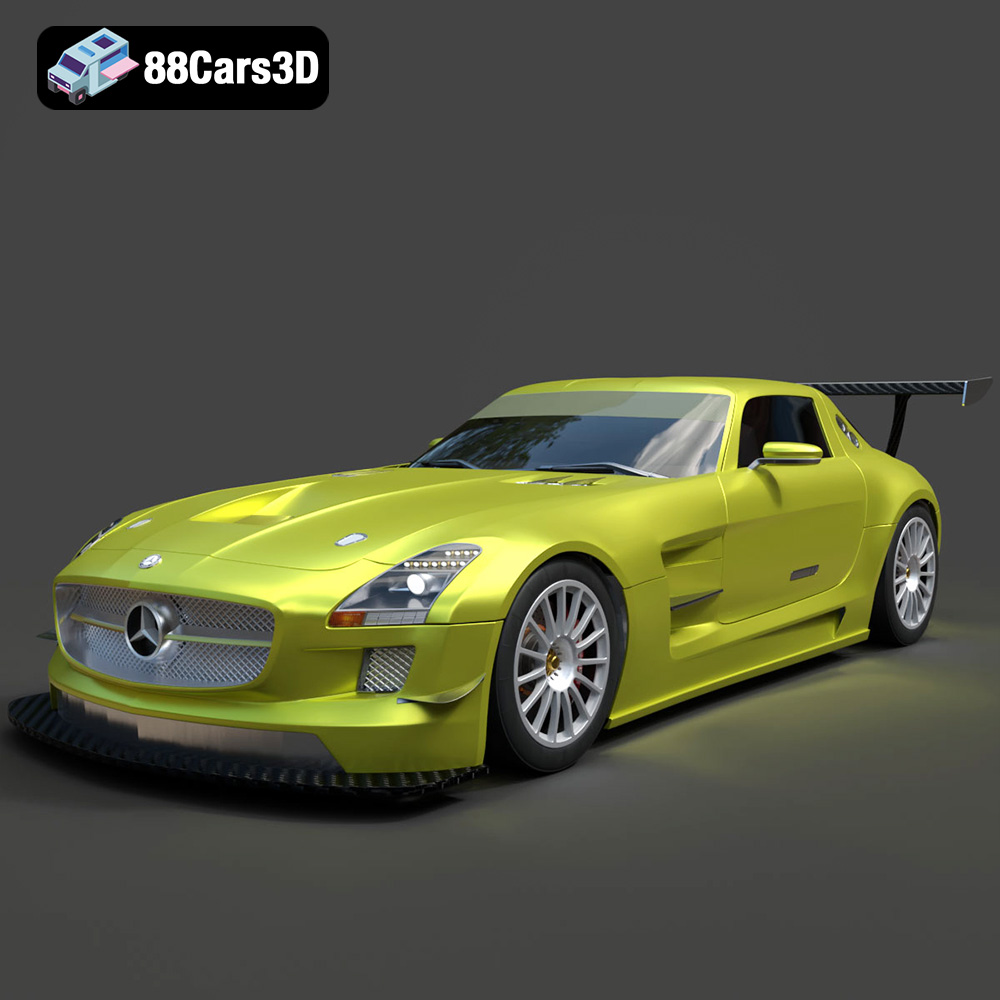
Mercedes-Benz SLS AMG GT3-002 3D Model
Texture: Yes
Material: Yes
Download the Mercedes-Benz SLS AMG GT3-002 3D Model featuring clean geometry, realistic detailing, and a fully modeled interior. Includes .blend, .fbx, .obj, .glb, .stl, .ply, .unreal, and .max formats for rendering, simulation, and game development.
Price: $38.99

Mercedes-Benz C-Class-001 3D Model
Texture: Yes
Material: Yes
Download the Mercedes-Benz C-Class-001 3D Model featuring clean geometry, realistic detailing, and a fully modeled interior. Includes .blend, .fbx, .obj, .glb, .stl, .ply, .unreal, and .max formats for rendering, simulation, and game development.
Price: $38.99
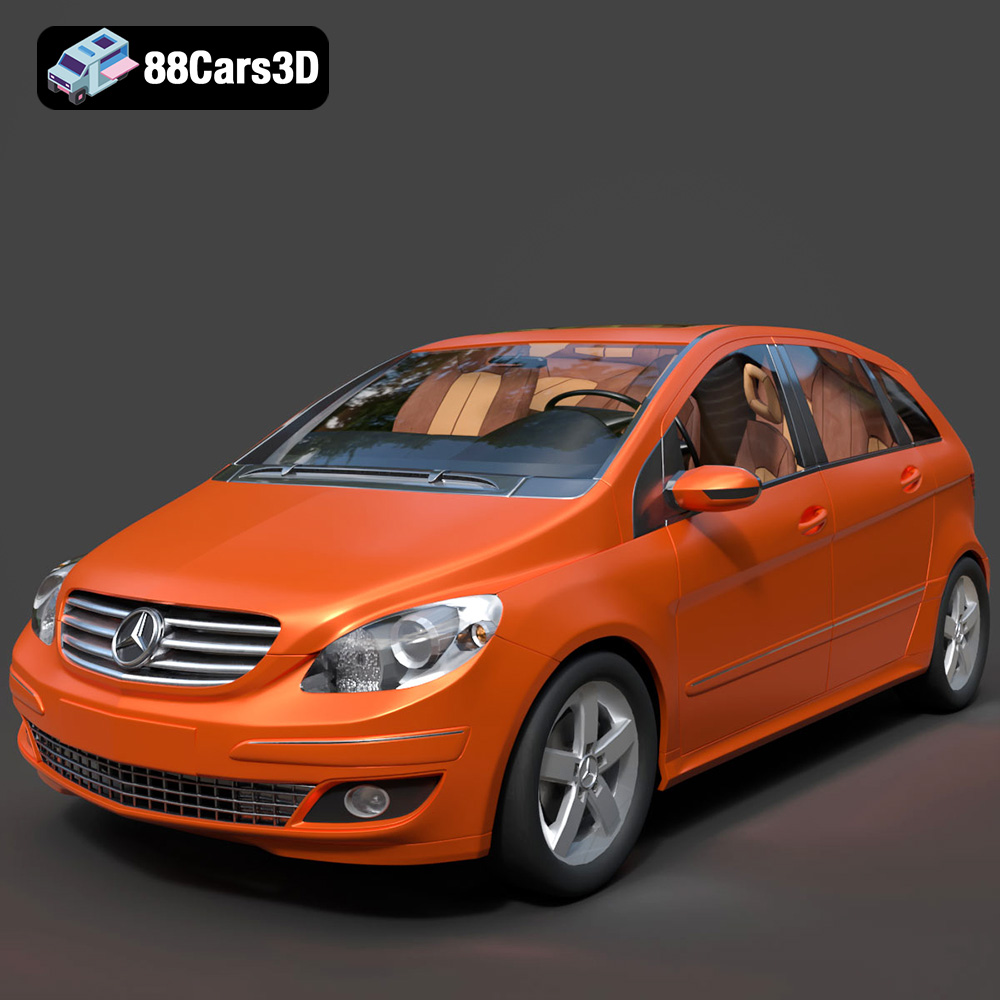
Mercedes-Benz B-Klasse 2023 3D Model
Texture: Yes
Material: Yes
Download the Mercedes-Benz B-Klasse 2023 3D Model featuring clean geometry, realistic detailing, and a fully modeled interior. Includes .blend, .fbx, .obj, .glb, .stl, .ply, .unreal, and .max formats for rendering, simulation, and game development.
Price: $38.99
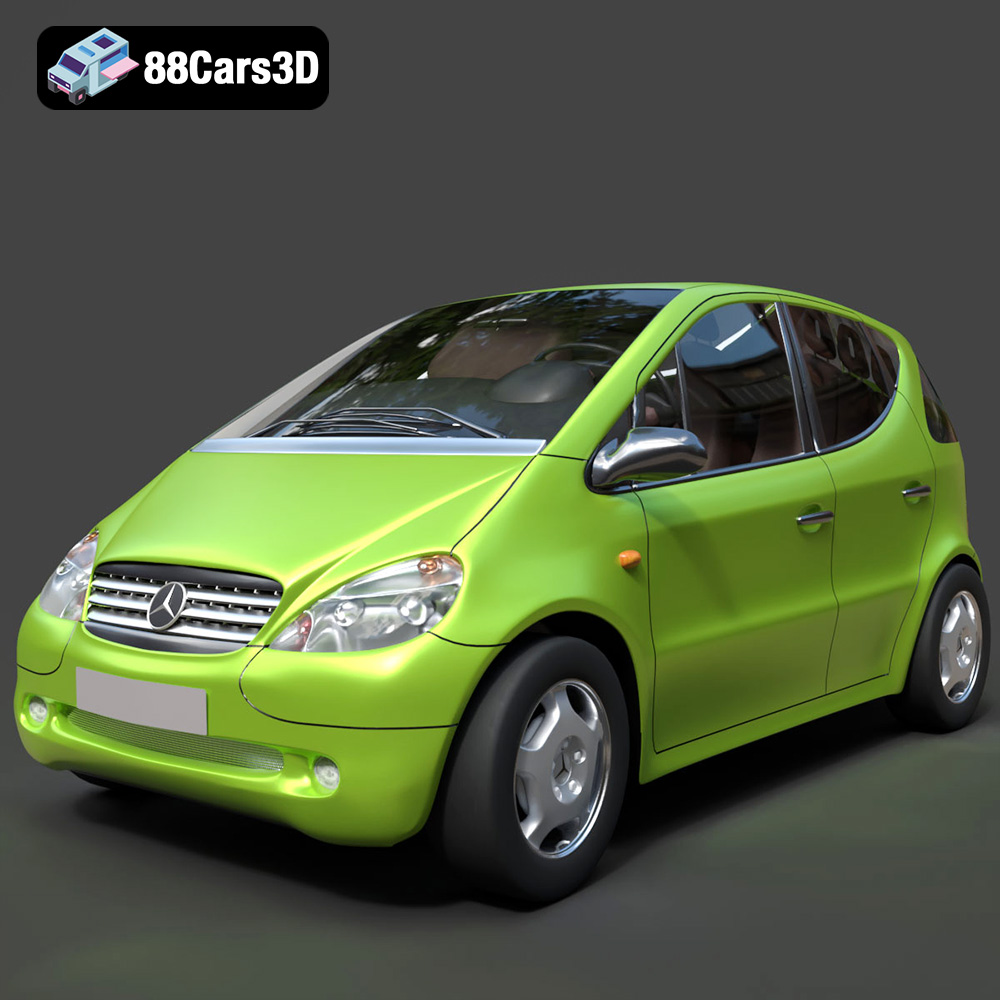
Mercedes-Benz A-Klasse W168 3D Model
Texture: Yes
Material: Yes
Download the Mercedes-Benz A-Klasse W168 3D Model featuring clean geometry, realistic detailing, and a fully modeled interior. Includes .blend, .fbx, .obj, .glb, .stl, .ply, .unreal, and .max formats for rendering, simulation, and game development.
Price: $38.99
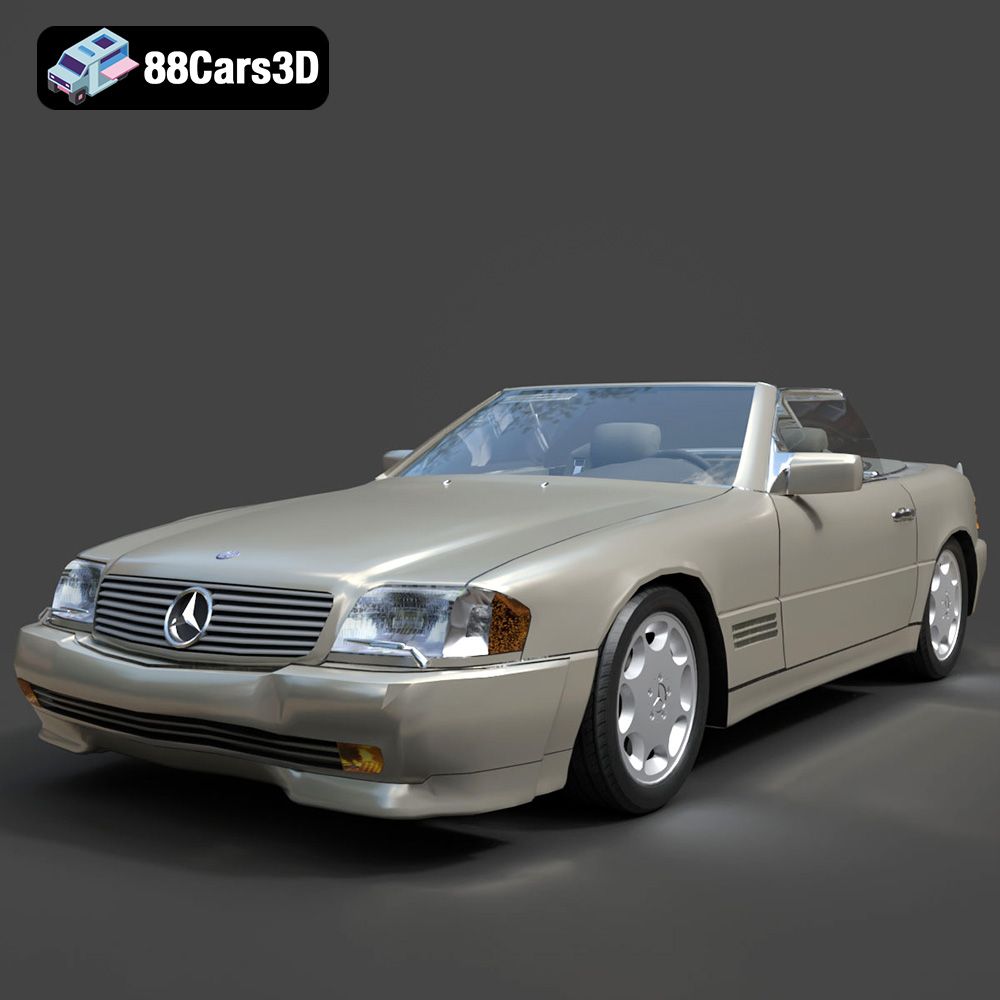
Mercedes-Benz 500SL 2000 3D Model
Texture: Yes
Material: Yes
Download the Mercedes-Benz 500SL 2000 3D Model featuring clean geometry, realistic detailing, and a fully modeled interior. Includes .blend, .fbx, .obj, .glb, .stl, .ply, .unreal, and .max formats for rendering, simulation, and game development.
Price: $38.99
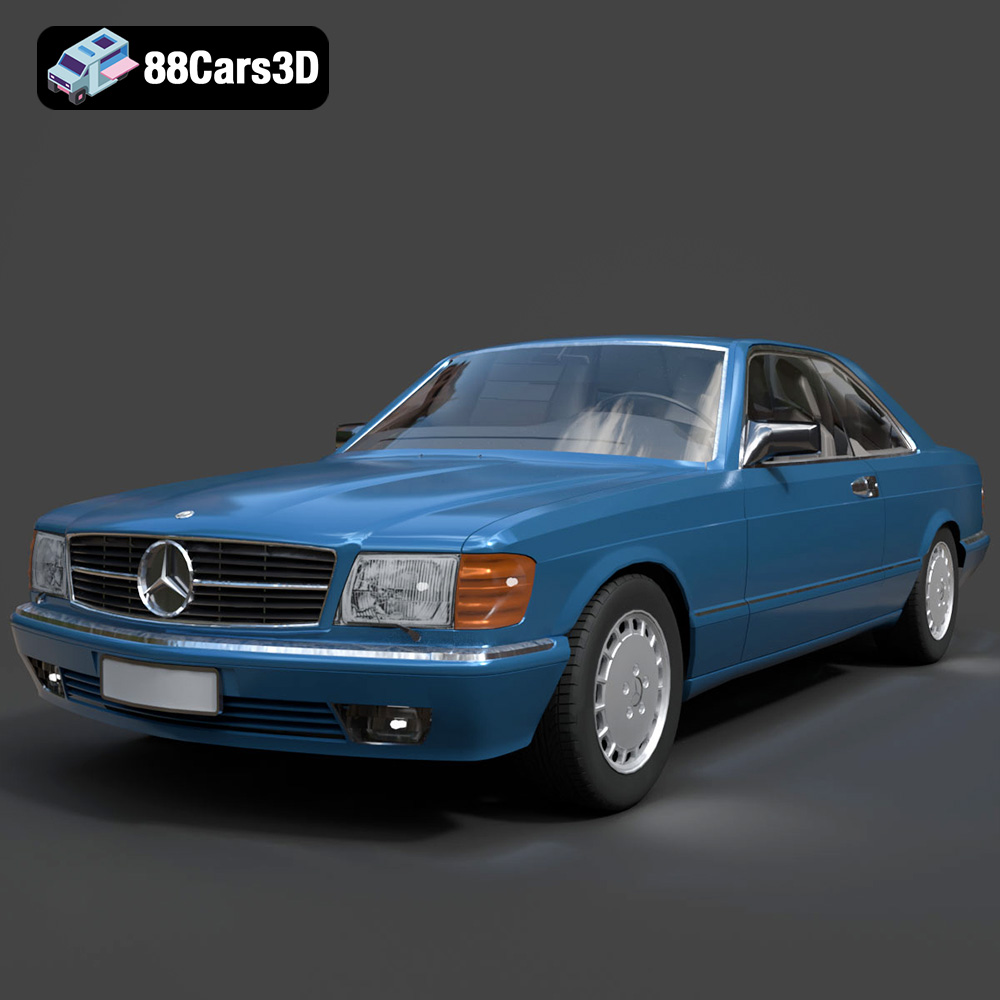
Mercedes-Benz 500SEC 3D Model
Texture: Yes
Material: Yes
Download the Mercedes-Benz 500SEC 3D Model featuring clean geometry, realistic detailing, and a fully modeled interior. Includes .blend, .fbx, .obj, .glb, .stl, .ply, .unreal, and .max formats for rendering, simulation, and game development.
Price: $38.99
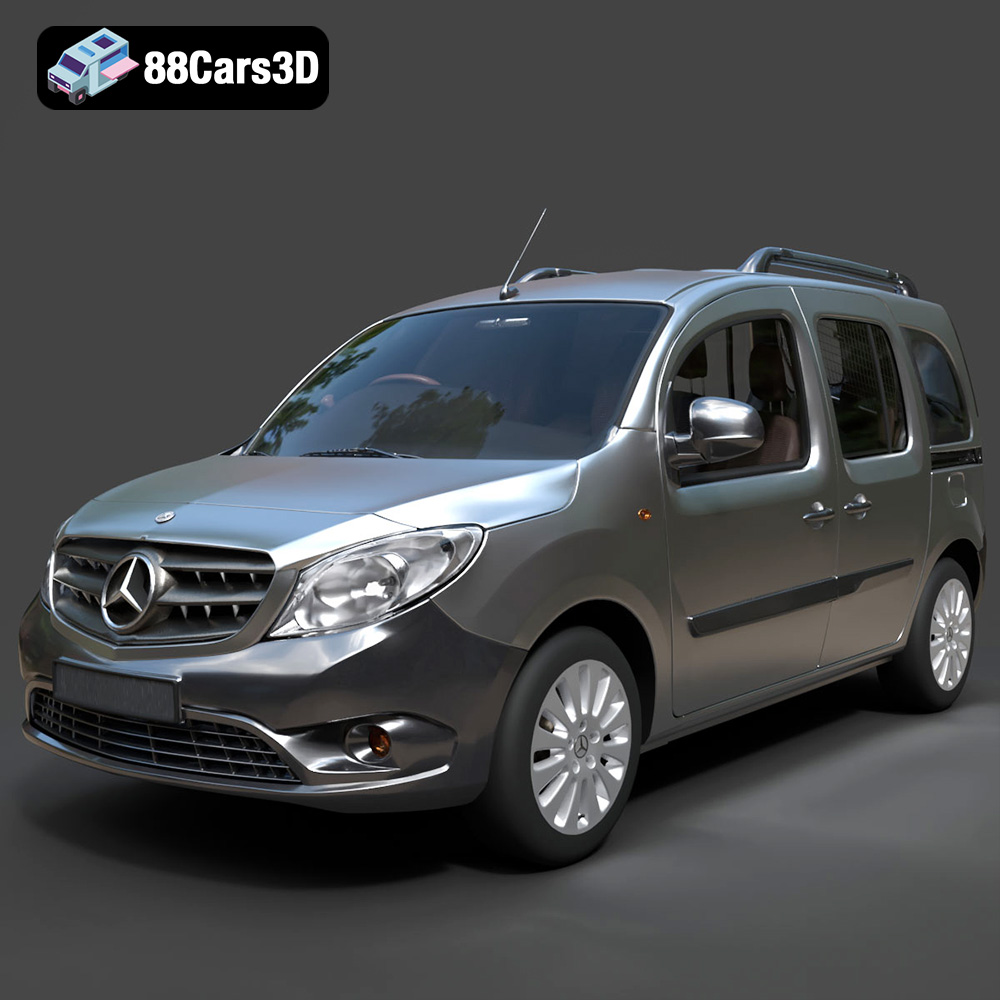
Mercedes-Benz Citan 2025 3D Model
Texture: Yes
Material: Yes
Download the Mercedes-Benz Citan 2025 3D Model featuring clean geometry, realistic detailing, and a fully modeled interior. Includes .blend, .fbx, .obj, .glb, .stl, .ply, .unreal, and .max formats for rendering, simulation, and game development.
Price: $38.99
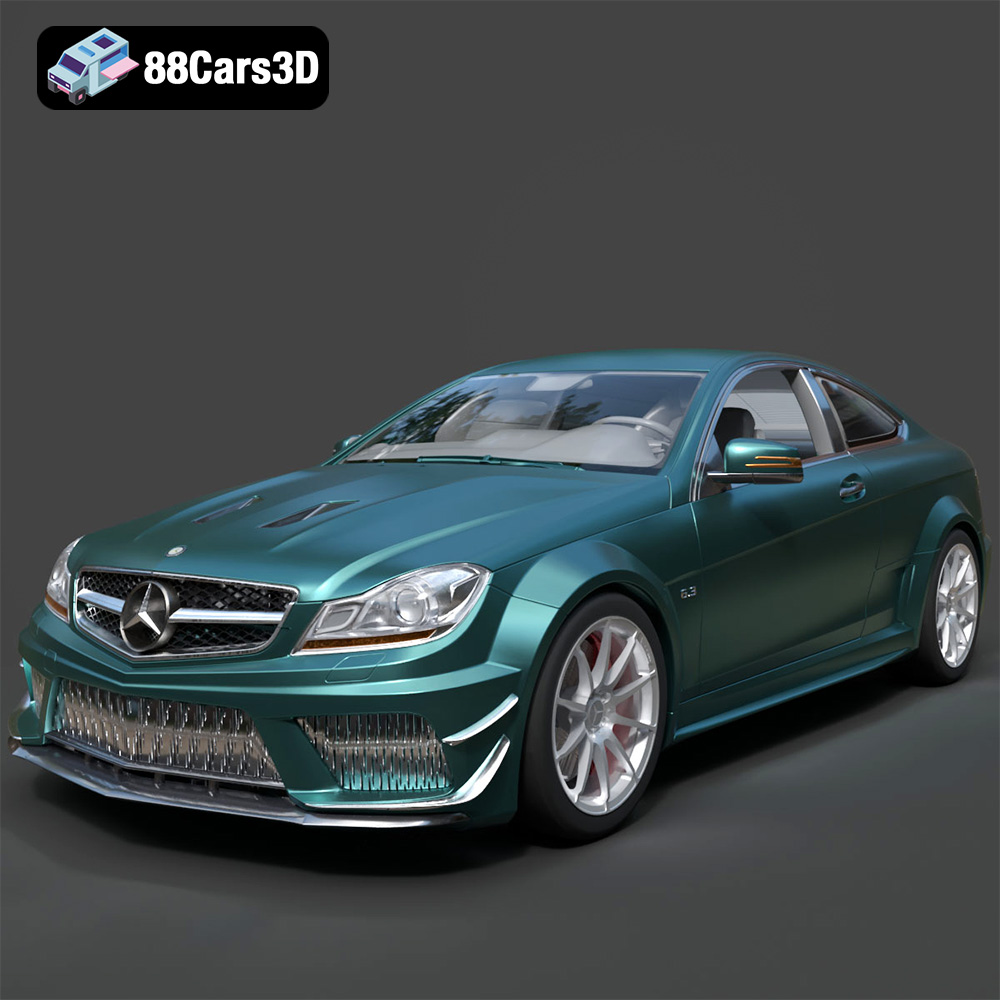
Mercedes-Benz C63 AMG 2012 3D Model
Texture: Yes
Material: Yes
Download the Mercedes-Benz C63 AMG 2012 3D Model featuring clean geometry, realistic detailing, and a fully modeled interior. Includes .blend, .fbx, .obj, .glb, .stl, .ply, .unreal, and .max formats for rendering, simulation, and game development.
Price: $38.99
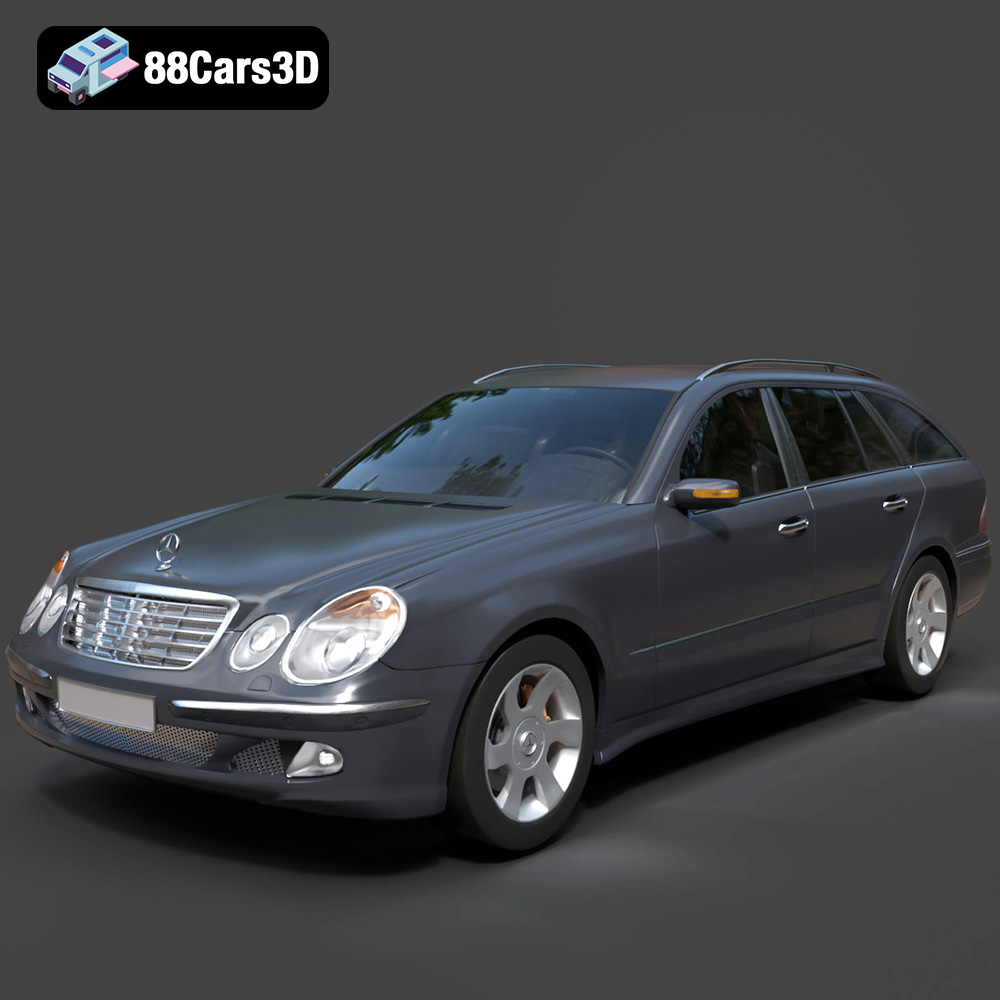
Mercedes-Benz E-Class S211 3D Model
Texture: Yes
Material: Yes
Download the Mercedes-Benz E-Class S211 3D Model featuring clean geometry, realistic detailing, and a fully modeled interior. Includes .blend, .fbx, .obj, .glb, .stl, .ply, .unreal, and .max formats for rendering, simulation, and game development.
Price: $38.99
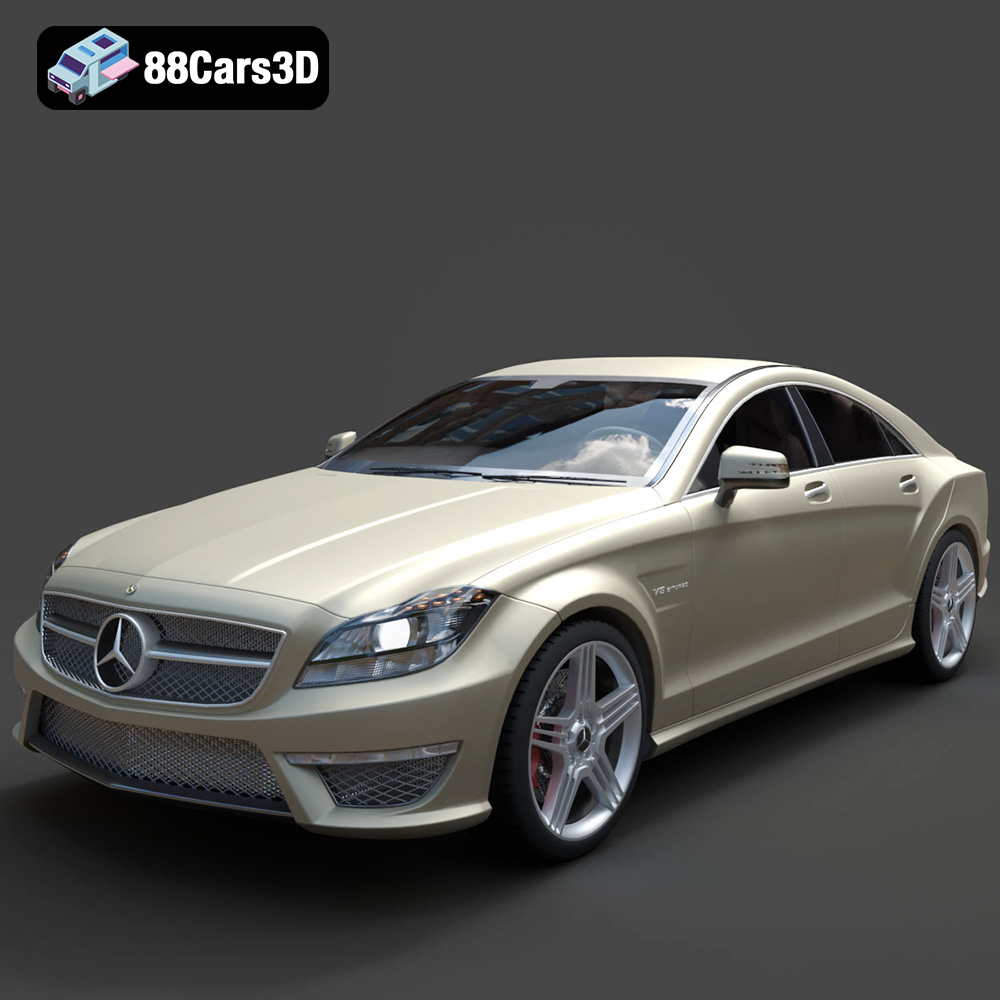
Mercedes-Benz CLS63 AMG (C218) 2014 3D Model
Texture: Yes
Material: Yes
Download the Mercedes-Benz CLS63 AMG (C218) 2014 3D Model featuring clean geometry, realistic detailing, and a fully modeled interior. Includes .blend, .fbx, .obj, .glb, .stl, .ply, .unreal, and .max formats for rendering, simulation, and game development.
Price: $38.99
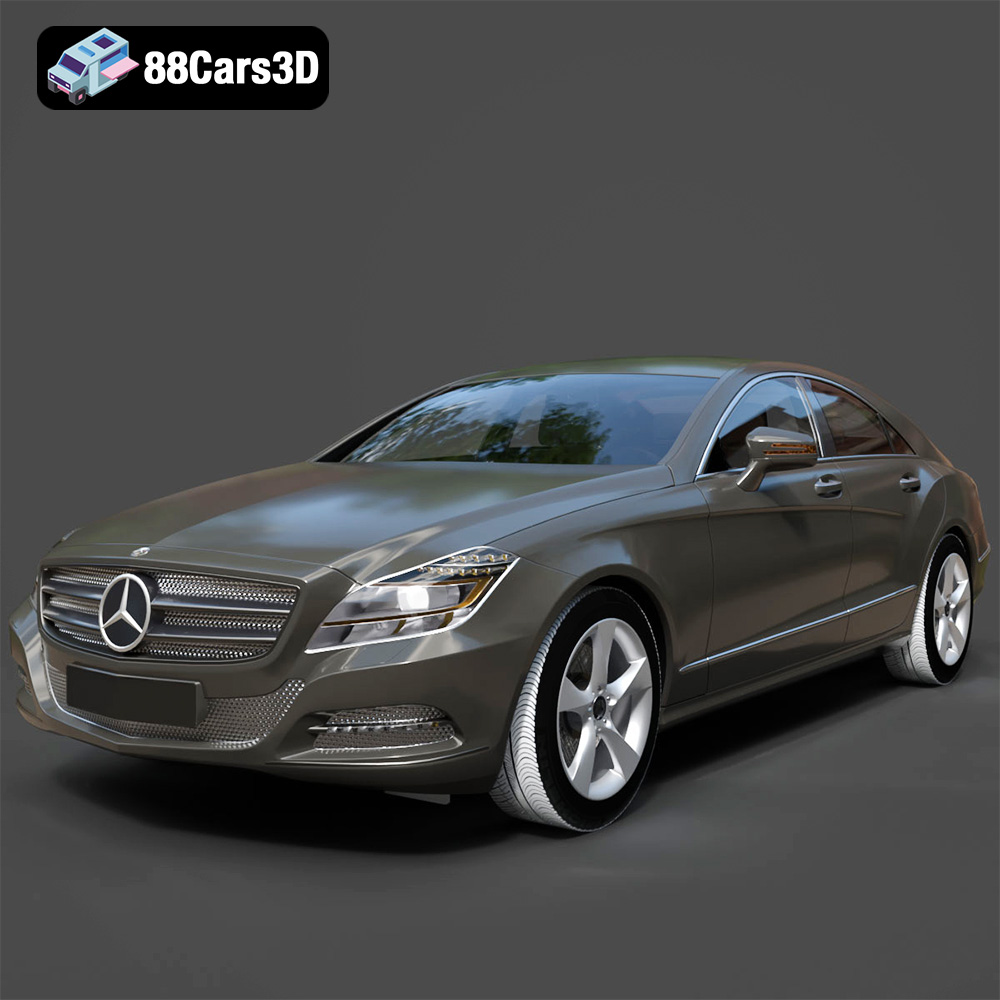
Mercedes-Benz CLS-Klasse 3D Model
Texture: Yes
Material: Yes
Download the Mercedes-Benz CLS-Klasse 3D Model featuring clean geometry, realistic detailing, and a fully modeled interior. Includes .blend, .fbx, .obj, .glb, .stl, .ply, .unreal, and .max formats for rendering, simulation, and game development.
Price: $38.99
