
The Anatomy of Automotive Paint: A PBR Foundation

The pursuit of photorealism in 3D rendering is an endless journey, and few challenges are as demanding yet rewarding as perfectly replicating automotive paint. It’s not just about color; it’s a symphony of reflections, refractions, metallic sparkle, and subtle environmental interaction that defines true visual authenticity. A poorly executed paint shader can instantly break the illusion, turning an otherwise stunning model into an unconvincing digital artifact.
For 3D artists, game developers, and automotive designers, mastering the nuances of automotive paint shaders is paramount. This definitive guide will peel back the layers, deconstructing the complex interplay of light and material that makes a virtual car indistinguishable from its real-world counterpart. We’ll delve deep into the principles of PBR car paint, advanced shader techniques, and optimal lighting setups to help you achieve breathtaking vehicle realism in your renders. If you’re looking for high-quality base models to practice these techniques, resources like 88cars3d.com offer an excellent starting point.
The Anatomy of Automotive Paint: A PBR Foundation
To create truly realistic car paint, we must first understand its physical composition. Modern automotive finishes are far more complex than a simple colored surface. They are multi-layered systems, each contributing to the final appearance. Understanding these layers is the bedrock of achieving physically accurate rendering. This deep understanding informs every aspect of your shader graph setup, guiding you towards believable results.
Base Coat: Color and Diffuse Properties
The base coat is the primary layer that gives the car its fundamental color. In a PBR (Physically Based Rendering) workflow, this typically translates to the ‘base color’ or ‘diffuse’ input of your material. For non-metallic paints, this layer is largely responsible for the overall hue and how much light is absorbed versus reflected diffusely. Its roughness can vary, but generally, it’s covered by a much glossier clear coat.
Metallic Flakes: The Sparkle Component
Most modern car paints incorporate microscopic metallic flakes suspended within the color layer, or sometimes in a separate mid-coat. These flakes are crucial for the paint’s signature “sparkle” and gloss variation when viewed from different angles. When light hits these tiny metallic particles, it reflects off them directionally, creating a characteristic glitter. This effect is managed by a dedicated metallic flake shader component, which we will explore further.
Clear Coat: The Glossy Protective Layer
The clear coat is arguably the most critical component for visual realism. It’s a thick, transparent layer of highly reflective lacquer applied over the base coat and metallic flakes. This layer provides the deep gloss, protects the underlying paint, and is responsible for most of the prominent reflections you see on a car’s surface. It’s essentially a separate, highly polished dielectric material laid over the rest, and its properties are central to creating a convincing clear coat material.
Mastering the Clear Coat: The Essence of Gloss
The clear coat is what gives automotive paint its liquid-like sheen and depth. Without a meticulously crafted clear coat material, even the most detailed 3D model will fall flat. This layer is an independent reflective surface, and understanding its PBR parameters is key to achieving that coveted showroom shine and true physically accurate rendering.
IOR and Roughness: Calibrating Realistic Reflections
The clear coat is a dielectric material, meaning it reflects and refracts light differently from metals. Its primary properties are:
- Index of Refraction (IOR): This value determines how much light bends when entering the material and, crucially, the strength of reflections at grazing angles (Fresnel effect). For most clear coats, an IOR between 1.45 and 1.55 is appropriate. Values around 1.5 are common for automotive lacquers.
- Roughness (or Glossiness): This parameter dictates the sharpness or blurriness of reflections. A perfectly smooth clear coat will have a very low roughness (or high glossiness) value, resulting in razor-sharp reflections. Imperfections like dust, scratches, or orange peel texture will increase roughness, subtly blurring reflections and adding micro-detail. Using a subtle noise map for roughness can add a layer of realism, simulating minor surface imperfections.
Layered Materials: How Renderers Handle Clear Coats
Most modern render engines, such as V-Ray, Corona, Arnold, Blender Cycles, and Redshift, offer dedicated layering capabilities or specialized car paint shaders to simplify this process. Conceptually, a clear coat is a second reflective layer on top of your base paint. In a node-based editor, this often translates to blending two distinct BRDF (Bidirectional Reflectance Distribution Function) layers: one for the base paint (diffuse + metallic reflection) and another for the transparent, highly reflective clear coat.
Dispersion (Optional but good for realism)
While often subtle and computationally more expensive, dispersion can add another layer of realism to your clear coat. Dispersion is the phenomenon where different wavelengths of light (colors) refract at slightly different angles, causing a slight rainbow-like separation in very sharp reflections or refractions. This is the same effect seen in prisms or diamonds. For automotive clear coats, this effect is usually minimal but can contribute to the “sparkle” and visual interest, especially in close-ups or with strong, focused light sources.
The Art of Metallic and Pearlescent Flakes
The magic of a dynamic, shimmering car paint often lies in its metallic or pearlescent flakes. These tiny particles catch and reflect light, creating a depth and sparkle that’s impossible to achieve with a simple diffuse and specular shader. Crafting a compelling metallic flake shader is crucial for unlocking advanced PBR car paint effects.
Flake Size and Density: Controlling the Sparkle
The visual impact of flakes is heavily influenced by their size and density:
- Size: Smaller flakes produce a finer, more uniform shimmer, often seen in luxury vehicles. Larger flakes create a bolder, more noticeable glitter, common in custom paint jobs. This can be controlled by the scale of the noise or procedural texture used to define the flakes.
- Density: The number of flakes per unit area determines how “full” the sparkle appears. A high density can create a continuous shimmer, while lower density will show individual, distinct sparkles. This is often controlled by a threshold value on your flake texture or by the density parameter of a dedicated flake generator.
Experimenting with these parameters is essential to match reference imagery and achieve the desired aesthetic for your specific vehicle design.
Flake Color and Tint: Customizing the Effect
Metallic flakes aren’t always pure silver. They can be tinted to match or contrast with the base color, adding another layer of complexity and visual interest. For instance, a blue car might have silver, blue-tinted, or even subtly purple flakes to create a sophisticated effect. Pearlescent paints take this a step further, often using mica particles that reflect different colors depending on the viewing angle, creating an iridescent shift. This typically involves coloring the reflections of the flake layer, either with a solid color or a subtle gradient map driven by the viewing angle.
Simulating Anisotropy: Directional Reflections from Flakes
One of the most defining characteristics of metallic flake paint is how it interacts with light, often exhibiting directional reflections, a phenomenon known as anisotropic reflections. While true anisotropy (discussed in the next section) is about surface grooves, flakes also contribute to a perceived anisotropy. Each flake acts like a tiny, irregularly oriented mirror. When many flakes are aligned or viewed from specific angles, they can collectively produce a streaky, elongated highlight. Advanced flake shaders often incorporate controls for flake orientation, allowing you to introduce a subtle directional bias that enhances the realism, especially on curved surfaces.
Anisotropic Reflections: The Signature of Automotive Surfaces
Beyond the flakes, many automotive surfaces, particularly painted ones that have been polished or brushed in a specific direction, exhibit anisotropic reflections. This effect is paramount for achieving top-tier vehicle realism and is often a tell-tale sign of a high-quality render. Without it, even the best models can look flat or artificial.
Understanding Anisotropy: What It Is and Why It Matters for Car Paint
Anisotropy literally means “direction-dependent.” In rendering, it refers to reflections that stretch or deform along a particular direction, rather than appearing as perfectly circular or elliptical highlights. This is caused by microscopic grooves or scratches on a surface, often left by polishing, brushing, or manufacturing processes. On a car, the clear coat, despite being smooth, often retains a subtle “grain” from its application and polishing. The metallic flakes themselves, when aligned, can also contribute to a perceived anisotropic effect.
For car paint, anisotropic reflections create those iconic long, streaky highlights that flow along the contours of the bodywork, especially on hoods, fenders, and doors. This effect dramatically enhances the perception of curvature, material properties, and depth, making the surface look far more dynamic and believable than isotropic (uniform) reflections.
Controlling Direction and Strength: Mapping Options
Implementing anisotropy in your shader typically involves:
- Direction Map: This is the most crucial component. It’s usually a tangent-space normal map or a dedicated anisotropy direction map (often a grayscale or color map) that tells the renderer the dominant direction of the surface’s “grain” at each point. You’ll often paint or generate this map to follow the panel lines and flow of the car’s bodywork. Tools like Substance Painter, Mari, or even procedural methods within your DCC can be used to create these maps.
- Strength/Rotation: A separate parameter controls how pronounced the anisotropic effect is. You can also rotate the direction locally using a texture map or procedural noise to add subtle variations, preventing the effect from looking too uniform.
- Roughness Contribution: Anisotropy is often linked to the roughness parameter. A highly anisotropic surface still has roughness, but instead of blurring reflections uniformly, it stretches them in one direction.
Common Pitfalls and Solutions
One common pitfall is applying a uniform anisotropy direction across an entire object. This looks unnatural as real-world polishing directions vary. Solution: Always use a carefully crafted direction map that follows the contours of your model. Another issue is overdoing the effect, making the paint look excessively scratched or brushed. Solution: Start with subtle values and increase incrementally, constantly checking against real-world references. Remember, anisotropy should enhance the form, not distract from it.
The Shader Graph Setup: Building Your PBR Car Paint
Bringing all these concepts together requires a robust shader graph setup. While specific node names and workflows vary between render engines (V-Ray, Corona, Arnold, Blender Cycles, Redshift, etc.), the underlying principles of layering and combining materials remain consistent. This section will outline a general approach to constructing your advanced PBR car paint.
Node-Based Workflow: A General Approach
Modern render engines primarily use node-based material editors, offering immense flexibility. The general idea is to build your car paint by layering different material components:
- Base Material: Start with a basic PBR material (e.g., Standard Surface in Arnold, V-Ray Material, Principled BSDF in Blender, Redshift Material). This will form the foundation for your base coat.
- Color and Metallicness: Connect your desired base color texture or solid color. If your paint has metallic flakes, adjust the ‘metallic’ parameter or blend in a metallic layer.
- Roughness/Glossiness: Apply roughness maps or constant values for the base layer, keeping in mind that the clear coat will dominate overall gloss.
- Clear Coat Layer: This is often a dedicated ‘coat’ input on advanced PBR shaders, or you might need to use a ‘Blend’ or ‘Layer’ material node. Connect a new PBR material (or a specialized clear coat node) to this layer.
Layering Clear Coat and Base: The Core Structure
The clear coat sits on top of everything. In most PBR shaders, you’ll find a dedicated “Clear Coat” section with parameters for:
- Weight/Amount: How opaque or present the clear coat is. Typically set to 1.0 for full coverage.
- Roughness: The primary control for the clear coat’s shininess. Very low values (e.g., 0.01-0.05) for high gloss.
- IOR: Set this to around 1.45-1.55.
- Normal/Bump: You can apply subtle bump maps here to simulate “orange peel” texture for added realism.
If your renderer doesn’t have a direct clear coat input, you’ll create two separate materials (one for base, one for clear coat) and use a “Layered Material” or “Blend Material” node, with the clear coat on top.
Adding Flakes and Anisotropy: Integrating Complex Effects
This is where the shader gets more specialized:
- Metallic Flakes:
- Some renderers have built-in flake generators (e.g., V-Ray Car Paint).
- Alternatively, create a separate metallic micro-facet BRDF, driven by a noise texture (like Voronoi or Perlin) for flake distribution and scale. Mix this into your base color layer, often with a subtle tint. The normal of this flake layer can be randomized or given a slight anisotropic direction.
- Anisotropy:
- Connect your anisotropy direction map (tangent space normal map) to the ‘anisotropy direction’ or ‘tangent’ input of your PBR material.
- Adjust the anisotropy strength parameter. Ensure this is applied to the main reflective component of your paint, often the clear coat, but can also be influenced by the metallic base.
It’s a process of iterative refinement. Start simple, then gradually introduce complexity, checking your render at each stage.
Illumination for Impact: HDRI and Beyond
Even the most meticulously crafted shader will fall flat without appropriate lighting. Automotive paint, with its highly reflective surfaces, lives and dies by its environment. Mastering HDRI automotive lighting is non-negotiable for achieving cinematic-quality renders and enhancing overall vehicle realism. The subtle interplay of light and shadow, the reflections of the environment, and the precise color balance all contribute to a believable scene, highlighting the nuances of your physically accurate rendering.
The Power of HDRI: Environment as Light Source
High Dynamic Range Images (HDRIs) are the cornerstone of photorealistic automotive rendering. An HDRI acts as both a primary light source and an environment map, providing accurate lighting, reflections, and ambient illumination all at once.
- Realistic Reflections: The intricate details of an HDRI environment (skies, buildings, foliage) are perfectly reflected in the car’s clear coat, providing crucial visual cues about the surroundings.
- Accurate Lighting: The varied light intensities within an HDRI produce soft shadows, natural color casts, and a sense of volume that’s incredibly difficult to replicate with traditional light setups alone.
- Consistency: The lighting and reflections are perfectly consistent, as they originate from the same source, leading to greater realism.
When choosing an HDRI, consider the mood and location you want to evoke. Studio HDRIs provide clean, controlled lighting, while outdoor HDRIs (e.g., overcast skies, sunset scenes) offer dynamic and atmospheric results. Sites like Poly Haven or specialized automotive HDRI libraries offer excellent options.
Complementary Light Sources: Area Lights, Spot Lights for Accents
While an HDRI provides the overall ambiance, supplementary lights are often necessary to guide the viewer’s eye, emphasize specific details, or add artistic flair:
- Area Lights: Large, soft area lights can be positioned to create broad, appealing highlights along body panels, mimicking studio softboxes. They are excellent for revealing subtle curves and enhancing the paint’s gloss.
- Spot Lights: Used sparingly, spot lights can create sharp, intense reflections that draw attention to specific design elements like badges, wheel details, or sharp body lines. They can also simulate direct sunlight or streetlights.
- Rim Lights: Often placed behind and to the side of the car, rim lights help separate the vehicle from the background, adding depth and definition to its silhouette.
The key is to use these additional lights subtly, ensuring they complement, rather than overpower, the naturalistic lighting provided by the HDRI.
Backplates and Integration: Seamless Scene Creation
For truly convincing renders, especially automotive presentations, integrating your 3D model into a photographic backplate is essential.
- Matching Perspective: Ensure your 3D camera’s focal length and position precisely match the photographic backplate.
- Lighting Consistency: The HDRI you use should ideally be captured at the same location and time of day as your backplate for seamless lighting and reflection matching.
- Shadow Catchers: Use a shadow catcher plane in your 3D scene that matches the ground plane of your backplate. This allows your 3D car to cast realistic shadows onto the photograph, grounding it firmly in the scene.
- Color Grading: A final pass of color grading can help blend the 3D render with the backplate, adjusting exposure, contrast, and white balance to create a cohesive image.
When these elements align, the result is an image where the rendered car becomes indistinguishable from a real photograph, a testament to the power of a holistic approach to lighting and material design.
Conclusion
Achieving truly photorealistic automotive paint is a complex but immensely rewarding endeavor. It demands a deep understanding of physical material properties, meticulous shader construction, and a keen eye for lighting. We’ve deconstructed the essential layers of PBR car paint, from the base coat and critical clear coat material to the sparkling metallic flake shader and the nuanced effect of anisotropic reflections.
Mastering these elements in your shader graph setup, combined with intelligent HDRI automotive lighting, is your pathway to breathtaking vehicle realism. Remember, it’s not just about applying a preset; it’s about understanding the “why” behind each parameter to sculpt light and reflection precisely.
The journey to automotive rendering mastery is continuous. Practice these techniques, study real-world references, and don’t be afraid to experiment. If you’re looking for professional-grade 3D car models to apply your newfound shader knowledge, explore the extensive collection available at 88cars3d.com. Elevate your automotive visuals today and bring your designs to life with unparalleled realism.
Featured 3D Car Models

Subaru Impreza Sport Wagon 3D Model
Texture: Yes
Material: Yes
Download the Subaru Impreza Sport Wagon 3D Model featuring clean geometry, realistic detailing, and a fully modeled interior. Includes .blend, .fbx, .obj, .glb, .stl, .ply, .unreal, and .max formats for rendering, simulation, and game development.
Price: $10

Skoda Octavia A7 2017 3D Model
Texture: Yes
Material: Yes
Download the Skoda Octavia A7 2017 3D Model featuring clean geometry, realistic detailing, and a fully modeled interior. Includes .blend, .fbx, .obj, .glb, .stl, .ply, .unreal, and .max formats for rendering, simulation, and game development.
Price: $10

Suzuki SX4-002 3D Model
Texture: Yes
Material: Yes
Download the Suzuki SX4-002 3D Model featuring clean geometry, realistic detailing, and a fully modeled interior. Includes .blend, .fbx, .obj, .glb, .stl, .ply, .unreal, and .max formats for rendering, simulation, and game development.
Price: $10

Tesla Model S 2024 3D Model
Texture: Yes
Material: Yes
Download the Tesla Model S 2024 3D Model featuring clean geometry, realistic detailing, and a fully modeled interior. Includes .blend, .fbx, .obj, .glb, .stl, .ply, .unreal, and .max formats for rendering, simulation, and game development.
Price: $10

Subaru Impreza WRX STi-002 3D Model
Texture: Yes
Material: Yes
Download the Subaru Impreza WRX STi-002 3D Model featuring clean geometry, realistic detailing, and a fully modeled interior. Includes .blend, .fbx, .obj, .glb, .stl, .ply, .unreal, and .max formats for rendering, simulation, and game development.
Price: $10

Subaru Impreza WRX STi Sedan 3D Model
Texture: Yes
Material: Yes
Download the Subaru Impreza WRX STi Sedan 3D Model featuring clean geometry, realistic detailing, and a fully modeled interior. Includes .blend, .fbx, .obj, .glb, .stl, .ply, .unreal, and .max formats for rendering, simulation, and game development.
Price: $10

Subaru Legacy 2009 3D Model
Texture: Yes
Material: Yes
Download the Subaru Legacy 2009 3D Model featuring clean geometry, realistic detailing, and a fully modeled interior. Includes .blend, .fbx, .obj, .glb, .stl, .ply, .unreal, and .max formats for rendering, simulation, and game development.
Price: $10

Suzuki Swift 2024 3D Model
Texture: Yes
Material: Yes
Download the Suzuki Swift 2024 3D Model featuring clean geometry, realistic detailing, and a fully modeled interior. Includes .blend, .fbx, .obj, .glb, .stl, .ply, .unreal, and .max formats for rendering, simulation, and game development.
Price: $10

Suzuki Liana Sedan 2004 3D Model
Texture: Yes
Material: Yes
Download the Suzuki Liana Sedan 2004 3D Model featuring clean geometry, realistic detailing, and a fully modeled interior. Includes .blend, .fbx, .obj, .glb, .stl, .ply, .unreal, and .max formats for rendering, simulation, and game development.
Price: $10

Subaru Outback 2024 3D Model
Texture: Yes
Material: Yes
Download the Subaru Outback 2024 3D Model featuring clean geometry, realistic detailing, and a fully modeled interior. Includes .blend, .fbx, .obj, .glb, .stl, .ply, .unreal, and .max formats for rendering, simulation, and game development.
Price: $10

Subaru Legacy 2003 3D Model
Texture: Yes
Material: Yes
Download the Subaru Legacy 2003 3D Model featuring clean geometry, realistic detailing, and a fully modeled interior. Includes .blend, .fbx, .obj, .glb, .stl, .ply, .unreal, and .max formats for rendering, simulation, and game development.
Price: $10

Subaru Legacy Touring Wagon 3D Model
Texture: Yes
Material: Yes
Download the Subaru Legacy Touring Wagon 3D Model featuring clean geometry, realistic detailing, and a fully modeled interior. Includes .blend, .fbx, .obj, .glb, .stl, .ply, .unreal, and .max formats for rendering, simulation, and game development.
Price: $10

Toyota Mark II (X100) 1998 3D Model
Texture: Yes
Material: Yes
Download the Toyota Mark II (X100) 3D Model featuring clean geometry, realistic detailing, and a fully modeled interior. Includes .blend, .fbx, .obj, .glb, .stl, .ply, .unreal, and .max formats for rendering, simulation, and game development.
Price: $10

Toyota Corona 1985 3D Model
Texture: Yes
Material: Yes
Download the Toyota Corona 1985 3D Model featuring clean geometry, realistic detailing, and a fully modeled interior. Includes .blend, .fbx, .obj, .glb, .stl, .ply, .unreal, and .max formats for rendering, simulation, and game development.
Price: $10

Toyota Mark II X81 1990 3D Model
Texture: Yes
Material: Yes
Download the Toyota Mark II X81 1990 3D Model featuring clean geometry, realistic detailing, and a fully modeled interior. Includes .blend, .fbx, .obj, .glb, .stl, .ply, .unreal, and .max formats for rendering, simulation, and game development.
Price: $10

Toyota iQ EV 2012 3D Model
Texture: Yes
Material: Yes
Download the Toyota iQ EV 2012 3D Model featuring clean geometry, realistic detailing, and a fully modeled interior. Includes .blend, .fbx, .obj, .glb, .stl, .ply, .unreal, and .max formats for rendering, simulation, and game development.
Price: $10

Toyota Aygo 2013 3D Model
Texture: Yes
Material: Yes
Download the Toyota Aygo 2013 3D Model featuring clean geometry, realistic detailing, and a fully modeled interior. Includes .blend, .fbx, .obj, .glb, .stl, .ply, .unreal, and .max formats for rendering, simulation, and game development.
Price: $10

Toyota Crown S180 2005 3D Model
Texture: Yes
Material: Yes
Download the Toyota Crown S180 2005 3D Model featuring clean geometry, realistic detailing, and a fully modeled interior. Includes .blend, .fbx, .obj, .glb, .stl, .ply, .unreal, and .max formats for rendering, simulation, and game development.
Price: $10

Toyota Celica 2004 3D Model
Texture: Yes
Material: Yes
Download the Toyota Celica 2004 3D Model featuring clean geometry, realistic detailing, and a fully modeled interior. Includes .blend, .fbx, .obj, .glb, .stl, .ply, .unreal, and .max formats for rendering, simulation, and game development.
Price: $10

Toyota Corolla AE100 1992 3D Model
Texture: Yes
Material: Yes
Download the Toyota Corolla AE100 1992 3D Model featuring clean geometry, realistic detailing, and a fully modeled interior. Includes .blend, .fbx, .obj, .glb, .stl, .ply, .unreal, and .max formats for rendering, simulation, and game development.
Price: $10

Toyota Mark II X110 2000 3D Model
Texture: Yes
Material: Yes
Download the Toyota Mark II X110 2000 3D Model featuring clean geometry, realistic detailing, and a fully modeled interior. Includes .blend, .fbx, .obj, .glb, .stl, .ply, .unreal, and .max formats for rendering, simulation, and game development.
Price: $10

Toyota Corolla 2020 3D Model
Texture: Yes
Material: Yes
Download the Toyota Corolla 2020 3D Model featuring clean geometry, realistic detailing, and a fully modeled interior. Includes .blend, .fbx, .obj, .glb, .stl, .ply, .unreal, and .max formats for rendering, simulation, and game development.
Price: $10

Toyota Yaris 2020 3D Model
Texture: Yes
Material: Yes
Download the Toyota Yaris 2020 3D Model featuring clean geometry, realistic detailing, and a fully modeled interior. Includes .blend, .fbx, .obj, .glb, .stl, .ply, .unreal, and .max formats for rendering, simulation, and game development.
Price: $9.9

Volkswagen Beetle 2012 3D Model
Texture: Yes
Material: Yes
Download the Volkswagen Beetle 2012 3D Model featuring clean geometry, realistic detailing, and a fully modeled interior. Includes .blend, .fbx, .obj, .glb, .stl, .ply, .unreal, and .max formats for rendering, simulation, and game development.
Price: $9.9

Toyota Matrix 2005 3D Model
Texture: Yes
Material: Yes
Download the Toyota Matrix 2005 3D Model featuring clean geometry, realistic detailing, and a fully modeled interior. Includes .blend, .fbx, .obj, .glb, .stl, .ply, .unreal, and .max formats for rendering, simulation, and game development.
Price: $9.9

Toyota Yaris Sedan 3D Model
Texture: Yes
Material: Yes
Download the Toyota Yaris Sedan 3D Model featuring clean geometry, realistic detailing, and a fully modeled interior. Includes .blend, .fbx, .obj, .glb, .stl, .ply, .unreal, and .max formats for rendering, simulation, and game development.
Price: $9.9

Volkswagen Golf R-004 2024 3D Model
Texture: Yes
Material: Yes
Download the Volkswagen Golf R-004 2024 3D Model featuring clean geometry, realistic detailing, and a fully modeled interior. Includes .blend, .fbx, .obj, .glb, .stl, .ply, .unreal, and .max formats for rendering, simulation, and game development.
Price: $9.9

Volkswagen Golf 5 Door 2010 3D Model
Texture: Yes
Material: Yes
Download the Volkswagen Golf 5 Door 2010 3D Model featuring clean geometry, realistic detailing, and a fully modeled interior. Includes .blend, .fbx, .obj, .glb, .stl, .ply, .unreal, and .max formats for rendering, simulation, and game development.
Price: $9.9

Toyota Premio 2010 3D Model
Texture: Yes
Material: Yes
Download the Toyota Premio 2010 3D Model featuring clean geometry, realistic detailing, and a fully modeled interior. Includes .blend, .fbx, .obj, .glb, .stl, .ply, .unreal, and .max formats for rendering, simulation, and game development.
Price: $9.9

Toyota Opa 2000 3D Model
Texture: Yes
Material: Yes
Download the Toyota Opa 2000 3D Model featuring clean geometry, realistic detailing, and a fully modeled interior. Includes .blend, .fbx, .obj, .glb, .stl, .ply, .unreal, and .max formats for rendering, simulation, and game development.
Price: $9.9

Volkswagen Polo 5 Door 2010 3D Model
Texture: Yes
Material: Yes
Download the Volkswagen Polo 5 Door 2010 3D Model featuring clean geometry, realistic detailing, and a fully modeled interior. Includes .blend, .fbx, .obj, .glb, .stl, .ply, .unreal, and .max formats for rendering, simulation, and game development.
Price: $9.9

Toyota Prius 2024 3D Model
Texture: Yes
Material: Yes
Download the Toyota Prius 2024 3D Model featuring clean geometry, realistic detailing, and a fully modeled interior. Includes .blend, .fbx, .obj, .glb, .stl, .ply, .unreal, and .max formats for rendering, simulation, and game development.
Price: $9.9

Toyota Yaris 1999 3D Model
Texture: Yes
Material: Yes
Download the Toyota Yaris 1999 3D Model featuring clean geometry, realistic detailing, and a fully modeled interior. Includes .blend, .fbx, .obj, .glb, .stl, .ply, .unreal, and .max formats for rendering, simulation, and game development.
Price: $9.9

Toyota Supra 2020 3D Model
Texture: Yes
Material: Yes
Download the Toyota Supra 2020 3D Model featuring clean geometry, realistic detailing, and a fully modeled interior. Includes .blend, .fbx, .obj, .glb, .stl, .ply, .unreal, and .max formats for rendering, simulation, and game development.
Price: $9.9

Volkswagen New Beetle 2000 3D Model
Texture: Yes
Material: Yes
Download the Volkswagen New Beetle 2000 3D Model featuring clean geometry, realistic detailing, and a fully modeled interior. Includes .blend, .fbx, .obj, .glb, .stl, .ply, .unreal, and .max formats for rendering, simulation, and game development.
Price: $14.99

Volkswagen Jetta 2005 3D Model
Texture: Yes
Material: Yes
Download the Volkswagen Jetta 2005 3D Model featuring clean geometry, realistic detailing, and a fully modeled interior. Includes .blend, .fbx, .obj, .glb, .stl, .ply, .unreal, and .max formats for rendering, simulation, and game development.
Price: $18.99

Volkswagen Golf 3-Door 3D Model
Texture: Yes
Material: Yes
Download the Volkswagen Golf 3-Door 3D Model featuring clean geometry, realistic detailing, and a fully modeled interior. Includes .blend, .fbx, .obj, .glb, .stl, .ply, .unreal, and .max formats for rendering, simulation, and game development.
Price: $14.99

Volvo V70 2005 3D Model
Texture: Yes
Material: Yes
Download the Volvo V70 2005 3D Model featuring clean geometry, realistic detailing, and a fully modeled interior. Includes .blend, .fbx, .obj, .glb, .stl, .ply, .unreal, and .max formats for rendering, simulation, and game development.
Price: $14.99

Volkswagen Bora 2004 3D Model
Texture: Yes
Material: Yes
Download the Volkswagen Bora 2004 3D Model featuring clean geometry, realistic detailing, and a fully modeled interior. Includes .blend, .fbx, .obj, .glb, .stl, .ply, .unreal, and .max formats for rendering, simulation, and game development.
Price: $14.99

Volkswagen Lupo 3D Model
Texture: Yes
Material: Yes
Download the Volkswagen Lupo 3D Model featuring clean geometry, realistic detailing, and a fully modeled interior. Includes .blend, .fbx, .obj, .glb, .stl, .ply, .unreal, and .max formats for rendering, simulation, and game development.
Price: $19.99

Volkswagen Passat B5 2000 3D Model
Texture: Yes
Material: Yes
Download the Volkswagen Passat B5 2000 3D Model featuring clean geometry, realistic detailing, and a fully modeled interior. Includes .blend, .fbx, .obj, .glb, .stl, .ply, .unreal, and .max formats for rendering, simulation, and game development.
Price: $19.99

Volkswagen Passat CC 3D Model
Texture: Yes
Material: Yes
Download the Volkswagen Passat CC 3D Model featuring clean geometry, realistic detailing, and a fully modeled interior. Includes .blend, .fbx, .obj, .glb, .stl, .ply, .unreal, and .max formats for rendering, simulation, and game development.
Price: $19.99

Volkswagen Golf V 2006 3D Model
Texture: Yes
Material: Yes
Download the Volkswagen Golf V 2006 3D Model featuring clean geometry, realistic detailing, and a fully modeled interior. Includes .blend, .fbx, .obj, .glb, .stl, .ply, .unreal, and .max formats for rendering, simulation, and game development.
Price: $19.99

Volvo S60 R-Design 2024 3D Model
Texture: Yes
Material: Yes
Download the Volvo S60 R-Design 3D Model featuring clean geometry, realistic detailing, and a fully modeled interior. Includes .blend, .fbx, .obj, .glb, .stl, .ply, .unreal, and .max formats for rendering, simulation, and game development.
Price: $19.99

Volkswagen Passat 2025 3D Model
Texture: Yes
Material: Yes
Download the Volkswagen Passat 2025 3D Model featuring clean geometry, realistic detailing, and a fully modeled interior. Includes .blend, .fbx, .obj, .glb, .stl, .ply, .unreal, and .max formats for rendering, simulation, and game development.
Price: $25.99

Volkswagen Passat Variant B6 2005 3D Model
Texture: Yes
Material: Yes
Download the Volkswagen Passat Variant B6 2005 3D Model featuring clean geometry, realistic detailing, and a fully modeled interior. Includes .blend, .fbx, .obj, .glb, .stl, .ply, .unreal, and .max formats for rendering, simulation, and game development.
Price: $25.99

Volkswagen Phaeton W12 2004 3D Model
Texture: Yes
Material: Yes
Download the Volkswagen Phaeton W12 2004 3D Model featuring clean geometry, realistic detailing, and a fully modeled interior. Includes .blend, .fbx, .obj, .glb, .stl, .ply, .unreal, and .max formats for rendering, simulation, and game development.
Price: $25.99

Volkswagen Scirocco 2015 3D Model
Texture: Yes
Material: Yes
Download the Volkswagen Scirocco 2015 3D Model featuring clean geometry, realistic detailing, and a fully modeled interior. Includes .blend, .fbx, .obj, .glb, .stl, .ply, .unreal, and .max formats for rendering, simulation, and game development.
Price: $25.99

Volvo S60 2024 3D Model
Texture: Yes
Material: Yes
Download the Volvo S60 2024 3D Model featuring clean geometry, realistic detailing, and a fully modeled interior. Includes .blend, .fbx, .obj, .glb, .stl, .ply, .unreal, and .max formats for rendering, simulation, and game development.
Price: $25.99

Volkswagen Polo 3D Model
Texture: Yes
Material: Yes
Download the Volkswagen Polo 3D Model featuring clean geometry, realistic detailing, and a fully modeled interior. Includes .blend, .fbx, .obj, .glb, .stl, .ply, .unreal, and .max formats for rendering, simulation, and game development.
Price: $25.99

Volkswagen Golf 5-Doors 2018 3D Model
Texture: Yes
Material: Yes
Download the Volkswagen Golf 5-Doors 3D Model featuring clean geometry, realistic detailing, and a fully modeled interior. Includes .blend, .fbx, .obj, .glb, .stl, .ply, .unreal, and .max formats for rendering, simulation, and game development.
Price: $25.99

Volvo C70 T5 2000 3D Model
Texture: Yes
Material: Yes
Download the Volvo C70 T5 2000 3D Model featuring clean geometry, realistic detailing, and a fully modeled interior. Includes .blend, .fbx, .obj, .glb, .stl, .ply, .unreal, and .max formats for rendering, simulation, and game development.
Price: $23.99

Volvo S40 Sedan 2004 3D Model
Texture: Yes
Material: Yes
Download the Volvo S40 Sedan 2004 3D Model featuring clean geometry, realistic detailing, and a fully modeled interior. Includes .blend, .fbx, .obj, .glb, .stl, .ply, .unreal, and .max formats for rendering, simulation, and game development.
Price: $23.99

Volvo C30 BEV 2012 3D Model
Texture: Yes
Material: Yes
Download the Volvo C30 BEV 2012 3D Model featuring clean geometry, realistic detailing, and a fully modeled interior. Includes .blend, .fbx, .obj, .glb, .stl, .ply, .unreal, and .max formats for rendering, simulation, and game development.
Price: $23.99

Volvo C70 1998 3D Model
Texture: Yes
Material: Yes
Download the Volvo C70 1998 3D Model featuring clean geometry, realistic detailing, and a fully modeled interior. Includes .blend, .fbx, .obj, .glb, .stl, .ply, .unreal, and .max formats for rendering, simulation, and game development.
Price: $23.99

Mazda B-Series 3D Model
Texture: Yes
Material: Yes
Download the Mazda B-Series 3D Model featuring clean geometry, realistic detailing, and a fully modeled interior. Includes .blend, .fbx, .obj, .glb, .stl, .ply, .unreal, and .max formats for rendering, simulation, and game development.
Price: $23.99

Mercsedes Benz Z3-006 3D Model
Texture: Yes
Material: Yes
Download the Mercsedes Benz Z3-006 3D Model featuring clean geometry, realistic detailing, and a fully modeled interior. Includes .blend, .fbx, .obj, .glb, .stl, .ply, .unreal, and .max formats for rendering, simulation, and game development.
Price: $23.99

Mazda RX-7 3D Model
Texture: Yes
Material: Yes
Download the Mazda RX-7 3D Model featuring clean geometry, realistic detailing, and a fully modeled interior. Includes .blend, .fbx, .obj, .glb, .stl, .ply, .unreal, and .max formats for rendering, simulation, and game development.
Price: $23.99

Volvo VCC-003 3D Model
Texture: Yes
Material: Yes
Download the Volvo VCC-003 3D Model featuring clean geometry, realistic detailing, and a fully modeled interior. Includes .blend, .fbx, .obj, .glb, .stl, .ply, .unreal, and .max formats for rendering, simulation, and game development.
Price: $23.99

Mercedes-Benz SLR McLaren 2005 3D Model
Texture: Yes
Material: Yes
Download the Mercedes-Benz SLR McLaren 2005 3D Model featuring clean geometry, realistic detailing, and a fully modeled interior. Includes .blend, .fbx, .obj, .glb, .stl, .ply, .unreal, and .max formats for rendering, simulation, and game development.
Price: $23.99

GAZ 3110 Pickup 2000 3D Model
Texture: Yes
Material: Yes
Download the GAZ 3110 Pickup 3D Model featuring clean geometry, realistic detailing, and a fully modeled interior. Includes .blend, .fbx, .obj, .glb, .stl, .ply, .unreal, and .max formats for rendering, simulation, and game development.
Price: $23.99

Mazda 626 GF 1997 3D Model
Texture: Yes
Material: Yes
Download the Mazda 626 GF 1997 3D Model featuring clean geometry, realistic detailing, and a fully modeled interior. Includes .blend, .fbx, .obj, .glb, .stl, .ply, .unreal, and .max formats for rendering, simulation, and game development.
Price: $23.99

Volvo S80 2011 3D Model
Texture: Yes
Material: Yes
Download the Volvo S80 2011 3D Model featuring clean geometry, realistic detailing, and a fully modeled interior. Includes .blend, .fbx, .obj, .glb, .stl, .ply, .unreal, and .max formats for rendering, simulation, and game development.
Price: $23.99

Volkswagen Touran restyle-006 3D Model
Texture: Yes
Material: Yes
Download the Volkswagen Touran restyle-006 3D Model featuring clean geometry, realistic detailing, and a fully modeled interior. Includes .blend, .fbx, .obj, .glb, .stl, .ply, .unreal, and .max formats for rendering, simulation, and game development.
Price: $23.99

Skoda Octavia Scout 3D Model
Texture: Yes
Material: Yes
Download the Skoda Octavia Scout 3D Model featuring clean geometry, realistic detailing, and a fully modeled interior. Includes .blend, .fbx, .obj, .glb, .stl, .ply, .unreal, and .max formats for rendering, simulation, and game development.
Price: $23.99

Volkswagen Golf V 2006 3D Model
Texture: Yes
Material: Yes
Download the Volkswagen Golf V 2006 3D Model featuring clean geometry, realistic detailing, and a fully modeled interior. Includes .blend, .fbx, .obj, .glb, .stl, .ply, .unreal, and .max formats for rendering, simulation, and game development.
Price: $23.99

Mazda CX-7 3D Model
Texture: Yes
Material: Yes
Download the Mazda CX-7 3D Model featuring clean geometry, realistic detailing, and a fully modeled interior. Includes .blend, .fbx, .obj, .glb, .stl, .ply, .unreal, and .max formats for rendering, simulation, and game development.
Price: $23.99

Mazda Familia 3D Model
Texture: Yes
Material: Yes
Download the Mazda Familia 3D Model featuring clean geometry, realistic detailing, and a fully modeled interior. Includes .blend, .fbx, .obj, .glb, .stl, .ply, .unreal, and .max formats for rendering, simulation, and game development.
Price: $23.99

GAS 21 3D Model
Texture: Yes
Material: Yes
Download the GAS 21 3D Model featuring clean geometry, realistic detailing, and a fully modeled interior. Includes .blend, .fbx, .obj, .glb, .stl, .ply, .unreal, and .max formats for rendering, simulation, and game development.
Price: $23.99

Mercedes-Benz SL500 AMG (R129) 3D Model
Texture: Yes
Material: Yes
Download the Mercedes-Benz SL500 AMG (R129) 3D Model featuring clean geometry, realistic detailing, and a fully modeled interior. Includes .blend, .fbx, .obj, .glb, .stl, .ply, .unreal, and .max formats for rendering, simulation, and game development.
Price: $23.99

Mercedes-Benz S-Class W221 2005 3D Model
Texture: Yes
Material: Yes
Download the Mercedes-Benz S-Class W221 2005 3D Model featuring clean geometry, realistic detailing, and a fully modeled interior. Includes .blend, .fbx, .obj, .glb, .stl, .ply, .unreal, and .max formats for rendering, simulation, and game development.
Price: $23.99

Mercedes-Benz E-Class W212 2009 3D Model
Texture: Yes
Material: Yes
Download the Mercedes-Benz E-Class W212 2009 3D Model featuring clean geometry, realistic detailing, and a fully modeled interior. Includes .blend, .fbx, .obj, .glb, .stl, .ply, .unreal, and .max formats for rendering, simulation, and game development.
Price: $23.99

Mercedes-Benz E-class Estate S212 2009 3D Model
Texture: Yes
Material: Yes
Download the Mercedes-Benz E-class Estate S212 2009 3D Model featuring clean geometry, realistic detailing, and a fully modeled interior. Includes .blend, .fbx, .obj, .glb, .stl, .ply, .unreal, and .max formats for rendering, simulation, and game development.
Price: $23.99

Mercedes-Benz 190 W201 3D Model
Texture: Yes
Material: Yes
Download the Mercedes-Benz 190 W201 3D Model featuring clean geometry, realistic detailing, and a fully modeled interior. Includes .blend, .fbx, .obj, .glb, .stl, .ply, .unreal, and .max formats for rendering, simulation, and game development.
Price: $23.99

Mercedes-Benz C230 SportCoupé 2005 3D Model
Texture: Yes
Material: Yes
Download the Mercedes-Benz C230 SportCoupé 2005 3D Model featuring clean geometry, realistic detailing, and a fully modeled interior. Includes .blend, .fbx, .obj, .glb, .stl, .ply, .unreal, and .max formats for rendering, simulation, and game development.
Price: $23.99

Mercedes-Benz SLK 3D Model
Texture: Yes
Material: Yes
Download the Mercedes-Benz SLK 3D Model featuring clean geometry, realistic detailing, and a fully modeled interior. Includes .blend, .fbx, .obj, .glb, .stl, .ply, .unreal, and .max formats for rendering, simulation, and game development.
Price: $23.99

Mercedes 600 SEC W140 1992 3D Model
Texture: Yes
Material: Yes
Download the Mercedes 600 SEC W140 1992 3D Model featuring clean geometry, realistic detailing, and a fully modeled interior. Includes .blend, .fbx, .obj, .glb, .stl, .ply, .unreal, and .max formats for rendering, simulation, and game development.
Price: $23.99

Mercedes S-Class 2010 3D Model
Texture: Yes
Material: Yes
Download the Mercedes S-Class 2010 3D Model featuring clean geometry, realistic detailing, and a fully modeled interior. Includes .blend, .fbx, .obj, .glb, .stl, .ply, .unreal, and .max formats for rendering, simulation, and game development.
Price: $23.99

McLaren MP4-12C-001 3D Model
Texture: Yes
Material: Yes
Download the McLaren MP4-12C-001 3D Model featuring clean geometry, realistic detailing, and a fully modeled interior. Includes .blend, .fbx, .obj, .glb, .stl, .ply, .unreal, and .max formats for rendering, simulation, and game development.
Price: $23.99

Mercedes-Benz SLK 350 2005 3D Model
Texture: Yes
Material: Yes
Download the Mercedes-Benz SLK 350 2005 3D Model featuring clean geometry, realistic detailing, and a fully modeled interior. Includes .blend, .fbx, .obj, .glb, .stl, .ply, .unreal, and .max formats for rendering, simulation, and game development.
Price: $23.99

Mercedes-Benz SL 65 AMG 3D Model
Texture: Yes
Material: Yes
Download the Mercedes-Benz SL 65 AMG 3D Model featuring clean geometry, realistic detailing, and a fully modeled interior. Includes .blend, .fbx, .obj, .glb, .stl, .ply, .unreal, and .max formats for rendering, simulation, and game development.
Price: $23.99

Mercedes-Benz S500 3D Model
Texture: Yes
Material: Yes
Download the Mercedes-Benz S500 3D Model featuring clean geometry, realistic detailing, and a fully modeled interior. Includes .blend, .fbx, .obj, .glb, .stl, .ply, .unreal, and .max formats for rendering, simulation, and game development.
Price: $23.99

Mercedes-Benz S55 W220 AMG 1999 3D Model
Texture: Yes
Material: Yes
Download the Mercedes-Benz S55 W220 AMG 1999 3D Model featuring clean geometry, realistic detailing, and a fully modeled interior. Includes .blend, .fbx, .obj, .glb, .stl, .ply, .unreal, and .max formats for rendering, simulation, and game development.
Price: $23.99

Mercedes-Benz CLA45 AMG 2017 3D Model
Texture: Yes
Material: Yes
Download the Mercedes-Benz CLA45 AMG 2017 3D Model featuring clean geometry, realistic detailing, and a fully modeled interior. Includes .blend, .fbx, .obj, .glb, .stl, .ply, .unreal, and .max formats for rendering, simulation, and game development.
Price: $38.99

Mercedes-Benz CL65 C215 AMG 3D Model
Texture: Yes
Material: Yes
Download the Mercedes-Benz CL65 C215 AMG 3D Model featuring clean geometry, realistic detailing, and a fully modeled interior. Includes .blend, .fbx, .obj, .glb, .stl, .ply, .unreal, and .max formats for rendering, simulation, and game development.
Price: $23.99

Mercedes-Benz A45 2021 3D Model
Texture: Yes
Material: Yes
Download the Mercedes-Benz A45 2021 3D Model featuring clean geometry, realistic detailing, and a fully modeled interior. Includes .blend, .fbx, .obj, .glb, .stl, .ply, .unreal, and .max formats for rendering, simulation, and game development.
Price: $23.99

Mercedes-Benz 300SL 1955 3D Model
Texture: Yes
Material: Yes
Download the Mercedes-Benz 300SL 1955 3D Model featuring clean geometry, realistic detailing, and a fully modeled interior. Includes .blend, .fbx, .obj, .glb, .stl, .ply, .unreal, and .max formats for rendering, simulation, and game development.
Price: $23.99

Mercedes-Benz 190SL 1955 3D Model
Texture: Yes
Material: Yes
Download the Mercedes-Benz 190SL 1955 3D Model featuring clean geometry, realistic detailing, and a fully modeled interior. Includes .blend, .fbx, .obj, .glb, .stl, .ply, .unreal, and .max formats for rendering, simulation, and game development.
Price: $23.99

Mercedes-Benz W124 Brabus V12 3D Model
Texture: Yes
Material: Yes
Download the Mercedes-Benz W124 Brabus V12 3D Model featuring clean geometry, realistic detailing, and a fully modeled interior. Includes .blend, .fbx, .obj, .glb, .stl, .ply, .unreal, and .max formats for rendering, simulation, and game development.
Price: $23.99
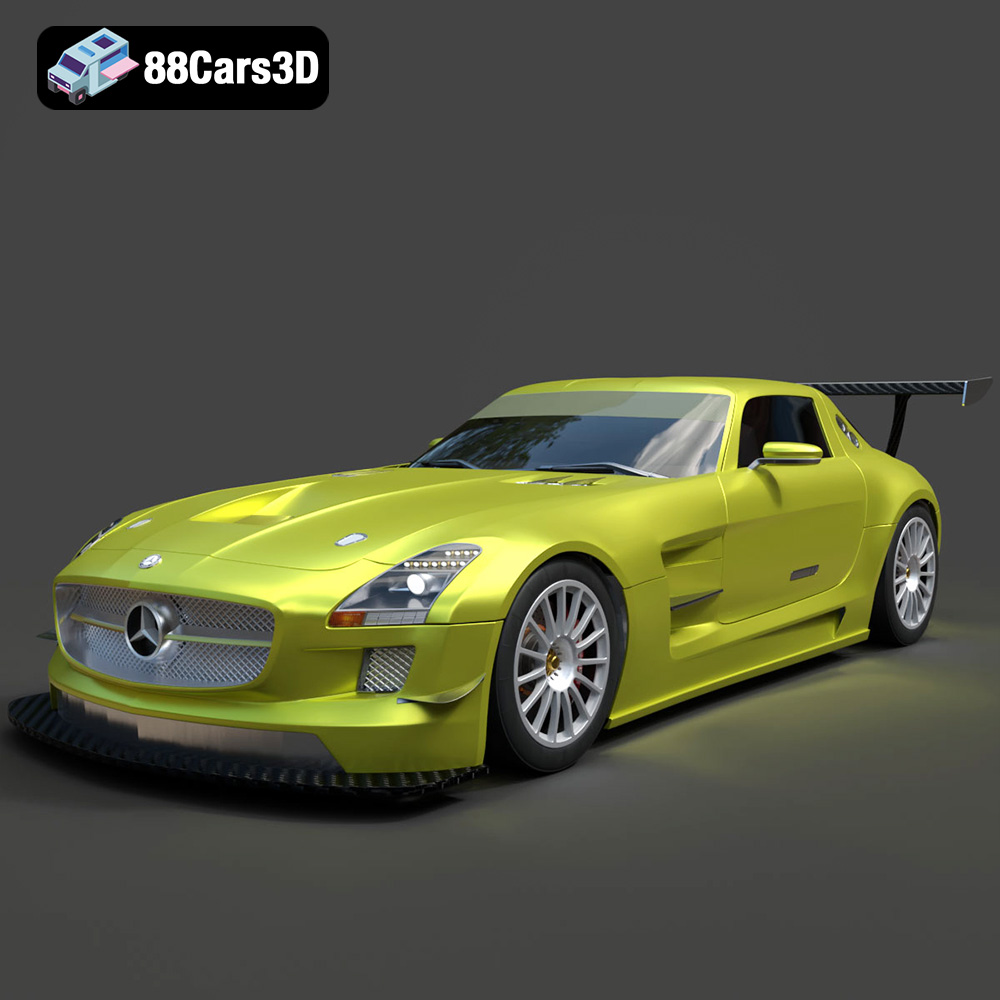
Mercedes-Benz SLS AMG GT3-002 3D Model
Texture: Yes
Material: Yes
Download the Mercedes-Benz SLS AMG GT3-002 3D Model featuring clean geometry, realistic detailing, and a fully modeled interior. Includes .blend, .fbx, .obj, .glb, .stl, .ply, .unreal, and .max formats for rendering, simulation, and game development.
Price: $38.99

Mercedes-Benz C-Class-001 3D Model
Texture: Yes
Material: Yes
Download the Mercedes-Benz C-Class-001 3D Model featuring clean geometry, realistic detailing, and a fully modeled interior. Includes .blend, .fbx, .obj, .glb, .stl, .ply, .unreal, and .max formats for rendering, simulation, and game development.
Price: $38.99
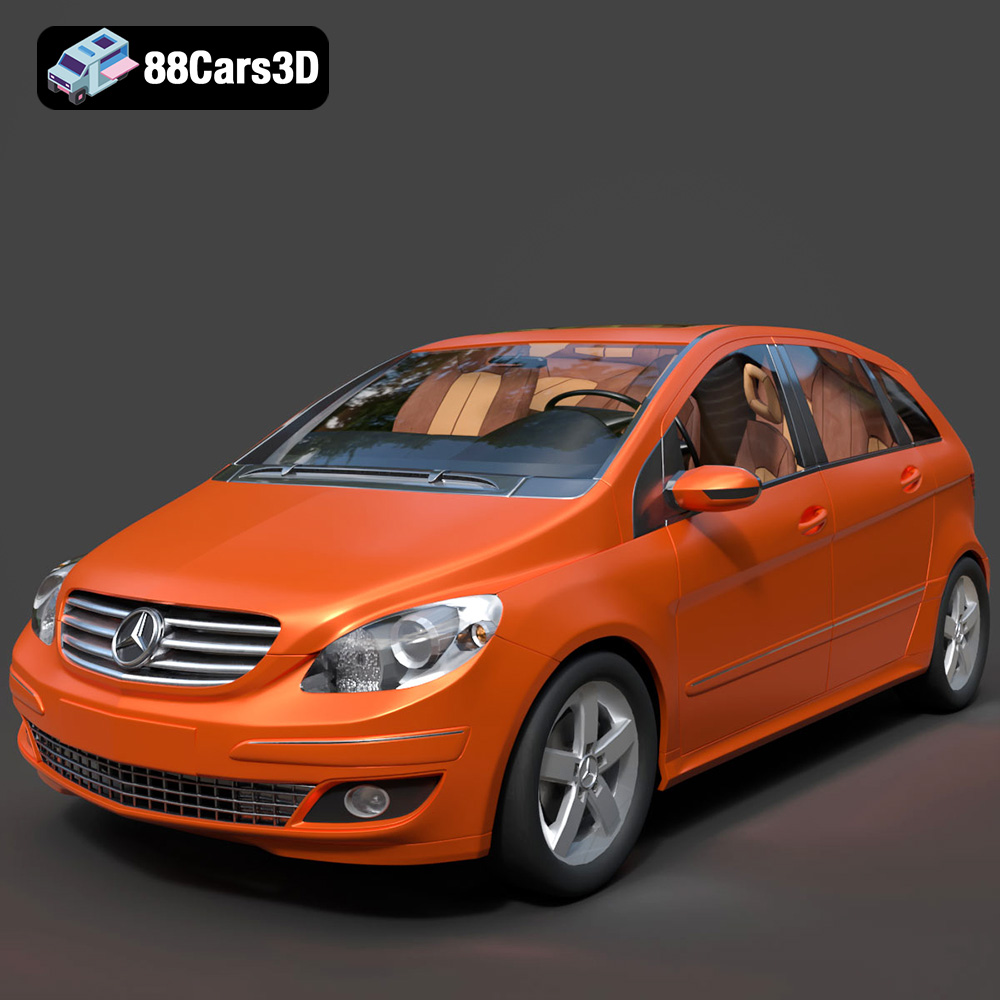
Mercedes-Benz B-Klasse 2023 3D Model
Texture: Yes
Material: Yes
Download the Mercedes-Benz B-Klasse 2023 3D Model featuring clean geometry, realistic detailing, and a fully modeled interior. Includes .blend, .fbx, .obj, .glb, .stl, .ply, .unreal, and .max formats for rendering, simulation, and game development.
Price: $38.99
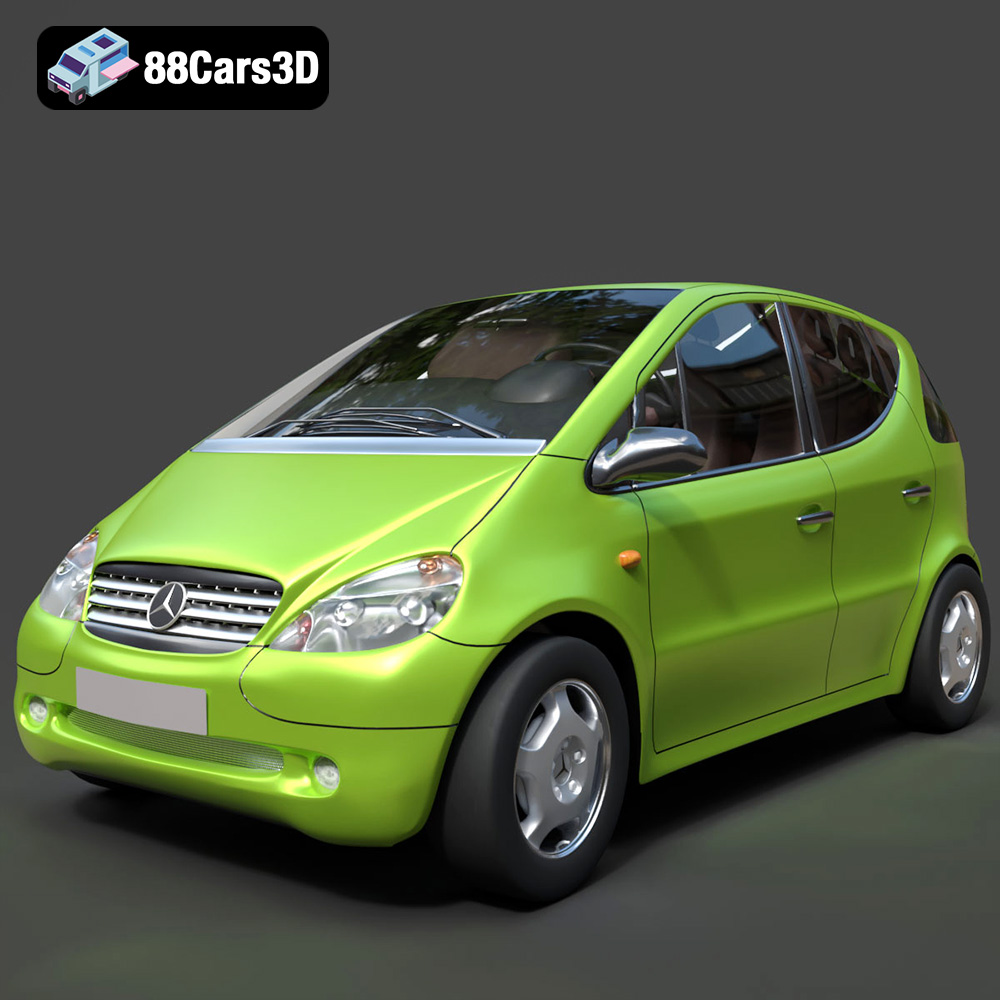
Mercedes-Benz A-Klasse W168 3D Model
Texture: Yes
Material: Yes
Download the Mercedes-Benz A-Klasse W168 3D Model featuring clean geometry, realistic detailing, and a fully modeled interior. Includes .blend, .fbx, .obj, .glb, .stl, .ply, .unreal, and .max formats for rendering, simulation, and game development.
Price: $38.99
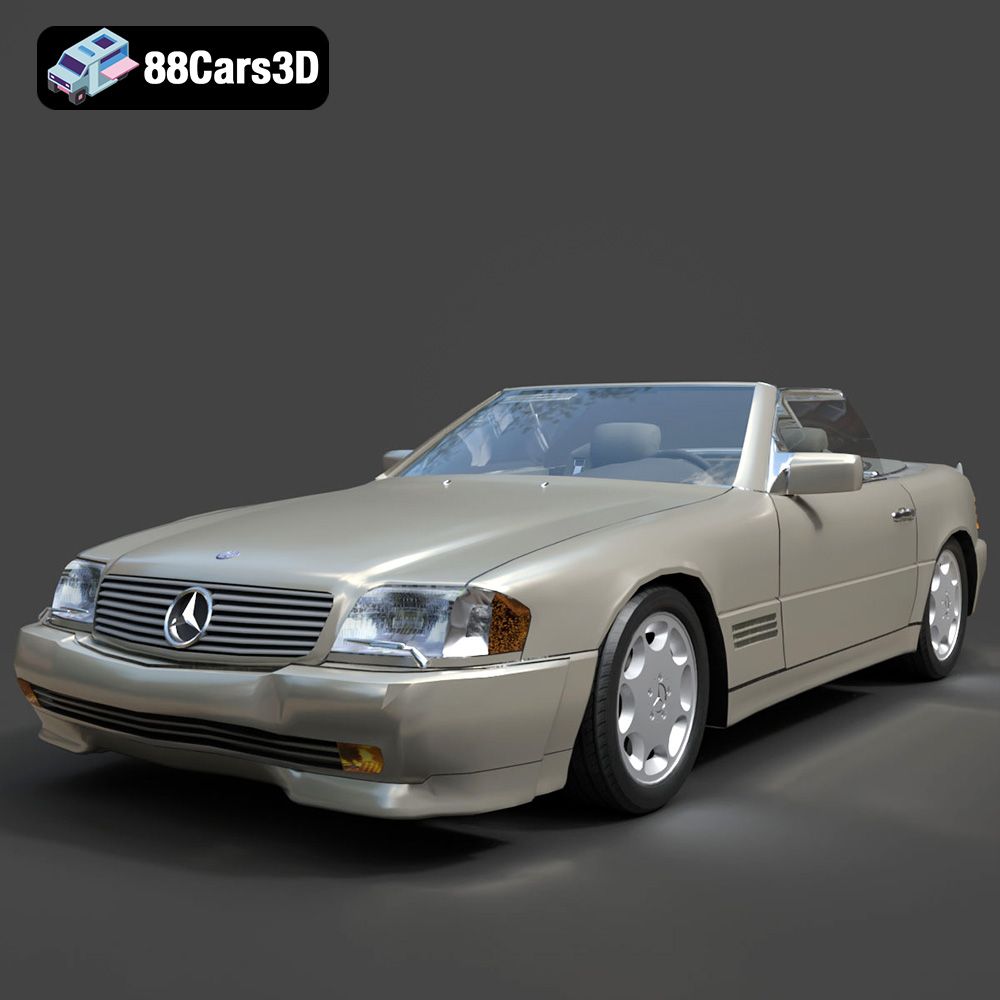
Mercedes-Benz 500SL 2000 3D Model
Texture: Yes
Material: Yes
Download the Mercedes-Benz 500SL 2000 3D Model featuring clean geometry, realistic detailing, and a fully modeled interior. Includes .blend, .fbx, .obj, .glb, .stl, .ply, .unreal, and .max formats for rendering, simulation, and game development.
Price: $38.99
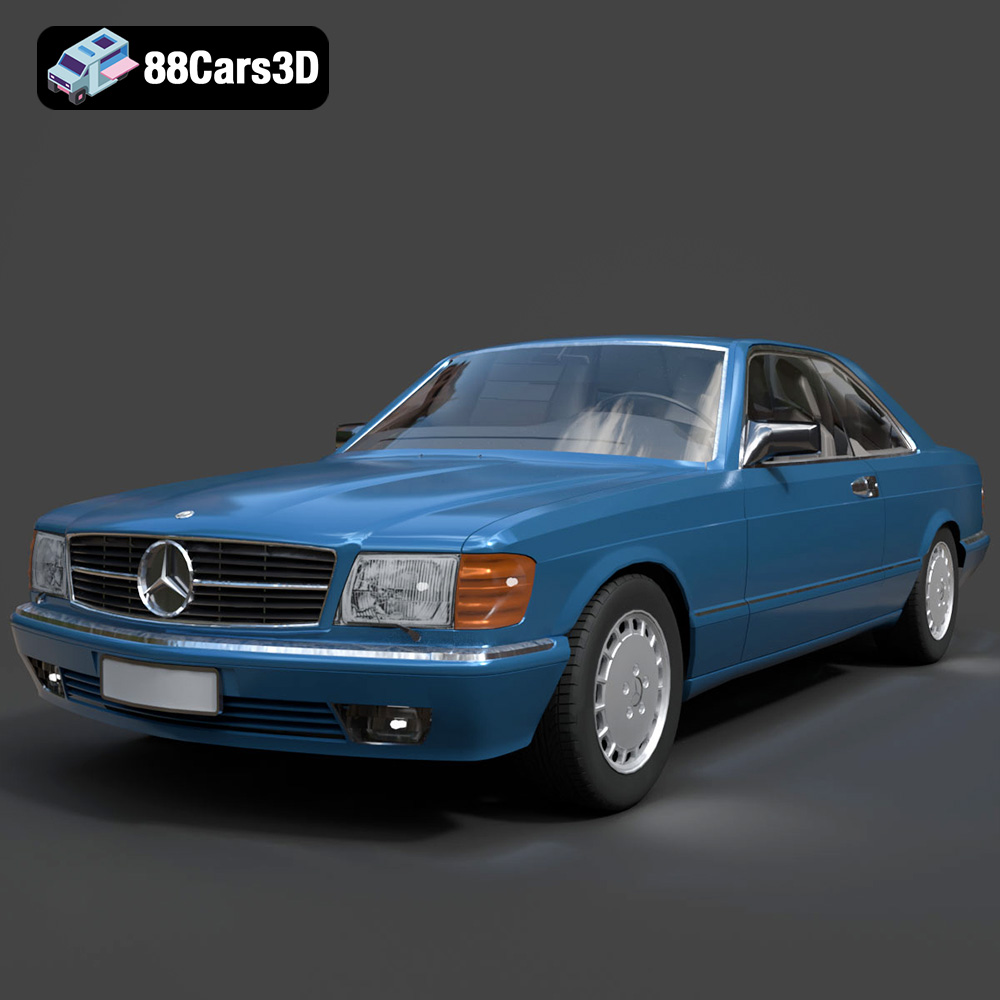
Mercedes-Benz 500SEC 3D Model
Texture: Yes
Material: Yes
Download the Mercedes-Benz 500SEC 3D Model featuring clean geometry, realistic detailing, and a fully modeled interior. Includes .blend, .fbx, .obj, .glb, .stl, .ply, .unreal, and .max formats for rendering, simulation, and game development.
Price: $38.99
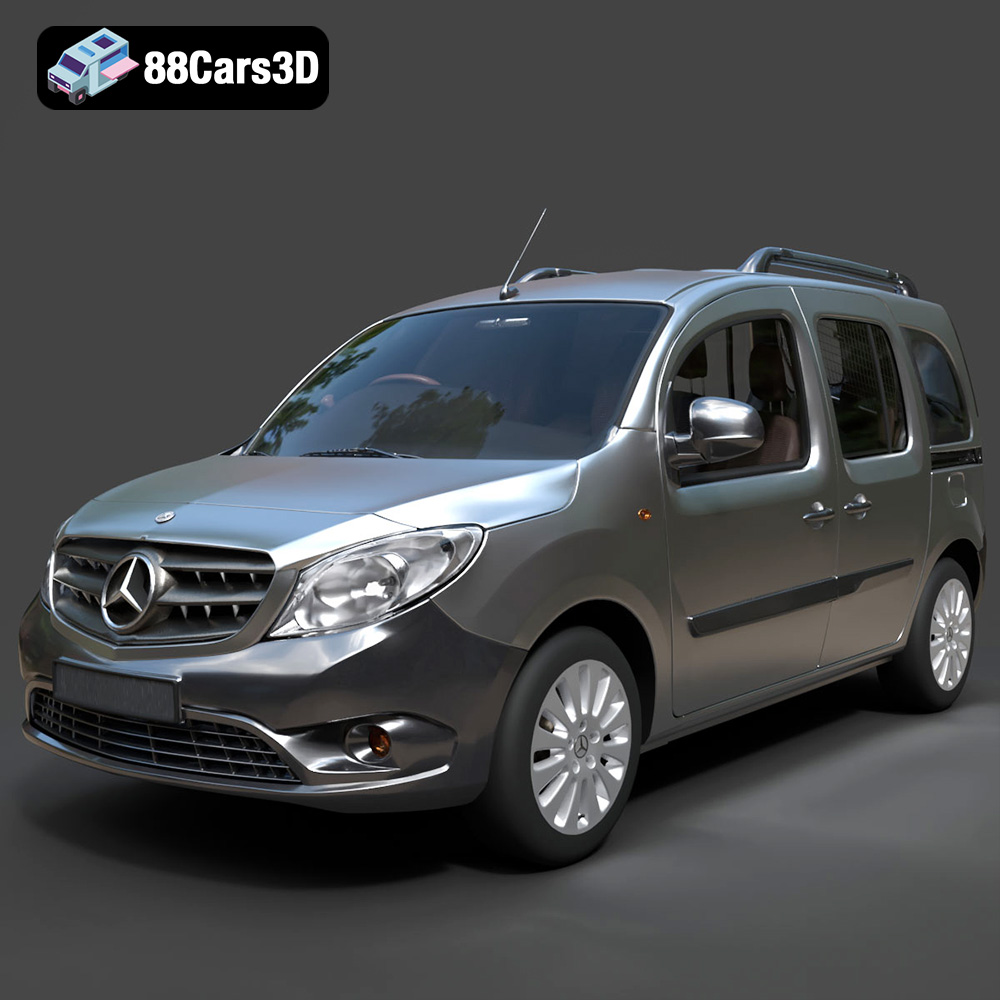
Mercedes-Benz Citan 2025 3D Model
Texture: Yes
Material: Yes
Download the Mercedes-Benz Citan 2025 3D Model featuring clean geometry, realistic detailing, and a fully modeled interior. Includes .blend, .fbx, .obj, .glb, .stl, .ply, .unreal, and .max formats for rendering, simulation, and game development.
Price: $38.99
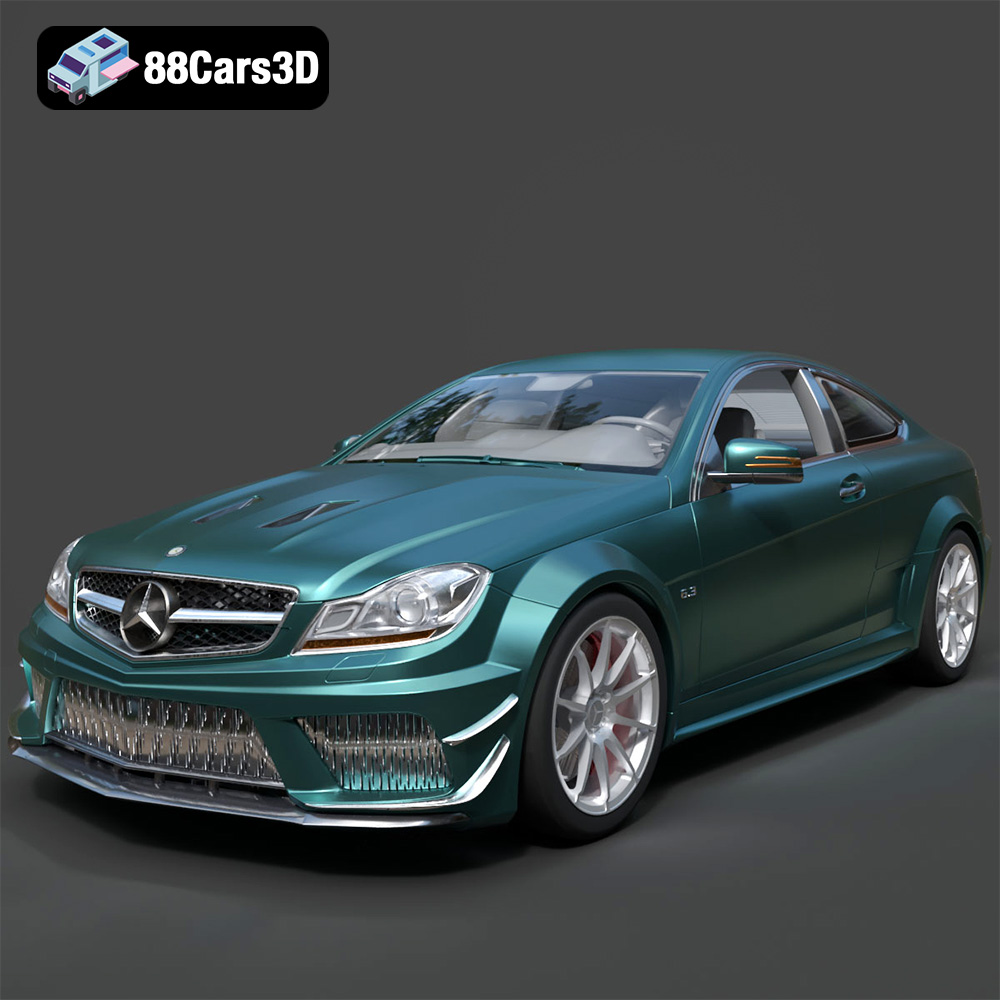
Mercedes-Benz C63 AMG 2012 3D Model
Texture: Yes
Material: Yes
Download the Mercedes-Benz C63 AMG 2012 3D Model featuring clean geometry, realistic detailing, and a fully modeled interior. Includes .blend, .fbx, .obj, .glb, .stl, .ply, .unreal, and .max formats for rendering, simulation, and game development.
Price: $38.99
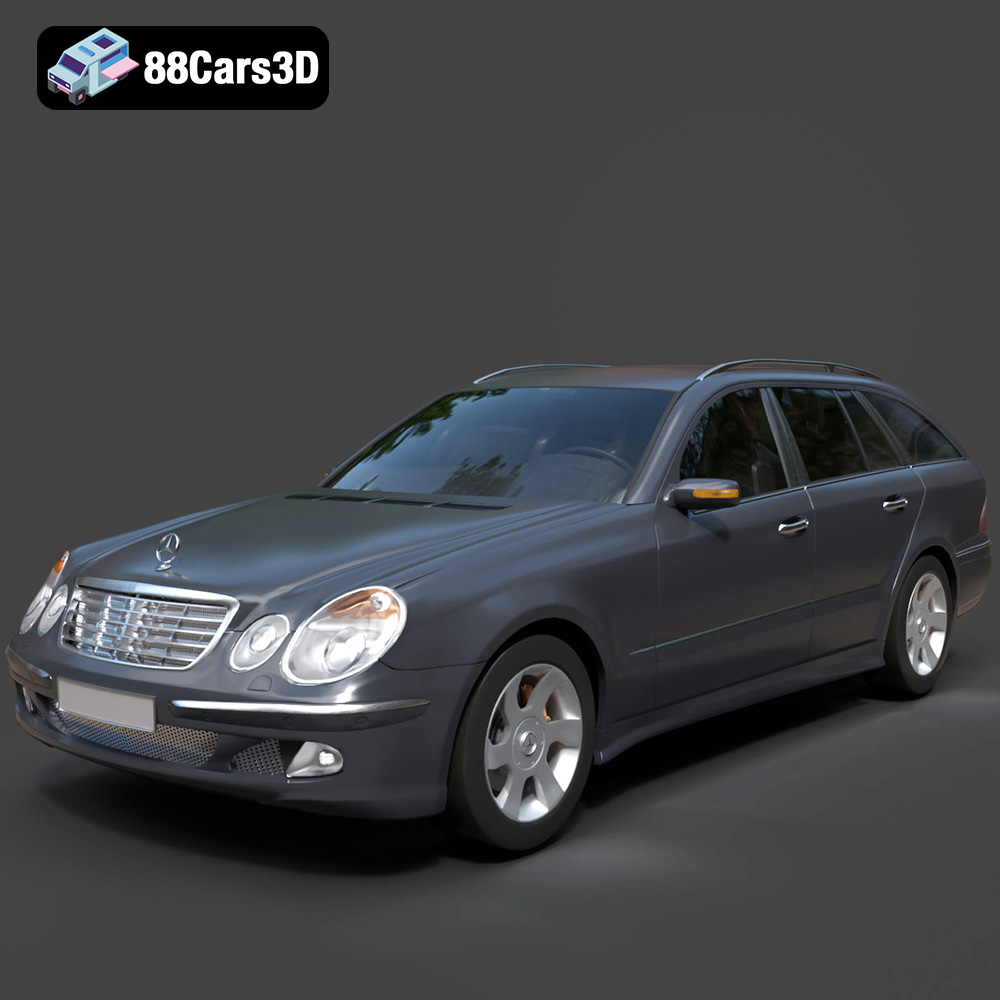
Mercedes-Benz E-Class S211 3D Model
Texture: Yes
Material: Yes
Download the Mercedes-Benz E-Class S211 3D Model featuring clean geometry, realistic detailing, and a fully modeled interior. Includes .blend, .fbx, .obj, .glb, .stl, .ply, .unreal, and .max formats for rendering, simulation, and game development.
Price: $38.99
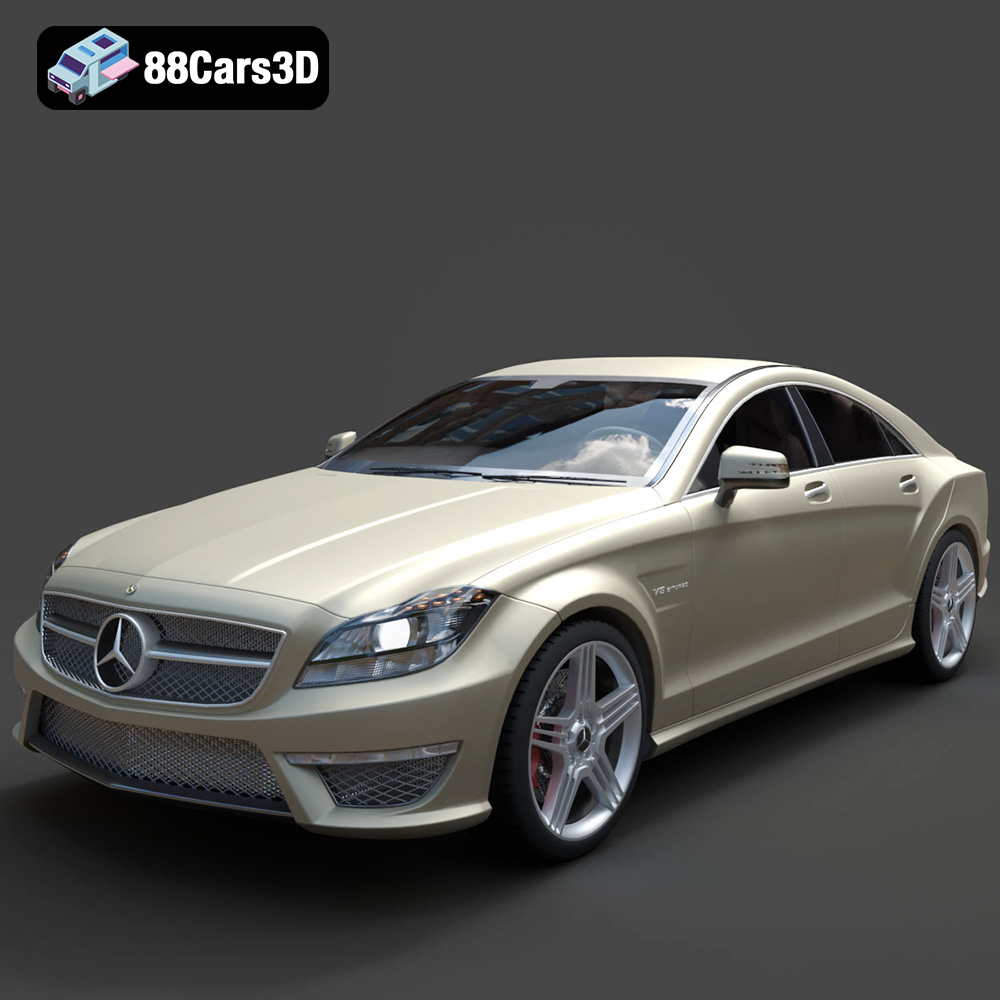
Mercedes-Benz CLS63 AMG (C218) 2014 3D Model
Texture: Yes
Material: Yes
Download the Mercedes-Benz CLS63 AMG (C218) 2014 3D Model featuring clean geometry, realistic detailing, and a fully modeled interior. Includes .blend, .fbx, .obj, .glb, .stl, .ply, .unreal, and .max formats for rendering, simulation, and game development.
Price: $38.99
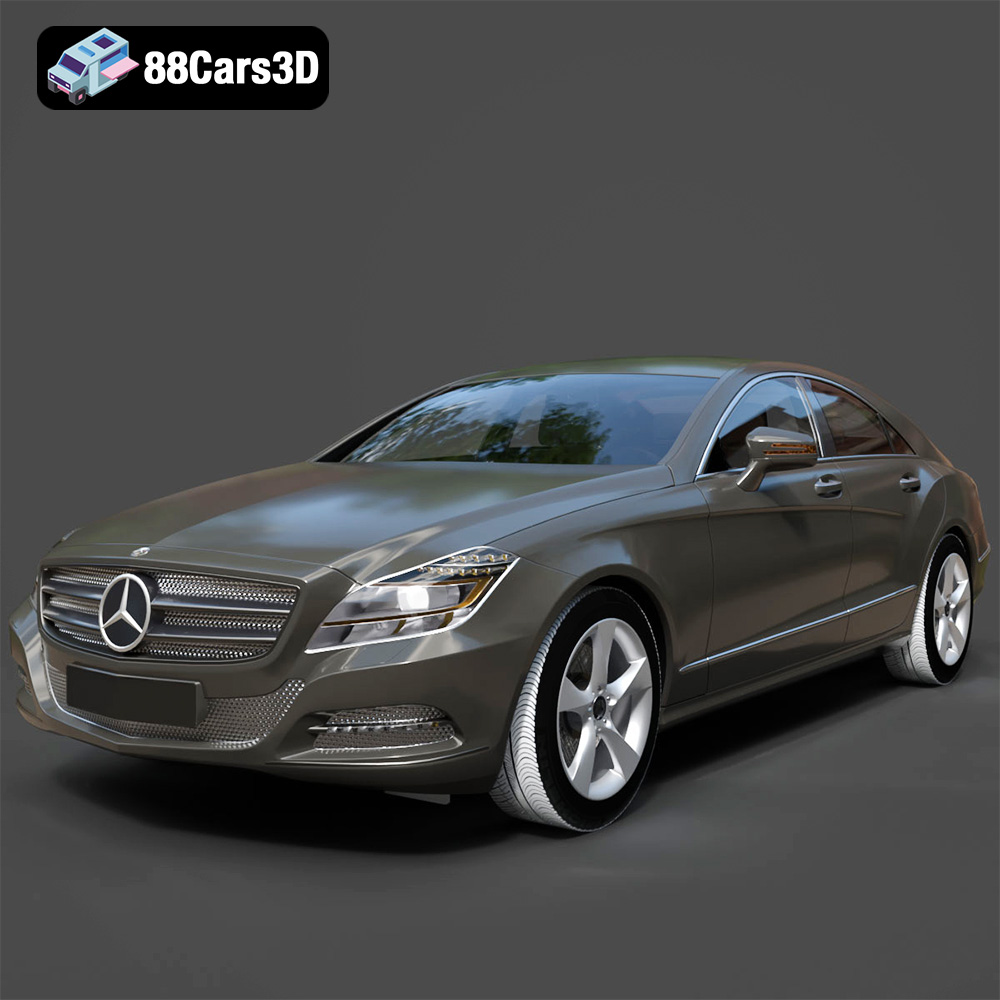
Mercedes-Benz CLS-Klasse 3D Model
Texture: Yes
Material: Yes
Download the Mercedes-Benz CLS-Klasse 3D Model featuring clean geometry, realistic detailing, and a fully modeled interior. Includes .blend, .fbx, .obj, .glb, .stl, .ply, .unreal, and .max formats for rendering, simulation, and game development.
Price: $38.99
