⚡ FLASH SALE: Get 60% OFF All Premium 3D & STL Models! ⚡

The gleam of chrome, the intricate curves, the detailed interiors – high-fidelity 3D automotive models are a testament to modern artistry and engineering. They look breathtaking in cinematics, renders, and marketing materials, capturing every nuance of their real-world counterparts. However, translating these magnificent, often high-polygon assets into a fluid, real-time interactive experience within a game engine presents a unique and formidable challenge.
The raw detail that makes a vehicle look stunning in a static render can cripple game performance, leading to low frame rates, stuttering, and an ultimately frustrating user experience. This isn’t just about making things “look good” – it’s about delivering an immersive and responsive environment. Mastering the transition from a highly detailed studio model to an efficient, game-ready asset is a critical skill for any 3D artist or game developer.
This definitive guide will unravel the complexities of game asset optimization, offering comprehensive strategies for transforming your beautiful 3D automotive models into lean, performant assets without compromising their visual integrity. We’ll delve into everything from intelligent mesh handling to efficient texturing and engine-specific best practices, ensuring your vehicles look spectacular and run flawlessly in any real-time environment.
Modern 3D automotive models often boast millions of polygons, meticulously crafted to represent every curve, seam, and component with photorealistic accuracy. From the intricate threading on tires to the complex geometry of an engine bay or the detailed dashboard, these models are designed for visual fidelity above all else. While ideal for offline rendering, this level of detail poses significant hurdles for real-time applications like video games.
Game engines operate under strict performance budgets. Every polygon, every draw call, and every shader instruction consumes valuable CPU and GPU resources. A single high-poly vehicle might exceed these budgets instantly, especially when multiple vehicles are present, or the scene is complex. This directly impacts frame rate, memory usage, and loading times, ultimately breaking immersion.
Effective game asset optimization is not merely a suggestion; it’s a fundamental requirement. It ensures that players experience smooth gameplay, quick loading times, and consistent frame rates, regardless of their hardware. For 3D automotive models, which are often central to the player’s experience, this means a focused approach to reducing overhead while maintaining visual quality, striking a delicate balance between art and performance.
The foundation of optimizing 3D automotive models lies in mastering the mesh itself. Reducing the geometric complexity is paramount, but it must be done intelligently to preserve the vehicle’s characteristic silhouette and perceived detail.
The goal of polygon count reduction is to eliminate unnecessary geometry that won’t be perceived by the player at typical game distances, or which can be effectively baked into normal maps. This is not about indiscriminately deleting polygons but rather strategically simplifying the mesh.
Begin by identifying areas of high density that contribute little to the overall shape. Smooth surfaces, for instance, often contain more polygons than necessary. Tools like Autodesk Maya’s “Reduce” feature, Blender’s “Decimate” modifier, or ZBrush’s ZRemesher can automate this process. However, manual refinement is often crucial, especially around sharp edges and prominent features where automatic reduction can introduce undesirable artifacts.
A good practice is to prioritize visible exterior elements and driver-view interiors. Parts that are rarely seen, such as engine internals (unless part of a specific gameplay mechanic) or underside details, can be aggressively simplified. The key is to maintain a clean topology with a preference for quads, which are more manageable for UV unwrapping and deformation, even if the final export to a game engine triangulates them.
Retopology involves creating a new, cleaner, and more efficient mesh over an existing high-poly model. This process is crucial for 3D automotive models as it allows for a perfect balance of detail, deformation, and performance. A clean retopologized mesh has optimal edge flow, making it easier to UV unwrap, rig for animation (e.g., suspension, doors), and manage polygon density.
Dedicated retopology tools in software like Maya, Blender (with RetopoFlow add-on), or TopoGun provide robust capabilities for snapping new polygons to the high-poly surface. Artists meticulously draw new faces, ensuring that areas requiring more detail (like headlights, grilles, or distinctive body lines) receive a higher polygon budget, while flatter areas are simplified.
The resulting low-poly mesh will serve as the game-ready asset. Crucially, normal maps baked from the high-poly model onto this retopologized mesh will transfer the fine surface details, creating the illusion of high fidelity without the computational cost. This workflow is indispensable for achieving stunning visual quality with minimal performance impact.
Level of Detail (LOD) systems are fundamental for optimizing scenes with varying viewing distances. The principle is simple: use simpler versions of an asset when it’s further from the camera, and progressively more detailed versions as it gets closer. For 3D automotive models, this strategy can significantly impact Unreal Engine performance and Unity optimization.
Typically, 3-5 LOD levels are sufficient for vehicles:
Most 3D software and game engines offer tools to generate LODs automatically, though manual creation or cleanup is often preferred for critical assets like vehicles. When generating LODs, ensure that UVs remain consistent across levels to avoid texture swimming artifacts. Proper LOD implementation is a cornerstone of efficient rendering, especially in open-world environments or racing games with many vehicles.
Beyond basic polygon reduction and retopology, advanced strategies focus on the overall structure and component breakdown of 3D automotive models to achieve peak performance. These techniques are often overlooked but contribute significantly to a streamlined game asset.
While global polygon count reduction is effective, targeted mesh simplification for individual vehicle components can yield massive benefits. Consider areas like wheels, suspension parts, and intricate interior elements. Wheels, for instance, often contain many small bolts and spokes. While LODs will simplify them, creating specific low-poly versions for these sub-components from the outset can save significant geometry.
Headlights and taillights, which often feature complex refractive glass and internal reflectors, are another prime target. Instead of complex geometry for every reflector facet, consider using detailed normal maps and simplified shapes. Similarly, interior components like steering wheel buttons, air vents, and seat stitching can be heavily optimized using texture-based details rather than modeling every groove.
This granular approach ensures that critical visual fidelity is maintained where it matters most, while less impactful details are represented efficiently. Tools like ProOptimizer in 3ds Max or the decimate modifier in Blender offer fine control over simplification per object.
Many 3D automotive models feature repeating elements: wheel nuts, window switches, dashboard buttons, or small engine components. Instead of duplicating the geometry for each instance, game engines can render these as hardware instances. This means the engine only stores the mesh data once, significantly reducing memory footprint and draw calls.
When preparing your 3D automotive models, identify these repeating elements and ensure they are exported as separate objects that can be instanced within the engine. This is a powerful technique for game asset optimization, especially for highly detailed vehicles where these small, repeated parts can quickly accumulate a high polygon count and a large number of draw calls.
Proper scene hierarchy and naming conventions are vital here. Grouping all instances of a particular bolt, for example, makes it easier for engine tools to identify and optimize them. This practice directly contributes to smoother Unreal Engine performance and Unity optimization.
A common mistake is using the render mesh (even an LOD0 version) for collision detection. While convenient, this is highly inefficient. Collision meshes do not need to be visually accurate; they only need to accurately represent the physical boundaries of the object for physics calculations.
Create separate, simplified collision meshes for your 3D automotive models. These are typically much lower polygon counts, often just convex hulls or primitive shapes (boxes, spheres, capsules) combined to approximate the vehicle’s form. Most game engines allow you to assign custom collision meshes.
For example, a car’s body could be a few large convex shapes, while wheels might be simple cylinders. This drastically reduces the computational load on the physics engine, leading to much better performance. Always ensure that the collision mesh closely matches the playable space of the vehicle to prevent unexpected physics interactions.
Beyond geometry, textures and materials are often significant performance bottlenecks. Achieving photorealistic visuals with PBR textures while maintaining performance requires a strategic approach to asset creation and management.
Physically Based Rendering (PBR) textures are the backbone of modern realistic rendering, providing consistent and accurate material properties under various lighting conditions. However, the multiple maps required (Albedo, Normal, Metallic, Roughness, Ambient Occlusion) can quickly consume memory and bandwidth. Proper optimization of PBR textures is critical.
Start by evaluating the necessary resolution for each texture. Not all parts of a car need 4K textures. Areas like the body paintwork might benefit from higher resolution, while undercarriage components or less visible interior sections can use 1K or even 512px maps. Utilize texture compression (e.g., BC7 for high quality, BC1 for simple colors) appropriate for your target platform and visual needs.
Additionally, consider packing multiple grayscale maps into a single texture’s RGB channels (e.g., Metallic in R, Roughness in G, Ambient Occlusion in B). This technique, known as channel packing, reduces the total number of texture samples and VRAM usage, directly contributing to better game asset optimization and performance.
Texture atlasing is a powerful technique for reducing draw calls. Instead of having separate material IDs and textures for every small component (a headlight, a mirror, a door handle), combine multiple textures into a single, larger texture atlas. This allows many parts of the vehicle to share a single material, drastically reducing the number of draw calls required to render the car.
Strategically planning your texture atlas is crucial. Group logically related parts, such as all exterior metallic components, or all interior plastics. Ensure sufficient padding between UV islands in the atlas to prevent bleeding artifacts when mipmaps are generated. While atlasing can make UV unwrapping and texture creation more complex, the performance gains are undeniable for 3D automotive models.
Manage resolution across your atlases and individual textures carefully. Use mipmaps for all textures; they are automatically generated by game engines and provide smaller versions of the texture for objects viewed at a distance, saving VRAM and improving rendering speed. This, combined with streaming textures, ensures that only necessary resolutions are loaded into memory at any given time.
Shaders define how materials react to light. Complex shaders with many instructions, intricate calculations, or numerous texture samples can be very expensive to render. Optimizing shader complexity is as important as optimizing geometry and textures for solid Unreal Engine performance and Unity optimization.
Simplify your material graphs. Combine operations where possible, use cheaper alternatives for certain effects (e.g., simple fresnel instead of a complex PBR dielectric), and avoid redundant calculations. Leverage material instances; this allows you to create a master material with all the complex logic and then create child instances that simply override parameters (colors, texture inputs) without recompiling the entire shader.
For vehicles, consider creating a modular shader system where different parts (paint, glass, tires, plastics) use optimized variations of a core shader. Only enable features that are absolutely necessary for each material. For example, a tire material doesn’t need complex metallic reflections, and a window material doesn’t need a normal map for every small scratch (unless critical to gameplay). Profiling tools in both Unity and Unreal Engine can highlight areas of high shader complexity.
The final step in optimizing 3D automotive models involves leveraging the specific tools and features offered by your chosen game engine. Both Unreal Engine and Unity provide powerful utilities to identify bottlenecks and implement engine-level optimizations.
Unreal Engine offers a robust suite of profiling tools to diagnose performance issues. The `stat` commands (e.g., `stat fps`, `stat unit`, `stat gpu`, `stat rhi`) are invaluable for real-time monitoring of frame rates, CPU/GPU timings, and rendering hardware interface statistics. The GPU Visualizer (`stat gpu`) is particularly useful for identifying expensive passes and objects.
For Unreal Engine performance, focus on reducing draw calls, which significantly impact rendering time. Proper LOD setup, texture atlasing, and instancing of repeating geometry are key. Utilize Unreal’s material instancing heavily for different color variants or material properties without incurring additional shader compilation costs. Nanite, while transformative for high-poly environments, is typically used for static meshes. For animatable vehicles, traditional LODs and careful polygon management remain crucial.
Additionally, optimize lighting. Baked static lighting is cheaper than fully dynamic lighting. If dynamic lighting is necessary, use efficient light types and reduce the number of overlapping lights. Leverage distance field ambient occlusion and shadow maps effectively. Always check the shader complexity viewmode (`Alt+8`) to spot overly expensive materials.
Unity’s Profiler is your primary tool for Unity optimization. It provides detailed breakdowns of CPU and GPU usage, memory allocations, rendering statistics, and more. Use the Frame Debugger to step through individual draw calls and identify inefficiencies. This allows you to pinpoint exactly what is causing performance drops, whether it’s excessive geometry, too many materials, or inefficient scripts.
For 3D automotive models in Unity, prioritize draw call reduction through texture atlasing and static/dynamic batching. Unity’s SRP Batcher (for Universal Render Pipeline or High-Definition Render Pipeline) and GPU Instancing can dramatically reduce draw calls for meshes that share the same material and shader. Ensure your materials are set up to take advantage of these features.
Implement occlusion culling to prevent rendering objects that are hidden behind other geometry. Frustum culling, which stops rendering objects outside the camera’s view, is automatic but can be tweaked. For very complex vehicle models, consider breaking them into smaller parts for more effective culling, though this can increase draw calls if not managed with atlasing. Utilize Unity’s Asset Bundles for efficient loading and unloading of vehicle assets, reducing initial load times and memory footprint.
Draw calls are instructions from the CPU to the GPU to render a batch of triangles. Minimizing these is paramount for both engines. Every time a new material, texture, or shader is used, it often incurs a new draw call. This is why texture atlasing and material instancing are so effective.
Static Batching (for non-moving objects) and Dynamic Batching (for small, moving objects) in Unity, or simply combining meshes in Unreal Engine that share the same material, can merge multiple small draw calls into one. For 3D automotive models, ensure your components are organized to facilitate this. For instance, all chrome parts could share one material and be combined into a single mesh if possible, or share an atlas for instancing.
Proper hierarchy management in your 3D software before export also helps. Grouping all parts that belong to a single logical component (e.g., “LeftDoor”) ensures that engine optimizations can be applied more effectively. The fewer unique materials and meshes the engine has to process per frame, the better the performance.
The journey from high-poly concept to real-time asset is iterative. A smooth workflow, coupled with continuous testing, is essential for successful game asset optimization.
Establishing a clean and consistent pipeline for exporting 3D automotive models is crucial. Standardize your export settings (e.g., FBX format, appropriate scale, axis orientation). Adhere to strict naming conventions for meshes, materials, and textures to maintain organization, especially when working in teams or with many assets.
Automate repetitive tasks where possible, such as LOD generation or texture packing. Utilize version control systems (like Git or Perforce) to track changes and collaborate effectively. A well-defined pipeline reduces errors, speeds up iteration, and ensures that optimized assets are consistently integrated into the game project.
Optimization is not a one-time task; it’s an ongoing process throughout development. Integrate profiling into your regular workflow. Test your 3D automotive models in-engine early and often. Don’t wait until the very end to optimize, as discovering major bottlenecks late in the cycle can be incredibly costly and time-consuming.
Profile performance on target hardware if possible, or at least on systems representative of your target audience. A model that runs fine on a high-end development machine might perform poorly on an average consumer setup. Analyze the profiling results, prioritize the biggest bottlenecks, implement changes, and then re-profile to measure the impact.
Starting with a high-quality, well-structured base model can significantly streamline the optimization process. When you source your initial 3D automotive models from reputable providers, like those available at 88cars3d.com, you often begin with clean topology and well-organized meshes. This reduces the time spent on fundamental retopology and allows you to focus directly on game-specific optimizations.
Having a robust foundation from 88cars3d.com means less effort in repairing broken geometry or dealing with messy topology, accelerating your journey from a high-poly masterpiece to a perfectly optimized real-time asset.
Optimizing 3D automotive models for real-time game engines is an intricate blend of artistic skill and technical proficiency. It’s about more than just reducing polygon counts; it’s a holistic approach encompassing intelligent mesh simplification, meticulous polygon count reduction, sophisticated Level of Detail (LOD) systems, efficient PBR textures, and smart shader design. Furthermore, understanding engine-specific considerations, such as mastering Unreal Engine performance and fine-tuning for Unity optimization, is crucial for delivering a truly compelling experience.
The ultimate goal is to strike a perfect balance: preserving the stunning visual fidelity that makes 3D automotive models so appealing, while ensuring flawless performance that keeps players immersed. By diligently applying the strategies outlined in this guide, you can transform even the most complex high-poly vehicles into highly optimized, game-ready assets that look incredible and run smoothly on a wide range of hardware.
Ready to jumpstart your next project with exceptional starting materials? Explore the vast collection of high-quality 3D automotive models at 88cars3d.com. Whether you need assets for a racing simulator, an open-world adventure, or an architectural visualization, you’ll find meticulously crafted models ready for your optimization pipeline.

Texture: Yes
Material: Yes
Download the Subaru BRZ 2025 3D Model featuring clean geometry, realistic detailing, and a fully modeled interior. Includes .blend, .fbx, .obj, .glb, .stl, .ply, .unreal, and .max formats for rendering, simulation, and game development.
Price: $10

Texture: Yes
Material: Yes
Download the SsangYong Rodius 2007 3D Model featuring clean geometry, realistic detailing, and a fully modeled interior. Includes .blend, .fbx, .obj, .glb, .stl, .ply, .unreal, and .max formats for rendering, simulation, and game development.
Price: $10

Texture: Yes
Material: Yes
Download the Subaru Impreza 1992 3D Model featuring clean geometry, realistic detailing, and a fully modeled interior. Includes .blend, .fbx, .obj, .glb, .stl, .ply, .unreal, and .max formats for rendering, simulation, and game development.
Price: $10

Texture: Yes
Material: Yes
Download the Subaru Impreza 2005 3D Model featuring clean geometry, realistic detailing, and a fully modeled interior. Includes .blend, .fbx, .obj, .glb, .stl, .ply, .unreal, and .max formats for rendering, simulation, and game development.
Price: $10

Texture: Yes
Material: Yes
Download the Spyker C8-007 2004 3D Model featuring clean geometry, realistic detailing, and a fully modeled interior. Includes .blend, .fbx, .obj, .glb, .stl, .ply, .unreal, and .max formats for rendering, simulation, and game development.
Price: $10

Texture: Yes
Material: Yes
Download the Smart Roadster 2003 3D Model featuring clean geometry, realistic detailing, and a fully modeled interior. Includes .blend, .fbx, .obj, .glb, .stl, .ply, .unreal, and .max formats for rendering, simulation, and game development.
Price: $10

Texture: Yes
Material: Yes
Download the Skoda Roomster 2007 3D Model featuring clean geometry, realistic detailing, and a fully modeled interior. Includes .blend, .fbx, .obj, .glb, .stl, .ply, .unreal, and .max formats for rendering, simulation, and game development.
Price: $10

Texture: Yes
Material: Yes
Download the Subaru Impreza Sport Wagon 3D Model featuring clean geometry, realistic detailing, and a fully modeled interior. Includes .blend, .fbx, .obj, .glb, .stl, .ply, .unreal, and .max formats for rendering, simulation, and game development.
Price: $10

Texture: Yes
Material: Yes
Download the Skoda Octavia A7 2017 3D Model featuring clean geometry, realistic detailing, and a fully modeled interior. Includes .blend, .fbx, .obj, .glb, .stl, .ply, .unreal, and .max formats for rendering, simulation, and game development.
Price: $10

Texture: Yes
Material: Yes
Download the Suzuki SX4-002 3D Model featuring clean geometry, realistic detailing, and a fully modeled interior. Includes .blend, .fbx, .obj, .glb, .stl, .ply, .unreal, and .max formats for rendering, simulation, and game development.
Price: $10

Texture: Yes
Material: Yes
Download the Tesla Model S 2024 3D Model featuring clean geometry, realistic detailing, and a fully modeled interior. Includes .blend, .fbx, .obj, .glb, .stl, .ply, .unreal, and .max formats for rendering, simulation, and game development.
Price: $10

Texture: Yes
Material: Yes
Download the Subaru Impreza WRX STi-002 3D Model featuring clean geometry, realistic detailing, and a fully modeled interior. Includes .blend, .fbx, .obj, .glb, .stl, .ply, .unreal, and .max formats for rendering, simulation, and game development.
Price: $10

Texture: Yes
Material: Yes
Download the Subaru Impreza WRX STi Sedan 3D Model featuring clean geometry, realistic detailing, and a fully modeled interior. Includes .blend, .fbx, .obj, .glb, .stl, .ply, .unreal, and .max formats for rendering, simulation, and game development.
Price: $10

Texture: Yes
Material: Yes
Download the Subaru Legacy 2009 3D Model featuring clean geometry, realistic detailing, and a fully modeled interior. Includes .blend, .fbx, .obj, .glb, .stl, .ply, .unreal, and .max formats for rendering, simulation, and game development.
Price: $10

Texture: Yes
Material: Yes
Download the Suzuki Swift 2024 3D Model featuring clean geometry, realistic detailing, and a fully modeled interior. Includes .blend, .fbx, .obj, .glb, .stl, .ply, .unreal, and .max formats for rendering, simulation, and game development.
Price: $10

Texture: Yes
Material: Yes
Download the Suzuki Liana Sedan 2004 3D Model featuring clean geometry, realistic detailing, and a fully modeled interior. Includes .blend, .fbx, .obj, .glb, .stl, .ply, .unreal, and .max formats for rendering, simulation, and game development.
Price: $10

Texture: Yes
Material: Yes
Download the Subaru Outback 2024 3D Model featuring clean geometry, realistic detailing, and a fully modeled interior. Includes .blend, .fbx, .obj, .glb, .stl, .ply, .unreal, and .max formats for rendering, simulation, and game development.
Price: $10

Texture: Yes
Material: Yes
Download the Subaru Legacy 2003 3D Model featuring clean geometry, realistic detailing, and a fully modeled interior. Includes .blend, .fbx, .obj, .glb, .stl, .ply, .unreal, and .max formats for rendering, simulation, and game development.
Price: $10

Texture: Yes
Material: Yes
Download the Subaru Legacy Touring Wagon 3D Model featuring clean geometry, realistic detailing, and a fully modeled interior. Includes .blend, .fbx, .obj, .glb, .stl, .ply, .unreal, and .max formats for rendering, simulation, and game development.
Price: $10

Texture: Yes
Material: Yes
Download the Toyota Mark II (X100) 3D Model featuring clean geometry, realistic detailing, and a fully modeled interior. Includes .blend, .fbx, .obj, .glb, .stl, .ply, .unreal, and .max formats for rendering, simulation, and game development.
Price: $10

Texture: Yes
Material: Yes
Download the Toyota Corona 1985 3D Model featuring clean geometry, realistic detailing, and a fully modeled interior. Includes .blend, .fbx, .obj, .glb, .stl, .ply, .unreal, and .max formats for rendering, simulation, and game development.
Price: $10

Texture: Yes
Material: Yes
Download the Toyota Mark II X81 1990 3D Model featuring clean geometry, realistic detailing, and a fully modeled interior. Includes .blend, .fbx, .obj, .glb, .stl, .ply, .unreal, and .max formats for rendering, simulation, and game development.
Price: $10

Texture: Yes
Material: Yes
Download the Toyota iQ EV 2012 3D Model featuring clean geometry, realistic detailing, and a fully modeled interior. Includes .blend, .fbx, .obj, .glb, .stl, .ply, .unreal, and .max formats for rendering, simulation, and game development.
Price: $10

Texture: Yes
Material: Yes
Download the Toyota Aygo 2013 3D Model featuring clean geometry, realistic detailing, and a fully modeled interior. Includes .blend, .fbx, .obj, .glb, .stl, .ply, .unreal, and .max formats for rendering, simulation, and game development.
Price: $10

Texture: Yes
Material: Yes
Download the Toyota Crown S180 2005 3D Model featuring clean geometry, realistic detailing, and a fully modeled interior. Includes .blend, .fbx, .obj, .glb, .stl, .ply, .unreal, and .max formats for rendering, simulation, and game development.
Price: $10

Texture: Yes
Material: Yes
Download the Toyota Celica 2004 3D Model featuring clean geometry, realistic detailing, and a fully modeled interior. Includes .blend, .fbx, .obj, .glb, .stl, .ply, .unreal, and .max formats for rendering, simulation, and game development.
Price: $10

Texture: Yes
Material: Yes
Download the Toyota Corolla AE100 1992 3D Model featuring clean geometry, realistic detailing, and a fully modeled interior. Includes .blend, .fbx, .obj, .glb, .stl, .ply, .unreal, and .max formats for rendering, simulation, and game development.
Price: $10

Texture: Yes
Material: Yes
Download the Toyota Mark II X110 2000 3D Model featuring clean geometry, realistic detailing, and a fully modeled interior. Includes .blend, .fbx, .obj, .glb, .stl, .ply, .unreal, and .max formats for rendering, simulation, and game development.
Price: $10

Texture: Yes
Material: Yes
Download the Toyota Corolla 2020 3D Model featuring clean geometry, realistic detailing, and a fully modeled interior. Includes .blend, .fbx, .obj, .glb, .stl, .ply, .unreal, and .max formats for rendering, simulation, and game development.
Price: $10

Texture: Yes
Material: Yes
Download the Toyota Yaris 2020 3D Model featuring clean geometry, realistic detailing, and a fully modeled interior. Includes .blend, .fbx, .obj, .glb, .stl, .ply, .unreal, and .max formats for rendering, simulation, and game development.
Price: $9.9

Texture: Yes
Material: Yes
Download the Volkswagen Beetle 2012 3D Model featuring clean geometry, realistic detailing, and a fully modeled interior. Includes .blend, .fbx, .obj, .glb, .stl, .ply, .unreal, and .max formats for rendering, simulation, and game development.
Price: $9.9

Texture: Yes
Material: Yes
Download the Toyota Matrix 2005 3D Model featuring clean geometry, realistic detailing, and a fully modeled interior. Includes .blend, .fbx, .obj, .glb, .stl, .ply, .unreal, and .max formats for rendering, simulation, and game development.
Price: $9.9

Texture: Yes
Material: Yes
Download the Toyota Yaris Sedan 3D Model featuring clean geometry, realistic detailing, and a fully modeled interior. Includes .blend, .fbx, .obj, .glb, .stl, .ply, .unreal, and .max formats for rendering, simulation, and game development.
Price: $9.9

Texture: Yes
Material: Yes
Download the Volkswagen Golf R-004 2024 3D Model featuring clean geometry, realistic detailing, and a fully modeled interior. Includes .blend, .fbx, .obj, .glb, .stl, .ply, .unreal, and .max formats for rendering, simulation, and game development.
Price: $9.9

Texture: Yes
Material: Yes
Download the Volkswagen Golf 5 Door 2010 3D Model featuring clean geometry, realistic detailing, and a fully modeled interior. Includes .blend, .fbx, .obj, .glb, .stl, .ply, .unreal, and .max formats for rendering, simulation, and game development.
Price: $9.9

Texture: Yes
Material: Yes
Download the Toyota Premio 2010 3D Model featuring clean geometry, realistic detailing, and a fully modeled interior. Includes .blend, .fbx, .obj, .glb, .stl, .ply, .unreal, and .max formats for rendering, simulation, and game development.
Price: $9.9

Texture: Yes
Material: Yes
Download the Toyota Opa 2000 3D Model featuring clean geometry, realistic detailing, and a fully modeled interior. Includes .blend, .fbx, .obj, .glb, .stl, .ply, .unreal, and .max formats for rendering, simulation, and game development.
Price: $9.9

Texture: Yes
Material: Yes
Download the Volkswagen Polo 5 Door 2010 3D Model featuring clean geometry, realistic detailing, and a fully modeled interior. Includes .blend, .fbx, .obj, .glb, .stl, .ply, .unreal, and .max formats for rendering, simulation, and game development.
Price: $9.9

Texture: Yes
Material: Yes
Download the Toyota Prius 2024 3D Model featuring clean geometry, realistic detailing, and a fully modeled interior. Includes .blend, .fbx, .obj, .glb, .stl, .ply, .unreal, and .max formats for rendering, simulation, and game development.
Price: $9.9

Texture: Yes
Material: Yes
Download the Toyota Yaris 1999 3D Model featuring clean geometry, realistic detailing, and a fully modeled interior. Includes .blend, .fbx, .obj, .glb, .stl, .ply, .unreal, and .max formats for rendering, simulation, and game development.
Price: $9.9

Texture: Yes
Material: Yes
Download the Toyota Supra 2020 3D Model featuring clean geometry, realistic detailing, and a fully modeled interior. Includes .blend, .fbx, .obj, .glb, .stl, .ply, .unreal, and .max formats for rendering, simulation, and game development.
Price: $9.9

Texture: Yes
Material: Yes
Download the Volkswagen New Beetle 2000 3D Model featuring clean geometry, realistic detailing, and a fully modeled interior. Includes .blend, .fbx, .obj, .glb, .stl, .ply, .unreal, and .max formats for rendering, simulation, and game development.
Price: $14.99

Texture: Yes
Material: Yes
Download the Volkswagen Jetta 2005 3D Model featuring clean geometry, realistic detailing, and a fully modeled interior. Includes .blend, .fbx, .obj, .glb, .stl, .ply, .unreal, and .max formats for rendering, simulation, and game development.
Price: $18.99

Texture: Yes
Material: Yes
Download the Volkswagen Golf 3-Door 3D Model featuring clean geometry, realistic detailing, and a fully modeled interior. Includes .blend, .fbx, .obj, .glb, .stl, .ply, .unreal, and .max formats for rendering, simulation, and game development.
Price: $14.99

Texture: Yes
Material: Yes
Download the Volvo V70 2005 3D Model featuring clean geometry, realistic detailing, and a fully modeled interior. Includes .blend, .fbx, .obj, .glb, .stl, .ply, .unreal, and .max formats for rendering, simulation, and game development.
Price: $14.99

Texture: Yes
Material: Yes
Download the Volkswagen Bora 2004 3D Model featuring clean geometry, realistic detailing, and a fully modeled interior. Includes .blend, .fbx, .obj, .glb, .stl, .ply, .unreal, and .max formats for rendering, simulation, and game development.
Price: $14.99

Texture: Yes
Material: Yes
Download the Volkswagen Lupo 3D Model featuring clean geometry, realistic detailing, and a fully modeled interior. Includes .blend, .fbx, .obj, .glb, .stl, .ply, .unreal, and .max formats for rendering, simulation, and game development.
Price: $19.99

Texture: Yes
Material: Yes
Download the Volkswagen Passat B5 2000 3D Model featuring clean geometry, realistic detailing, and a fully modeled interior. Includes .blend, .fbx, .obj, .glb, .stl, .ply, .unreal, and .max formats for rendering, simulation, and game development.
Price: $19.99

Texture: Yes
Material: Yes
Download the Volkswagen Passat CC 3D Model featuring clean geometry, realistic detailing, and a fully modeled interior. Includes .blend, .fbx, .obj, .glb, .stl, .ply, .unreal, and .max formats for rendering, simulation, and game development.
Price: $19.99

Texture: Yes
Material: Yes
Download the Volkswagen Golf V 2006 3D Model featuring clean geometry, realistic detailing, and a fully modeled interior. Includes .blend, .fbx, .obj, .glb, .stl, .ply, .unreal, and .max formats for rendering, simulation, and game development.
Price: $19.99

Texture: Yes
Material: Yes
Download the Volvo S60 R-Design 3D Model featuring clean geometry, realistic detailing, and a fully modeled interior. Includes .blend, .fbx, .obj, .glb, .stl, .ply, .unreal, and .max formats for rendering, simulation, and game development.
Price: $19.99

Texture: Yes
Material: Yes
Download the Volkswagen Passat 2025 3D Model featuring clean geometry, realistic detailing, and a fully modeled interior. Includes .blend, .fbx, .obj, .glb, .stl, .ply, .unreal, and .max formats for rendering, simulation, and game development.
Price: $25.99

Texture: Yes
Material: Yes
Download the Volkswagen Passat Variant B6 2005 3D Model featuring clean geometry, realistic detailing, and a fully modeled interior. Includes .blend, .fbx, .obj, .glb, .stl, .ply, .unreal, and .max formats for rendering, simulation, and game development.
Price: $25.99

Texture: Yes
Material: Yes
Download the Volkswagen Phaeton W12 2004 3D Model featuring clean geometry, realistic detailing, and a fully modeled interior. Includes .blend, .fbx, .obj, .glb, .stl, .ply, .unreal, and .max formats for rendering, simulation, and game development.
Price: $25.99

Texture: Yes
Material: Yes
Download the Volkswagen Scirocco 2015 3D Model featuring clean geometry, realistic detailing, and a fully modeled interior. Includes .blend, .fbx, .obj, .glb, .stl, .ply, .unreal, and .max formats for rendering, simulation, and game development.
Price: $25.99

Texture: Yes
Material: Yes
Download the Volvo S60 2024 3D Model featuring clean geometry, realistic detailing, and a fully modeled interior. Includes .blend, .fbx, .obj, .glb, .stl, .ply, .unreal, and .max formats for rendering, simulation, and game development.
Price: $25.99

Texture: Yes
Material: Yes
Download the Volkswagen Polo 3D Model featuring clean geometry, realistic detailing, and a fully modeled interior. Includes .blend, .fbx, .obj, .glb, .stl, .ply, .unreal, and .max formats for rendering, simulation, and game development.
Price: $25.99

Texture: Yes
Material: Yes
Download the Volkswagen Golf 5-Doors 3D Model featuring clean geometry, realistic detailing, and a fully modeled interior. Includes .blend, .fbx, .obj, .glb, .stl, .ply, .unreal, and .max formats for rendering, simulation, and game development.
Price: $25.99

Texture: Yes
Material: Yes
Download the Volvo C70 T5 2000 3D Model featuring clean geometry, realistic detailing, and a fully modeled interior. Includes .blend, .fbx, .obj, .glb, .stl, .ply, .unreal, and .max formats for rendering, simulation, and game development.
Price: $23.99

Texture: Yes
Material: Yes
Download the Volvo S40 Sedan 2004 3D Model featuring clean geometry, realistic detailing, and a fully modeled interior. Includes .blend, .fbx, .obj, .glb, .stl, .ply, .unreal, and .max formats for rendering, simulation, and game development.
Price: $23.99

Texture: Yes
Material: Yes
Download the Volvo C30 BEV 2012 3D Model featuring clean geometry, realistic detailing, and a fully modeled interior. Includes .blend, .fbx, .obj, .glb, .stl, .ply, .unreal, and .max formats for rendering, simulation, and game development.
Price: $23.99

Texture: Yes
Material: Yes
Download the Volvo C70 1998 3D Model featuring clean geometry, realistic detailing, and a fully modeled interior. Includes .blend, .fbx, .obj, .glb, .stl, .ply, .unreal, and .max formats for rendering, simulation, and game development.
Price: $23.99

Texture: Yes
Material: Yes
Download the Mazda B-Series 3D Model featuring clean geometry, realistic detailing, and a fully modeled interior. Includes .blend, .fbx, .obj, .glb, .stl, .ply, .unreal, and .max formats for rendering, simulation, and game development.
Price: $23.99

Texture: Yes
Material: Yes
Download the Mercsedes Benz Z3-006 3D Model featuring clean geometry, realistic detailing, and a fully modeled interior. Includes .blend, .fbx, .obj, .glb, .stl, .ply, .unreal, and .max formats for rendering, simulation, and game development.
Price: $23.99

Texture: Yes
Material: Yes
Download the Mazda RX-7 3D Model featuring clean geometry, realistic detailing, and a fully modeled interior. Includes .blend, .fbx, .obj, .glb, .stl, .ply, .unreal, and .max formats for rendering, simulation, and game development.
Price: $23.99

Texture: Yes
Material: Yes
Download the Volvo VCC-003 3D Model featuring clean geometry, realistic detailing, and a fully modeled interior. Includes .blend, .fbx, .obj, .glb, .stl, .ply, .unreal, and .max formats for rendering, simulation, and game development.
Price: $23.99

Texture: Yes
Material: Yes
Download the Mercedes-Benz SLR McLaren 2005 3D Model featuring clean geometry, realistic detailing, and a fully modeled interior. Includes .blend, .fbx, .obj, .glb, .stl, .ply, .unreal, and .max formats for rendering, simulation, and game development.
Price: $23.99

Texture: Yes
Material: Yes
Download the GAZ 3110 Pickup 3D Model featuring clean geometry, realistic detailing, and a fully modeled interior. Includes .blend, .fbx, .obj, .glb, .stl, .ply, .unreal, and .max formats for rendering, simulation, and game development.
Price: $23.99

Texture: Yes
Material: Yes
Download the Mazda 626 GF 1997 3D Model featuring clean geometry, realistic detailing, and a fully modeled interior. Includes .blend, .fbx, .obj, .glb, .stl, .ply, .unreal, and .max formats for rendering, simulation, and game development.
Price: $23.99

Texture: Yes
Material: Yes
Download the Volvo S80 2011 3D Model featuring clean geometry, realistic detailing, and a fully modeled interior. Includes .blend, .fbx, .obj, .glb, .stl, .ply, .unreal, and .max formats for rendering, simulation, and game development.
Price: $23.99

Texture: Yes
Material: Yes
Download the Volkswagen Touran restyle-006 3D Model featuring clean geometry, realistic detailing, and a fully modeled interior. Includes .blend, .fbx, .obj, .glb, .stl, .ply, .unreal, and .max formats for rendering, simulation, and game development.
Price: $23.99

Texture: Yes
Material: Yes
Download the Skoda Octavia Scout 3D Model featuring clean geometry, realistic detailing, and a fully modeled interior. Includes .blend, .fbx, .obj, .glb, .stl, .ply, .unreal, and .max formats for rendering, simulation, and game development.
Price: $23.99

Texture: Yes
Material: Yes
Download the Volkswagen Golf V 2006 3D Model featuring clean geometry, realistic detailing, and a fully modeled interior. Includes .blend, .fbx, .obj, .glb, .stl, .ply, .unreal, and .max formats for rendering, simulation, and game development.
Price: $23.99

Texture: Yes
Material: Yes
Download the Mazda CX-7 3D Model featuring clean geometry, realistic detailing, and a fully modeled interior. Includes .blend, .fbx, .obj, .glb, .stl, .ply, .unreal, and .max formats for rendering, simulation, and game development.
Price: $23.99

Texture: Yes
Material: Yes
Download the Mazda Familia 3D Model featuring clean geometry, realistic detailing, and a fully modeled interior. Includes .blend, .fbx, .obj, .glb, .stl, .ply, .unreal, and .max formats for rendering, simulation, and game development.
Price: $23.99

Texture: Yes
Material: Yes
Download the GAS 21 3D Model featuring clean geometry, realistic detailing, and a fully modeled interior. Includes .blend, .fbx, .obj, .glb, .stl, .ply, .unreal, and .max formats for rendering, simulation, and game development.
Price: $23.99

Texture: Yes
Material: Yes
Download the Mercedes-Benz SL500 AMG (R129) 3D Model featuring clean geometry, realistic detailing, and a fully modeled interior. Includes .blend, .fbx, .obj, .glb, .stl, .ply, .unreal, and .max formats for rendering, simulation, and game development.
Price: $23.99

Texture: Yes
Material: Yes
Download the Mercedes-Benz S-Class W221 2005 3D Model featuring clean geometry, realistic detailing, and a fully modeled interior. Includes .blend, .fbx, .obj, .glb, .stl, .ply, .unreal, and .max formats for rendering, simulation, and game development.
Price: $23.99

Texture: Yes
Material: Yes
Download the Mercedes-Benz E-Class W212 2009 3D Model featuring clean geometry, realistic detailing, and a fully modeled interior. Includes .blend, .fbx, .obj, .glb, .stl, .ply, .unreal, and .max formats for rendering, simulation, and game development.
Price: $23.99

Texture: Yes
Material: Yes
Download the Mercedes-Benz E-class Estate S212 2009 3D Model featuring clean geometry, realistic detailing, and a fully modeled interior. Includes .blend, .fbx, .obj, .glb, .stl, .ply, .unreal, and .max formats for rendering, simulation, and game development.
Price: $23.99

Texture: Yes
Material: Yes
Download the Mercedes-Benz 190 W201 3D Model featuring clean geometry, realistic detailing, and a fully modeled interior. Includes .blend, .fbx, .obj, .glb, .stl, .ply, .unreal, and .max formats for rendering, simulation, and game development.
Price: $23.99

Texture: Yes
Material: Yes
Download the Mercedes-Benz C230 SportCoupé 2005 3D Model featuring clean geometry, realistic detailing, and a fully modeled interior. Includes .blend, .fbx, .obj, .glb, .stl, .ply, .unreal, and .max formats for rendering, simulation, and game development.
Price: $23.99

Texture: Yes
Material: Yes
Download the Mercedes-Benz SLK 3D Model featuring clean geometry, realistic detailing, and a fully modeled interior. Includes .blend, .fbx, .obj, .glb, .stl, .ply, .unreal, and .max formats for rendering, simulation, and game development.
Price: $23.99

Texture: Yes
Material: Yes
Download the Mercedes 600 SEC W140 1992 3D Model featuring clean geometry, realistic detailing, and a fully modeled interior. Includes .blend, .fbx, .obj, .glb, .stl, .ply, .unreal, and .max formats for rendering, simulation, and game development.
Price: $23.99

Texture: Yes
Material: Yes
Download the Mercedes S-Class 2010 3D Model featuring clean geometry, realistic detailing, and a fully modeled interior. Includes .blend, .fbx, .obj, .glb, .stl, .ply, .unreal, and .max formats for rendering, simulation, and game development.
Price: $23.99
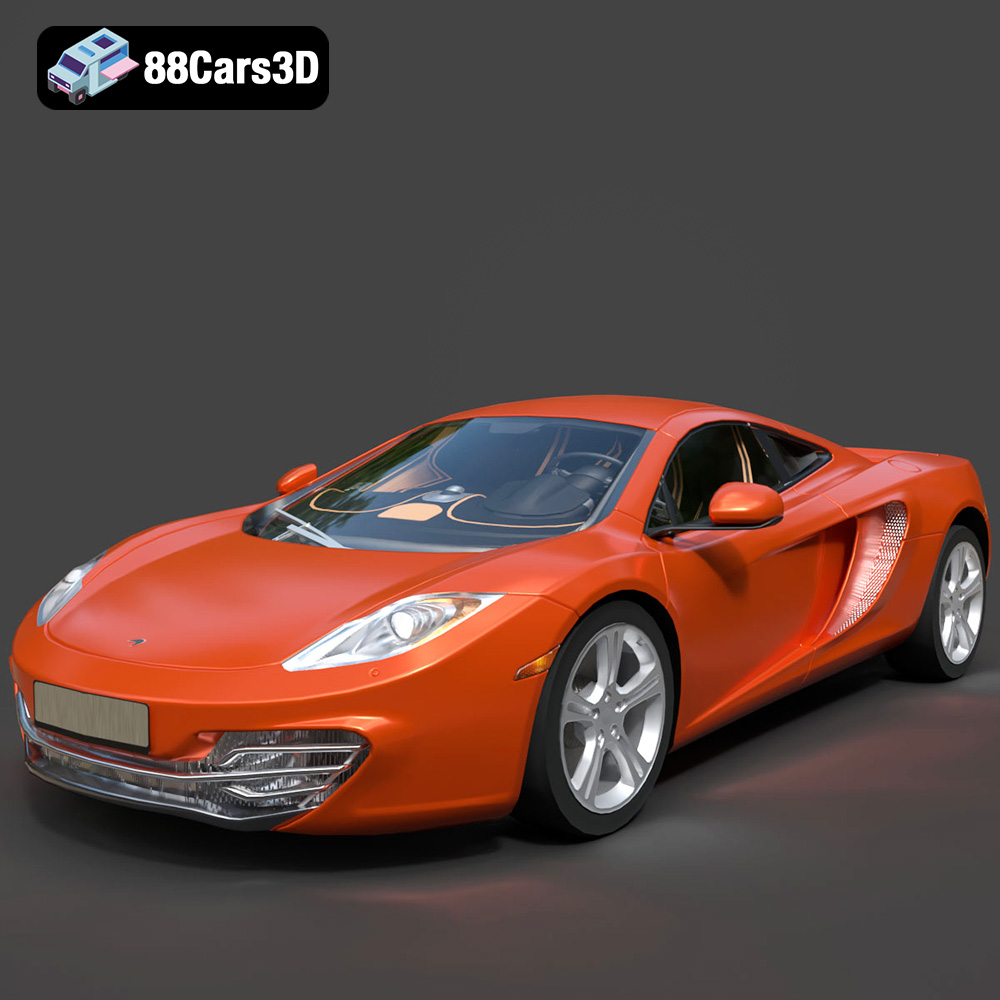
Texture: Yes
Material: Yes
Download the McLaren MP4-12C-001 3D Model featuring clean geometry, realistic detailing, and a fully modeled interior. Includes .blend, .fbx, .obj, .glb, .stl, .ply, .unreal, and .max formats for rendering, simulation, and game development.
Price: $23.99

Texture: Yes
Material: Yes
Download the Mercedes-Benz SLK 350 2005 3D Model featuring clean geometry, realistic detailing, and a fully modeled interior. Includes .blend, .fbx, .obj, .glb, .stl, .ply, .unreal, and .max formats for rendering, simulation, and game development.
Price: $23.99
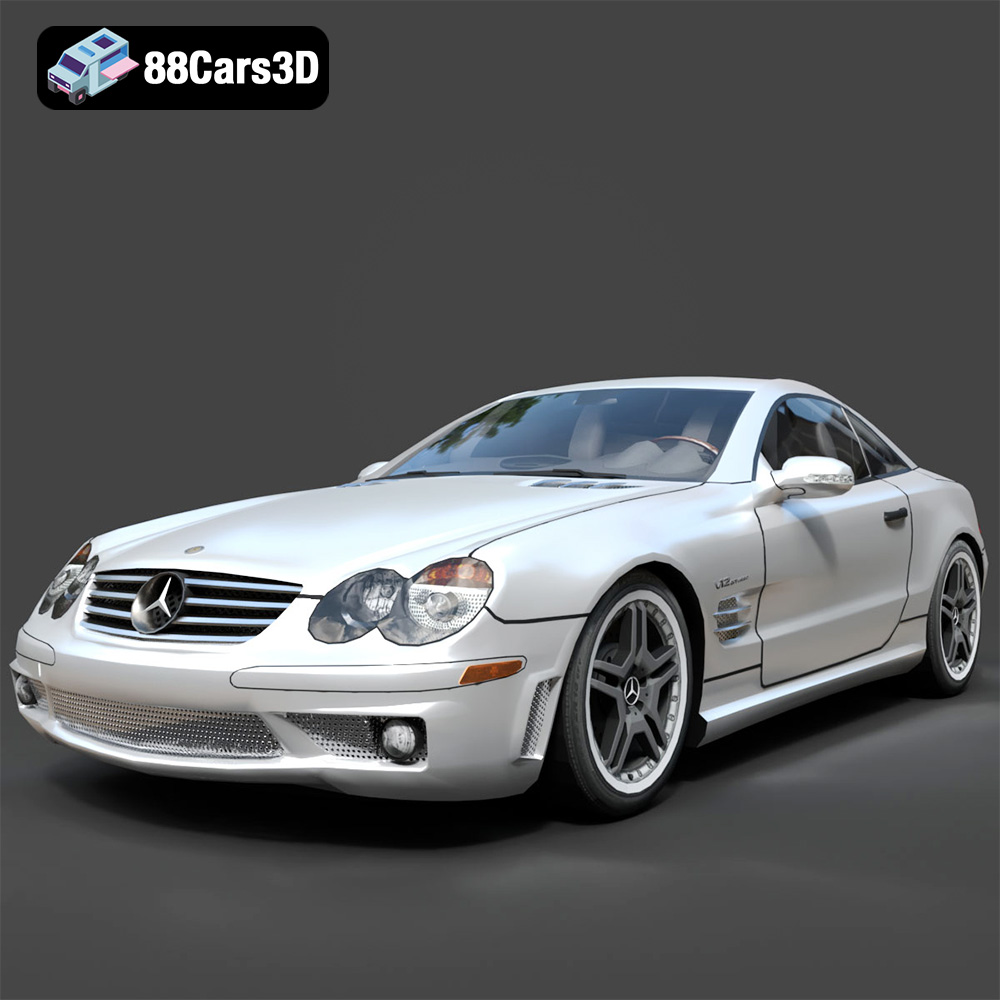
Texture: Yes
Material: Yes
Download the Mercedes-Benz SL 65 AMG 3D Model featuring clean geometry, realistic detailing, and a fully modeled interior. Includes .blend, .fbx, .obj, .glb, .stl, .ply, .unreal, and .max formats for rendering, simulation, and game development.
Price: $23.99
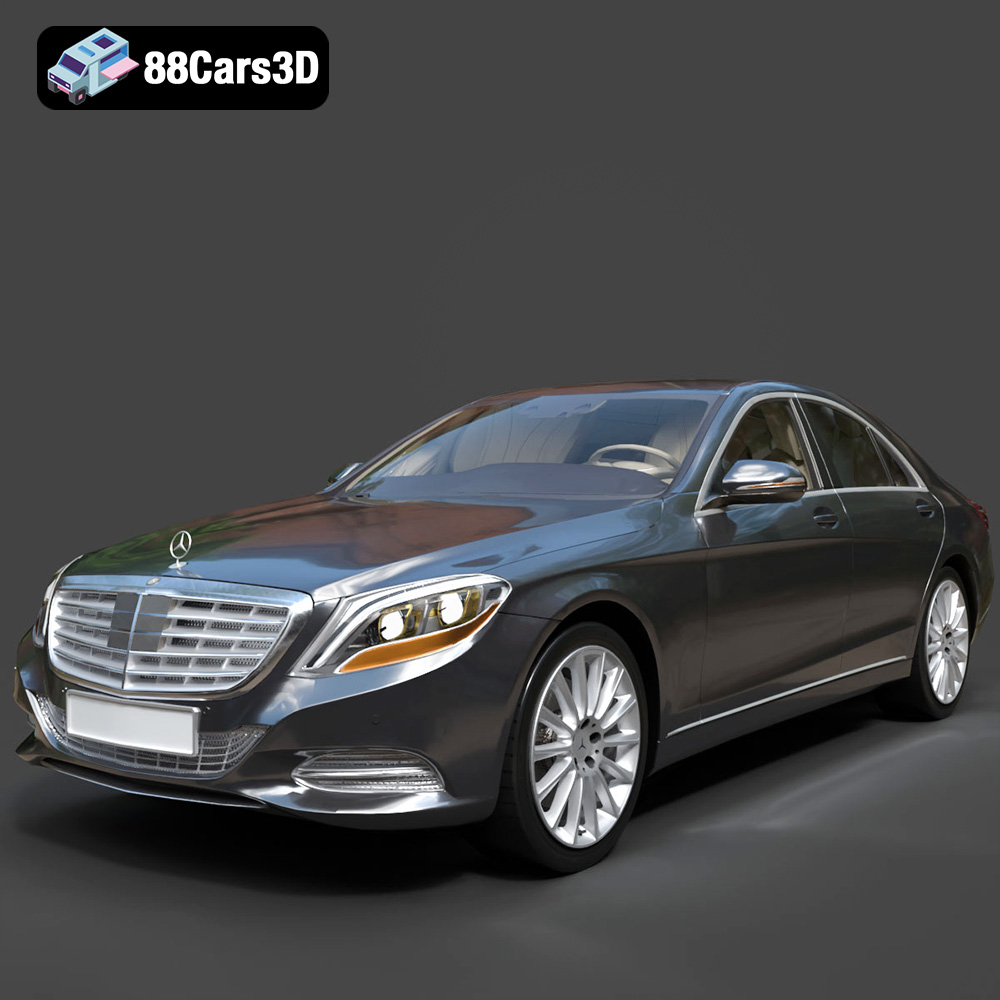
Texture: Yes
Material: Yes
Download the Mercedes-Benz S500 3D Model featuring clean geometry, realistic detailing, and a fully modeled interior. Includes .blend, .fbx, .obj, .glb, .stl, .ply, .unreal, and .max formats for rendering, simulation, and game development.
Price: $23.99
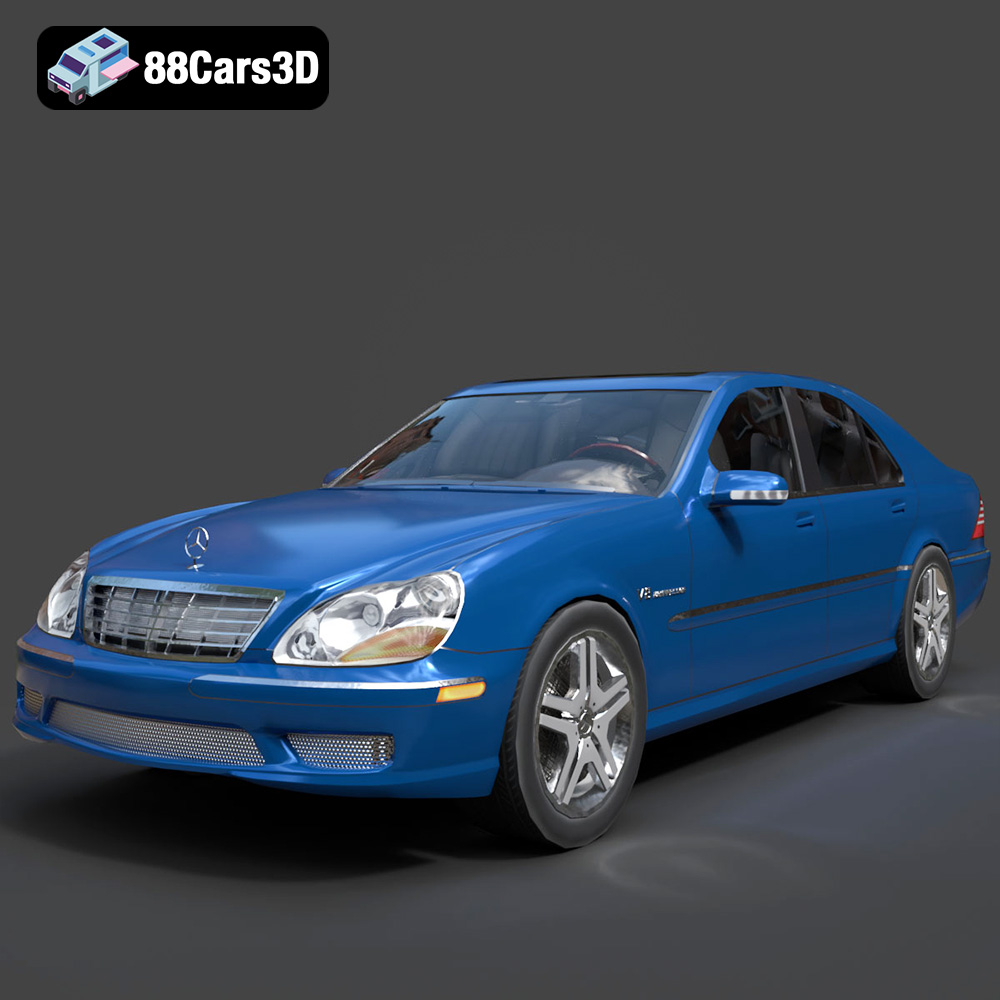
Texture: Yes
Material: Yes
Download the Mercedes-Benz S55 W220 AMG 1999 3D Model featuring clean geometry, realistic detailing, and a fully modeled interior. Includes .blend, .fbx, .obj, .glb, .stl, .ply, .unreal, and .max formats for rendering, simulation, and game development.
Price: $23.99
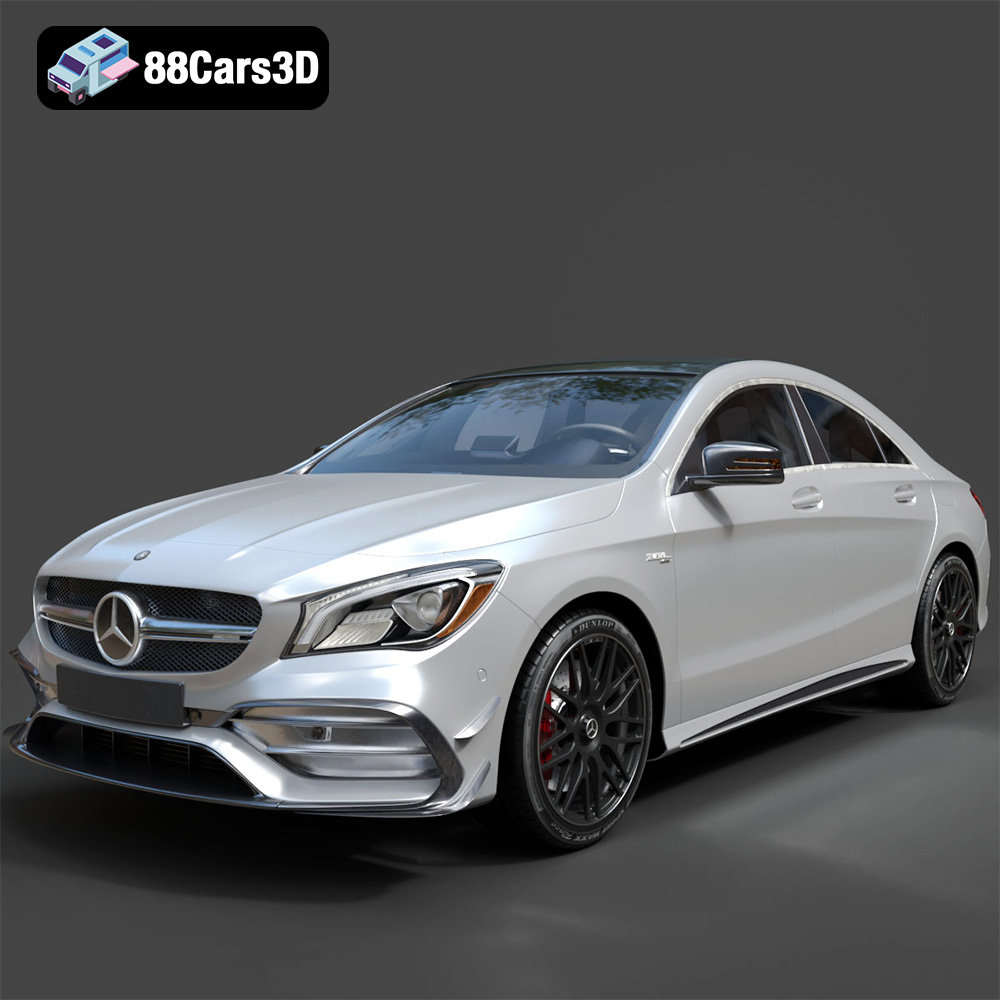
Texture: Yes
Material: Yes
Download the Mercedes-Benz CLA45 AMG 2017 3D Model featuring clean geometry, realistic detailing, and a fully modeled interior. Includes .blend, .fbx, .obj, .glb, .stl, .ply, .unreal, and .max formats for rendering, simulation, and game development.
Price: $38.99
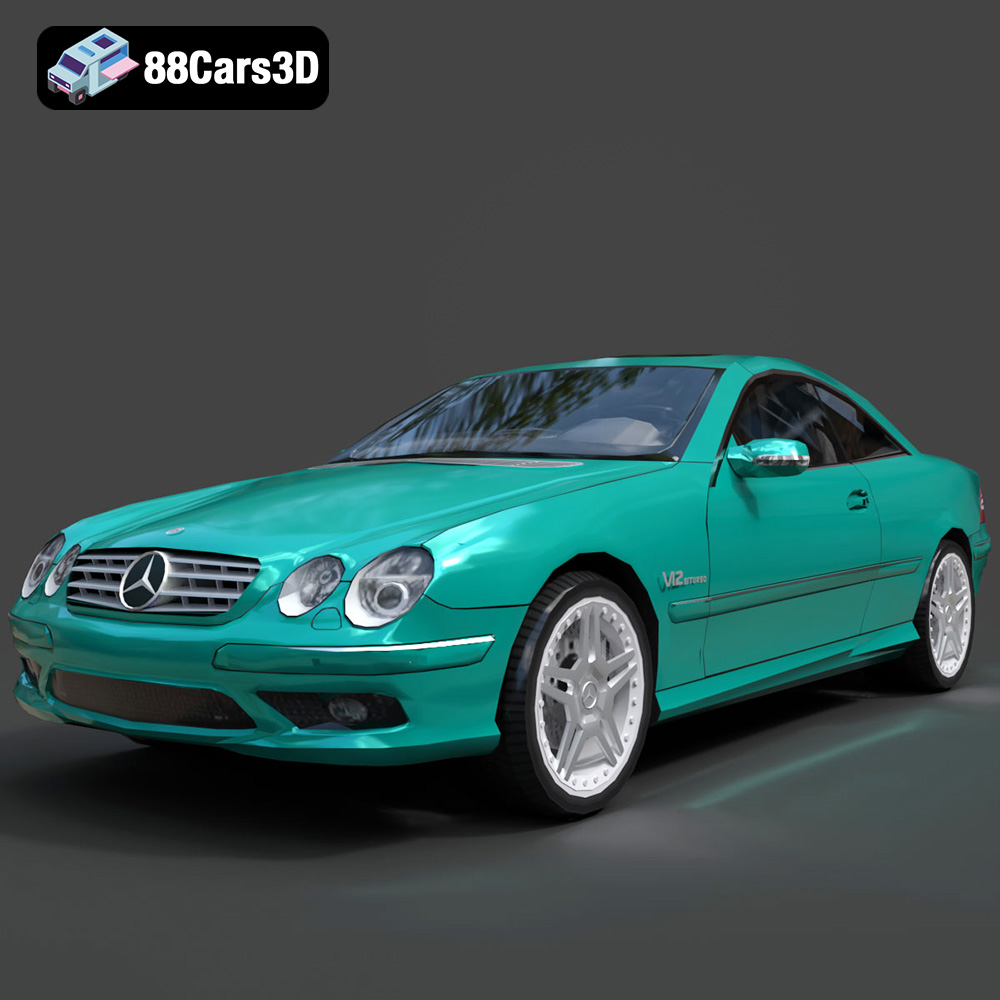
Texture: Yes
Material: Yes
Download the Mercedes-Benz CL65 C215 AMG 3D Model featuring clean geometry, realistic detailing, and a fully modeled interior. Includes .blend, .fbx, .obj, .glb, .stl, .ply, .unreal, and .max formats for rendering, simulation, and game development.
Price: $23.99
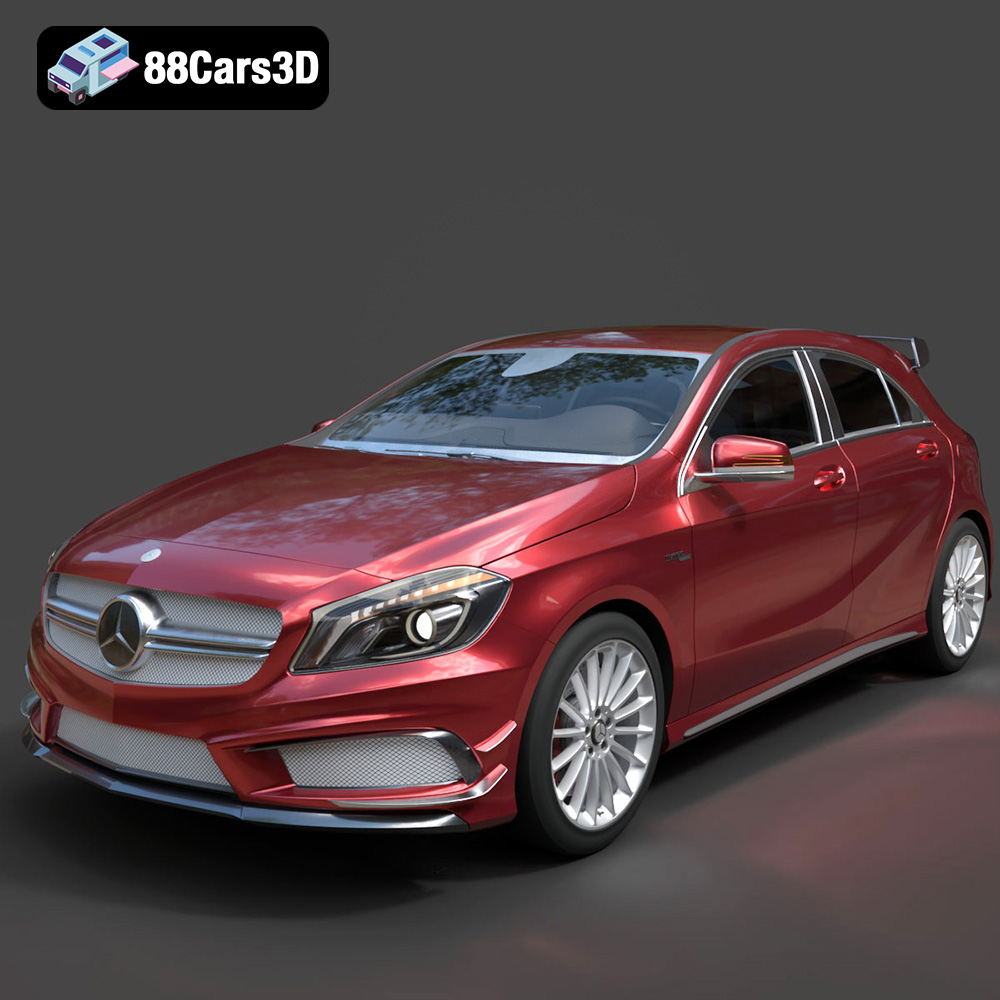
Texture: Yes
Material: Yes
Download the Mercedes-Benz A45 2021 3D Model featuring clean geometry, realistic detailing, and a fully modeled interior. Includes .blend, .fbx, .obj, .glb, .stl, .ply, .unreal, and .max formats for rendering, simulation, and game development.
Price: $23.99
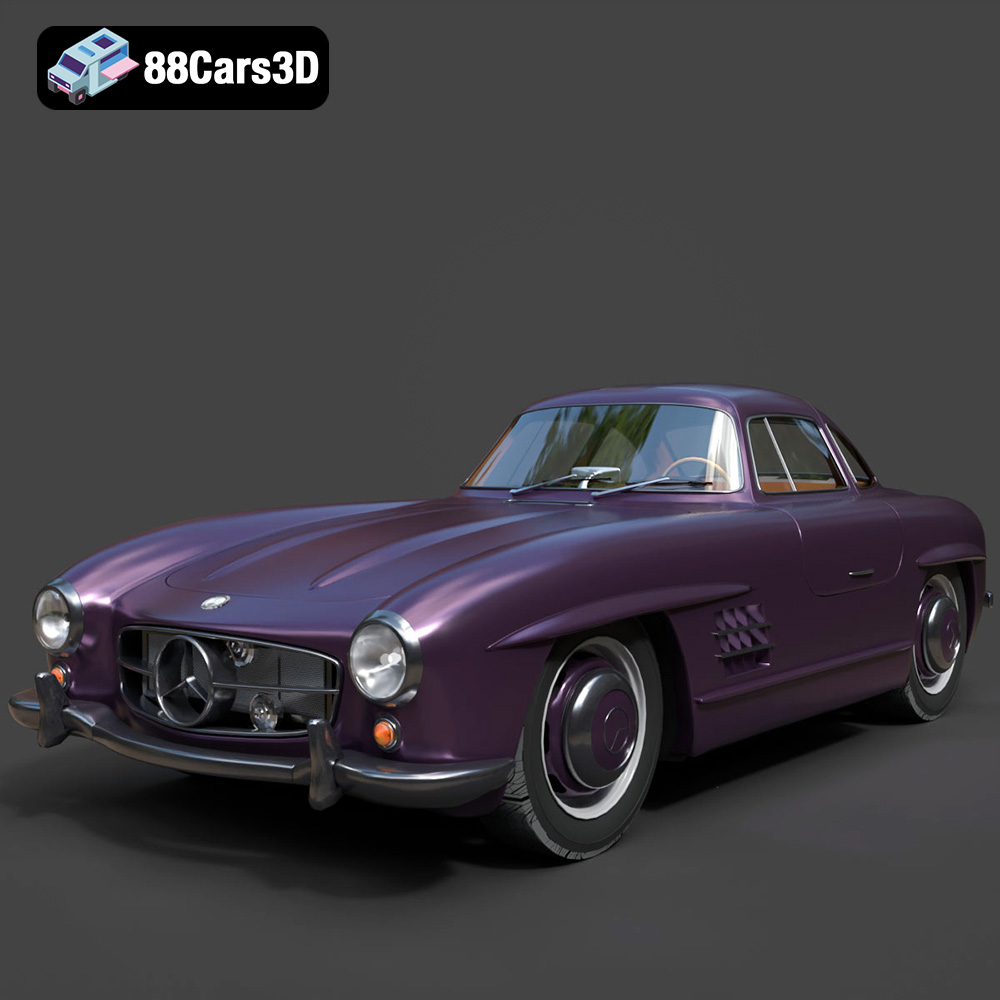
Texture: Yes
Material: Yes
Download the Mercedes-Benz 300SL 1955 3D Model featuring clean geometry, realistic detailing, and a fully modeled interior. Includes .blend, .fbx, .obj, .glb, .stl, .ply, .unreal, and .max formats for rendering, simulation, and game development.
Price: $23.99
Texture: Yes
Material: Yes
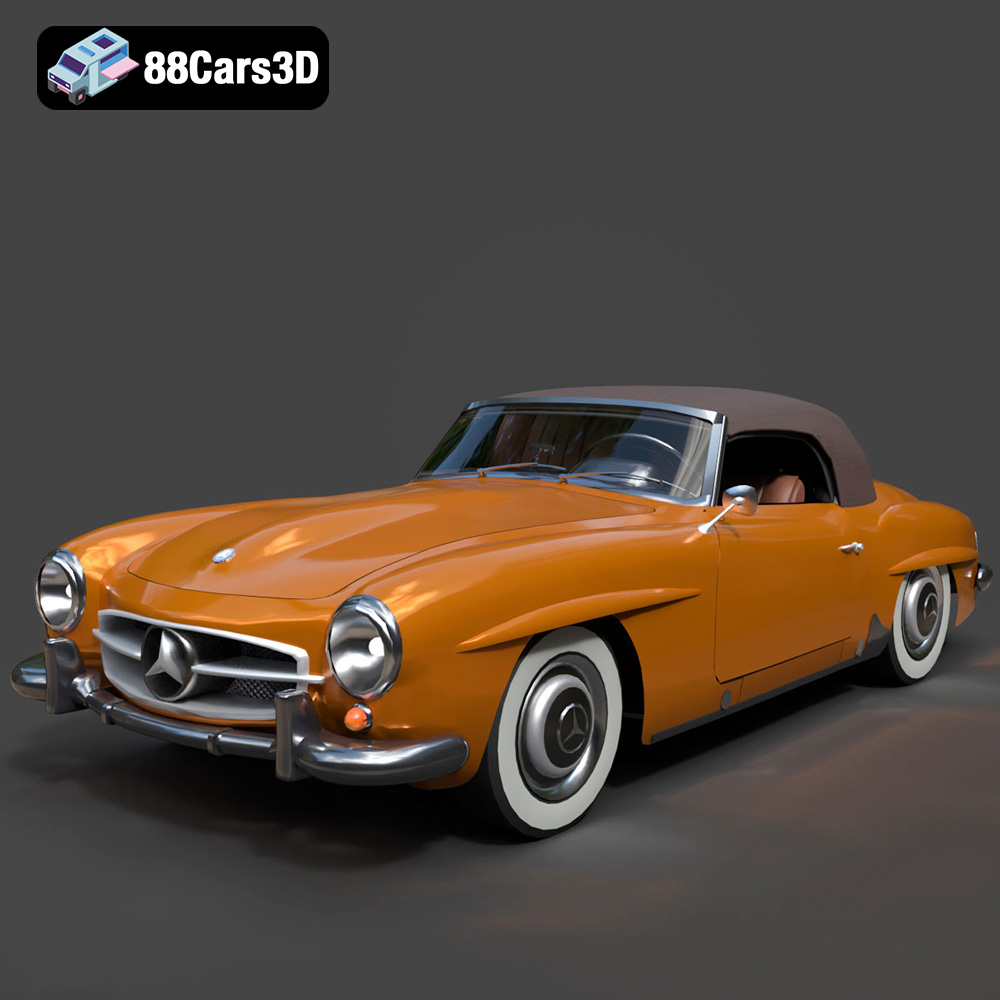
Download the Mercedes-Benz 190SL 1955 3D Model featuring clean geometry, realistic detailing, and a fully modeled interior. Includes .blend, .fbx, .obj, .glb, .stl, .ply, .unreal, and .max formats for rendering, simulation, and game development.
Price: $23.99
Texture: Yes
Material: Yes
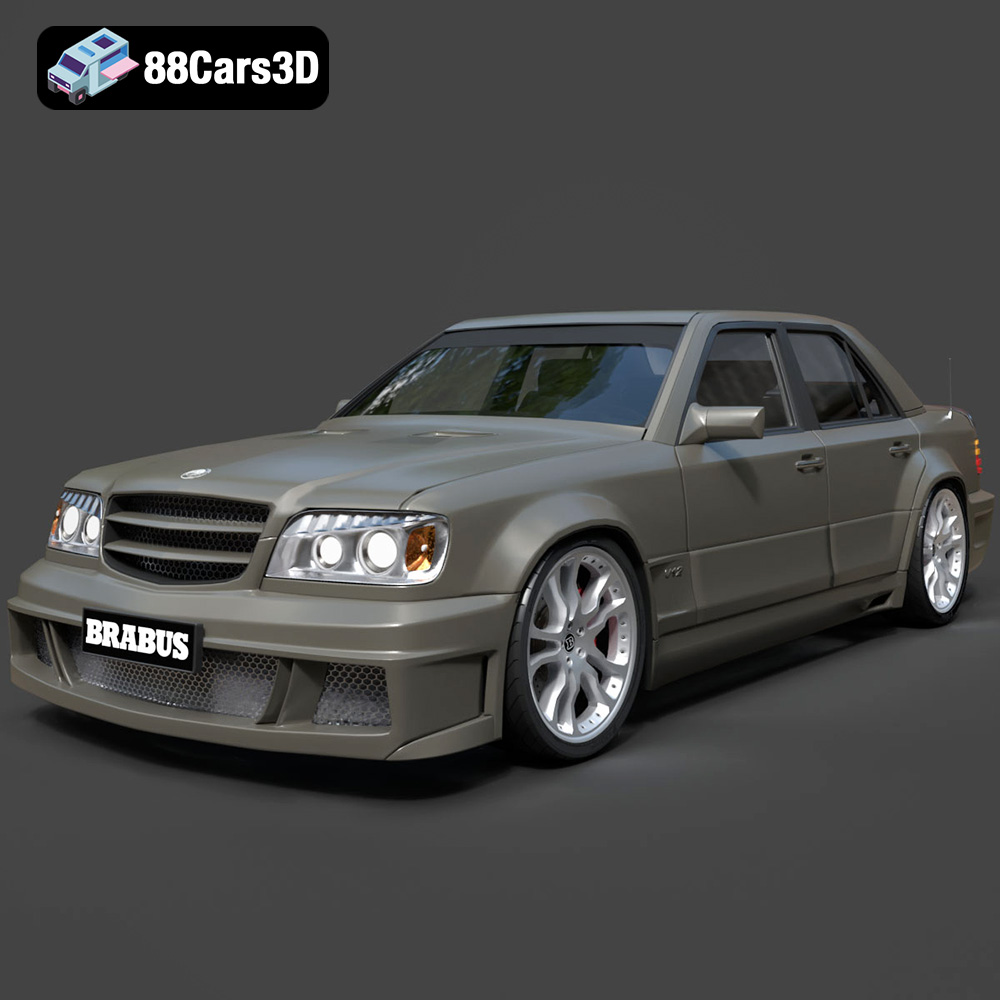
Download the Mercedes-Benz W124 Brabus V12 3D Model featuring clean geometry, realistic detailing, and a fully modeled interior. Includes .blend, .fbx, .obj, .glb, .stl, .ply, .unreal, and .max formats for rendering, simulation, and game development.
Price: $23.99
Texture: Yes
Material: Yes
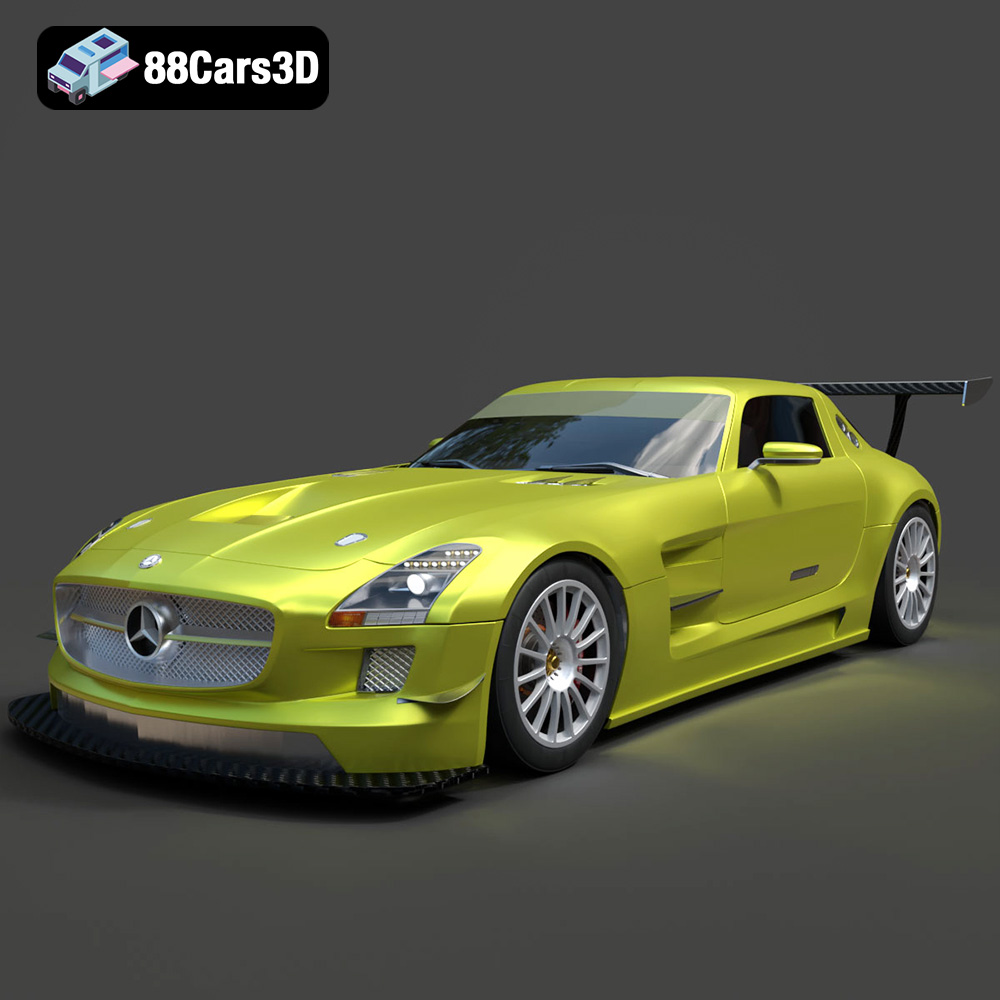
Download the Mercedes-Benz SLS AMG GT3-002 3D Model featuring clean geometry, realistic detailing, and a fully modeled interior. Includes .blend, .fbx, .obj, .glb, .stl, .ply, .unreal, and .max formats for rendering, simulation, and game development.
Price: $38.99

Texture: Yes
Material: Yes
Download the Mercedes-Benz C-Class-001 3D Model featuring clean geometry, realistic detailing, and a fully modeled interior. Includes .blend, .fbx, .obj, .glb, .stl, .ply, .unreal, and .max formats for rendering, simulation, and game development.
Price: $38.99
Texture: Yes
Material: Yes
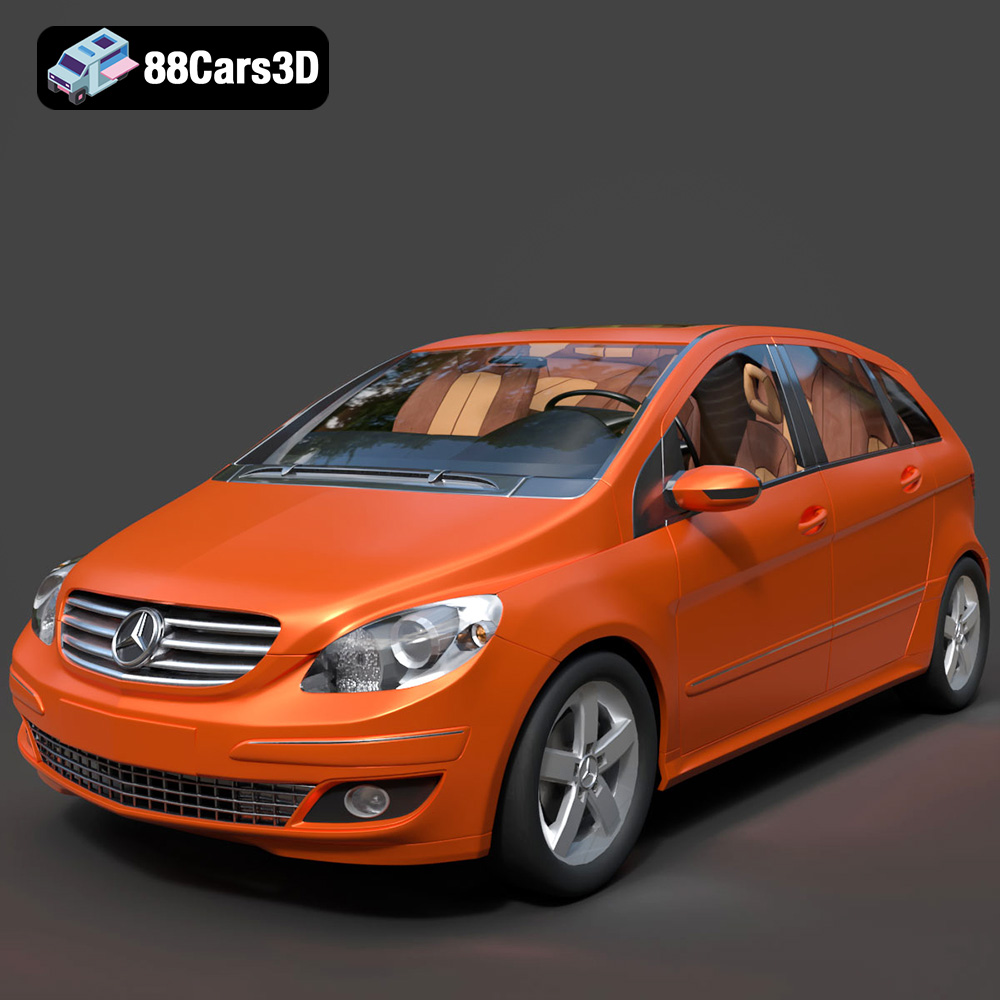
Download the Mercedes-Benz B-Klasse 2023 3D Model featuring clean geometry, realistic detailing, and a fully modeled interior. Includes .blend, .fbx, .obj, .glb, .stl, .ply, .unreal, and .max formats for rendering, simulation, and game development.
Price: $38.99
Texture: Yes
Material: Yes
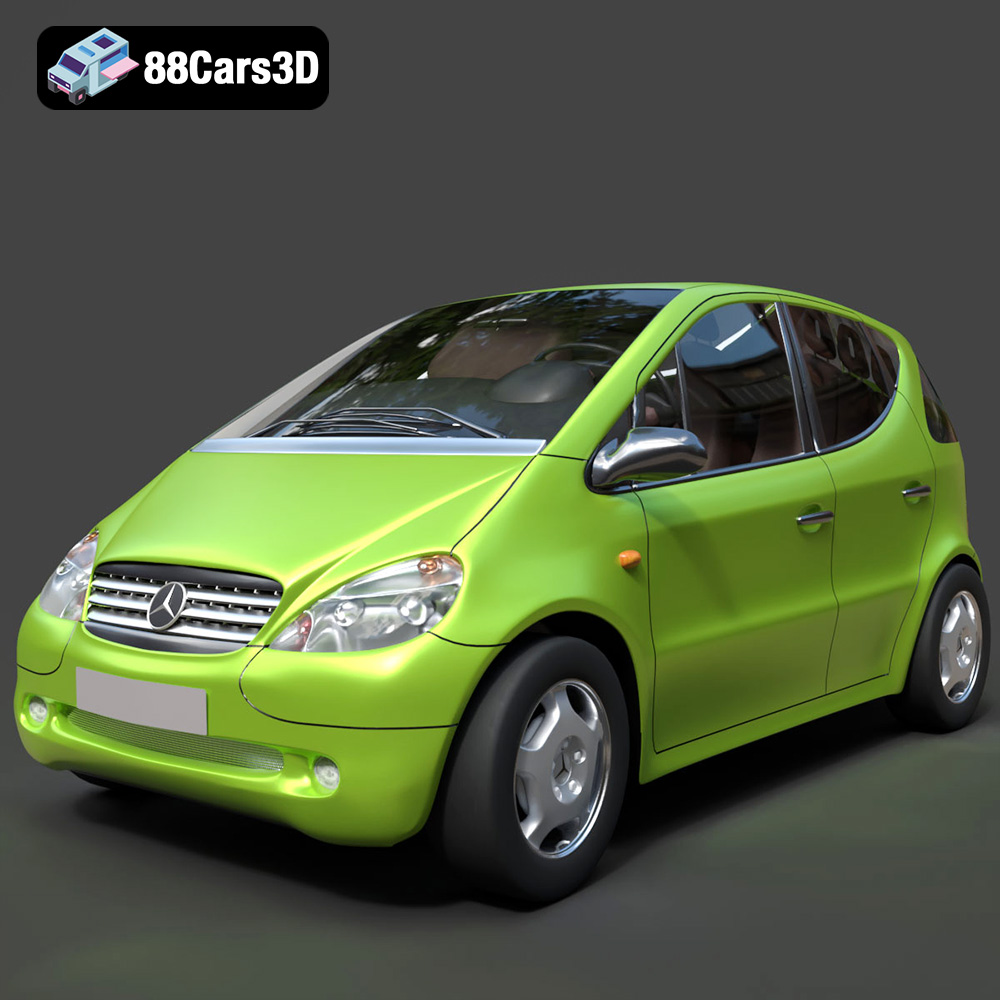
Download the Mercedes-Benz A-Klasse W168 3D Model featuring clean geometry, realistic detailing, and a fully modeled interior. Includes .blend, .fbx, .obj, .glb, .stl, .ply, .unreal, and .max formats for rendering, simulation, and game development.
Price: $38.99

