
Mastering Real-Time Photorealism: The Definitive Guide to Automotive Reflections in Unreal Engine 5

Mastering Real-Time Photorealism: The Definitive Guide to Automotive Reflections in Unreal Engine 5
In the world of 3D visualization, few subjects present as compelling a challenge and reward as automotive rendering. The sleek curves, the intricate details, and above all, the mesmerizing reflections that dance across a vehicle’s surface are crucial for achieving true photorealism. For artists and developers working in Unreal Engine 5, the pursuit of these perfect reflections in a real-time environment can often feel like an elusive goal. How do you capture the dynamic interplay of light and shadow, the crispness of environmental reflections, and the subtle nuances of a high-end car paint shader, all while maintaining optimal performance?
This definitive guide will unravel the complexities of achieving stunning automotive reflections in Unreal Engine 5. We’ll dive deep into the core technologies that make photorealism possible, from crafting advanced materials to leveraging UE5’s cutting-edge rendering features. Whether you’re an automotive designer, a game developer, or a visualization artist, prepare to elevate your real-time projects to an unprecedented level of visual fidelity. Let’s unlock the secrets to making your digital vehicles shine with breathtaking authenticity.
The Foundation of Realism: PBR and Advanced Car Paint Shaders
At the heart of any photorealistic rendering lies a robust understanding of Physically Based Rendering (PBR) principles. For automotive visuals, this understanding is paramount, especially when tackling the complexities of a car paint shader. A vehicle’s surface isn’t just a single color; it’s a symphony of layers, reflections, and subtle imperfections.
PBR Fundamentals for Automotive Materials
PBR ensures that materials react to light in a physically plausible way, regardless of the lighting conditions. For automotive surfaces, this means accurately representing metallic and dielectric properties. The base color (albedo) defines the underlying hue, while metallic maps dictate whether the surface behaves like metal or a non-metal. Roughness is perhaps the most critical PBR parameter for reflections, controlling how sharp or blurry reflections appear. A perfectly smooth, polished car will have very low roughness, resulting in mirror-like reflections, while a matte finish will exhibit higher roughness and diffuse reflections.
Understanding the interplay between these maps is key. Most car paints are dielectric (non-metallic) materials, but with metallic flakes suspended within a clear coat. This complex structure requires a specialized approach to traditional PBR workflows to achieve an authentic look.
Crafting a Dynamic Car Paint Master Material
To achieve truly photorealistic automotive assets, you need more than just a simple PBR material. A master material in Unreal Engine 5 allows for incredible flexibility and optimization through material instances. Start by building a robust master material that exposes parameters for all key aspects of your car paint. This includes base color, metallic flake color and intensity, clear coat thickness, orange peel intensity, and roughness controls.
The core of this master material should simulate the layered nature of car paint: a base coat (color), a metallic flake layer, and a clear coat on top. You can achieve this by using a blend of different reflection types and normal map manipulations. Consider using custom nodes or functions to encapsulate complex calculations, making the material graph cleaner and easier to manage for future `material instance optimization`.
Layering Effects: Clear Coat, Flakes, and Orange Peel
The clear coat is arguably the most defining feature of a car paint shader. It adds a crucial secondary reflection layer with its own set of roughness values, typically very low for a shiny finish. Unreal Engine’s built-in clear coat material function (often accessed via a dedicated Clear Coat input on the main material node) is excellent for this, allowing you to define a separate normal map and roughness for the top layer. This separation is vital for achieving realistic specular highlights and reflections.
Metallic flakes are another essential detail. These tiny particles embedded in the paint scatter light, creating a sparkling effect, especially under direct illumination. You can simulate this by using a tiled normal map with tiny, irregular bumps, driven by a parameter for intensity and density. Alternatively, more advanced techniques involve using a custom shader that simulates micro-facets, which can be computationally more expensive but yield superior results. Finally, don’t forget the subtle imperfection of “orange peel” – a slight waviness in the clear coat, visible in reflections, that adds to the realism. This can be achieved with a subtle, low-frequency normal map applied to the clear coat layer.
Unleashing Unreal Engine 5’s Reflection Power
Unreal Engine 5 brings a suite of powerful technologies designed to deliver unprecedented real-time reflections UE5. Leveraging these features effectively is crucial for making your automotive models come alive, accurately reflecting their environment and light sources.
Lumen Global Illumination: The Game Changer
Unreal Engine 5 Lumen is a revolutionary global illumination and reflection system that computes diffuse interreflection with infinite bounces and specular interreflection for glossy surfaces. For automotive rendering, Lumen is a game-changer. It dynamically calculates how light bounces around the scene, meaning your car’s paint will accurately pick up color and light from surrounding objects, walls, and the ground. This dynamic, real-time nature eliminates the need for baking static lightmaps, providing immediate feedback on lighting changes.
Lumen provides excellent quality for diffuse and coarse reflections, especially on non-metallic surfaces. While it handles metallic reflections, its strength lies in the global context. Ensure Lumen is properly enabled in your project settings and adjust its quality settings to balance visual fidelity with performance targets. It works particularly well with large, open environments and dynamic lighting setups, essential for showcasing `photorealistic automotive assets`.
Hardware Ray Tracing for Pinpoint Accuracy
For the sharpest, most accurate `real-time reflections UE5`, hardware-accelerated Ray Tracing is indispensable. While Lumen provides excellent overall global illumination, Ray Tracing offers pixel-perfect reflections and refractions. This means that objects outside the camera’s view frustum, or complex geometry that Lumen might approximate, will be accurately reflected on your car’s surface.
Enable Ray Tracing in your project settings and then ensure that Ray Traced Reflections are active in your Post Process Volume. You can control parameters like samples per pixel, max roughness, and max bounces to fine-tune the quality. While Ray Tracing is more demanding on hardware, especially for complex scenes, the visual payoff for automotive exteriors is often worth the optimization effort. Combine Lumen for diffuse GI and broader reflections with Ray Traced Reflections for critical, highly reflective surfaces like car paint and chrome for the best results.
Reflection Captures and Planar Reflections: Strategic Use
Even with Lumen and Ray Tracing, there are still strategic uses for traditional `reflection probes Unreal` (or Reflection Captures) and Planar Reflections. Reflection Captures bake a cubemap of the surrounding environment at a specific point, providing efficient but static reflections. These are ideal for less critical, slightly rougher surfaces, or as a fallback for areas where Ray Tracing might be too expensive. Place them strategically around your automotive model, especially in areas where you want consistent environmental reflections.
Planar Reflections, on the other hand, offer highly accurate reflections for flat surfaces like puddles, highly polished floors, or glass tables. While very expensive, they are pixel-perfect for the specific plane they cover. For an automotive studio scene with a glossy floor, a Planar Reflection could be invaluable for mirroring the car perfectly. Use them sparingly and only where their visual impact truly justifies the performance cost.
The Art of Environment: HDRI Lighting for Authenticity
No matter how sophisticated your car paint shader or how powerful your reflection system, your automotive model will only look as good as the environment it reflects. `HDRI environment lighting` is the cornerstone of realistic external and studio setups, providing both illumination and high-fidelity reflections.
Importing and Setting Up HDRIs
High Dynamic Range Images (HDRIs) capture real-world lighting information, including intensity and color across a full 360-degree panorama. Importing an HDRI into Unreal Engine 5 is straightforward. Convert your HDRI to an Unreal Engine-compatible format (e.g., .exr) and import it as a texture. For optimal results, ensure it’s set to Cubemap texture type in the texture editor.
To apply it, the simplest method is to use a Sky Light. Create a Sky Light actor in your scene and assign your HDRI texture to its “Source Cubemap” slot. The Sky Light will then use this HDRI to illuminate your scene and provide detailed reflections. Experiment with the Sky Light’s intensity and cubemap resolution to fine-tune the overall lighting and reflection clarity.
Balancing HDRI with Directional and Spot Lights
While an HDRI provides excellent ambient and environmental lighting, it often needs to be complemented by other light sources to achieve truly striking `automotive rendering techniques`. A Directional Light can simulate the sun, adding strong shadows and defining highlights that make the car pop. Position it to match the sun’s position in your HDRI for coherence. Adjust its intensity and color temperature to match the time of day and mood.
Spot Lights and Rect Lights are invaluable for adding focused highlights and shaping the vehicle’s form. Use them to pick out specific body lines, accentuate details, or create rim lighting that separates the car from the background. Careful placement and intensity control of these additional lights will dramatically enhance the perception of depth and material quality on your `photorealistic automotive assets`.
Environmental Cubemaps and Sky Atmosphere
Beyond the Sky Light, consider the overall environment. For open-world or exterior scenes, the Sky Atmosphere system in Unreal Engine 5 works in conjunction with your Directional Light to create realistic skies, fog, and atmospheric scattering. It dynamically reacts to the sun’s position and time of day, further enhancing visual consistency. While not a direct reflection source, a convincing sky atmosphere makes the reflections on your car feel more integrated into the scene.
Additionally, for internal reflections from areas like the dashboard or seats, ensure there are sufficient light sources and environment captures within the car’s interior. Sometimes, a localized Reflection Capture or even a small, low-intensity light can help fill in dark areas and provide subtle internal reflections that add to the vehicle’s overall realism.
Optimizing for Performance: High-Fidelity Assets and Material Instances
Achieving stunning visual fidelity in real-time requires a delicate balance between quality and performance. When dealing with `photorealistic automotive assets`, especially those for 88cars3d.com, intelligent optimization is key. This includes managing geometry, textures, and material complexity.
Efficient Geometry and UVs for Automotive Models
High-polygon models are essential for smooth surfaces and intricate details on automotive assets. However, unchecked polygon counts can quickly degrade performance. Utilize Level of Detail (LODs) effectively, creating simpler versions of your model that swap in at increasing distances from the camera. Ensure your base mesh is clean, with optimized topology that facilitates smooth subdivision and UV unwrapping. For models from resources like 88cars3d.com, you often get production-ready assets with optimized topology already.
Well-organized UV maps are critical. Non-overlapping UVs are necessary for baking lightmaps and efficient texture application. Allocate more UV space to critical areas like the body panels, where reflections and texture details are most visible, and less to hidden or less important parts. This ensures that your texture resolution is used efficiently, contributing to crisp reflections and reducing unnecessary memory overhead.
Leveraging Material Instances for Iteration and Performance
As mentioned earlier, a robust master material is the foundation. From this master material, create numerous `material instance optimization` children. Material instances inherit the entire shader network from the master but allow you to modify exposed parameters without recompiling the shader. This offers several benefits:
- Rapid Iteration: Quickly change colors, flake intensity, clear coat roughness, and other attributes without waiting for shader compilation. This is invaluable for experimenting with different paint finishes.
- Reduced Draw Calls: If multiple assets share the same master material but use different instances, Unreal Engine can often batch their rendering, leading to better performance.
- Memory Efficiency: The core shader code is only compiled once for the master material, saving memory compared to having unique materials for every variation.
For a car with multiple components (body, wheels, interior, glass), each can have its own material instance derived from a relevant master material (e.g., Car Paint Master, Wheel Rim Master, Glass Master). This approach streamlines development and keeps your project organized and performant.
Texture Resolution and Compression Strategies
High-resolution textures are necessary for capturing fine details and ensuring crisp reflections. However, excessively large textures consume significant GPU memory. Strike a balance by using appropriate resolutions (e.g., 4K or 8K for primary body panels, 2K for smaller components). Leverage Unreal Engine’s texture compression settings.
For normal maps and other data maps, use appropriate compression (e.g., BC5 for normal maps). For albedo and metallic/roughness maps, consider BC1/BC3. For HDRIs, ensure they are imported with appropriate settings to maintain dynamic range without excessive file size. Always check texture memory usage in the Unreal Engine profiler to identify and optimize any bottlenecks.
Fine-Tuning Reflections: Post-Processing and Camera Effects
Once you’ve established your materials, lighting, and reflection sources, the final layer of polish comes through post-processing and camera effects. These elements can dramatically enhance the perceived realism and visual impact of your `automotive rendering techniques` in Unreal Engine 5.
Screen Space Reflections (SSR) and its Role
Screen Space Reflections (SSR) are an efficient way to get reflections for objects visible on screen. While Ray Tracing offers superior accuracy, SSR can provide a good baseline and complement other reflection methods, particularly for less critical surfaces or when Ray Tracing is disabled for performance. It’s important to understand SSR’s limitations: it can only reflect what’s currently rendered on screen, meaning objects outside the camera’s view or behind other objects won’t be reflected.
In your Post Process Volume, you can enable and fine-tune SSR settings. Adjust parameters like intensity, roughness, and quality to integrate it smoothly with Lumen and Ray Traced reflections. Often, SSR works best as a subtle enhancer for broader, less critical reflections, allowing Ray Tracing to handle the precise reflections on the car paint itself.
Exposure, Tonemapping, and Color Grading
Proper exposure and tonemapping are fundamental for achieving a visually pleasing and photorealistic image. Unreal Engine’s default auto-exposure can be a good starting point, but manual control often yields better results for specific scenes. In the Post Process Volume, you can set a fixed exposure value or define an exposure range. Tonemapping ensures that the high dynamic range of your scene is mapped appropriately to your display’s capabilities, preventing blown-out highlights or crushed shadows.
Color grading is where you define the mood and artistic style of your render. Adjust saturation, contrast, white balance, and add filmic effects to give your automotive visualization a polished, professional look. Use lookup tables (LUTs) for advanced color grading workflows, allowing for consistent styling across multiple shots or projects. Subtle color shifts can make a massive difference in how the car paint is perceived.
Anti-Aliasing for Smooth Edges
Jagged edges, or “jaggies,” can quickly break the illusion of realism, especially on the smooth curves of an automotive model. Unreal Engine 5 offers several anti-aliasing methods. Temporal Anti-Aliasing (TAA) is the default and generally provides good results for both static and moving scenes, effectively smoothing edges over time. However, it can sometimes introduce ghosting or blur. Lumen introduces a new Temporal Super Resolution (TSR) which is a significant improvement over TAA, offering higher quality anti-aliasing and upscaling with fewer artifacts.
For static, high-quality renders, consider using a higher number of temporal samples or even screen percentage scaling to render at a higher resolution and then downsample. Always evaluate your chosen anti-aliasing method critically to ensure your automotive assets present clean, sharp edges, particularly where the car meets the background or where reflections create sharp lines.
Best Practices and Workflow Tips
Beyond the technical configurations, adopting smart workflow practices will ensure your automotive projects in Unreal Engine 5 are efficient, scalable, and consistently high-quality.
Iterative Testing and Profiling
Real-time rendering is an iterative process. Continuously test your scenes under various conditions and angles. Use Unreal Engine’s built-in profilers (e.g., ‘stat gpu’, ‘stat unit’, ‘profilegpu’) to identify performance bottlenecks. Are you CPU bound? GPU bound? Is a specific material too complex? Are your Ray Tracing settings too high? Understanding these metrics will guide your optimization efforts, allowing you to fine-tune settings for optimal `real-time reflections UE5` without compromising framerate.
It’s crucial to test on target hardware if possible. What looks great on a high-end development machine might perform poorly on a mid-range PC. Balance the desire for absolute photorealism with the practical constraints of your target platform.
Setting Up a Dedicated Automotive Studio Scene
For presentation and portfolio pieces, creating a dedicated automotive studio scene is highly beneficial. This typically involves:
- Neutral Backgrounds: Use seamless backdrops or cycloramas to focus attention on the car.
- Controlled Lighting: Implement a system of softboxes, strip lights, and reflectors using Rect Lights or Spot Lights with appropriate falloffs and attenuation. This allows for precise control over highlights and shadows.
- Reflection Cards: Sometimes, you need to “cheat” reflections. Place large, emissive planes (reflection cards) outside the camera’s view to generate specific highlights or environmental reflections on the car’s surface, particularly useful for areas Lumen or Ray Tracing might miss due to their scope.
- Camera Setup: Utilize Cine Camera Actors for realistic focal lengths, depth of field, and cinematic motion blur, enhancing the professional look of your `automotive rendering techniques`.
A well-designed studio scene allows you to consistently showcase your `photorealistic automotive assets` in the best possible light, making them stand out whether they originate from your own creations or from a high-quality resource like 88cars3d.com.
Conclusion
Achieving real-time photorealism for automotive reflections in Unreal Engine 5 is a multifaceted endeavor, but one that is incredibly rewarding. By mastering PBR principles, crafting sophisticated car paint shaders, and leveraging the full power of Unreal Engine 5 Lumen, Ray Tracing, and strategic reflection techniques, you can transform your digital vehicles into breathtakingly lifelike creations. Remember to optimize your `photorealistic automotive assets` with efficient geometry and `material instance optimization`, and to always complement your technical setup with thoughtful `HDRI environment lighting` and cinematic post-processing.
The journey to photorealism is iterative, combining technical knowledge with artistic sensibility. Keep experimenting, keep pushing the boundaries, and your virtual garages will soon be filled with stunning vehicles that captivate and inspire. For those seeking a head start with top-tier models, remember that high-quality assets are available at 88cars3d.com, providing a solid foundation for your photorealistic ventures. Now, go forth and make your automotive creations truly shine in Unreal Engine 5!
Featured 3D Car Models

Toyota Crown Majesta 2009 3D Model
**Meta Description:**
Texture: Yes
Material: Yes
Download the Toyota Crown Majesta 2009 3D Model with luxury detailing, clean topology, and a fully modeled interior. Available in .blend, .fbx, .obj, .glb, .stl, .ply, .unreal, and .max formats for rendering, simulation, and game development.
Price: $13.9
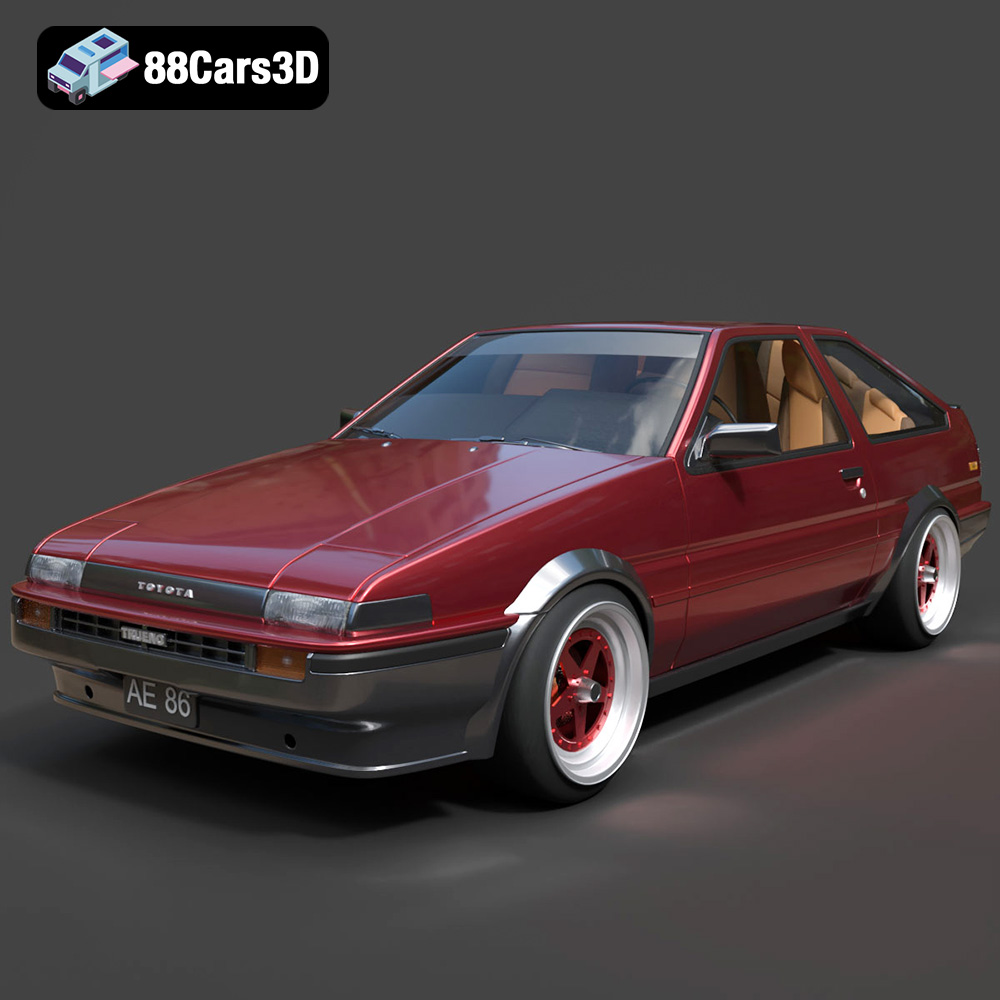
Toyota AE86 Levin 1983 1987 3D Model
**Meta Description:**
Texture: Yes
Material: Yes
Download the Toyota AE86 Levin 1983 1987 3D Model featuring realistic exterior and interior detailing. Includes .blend, .fbx, .obj, .glb, .stl, .ply, .unreal, and .max formats for rendering, simulation, and game development.
Price: $29.99

Toyota Mark 2 2001 3D Model
Texture: Yes
Material: Yes
Download the Toyota Mark 2 2001 3D Model featuring clean geometry, realistic detailing, and a fully modeled interior. Includes .blend, .fbx, .obj, .glb, .stl, .ply, .unreal, and .max formats for rendering, simulation, and game development.
Price: $10

Toyota Celica 2000 3D Model
Texture: Yes
Material: Yes
Download the Toyota Celica 2000 3D Model featuring clean geometry, realistic detailing, and a fully modeled interior. Includes .blend, .fbx, .obj, .glb, .stl, .ply, .unreal, and .max formats for rendering, simulation, and game development.
Price: $10

Toyota Camry US 2012 3D Model
- Texture: Yes
Material: Yes
Download the Toyota Camry US 2012 3D Model featuring clean geometry, realistic detailing, and a fully modeled interior. Includes .blend, .fbx, .obj, .glb, .stl, .ply, .unreal, and .max formats for rendering, simulation, and game development.
Price: $10

Toyota GT 86 2013 3D Model
Texture: Yes
Material: Yes
Download the Toyota GT 86 2013 3D Model featuring clean geometry, realistic detailing, and a fully modeled interior. Includes .blend, .fbx, .obj, .glb, .stl, .ply, .unreal, and .max formats for rendering, simulation, and game development.
Price: $10

Toyota Mark X 2010 3D Model
Texture: Yes
Material: Yes
Download the Toyota Mark X 2010 3D Model featuring clean geometry, realistic detailing, and a fully modeled interior. Includes .blend, .fbx, .obj, .glb, .stl, .ply, .unreal, and .max formats for rendering, simulation, and game development.
Price: $10
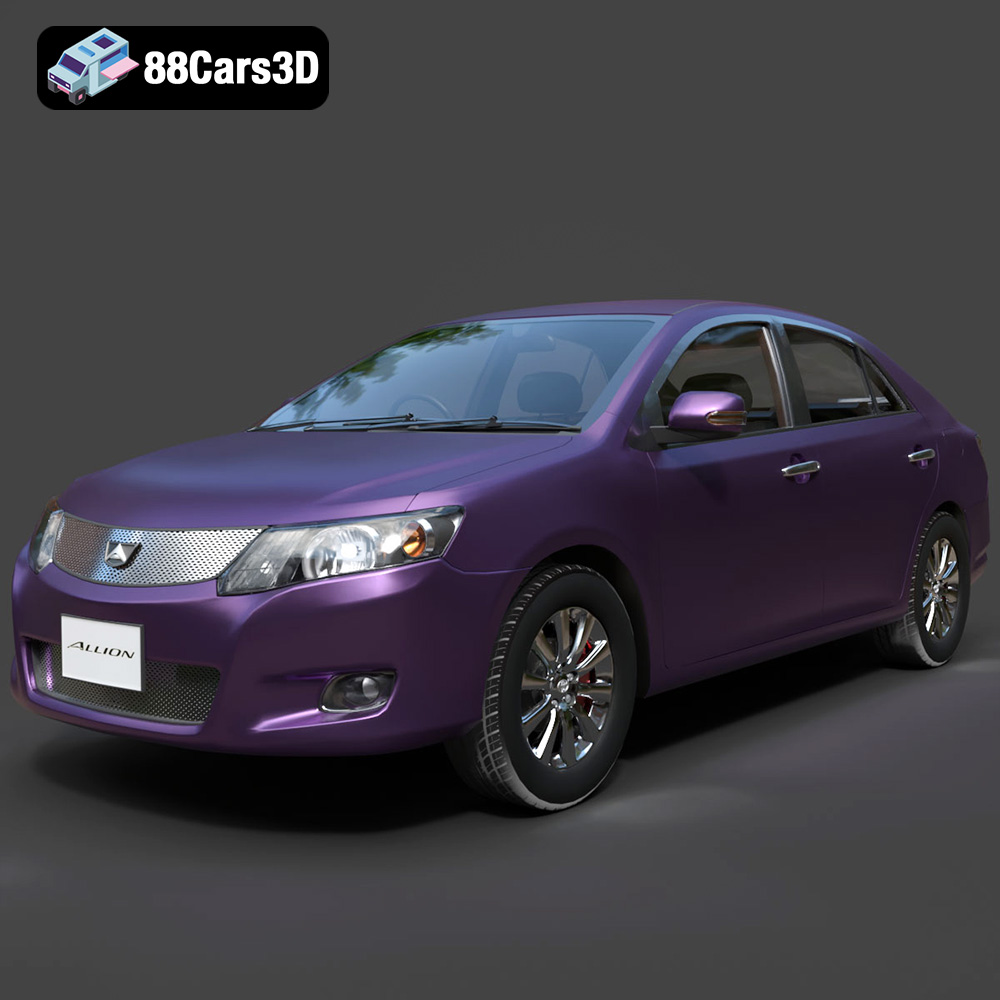
Toyota Allion 2008 3D Model
Texture: Yes
Material: Yes
Download the Toyota Allion 2008 3D Model featuring clean geometry, realistic detailing, and a fully modeled interior. Includes .blend, .fbx, .obj, .glb, .stl, .ply, .unreal, and .max formats for rendering, simulation, and game development.
Price: $10
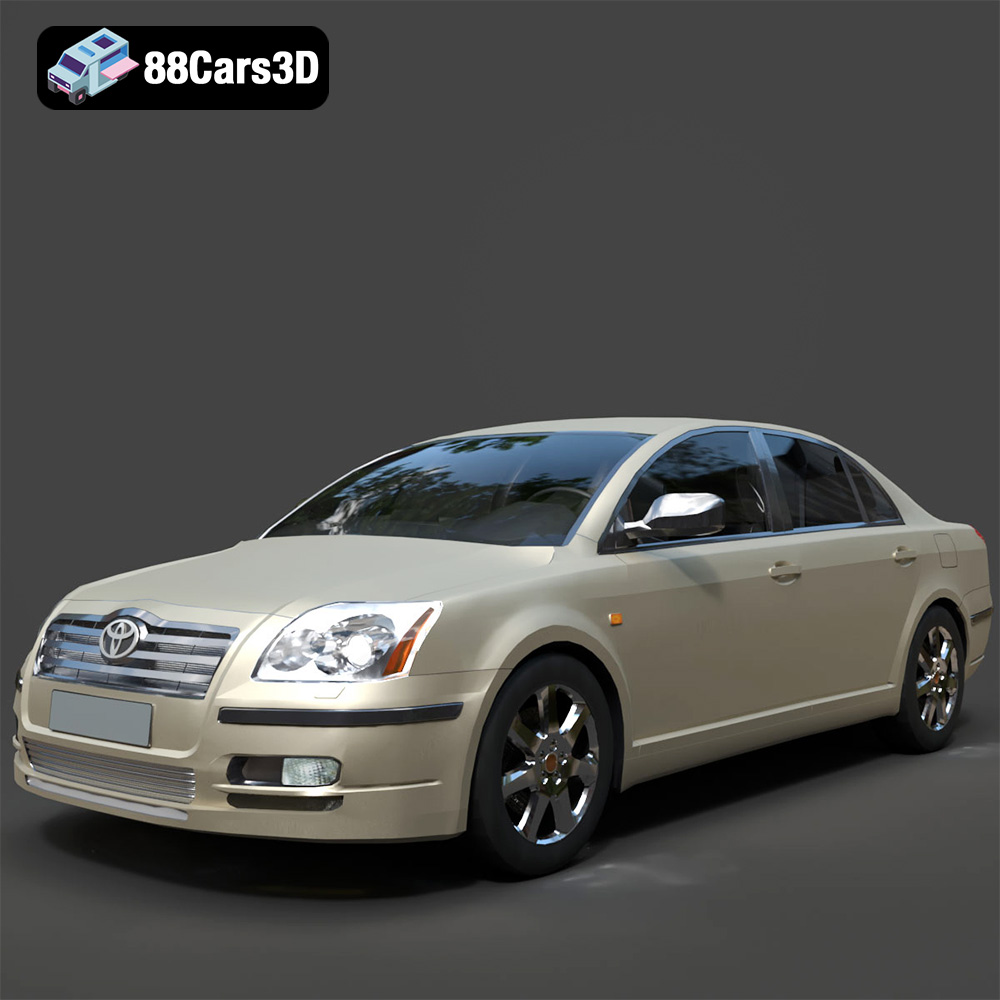
Toyota Avensis 2005 3D Model
Texture: Yes
Material: Yes
Download the Toyota Avensis 2005 3D Model featuring clean geometry, realistic detailing, and a fully modeled interior. Includes .blend, .fbx, .obj, .glb, .stl, .ply, .unreal, and .max formats for rendering, simulation, and game development.
Price: $10
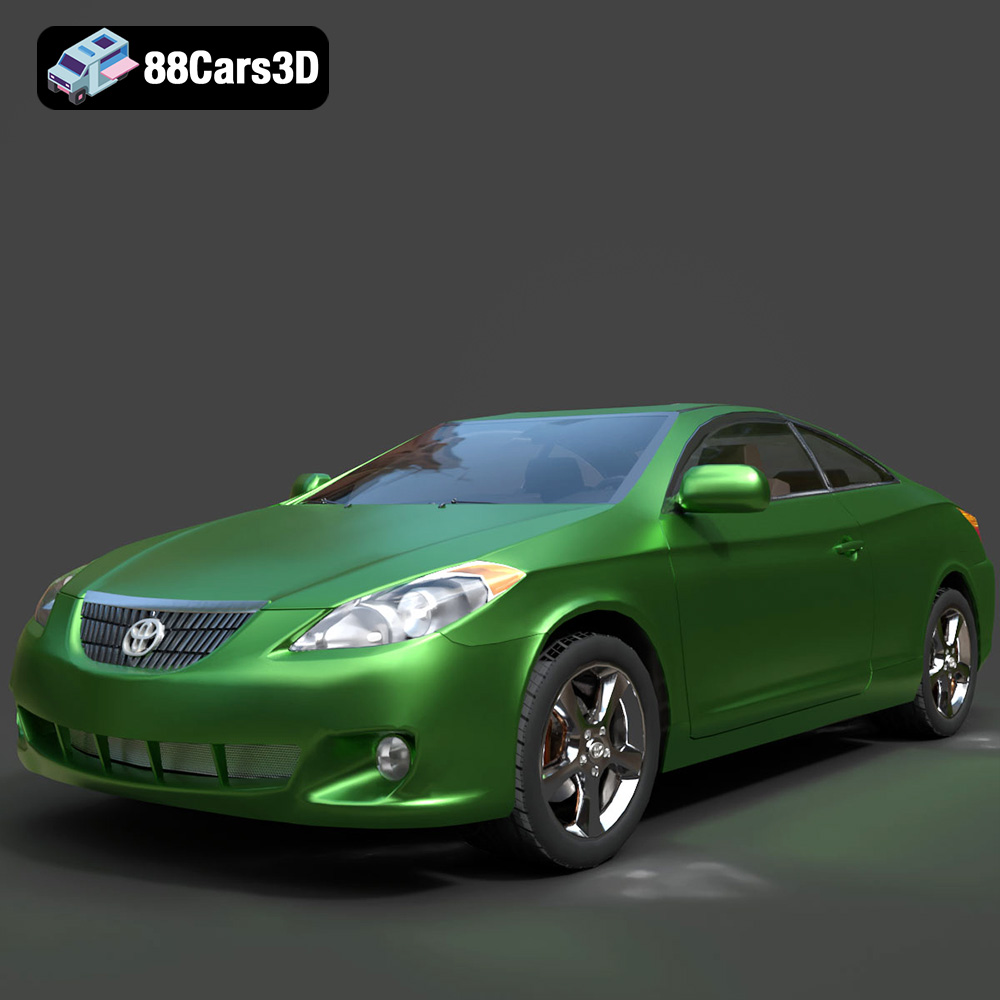
Toyota Camry Solara 2006 3D Model
Texture: Yes
Material: Yes
Download the Toyota Camry Solara 2006 3D Model featuring clean geometry, realistic detailing, and a fully modeled interior. Includes .blend, .fbx, .obj, .glb, .stl, .ply, .unreal, and .max formats for rendering, simulation, and game development.
Price: $10

Skoda Superb 2009 3D Model
Texture: Yes
Material: Yes
Download the Skoda Superb 2009 3D Model featuring clean geometry, realistic detailing, and a fully modeled interior. Includes .blend, .fbx, .obj, .glb, .stl, .ply, .unreal, and .max formats for rendering, simulation, and game development.
Price: $10

Skoda Superb 2006 3D Model
Texture: Yes
Material: Yes
Download the Skoda Superb 2006 3D Model featuring clean geometry, realistic detailing, and a fully modeled interior. Includes .blend, .fbx, .obj, .glb, .stl, .ply, .unreal, and .max formats for rendering, simulation, and game development.
Price: $10

Ford Mustang Shelby Super Snake Concept 2018 3D Model
Texture: Yes
Material: Yes
Download the Ford Mustang Shelby Super Snake Concept 2018 3D Model featuring clean geometry, realistic detailing, and a fully modeled interior. Includes .blend, .fbx, .obj, .glb, .stl, .ply, .unreal, and .max formats for rendering, simulation, and game development.
Price: $18.99

Porsche Cayenne Turbo 2018 3D Model
Texture: Yes
Material: Yes
Download the Porsche Cayenne Turbo 2018 3D Model featuring clean geometry, realistic detailing, and a fully modeled interior. Includes .blend, .fbx, .obj, .glb, .stl, .ply, .unreal, and .max formats for rendering, simulation, and game development.
Price: $10

Chevrolet Lacetti Sedan 2004 3D Model
Texture: Yes
Material: Yes
Download the Chevrolet Lacetti Sedan 2004 3D Model featuring clean geometry, realistic detailing, and a fully modeled interior. Includes .blend, .fbx, .obj, .glb, .stl, .ply, .unreal, and .max formats for rendering, simulation, and game development.
Price: $10

Skoda Rapid 2013 3D Model
Texture: Yes
Material: Yes
Download the Skoda Rapid 2013 3D Model featuring clean geometry, realistic detailing, and a fully modeled interior. Includes .blend, .fbx, .obj, .glb, .stl, .ply, .unreal, and .max formats for rendering, simulation, and game development.
Price: $10

Skoda Octavia A5-007 3D Model
Texture: Yes
Material: Yes
Download the Skoda Octavia A5-007 3D Model featuring clean geometry, realistic detailing, and a fully modeled interior. Includes .blend, .fbx, .obj, .glb, .stl, .ply, .unreal, and .max formats for rendering, simulation, and game development.
Price: $10

Skoda Fabia 2023 3D Model
Texture: Yes
Material: Yes
Download the Skoda Fabia 2023 3D Model featuring clean geometry, realistic detailing, and a fully modeled interior. Includes .blend, .fbx, .obj, .glb, .stl, .ply, .unreal, and .max formats for rendering, simulation, and game development.
Price: $10

Skoda Fabia 2007 3D Model
Texture: Yes
Material: Yes
Download the Skoda Fabia 2007 3D Model featuring clean geometry, realistic detailing, and a fully modeled interior. Includes .blend, .fbx, .obj, .glb, .stl, .ply, .unreal, and .max formats for rendering, simulation, and game development.
Price: $10

Honda VFR 1200 F 2015 3D Model
Texture: Yes
Material: Yes
Download the Honda VFR 1200 F 2015 3D Model featuring clean geometry, realistic detailing, and a fully modeled interior. Includes .blend, .fbx, .obj, .glb, .stl, .ply, .unreal, and .max formats for rendering, simulation, and game development.
Price: $10

Subaru BRZ 2025 3D Model
Texture: Yes
Material: Yes
Download the Subaru BRZ 2025 3D Model featuring clean geometry, realistic detailing, and a fully modeled interior. Includes .blend, .fbx, .obj, .glb, .stl, .ply, .unreal, and .max formats for rendering, simulation, and game development.
Price: $10

SsangYong Rodius 2007 3D Model
Texture: Yes
Material: Yes
Download the SsangYong Rodius 2007 3D Model featuring clean geometry, realistic detailing, and a fully modeled interior. Includes .blend, .fbx, .obj, .glb, .stl, .ply, .unreal, and .max formats for rendering, simulation, and game development.
Price: $10

Subaru Impreza 1992 3D Model
Texture: Yes
Material: Yes
Download the Subaru Impreza 1992 3D Model featuring clean geometry, realistic detailing, and a fully modeled interior. Includes .blend, .fbx, .obj, .glb, .stl, .ply, .unreal, and .max formats for rendering, simulation, and game development.
Price: $10

Subaru Impreza 2005 3D Model
Texture: Yes
Material: Yes
Download the Subaru Impreza 2005 3D Model featuring clean geometry, realistic detailing, and a fully modeled interior. Includes .blend, .fbx, .obj, .glb, .stl, .ply, .unreal, and .max formats for rendering, simulation, and game development.
Price: $10

Spyker C8-007 2004 3D Model
Texture: Yes
Material: Yes
Download the Spyker C8-007 2004 3D Model featuring clean geometry, realistic detailing, and a fully modeled interior. Includes .blend, .fbx, .obj, .glb, .stl, .ply, .unreal, and .max formats for rendering, simulation, and game development.
Price: $10

Smart Roadster 2003 3D Model
Texture: Yes
Material: Yes
Download the Smart Roadster 2003 3D Model featuring clean geometry, realistic detailing, and a fully modeled interior. Includes .blend, .fbx, .obj, .glb, .stl, .ply, .unreal, and .max formats for rendering, simulation, and game development.
Price: $10

Skoda Roomster 2007 3D Model
Texture: Yes
Material: Yes
Download the Skoda Roomster 2007 3D Model featuring clean geometry, realistic detailing, and a fully modeled interior. Includes .blend, .fbx, .obj, .glb, .stl, .ply, .unreal, and .max formats for rendering, simulation, and game development.
Price: $10

Subaru Impreza Sport Wagon 3D Model
Texture: Yes
Material: Yes
Download the Subaru Impreza Sport Wagon 3D Model featuring clean geometry, realistic detailing, and a fully modeled interior. Includes .blend, .fbx, .obj, .glb, .stl, .ply, .unreal, and .max formats for rendering, simulation, and game development.
Price: $10

Skoda Octavia A7 2017 3D Model
Texture: Yes
Material: Yes
Download the Skoda Octavia A7 2017 3D Model featuring clean geometry, realistic detailing, and a fully modeled interior. Includes .blend, .fbx, .obj, .glb, .stl, .ply, .unreal, and .max formats for rendering, simulation, and game development.
Price: $10

Suzuki SX4-002 3D Model
Texture: Yes
Material: Yes
Download the Suzuki SX4-002 3D Model featuring clean geometry, realistic detailing, and a fully modeled interior. Includes .blend, .fbx, .obj, .glb, .stl, .ply, .unreal, and .max formats for rendering, simulation, and game development.
Price: $10

Tesla Model S 2024 3D Model
Texture: Yes
Material: Yes
Download the Tesla Model S 2024 3D Model featuring clean geometry, realistic detailing, and a fully modeled interior. Includes .blend, .fbx, .obj, .glb, .stl, .ply, .unreal, and .max formats for rendering, simulation, and game development.
Price: $10

Subaru Impreza WRX STi-002 3D Model
Texture: Yes
Material: Yes
Download the Subaru Impreza WRX STi-002 3D Model featuring clean geometry, realistic detailing, and a fully modeled interior. Includes .blend, .fbx, .obj, .glb, .stl, .ply, .unreal, and .max formats for rendering, simulation, and game development.
Price: $10

Subaru Impreza WRX STi Sedan 3D Model
Texture: Yes
Material: Yes
Download the Subaru Impreza WRX STi Sedan 3D Model featuring clean geometry, realistic detailing, and a fully modeled interior. Includes .blend, .fbx, .obj, .glb, .stl, .ply, .unreal, and .max formats for rendering, simulation, and game development.
Price: $10

Subaru Legacy 2009 3D Model
Texture: Yes
Material: Yes
Download the Subaru Legacy 2009 3D Model featuring clean geometry, realistic detailing, and a fully modeled interior. Includes .blend, .fbx, .obj, .glb, .stl, .ply, .unreal, and .max formats for rendering, simulation, and game development.
Price: $10

Suzuki Swift 2024 3D Model
Texture: Yes
Material: Yes
Download the Suzuki Swift 2024 3D Model featuring clean geometry, realistic detailing, and a fully modeled interior. Includes .blend, .fbx, .obj, .glb, .stl, .ply, .unreal, and .max formats for rendering, simulation, and game development.
Price: $10

Suzuki Liana Sedan 2004 3D Model
Texture: Yes
Material: Yes
Download the Suzuki Liana Sedan 2004 3D Model featuring clean geometry, realistic detailing, and a fully modeled interior. Includes .blend, .fbx, .obj, .glb, .stl, .ply, .unreal, and .max formats for rendering, simulation, and game development.
Price: $10

Subaru Outback 2024 3D Model
Texture: Yes
Material: Yes
Download the Subaru Outback 2024 3D Model featuring clean geometry, realistic detailing, and a fully modeled interior. Includes .blend, .fbx, .obj, .glb, .stl, .ply, .unreal, and .max formats for rendering, simulation, and game development.
Price: $10

Subaru Legacy 2003 3D Model
Texture: Yes
Material: Yes
Download the Subaru Legacy 2003 3D Model featuring clean geometry, realistic detailing, and a fully modeled interior. Includes .blend, .fbx, .obj, .glb, .stl, .ply, .unreal, and .max formats for rendering, simulation, and game development.
Price: $10

Subaru Legacy Touring Wagon 3D Model
Texture: Yes
Material: Yes
Download the Subaru Legacy Touring Wagon 3D Model featuring clean geometry, realistic detailing, and a fully modeled interior. Includes .blend, .fbx, .obj, .glb, .stl, .ply, .unreal, and .max formats for rendering, simulation, and game development.
Price: $10

Toyota Mark II (X100) 1998 3D Model
Texture: Yes
Material: Yes
Download the Toyota Mark II (X100) 3D Model featuring clean geometry, realistic detailing, and a fully modeled interior. Includes .blend, .fbx, .obj, .glb, .stl, .ply, .unreal, and .max formats for rendering, simulation, and game development.
Price: $10

Toyota Corona 1985 3D Model
Texture: Yes
Material: Yes
Download the Toyota Corona 1985 3D Model featuring clean geometry, realistic detailing, and a fully modeled interior. Includes .blend, .fbx, .obj, .glb, .stl, .ply, .unreal, and .max formats for rendering, simulation, and game development.
Price: $10

Toyota Mark II X81 1990 3D Model
Texture: Yes
Material: Yes
Download the Toyota Mark II X81 1990 3D Model featuring clean geometry, realistic detailing, and a fully modeled interior. Includes .blend, .fbx, .obj, .glb, .stl, .ply, .unreal, and .max formats for rendering, simulation, and game development.
Price: $10

Toyota iQ EV 2012 3D Model
Texture: Yes
Material: Yes
Download the Toyota iQ EV 2012 3D Model featuring clean geometry, realistic detailing, and a fully modeled interior. Includes .blend, .fbx, .obj, .glb, .stl, .ply, .unreal, and .max formats for rendering, simulation, and game development.
Price: $10

Toyota Aygo 2013 3D Model
Texture: Yes
Material: Yes
Download the Toyota Aygo 2013 3D Model featuring clean geometry, realistic detailing, and a fully modeled interior. Includes .blend, .fbx, .obj, .glb, .stl, .ply, .unreal, and .max formats for rendering, simulation, and game development.
Price: $10

Toyota Crown S180 2005 3D Model
Texture: Yes
Material: Yes
Download the Toyota Crown S180 2005 3D Model featuring clean geometry, realistic detailing, and a fully modeled interior. Includes .blend, .fbx, .obj, .glb, .stl, .ply, .unreal, and .max formats for rendering, simulation, and game development.
Price: $10

Toyota Celica 2004 3D Model
Texture: Yes
Material: Yes
Download the Toyota Celica 2004 3D Model featuring clean geometry, realistic detailing, and a fully modeled interior. Includes .blend, .fbx, .obj, .glb, .stl, .ply, .unreal, and .max formats for rendering, simulation, and game development.
Price: $10

Toyota Corolla AE100 1992 3D Model
Texture: Yes
Material: Yes
Download the Toyota Corolla AE100 1992 3D Model featuring clean geometry, realistic detailing, and a fully modeled interior. Includes .blend, .fbx, .obj, .glb, .stl, .ply, .unreal, and .max formats for rendering, simulation, and game development.
Price: $10

Toyota Mark II X110 2000 3D Model
Texture: Yes
Material: Yes
Download the Toyota Mark II X110 2000 3D Model featuring clean geometry, realistic detailing, and a fully modeled interior. Includes .blend, .fbx, .obj, .glb, .stl, .ply, .unreal, and .max formats for rendering, simulation, and game development.
Price: $10

Toyota Corolla 2020 3D Model
Texture: Yes
Material: Yes
Download the Toyota Corolla 2020 3D Model featuring clean geometry, realistic detailing, and a fully modeled interior. Includes .blend, .fbx, .obj, .glb, .stl, .ply, .unreal, and .max formats for rendering, simulation, and game development.
Price: $10

Toyota Yaris 2020 3D Model
Texture: Yes
Material: Yes
Download the Toyota Yaris 2020 3D Model featuring clean geometry, realistic detailing, and a fully modeled interior. Includes .blend, .fbx, .obj, .glb, .stl, .ply, .unreal, and .max formats for rendering, simulation, and game development.
Price: $9.9

Volkswagen Beetle 2012 3D Model
Texture: Yes
Material: Yes
Download the Volkswagen Beetle 2012 3D Model featuring clean geometry, realistic detailing, and a fully modeled interior. Includes .blend, .fbx, .obj, .glb, .stl, .ply, .unreal, and .max formats for rendering, simulation, and game development.
Price: $9.9

Toyota Matrix 2005 3D Model
Texture: Yes
Material: Yes
Download the Toyota Matrix 2005 3D Model featuring clean geometry, realistic detailing, and a fully modeled interior. Includes .blend, .fbx, .obj, .glb, .stl, .ply, .unreal, and .max formats for rendering, simulation, and game development.
Price: $9.9

Toyota Yaris Sedan 3D Model
Texture: Yes
Material: Yes
Download the Toyota Yaris Sedan 3D Model featuring clean geometry, realistic detailing, and a fully modeled interior. Includes .blend, .fbx, .obj, .glb, .stl, .ply, .unreal, and .max formats for rendering, simulation, and game development.
Price: $9.9

Volkswagen Golf R-004 2024 3D Model
Texture: Yes
Material: Yes
Download the Volkswagen Golf R-004 2024 3D Model featuring clean geometry, realistic detailing, and a fully modeled interior. Includes .blend, .fbx, .obj, .glb, .stl, .ply, .unreal, and .max formats for rendering, simulation, and game development.
Price: $9.9

Volkswagen Golf 5 Door 2010 3D Model
Texture: Yes
Material: Yes
Download the Volkswagen Golf 5 Door 2010 3D Model featuring clean geometry, realistic detailing, and a fully modeled interior. Includes .blend, .fbx, .obj, .glb, .stl, .ply, .unreal, and .max formats for rendering, simulation, and game development.
Price: $9.9

Toyota Premio 2010 3D Model
Texture: Yes
Material: Yes
Download the Toyota Premio 2010 3D Model featuring clean geometry, realistic detailing, and a fully modeled interior. Includes .blend, .fbx, .obj, .glb, .stl, .ply, .unreal, and .max formats for rendering, simulation, and game development.
Price: $9.9

Toyota Opa 2000 3D Model
Texture: Yes
Material: Yes
Download the Toyota Opa 2000 3D Model featuring clean geometry, realistic detailing, and a fully modeled interior. Includes .blend, .fbx, .obj, .glb, .stl, .ply, .unreal, and .max formats for rendering, simulation, and game development.
Price: $9.9

Volkswagen Polo 5 Door 2010 3D Model
Texture: Yes
Material: Yes
Download the Volkswagen Polo 5 Door 2010 3D Model featuring clean geometry, realistic detailing, and a fully modeled interior. Includes .blend, .fbx, .obj, .glb, .stl, .ply, .unreal, and .max formats for rendering, simulation, and game development.
Price: $9.9

Toyota Prius 2024 3D Model
Texture: Yes
Material: Yes
Download the Toyota Prius 2024 3D Model featuring clean geometry, realistic detailing, and a fully modeled interior. Includes .blend, .fbx, .obj, .glb, .stl, .ply, .unreal, and .max formats for rendering, simulation, and game development.
Price: $9.9

Toyota Yaris 1999 3D Model
Texture: Yes
Material: Yes
Download the Toyota Yaris 1999 3D Model featuring clean geometry, realistic detailing, and a fully modeled interior. Includes .blend, .fbx, .obj, .glb, .stl, .ply, .unreal, and .max formats for rendering, simulation, and game development.
Price: $9.9

Toyota Supra 2020 3D Model
Texture: Yes
Material: Yes
Download the Toyota Supra 2020 3D Model featuring clean geometry, realistic detailing, and a fully modeled interior. Includes .blend, .fbx, .obj, .glb, .stl, .ply, .unreal, and .max formats for rendering, simulation, and game development.
Price: $9.9

Volkswagen New Beetle 2000 3D Model
Texture: Yes
Material: Yes
Download the Volkswagen New Beetle 2000 3D Model featuring clean geometry, realistic detailing, and a fully modeled interior. Includes .blend, .fbx, .obj, .glb, .stl, .ply, .unreal, and .max formats for rendering, simulation, and game development.
Price: $14.99

Volkswagen Jetta 2005 3D Model
Texture: Yes
Material: Yes
Download the Volkswagen Jetta 2005 3D Model featuring clean geometry, realistic detailing, and a fully modeled interior. Includes .blend, .fbx, .obj, .glb, .stl, .ply, .unreal, and .max formats for rendering, simulation, and game development.
Price: $18.99

Volkswagen Golf 3-Door 3D Model
Texture: Yes
Material: Yes
Download the Volkswagen Golf 3-Door 3D Model featuring clean geometry, realistic detailing, and a fully modeled interior. Includes .blend, .fbx, .obj, .glb, .stl, .ply, .unreal, and .max formats for rendering, simulation, and game development.
Price: $14.99

Volvo V70 2005 3D Model
Texture: Yes
Material: Yes
Download the Volvo V70 2005 3D Model featuring clean geometry, realistic detailing, and a fully modeled interior. Includes .blend, .fbx, .obj, .glb, .stl, .ply, .unreal, and .max formats for rendering, simulation, and game development.
Price: $14.99

Volkswagen Bora 2004 3D Model
Texture: Yes
Material: Yes
Download the Volkswagen Bora 2004 3D Model featuring clean geometry, realistic detailing, and a fully modeled interior. Includes .blend, .fbx, .obj, .glb, .stl, .ply, .unreal, and .max formats for rendering, simulation, and game development.
Price: $14.99

Volkswagen Lupo 3D Model
Texture: Yes
Material: Yes
Download the Volkswagen Lupo 3D Model featuring clean geometry, realistic detailing, and a fully modeled interior. Includes .blend, .fbx, .obj, .glb, .stl, .ply, .unreal, and .max formats for rendering, simulation, and game development.
Price: $19.99

Volkswagen Passat B5 2000 3D Model
Texture: Yes
Material: Yes
Download the Volkswagen Passat B5 2000 3D Model featuring clean geometry, realistic detailing, and a fully modeled interior. Includes .blend, .fbx, .obj, .glb, .stl, .ply, .unreal, and .max formats for rendering, simulation, and game development.
Price: $19.99

Volkswagen Passat CC 3D Model
Texture: Yes
Material: Yes
Download the Volkswagen Passat CC 3D Model featuring clean geometry, realistic detailing, and a fully modeled interior. Includes .blend, .fbx, .obj, .glb, .stl, .ply, .unreal, and .max formats for rendering, simulation, and game development.
Price: $19.99

Volkswagen Golf V 2006 3D Model
Texture: Yes
Material: Yes
Download the Volkswagen Golf V 2006 3D Model featuring clean geometry, realistic detailing, and a fully modeled interior. Includes .blend, .fbx, .obj, .glb, .stl, .ply, .unreal, and .max formats for rendering, simulation, and game development.
Price: $19.99

Volvo S60 R-Design 2024 3D Model
Texture: Yes
Material: Yes
Download the Volvo S60 R-Design 3D Model featuring clean geometry, realistic detailing, and a fully modeled interior. Includes .blend, .fbx, .obj, .glb, .stl, .ply, .unreal, and .max formats for rendering, simulation, and game development.
Price: $19.99

Volkswagen Passat 2025 3D Model
Texture: Yes
Material: Yes
Download the Volkswagen Passat 2025 3D Model featuring clean geometry, realistic detailing, and a fully modeled interior. Includes .blend, .fbx, .obj, .glb, .stl, .ply, .unreal, and .max formats for rendering, simulation, and game development.
Price: $25.99

Volkswagen Passat Variant B6 2005 3D Model
Texture: Yes
Material: Yes
Download the Volkswagen Passat Variant B6 2005 3D Model featuring clean geometry, realistic detailing, and a fully modeled interior. Includes .blend, .fbx, .obj, .glb, .stl, .ply, .unreal, and .max formats for rendering, simulation, and game development.
Price: $25.99

Volkswagen Phaeton W12 2004 3D Model
Texture: Yes
Material: Yes
Download the Volkswagen Phaeton W12 2004 3D Model featuring clean geometry, realistic detailing, and a fully modeled interior. Includes .blend, .fbx, .obj, .glb, .stl, .ply, .unreal, and .max formats for rendering, simulation, and game development.
Price: $25.99

Volkswagen Scirocco 2015 3D Model
Texture: Yes
Material: Yes
Download the Volkswagen Scirocco 2015 3D Model featuring clean geometry, realistic detailing, and a fully modeled interior. Includes .blend, .fbx, .obj, .glb, .stl, .ply, .unreal, and .max formats for rendering, simulation, and game development.
Price: $25.99

Volvo S60 2024 3D Model
Texture: Yes
Material: Yes
Download the Volvo S60 2024 3D Model featuring clean geometry, realistic detailing, and a fully modeled interior. Includes .blend, .fbx, .obj, .glb, .stl, .ply, .unreal, and .max formats for rendering, simulation, and game development.
Price: $25.99

Volkswagen Polo 3D Model
Texture: Yes
Material: Yes
Download the Volkswagen Polo 3D Model featuring clean geometry, realistic detailing, and a fully modeled interior. Includes .blend, .fbx, .obj, .glb, .stl, .ply, .unreal, and .max formats for rendering, simulation, and game development.
Price: $25.99

Volkswagen Golf 5-Doors 2018 3D Model
Texture: Yes
Material: Yes
Download the Volkswagen Golf 5-Doors 3D Model featuring clean geometry, realistic detailing, and a fully modeled interior. Includes .blend, .fbx, .obj, .glb, .stl, .ply, .unreal, and .max formats for rendering, simulation, and game development.
Price: $25.99

Volvo C70 T5 2000 3D Model
Texture: Yes
Material: Yes
Download the Volvo C70 T5 2000 3D Model featuring clean geometry, realistic detailing, and a fully modeled interior. Includes .blend, .fbx, .obj, .glb, .stl, .ply, .unreal, and .max formats for rendering, simulation, and game development.
Price: $23.99

Volvo S40 Sedan 2004 3D Model
Texture: Yes
Material: Yes
Download the Volvo S40 Sedan 2004 3D Model featuring clean geometry, realistic detailing, and a fully modeled interior. Includes .blend, .fbx, .obj, .glb, .stl, .ply, .unreal, and .max formats for rendering, simulation, and game development.
Price: $23.99

Volvo C30 BEV 2012 3D Model
Texture: Yes
Material: Yes
Download the Volvo C30 BEV 2012 3D Model featuring clean geometry, realistic detailing, and a fully modeled interior. Includes .blend, .fbx, .obj, .glb, .stl, .ply, .unreal, and .max formats for rendering, simulation, and game development.
Price: $23.99

Volvo C70 1998 3D Model
Texture: Yes
Material: Yes
Download the Volvo C70 1998 3D Model featuring clean geometry, realistic detailing, and a fully modeled interior. Includes .blend, .fbx, .obj, .glb, .stl, .ply, .unreal, and .max formats for rendering, simulation, and game development.
Price: $23.99

Mazda B-Series 3D Model
Texture: Yes
Material: Yes
Download the Mazda B-Series 3D Model featuring clean geometry, realistic detailing, and a fully modeled interior. Includes .blend, .fbx, .obj, .glb, .stl, .ply, .unreal, and .max formats for rendering, simulation, and game development.
Price: $23.99

Mercsedes Benz Z3-006 3D Model
Texture: Yes
Material: Yes
Download the Mercsedes Benz Z3-006 3D Model featuring clean geometry, realistic detailing, and a fully modeled interior. Includes .blend, .fbx, .obj, .glb, .stl, .ply, .unreal, and .max formats for rendering, simulation, and game development.
Price: $23.99

Mazda RX-7 3D Model
Texture: Yes
Material: Yes
Download the Mazda RX-7 3D Model featuring clean geometry, realistic detailing, and a fully modeled interior. Includes .blend, .fbx, .obj, .glb, .stl, .ply, .unreal, and .max formats for rendering, simulation, and game development.
Price: $23.99

Volvo VCC-003 3D Model
Texture: Yes
Material: Yes
Download the Volvo VCC-003 3D Model featuring clean geometry, realistic detailing, and a fully modeled interior. Includes .blend, .fbx, .obj, .glb, .stl, .ply, .unreal, and .max formats for rendering, simulation, and game development.
Price: $23.99

Mercedes-Benz SLR McLaren 2005 3D Model
Texture: Yes
Material: Yes
Download the Mercedes-Benz SLR McLaren 2005 3D Model featuring clean geometry, realistic detailing, and a fully modeled interior. Includes .blend, .fbx, .obj, .glb, .stl, .ply, .unreal, and .max formats for rendering, simulation, and game development.
Price: $23.99

GAZ 3110 Pickup 2000 3D Model
Texture: Yes
Material: Yes
Download the GAZ 3110 Pickup 3D Model featuring clean geometry, realistic detailing, and a fully modeled interior. Includes .blend, .fbx, .obj, .glb, .stl, .ply, .unreal, and .max formats for rendering, simulation, and game development.
Price: $23.99

Mazda 626 GF 1997 3D Model
Texture: Yes
Material: Yes
Download the Mazda 626 GF 1997 3D Model featuring clean geometry, realistic detailing, and a fully modeled interior. Includes .blend, .fbx, .obj, .glb, .stl, .ply, .unreal, and .max formats for rendering, simulation, and game development.
Price: $23.99

Volvo S80 2011 3D Model
Texture: Yes
Material: Yes
Download the Volvo S80 2011 3D Model featuring clean geometry, realistic detailing, and a fully modeled interior. Includes .blend, .fbx, .obj, .glb, .stl, .ply, .unreal, and .max formats for rendering, simulation, and game development.
Price: $23.99

Volkswagen Touran restyle-006 3D Model
Texture: Yes
Material: Yes
Download the Volkswagen Touran restyle-006 3D Model featuring clean geometry, realistic detailing, and a fully modeled interior. Includes .blend, .fbx, .obj, .glb, .stl, .ply, .unreal, and .max formats for rendering, simulation, and game development.
Price: $23.99

Skoda Octavia Scout 3D Model
Texture: Yes
Material: Yes
Download the Skoda Octavia Scout 3D Model featuring clean geometry, realistic detailing, and a fully modeled interior. Includes .blend, .fbx, .obj, .glb, .stl, .ply, .unreal, and .max formats for rendering, simulation, and game development.
Price: $23.99

Volkswagen Golf V 2006 3D Model
Texture: Yes
Material: Yes
Download the Volkswagen Golf V 2006 3D Model featuring clean geometry, realistic detailing, and a fully modeled interior. Includes .blend, .fbx, .obj, .glb, .stl, .ply, .unreal, and .max formats for rendering, simulation, and game development.
Price: $23.99

Mazda CX-7 3D Model
Texture: Yes
Material: Yes
Download the Mazda CX-7 3D Model featuring clean geometry, realistic detailing, and a fully modeled interior. Includes .blend, .fbx, .obj, .glb, .stl, .ply, .unreal, and .max formats for rendering, simulation, and game development.
Price: $23.99

Mazda Familia 3D Model
Texture: Yes
Material: Yes
Download the Mazda Familia 3D Model featuring clean geometry, realistic detailing, and a fully modeled interior. Includes .blend, .fbx, .obj, .glb, .stl, .ply, .unreal, and .max formats for rendering, simulation, and game development.
Price: $23.99

GAS 21 3D Model
Texture: Yes
Material: Yes
Download the GAS 21 3D Model featuring clean geometry, realistic detailing, and a fully modeled interior. Includes .blend, .fbx, .obj, .glb, .stl, .ply, .unreal, and .max formats for rendering, simulation, and game development.
Price: $23.99

Mercedes-Benz SL500 AMG (R129) 3D Model
Texture: Yes
Material: Yes
Download the Mercedes-Benz SL500 AMG (R129) 3D Model featuring clean geometry, realistic detailing, and a fully modeled interior. Includes .blend, .fbx, .obj, .glb, .stl, .ply, .unreal, and .max formats for rendering, simulation, and game development.
Price: $23.99

Mercedes-Benz S-Class W221 2005 3D Model
Texture: Yes
Material: Yes
Download the Mercedes-Benz S-Class W221 2005 3D Model featuring clean geometry, realistic detailing, and a fully modeled interior. Includes .blend, .fbx, .obj, .glb, .stl, .ply, .unreal, and .max formats for rendering, simulation, and game development.
Price: $23.99

Mercedes-Benz E-Class W212 2009 3D Model
Texture: Yes
Material: Yes
Download the Mercedes-Benz E-Class W212 2009 3D Model featuring clean geometry, realistic detailing, and a fully modeled interior. Includes .blend, .fbx, .obj, .glb, .stl, .ply, .unreal, and .max formats for rendering, simulation, and game development.
Price: $23.99

Mercedes-Benz E-class Estate S212 2009 3D Model
Texture: Yes
Material: Yes
Download the Mercedes-Benz E-class Estate S212 2009 3D Model featuring clean geometry, realistic detailing, and a fully modeled interior. Includes .blend, .fbx, .obj, .glb, .stl, .ply, .unreal, and .max formats for rendering, simulation, and game development.
Price: $23.99
