⚡ FLASH SALE: Get 60% OFF All Premium 3D & STL Models! ⚡

The quest for visual perfection in 3D automotive rendering is a continuous journey. From the sleek lines of a supercar to the subtle reflections of a classic, nothing communicates quality quite like a meticulously crafted automotive finish. However, achieving that coveted, showroom-quality look often feels like an elusive art, especially when dealing with the intricate science of modern car paint.
Traditional rendering workflows often struggled to replicate the complex interplay of light with multi-layered automotive paints. This is where Physically Based Rendering (PBR) steps in as a game-changer. PBR provides a standardized, physically accurate approach to material definition, allowing artists to create truly photorealistic rendering experiences that react to light just as they would in the real world.
This comprehensive guide will deconstruct the science behind PBR automotive paint shaders. We’ll dive deep into the essential material parameters, explore advanced techniques for breathtaking realism, and equip you with the knowledge to create stunning automotive visuals that captivate any audience. Whether you’re a seasoned 3D artist or an aspiring game developer, mastering these principles will elevate your work to an unrivaled level of fidelity.
Before we can digitally recreate automotive paint, we must understand its physical composition. A typical automotive paint finish is far more complex than a simple coat of color; it’s a sophisticated system of multiple layers, each contributing uniquely to the final aesthetic. Translating these real-world layers into a PBR automotive paint shader is the foundational step towards realism.
At its core, automotive paint usually consists of several distinct layers. First, there’s the primer, which adheres to the vehicle’s body and provides a smooth, uniform surface. On top of this comes the base coat, which is the primary source of the car’s visible color. This layer can be solid, metallic, or pearl, and its properties significantly influence the final look.
For metallic or pearl finishes, the base coat contains tiny reflective particles – the metallic flake effect. These flakes are suspended within the pigment and scatter light, creating the characteristic sparkle and depth. Finally, a transparent clear coat layer is applied over the base coat. This protective layer provides the gloss, depth, and UV resistance, and it’s largely responsible for the reflections and specular highlights we associate with a pristine car finish.
In PBR, we aim to simulate these interactions. The base coat’s color will primarily inform the Albedo map. The metallic flakes will require specific handling, often involving anisotropic properties or dedicated textures. The clear coat layer is typically simulated as a separate, transparent, and highly reflective layer with its own set of PBR material parameters, such as Roughness and Index of Refraction (IOR). Understanding this multi-layered structure is paramount for achieving a truly convincing automotive paint shader.
To accurately represent the intricate nature of automotive paint, we rely on a set of fundamental material parameters within the PBR workflow. Each parameter plays a critical role in dictating how light interacts with your virtual paint, directly impacting the photorealistic rendering quality. Getting these right is key to unlocking unrivaled realism.
The Albedo map, often referred to as Base Color, defines the inherent color of the surface, free from any lighting information or specular highlights. For automotive paint, this primarily represents the color of the base coat beneath the clear coat. It’s crucial to ensure this map is diffuse-only, without baked shadows or reflections, as the PBR engine will handle those aspects dynamically. While seemingly straightforward, a clean and accurate Albedo is the foundation upon which all other paint properties are built.
The Metallic parameter dictates how much a surface behaves like a metal. In the PBR Metallic-Roughness workflow, a value of 0 means the material is dielectric (non-metal), and a value of 1 means it’s a metal. For most automotive paints, even metallic ones, the base coat is generally considered a dielectric with embedded metallic flakes, which behave more like microscopic metals. Therefore, the Metallic value for the base layer might be low or even zero, with the metallic flake effect being simulated through other means, often influencing the clear coat’s properties or by using specific flake textures. However, some engines or shader setups might treat the entire metallic paint as a subtle metallic value, depending on the desired outcome and visual fidelity.
Roughness is arguably one of the most critical parameters for an automotive paint shader. It controls the microsurface detail, dictating how sharp or blurry reflections and highlights appear. A value of 0 indicates a perfectly smooth, mirror-like surface, while a value of 1 signifies a completely diffuse, rough surface. The clear coat layer of automotive paint is typically very smooth, resulting in low roughness values for glossy finishes. However, subtle variations in roughness, often introduced via roughness maps, can simulate micro-scratches, dust, or even the subtle “orange peel” effect that adds to real-world authenticity. This parameter directly influences the perceived polish and sheen of the car.
The Index of Refraction (IOR) determines how much light bends as it passes through a transparent material or reflects off its surface. For the clear coat layer of automotive paint, IOR is essential for accurate reflections and light interactions. A standard IOR value for automotive clear coats, which are typically made from polyurethane, is around 1.4-1.55. Using a physically accurate IOR is vital for ensuring that reflections appear with the correct intensity and falloff, significantly contributing to the overall photorealistic rendering quality. Without a correct IOR, the clear coat can look flat or unnaturally reflective.
Normal and Bump maps are used to add fine surface details without increasing polygon count. For automotive paint, these maps can be instrumental in faking subtle imperfections that contribute to realism. They are perfect for simulating the slight waviness of an “orange peel” texture, microscopic scratches, or even dust particles. While the clear coat aims for smoothness, these subtle imperfections are what make a rendered surface look less “perfect” and more like actual paint found on a real vehicle, enhancing the overall believability of your automotive paint shader.
The mesmerizing sparkle and depth of a metallic or pearl finish are often what truly differentiate a good automotive render from an exceptional one. Replicating the metallic flake effect within a PBR context is a cornerstone of achieving photorealistic rendering for vehicles. This effect isn’t just about adding glitter; it’s about simulating how countless microscopic reflective particles interact with light under a transparent clear coat.
The physics behind metallic flakes involves tiny, often irregularly shaped, reflective particles (aluminum, mica, glass) suspended within the base coat. These flakes catch and scatter light at different angles, creating the characteristic sparkle and “flop” effect – where the paint color appears to change slightly depending on the viewing angle. A common mistake is to simply apply a noisy reflection map, which often results in a flat, unconvincing appearance.
To accurately simulate this effect, several techniques can be employed. One effective method involves using texture-based flakes. This often starts with a grayscale or color map representing the distribution and shape of the flakes. This map can then be used to drive an anisotropic effect, where reflections are stretched and aligned along the direction of the flakes. Creating a dedicated flake normal map is also critical; this map dictates the individual orientation of each flake, allowing them to reflect light independently and create that nuanced sparkle. You can even use a small amount of “Metallic” property for these flakes if your shader supports layered materials or allows for specific flake material definitions.
Procedural noise textures can also be extremely powerful for generating flake patterns. By manipulating parameters like size, density, and randomness, artists can create a wide variety of flake appearances without relying solely on pre-made textures. The key is to make these flakes small enough to be convincing at distance but distinct enough to sparkle up close. Blending this flake layer with the underlying base coat and the overarching clear coat layer is where the magic truly happens, creating a cohesive and dynamic automotive paint shader that reacts beautifully to environment lighting.
While understanding core PBR parameters is essential, pushing the boundaries of realism requires venturing into more advanced shader techniques. These methods allow us to mimic the subtle nuances and complex light interactions that elevate a good render to an exceptional one. Mastering these advanced approaches will set your automotive paint shader apart, especially when aiming for top-tier photorealistic rendering.
Real-world automotive paint is inherently multi-layered, and simulating this in 3D is key for realism. An advanced automotive paint shader often involves constructing separate layers for the base coat, the metallic flake effect, and the clear coat layer. This isn’t just about blending textures; it’s about stacking physically accurate material definitions. The clear coat, for instance, should act as a transparent dielectric layer with its own IOR and roughness, refracting light to the base coat below and reflecting light from its surface. Many advanced PBR setups, especially in game engines like Unreal or Unity, allow for complex material blending or custom shader graphs to achieve this multi-layered approach, giving independent control over each component’s material parameters.
The “orange peel” effect is a subtle, textured surface imperfection common on painted car panels, resembling the skin of an orange. This isn’t a defect but a natural characteristic of sprayed paint. Replicating this requires more than just a simple roughness map. It often involves a fine normal map, possibly combined with a subtle roughness map variation, to create tiny, undulating surface irregularities. Adding other subtle imperfections like micro-scratches, dust, or smudges via dedicated normal and roughness maps further enhances realism. These details, though minute, break up perfect reflections and prevent the paint from looking unnaturally pristine, making the render more believable.
Anisotropy describes the directional stretching of reflections on a surface. While commonly seen on brushed metals, it also plays a role in metallic automotive paints, particularly with certain types of metallic flake effects where flakes align in a particular direction. For some flake simulations, using an anisotropy map can direct how reflections are stretched across the surface, giving the impression of oriented flakes without needing explicit geometry for each one. This creates a more dynamic and intricate sparkle effect, making the paint feel more alive and responsive to light.
For pearl or iridescent paints, thin-film interference is crucial. This optical phenomenon, responsible for the rainbow sheen on oil slicks or soap bubbles, occurs when light reflects off the top and bottom surfaces of a thin, transparent film, causing specific wavelengths to interfere. In 3D, this is often simulated using complex shader nodes that calculate color shifts based on the viewing angle and the “thickness” of a virtual thin film. While more computationally intensive, it’s indispensable for accurately rendering the subtle, color-shifting qualities of multi-tone pearl automotive finishes. This technique adds immense depth and a premium feel to your car models, making them stand out.
Finally, to ground your renders in reality, consider adding subtle dirt, dust, or wear. A car fresh off the production line looks fantastic, but vehicles in daily life accumulate imperfections. Layering grunge maps, dust accumulation, or subtle edge wear through PBR masks can tell a story and significantly enhance the authenticity of your model. These details don’t detract from the beauty; they add character and believability, making your photorealistic rendering truly compelling. For high-quality starting models that lend themselves well to these advanced techniques, consider exploring the extensive library at 88cars3d.com.
While achieving visual fidelity is paramount, especially for photorealistic rendering, performance cannot be overlooked. Highly complex automotive paint shader setups can be resource-intensive, impacting render times in offline renderers and frame rates in real-time engines. Striking the right balance between visual quality and optimization is crucial for efficient workflow and broad applicability. Understanding how to optimize your PBR materials ensures your stunning visuals are also practical.
The first step in optimization is always assessing your target platform and project requirements. For cinematic offline renders, you can often afford more complex shaders and higher resolution textures. However, for real-time applications like games or interactive configurators, compromises are inevitable. Learn when to simplify your multi-layered setup, perhaps baking down complex procedural effects into simpler texture maps. Sometimes, a subtle effect that takes a lot of shader instructions isn’t noticeable enough to justify the performance hit.
Texture maps, particularly Albedo, Roughness, and Normal maps, are significant contributors to memory usage. While 4K or even 8K textures offer incredible detail, they are not always necessary, especially for parts of the car that won’t be seen up close. Utilize appropriate texture resolutions for different parts of the vehicle. For example, a larger resolution might be justified for the main body panels, while smaller details like door handles or interior elements can use lower resolutions. Using texture atlases and efficient UV layouts can also help reduce draw calls and memory footprint, ensuring your material parameters are managed effectively.
Each operation within your shader graph or material editor adds to its computational cost. Complex layering, numerous texture lookups, and intricate mathematical operations for effects like thin-film interference can quickly accumulate. For real-time engines, aim to keep shader instruction counts as low as possible without compromising key visual elements. Profile your shaders in-engine to identify bottlenecks. Look for opportunities to pre-calculate or bake certain effects into textures rather than computing them at runtime. Optimizing the metallic flake effect, for instance, might involve using a simpler masked approach instead of a highly procedural one.
Implementing Level of Detail (LOD) for your materials and shaders is a powerful optimization technique. As the vehicle moves further away from the camera, visual fidelity requirements decrease. You can create simpler versions of your automotive paint shader (e.g., fewer layers, lower texture resolutions, less complex flake effects) and switch to them dynamically based on distance. This ensures that the engine only renders the necessary complexity, saving significant resources for faraway objects. Many 3D software and game engines offer built-in LOD systems for both geometry and materials.
Whether you’re working in Substance Painter, Maya, Blender, Unreal Engine, or Unity, understanding these optimization strategies is crucial. They empower you to deliver high-quality PBR automotive renders that not only look incredible but also perform efficiently, meeting the demands of modern production pipelines. Remember that even the most detailed models from resources like 88cars3d.com benefit from thoughtful optimization to shine in any project.
Even with a solid understanding of PBR principles, achieving that perfect photorealistic rendering can present challenges. Automotive paint shaders, with their multiple layers and complex light interactions, are particularly prone to specific issues. Recognizing and troubleshooting these common pitfalls will save you time and frustration, helping you refine your automotive paint shader to its full potential.
One of the most common issues is paint that looks like wet plastic rather than a clear-coated metallic finish. This usually stems from a Roughness value that is too low across the entire surface. While a clear coat layer is very smooth, it’s rarely a perfect mirror. Introduce subtle variations with a roughness map to break up reflections and add micro-imperfections. Check that your roughness map accurately reflects the desired level of gloss and minor surface wear, as an incorrect map will flatten or over-gloss the entire look.
If your metallic flake effect appears dull, uniform, or doesn’t sparkle convincingly, several factors could be at play. Ensure your flake normal map is properly oriented and has sufficient detail. If using anisotropy, verify its directionality and intensity. The flakes need to be oriented in different directions to scatter light effectively. Also, check that the flakes are adequately exposed from beneath the clear coat; sometimes, the clear coat’s roughness or tint can obscure the flake visibility. Experiment with the scale and density of your flakes to find the sweet spot for your chosen resolution and viewing distance.
The Index of Refraction (IOR) for your clear coat layer is crucial for accurate reflections and depth. If your clear coat looks too thin, too opaque, or has unnaturally strong reflections, your IOR might be off. Standard clear coat materials typically have an IOR between 1.4 and 1.55. Values too far outside this range can lead to unrealistic light bending or reflection intensity. Always reference real-world IOR values for the material you’re trying to simulate to ensure physical accuracy.
PBR shaders, by design, require physically accurate lighting environments to look correct. If your scene lighting is arbitrary, too bright, too dim, or uses non-PBR lights, your beautifully crafted automotive paint shader will still look off. Always use high dynamic range (HDR) environment maps or physically correct light sources. A robust lighting setup with proper exposure is essential for PBR materials to display their full range of reflectivity and color, allowing for true photorealistic rendering.
High-frequency details in normal maps, especially those simulating orange peel or complex metallic flakes, can sometimes introduce rendering artifacts or excessive noise. This is particularly true in ray-traced renderers if sampling settings are too low. Adjusting anti-aliasing settings, increasing samples for reflections, or carefully smoothing very noisy normal maps can alleviate these issues. Ensure your texture filtering is set appropriately to avoid pixelation or jagged edges on fine details. Also, confirm that your texture maps are using the correct color space (e.g., sRGB for Albedo, Linear for Roughness, Metallic, and Normal maps).
By systematically addressing these common pitfalls, you can refine your automotive paint shaders, moving closer to the ultimate goal of photorealistic rendering. Patience and keen observation are your best tools in this process.
Mastering PBR automotive paint shaders is undeniably a journey of technical understanding and artistic refinement. We’ve deconstructed the complex layers of real-world automotive paint, translating them into the precise language of PBR material parameters. From the foundational base coat and the intricate metallic flake effect to the essential clear coat layer and its critical Index of Refraction (IOR), each component plays a vital role in achieving visual excellence.
By delving into advanced techniques like multi-layered shaders, orange peel simulation, and thin-film interference, you can push the boundaries of realism, moving beyond generic materials to create truly bespoke and captivating automotive finishes. Simultaneously, understanding optimization strategies ensures that your stunning creations are not only visually spectacular but also perform efficiently across diverse rendering environments.
The power of Physically Based Rendering (PBR) lies in its ability to faithfully reproduce how light interacts with materials, leading to unparalleled photorealistic rendering. With the insights gained from this guide, you are now equipped to tackle the nuances of automotive paint with confidence. Experiment, iterate, and observe how light truly behaves on real-world surfaces. The more you practice, the closer you’ll get to unlocking unrivaled realism in your 3D automotive projects.
Ready to put your newfound knowledge to the test? Dive into your next project with high-quality, pre-modeled assets from 88cars3d.com. Our extensive library of meticulously crafted 3D car models provides the perfect canvas for you to apply these advanced PBR automotive paint techniques, allowing you to focus on the artistry of rendering and bring your vision to life with breathtaking detail.

Texture: Yes
Material: Yes
Download the Skoda Superb 2009 3D Model featuring clean geometry, realistic detailing, and a fully modeled interior. Includes .blend, .fbx, .obj, .glb, .stl, .ply, .unreal, and .max formats for rendering, simulation, and game development.
Price: $10

Texture: Yes
Material: Yes
Download the Skoda Superb 2006 3D Model featuring clean geometry, realistic detailing, and a fully modeled interior. Includes .blend, .fbx, .obj, .glb, .stl, .ply, .unreal, and .max formats for rendering, simulation, and game development.
Price: $10

Texture: Yes
Material: Yes
Download the Ford Mustang Shelby Super Snake Concept 2018 3D Model featuring clean geometry, realistic detailing, and a fully modeled interior. Includes .blend, .fbx, .obj, .glb, .stl, .ply, .unreal, and .max formats for rendering, simulation, and game development.
Price: $18.99

Texture: Yes
Material: Yes
Download the Porsche Cayenne Turbo 2018 3D Model featuring clean geometry, realistic detailing, and a fully modeled interior. Includes .blend, .fbx, .obj, .glb, .stl, .ply, .unreal, and .max formats for rendering, simulation, and game development.
Price: $10

Texture: Yes
Material: Yes
Download the Chevrolet Lacetti Sedan 2004 3D Model featuring clean geometry, realistic detailing, and a fully modeled interior. Includes .blend, .fbx, .obj, .glb, .stl, .ply, .unreal, and .max formats for rendering, simulation, and game development.
Price: $10

Texture: Yes
Material: Yes
Download the Skoda Rapid 2013 3D Model featuring clean geometry, realistic detailing, and a fully modeled interior. Includes .blend, .fbx, .obj, .glb, .stl, .ply, .unreal, and .max formats for rendering, simulation, and game development.
Price: $10

Texture: Yes
Material: Yes
Download the Skoda Octavia A5-007 3D Model featuring clean geometry, realistic detailing, and a fully modeled interior. Includes .blend, .fbx, .obj, .glb, .stl, .ply, .unreal, and .max formats for rendering, simulation, and game development.
Price: $10

Texture: Yes
Material: Yes
Download the Skoda Fabia 2023 3D Model featuring clean geometry, realistic detailing, and a fully modeled interior. Includes .blend, .fbx, .obj, .glb, .stl, .ply, .unreal, and .max formats for rendering, simulation, and game development.
Price: $10

Texture: Yes
Material: Yes
Download the Skoda Fabia 2007 3D Model featuring clean geometry, realistic detailing, and a fully modeled interior. Includes .blend, .fbx, .obj, .glb, .stl, .ply, .unreal, and .max formats for rendering, simulation, and game development.
Price: $10

Texture: Yes
Material: Yes
Download the Honda VFR 1200 F 2015 3D Model featuring clean geometry, realistic detailing, and a fully modeled interior. Includes .blend, .fbx, .obj, .glb, .stl, .ply, .unreal, and .max formats for rendering, simulation, and game development.
Price: $10

Texture: Yes
Material: Yes
Download the Subaru BRZ 2025 3D Model featuring clean geometry, realistic detailing, and a fully modeled interior. Includes .blend, .fbx, .obj, .glb, .stl, .ply, .unreal, and .max formats for rendering, simulation, and game development.
Price: $10

Texture: Yes
Material: Yes
Download the SsangYong Rodius 2007 3D Model featuring clean geometry, realistic detailing, and a fully modeled interior. Includes .blend, .fbx, .obj, .glb, .stl, .ply, .unreal, and .max formats for rendering, simulation, and game development.
Price: $10

Texture: Yes
Material: Yes
Download the Subaru Impreza 1992 3D Model featuring clean geometry, realistic detailing, and a fully modeled interior. Includes .blend, .fbx, .obj, .glb, .stl, .ply, .unreal, and .max formats for rendering, simulation, and game development.
Price: $10

Texture: Yes
Material: Yes
Download the Subaru Impreza 2005 3D Model featuring clean geometry, realistic detailing, and a fully modeled interior. Includes .blend, .fbx, .obj, .glb, .stl, .ply, .unreal, and .max formats for rendering, simulation, and game development.
Price: $10

Texture: Yes
Material: Yes
Download the Spyker C8-007 2004 3D Model featuring clean geometry, realistic detailing, and a fully modeled interior. Includes .blend, .fbx, .obj, .glb, .stl, .ply, .unreal, and .max formats for rendering, simulation, and game development.
Price: $10

Texture: Yes
Material: Yes
Download the Smart Roadster 2003 3D Model featuring clean geometry, realistic detailing, and a fully modeled interior. Includes .blend, .fbx, .obj, .glb, .stl, .ply, .unreal, and .max formats for rendering, simulation, and game development.
Price: $10

Texture: Yes
Material: Yes
Download the Skoda Roomster 2007 3D Model featuring clean geometry, realistic detailing, and a fully modeled interior. Includes .blend, .fbx, .obj, .glb, .stl, .ply, .unreal, and .max formats for rendering, simulation, and game development.
Price: $10

Texture: Yes
Material: Yes
Download the Subaru Impreza Sport Wagon 3D Model featuring clean geometry, realistic detailing, and a fully modeled interior. Includes .blend, .fbx, .obj, .glb, .stl, .ply, .unreal, and .max formats for rendering, simulation, and game development.
Price: $10

Texture: Yes
Material: Yes
Download the Skoda Octavia A7 2017 3D Model featuring clean geometry, realistic detailing, and a fully modeled interior. Includes .blend, .fbx, .obj, .glb, .stl, .ply, .unreal, and .max formats for rendering, simulation, and game development.
Price: $10

Texture: Yes
Material: Yes
Download the Suzuki SX4-002 3D Model featuring clean geometry, realistic detailing, and a fully modeled interior. Includes .blend, .fbx, .obj, .glb, .stl, .ply, .unreal, and .max formats for rendering, simulation, and game development.
Price: $10

Texture: Yes
Material: Yes
Download the Tesla Model S 2024 3D Model featuring clean geometry, realistic detailing, and a fully modeled interior. Includes .blend, .fbx, .obj, .glb, .stl, .ply, .unreal, and .max formats for rendering, simulation, and game development.
Price: $10

Texture: Yes
Material: Yes
Download the Subaru Impreza WRX STi-002 3D Model featuring clean geometry, realistic detailing, and a fully modeled interior. Includes .blend, .fbx, .obj, .glb, .stl, .ply, .unreal, and .max formats for rendering, simulation, and game development.
Price: $10

Texture: Yes
Material: Yes
Download the Subaru Impreza WRX STi Sedan 3D Model featuring clean geometry, realistic detailing, and a fully modeled interior. Includes .blend, .fbx, .obj, .glb, .stl, .ply, .unreal, and .max formats for rendering, simulation, and game development.
Price: $10

Texture: Yes
Material: Yes
Download the Subaru Legacy 2009 3D Model featuring clean geometry, realistic detailing, and a fully modeled interior. Includes .blend, .fbx, .obj, .glb, .stl, .ply, .unreal, and .max formats for rendering, simulation, and game development.
Price: $10

Texture: Yes
Material: Yes
Download the Suzuki Swift 2024 3D Model featuring clean geometry, realistic detailing, and a fully modeled interior. Includes .blend, .fbx, .obj, .glb, .stl, .ply, .unreal, and .max formats for rendering, simulation, and game development.
Price: $10

Texture: Yes
Material: Yes
Download the Suzuki Liana Sedan 2004 3D Model featuring clean geometry, realistic detailing, and a fully modeled interior. Includes .blend, .fbx, .obj, .glb, .stl, .ply, .unreal, and .max formats for rendering, simulation, and game development.
Price: $10

Texture: Yes
Material: Yes
Download the Subaru Outback 2024 3D Model featuring clean geometry, realistic detailing, and a fully modeled interior. Includes .blend, .fbx, .obj, .glb, .stl, .ply, .unreal, and .max formats for rendering, simulation, and game development.
Price: $10

Texture: Yes
Material: Yes
Download the Subaru Legacy 2003 3D Model featuring clean geometry, realistic detailing, and a fully modeled interior. Includes .blend, .fbx, .obj, .glb, .stl, .ply, .unreal, and .max formats for rendering, simulation, and game development.
Price: $10

Texture: Yes
Material: Yes
Download the Subaru Legacy Touring Wagon 3D Model featuring clean geometry, realistic detailing, and a fully modeled interior. Includes .blend, .fbx, .obj, .glb, .stl, .ply, .unreal, and .max formats for rendering, simulation, and game development.
Price: $10

Texture: Yes
Material: Yes
Download the Toyota Mark II (X100) 3D Model featuring clean geometry, realistic detailing, and a fully modeled interior. Includes .blend, .fbx, .obj, .glb, .stl, .ply, .unreal, and .max formats for rendering, simulation, and game development.
Price: $10

Texture: Yes
Material: Yes
Download the Toyota Corona 1985 3D Model featuring clean geometry, realistic detailing, and a fully modeled interior. Includes .blend, .fbx, .obj, .glb, .stl, .ply, .unreal, and .max formats for rendering, simulation, and game development.
Price: $10

Texture: Yes
Material: Yes
Download the Toyota Mark II X81 1990 3D Model featuring clean geometry, realistic detailing, and a fully modeled interior. Includes .blend, .fbx, .obj, .glb, .stl, .ply, .unreal, and .max formats for rendering, simulation, and game development.
Price: $10

Texture: Yes
Material: Yes
Download the Toyota iQ EV 2012 3D Model featuring clean geometry, realistic detailing, and a fully modeled interior. Includes .blend, .fbx, .obj, .glb, .stl, .ply, .unreal, and .max formats for rendering, simulation, and game development.
Price: $10

Texture: Yes
Material: Yes
Download the Toyota Aygo 2013 3D Model featuring clean geometry, realistic detailing, and a fully modeled interior. Includes .blend, .fbx, .obj, .glb, .stl, .ply, .unreal, and .max formats for rendering, simulation, and game development.
Price: $10

Texture: Yes
Material: Yes
Download the Toyota Crown S180 2005 3D Model featuring clean geometry, realistic detailing, and a fully modeled interior. Includes .blend, .fbx, .obj, .glb, .stl, .ply, .unreal, and .max formats for rendering, simulation, and game development.
Price: $10

Texture: Yes
Material: Yes
Download the Toyota Celica 2004 3D Model featuring clean geometry, realistic detailing, and a fully modeled interior. Includes .blend, .fbx, .obj, .glb, .stl, .ply, .unreal, and .max formats for rendering, simulation, and game development.
Price: $10

Texture: Yes
Material: Yes
Download the Toyota Corolla AE100 1992 3D Model featuring clean geometry, realistic detailing, and a fully modeled interior. Includes .blend, .fbx, .obj, .glb, .stl, .ply, .unreal, and .max formats for rendering, simulation, and game development.
Price: $10

Texture: Yes
Material: Yes
Download the Toyota Mark II X110 2000 3D Model featuring clean geometry, realistic detailing, and a fully modeled interior. Includes .blend, .fbx, .obj, .glb, .stl, .ply, .unreal, and .max formats for rendering, simulation, and game development.
Price: $10

Texture: Yes
Material: Yes
Download the Toyota Corolla 2020 3D Model featuring clean geometry, realistic detailing, and a fully modeled interior. Includes .blend, .fbx, .obj, .glb, .stl, .ply, .unreal, and .max formats for rendering, simulation, and game development.
Price: $10

Texture: Yes
Material: Yes
Download the Toyota Yaris 2020 3D Model featuring clean geometry, realistic detailing, and a fully modeled interior. Includes .blend, .fbx, .obj, .glb, .stl, .ply, .unreal, and .max formats for rendering, simulation, and game development.
Price: $9.9

Texture: Yes
Material: Yes
Download the Volkswagen Beetle 2012 3D Model featuring clean geometry, realistic detailing, and a fully modeled interior. Includes .blend, .fbx, .obj, .glb, .stl, .ply, .unreal, and .max formats for rendering, simulation, and game development.
Price: $9.9

Texture: Yes
Material: Yes
Download the Toyota Matrix 2005 3D Model featuring clean geometry, realistic detailing, and a fully modeled interior. Includes .blend, .fbx, .obj, .glb, .stl, .ply, .unreal, and .max formats for rendering, simulation, and game development.
Price: $9.9

Texture: Yes
Material: Yes
Download the Toyota Yaris Sedan 3D Model featuring clean geometry, realistic detailing, and a fully modeled interior. Includes .blend, .fbx, .obj, .glb, .stl, .ply, .unreal, and .max formats for rendering, simulation, and game development.
Price: $9.9

Texture: Yes
Material: Yes
Download the Volkswagen Golf R-004 2024 3D Model featuring clean geometry, realistic detailing, and a fully modeled interior. Includes .blend, .fbx, .obj, .glb, .stl, .ply, .unreal, and .max formats for rendering, simulation, and game development.
Price: $9.9

Texture: Yes
Material: Yes
Download the Volkswagen Golf 5 Door 2010 3D Model featuring clean geometry, realistic detailing, and a fully modeled interior. Includes .blend, .fbx, .obj, .glb, .stl, .ply, .unreal, and .max formats for rendering, simulation, and game development.
Price: $9.9

Texture: Yes
Material: Yes
Download the Toyota Premio 2010 3D Model featuring clean geometry, realistic detailing, and a fully modeled interior. Includes .blend, .fbx, .obj, .glb, .stl, .ply, .unreal, and .max formats for rendering, simulation, and game development.
Price: $9.9

Texture: Yes
Material: Yes
Download the Toyota Opa 2000 3D Model featuring clean geometry, realistic detailing, and a fully modeled interior. Includes .blend, .fbx, .obj, .glb, .stl, .ply, .unreal, and .max formats for rendering, simulation, and game development.
Price: $9.9

Texture: Yes
Material: Yes
Download the Volkswagen Polo 5 Door 2010 3D Model featuring clean geometry, realistic detailing, and a fully modeled interior. Includes .blend, .fbx, .obj, .glb, .stl, .ply, .unreal, and .max formats for rendering, simulation, and game development.
Price: $9.9

Texture: Yes
Material: Yes
Download the Toyota Prius 2024 3D Model featuring clean geometry, realistic detailing, and a fully modeled interior. Includes .blend, .fbx, .obj, .glb, .stl, .ply, .unreal, and .max formats for rendering, simulation, and game development.
Price: $9.9

Texture: Yes
Material: Yes
Download the Toyota Yaris 1999 3D Model featuring clean geometry, realistic detailing, and a fully modeled interior. Includes .blend, .fbx, .obj, .glb, .stl, .ply, .unreal, and .max formats for rendering, simulation, and game development.
Price: $9.9

Texture: Yes
Material: Yes
Download the Toyota Supra 2020 3D Model featuring clean geometry, realistic detailing, and a fully modeled interior. Includes .blend, .fbx, .obj, .glb, .stl, .ply, .unreal, and .max formats for rendering, simulation, and game development.
Price: $9.9

Texture: Yes
Material: Yes
Download the Volkswagen New Beetle 2000 3D Model featuring clean geometry, realistic detailing, and a fully modeled interior. Includes .blend, .fbx, .obj, .glb, .stl, .ply, .unreal, and .max formats for rendering, simulation, and game development.
Price: $14.99

Texture: Yes
Material: Yes
Download the Volkswagen Jetta 2005 3D Model featuring clean geometry, realistic detailing, and a fully modeled interior. Includes .blend, .fbx, .obj, .glb, .stl, .ply, .unreal, and .max formats for rendering, simulation, and game development.
Price: $18.99

Texture: Yes
Material: Yes
Download the Volkswagen Golf 3-Door 3D Model featuring clean geometry, realistic detailing, and a fully modeled interior. Includes .blend, .fbx, .obj, .glb, .stl, .ply, .unreal, and .max formats for rendering, simulation, and game development.
Price: $14.99

Texture: Yes
Material: Yes
Download the Volvo V70 2005 3D Model featuring clean geometry, realistic detailing, and a fully modeled interior. Includes .blend, .fbx, .obj, .glb, .stl, .ply, .unreal, and .max formats for rendering, simulation, and game development.
Price: $14.99

Texture: Yes
Material: Yes
Download the Volkswagen Bora 2004 3D Model featuring clean geometry, realistic detailing, and a fully modeled interior. Includes .blend, .fbx, .obj, .glb, .stl, .ply, .unreal, and .max formats for rendering, simulation, and game development.
Price: $14.99

Texture: Yes
Material: Yes
Download the Volkswagen Lupo 3D Model featuring clean geometry, realistic detailing, and a fully modeled interior. Includes .blend, .fbx, .obj, .glb, .stl, .ply, .unreal, and .max formats for rendering, simulation, and game development.
Price: $19.99

Texture: Yes
Material: Yes
Download the Volkswagen Passat B5 2000 3D Model featuring clean geometry, realistic detailing, and a fully modeled interior. Includes .blend, .fbx, .obj, .glb, .stl, .ply, .unreal, and .max formats for rendering, simulation, and game development.
Price: $19.99

Texture: Yes
Material: Yes
Download the Volkswagen Passat CC 3D Model featuring clean geometry, realistic detailing, and a fully modeled interior. Includes .blend, .fbx, .obj, .glb, .stl, .ply, .unreal, and .max formats for rendering, simulation, and game development.
Price: $19.99

Texture: Yes
Material: Yes
Download the Volkswagen Golf V 2006 3D Model featuring clean geometry, realistic detailing, and a fully modeled interior. Includes .blend, .fbx, .obj, .glb, .stl, .ply, .unreal, and .max formats for rendering, simulation, and game development.
Price: $19.99

Texture: Yes
Material: Yes
Download the Volvo S60 R-Design 3D Model featuring clean geometry, realistic detailing, and a fully modeled interior. Includes .blend, .fbx, .obj, .glb, .stl, .ply, .unreal, and .max formats for rendering, simulation, and game development.
Price: $19.99

Texture: Yes
Material: Yes
Download the Volkswagen Passat 2025 3D Model featuring clean geometry, realistic detailing, and a fully modeled interior. Includes .blend, .fbx, .obj, .glb, .stl, .ply, .unreal, and .max formats for rendering, simulation, and game development.
Price: $25.99

Texture: Yes
Material: Yes
Download the Volkswagen Passat Variant B6 2005 3D Model featuring clean geometry, realistic detailing, and a fully modeled interior. Includes .blend, .fbx, .obj, .glb, .stl, .ply, .unreal, and .max formats for rendering, simulation, and game development.
Price: $25.99

Texture: Yes
Material: Yes
Download the Volkswagen Phaeton W12 2004 3D Model featuring clean geometry, realistic detailing, and a fully modeled interior. Includes .blend, .fbx, .obj, .glb, .stl, .ply, .unreal, and .max formats for rendering, simulation, and game development.
Price: $25.99

Texture: Yes
Material: Yes
Download the Volkswagen Scirocco 2015 3D Model featuring clean geometry, realistic detailing, and a fully modeled interior. Includes .blend, .fbx, .obj, .glb, .stl, .ply, .unreal, and .max formats for rendering, simulation, and game development.
Price: $25.99

Texture: Yes
Material: Yes
Download the Volvo S60 2024 3D Model featuring clean geometry, realistic detailing, and a fully modeled interior. Includes .blend, .fbx, .obj, .glb, .stl, .ply, .unreal, and .max formats for rendering, simulation, and game development.
Price: $25.99

Texture: Yes
Material: Yes
Download the Volkswagen Polo 3D Model featuring clean geometry, realistic detailing, and a fully modeled interior. Includes .blend, .fbx, .obj, .glb, .stl, .ply, .unreal, and .max formats for rendering, simulation, and game development.
Price: $25.99

Texture: Yes
Material: Yes
Download the Volkswagen Golf 5-Doors 3D Model featuring clean geometry, realistic detailing, and a fully modeled interior. Includes .blend, .fbx, .obj, .glb, .stl, .ply, .unreal, and .max formats for rendering, simulation, and game development.
Price: $25.99

Texture: Yes
Material: Yes
Download the Volvo C70 T5 2000 3D Model featuring clean geometry, realistic detailing, and a fully modeled interior. Includes .blend, .fbx, .obj, .glb, .stl, .ply, .unreal, and .max formats for rendering, simulation, and game development.
Price: $23.99

Texture: Yes
Material: Yes
Download the Volvo S40 Sedan 2004 3D Model featuring clean geometry, realistic detailing, and a fully modeled interior. Includes .blend, .fbx, .obj, .glb, .stl, .ply, .unreal, and .max formats for rendering, simulation, and game development.
Price: $23.99

Texture: Yes
Material: Yes
Download the Volvo C30 BEV 2012 3D Model featuring clean geometry, realistic detailing, and a fully modeled interior. Includes .blend, .fbx, .obj, .glb, .stl, .ply, .unreal, and .max formats for rendering, simulation, and game development.
Price: $23.99

Texture: Yes
Material: Yes
Download the Volvo C70 1998 3D Model featuring clean geometry, realistic detailing, and a fully modeled interior. Includes .blend, .fbx, .obj, .glb, .stl, .ply, .unreal, and .max formats for rendering, simulation, and game development.
Price: $23.99

Texture: Yes
Material: Yes
Download the Mazda B-Series 3D Model featuring clean geometry, realistic detailing, and a fully modeled interior. Includes .blend, .fbx, .obj, .glb, .stl, .ply, .unreal, and .max formats for rendering, simulation, and game development.
Price: $23.99

Texture: Yes
Material: Yes
Download the Mercsedes Benz Z3-006 3D Model featuring clean geometry, realistic detailing, and a fully modeled interior. Includes .blend, .fbx, .obj, .glb, .stl, .ply, .unreal, and .max formats for rendering, simulation, and game development.
Price: $23.99

Texture: Yes
Material: Yes
Download the Mazda RX-7 3D Model featuring clean geometry, realistic detailing, and a fully modeled interior. Includes .blend, .fbx, .obj, .glb, .stl, .ply, .unreal, and .max formats for rendering, simulation, and game development.
Price: $23.99

Texture: Yes
Material: Yes
Download the Volvo VCC-003 3D Model featuring clean geometry, realistic detailing, and a fully modeled interior. Includes .blend, .fbx, .obj, .glb, .stl, .ply, .unreal, and .max formats for rendering, simulation, and game development.
Price: $23.99

Texture: Yes
Material: Yes
Download the Mercedes-Benz SLR McLaren 2005 3D Model featuring clean geometry, realistic detailing, and a fully modeled interior. Includes .blend, .fbx, .obj, .glb, .stl, .ply, .unreal, and .max formats for rendering, simulation, and game development.
Price: $23.99

Texture: Yes
Material: Yes
Download the GAZ 3110 Pickup 3D Model featuring clean geometry, realistic detailing, and a fully modeled interior. Includes .blend, .fbx, .obj, .glb, .stl, .ply, .unreal, and .max formats for rendering, simulation, and game development.
Price: $23.99

Texture: Yes
Material: Yes
Download the Mazda 626 GF 1997 3D Model featuring clean geometry, realistic detailing, and a fully modeled interior. Includes .blend, .fbx, .obj, .glb, .stl, .ply, .unreal, and .max formats for rendering, simulation, and game development.
Price: $23.99

Texture: Yes
Material: Yes
Download the Volvo S80 2011 3D Model featuring clean geometry, realistic detailing, and a fully modeled interior. Includes .blend, .fbx, .obj, .glb, .stl, .ply, .unreal, and .max formats for rendering, simulation, and game development.
Price: $23.99

Texture: Yes
Material: Yes
Download the Volkswagen Touran restyle-006 3D Model featuring clean geometry, realistic detailing, and a fully modeled interior. Includes .blend, .fbx, .obj, .glb, .stl, .ply, .unreal, and .max formats for rendering, simulation, and game development.
Price: $23.99

Texture: Yes
Material: Yes
Download the Skoda Octavia Scout 3D Model featuring clean geometry, realistic detailing, and a fully modeled interior. Includes .blend, .fbx, .obj, .glb, .stl, .ply, .unreal, and .max formats for rendering, simulation, and game development.
Price: $23.99

Texture: Yes
Material: Yes
Download the Volkswagen Golf V 2006 3D Model featuring clean geometry, realistic detailing, and a fully modeled interior. Includes .blend, .fbx, .obj, .glb, .stl, .ply, .unreal, and .max formats for rendering, simulation, and game development.
Price: $23.99

Texture: Yes
Material: Yes
Download the Mazda CX-7 3D Model featuring clean geometry, realistic detailing, and a fully modeled interior. Includes .blend, .fbx, .obj, .glb, .stl, .ply, .unreal, and .max formats for rendering, simulation, and game development.
Price: $23.99

Texture: Yes
Material: Yes
Download the Mazda Familia 3D Model featuring clean geometry, realistic detailing, and a fully modeled interior. Includes .blend, .fbx, .obj, .glb, .stl, .ply, .unreal, and .max formats for rendering, simulation, and game development.
Price: $23.99

Texture: Yes
Material: Yes
Download the GAS 21 3D Model featuring clean geometry, realistic detailing, and a fully modeled interior. Includes .blend, .fbx, .obj, .glb, .stl, .ply, .unreal, and .max formats for rendering, simulation, and game development.
Price: $23.99

Texture: Yes
Material: Yes
Download the Mercedes-Benz SL500 AMG (R129) 3D Model featuring clean geometry, realistic detailing, and a fully modeled interior. Includes .blend, .fbx, .obj, .glb, .stl, .ply, .unreal, and .max formats for rendering, simulation, and game development.
Price: $23.99

Texture: Yes
Material: Yes
Download the Mercedes-Benz S-Class W221 2005 3D Model featuring clean geometry, realistic detailing, and a fully modeled interior. Includes .blend, .fbx, .obj, .glb, .stl, .ply, .unreal, and .max formats for rendering, simulation, and game development.
Price: $23.99

Texture: Yes
Material: Yes
Download the Mercedes-Benz E-Class W212 2009 3D Model featuring clean geometry, realistic detailing, and a fully modeled interior. Includes .blend, .fbx, .obj, .glb, .stl, .ply, .unreal, and .max formats for rendering, simulation, and game development.
Price: $23.99

Texture: Yes
Material: Yes
Download the Mercedes-Benz E-class Estate S212 2009 3D Model featuring clean geometry, realistic detailing, and a fully modeled interior. Includes .blend, .fbx, .obj, .glb, .stl, .ply, .unreal, and .max formats for rendering, simulation, and game development.
Price: $23.99

Texture: Yes
Material: Yes
Download the Mercedes-Benz 190 W201 3D Model featuring clean geometry, realistic detailing, and a fully modeled interior. Includes .blend, .fbx, .obj, .glb, .stl, .ply, .unreal, and .max formats for rendering, simulation, and game development.
Price: $23.99

Texture: Yes
Material: Yes
Download the Mercedes-Benz C230 SportCoupé 2005 3D Model featuring clean geometry, realistic detailing, and a fully modeled interior. Includes .blend, .fbx, .obj, .glb, .stl, .ply, .unreal, and .max formats for rendering, simulation, and game development.
Price: $23.99

Texture: Yes
Material: Yes
Download the Mercedes-Benz SLK 3D Model featuring clean geometry, realistic detailing, and a fully modeled interior. Includes .blend, .fbx, .obj, .glb, .stl, .ply, .unreal, and .max formats for rendering, simulation, and game development.
Price: $23.99

Texture: Yes
Material: Yes
Download the Mercedes 600 SEC W140 1992 3D Model featuring clean geometry, realistic detailing, and a fully modeled interior. Includes .blend, .fbx, .obj, .glb, .stl, .ply, .unreal, and .max formats for rendering, simulation, and game development.
Price: $23.99

Texture: Yes
Material: Yes
Download the Mercedes S-Class 2010 3D Model featuring clean geometry, realistic detailing, and a fully modeled interior. Includes .blend, .fbx, .obj, .glb, .stl, .ply, .unreal, and .max formats for rendering, simulation, and game development.
Price: $23.99

Texture: Yes
Material: Yes
Download the McLaren MP4-12C-001 3D Model featuring clean geometry, realistic detailing, and a fully modeled interior. Includes .blend, .fbx, .obj, .glb, .stl, .ply, .unreal, and .max formats for rendering, simulation, and game development.
Price: $23.99

Texture: Yes
Material: Yes
Download the Mercedes-Benz SLK 350 2005 3D Model featuring clean geometry, realistic detailing, and a fully modeled interior. Includes .blend, .fbx, .obj, .glb, .stl, .ply, .unreal, and .max formats for rendering, simulation, and game development.
Price: $23.99
Texture: Yes
Material: Yes
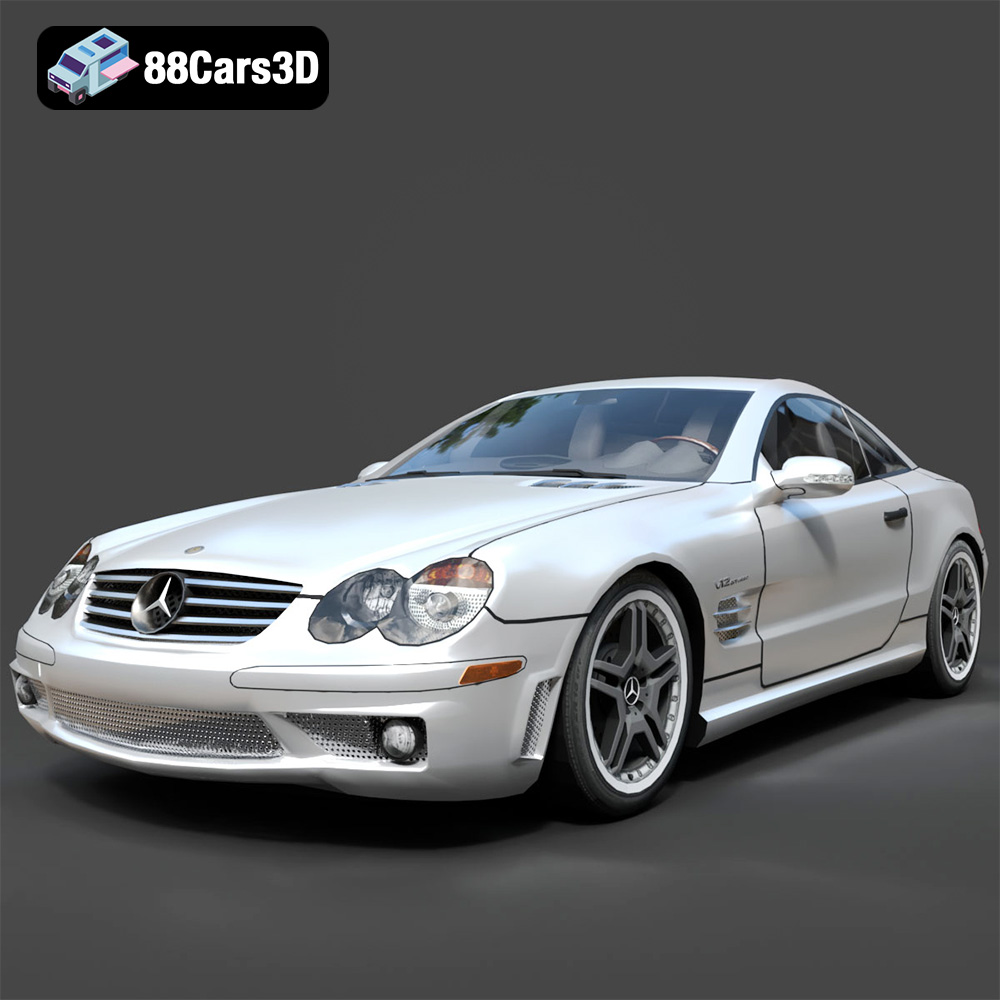
Download the Mercedes-Benz SL 65 AMG 3D Model featuring clean geometry, realistic detailing, and a fully modeled interior. Includes .blend, .fbx, .obj, .glb, .stl, .ply, .unreal, and .max formats for rendering, simulation, and game development.
Price: $23.99
Texture: Yes
Material: Yes
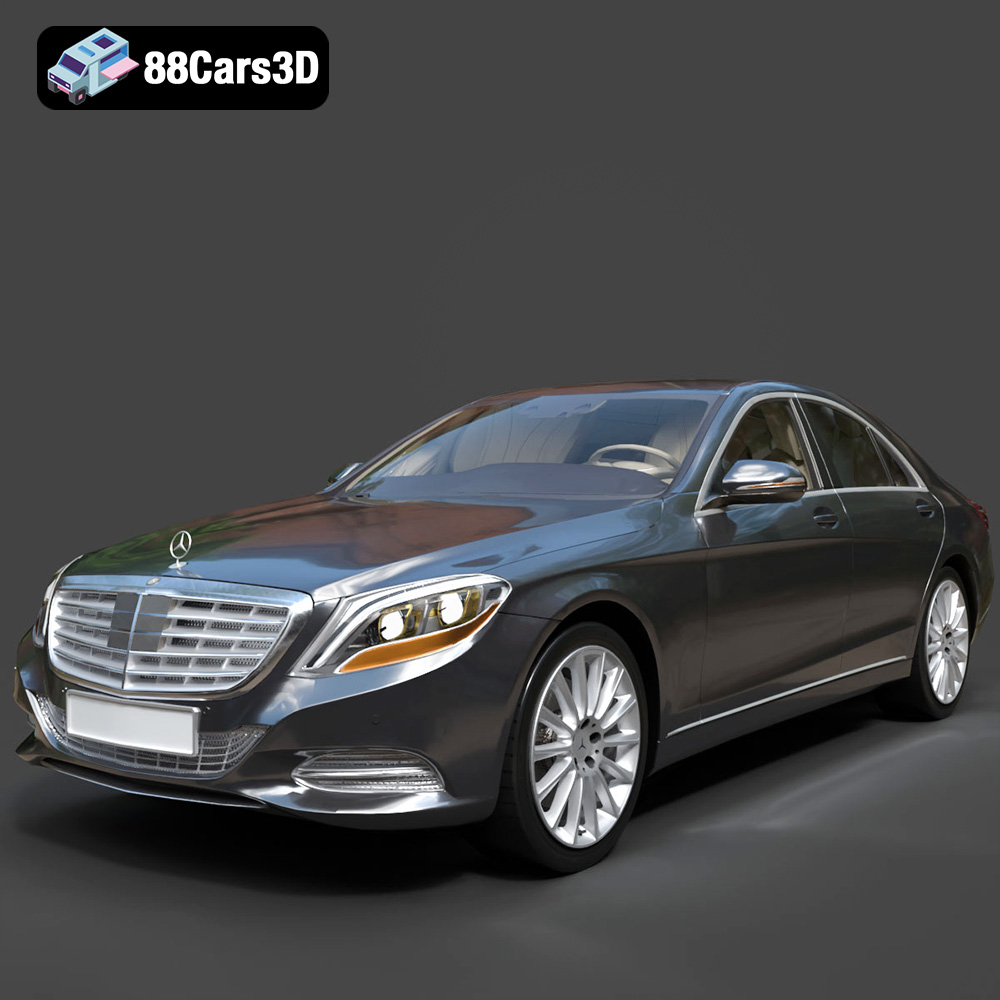
Download the Mercedes-Benz S500 3D Model featuring clean geometry, realistic detailing, and a fully modeled interior. Includes .blend, .fbx, .obj, .glb, .stl, .ply, .unreal, and .max formats for rendering, simulation, and game development.
Price: $23.99
Texture: Yes
Material: Yes
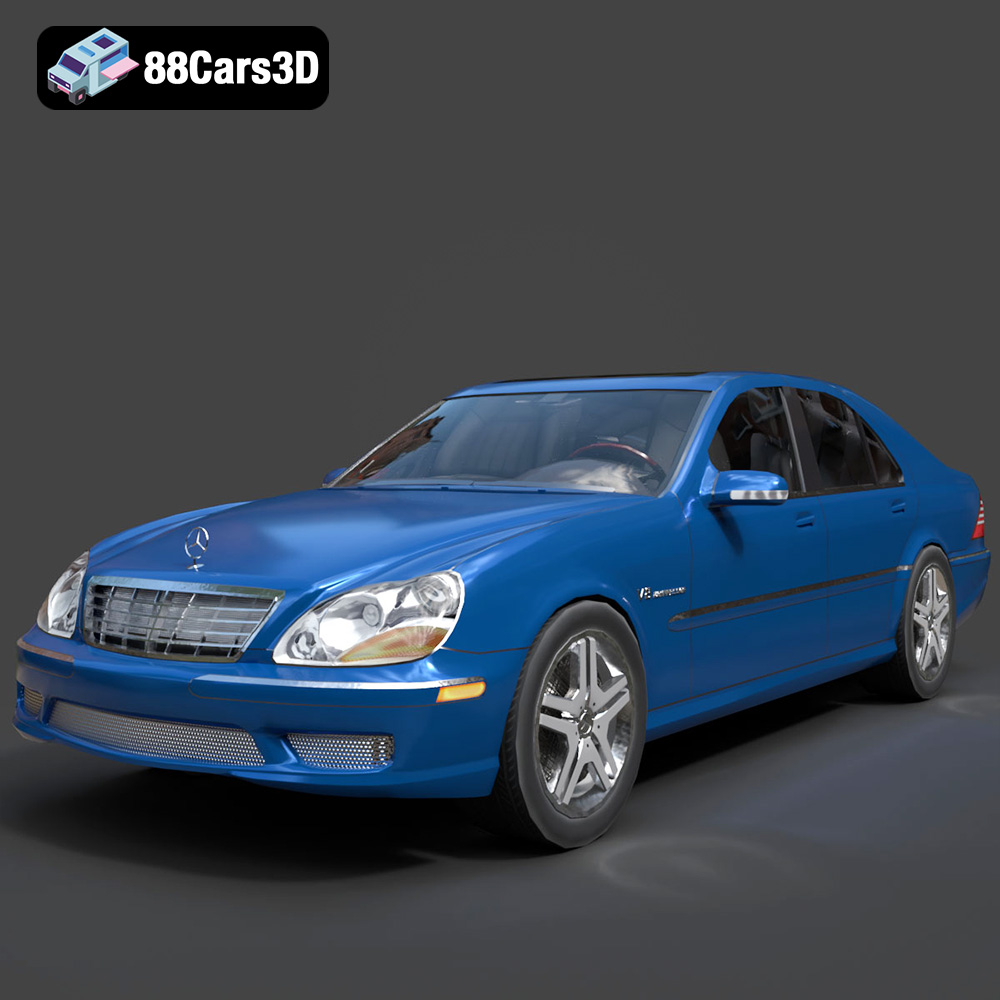
Download the Mercedes-Benz S55 W220 AMG 1999 3D Model featuring clean geometry, realistic detailing, and a fully modeled interior. Includes .blend, .fbx, .obj, .glb, .stl, .ply, .unreal, and .max formats for rendering, simulation, and game development.
Price: $23.99

