⚡ FLASH SALE: Get 60% OFF All Premium 3D & STL Models! ⚡

“`html
The allure of miniature automobiles, perfectly replicated in stunning detail, is a strong draw for hobbyists, engineers, and automotive enthusiasts alike. 3D printing has revolutionized the creation of these models, allowing for unprecedented levels of customization and precision. However, achieving professional-quality results requires a deep understanding of the entire 3D printing pipeline, from the initial STL file to the final post-processed masterpiece. This comprehensive guide will walk you through the essential techniques and best practices for 3D printing car models, covering everything from STL file preparation to advanced slicing strategies. We’ll explore the nuances of FDM and resin printing, delve into support structure optimization, and provide troubleshooting tips to help you overcome common printing challenges. By the end of this guide, you’ll be equipped with the knowledge to create exceptional 3D-printed car models that capture the essence of automotive design.
The STL (Stereolithography) file format is the cornerstone of 3D printing. It represents a 3D object’s surface as a collection of triangles. The density and quality of these triangles directly impact the final print quality. Therefore, understanding the structure and characteristics of STL files is crucial for successful 3D printing, especially when dealing with the intricate details of car models.
The resolution of an STL file refers to the number of triangles used to represent the object’s surface. A higher resolution means more triangles and a smoother surface, resulting in a more detailed and accurate print. However, high-resolution STL files are larger in size and require more processing power during slicing. When downloading models from marketplaces such as 88cars3d.com, you’ll often have a choice of resolutions. For car models, especially those with complex curves and intricate details, a medium to high resolution is generally recommended. A good starting point is aiming for a triangle size of around 0.05mm to 0.1mm for critical areas.
A manifold mesh is a critical requirement for successful 3D printing. It means that the mesh is closed, without any holes, non-adjacent faces, or self-intersections. Non-manifold meshes can cause significant problems during slicing and printing, leading to errors and incomplete prints. Before printing any STL file, it’s essential to check for and repair any mesh errors. Software like Meshmixer, Netfabb, and Blender offer powerful tools for identifying and fixing non-manifold edges, flipped normals, and other common mesh issues. For example, in Meshmixer, the “Make Solid” function can automatically repair many common mesh errors. Always run a mesh repair tool before slicing; a few minutes of preparation can save hours of wasted printing time and material. Platforms like 88cars3d.com often ensure their models are manifold and print-ready, but it’s still a good practice to double-check.
Slicing is the process of converting the 3D model in STL format into a set of instructions (G-code) that the 3D printer can understand. The slicer software divides the model into thin layers and defines the path that the printer’s nozzle will follow to deposit the material. The slicing parameters you choose significantly impact the print quality, strength, and speed of the final product. For FDM (Fused Deposition Modeling) printing, these parameters are particularly critical.
Layer height is the thickness of each layer of the 3D print. Lower layer heights result in smoother surfaces and finer details, but they also increase the printing time. A common layer height for car models is between 0.1mm and 0.2mm. For a detailed scale model of a classic car, consider even finer layer heights around 0.05mm for the outer layers to capture intricate body lines. Print speed, on the other hand, determines how quickly the printer deposits the material. Higher print speeds can reduce printing time, but they can also lead to reduced print quality, especially with complex geometries. A print speed of 40-60mm/s is a good starting point for PLA, while ABS may require slower speeds. Experimentation is key to finding the optimal balance between print quality and speed for your specific printer and material.
Infill density refers to the amount of material used inside the model. A higher infill density makes the model stronger and more durable, but it also increases the printing time and material consumption. For car models, an infill density of 15-25% is typically sufficient for structural integrity, especially if the model is primarily for display purposes. The infill pattern also plays a role in the model’s strength and weight. Common infill patterns include grid, line, cubic, and gyroid. Gyroid infill offers a good balance of strength and weight savings. Consider using concentric infill for the top layers to create a smoother surface finish. Remember that areas with overhangs or thin walls might need increased infill to provide support during printing.
Resin printing, specifically using technologies like SLA (Stereolithography) and DLP (Digital Light Processing), offers superior detail and accuracy compared to FDM printing. This makes it an excellent choice for printing intricate car models with fine features and smooth surfaces. However, resin printing requires different considerations and techniques.
Various types of resin are available, each with different properties such as strength, flexibility, and temperature resistance. Standard resin is a good starting point for general-purpose printing. Tough resins are more durable and impact-resistant, while flexible resins are suitable for parts that need to bend or flex. The exposure settings, including the layer exposure time and bottom layer exposure time, are crucial for proper resin curing and adhesion. These settings depend on the specific resin you’re using and the characteristics of your printer. Start with the resin manufacturer’s recommended settings and fine-tune them based on your print results. Insufficient exposure can lead to delamination, while overexposure can cause the features to blur and lose detail. Consider performing exposure tests to determine the optimal settings for your resin and printer combination.
Support structures are essential for resin printing to support overhangs and prevent parts from warping or collapsing during printing. Unlike FDM printing where supports are built from the same material, resin supports are typically generated as thin, tree-like structures. The placement and density of these supports are crucial for print success. Over-supporting can make removal difficult and leave unsightly marks, while under-supporting can lead to print failures. Software like Chitubox and Lychee Slicer offer advanced support generation tools that allow you to customize the size, density, and placement of supports. After printing, carefully remove the supports using flush cutters or a sharp hobby knife. Warm the model slightly in warm water to soften the resin, making support removal easier and reducing the risk of damaging the model. Post-curing is also essential to fully harden the resin and improve its strength and durability. Follow the resin manufacturer’s recommendations for post-curing time and temperature.
Support structures are essential for FDM printing to provide a foundation for overhangs and bridges. However, poorly designed support structures can be difficult to remove, leave surface imperfections, and waste material. Optimizing support structures is crucial for achieving clean and high-quality prints of car models.
Strategic placement of support structures is key to minimizing their impact on the final print. Focus supports on areas with significant overhangs or bridges, such as the underside of spoilers, wheel arches, and complex body contours. Avoid placing supports on visible surfaces whenever possible. Adjust the support density based on the size and complexity of the overhang. For small overhangs, a sparse support structure may be sufficient, while larger overhangs may require a denser structure. Experiment with different support patterns, such as zigzag, grid, or lines, to find the best balance between support strength and ease of removal. In Cura, using the “Tree” support option can be very effective at minimizing support material and print time, especially for complex geometries. Remember to adjust the support overhang angle – a lower angle will increase the amount of support, while a higher angle will reduce it.
The interface between the support structure and the model is critical for ease of removal and surface quality. A well-designed interface will allow you to remove the supports cleanly without damaging the model’s surface. Adjust the support Z distance (the gap between the support and the model) to create a small gap that makes removal easier. A Z distance of 0.1-0.2mm is often a good starting point. Use a support interface layer to create a thin, easily removable layer between the support and the model. After printing, carefully remove the supports using pliers, a sharp hobby knife, or specialized support removal tools. Start by removing the larger support structures and then focus on the smaller, more delicate areas. Post-processing techniques, such as sanding and filling, can be used to smooth out any remaining imperfections after support removal. Using a dissolvable support material like PVA with a dual-extrusion printer simplifies support removal significantly, leaving a pristine surface finish.
The choice of printing material and proper printer calibration are fundamental to achieving successful and high-quality 3D prints of car models. Different materials offer varying properties, such as strength, flexibility, temperature resistance, and surface finish. Proper printer calibration ensures that the printer is accurately extruding material and moving along the X, Y, and Z axes.
PLA (Polylactic Acid) is a biodegradable thermoplastic that is easy to print and offers good print quality. It is a good choice for beginners and for models that don’t require high strength or temperature resistance. PETG (Polyethylene Terephthalate Glycol-modified) is a stronger and more durable material than PLA, with better temperature resistance and flexibility. It is a good choice for models that need to withstand some stress or heat. ABS (Acrylonitrile Butadiene Styrene) is a strong and heat-resistant material that is commonly used in automotive applications. However, it is more difficult to print than PLA and PETG, as it is prone to warping and requires a heated bed and enclosure. When selecting a material, consider the intended use of the model, the level of detail required, and the printing capabilities of your printer. For example, a display model can often be printed in PLA, while a functional prototype might benefit from the increased strength of PETG or ABS.
Proper printer calibration is essential for accurate and consistent 3D prints. This includes calibrating the bed level, extruder temperature, and flow rate. Bed leveling ensures that the nozzle is at the correct distance from the bed at all points, which is crucial for proper bed adhesion. Extruder temperature affects the flow and viscosity of the material, while flow rate determines the amount of material extruded. Regularly clean and maintain your 3D printer to ensure optimal performance. This includes cleaning the nozzle, lubricating the moving parts, and checking for any signs of wear or damage. Performing a first layer calibration print and adjusting the bed level on-the-fly is a crucial step. Regular maintenance not only extends the lifespan of your printer but also ensures consistent print quality and reduces the risk of printing failures. Ensuring your X, Y, and Z axes are properly calibrated will also improve the dimensional accuracy of your printed car models.
Post-processing is the final stage of the 3D printing process, where you refine the printed model to achieve a professional-quality finish. This may involve removing support structures, sanding, filling, priming, and painting. The techniques used will depend on the material, the desired finish, and the complexity of the model.
Sanding is used to smooth out the surface of the printed model and remove any imperfections left by the printing process. Start with coarse sandpaper (e.g., 220 grit) to remove larger imperfections and then gradually move to finer grits (e.g., 400 grit, 600 grit, 800 grit) to achieve a smooth finish. Filling is used to fill in any gaps or holes in the model. Use a filler specifically designed for the printing material. Apply the filler in thin layers and allow it to dry completely before sanding it smooth. Priming is used to create a smooth, uniform surface for painting. Apply a thin, even coat of primer and allow it to dry completely before painting. Consider using a spray primer for a more even and professional finish. These three steps are essential for preparing the surface of your car model for a high-quality paint job.
Painting is used to add color and detail to the 3D-printed car model. Use paints specifically designed for the printing material. Apply the paint in thin, even coats and allow it to dry completely between coats. Use masking tape to create clean lines and details. For intricate details, consider using an airbrush. After painting, apply a clear coat to protect the paint and add a glossy or matte finish. Assembly involves putting together multiple parts of the car model. Use glue or other adhesives specifically designed for the printing material. Ensure that the parts are properly aligned before gluing them together. Patience and precision are key to achieving a seamless and professional-looking assembly. Platforms like 88cars3d.com offer print-ready STL files that often require minimal assembly, simplifying this process.
Mastering 3D printing for car models requires a combination of technical knowledge, attention to detail, and a willingness to experiment. By understanding the intricacies of STL files, optimizing slicing parameters, mastering support structures, selecting the right materials, and employing effective post-processing techniques, you can create stunning 3D-printed car models that capture the essence of automotive design. Remember that practice makes perfect – don’t be afraid to experiment with different settings and techniques to find what works best for your printer and material. Now you are equipped with a comprehensive understanding of the end-to-end 3D printing process for car models. Start by exploring various STL files, practicing slicing techniques with different materials, and perfecting your post-processing skills. The world of 3D-printed car models awaits!
“`
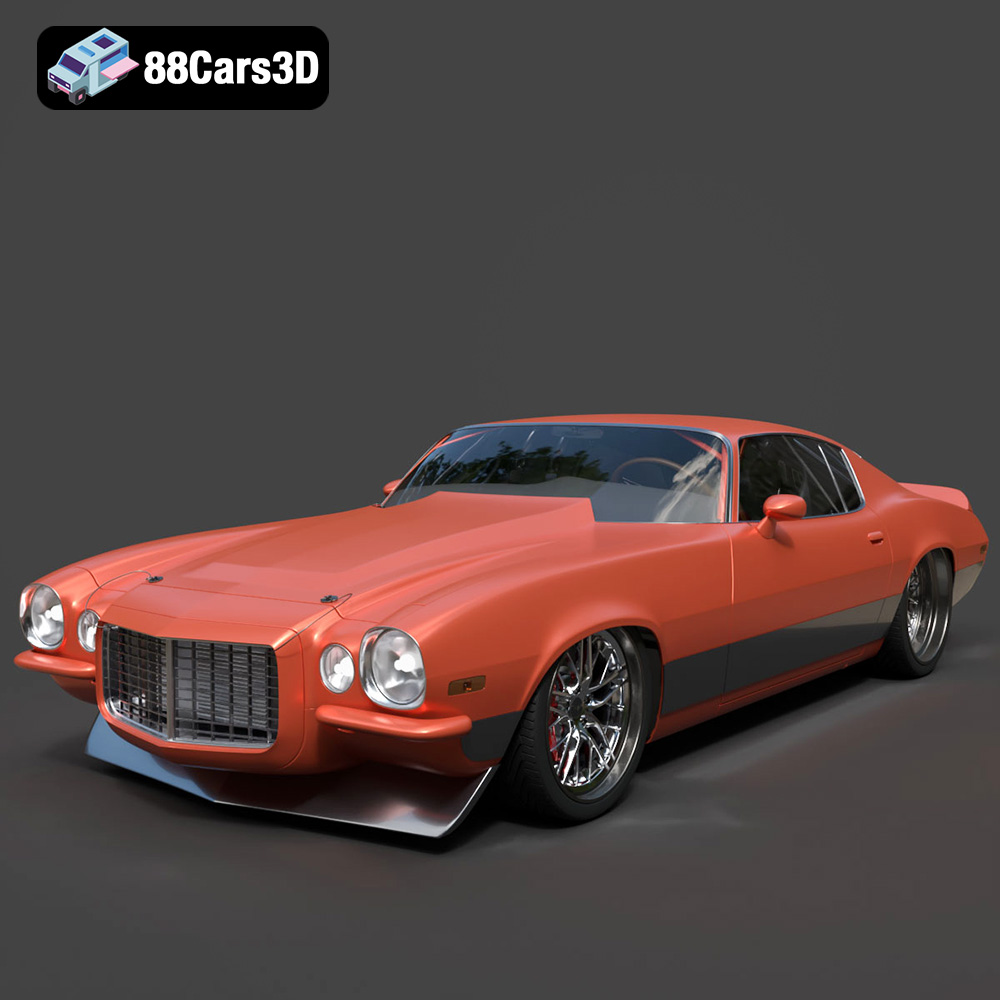
Texture: Yes
Material: Yes
Download the Chevrolet Camaro 1970 3D Model featuring clean geometry, realistic detailing, and a fully modeled interior. Includes .blend, .fbx, .obj, .glb, .stl, .ply, .unreal, and .max formats for rendering, simulation, and game development.
Price: $10

Texture: Yes
Material: Yes
Download the Mercedes-AMG GT 2015 3D Model featuring clean geometry, realistic detailing, and a fully modeled interior. Includes .blend, .fbx, .obj, .glb, .stl, .ply, .unreal, and .max formats for rendering, simulation, and game development.
Price: $88.99
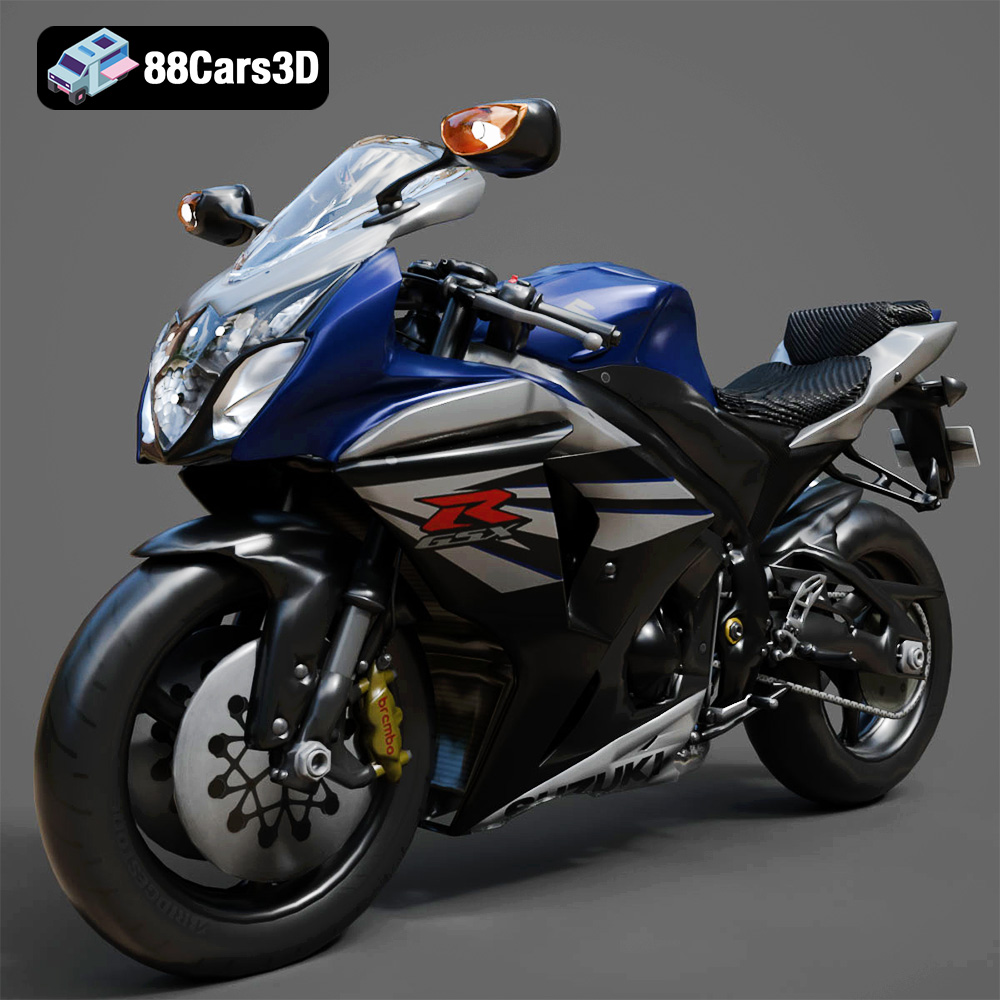
Texture: Yes
Material: Yes
Download the Suzuki GSX-R 1000 3D Model featuring clean geometry, realistic detailing, and a fully modeled interior. Includes .blend, .fbx, .obj, .glb, .stl, .ply, .unreal, and .max formats for rendering, simulation, and game development.
Price: $10
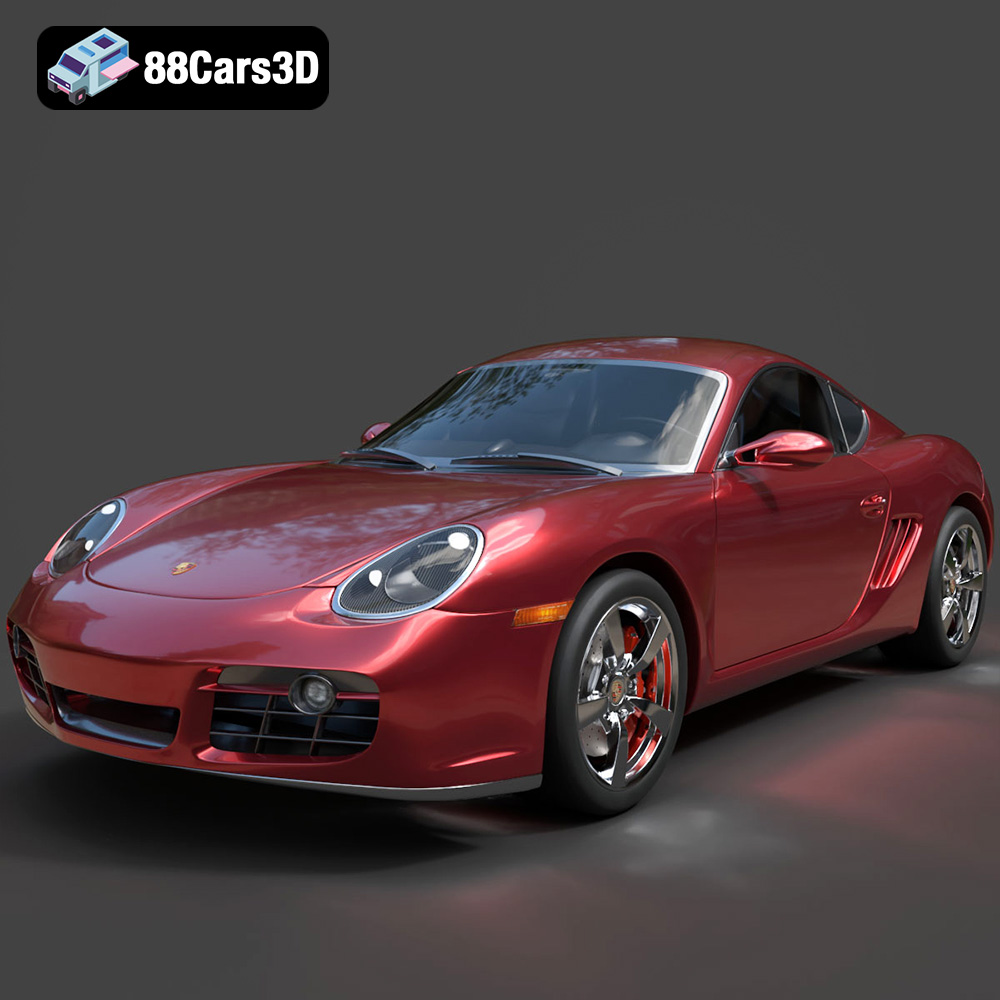
Texture: Yes
Material: Yes
Download the Porsche Cayman S 2024 3D Model featuring clean geometry, realistic detailing, and a fully modeled interior. Includes .blend, .fbx, .obj, .glb, .stl, .ply, .unreal, and .max formats for rendering, simulation, and game development.
Price: $10

Texture: Yes
Material: Yes
Download the Holden Commodore Sportwagon 2017 3D Model featuring clean geometry, realistic detailing, and a fully modeled interior. Includes .blend, .fbx, .obj, .glb, .stl, .ply, .unreal, and .max formats for rendering, simulation, and game development.
Price: $10

**Meta Description:**
Texture: Yes
Material: Yes
Download the Toyota Crown Majesta 2009 3D Model with luxury detailing, clean topology, and a fully modeled interior. Available in .blend, .fbx, .obj, .glb, .stl, .ply, .unreal, and .max formats for rendering, simulation, and game development.
Price: $4.99

**Meta Description:**
Texture: Yes
Material: Yes
Download the Toyota AE86 Levin 1983 1987 3D Model featuring realistic exterior and interior detailing. Includes .blend, .fbx, .obj, .glb, .stl, .ply, .unreal, and .max formats for rendering, simulation, and game development.
Price: $9.99

Texture: Yes
Material: Yes
Download the Toyota Mark 2 2001 3D Model featuring clean geometry, realistic detailing, and a fully modeled interior. Includes .blend, .fbx, .obj, .glb, .stl, .ply, .unreal, and .max formats for rendering, simulation, and game development.
Price: $4.99

Texture: Yes
Material: Yes
Download the Toyota Celica 2000 3D Model featuring clean geometry, realistic detailing, and a fully modeled interior. Includes .blend, .fbx, .obj, .glb, .stl, .ply, .unreal, and .max formats for rendering, simulation, and game development.
Price: $4.99

Download the Toyota Camry US 2012 3D Model featuring clean geometry, realistic detailing, and a fully modeled interior. Includes .blend, .fbx, .obj, .glb, .stl, .ply, .unreal, and .max formats for rendering, simulation, and game development.
Price: $4.99

