⚡ FLASH SALE: Get 60% OFF All Premium 3D & STL Models! ⚡

The allure of seeing a meticulously crafted vehicle rendered with breathtaking photorealism in real-time is a dream for many automotive enthusiasts, game developers, and visualization artists. 88cars3d.com understands this passion, providing a rich library of high-quality car models designed to meet the most demanding visual standards. However, merely importing a high-polygon model into a game engine isn’t enough; achieving true visual fidelity while maintaining optimal performance in modern engines like Unreal Engine 5 requires a deep understanding of its powerful features and an optimized workflow.
The challenge lies in bridging the gap between highly detailed, often CAD-sourced, automotive designs and the constraints of real-time rendering. How do we ensure that every curve, every reflection, and every material detail contributes to an immersive experience without bringing the frame rate to its knees? This guide is your definitive resource, detailing the essential techniques and best practices for developing high-end car models in Unreal Engine 5. We’ll explore everything from initial asset preparation and sophisticated material creation to advanced lighting and crucial optimization strategies, making sure your Unreal Engine 5 automotive projects not only look stunning but also run flawlessly.
The journey to stunning real-time visualization begins long before a model touches Unreal Engine 5. High-fidelity automotive models, often originating from CAD data or detailed sculpting software, are inherently complex. Successfully integrating these assets requires meticulous preparation to ensure visual integrity and optimal performance. This crucial initial phase sets the foundation for everything that follows, from material application to lighting and eventual optimization.
CAD (Computer-Aided Design) models are the backbone of automotive engineering, but they are not directly suited for real-time rendering. These models are typically NURBS-based, designed for precision engineering and manufacturing, not polygon efficiency. The first step involves converting these intricate surfaces into polygonal meshes. This process, often done in software like Maya, 3ds Max, or Blender, requires careful triangulation and retopology to create a clean, quad-based mesh that translates well into a game engine environment.
During conversion, pay close attention to mesh cleanup. Issues such as non-manifold geometry, overlapping faces, and inverted normals are common and can lead to rendering artifacts or errors with features like Nanite. A clean mesh ensures predictable behavior and smooth shading. Consider the mesh density; while Unreal Engine 5’s Nanite system can handle incredibly high polygon counts, an intelligent distribution of polygons (denser where curves are tighter, sparser on flat surfaces) still aids in overall efficiency and avoids unnecessary data bloat. This thoughtful approach is key to an effective high-poly workflow UE5.
UV mapping is the invisible backbone of all texture work. For high-end car models, precise and efficient UV layouts are paramount. Each distinct material zone—body panel, glass, interior trim—should ideally have its own clean UV island, minimizing stretching and overlapping. For extremely detailed models, or those requiring multiple high-resolution textures, the UDIM (UV Dimension) workflow is invaluable. This system allows you to spread your UVs across multiple 0-1 UV space tiles, enabling higher texture density and resolution for different parts of the model without hitting individual texture size limits.
Proper UV unwrapping is critical for physically based rendering (PBR) materials, ensuring that textures like albedo, roughness, and normal maps are applied accurately. It also plays a vital role in lightmap generation, should you opt for baked lighting in certain scenarios. A well-organized UV layout simplifies the texturing process, reduces visual artifacts, and contributes significantly to the final photorealistic appearance of the vehicle.
Consistency in scale and pivot points is a small detail with big implications. Always ensure your imported models adhere to Unreal Engine’s default scale (1 unit = 1 centimeter). Inconsistent scaling can lead to issues with physics, lighting calculations, and interaction distances. Before export, confirm that your model’s pivot point is correctly positioned, typically at the center of the vehicle or at the origin (0,0,0) of your 3D software. For complex assets with multiple moving parts, such as doors or wheels, ensure each component has its pivot point set at its rotation axis. This streamlines animation setup and interaction within the engine, making the integration process much smoother.
Once your high-fidelity automotive model is prepped and imported, the next critical step is imbuing it with lifelike materials. Unreal Engine 5’s PBR (Physically Based Rendering) system, combined with its advanced material editor, provides the tools to replicate the complex interplay of light with real-world surfaces. This section dives deep into creating materials that truly define a high-end vehicle, from the multi-layered gleam of car paint to the subtle transparency of glass and the rich textures of an interior.
Automotive car paint is one of the most challenging materials to replicate realistically due to its unique optical properties. It’s not just a single color; it’s a sophisticated layered material that often involves a base coat, metallic flakes, and a protective clear coat. In UE5, this can be achieved using a layered material setup. The base coat typically provides the primary color and initial roughness, while a normal map can introduce subtle “orange peel” imperfections for added realism. The metallic flakes, often driven by a mask and controlled through a dedicated parameter, scatter light in a distinctive way, creating the characteristic sparkle.
The clear coat is arguably the most important layer. It’s a highly reflective, glossy surface that contributes significantly to the paint’s depth and shine. This layer requires very low roughness values and strong reflections, often controlled by Fresnel parameters to simulate the way reflections intensify at grazing angles. For ultimate realism, consider adding subtle dirt or dust masks to the clear coat, breaking up perfect reflections and adding to the vehicle’s narrative. Mastering these nuanced layers is paramount to achieving truly photorealistic materials UE5 for automotive surfaces.
Car glass is another element that demands careful attention. It’s not simply transparent; it refracts light, reflects the environment, and can have varying levels of tint and imperfections. In Unreal Engine 5, you’ll typically use a translucent material model. Key parameters to adjust include opacity, refraction index (IOR), roughness (for smudges or dirt), and color (for tinting). Ensure your glass material interacts correctly with Lumen Global Illumination and reflections. High-quality cube maps or real-time planar reflections can dramatically enhance the realism of glass reflections.
To differentiate between thin windshield glass and thicker headlamp lenses, consider adjusting the refraction and thickness properties. Adding subtle normal maps for surface imperfections like water spots or micro-scratches can break up perfect reflections, making the glass feel more tactile and lived-in. Remember that while translucency can be computationally expensive, UE5 offers various optimization techniques, such as using thin translucent shading models where appropriate, to balance visual fidelity with performance.
The interior of a high-end car is a symphony of diverse materials—leather, plastics, carbon fiber, brushed metals, and intricate stitching. Each material requires a dedicated PBR approach. Leather, for example, needs accurate albedo, roughness, and normal maps to capture its subtle grain and sheen. Carbon fiber demands a complex normal map to simulate its woven pattern and a specific metallic/roughness balance to achieve its characteristic anisotropic reflection. For models from 88cars3d.com, these details are often already present, making the material setup process significantly smoother.
Attention to detail extends to smaller elements like dashboard screens, buttons, and stitching. Dashboard screens might utilize emissive materials for backlit displays or masked materials for complex UI overlays. Decals are excellent for applying logos, warning labels, and small text details without increasing geometry complexity. For stitching, finely crafted normal maps can create the illusion of depth, or actual modeled stitching can be used for extreme close-ups, leveraging Nanite’s capabilities to handle the increased polygon count without a performance hit. The combination of high-resolution textures and accurate PBR values brings the vehicle’s interior to life, making it feel luxurious and authentic.
Lighting is the single most impactful element in achieving photorealism. In Unreal Engine 5, Lumen, the revolutionary global illumination system, transforms how we approach real-time lighting. Combined with strategic environment setups and cinematic post-processing, Lumen can elevate automotive visualization to unprecedented levels of realism. This section explores how to harness these powerful tools to make your high-end car models truly shine.
Lumen global illumination is at the heart of UE5’s visual prowess. It provides dynamic, real-time indirect lighting and reflections, eliminating the need for complex pre-baked lightmaps for most scenarios. For automotive scenes, Lumen ensures that light bounces realistically off the car’s paint, reflects within the interior, and illuminates the environment with natural ambient light. To configure Lumen effectively, navigate to your Project Settings under Rendering and ensure both “Global Illumination” and “Reflections” are set to “Lumen.”
Fine-tuning Lumen involves adjusting settings like “Lumen Scene Lighting Quality” and “Lumen Reflections Quality” in your post-process volume. Higher values yield better quality but at a performance cost. For static or mostly static automotive scenes, consider using Hardware Ray Tracing with Lumen for even more accurate indirect lighting and reflections, if your target hardware supports it. Emissive materials, such as car headlights, tail lights, and dashboard displays, automatically contribute to Lumen’s global illumination, naturally lighting their surroundings and adding to the realism. Understanding how Lumen samples and propagates light is key to optimizing its visual output for your specific automotive visualization needs.
The environment plays a dual role in automotive rendering: it provides a backdrop and, more critically, it acts as the primary light source through reflections and ambient illumination. High Dynamic Range Imagery (HDRI) backdrops are indispensable for automotive scenes. A high-quality HDRI, placed in a Sky Sphere or using Unreal’s Sky Atmosphere, not only provides a realistic environment sky but also injects rich, physically accurate ambient light and reflections onto your car model. The quality of your HDRI directly impacts the realism of your car paint reflections, so invest in high-resolution, professionally captured HDRIs.
Complementing the HDRI, strategic placement of physical lights (Directional Lights for sun, Spot Lights for focused illumination, Point Lights for interior accents) further enhances realism. For studio renders, setting up a classic three-point lighting system or a softbox array with Area Lights provides controlled, flattering illumination. Utilize IES (Illuminating Engineering Society) profiles with your Spot Lights to simulate real-world light fixture falloffs and patterns, crucial for realistic headlamp beams or showroom lighting. Adjusting light intensity, color temperature, and shadow settings allows for precise control over the mood and fidelity of your automotive scene, making it perfect for real-time automotive visualization.
Post-processing is the final layer of polish that transforms a well-lit scene into a cinematic masterpiece. Unreal Engine 5’s Post Process Volume offers an extensive array of effects to fine-tune the visual output of your automotive renders. Essential adjustments include Color Grading, which allows you to subtly shift the color palette to achieve a desired mood or match real-world photography. Bloom adds a subtle glow to bright areas, enhancing the visual pop of headlights or reflections. Depth of Field (DoF) is crucial for cinematic shots, allowing you to guide the viewer’s eye by blurring foreground or background elements, mimicking professional camera lenses.
Other vital post-processing effects include Vignette, which adds a subtle darkening around the edges of the screen, and Lens Flares, which can enhance the realism of bright light sources. Exposure compensation and White Balance are critical for ensuring your scene is neither too dark nor too bright, and that colors are rendered accurately. When combined, these effects provide the final artistic touch, making your vehicle renders indistinguishable from professional photography or film. Experimentation is key; a subtle hand often yields the most effective results, perfecting the visual narrative of your high-end car models.
The pursuit of photorealism often comes at the cost of performance, but in Unreal Engine 5, advanced features allow artists and developers to achieve stunning visuals without sacrificing smooth frame rates. For high-end car models, which are inherently complex, meticulous optimization is not just recommended—it’s essential for any interactive experience or virtual production workflow. This section delves into the core strategies for maintaining performance while pushing visual fidelity to its limits.
Nanite is perhaps the most revolutionary feature in Unreal Engine 5, fundamentally changing how we handle high-polygon assets. It allows artists to import incredibly detailed meshes—often directly from CAD or high-resolution sculpts—without manual decimation or LOD creation for primary meshes. For automotive models, this means every curve, every bolt, and every intricate detail can be represented by actual geometry, resulting in unparalleled visual fidelity. Enabling Nanite for your car’s main body, interior components, and wheels drastically simplifies the asset pipeline and boosts visual quality, making Nanite optimization a cornerstone of high-end UE5 automotive projects.
When preparing assets for Nanite, it’s still beneficial to ensure a relatively clean mesh, free from non-manifold geometry or excessively thin surfaces, as these can sometimes lead to rendering artifacts. While Nanite handles geometric complexity, it’s primarily designed for static meshes. For animated components, like opening doors or rotating wheels, you might need to use standard static meshes or separate those parts from the Nanite mesh. Nanite streaming also efficiently manages memory by only rendering the geometric detail visible to the camera, ensuring excellent performance even with millions of polygons. This capability is game-changing for showcasing detailed models sourced from platforms like 88cars3d.com.
While Nanite excels with static, high-poly meshes, traditional Level of Detail (LOD) systems still play a crucial role, especially for components that cannot leverage Nanite or for managing performance for distant objects. LODs allow you to swap out higher-detail meshes for progressively lower-detail versions as the camera moves further away. Unreal Engine 5 provides robust tools for both automatic and manual LOD generation. For complex car models, a combination of both is often ideal. Automatic LOD generation can provide a good starting point, while manual tweaks ensure critical details are maintained at appropriate distances.
For example, interior components might not need aggressive LODs if the camera is typically outside the vehicle, or very aggressive LODs if they are only visible when very close. Wheels, often a high-poly component, can benefit significantly from LODs for their brake calipers and suspension parts. Implementing effective LODs is a fundamental aspect of vehicle asset optimization, ensuring that rendering resources are spent only where they provide the most visual impact, thus maintaining high frame rates across various viewing distances.
Beyond Nanite and LODs, several engine-specific optimizations contribute to overall performance. Cull distances, for instance, allow you to define how far an object can be before it’s no longer rendered, saving GPU resources for distant, small details that aren’t critical. Occlusion culling automatically prevents rendering objects hidden behind other objects, a powerful feature in environments with many overlapping elements.
Shader complexity is another area for optimization. Complex materials with many instructions can be performance heavy. Profiling your shaders and simplifying them where possible, or baking certain effects into textures, can yield significant gains. Texture streaming settings should be managed to ensure that high-resolution textures are only loaded into memory when needed, preventing excessive VRAM usage. By combining these engine-level optimizations with intelligent asset creation and proper material setup, you can ensure your high-end car models run smoothly in any real-time Unreal Engine 5 application, from interactive configurators to virtual reality experiences.
The journey to creating high-end, photorealistic car models in Unreal Engine 5 is a multifaceted endeavor, requiring a blend of artistic vision, technical expertise, and a deep understanding of the engine’s capabilities. From the initial meticulous preparation of high-fidelity automotive models to the nuanced creation of physically accurate materials, the careful orchestration of lighting with Lumen, and the critical application of performance optimizations, every step plays a vital role in achieving visual excellence.
Unreal Engine 5 empowers artists and developers with unprecedented tools like Nanite and Lumen, allowing for geometric detail and lighting fidelity previously unattainable in real-time. By mastering the techniques outlined in this guide—meticulously preparing your assets, crafting layered car paint, realistic glass, and intricate interiors, harnessing dynamic global illumination, and implementing smart optimization strategies—you can unlock the full potential of your Unreal Engine 5 automotive projects. The balance between stunning visuals and robust performance is achievable, enabling captivating real-time automotive visualization experiences.
Ready to bring your automotive visions to life? Begin with a solid foundation. Explore the extensive collection of meticulously crafted, high-quality car models available at 88cars3d.com. Our assets are designed with optimization and visual fidelity in mind, providing the perfect starting point for your next Unreal Engine 5 masterpiece. Share your creations with us and join a community pushing the boundaries of real-time automotive design!

Texture: Yes
Material: Yes
Download the Mercedes S-Class 2024 3D Model featuring clean geometry, realistic detailing, and a fully modeled interior. Includes .blend, .fbx, .obj, .glb, .stl, .ply, .unreal, and .max formats for rendering, simulation, and game development.
Price: $10
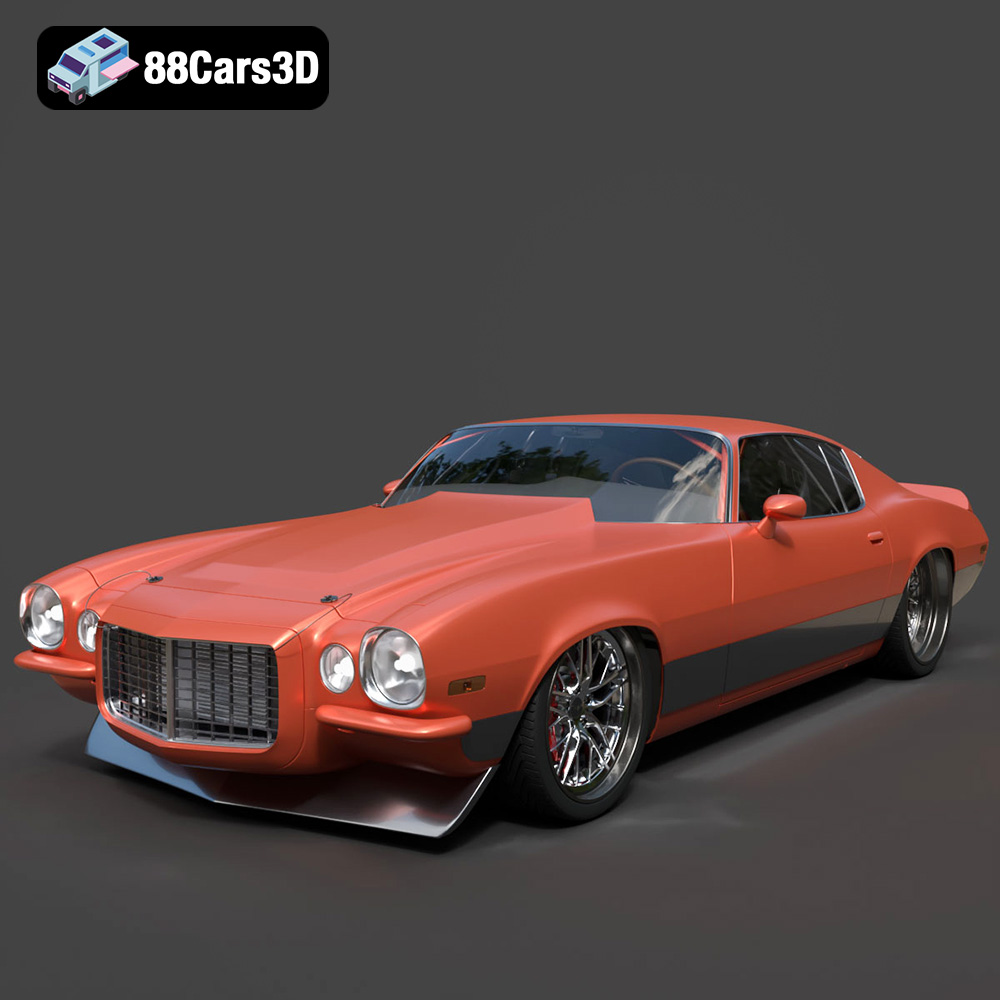
Texture: Yes
Material: Yes
Download the Chevrolet Camaro 1970 3D Model featuring clean geometry, realistic detailing, and a fully modeled interior. Includes .blend, .fbx, .obj, .glb, .stl, .ply, .unreal, and .max formats for rendering, simulation, and game development.
Price: $10
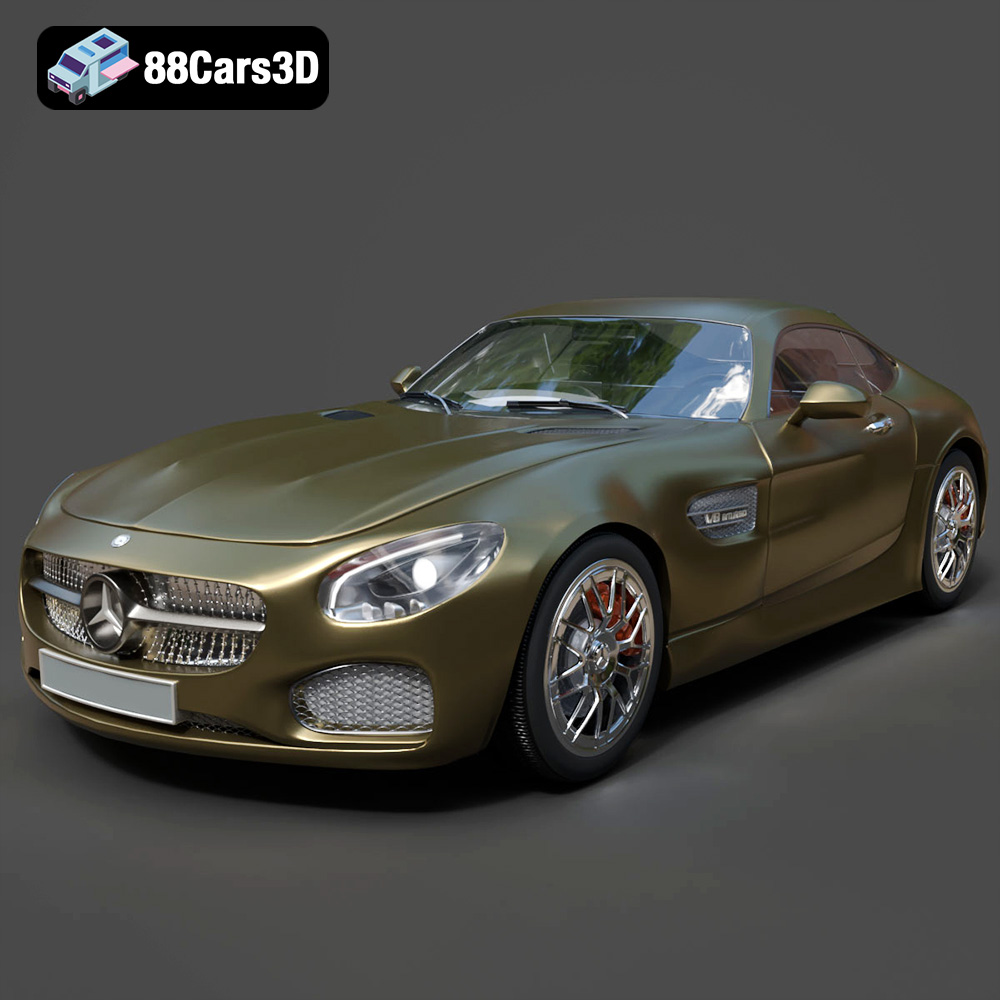
Texture: Yes
Material: Yes
Download the Mercedes-AMG GT 2015 3D Model featuring clean geometry, realistic detailing, and a fully modeled interior. Includes .blend, .fbx, .obj, .glb, .stl, .ply, .unreal, and .max formats for rendering, simulation, and game development.
Price: $88.99
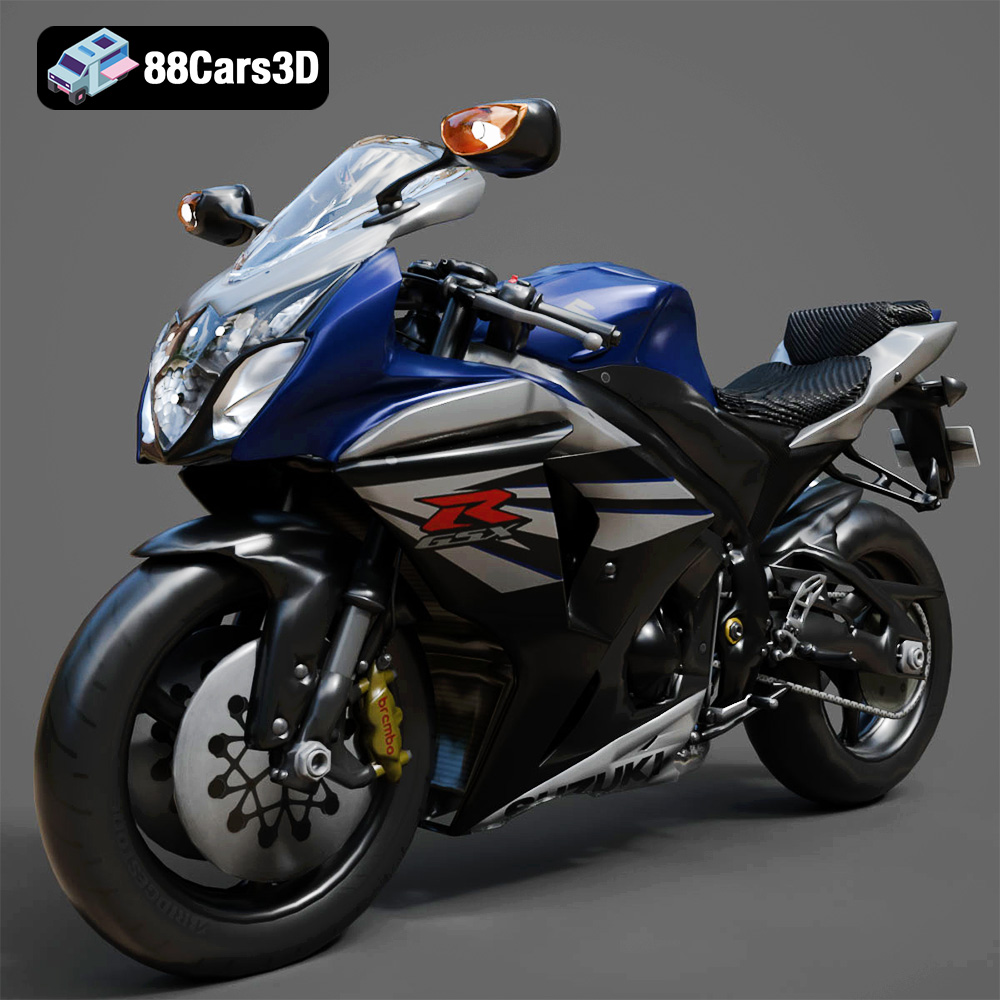
Texture: Yes
Material: Yes
Download the Suzuki GSX-R 1000 3D Model featuring clean geometry, realistic detailing, and a fully modeled interior. Includes .blend, .fbx, .obj, .glb, .stl, .ply, .unreal, and .max formats for rendering, simulation, and game development.
Price: $10
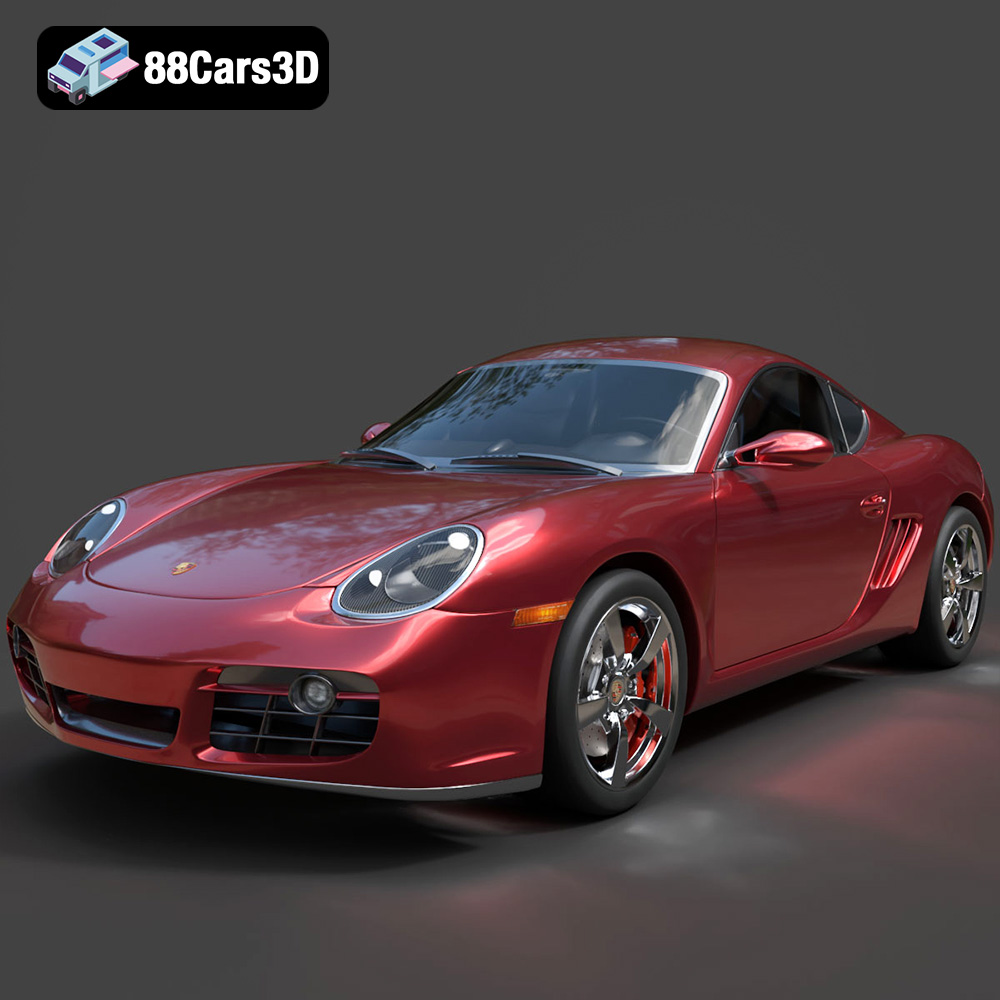
Texture: Yes
Material: Yes
Download the Porsche Cayman S 2024 3D Model featuring clean geometry, realistic detailing, and a fully modeled interior. Includes .blend, .fbx, .obj, .glb, .stl, .ply, .unreal, and .max formats for rendering, simulation, and game development.
Price: $10
Texture: Yes
Material: Yes
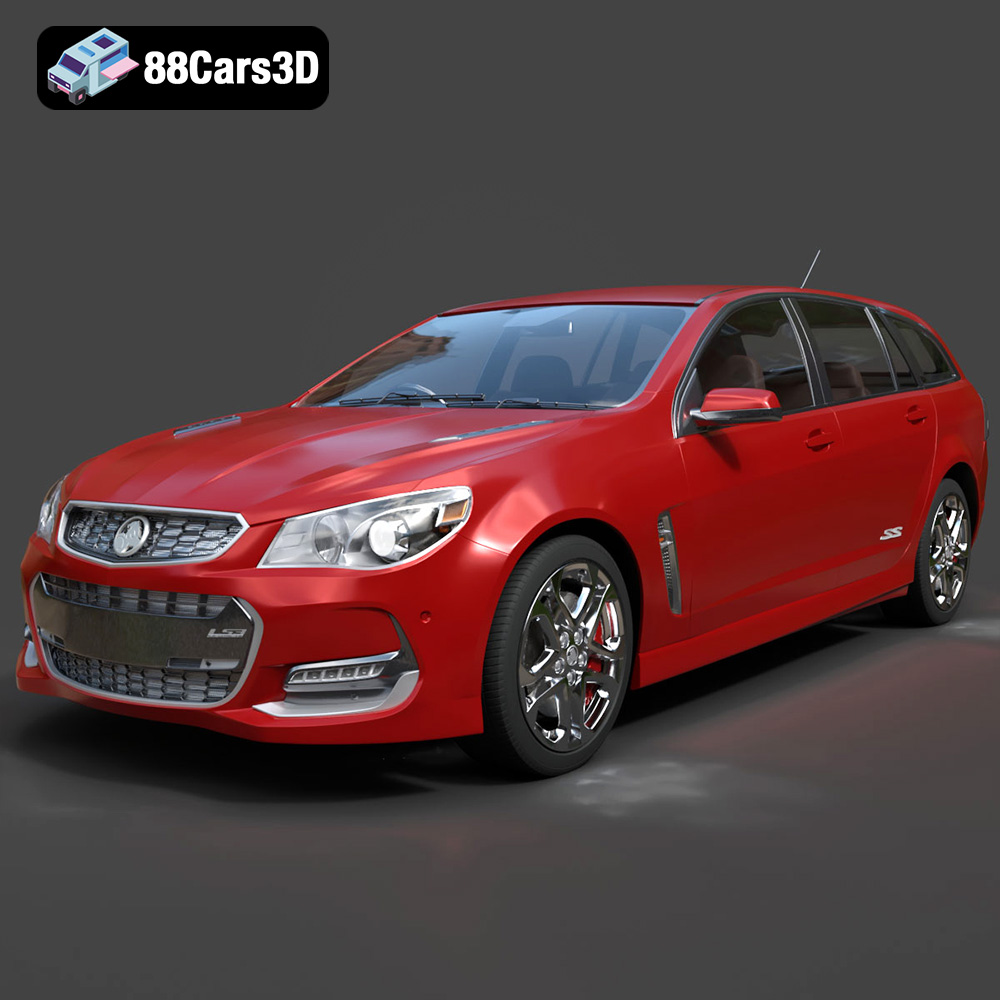
Download the Holden Commodore Sportwagon 2017 3D Model featuring clean geometry, realistic detailing, and a fully modeled interior. Includes .blend, .fbx, .obj, .glb, .stl, .ply, .unreal, and .max formats for rendering, simulation, and game development.
Price: $10
Texture: Yes
Material: Yes
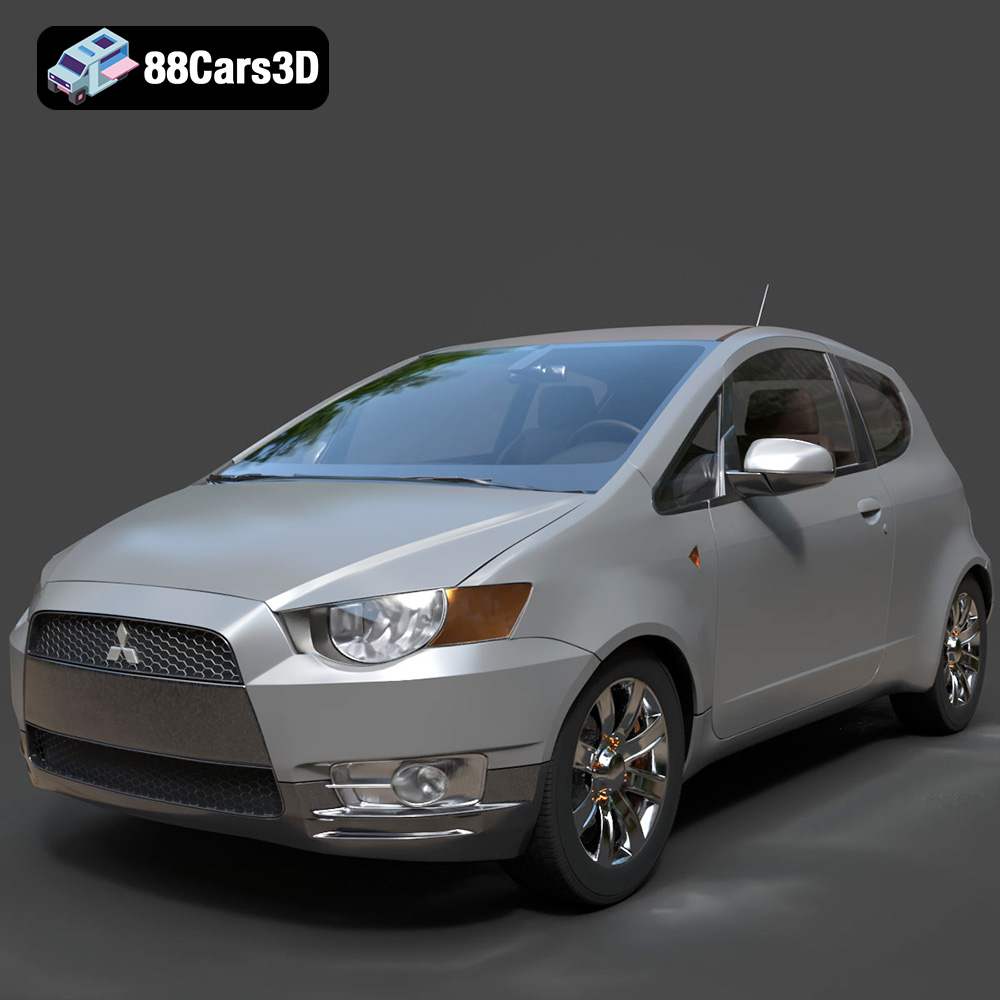
Download the Mitsubishi Colt 3 Door 2008 3D Model featuring clean geometry, realistic detailing, and a fully modeled interior. Includes .blend, .fbx, .obj, .glb, .stl, .ply, .unreal, and .max formats for rendering, simulation, and game development.
Price: $10
Texture: Yes
Material: Yes
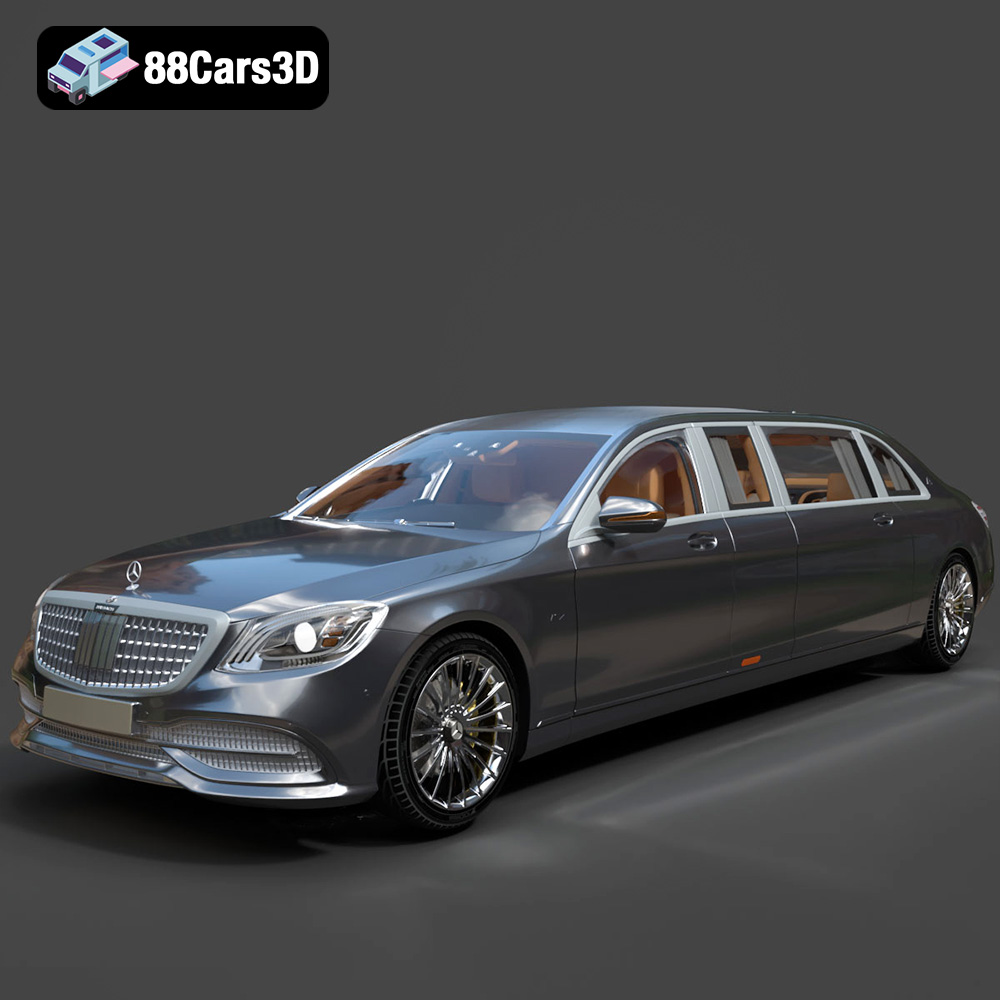
Download the Mercedes-Benz S650 Pullman 3D Model featuring clean geometry, realistic detailing, and a fully modeled interior. Includes .blend, .fbx, .obj, .glb, .stl, .ply, .unreal, and .max formats for rendering, simulation, and game development.
Price: $95.99
Texture: Yes
Material: Yes
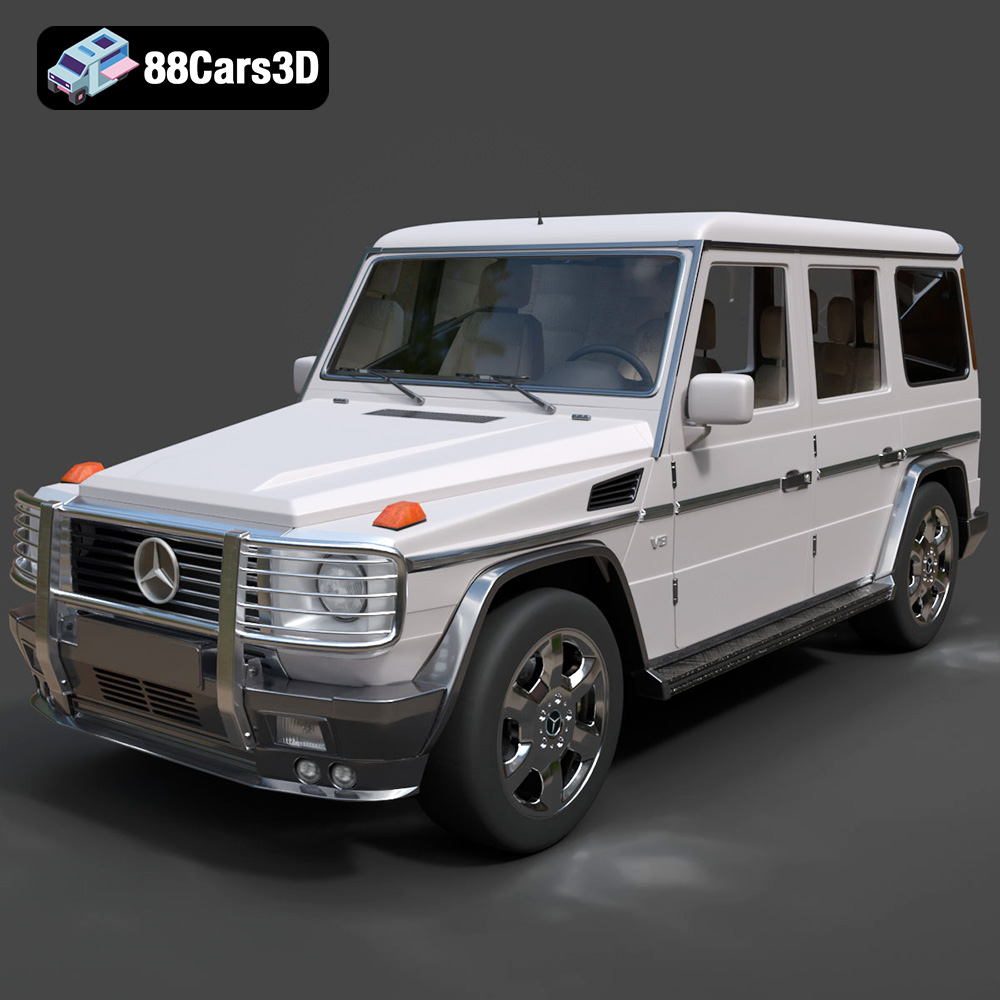
Download the Mercedes G-Class SUV 2024 3D Model featuring clean geometry, realistic detailing, and a fully modeled interior. Includes .blend, .fbx, .obj, .glb, .stl, .ply, .unreal, and .max formats for rendering, simulation, and game development.
Price: $10
Texture: Yes
Material: Yes
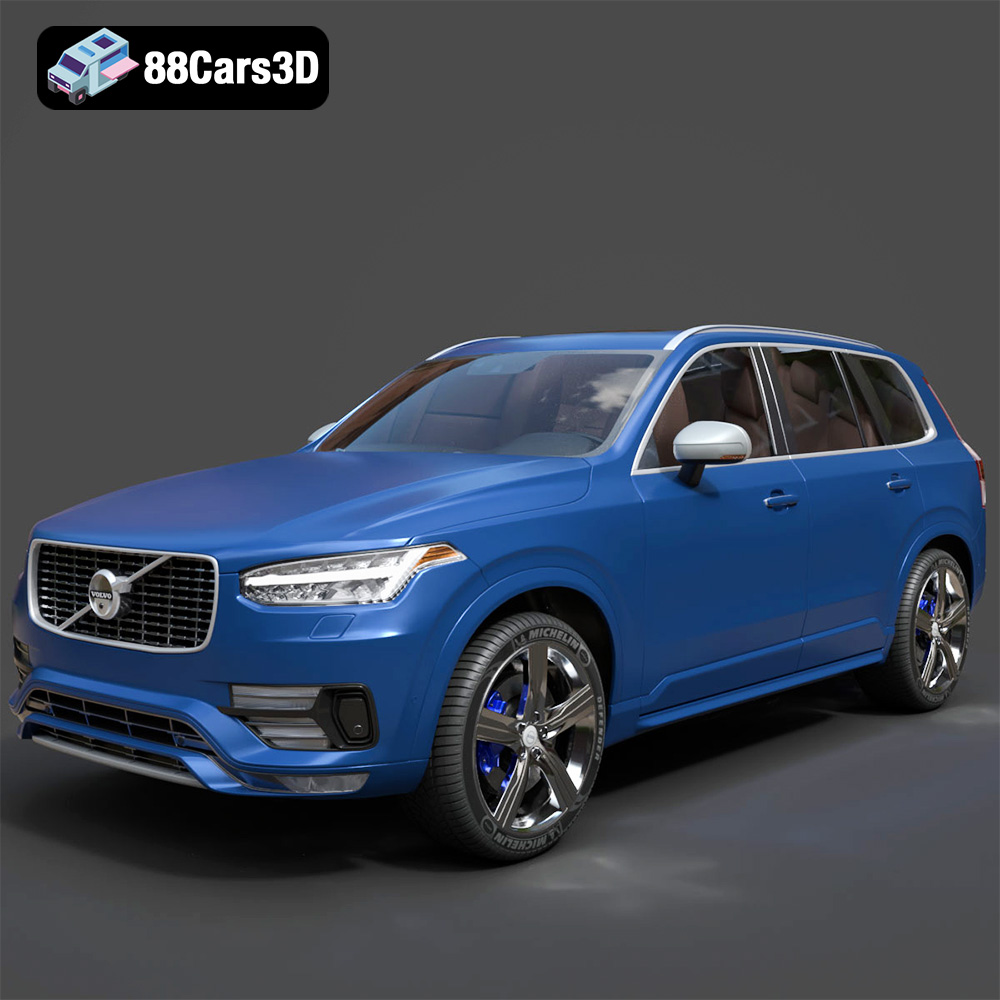
Download the Volvo XC90 R-Design 2015 3D Model featuring clean geometry, realistic detailing, and a fully modeled interior. Includes .blend, .fbx, .obj, .glb, .stl, .ply, .unreal, and .max formats for rendering, simulation, and game development.
Price: $10

**Meta Description:**
Texture: Yes
Material: Yes
Download the Toyota Crown Majesta 2009 3D Model with luxury detailing, clean topology, and a fully modeled interior. Available in .blend, .fbx, .obj, .glb, .stl, .ply, .unreal, and .max formats for rendering, simulation, and game development.
Price: $4.99

**Meta Description:**
Texture: Yes
Material: Yes
Download the Toyota AE86 Levin 1983 1987 3D Model featuring realistic exterior and interior detailing. Includes .blend, .fbx, .obj, .glb, .stl, .ply, .unreal, and .max formats for rendering, simulation, and game development.
Price: $9.99

Texture: Yes
Material: Yes
Download the Toyota Mark 2 2001 3D Model featuring clean geometry, realistic detailing, and a fully modeled interior. Includes .blend, .fbx, .obj, .glb, .stl, .ply, .unreal, and .max formats for rendering, simulation, and game development.
Price: $4.99

Texture: Yes
Material: Yes
Download the Toyota Celica 2000 3D Model featuring clean geometry, realistic detailing, and a fully modeled interior. Includes .blend, .fbx, .obj, .glb, .stl, .ply, .unreal, and .max formats for rendering, simulation, and game development.
Price: $4.99

Download the Toyota Camry US 2012 3D Model featuring clean geometry, realistic detailing, and a fully modeled interior. Includes .blend, .fbx, .obj, .glb, .stl, .ply, .unreal, and .max formats for rendering, simulation, and game development.
Price: $4.99

Texture: Yes
Material: Yes
Download the Toyota GT 86 2013 3D Model featuring clean geometry, realistic detailing, and a fully modeled interior. Includes .blend, .fbx, .obj, .glb, .stl, .ply, .unreal, and .max formats for rendering, simulation, and game development.
Price: $4.99

Texture: Yes
Material: Yes
Download the Toyota Mark X 2010 3D Model featuring clean geometry, realistic detailing, and a fully modeled interior. Includes .blend, .fbx, .obj, .glb, .stl, .ply, .unreal, and .max formats for rendering, simulation, and game development.
Price: $4.99

Texture: Yes
Material: Yes
Download the Toyota Allion 2008 3D Model featuring clean geometry, realistic detailing, and a fully modeled interior. Includes .blend, .fbx, .obj, .glb, .stl, .ply, .unreal, and .max formats for rendering, simulation, and game development.
Price: $4.99

Texture: Yes
Material: Yes
Download the Toyota Avensis 2005 3D Model featuring clean geometry, realistic detailing, and a fully modeled interior. Includes .blend, .fbx, .obj, .glb, .stl, .ply, .unreal, and .max formats for rendering, simulation, and game development.
Price: $4.99

Texture: Yes
Material: Yes
Download the Toyota Camry Solara 2006 3D Model featuring clean geometry, realistic detailing, and a fully modeled interior. Includes .blend, .fbx, .obj, .glb, .stl, .ply, .unreal, and .max formats for rendering, simulation, and game development.
Price: $4.99

Texture: Yes
Material: Yes
Download the Skoda Superb 2009 3D Model featuring clean geometry, realistic detailing, and a fully modeled interior. Includes .blend, .fbx, .obj, .glb, .stl, .ply, .unreal, and .max formats for rendering, simulation, and game development.
Price: $4.99

Texture: Yes
Material: Yes
Download the Skoda Superb 2006 3D Model featuring clean geometry, realistic detailing, and a fully modeled interior. Includes .blend, .fbx, .obj, .glb, .stl, .ply, .unreal, and .max formats for rendering, simulation, and game development.
Price: $4.99

Texture: Yes
Material: Yes
Download the Ford Mustang Shelby Super Snake Concept 2018 3D Model featuring clean geometry, realistic detailing, and a fully modeled interior. Includes .blend, .fbx, .obj, .glb, .stl, .ply, .unreal, and .max formats for rendering, simulation, and game development.
Price: $4.99

Texture: Yes
Material: Yes
Download the Porsche Cayenne Turbo 2018 3D Model featuring clean geometry, realistic detailing, and a fully modeled interior. Includes .blend, .fbx, .obj, .glb, .stl, .ply, .unreal, and .max formats for rendering, simulation, and game development.
Price: $4.99

Texture: Yes
Material: Yes
Download the Chevrolet Lacetti Sedan 2004 3D Model featuring clean geometry, realistic detailing, and a fully modeled interior. Includes .blend, .fbx, .obj, .glb, .stl, .ply, .unreal, and .max formats for rendering, simulation, and game development.
Price: $4.99

Texture: Yes
Material: Yes
Download the Skoda Rapid 2013 3D Model featuring clean geometry, realistic detailing, and a fully modeled interior. Includes .blend, .fbx, .obj, .glb, .stl, .ply, .unreal, and .max formats for rendering, simulation, and game development.
Price: $4.99

Texture: Yes
Material: Yes
Download the Skoda Octavia A5-007 3D Model featuring clean geometry, realistic detailing, and a fully modeled interior. Includes .blend, .fbx, .obj, .glb, .stl, .ply, .unreal, and .max formats for rendering, simulation, and game development.
Price: $4.99

Texture: Yes
Material: Yes
Download the Skoda Fabia 2023 3D Model featuring clean geometry, realistic detailing, and a fully modeled interior. Includes .blend, .fbx, .obj, .glb, .stl, .ply, .unreal, and .max formats for rendering, simulation, and game development.
Price: $4.99

Texture: Yes
Material: Yes
Download the Skoda Fabia 2007 3D Model featuring clean geometry, realistic detailing, and a fully modeled interior. Includes .blend, .fbx, .obj, .glb, .stl, .ply, .unreal, and .max formats for rendering, simulation, and game development.
Price: $4.99

Texture: Yes
Material: Yes
Download the Honda VFR 1200 F 2015 3D Model featuring clean geometry, realistic detailing, and a fully modeled interior. Includes .blend, .fbx, .obj, .glb, .stl, .ply, .unreal, and .max formats for rendering, simulation, and game development.
Price: $4.99

Texture: Yes
Material: Yes
Download the Subaru BRZ 2025 3D Model featuring clean geometry, realistic detailing, and a fully modeled interior. Includes .blend, .fbx, .obj, .glb, .stl, .ply, .unreal, and .max formats for rendering, simulation, and game development.
Price: $4.99

Texture: Yes
Material: Yes
Download the SsangYong Rodius 2007 3D Model featuring clean geometry, realistic detailing, and a fully modeled interior. Includes .blend, .fbx, .obj, .glb, .stl, .ply, .unreal, and .max formats for rendering, simulation, and game development.
Price: $4.99

Texture: Yes
Material: Yes
Download the Subaru Impreza 1992 3D Model featuring clean geometry, realistic detailing, and a fully modeled interior. Includes .blend, .fbx, .obj, .glb, .stl, .ply, .unreal, and .max formats for rendering, simulation, and game development.
Price: $4.99

Texture: Yes
Material: Yes
Download the Subaru Impreza 2005 3D Model featuring clean geometry, realistic detailing, and a fully modeled interior. Includes .blend, .fbx, .obj, .glb, .stl, .ply, .unreal, and .max formats for rendering, simulation, and game development.
Price: $4.99

Texture: Yes
Material: Yes
Download the Spyker C8-007 2004 3D Model featuring clean geometry, realistic detailing, and a fully modeled interior. Includes .blend, .fbx, .obj, .glb, .stl, .ply, .unreal, and .max formats for rendering, simulation, and game development.
Price: $4.99

Texture: Yes
Material: Yes
Download the Smart Roadster 2003 3D Model featuring clean geometry, realistic detailing, and a fully modeled interior. Includes .blend, .fbx, .obj, .glb, .stl, .ply, .unreal, and .max formats for rendering, simulation, and game development.
Price: $4.99

Texture: Yes
Material: Yes
Download the Skoda Roomster 2007 3D Model featuring clean geometry, realistic detailing, and a fully modeled interior. Includes .blend, .fbx, .obj, .glb, .stl, .ply, .unreal, and .max formats for rendering, simulation, and game development.
Price: $4.99

Texture: Yes
Material: Yes
Download the Subaru Impreza Sport Wagon 3D Model featuring clean geometry, realistic detailing, and a fully modeled interior. Includes .blend, .fbx, .obj, .glb, .stl, .ply, .unreal, and .max formats for rendering, simulation, and game development.
Price: $4.99

Texture: Yes
Material: Yes
Download the Skoda Octavia A7 2017 3D Model featuring clean geometry, realistic detailing, and a fully modeled interior. Includes .blend, .fbx, .obj, .glb, .stl, .ply, .unreal, and .max formats for rendering, simulation, and game development.
Price: $4.99

Texture: Yes
Material: Yes
Download the Suzuki SX4-002 3D Model featuring clean geometry, realistic detailing, and a fully modeled interior. Includes .blend, .fbx, .obj, .glb, .stl, .ply, .unreal, and .max formats for rendering, simulation, and game development.
Price: $4.99

Texture: Yes
Material: Yes
Download the Tesla Model S 2024 3D Model featuring clean geometry, realistic detailing, and a fully modeled interior. Includes .blend, .fbx, .obj, .glb, .stl, .ply, .unreal, and .max formats for rendering, simulation, and game development.
Price: $4.99

Texture: Yes
Material: Yes
Download the Subaru Impreza WRX STi-002 3D Model featuring clean geometry, realistic detailing, and a fully modeled interior. Includes .blend, .fbx, .obj, .glb, .stl, .ply, .unreal, and .max formats for rendering, simulation, and game development.
Price: $4.99

Texture: Yes
Material: Yes
Download the Subaru Impreza WRX STi Sedan 3D Model featuring clean geometry, realistic detailing, and a fully modeled interior. Includes .blend, .fbx, .obj, .glb, .stl, .ply, .unreal, and .max formats for rendering, simulation, and game development.
Price: $4.99

Texture: Yes
Material: Yes
Download the Subaru Legacy 2009 3D Model featuring clean geometry, realistic detailing, and a fully modeled interior. Includes .blend, .fbx, .obj, .glb, .stl, .ply, .unreal, and .max formats for rendering, simulation, and game development.
Price: $4.99

Texture: Yes
Material: Yes
Download the Suzuki Swift 2024 3D Model featuring clean geometry, realistic detailing, and a fully modeled interior. Includes .blend, .fbx, .obj, .glb, .stl, .ply, .unreal, and .max formats for rendering, simulation, and game development.
Price: $4.99

Texture: Yes
Material: Yes
Download the Suzuki Liana Sedan 2004 3D Model featuring clean geometry, realistic detailing, and a fully modeled interior. Includes .blend, .fbx, .obj, .glb, .stl, .ply, .unreal, and .max formats for rendering, simulation, and game development.
Price: $4.99

Texture: Yes
Material: Yes
Download the Subaru Outback 2024 3D Model featuring clean geometry, realistic detailing, and a fully modeled interior. Includes .blend, .fbx, .obj, .glb, .stl, .ply, .unreal, and .max formats for rendering, simulation, and game development.
Price: $4.99

Texture: Yes
Material: Yes
Download the Subaru Legacy 2003 3D Model featuring clean geometry, realistic detailing, and a fully modeled interior. Includes .blend, .fbx, .obj, .glb, .stl, .ply, .unreal, and .max formats for rendering, simulation, and game development.
Price: $4.99

Texture: Yes
Material: Yes
Download the Subaru Legacy Touring Wagon 3D Model featuring clean geometry, realistic detailing, and a fully modeled interior. Includes .blend, .fbx, .obj, .glb, .stl, .ply, .unreal, and .max formats for rendering, simulation, and game development.
Price: $4.99

Texture: Yes
Material: Yes
Download the Toyota Mark II (X100) 3D Model featuring clean geometry, realistic detailing, and a fully modeled interior. Includes .blend, .fbx, .obj, .glb, .stl, .ply, .unreal, and .max formats for rendering, simulation, and game development.
Price: $4.99

Texture: Yes
Material: Yes
Download the Toyota Corona 1985 3D Model featuring clean geometry, realistic detailing, and a fully modeled interior. Includes .blend, .fbx, .obj, .glb, .stl, .ply, .unreal, and .max formats for rendering, simulation, and game development.
Price: $4.99

Texture: Yes
Material: Yes
Download the Toyota Mark II X81 1990 3D Model featuring clean geometry, realistic detailing, and a fully modeled interior. Includes .blend, .fbx, .obj, .glb, .stl, .ply, .unreal, and .max formats for rendering, simulation, and game development.
Price: $4.99

Texture: Yes
Material: Yes
Download the Toyota iQ EV 2012 3D Model featuring clean geometry, realistic detailing, and a fully modeled interior. Includes .blend, .fbx, .obj, .glb, .stl, .ply, .unreal, and .max formats for rendering, simulation, and game development.
Price: $4.99

Texture: Yes
Material: Yes
Download the Toyota Aygo 2013 3D Model featuring clean geometry, realistic detailing, and a fully modeled interior. Includes .blend, .fbx, .obj, .glb, .stl, .ply, .unreal, and .max formats for rendering, simulation, and game development.
Price: $4.99

Texture: Yes
Material: Yes
Download the Toyota Crown S180 2005 3D Model featuring clean geometry, realistic detailing, and a fully modeled interior. Includes .blend, .fbx, .obj, .glb, .stl, .ply, .unreal, and .max formats for rendering, simulation, and game development.
Price: $4.99

Texture: Yes
Material: Yes
Download the Toyota Celica 2004 3D Model featuring clean geometry, realistic detailing, and a fully modeled interior. Includes .blend, .fbx, .obj, .glb, .stl, .ply, .unreal, and .max formats for rendering, simulation, and game development.
Price: $4.99

Texture: Yes
Material: Yes
Download the Toyota Corolla AE100 1992 3D Model featuring clean geometry, realistic detailing, and a fully modeled interior. Includes .blend, .fbx, .obj, .glb, .stl, .ply, .unreal, and .max formats for rendering, simulation, and game development.
Price: $4.99

Texture: Yes
Material: Yes
Download the Toyota Mark II X110 2000 3D Model featuring clean geometry, realistic detailing, and a fully modeled interior. Includes .blend, .fbx, .obj, .glb, .stl, .ply, .unreal, and .max formats for rendering, simulation, and game development.
Price: $4.99

Texture: Yes
Material: Yes
Download the Toyota Corolla 2020 3D Model featuring clean geometry, realistic detailing, and a fully modeled interior. Includes .blend, .fbx, .obj, .glb, .stl, .ply, .unreal, and .max formats for rendering, simulation, and game development.
Price: $4.99

Texture: Yes
Material: Yes
Download the Toyota Yaris 2020 3D Model featuring clean geometry, realistic detailing, and a fully modeled interior. Includes .blend, .fbx, .obj, .glb, .stl, .ply, .unreal, and .max formats for rendering, simulation, and game development.
Price: $4.99

Texture: Yes
Material: Yes
Download the Volkswagen Beetle 2012 3D Model featuring clean geometry, realistic detailing, and a fully modeled interior. Includes .blend, .fbx, .obj, .glb, .stl, .ply, .unreal, and .max formats for rendering, simulation, and game development.
Price: $4.99

Texture: Yes
Material: Yes
Download the Toyota Matrix 2005 3D Model featuring clean geometry, realistic detailing, and a fully modeled interior. Includes .blend, .fbx, .obj, .glb, .stl, .ply, .unreal, and .max formats for rendering, simulation, and game development.
Price: $4.99

Texture: Yes
Material: Yes
Download the Toyota Yaris Sedan 3D Model featuring clean geometry, realistic detailing, and a fully modeled interior. Includes .blend, .fbx, .obj, .glb, .stl, .ply, .unreal, and .max formats for rendering, simulation, and game development.
Price: $4.99

Texture: Yes
Material: Yes
Download the Volkswagen Golf R-004 2024 3D Model featuring clean geometry, realistic detailing, and a fully modeled interior. Includes .blend, .fbx, .obj, .glb, .stl, .ply, .unreal, and .max formats for rendering, simulation, and game development.
Price: $4.99

Texture: Yes
Material: Yes
Download the Volkswagen Golf 5 Door 2010 3D Model featuring clean geometry, realistic detailing, and a fully modeled interior. Includes .blend, .fbx, .obj, .glb, .stl, .ply, .unreal, and .max formats for rendering, simulation, and game development.
Price: $4.99

Texture: Yes
Material: Yes
Download the Toyota Premio 2010 3D Model featuring clean geometry, realistic detailing, and a fully modeled interior. Includes .blend, .fbx, .obj, .glb, .stl, .ply, .unreal, and .max formats for rendering, simulation, and game development.
Price: $4.99

Texture: Yes
Material: Yes
Download the Toyota Opa 2000 3D Model featuring clean geometry, realistic detailing, and a fully modeled interior. Includes .blend, .fbx, .obj, .glb, .stl, .ply, .unreal, and .max formats for rendering, simulation, and game development.
Price: $4.99

Texture: Yes
Material: Yes
Download the Volkswagen Polo 5 Door 2010 3D Model featuring clean geometry, realistic detailing, and a fully modeled interior. Includes .blend, .fbx, .obj, .glb, .stl, .ply, .unreal, and .max formats for rendering, simulation, and game development.
Price: $4.99

Texture: Yes
Material: Yes
Download the Toyota Prius 2024 3D Model featuring clean geometry, realistic detailing, and a fully modeled interior. Includes .blend, .fbx, .obj, .glb, .stl, .ply, .unreal, and .max formats for rendering, simulation, and game development.
Price: $4.99

Texture: Yes
Material: Yes
Download the Toyota Yaris 1999 3D Model featuring clean geometry, realistic detailing, and a fully modeled interior. Includes .blend, .fbx, .obj, .glb, .stl, .ply, .unreal, and .max formats for rendering, simulation, and game development.
Price: $4.99

Texture: Yes
Material: Yes
Download the Toyota Supra 2020 3D Model featuring clean geometry, realistic detailing, and a fully modeled interior. Includes .blend, .fbx, .obj, .glb, .stl, .ply, .unreal, and .max formats for rendering, simulation, and game development.
Price: $4.99

Texture: Yes
Material: Yes
Download the Volkswagen New Beetle 2000 3D Model featuring clean geometry, realistic detailing, and a fully modeled interior. Includes .blend, .fbx, .obj, .glb, .stl, .ply, .unreal, and .max formats for rendering, simulation, and game development.
Price: $14.99

Texture: Yes
Material: Yes
Download the Volkswagen Jetta 2005 3D Model featuring clean geometry, realistic detailing, and a fully modeled interior. Includes .blend, .fbx, .obj, .glb, .stl, .ply, .unreal, and .max formats for rendering, simulation, and game development.
Price: $4.99

Texture: Yes
Material: Yes
Download the Volkswagen Golf 3-Door 3D Model featuring clean geometry, realistic detailing, and a fully modeled interior. Includes .blend, .fbx, .obj, .glb, .stl, .ply, .unreal, and .max formats for rendering, simulation, and game development.
Price: $14.99

Texture: Yes
Material: Yes
Download the Volvo V70 2005 3D Model featuring clean geometry, realistic detailing, and a fully modeled interior. Includes .blend, .fbx, .obj, .glb, .stl, .ply, .unreal, and .max formats for rendering, simulation, and game development.
Price: $14.99

Texture: Yes
Material: Yes
Download the Volkswagen Bora 2004 3D Model featuring clean geometry, realistic detailing, and a fully modeled interior. Includes .blend, .fbx, .obj, .glb, .stl, .ply, .unreal, and .max formats for rendering, simulation, and game development.
Price: $14.99

Texture: Yes
Material: Yes
Download the Volkswagen Lupo 3D Model featuring clean geometry, realistic detailing, and a fully modeled interior. Includes .blend, .fbx, .obj, .glb, .stl, .ply, .unreal, and .max formats for rendering, simulation, and game development.
Price: $5.99

Texture: Yes
Material: Yes
Download the Volkswagen Passat B5 2000 3D Model featuring clean geometry, realistic detailing, and a fully modeled interior. Includes .blend, .fbx, .obj, .glb, .stl, .ply, .unreal, and .max formats for rendering, simulation, and game development.
Price: $5.99

Texture: Yes
Material: Yes
Download the Volkswagen Passat CC 3D Model featuring clean geometry, realistic detailing, and a fully modeled interior. Includes .blend, .fbx, .obj, .glb, .stl, .ply, .unreal, and .max formats for rendering, simulation, and game development.
Price: $5.99

Texture: Yes
Material: Yes
Download the Volkswagen Golf V 2006 3D Model featuring clean geometry, realistic detailing, and a fully modeled interior. Includes .blend, .fbx, .obj, .glb, .stl, .ply, .unreal, and .max formats for rendering, simulation, and game development.
Price: $5.99

Texture: Yes
Material: Yes
Download the Volvo S60 R-Design 3D Model featuring clean geometry, realistic detailing, and a fully modeled interior. Includes .blend, .fbx, .obj, .glb, .stl, .ply, .unreal, and .max formats for rendering, simulation, and game development.
Price: $5.99

Texture: Yes
Material: Yes
Download the Volkswagen Passat 2025 3D Model featuring clean geometry, realistic detailing, and a fully modeled interior. Includes .blend, .fbx, .obj, .glb, .stl, .ply, .unreal, and .max formats for rendering, simulation, and game development.
Price: $5.99

Texture: Yes
Material: Yes
Download the Volkswagen Passat Variant B6 2005 3D Model featuring clean geometry, realistic detailing, and a fully modeled interior. Includes .blend, .fbx, .obj, .glb, .stl, .ply, .unreal, and .max formats for rendering, simulation, and game development.
Price: $5.99

Texture: Yes
Material: Yes
Download the Volkswagen Phaeton W12 2004 3D Model featuring clean geometry, realistic detailing, and a fully modeled interior. Includes .blend, .fbx, .obj, .glb, .stl, .ply, .unreal, and .max formats for rendering, simulation, and game development.
Price: $5.99

Texture: Yes
Material: Yes
Download the Volkswagen Scirocco 2015 3D Model featuring clean geometry, realistic detailing, and a fully modeled interior. Includes .blend, .fbx, .obj, .glb, .stl, .ply, .unreal, and .max formats for rendering, simulation, and game development.
Price: $5.99

Texture: Yes
Material: Yes
Download the Volvo S60 2024 3D Model featuring clean geometry, realistic detailing, and a fully modeled interior. Includes .blend, .fbx, .obj, .glb, .stl, .ply, .unreal, and .max formats for rendering, simulation, and game development.
Price: $5.99

Texture: Yes
Material: Yes
Download the Volkswagen Polo 3D Model featuring clean geometry, realistic detailing, and a fully modeled interior. Includes .blend, .fbx, .obj, .glb, .stl, .ply, .unreal, and .max formats for rendering, simulation, and game development.
Price: $5.99

Texture: Yes
Material: Yes
Download the Volkswagen Golf 5-Doors 3D Model featuring clean geometry, realistic detailing, and a fully modeled interior. Includes .blend, .fbx, .obj, .glb, .stl, .ply, .unreal, and .max formats for rendering, simulation, and game development.
Price: $5.99

Texture: Yes
Material: Yes
Download the Volvo C70 T5 2000 3D Model featuring clean geometry, realistic detailing, and a fully modeled interior. Includes .blend, .fbx, .obj, .glb, .stl, .ply, .unreal, and .max formats for rendering, simulation, and game development.
Price: $5.99

Texture: Yes
Material: Yes
Download the Volvo S40 Sedan 2004 3D Model featuring clean geometry, realistic detailing, and a fully modeled interior. Includes .blend, .fbx, .obj, .glb, .stl, .ply, .unreal, and .max formats for rendering, simulation, and game development.
Price: $5.99

Texture: Yes
Material: Yes
Download the Volvo C30 BEV 2012 3D Model featuring clean geometry, realistic detailing, and a fully modeled interior. Includes .blend, .fbx, .obj, .glb, .stl, .ply, .unreal, and .max formats for rendering, simulation, and game development.
Price: $5.99

Texture: Yes
Material: Yes
Download the Volvo C70 1998 3D Model featuring clean geometry, realistic detailing, and a fully modeled interior. Includes .blend, .fbx, .obj, .glb, .stl, .ply, .unreal, and .max formats for rendering, simulation, and game development.
Price: $5.99

Texture: Yes
Material: Yes
Download the Mazda B-Series 3D Model featuring clean geometry, realistic detailing, and a fully modeled interior. Includes .blend, .fbx, .obj, .glb, .stl, .ply, .unreal, and .max formats for rendering, simulation, and game development.
Price: $5.99

Texture: Yes
Material: Yes
Download the Mercsedes Benz Z3-006 3D Model featuring clean geometry, realistic detailing, and a fully modeled interior. Includes .blend, .fbx, .obj, .glb, .stl, .ply, .unreal, and .max formats for rendering, simulation, and game development.
Price: $5.99

Texture: Yes
Material: Yes
Download the Mazda RX-7 3D Model featuring clean geometry, realistic detailing, and a fully modeled interior. Includes .blend, .fbx, .obj, .glb, .stl, .ply, .unreal, and .max formats for rendering, simulation, and game development.
Price: $5.99

Texture: Yes
Material: Yes
Download the Volvo VCC-003 3D Model featuring clean geometry, realistic detailing, and a fully modeled interior. Includes .blend, .fbx, .obj, .glb, .stl, .ply, .unreal, and .max formats for rendering, simulation, and game development.
Price: $5.99

Texture: Yes
Material: Yes
Download the Mercedes-Benz SLR McLaren 2005 3D Model featuring clean geometry, realistic detailing, and a fully modeled interior. Includes .blend, .fbx, .obj, .glb, .stl, .ply, .unreal, and .max formats for rendering, simulation, and game development.
Price: $5.99

Texture: Yes
Material: Yes
Download the GAZ 3110 Pickup 3D Model featuring clean geometry, realistic detailing, and a fully modeled interior. Includes .blend, .fbx, .obj, .glb, .stl, .ply, .unreal, and .max formats for rendering, simulation, and game development.
Price: $5.99

Texture: Yes
Material: Yes
Download the Mazda 626 GF 1997 3D Model featuring clean geometry, realistic detailing, and a fully modeled interior. Includes .blend, .fbx, .obj, .glb, .stl, .ply, .unreal, and .max formats for rendering, simulation, and game development.
Price: $5.99

Texture: Yes
Material: Yes
Download the Volvo S80 2011 3D Model featuring clean geometry, realistic detailing, and a fully modeled interior. Includes .blend, .fbx, .obj, .glb, .stl, .ply, .unreal, and .max formats for rendering, simulation, and game development.
Price: $5.99

