⚡ FLASH SALE: Get 60% OFF All Premium 3D & STL Models! ⚡

The allure of a perfectly rendered automotive model lies not just in its immaculate shape but profoundly in the captivating interplay of light on its surface. Ask any 3D artist or game developer, and they’ll confirm: few materials present as formidable a challenge or offer as much visual reward as car paint. It’s more than just a color; it’s a dynamic, multi-layered symphony of reflections, refractions, and subtle subsurface nuances that collectively fool the eye into believing in its physical presence. Mastering the PBR car paint secret means understanding this intricate dance.
For too long, achieving truly convincing car paint required a cocktail of artistic guesswork and custom hacks. But with the advent of Physically Based Rendering (PBR) workflows, we now have a robust framework to emulate reality with unprecedented accuracy. The challenge, however, remains: how do you translate the complex physical structure of real-world car paint—from the metallic flakes shimmering beneath a glassy surface to the subtle micro-scratches that define its sheen—into a digital multi-layered car paint shader that works flawlessly in both cinematic renders and performance-critical game engines?
This comprehensive guide will deconstruct the anatomy of photorealistic car paint, delve into advanced shader graph techniques, and equip you with the knowledge to craft stunning automotive materials. We’ll explore everything from building a robust metallic flake shader to achieving breathtaking clear coat realism with accurate anisotropic reflections, ensuring your models possess the authentic automotive material properties required for top-tier visualization.
To truly master digital car paint, we must first understand its physical counterpart. Real-world automotive finishes are not a single uniform layer but a sophisticated stack, each layer contributing unique visual characteristics. A typical modern car paint finish consists of several distinct strata, and comprehending these is the bedrock of building a compelling PBR shader.
At its core, the car body is typically protected by a primer, followed by the crucial base coat. This base coat is where the primary color of the vehicle resides, and often, it’s also where the captivating metallic or pearl effect layers are embedded. Finally, a thick, protective layer of clear coat is applied, providing gloss, depth, and environmental resistance. Each of these layers interacts with light differently, and a successful multi-layered car paint shader must account for these complex interactions.
The beauty of the Physically Based Rendering (PBR) workflow is its adherence to real-world physics. Instead of faking light interaction, PBR materials define how light truly behaves when it hits a surface. This approach is fundamental to achieving authentic automotive material properties, ensuring that your digital paint looks correct under any lighting condition, whether in an offline renderer or a real-time game engine.
The base coat is the foundational layer, responsible for the primary color of the vehicle. In a PBR context, this translates directly to the ‘Base Color’ or ‘Albedo’ map. This map should represent the diffuse color of the paint, devoid of any lighting or shadow information. Its roughness will typically be very low if metallic flakes are embedded, as the flakes themselves contribute to specular reflections.
While often thought of as just color, the base coat also dictates how light is absorbed and scattered before it hits the metallic flakes or passes through to the primer. Understanding this interaction is key to achieving deep, rich colors. For solid, non-metallic paints, the base coat might be the primary reflective surface, with its roughness dictating the gloss level.
This is where much of the magic happens for metallic and pearlescent paints. Tiny, reflective particles—either metallic flakes or mica-based pearlescent pigments—are suspended within the base coat. These particles are responsible for the characteristic shimmer and color shift seen in various viewing angles. They act as micro-reflectors, scattering light in a distinct, often anisotropic, manner.
The challenge in simulating this effect lies in their sheer number and microscopic scale. Accurately representing these elements is crucial for a convincing metallic flake shader. Pearl effects, while similar, often involve interference effects, leading to a subtle iridescence and color-shifting properties based on viewing angle, adding another layer of complexity to the multi-layered car paint material.
The clear coat is arguably the most visually dominant layer. It’s a thick, transparent layer of lacquer that covers and protects the base coat and effect layers. Its primary role is to provide the high gloss and deep reflections that characterize a pristine car finish. Physically, it’s a dielectric material, meaning it reflects light primarily based on Fresnel equations and its Index of Refraction (IOR).
Achieving realistic clear coat realism hinges on accurately simulating its IOR (typically around 1.5-1.55 for lacquers), its very low roughness (contributing to sharp reflections), and crucially, its ability to produce sophisticated anisotropic reflections due to microscopic imperfections. This layer often acts as the final interaction point for incoming light before it hits the human eye.
With the physical layers understood, we can now dive into building the digital representations. The base coat sets the initial tone, but it’s the metallic flake shader that truly elevates the visual complexity and realism of your PBR car paint.
The goal is not just to make the car look shiny, but to imbue it with the unique visual properties that define genuine automotive material properties. This requires careful attention to both the diffuse color and the intricate specular interactions of the effect layer, all while adhering to Physically Based Rendering principles.
The base color, or albedo, should be a pure color value, typically sRGB, representing the underlying pigment. Avoid baking any lighting or shadow into this texture. For a metallic paint, this color will be seen through the clear coat and will subtly influence the color of the scattered metallic flakes. The roughness value for the base coat itself, beneath the flakes, might be slightly higher than the clear coat but still relatively low, as the flakes themselves will handle much of the specular response.
Ensure that your base color is within a physically plausible range; overly saturated or extremely dark/bright values can break the realism under PBR lighting. Often, artists will create a gradient or texture map for the base color if subtle variations are desired, mimicking manufacturing processes or age.
The metallic flake shader is where procedural magic often comes into play. Instead of texture mapping millions of tiny flakes, artists typically generate them procedurally within the shader. Key parameters for a convincing metallic flake effect include:
Many advanced shader graph techniques allow for complex procedural noise functions to control flake distribution and orientation, ensuring an organic, non-repeating pattern. Some engines even provide dedicated car paint shaders with built-in flake generation, simplifying the process for artists.
Pearlescent paints, sometimes called “chameleon” paints, utilize mica or ceramic particles instead of metallic ones. These particles create interference effects, leading to a subtle, color-shifting sheen. To simulate this, you’ll need to introduce a secondary reflection/specular layer whose color subtly changes based on the viewing angle (a Fresnel-like effect but with a color shift). This often involves sampling a color ramp or gradient texture based on the dot product of the camera vector and surface normal, multiplied by a Fresnel falloff.
The intensity and color range of this iridescence are key artistic controls. Too strong, and it looks artificial; too subtle, and it’s lost. Pearlescent effects can be combined with metallic flakes for unique custom finishes, adding another dimension to your multi-layered car paint materials.
The clear coat is where the rubber meets the road, quite literally. It’s the layer that directly reflects the environment, gives depth to the underlying paint, and is often the primary source of the dazzling visual appeal of a car. Achieving true clear coat realism is paramount for high-fidelity automotive renders, and it heavily relies on understanding advanced reflection properties, particularly anisotropic reflections.
Without a convincing clear coat, even the most detailed metallic flake shader will fall flat. This dielectric layer acts as a transparent mirror, reflecting the world above while allowing us to peer into the fascinating depths of the base and effect layers beneath. It’s crucial for authentic PBR materials.
As a dielectric material, the clear coat’s interaction with light is governed by its Index of Refraction (IOR) and its roughness. A typical IOR for automotive lacquer is around 1.5-1.55. This value dictates how strongly light is reflected at different angles (Fresnel effect). The roughness of the clear coat will usually be extremely low (e.g., 0.01-0.05) to simulate a highly polished surface, leading to sharp, mirror-like reflections.
While often considered perfectly transparent, very thick clear coats can exhibit a tiny amount of absorption, subtly tinting the light that passes through. However, for most applications, this can be ignored for performance and simplicity. The primary focus should be on its reflective properties and how it interacts with the underlying layers.
This is often the ‘secret sauce’ for truly photorealistic car paint. Anisotropic reflections are specular highlights that stretch or compress along a specific direction, rather than appearing as perfectly circular or elliptical blobs. They are caused by microscopic surface imperfections—like fine scratches from washing, polishing lines, or even manufacturing tool marks—that are aligned in a particular direction.
For car paint, these reflections are most noticeable on curved surfaces where light catches the aligned micro-scratches, creating a distinctive ‘streaky’ or ‘swirly’ look. Simulating this requires:
Carefully mapping the anisotropy rotation can create incredibly convincing micro-scratch patterns, making your clear coat feel lived-in and real, rather than perfectly sterile. This is one of the most advanced automotive material properties to simulate correctly.
The clear coat sits on top of all other layers. In your shader graph, this means it’s the outermost layer in your blending stack. Light first hits the clear coat, where some is reflected (based on Fresnel and roughness) and some is refracted through. The refracted light then interacts with the metallic flakes or base coat, before potentially bouncing back up and passing through the clear coat again. This dual interaction contributes significantly to the perceived depth of the paint.
Implementing this often involves a layered material approach, where the clear coat’s specular component is added on top of the base paint’s output, with its influence modulated by Fresnel. This ensures that reflections are stronger at glancing angles and weaker when viewed straight on, just like real-world dielectric surfaces.
Bringing all these concepts together requires sophisticated shader graph techniques. Whether you’re working in Unreal Engine’s Material Editor, Unity’s Shader Graph, or a node-based system like V-Ray’s or Octane’s, understanding how to construct and blend multiple layers is crucial for your multi-layered car paint. This is where the theoretical understanding translates into practical implementation for your PBR materials.
A well-organized shader graph is not just about functionality; it’s about readability and maintainability. Complex car paint shaders can quickly become unwieldy without a methodical approach. Leveraging custom functions, material layers, and efficient node organization are key to success.
Begin by thinking of your shader as a series of encapsulated modules. You’ll likely have distinct groups for the base coat, the metallic flake shader, and the clear coat. Each group will handle its specific calculations for color, roughness, metallic, and normal outputs. These modules then feed into a master blending network. For instance, the metallic flake calculations (density, size, orientation, individual flake specular) can be grouped into a single function node that takes a few inputs and outputs a modulated specular or normal map.
Prioritize clarity: use comments, frame nodes, and consistent naming conventions. This will be invaluable when you need to troubleshoot or fine-tune specific visual aspects of your automotive material properties.
The core of a multi-layered car paint shader is how these layers are blended. In PBR, blending often occurs in a physically plausible manner, typically by adding reflections. The clear coat’s reflections are added on top of the underlying layers. For effects like embedded metallic flakes, you might blend a generated flake normal map with the base normal, or add a secondary specular lobe for the flakes.
Masks play a vital role, not just for damage or dirt, but potentially for modulating flake density across different parts of a panel, or controlling the strength of anisotropic reflections. For instance, a subtle grunge map could slightly increase the clear coat roughness in specific areas, creating a more organic look.
For truly advanced effects, especially the metallic flake shader and sophisticated anisotropic reflections, you’ll likely create custom functions or sub-graphs. A flake generation function might take parameters like flake size, density, and color, and output a specular response or a specialized normal map. This allows for easy reuse and tweaking.
Similarly, an anisotropy function could take a tangent vector and an anisotropy strength, modifying the normal for the clear coat’s specular calculation. Modern shader graphs in engines like Unreal and Unity support custom HLSL/GLSL nodes, allowing expert users to write highly optimized and unique effects that might be challenging or impossible with standard nodes alone.
The theory of PBR car paint is universal, but its implementation varies significantly between offline renderers and real-time game engines. Both aim for fidelity but have different constraints, particularly concerning real-time rendering optimization. Understanding these nuances is vital for deploying your exquisite automotive material properties effectively.
Whether you are pursuing photo-realism for a cinematic sequence or highly optimized assets for an interactive experience, the choice of tools and techniques will impact your approach to multi-layered car paint. Thankfully, resources like 88cars3d.com provide high-quality base models that allow you to focus purely on the material creation aspect without worrying about modeling accuracy.
Offline renderers like V-Ray, Octane, Redshift, and Arnold excel at physically accurate light transport. They can handle complex ray tracing, numerous light bounces, and sophisticated shader calculations without the strict performance budget of real-time applications. Many of these renderers offer specialized “car paint” materials that encapsulate much of the multi-layered logic, including metallic flakes and clear coat, into a single, user-friendly node. However, for maximum control and understanding, building your own custom stack using standard PBR material layers is highly recommended.
When using offline renderers, focus on high-resolution textures (if applicable), high sample counts for reflections and global illumination, and accurate HDR environments for realistic reflections. You can push the complexity of your shader graph techniques further, knowing that render time, while important, isn’t as immediate a bottleneck as frame rate in a game.
Real-time game engines like Unreal Engine and Unity present a different set of challenges. While they support sophisticated PBR shaders, every calculation counts towards the frame rate. Here, real-time rendering optimization becomes paramount. You need to achieve visually stunning multi-layered car paint without bringing the engine to its knees.
The goal is to create a material that looks incredible up close but also holds up across various distances and performance profiles. This often means making smart trade-offs and leveraging the engine’s built-in features designed for performance.
Unreal Engine offers a dedicated “Clear Coat” input on its standard PBR material, which significantly simplifies building multi-layered car paint. This input efficiently simulates a second specular lobe, perfect for the clear coat, and comes with its own normal, roughness, and color inputs. It’s an optimized solution for clear coat realism, often negating the need for complex custom layering.
Unity’s High Definition Render Pipeline (HDRP) also provides advanced material options, including specific settings for clear coat and iridescent effects, often exposed directly in the material inspector. Familiarize yourself with these engine-specific features, as they are usually highly optimized and the recommended path for achieving PBR car paint.
For artists looking to apply these techniques to ready-to-render models, high-quality assets from sources like 88cars3d.com provide an excellent starting point, allowing you to focus purely on the intricate shader work.
Even with a solid understanding of PBR and shader graph techniques, achieving that elusive perfect car paint often involves an iterative process of troubleshooting and fine-tuning. The difference between good and great lies in meticulous observation and adjustment. This stage is crucial for ensuring your multi-layered car paint achieves uncompromised visual fidelity, especially when aiming for peak clear coat realism and efficient real-time rendering optimization.
You’ll often find yourself asking: “Why do my reflections look flat?” or “Why don’t the flakes shimmer correctly?” These are common hurdles, and knowing how to diagnose and address them is part of mastering these complex automotive material properties.
When your car paint doesn’t quite look right, start with these common culprits:
Debugging involves isolating layers: temporarily disable your flakes to check the base coat, then disable the clear coat to inspect the flakes. This systematic approach helps pinpoint the problem.
For real-time applications, visual fidelity must be balanced with performance. Here are key areas for real-time rendering optimization of your car paint:
Tools within your game engine (e.g., Unreal’s Shader Complexity view, Unity’s Frame Debugger) are invaluable for profiling and identifying performance bottlenecks related to your car paint shader.
While PBR provides a foundation in physics, there’s always room for artistic interpretation and enhancement. Sometimes, a perfectly physically accurate material might not be the most aesthetically pleasing or impactful. For example, slightly exaggerating the sparkle of the metallic flake shader or subtly boosting the contrast of anisotropic reflections can make the paint “pop” more in a stylized render.
The key is to understand the rules of PBR so you know when and how to artfully break them. Experiment with subtle variations in roughness across the surface (e.g., slight dust accumulation in crevices, micro-scratches from wipers) to add realism and narrative. These subtle touches make the difference between a good render and a breathtaking one.
Mastering PBR car paint is undoubtedly one of the most challenging yet rewarding endeavors in 3D visualization. It demands a deep understanding of physics, keen observation of real-world materials, and proficiency in advanced shader graph techniques. From deconstructing the physical layers of a car’s finish to meticulously crafting a convincing metallic flake shader and achieving impeccable clear coat realism with genuine anisotropic reflections, every step contributes to the final masterpiece.
The journey from a flat base color to a dynamic, shimmering multi-layered car paint material is a testament to the power of Physically Based Rendering. By adhering to real-world automotive material properties and strategically applying real-time rendering optimization, you can create vehicles that are indistinguishable from their real-life counterparts, whether for cinematic glory or immersive interactive experiences.
Don’t be afraid to experiment, iterate, and continuously refine your shaders. The quest for perfect car paint is an ongoing one, but with the knowledge gained here, you’re well-equipped to tackle it. To jumpstart your projects with high-quality, production-ready automotive models, be sure to explore the extensive collection available at 88cars3d.com. Apply these advanced shader techniques to their meticulously crafted models and watch your renders come to life!

Texture: Yes
Material: Yes
Download the Chevrolet Camaro 1970 3D Model featuring clean geometry, realistic detailing, and a fully modeled interior. Includes .blend, .fbx, .obj, .glb, .stl, .ply, .unreal, and .max formats for rendering, simulation, and game development.
Price: $10

Texture: Yes
Material: Yes
Download the Mercedes-AMG GT 2015 3D Model featuring clean geometry, realistic detailing, and a fully modeled interior. Includes .blend, .fbx, .obj, .glb, .stl, .ply, .unreal, and .max formats for rendering, simulation, and game development.
Price: $88.99

Texture: Yes
Material: Yes
Download the Suzuki GSX-R 1000 3D Model featuring clean geometry, realistic detailing, and a fully modeled interior. Includes .blend, .fbx, .obj, .glb, .stl, .ply, .unreal, and .max formats for rendering, simulation, and game development.
Price: $10

Texture: Yes
Material: Yes
Download the Porsche Cayman S 2024 3D Model featuring clean geometry, realistic detailing, and a fully modeled interior. Includes .blend, .fbx, .obj, .glb, .stl, .ply, .unreal, and .max formats for rendering, simulation, and game development.
Price: $10
Texture: Yes
Material: Yes
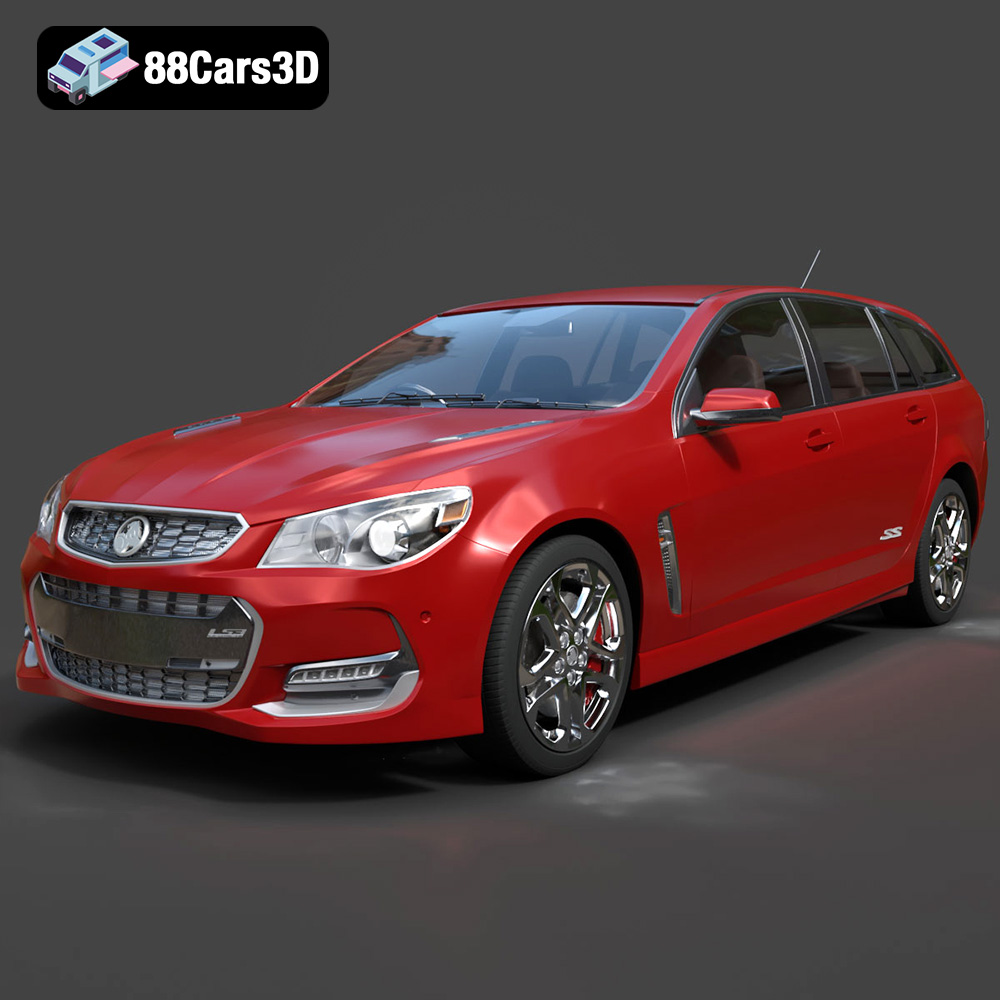
Download the Holden Commodore Sportwagon 2017 3D Model featuring clean geometry, realistic detailing, and a fully modeled interior. Includes .blend, .fbx, .obj, .glb, .stl, .ply, .unreal, and .max formats for rendering, simulation, and game development.
Price: $10

**Meta Description:**
Texture: Yes
Material: Yes
Download the Toyota Crown Majesta 2009 3D Model with luxury detailing, clean topology, and a fully modeled interior. Available in .blend, .fbx, .obj, .glb, .stl, .ply, .unreal, and .max formats for rendering, simulation, and game development.
Price: $4.99

**Meta Description:**
Texture: Yes
Material: Yes
Download the Toyota AE86 Levin 1983 1987 3D Model featuring realistic exterior and interior detailing. Includes .blend, .fbx, .obj, .glb, .stl, .ply, .unreal, and .max formats for rendering, simulation, and game development.
Price: $9.99

Texture: Yes
Material: Yes
Download the Toyota Mark 2 2001 3D Model featuring clean geometry, realistic detailing, and a fully modeled interior. Includes .blend, .fbx, .obj, .glb, .stl, .ply, .unreal, and .max formats for rendering, simulation, and game development.
Price: $4.99

Texture: Yes
Material: Yes
Download the Toyota Celica 2000 3D Model featuring clean geometry, realistic detailing, and a fully modeled interior. Includes .blend, .fbx, .obj, .glb, .stl, .ply, .unreal, and .max formats for rendering, simulation, and game development.
Price: $4.99

Download the Toyota Camry US 2012 3D Model featuring clean geometry, realistic detailing, and a fully modeled interior. Includes .blend, .fbx, .obj, .glb, .stl, .ply, .unreal, and .max formats for rendering, simulation, and game development.
Price: $4.99

Texture: Yes
Material: Yes
Download the Toyota GT 86 2013 3D Model featuring clean geometry, realistic detailing, and a fully modeled interior. Includes .blend, .fbx, .obj, .glb, .stl, .ply, .unreal, and .max formats for rendering, simulation, and game development.
Price: $4.99

Texture: Yes
Material: Yes
Download the Toyota Mark X 2010 3D Model featuring clean geometry, realistic detailing, and a fully modeled interior. Includes .blend, .fbx, .obj, .glb, .stl, .ply, .unreal, and .max formats for rendering, simulation, and game development.
Price: $4.99

Texture: Yes
Material: Yes
Download the Toyota Allion 2008 3D Model featuring clean geometry, realistic detailing, and a fully modeled interior. Includes .blend, .fbx, .obj, .glb, .stl, .ply, .unreal, and .max formats for rendering, simulation, and game development.
Price: $4.99

Texture: Yes
Material: Yes
Download the Toyota Avensis 2005 3D Model featuring clean geometry, realistic detailing, and a fully modeled interior. Includes .blend, .fbx, .obj, .glb, .stl, .ply, .unreal, and .max formats for rendering, simulation, and game development.
Price: $4.99

Texture: Yes
Material: Yes
Download the Toyota Camry Solara 2006 3D Model featuring clean geometry, realistic detailing, and a fully modeled interior. Includes .blend, .fbx, .obj, .glb, .stl, .ply, .unreal, and .max formats for rendering, simulation, and game development.
Price: $4.99

Texture: Yes
Material: Yes
Download the Skoda Superb 2009 3D Model featuring clean geometry, realistic detailing, and a fully modeled interior. Includes .blend, .fbx, .obj, .glb, .stl, .ply, .unreal, and .max formats for rendering, simulation, and game development.
Price: $4.99

Texture: Yes
Material: Yes
Download the Skoda Superb 2006 3D Model featuring clean geometry, realistic detailing, and a fully modeled interior. Includes .blend, .fbx, .obj, .glb, .stl, .ply, .unreal, and .max formats for rendering, simulation, and game development.
Price: $4.99

Texture: Yes
Material: Yes
Download the Ford Mustang Shelby Super Snake Concept 2018 3D Model featuring clean geometry, realistic detailing, and a fully modeled interior. Includes .blend, .fbx, .obj, .glb, .stl, .ply, .unreal, and .max formats for rendering, simulation, and game development.
Price: $4.99

Texture: Yes
Material: Yes
Download the Porsche Cayenne Turbo 2018 3D Model featuring clean geometry, realistic detailing, and a fully modeled interior. Includes .blend, .fbx, .obj, .glb, .stl, .ply, .unreal, and .max formats for rendering, simulation, and game development.
Price: $4.99

Texture: Yes
Material: Yes
Download the Chevrolet Lacetti Sedan 2004 3D Model featuring clean geometry, realistic detailing, and a fully modeled interior. Includes .blend, .fbx, .obj, .glb, .stl, .ply, .unreal, and .max formats for rendering, simulation, and game development.
Price: $4.99

Texture: Yes
Material: Yes
Download the Skoda Rapid 2013 3D Model featuring clean geometry, realistic detailing, and a fully modeled interior. Includes .blend, .fbx, .obj, .glb, .stl, .ply, .unreal, and .max formats for rendering, simulation, and game development.
Price: $4.99

Texture: Yes
Material: Yes
Download the Skoda Octavia A5-007 3D Model featuring clean geometry, realistic detailing, and a fully modeled interior. Includes .blend, .fbx, .obj, .glb, .stl, .ply, .unreal, and .max formats for rendering, simulation, and game development.
Price: $4.99

Texture: Yes
Material: Yes
Download the Skoda Fabia 2023 3D Model featuring clean geometry, realistic detailing, and a fully modeled interior. Includes .blend, .fbx, .obj, .glb, .stl, .ply, .unreal, and .max formats for rendering, simulation, and game development.
Price: $4.99

Texture: Yes
Material: Yes
Download the Skoda Fabia 2007 3D Model featuring clean geometry, realistic detailing, and a fully modeled interior. Includes .blend, .fbx, .obj, .glb, .stl, .ply, .unreal, and .max formats for rendering, simulation, and game development.
Price: $4.99

Texture: Yes
Material: Yes
Download the Honda VFR 1200 F 2015 3D Model featuring clean geometry, realistic detailing, and a fully modeled interior. Includes .blend, .fbx, .obj, .glb, .stl, .ply, .unreal, and .max formats for rendering, simulation, and game development.
Price: $4.99

Texture: Yes
Material: Yes
Download the Subaru BRZ 2025 3D Model featuring clean geometry, realistic detailing, and a fully modeled interior. Includes .blend, .fbx, .obj, .glb, .stl, .ply, .unreal, and .max formats for rendering, simulation, and game development.
Price: $4.99

Texture: Yes
Material: Yes
Download the SsangYong Rodius 2007 3D Model featuring clean geometry, realistic detailing, and a fully modeled interior. Includes .blend, .fbx, .obj, .glb, .stl, .ply, .unreal, and .max formats for rendering, simulation, and game development.
Price: $4.99

Texture: Yes
Material: Yes
Download the Subaru Impreza 1992 3D Model featuring clean geometry, realistic detailing, and a fully modeled interior. Includes .blend, .fbx, .obj, .glb, .stl, .ply, .unreal, and .max formats for rendering, simulation, and game development.
Price: $4.99

Texture: Yes
Material: Yes
Download the Subaru Impreza 2005 3D Model featuring clean geometry, realistic detailing, and a fully modeled interior. Includes .blend, .fbx, .obj, .glb, .stl, .ply, .unreal, and .max formats for rendering, simulation, and game development.
Price: $4.99

Texture: Yes
Material: Yes
Download the Spyker C8-007 2004 3D Model featuring clean geometry, realistic detailing, and a fully modeled interior. Includes .blend, .fbx, .obj, .glb, .stl, .ply, .unreal, and .max formats for rendering, simulation, and game development.
Price: $4.99

Texture: Yes
Material: Yes
Download the Smart Roadster 2003 3D Model featuring clean geometry, realistic detailing, and a fully modeled interior. Includes .blend, .fbx, .obj, .glb, .stl, .ply, .unreal, and .max formats for rendering, simulation, and game development.
Price: $4.99

Texture: Yes
Material: Yes
Download the Skoda Roomster 2007 3D Model featuring clean geometry, realistic detailing, and a fully modeled interior. Includes .blend, .fbx, .obj, .glb, .stl, .ply, .unreal, and .max formats for rendering, simulation, and game development.
Price: $4.99

Texture: Yes
Material: Yes
Download the Subaru Impreza Sport Wagon 3D Model featuring clean geometry, realistic detailing, and a fully modeled interior. Includes .blend, .fbx, .obj, .glb, .stl, .ply, .unreal, and .max formats for rendering, simulation, and game development.
Price: $4.99

Texture: Yes
Material: Yes
Download the Skoda Octavia A7 2017 3D Model featuring clean geometry, realistic detailing, and a fully modeled interior. Includes .blend, .fbx, .obj, .glb, .stl, .ply, .unreal, and .max formats for rendering, simulation, and game development.
Price: $4.99

Texture: Yes
Material: Yes
Download the Suzuki SX4-002 3D Model featuring clean geometry, realistic detailing, and a fully modeled interior. Includes .blend, .fbx, .obj, .glb, .stl, .ply, .unreal, and .max formats for rendering, simulation, and game development.
Price: $4.99

Texture: Yes
Material: Yes
Download the Tesla Model S 2024 3D Model featuring clean geometry, realistic detailing, and a fully modeled interior. Includes .blend, .fbx, .obj, .glb, .stl, .ply, .unreal, and .max formats for rendering, simulation, and game development.
Price: $4.99

Texture: Yes
Material: Yes
Download the Subaru Impreza WRX STi-002 3D Model featuring clean geometry, realistic detailing, and a fully modeled interior. Includes .blend, .fbx, .obj, .glb, .stl, .ply, .unreal, and .max formats for rendering, simulation, and game development.
Price: $4.99

Texture: Yes
Material: Yes
Download the Subaru Impreza WRX STi Sedan 3D Model featuring clean geometry, realistic detailing, and a fully modeled interior. Includes .blend, .fbx, .obj, .glb, .stl, .ply, .unreal, and .max formats for rendering, simulation, and game development.
Price: $4.99

Texture: Yes
Material: Yes
Download the Subaru Legacy 2009 3D Model featuring clean geometry, realistic detailing, and a fully modeled interior. Includes .blend, .fbx, .obj, .glb, .stl, .ply, .unreal, and .max formats for rendering, simulation, and game development.
Price: $4.99

Texture: Yes
Material: Yes
Download the Suzuki Swift 2024 3D Model featuring clean geometry, realistic detailing, and a fully modeled interior. Includes .blend, .fbx, .obj, .glb, .stl, .ply, .unreal, and .max formats for rendering, simulation, and game development.
Price: $4.99

Texture: Yes
Material: Yes
Download the Suzuki Liana Sedan 2004 3D Model featuring clean geometry, realistic detailing, and a fully modeled interior. Includes .blend, .fbx, .obj, .glb, .stl, .ply, .unreal, and .max formats for rendering, simulation, and game development.
Price: $4.99

Texture: Yes
Material: Yes
Download the Subaru Outback 2024 3D Model featuring clean geometry, realistic detailing, and a fully modeled interior. Includes .blend, .fbx, .obj, .glb, .stl, .ply, .unreal, and .max formats for rendering, simulation, and game development.
Price: $4.99

Texture: Yes
Material: Yes
Download the Subaru Legacy 2003 3D Model featuring clean geometry, realistic detailing, and a fully modeled interior. Includes .blend, .fbx, .obj, .glb, .stl, .ply, .unreal, and .max formats for rendering, simulation, and game development.
Price: $4.99

Texture: Yes
Material: Yes
Download the Subaru Legacy Touring Wagon 3D Model featuring clean geometry, realistic detailing, and a fully modeled interior. Includes .blend, .fbx, .obj, .glb, .stl, .ply, .unreal, and .max formats for rendering, simulation, and game development.
Price: $4.99

Texture: Yes
Material: Yes
Download the Toyota Mark II (X100) 3D Model featuring clean geometry, realistic detailing, and a fully modeled interior. Includes .blend, .fbx, .obj, .glb, .stl, .ply, .unreal, and .max formats for rendering, simulation, and game development.
Price: $4.99

Texture: Yes
Material: Yes
Download the Toyota Corona 1985 3D Model featuring clean geometry, realistic detailing, and a fully modeled interior. Includes .blend, .fbx, .obj, .glb, .stl, .ply, .unreal, and .max formats for rendering, simulation, and game development.
Price: $4.99

Texture: Yes
Material: Yes
Download the Toyota Mark II X81 1990 3D Model featuring clean geometry, realistic detailing, and a fully modeled interior. Includes .blend, .fbx, .obj, .glb, .stl, .ply, .unreal, and .max formats for rendering, simulation, and game development.
Price: $4.99

Texture: Yes
Material: Yes
Download the Toyota iQ EV 2012 3D Model featuring clean geometry, realistic detailing, and a fully modeled interior. Includes .blend, .fbx, .obj, .glb, .stl, .ply, .unreal, and .max formats for rendering, simulation, and game development.
Price: $4.99

Texture: Yes
Material: Yes
Download the Toyota Aygo 2013 3D Model featuring clean geometry, realistic detailing, and a fully modeled interior. Includes .blend, .fbx, .obj, .glb, .stl, .ply, .unreal, and .max formats for rendering, simulation, and game development.
Price: $4.99

Texture: Yes
Material: Yes
Download the Toyota Crown S180 2005 3D Model featuring clean geometry, realistic detailing, and a fully modeled interior. Includes .blend, .fbx, .obj, .glb, .stl, .ply, .unreal, and .max formats for rendering, simulation, and game development.
Price: $4.99

Texture: Yes
Material: Yes
Download the Toyota Celica 2004 3D Model featuring clean geometry, realistic detailing, and a fully modeled interior. Includes .blend, .fbx, .obj, .glb, .stl, .ply, .unreal, and .max formats for rendering, simulation, and game development.
Price: $4.99

Texture: Yes
Material: Yes
Download the Toyota Corolla AE100 1992 3D Model featuring clean geometry, realistic detailing, and a fully modeled interior. Includes .blend, .fbx, .obj, .glb, .stl, .ply, .unreal, and .max formats for rendering, simulation, and game development.
Price: $4.99

Texture: Yes
Material: Yes
Download the Toyota Mark II X110 2000 3D Model featuring clean geometry, realistic detailing, and a fully modeled interior. Includes .blend, .fbx, .obj, .glb, .stl, .ply, .unreal, and .max formats for rendering, simulation, and game development.
Price: $4.99

Texture: Yes
Material: Yes
Download the Toyota Corolla 2020 3D Model featuring clean geometry, realistic detailing, and a fully modeled interior. Includes .blend, .fbx, .obj, .glb, .stl, .ply, .unreal, and .max formats for rendering, simulation, and game development.
Price: $4.99

Texture: Yes
Material: Yes
Download the Toyota Yaris 2020 3D Model featuring clean geometry, realistic detailing, and a fully modeled interior. Includes .blend, .fbx, .obj, .glb, .stl, .ply, .unreal, and .max formats for rendering, simulation, and game development.
Price: $4.99

Texture: Yes
Material: Yes
Download the Volkswagen Beetle 2012 3D Model featuring clean geometry, realistic detailing, and a fully modeled interior. Includes .blend, .fbx, .obj, .glb, .stl, .ply, .unreal, and .max formats for rendering, simulation, and game development.
Price: $4.99

Texture: Yes
Material: Yes
Download the Toyota Matrix 2005 3D Model featuring clean geometry, realistic detailing, and a fully modeled interior. Includes .blend, .fbx, .obj, .glb, .stl, .ply, .unreal, and .max formats for rendering, simulation, and game development.
Price: $4.99

Texture: Yes
Material: Yes
Download the Toyota Yaris Sedan 3D Model featuring clean geometry, realistic detailing, and a fully modeled interior. Includes .blend, .fbx, .obj, .glb, .stl, .ply, .unreal, and .max formats for rendering, simulation, and game development.
Price: $4.99

Texture: Yes
Material: Yes
Download the Volkswagen Golf R-004 2024 3D Model featuring clean geometry, realistic detailing, and a fully modeled interior. Includes .blend, .fbx, .obj, .glb, .stl, .ply, .unreal, and .max formats for rendering, simulation, and game development.
Price: $4.99

Texture: Yes
Material: Yes
Download the Volkswagen Golf 5 Door 2010 3D Model featuring clean geometry, realistic detailing, and a fully modeled interior. Includes .blend, .fbx, .obj, .glb, .stl, .ply, .unreal, and .max formats for rendering, simulation, and game development.
Price: $4.99

Texture: Yes
Material: Yes
Download the Toyota Premio 2010 3D Model featuring clean geometry, realistic detailing, and a fully modeled interior. Includes .blend, .fbx, .obj, .glb, .stl, .ply, .unreal, and .max formats for rendering, simulation, and game development.
Price: $4.99

Texture: Yes
Material: Yes
Download the Toyota Opa 2000 3D Model featuring clean geometry, realistic detailing, and a fully modeled interior. Includes .blend, .fbx, .obj, .glb, .stl, .ply, .unreal, and .max formats for rendering, simulation, and game development.
Price: $4.99

Texture: Yes
Material: Yes
Download the Volkswagen Polo 5 Door 2010 3D Model featuring clean geometry, realistic detailing, and a fully modeled interior. Includes .blend, .fbx, .obj, .glb, .stl, .ply, .unreal, and .max formats for rendering, simulation, and game development.
Price: $4.99

Texture: Yes
Material: Yes
Download the Toyota Prius 2024 3D Model featuring clean geometry, realistic detailing, and a fully modeled interior. Includes .blend, .fbx, .obj, .glb, .stl, .ply, .unreal, and .max formats for rendering, simulation, and game development.
Price: $4.99

Texture: Yes
Material: Yes
Download the Toyota Yaris 1999 3D Model featuring clean geometry, realistic detailing, and a fully modeled interior. Includes .blend, .fbx, .obj, .glb, .stl, .ply, .unreal, and .max formats for rendering, simulation, and game development.
Price: $4.99

Texture: Yes
Material: Yes
Download the Toyota Supra 2020 3D Model featuring clean geometry, realistic detailing, and a fully modeled interior. Includes .blend, .fbx, .obj, .glb, .stl, .ply, .unreal, and .max formats for rendering, simulation, and game development.
Price: $4.99

Texture: Yes
Material: Yes
Download the Volkswagen New Beetle 2000 3D Model featuring clean geometry, realistic detailing, and a fully modeled interior. Includes .blend, .fbx, .obj, .glb, .stl, .ply, .unreal, and .max formats for rendering, simulation, and game development.
Price: $14.99

Texture: Yes
Material: Yes
Download the Volkswagen Jetta 2005 3D Model featuring clean geometry, realistic detailing, and a fully modeled interior. Includes .blend, .fbx, .obj, .glb, .stl, .ply, .unreal, and .max formats for rendering, simulation, and game development.
Price: $4.99

Texture: Yes
Material: Yes
Download the Volkswagen Golf 3-Door 3D Model featuring clean geometry, realistic detailing, and a fully modeled interior. Includes .blend, .fbx, .obj, .glb, .stl, .ply, .unreal, and .max formats for rendering, simulation, and game development.
Price: $14.99

Texture: Yes
Material: Yes
Download the Volvo V70 2005 3D Model featuring clean geometry, realistic detailing, and a fully modeled interior. Includes .blend, .fbx, .obj, .glb, .stl, .ply, .unreal, and .max formats for rendering, simulation, and game development.
Price: $14.99

Texture: Yes
Material: Yes
Download the Volkswagen Bora 2004 3D Model featuring clean geometry, realistic detailing, and a fully modeled interior. Includes .blend, .fbx, .obj, .glb, .stl, .ply, .unreal, and .max formats for rendering, simulation, and game development.
Price: $14.99

Texture: Yes
Material: Yes
Download the Volkswagen Lupo 3D Model featuring clean geometry, realistic detailing, and a fully modeled interior. Includes .blend, .fbx, .obj, .glb, .stl, .ply, .unreal, and .max formats for rendering, simulation, and game development.
Price: $5.99

Texture: Yes
Material: Yes
Download the Volkswagen Passat B5 2000 3D Model featuring clean geometry, realistic detailing, and a fully modeled interior. Includes .blend, .fbx, .obj, .glb, .stl, .ply, .unreal, and .max formats for rendering, simulation, and game development.
Price: $5.99

Texture: Yes
Material: Yes
Download the Volkswagen Passat CC 3D Model featuring clean geometry, realistic detailing, and a fully modeled interior. Includes .blend, .fbx, .obj, .glb, .stl, .ply, .unreal, and .max formats for rendering, simulation, and game development.
Price: $5.99

Texture: Yes
Material: Yes
Download the Volkswagen Golf V 2006 3D Model featuring clean geometry, realistic detailing, and a fully modeled interior. Includes .blend, .fbx, .obj, .glb, .stl, .ply, .unreal, and .max formats for rendering, simulation, and game development.
Price: $5.99

Texture: Yes
Material: Yes
Download the Volvo S60 R-Design 3D Model featuring clean geometry, realistic detailing, and a fully modeled interior. Includes .blend, .fbx, .obj, .glb, .stl, .ply, .unreal, and .max formats for rendering, simulation, and game development.
Price: $5.99

Texture: Yes
Material: Yes
Download the Volkswagen Passat 2025 3D Model featuring clean geometry, realistic detailing, and a fully modeled interior. Includes .blend, .fbx, .obj, .glb, .stl, .ply, .unreal, and .max formats for rendering, simulation, and game development.
Price: $5.99

Texture: Yes
Material: Yes
Download the Volkswagen Passat Variant B6 2005 3D Model featuring clean geometry, realistic detailing, and a fully modeled interior. Includes .blend, .fbx, .obj, .glb, .stl, .ply, .unreal, and .max formats for rendering, simulation, and game development.
Price: $5.99

Texture: Yes
Material: Yes
Download the Volkswagen Phaeton W12 2004 3D Model featuring clean geometry, realistic detailing, and a fully modeled interior. Includes .blend, .fbx, .obj, .glb, .stl, .ply, .unreal, and .max formats for rendering, simulation, and game development.
Price: $5.99

Texture: Yes
Material: Yes
Download the Volkswagen Scirocco 2015 3D Model featuring clean geometry, realistic detailing, and a fully modeled interior. Includes .blend, .fbx, .obj, .glb, .stl, .ply, .unreal, and .max formats for rendering, simulation, and game development.
Price: $5.99

Texture: Yes
Material: Yes
Download the Volvo S60 2024 3D Model featuring clean geometry, realistic detailing, and a fully modeled interior. Includes .blend, .fbx, .obj, .glb, .stl, .ply, .unreal, and .max formats for rendering, simulation, and game development.
Price: $5.99

Texture: Yes
Material: Yes
Download the Volkswagen Polo 3D Model featuring clean geometry, realistic detailing, and a fully modeled interior. Includes .blend, .fbx, .obj, .glb, .stl, .ply, .unreal, and .max formats for rendering, simulation, and game development.
Price: $5.99

Texture: Yes
Material: Yes
Download the Volkswagen Golf 5-Doors 3D Model featuring clean geometry, realistic detailing, and a fully modeled interior. Includes .blend, .fbx, .obj, .glb, .stl, .ply, .unreal, and .max formats for rendering, simulation, and game development.
Price: $5.99

Texture: Yes
Material: Yes
Download the Volvo C70 T5 2000 3D Model featuring clean geometry, realistic detailing, and a fully modeled interior. Includes .blend, .fbx, .obj, .glb, .stl, .ply, .unreal, and .max formats for rendering, simulation, and game development.
Price: $5.99

Texture: Yes
Material: Yes
Download the Volvo S40 Sedan 2004 3D Model featuring clean geometry, realistic detailing, and a fully modeled interior. Includes .blend, .fbx, .obj, .glb, .stl, .ply, .unreal, and .max formats for rendering, simulation, and game development.
Price: $5.99

Texture: Yes
Material: Yes
Download the Volvo C30 BEV 2012 3D Model featuring clean geometry, realistic detailing, and a fully modeled interior. Includes .blend, .fbx, .obj, .glb, .stl, .ply, .unreal, and .max formats for rendering, simulation, and game development.
Price: $5.99

Texture: Yes
Material: Yes
Download the Volvo C70 1998 3D Model featuring clean geometry, realistic detailing, and a fully modeled interior. Includes .blend, .fbx, .obj, .glb, .stl, .ply, .unreal, and .max formats for rendering, simulation, and game development.
Price: $5.99

Texture: Yes
Material: Yes
Download the Mazda B-Series 3D Model featuring clean geometry, realistic detailing, and a fully modeled interior. Includes .blend, .fbx, .obj, .glb, .stl, .ply, .unreal, and .max formats for rendering, simulation, and game development.
Price: $5.99

Texture: Yes
Material: Yes
Download the Mercsedes Benz Z3-006 3D Model featuring clean geometry, realistic detailing, and a fully modeled interior. Includes .blend, .fbx, .obj, .glb, .stl, .ply, .unreal, and .max formats for rendering, simulation, and game development.
Price: $5.99

Texture: Yes
Material: Yes
Download the Mazda RX-7 3D Model featuring clean geometry, realistic detailing, and a fully modeled interior. Includes .blend, .fbx, .obj, .glb, .stl, .ply, .unreal, and .max formats for rendering, simulation, and game development.
Price: $5.99

Texture: Yes
Material: Yes
Download the Volvo VCC-003 3D Model featuring clean geometry, realistic detailing, and a fully modeled interior. Includes .blend, .fbx, .obj, .glb, .stl, .ply, .unreal, and .max formats for rendering, simulation, and game development.
Price: $5.99

Texture: Yes
Material: Yes
Download the Mercedes-Benz SLR McLaren 2005 3D Model featuring clean geometry, realistic detailing, and a fully modeled interior. Includes .blend, .fbx, .obj, .glb, .stl, .ply, .unreal, and .max formats for rendering, simulation, and game development.
Price: $5.99

Texture: Yes
Material: Yes
Download the GAZ 3110 Pickup 3D Model featuring clean geometry, realistic detailing, and a fully modeled interior. Includes .blend, .fbx, .obj, .glb, .stl, .ply, .unreal, and .max formats for rendering, simulation, and game development.
Price: $5.99

Texture: Yes
Material: Yes
Download the Mazda 626 GF 1997 3D Model featuring clean geometry, realistic detailing, and a fully modeled interior. Includes .blend, .fbx, .obj, .glb, .stl, .ply, .unreal, and .max formats for rendering, simulation, and game development.
Price: $5.99

Texture: Yes
Material: Yes
Download the Volvo S80 2011 3D Model featuring clean geometry, realistic detailing, and a fully modeled interior. Includes .blend, .fbx, .obj, .glb, .stl, .ply, .unreal, and .max formats for rendering, simulation, and game development.
Price: $5.99

Texture: Yes
Material: Yes
Download the Volkswagen Touran restyle-006 3D Model featuring clean geometry, realistic detailing, and a fully modeled interior. Includes .blend, .fbx, .obj, .glb, .stl, .ply, .unreal, and .max formats for rendering, simulation, and game development.
Price: $5.99

Texture: Yes
Material: Yes
Download the Skoda Octavia Scout 3D Model featuring clean geometry, realistic detailing, and a fully modeled interior. Includes .blend, .fbx, .obj, .glb, .stl, .ply, .unreal, and .max formats for rendering, simulation, and game development.
Price: $5.99

Texture: Yes
Material: Yes
Download the Volkswagen Golf V 2006 3D Model featuring clean geometry, realistic detailing, and a fully modeled interior. Includes .blend, .fbx, .obj, .glb, .stl, .ply, .unreal, and .max formats for rendering, simulation, and game development.
Price: $5.99

Texture: Yes
Material: Yes
Download the Mazda CX-7 3D Model featuring clean geometry, realistic detailing, and a fully modeled interior. Includes .blend, .fbx, .obj, .glb, .stl, .ply, .unreal, and .max formats for rendering, simulation, and game development.
Price: $5.99

Texture: Yes
Material: Yes
Download the Mazda Familia 3D Model featuring clean geometry, realistic detailing, and a fully modeled interior. Includes .blend, .fbx, .obj, .glb, .stl, .ply, .unreal, and .max formats for rendering, simulation, and game development.
Price: $5.99

