⚡ FLASH SALE: Get 60% OFF All Premium 3D & STL Models! ⚡

The quest for visual perfection in automotive rendering is an endless journey, one that constantly pushes the boundaries of technology and artistry. For decades, achieving photorealistic visualizations of vehicles meant enduring agonizingly long render times, often measured in hours or even days, for a single frame. This bottleneck limited iteration speed and stifled creativity, especially in dynamic fields like automotive design, marketing, and game development.
Today, the landscape has dramatically shifted. With the advent of Unreal Engine 5 (UE5), the dream of achieving cinematic-quality automotive renders in real-time is no longer a futuristic concept but a tangible reality. UE5 offers a suite of groundbreaking features that empower artists and designers to create stunning visualizations with unprecedented speed and fidelity, transforming everything from design reviews to virtual showrooms and interactive experiences.
This comprehensive guide delves into the advanced techniques required to master photorealism for 3D car models within Unreal Engine 5. We’ll explore UE5’s revolutionary rendering pipeline, dissect the intricacies of crafting hyper-realistic materials like the elusive automotive paint shader, uncover the secrets to cinematic lighting, and discuss crucial optimization strategies. Whether you’re a seasoned 3D artist, a game developer, or an automotive designer, prepare to unlock the full potential of Unreal Engine 5 and elevate your automotive projects to breathtaking levels of realism.
Unreal Engine 5 is built on a foundation of innovative technologies designed to deliver unparalleled visual quality and performance. For automotive projects, understanding these core components—Lumen, Nanite, and the principles of Physically Based Rendering (PBR)—is paramount to achieving photorealism.
At the heart of UE5’s dynamic lighting capabilities lies Unreal Engine 5 Lumen. Lumen is a fully dynamic global illumination and reflection system that completely removes the need for baked lighting for most scenarios. This means light bounces, reflections, and emissive materials react in real-time as you move lights or objects, providing immediate visual feedback crucial for iterative design.
For automotive scenes, Lumen is a game-changer. It accurately simulates how light bounces off complex car surfaces, illuminating the surrounding environment with subtle color shifts and diffuse reflections. Imagine a vibrant red car in a studio setting: Lumen ensures the red hue subtly bounces onto the white floor and walls, creating a truly immersive and physically accurate lighting scenario. This fidelity is essential for showcasing the intricate details and finishes of 3D car models.
While powerful, Lumen does require careful configuration to balance quality and performance. Experimenting with settings like “Lumen Global Illumination” and “Lumen Reflections” quality in the Post Process Volume can yield significant visual improvements, ensuring your scene boasts accurate indirect lighting and highly convincing reflections on glossy surfaces.
Another revolutionary feature is Nanite, UE5’s virtualized micropolygon geometry system. Nanite intelligently processes and renders incredibly dense meshes, often with millions or even billions of polygons, without a noticeable performance hit. This eliminates traditional workflow bottlenecks like manual LOD (Level of Detail) creation and complex geometry decimation.
For automotive artists, Nanite is a godsend. It allows for the direct import of high-fidelity CAD data or scan data of 3D car models, preserving every intricate curve and detail without needing to simplify the geometry. This means wheel nuts, brake calipers, engine components, and interior upholstery can all be rendered with their full geometric complexity, leading to an astonishing level of realism. Nanite effectively liberates artists from polygon budget constraints, letting them focus purely on aesthetic quality.
However, it’s important to note that Nanite is primarily for static or rigid geometry. Deforming meshes, like car tires under pressure or animated components, still benefit from traditional mesh pipelines. Strategic use of Nanite for the car body, interior, and static environment elements, combined with optimized traditional meshes for dynamic parts, provides the best of both worlds, offering excellent Nanite optimization for your projects.
Underpinning both Lumen and Nanite is the principle of Physically Based Rendering (PBR). PBR is a collection of rendering techniques that aim to simulate light and material interactions in a way that is consistent with the laws of physics. This means materials react predictably to light, regardless of the lighting conditions, leading to consistent and believable results.
For automotive materials, PBR is non-negotiable. It dictates how metallic surfaces reflect light, how diffuse surfaces absorb and scatter light, and how transparent materials refract it. UE5’s material system is built around PBR principles, using parameters like Base Color, Metallic, Specular, Roughness, and Normal maps to define material properties. Adhering to PBR guidelines ensures that your 3D car models will look realistic whether they are bathed in bright sunlight or dimly lit. Mastering PBR is the fundamental first step toward creating compelling automotive visuals.
While UE5’s core technologies provide the engine, it’s the materials that truly bring a vehicle to life. Automotive materials are notoriously complex, requiring a deep understanding of light interaction and subtle layering. Achieving photorealism demands meticulous attention to detail, especially for the distinct properties of paint, glass, and metals.
The automotive paint shader is arguably the most critical and challenging material to perfect. It’s not a single surface but a complex stack of layers, each contributing to the final appearance. A realistic automotive paint shader in UE5 typically involves:
Building this layered material in UE5’s Material Editor involves careful blending of material attributes, using nodes like “MakeMaterialAttributes” and “BlendMaterialAttributes.” Attention to real-world references for IOR (Index of Refraction) values and roughness variations is crucial for an authentic finish, ensuring your Physically Based Rendering (PBR) approach is spot on.
Windows, windshields, and headlights require specific material setups to accurately simulate transparency, refraction, and reflection. UE5 offers various translucency methods:
Key parameters include high metallic/specular values (glass is reflective), appropriate roughness, and a correct IOR (around 1.5 for common glass). Tints can be applied via the Base Color. Crucially, reflections from Lumen and real-time ray tracing will play a massive role in making glass look convincing, accurately reflecting the environment and surrounding light sources.
Metals, from shiny chrome to brushed aluminum, are defined by their high Metallic PBR parameter (typically 1.0) and varying degrees of Roughness. Chrome requires near-zero roughness, while brushed metals use a medium roughness combined with an anisotropic normal map to simulate the microscopic grooves that cause light to scatter directionally.
Carbon fiber is another complex material that benefits from a layered approach. It’s essentially a woven fabric encased in a clear resin. This translates to a two-part material: a base layer with a detailed normal map of the carbon weave (and possibly an anisotropic texture for shine directionality) and a clear coat layer on top, similar to the automotive paint shader. Accurate PBR values for both layers, alongside high-resolution normal and possibly roughness maps, are vital for achieving that distinctive woven sheen.
Lighting is the soul of any render, and in automotive visualization, it can make or break the illusion of reality. UE5 provides powerful tools for crafting cinematic lighting setups, from physically accurate light sources to advanced post-processing effects, further enhanced by real-time ray tracing capabilities.
HDRI lighting (High Dynamic Range Image lighting) is fundamental for achieving realistic environmental illumination. An HDRI captures a full 360-degree panoramic image with a vast range of light intensities, allowing it to accurately illuminate a scene with realistic bounced light and reflections, mimicking a real-world environment.
In UE5, HDRI lighting is typically implemented via a Sky Light component, which captures the environment (often a static cube map derived from the HDRI). For more precise control and background integration, the “HDRI Backdrop” actor is excellent. It creates a spherical backdrop that serves both as a light source and a visual background, perfectly matching your vehicle to its environment. This is indispensable for virtual photography or matching a car to a background plate.
Careful selection of HDRIs – considering time of day, weather, and location – directly impacts the mood and realism of your render. A studio HDRI will give soft, even lighting, while an outdoor HDRI will provide sharp shadows and vibrant color bounces, all crucial for highlighting the form and finish of 3D car models.
While Lumen handles global illumination, real-time ray tracing in UE5 offers pixel-perfect reflections, shadows, ambient occlusion, and even more accurate global illumination. For automotive renders, ray-traced reflections are particularly impactful, rendering incredibly sharp and accurate reflections on glossy paint, chrome, and glass surfaces. This elevates the visual fidelity significantly beyond screen-space reflections.
Activating ray tracing in UE5 is done via project settings and then enabled for individual components like reflections, shadows, and ambient occlusion in the Post Process Volume. While ray tracing demands more GPU power, the visual payoff for high-end automotive visualization is immense. It contributes to the nuanced interplay of light on complex curves and materials, making the difference between a good render and a truly photorealistic one. Balancing ray tracing settings, such as reflection samples and shadow quality, is key to optimizing performance without sacrificing too much visual quality.
No render is complete without a professional post-processing pass. UE5’s Post Process Volume offers an extensive array of controls to fine-tune the final look of your automotive scene:
These post-processing effects are essential for transforming a technically accurate render into a visually stunning, emotionally resonant image or animation. They provide the final polish that makes a render truly stand out, achieving the “final render” quality in real-time.
Achieving photorealism in Unreal Engine 5 is one thing; maintaining smooth real-time performance is another. This is especially crucial for game assets, interactive experiences, and virtual production environments where responsiveness is key. Effective optimization strategies ensure your visually rich automotive scenes run efficiently without compromising fidelity.
While Nanite handles incredibly high poly counts, smart asset management remains vital. For Nanite optimization, consider:
Proper asset management from the outset prevents performance bottlenecks down the line, ensuring that the visual quality you’ve painstakingly crafted remains smoothly interactive.
Lighting is often a significant performance hog. Optimizing your lighting setup is critical:
Balancing Lumen’s capabilities with targeted ray tracing for specific elements (like reflections on the car body) can also provide a good compromise between visual fidelity and frame rate.
The specific demands of your project dictate the balance between visual fidelity and performance. For virtual production, where real-time interaction with actors or physical sets is paramount, performance often takes precedence, though high fidelity is still a major goal. For static marketing renders, you might push all settings to maximum, even if it means lower frame rates during setup.
Use UE5’s built-in profiling tools (e.g., `stat gpu`, `stat unit`, `stat rhi` in the console) to identify performance bottlenecks. Leverage the Engine Scalability Settings to quickly adjust quality levels. These settings allow you to scale down elements like shadow quality, global illumination, and post-processing effects, making your scene runnable on a wider range of hardware. Understanding these trade-offs is crucial for delivering a polished experience, whether you’re creating a high-end cinematic or optimizing game assets for a specific platform.
Unreal Engine 5 is more than just a renderer; it’s a complete platform for automotive design, visualization, and virtual production. Integrating robust workflows ensures you can take your designs from concept to final presentation with efficiency and impact.
The foundation of any stunning automotive visualization begins with high-quality 3D car models. Clean geometry, proper UV mapping, and a logical hierarchy are essential for seamless import and material assignment in UE5. CAD data often needs to be tessellated and processed in a DCC (Digital Content Creation) tool like Blender or Maya before import, optimizing it for real-time engines.
For those looking to accelerate their projects, sourcing professionally crafted models is a wise choice. Resources like 88cars3d.com offer a vast library of meticulously detailed and optimized 3D car models, often pre-rigged and UV-mapped, ready for integration into Unreal Engine. This saves countless hours of modeling and texturing, allowing artists to focus directly on rendering and scene creation. Ensuring your models are set up correctly for Nanite from the start can further streamline the process.
UE5’s Sequencer is a powerful non-linear editor for creating cinematic animations. You can animate camera movements, vehicle parts (doors opening, wheels turning, suspension compression), light changes, and even material properties. This allows for dynamic presentations, showcasing various features and design elements of the vehicle in motion.
Blueprints, UE5’s visual scripting system, can be used to create interactive experiences. Imagine clicking on a car door to open it, changing paint colors with a UI widget, or activating interior lights – all in real-time. This level of interactivity is invaluable for design reviews, client presentations, and virtual showrooms.
The real-time capabilities of Unreal Engine 5 are revolutionizing automotive virtual production and design review. Designers can collaborate on projects in real-time, making instant changes to materials, lighting, or environment, and immediately seeing the results. This significantly shortens design cycles and improves communication.
Furthermore, UE5 enables immersive experiences through VR and AR. Imagine donning a VR headset and walking around a full-scale virtual prototype of a car, inspecting every detail and interacting with its features. This offers an unparalleled sense of scale and presence, allowing designers and engineers to evaluate designs in a truly dynamic and engaging way, far beyond static renders or physical clay models. The engine’s ability to handle high-fidelity 3D car models and render them with photorealistic quality in real-time is the linchpin of this transformative shift.
Mastering photorealism in Unreal Engine 5 is a journey that combines technical prowess with artistic vision. By understanding and effectively leveraging UE5’s groundbreaking features—from the dynamic global illumination of Unreal Engine 5 Lumen and the geometric fidelity of Nanite optimization to the precision of real-time ray tracing and the accuracy of Physically Based Rendering (PBR)—you can create automotive visualizations that are virtually indistinguishable from reality.
The ability to craft a nuanced automotive paint shader, set up evocative HDRI lighting, and strategically optimize your scenes empowers you to produce stunning results for any application, be it high-end marketing, captivating game assets, or transformative virtual production. The days of waiting hours for a single render are behind us, replaced by a dynamic, interactive workflow that fosters creativity and accelerates innovation.
Now is the time to dive deep into Unreal Engine 5. Experiment with these advanced techniques, push the boundaries of what’s possible, and unlock the true potential of real-time automotive rendering. To kickstart your projects with premium assets, explore the extensive library of high-quality 3D car models available at 88cars3d.com, giving you a solid foundation to build your photorealistic masterpieces. The future of automotive visualization is real-time, and it’s spectacular.

Texture: Yes
Material: Yes
Download the Mercedes S-Class 2024 3D Model featuring clean geometry, realistic detailing, and a fully modeled interior. Includes .blend, .fbx, .obj, .glb, .stl, .ply, .unreal, and .max formats for rendering, simulation, and game development.
Price: $10
Texture: Yes
Material: Yes
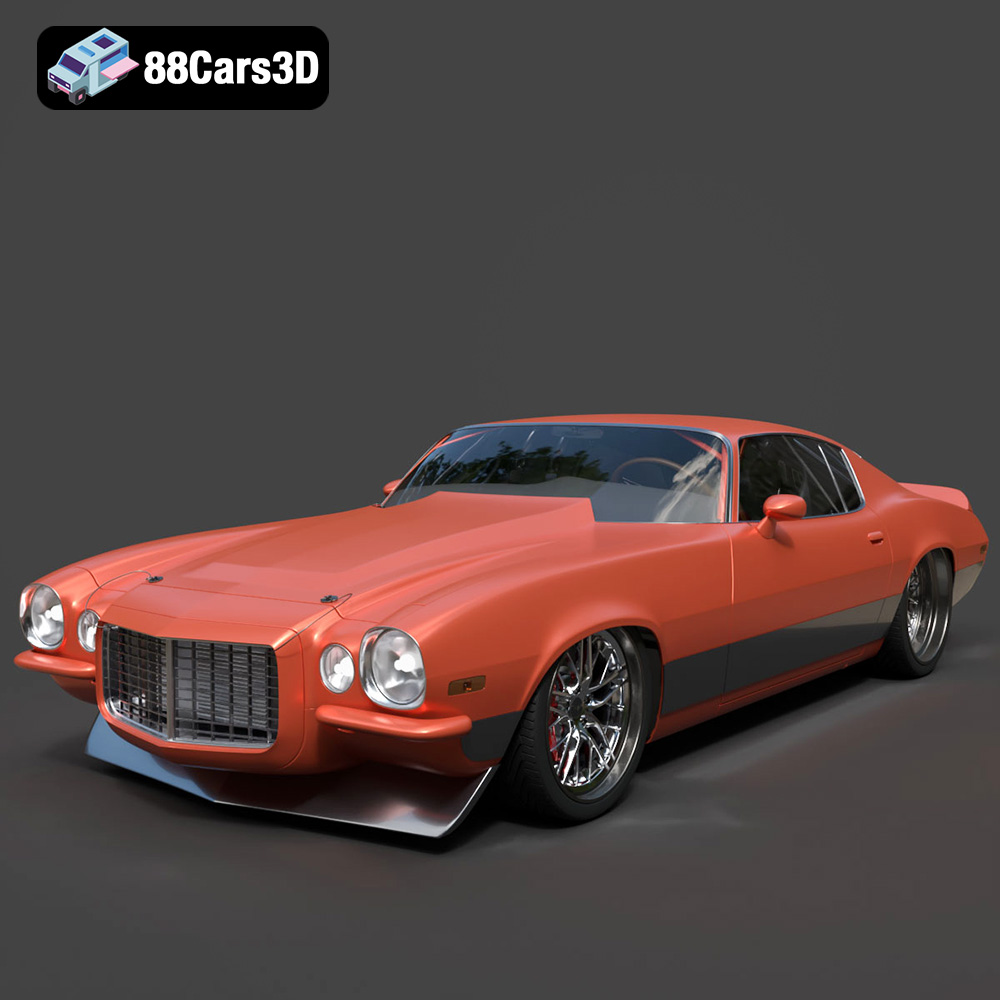
Download the Chevrolet Camaro 1970 3D Model featuring clean geometry, realistic detailing, and a fully modeled interior. Includes .blend, .fbx, .obj, .glb, .stl, .ply, .unreal, and .max formats for rendering, simulation, and game development.
Price: $10
Texture: Yes
Material: Yes
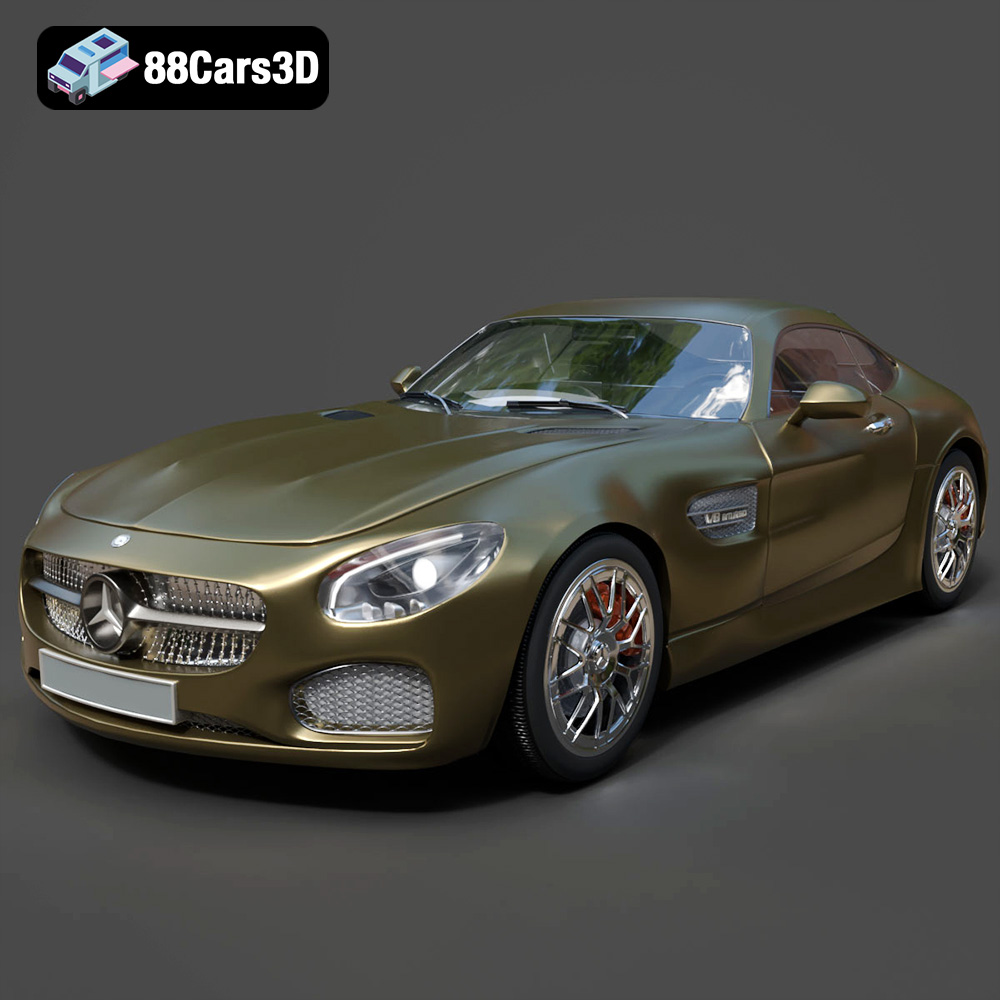
Download the Mercedes-AMG GT 2015 3D Model featuring clean geometry, realistic detailing, and a fully modeled interior. Includes .blend, .fbx, .obj, .glb, .stl, .ply, .unreal, and .max formats for rendering, simulation, and game development.
Price: $88.99
Texture: Yes
Material: Yes
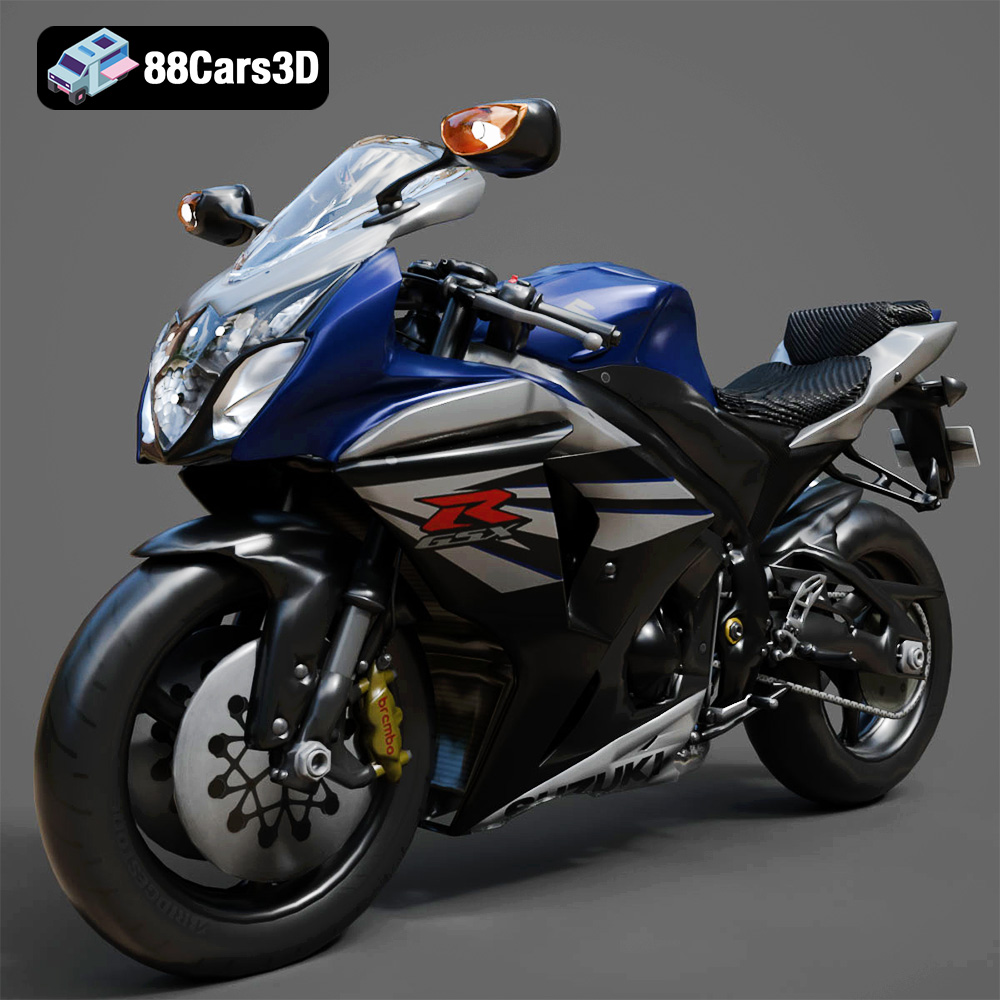
Download the Suzuki GSX-R 1000 3D Model featuring clean geometry, realistic detailing, and a fully modeled interior. Includes .blend, .fbx, .obj, .glb, .stl, .ply, .unreal, and .max formats for rendering, simulation, and game development.
Price: $10
Texture: Yes
Material: Yes
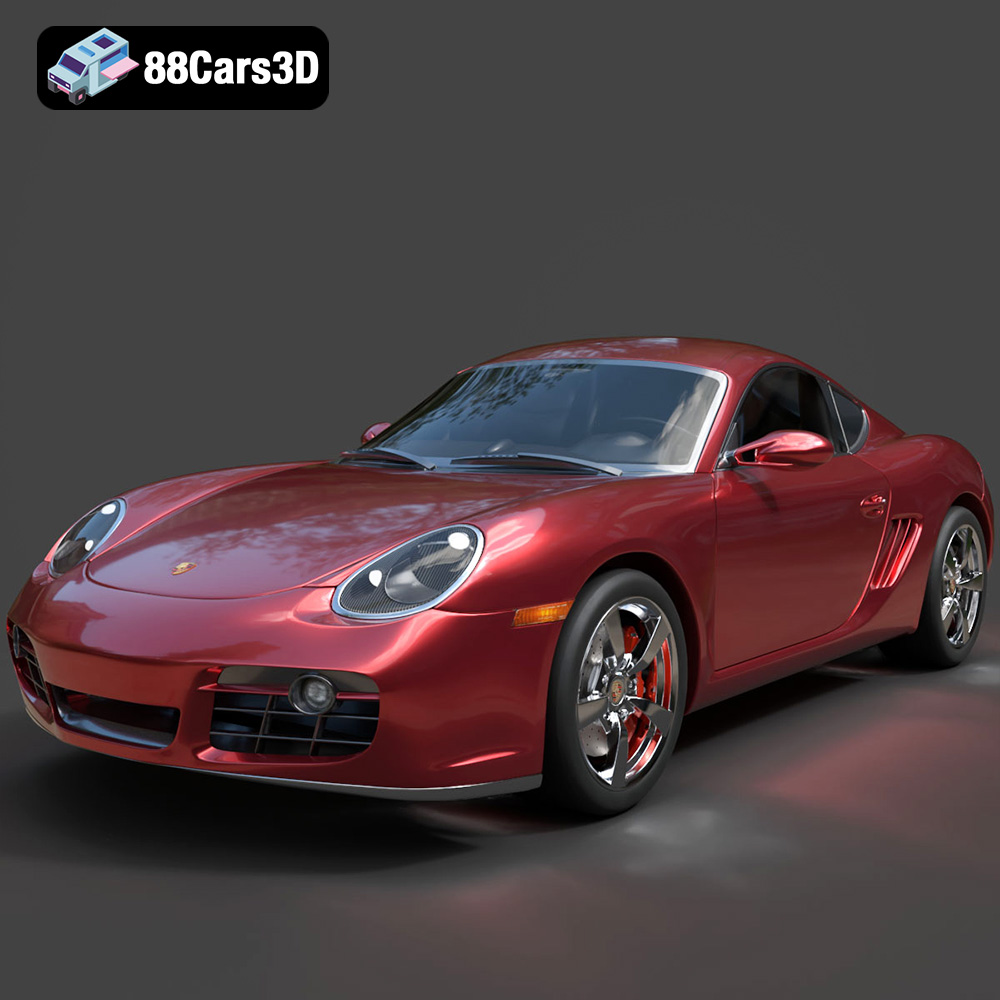
Download the Porsche Cayman S 2024 3D Model featuring clean geometry, realistic detailing, and a fully modeled interior. Includes .blend, .fbx, .obj, .glb, .stl, .ply, .unreal, and .max formats for rendering, simulation, and game development.
Price: $10
Texture: Yes
Material: Yes
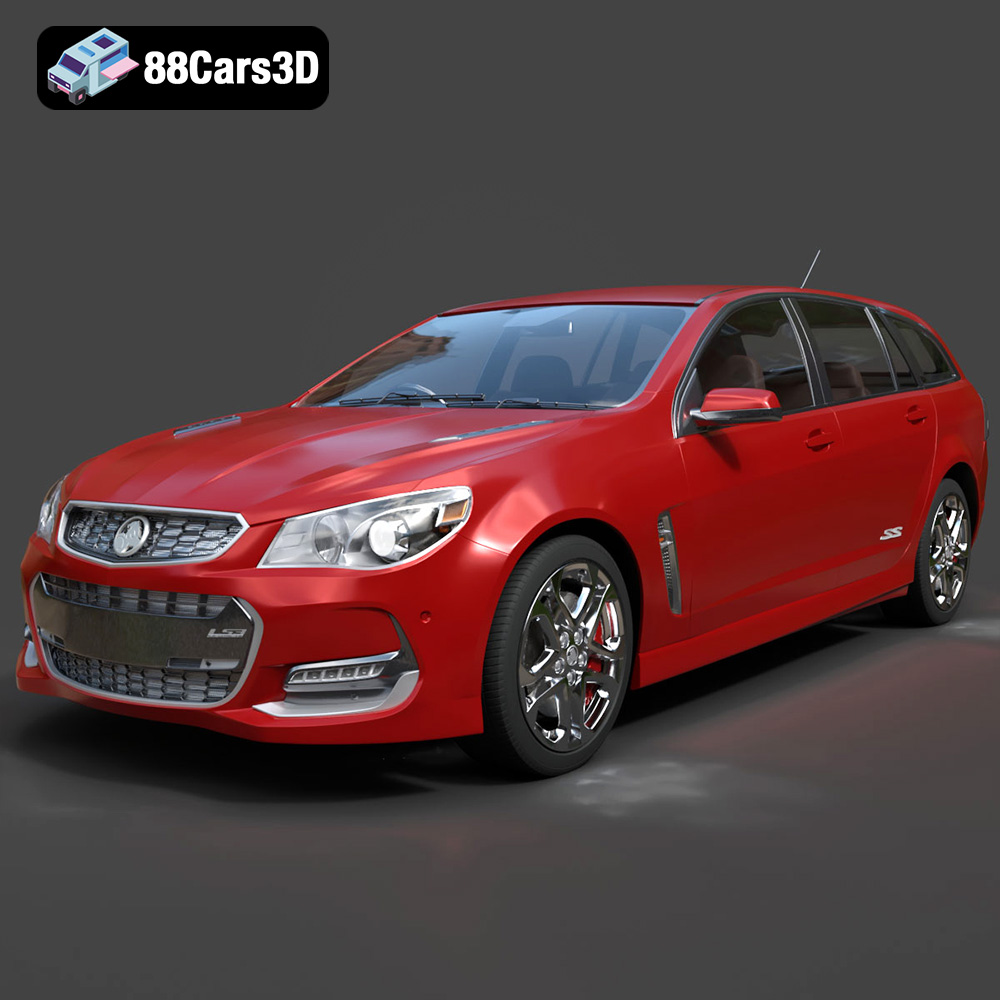
Download the Holden Commodore Sportwagon 2017 3D Model featuring clean geometry, realistic detailing, and a fully modeled interior. Includes .blend, .fbx, .obj, .glb, .stl, .ply, .unreal, and .max formats for rendering, simulation, and game development.
Price: $10
Texture: Yes
Material: Yes
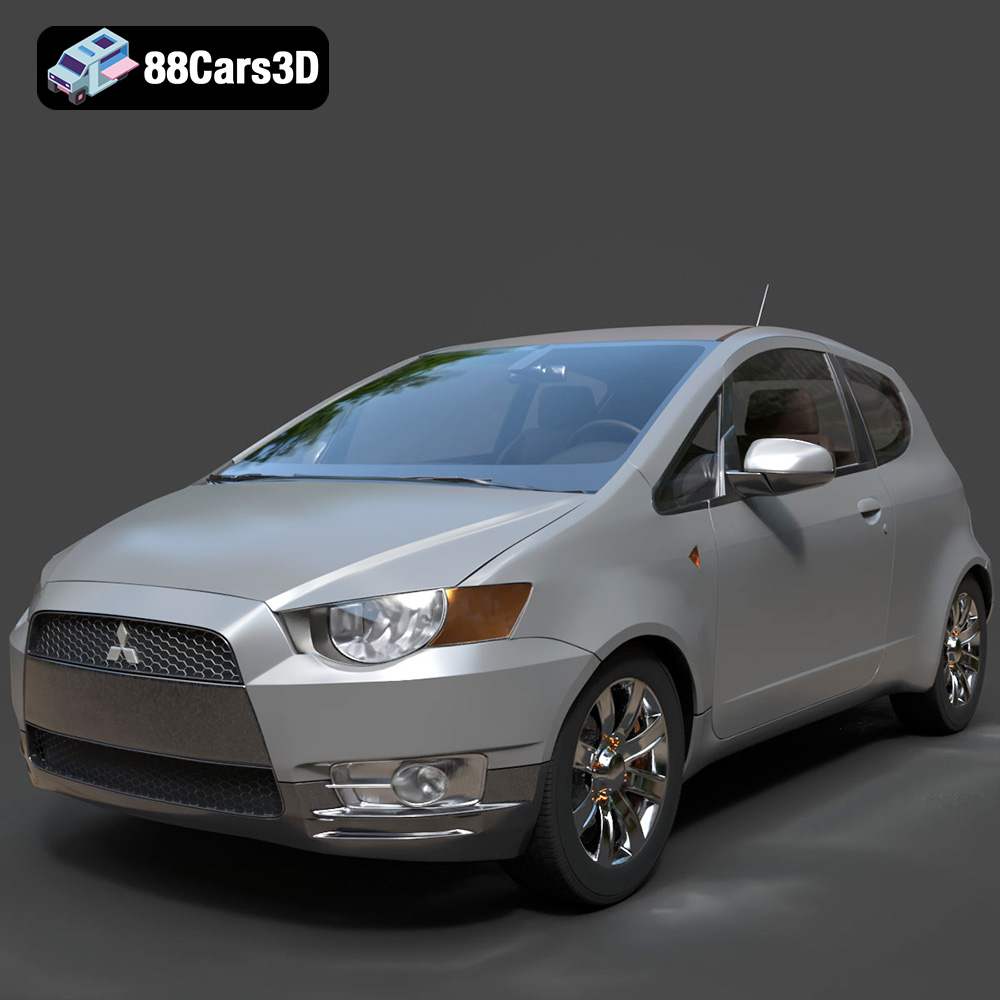
Download the Mitsubishi Colt 3 Door 2008 3D Model featuring clean geometry, realistic detailing, and a fully modeled interior. Includes .blend, .fbx, .obj, .glb, .stl, .ply, .unreal, and .max formats for rendering, simulation, and game development.
Price: $10
Texture: Yes
Material: Yes
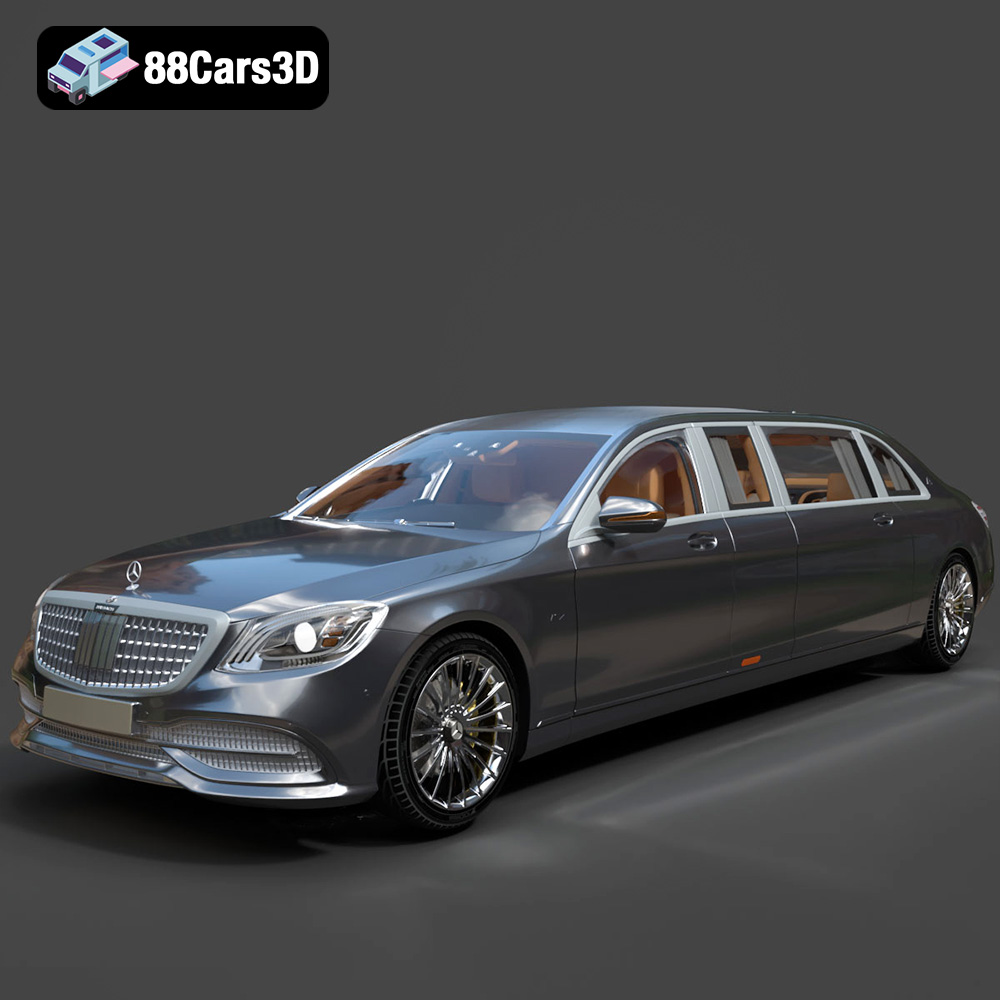
Download the Mercedes-Benz S650 Pullman 3D Model featuring clean geometry, realistic detailing, and a fully modeled interior. Includes .blend, .fbx, .obj, .glb, .stl, .ply, .unreal, and .max formats for rendering, simulation, and game development.
Price: $95.99
Texture: Yes
Material: Yes
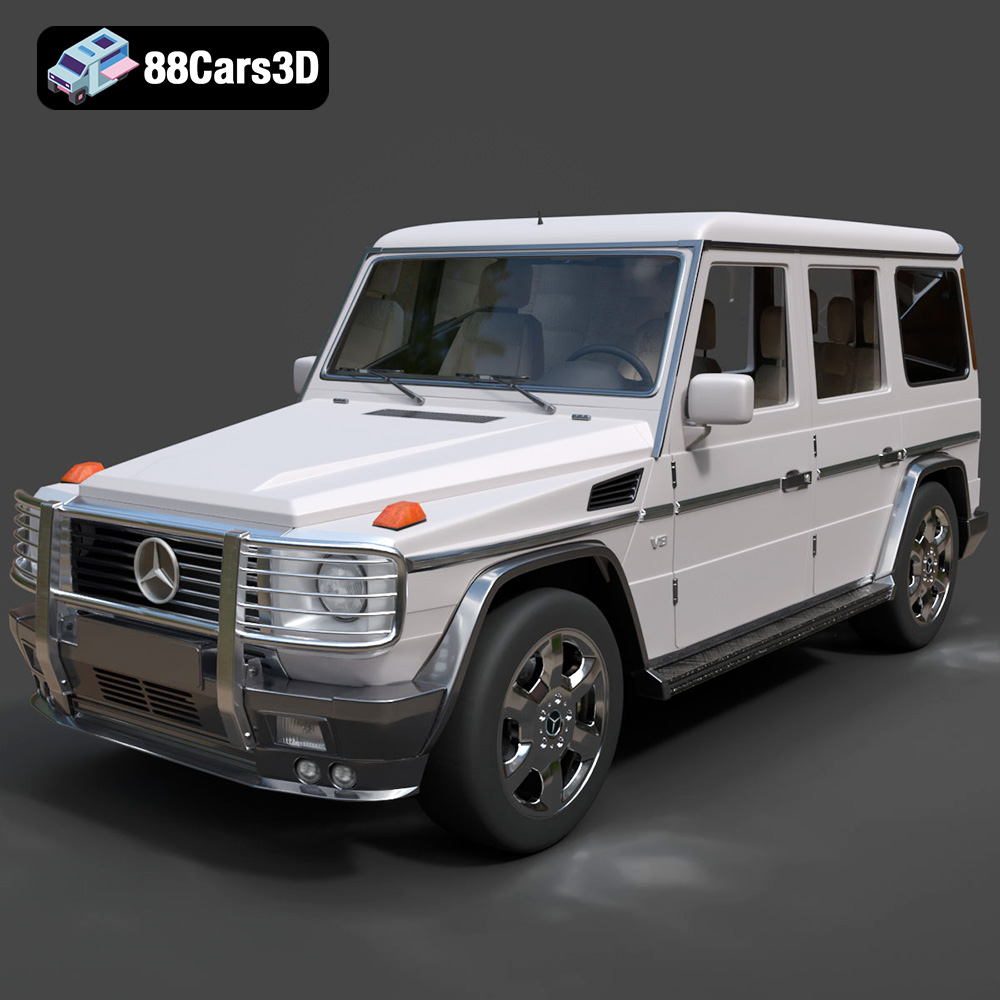
Download the Mercedes G-Class SUV 2024 3D Model featuring clean geometry, realistic detailing, and a fully modeled interior. Includes .blend, .fbx, .obj, .glb, .stl, .ply, .unreal, and .max formats for rendering, simulation, and game development.
Price: $10
Texture: Yes
Material: Yes
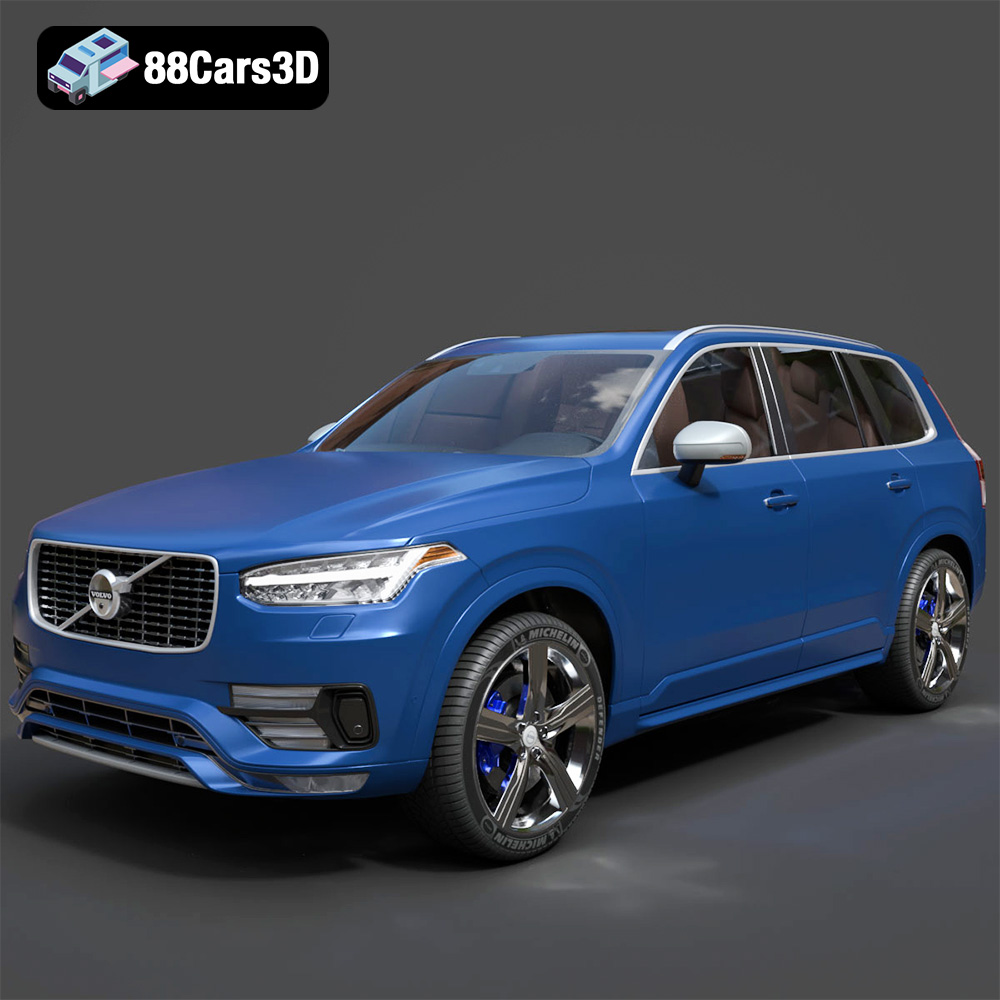
Download the Volvo XC90 R-Design 2015 3D Model featuring clean geometry, realistic detailing, and a fully modeled interior. Includes .blend, .fbx, .obj, .glb, .stl, .ply, .unreal, and .max formats for rendering, simulation, and game development.
Price: $10

**Meta Description:**
Texture: Yes
Material: Yes
Download the Toyota Crown Majesta 2009 3D Model with luxury detailing, clean topology, and a fully modeled interior. Available in .blend, .fbx, .obj, .glb, .stl, .ply, .unreal, and .max formats for rendering, simulation, and game development.
Price: $4.99

**Meta Description:**
Texture: Yes
Material: Yes
Download the Toyota AE86 Levin 1983 1987 3D Model featuring realistic exterior and interior detailing. Includes .blend, .fbx, .obj, .glb, .stl, .ply, .unreal, and .max formats for rendering, simulation, and game development.
Price: $9.99

Texture: Yes
Material: Yes
Download the Toyota Mark 2 2001 3D Model featuring clean geometry, realistic detailing, and a fully modeled interior. Includes .blend, .fbx, .obj, .glb, .stl, .ply, .unreal, and .max formats for rendering, simulation, and game development.
Price: $4.99

Texture: Yes
Material: Yes
Download the Toyota Celica 2000 3D Model featuring clean geometry, realistic detailing, and a fully modeled interior. Includes .blend, .fbx, .obj, .glb, .stl, .ply, .unreal, and .max formats for rendering, simulation, and game development.
Price: $4.99

Download the Toyota Camry US 2012 3D Model featuring clean geometry, realistic detailing, and a fully modeled interior. Includes .blend, .fbx, .obj, .glb, .stl, .ply, .unreal, and .max formats for rendering, simulation, and game development.
Price: $4.99

Texture: Yes
Material: Yes
Download the Toyota GT 86 2013 3D Model featuring clean geometry, realistic detailing, and a fully modeled interior. Includes .blend, .fbx, .obj, .glb, .stl, .ply, .unreal, and .max formats for rendering, simulation, and game development.
Price: $4.99

Texture: Yes
Material: Yes
Download the Toyota Mark X 2010 3D Model featuring clean geometry, realistic detailing, and a fully modeled interior. Includes .blend, .fbx, .obj, .glb, .stl, .ply, .unreal, and .max formats for rendering, simulation, and game development.
Price: $4.99

Texture: Yes
Material: Yes
Download the Toyota Allion 2008 3D Model featuring clean geometry, realistic detailing, and a fully modeled interior. Includes .blend, .fbx, .obj, .glb, .stl, .ply, .unreal, and .max formats for rendering, simulation, and game development.
Price: $4.99

Texture: Yes
Material: Yes
Download the Toyota Avensis 2005 3D Model featuring clean geometry, realistic detailing, and a fully modeled interior. Includes .blend, .fbx, .obj, .glb, .stl, .ply, .unreal, and .max formats for rendering, simulation, and game development.
Price: $4.99

Texture: Yes
Material: Yes
Download the Toyota Camry Solara 2006 3D Model featuring clean geometry, realistic detailing, and a fully modeled interior. Includes .blend, .fbx, .obj, .glb, .stl, .ply, .unreal, and .max formats for rendering, simulation, and game development.
Price: $4.99

Texture: Yes
Material: Yes
Download the Skoda Superb 2009 3D Model featuring clean geometry, realistic detailing, and a fully modeled interior. Includes .blend, .fbx, .obj, .glb, .stl, .ply, .unreal, and .max formats for rendering, simulation, and game development.
Price: $4.99

Texture: Yes
Material: Yes
Download the Skoda Superb 2006 3D Model featuring clean geometry, realistic detailing, and a fully modeled interior. Includes .blend, .fbx, .obj, .glb, .stl, .ply, .unreal, and .max formats for rendering, simulation, and game development.
Price: $4.99

Texture: Yes
Material: Yes
Download the Ford Mustang Shelby Super Snake Concept 2018 3D Model featuring clean geometry, realistic detailing, and a fully modeled interior. Includes .blend, .fbx, .obj, .glb, .stl, .ply, .unreal, and .max formats for rendering, simulation, and game development.
Price: $4.99

Texture: Yes
Material: Yes
Download the Porsche Cayenne Turbo 2018 3D Model featuring clean geometry, realistic detailing, and a fully modeled interior. Includes .blend, .fbx, .obj, .glb, .stl, .ply, .unreal, and .max formats for rendering, simulation, and game development.
Price: $4.99

Texture: Yes
Material: Yes
Download the Chevrolet Lacetti Sedan 2004 3D Model featuring clean geometry, realistic detailing, and a fully modeled interior. Includes .blend, .fbx, .obj, .glb, .stl, .ply, .unreal, and .max formats for rendering, simulation, and game development.
Price: $4.99

Texture: Yes
Material: Yes
Download the Skoda Rapid 2013 3D Model featuring clean geometry, realistic detailing, and a fully modeled interior. Includes .blend, .fbx, .obj, .glb, .stl, .ply, .unreal, and .max formats for rendering, simulation, and game development.
Price: $4.99

Texture: Yes
Material: Yes
Download the Skoda Octavia A5-007 3D Model featuring clean geometry, realistic detailing, and a fully modeled interior. Includes .blend, .fbx, .obj, .glb, .stl, .ply, .unreal, and .max formats for rendering, simulation, and game development.
Price: $4.99

Texture: Yes
Material: Yes
Download the Skoda Fabia 2023 3D Model featuring clean geometry, realistic detailing, and a fully modeled interior. Includes .blend, .fbx, .obj, .glb, .stl, .ply, .unreal, and .max formats for rendering, simulation, and game development.
Price: $4.99

Texture: Yes
Material: Yes
Download the Skoda Fabia 2007 3D Model featuring clean geometry, realistic detailing, and a fully modeled interior. Includes .blend, .fbx, .obj, .glb, .stl, .ply, .unreal, and .max formats for rendering, simulation, and game development.
Price: $4.99

Texture: Yes
Material: Yes
Download the Honda VFR 1200 F 2015 3D Model featuring clean geometry, realistic detailing, and a fully modeled interior. Includes .blend, .fbx, .obj, .glb, .stl, .ply, .unreal, and .max formats for rendering, simulation, and game development.
Price: $4.99

Texture: Yes
Material: Yes
Download the Subaru BRZ 2025 3D Model featuring clean geometry, realistic detailing, and a fully modeled interior. Includes .blend, .fbx, .obj, .glb, .stl, .ply, .unreal, and .max formats for rendering, simulation, and game development.
Price: $4.99

Texture: Yes
Material: Yes
Download the SsangYong Rodius 2007 3D Model featuring clean geometry, realistic detailing, and a fully modeled interior. Includes .blend, .fbx, .obj, .glb, .stl, .ply, .unreal, and .max formats for rendering, simulation, and game development.
Price: $4.99

Texture: Yes
Material: Yes
Download the Subaru Impreza 1992 3D Model featuring clean geometry, realistic detailing, and a fully modeled interior. Includes .blend, .fbx, .obj, .glb, .stl, .ply, .unreal, and .max formats for rendering, simulation, and game development.
Price: $4.99

Texture: Yes
Material: Yes
Download the Subaru Impreza 2005 3D Model featuring clean geometry, realistic detailing, and a fully modeled interior. Includes .blend, .fbx, .obj, .glb, .stl, .ply, .unreal, and .max formats for rendering, simulation, and game development.
Price: $4.99

Texture: Yes
Material: Yes
Download the Spyker C8-007 2004 3D Model featuring clean geometry, realistic detailing, and a fully modeled interior. Includes .blend, .fbx, .obj, .glb, .stl, .ply, .unreal, and .max formats for rendering, simulation, and game development.
Price: $4.99

Texture: Yes
Material: Yes
Download the Smart Roadster 2003 3D Model featuring clean geometry, realistic detailing, and a fully modeled interior. Includes .blend, .fbx, .obj, .glb, .stl, .ply, .unreal, and .max formats for rendering, simulation, and game development.
Price: $4.99

Texture: Yes
Material: Yes
Download the Skoda Roomster 2007 3D Model featuring clean geometry, realistic detailing, and a fully modeled interior. Includes .blend, .fbx, .obj, .glb, .stl, .ply, .unreal, and .max formats for rendering, simulation, and game development.
Price: $4.99

Texture: Yes
Material: Yes
Download the Subaru Impreza Sport Wagon 3D Model featuring clean geometry, realistic detailing, and a fully modeled interior. Includes .blend, .fbx, .obj, .glb, .stl, .ply, .unreal, and .max formats for rendering, simulation, and game development.
Price: $4.99

Texture: Yes
Material: Yes
Download the Skoda Octavia A7 2017 3D Model featuring clean geometry, realistic detailing, and a fully modeled interior. Includes .blend, .fbx, .obj, .glb, .stl, .ply, .unreal, and .max formats for rendering, simulation, and game development.
Price: $4.99

Texture: Yes
Material: Yes
Download the Suzuki SX4-002 3D Model featuring clean geometry, realistic detailing, and a fully modeled interior. Includes .blend, .fbx, .obj, .glb, .stl, .ply, .unreal, and .max formats for rendering, simulation, and game development.
Price: $4.99

Texture: Yes
Material: Yes
Download the Tesla Model S 2024 3D Model featuring clean geometry, realistic detailing, and a fully modeled interior. Includes .blend, .fbx, .obj, .glb, .stl, .ply, .unreal, and .max formats for rendering, simulation, and game development.
Price: $4.99

Texture: Yes
Material: Yes
Download the Subaru Impreza WRX STi-002 3D Model featuring clean geometry, realistic detailing, and a fully modeled interior. Includes .blend, .fbx, .obj, .glb, .stl, .ply, .unreal, and .max formats for rendering, simulation, and game development.
Price: $4.99

Texture: Yes
Material: Yes
Download the Subaru Impreza WRX STi Sedan 3D Model featuring clean geometry, realistic detailing, and a fully modeled interior. Includes .blend, .fbx, .obj, .glb, .stl, .ply, .unreal, and .max formats for rendering, simulation, and game development.
Price: $4.99

Texture: Yes
Material: Yes
Download the Subaru Legacy 2009 3D Model featuring clean geometry, realistic detailing, and a fully modeled interior. Includes .blend, .fbx, .obj, .glb, .stl, .ply, .unreal, and .max formats for rendering, simulation, and game development.
Price: $4.99

Texture: Yes
Material: Yes
Download the Suzuki Swift 2024 3D Model featuring clean geometry, realistic detailing, and a fully modeled interior. Includes .blend, .fbx, .obj, .glb, .stl, .ply, .unreal, and .max formats for rendering, simulation, and game development.
Price: $4.99

Texture: Yes
Material: Yes
Download the Suzuki Liana Sedan 2004 3D Model featuring clean geometry, realistic detailing, and a fully modeled interior. Includes .blend, .fbx, .obj, .glb, .stl, .ply, .unreal, and .max formats for rendering, simulation, and game development.
Price: $4.99

Texture: Yes
Material: Yes
Download the Subaru Outback 2024 3D Model featuring clean geometry, realistic detailing, and a fully modeled interior. Includes .blend, .fbx, .obj, .glb, .stl, .ply, .unreal, and .max formats for rendering, simulation, and game development.
Price: $4.99

Texture: Yes
Material: Yes
Download the Subaru Legacy 2003 3D Model featuring clean geometry, realistic detailing, and a fully modeled interior. Includes .blend, .fbx, .obj, .glb, .stl, .ply, .unreal, and .max formats for rendering, simulation, and game development.
Price: $4.99

Texture: Yes
Material: Yes
Download the Subaru Legacy Touring Wagon 3D Model featuring clean geometry, realistic detailing, and a fully modeled interior. Includes .blend, .fbx, .obj, .glb, .stl, .ply, .unreal, and .max formats for rendering, simulation, and game development.
Price: $4.99

Texture: Yes
Material: Yes
Download the Toyota Mark II (X100) 3D Model featuring clean geometry, realistic detailing, and a fully modeled interior. Includes .blend, .fbx, .obj, .glb, .stl, .ply, .unreal, and .max formats for rendering, simulation, and game development.
Price: $4.99

Texture: Yes
Material: Yes
Download the Toyota Corona 1985 3D Model featuring clean geometry, realistic detailing, and a fully modeled interior. Includes .blend, .fbx, .obj, .glb, .stl, .ply, .unreal, and .max formats for rendering, simulation, and game development.
Price: $4.99

Texture: Yes
Material: Yes
Download the Toyota Mark II X81 1990 3D Model featuring clean geometry, realistic detailing, and a fully modeled interior. Includes .blend, .fbx, .obj, .glb, .stl, .ply, .unreal, and .max formats for rendering, simulation, and game development.
Price: $4.99

Texture: Yes
Material: Yes
Download the Toyota iQ EV 2012 3D Model featuring clean geometry, realistic detailing, and a fully modeled interior. Includes .blend, .fbx, .obj, .glb, .stl, .ply, .unreal, and .max formats for rendering, simulation, and game development.
Price: $4.99

Texture: Yes
Material: Yes
Download the Toyota Aygo 2013 3D Model featuring clean geometry, realistic detailing, and a fully modeled interior. Includes .blend, .fbx, .obj, .glb, .stl, .ply, .unreal, and .max formats for rendering, simulation, and game development.
Price: $4.99

Texture: Yes
Material: Yes
Download the Toyota Crown S180 2005 3D Model featuring clean geometry, realistic detailing, and a fully modeled interior. Includes .blend, .fbx, .obj, .glb, .stl, .ply, .unreal, and .max formats for rendering, simulation, and game development.
Price: $4.99

Texture: Yes
Material: Yes
Download the Toyota Celica 2004 3D Model featuring clean geometry, realistic detailing, and a fully modeled interior. Includes .blend, .fbx, .obj, .glb, .stl, .ply, .unreal, and .max formats for rendering, simulation, and game development.
Price: $4.99

Texture: Yes
Material: Yes
Download the Toyota Corolla AE100 1992 3D Model featuring clean geometry, realistic detailing, and a fully modeled interior. Includes .blend, .fbx, .obj, .glb, .stl, .ply, .unreal, and .max formats for rendering, simulation, and game development.
Price: $4.99

Texture: Yes
Material: Yes
Download the Toyota Mark II X110 2000 3D Model featuring clean geometry, realistic detailing, and a fully modeled interior. Includes .blend, .fbx, .obj, .glb, .stl, .ply, .unreal, and .max formats for rendering, simulation, and game development.
Price: $4.99

Texture: Yes
Material: Yes
Download the Toyota Corolla 2020 3D Model featuring clean geometry, realistic detailing, and a fully modeled interior. Includes .blend, .fbx, .obj, .glb, .stl, .ply, .unreal, and .max formats for rendering, simulation, and game development.
Price: $4.99

Texture: Yes
Material: Yes
Download the Toyota Yaris 2020 3D Model featuring clean geometry, realistic detailing, and a fully modeled interior. Includes .blend, .fbx, .obj, .glb, .stl, .ply, .unreal, and .max formats for rendering, simulation, and game development.
Price: $4.99

Texture: Yes
Material: Yes
Download the Volkswagen Beetle 2012 3D Model featuring clean geometry, realistic detailing, and a fully modeled interior. Includes .blend, .fbx, .obj, .glb, .stl, .ply, .unreal, and .max formats for rendering, simulation, and game development.
Price: $4.99

Texture: Yes
Material: Yes
Download the Toyota Matrix 2005 3D Model featuring clean geometry, realistic detailing, and a fully modeled interior. Includes .blend, .fbx, .obj, .glb, .stl, .ply, .unreal, and .max formats for rendering, simulation, and game development.
Price: $4.99

Texture: Yes
Material: Yes
Download the Toyota Yaris Sedan 3D Model featuring clean geometry, realistic detailing, and a fully modeled interior. Includes .blend, .fbx, .obj, .glb, .stl, .ply, .unreal, and .max formats for rendering, simulation, and game development.
Price: $4.99

Texture: Yes
Material: Yes
Download the Volkswagen Golf R-004 2024 3D Model featuring clean geometry, realistic detailing, and a fully modeled interior. Includes .blend, .fbx, .obj, .glb, .stl, .ply, .unreal, and .max formats for rendering, simulation, and game development.
Price: $4.99

Texture: Yes
Material: Yes
Download the Volkswagen Golf 5 Door 2010 3D Model featuring clean geometry, realistic detailing, and a fully modeled interior. Includes .blend, .fbx, .obj, .glb, .stl, .ply, .unreal, and .max formats for rendering, simulation, and game development.
Price: $4.99

Texture: Yes
Material: Yes
Download the Toyota Premio 2010 3D Model featuring clean geometry, realistic detailing, and a fully modeled interior. Includes .blend, .fbx, .obj, .glb, .stl, .ply, .unreal, and .max formats for rendering, simulation, and game development.
Price: $4.99

Texture: Yes
Material: Yes
Download the Toyota Opa 2000 3D Model featuring clean geometry, realistic detailing, and a fully modeled interior. Includes .blend, .fbx, .obj, .glb, .stl, .ply, .unreal, and .max formats for rendering, simulation, and game development.
Price: $4.99

Texture: Yes
Material: Yes
Download the Volkswagen Polo 5 Door 2010 3D Model featuring clean geometry, realistic detailing, and a fully modeled interior. Includes .blend, .fbx, .obj, .glb, .stl, .ply, .unreal, and .max formats for rendering, simulation, and game development.
Price: $4.99

Texture: Yes
Material: Yes
Download the Toyota Prius 2024 3D Model featuring clean geometry, realistic detailing, and a fully modeled interior. Includes .blend, .fbx, .obj, .glb, .stl, .ply, .unreal, and .max formats for rendering, simulation, and game development.
Price: $4.99

Texture: Yes
Material: Yes
Download the Toyota Yaris 1999 3D Model featuring clean geometry, realistic detailing, and a fully modeled interior. Includes .blend, .fbx, .obj, .glb, .stl, .ply, .unreal, and .max formats for rendering, simulation, and game development.
Price: $4.99

Texture: Yes
Material: Yes
Download the Toyota Supra 2020 3D Model featuring clean geometry, realistic detailing, and a fully modeled interior. Includes .blend, .fbx, .obj, .glb, .stl, .ply, .unreal, and .max formats for rendering, simulation, and game development.
Price: $4.99

Texture: Yes
Material: Yes
Download the Volkswagen New Beetle 2000 3D Model featuring clean geometry, realistic detailing, and a fully modeled interior. Includes .blend, .fbx, .obj, .glb, .stl, .ply, .unreal, and .max formats for rendering, simulation, and game development.
Price: $14.99

Texture: Yes
Material: Yes
Download the Volkswagen Jetta 2005 3D Model featuring clean geometry, realistic detailing, and a fully modeled interior. Includes .blend, .fbx, .obj, .glb, .stl, .ply, .unreal, and .max formats for rendering, simulation, and game development.
Price: $4.99

Texture: Yes
Material: Yes
Download the Volkswagen Golf 3-Door 3D Model featuring clean geometry, realistic detailing, and a fully modeled interior. Includes .blend, .fbx, .obj, .glb, .stl, .ply, .unreal, and .max formats for rendering, simulation, and game development.
Price: $14.99

Texture: Yes
Material: Yes
Download the Volvo V70 2005 3D Model featuring clean geometry, realistic detailing, and a fully modeled interior. Includes .blend, .fbx, .obj, .glb, .stl, .ply, .unreal, and .max formats for rendering, simulation, and game development.
Price: $14.99

Texture: Yes
Material: Yes
Download the Volkswagen Bora 2004 3D Model featuring clean geometry, realistic detailing, and a fully modeled interior. Includes .blend, .fbx, .obj, .glb, .stl, .ply, .unreal, and .max formats for rendering, simulation, and game development.
Price: $14.99

Texture: Yes
Material: Yes
Download the Volkswagen Lupo 3D Model featuring clean geometry, realistic detailing, and a fully modeled interior. Includes .blend, .fbx, .obj, .glb, .stl, .ply, .unreal, and .max formats for rendering, simulation, and game development.
Price: $5.99

Texture: Yes
Material: Yes
Download the Volkswagen Passat B5 2000 3D Model featuring clean geometry, realistic detailing, and a fully modeled interior. Includes .blend, .fbx, .obj, .glb, .stl, .ply, .unreal, and .max formats for rendering, simulation, and game development.
Price: $5.99

Texture: Yes
Material: Yes
Download the Volkswagen Passat CC 3D Model featuring clean geometry, realistic detailing, and a fully modeled interior. Includes .blend, .fbx, .obj, .glb, .stl, .ply, .unreal, and .max formats for rendering, simulation, and game development.
Price: $5.99

Texture: Yes
Material: Yes
Download the Volkswagen Golf V 2006 3D Model featuring clean geometry, realistic detailing, and a fully modeled interior. Includes .blend, .fbx, .obj, .glb, .stl, .ply, .unreal, and .max formats for rendering, simulation, and game development.
Price: $5.99

Texture: Yes
Material: Yes
Download the Volvo S60 R-Design 3D Model featuring clean geometry, realistic detailing, and a fully modeled interior. Includes .blend, .fbx, .obj, .glb, .stl, .ply, .unreal, and .max formats for rendering, simulation, and game development.
Price: $5.99

Texture: Yes
Material: Yes
Download the Volkswagen Passat 2025 3D Model featuring clean geometry, realistic detailing, and a fully modeled interior. Includes .blend, .fbx, .obj, .glb, .stl, .ply, .unreal, and .max formats for rendering, simulation, and game development.
Price: $5.99

Texture: Yes
Material: Yes
Download the Volkswagen Passat Variant B6 2005 3D Model featuring clean geometry, realistic detailing, and a fully modeled interior. Includes .blend, .fbx, .obj, .glb, .stl, .ply, .unreal, and .max formats for rendering, simulation, and game development.
Price: $5.99

Texture: Yes
Material: Yes
Download the Volkswagen Phaeton W12 2004 3D Model featuring clean geometry, realistic detailing, and a fully modeled interior. Includes .blend, .fbx, .obj, .glb, .stl, .ply, .unreal, and .max formats for rendering, simulation, and game development.
Price: $5.99

Texture: Yes
Material: Yes
Download the Volkswagen Scirocco 2015 3D Model featuring clean geometry, realistic detailing, and a fully modeled interior. Includes .blend, .fbx, .obj, .glb, .stl, .ply, .unreal, and .max formats for rendering, simulation, and game development.
Price: $5.99

Texture: Yes
Material: Yes
Download the Volvo S60 2024 3D Model featuring clean geometry, realistic detailing, and a fully modeled interior. Includes .blend, .fbx, .obj, .glb, .stl, .ply, .unreal, and .max formats for rendering, simulation, and game development.
Price: $5.99

Texture: Yes
Material: Yes
Download the Volkswagen Polo 3D Model featuring clean geometry, realistic detailing, and a fully modeled interior. Includes .blend, .fbx, .obj, .glb, .stl, .ply, .unreal, and .max formats for rendering, simulation, and game development.
Price: $5.99

Texture: Yes
Material: Yes
Download the Volkswagen Golf 5-Doors 3D Model featuring clean geometry, realistic detailing, and a fully modeled interior. Includes .blend, .fbx, .obj, .glb, .stl, .ply, .unreal, and .max formats for rendering, simulation, and game development.
Price: $5.99

Texture: Yes
Material: Yes
Download the Volvo C70 T5 2000 3D Model featuring clean geometry, realistic detailing, and a fully modeled interior. Includes .blend, .fbx, .obj, .glb, .stl, .ply, .unreal, and .max formats for rendering, simulation, and game development.
Price: $5.99

Texture: Yes
Material: Yes
Download the Volvo S40 Sedan 2004 3D Model featuring clean geometry, realistic detailing, and a fully modeled interior. Includes .blend, .fbx, .obj, .glb, .stl, .ply, .unreal, and .max formats for rendering, simulation, and game development.
Price: $5.99

Texture: Yes
Material: Yes
Download the Volvo C30 BEV 2012 3D Model featuring clean geometry, realistic detailing, and a fully modeled interior. Includes .blend, .fbx, .obj, .glb, .stl, .ply, .unreal, and .max formats for rendering, simulation, and game development.
Price: $5.99

Texture: Yes
Material: Yes
Download the Volvo C70 1998 3D Model featuring clean geometry, realistic detailing, and a fully modeled interior. Includes .blend, .fbx, .obj, .glb, .stl, .ply, .unreal, and .max formats for rendering, simulation, and game development.
Price: $5.99

Texture: Yes
Material: Yes
Download the Mazda B-Series 3D Model featuring clean geometry, realistic detailing, and a fully modeled interior. Includes .blend, .fbx, .obj, .glb, .stl, .ply, .unreal, and .max formats for rendering, simulation, and game development.
Price: $5.99

Texture: Yes
Material: Yes
Download the Mercsedes Benz Z3-006 3D Model featuring clean geometry, realistic detailing, and a fully modeled interior. Includes .blend, .fbx, .obj, .glb, .stl, .ply, .unreal, and .max formats for rendering, simulation, and game development.
Price: $5.99

Texture: Yes
Material: Yes
Download the Mazda RX-7 3D Model featuring clean geometry, realistic detailing, and a fully modeled interior. Includes .blend, .fbx, .obj, .glb, .stl, .ply, .unreal, and .max formats for rendering, simulation, and game development.
Price: $5.99

Texture: Yes
Material: Yes
Download the Volvo VCC-003 3D Model featuring clean geometry, realistic detailing, and a fully modeled interior. Includes .blend, .fbx, .obj, .glb, .stl, .ply, .unreal, and .max formats for rendering, simulation, and game development.
Price: $5.99

Texture: Yes
Material: Yes
Download the Mercedes-Benz SLR McLaren 2005 3D Model featuring clean geometry, realistic detailing, and a fully modeled interior. Includes .blend, .fbx, .obj, .glb, .stl, .ply, .unreal, and .max formats for rendering, simulation, and game development.
Price: $5.99

Texture: Yes
Material: Yes
Download the GAZ 3110 Pickup 3D Model featuring clean geometry, realistic detailing, and a fully modeled interior. Includes .blend, .fbx, .obj, .glb, .stl, .ply, .unreal, and .max formats for rendering, simulation, and game development.
Price: $5.99

Texture: Yes
Material: Yes
Download the Mazda 626 GF 1997 3D Model featuring clean geometry, realistic detailing, and a fully modeled interior. Includes .blend, .fbx, .obj, .glb, .stl, .ply, .unreal, and .max formats for rendering, simulation, and game development.
Price: $5.99

Texture: Yes
Material: Yes
Download the Volvo S80 2011 3D Model featuring clean geometry, realistic detailing, and a fully modeled interior. Includes .blend, .fbx, .obj, .glb, .stl, .ply, .unreal, and .max formats for rendering, simulation, and game development.
Price: $5.99

