⚡ FLASH SALE: Get 60% OFF All Premium 3D & STL Models! ⚡

The world of automotive visualization is undergoing a seismic shift. For decades, achieving photorealistic imagery meant long render times, complex offline rendering software, and a rigid, non-interactive workflow. Today, real-time rendering engines like Unreal Engine 5 have completely rewritten the rules. It’s now possible to create stunning, interactive, and dynamic automotive experiences that run in real-time, from marketing cinematics and virtual showrooms to advanced engineering simulations. This democratization of high-fidelity graphics has opened up a new frontier for artists, designers, and developers.
This comprehensive guide will walk you through the entire process of taking a high-quality 3D car model and transforming it into a breathtaking, interactive experience within Unreal Engine 5. We will cover everything from initial project setup and optimal import workflows to crafting complex PBR materials for car paint, lighting your scene with the revolutionary Lumen system, and leveraging Nanite for unprecedented geometric detail. Whether you are a 3D artist looking to transition to real-time rendering or a game developer aiming to achieve next-level realism, this article provides the technical knowledge and professional best practices you need to master automotive visualization in Unreal Engine.
A successful project begins with a solid foundation. Before you even import your first model, configuring your Unreal Engine project correctly and ensuring your asset is properly prepared are critical steps that will save you countless hours of troubleshooting down the line. A well-structured setup ensures optimal performance, unlocks the engine’s full feature set, and creates a streamlined workflow for achieving photorealistic results.
When creating a new project, Unreal Engine presents several templates. While a Games template can work, it often includes unnecessary gameplay mechanics. For pure visualization, the Architecture, Engineering, and Construction template is an excellent starting point. It comes with settings and plugins more suited for high-fidelity rendering, such as pre-enabled ray tracing support. Alternatively, starting with a Blank project gives you a clean slate, allowing you to enable only what you need. For most automotive visualization work, the Architecture or a Blank project is the recommended path.
Once your project is created, a few key settings in Project Settings (Edit > Project Settings) are crucial for automotive visualization:
The quality of your final render is directly tied to the quality of your source asset. Garbage in, garbage out. A model optimized for Unreal Engine should have clean, quad-based topology, a proper real-world scale (1 Unreal Unit = 1 cm), and intelligently separated components. For example, brake calipers, wheels, windows, and body panels should be distinct objects with correctly placed pivots for potential animations or interactions. Material assignments should be clean, with separate materials for paint, glass, chrome, rubber, etc. This is why sourcing assets from professional marketplaces such as 88cars3d.com is a significant advantage, as their models are specifically crafted with these principles in mind, providing a clean, ready-to-use foundation for any Unreal Engine project.
Importing your 3D car model into Unreal Engine is more than just clicking a button. Your import strategy determines how the engine handles geometry, materials, and textures, directly impacting both visual fidelity and performance. Understanding the different import workflows—primarily FBX and USD—and their associated settings is key to building an efficient and flexible pipeline.
For years, FBX has been the industry-standard file format for exchanging 3D data. The FBX import pipeline is robust and familiar to many artists. It’s a destructive process; once the model is imported, its connection to the source file is severed. Any changes require re-importing the asset.
Universal Scene Description (USD), developed by Pixar, represents a more modern, non-destructive approach. By importing a USD file into Unreal Engine’s USD Stage, you create a live link to the source file. This allows artists to make changes in their DCC application (like Blender, Maya, or 3ds Max) and see them update in real-time in Unreal Engine. For collaborative projects and iterative design workflows, USD is increasingly becoming the preferred method.
For those coming from architectural or design software like 3ds Max, V-Ray, or Rhino, the Datasmith plugin is a game-changer. It’s designed to transfer entire scenes—including geometry, complex material setups, lights, and cameras—with high fidelity. When you export a scene using the Datasmith Exporter plugin from your DCC application, it creates a `.udatasmith` file and a folder of assets. Importing this into Unreal Engine preserves your scene hierarchy and attempts to replicate your materials within the Unreal Material Editor, saving an immense amount of setup time.
When importing an FBX file directly, a dialog box appears with critical settings:
For more in-depth information on import options, the official Unreal Engine documentation provides a comprehensive overview that can be found at https://dev.epicgames.com/community/unreal-engine/learning, which is an invaluable resource for any technical artist.
Materials are what give a 3D model its sense of reality. In Unreal Engine, the node-based Material Editor is an incredibly powerful tool for creating physically-based rendering (PBR) materials that accurately simulate how light interacts with real-world surfaces. For an automotive model, creating a convincing, multi-layered car paint shader is one of the most important steps to achieving photorealism.
At its core, the Material Editor allows you to connect texture maps, mathematical operations, and functions to the inputs of a material. The primary PBR inputs you will work with are:
Standard car paint is not a simple surface; it’s a layered material with a base coat, metallic flakes, and a glossy clear coat on top. To replicate this in Unreal Engine:
By exposing parameters like Base Color and flake size as Material Instance parameters, you can easily create dozens of color variations without duplicating the entire material.
Beyond the paint, other materials complete the look:
Lighting is what breathes life into a scene. With Unreal Engine 5’s Lumen, dynamic global illumination and reflections have reached a level of quality that was previously only possible with offline rendering. Understanding how to leverage Lumen, supplement it with other light sources, and when to enable Hardware Ray Tracing is essential for creating compelling automotive renders.
Lumen is a fully dynamic global illumination (GI) and reflection system that requires no pre-calculation or light baking. It works by tracing rays against a simplified representation of the scene, allowing for realistic indirect lighting and reflections that update instantly when objects or lights move. For automotive visualization, this means you can see accurate color bleeding from the environment onto the car body and see the car reflected in the ground with soft, accurate contact shadows—all in real-time. Lumen is a massive leap forward from older techniques like Screen Space Global Illumination (SSGI) or baked lighting with Lightmass.
A classic studio setup is perfect for showcasing a vehicle. Here’s a simple but effective workflow:
While Lumen’s default Software Ray Tracing is fast and impressive, you can push quality even further by enabling Hardware Ray Tracing in your Project Settings. This requires a compatible NVIDIA RTX or AMD RDNA2+ graphics card. When enabled, Lumen can leverage hardware-accelerated rays to produce:
Hardware Ray Tracing comes with a performance cost, but for creating final high-resolution stills or cinematic sequences using the Movie Render Queue, the quality improvement is often worth it.
The true power of a real-time engine lies in its ability to create dynamic and interactive experiences. Beyond static beauty shots, Unreal Engine allows you to build fully functional automotive configurators, create stunning cinematic animations, and even simulate vehicle physics. These features elevate your project from a simple render to an engaging application.
Blueprint is Unreal Engine’s visual scripting system. It allows you to create complex logic and interactivity without writing a single line of code. A common use case in automotive visualization is building a car configurator. For example, to create a simple color picker:
This same logic can be extended to swap wheel meshes, toggle lights, or open doors, forming the foundation of a complete virtual showroom.
Sequencer is Unreal Engine’s cinematic editing and animation tool. It operates on a timeline-based interface familiar to anyone who has used video editing software. To create a simple cinematic shot:
Using the Movie Render Queue plugin, you can render your Sequencer animations with high-quality anti-aliasing and motion blur for polished, film-quality output.
For projects requiring a drivable vehicle, Unreal Engine’s Chaos Vehicle System provides a robust physics simulation framework. Setting this up is a more advanced topic, requiring a specially rigged skeletal mesh for the car body and wheels. You would then create a Blueprint based on the Wheeled Vehicle Pawn class and configure parameters like engine torque curves, gear ratios, and suspension settings. While complex, this unlocks the ability to create driving simulators, game prototypes, or dynamic physics-based animations where the car realistically interacts with its environment.
Achieving photorealism is only half the battle; ensuring your application runs smoothly at a high frame rate is equally important. Performance optimization is a deep and complex topic, but understanding key features like Nanite, traditional LODs, and texture management is fundamental to creating scalable and performant real-time automotive experiences.
Nanite is Unreal Engine 5’s virtualized micropolygon geometry system. In simple terms, it allows you to import and render 3D models with millions of polygons without the traditional performance costs or the need to create manual Levels of Detail (LODs). Nanite intelligently streams and renders only the geometric detail that is perceptible to the viewer on a per-pixel basis. For automotive visualization, this is revolutionary. You can use cinematic-quality, high-poly models directly in the engine. This is where high-quality assets from providers like 88cars3d.com truly shine, as their detailed models can be used to their full potential without tedious manual optimization. To enable Nanite on a static mesh, simply open the mesh editor and check the “Enable Nanite Support” box.
Nanite is not a silver bullet for all assets. It currently does not support skinned meshes, and its performance benefits are most pronounced on opaque geometry. For transparent objects like windows or complex animated parts, you may still need to rely on traditional Levels of Detail (LODs). An LOD system uses versions of your model with progressively fewer polygons as it moves further from the camera. Unreal Engine has built-in tools to automatically generate these LODs. Another key metric is draw calls—the number of commands the CPU sends to the GPU. You can monitor this using the `stat rhi` console command. High draw call counts can bottleneck the CPU. Where possible, combining smaller static meshes with the same material into a single mesh can help reduce draw calls.
High-resolution textures are crucial for detail but can quickly consume video memory (VRAM). Unreal Engine uses a texture streaming system to manage this, loading in higher-resolution versions of textures (mipmaps) only when they are needed. You can debug this system with the `stat streaming` command to identify textures that are not streaming efficiently. Additionally, the complexity of your materials can impact performance. The Shader Complexity view mode (Alt+8) visualizes the cost of the shaders on screen. Red or white indicates a very expensive material. For materials that cover large parts of the screen, try to simplify the node graph, use fewer texture lookups, and avoid complex procedural operations where possible.
We’ve traveled the full length of the automotive visualization pipeline in Unreal Engine 5, from the foundational steps of project setup to the advanced realms of optimization and interactivity. We’ve seen how features like Lumen and Nanite are not just incremental improvements but fundamental shifts that redefine what’s possible in real-time rendering. The power to create interactive configurators, cinematic animations, and photorealistic renders that once took hours per frame is now at your fingertips.
The key takeaways are clear: a successful project hinges on a well-prepared asset, a deep understanding of PBR material creation, strategic use of lighting, and a constant eye on performance. By mastering these pillars, you can unlock the full potential of Unreal Engine to create automotive content that is not only visually stunning but also deeply engaging. The journey from a static 3D model to a living, breathing digital twin has never been more accessible. The first and most vital step on that journey is starting with a world-class digital asset. Sourcing a meticulously crafted, engine-ready 3D car model from a specialized marketplace like 88cars3d.com ensures your project begins on a foundation of quality, allowing you to focus on the creative process of bringing your vision to life in real-time.

Texture: Yes
Material: Yes
Download the Chevrolet Camaro 1970 3D Model featuring clean geometry, realistic detailing, and a fully modeled interior. Includes .blend, .fbx, .obj, .glb, .stl, .ply, .unreal, and .max formats for rendering, simulation, and game development.
Price: $10

Texture: Yes
Material: Yes
Download the Mercedes-AMG GT 2015 3D Model featuring clean geometry, realistic detailing, and a fully modeled interior. Includes .blend, .fbx, .obj, .glb, .stl, .ply, .unreal, and .max formats for rendering, simulation, and game development.
Price: $88.99
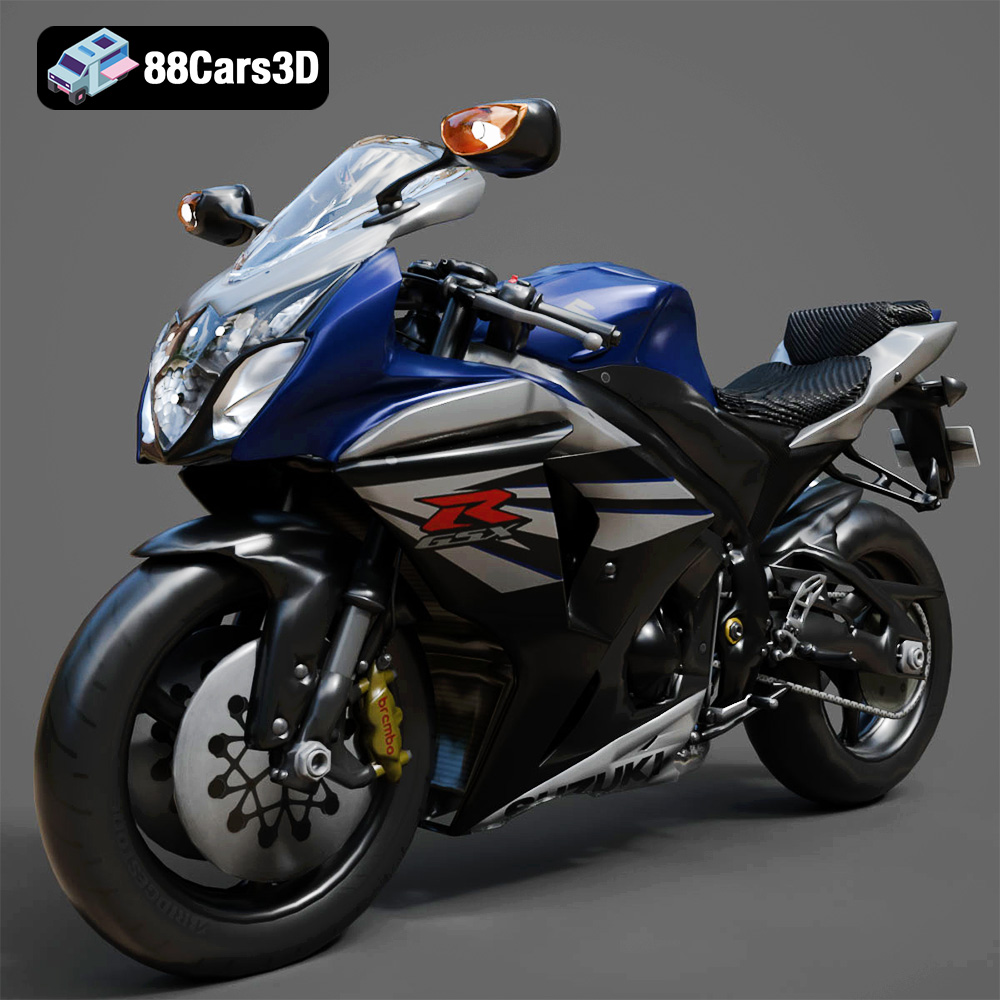
Texture: Yes
Material: Yes
Download the Suzuki GSX-R 1000 3D Model featuring clean geometry, realistic detailing, and a fully modeled interior. Includes .blend, .fbx, .obj, .glb, .stl, .ply, .unreal, and .max formats for rendering, simulation, and game development.
Price: $10
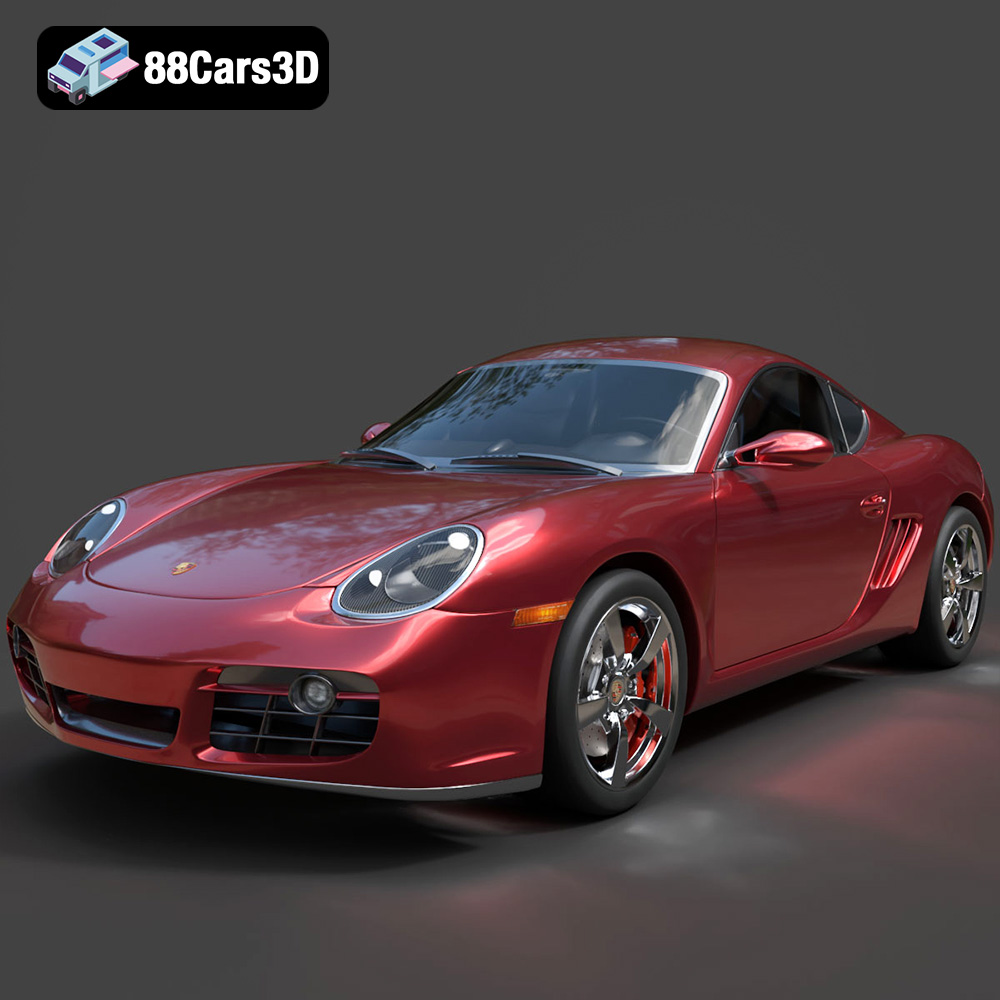
Texture: Yes
Material: Yes
Download the Porsche Cayman S 2024 3D Model featuring clean geometry, realistic detailing, and a fully modeled interior. Includes .blend, .fbx, .obj, .glb, .stl, .ply, .unreal, and .max formats for rendering, simulation, and game development.
Price: $10
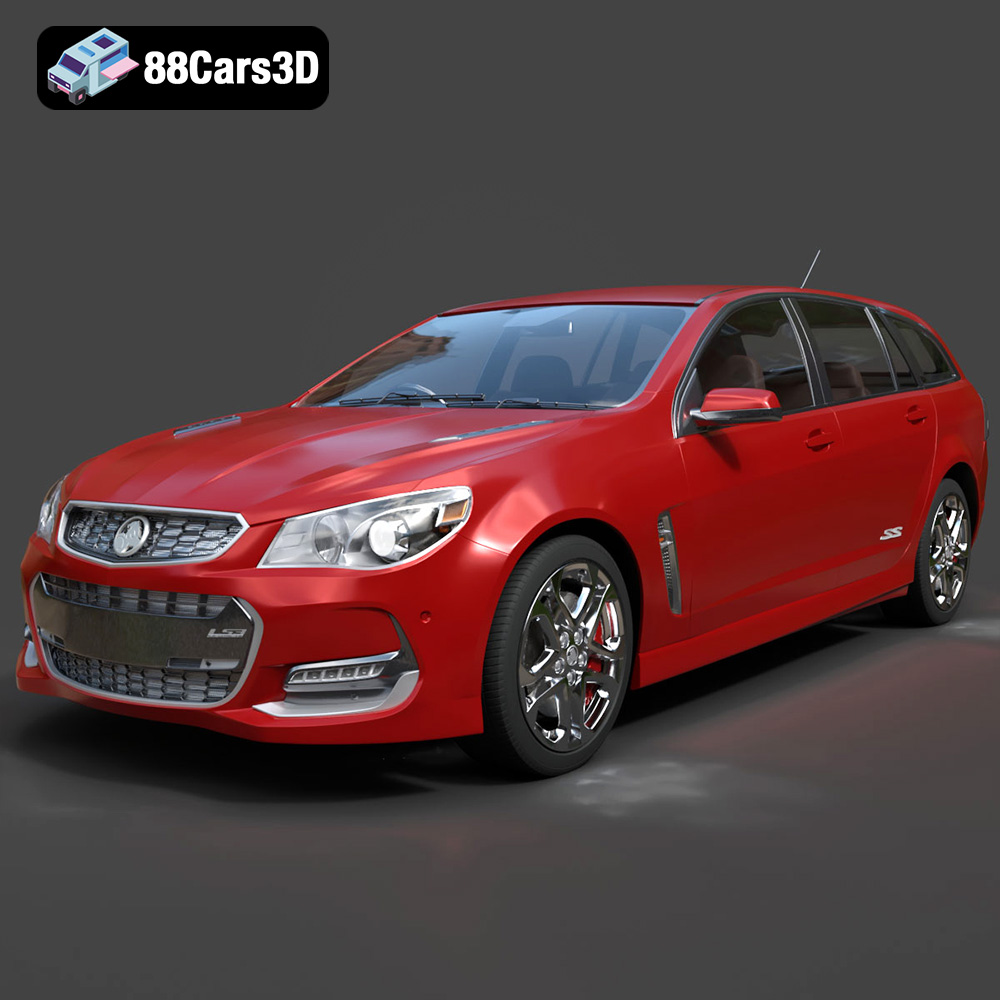
Texture: Yes
Material: Yes
Download the Holden Commodore Sportwagon 2017 3D Model featuring clean geometry, realistic detailing, and a fully modeled interior. Includes .blend, .fbx, .obj, .glb, .stl, .ply, .unreal, and .max formats for rendering, simulation, and game development.
Price: $10
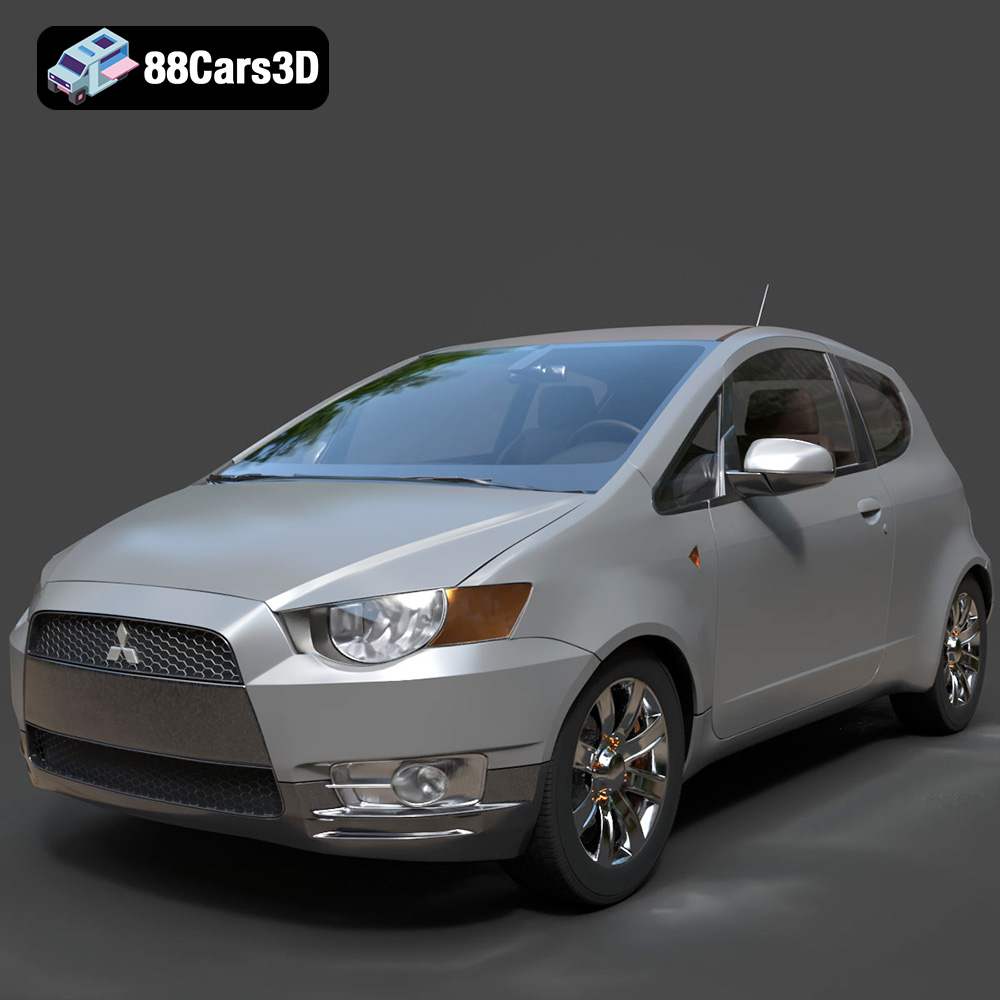
Texture: Yes
Material: Yes
Download the Mitsubishi Colt 3 Door 2008 3D Model featuring clean geometry, realistic detailing, and a fully modeled interior. Includes .blend, .fbx, .obj, .glb, .stl, .ply, .unreal, and .max formats for rendering, simulation, and game development.
Price: $10
Texture: Yes
Material: Yes
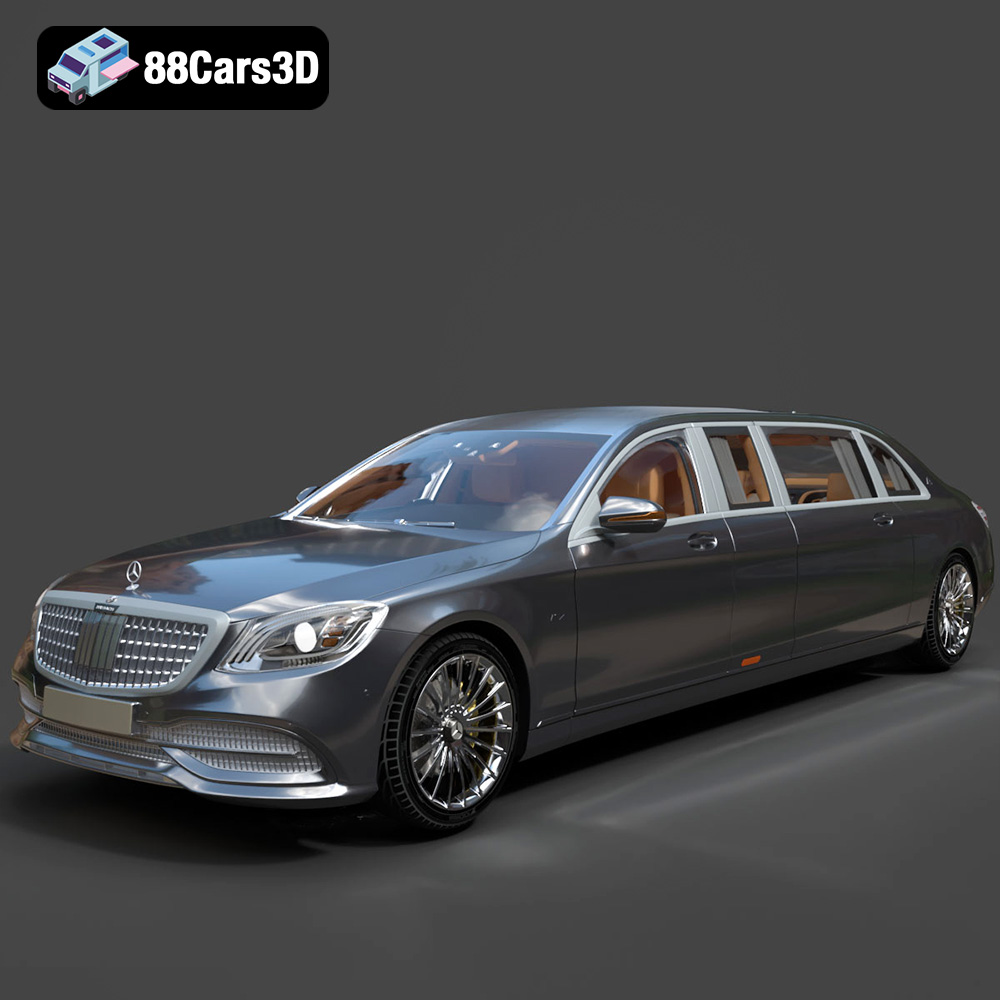
Download the Mercedes-Benz S650 Pullman 3D Model featuring clean geometry, realistic detailing, and a fully modeled interior. Includes .blend, .fbx, .obj, .glb, .stl, .ply, .unreal, and .max formats for rendering, simulation, and game development.
Price: $10

**Meta Description:**
Texture: Yes
Material: Yes
Download the Toyota Crown Majesta 2009 3D Model with luxury detailing, clean topology, and a fully modeled interior. Available in .blend, .fbx, .obj, .glb, .stl, .ply, .unreal, and .max formats for rendering, simulation, and game development.
Price: $4.99

**Meta Description:**
Texture: Yes
Material: Yes
Download the Toyota AE86 Levin 1983 1987 3D Model featuring realistic exterior and interior detailing. Includes .blend, .fbx, .obj, .glb, .stl, .ply, .unreal, and .max formats for rendering, simulation, and game development.
Price: $9.99

Texture: Yes
Material: Yes
Download the Toyota Mark 2 2001 3D Model featuring clean geometry, realistic detailing, and a fully modeled interior. Includes .blend, .fbx, .obj, .glb, .stl, .ply, .unreal, and .max formats for rendering, simulation, and game development.
Price: $4.99

