⚡ FLASH SALE: Get 60% OFF All Premium 3D & STL Models! ⚡

The world of automotive visualization is undergoing a seismic shift. Gone are the days of waiting hours, or even days, for a single static render to emerge from an offline renderer. Today, Unreal Engine 5 stands at the forefront of this revolution, empowering artists, designers, and marketers to create stunningly photorealistic, fully interactive automotive experiences in real-time. The ability to craft everything from dynamic car configurators to breathtaking cinematic animations within a single ecosystem has redefined what’s possible. However, harnessing this power requires a deep understanding of the engine’s core technologies and workflows. The journey from a high-poly 3D car model to a polished, interactive application can be complex, involving meticulous asset preparation, advanced material creation, and sophisticated lighting techniques.
This comprehensive guide will serve as your roadmap through the entire process. We will deconstruct the essential steps for bringing a high-fidelity 3D car model into Unreal Engine 5 and transforming it into a world-class visualization. You will learn how to prepare and import your assets for optimal performance, leverage the groundbreaking Nanite and Lumen systems for unprecedented detail and realism, craft complex PBR materials like multi-layered car paint, and build interactive features using Blueprint visual scripting. Whether you’re an experienced 3D artist looking to transition to real-time rendering or a developer aiming to specialize in automotive applications, this article will equip you with the technical knowledge and practical skills to elevate your projects to the next level.
The quality of your final automotive visualization is directly tied to the quality of the 3D model you begin with. A poorly prepared asset will cause endless headaches downstream, from shading artifacts to performance bottlenecks. Therefore, establishing a solid foundation through proper model preparation, UV mapping, and a clean import process is the most critical first step. This initial phase ensures that your model is not only visually impressive but also optimized to take full advantage of Unreal Engine’s advanced rendering features.
Traditionally, real-time applications demanded aggressive polygon optimization, often requiring artists to create multiple Levels of Detail (LODs) manually. However, Unreal Engine 5’s Nanite technology has dramatically changed this landscape. For high-end automotive visualization, you can now work with models that have millions of polygons, capturing every subtle curve and intricate detail of the real-world vehicle. When sourcing assets from marketplaces such as 88cars3d.com, look for models with clean, quad-based topology and high polygon counts (often 1-5 million triangles for the full vehicle). This clean geometry ensures smooth surface shading and predictable behavior inside the engine. It’s also crucial to organize the model logically, separating components like wheels, doors, brake calipers, and interior elements into distinct objects. This modular approach is essential for animating parts and setting up material variations later on.
Proper UV mapping is non-negotiable for professional results. Every part of your car model that requires a texture—from the tire sidewall lettering to the dashboard display—needs clean, non-overlapping UV coordinates. For hero assets like a car, using the UDIM (U-Dimension) workflow is a common industry practice. UDIMs allow you to spread your UVs across multiple texture sets, enabling you to use extremely high-resolution textures (e.g., multiple 4K or 8K maps) for different parts of the car without being constrained to a single UV tile. Unreal Engine has robust support for the UDIM workflow. Ensure your texture maps—Base Color, Normal, Roughness, Metallic, etc.—are created with a PBR (Physically-Based Rendering) methodology, as this is the standard for realistic material definition in the engine.
While Unreal Engine supports various file formats, FBX remains the most common and robust choice for importing static meshes. The Universal Scene Description (USD) format is also gaining significant traction, particularly in virtual production pipelines. For a standard workflow, follow these steps:
Once imported, you will have a collection of Static Mesh assets, Material assets, and Texture assets in your Content Browser, ready for the next stage. For more in-depth information on the import pipeline, the official Unreal Engine documentation provides extensive resources on asset workflows.
Nanite is arguably one of the most transformative features ever introduced to a real-time engine. It is a virtualized micropolygon geometry system that allows you to render scenes with massive amounts of geometric detail without the traditional constraints of polygon budgets, memory limitations, or draw calls. For automotive visualization, this means you can use your cinematic-quality, high-poly source models directly in the engine without spending days or weeks creating manual LODs. Nanite intelligently streams and renders only the detail that is perceptible to the user, effectively eliminating polygon count as a performance concern for static geometry.
At its core, Nanite analyzes your high-poly mesh and breaks it down into clusters of triangles. At runtime, the engine selects the most appropriate clusters to render based on camera distance and screen resolution, seamlessly scaling the geometric detail up or down. This process is incredibly efficient, resulting in a constant and predictable performance cost that is largely independent of the source model’s complexity. A car model with 10 million polygons can render just as fast as a 1 million polygon model if they occupy the same area on screen. This allows for unprecedented fidelity, from the fine stitching on the leather seats to the complex mesh of the front grille, all rendered in real-time.
The process of enabling Nanite on an imported model is straightforward. If you didn’t enable it during the import process, you can do so at any time:
While Nanite is incredibly powerful, it works best with certain types of geometry. To get the most out of the system, your automotive models should ideally be composed of closed, manifold geometry. This means they should be “watertight” with no holes or non-connecting edges. Nanite primarily supports opaque materials; while support for masked materials exists, features like transparency and certain complex World Position Offset effects have limitations. Fortunately, the solid components that make up the vast majority of a car—the body panels, wheels, chassis, and most interior surfaces—are perfect candidates for Nanite. High-quality game assets from platforms like 88cars3d.com are often built with these best practices in mind, making them ideal for a seamless Nanite workflow.
A perfect 3D model will fall flat without convincing materials. In automotive visualization, materials are paramount for achieving photorealism. The gleam of a metallic flake paint, the subtle imperfections on a rubber tire, and the refractive properties of windshield glass all contribute to the final image. Unreal Engine’s node-based Material Editor is an incredibly powerful tool that gives you granular control over every aspect of a surface’s appearance, allowing you to build complex, physically accurate materials from the ground up.
The Material Editor is where you define how a surface interacts with light. At the heart of this system is the PBR (Physically-Based Rendering) workflow, which uses a set of intuitive parameters to describe a material. The primary inputs you’ll work with are:
Car paint is one of the most complex materials to replicate. A high-quality car paint material is typically multi-layered. Here’s a breakdown of how to create one using the Clear Coat shading model:
By using parameters instead of static values, you can create a single master material and then generate numerous Material Instances to quickly create a whole palette of car colors without duplicating the entire material graph.
Beyond the paint, other materials are essential for realism:
Lighting is the element that breathes life into a 3D scene. Unreal Engine 5’s Lumen is a fully dynamic global illumination and reflections system that provides stunning, realistic lighting in real-time. For automotive visualization, Lumen is a game-changer. It eliminates the need for slow, static light baking and allows for instant feedback as you light your scene. You can move the sun, adjust studio lights, or open a garage door and see the bounced light and reflections update immediately, creating a truly dynamic and immersive environment.
Global Illumination (GI) simulates the way light bounces off surfaces and illuminates other objects in the scene. Lumen achieves this by tracing rays into a simplified representation of the scene, calculating indirect lighting with incredible accuracy. This is what creates soft shadows in occluded areas and subtle color bleeding from nearby surfaces. Lumen Reflections work in a similar fashion, providing detailed, ray-traced reflections on glossy surfaces like car paint and glass. Unlike older techniques like Screen Space Reflections (SSR), Lumen can reflect objects that are off-screen, leading to far more realistic and grounded results.
A typical professional lighting setup for an automotive scene, whether for a studio or an outdoor environment, involves several key components:
The Post Process Volume is where you perform the final “color grading” and camera effects to polish your scene. Drag one into your level and make sure its “Infinite Extent (Unbound)” property is checked to apply its effects globally. Key settings to adjust for automotive scenes include:
One of the most powerful aspects of using a real-time engine like Unreal is the ability to move beyond static images and create fully interactive experiences. With Unreal Engine’s Blueprint visual scripting system, even artists with no traditional coding experience can build complex functionality. For the automotive industry, this opens the door to creating immersive car configurators, interactive design reviews, and engaging virtual showrooms where users can explore a vehicle in detail.
Blueprint is a node-based scripting system that allows you to create game logic and functionality by connecting nodes and wires in a visual editor. It provides full access to the engine’s core systems without requiring you to write a single line of C++ code. The fundamental unit of interactivity in Blueprint is the “Actor.” You can create an Actor Blueprint for your car, which will serve as a container for its meshes, components, and all the logic that governs its behavior.
Let’s walk through the logic for a classic interaction: opening a car door when the user presses a key. This requires that the door is a separate static mesh with its pivot point correctly placed at the hinge location in your 3D modeling software.
With this simple network of nodes, you now have a functioning, smoothly animated interactive car door.
The same principles can be extended to build a full car configurator. The core idea is to use user interface (UI) elements to trigger changes on the car Blueprint.
This modular approach allows you to build incredibly complex and robust configurators, providing immense value for marketing, sales, and design applications.
While interactivity is a major strength of real-time engines, the demand for high-quality cinematic content has not disappeared. Unreal Engine includes a powerful and intuitive toolset for creating film-quality animations and cutscenes called Sequencer. It is a professional, non-linear, multi-track editor that allows you to direct, light, and capture stunning automotive commercials, short films, and marketing videos entirely within the engine, leveraging the same high-fidelity assets and lighting you developed for the interactive experience.
Think of Sequencer as a complete virtual filmmaking suite. It functions much like traditional video editing software (e.g., Adobe Premiere Pro or DaVinci Resolve), but instead of editing video clips, you are manipulating live 3D assets, cameras, lights, and effects in real-time. You can create tracks for different elements in your scene—the car, cameras, lights, post-process settings—and add keyframes to animate their properties over time. This gives you precise control over every aspect of your cinematic shot, from camera movement to focus pulls.
For cinematic work, you should always use the Cine Camera Actor. This specialized camera mimics the properties of a real-world cinema camera, offering control over:
To create a camera animation, you would create a new Level Sequence, add your Cine Camera Actor to it, and then move the camera to your desired start position and add a keyframe to its Transform track. Move the timeline forward, reposition the camera, and add another keyframe. Sequencer will automatically create a smooth interpolation between these two points, resulting in a fluid camera move.
Animating the car is just as simple. You can add your car’s Blueprint Actor to the Sequencer and keyframe its Transform track to create driving shots or elegant turntable animations. For more complex and realistic vehicle motion, you can even tap into Unreal’s Chaos Vehicle physics system and record a physics simulation into Sequencer. Once your animation is complete, the final step is rendering. Instead of using the legacy “Render Movie” option, you should always use the Movie Render Queue. This advanced rendering pipeline offers significant advantages:
By mastering Sequencer and the Movie Render Queue, you can produce cinematic content that rivals traditional offline rendering pipelines in a fraction of the time.
We have journeyed through the complete pipeline of creating world-class automotive visualizations in Unreal Engine 5. From the critical initial step of preparing a high-quality 3D model to harnessing the revolutionary power of Nanite and Lumen, we have seen how modern real-time technology is dismantling old barriers. The ability to craft physically accurate PBR materials, build fully functional car configurators with Blueprint, and direct and render stunning cinematic sequences with Sequencer consolidates the entire creative process into one powerful, cohesive ecosystem. The era of compromising between speed and quality is over; Unreal Engine delivers both.
The key takeaway is that the combination of meticulously crafted assets and a deep understanding of the engine’s tools is what produces truly exceptional results. The technical workflows we’ve discussed are no longer niche techniques for game development; they are becoming the industry standard for automotive marketing, design review, and virtual production. The skills you’ve learned about—asset optimization, material authoring, dynamic lighting, and interactive scripting—are the foundation upon which the next generation of automotive experiences will be built. The best way to solidify this knowledge is to dive in and start creating. Consider starting your next project with a premium, engine-ready vehicle from a source like 88cars3d.com. This allows you to bypass the time-consuming modeling and preparation phase and focus immediately on the creative challenges of lighting, animation, and interaction within Unreal Engine. The future is interactive, immersive, and rendered in real-time.

Texture: Yes
Material: Yes
Download the Chevrolet Camaro 1970 3D Model featuring clean geometry, realistic detailing, and a fully modeled interior. Includes .blend, .fbx, .obj, .glb, .stl, .ply, .unreal, and .max formats for rendering, simulation, and game development.
Price: $10

Texture: Yes
Material: Yes
Download the Mercedes-AMG GT 2015 3D Model featuring clean geometry, realistic detailing, and a fully modeled interior. Includes .blend, .fbx, .obj, .glb, .stl, .ply, .unreal, and .max formats for rendering, simulation, and game development.
Price: $88.99

Texture: Yes
Material: Yes
Download the Suzuki GSX-R 1000 3D Model featuring clean geometry, realistic detailing, and a fully modeled interior. Includes .blend, .fbx, .obj, .glb, .stl, .ply, .unreal, and .max formats for rendering, simulation, and game development.
Price: $10

Texture: Yes
Material: Yes
Download the Porsche Cayman S 2024 3D Model featuring clean geometry, realistic detailing, and a fully modeled interior. Includes .blend, .fbx, .obj, .glb, .stl, .ply, .unreal, and .max formats for rendering, simulation, and game development.
Price: $10

Texture: Yes
Material: Yes
Download the Holden Commodore Sportwagon 2017 3D Model featuring clean geometry, realistic detailing, and a fully modeled interior. Includes .blend, .fbx, .obj, .glb, .stl, .ply, .unreal, and .max formats for rendering, simulation, and game development.
Price: $10
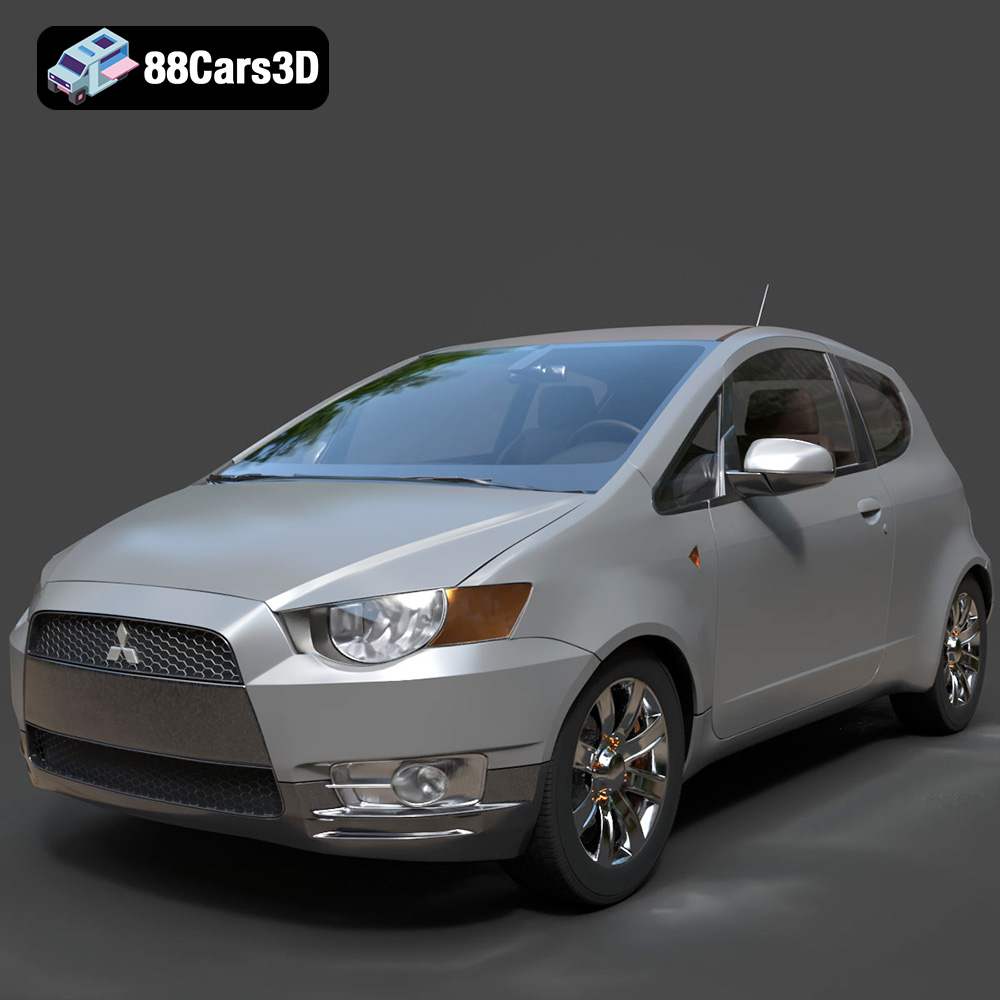
Texture: Yes
Material: Yes
Download the Mitsubishi Colt 3 Door 2008 3D Model featuring clean geometry, realistic detailing, and a fully modeled interior. Includes .blend, .fbx, .obj, .glb, .stl, .ply, .unreal, and .max formats for rendering, simulation, and game development.
Price: $10
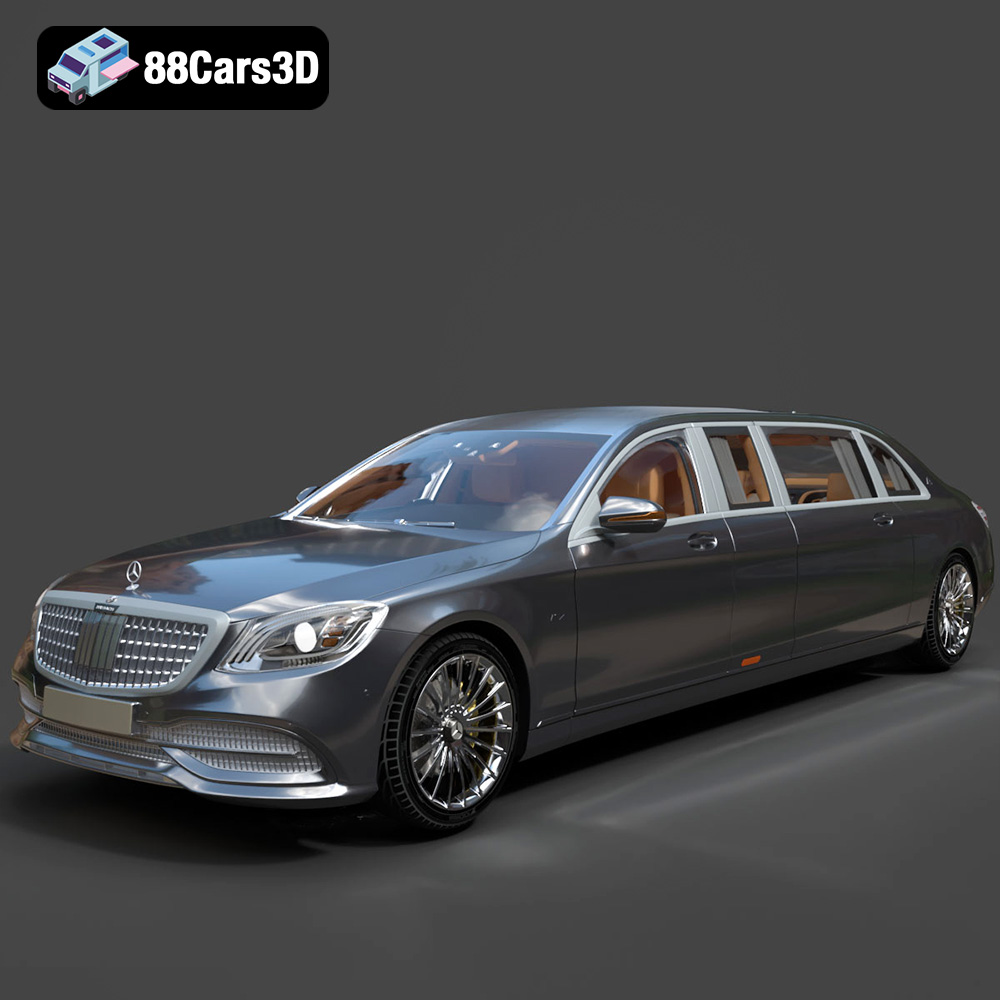
Texture: Yes
Material: Yes
Download the Mercedes-Benz S650 Pullman 3D Model featuring clean geometry, realistic detailing, and a fully modeled interior. Includes .blend, .fbx, .obj, .glb, .stl, .ply, .unreal, and .max formats for rendering, simulation, and game development.
Price: $10
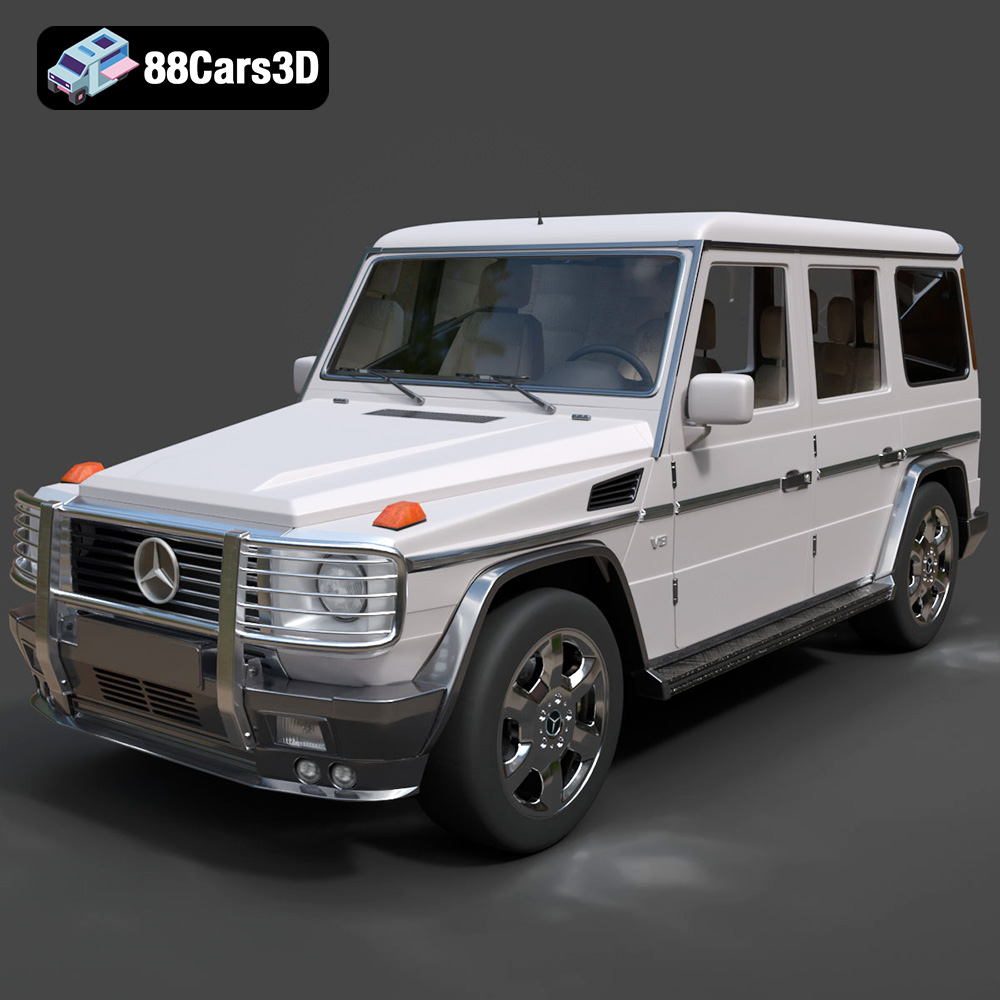
Texture: Yes
Material: Yes
Download the Mercedes G-Class SUV 2024 3D Model featuring clean geometry, realistic detailing, and a fully modeled interior. Includes .blend, .fbx, .obj, .glb, .stl, .ply, .unreal, and .max formats for rendering, simulation, and game development.
Price: $10

**Meta Description:**
Texture: Yes
Material: Yes
Download the Toyota Crown Majesta 2009 3D Model with luxury detailing, clean topology, and a fully modeled interior. Available in .blend, .fbx, .obj, .glb, .stl, .ply, .unreal, and .max formats for rendering, simulation, and game development.
Price: $4.99

**Meta Description:**
Texture: Yes
Material: Yes
Download the Toyota AE86 Levin 1983 1987 3D Model featuring realistic exterior and interior detailing. Includes .blend, .fbx, .obj, .glb, .stl, .ply, .unreal, and .max formats for rendering, simulation, and game development.
Price: $9.99

