⚡ FLASH SALE: Get 60% OFF All Premium 3D & STL Models! ⚡

The world of automotive visualization has undergone a seismic shift. Gone are the days of long-render times and static, pre-rendered images being the only way to showcase a vehicle’s design. Today, real-time rendering has taken the driver’s seat, and at the forefront of this revolution is Unreal Engine. This powerful game engine has evolved into a comprehensive creative suite, empowering artists, designers, and marketers to create breathtakingly realistic, interactive, and cinematic automotive experiences. From dynamic car configurators to virtual showrooms and high-octane marketing cinematics, the possibilities are virtually limitless.
This guide is your roadmap to mastering automotive visualization in Unreal Engine 5. We will journey through the entire production pipeline, starting with the essential project setup and importing high-fidelity 3D car models. We’ll then dive deep into the art of creating photorealistic PBR materials, from complex multi-layered car paints to convincing glass and chrome. You’ll learn how to harness the power of Lumen for dynamic global illumination, bring your vehicle to life with interactive Blueprint scripting, and frame your masterpiece using the cinematic tools in Sequencer. Finally, we’ll cover critical optimization techniques to ensure your real-time experience runs flawlessly. Let’s start the engine and begin.
A successful project begins with a solid foundation. Properly configuring your Unreal Engine project and understanding the nuances of model importation are critical first steps that will save you countless hours down the line. This phase is all about ensuring your digital environment is optimized for the high-demand task of real-time automotive rendering and that your assets are brought in cleanly and efficiently.
Before importing anything, you need to set up your project for success. When creating a new project in Unreal Engine, the “Film, Video, & Live Events” or “Architecture, Engineering, and Construction” templates are excellent starting points. These templates enable essential plugins and project settings by default, such as Hardware Ray Tracing and high-precision normals.
Key initial configuration steps include:
For an exhaustive list of all available project settings and their functions, the official Unreal Engine documentation is an invaluable resource that you can find at https://dev.epicgames.com/community/unreal-engine/learning.
The quality of your final render is directly tied to the quality of your source model. When sourcing high-quality automotive assets from marketplaces such as 88cars3d.com, you’ll find they are often pre-optimized with clean topology, proper scale, and detailed UV mapping, making the import process into Unreal Engine much smoother. The most common formats for import are FBX and USD.
During the FBX import process, a dialog box will appear with several crucial options. Pay close attention to “Generate Missing Collisions” for basic physics, and ensure “Build Nanite” is checked if you plan to use this powerful feature. You’ll also have the option to “Create New Materials” and “Import Textures,” which can be a great starting point for your material setup.
Nanite, Unreal Engine’s virtualized micropolygon geometry system, is a game-changer for automotive visualization. Traditionally, artists had to create multiple Level of Detail (LOD) versions of a model to maintain performance. Nanite effectively automates this, allowing you to import and render 3D car models with millions of polygons in real-time without significant performance drops. This means you can use your highest-quality, film-ready models directly in your real-time application, preserving every curve, bolt, and detail. To enable Nanite on an already imported mesh, simply open the Static Mesh editor, and under “Nanite Settings,” check the “Enable Nanite Support” box and apply the changes. This single feature unlocks a new level of fidelity for real-time projects.
A perfect 3D model is nothing without a convincing material. Unreal Engine’s node-based Material Editor is an incredibly powerful tool for creating physically-based rendering (PBR) materials that mimic how light interacts with surfaces in the real world. For automotive assets, creating accurate materials for car paint, glass, chrome, and rubber is paramount to achieving photorealism.
The Material Editor works by connecting nodes that represent mathematical operations, textures, and parameters to define a surface’s properties. The core inputs of the main material node correspond to PBR principles: Base Color (the surface color), Metallic (how “metal-like” a surface is), Roughness (how diffuse or sharp reflections are), and Normal (for faking fine surface detail). Understanding how these inputs work together is the key to creating any realistic material.
A realistic car paint is not a single, simple surface; it’s a multi-layered material. In Unreal Engine, we can replicate this using the Clear Coat shading model. The detailed UV mapping on professional 3D car models from platforms like 88cars3d.com is essential for creating these complex, multi-layered PBR materials accurately.
Beyond paint, other materials complete the vehicle. Here’s a quick guide:
Lighting is what breathes life into a 3D scene. Unreal Engine 5’s Lumen system provides fully dynamic global illumination and reflections, eliminating the need for slow, static light baking and allowing for incredible realism in real-time. For automotive visualization, where pristine reflections and soft, nuanced shadows are everything, Lumen is an indispensable tool.
Global Illumination (GI) is the effect of light bouncing off surfaces and illuminating other objects in the scene. Lumen calculates this bouncing of light in real-time, creating soft, natural ambient light and realistic color bleeding. Lumen also provides high-quality, dynamic reflections, which are crucial for showcasing the complex curves of a car’s bodywork. It intelligently chooses between screen-space techniques and hardware ray tracing (if available) to produce the best possible result, ensuring that your vehicle’s reflections accurately represent the surrounding environment.
Recreating a professional photo studio is a classic and effective way to showcase a vehicle. This typically involves a combination of a high-quality environment map and carefully placed artificial lights.
To get the most out of Lumen, you can adjust its settings within your Post Process Volume. Under “Global Illumination” and “Reflections,” you can set the “Method” to Lumen. The “Quality” setting can be increased for higher fidelity at the cost of performance. For shadows cast by your Rect Lights, adjust the “Source Radius” property. A larger radius will produce softer, more realistic shadows, mimicking the effect of a large softbox in a real-world photography studio.
Real-time rendering’s true power lies in interactivity. Unreal Engine’s Blueprint visual scripting system allows artists and designers to create complex interactive logic without writing a single line of code. For automotive visualization, this opens the door to creating immersive experiences like car configurators, interactive vehicle explorers, and virtual test drives.
A Blueprint is a node-based system where you connect visual nodes representing functions, events, and variables to create gameplay logic. It’s an accessible yet profoundly powerful tool. For automotive projects, you’ll typically create a “Blueprint Actor” for your car. This acts as a container for all the car’s components (the meshes for the body, wheels, doors, etc.) and the logic that controls them. Events like “Begin Play,” player inputs like “Key Press,” and functions like “Set Material” are the building blocks of any interactive feature.
One of the most popular applications is a real-time car configurator. Let’s outline the basic steps to create a simple paint color switcher:
You can use similar Blueprint logic to control other parts of the car. To open a door, you would first need to ensure the door is a separate mesh, with its pivot point set correctly at the hinge. In the car Blueprint, you can create a “Timeline” node triggered by a key press. This timeline can output a float value that animates from 0 to 90 degrees over a short duration. You would feed this value into a “Set Relative Rotation” node for the door mesh, creating a smooth opening animation. This same principle can be applied to turning on headlights (by controlling the intensity of a Spot Light component) or extending a spoiler.
Beyond interactivity, Unreal Engine is a powerhouse for creating cinematic content. Sequencer, its built-in non-linear animation and editing tool, allows you to choreograph complex camera movements, animate objects, and render out film-quality sequences. This is perfect for creating high-impact marketing videos, product reveals, and visual effects shots.
To get started, you create a “Level Sequence” asset. This opens the Sequencer editor, which resembles a video editing timeline. You can drag actors from your scene, including your car and any cameras, into the track list. For each actor, you can add “tracks” to control its properties over time. The most common is the “Transform” track, which allows you to set keyframes for the actor’s location, rotation, and scale, creating movement and animation.
To achieve a truly cinematic look, use the “CineCamera Actor” instead of a standard camera. This actor provides properties that mimic real-world cameras:
When your sequence is complete, use the Movie Render Queue for rendering. It offers significant advantages over the legacy AVI rendering option. It provides superior anti-aliasing techniques like Temporal Super Resolution (TSR), which produces cleaner images with less noise. You can also render in high-resolution image sequences (like EXR) for maximum quality and flexibility in post-production. The Movie Render Queue allows you to batch render multiple camera shots and override console variables to push visual quality settings even higher than what is sustainable in real-time, ensuring your final video is absolutely flawless.
While modern hardware and engine features like Nanite and Lumen are incredibly powerful, optimization remains a crucial step for any real-time application, especially for interactive experiences or those intended for a wider range of hardware, including AR/VR. A smooth, high-frame-rate experience is non-negotiable for professional-grade visualization.
You can’t optimize what you can’t measure. Unreal Engine provides powerful built-in profiling tools to help you identify what is consuming the most resources. The two most fundamental commands, entered into the console (`~` key), are:
While Nanite is phenomenal for static geometry like the car body and environment, it’s not a universal solution. It doesn’t currently support skeletal meshes with complex deformations or certain material types. For these elements, or for platforms where Nanite isn’t available, traditional Level of Detail (LOD) meshes are still essential. Creating several lower-polygon versions of a mesh that switch out at a distance can drastically reduce the number of triangles the GPU needs to render for objects far from the camera. Many high-quality game assets come with pre-built LODs for this very reason.
High-resolution textures are a major consumer of video memory (VRAM). Ensure your textures have “Mipmaps” generated. Mipmaps are smaller, pre-filtered versions of a texture that are used when the object is further away, reducing memory bandwidth and improving performance. Additionally, be mindful of material complexity. Overly complex shaders with many instructions can be expensive. Use the “Shader Complexity” view mode (Alt+8) to visualize the cost of your materials. If you see large areas of red or white, consider simplifying those material graphs by using fewer texture lookups or complex math operations. Proper texture compression settings (e.g., DXT1/5 for most textures, BC7 for higher quality) are also crucial for managing VRAM usage.
We’ve journeyed through the complete pipeline of creating world-class automotive visualization in Unreal Engine 5. From the foundational steps of project setup and importing pristine 3D car models, we moved into the artistic and technical challenges of crafting photorealistic PBR materials and lighting them dynamically with Lumen. We then unlocked the potential for user engagement by creating interactive elements with Blueprint and telling compelling visual stories with the Sequencer cinematic toolset. Finally, we addressed the critical need for optimization to ensure our final product runs smoothly and efficiently.
The synergy between high-fidelity assets and the power of a real-time engine like Unreal has fundamentally changed the landscape for automotive design, marketing, and entertainment. The techniques discussed here are not just theoretical; they are the practical, everyday workflows used by professionals to create the stunning real-time experiences you see today. Now it’s your turn to take the wheel. Start a new project, source a high-quality model, and apply these principles. Experiment, iterate, and push the boundaries of what’s possible in the exciting world of real-time rendering.

Texture: Yes
Material: Yes
Download the Chevrolet Camaro 1970 3D Model featuring clean geometry, realistic detailing, and a fully modeled interior. Includes .blend, .fbx, .obj, .glb, .stl, .ply, .unreal, and .max formats for rendering, simulation, and game development.
Price: $10

Texture: Yes
Material: Yes
Download the Mercedes-AMG GT 2015 3D Model featuring clean geometry, realistic detailing, and a fully modeled interior. Includes .blend, .fbx, .obj, .glb, .stl, .ply, .unreal, and .max formats for rendering, simulation, and game development.
Price: $88.99
Texture: Yes
Material: Yes
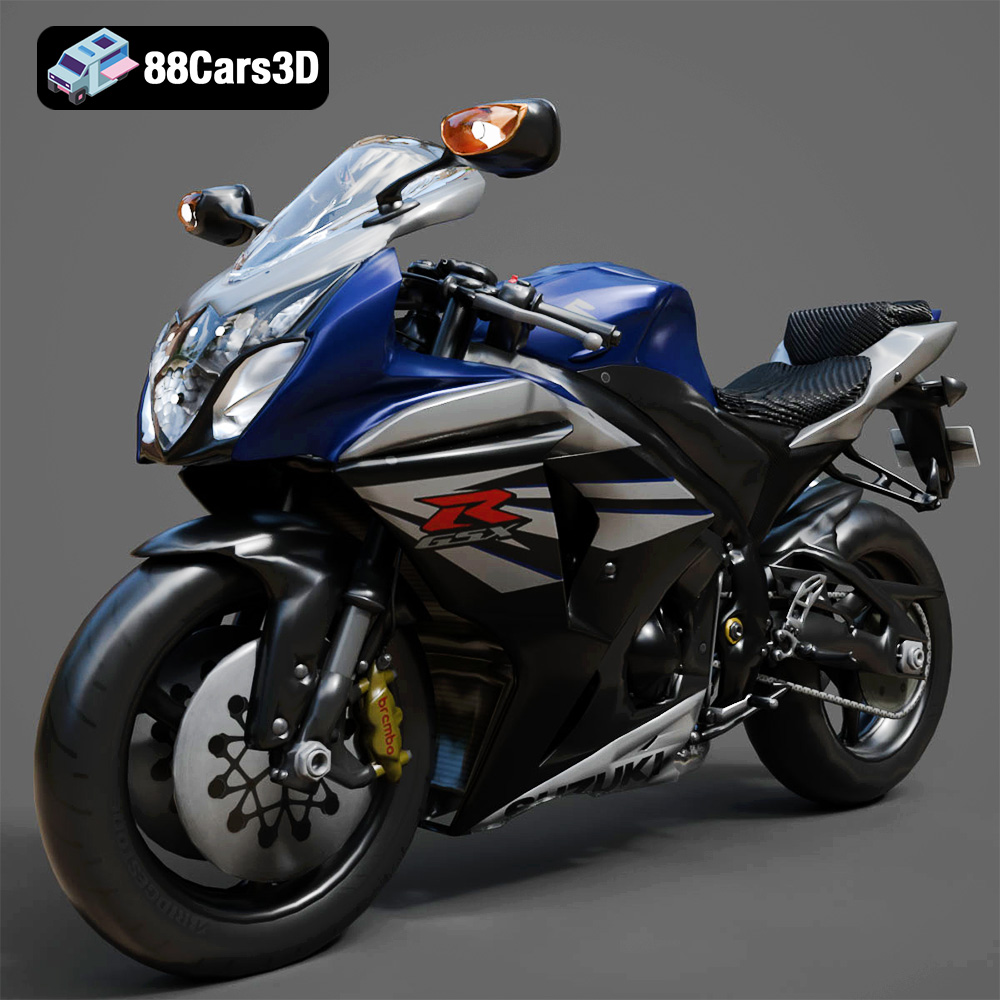
Download the Suzuki GSX-R 1000 3D Model featuring clean geometry, realistic detailing, and a fully modeled interior. Includes .blend, .fbx, .obj, .glb, .stl, .ply, .unreal, and .max formats for rendering, simulation, and game development.
Price: $10
Texture: Yes
Material: Yes
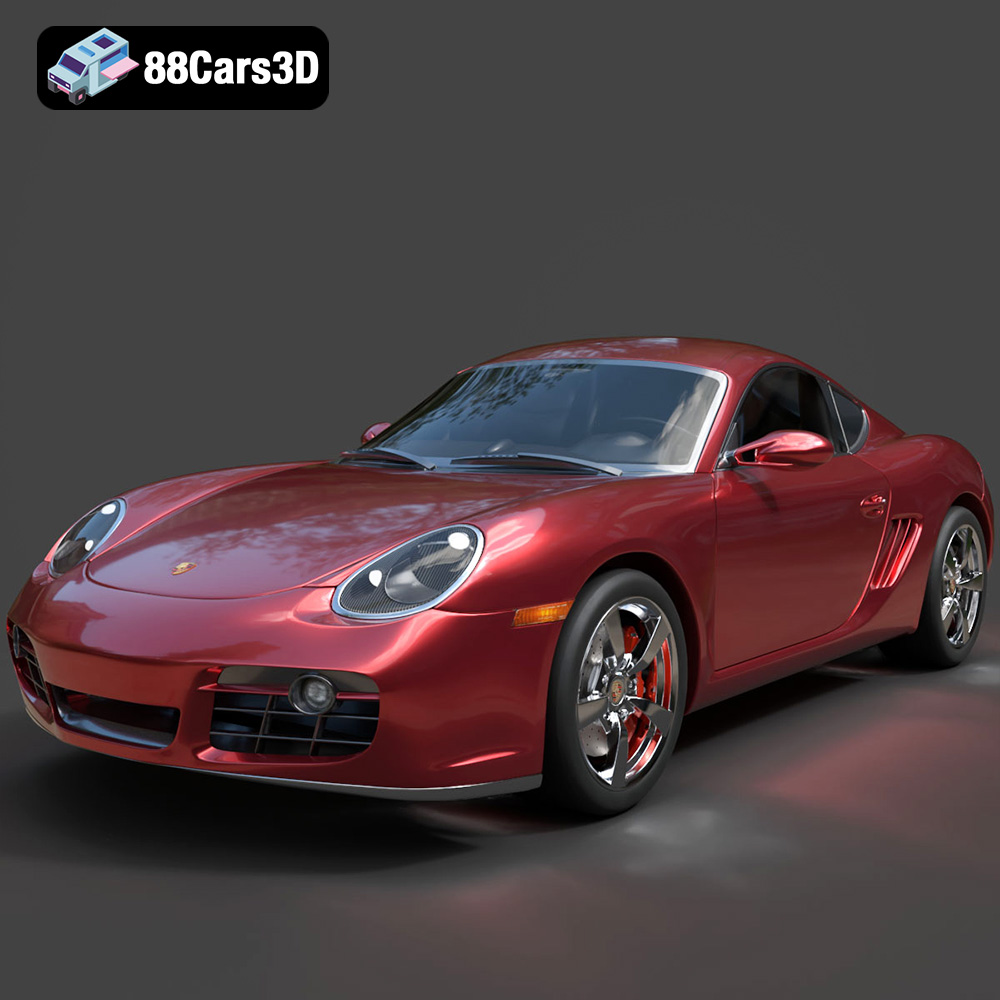
Download the Porsche Cayman S 2024 3D Model featuring clean geometry, realistic detailing, and a fully modeled interior. Includes .blend, .fbx, .obj, .glb, .stl, .ply, .unreal, and .max formats for rendering, simulation, and game development.
Price: $10
Texture: Yes
Material: Yes
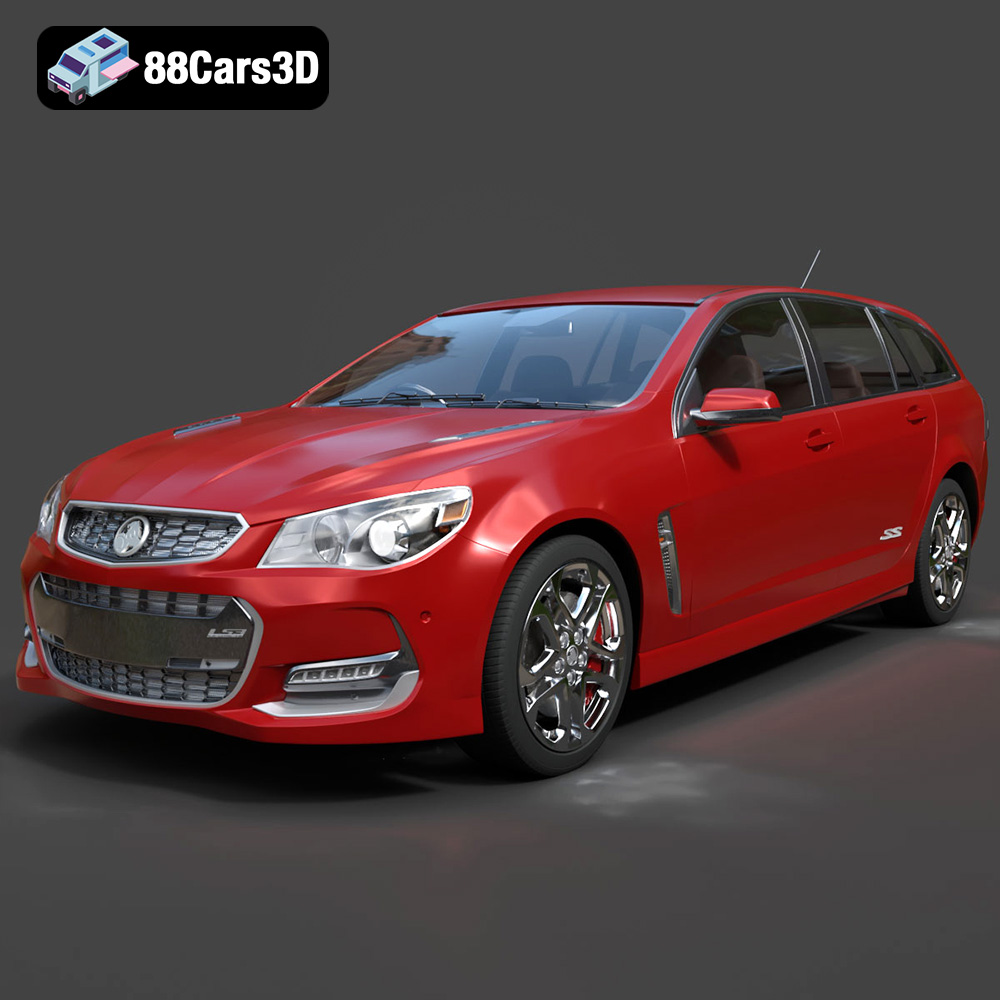
Download the Holden Commodore Sportwagon 2017 3D Model featuring clean geometry, realistic detailing, and a fully modeled interior. Includes .blend, .fbx, .obj, .glb, .stl, .ply, .unreal, and .max formats for rendering, simulation, and game development.
Price: $10

**Meta Description:**
Texture: Yes
Material: Yes
Download the Toyota Crown Majesta 2009 3D Model with luxury detailing, clean topology, and a fully modeled interior. Available in .blend, .fbx, .obj, .glb, .stl, .ply, .unreal, and .max formats for rendering, simulation, and game development.
Price: $4.99

**Meta Description:**
Texture: Yes
Material: Yes
Download the Toyota AE86 Levin 1983 1987 3D Model featuring realistic exterior and interior detailing. Includes .blend, .fbx, .obj, .glb, .stl, .ply, .unreal, and .max formats for rendering, simulation, and game development.
Price: $9.99

Texture: Yes
Material: Yes
Download the Toyota Mark 2 2001 3D Model featuring clean geometry, realistic detailing, and a fully modeled interior. Includes .blend, .fbx, .obj, .glb, .stl, .ply, .unreal, and .max formats for rendering, simulation, and game development.
Price: $4.99

Texture: Yes
Material: Yes
Download the Toyota Celica 2000 3D Model featuring clean geometry, realistic detailing, and a fully modeled interior. Includes .blend, .fbx, .obj, .glb, .stl, .ply, .unreal, and .max formats for rendering, simulation, and game development.
Price: $4.99

Download the Toyota Camry US 2012 3D Model featuring clean geometry, realistic detailing, and a fully modeled interior. Includes .blend, .fbx, .obj, .glb, .stl, .ply, .unreal, and .max formats for rendering, simulation, and game development.
Price: $4.99

