⚡ FLASH SALE: Get 60% OFF All Premium 3D & STL Models! ⚡

Unreal Engine 5 has revolutionized the world of real-time rendering, transforming it from a tool primarily for game development into a powerhouse for industries ranging from filmmaking to architectural design. Nowhere is this impact more profound than in automotive visualization. The ability to create stunning, photorealistic, and interactive experiences with complex 3D car models has opened up new frontiers for designers, marketers, and enthusiasts. Gone are the days of waiting hours or even days for a single frame to render; today, we can explore, customize, and animate vehicles in real-time with a level of fidelity that was once the exclusive domain of pre-rendered CGI.
This comprehensive guide will walk you through the entire workflow of taking a high-quality 3D car model and bringing it to life in Unreal Engine 5. We will cover everything from initial project setup and asset optimization to crafting flawless PBR materials, mastering dynamic lighting with Lumen, and building interactive configurators with Blueprint. Whether you’re an automotive designer showcasing a new concept, a marketing professional creating an engaging virtual showroom, or a game developer integrating realistic vehicles, this article will provide you with the technical knowledge and practical steps needed to achieve breathtaking results. Let’s start the engine and dive in.
Before you import your first 3D car model, establishing a well-organized and properly configured Unreal Engine project is paramount. This initial setup ensures that the engine’s features are optimized for high-fidelity visualization and that your workflow remains efficient as the project complexity grows. A clean foundation prevents future headaches and allows you to focus on the creative aspects of your scene.
When creating a new project, Unreal Engine offers several templates. For automotive visualization, the two most common starting points are:
For this guide, we’ll assume a workflow that can start from a Blank template, allowing us to build up the scene and understand each component’s role.
After creating your project, you’ll want to enable a few key plugins and tweak some project settings for the best visual quality. Navigate to Edit > Plugins to enable tools like HDRI Backdrop and Datasmith Importer (if you’re working with CAD data). In Edit > Project Settings, under the Rendering section, ensure the following are set:
These settings prime the engine for the high-end, dynamic lighting that makes automotive renders so compelling.
A disciplined folder structure is a lifesaver. Before importing anything, create a clear hierarchy in your Content Browser. A good starting point for an automotive project is:
Content
└── Car_ModelName
    ├── Blueprints
    ├── Maps
    ├── Materials
    │   ├── Instances
    │   └── Masters
    ├── Meshes
    └── Textures
This organization keeps your assets tidy, making it easy to find, modify, and reuse components throughout your project.
The quality of your final render is directly tied to the quality of the 3D car model you start with. A well-prepared asset will import cleanly, perform efficiently, and provide the perfect canvas for realistic materials and lighting. This section covers sourcing, importing, and optimizing your automotive assets for peak performance in Unreal Engine.
When sourcing a model, look for assets with clean, quad-based topology, proper UV unwrapping, and logical material separation. High-polygon counts are less of a concern than they used to be, thanks to Nanite, but efficient geometry is still best practice. Marketplaces like 88cars3d.com are excellent resources, offering a wide range of production-ready game assets and high-fidelity models that are specifically optimized for real-time rendering workflows in Unreal Engine. These models often come with pre-built PBR textures and separated components (wheels, doors, steering wheel), saving you significant preparation time.
FBX is the most common format for importing models into Unreal. When you drag an FBX file into your Content Browser, the FBX Import Options window appears. Here are the key settings for a car model:
–Combine Meshes: Keep this unchecked. You want the car to be imported as separate components (body, wheels, windows, etc.) based on the materials assigned in your 3D software. This is crucial for applying different materials and creating interactive elements later.
Nanite is Unreal Engine 5’s virtualized geometry system, and it’s a game-changer for automotive visualization. It allows you to render models with millions of polygons in real-time without the traditional performance costs of high-poly meshes or the need to manually create Level of Detail (LOD) models. This means you can use film-quality assets directly in your real-time application.
To enable Nanite on your imported car model parts, simply select the Static Mesh assets in the Content Browser, right-click, and choose Nanite > Enable. You can verify it’s working by opening the Static Mesh editor and checking the Nanite settings or by using the Nanite Visualization view mode in the main viewport. For automotive models, which feature a mix of large smooth surfaces and intricate details, Nanite provides the perfect balance of fidelity and performance.
The soul of a realistic car render lies in its materials. Unreal Engine’s node-based Material Editor is an incredibly powerful tool for creating physically-based rendering (PBR) materials that accurately simulate how light interacts with real-world surfaces. From the complex layers of metallic paint to the subtle imperfections on a tire’s sidewall, mastering materials is essential.
The Material Editor works by connecting nodes to create a network, or “shader,” that defines a surface’s properties. The most important inputs for automotive materials are:
A convincing car paint material is multi-layered. Here’s a breakdown of how to construct a professional-grade car paint shader in Unreal:
For more advanced techniques and a deeper understanding of the available material nodes, the official Unreal Engine documentation at https://dev.epicgames.com/community/unreal-engine/learning is an invaluable resource.
Beyond paint, other materials complete the vehicle:
Lighting is what breathes life into your scene, creating mood, defining form, and showcasing the intricate details of your 3D car model. Unreal Engine 5’s Lumen system provides a fully dynamic global illumination and reflection solution, making it easier than ever to achieve photorealistic lighting in real-time.
Lumen works by tracing rays into the scene to calculate indirect lighting (light bouncing off surfaces) and reflections. This eliminates the need for baking lightmaps and allows for instant feedback as you move lights or objects. When enabled with Hardware Ray Tracing, Lumen can produce exceptionally accurate reflections on car surfaces, capturing every detail of the surrounding environment. For automotive visualization, this is critical for showing how the car’s curved panels interact with the world around it, creating the beautiful, flowing highlights that define a vehicle’s shape.
A classic and highly effective way to light a vehicle is with an image-based lighting setup. The HDRI Backdrop actor in Unreal Engine simplifies this process immensely. Simply drag it into your scene and assign a high-dynamic-range image (HDRI) of a studio environment to its Cubemap slot.
The actor automatically does three things:
You can then add a few Rect Light actors to act as key, fill, and rim lights to further sculpt the vehicle and create dramatic highlights on its body lines.
While Lumen and HDRIs provide incredible realism, sometimes you need more artistic control or need to optimize for less powerful hardware. In these cases, a manual lighting setup is ideal. Start with a Sky Light to provide ambient fill. Then, strategically place large Rect Lights to simulate softboxes in a photo studio. Use Spot Lights to create focused highlights or “gobos” (patterns of light) on the ground. This method gives you precise control over every shadow and reflection, allowing you to craft a more stylized and dramatic look for your automotive render.
One of the greatest strengths of real-time rendering is the ability to create interactive experiences. Instead of a static image, you can build a virtual showroom where users can walk around the car, open the doors, turn on the lights, and even change the paint color on the fly. Unreal Engine’s Blueprint visual scripting system makes this possible, even for those without a traditional programming background.
Blueprint is a node-based system that allows you to create game logic and interactivity visually. You connect nodes that represent functions, events, and variables to build complex behaviors. For an automotive configurator, you can create a single “Car_BP” actor that contains all the car’s meshes and the logic to control them. This keeps your project organized and makes the interactive features easy to manage and expand upon.
A paint color changer is a fantastic first step into automotive interactivity. Here is a simplified workflow:
This simple setup allows the user to instantly swap the car’s paint color in real-time, forming the core of any automotive configurator.
To take interactivity further, you can animate components like doors. If the model’s doors are separate objects with correctly placed pivots, you can use a Timeline node in Blueprint. When the user presses a key, the Timeline can play a short animation curve that drives the door’s rotation, creating a smooth opening and closing motion. Similarly, you can create a parameter in your headlight material that controls its emissive brightness. In Blueprint, a key press can trigger a node to set this parameter, effectively turning the lights on and off.
Beyond interactive experiences, Unreal Engine is a world-class tool for creating cinematic animations. Sequencer, Unreal’s non-linear animation and editing tool, allows you to produce stunning, high-quality video content of your automotive designs for marketing materials, product reveals, or social media content.
To begin, click the clapperboard icon on the main toolbar and select Add Level Sequence. This creates a new Sequence asset and opens the Sequencer editor. To add your car to the animation, simply drag the “Car_BP” actor from the World Outliner directly into the track list on the left side of the Sequencer panel. You can also add cameras by creating a Cine Camera Actor and adding it to the Sequence in the same way.
Animation in Sequencer is based on keyframing. Select an object, like your Cine Camera Actor, and position it for your starting shot. In the Sequencer timeline, move the playhead to frame 0 and press ‘S’ with the camera’s Transform track selected to set a keyframe. Then, move the playhead further down the timeline, move the camera to its end position, and press ‘S’ again. Sequencer will automatically interpolate the movement between these two keyframes. You can apply the same principle to the car’s transform track to make it drive along a path, creating dynamic, sweeping shots.
The final polish for any cinematic is post-processing. Add a PostProcessVolume to your scene (and make sure its `Infinite Extent (Unbound)` property is checked). You can then add this volume to your Sequencer. This allows you to animate post-processing effects over time. For example, you can keyframe the Lens Flare Intensity to increase as headlights point toward the camera, or animate the Vignette Intensity to draw focus. Adjusting Color Grading properties like Contrast, Saturation, and Gain for each shot will give your automotive cinematic a professional, film-quality look.
We’ve journeyed through the complete process of transforming a static 3D model into a dynamic, photorealistic, and interactive automotive experience within Unreal Engine 5. From the critical first steps of project setup and asset optimization to the intricate arts of material creation, lighting with Lumen, and adding interactivity with Blueprint, the potential is boundless. Technologies like Nanite have shattered previous limitations on geometric detail, allowing for an unprecedented level of realism.
The key takeaway is that the combination of high-quality assets and powerful real-time tools creates a workflow that is not only faster but also more creatively flexible than traditional offline rendering. Sourcing well-prepared 3D car models from platforms like 88cars3d.com provides the perfect starting point, saving you invaluable time on data prep and allowing you to focus on what matters most: creating stunning visuals and engaging experiences. Whether you are creating a cinematic animation with Sequencer, a marketing configurator, or a virtual test drive, Unreal Engine 5 provides all the tools you need to bring your automotive visions to life. The road ahead is open—it’s time to start creating.

Texture: Yes
Material: Yes
Download the Chevrolet Camaro 1970 3D Model featuring clean geometry, realistic detailing, and a fully modeled interior. Includes .blend, .fbx, .obj, .glb, .stl, .ply, .unreal, and .max formats for rendering, simulation, and game development.
Price: $10

Texture: Yes
Material: Yes
Download the Mercedes-AMG GT 2015 3D Model featuring clean geometry, realistic detailing, and a fully modeled interior. Includes .blend, .fbx, .obj, .glb, .stl, .ply, .unreal, and .max formats for rendering, simulation, and game development.
Price: $88.99

Texture: Yes
Material: Yes
Download the Suzuki GSX-R 1000 3D Model featuring clean geometry, realistic detailing, and a fully modeled interior. Includes .blend, .fbx, .obj, .glb, .stl, .ply, .unreal, and .max formats for rendering, simulation, and game development.
Price: $10

Texture: Yes
Material: Yes
Download the Porsche Cayman S 2024 3D Model featuring clean geometry, realistic detailing, and a fully modeled interior. Includes .blend, .fbx, .obj, .glb, .stl, .ply, .unreal, and .max formats for rendering, simulation, and game development.
Price: $10
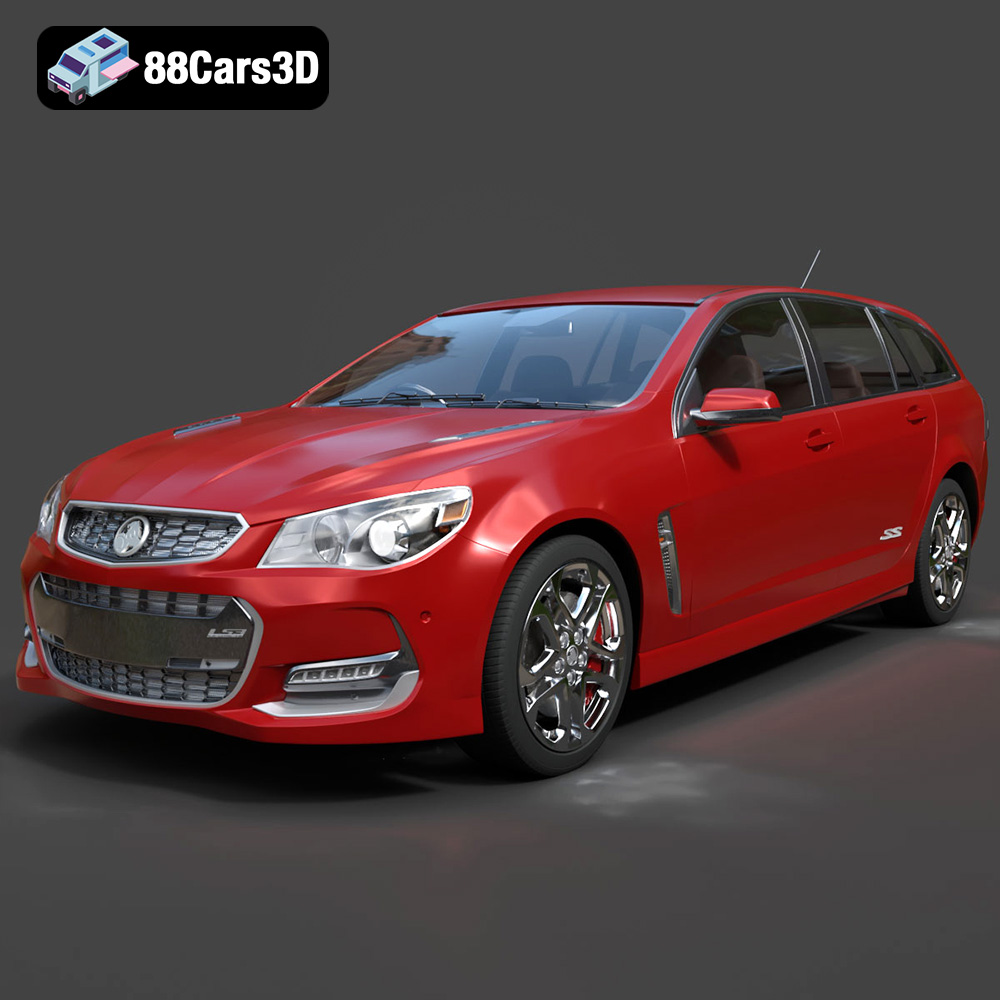
Texture: Yes
Material: Yes
Download the Holden Commodore Sportwagon 2017 3D Model featuring clean geometry, realistic detailing, and a fully modeled interior. Includes .blend, .fbx, .obj, .glb, .stl, .ply, .unreal, and .max formats for rendering, simulation, and game development.
Price: $10
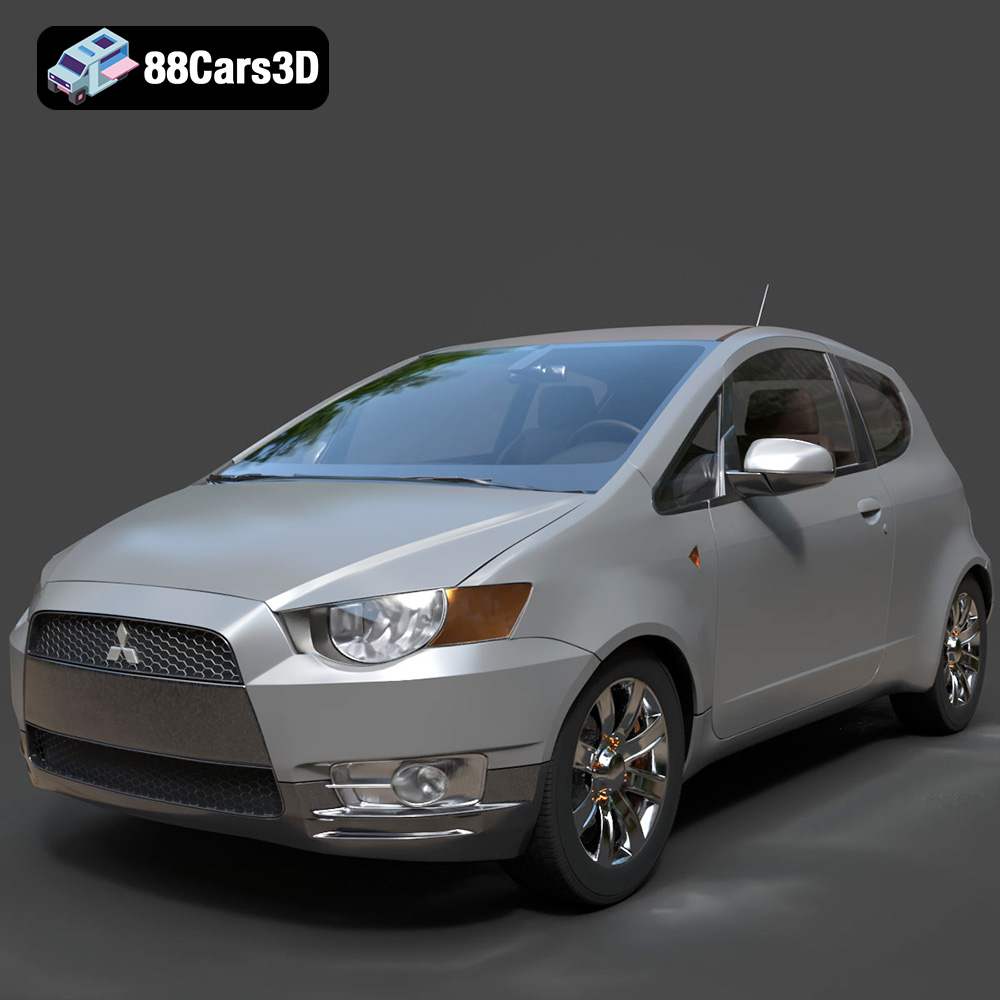
Texture: Yes
Material: Yes
Download the Mitsubishi Colt 3 Door 2008 3D Model featuring clean geometry, realistic detailing, and a fully modeled interior. Includes .blend, .fbx, .obj, .glb, .stl, .ply, .unreal, and .max formats for rendering, simulation, and game development.
Price: $10
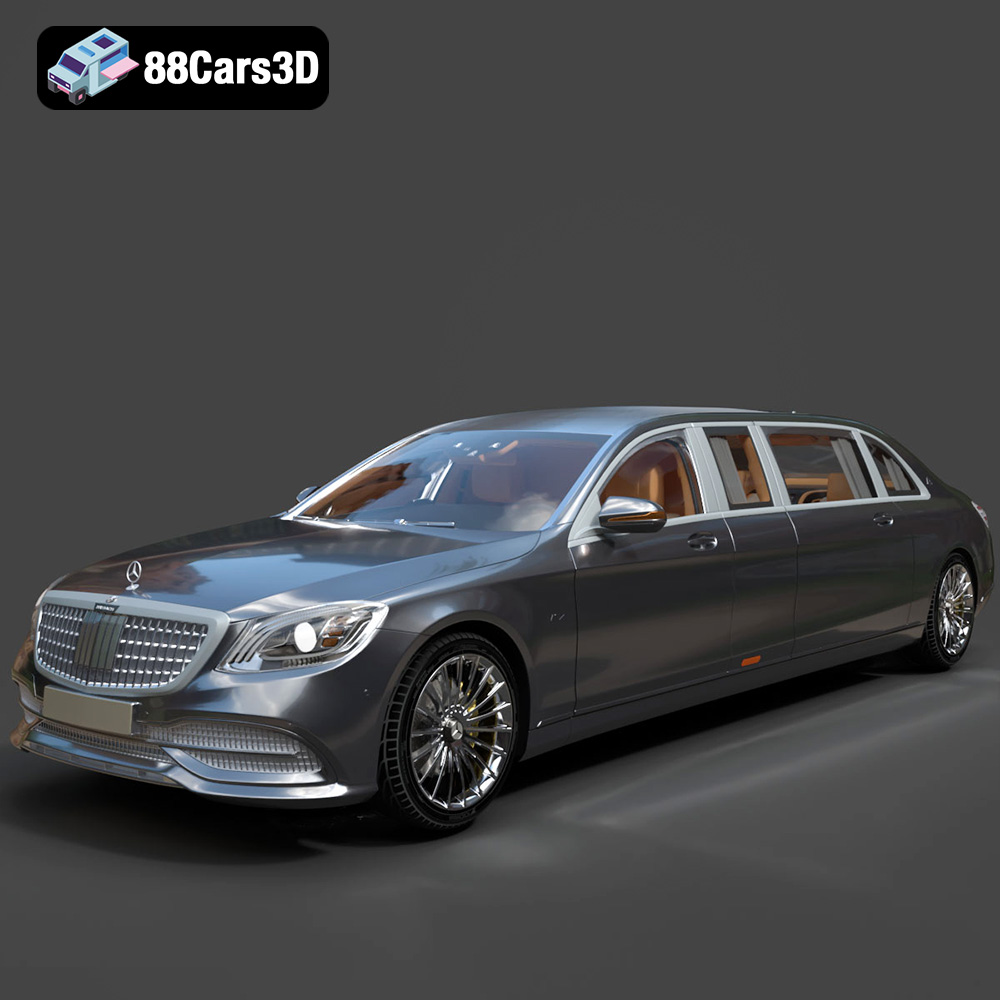
Texture: Yes
Material: Yes
Download the Mercedes-Benz S650 Pullman 3D Model featuring clean geometry, realistic detailing, and a fully modeled interior. Includes .blend, .fbx, .obj, .glb, .stl, .ply, .unreal, and .max formats for rendering, simulation, and game development.
Price: $10

**Meta Description:**
Texture: Yes
Material: Yes
Download the Toyota Crown Majesta 2009 3D Model with luxury detailing, clean topology, and a fully modeled interior. Available in .blend, .fbx, .obj, .glb, .stl, .ply, .unreal, and .max formats for rendering, simulation, and game development.
Price: $4.99

**Meta Description:**
Texture: Yes
Material: Yes
Download the Toyota AE86 Levin 1983 1987 3D Model featuring realistic exterior and interior detailing. Includes .blend, .fbx, .obj, .glb, .stl, .ply, .unreal, and .max formats for rendering, simulation, and game development.
Price: $9.99

Texture: Yes
Material: Yes
Download the Toyota Mark 2 2001 3D Model featuring clean geometry, realistic detailing, and a fully modeled interior. Includes .blend, .fbx, .obj, .glb, .stl, .ply, .unreal, and .max formats for rendering, simulation, and game development.
Price: $4.99

