⚡ FLASH SALE: Get 60% OFF All Premium 3D & STL Models! ⚡

The world of automotive visualization has been revolutionized. Gone are the days of long, overnight renders for a single static image. Today, real-time rendering with Unreal Engine 5 empowers artists, designers, and marketers to create stunningly photorealistic, interactive experiences that were once the exclusive domain of science fiction. From dynamic car configurators that allow customers to explore every option in real-time to breathtaking cinematic sequences used in blockbuster commercials, Unreal Engine has become the industry-standard tool for bringing digital vehicles to life. This shift has unlocked unprecedented levels of creative freedom and customer engagement, allowing brands to showcase their products with unparalleled detail and interactivity.
This comprehensive guide is your roadmap to mastering automotive visualization in Unreal Engine. We will navigate the entire production pipeline, starting with the essential project setup and the critical process of preparing your 3D car models. We’ll dive deep into the art of creating photorealistic PBR materials, from complex multi-layered car paint to convincing glass and chrome. You’ll learn how to illuminate your scenes with the groundbreaking power of Lumen, create interactive experiences using Blueprint, and leverage the game-changing Nanite virtualized geometry system to handle even the most complex, high-polygon 3D car models without breaking a sweat. By the end of this article, you’ll have the technical knowledge and practical workflows to transform a static model into a dynamic, engaging, and visually spectacular automotive masterpiece.
Before you can create breathtaking renders, you must lay a solid foundation. A properly configured Unreal Engine project and a well-prepared 3D model are non-negotiable prerequisites for a smooth and efficient workflow. This initial stage is where you define your project’s technical capabilities and ensure your assets are optimized for the demanding world of real-time rendering. Neglecting these steps can lead to performance issues, visual artifacts, and frustrating roadblocks later in the production process. Taking the time to set up everything correctly from the start will save you countless hours and ensure your final output achieves the highest possible quality.
When creating a new project in Unreal Engine, the template you choose is your first important decision. For most automotive visualization work, the Architecture, Engineering, and Construction (AEC) or Film/Video & Live Events templates are excellent starting points. These templates enable crucial plugins and project settings by default.
Project Settings > Engine > Rendering. Here, you’ll make a key choice for your lighting. Set the Dynamic Global Illumination Method to Lumen. This enables Unreal Engine’s revolutionary real-time global illumination system. Likewise, set the Reflection Method to Lumen for physically accurate, dynamic reflections. If your hardware supports it, you can also enable Hardware Ray Tracing for even higher-quality results, though Lumen provides fantastic results without it.Edit > Plugins and ensure the Datasmith Importer is enabled. This is the most robust tool for importing complex, multi-part assets like cars, preserving hierarchies and material assignments from your 3D modeling software. For cinematic work, also enable the Movie Render Queue plugin, which offers far superior quality and control for exporting final videos.The quality of your final visualization is directly tied to the quality of your source model. Sourcing professionally crafted game assets is paramount. Marketplaces such as 88cars3d.com provide high-quality, pre-optimized 3D car models that are ready for immediate use in Unreal Engine. A great automotive model should have:
The preferred file format for importing into Unreal Engine is FBX, as it is robust and well-supported. For more advanced pipelines, especially in collaborative environments, USD (Universal Scene Description) is also becoming a powerful alternative.
Using the Datasmith importer provides the most control. After enabling the plugin, you’ll see a Datasmith button on your toolbar. Clicking it allows you to import your FBX file. The key advantage of Datasmith is its ability to handle complex scenes. During import, you can choose how to handle the hierarchy, whether to generate lightmap UVs (less critical with Lumen), and how to process materials. For a car model, it’s often best to import the full scene hierarchy, which will create a Blueprint Actor containing all the individual Static Mesh components, perfectly organized just as they were in your 3D software.
Materials are what transform a collection of polygons into a believable object. For automotive visualization, achieving realism in materials like car paint, chrome, glass, and rubber is what sells the final image. Unreal Engine’s Material Editor is an incredibly powerful node-based system that allows for the creation of physically-based rendering (PBR) materials. The PBR materials workflow simulates how light interacts with surfaces in the real world, which is essential for achieving photorealism under any lighting condition.
Standard car paint is a multi-layered material, and Unreal Engine’s Material Editor can replicate this complexity. The key is using the Clear Coat shading model.
Default Lit to Clear Coat. This adds two new inputs: Clear Coat and Clear Coat Roughness.Vector3 parameter (for color) to the Base Color input. Set the Metallic input to a high value (e.g., 0.9) to simulate the metallic flakes underneath the paint. Set the Roughness to a mid-range value (e.g., 0.4) to diffuse the light on the base layer.This layered approach creates a depth that a simple material cannot achieve, making your car paint look incredibly realistic. For an in-depth look at all the capabilities of the Material Editor, the official Unreal Engine documentation is an invaluable resource that provides detailed explanations of every node and feature.
Never apply your master car paint material directly to the model. Instead, right-click your master material and select Create Material Instance. Material Instances are lightweight copies that allow you to change any parameters you’ve set up (like the Base Color) without recompiling the entire shader. This is a core concept for optimization. You can create one master car paint material and then dozens of instances for red, blue, black, and silver variants, all while being incredibly performance-friendly. This workflow is essential for building interactive car configurators where users can switch colors on the fly.
Lighting is arguably the most important element in achieving photorealism. It dictates mood, defines form, and makes materials look believable. Unreal Engine 5’s Lumen is a fully dynamic global illumination and reflections system that has fundamentally changed how we approach lighting in real-time. It eliminates the need for baking lightmaps and provides instant, high-quality feedback as you move lights and objects, enabling a much more iterative and creative process.
With Lumen enabled in your project settings, any emissive surface or light source will contribute to the scene’s global illumination. Light bounces off surfaces, picking up their color and illuminating other nearby objects, just as it does in the real world. This is what creates soft shadows, color bleeding, and subtle ambient light that makes a scene feel grounded. In your Post Process Volume, under the Global Illumination and Reflections sections, you can fine-tune Lumen’s quality and performance. For high-end visualization, you can increase the Final Gather Quality and use Hardware Ray Tracing (if enabled) for reflections to achieve the highest fidelity.
The approach to lighting your vehicle depends heavily on the desired context.
The final 10% of realism comes from the Post Process Volume. This single actor allows you to apply screen-wide effects similar to what you would do in photo editing software. Key settings for automotive visualization include:
Static renders are impressive, but the true power of real-time rendering lies in interactivity. Unreal Engine provides two groundbreaking features that are perfect for automotive applications: Nanite, for rendering extreme geometric detail, and Blueprint, for creating complex interactive logic without writing a single line of code. Combining these technologies allows you to create experiences where users can explore vehicles in microscopic detail and interact with them in meaningful ways.
Nanite is Unreal Engine’s virtualized geometry system. In simple terms, it allows you to use 3D models with millions of polygons—what you would typically see in film VFX—directly in a real-time engine without the need for traditional Level of Detail (LOD) meshes or performance compromises. This is a complete game-changer for automotive visualization. High-quality 3D car models, like those available from platforms like 88cars3d.com, often feature immense detail in areas like headlights, grilles, and interior stitching. With Nanite, you no longer have to decimate or simplify this geometry. You can simply import the high-polygon model, enable Nanite on the Static Meshes, and the engine will intelligently stream and render only the detail that is visible on screen at a pixel-perfect level. This results in incredibly sharp, detailed renders up close without ever having to worry about polygon budgets.
Blueprint is Unreal Engine’s visual scripting system. It uses a node-based interface to create gameplay and interactive logic. It’s the perfect tool for building an automotive configurator.
Here’s a simplified workflow for a color-changing feature:
Material Instance Dynamic. On BeginPlay, use the Create Dynamic Material Instance node on your car body mesh and store it in this variable.OnClicked event for a color button, get a reference to your car Blueprint in the level. Call a custom event on the car Blueprint (e.g., “ChangeColor”).Set Vector Parameter Value node on your stored Dynamic Material Instance variable to change the “Base Color” parameter you set up earlier.Using this same logic, you can create events to open doors (by rotating the door mesh component on a timeline), turn on headlights (by toggling the visibility of a Spot Light component), or switch wheel styles (by swapping Static Mesh components).
For an extra layer of engagement, you can make your car drivable. Unreal Engine’s Chaos Vehicle system provides a robust framework for simulating vehicle physics. You can set up a Vehicle Blueprint, assign physics properties to the chassis, configure wheel classes with suspension and tire friction settings, and link it to player input. While tuning realistic vehicle dynamics is a deep and complex topic, setting up a basic drivable car can be done relatively quickly, adding a fun and impressive interactive element to your visualization project.
Once your car is beautifully lit and textured, the next step is to create compelling cinematic content. Unreal Engine’s Sequencer is a powerful, non-linear editing tool that functions like a professional video editing suite, but entirely within the 3D environment. It allows you to animate objects, cameras, and properties over time to produce everything from short product animations to full-blown commercials.
To get started, create a new Level Sequence from the Cinematics dropdown. This opens the Sequencer editor. You can drag actors from your scene—like your car Blueprint and any cameras—into the track list on the left. Each actor gets its own track, where you can add keyframes to animate its properties. For example, you can select the car’s transform track, move the timeline forward, move the car in the viewport, and add a new keyframe. Sequencer will automatically interpolate the movement between the two keyframes. You can do this for any property: changing material colors, toggling light intensity, or even triggering Blueprint events over time.
Great cinematography is what separates an amateur render from a professional one. Sequencer provides all the tools you need to replicate real-world camera techniques.
When your sequence is complete, it’s time to export. Avoid the legacy “Movie Scene Capture” and instead use the Movie Render Queue (MRQ). MRQ is a production-ready rendering pipeline that offers superior quality and control.
We’ve journeyed through the entire pipeline of modern automotive visualization, from the critical first steps of project setup to the final polish of cinematic rendering. By embracing the powerful toolset within Unreal Engine 5, you can elevate your work to new heights of realism and interactivity. We’ve seen how a solid foundation—built on a high-quality, well-prepared 3D car model—is the key to success. We delved into the intricacies of PBR materials to make every surface believable, harnessed the dynamic power of Lumen for lifelike lighting, and unlocked interactivity with the intuitive Blueprint system. With Nanite, geometric detail is no longer a limitation, and with Sequencer and Movie Render Queue, your creative vision can be realized in stunning, professional-quality cinematic outputs.
The world of real-time rendering is dynamic and constantly evolving, but the principles and workflows we’ve discussed provide a robust framework for creating top-tier automotive content. The next step is to apply these techniques. Start a new project, source a high-quality automotive asset, and begin experimenting. Challenge yourself to build a complex material, light a scene for a specific mood, or create a short, dynamic animation. By consistently practicing and pushing the boundaries of what these tools can do, you will not only improve your skills but also be at the forefront of the next generation of digital automotive experiences.

Texture: Yes
Material: Yes
Download the Chevrolet Camaro 1970 3D Model featuring clean geometry, realistic detailing, and a fully modeled interior. Includes .blend, .fbx, .obj, .glb, .stl, .ply, .unreal, and .max formats for rendering, simulation, and game development.
Price: $10

Texture: Yes
Material: Yes
Download the Mercedes-AMG GT 2015 3D Model featuring clean geometry, realistic detailing, and a fully modeled interior. Includes .blend, .fbx, .obj, .glb, .stl, .ply, .unreal, and .max formats for rendering, simulation, and game development.
Price: $88.99

Texture: Yes
Material: Yes
Download the Suzuki GSX-R 1000 3D Model featuring clean geometry, realistic detailing, and a fully modeled interior. Includes .blend, .fbx, .obj, .glb, .stl, .ply, .unreal, and .max formats for rendering, simulation, and game development.
Price: $10

Texture: Yes
Material: Yes
Download the Porsche Cayman S 2024 3D Model featuring clean geometry, realistic detailing, and a fully modeled interior. Includes .blend, .fbx, .obj, .glb, .stl, .ply, .unreal, and .max formats for rendering, simulation, and game development.
Price: $10

Texture: Yes
Material: Yes
Download the Holden Commodore Sportwagon 2017 3D Model featuring clean geometry, realistic detailing, and a fully modeled interior. Includes .blend, .fbx, .obj, .glb, .stl, .ply, .unreal, and .max formats for rendering, simulation, and game development.
Price: $10
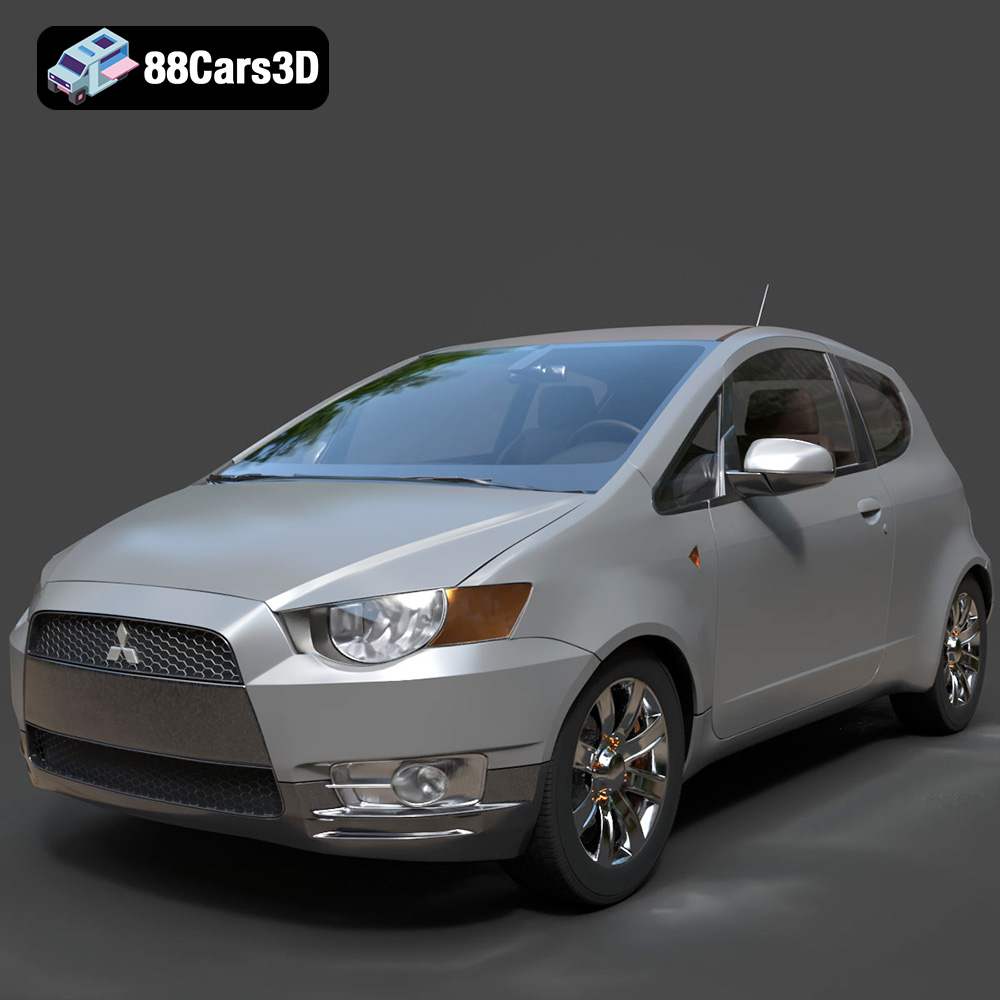
Texture: Yes
Material: Yes
Download the Mitsubishi Colt 3 Door 2008 3D Model featuring clean geometry, realistic detailing, and a fully modeled interior. Includes .blend, .fbx, .obj, .glb, .stl, .ply, .unreal, and .max formats for rendering, simulation, and game development.
Price: $10
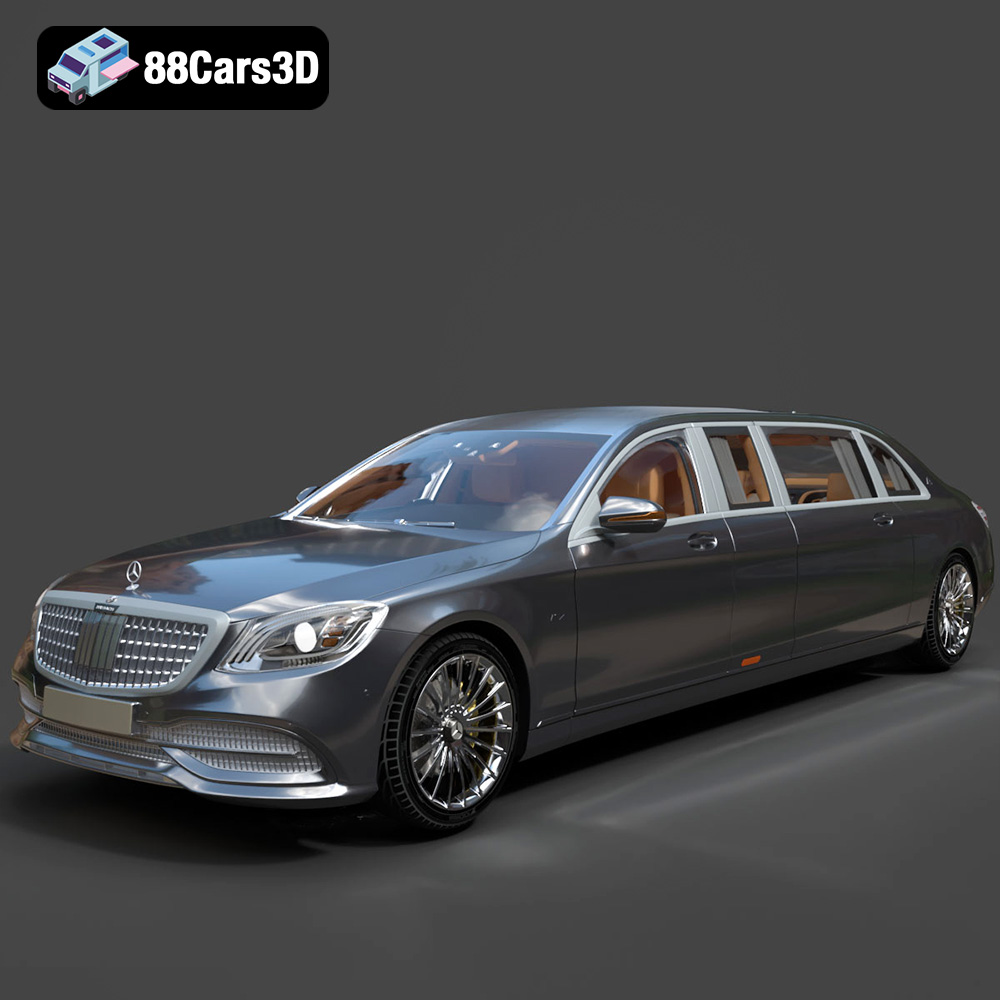
Texture: Yes
Material: Yes
Download the Mercedes-Benz S650 Pullman 3D Model featuring clean geometry, realistic detailing, and a fully modeled interior. Includes .blend, .fbx, .obj, .glb, .stl, .ply, .unreal, and .max formats for rendering, simulation, and game development.
Price: $10

**Meta Description:**
Texture: Yes
Material: Yes
Download the Toyota Crown Majesta 2009 3D Model with luxury detailing, clean topology, and a fully modeled interior. Available in .blend, .fbx, .obj, .glb, .stl, .ply, .unreal, and .max formats for rendering, simulation, and game development.
Price: $4.99

**Meta Description:**
Texture: Yes
Material: Yes
Download the Toyota AE86 Levin 1983 1987 3D Model featuring realistic exterior and interior detailing. Includes .blend, .fbx, .obj, .glb, .stl, .ply, .unreal, and .max formats for rendering, simulation, and game development.
Price: $9.99

Texture: Yes
Material: Yes
Download the Toyota Mark 2 2001 3D Model featuring clean geometry, realistic detailing, and a fully modeled interior. Includes .blend, .fbx, .obj, .glb, .stl, .ply, .unreal, and .max formats for rendering, simulation, and game development.
Price: $4.99

