⚡ FLASH SALE: Get 60% OFF All Premium 3D & STL Models! ⚡

“`html
3D printing has revolutionized model making, prototyping, and hobbyist projects, offering unprecedented control and customization. For automotive enthusiasts, the ability to 3D print detailed car models is particularly appealing. However, achieving exceptional results requires a thorough understanding of the entire process, from preparing STL files to optimizing printer settings and mastering post-processing techniques. This comprehensive guide will walk you through each step, providing the knowledge and skills necessary to create stunning 3D printed car models. Whether you’re using FDM or resin printing, this guide will help you avoid common pitfalls and achieve professional-quality results.
In this article, you will learn:
The STL (Stereolithography) file format is the backbone of 3D printing. It represents the surface geometry of a 3D object using a collection of triangles. The quality of the STL file directly impacts the final print. A poorly constructed STL file can lead to errors, artifacts, and even printing failures. When downloading models from marketplaces such as 88cars3d.com, it’s crucial to understand the nuances of STL files and how to ensure they are print-ready.
STL files store surface data as a series of interconnected triangles. Each triangle is defined by three vertices, each with X, Y, and Z coordinates, and a normal vector that indicates the triangle’s orientation. A well-formed STL file has a closed, “watertight” mesh, meaning there are no holes or gaps. The density of the triangles, often referred to as mesh resolution, determines the level of detail in the model. Higher resolution means more triangles and a smoother surface, but also a larger file size and potentially longer processing times.
STL files can suffer from various issues that can hinder successful printing. These include:
Software like Meshmixer, Netfabb, and Blender offer tools for repairing these issues. Meshmixer’s “Make Solid” function is particularly useful for automatically repairing non-manifold geometry and filling small holes. Netfabb provides more advanced repair tools for complex issues. Blender’s sculpting tools can be used to manually repair and refine the mesh. For example, in Meshmixer, you might use the “Inspector” tool to identify errors and then use the “Auto Repair All” function. In Netfabb, a common workflow involves importing the STL, running a diagnosis, and then using the automatic repair scripts to fix identified problems. Pay close attention to the orientation of the model and its normals; flipped normals can be resolved using the “Flip Normals” tool within these programs.
Slicing is the process of converting the 3D model into a series of 2D layers that the 3D printer can understand. Slicing software, such as Cura, PrusaSlicer, and Simplify3D, allows you to control various parameters that affect the print’s quality, strength, and speed. Mastering these parameters is crucial for achieving optimal results when printing intricate car models.
Layer height is one of the most critical slicing parameters. It determines the thickness of each layer. Lower layer heights (e.g., 0.1mm) result in smoother surfaces and finer details, but they also increase print time. Higher layer heights (e.g., 0.3mm) print faster but sacrifice surface finish. For car models, a layer height of 0.1mm to 0.2mm is generally recommended for FDM printing to capture intricate details. For resin printing, layer heights can be significantly lower, often ranging from 0.025mm to 0.05mm, enabling even finer detail resolution. A practical example would be printing a detailed grill of a car. A lower layer height will ensure that each slat of the grill is clearly defined and the transitions between them are smooth. Experimentation is key. Print small test pieces with varying layer heights to determine the best balance for your specific printer and model.
Infill refers to the internal structure of the 3D printed object. Infill density is the percentage of the interior that is filled with material. Higher infill densities (e.g., 50-100%) result in stronger prints but consume more material. Lower infill densities (e.g., 10-20%) are more material-efficient but may compromise structural integrity. For car models, an infill density of 15-25% is usually sufficient for most parts, providing a good balance of strength and weight. Specific areas, like mounting points or axles, may benefit from higher infill for added strength. Common infill patterns include rectilinear, honeycomb, gyroid, and cubic. Gyroid infill offers excellent strength-to-weight ratio and is often used for functional parts. For purely aesthetic models, a rectilinear or concentric infill might be sufficient to save on print time and material. Use infill modifiers in your slicing software to apply different infill settings to specific regions of the model. For example, you can strengthen the base of the model with a higher infill density to improve bed adhesion and prevent warping.
Support structures are temporary structures that provide support to overhanging features during printing. They are essential for printing complex car models with intricate details, such as spoilers, mirrors, and wheel wells. Properly generating and removing support structures is a critical step in the 3D printing process.
Most slicing software offers automatic support generation. These algorithms analyze the model’s geometry and automatically place supports where they are needed. However, automatic supports are not always optimal. They may generate excessive supports in unnecessary areas or fail to adequately support critical features. Manual support generation allows you to precisely control the placement, size, and density of supports. This can reduce material usage, minimize print time, and improve surface finish. Software like Meshmixer provides excellent tools for manually adding and editing supports. Consider the angle of overhang; anything beyond 45 degrees typically requires support for FDM. For resin printing, thinner, more delicate supports are often sufficient due to the layer-by-layer curing process. Orienting the model strategically can sometimes minimize the need for supports altogether. For example, tilting the model so that fewer surfaces overhang can significantly reduce support requirements.
The material used for support structures can significantly impact the ease of removal and the surface finish of the printed part. Soluble support materials, such as PVA (Polyvinyl Alcohol) for PLA or HIPS (High Impact Polystyrene) for ABS, can be dissolved in water or limonene, respectively, leaving a clean surface. However, these materials require a dual-extrusion printer. For single-extrusion printers, the same material as the model is used for supports. The key is to optimize the support settings to minimize adhesion to the model. This can be achieved by increasing the support Z distance (the gap between the support and the model) and reducing the support density. Carefully remove supports after printing using pliers, tweezers, or a sharp knife. Be patient and avoid applying excessive force, which can damage the model. Post-processing techniques, such as sanding and polishing, can be used to remove any remaining support marks.
The choice of material is crucial for achieving the desired properties in your 3D printed car model. Different materials offer varying levels of strength, flexibility, heat resistance, and surface finish. Understanding the characteristics of common 3D printing materials is essential for selecting the best option for your specific project.
For FDM (Fused Deposition Modeling) printing, the most common materials are PLA (Polylactic Acid), PETG (Polyethylene Terephthalate Glycol), and ABS (Acrylonitrile Butadiene Styrene). PLA is a biodegradable thermoplastic derived from renewable resources. It is easy to print, offers good detail, and is suitable for aesthetic models. However, PLA has relatively low heat resistance and can warp in high-temperature environments. PETG is a more durable and heat-resistant alternative to PLA. It offers good strength, flexibility, and chemical resistance. PETG is a good choice for functional parts that need to withstand some stress or exposure to the elements. ABS is a strong and heat-resistant engineering plastic. It is commonly used for automotive parts and other demanding applications. However, ABS is more difficult to print than PLA and PETG, requiring a heated bed and enclosure to prevent warping and delamination. As an example, consider printing a dashboard component that could be exposed to direct sunlight. ABS would be a superior choice to PLA due to its higher glass transition temperature. When printing with ABS, make sure to use proper ventilation to avoid inhaling harmful fumes.
For resin printing, a wide range of resins are available, each with unique properties. Standard resins are suitable for general-purpose printing and offer good detail and surface finish. Tough resins are designed for high-impact applications and offer increased strength and durability. Flexible resins are ideal for parts that need to bend or flex, such as tires or suspension components. Specialty resins, such as castable resins for investment casting or biocompatible resins for medical applications, are also available. Resin printing typically results in higher resolution and smoother surfaces compared to FDM printing. Consider using a grey resin for prototyping because it shows detail very well. Always wear gloves and eye protection when working with resin, as it can cause skin irritation and eye damage. When choosing a resin, consider factors such as viscosity, cure time, and shrinkage rate. Lower viscosity resins tend to produce finer details, while longer cure times can improve strength and reduce warping.
Post-processing is the final stage in the 3D printing process. It involves cleaning, sanding, priming, painting, and assembling the printed parts to achieve a professional finish. Even with optimized printing parameters, some post-processing is usually necessary to remove imperfections and enhance the appearance of the car model.
Sanding is used to remove layer lines, support marks, and other surface imperfections. Start with coarse sandpaper (e.g., 220 grit) and gradually move to finer grits (e.g., 400, 600, 800 grit) to achieve a smooth surface. Wet sanding can help reduce dust and improve the surface finish. Use a sanding block or sponge to ensure even pressure and avoid creating flat spots. For hard-to-reach areas, use small sanding tools or files. After sanding, clean the part thoroughly with a clean cloth or compressed air to remove any sanding dust. Consider using a filler primer to fill in any remaining imperfections. Spray the primer in thin, even coats, allowing each coat to dry completely before applying the next. Lightly sand the primer after it has dried to create a smooth base for painting.
Painting is used to add color and detail to the car model. Use high-quality model paints designed for plastic. Acrylic paints are a good choice for beginners, as they are easy to apply and clean up. Enamel paints offer a more durable finish but require more care when handling and cleaning. Apply the paint in thin, even coats, using an airbrush or spray can. Allow each coat to dry completely before applying the next. Mask off areas that you don’t want to paint using masking tape or liquid masking film. Use fine-tipped brushes for detailing, such as painting window trim or adding logos. Consider using decals to add intricate graphics and markings. After painting, apply a clear coat to protect the paint and add a glossy or matte finish. A common technique for achieving a realistic finish is to apply multiple coats of clear coat, sanding lightly between each coat to create a smooth, glass-like surface.
Even with careful planning and execution, 3D printing can sometimes present challenges. Understanding common printing problems and how to troubleshoot them is essential for achieving consistent and reliable results.
Warping occurs when the printed part lifts off the build plate during printing, often due to uneven cooling or poor bed adhesion. To prevent warping, ensure that the build plate is clean and level. Use a bed adhesive, such as hairspray, glue stick, or painter’s tape, to improve adhesion. A heated bed is also essential for printing materials like ABS that are prone to warping. Increase the bed temperature and reduce the cooling fan speed for the first few layers to improve adhesion. Another common method to combat warping is to add a “brim” to the print in your slicer settings. A brim is a single-layer outline around the base of the part that increases the surface area in contact with the bed, effectively anchoring the print and preventing corners from lifting. Platforms like 88cars3d.com offer print-ready STL files, but even then, optimizing bed adhesion is crucial for successful prints.
Stringing occurs when small strands of filament are left between different parts of the print, often due to excessive oozing of filament from the nozzle. Blobs are small clumps of filament that appear on the surface of the print. To prevent stringing and blobs, reduce the printing temperature, increase retraction distance, and decrease retraction speed. Also, ensure that the filament is dry and free from moisture. Another effective technique is to enable “coasting” in your slicer settings. Coasting stops extruding filament slightly before the end of a travel move, using the residual pressure in the nozzle to complete the line. This can help prevent oozing and stringing, especially on prints with many small details. Finally, experiment with different nozzle temperatures; a slightly lower temperature can often reduce oozing and improve overall print quality.
3D printing high-quality car models is an achievable goal with the right knowledge and techniques. From understanding STL file structure to optimizing slicing parameters, choosing the right materials, mastering support structures, and perfecting post-processing techniques, each step plays a crucial role in the final result. By following the guidelines and tips outlined in this comprehensive guide, you can overcome common challenges and create stunning 3D printed car models that showcase your skills and passion.
Key takeaways:
Now that you have a solid understanding of the 3D printing process, the next step is to start experimenting and refining your skills. Download some STL files, experiment with different settings, and don’t be afraid to make mistakes. Each print is a learning opportunity. The world of 3D printing is constantly evolving, so stay curious, keep learning, and enjoy the journey of creating your own 3D printed masterpieces!
“`
Texture: Yes
Material: Yes
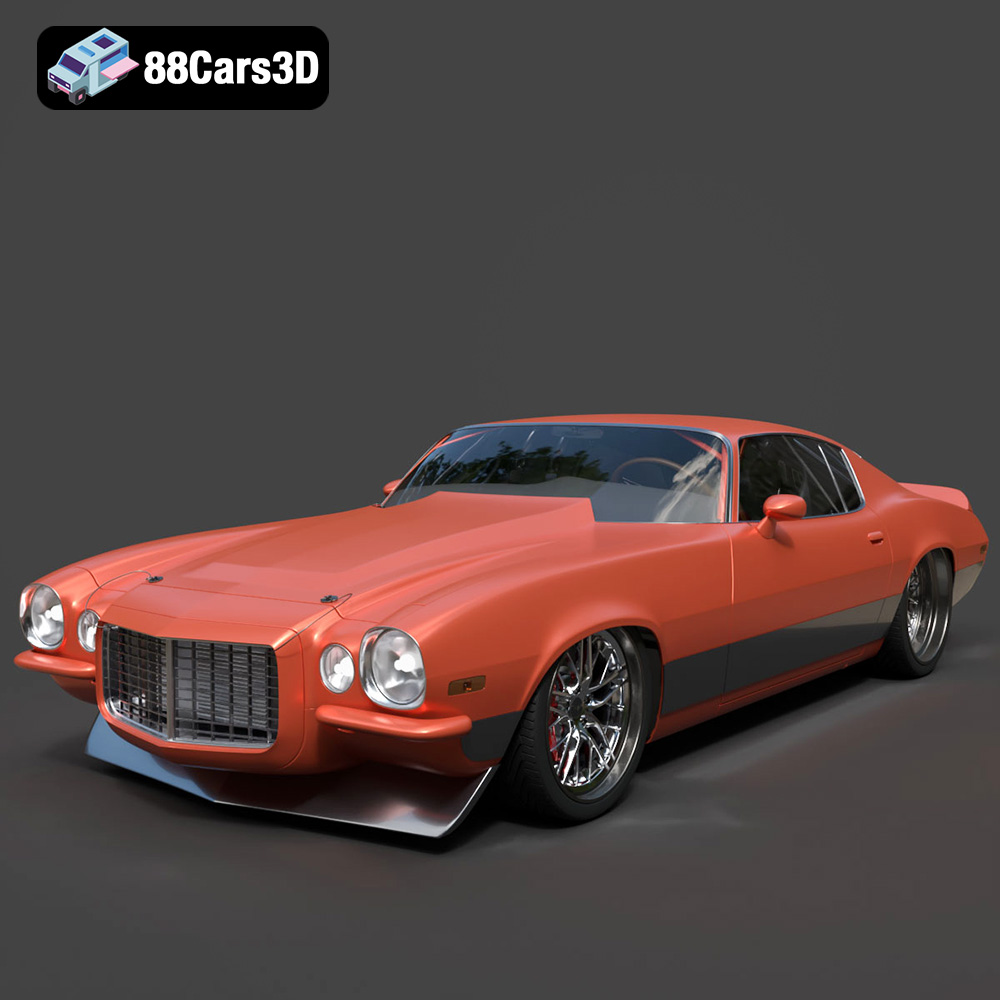
Download the Chevrolet Camaro 1970 3D Model featuring clean geometry, realistic detailing, and a fully modeled interior. Includes .blend, .fbx, .obj, .glb, .stl, .ply, .unreal, and .max formats for rendering, simulation, and game development.
Price: $10

Texture: Yes
Material: Yes
Download the Mercedes-AMG GT 2015 3D Model featuring clean geometry, realistic detailing, and a fully modeled interior. Includes .blend, .fbx, .obj, .glb, .stl, .ply, .unreal, and .max formats for rendering, simulation, and game development.
Price: $88.99
Texture: Yes
Material: Yes
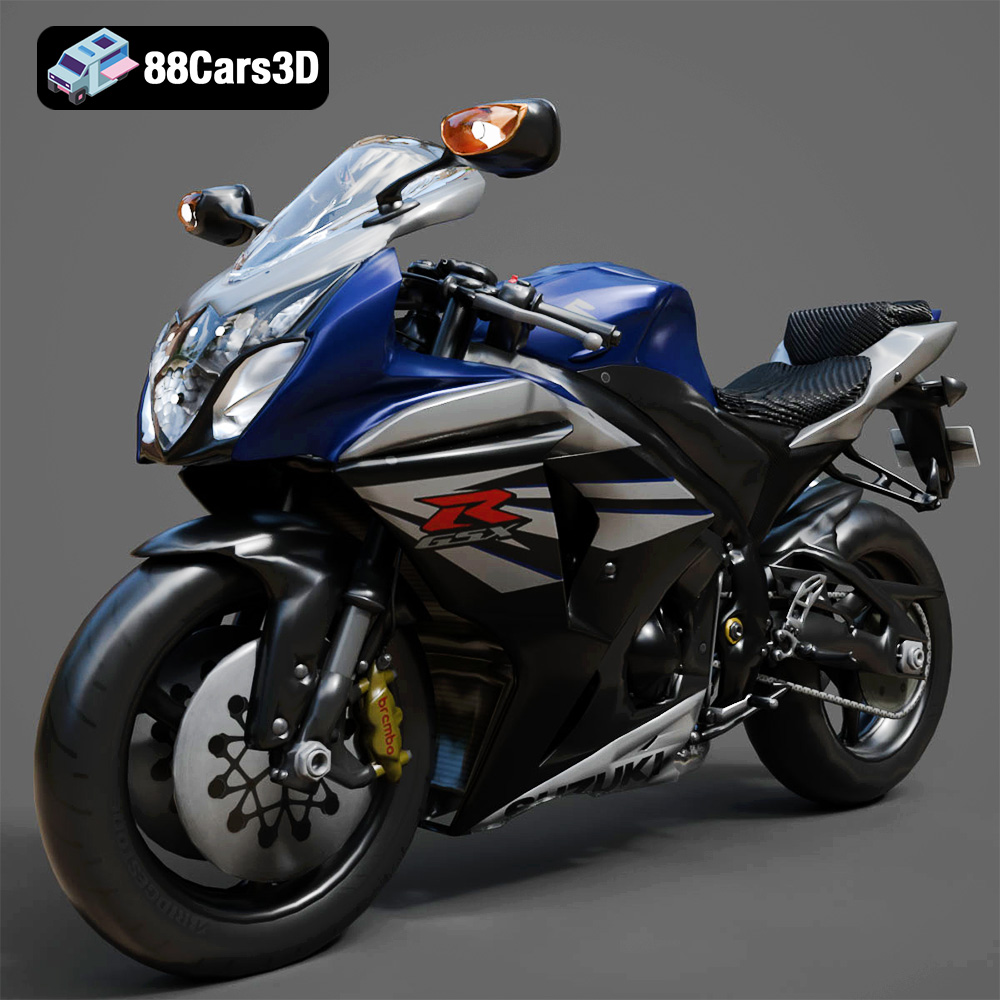
Download the Suzuki GSX-R 1000 3D Model featuring clean geometry, realistic detailing, and a fully modeled interior. Includes .blend, .fbx, .obj, .glb, .stl, .ply, .unreal, and .max formats for rendering, simulation, and game development.
Price: $10
Texture: Yes
Material: Yes
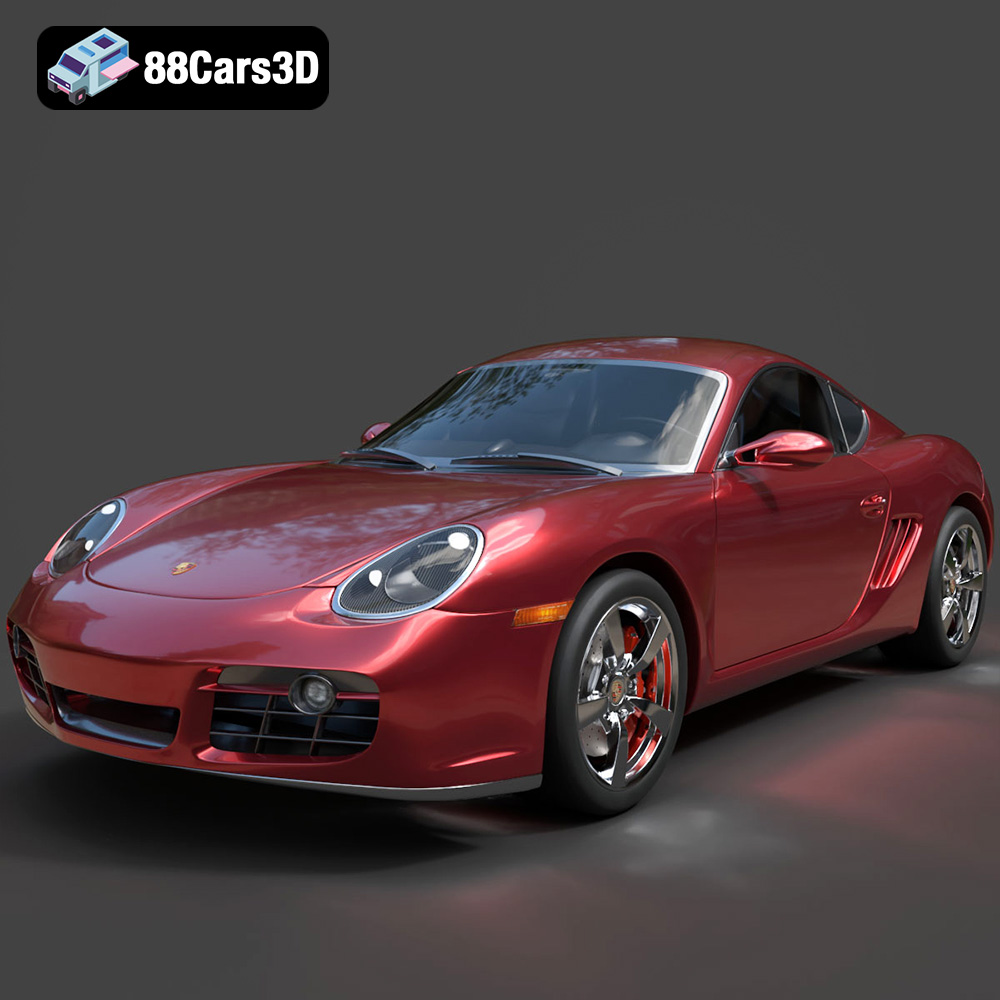
Download the Porsche Cayman S 2024 3D Model featuring clean geometry, realistic detailing, and a fully modeled interior. Includes .blend, .fbx, .obj, .glb, .stl, .ply, .unreal, and .max formats for rendering, simulation, and game development.
Price: $10

Texture: Yes
Material: Yes
Download the Holden Commodore Sportwagon 2017 3D Model featuring clean geometry, realistic detailing, and a fully modeled interior. Includes .blend, .fbx, .obj, .glb, .stl, .ply, .unreal, and .max formats for rendering, simulation, and game development.
Price: $10

**Meta Description:**
Texture: Yes
Material: Yes
Download the Toyota Crown Majesta 2009 3D Model with luxury detailing, clean topology, and a fully modeled interior. Available in .blend, .fbx, .obj, .glb, .stl, .ply, .unreal, and .max formats for rendering, simulation, and game development.
Price: $4.99

**Meta Description:**
Texture: Yes
Material: Yes
Download the Toyota AE86 Levin 1983 1987 3D Model featuring realistic exterior and interior detailing. Includes .blend, .fbx, .obj, .glb, .stl, .ply, .unreal, and .max formats for rendering, simulation, and game development.
Price: $9.99

Texture: Yes
Material: Yes
Download the Toyota Mark 2 2001 3D Model featuring clean geometry, realistic detailing, and a fully modeled interior. Includes .blend, .fbx, .obj, .glb, .stl, .ply, .unreal, and .max formats for rendering, simulation, and game development.
Price: $4.99

Texture: Yes
Material: Yes
Download the Toyota Celica 2000 3D Model featuring clean geometry, realistic detailing, and a fully modeled interior. Includes .blend, .fbx, .obj, .glb, .stl, .ply, .unreal, and .max formats for rendering, simulation, and game development.
Price: $4.99

Download the Toyota Camry US 2012 3D Model featuring clean geometry, realistic detailing, and a fully modeled interior. Includes .blend, .fbx, .obj, .glb, .stl, .ply, .unreal, and .max formats for rendering, simulation, and game development.
Price: $4.99

