⚡ FLASH SALE: Get 60% OFF All Premium 3D & STL Models! ⚡

“`html
The world of 3D printing has opened up incredible possibilities for hobbyists, engineers, and automotive enthusiasts alike. From prototyping new designs to creating stunning scale models, the technology offers unparalleled control and customization. However, achieving truly exceptional results, especially when printing complex subjects like car models, requires a deep understanding of the process, from file preparation to post-processing. This guide will take you through the essential steps and technical details needed to master the art of 3D printing perfect car models. We’ll cover everything from understanding STL files and optimizing slicing parameters to choosing the right materials and troubleshooting common printing issues. Whether you’re a seasoned maker or just starting your 3D printing journey, this comprehensive guide will equip you with the knowledge and skills to create breathtaking car models.
The STL (Stereolithography) file format is the cornerstone of 3D printing. It represents the surface geometry of a 3D object using a collection of triangles. Understanding the structure of an STL file and the underlying mesh topology is crucial for ensuring a successful print. A well-formed STL file will result in a clean, accurate print, while a poorly designed file can lead to numerous problems, including print failures and surface imperfections.
STL files approximate curves and surfaces using triangles. The density of these triangles determines the resolution of the model. Higher triangle counts result in smoother surfaces and more detailed features but also increase file size and processing time. Striking a balance between resolution and file size is essential. Most slicing software allows you to control the level of detail when importing STL files. A common strategy is to use adaptive mesh refinement, which increases triangle density in areas with high curvature or fine details. When downloading models from marketplaces such as 88cars3d.com, the models are pre-optimized for printing, ensuring a good balance between detail and performance.
For a successful 3D print, the STL file must represent a “manifold” and “watertight” object. A manifold mesh means that every edge of a triangle is shared by exactly two triangles. A watertight mesh means that the object is completely closed, with no holes or gaps. Non-manifold or non-watertight meshes can cause slicing errors and print failures. Software like Meshmixer and Netfabb can be used to identify and repair these issues. Common repair operations include filling holes, stitching edges, and removing self-intersections. Platforms like 88cars3d.com offer print-ready STL files that have already been rigorously checked and repaired to ensure manifold and watertight geometry.
Before slicing an STL file, it’s beneficial to inspect it using mesh editing software. Meshmixer, Blender, and Netfabb offer tools for visualizing the mesh, checking for errors, and making necessary repairs. These tools can highlight non-manifold edges, identify flipped normals (which can cause printing artifacts), and measure wall thickness. For car models, ensuring proper wall thickness is crucial for structural integrity and a good surface finish. Aim for a minimum wall thickness of 1-2mm for FDM printing and 0.5-1mm for resin printing, depending on the material and the size of the model.
Slicing is the process of converting a 3D model into a series of layers that the 3D printer can understand. The slicing software (such as Cura, PrusaSlicer, or Simplify3D) generates a toolpath that guides the printer’s nozzle or laser to create each layer. Optimizing slicing parameters is crucial for achieving the desired print quality, strength, and speed. Incorrect settings can lead to warping, stringing, poor layer adhesion, and other printing defects.
Layer height is a fundamental slicing parameter that directly affects print quality and print time. Thinner layers result in smoother surfaces and finer details but increase print time significantly. Thicker layers print faster but sacrifice surface quality. For car models, a layer height of 0.1-0.2mm is a good starting point for FDM printing, balancing detail and speed. For resin printing, layer heights of 0.025-0.05mm are common, allowing for incredibly fine details. Experiment with different layer heights to find the optimal balance for your specific printer, material, and model.
Infill refers to the internal structure of the 3D printed object. It’s crucial for providing strength and rigidity while minimizing material usage and print time. Infill density is expressed as a percentage, with 0% being completely hollow and 100% being solid. For car models, an infill density of 15-25% is usually sufficient for structural integrity. The choice of infill pattern also affects the strength and weight of the model. Common infill patterns include grid, honeycomb, gyroid, and rectilinear. Gyroid infill offers excellent strength-to-weight ratio and is a good choice for parts that need to withstand stress.
Print speed and temperature are critical parameters that must be carefully calibrated for each material. Printing too fast or too slow can lead to various problems, such as poor layer adhesion, warping, and stringing. The optimal print speed depends on the material, layer height, and printer capabilities. Start with the manufacturer’s recommended settings and fine-tune as needed. Temperature control is equally important. The nozzle temperature must be high enough to melt the filament properly, but not so high that it causes excessive stringing or oozing. Similarly, the bed temperature must be properly set to ensure good adhesion and prevent warping, especially when printing with materials like ABS.
The choice of material has a significant impact on the final appearance, strength, and durability of the 3D printed car model. Each material has its unique properties, advantages, and disadvantages. Understanding these differences is crucial for selecting the right material for your specific needs.
PLA (Polylactic Acid) is a popular choice for beginners due to its ease of printing and environmentally friendly nature. It’s derived from renewable resources like corn starch and is biodegradable under specific conditions. PLA prints at relatively low temperatures (180-220°C) and doesn’t require a heated bed in many cases. It’s a good option for models that don’t need to withstand high temperatures or significant stress. However, PLA is brittle and can deform under prolonged exposure to heat or sunlight. For car models, PLA is suitable for display pieces and non-functional prototypes.
ABS (Acrylonitrile Butadiene Styrene) is a more durable and heat-resistant material than PLA. It’s commonly used in automotive parts and other applications that require high strength and impact resistance. ABS prints at higher temperatures (220-250°C) and requires a heated bed (80-110°C) to prevent warping. It also emits fumes during printing, so proper ventilation is essential. ABS is a good choice for car models that need to be functional or withstand higher temperatures. However, it’s more challenging to print than PLA and requires more experience.
PETG (Polyethylene Terephthalate Glycol-modified) combines the ease of printing of PLA with the durability of ABS. It prints at moderate temperatures (220-250°C) and requires a heated bed (70-80°C). PETG is also more flexible than PLA and more impact-resistant than ABS. It has good chemical resistance and is less prone to warping than ABS. PETG is an excellent all-around material for car models, offering a good balance of printability, strength, and durability.
Resin printing (SLA/DLP/LCD) offers unparalleled detail and smooth surfaces compared to FDM printing. Resin printers use liquid photopolymer resin that is cured by UV light. Resin printing is ideal for creating highly detailed car models with intricate features. However, resin printers are more expensive than FDM printers, and the resin itself can be costly. Resin printing also requires post-processing, including washing and curing the printed parts. Common resins include standard resin, tough resin, and flexible resin. Each type of resin has different properties and is suitable for different applications.
Support structures are temporary structures that are printed to support overhanging features of the 3D model during the printing process. They prevent the model from collapsing or warping and ensure that all features are printed accurately. Generating, optimizing, and removing support structures are crucial steps in the 3D printing workflow, especially for complex car models with intricate geometries.
Most slicing software offers automatic support generation features that analyze the model and automatically place support structures where needed. However, automatic support generation can sometimes be inefficient, creating unnecessary supports or failing to support critical areas. Manual support generation allows you to fine-tune the placement and type of supports, optimizing them for strength, material usage, and ease of removal. Software like Meshmixer allows for detailed manual support editing.
The choice of support material can significantly affect the ease of support removal and the surface finish of the printed model. Some materials, like HIPS (High Impact Polystyrene), can be used as support material for ABS and are soluble in limonene, making support removal effortless. Interface layers are thin layers that are printed between the support structures and the model to improve adhesion and prevent scarring. Adjusting the interface layer density and thickness can optimize the balance between support strength and ease of removal.
Several strategies can be employed to make support removal easier. Using breakaway support materials, optimizing support density, and strategically placing support structures are all effective techniques. Consider the orientation of the model to minimize the number of supports needed and to place them in areas that are less visible or easier to access. Carefully cutting or breaking away the supports with specialized tools can minimize damage to the model’s surface.
Post-processing is the set of operations performed on a 3D printed object after it has been removed from the printer. It’s an essential step in achieving a professional finish and improving the appearance and functionality of the model. Common post-processing techniques include sanding, painting, assembly, and surface finishing.
Sanding is used to remove layer lines and other imperfections from the surface of the 3D printed object. Start with coarse sandpaper (e.g., 120 grit) to remove large imperfections, and gradually move to finer grits (e.g., 400 grit, 600 grit, 800 grit) to achieve a smooth surface. Wet sanding can help to minimize dust and improve the surface finish. For resin prints, sanding can be followed by polishing with specialized compounds to achieve a glossy finish.
Painting is used to add color, detail, and realism to the 3D printed car model. Primer is applied first to create a smooth, uniform surface for the paint to adhere to. Acrylic paints are a popular choice for 3D printed models due to their ease of use and wide range of colors. Airbrushing can be used to achieve smooth, even coats of paint and to create intricate details. Masking techniques can be used to create sharp lines and complex patterns. A clear coat is applied as the final step to protect the paint and add a glossy or matte finish.
Many car models are designed as multi-part assemblies that need to be assembled after printing. This allows for greater detail and complexity and makes it easier to print certain features. Common assembly methods include gluing, screwing, and snap-fitting. The choice of assembly method depends on the size, shape, and material of the parts. For functional models, bearings, axles, and other mechanical components may need to be integrated into the assembly.
Even with careful preparation and optimized settings, 3D printing is not without its challenges. Common issues include warping, stringing, poor layer adhesion, and elephant’s foot. Understanding the causes of these problems and how to solve them is crucial for achieving consistent, high-quality prints.
Warping occurs when the corners of the 3D printed object lift off the print bed during printing. This is often caused by uneven cooling or poor bed adhesion. To prevent warping, ensure that the print bed is clean and level. Use a bed adhesion aid, such as glue stick, hairspray, or painter’s tape. Increase the bed temperature and reduce the printing speed. Enclosing the printer in an enclosure can help to maintain a more consistent temperature and prevent drafts. Adjusting the first layer settings, such as increasing the layer height or width, can also improve bed adhesion.
Stringing occurs when molten filament oozes from the nozzle during travel moves, creating thin strands of plastic between different parts of the model. This is often caused by excessive nozzle temperature, retraction settings that are too low, or travel speeds that are too slow. To prevent stringing, reduce the nozzle temperature, increase the retraction distance and speed, and increase the travel speed. Ensure that the filament is dry and properly stored. Some filaments are more prone to stringing than others.
Poor layer adhesion occurs when the layers of the 3D printed object do not bond together properly, resulting in weak or delaminated prints. This is often caused by insufficient nozzle temperature, low printing speed, or poor ventilation. Increase the nozzle temperature, reduce the printing speed, and ensure that the printer is properly ventilated. Check the filament diameter and ensure that it matches the settings in the slicing software. Some filaments require higher printing temperatures to achieve good layer adhesion.
Mastering 3D printing for car models requires a blend of technical knowledge, practical skills, and patience. By understanding the intricacies of STL files, optimizing slicing parameters, choosing the right materials, and mastering post-processing techniques, you can create stunning and highly detailed car models that showcase your creativity and engineering prowess. Remember to experiment with different settings, materials, and techniques to find what works best for your specific printer and project. With the resources available online and the growing community of 3D printing enthusiasts, the possibilities are endless. Take the time to learn and practice, and you’ll be well on your way to becoming a 3D printing master. Explore resources like 88cars3d.com for high-quality STL files to get started on your journey today!
“`
Texture: Yes
Material: Yes
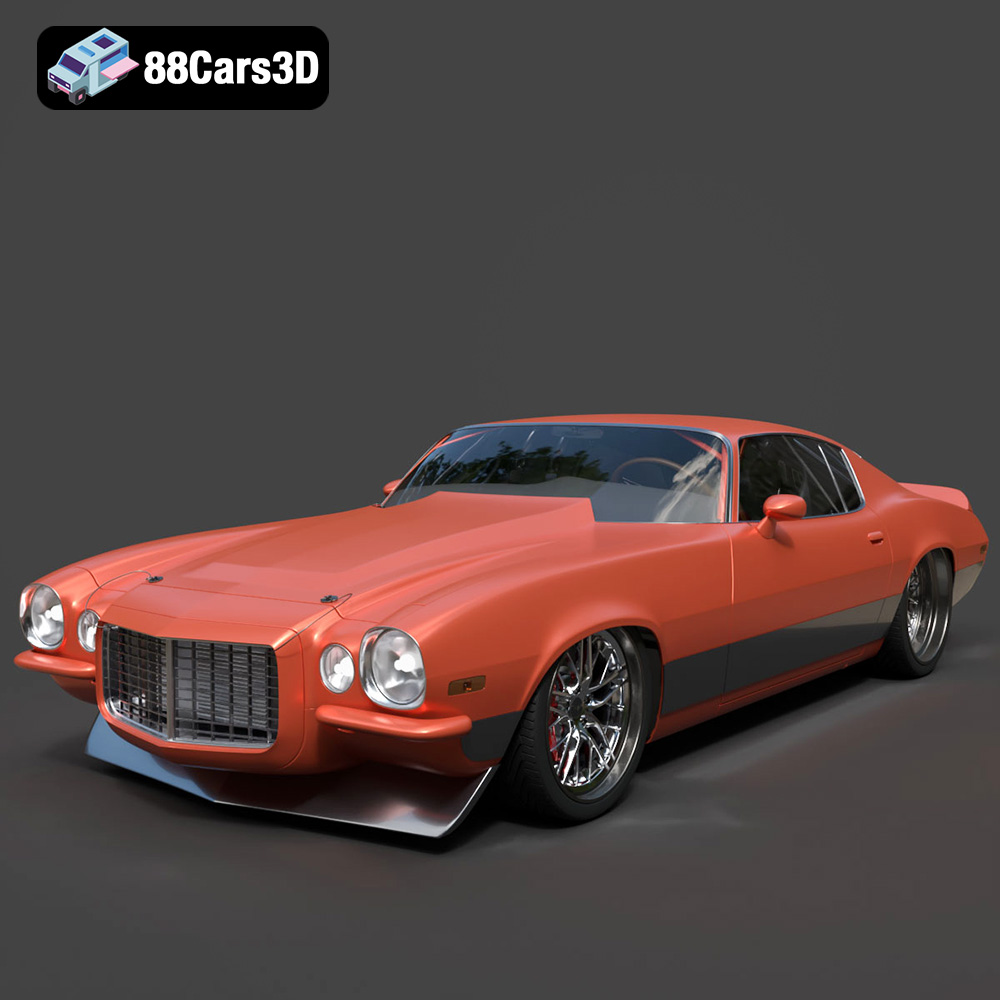
Download the Chevrolet Camaro 1970 3D Model featuring clean geometry, realistic detailing, and a fully modeled interior. Includes .blend, .fbx, .obj, .glb, .stl, .ply, .unreal, and .max formats for rendering, simulation, and game development.
Price: $10

Texture: Yes
Material: Yes
Download the Mercedes-AMG GT 2015 3D Model featuring clean geometry, realistic detailing, and a fully modeled interior. Includes .blend, .fbx, .obj, .glb, .stl, .ply, .unreal, and .max formats for rendering, simulation, and game development.
Price: $88.99
Texture: Yes
Material: Yes
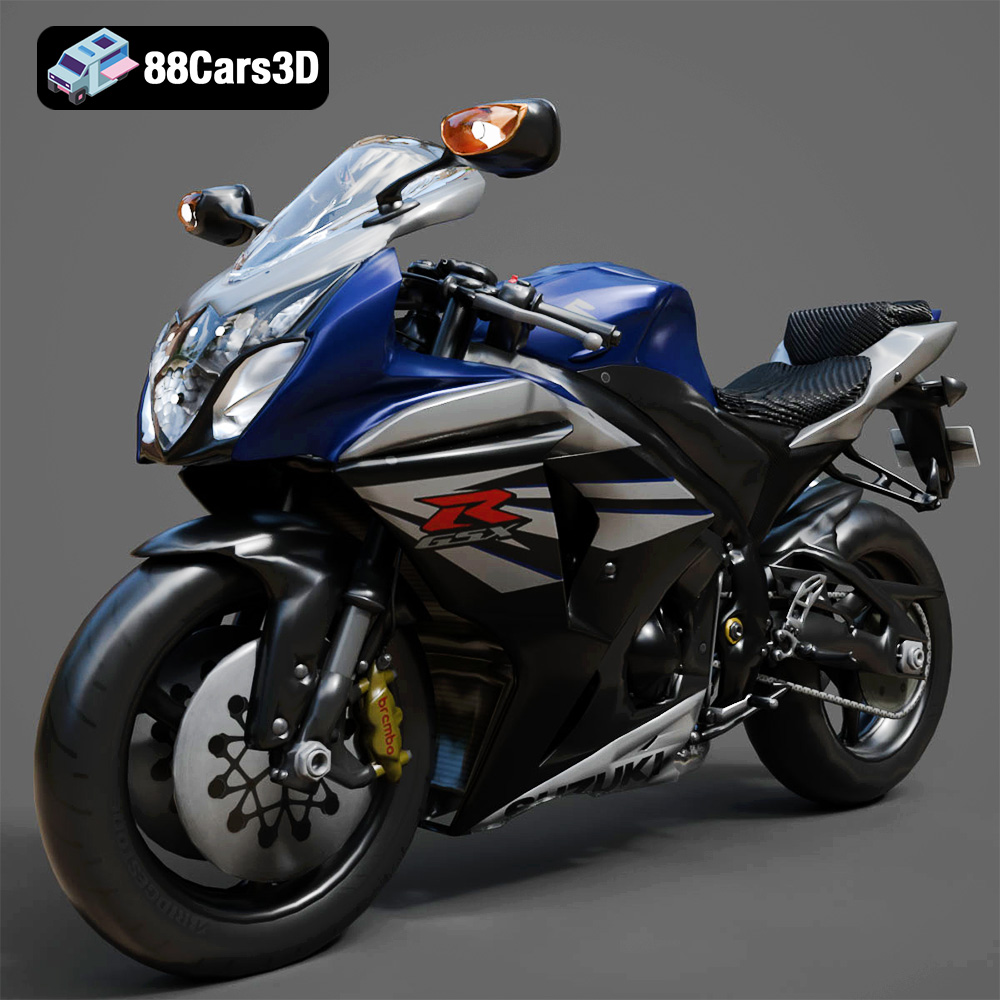
Download the Suzuki GSX-R 1000 3D Model featuring clean geometry, realistic detailing, and a fully modeled interior. Includes .blend, .fbx, .obj, .glb, .stl, .ply, .unreal, and .max formats for rendering, simulation, and game development.
Price: $10
Texture: Yes
Material: Yes
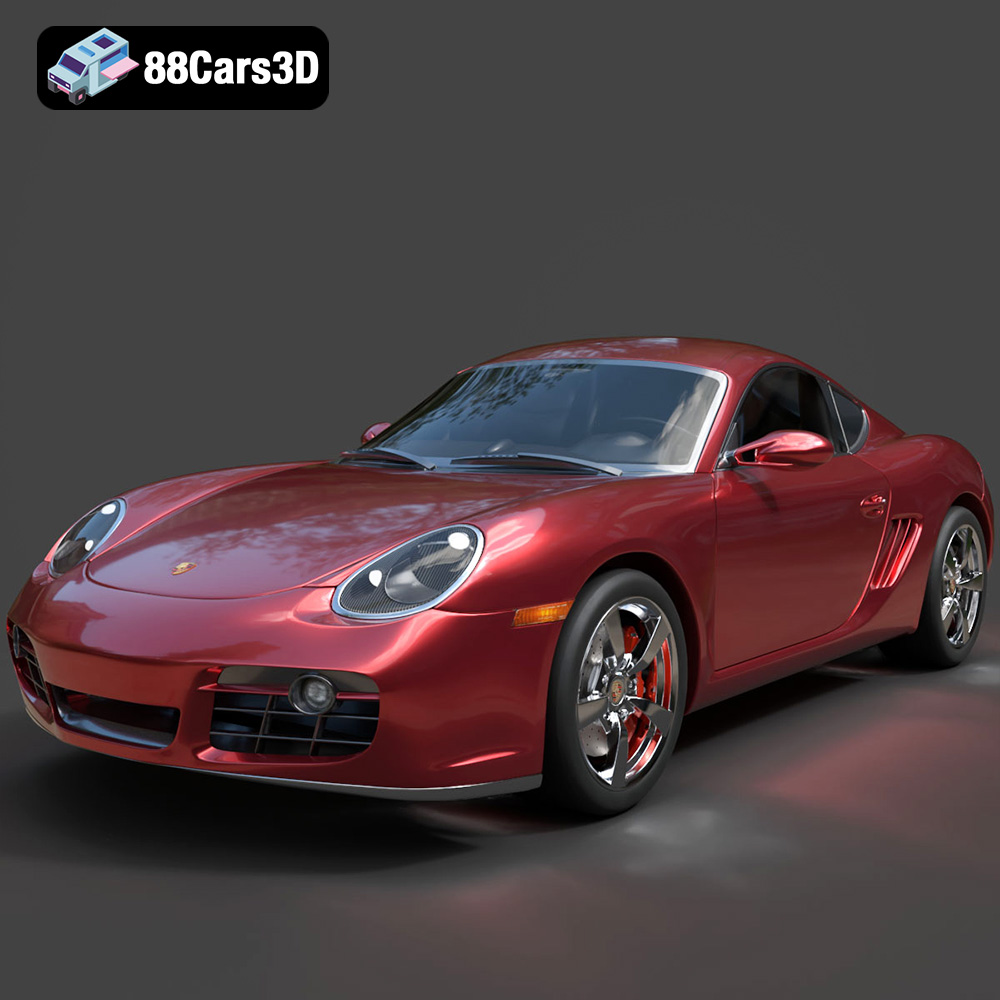
Download the Porsche Cayman S 2024 3D Model featuring clean geometry, realistic detailing, and a fully modeled interior. Includes .blend, .fbx, .obj, .glb, .stl, .ply, .unreal, and .max formats for rendering, simulation, and game development.
Price: $10

Texture: Yes
Material: Yes
Download the Holden Commodore Sportwagon 2017 3D Model featuring clean geometry, realistic detailing, and a fully modeled interior. Includes .blend, .fbx, .obj, .glb, .stl, .ply, .unreal, and .max formats for rendering, simulation, and game development.
Price: $10

**Meta Description:**
Texture: Yes
Material: Yes
Download the Toyota Crown Majesta 2009 3D Model with luxury detailing, clean topology, and a fully modeled interior. Available in .blend, .fbx, .obj, .glb, .stl, .ply, .unreal, and .max formats for rendering, simulation, and game development.
Price: $4.99

**Meta Description:**
Texture: Yes
Material: Yes
Download the Toyota AE86 Levin 1983 1987 3D Model featuring realistic exterior and interior detailing. Includes .blend, .fbx, .obj, .glb, .stl, .ply, .unreal, and .max formats for rendering, simulation, and game development.
Price: $9.99

Texture: Yes
Material: Yes
Download the Toyota Mark 2 2001 3D Model featuring clean geometry, realistic detailing, and a fully modeled interior. Includes .blend, .fbx, .obj, .glb, .stl, .ply, .unreal, and .max formats for rendering, simulation, and game development.
Price: $4.99

Texture: Yes
Material: Yes
Download the Toyota Celica 2000 3D Model featuring clean geometry, realistic detailing, and a fully modeled interior. Includes .blend, .fbx, .obj, .glb, .stl, .ply, .unreal, and .max formats for rendering, simulation, and game development.
Price: $4.99

Download the Toyota Camry US 2012 3D Model featuring clean geometry, realistic detailing, and a fully modeled interior. Includes .blend, .fbx, .obj, .glb, .stl, .ply, .unreal, and .max formats for rendering, simulation, and game development.
Price: $4.99

