⚡ FLASH SALE: Get 60% OFF All Premium 3D & STL Models! ⚡

“`html
3D printing has revolutionized the way we create, allowing enthusiasts and professionals alike to bring digital designs to life. The realm of printable car models is particularly exciting, offering the chance to replicate iconic vehicles in intricate detail. However, achieving flawless results requires a deep understanding of STL files, 3D printer settings, and various techniques to optimize your prints. This comprehensive guide will walk you through everything you need to know, from preparing your STL files to post-processing your finished model. Whether you’re using FDM or resin printing, we’ll cover essential tips and tricks to help you create stunning, high-quality car models. You’ll learn how to choose the right materials, fine-tune your slicing parameters, generate effective support structures, and troubleshoot common printing issues. Get ready to transform your digital dreams into tangible automotive masterpieces.
The STL (stereolithography) file format is the cornerstone of 3D printing, representing the surface geometry of a 3D object using a collection of triangles. For car models, this means that the complex curves and intricate details are approximated by numerous small triangles. A well-prepared STL file is crucial for a successful print, impacting the final quality, accuracy, and structural integrity of your car model.
The density of the triangle mesh directly affects the level of detail captured in the STL file. A higher resolution (more triangles) results in a smoother surface but also increases file size and processing time. Conversely, a low-resolution mesh can lead to faceting, where curves appear as a series of flat surfaces. Finding the right balance is essential. A general rule of thumb is to increase the resolution until the curves appear smooth to the naked eye in the slicer software. Furthermore, ensure that the mesh is “manifold,” meaning it’s a closed, watertight surface. Non-manifold meshes can cause slicing errors and incomplete prints.
Before printing, it’s vital to inspect your STL file for errors such as holes, inverted normals, and self-intersecting triangles. Several software tools can help with this process. Meshmixer is a free and powerful option for basic repairs. Netfabb is a professional-grade tool that offers advanced mesh analysis and repair capabilities. These tools can automatically detect and fix common issues, ensuring a print-ready file. Often, simply importing the file and running the “Make Solid” function in Meshmixer can resolve many common problems. When downloading models from marketplaces such as 88cars3d.com, these issues are often already addressed, but it’s still good practice to check.
Achieving optimal print quality for car models requires careful adjustment of your 3D printer settings. These settings control various aspects of the printing process, including layer height, print speed, temperature, and infill density. The ideal settings will depend on the specific material you’re using, the complexity of the model, and your desired level of detail.
Layer height significantly impacts the surface finish and print time. Smaller layer heights (e.g., 0.1mm) produce smoother surfaces and finer details but increase print time. Larger layer heights (e.g., 0.2mm) are faster but result in more noticeable layer lines. For car models, a layer height between 0.1mm and 0.15mm is often a good compromise between quality and speed. For FDM printing, the nozzle size also plays a crucial role. A smaller nozzle (e.g., 0.25mm) allows for finer details, while a larger nozzle (e.g., 0.4mm) is faster and more robust. Consider using adaptive layer height in your slicer software to automatically adjust the layer height based on the geometry, prioritizing finer layers for curved surfaces and coarser layers for less critical areas.
Print speed affects both the quality and speed of your prints. Higher speeds can lead to reduced detail and adhesion issues, while slower speeds improve accuracy and surface finish. The optimal speed depends on the material; PLA generally prints well at 50-60mm/s, while ABS may require slower speeds of 30-40mm/s. Temperature settings are equally important. Too low a temperature can cause poor layer adhesion and warping, while too high a temperature can lead to stringing and deformation. Consult the material manufacturer’s recommendations for the ideal temperature range and adjust as needed based on your printer and environment. For example, with PLA, a bed temperature of 60°C and a nozzle temperature of 200-210°C often yields excellent results.
Slicing is the process of converting your 3D model into a series of layers that the printer can understand. The slicer software allows you to control various parameters that influence the final print quality. Mastering slicing techniques is crucial for achieving stunning results with your car models.
Support structures are essential for printing overhangs and complex geometries. However, poorly placed supports can be difficult to remove and leave unsightly marks on the finished model. Carefully consider the support type (e.g., tree supports, linear supports) and placement. Tree supports are often preferred for their ease of removal and minimal impact on the surface finish. Orient your model to minimize the need for supports, if possible. Experiment with different support settings, such as support density, angle, and interface layer, to find the optimal balance between support effectiveness and ease of removal. In Cura, settings like “Support Overhang Angle” and “Support Placement” are particularly useful. For example, setting a lower overhang angle (e.g., 45 degrees) will trigger more support generation, while a higher angle (e.g., 60 degrees) will reduce it.
Infill is the internal structure of the 3D printed object. The infill pattern and density affect the strength, weight, and print time of the model. For car models, a moderate infill density (e.g., 15-25%) is often sufficient, providing adequate strength without adding excessive weight or print time. Experiment with different infill patterns, such as grid, honeycomb, or gyroid, to find the best combination of strength and efficiency. Gyroid infill offers excellent strength in all directions and is a good choice for functional parts. Consider using variable infill density, increasing the density in areas that require more strength and reducing it in less critical areas. Slicers like PrusaSlicer offer features like “adaptive cubic infill” that adjust the infill density based on the geometry of the model.
The choice of material significantly impacts the appearance, durability, and functionality of your 3D printed car model. Common materials include PLA, PETG, ABS, and various resins. Each material has its unique properties and is suitable for different applications.
PLA is a biodegradable thermoplastic known for its ease of printing and low warping. It’s a popular choice for beginners and ideal for creating aesthetically pleasing models. PLA offers good detail and a wide range of colors. However, it’s not as heat-resistant or durable as other materials, making it less suitable for functional parts or outdoor use. When printing with PLA, ensure proper cooling to prevent warping and improve surface finish. Layer adhesion is generally good, but can be improved with a slightly higher nozzle temperature.
PETG is a strong and durable thermoplastic that offers better heat resistance and impact resistance than PLA. It’s also more flexible, making it less prone to cracking. PETG is a good choice for parts that require some flexibility or need to withstand higher temperatures. It can be slightly more challenging to print than PLA, requiring careful adjustment of temperature and retraction settings to prevent stringing. PETG is often preferred for functional prototypes and parts that will be subjected to stress.
Resin printing offers unmatched detail and surface finish, making it ideal for creating highly detailed car models. SLA (Stereolithography) and DLP (Digital Light Processing) are common resin printing technologies. Resin printers use liquid photopolymer resins that are cured by UV light. The resulting prints have smooth surfaces, sharp edges, and excellent dimensional accuracy. However, resin printing can be more complex than FDM printing, requiring careful calibration, resin handling, and post-processing. Resin prints also tend to be more brittle than FDM prints and may require careful support placement to prevent breakage during printing. After printing, resin models must be washed and cured to achieve their final strength and properties. Platforms like 88cars3d.com offer print-ready STL files that are optimized for both FDM and resin printing.
Post-processing is the final stage of 3D printing, where you refine the appearance and functionality of your car model. Common techniques include support removal, sanding, filling, painting, and assembly. These steps are essential for achieving a professional-looking finish.
Carefully remove support structures using tools like pliers, cutters, or a deburring tool. Take your time to avoid damaging the model. After removing the supports, sand the surface to remove any remaining imperfections and smooth out the layer lines. Start with coarse sandpaper (e.g., 220 grit) and gradually move to finer grits (e.g., 400, 600, 800 grit) to achieve a smooth surface. Wet sanding can help to reduce dust and improve the surface finish. For resin prints, use isopropyl alcohol (IPA) to clean the model and remove any uncured resin.
Painting can transform your 3D printed car model into a stunning replica. Apply a primer to the model to create a smooth base for the paint. Use multiple thin coats of paint, allowing each coat to dry completely before applying the next. Consider using an airbrush for a more even and professional finish. After painting, apply a clear coat to protect the paint and add a glossy or matte finish. Decals and other details can be added to further enhance the realism of your model. For example, Tamiya model paints are a popular choice for their quality and wide range of colors.
Even with careful planning and preparation, you may encounter issues during the 3D printing process. Understanding common problems and their solutions can save you time and frustration.
Warping occurs when the corners of the print lift off the print bed. This is often caused by uneven heating and cooling, or poor bed adhesion. To prevent warping, ensure that your print bed is level and clean. Use a bed adhesion aid, such as glue stick, hairspray, or a specialized bed adhesive. Increase the bed temperature and use a brim or raft to improve adhesion. Enclosing the printer can also help to maintain a more consistent temperature and reduce warping. For ABS, an enclosure is almost essential.
Stringing occurs when the printer extrudes material while moving between parts of the model, leaving thin strands of plastic. Blobs are small accumulations of excess material on the surface of the print. These issues are often caused by incorrect retraction settings, excessive temperature, or slow travel speed. Adjust your retraction distance and speed to minimize stringing. Lower the nozzle temperature slightly and increase the travel speed to prevent blobs. Also, ensure that your filament is dry, as moisture can contribute to these problems. Running a temperature tower test will help dial in the optimal temperature for minimizing stringing.
3D printing car models is a rewarding hobby that combines technology, creativity, and automotive passion. By understanding the intricacies of STL files, optimizing your 3D printer settings, mastering slicing techniques, selecting the right materials, and implementing effective post-processing methods, you can create stunning, high-quality car models that will impress even the most discerning enthusiasts. Remember to inspect and repair your STL files, experiment with different settings, and don’t be afraid to troubleshoot when problems arise. By following these guidelines and continuously refining your skills, you’ll be well on your way to becoming a master of 3D printed car models. Start by exploring the vast collection of printable car models available on platforms like 88cars3d.com and embark on your 3D printing journey today!
“`

Texture: Yes
Material: Yes
Download the Mercedes S-Class 2024 3D Model featuring clean geometry, realistic detailing, and a fully modeled interior. Includes .blend, .fbx, .obj, .glb, .stl, .ply, .unreal, and .max formats for rendering, simulation, and game development.
Price: $10

Texture: Yes
Material: Yes
Download the Chevrolet Camaro 1970 3D Model featuring clean geometry, realistic detailing, and a fully modeled interior. Includes .blend, .fbx, .obj, .glb, .stl, .ply, .unreal, and .max formats for rendering, simulation, and game development.
Price: $10

Texture: Yes
Material: Yes
Download the Mercedes-AMG GT 2015 3D Model featuring clean geometry, realistic detailing, and a fully modeled interior. Includes .blend, .fbx, .obj, .glb, .stl, .ply, .unreal, and .max formats for rendering, simulation, and game development.
Price: $88.99

Texture: Yes
Material: Yes
Download the Suzuki GSX-R 1000 3D Model featuring clean geometry, realistic detailing, and a fully modeled interior. Includes .blend, .fbx, .obj, .glb, .stl, .ply, .unreal, and .max formats for rendering, simulation, and game development.
Price: $10

Texture: Yes
Material: Yes
Download the Porsche Cayman S 2024 3D Model featuring clean geometry, realistic detailing, and a fully modeled interior. Includes .blend, .fbx, .obj, .glb, .stl, .ply, .unreal, and .max formats for rendering, simulation, and game development.
Price: $10

Texture: Yes
Material: Yes
Download the Holden Commodore Sportwagon 2017 3D Model featuring clean geometry, realistic detailing, and a fully modeled interior. Includes .blend, .fbx, .obj, .glb, .stl, .ply, .unreal, and .max formats for rendering, simulation, and game development.
Price: $10
Texture: Yes
Material: Yes
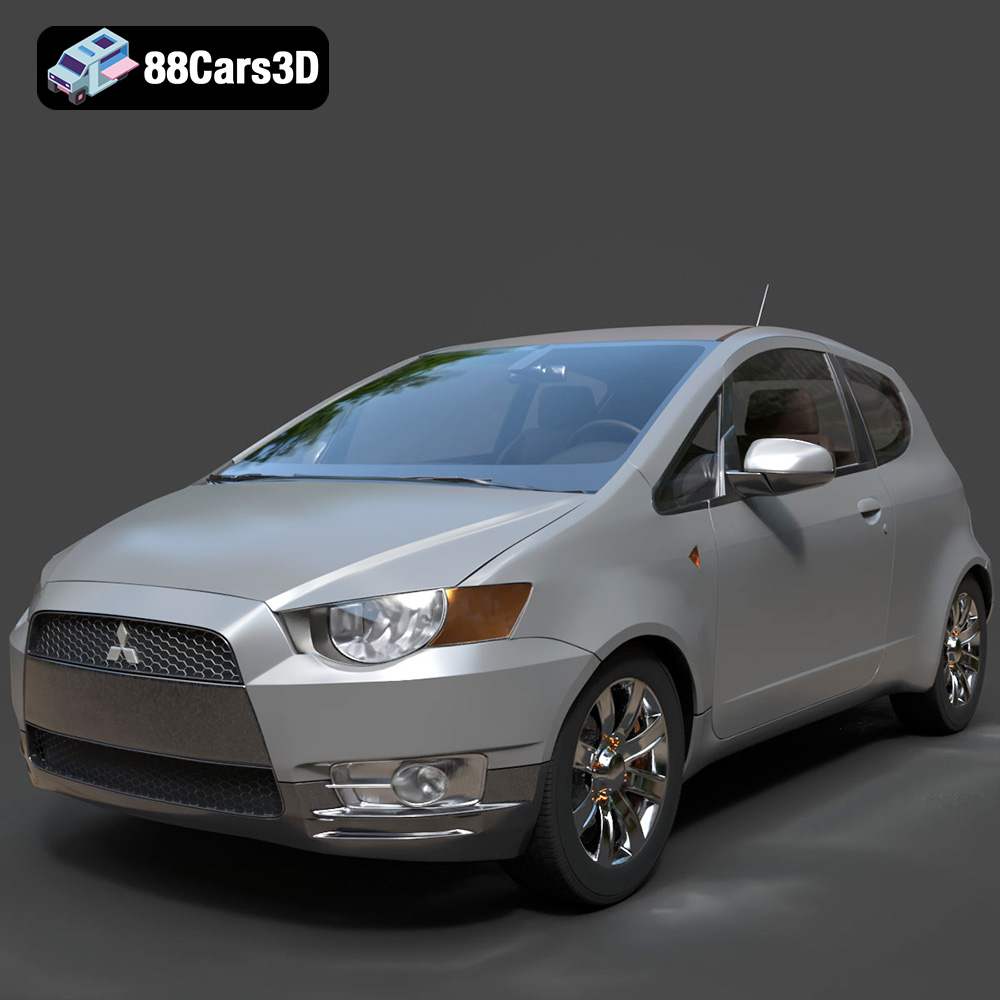
Download the Mitsubishi Colt 3 Door 2008 3D Model featuring clean geometry, realistic detailing, and a fully modeled interior. Includes .blend, .fbx, .obj, .glb, .stl, .ply, .unreal, and .max formats for rendering, simulation, and game development.
Price: $10
Texture: Yes
Material: Yes
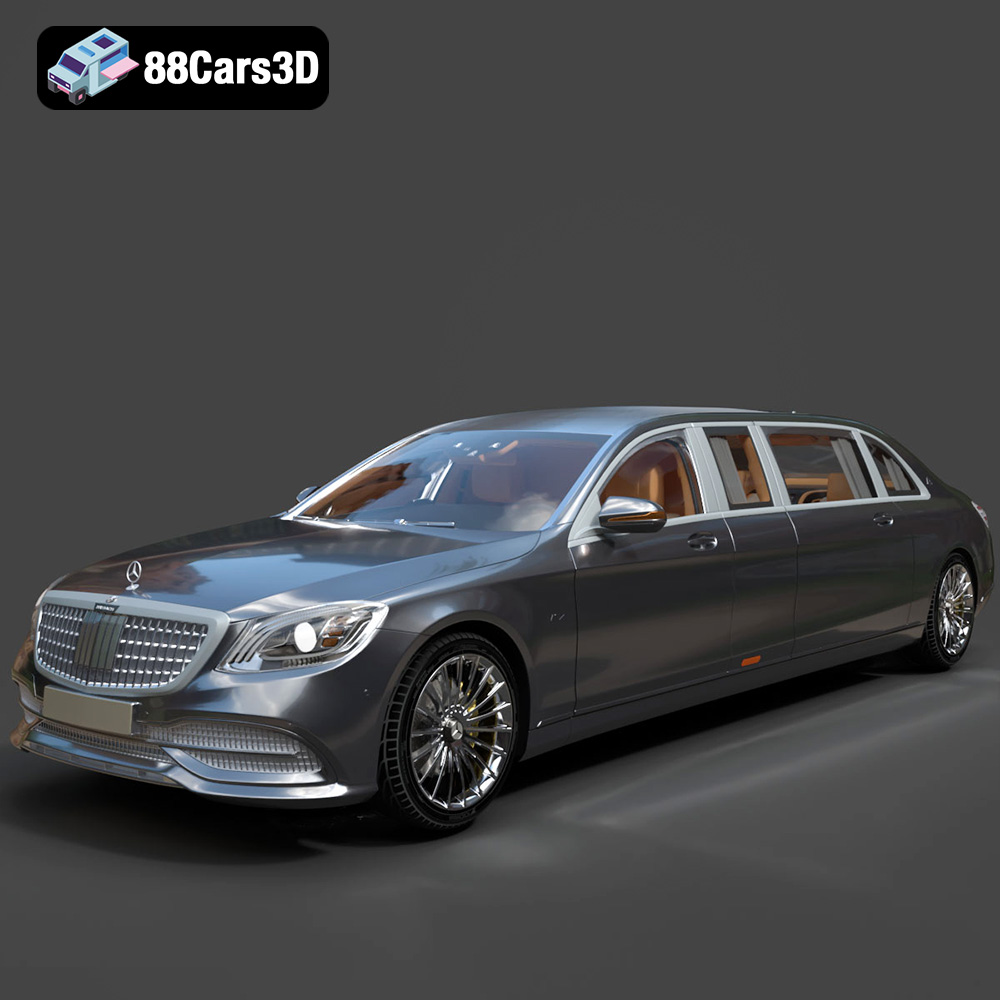
Download the Mercedes-Benz S650 Pullman 3D Model featuring clean geometry, realistic detailing, and a fully modeled interior. Includes .blend, .fbx, .obj, .glb, .stl, .ply, .unreal, and .max formats for rendering, simulation, and game development.
Price: $95.99
Texture: Yes
Material: Yes
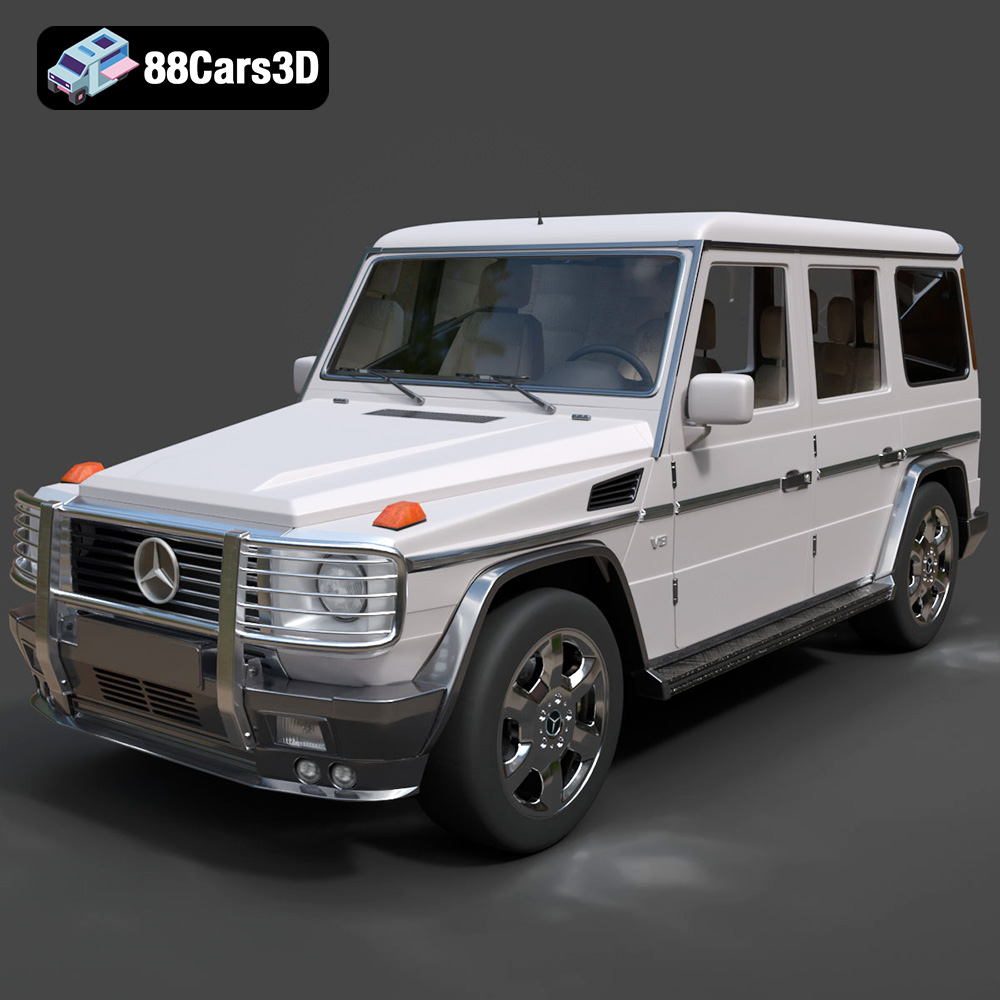
Download the Mercedes G-Class SUV 2024 3D Model featuring clean geometry, realistic detailing, and a fully modeled interior. Includes .blend, .fbx, .obj, .glb, .stl, .ply, .unreal, and .max formats for rendering, simulation, and game development.
Price: $10

Texture: Yes
Material: Yes
Download the Volvo XC90 R-Design 2015 3D Model featuring clean geometry, realistic detailing, and a fully modeled interior. Includes .blend, .fbx, .obj, .glb, .stl, .ply, .unreal, and .max formats for rendering, simulation, and game development.
Price: $10

