⚡ FLASH SALE: Get 60% OFF All Premium 3D & STL Models! ⚡

“`html
The world of 3D printing has revolutionized the way we create and interact with physical objects, and the automotive modeling community has eagerly embraced this technology. Whether you’re a seasoned hobbyist, a professional engineer, or simply an automotive enthusiast, 3D printing offers unparalleled opportunities to bring your dream cars to life. This guide provides a deep dive into the intricacies of 3D printing automotive models, covering everything from STL file preparation to advanced post-processing techniques. We’ll explore best practices for FDM and resin printing, delve into crucial slicing parameters, and arm you with the knowledge to troubleshoot common printing challenges. By the end of this article, you’ll have a solid foundation for creating stunning, high-quality 3D printed car models.
The STL (Stereolithography) file format is the cornerstone of 3D printing. It represents a 3D object’s surface geometry using a collection of triangles. Understanding its structure and limitations is crucial for successful prints. These files are readily available from platforms like 88cars3d.com.
An STL file essentially contains a list of triangles, each defined by three vertices and a normal vector indicating the triangle’s orientation. The density of these triangles directly affects the resolution of the printed model. A higher triangle count results in a smoother surface but also increases file size and processing time. For automotive models, striking a balance between detail and manageability is key. For example, a model of a complex engine might require a significantly higher triangle count than a simple body shell.
A critical requirement for a successful 3D print is a “manifold” mesh, also known as a watertight model. This means the model must be closed and have no holes, self-intersections, or non-manifold edges (edges shared by more than two faces). Non-manifold geometry can confuse slicer software and lead to printing errors. Tools like Meshmixer and Netfabb are invaluable for identifying and repairing these issues. Consider using the “Make Solid” function in Meshmixer to automatically repair minor imperfections and ensure a watertight mesh. Many slicer programs also have auto repair options, but it’s best to check before printing.
Slicing software is the bridge between your 3D model and your 3D printer. It takes the STL file and converts it into a series of instructions (G-code) that the printer can understand. Selecting the right slicer and mastering its settings is paramount for achieving optimal print quality.
Cura and PrusaSlicer are two of the most popular slicing software options, each with its strengths and weaknesses. Cura, known for its user-friendly interface and extensive plugin ecosystem, is an excellent choice for beginners and experienced users alike. PrusaSlicer, developed by Prusa Research, offers advanced features like variable layer height and fine-tuned support generation, making it ideal for complex models. For automotive models, PrusaSlicer’s variable layer height can be used to print smooth curves with thinner layers while using thicker layers on flat surfaces to reduce print time. Experiment with both to see which best suits your workflow.
Several parameters significantly impact the final print quality. Layer height determines the vertical resolution; lower layer heights (e.g., 0.1mm) produce smoother surfaces but increase print time. Infill density affects the model’s strength and weight; higher infill (e.g., 20-30%) is suitable for functional parts, while lower infill (e.g., 5-10%) is sufficient for purely aesthetic models. Print speed influences both print time and quality; slower speeds (e.g., 40-50 mm/s) generally result in better surface finish and fewer errors. For example, when printing a detailed car body, consider using a layer height of 0.15mm, infill of 15%, and a print speed of 45mm/s.
FDM (Fused Deposition Modeling) and resin printing are the two dominant 3D printing technologies. FDM involves melting and extruding thermoplastic filament, while resin printing uses light to cure liquid resin. The choice between them depends on the desired level of detail, material properties, and budget.
FDM printing offers a wide range of materials, including PLA, PETG, and ABS. PLA is a biodegradable and easy-to-print material, ideal for beginners. PETG offers improved strength and temperature resistance, while ABS is known for its durability but requires a heated bed and enclosure to prevent warping. Proper printer calibration is essential for FDM printing. This includes bed leveling, temperature calibration, and extrusion calibration. A well-calibrated printer ensures consistent layer adhesion and accurate dimensions. For example, printing with ABS will require a bed temperature of 110°C and a nozzle temperature of 240°C. Bed adhesion can be improved with the use of a glue stick or hairspray.
Resin printing excels at producing highly detailed models with smooth surfaces, making it ideal for intricate automotive designs. However, resin prints typically require more post-processing, including washing, curing, and support removal. Different resin types offer varying properties, such as strength, flexibility, and heat resistance. When downloading models from marketplaces such as 88cars3d.com, consider whether the level of detail necessitates resin printing over FDM. Resin printing requires careful handling due to the toxicity of uncured resin. Always wear gloves and eye protection when handling resin and ensure proper ventilation. Cure times vary depending on the resin type and curing unit; consult the resin manufacturer’s instructions for optimal results.
Support structures are temporary structures that hold up overhanging parts of a 3D model during printing. They are essential for preventing sagging and ensuring accurate geometry. Effective support generation and removal are crucial for achieving a clean and professional-looking final product.
Slicing software offers both automatic and manual support generation options. Automatic support generation is quick and convenient but may not always be optimal for complex geometries. Manual support generation allows for precise control over support placement and density, resulting in cleaner prints and easier removal. For automotive models with intricate details, consider using a combination of automatic and manual support generation. For example, you might use automatic supports for the overall structure and manually add supports to delicate areas like mirrors or spoilers. Slicers like Cura allow for custom support blockers, which can prevent supports from generating in areas that are not needed.
Removing supports without damaging the model requires patience and the right tools. Start by carefully snapping off the bulk of the supports, then use pliers or a sharp knife to remove the remaining pieces. Heat can also be used to soften supports for easier removal. For resin prints, soaking the model in warm water can help loosen the supports. When removing supports, always work slowly and deliberately to avoid scratching or breaking the model. Sanding and filing can be used to smooth out any remaining imperfections after support removal.
Print orientation and bed adhesion are critical factors that influence print success, especially for large and complex automotive models. Proper orientation minimizes the need for supports, improves surface finish, and reduces the risk of warping. Strong bed adhesion prevents the model from detaching from the build plate during printing.
The optimal print orientation depends on the model’s geometry and the desired surface finish. Orienting the model to minimize overhangs reduces the need for supports and improves surface quality. For example, printing a car body with the roof facing down minimizes the supports needed on the curved surfaces. However, this may require supports for the roof itself. Experiment with different orientations to find the best compromise between support usage and surface quality. Many platforms like 88cars3d.com offer models designed with print orientation in mind.
Poor bed adhesion is a common issue, especially with large prints. Several techniques can improve bed adhesion, including using a heated bed, applying adhesive (glue stick, hairspray, or specialized bed adhesion solutions), and increasing the initial layer line width. For ABS and other materials prone to warping, using a brim or raft can significantly improve bed adhesion. A brim is a single-layer outline around the model that increases the contact area with the build plate, while a raft is a multi-layer platform that provides a stable base for the print. For example, when printing a large car chassis, use a brim with a width of 5-10mm and a bed temperature of 60°C for PLA or 110°C for ABS.
Post-processing is the final step in bringing your 3D printed automotive model to life. It involves sanding, painting, and assembling the printed parts to create a finished product that looks professional and realistic.
Sanding is essential for removing layer lines and imperfections from the printed surface. Start with coarse sandpaper (e.g., 180 grit) to remove major imperfections, then gradually move to finer grits (e.g., 400, 600, 800 grit) to achieve a smooth finish. Wet sanding can help reduce dust and improve the sanding results. For hard-to-reach areas, consider using small sanding sponges or rotary tools with sanding attachments. For PLA prints, be careful not to overheat the plastic during sanding, as it can melt and clog the sandpaper. Using automotive primer after sanding helps to fill in any remaining scratches and provide a smooth base for painting.
Painting is where you can truly customize your 3D printed car model. Start by applying a primer to prepare the surface for paint. Then, apply several thin coats of paint, allowing each coat to dry completely before applying the next. Airbrushing is ideal for achieving a smooth and even finish, but spray cans can also be used with careful technique. For realistic results, use automotive-grade paints and clear coats. Color matching can be challenging, but many online resources and paint stores offer color matching services. Practice on scrap pieces before painting the final model. For example, use masking tape to create clean lines between different colors and apply a clear coat to protect the paint and add shine. Allow the paint to fully cure before handling or assembling the model.
Even with careful preparation, 3D printing can sometimes present challenges. Understanding common problems and their solutions is essential for becoming a proficient 3D printer. We’ll explore common printing failures and ways to solve them.
Warping, stringing, and layer adhesion are among the most common 3D printing problems. Warping occurs when the corners of the print lift off the build plate, often due to uneven cooling. Stringing is caused by oozing filament between print moves. Poor layer adhesion results in weak bonds between layers, causing the print to delaminate. Warping can be prevented by using a heated bed, improving bed adhesion, and reducing cooling fan speed. Stringing can be minimized by adjusting retraction settings, reducing printing temperature, and ensuring the filament is dry. Poor layer adhesion can be addressed by increasing printing temperature, reducing printing speed, and ensuring proper bed leveling. Proper leveling can be confirmed by running a bed leveling test print.
Nozzle clogs and filament issues can also disrupt the printing process. Nozzle clogs occur when filament becomes lodged in the nozzle, preventing extrusion. Filament issues include tangling, breakage, and moisture absorption. Nozzle clogs can be resolved by performing a cold pull, using a nozzle cleaning needle, or replacing the nozzle. Filament tangling can be prevented by properly storing filament on spools. Filament breakage can be caused by brittleness due to moisture absorption; drying the filament can often resolve this issue. Storing filament in a dry box with desiccant is a good way to prevent moisture absorption. When printing with particularly brittle filaments, reducing the retraction settings can prevent breakage within the extruder.
3D printing automotive models is a rewarding and challenging endeavor. By understanding the intricacies of STL files, mastering slicing software, and optimizing print settings, you can create stunning, high-quality models that showcase your passion for automobiles. Remember to carefully prepare your files, choose the right materials, and troubleshoot any issues that arise. Platforms like 88cars3d.com offer a wide selection of printable car models, providing a great starting point for your 3D printing journey. Take the time to experiment with different techniques and settings, and don’t be afraid to learn from your mistakes. With practice and patience, you’ll be able to bring your dream cars to life in incredible detail. Now it’s time to fire up your 3D printer and bring that dream car to life!
“`
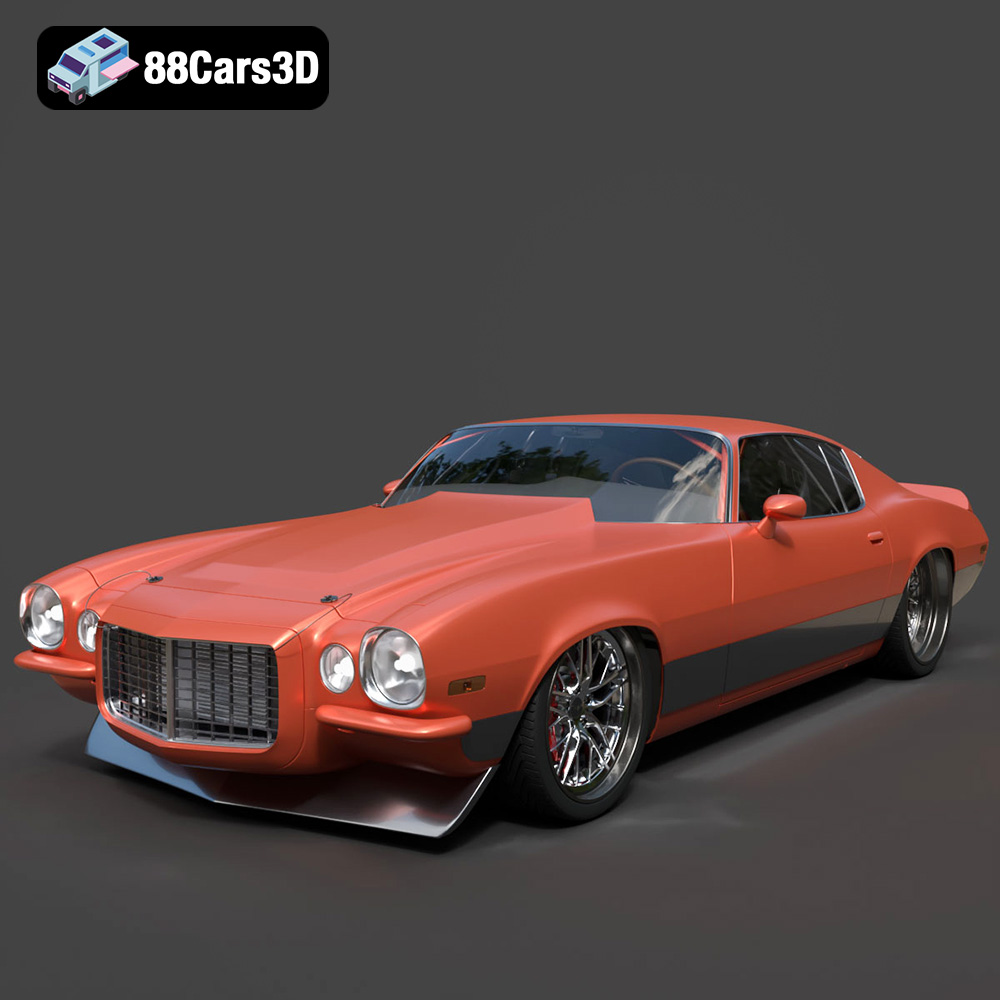
Texture: Yes
Material: Yes
Download the Chevrolet Camaro 1970 3D Model featuring clean geometry, realistic detailing, and a fully modeled interior. Includes .blend, .fbx, .obj, .glb, .stl, .ply, .unreal, and .max formats for rendering, simulation, and game development.
Price: $10
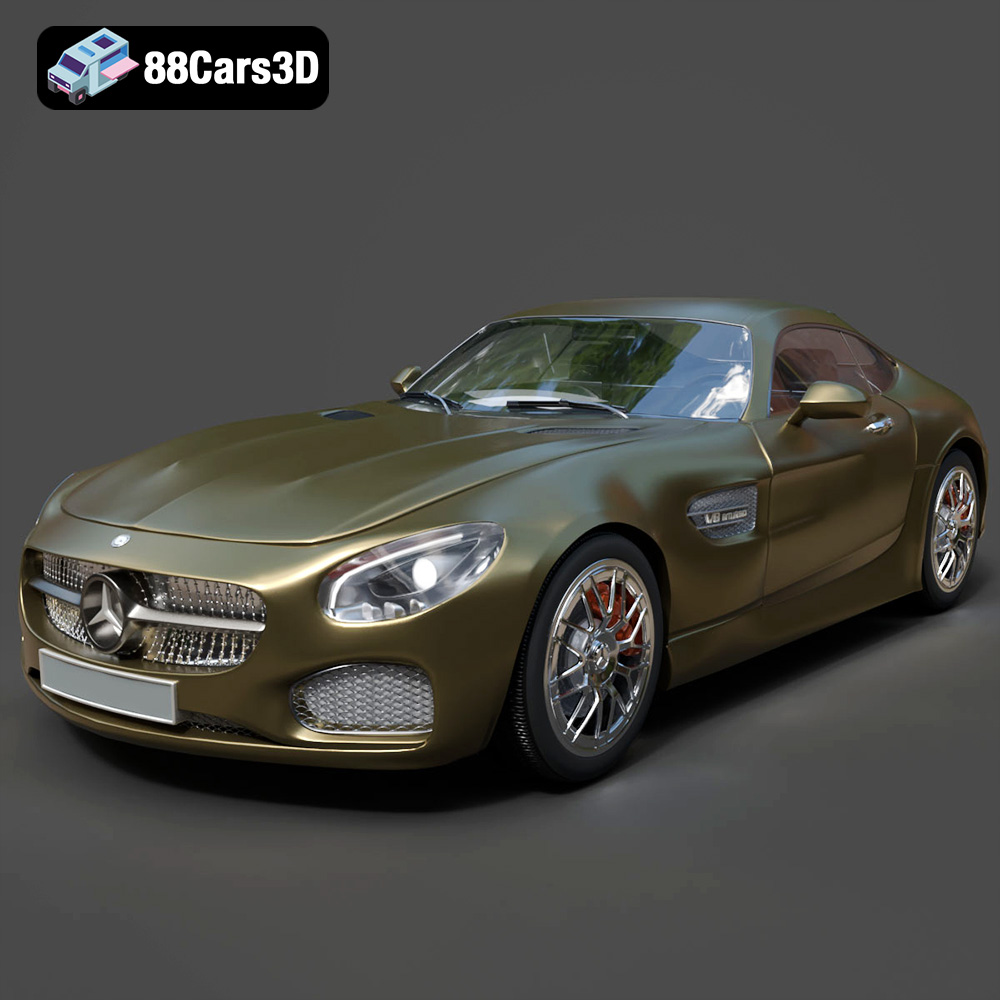
Texture: Yes
Material: Yes
Download the Mercedes-AMG GT 2015 3D Model featuring clean geometry, realistic detailing, and a fully modeled interior. Includes .blend, .fbx, .obj, .glb, .stl, .ply, .unreal, and .max formats for rendering, simulation, and game development.
Price: $88.99
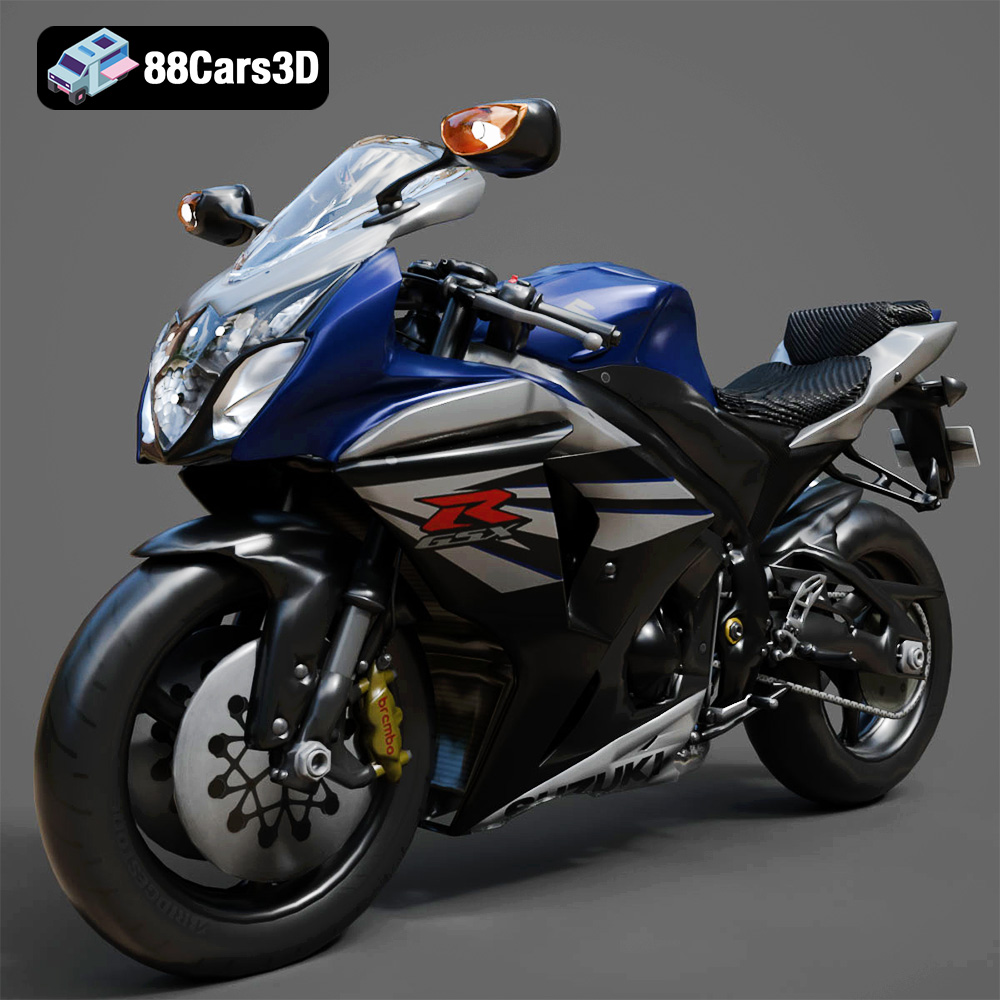
Texture: Yes
Material: Yes
Download the Suzuki GSX-R 1000 3D Model featuring clean geometry, realistic detailing, and a fully modeled interior. Includes .blend, .fbx, .obj, .glb, .stl, .ply, .unreal, and .max formats for rendering, simulation, and game development.
Price: $10
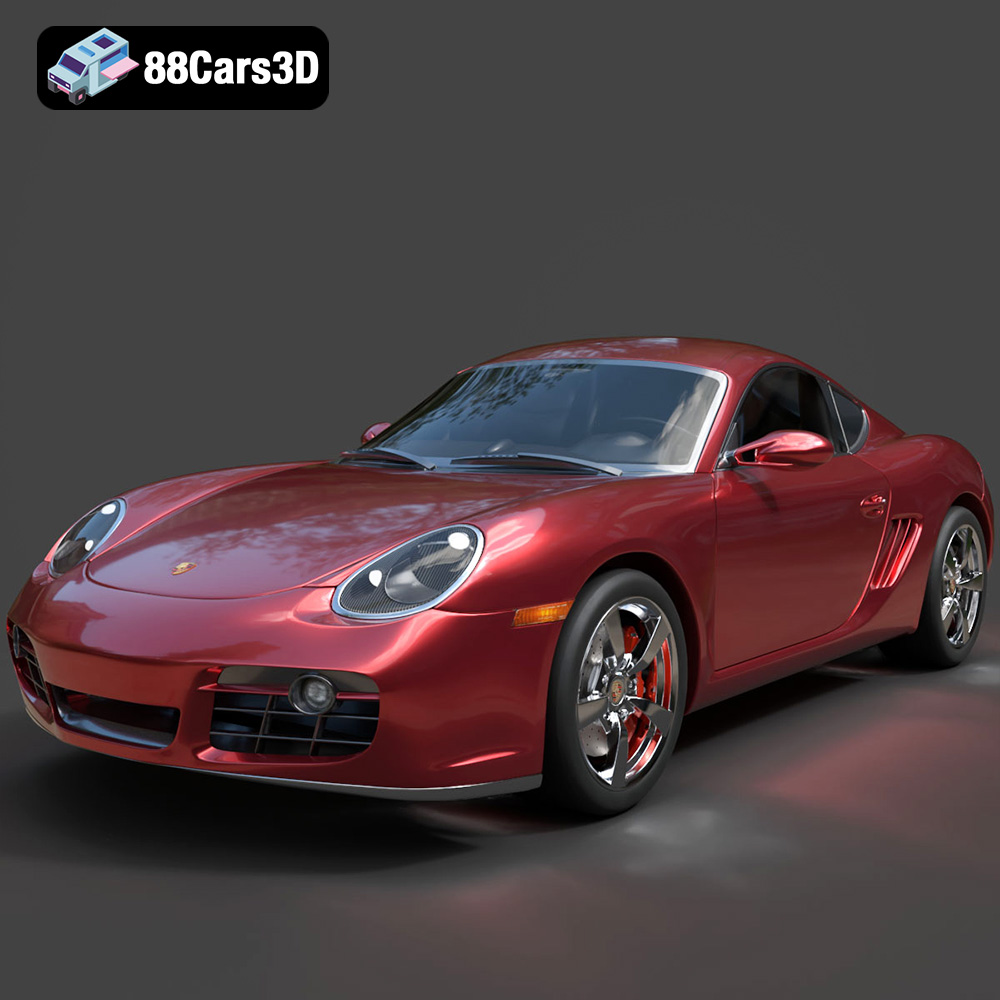
Texture: Yes
Material: Yes
Download the Porsche Cayman S 2024 3D Model featuring clean geometry, realistic detailing, and a fully modeled interior. Includes .blend, .fbx, .obj, .glb, .stl, .ply, .unreal, and .max formats for rendering, simulation, and game development.
Price: $10

Texture: Yes
Material: Yes
Download the Holden Commodore Sportwagon 2017 3D Model featuring clean geometry, realistic detailing, and a fully modeled interior. Includes .blend, .fbx, .obj, .glb, .stl, .ply, .unreal, and .max formats for rendering, simulation, and game development.
Price: $10

**Meta Description:**
Texture: Yes
Material: Yes
Download the Toyota Crown Majesta 2009 3D Model with luxury detailing, clean topology, and a fully modeled interior. Available in .blend, .fbx, .obj, .glb, .stl, .ply, .unreal, and .max formats for rendering, simulation, and game development.
Price: $4.99

**Meta Description:**
Texture: Yes
Material: Yes
Download the Toyota AE86 Levin 1983 1987 3D Model featuring realistic exterior and interior detailing. Includes .blend, .fbx, .obj, .glb, .stl, .ply, .unreal, and .max formats for rendering, simulation, and game development.
Price: $9.99

Texture: Yes
Material: Yes
Download the Toyota Mark 2 2001 3D Model featuring clean geometry, realistic detailing, and a fully modeled interior. Includes .blend, .fbx, .obj, .glb, .stl, .ply, .unreal, and .max formats for rendering, simulation, and game development.
Price: $4.99

Texture: Yes
Material: Yes
Download the Toyota Celica 2000 3D Model featuring clean geometry, realistic detailing, and a fully modeled interior. Includes .blend, .fbx, .obj, .glb, .stl, .ply, .unreal, and .max formats for rendering, simulation, and game development.
Price: $4.99

Download the Toyota Camry US 2012 3D Model featuring clean geometry, realistic detailing, and a fully modeled interior. Includes .blend, .fbx, .obj, .glb, .stl, .ply, .unreal, and .max formats for rendering, simulation, and game development.
Price: $4.99

