⚡ FLASH SALE: Get 60% OFF All Premium 3D & STL Models! ⚡

“`html
3D printing has revolutionized the world of model making, especially for automotive enthusiasts. The ability to create intricate and highly detailed car models at home is now a reality. However, successful 3D printing of car models requires a deep understanding of STL files, slicer settings, printer configurations, and post-processing techniques. This comprehensive guide will walk you through the entire process, from selecting the right STL file to achieving a flawless final product. Whether you’re a seasoned 3D printing expert or a curious beginner, this article will equip you with the knowledge and skills to create stunning 3D printed car models.
In this guide, we’ll cover STL file preparation, optimal 3D printer settings for both FDM and resin printers, advanced slicing techniques, effective support structure generation, crucial post-processing steps, and troubleshooting tips to overcome common printing challenges. By the end of this guide, you’ll be able to confidently tackle complex 3D printing projects and produce professional-quality car models that showcase your passion for automotive design.
The STL (Stereolithography) file format is the cornerstone of 3D printing. It represents the surface geometry of a 3D object as a collection of triangles. Understanding the structure and quality of an STL file is crucial for successful 3D printing. A well-prepared STL file ensures accurate and detailed prints, while a poorly designed one can lead to various printing issues. When downloading models from marketplaces such as 88cars3d.com, you want to be sure you’re starting with a high-quality STL.
The resolution of an STL file determines the level of detail captured in the model. Higher resolution STL files contain more triangles, resulting in smoother surfaces and more accurate representation of curves. However, increasing the resolution also increases the file size and processing time. Finding the right balance between detail and file size is essential. A car model with intricate details like grilles, lights, and emblems will benefit from a higher resolution STL. Conversely, simpler models can be printed with lower resolution to save time and resources.
A manifold mesh is a requirement for 3D printing. It refers to a closed, watertight surface with no holes or overlapping faces. Non-manifold meshes can cause slicing errors and lead to incomplete or distorted prints. Fortunately, software like Meshmixer and Netfabb can be used to identify and repair non-manifold meshes. These tools can automatically close holes, remove overlapping faces, and ensure the STL file is suitable for 3D printing. Always check your STL files for errors before sending them to the printer.
The right 3D printer settings are crucial for achieving high-quality car model prints. These settings control various aspects of the printing process, including layer height, infill density, print speed, temperature, and support structures. Optimizing these parameters for your specific printer and material is key to minimizing print failures and maximizing detail.
Layer height determines the thickness of each printed layer. Lower layer heights result in smoother surfaces and finer details, but they also increase the printing time. For car models, a layer height of 0.1mm to 0.2mm is generally recommended for FDM printing. For resin printing, even lower layer heights (e.g., 0.025mm to 0.05mm) can be used to achieve exceptional detail. Print speed affects the overall printing time and the quality of the print. Slower print speeds generally lead to better adhesion, reduced warping, and improved surface finish. A print speed of 40-60mm/s is a good starting point for FDM printing of car models.
The printing temperature is crucial for proper material flow and adhesion. For PLA, a nozzle temperature of 200-220°C and a bed temperature of 60-70°C are typically recommended. For ABS, a nozzle temperature of 230-250°C and a bed temperature of 80-110°C are necessary. Bed adhesion is critical for preventing warping and ensuring the print stays firmly attached to the build plate. Using bed adhesion aids like glue stick, hairspray, or painter’s tape can significantly improve bed adhesion, especially for materials like ABS. A well-leveled bed is also essential for consistent adhesion across the entire print area.
Slicing is the process of converting a 3D model into a set of instructions that the 3D printer can understand. Slicing software like Cura, PrusaSlicer, and Simplify3D allows you to control various parameters that affect the print quality, strength, and efficiency. Mastering slicing techniques is essential for achieving optimal results when 3D printing car models.
Infill refers to the internal structure of the 3D printed object. The infill pattern and density affect the strength, weight, and printing time. For car models, a gyroid or cubic infill pattern is generally recommended for a good balance of strength and weight. Infill density can range from 10% to 100%, depending on the desired strength and rigidity. A density of 20-30% is usually sufficient for most car models. Areas that require higher strength, such as axles or mounting points, can benefit from a higher infill density. Slicing software allows you to vary infill density in different parts of the model for optimized performance.
Support structures are temporary structures that are printed to support overhanging parts of the model. Without support structures, these overhanging areas would collapse or become distorted. Generating appropriate support structures is crucial for successful 3D printing of car models with complex geometries. Slicing software offers various support generation options, including tree supports, linear supports, and grid supports. Tree supports are generally preferred for car models as they use less material and are easier to remove. Optimizing support placement and density can significantly reduce material waste and improve the surface finish of the supported areas. Experiment with different support settings to find the optimal configuration for your specific model and printer.
The choice of material significantly impacts the final appearance, strength, and durability of your 3D printed car model. Common materials include PLA, ABS, PETG, and various types of resins. Each material has its own unique properties, advantages, and disadvantages. Selecting the right material for your project is essential for achieving the desired results. Platforms like 88cars3d.com offer print-ready STL files that can be printed with a variety of materials.
PLA (Polylactic Acid) is a biodegradable thermoplastic that is easy to print and offers good detail. It is a popular choice for beginners and hobbyists due to its low printing temperature and minimal warping. ABS (Acrylonitrile Butadiene Styrene) is a stronger and more durable material than PLA. It is resistant to heat and impact, making it suitable for functional parts. However, ABS requires higher printing temperatures and is prone to warping. PETG (Polyethylene Terephthalate Glycol) combines the benefits of PLA and ABS. It is easy to print, strong, and heat-resistant. PETG is a versatile material that is suitable for a wide range of applications, including car models.
Resin printing technologies like SLA (Stereolithography) and DLP (Digital Light Processing) offer exceptional detail and surface finish. Resin printers use liquid resin that is cured by UV light to create solid objects. Resin printing is ideal for producing highly detailed car models with smooth surfaces and intricate features. However, resin printing can be more expensive than FDM printing, and it requires post-processing steps like washing and curing. Different types of resins are available, each with its own unique properties. Some resins are designed for high strength, while others are formulated for flexibility or heat resistance. Select the right resin based on the specific requirements of your project.
Post-processing refers to the steps taken after 3D printing to improve the appearance, strength, and functionality of the printed object. For car models, post-processing can include support removal, sanding, filling, priming, painting, and assembly. These techniques can transform a raw 3D print into a professional-quality model.
The first step in post-processing is to carefully remove the support structures. Use tools like pliers, cutters, and sandpaper to remove the supports without damaging the model. After removing the supports, sand the surface to smooth out any imperfections and remove any remaining support marks. Start with coarse sandpaper (e.g., 180 grit) and gradually move to finer grits (e.g., 400 grit, 600 grit, 800 grit) for a smooth finish. For resin prints, washing the model in isopropyl alcohol (IPA) is essential to remove any uncured resin. After washing, cure the model under UV light to fully harden the resin.
Painting is a crucial step in creating a realistic and visually appealing car model. Start by applying a primer to the model to create a smooth and uniform surface for the paint to adhere to. Choose a high-quality automotive primer for best results. After the primer has dried, apply several thin coats of paint, allowing each coat to dry completely before applying the next. Use automotive-grade paints for a durable and glossy finish. Consider using an airbrush for a professional-looking paint job. After the paint has dried, apply a clear coat to protect the paint and add a glossy shine. Polishing the clear coat can further enhance the appearance of the model.
3D printing can be challenging, and it’s common to encounter issues during the printing process. Understanding the causes of these issues and knowing how to troubleshoot them is essential for successful 3D printing. Here are some common 3D printing problems and their solutions:
Warping occurs when the corners of the print lift off the build plate. This is often caused by poor bed adhesion or temperature fluctuations. To prevent warping, ensure the bed is properly leveled and heated to the correct temperature. Use bed adhesion aids like glue stick, hairspray, or painter’s tape. Enclosing the printer can also help to maintain a consistent temperature and prevent warping. For ABS, a heated enclosure is almost essential.
Stringing refers to thin strands of plastic that are left behind as the nozzle moves between different parts of the print. Blobs are small, unwanted deposits of plastic on the surface of the print. Stringing and blobs are often caused by excessive nozzle temperature, retraction settings, or travel speed. Reduce the nozzle temperature, increase the retraction distance and speed, and optimize the travel speed to minimize stringing and blobs.
Layer shifting occurs when the print suddenly shifts horizontally, causing misalignment between layers. This can be caused by loose belts, stepper motor issues, or mechanical problems. Check the belts for proper tension and ensure the stepper motors are functioning correctly. Under-extrusion occurs when the printer does not extrude enough plastic. This can be caused by a clogged nozzle, insufficient filament diameter, or incorrect extrusion multiplier. Clean the nozzle, verify the filament diameter, and adjust the extrusion multiplier to resolve under-extrusion.
3D printing car models is a rewarding and challenging hobby that combines technology, creativity, and automotive passion. By understanding the principles of STL file preparation, optimizing 3D printer settings, mastering slicing techniques, selecting the right materials, and implementing post-processing techniques, you can create stunning 3D printed car models that showcase your skills and love for automotive design.
Remember to start with high-quality STL files, such as those available on platforms like 88cars3d.com, experiment with different settings and materials, and be patient. Troubleshooting is an essential part of the learning process, so don’t be discouraged by setbacks. With practice and dedication, you can achieve professional-quality results and bring your favorite car models to life in the form of tangible 3D prints. Start experimenting with different techniques and settings to discover what works best for your printer and desired outcomes. Happy printing!
“`

Texture: Yes
Material: Yes
Download the Mercedes S-Class 2024 3D Model featuring clean geometry, realistic detailing, and a fully modeled interior. Includes .blend, .fbx, .obj, .glb, .stl, .ply, .unreal, and .max formats for rendering, simulation, and game development.
Price: $10
Texture: Yes
Material: Yes
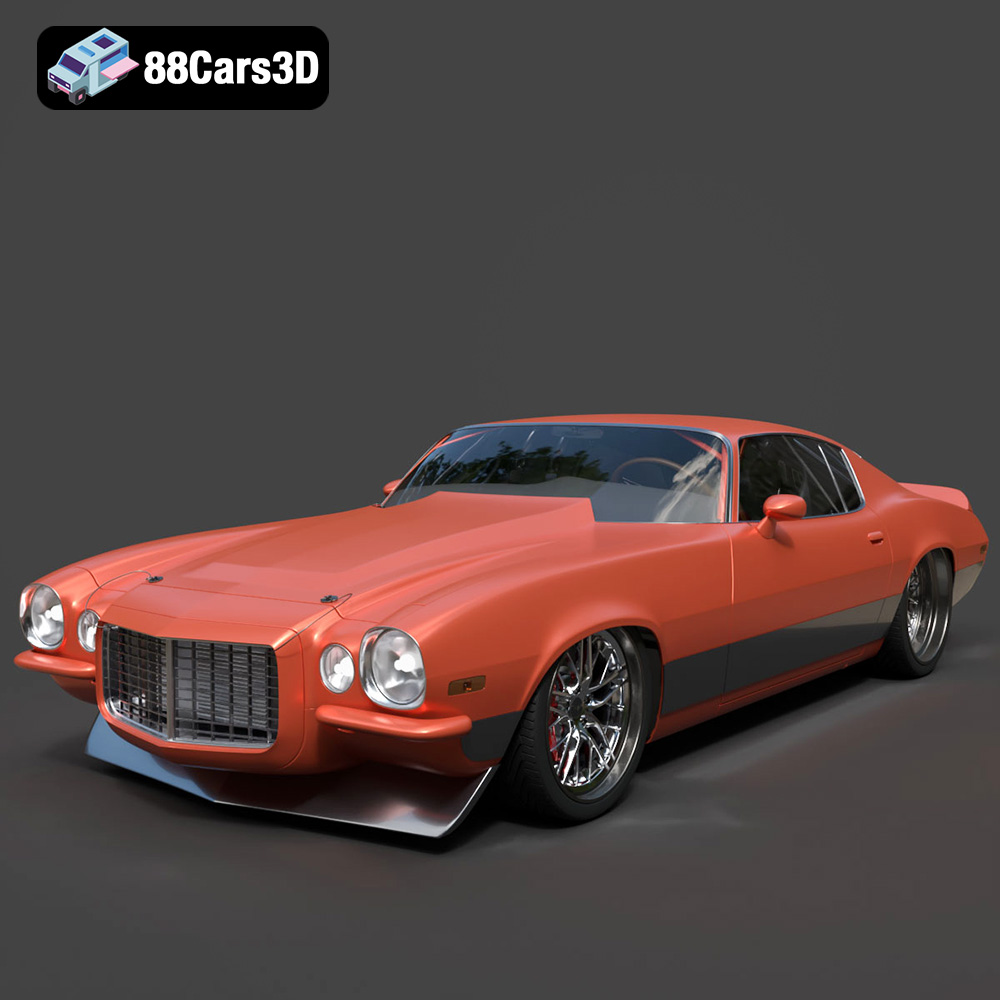
Download the Chevrolet Camaro 1970 3D Model featuring clean geometry, realistic detailing, and a fully modeled interior. Includes .blend, .fbx, .obj, .glb, .stl, .ply, .unreal, and .max formats for rendering, simulation, and game development.
Price: $10
Texture: Yes
Material: Yes
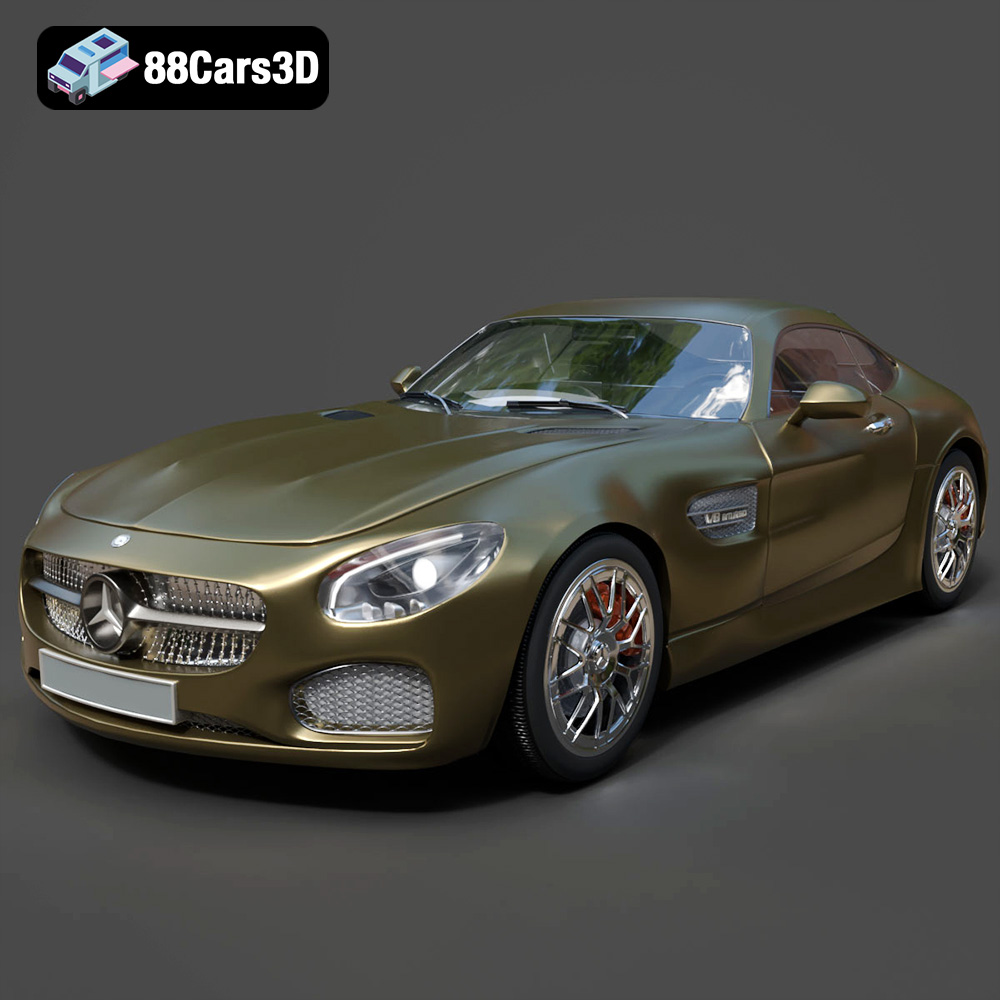
Download the Mercedes-AMG GT 2015 3D Model featuring clean geometry, realistic detailing, and a fully modeled interior. Includes .blend, .fbx, .obj, .glb, .stl, .ply, .unreal, and .max formats for rendering, simulation, and game development.
Price: $88.99
Texture: Yes
Material: Yes
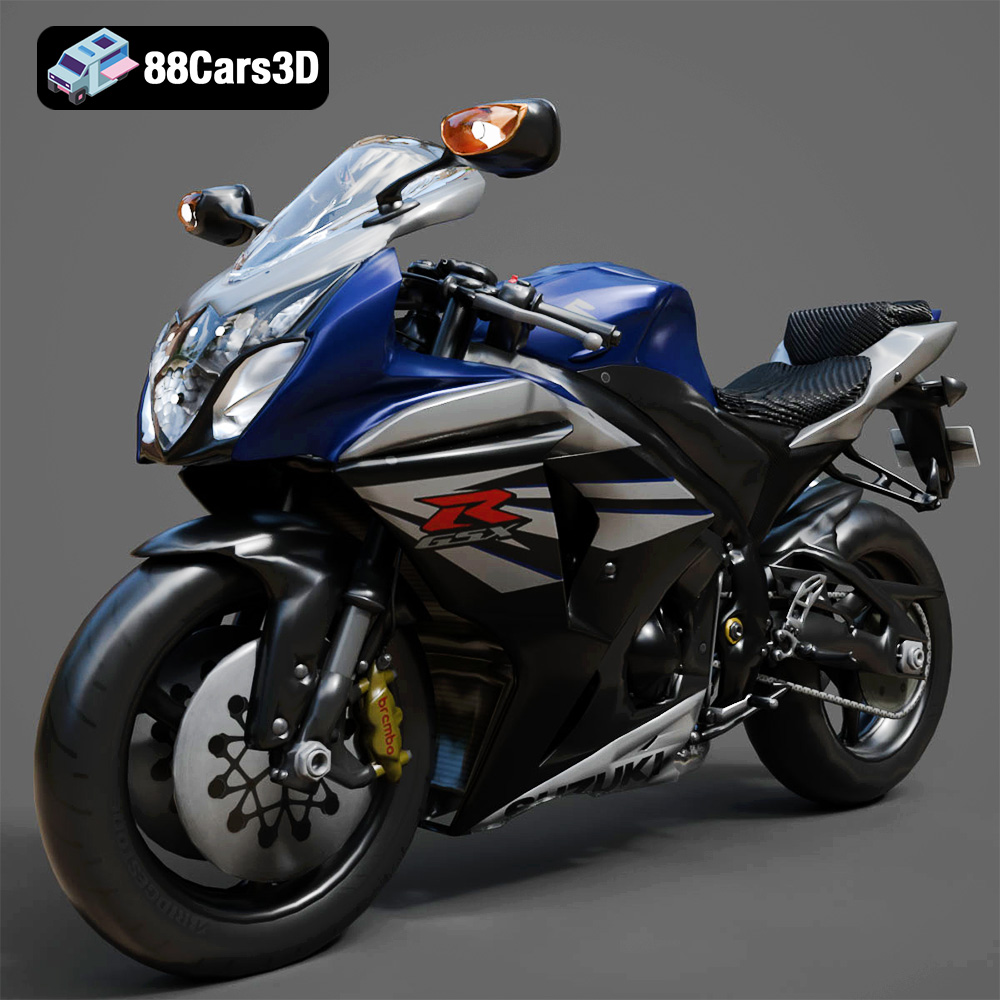
Download the Suzuki GSX-R 1000 3D Model featuring clean geometry, realistic detailing, and a fully modeled interior. Includes .blend, .fbx, .obj, .glb, .stl, .ply, .unreal, and .max formats for rendering, simulation, and game development.
Price: $10
Texture: Yes
Material: Yes
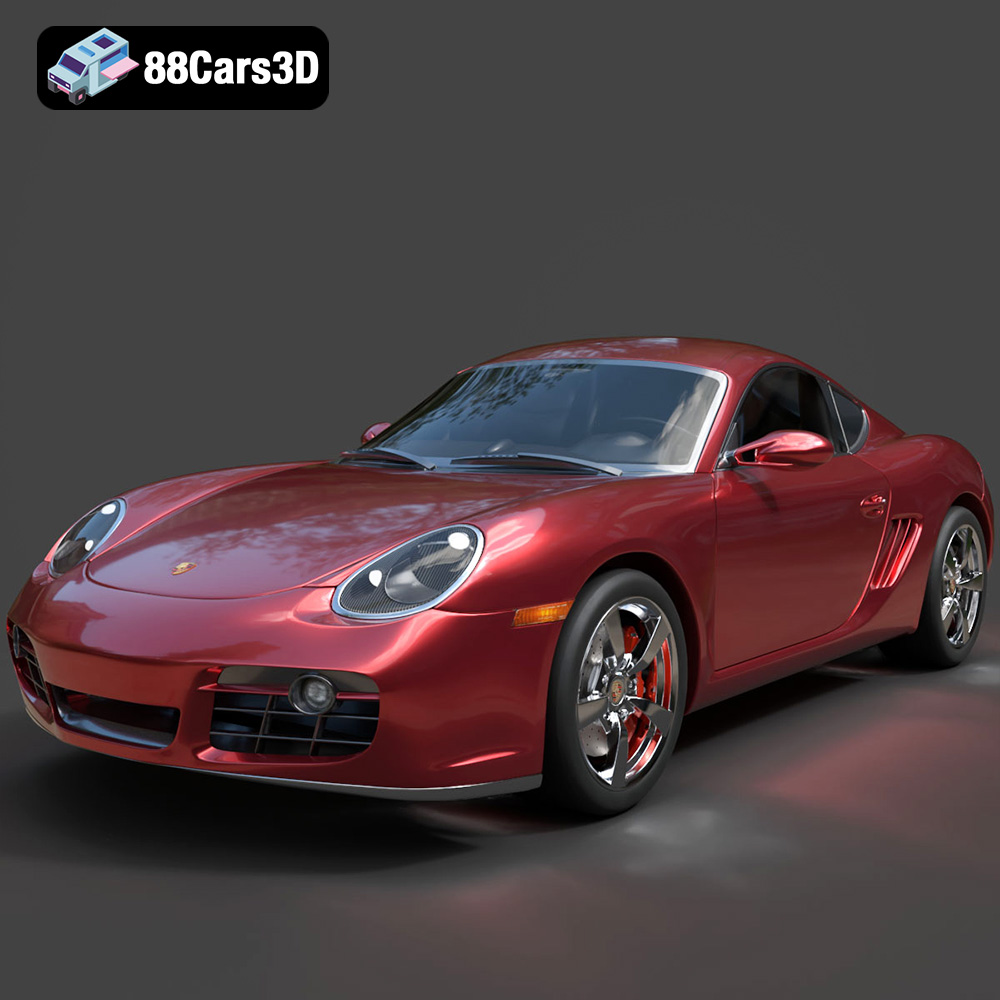
Download the Porsche Cayman S 2024 3D Model featuring clean geometry, realistic detailing, and a fully modeled interior. Includes .blend, .fbx, .obj, .glb, .stl, .ply, .unreal, and .max formats for rendering, simulation, and game development.
Price: $10
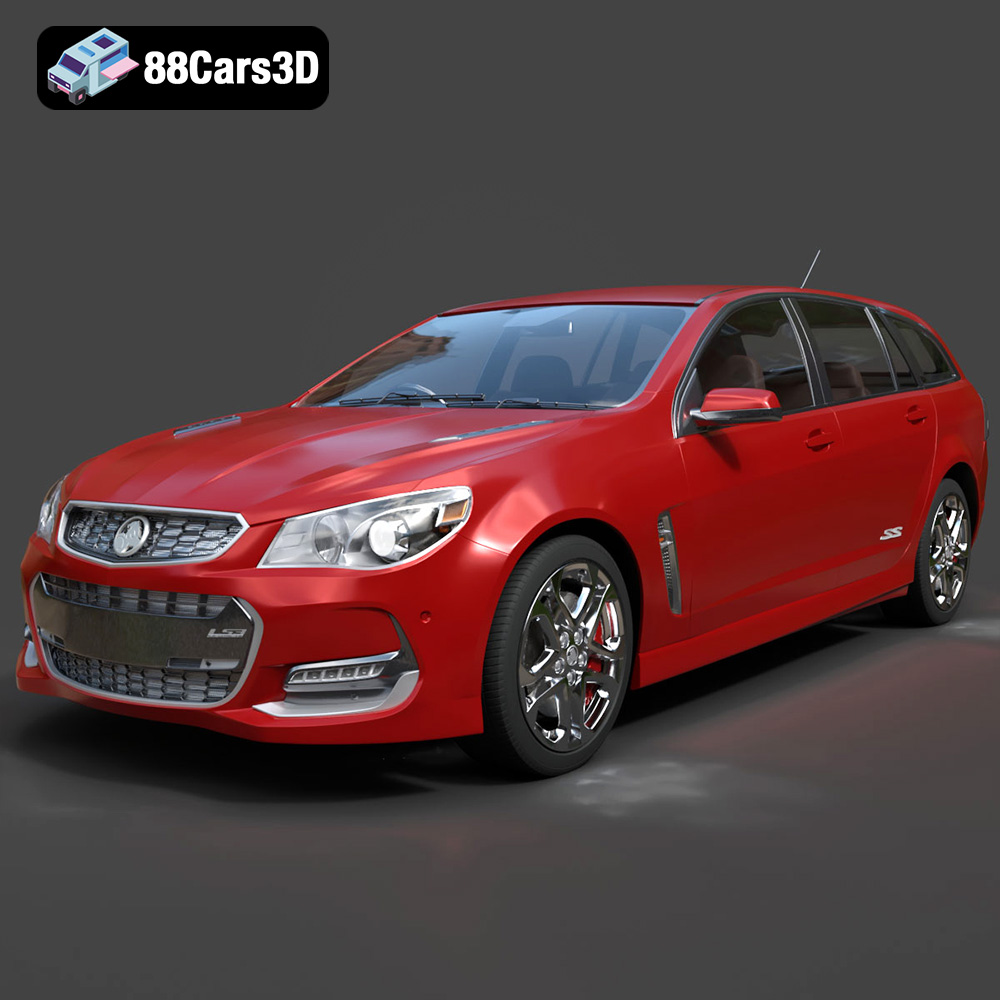
Texture: Yes
Material: Yes
Download the Holden Commodore Sportwagon 2017 3D Model featuring clean geometry, realistic detailing, and a fully modeled interior. Includes .blend, .fbx, .obj, .glb, .stl, .ply, .unreal, and .max formats for rendering, simulation, and game development.
Price: $10
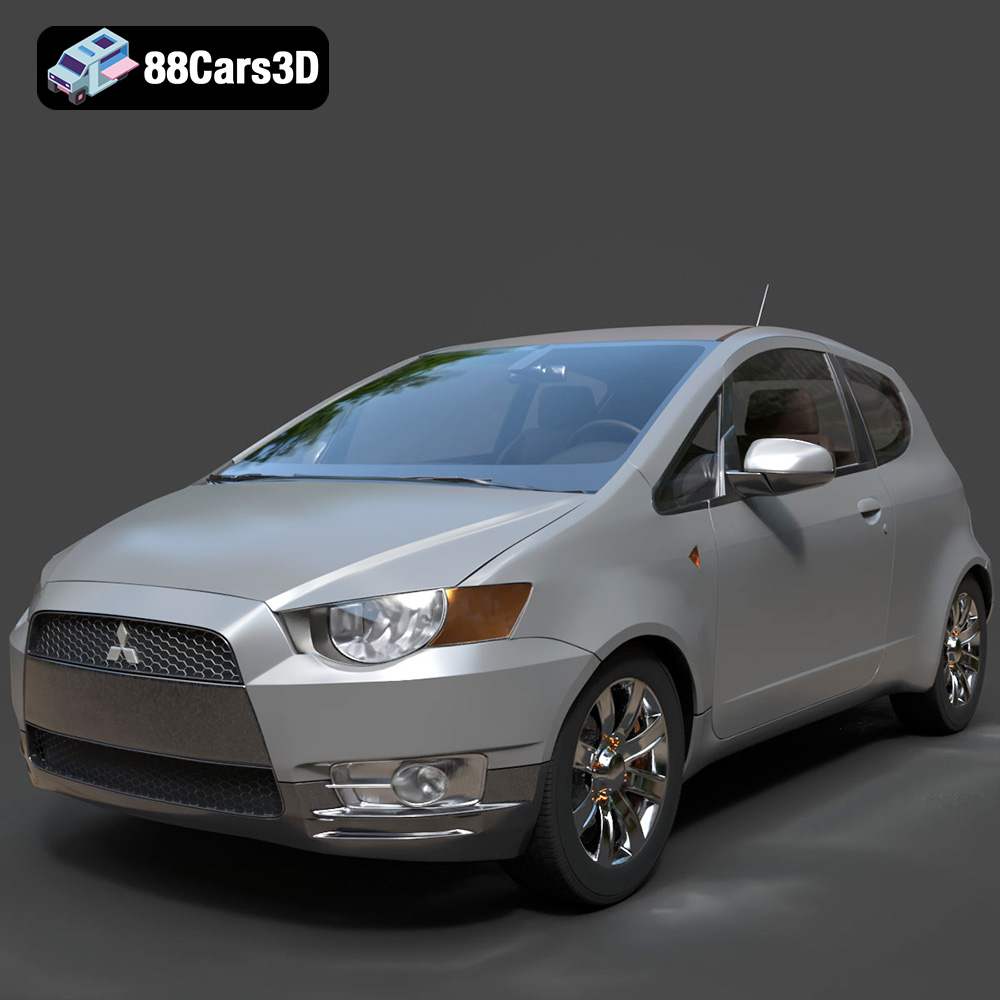
Texture: Yes
Material: Yes
Download the Mitsubishi Colt 3 Door 2008 3D Model featuring clean geometry, realistic detailing, and a fully modeled interior. Includes .blend, .fbx, .obj, .glb, .stl, .ply, .unreal, and .max formats for rendering, simulation, and game development.
Price: $10
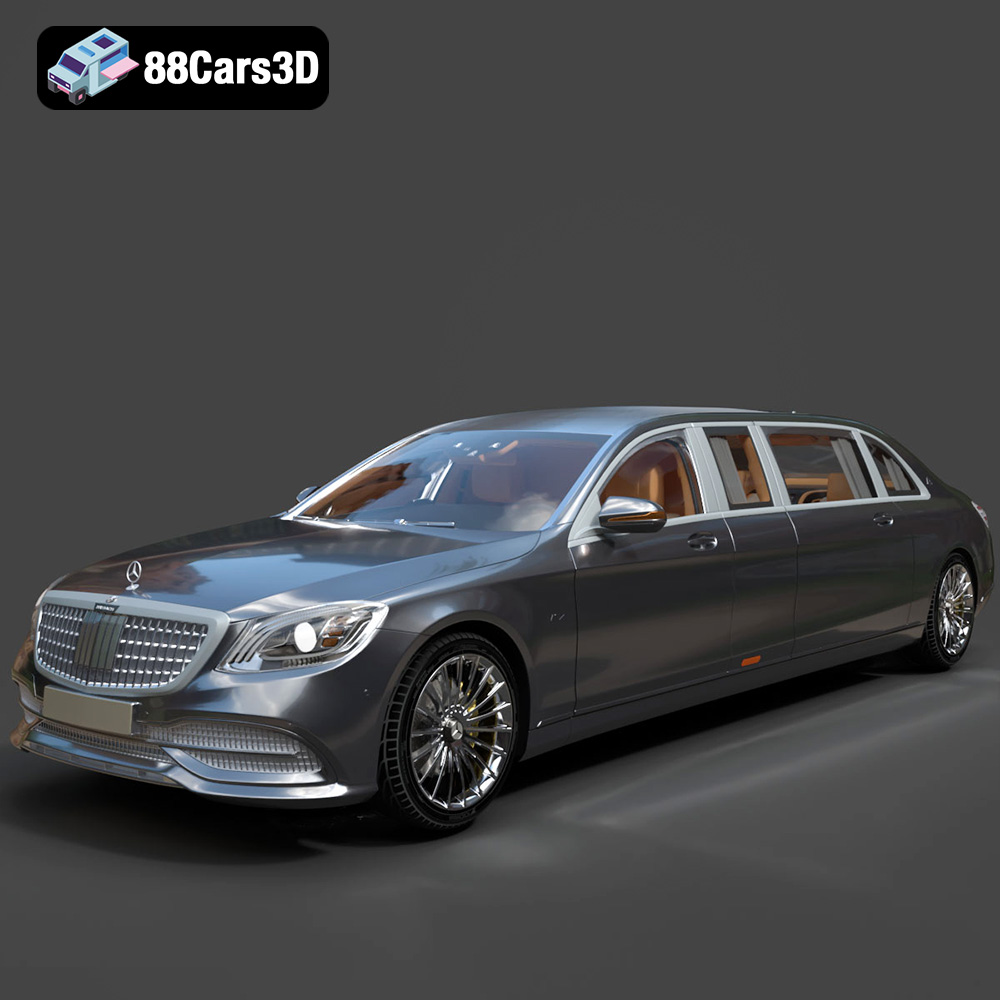
Texture: Yes
Material: Yes
Download the Mercedes-Benz S650 Pullman 3D Model featuring clean geometry, realistic detailing, and a fully modeled interior. Includes .blend, .fbx, .obj, .glb, .stl, .ply, .unreal, and .max formats for rendering, simulation, and game development.
Price: $95.99
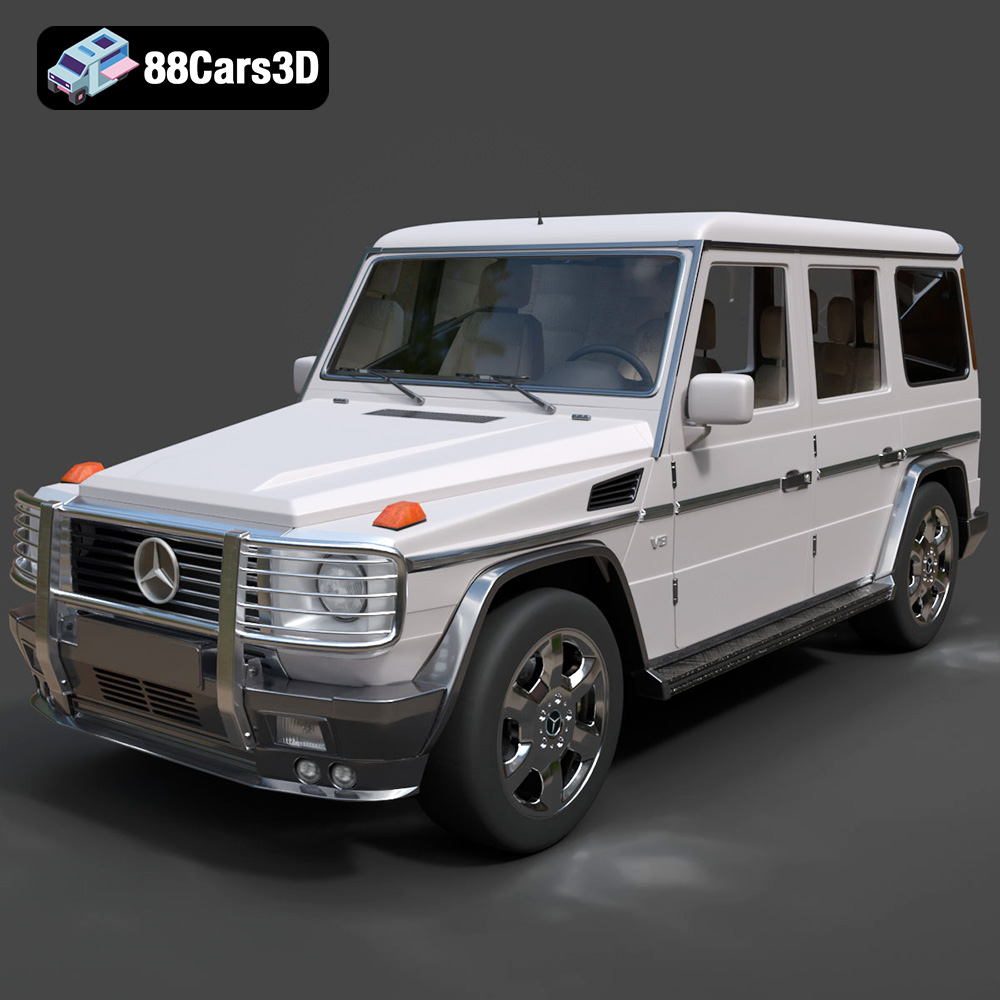
Texture: Yes
Material: Yes
Download the Mercedes G-Class SUV 2024 3D Model featuring clean geometry, realistic detailing, and a fully modeled interior. Includes .blend, .fbx, .obj, .glb, .stl, .ply, .unreal, and .max formats for rendering, simulation, and game development.
Price: $10

Texture: Yes
Material: Yes
Download the Volvo XC90 R-Design 2015 3D Model featuring clean geometry, realistic detailing, and a fully modeled interior. Includes .blend, .fbx, .obj, .glb, .stl, .ply, .unreal, and .max formats for rendering, simulation, and game development.
Price: $10

