⚡ FLASH SALE: Get 60% OFF All Premium 3D & STL Models! ⚡

“`html
The world of 3D printing has revolutionized model making, offering enthusiasts and professionals alike the ability to create intricate and highly detailed replicas. Among the most popular subjects for 3D printing are cars, capturing the beauty and engineering marvel of automotive design. However, achieving flawless 3D printed car models requires a deep understanding of STL files, slicing parameters, printer settings, and post-processing techniques. This comprehensive guide will walk you through every step of the process, from selecting the right STL file to finishing your masterpiece, ensuring you get the best possible results. Whether you’re a seasoned 3D printing veteran or just starting out, this guide will provide valuable insights and practical tips to elevate your car model printing game. We’ll cover everything from understanding STL file structure and mesh topology to advanced techniques for support removal and post-processing. Get ready to dive deep and unleash your creativity!
The STL (Stereolithography) file format is the cornerstone of 3D printing. It represents the surface geometry of a 3D object as a collection of triangles. For car models, which often feature complex curves and intricate details, a well-prepared STL file is crucial for achieving a high-quality print. A poorly designed STL can lead to printing errors, visible faceting, and overall poor aesthetics. Platforms like 88cars3d.com offer print-ready STL files specifically designed for optimal 3D printing, taking much of the guesswork out of the process.
An STL file essentially stores a list of triangles, each defined by three vertices and a normal vector. The density of these triangles determines the resolution of the model. A higher density (more triangles) results in a smoother surface but also increases the file size and processing time. For car models, it’s important to strike a balance between detail and file size. Ensure that the STL file has a “manifold” mesh, meaning it’s a closed, watertight surface. Non-manifold meshes can cause slicing errors and lead to failed prints. Use mesh repair tools to correct any issues before printing.
Even high-quality STL files can sometimes contain errors that need to be addressed before printing. Common issues include non-manifold edges, intersecting faces, and holes in the mesh. Several software tools are available for repairing these errors, including Meshmixer, Netfabb, and Blender. These tools can automatically detect and fix many common problems, ensuring that your STL file is print-ready. Repairing the file before importing it to the slicer can save significant time and wasted filament/resin. Specific steps include using Meshmixer’s “Make Solid” function to create a watertight mesh, and using Netfabb’s repair tools to fix errors flagged during analysis. A good practice is to always run a mesh analysis before slicing, even if the STL file is from a reputable source.
Slicing is the process of converting the 3D model into a series of 2D layers that the 3D printer can understand. The slicing software takes the STL file and generates a G-code file, which contains instructions for the printer’s movements, temperature settings, and other parameters. Choosing the right slicing parameters is crucial for achieving optimal print quality, especially for complex car models. Several popular slicers are available, including Cura, PrusaSlicer, and Simplify3D, each offering a range of customizable settings. When downloading models from marketplaces such as 88cars3d.com, consider that the suggested slicing settings may need adjustments for your specific printer and material.
Layer height is one of the most critical slicing parameters, determining the vertical resolution of the print. A lower layer height (e.g., 0.1mm) results in a smoother surface and finer details but also increases the print time significantly. A higher layer height (e.g., 0.3mm) prints faster but can result in visible layer lines and a loss of detail. For car models, a layer height between 0.1mm and 0.2mm is generally recommended for a good balance between quality and speed. Experiment with different layer heights to find the sweet spot for your specific printer and model. Keep in mind that smaller nozzles can allow for even finer layer heights, improving the resolution of curved surfaces.
Infill is the internal structure of the 3D print, providing strength and support. The infill pattern and density can significantly impact the print’s weight, strength, and printing time. For car models, which often don’t require extreme strength, a lower infill density (e.g., 10-20%) is often sufficient. Common infill patterns include rectilinear, grid, and gyroid. Gyroid infill offers excellent strength-to-weight ratio and is less prone to causing vibrations during printing. Experiment with different infill patterns and densities to optimize for your specific needs. Consider using adaptive infill, which increases the infill density in areas that require more support, such as overhangs and thin walls. For purely aesthetic models, consider very low infill (5-10%) or even hollow prints, but be careful of potential structural weaknesses.
The choice of 3D printer and its associated settings greatly influences the final outcome of your car model print. FDM (Fused Deposition Modeling) and resin printers offer distinct advantages and disadvantages. FDM printers are more versatile and can handle a wider range of materials, while resin printers excel at producing highly detailed and smooth surfaces. Understanding the nuances of each technology and tailoring your settings accordingly is crucial for achieving the desired results.
FDM printers use a filament of plastic that is heated and extruded through a nozzle, layer by layer. FDM printing is generally more affordable and easier to set up, making it a popular choice for beginners. However, FDM prints often exhibit visible layer lines and may require more post-processing to achieve a smooth finish. Resin printers, on the other hand, use a liquid resin that is cured by UV light. Resin printing produces exceptionally detailed and smooth prints, making it ideal for intricate car models. However, resin printers are generally more expensive and require more careful handling of materials due to the toxicity of uncured resin. Consider the level of detail you require, your budget, and your experience level when choosing between FDM and resin printing.
For FDM printing, nozzle size, temperature, and bed adhesion are critical parameters. A smaller nozzle (e.g., 0.2mm or 0.4mm) allows for finer details but requires slower print speeds. The printing temperature should be optimized for the specific filament being used, typically ranging from 200°C to 230°C for PLA and 230°C to 260°C for ABS. Proper bed adhesion is essential to prevent warping and ensure that the print sticks to the build plate. Use a heated bed, apply a bed adhesion agent (e.g., glue stick or hairspray), and ensure that the bed is properly leveled. For resin printing, exposure time, lift speed, and bottom layer settings are crucial. Calibrate your resin printer according to the manufacturer’s instructions and use a resin specifically designed for detailed models.
Support structures are temporary structures that provide support for overhanging features during 3D printing. Car models often have complex geometries with overhangs that require support to prevent sagging or collapse. Generating effective support structures and removing them cleanly without damaging the model is a critical skill. Both FDM and resin printing require different approaches to support generation and removal.
Most slicing software offers automatic support generation, which automatically places supports in areas that require them. While convenient, automatic support generation can sometimes result in excessive or poorly placed supports. Manual support generation allows you to customize the placement and density of supports, optimizing them for specific features of the car model. Consider using a combination of automatic and manual support generation for best results. In Cura, for example, you can use the “Support Blocker” tool to prevent supports from being generated in specific areas. In PrusaSlicer, you can manually add supports with varying densities and thicknesses. For intricate models, spending time optimizing the support structure can significantly improve the final print quality and reduce post-processing effort.
Removing support structures cleanly without damaging the model requires patience and the right tools. For FDM prints, use pliers, cutters, and sandpaper to carefully remove the supports. Heat the supports slightly with a heat gun to soften them before removal. For resin prints, use isopropyl alcohol (IPA) to dissolve any remaining resin on the supports and model. Carefully cut away the supports with a sharp blade or scalpel. Consider using dissolvable support material (e.g., HIPS for ABS or PVA for PLA) for FDM printing to simplify support removal. For resin prints, light curing after support removal can help to harden the surface and improve the overall finish. Ensure proper ventilation when working with IPA and wear gloves to protect your skin.
Post-processing is the final stage in the 3D printing process, involving various techniques to refine the surface finish, add color, and assemble multiple parts. For car models, post-processing is essential for achieving a realistic and professional-looking finish. Techniques such as sanding, filling, priming, painting, and clear coating can transform a raw 3D print into a stunning replica. Assembly may also be required if the model consists of multiple parts printed separately.
Sanding is used to remove layer lines and imperfections from the surface of the 3D print. Start with coarse-grit sandpaper (e.g., 220 grit) to remove larger imperfections and gradually move to finer-grit sandpaper (e.g., 400 grit, 600 grit, and 800 grit) to achieve a smooth surface. Wet sanding can help to reduce dust and improve the sanding results. For larger gaps or imperfections, use a filler or putty to fill the voids before sanding. Apply the filler in thin layers and allow it to dry completely before sanding. Sanding is a time-consuming process, but it’s essential for achieving a professional-looking finish. Consider using power tools like rotary tools with sanding attachments for larger models to speed up the process.
Painting is used to add color and detail to the car model. Start by applying a primer to the sanded surface to create a smooth and uniform base for the paint. Use spray paint or airbrush for applying the base coat, ensuring to apply thin, even layers. Allow each layer to dry completely before applying the next. Use masking tape to protect areas that you don’t want to paint. For fine details, use small brushes and acrylic paints. Apply a clear coat after the paint has dried to protect the paint and add a glossy finish. Consider using weathering techniques, such as washes and dry brushing, to add realism to the model. Research real car paint colors and finishes to replicate the appearance of the original vehicle accurately.
Even with careful planning and execution, 3D printing can sometimes encounter issues. Understanding common problems and how to troubleshoot them is essential for a smooth and successful printing experience. Issues can range from bed adhesion problems and warping to stringing and layer shifting. By identifying the root cause of the problem and implementing the appropriate solutions, you can overcome these challenges and achieve high-quality prints.
Warping occurs when the corners of the print lift off the build plate during printing. This is often caused by uneven cooling or poor bed adhesion. To prevent warping, ensure that the build plate is properly leveled and heated to the correct temperature. Use a bed adhesion agent, such as glue stick or hairspray, to improve adhesion. Enclose the printer to maintain a consistent temperature and prevent drafts. If warping persists, try increasing the bed temperature or using a brim or raft. Also, consider the material being used – ABS is particularly prone to warping and may require higher bed temperatures and a more enclosed environment than PLA.
Stringing occurs when small strands of filament are left behind between different parts of the print. This is often caused by excessive retraction or printing at too high a temperature. Reduce the printing temperature, increase the retraction distance, and decrease the retraction speed to minimize stringing. Blobs are small accumulations of plastic on the surface of the print. These can be caused by inconsistent extrusion or Z-seam placement. Adjust the extrusion multiplier and experiment with different Z-seam alignments. Layer shifting occurs when the layers of the print are misaligned. This can be caused by loose belts, vibrations, or overheating stepper motors. Tighten the belts, reduce the printing speed, and ensure that the printer is placed on a stable surface. Consider adding heatsinks to the stepper motors if they are overheating. Regularly inspect your printer for wear and tear and perform necessary maintenance to prevent these issues.
3D printing car models is a rewarding but technically demanding hobby. By understanding STL files, optimizing slicing parameters, selecting the right printer settings, mastering support structures, and employing effective post-processing techniques, you can create stunning replicas that showcase your skills and passion. Remember to experiment with different settings and materials to find what works best for your printer and model. Pay attention to detail and don’t be afraid to iterate and refine your process. When starting out, stick to well-designed STL files from reputable sources to minimize potential issues and learn from the experiences of others. With practice and patience, you’ll be able to produce 3D printed car models that are truly works of art. Keep exploring, keep learning, and keep printing!
“`

Texture: Yes
Material: Yes
Download the Mercedes S-Class 2024 3D Model featuring clean geometry, realistic detailing, and a fully modeled interior. Includes .blend, .fbx, .obj, .glb, .stl, .ply, .unreal, and .max formats for rendering, simulation, and game development.
Price: $10
Texture: Yes
Material: Yes
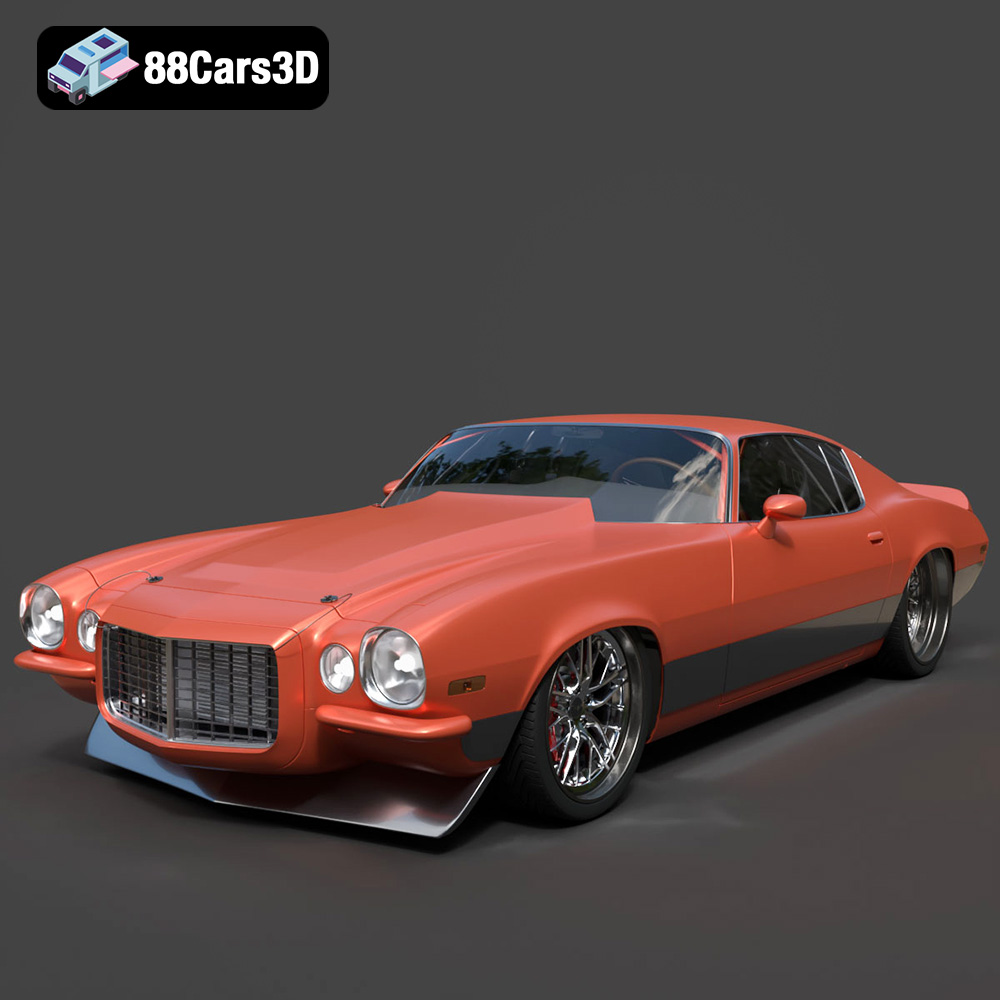
Download the Chevrolet Camaro 1970 3D Model featuring clean geometry, realistic detailing, and a fully modeled interior. Includes .blend, .fbx, .obj, .glb, .stl, .ply, .unreal, and .max formats for rendering, simulation, and game development.
Price: $10
Texture: Yes
Material: Yes
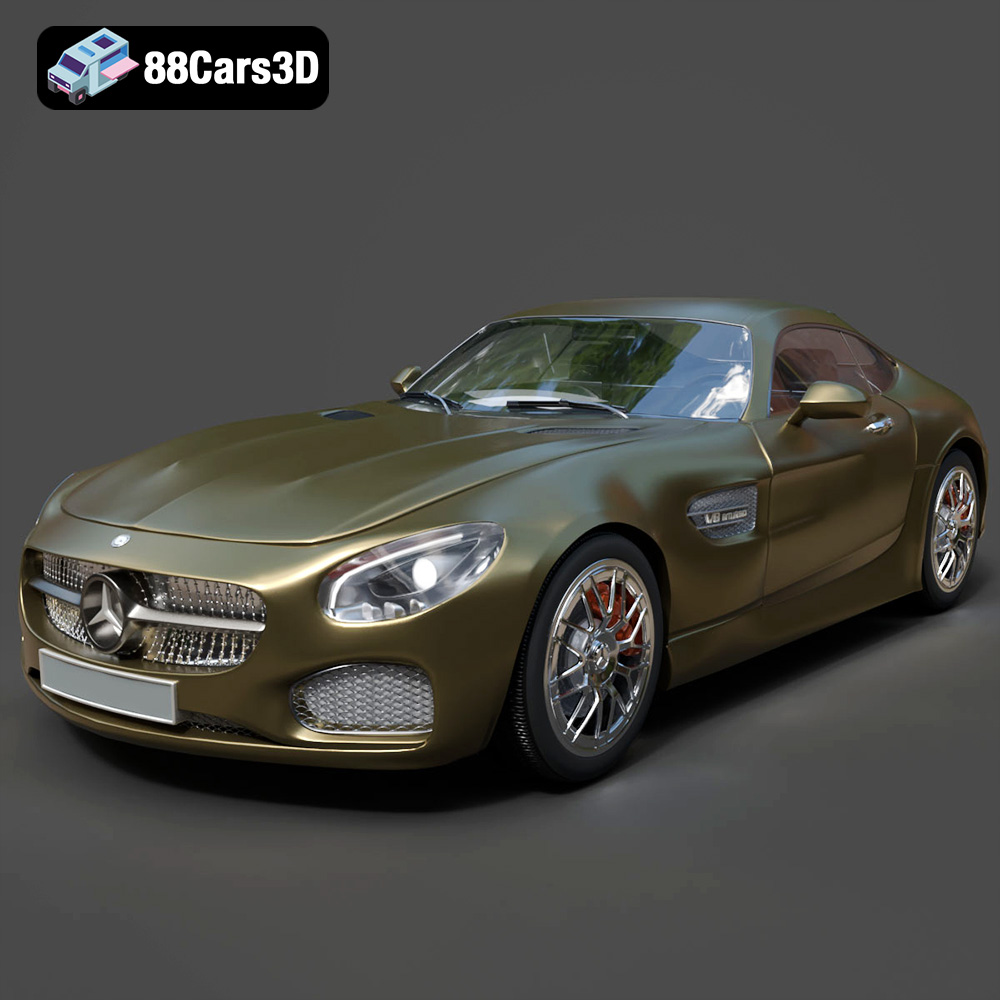
Download the Mercedes-AMG GT 2015 3D Model featuring clean geometry, realistic detailing, and a fully modeled interior. Includes .blend, .fbx, .obj, .glb, .stl, .ply, .unreal, and .max formats for rendering, simulation, and game development.
Price: $88.99
Texture: Yes
Material: Yes
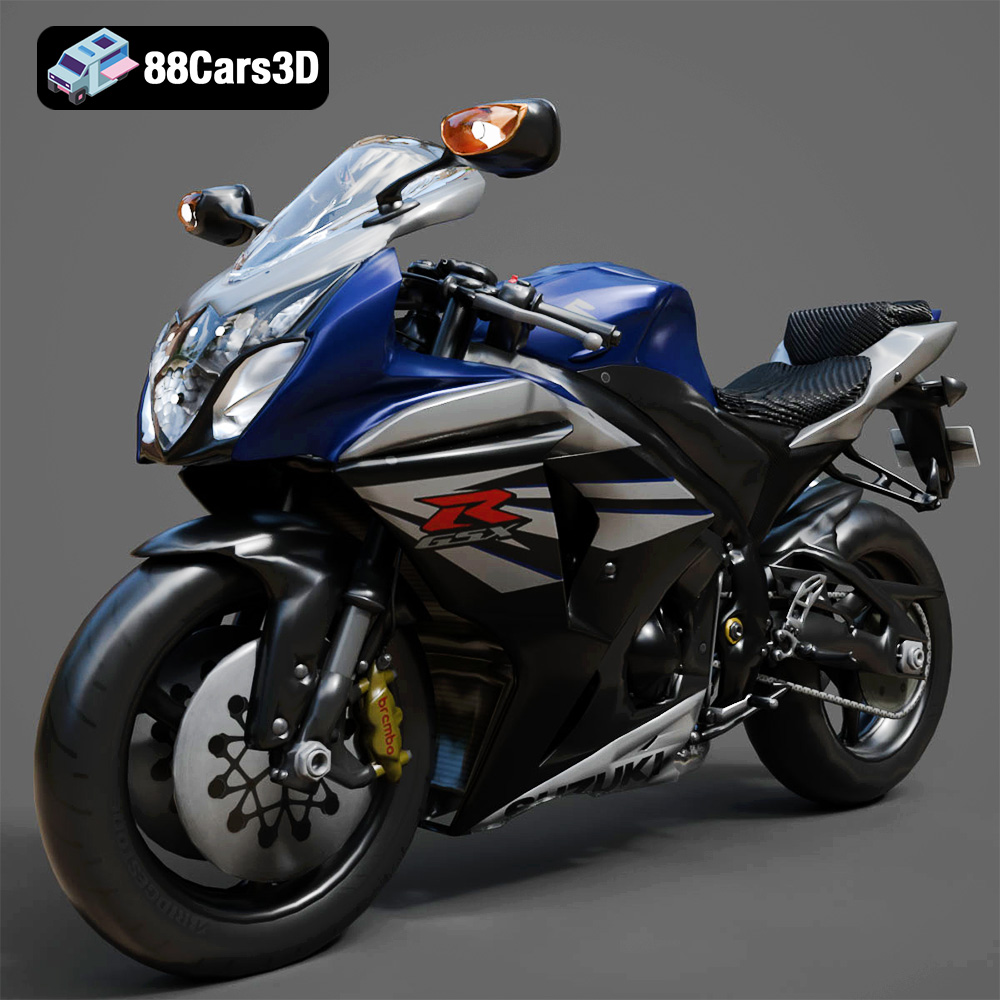
Download the Suzuki GSX-R 1000 3D Model featuring clean geometry, realistic detailing, and a fully modeled interior. Includes .blend, .fbx, .obj, .glb, .stl, .ply, .unreal, and .max formats for rendering, simulation, and game development.
Price: $10
Texture: Yes
Material: Yes
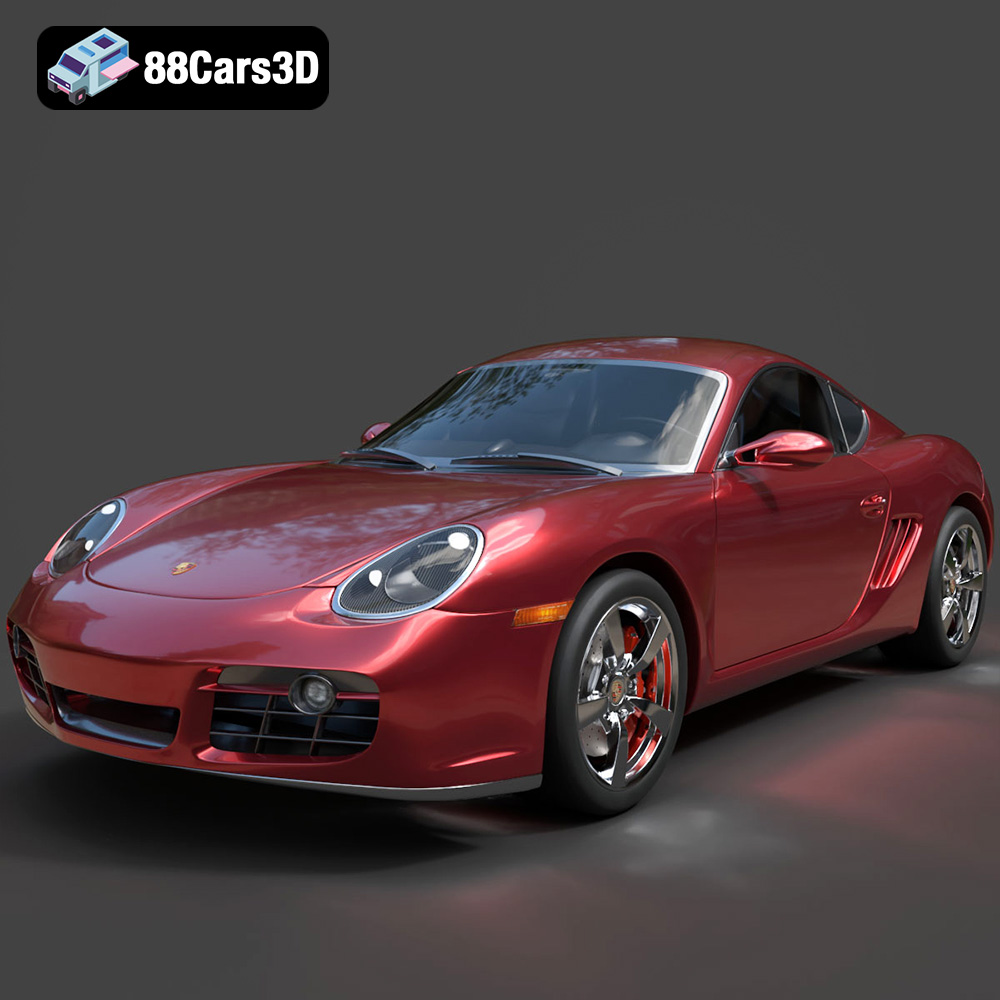
Download the Porsche Cayman S 2024 3D Model featuring clean geometry, realistic detailing, and a fully modeled interior. Includes .blend, .fbx, .obj, .glb, .stl, .ply, .unreal, and .max formats for rendering, simulation, and game development.
Price: $10
Texture: Yes
Material: Yes
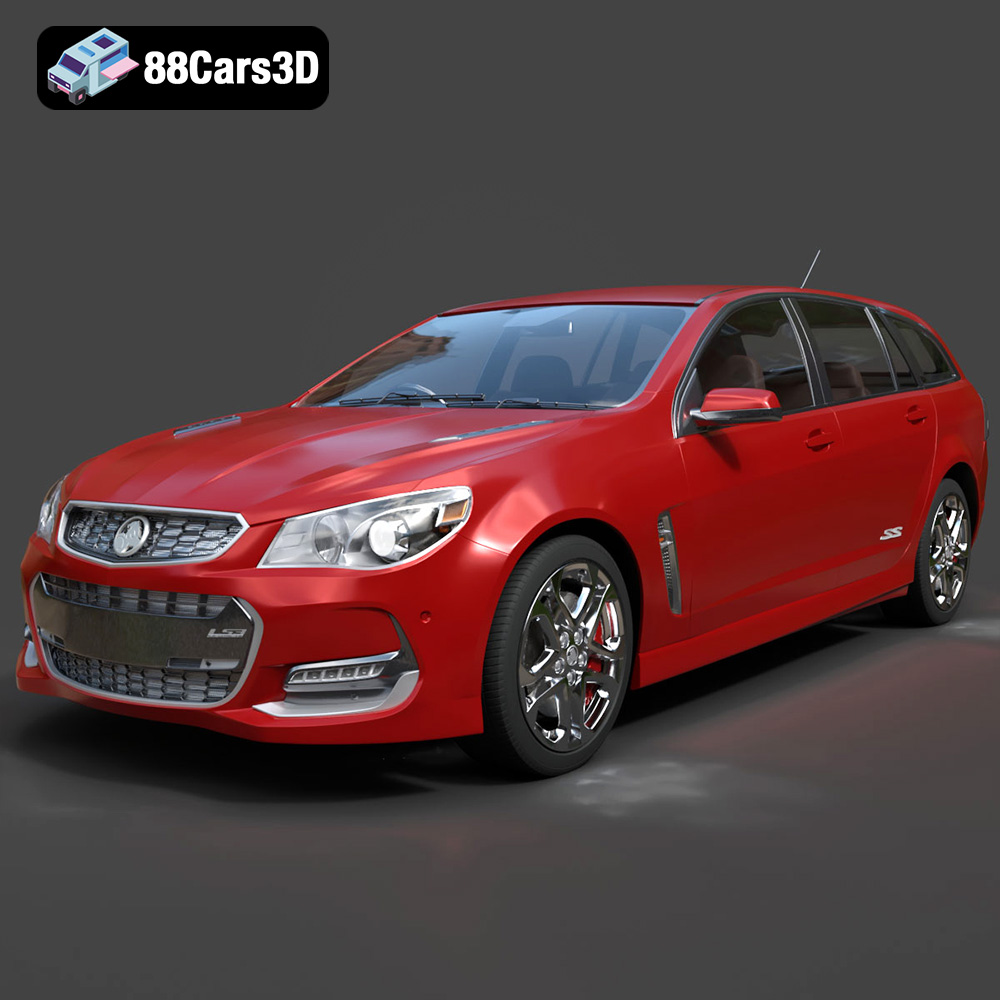
Download the Holden Commodore Sportwagon 2017 3D Model featuring clean geometry, realistic detailing, and a fully modeled interior. Includes .blend, .fbx, .obj, .glb, .stl, .ply, .unreal, and .max formats for rendering, simulation, and game development.
Price: $10
Texture: Yes
Material: Yes
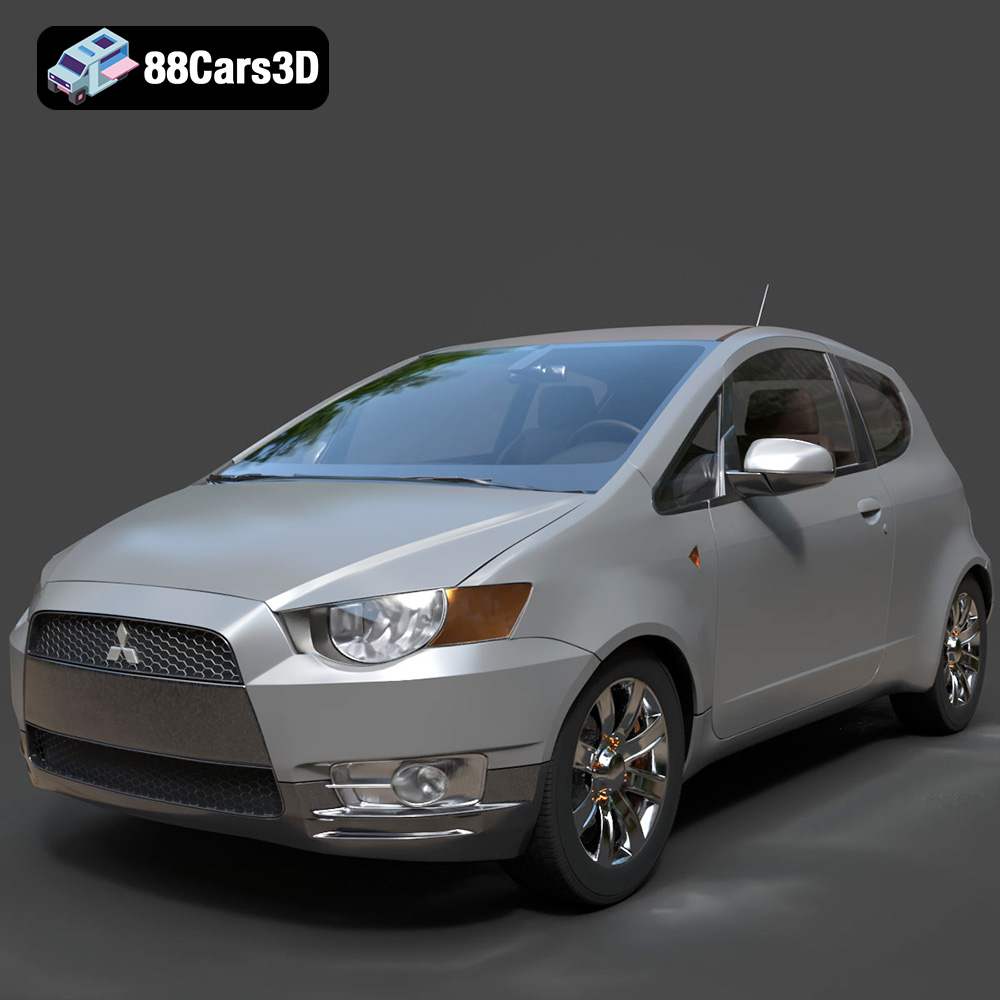
Download the Mitsubishi Colt 3 Door 2008 3D Model featuring clean geometry, realistic detailing, and a fully modeled interior. Includes .blend, .fbx, .obj, .glb, .stl, .ply, .unreal, and .max formats for rendering, simulation, and game development.
Price: $10
Texture: Yes
Material: Yes
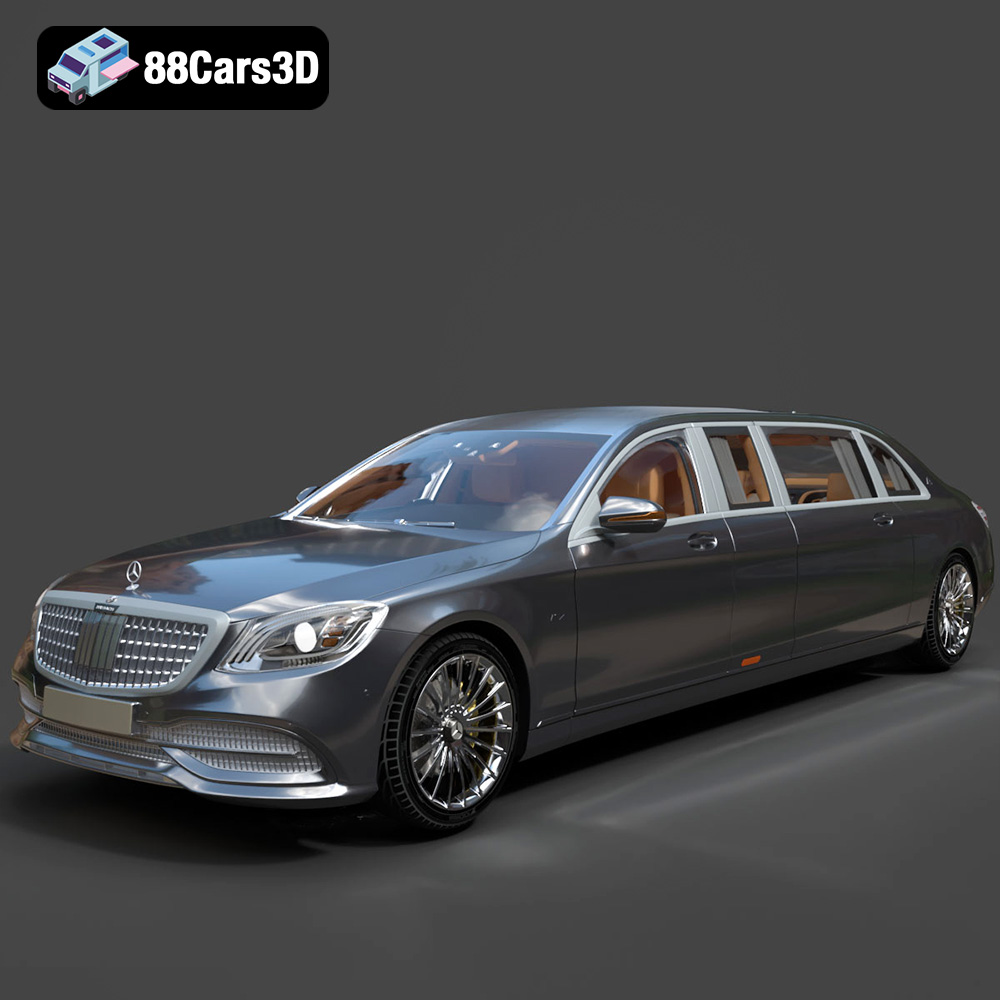
Download the Mercedes-Benz S650 Pullman 3D Model featuring clean geometry, realistic detailing, and a fully modeled interior. Includes .blend, .fbx, .obj, .glb, .stl, .ply, .unreal, and .max formats for rendering, simulation, and game development.
Price: $95.99
Texture: Yes
Material: Yes
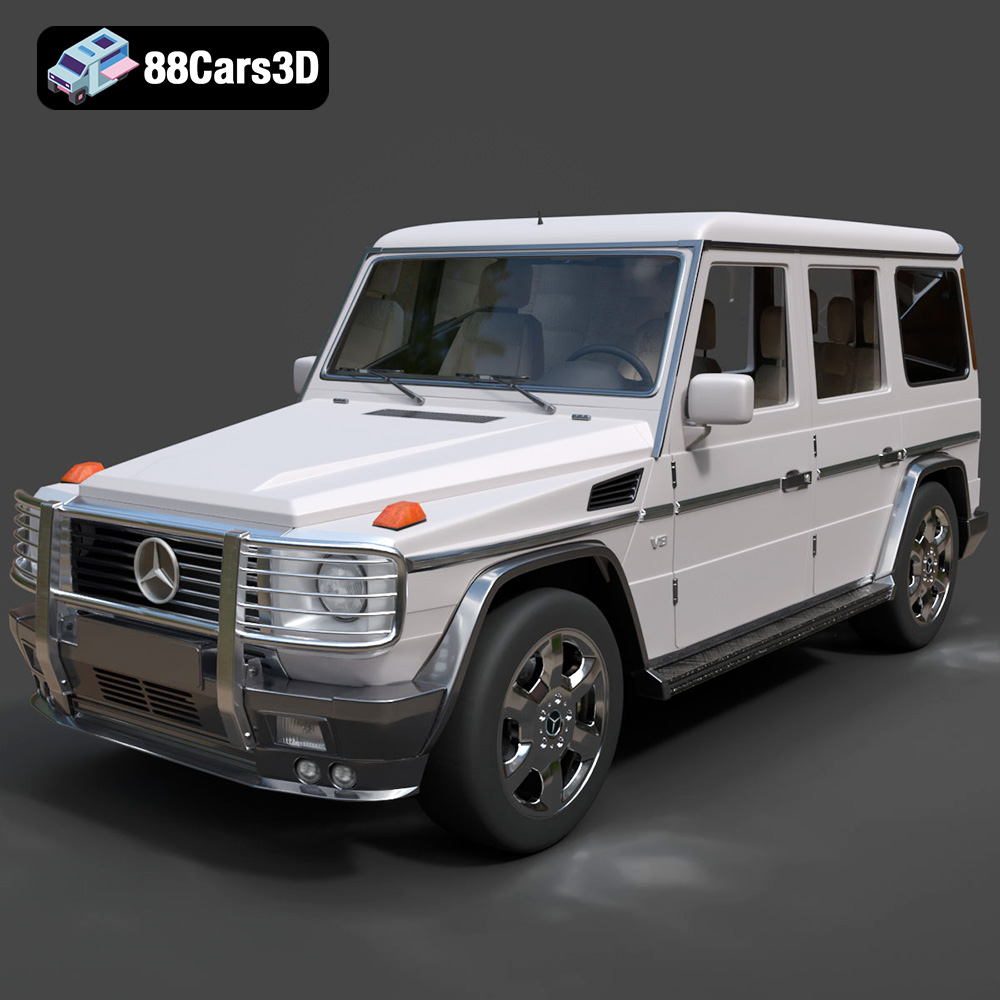
Download the Mercedes G-Class SUV 2024 3D Model featuring clean geometry, realistic detailing, and a fully modeled interior. Includes .blend, .fbx, .obj, .glb, .stl, .ply, .unreal, and .max formats for rendering, simulation, and game development.
Price: $10

Texture: Yes
Material: Yes
Download the Volvo XC90 R-Design 2015 3D Model featuring clean geometry, realistic detailing, and a fully modeled interior. Includes .blend, .fbx, .obj, .glb, .stl, .ply, .unreal, and .max formats for rendering, simulation, and game development.
Price: $10

