⚡ FLASH SALE: Get 60% OFF All Premium 3D & STL Models! ⚡

“`html
The world of 3D printing has revolutionized how we create, prototype, and even collect scale models. For automotive enthusiasts, this means bringing dream cars to life in stunning detail. However, achieving flawless 3D prints of car models requires a deep understanding of the entire process, from STL file preparation to final post-processing. This comprehensive guide will walk you through the essential steps, covering everything from understanding STL files and optimizing slicing parameters to selecting the right materials and troubleshooting common printing issues. Whether you’re a beginner or an experienced maker, this guide will provide you with the knowledge and techniques needed to create high-quality 3D printed car models that you can be proud of. Platforms like 88cars3d.com offer print-ready STL files that can be a great starting point for your 3D printing journey.
The STL (Stereolithography) file format is the industry standard for 3D printing. It represents the surface geometry of a 3D object using a collection of triangles. Understanding the structure and characteristics of STL files is crucial for successful 3D printing.
An STL file approximates a curved surface with a mesh of triangles. The density of this mesh, or the number of triangles used to represent the object, determines the resolution and smoothness of the final print. A higher resolution STL file will have more triangles, resulting in a smoother surface but also a larger file size and longer processing time. Conversely, a low-resolution STL file will have fewer triangles, leading to a faceted appearance. When downloading models from marketplaces such as 88cars3d.com, ensure the models have sufficient resolution for your desired level of detail.
For a 3D print to be successful, the STL file must represent a “manifold” mesh. This means that the mesh must be closed, without any holes, self-intersections, or non-manifold edges. Non-manifold geometry can cause slicing errors, printing failures, and structural weaknesses in the printed part. Several software tools are available for detecting and repairing mesh errors, including Netfabb Basic, Meshmixer, and online services like MakePrintable.
Slicing is the process of converting a 3D model into a set of instructions (G-code) that the 3D printer can understand. The slicer software divides the model into thin horizontal layers and generates a toolpath for the printer’s nozzle or laser to follow. The slicing parameters you choose will have a significant impact on the print quality, strength, and printing time.
Layer height is the thickness of each individual layer in the 3D print. A smaller layer height results in a smoother surface finish and finer details but also increases the printing time. A larger layer height results in a faster print but sacrifices surface quality. For car models, a layer height of 0.1mm to 0.2mm is generally recommended for FDM printing to achieve a good balance between print quality and speed. For resin printing, layer heights can be even smaller (e.g., 0.025mm to 0.05mm) to achieve incredibly detailed results.
Infill is the internal structure of the 3D print. It provides strength and rigidity to the part while also influencing the weight and material usage. The infill density is the percentage of the part’s volume that is filled with infill material. A higher infill density results in a stronger and heavier part but also consumes more material and increases the printing time. The infill pattern also affects the strength and stiffness of the part. Common infill patterns include grid, honeycomb, gyroid, and triangles. For car models, an infill density of 15% to 25% is typically sufficient for most parts. More critical components may require a higher infill density. The gyroid infill pattern offers excellent strength-to-weight ratio and is a good choice for parts that need to withstand stress.
Support structures are temporary structures that are printed to support overhangs and bridges in the 3D model. Without support structures, these features would collapse during printing. Generating and removing support structures is a crucial part of the 3D printing process, especially for complex car models.
Most slicer software programs offer automatic support generation features. These algorithms analyze the model and automatically place support structures where they are needed. However, automatic support generation can sometimes be inefficient, generating unnecessary supports or placing supports in difficult-to-remove locations. Manual support generation allows you to customize the placement, size, and density of the support structures. This gives you more control over the printing process and can result in cleaner prints and easier support removal. Programs like Meshmixer are excellent for manually adding supports.
The ease of support removal depends on the support material and the support structure design. Brittle support materials like PLA are generally easier to remove than more flexible materials like ABS. Support structures that are designed with a small contact area with the model are also easier to remove. Several techniques can be used to remove support structures, including snapping them off, using pliers or cutters, and dissolving them in a chemical solvent (for soluble support materials). For car models, it’s important to remove supports carefully to avoid damaging the delicate details of the print. Using a sharp hobby knife or a set of needle-nose pliers can help with removing stubborn supports.
The choice of material is a critical factor in the success of your 3D printed car model. Different materials have different properties, such as strength, flexibility, temperature resistance, and surface finish. The best material for your project will depend on the specific requirements of the model.
For FDM (Fused Deposition Modeling) printing, the most common materials are PLA, PETG, and ABS. PLA (Polylactic Acid) is a biodegradable thermoplastic that is easy to print and produces good surface detail. However, it is not very strong or heat-resistant. PETG (Polyethylene Terephthalate Glycol) is a stronger and more heat-resistant alternative to PLA. It is also more flexible, making it a good choice for parts that need to withstand some bending or impact. ABS (Acrylonitrile Butadiene Styrene) is a strong and durable thermoplastic that is commonly used in automotive applications. However, it is more difficult to print than PLA or PETG, as it requires a heated bed and a higher printing temperature. It is also prone to warping and cracking if not printed properly. For car models, PLA is a good choice for display models that will not be subjected to high temperatures or stress. PETG is a better choice for parts that need to be more durable, such as wheels or axles. ABS is a good choice for functional parts that need to withstand high temperatures or stress, such as engine components.
For resin printing, the two main technologies are SLA (Stereolithography) and DLP (Digital Light Processing). Both technologies use a liquid resin that is cured by a UV light source. Resin printing offers much higher resolution and detail than FDM printing, making it ideal for intricate car models. However, resin prints are typically more brittle than FDM prints and may require post-curing to achieve their full strength. Different types of resins are available, each with its own unique properties. Standard resins are good for general-purpose printing, while tough resins are more resistant to impact and stress. Flexible resins are more pliable and can be used for parts that need to bend or flex. For car models, standard resins are a good choice for display models, while tough resins are better for parts that need to be more durable. Consider using a grey or neutral-colored resin, as it is easier to paint and detail.
Post-processing is the final stage of the 3D printing process. It involves cleaning, sanding, painting, and assembling the printed parts to create a finished product. Proper post-processing can significantly enhance the appearance and durability of your 3D printed car model.
Sanding is used to remove layer lines and other imperfections from the surface of the print. Start with coarse sandpaper (e.g., 220 grit) and gradually move to finer grits (e.g., 400, 600, 800 grit) to achieve a smooth surface. Filling is used to fill in any gaps or imperfections in the print. Epoxy putty or spot putty can be used for this purpose. Priming is used to prepare the surface of the print for painting. A good primer will provide a smooth, uniform surface for the paint to adhere to.
Painting is used to add color and detail to the car model. Acrylic paints are a good choice for 3D printed models, as they are easy to apply and dry quickly. Several techniques can be used to apply the paint, including brush painting, airbrushing, and spray painting. Airbrushing provides the most even and professional-looking finish. Detailing involves adding small details to the model, such as panel lines, rivets, and decals. Fine-tipped paintbrushes, masking tape, and weathering powders can be used to create these details. For a realistic finish, consider using reference photos of the real car to guide your painting and detailing efforts.
Even with careful planning and preparation, 3D printing can sometimes be challenging. Common issues like warping, bed adhesion problems, and nozzle clogs can derail your print. Knowing how to diagnose and fix these issues is essential for successful 3D printing.
Warping occurs when the corners of the print lift off the build plate. This is often caused by uneven cooling or poor bed adhesion. To prevent warping, ensure that the build plate is properly leveled and clean. Use a bed adhesive, such as glue stick or hairspray, to improve adhesion. Enclosing the printer can also help to maintain a consistent temperature and prevent warping. Common causes of poor bed adhesion include an unlevelled bed, incorrect nozzle height, and a dirty build surface. Clean the build plate with isopropyl alcohol before each print. Ensure that the nozzle is close enough to the bed to properly squish the first layer.
Nozzle clogs occur when filament becomes stuck in the nozzle. This can be caused by dust, debris, or incorrect printing temperatures. To prevent nozzle clogs, use high-quality filament and clean the nozzle regularly. If a nozzle clog occurs, try using a nozzle cleaning tool or performing a cold pull. Filament issues can also cause printing problems. Wet filament can cause bubbling and poor layer adhesion. Store filament in a dry place to prevent moisture absorption. Tangled filament can also cause printing failures. Make sure that the filament spool is properly wound and free of tangles.
3D printing offers an unparalleled opportunity to bring your automotive passions to life. By mastering the fundamentals of STL files, slicing techniques, material selection, and post-processing, you can create stunning 3D printed car models that capture the essence of your favorite vehicles. Remember to focus on clean STL files, optimized slicing parameters, appropriate support structures, and diligent post-processing. The journey from digital file to physical model requires patience and attention to detail, but the rewards are well worth the effort. Explore resources like 88cars3d.com to find high-quality STL files and continue to experiment with different materials and techniques to hone your skills. So, fire up your 3D printer, unleash your creativity, and start building your dream car collection today!
“`

Texture: Yes
Material: Yes
Download the Chevrolet Camaro 1970 3D Model featuring clean geometry, realistic detailing, and a fully modeled interior. Includes .blend, .fbx, .obj, .glb, .stl, .ply, .unreal, and .max formats for rendering, simulation, and game development.
Price: $10

Texture: Yes
Material: Yes
Download the Mercedes-AMG GT 2015 3D Model featuring clean geometry, realistic detailing, and a fully modeled interior. Includes .blend, .fbx, .obj, .glb, .stl, .ply, .unreal, and .max formats for rendering, simulation, and game development.
Price: $88.99
Texture: Yes
Material: Yes
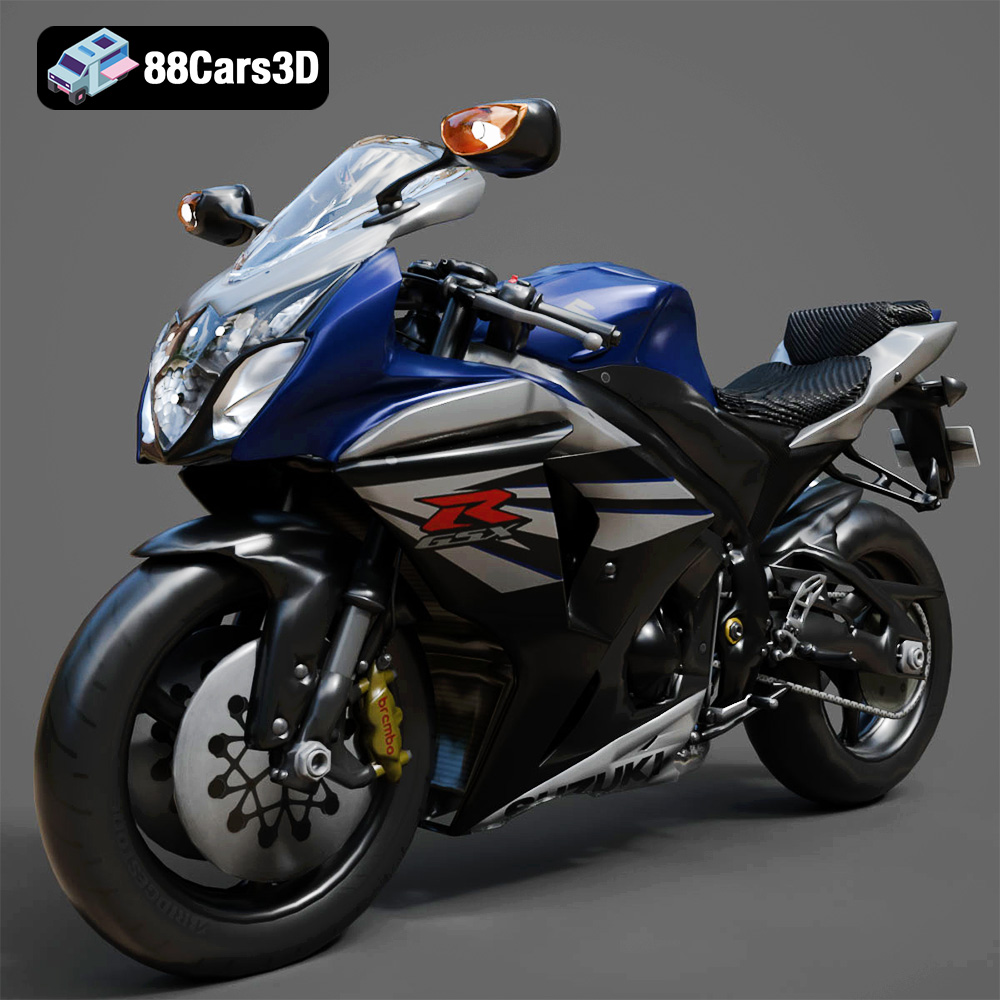
Download the Suzuki GSX-R 1000 3D Model featuring clean geometry, realistic detailing, and a fully modeled interior. Includes .blend, .fbx, .obj, .glb, .stl, .ply, .unreal, and .max formats for rendering, simulation, and game development.
Price: $10
Texture: Yes
Material: Yes
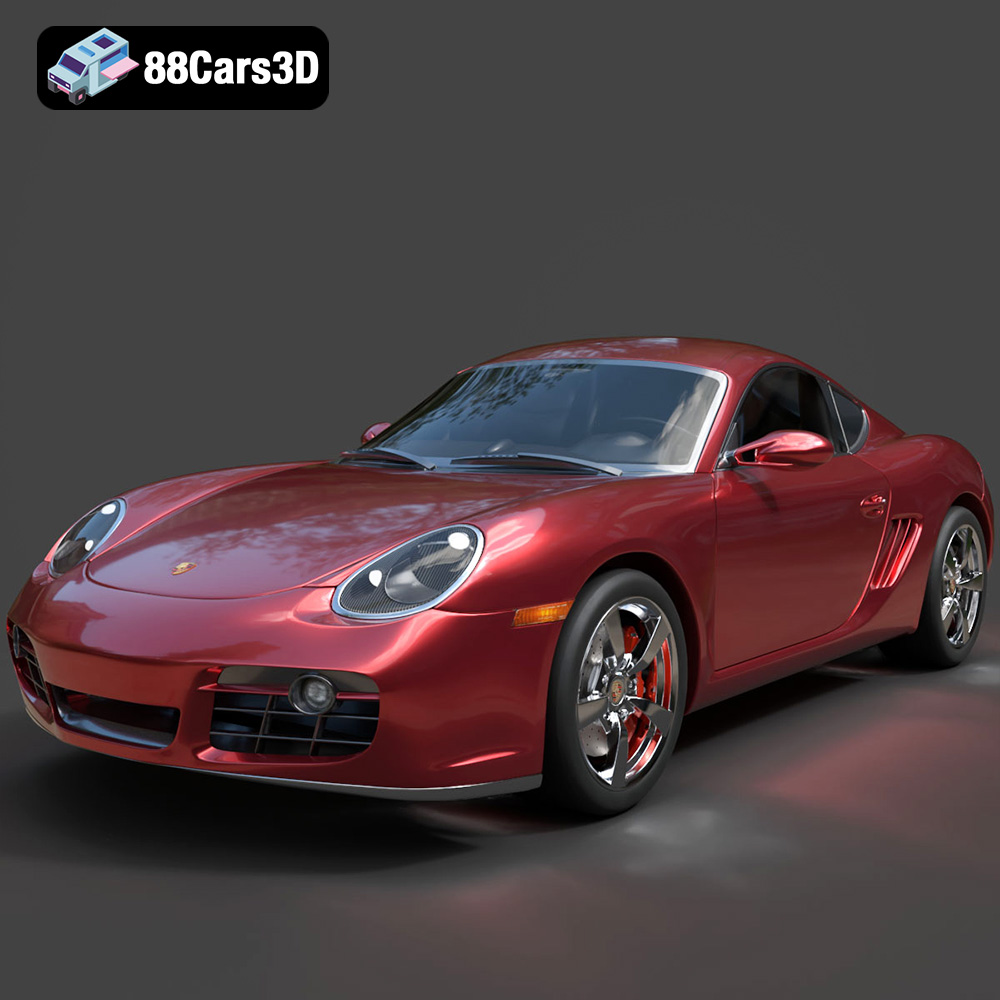
Download the Porsche Cayman S 2024 3D Model featuring clean geometry, realistic detailing, and a fully modeled interior. Includes .blend, .fbx, .obj, .glb, .stl, .ply, .unreal, and .max formats for rendering, simulation, and game development.
Price: $10

Texture: Yes
Material: Yes
Download the Holden Commodore Sportwagon 2017 3D Model featuring clean geometry, realistic detailing, and a fully modeled interior. Includes .blend, .fbx, .obj, .glb, .stl, .ply, .unreal, and .max formats for rendering, simulation, and game development.
Price: $10
Texture: Yes
Material: Yes
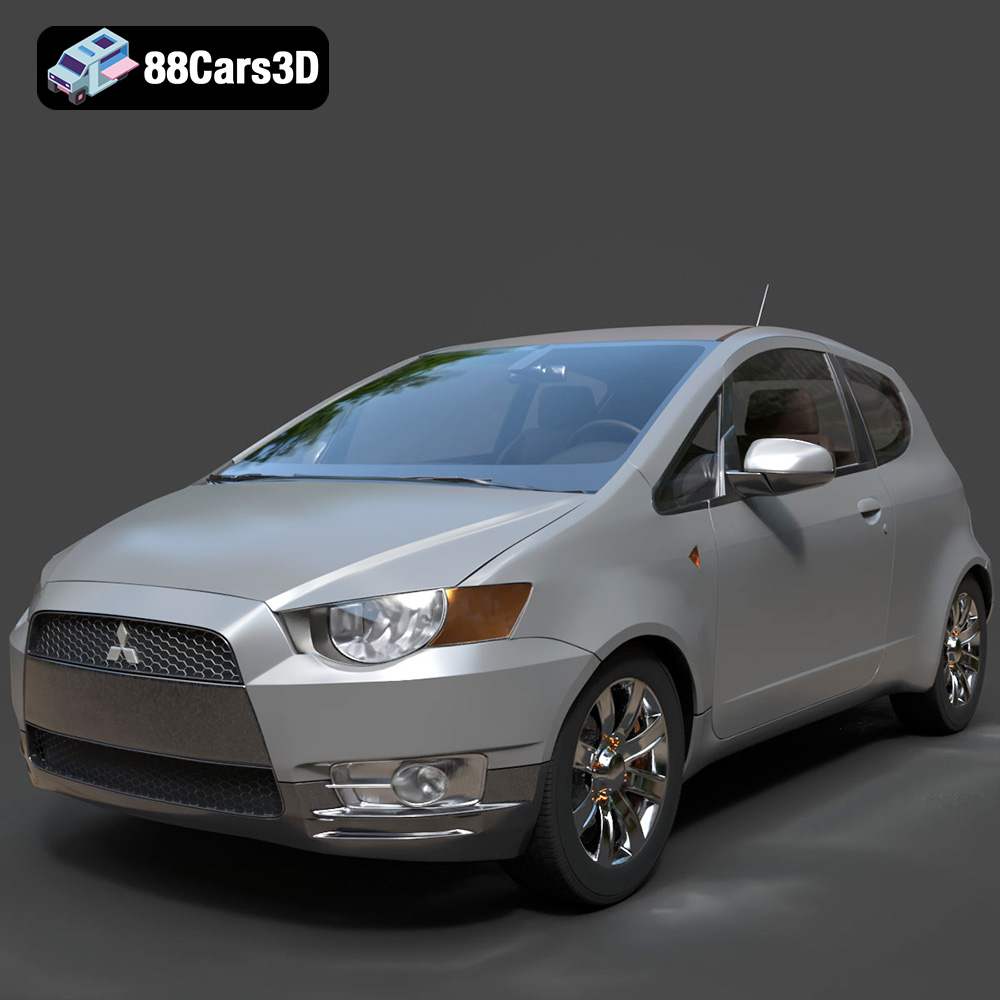
Download the Mitsubishi Colt 3 Door 2008 3D Model featuring clean geometry, realistic detailing, and a fully modeled interior. Includes .blend, .fbx, .obj, .glb, .stl, .ply, .unreal, and .max formats for rendering, simulation, and game development.
Price: $10
Texture: Yes
Material: Yes
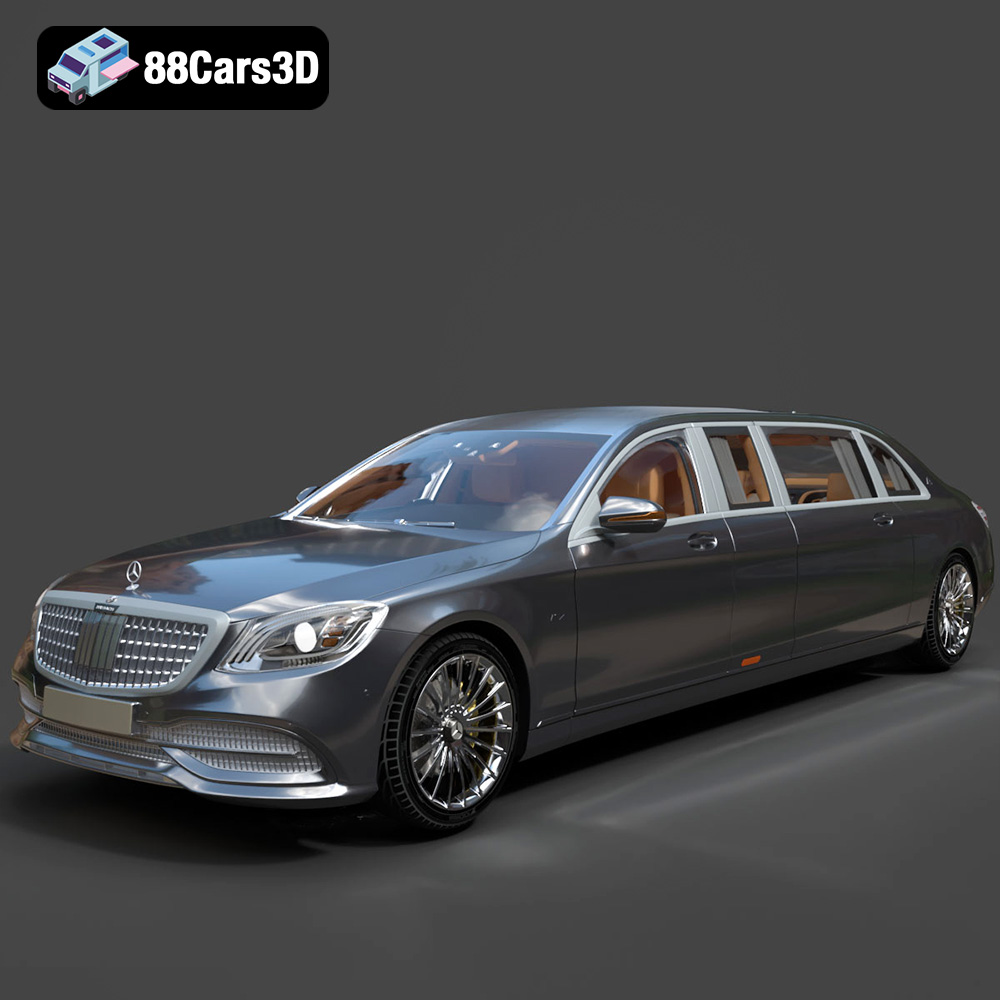
Download the Mercedes-Benz S650 Pullman 3D Model featuring clean geometry, realistic detailing, and a fully modeled interior. Includes .blend, .fbx, .obj, .glb, .stl, .ply, .unreal, and .max formats for rendering, simulation, and game development.
Price: $10

**Meta Description:**
Texture: Yes
Material: Yes
Download the Toyota Crown Majesta 2009 3D Model with luxury detailing, clean topology, and a fully modeled interior. Available in .blend, .fbx, .obj, .glb, .stl, .ply, .unreal, and .max formats for rendering, simulation, and game development.
Price: $4.99

**Meta Description:**
Texture: Yes
Material: Yes
Download the Toyota AE86 Levin 1983 1987 3D Model featuring realistic exterior and interior detailing. Includes .blend, .fbx, .obj, .glb, .stl, .ply, .unreal, and .max formats for rendering, simulation, and game development.
Price: $9.99

Texture: Yes
Material: Yes
Download the Toyota Mark 2 2001 3D Model featuring clean geometry, realistic detailing, and a fully modeled interior. Includes .blend, .fbx, .obj, .glb, .stl, .ply, .unreal, and .max formats for rendering, simulation, and game development.
Price: $4.99

