⚡ FLASH SALE: Get 60% OFF All Premium 3D & STL Models! ⚡

“`html
The allure of classic and modern cars has captivated enthusiasts for generations. Now, thanks to advancements in 3D printing technology, you can bring your favorite automotive designs to life with incredible detail and precision. This guide will delve into the intricate process of 3D printing car models, covering everything from understanding STL files and optimizing printer settings to mastering post-processing techniques. Whether you’re a seasoned maker or a 3D printing newcomer, this comprehensive overview will equip you with the knowledge and skills needed to create stunning, high-quality car models that will impress even the most discerning collector. Learn how to transform digital designs into tangible masterpieces, and unlock the full potential of your 3D printer. Platforms like 88cars3d.com offer print-ready STL files, but understanding how to optimize them is crucial for success.
This article will guide you through the following key areas:
The STL (Stereolithography) file format is the cornerstone of 3D printing. It represents the surface geometry of a 3D object using a mesh of triangles. The quality of your STL file directly impacts the quality of your final 3D printed car model. A well-prepared STL file will result in a smooth, accurate print, while a poorly prepared file can lead to defects, printing failures, and a disappointing final product. This is why proper file preparation, often involving mesh repair, is essential for success.
The number of triangles in an STL file determines its resolution. A higher triangle count means a more detailed and accurate representation of the model, but also a larger file size and potentially longer slicing times. For car models, finding the right balance between detail and file size is crucial. Aim for a triangle count that captures the intricate details of the car’s design without overwhelming your 3D printer or slicing software. For example, a model designed for 1:24 scale might benefit from a higher triangle count than a larger scale model because smaller details need to be accurately represented. When downloading models from marketplaces such as 88cars3d.com, check the file size and preview the mesh to get a sense of the resolution.
A “manifold” mesh is a closed, watertight surface. In other words, every edge in the mesh must be shared by exactly two triangles. Non-manifold geometry (e.g., holes, self-intersections, inverted normals) can cause serious problems during slicing and printing. Slicing software relies on a continuous, closed surface to generate accurate toolpaths. Before printing any STL file, it’s essential to check for and repair any non-manifold geometry. Tools like Meshmixer, Netfabb, and Blender offer features for identifying and automatically fixing these issues. A common fix is to use the “Make Manifold” function, which attempts to close holes and resolve self-intersections. Netfabb is particularly robust at complex mesh repair.
Beyond fixing errors, STL files can be further optimized for 3D printing. This includes reducing the triangle count in areas where high detail isn’t necessary (e.g., flat surfaces) and ensuring adequate wall thickness. Thin walls can lead to fragile prints, while excessively thick walls can increase printing time and material consumption. A wall thickness of at least 1.2mm is generally recommended for FDM printing with a 0.4mm nozzle. For resin printing, a wall thickness of 0.8mm can be sufficient. Furthermore, orienting the model in the slicing software to minimize overhangs and the need for supports can significantly improve print quality and reduce material waste.
Slicing is the process of converting a 3D model into a series of instructions that your 3D printer can understand. These instructions, known as G-code, dictate the movement of the print head, the extrusion rate of the filament, and other critical parameters. The slicing parameters you choose will have a profound impact on the quality, strength, and appearance of your 3D printed car model. Software like Cura, PrusaSlicer, and Simplify3D offer a wide range of settings to fine-tune your prints.
Layer height is one of the most critical slicing parameters. It determines the thickness of each layer of plastic deposited during the printing process. A smaller layer height results in a smoother surface finish and finer details, but also increases printing time. A larger layer height prints faster but sacrifices surface quality. For car models, a layer height of 0.1mm to 0.2mm is generally recommended for FDM printing to capture fine details. For resin printing, layer heights can be significantly smaller, often in the range of 0.025mm to 0.05mm, allowing for even more intricate details and smoother surfaces. Finding the right balance between layer height and printing time is crucial for achieving the desired results. Consider using adaptive layer height features in your slicer to use finer layers for detailed areas and coarser layers for less critical parts.
Infill refers to the internal structure of your 3D print. Infill density determines how solid the interior of your model will be, and the infill pattern affects its strength and weight. For car models, a balance between strength and weight is often desired. An infill density of 15% to 25% is generally sufficient for most parts, while parts that need to withstand stress (e.g., axles, suspension components) may require a higher infill density (50% or more). Common infill patterns include rectilinear, grid, honeycomb, and gyroid. Gyroid infill is known for its excellent strength-to-weight ratio and is a good choice for parts that need to be strong but lightweight. Concentric infill can be used for flexible parts like tires. Choosing the right infill pattern and density can significantly improve the performance and durability of your 3D printed car model.
Print temperature and speed are also crucial slicing parameters. The optimal temperature depends on the material you’re using. PLA, for example, typically prints well at temperatures between 200°C and 220°C, while ABS requires higher temperatures, typically between 230°C and 250°C. Print speed affects both print quality and printing time. Slower print speeds generally result in better print quality, especially for intricate details. A print speed of 40mm/s to 60mm/s is a good starting point for most car model parts. Adjust these settings based on your specific printer and material. Higher speeds may require increased temperatures to ensure proper layer adhesion. Experimentation is key to finding the optimal settings for your specific setup.
Support structures are temporary structures that are printed to support overhanging features during the 3D printing process. Overhangs are parts of the model that extend outwards without any underlying support. Without support structures, these overhangs would sag or collapse, resulting in a failed print. Generating and removing supports effectively is a critical skill for 3D printing complex car models with intricate details.
Most slicing software offers automatic support generation. This feature automatically detects overhangs and generates support structures as needed. However, automatic support generation can sometimes be inefficient, generating supports in unnecessary locations or creating supports that are difficult to remove. Manual support generation allows you to precisely control where supports are placed, minimizing material waste and making removal easier. In Cura, for example, you can use the “Support Blocker” tool to prevent supports from being generated in specific areas. For complex car models, a combination of automatic and manual support generation is often the best approach. Use automatic support generation as a starting point and then manually refine the support placement to optimize for print quality and ease of removal.
The material used for support structures can significantly impact the ease of removal and the surface finish of the supported areas. Some materials are easier to remove than others. For FDM printing, PLA supports are generally easier to remove than ABS supports. For dual-extrusion printers, soluble support materials like PVA or HIPS can be used. These materials dissolve in water or limonene, respectively, leaving behind a clean, support-free surface. Interface layers are thin layers printed between the support structure and the model. These layers can improve the adhesion of the support structure to the model and can also make the support structure easier to remove. Experiment with different support materials and interface layer settings to find the optimal combination for your specific printer and model.
Removing support structures carefully is essential to avoid damaging the 3D printed car model. Start by gently breaking away the bulk of the support structure. Use pliers, cutters, or a sharp knife to remove any remaining support material. Be careful not to scratch or gouge the surface of the model. For difficult-to-reach areas, consider using specialized tools like dental picks or small files. If you’re using a soluble support material, simply submerge the model in the appropriate solvent and let the support structure dissolve. After removing the supports, you may need to sand or file the supported areas to smooth out any imperfections. A well-planned support strategy and careful removal techniques will result in a clean, professional-looking 3D printed car model.
The material you choose for your 3D printed car model will affect its strength, durability, appearance, and overall performance. Different materials have different properties, making them suitable for different applications. The two main types of 3D printing materials are filaments for FDM (Fused Deposition Modeling) printers and resins for SLA (Stereolithography) or DLP (Digital Light Processing) printers. Understanding the characteristics of each material is crucial for making the right choice.
PLA is a biodegradable thermoplastic polymer derived from renewable resources like cornstarch or sugarcane. It’s a popular choice for 3D printing due to its ease of use, low printing temperature, and minimal warping. PLA is a good option for car models that don’t need to withstand high temperatures or stress. It’s available in a wide range of colors and finishes, making it easy to achieve the desired aesthetic. However, PLA is relatively brittle and can become soft at temperatures above 60°C. It’s also not as durable as other materials like ABS or PETG. Consider PLA for prototypes, display models, or parts that won’t be subjected to significant stress or environmental conditions.
ABS is a petroleum-based thermoplastic polymer known for its strength, durability, and heat resistance. It’s a popular choice for car models that need to withstand higher temperatures or stress. ABS is more flexible than PLA and is less likely to crack or break under stress. However, ABS is more difficult to print than PLA. It requires higher printing temperatures and is prone to warping if not printed in a heated enclosure. ABS also emits fumes during printing, so proper ventilation is essential. Consider ABS for functional parts, parts that will be exposed to sunlight or heat, or parts that need to be particularly durable.
PETG is a glycol-modified version of PET (Polyethylene Terephthalate), the same material used to make water bottles. It combines the ease of printing of PLA with the strength and durability of ABS. PETG is less prone to warping than ABS and is more resistant to moisture than PLA. It’s also food-safe, making it a good choice for parts that will come into contact with food. PETG is a versatile material that can be used for a wide range of car model applications. It offers a good balance of properties, making it a popular choice for both beginners and experienced 3D printer users. For detailed parts where visual aesthetics are vital, consider using resin-based 3D printers which offer superior resolution capabilities.
Resins used in SLA/DLP printers offer exceptional detail and smooth surfaces, ideal for intricate car models. Standard resins provide good detail and are suitable for display pieces. Tough resins offer increased durability and impact resistance, while flexible resins can be used for tires or other flexible components. However, resin printing typically requires more post-processing, including washing and curing, and the materials can be more expensive than filaments. Resin printers also tend to have smaller build volumes than FDM printers. When selecting your material, consider the intended use of the model, the level of detail required, and the post-processing requirements.
Post-processing refers to the steps taken after 3D printing to improve the appearance, strength, and functionality of your car model. These steps can include removing support structures, sanding, filling, priming, painting, and assembling multiple parts. Effective post-processing is essential for achieving a professional-looking finish and transforming your 3D printed model into a true masterpiece.
Sanding is a crucial step for smoothing out layer lines and imperfections on the surface of your 3D printed car model. Start with a coarse grit sandpaper (e.g., 120 grit) to remove any major bumps or ridges. Then, gradually move to finer grit sandpaper (e.g., 220, 320, 400 grit) to create a smooth, even surface. Wet sanding can help to prevent the sandpaper from clogging and can also produce a smoother finish. After sanding, clean the model thoroughly to remove any dust or debris. Filling any remaining imperfections with a filler or putty can further improve the surface quality. Automotive body filler works well for filling larger gaps and imperfections. Apply the filler in thin layers, allowing each layer to dry completely before applying the next. Sand the filler smooth after it has dried. Thorough surface preparation is essential for achieving a flawless paint job.
Priming is the process of applying a primer to the surface of your 3D printed car model. Primer helps to create a uniform surface for painting, improves adhesion, and can also fill in minor imperfections. Choose a primer that is compatible with the material you’re using (e.g., plastic primer for PLA or ABS). Apply the primer in thin, even coats, allowing each coat to dry completely before applying the next. Sand the primer lightly with fine-grit sandpaper (e.g., 400 grit) to create a smooth surface for painting. Painting is the final step in the post-processing process. Choose paints that are specifically designed for model making, as these paints typically have finer pigments and are more durable than standard paints. Apply the paint in thin, even coats, using an airbrush for the best results. Allow each coat to dry completely before applying the next. Clear coating the model after painting can protect the paint and add a glossy or matte finish.
Many car models are designed to be printed in multiple parts and then assembled. This allows for more complex designs and can also make it easier to paint and detail individual parts. Use glue or adhesive that is specifically designed for plastics to assemble the parts. Be careful to align the parts correctly and to avoid getting glue on the visible surfaces. Detailing can add the finishing touches to your 3D printed car model. This can include adding decals, painting details like trim and lights, and installing windows and other accessories. Use fine-tipped brushes and masking tape to create clean, crisp lines. With careful attention to detail, you can transform your 3D printed car model into a stunning replica of your favorite vehicle.
3D printing car models is a rewarding and challenging hobby that combines technical skills with artistic creativity. By understanding the principles of STL file preparation, slicing parameters, support generation, material selection, and post-processing, you can create stunning, high-quality car models that will impress even the most discerning collector. Remember to start with simple models and gradually work your way up to more complex designs. Experiment with different materials and settings to find what works best for your printer and your desired results. Don’t be afraid to make mistakes and learn from them. The key to success is patience, persistence, and a willingness to learn. Platforms like 88cars3d.com provide a fantastic starting point with pre-optimized STL files, but mastering the techniques outlined in this guide will empower you to create truly exceptional pieces. Now, fire up your 3D printer and start bringing your automotive dreams to life!
Here are a few actionable steps you can take to further improve your 3D printing skills:
“`

Texture: Yes
Material: Yes
Download the Chevrolet Camaro 1970 3D Model featuring clean geometry, realistic detailing, and a fully modeled interior. Includes .blend, .fbx, .obj, .glb, .stl, .ply, .unreal, and .max formats for rendering, simulation, and game development.
Price: $10

Texture: Yes
Material: Yes
Download the Mercedes-AMG GT 2015 3D Model featuring clean geometry, realistic detailing, and a fully modeled interior. Includes .blend, .fbx, .obj, .glb, .stl, .ply, .unreal, and .max formats for rendering, simulation, and game development.
Price: $88.99
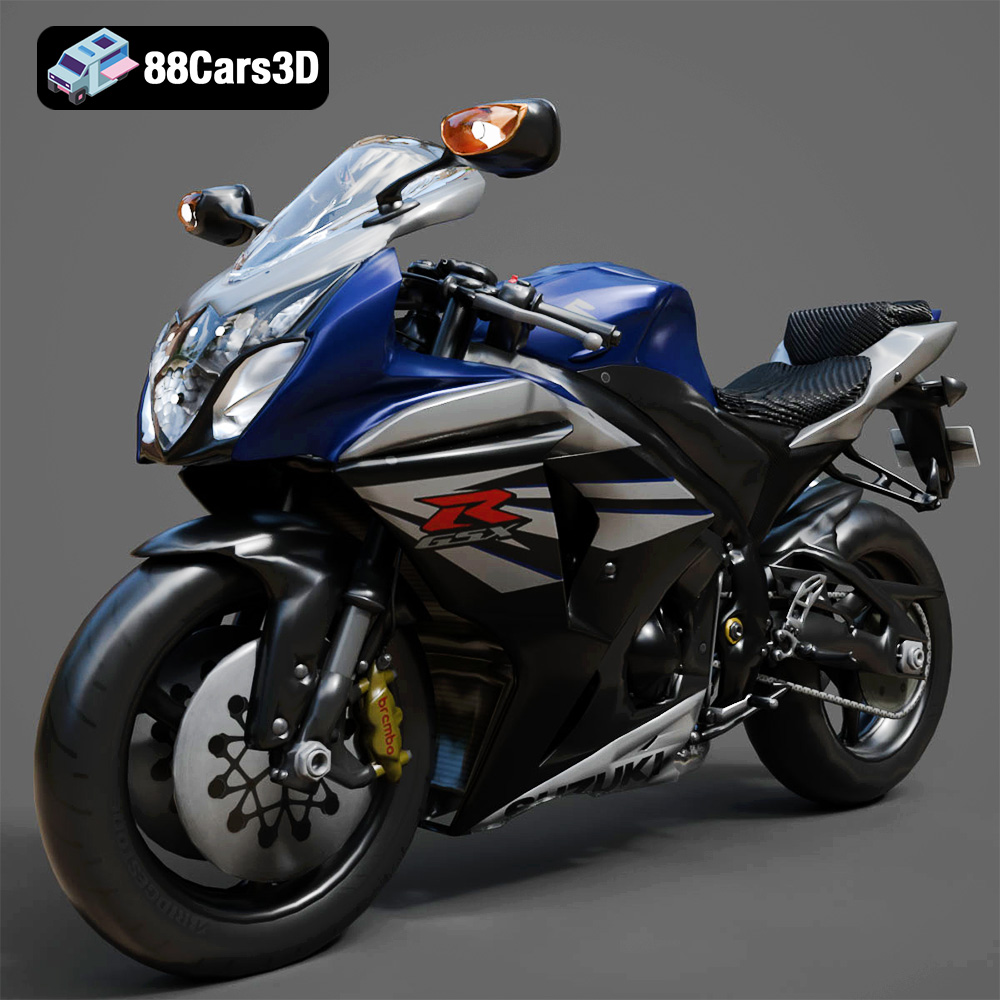
Texture: Yes
Material: Yes
Download the Suzuki GSX-R 1000 3D Model featuring clean geometry, realistic detailing, and a fully modeled interior. Includes .blend, .fbx, .obj, .glb, .stl, .ply, .unreal, and .max formats for rendering, simulation, and game development.
Price: $10
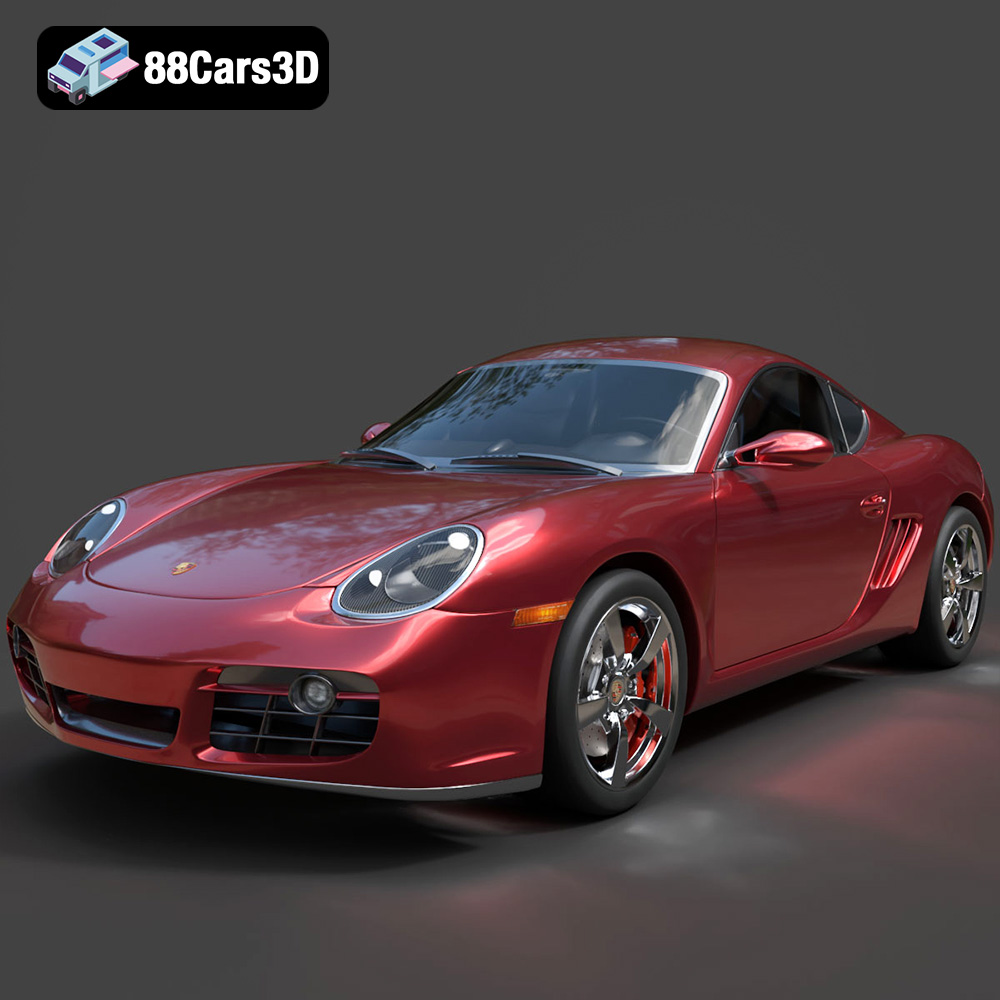
Texture: Yes
Material: Yes
Download the Porsche Cayman S 2024 3D Model featuring clean geometry, realistic detailing, and a fully modeled interior. Includes .blend, .fbx, .obj, .glb, .stl, .ply, .unreal, and .max formats for rendering, simulation, and game development.
Price: $10

Texture: Yes
Material: Yes
Download the Holden Commodore Sportwagon 2017 3D Model featuring clean geometry, realistic detailing, and a fully modeled interior. Includes .blend, .fbx, .obj, .glb, .stl, .ply, .unreal, and .max formats for rendering, simulation, and game development.
Price: $10
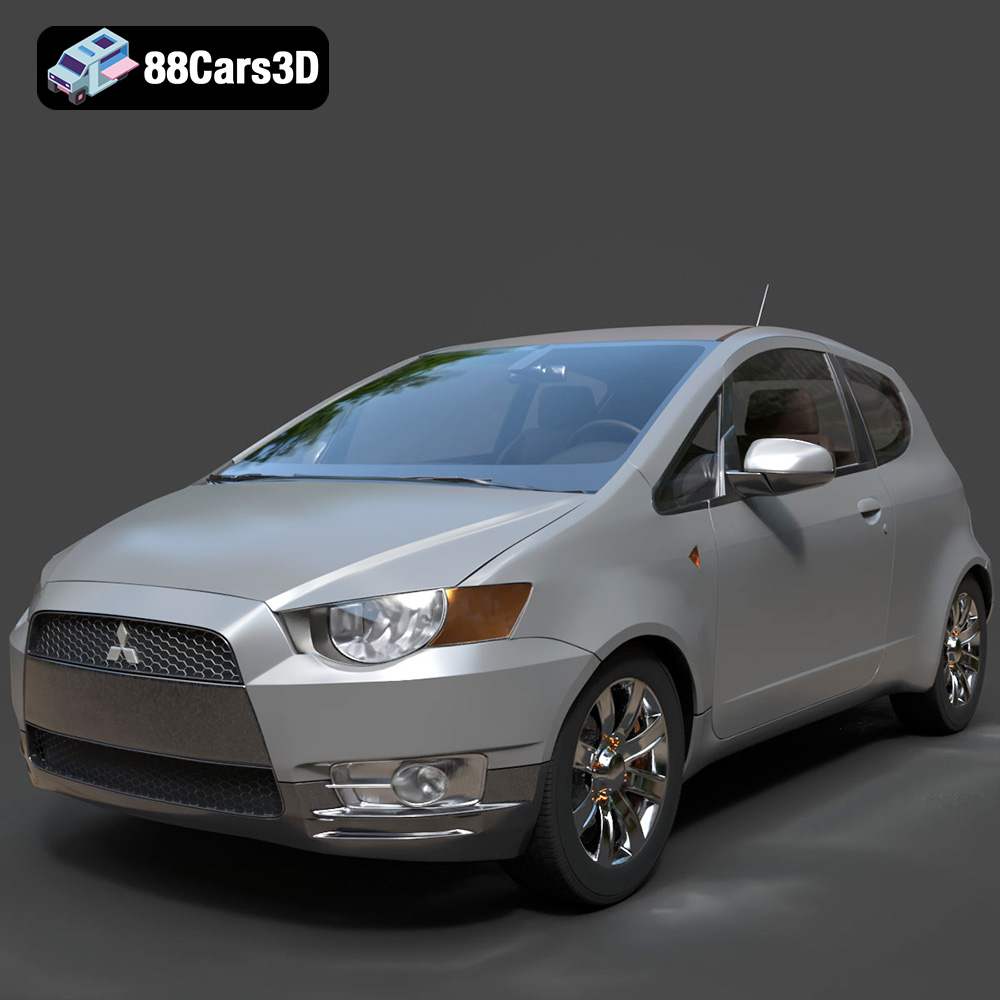
Texture: Yes
Material: Yes
Download the Mitsubishi Colt 3 Door 2008 3D Model featuring clean geometry, realistic detailing, and a fully modeled interior. Includes .blend, .fbx, .obj, .glb, .stl, .ply, .unreal, and .max formats for rendering, simulation, and game development.
Price: $10
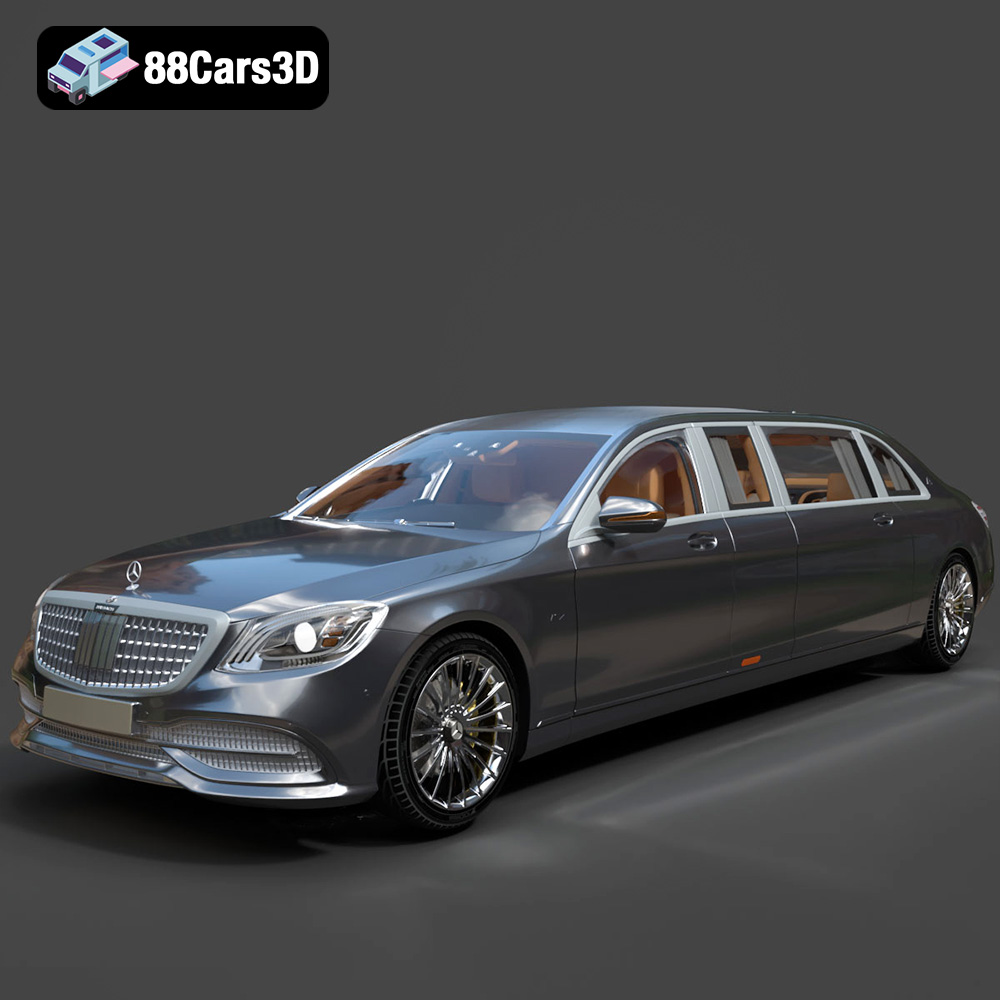
Texture: Yes
Material: Yes
Download the Mercedes-Benz S650 Pullman 3D Model featuring clean geometry, realistic detailing, and a fully modeled interior. Includes .blend, .fbx, .obj, .glb, .stl, .ply, .unreal, and .max formats for rendering, simulation, and game development.
Price: $10

**Meta Description:**
Texture: Yes
Material: Yes
Download the Toyota Crown Majesta 2009 3D Model with luxury detailing, clean topology, and a fully modeled interior. Available in .blend, .fbx, .obj, .glb, .stl, .ply, .unreal, and .max formats for rendering, simulation, and game development.
Price: $4.99

**Meta Description:**
Texture: Yes
Material: Yes
Download the Toyota AE86 Levin 1983 1987 3D Model featuring realistic exterior and interior detailing. Includes .blend, .fbx, .obj, .glb, .stl, .ply, .unreal, and .max formats for rendering, simulation, and game development.
Price: $9.99

Texture: Yes
Material: Yes
Download the Toyota Mark 2 2001 3D Model featuring clean geometry, realistic detailing, and a fully modeled interior. Includes .blend, .fbx, .obj, .glb, .stl, .ply, .unreal, and .max formats for rendering, simulation, and game development.
Price: $4.99

