⚡ FLASH SALE: Get 60% OFF All Premium 3D & STL Models! ⚡

“`html
The allure of classic cars and sleek modern designs fuels a vibrant 3D printing community. From hobbyists crafting detailed replicas to engineers prototyping automotive components, the possibilities are endless. However, achieving truly stunning 3D printed car models requires more than just downloading an STL file. It demands a deep understanding of the entire process, from file preparation and slicing techniques to printer settings and post-processing. This comprehensive guide will take you through each step, equipping you with the knowledge to transform digital designs into tangible masterpieces. We’ll delve into the intricacies of STL files, explore optimal slicing parameters, discuss material selection, and provide troubleshooting tips to overcome common 3D printing challenges. Whether you’re a beginner or a seasoned 3D printing enthusiast, this guide will help you elevate your car model printing to the next level.
The foundation of any 3D printed object lies in its digital representation, most commonly the STL (stereolithography) file format. Understanding the structure of STL files and the nuances of mesh topology is crucial for successful printing. An STL file essentially describes the surface geometry of a 3D model using a collection of interconnected triangles. The density and arrangement of these triangles directly impact the smoothness and accuracy of the final print.
The number of triangles used to represent a curved surface significantly affects the print quality. Higher triangle density results in a smoother, more detailed model, but it also increases file size and processing time. Lower triangle density can lead to faceted surfaces, particularly on curved areas. Finding the right balance is key. A good starting point is to adjust the STL export settings in your CAD software to achieve a visually smooth representation without excessive triangle counts. For car models with complex curves, consider using adaptive mesh refinement techniques to concentrate triangles in areas of high curvature.
A manifold mesh is a closed, watertight surface where every edge is shared by exactly two triangles. This is essential for 3D printing. Non-manifold meshes, on the other hand, contain errors such as holes, self-intersections, or edges shared by more than two triangles. These errors can cause slicing software to malfunction and lead to printing failures. Before printing, it’s crucial to inspect your STL file for non-manifold errors using mesh repair software like Netfabb, Meshmixer, or the built-in repair tools in many slicing programs. Platforms like 88cars3d.com often provide pre-verified and repaired STL files, saving you valuable time and effort.
Slicing is the process of converting a 3D model into a series of 2D layers that the 3D printer can understand and execute. The slicing software interprets the STL file and generates G-code, a set of instructions that controls the printer’s movements, temperature, and material extrusion. Selecting the right slicing parameters is critical for achieving optimal print quality, strength, and speed.
Layer height is one of the most important slicing parameters. It determines the thickness of each printed layer and directly affects the resolution of the final model. Lower layer heights (e.g., 0.1mm or 0.05mm) result in smoother surfaces and finer details, but they also increase print time. Higher layer heights (e.g., 0.2mm or 0.3mm) offer faster printing but may compromise surface quality. For car models, a layer height of 0.1mm to 0.15mm is generally recommended for a good balance between detail and print speed. Experiment with different layer heights to find the sweet spot for your specific printer and model.
Infill refers to the internal structure of a 3D printed object. It provides strength and support while reducing material consumption. Infill density is the percentage of the interior that is filled with material. Higher infill densities (e.g., 50% or 100%) result in stronger, more solid parts but also increase print time and material usage. Lower infill densities (e.g., 10% or 20%) are suitable for purely aesthetic models. Common infill patterns include grid, honeycomb, and gyroid. For car models, a moderate infill density (20-30%) with a gyroid or honeycomb pattern provides a good balance of strength and weight. Consider increasing the infill density for areas that require high strength, such as axle mounts or suspension components.
Support structures are temporary scaffolding that supports overhanging features during the 3D printing process. Without supports, these features would collapse or deform due to gravity. Generating and removing supports is a crucial aspect of 3D printing, and the right techniques can significantly impact the final print quality. The type of support structure and its placement are determined by the geometry of the model and the printing orientation.
Most slicing software offers automatic support generation, which analyzes the model and automatically places supports where needed. While convenient, automatic support placement can sometimes be inefficient or generate supports in undesirable locations. Manual support placement allows you to precisely control where supports are added, minimizing material usage and improving surface finish. For complex car models, a combination of automatic and manual support placement is often the best approach. Use automatic support generation as a starting point and then manually adjust or add supports as needed.
The choice of support material can greatly influence the ease of support removal and the surface quality of the supported areas. Soluble support materials, such as PVA for PLA or HIPS for ABS, dissolve in water or other solvents, leaving behind a clean surface. Breakaway supports are designed to be easily snapped off, but they can sometimes leave behind blemishes. Interface layers, which are printed between the support structure and the model, can improve support adhesion and reduce the risk of damaging the model during support removal. Experiment with different support materials and interface layer settings to find the optimal combination for your specific printer and model.
The choice of material is a critical decision that impacts the strength, appearance, and functionality of your 3D printed car model. The most common 3D printing materials are PLA, PETG, ABS, and resin, each with its own set of advantages and disadvantages. Understanding the properties of these materials is essential for selecting the right one for your project.
PLA (polylactic acid) is a biodegradable thermoplastic known for its ease of printing and low odor. It’s a good choice for beginners and for models that don’t require high strength or heat resistance. PETG (polyethylene terephthalate glycol-modified) offers a good balance of strength, flexibility, and heat resistance. It’s a versatile material suitable for a wide range of applications. ABS (acrylonitrile butadiene styrene) is a strong, durable thermoplastic that is resistant to heat and chemicals. It’s commonly used in automotive applications, but it can be more challenging to print than PLA or PETG due to its higher printing temperature and tendency to warp. For detailed car models, PETG often provides an excellent compromise between ease of printing and durability. ABS is suitable when higher temperature resistance is needed.
Resin printing, using technologies like SLA (stereolithography) and DLP (digital light processing), offers superior detail and surface finish compared to FDM printing. Resin printers use liquid photopolymer resins that are cured by UV light. Resin printing is ideal for creating highly detailed car models with smooth surfaces and intricate features. However, resin prints tend to be more brittle than FDM prints and require post-processing steps such as washing and curing. Also, be aware of the safety requirements for resin printing, including proper ventilation and skin protection. When downloading models from marketplaces such as 88cars3d.com, consider whether the level of detail warrants resin printing or if FDM will suffice.
Achieving consistent and high-quality 3D prints requires proper printer calibration and fine-tuning of printer settings. This includes calibrating the extruder, bed leveling, temperature control, and print speed. Regular maintenance and calibration are essential for ensuring that your 3D printer is performing at its best.
Extruder calibration ensures that the printer is extruding the correct amount of filament. This is typically done by measuring the amount of filament extruded when the printer is commanded to extrude a specific length (e.g., 100mm). If the measured length is different from the commanded length, the extruder steps per millimeter (E-steps) need to be adjusted. Correcting the flow rate can also help prevent over-extrusion or under-extrusion, which can lead to poor layer adhesion and dimensional inaccuracies. Fine-tuning the flow rate by small increments (e.g., +/- 5%) can significantly improve the print quality of car models, especially for intricate details and overhangs.
A level print bed is crucial for ensuring that the first layer adheres properly to the build plate. A warped or uneven bed can lead to warping, curling, or even complete print failure. Most 3D printers have manual or automatic bed leveling systems. In addition to bed leveling, using appropriate bed adhesion techniques can also improve first-layer adhesion. These techniques include using a heated bed, applying adhesive substances like glue stick or hairspray, or using specialized build surfaces like PEI or glass. A properly leveled bed and good bed adhesion are essential for printing large or complex car models that require a strong foundation.
Post-processing is the final stage of the 3D printing process, and it involves refining the printed object to achieve the desired appearance and functionality. Post-processing techniques include sanding, painting, assembly, and applying protective coatings.
Sanding is used to smooth the surface of the 3D printed object, removing layer lines and imperfections. Start with coarse sandpaper (e.g., 220 grit) and gradually move to finer grits (e.g., 400, 600, 800 grit) to achieve a smooth finish. Wet sanding can help prevent clogging of the sandpaper and produce a smoother surface. For car models, sanding is essential for achieving a realistic and professional appearance. Pay particular attention to curved surfaces and edges. Using filler primer can help fill in small imperfections and create a smooth base for painting.
Painting is used to add color and detail to the 3D printed car model. Use spray paint or acrylic paints designed for plastic models. Apply thin, even coats of paint to prevent drips and runs. Masking tape can be used to create precise lines and details. Consider using an airbrush for more advanced painting techniques, such as shading and weathering. For realistic car models, research the correct paint colors and markings for the specific vehicle. After painting, apply a clear coat to protect the paint and add a glossy or matte finish. Many platforms like 88cars3d.com offer printable models that are designed with post-processing in mind, making the painting process easier.
Mastering 3D printing for car models is a journey that requires both technical knowledge and creative experimentation. By understanding the intricacies of STL files, slicing parameters, material selection, and post-processing techniques, you can transform digital designs into stunning tangible replicas. Remember to pay close attention to file preparation, optimize your printer settings, and choose the right materials for your project. Don’t be afraid to experiment with different techniques and learn from your mistakes. With practice and patience, you can achieve professional-quality 3D printed car models that will impress even the most discerning automotive enthusiasts. So, download your favorite STL file, fire up your 3D printer, and start creating your own collection of miniature automotive masterpieces!
“`
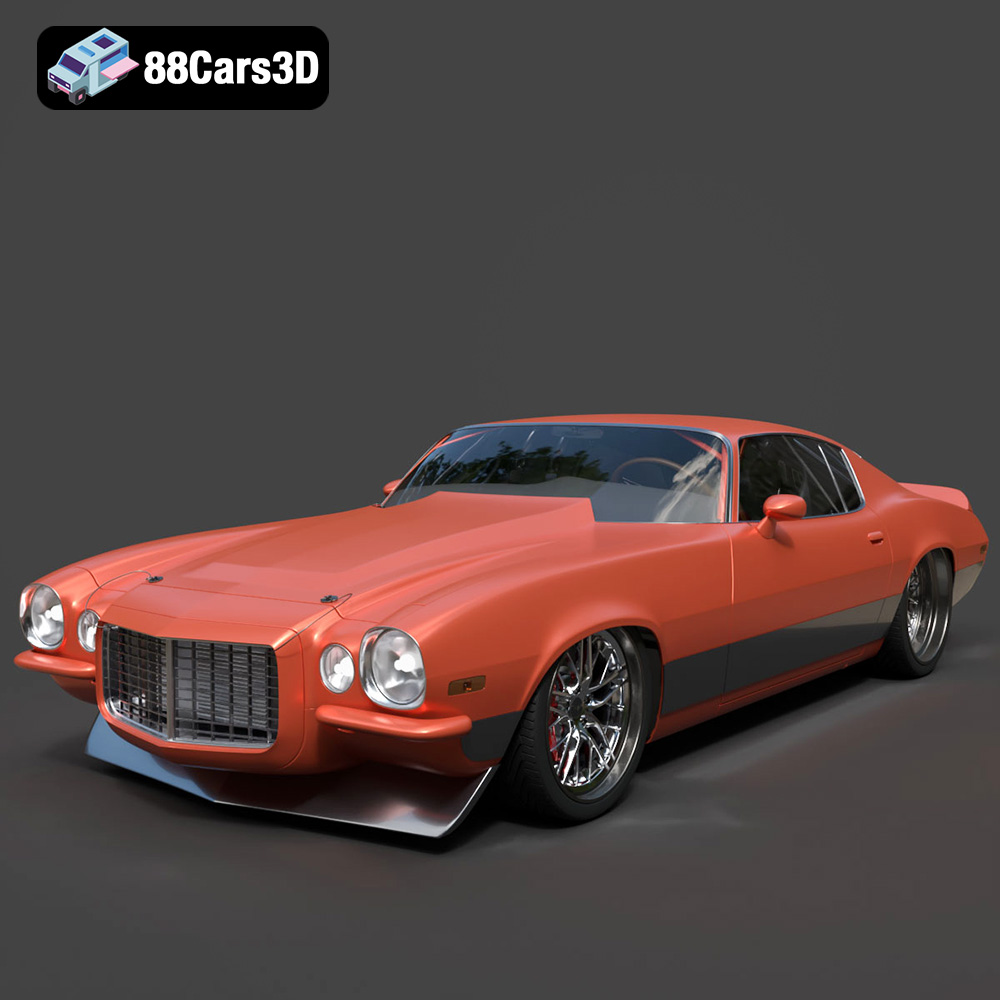
Texture: Yes
Material: Yes
Download the Chevrolet Camaro 1970 3D Model featuring clean geometry, realistic detailing, and a fully modeled interior. Includes .blend, .fbx, .obj, .glb, .stl, .ply, .unreal, and .max formats for rendering, simulation, and game development.
Price: $10
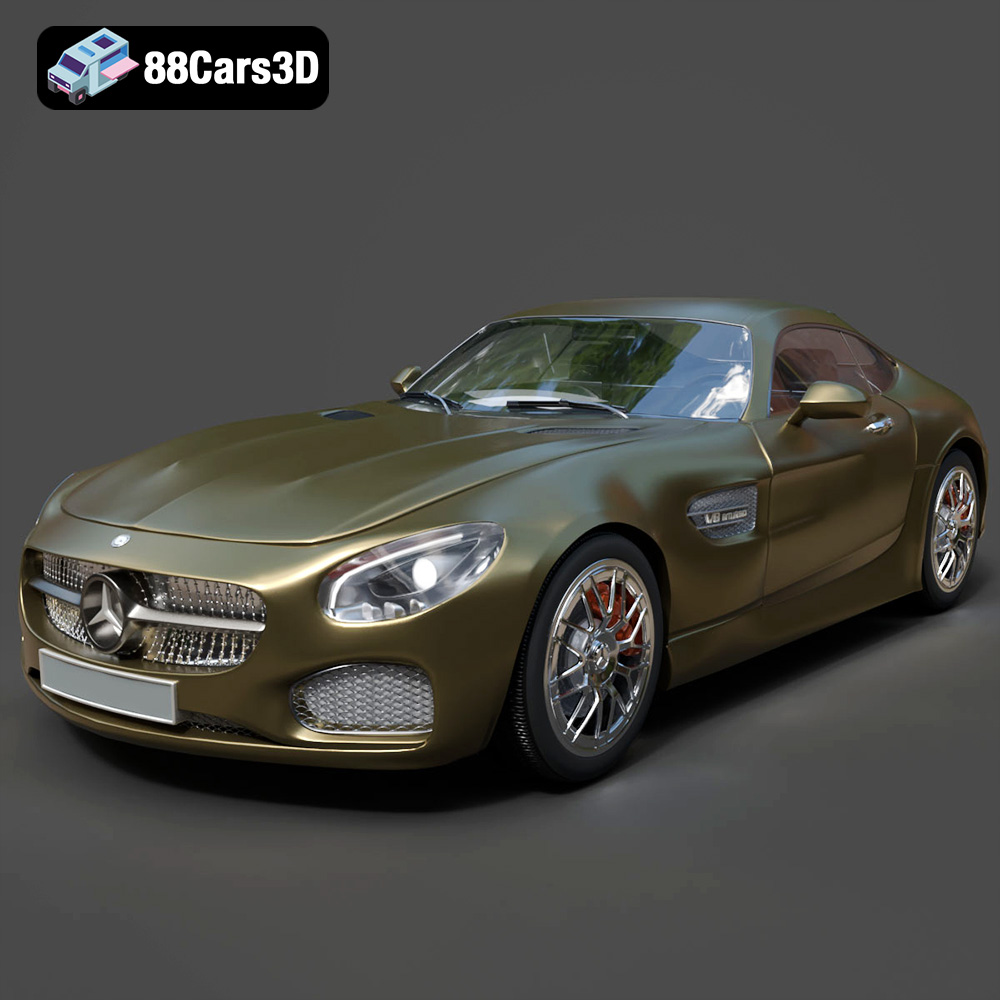
Texture: Yes
Material: Yes
Download the Mercedes-AMG GT 2015 3D Model featuring clean geometry, realistic detailing, and a fully modeled interior. Includes .blend, .fbx, .obj, .glb, .stl, .ply, .unreal, and .max formats for rendering, simulation, and game development.
Price: $88.99
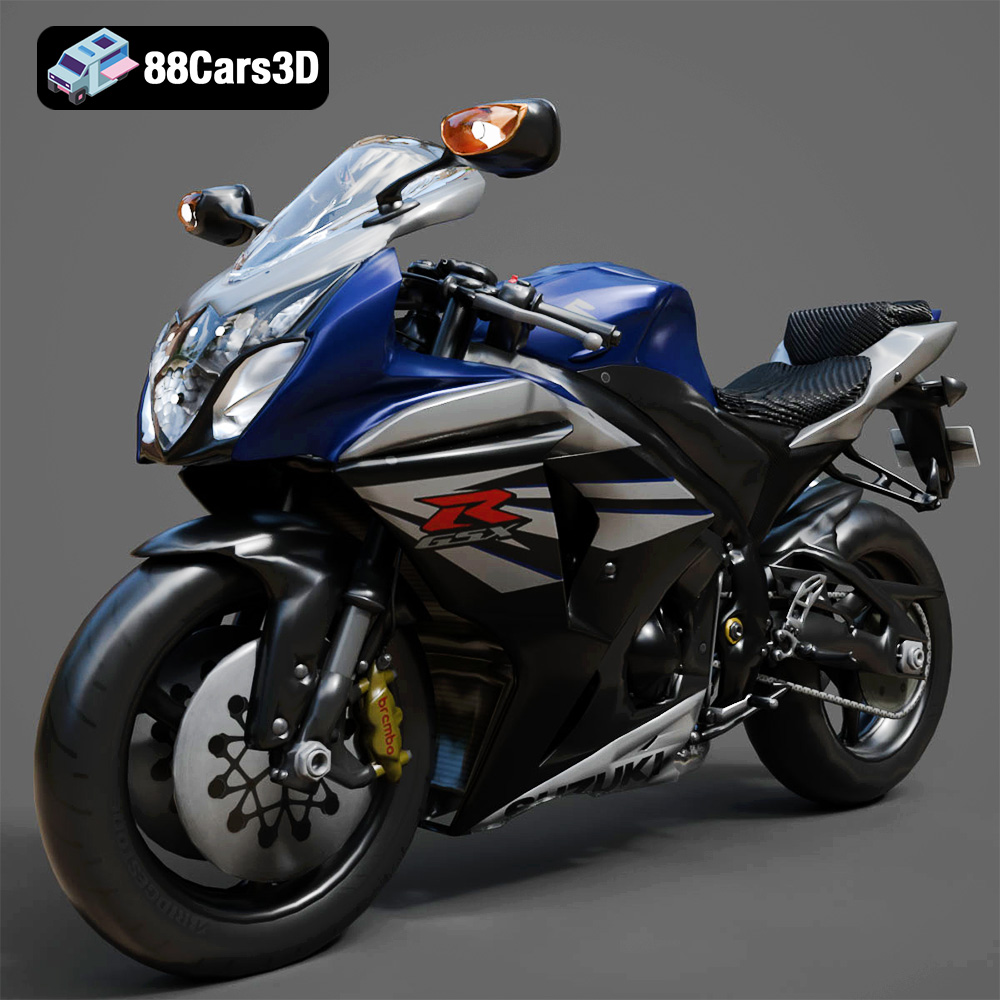
Texture: Yes
Material: Yes
Download the Suzuki GSX-R 1000 3D Model featuring clean geometry, realistic detailing, and a fully modeled interior. Includes .blend, .fbx, .obj, .glb, .stl, .ply, .unreal, and .max formats for rendering, simulation, and game development.
Price: $10
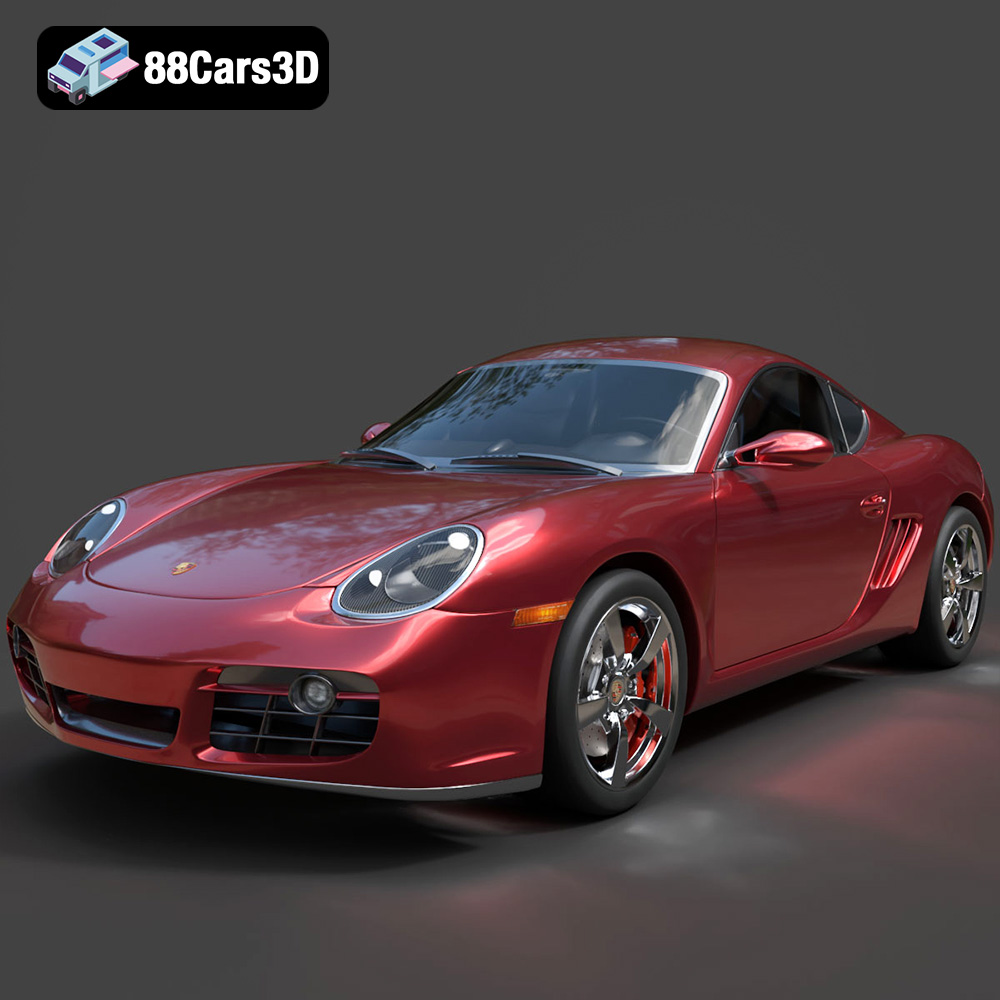
Texture: Yes
Material: Yes
Download the Porsche Cayman S 2024 3D Model featuring clean geometry, realistic detailing, and a fully modeled interior. Includes .blend, .fbx, .obj, .glb, .stl, .ply, .unreal, and .max formats for rendering, simulation, and game development.
Price: $10

Texture: Yes
Material: Yes
Download the Holden Commodore Sportwagon 2017 3D Model featuring clean geometry, realistic detailing, and a fully modeled interior. Includes .blend, .fbx, .obj, .glb, .stl, .ply, .unreal, and .max formats for rendering, simulation, and game development.
Price: $10

**Meta Description:**
Texture: Yes
Material: Yes
Download the Toyota Crown Majesta 2009 3D Model with luxury detailing, clean topology, and a fully modeled interior. Available in .blend, .fbx, .obj, .glb, .stl, .ply, .unreal, and .max formats for rendering, simulation, and game development.
Price: $4.99

**Meta Description:**
Texture: Yes
Material: Yes
Download the Toyota AE86 Levin 1983 1987 3D Model featuring realistic exterior and interior detailing. Includes .blend, .fbx, .obj, .glb, .stl, .ply, .unreal, and .max formats for rendering, simulation, and game development.
Price: $9.99

Texture: Yes
Material: Yes
Download the Toyota Mark 2 2001 3D Model featuring clean geometry, realistic detailing, and a fully modeled interior. Includes .blend, .fbx, .obj, .glb, .stl, .ply, .unreal, and .max formats for rendering, simulation, and game development.
Price: $4.99

Texture: Yes
Material: Yes
Download the Toyota Celica 2000 3D Model featuring clean geometry, realistic detailing, and a fully modeled interior. Includes .blend, .fbx, .obj, .glb, .stl, .ply, .unreal, and .max formats for rendering, simulation, and game development.
Price: $4.99

Download the Toyota Camry US 2012 3D Model featuring clean geometry, realistic detailing, and a fully modeled interior. Includes .blend, .fbx, .obj, .glb, .stl, .ply, .unreal, and .max formats for rendering, simulation, and game development.
Price: $4.99

