⚡ FLASH SALE: Get 60% OFF All Premium 3D & STL Models! ⚡

“`html
The allure of 3D printing car models lies in the ability to bring miniature versions of our favorite automobiles to life. Whether you’re a seasoned 3D printing enthusiast or just starting out, achieving high-quality prints requires a deep understanding of STL files, 3D printer settings, and post-processing techniques. This comprehensive guide will walk you through the entire process, from selecting the right STL file to applying the finishing touches, ensuring you create stunning and accurate 3D printed car models. We’ll cover everything from understanding STL file structure to optimizing slicer settings, choosing the right materials, and mastering post-processing techniques. Get ready to transform digital designs into tangible masterpieces.
The STL (Stereolithography) file format is the cornerstone of 3D printing. It represents the surface geometry of a 3D object as a collection of triangles. A well-designed STL file is crucial for a successful print. Poorly designed files can lead to errors, artifacts, and ultimately, a failed print. When downloading models from marketplaces such as 88cars3d.com, you’re essentially acquiring STL files that need to be properly prepared for your specific 3D printer.
STL files store surface data using a mesh of triangles. Each triangle is defined by three vertices, each with X, Y, and Z coordinates, and a normal vector that indicates the triangle’s orientation. The density of the triangle mesh affects the smoothness of the final print. A higher triangle count results in a smoother surface but increases file size and processing time. Conversely, a low triangle count can lead to faceted appearances. Ensuring the mesh is “manifold” is critical. Manifold means the mesh is closed, has no holes, and each edge is shared by exactly two triangles. Non-manifold meshes cause slicing errors.
When inspecting an STL file, look for issues like:
Before slicing, it’s essential to repair any mesh errors. Software like Meshmixer, Netfabb, or even the built-in repair tools in slicers like Cura and PrusaSlicer can automatically fix many common issues. These tools identify and correct holes, self-intersections, and non-manifold edges. For example, in Meshmixer, the “Make Solid” tool can automatically fill holes and create a watertight mesh. Netfabb offers more advanced repair capabilities, including manual mesh editing. After repairing, consider optimizing the mesh to reduce the triangle count without sacrificing detail. This can be achieved through decimation algorithms that selectively remove triangles while preserving the overall shape.
Slicing is the process of converting the STL file into a set of instructions (G-code) that your 3D printer can understand. The slicer software divides the 3D model into thin layers and generates toolpaths for the printer’s nozzle or laser. Choosing the right slicer settings is paramount for achieving optimal print quality and minimizing printing time. Popular slicers include Cura, PrusaSlicer, Simplify3D, and Ideamaker. Each offers a wide range of customizable parameters to fine-tune the printing process.
Layer height significantly impacts print resolution and printing time. A smaller layer height (e.g., 0.1mm or 100 microns) produces smoother surfaces and finer details but increases printing time. A larger layer height (e.g., 0.2mm or 200 microns) prints faster but results in more visible layer lines. For car models, a layer height between 0.1mm and 0.15mm is generally recommended to balance detail and speed. Experiment with different layer heights to find the sweet spot for your printer and model complexity. Remember that your printer’s mechanical precision also plays a role; some printers perform better at certain layer heights than others.
Infill refers to the internal structure of the 3D printed object. It provides support and rigidity while minimizing material usage. Infill density is expressed as a percentage, with 0% being completely hollow and 100% being solid. For car models, an infill density of 15-25% is usually sufficient for structural integrity. Common infill patterns include grid, lines, triangles, and gyroid. Gyroid infill offers excellent strength-to-weight ratio and is a good choice for models that require structural support. Consider using different infill densities for different parts of the model. For example, areas with overhangs may benefit from a higher infill density to provide better support.
Support structures are temporary scaffolding that supports overhanging parts of the 3D model during printing. Without supports, these overhanging features would sag or collapse. Generating and removing supports effectively is a critical skill in 3D printing. Automatic support generation features in slicer software are helpful, but manual tweaking is often necessary to optimize support placement and minimize material usage.
Most slicers offer automatic support generation. These algorithms analyze the model’s geometry and automatically place supports where needed. While convenient, automatic supports often result in excessive support material and can be difficult to remove without damaging the print. Manual support placement allows you to strategically position supports only where they are absolutely necessary, minimizing material waste and improving surface finish. In Cura, for example, you can use the “Custom Support” plugin to add and customize supports manually. Consider the support angle; a lower support angle (e.g., 45 degrees) requires more support material but provides better support for overhangs.
Removing supports can be a delicate process. The goal is to remove the supports cleanly without leaving blemishes on the model’s surface. Use specialized tools like flush cutters, hobby knives, or needle-nose pliers. Heat can sometimes soften the supports, making them easier to remove. For example, a heat gun or even a hairdryer can be used to gently soften PLA or ABS supports. Another approach is to design breakaway supports. These supports are designed with a thin connection point to the model, making them easier to snap off. For dissolvable support materials like PVA (for PLA) or HIPS (for ABS), simply submerge the print in water or limonene, respectively, to dissolve the supports.
The choice of material significantly affects the appearance, strength, and durability of your 3D printed car model. The two primary 3D printing technologies for hobbyists are Fused Deposition Modeling (FDM) and Stereolithography (SLA) or resin printing. FDM uses filaments like PLA, ABS, and PETG, while SLA uses liquid resins.
PLA (Polylactic Acid) is a biodegradable thermoplastic known for its ease of printing and low odor. It’s a good choice for beginners and for models that don’t require high heat resistance. ABS (Acrylonitrile Butadiene Styrene) is a stronger and more heat-resistant material than PLA, making it suitable for functional parts. However, ABS is more prone to warping and requires a heated bed and an enclosed printer to prevent cracking. PETG (Polyethylene Terephthalate Glycol) combines the best of both worlds: it’s as easy to print as PLA but offers similar strength and heat resistance to ABS. Consider using a brim or raft for better bed adhesion, especially with ABS and PETG. Typical printing temperatures are 200-220°C for PLA, 230-250°C for ABS, and 220-240°C for PETG.
Resin printing, using technologies like SLA (Stereolithography) and DLP (Digital Light Processing), offers superior detail and smoother surfaces compared to FDM. Resin printers use liquid resins that are cured by UV light. SLA printers use a laser to selectively cure the resin, while DLP printers use a projector to cure an entire layer at once. Resin printing is ideal for intricate car models where fine details are critical. However, resin prints are often more brittle than FDM prints and require post-curing to achieve full strength. Resin printing can produce incredibly detailed models, but be aware of the safety precautions. Always wear gloves and eye protection when handling resin, and ensure adequate ventilation.
Post-processing is the final stage in the 3D printing process, transforming a raw print into a polished and finished product. Post-processing techniques include sanding, filling, priming, painting, and assembly. Mastering these techniques can elevate your 3D printed car models to a professional level. Platforms like 88cars3d.com offer print-ready STL files, but the final look depends on your post-processing skills.
Sanding is used to smooth out layer lines and imperfections on the surface of the print. Start with coarse sandpaper (e.g., 220 grit) and gradually move to finer grits (e.g., 400, 600, 800 grit) to achieve a smooth finish. Wet sanding can help to reduce dust and improve the sanding process. For larger imperfections or gaps, use a filler like epoxy putty or spot putty. Apply the filler, let it dry, and then sand it smooth. For resin prints, sanding can be more challenging due to the material’s brittleness. Use fine-grit sandpaper and light pressure to avoid damaging the surface.
Priming creates a uniform surface for painting and helps the paint adhere better to the plastic. Apply several thin coats of primer, allowing each coat to dry completely before applying the next. After priming, sand the surface lightly with fine-grit sandpaper to remove any imperfections. Choose paints specifically designed for plastics, such as acrylics or enamels. Apply thin, even coats of paint using an airbrush or spray can. Multiple thin coats are better than one thick coat, which can lead to runs and drips. Consider using masking tape to create clean lines and separate different colored areas. A clear coat can protect the paint and add a glossy or matte finish.
Even with careful preparation and optimized settings, 3D printing can sometimes present challenges. Understanding common printing issues and how to troubleshoot them is crucial for achieving consistent results.
Warping occurs when the corners of the print lift off the build plate, especially with materials like ABS. This is caused by uneven cooling and thermal contraction. To prevent warping, ensure your build plate is clean and level. Use a heated bed and set the temperature to the recommended value for the material you’re using. Apply a bed adhesion enhancer like glue stick, hairspray, or painter’s tape. A brim or raft can also improve bed adhesion. If warping persists, try reducing the printing temperature or enclosing the printer to create a more stable environment.
Stringing occurs when the nozzle oozes filament while traveling between different parts of the print. Blobs are small deposits of excess material on the surface. To reduce stringing, decrease the printing temperature, increase retraction distance and speed, and enable travel avoidance. Travel avoidance instructs the slicer to avoid traveling over open spaces where possible. For blobs, try reducing the extrusion multiplier, decreasing the printing speed, and ensuring the filament is dry. Filament absorbs moisture from the air, which can cause these issues. Store your filament in a dry environment or use a filament dryer.
3D printing car models is a rewarding hobby that combines technology, creativity, and attention to detail. By understanding STL files, optimizing slicer settings, choosing the right materials, mastering post-processing techniques, and troubleshooting common issues, you can create stunning and accurate 3D printed car models. Remember to experiment with different settings and materials to find what works best for your printer and your desired outcome. Start with simpler models and gradually move to more complex designs as you gain experience. Don’t be afraid to ask for help from online communities and forums. The world of 3D printing is constantly evolving, so stay curious and keep learning! And be sure to check out 88cars3d.com for a fantastic selection of printable car models.
Actionable next steps:
“`
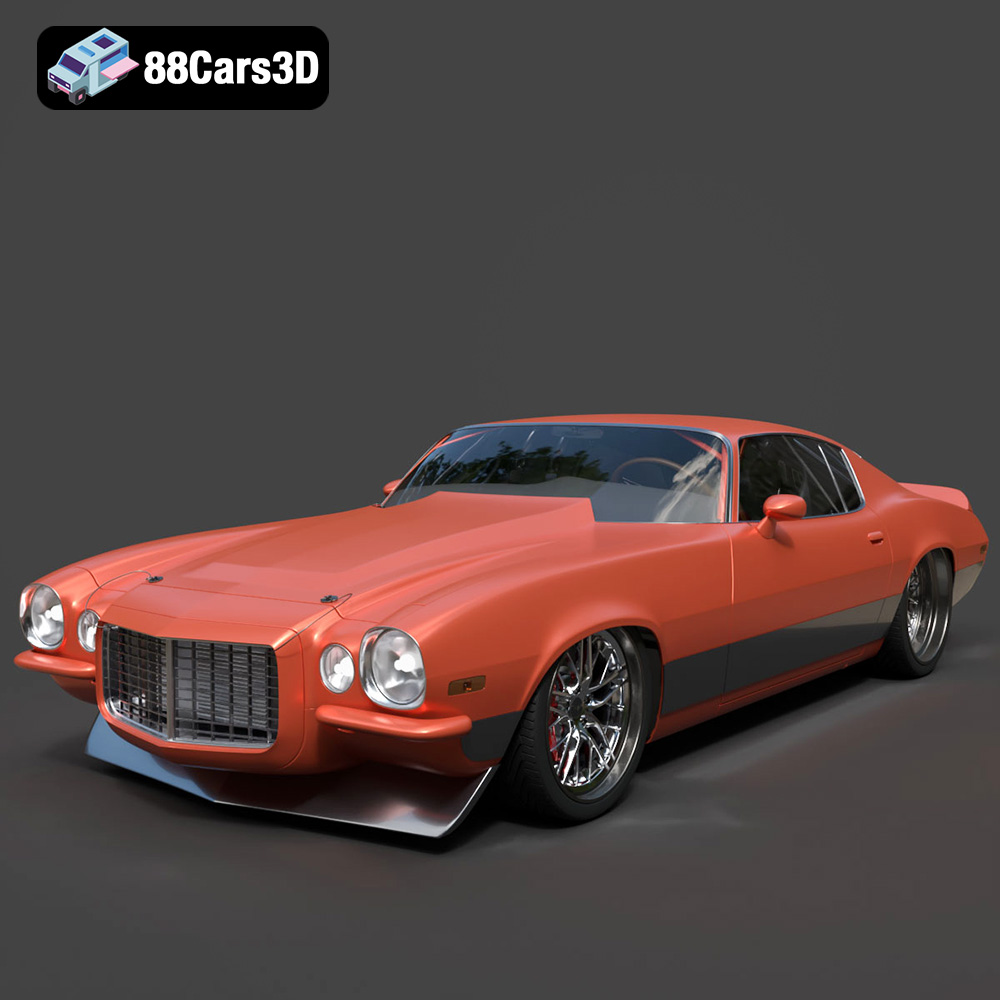
Texture: Yes
Material: Yes
Download the Chevrolet Camaro 1970 3D Model featuring clean geometry, realistic detailing, and a fully modeled interior. Includes .blend, .fbx, .obj, .glb, .stl, .ply, .unreal, and .max formats for rendering, simulation, and game development.
Price: $10
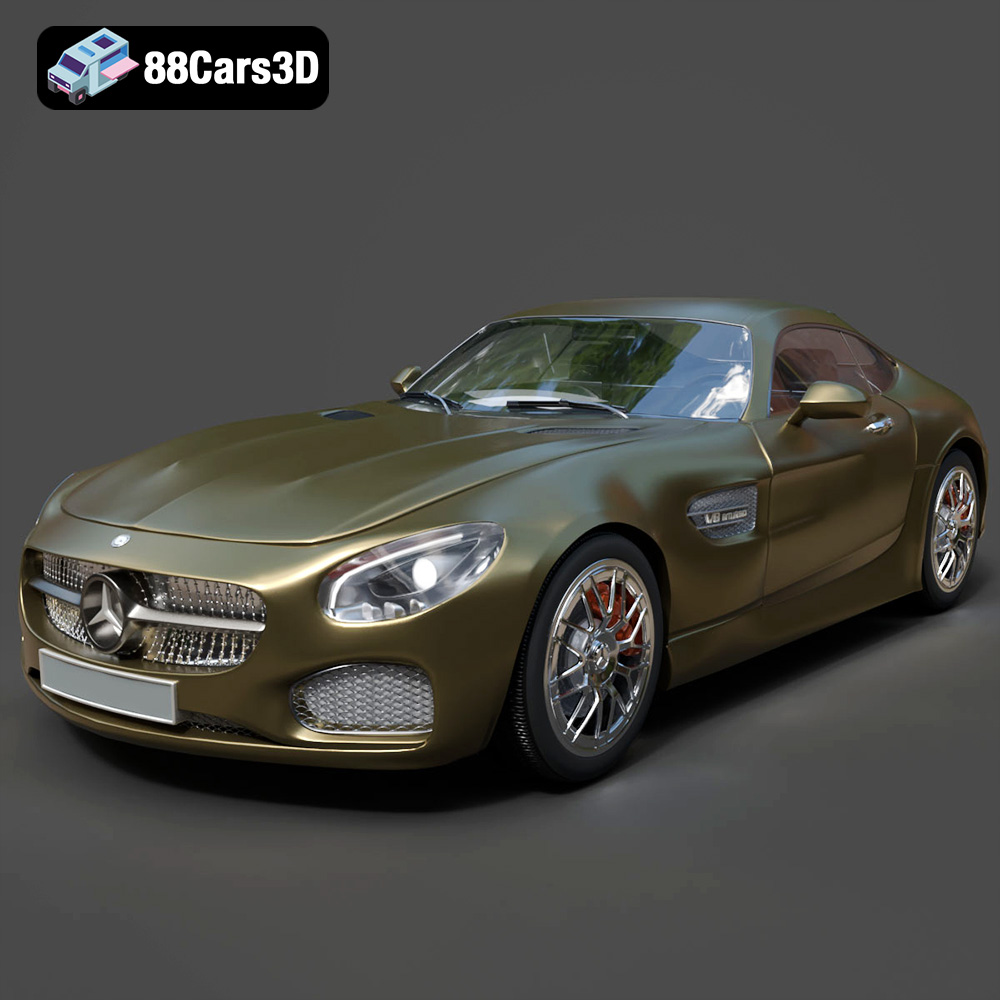
Texture: Yes
Material: Yes
Download the Mercedes-AMG GT 2015 3D Model featuring clean geometry, realistic detailing, and a fully modeled interior. Includes .blend, .fbx, .obj, .glb, .stl, .ply, .unreal, and .max formats for rendering, simulation, and game development.
Price: $88.99
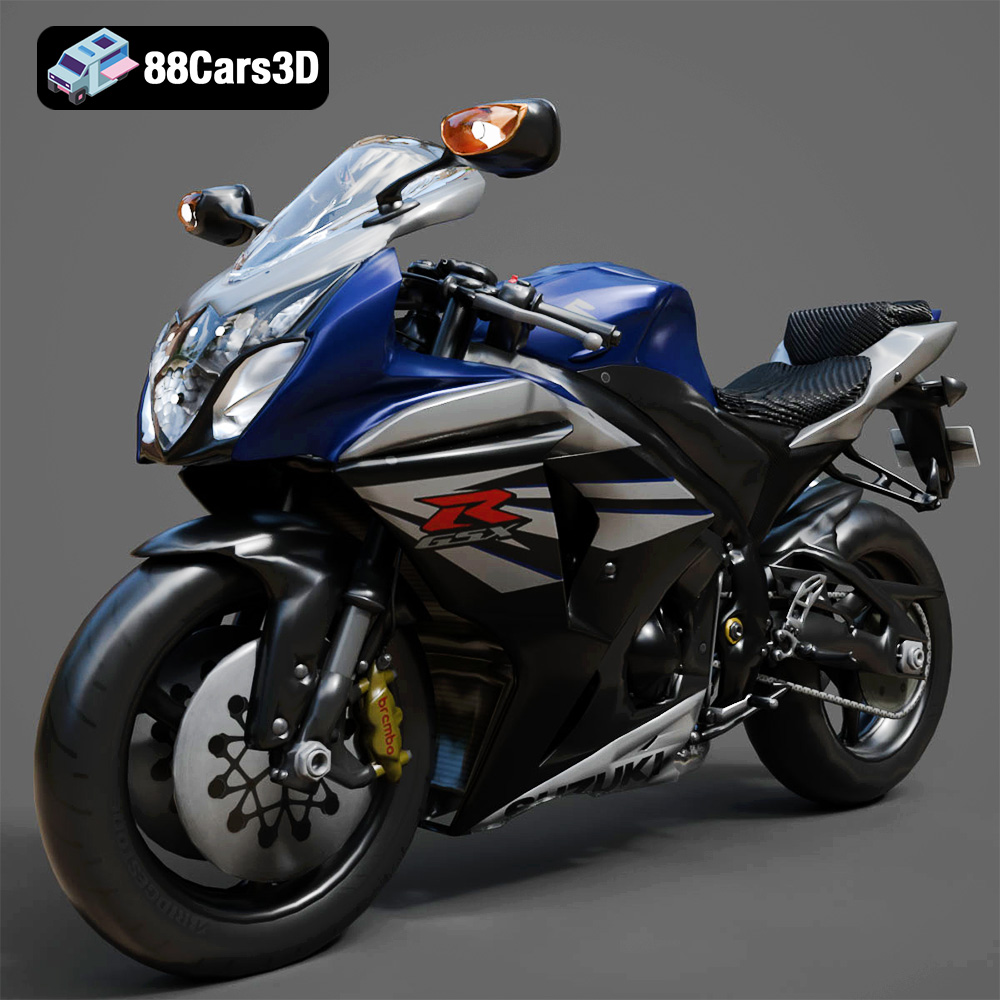
Texture: Yes
Material: Yes
Download the Suzuki GSX-R 1000 3D Model featuring clean geometry, realistic detailing, and a fully modeled interior. Includes .blend, .fbx, .obj, .glb, .stl, .ply, .unreal, and .max formats for rendering, simulation, and game development.
Price: $10
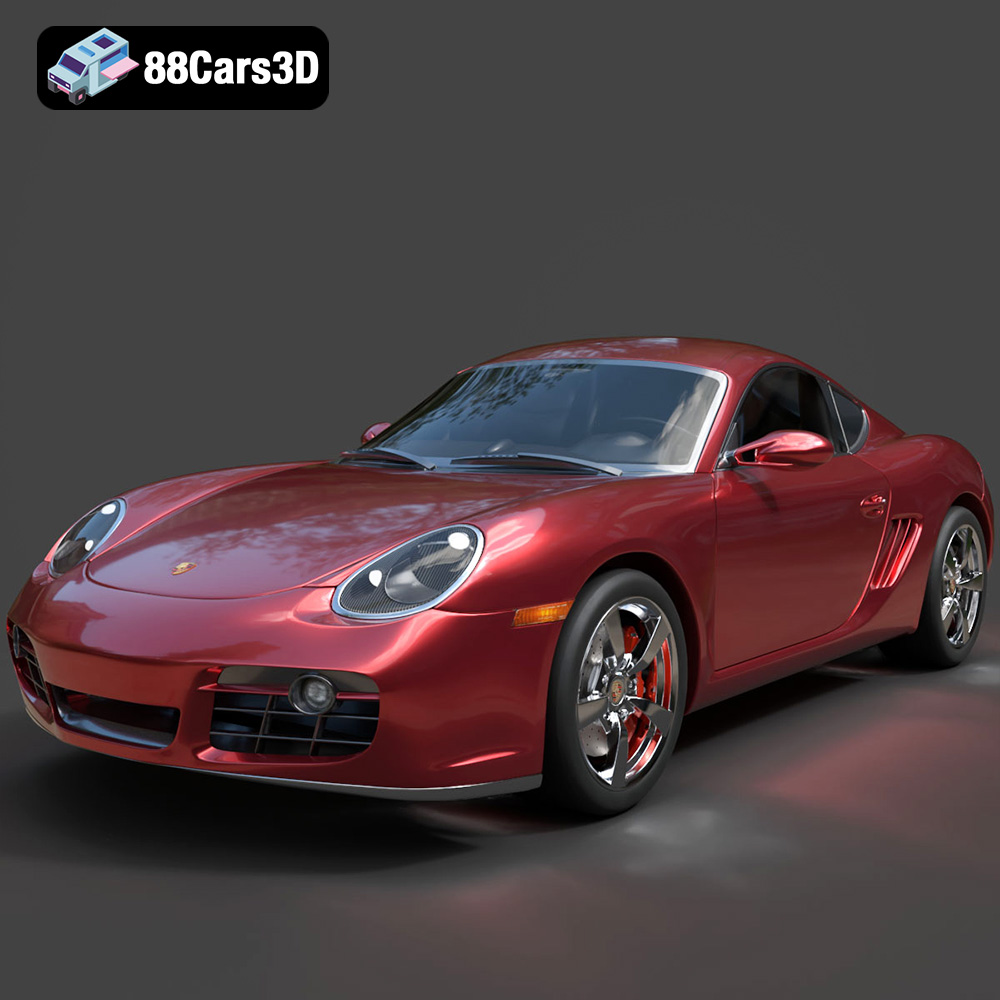
Texture: Yes
Material: Yes
Download the Porsche Cayman S 2024 3D Model featuring clean geometry, realistic detailing, and a fully modeled interior. Includes .blend, .fbx, .obj, .glb, .stl, .ply, .unreal, and .max formats for rendering, simulation, and game development.
Price: $10

Texture: Yes
Material: Yes
Download the Holden Commodore Sportwagon 2017 3D Model featuring clean geometry, realistic detailing, and a fully modeled interior. Includes .blend, .fbx, .obj, .glb, .stl, .ply, .unreal, and .max formats for rendering, simulation, and game development.
Price: $10

**Meta Description:**
Texture: Yes
Material: Yes
Download the Toyota Crown Majesta 2009 3D Model with luxury detailing, clean topology, and a fully modeled interior. Available in .blend, .fbx, .obj, .glb, .stl, .ply, .unreal, and .max formats for rendering, simulation, and game development.
Price: $4.99

**Meta Description:**
Texture: Yes
Material: Yes
Download the Toyota AE86 Levin 1983 1987 3D Model featuring realistic exterior and interior detailing. Includes .blend, .fbx, .obj, .glb, .stl, .ply, .unreal, and .max formats for rendering, simulation, and game development.
Price: $9.99

Texture: Yes
Material: Yes
Download the Toyota Mark 2 2001 3D Model featuring clean geometry, realistic detailing, and a fully modeled interior. Includes .blend, .fbx, .obj, .glb, .stl, .ply, .unreal, and .max formats for rendering, simulation, and game development.
Price: $4.99

Texture: Yes
Material: Yes
Download the Toyota Celica 2000 3D Model featuring clean geometry, realistic detailing, and a fully modeled interior. Includes .blend, .fbx, .obj, .glb, .stl, .ply, .unreal, and .max formats for rendering, simulation, and game development.
Price: $4.99

Download the Toyota Camry US 2012 3D Model featuring clean geometry, realistic detailing, and a fully modeled interior. Includes .blend, .fbx, .obj, .glb, .stl, .ply, .unreal, and .max formats for rendering, simulation, and game development.
Price: $4.99

