⚡ FLASH SALE: Get 60% OFF All Premium 3D & STL Models! ⚡

“`html
The world of 3D printing has revolutionized how we create, prototype, and even collect. For automotive enthusiasts, this technology opens up a fascinating avenue: printing highly detailed and accurate car models. However, achieving professional-quality results requires understanding the intricacies of STL files, 3D printer settings, slicing techniques, and post-processing methods. This comprehensive guide will delve into each of these aspects, providing you with the knowledge and skills to transform digital car models into tangible works of art. Whether you’re a seasoned 3D printing veteran or a newcomer eager to explore the possibilities, this article will equip you with the technical expertise needed to successfully print stunning car models.
The STL (Stereolithography) file format is the cornerstone of 3D printing. It represents the surface geometry of a 3D object as a collection of triangles. Understanding the structure and properties of STL files is crucial for ensuring print quality and avoiding potential issues. Poorly prepared STL files can lead to print failures, dimensional inaccuracies, and a host of other problems. Therefore, examining the mesh is a vital initial step before sending any design to the printer.
An STL file essentially contains a list of triangles, each defined by the coordinates of its three vertices and a normal vector indicating the triangle’s orientation. The density of the triangle mesh directly impacts the resolution and smoothness of the printed object. A higher triangle count results in a smoother surface but also increases file size and processing time. Conversely, a low triangle count can lead to a faceted appearance. When downloading models from marketplaces such as 88cars3d.com, you can often find information about triangle count within the model description. The goal is to strike a balance between detail and manageability. Issues with mesh topology, such as non-manifold edges (edges shared by more than two triangles) or flipped normals (triangles facing the wrong direction), can cause significant printing problems. Software like MeshMixer or Netfabb can be used to identify and repair these issues.
Before printing, it’s essential to inspect the STL file for errors. Software like MeshMixer offers tools to automatically identify and repair common issues such as holes, flipped normals, and self-intersections. Netfabb provides even more advanced repair capabilities, including mesh smoothing and optimization. The inspection process should involve checking for manifold geometry (ensuring the mesh is watertight), correct normal orientation (all normals pointing outwards), and the absence of any internal faces or overlapping triangles. A simple test is to load the STL file into your slicing software. If the slicer displays the model correctly without any apparent errors, the file is likely in good condition. However, if you notice missing sections or unusual artifacts, further investigation and repair are necessary. Remember that platforms like 88cars3d.com often provide pre-verified and repaired STL files, saving you time and effort.
Slicing is the process of converting a 3D model into a series of layers that the 3D printer can understand. The slicing software takes the STL file and generates a G-code file, which contains instructions for the printer’s movements, extrusion rates, and temperature settings. The choice of slicing parameters significantly affects the final print quality, strength, and printing time. Understanding these parameters and their interplay is essential for achieving optimal results when printing car models.
Layer height is the thickness of each individual layer of the 3D print. A smaller layer height results in a smoother surface finish and finer details but also increases the printing time. For car models, which often have intricate details and curved surfaces, a layer height between 0.1mm and 0.2mm is generally recommended. Lower values such as 0.05mm can be used for extreme detail but will significantly increase print time. Conversely, a larger layer height (e.g., 0.3mm) can be used for faster prototyping or for less critical parts, but the layer lines will be more visible. Finding the right balance depends on the desired level of detail and the acceptable printing time. Consider that each material will require tuning of the layer height to find the ideal balance of quality and speed.
Infill refers to the internal structure of the 3D printed object. The infill density determines the amount of material used inside the model, affecting its strength and weight. A higher infill density results in a stronger and heavier part, while a lower infill density results in a weaker and lighter part. For car models, an infill density between 15% and 25% is typically sufficient for most parts. More critical parts, such as chassis components or axles, may require a higher infill density (e.g., 50% or more). The infill pattern also affects the strength and weight of the part. Common infill patterns include rectilinear, grid, triangular, and honeycomb. Honeycomb and gyroid infill patterns generally offer the best strength-to-weight ratio. Slicing software like Cura and PrusaSlicer offer a wide range of infill patterns to choose from. Experimentation is key to determining the optimal infill pattern for your specific application. For purely aesthetic car models, a lighter infill can be used to save material.
Support structures are temporary structures that are printed to support overhanging features and bridges in a 3D model. These supports prevent the model from collapsing during printing and ensure that these features are printed correctly. Generating and removing supports can be a challenging aspect of 3D printing, especially for complex geometries like car models. Improper support generation can lead to print failures, while difficult support removal can damage the printed part.
Most slicing software offers automatic support generation features, which automatically place supports under overhanging features. These features are often a good starting point, but they may not always generate the optimal support structures. Manual support generation allows for more control over the placement and type of supports. This can be particularly useful for car models with intricate details, where automatically generated supports may be difficult to remove or may not provide adequate support. Software like Meshmixer allows for manual placement of supports, enabling you to customize the support structures to your specific needs. When generating supports, consider the angle of the overhang. Features with overhangs greater than 45 degrees typically require support. Also, think about the ease of support removal. Thin, easily breakable supports are preferable to thick, strongly bonded supports.
The choice of support material can significantly impact the ease of support removal. Some materials, like HIPS (High Impact Polystyrene), can be dissolved in a solvent, making support removal effortless. However, this requires a dual-extrusion printer. For single-extrusion printers, breakaway supports are the most common option. These supports are designed to be easily snapped off the printed part. Interface layers, also known as support roofs, are thin layers of material that are printed between the support structure and the model. These layers provide a smooth surface for the model to adhere to, improving the print quality of overhanging features. However, they can also make support removal more difficult. Experiment with different interface layer settings to find the optimal balance between print quality and support removal. For delicate car model parts, a dissolvable support or very light breakaway support is highly recommended.
The choice of material significantly affects the appearance, strength, and durability of the printed car model. Different materials offer varying properties in terms of tensile strength, impact resistance, temperature resistance, and surface finish. Understanding these properties and selecting the appropriate material is crucial for achieving the desired results.
PLA (Polylactic Acid) is a biodegradable thermoplastic that is easy to print and offers a good surface finish. It is a popular choice for aesthetic car models due to its low warping and ease of use. However, PLA is relatively brittle and has a low glass transition temperature, making it unsuitable for parts that will be exposed to high temperatures or stress. ABS (Acrylonitrile Butadiene Styrene) is a stronger and more heat-resistant thermoplastic than PLA. It is commonly used for functional parts that require durability and impact resistance. However, ABS is more prone to warping and requires a heated bed and an enclosed printing environment. PETG (Polyethylene Terephthalate Glycol) combines the advantages of both PLA and ABS. It is relatively easy to print, strong, and heat-resistant. PETG is a good all-around material for car models that require both aesthetic appeal and functional strength. The selection depends highly on the intended use.
Resin printing, also known as stereolithography (SLA) or digital light processing (DLP), uses liquid resin that is cured by UV light to create 3D printed objects. Resin printing offers significantly higher resolution and detail than FDM printing, making it ideal for intricate car models with fine details. Resin printers can produce extremely smooth surfaces and capture minute details that are impossible to achieve with FDM printing. However, resin printing also has its drawbacks. Resin printers are typically more expensive than FDM printers, and the resin itself can be costly. Resin prints also require post-processing, including washing and curing, to remove uncured resin and fully harden the part. When printing with resin, the correct exposure time is paramount. Underexposure leads to soft, incomplete prints, while overexposure can cause excessive curing and loss of detail. Consider resin printing for miniature, high-detail car models.
Post-processing refers to the steps taken after printing to improve the appearance, strength, and functionality of the 3D printed part. For car models, post-processing is often essential for achieving a professional finish. This includes removing support structures, sanding surfaces, filling gaps, and painting the model.
Sanding is used to smooth the surface of the 3D printed part and remove layer lines. Start with coarse sandpaper (e.g., 220 grit) and gradually move to finer grits (e.g., 400 grit, 600 grit, 800 grit) to achieve a smooth surface. For intricate details, use small sanding sticks or foam pads. Filling is used to fill any gaps or imperfections in the surface of the part. Epoxy-based fillers are commonly used for this purpose. Apply the filler in thin layers and allow it to fully cure before sanding. Priming is used to prepare the surface of the part for painting. Primer helps the paint adhere to the plastic and provides a uniform base color. Apply several thin coats of primer, allowing each coat to dry completely before applying the next. Proper surface preparation is key to a flawless paint job.
Painting is the final step in the post-processing process. Use high-quality paints specifically designed for plastic models. Apply the paint in thin, even coats using an airbrush or spray can. For intricate details, use small brushes and acrylic paints. Consider using masking tape to create sharp lines and prevent paint bleed. Clear coating can be applied to protect the paint and add a glossy or matte finish. Decals can be added to enhance the realism of the car model. Remember to research the specific paint codes and markings for the car model you are replicating to ensure accuracy. For a truly professional finish, consider using a clear coat designed for automotive applications. The level of detail applied in painting and detailing significantly impacts the realism of the model.
Even with careful preparation and optimal settings, 3D printing issues can still arise. Understanding common problems and their solutions is crucial for successful printing. This section covers some of the most frequent issues encountered when printing car models and provides troubleshooting tips.
Warping occurs when the corners of the printed part lift off the build plate. This is often caused by uneven cooling or insufficient bed adhesion. To prevent warping, ensure the build plate is clean and level, use a heated bed (if applicable), and apply an adhesive such as glue stick or hairspray. Bed adhesion issues can also lead to warping. Ensure the first layer is properly calibrated and that the nozzle is close enough to the build plate. “Elephant’s foot” is a phenomenon where the first layer of the print is wider than the subsequent layers. This is often caused by excessive nozzle pressure or too much heat in the first layer. Reduce the initial layer height, flow rate, or bed temperature to mitigate this issue. Consider using a brim or raft to improve bed adhesion and prevent warping, especially for large or complex car model parts.
Stringing occurs when thin strands of plastic are left behind as the nozzle moves between different parts of the print. This is often caused by excessive retraction distance, high printing temperature, or slow travel speed. Increase the retraction distance, decrease the printing temperature, or increase the travel speed to reduce stringing. Blobs and zits are small imperfections on the surface of the print. These can be caused by inconsistent extrusion, nozzle clogging, or retraction issues. Calibrate the extruder, clean the nozzle, and adjust the retraction settings to minimize these defects. Ensure proper cooling of the printed part. Insufficient cooling can lead to poor layer adhesion and increased stringing. For fine-tuning, try adjusting the “coasting” setting in your slicing software, which briefly stops extrusion before travel moves.
3D printing car models is a rewarding and challenging endeavor. By understanding the intricacies of STL files, mastering slicing parameters, generating effective support structures, selecting appropriate materials, and employing meticulous post-processing techniques, you can transform digital designs into stunning physical representations. Remember to troubleshoot common printing issues systematically and to experiment with different settings and materials to optimize your results. The principles discussed in this guide provide a solid foundation for your 3D printing journey. The knowledge of file structure, printer settings, and optimal material use will help in all future printing endeavors. Platforms like 88cars3d.com offer a fantastic starting point, providing access to a wide range of high-quality, print-ready car models. Embrace the learning process, and soon you’ll be creating impressive car models that showcase your skills and passion.
“`
Texture: Yes
Material: Yes
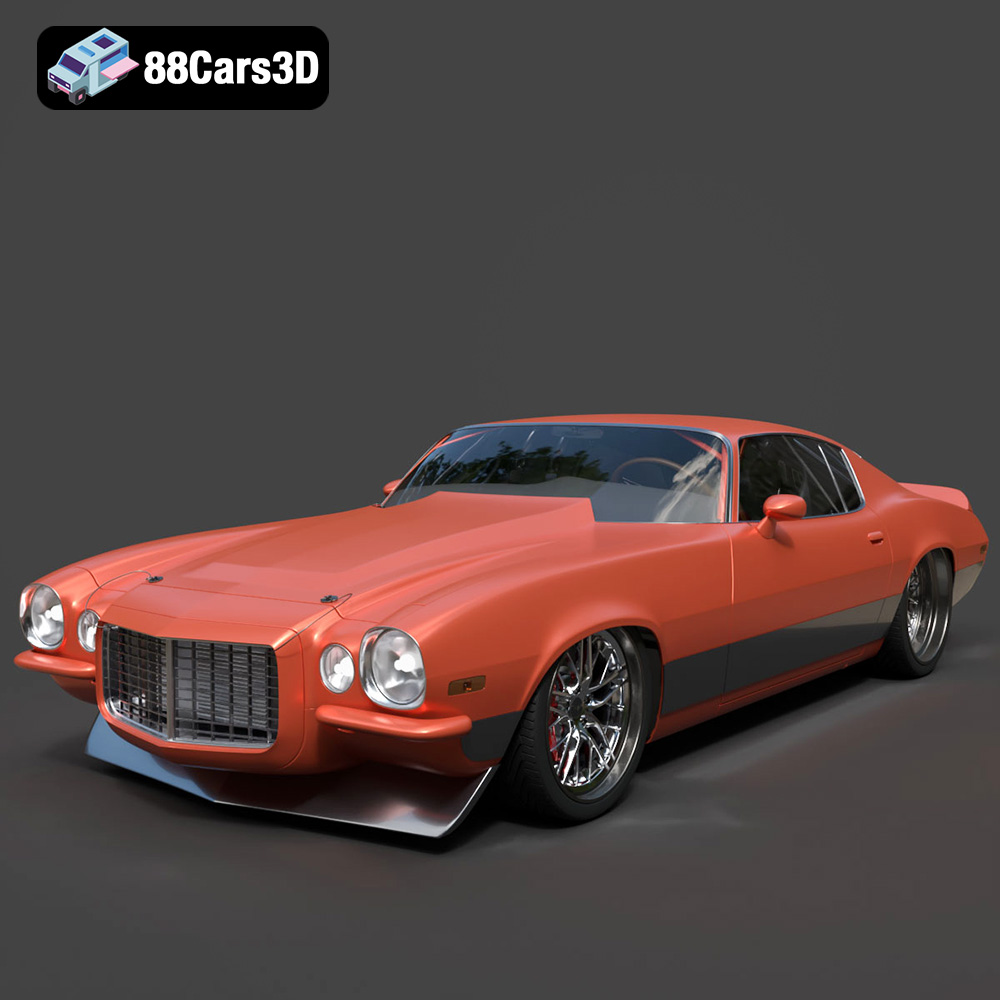
Download the Chevrolet Camaro 1970 3D Model featuring clean geometry, realistic detailing, and a fully modeled interior. Includes .blend, .fbx, .obj, .glb, .stl, .ply, .unreal, and .max formats for rendering, simulation, and game development.
Price: $10

Texture: Yes
Material: Yes
Download the Mercedes-AMG GT 2015 3D Model featuring clean geometry, realistic detailing, and a fully modeled interior. Includes .blend, .fbx, .obj, .glb, .stl, .ply, .unreal, and .max formats for rendering, simulation, and game development.
Price: $88.99
Texture: Yes
Material: Yes
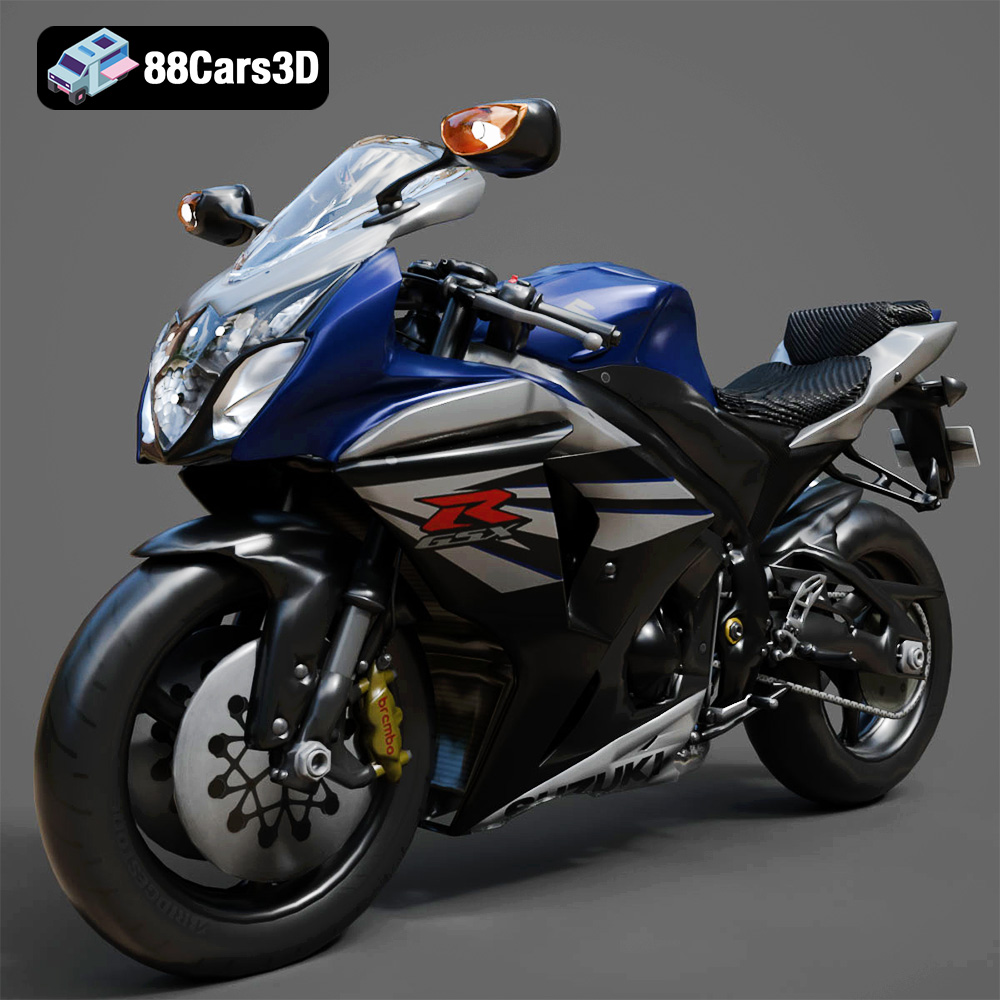
Download the Suzuki GSX-R 1000 3D Model featuring clean geometry, realistic detailing, and a fully modeled interior. Includes .blend, .fbx, .obj, .glb, .stl, .ply, .unreal, and .max formats for rendering, simulation, and game development.
Price: $10
Texture: Yes
Material: Yes
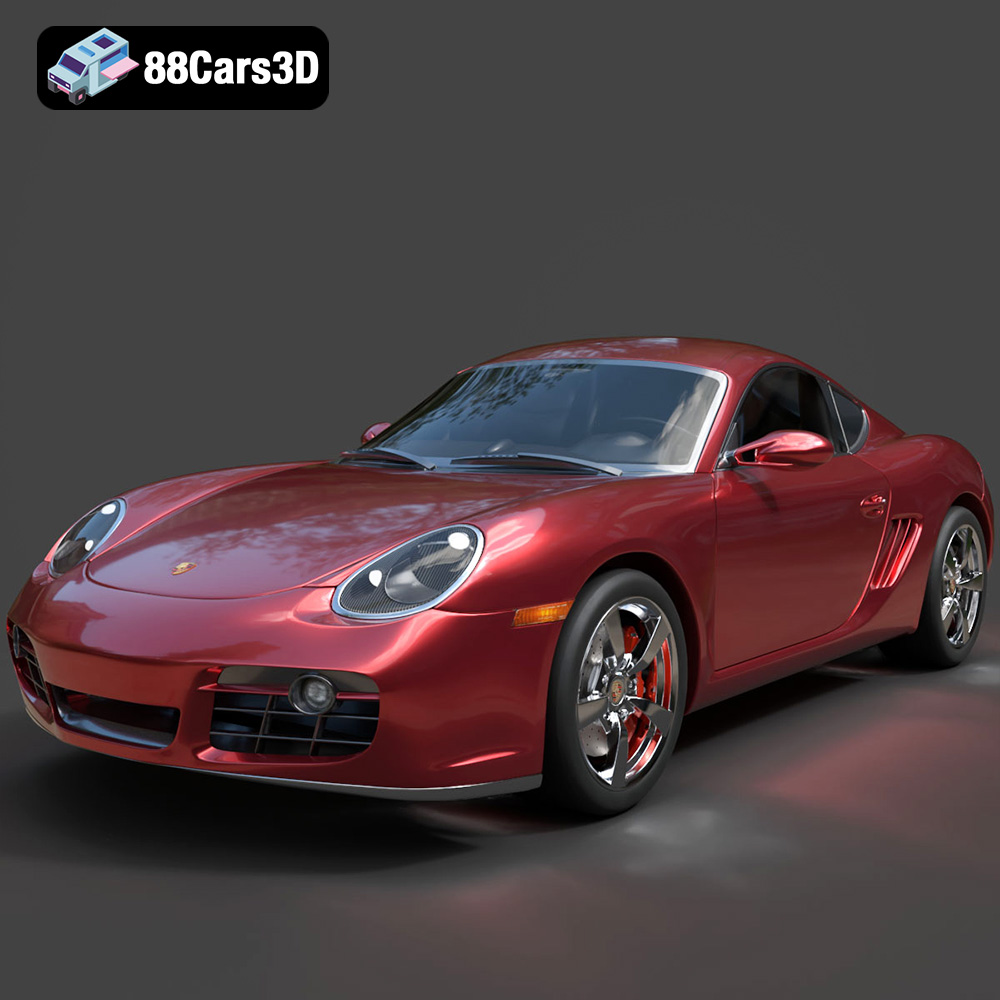
Download the Porsche Cayman S 2024 3D Model featuring clean geometry, realistic detailing, and a fully modeled interior. Includes .blend, .fbx, .obj, .glb, .stl, .ply, .unreal, and .max formats for rendering, simulation, and game development.
Price: $10

Texture: Yes
Material: Yes
Download the Holden Commodore Sportwagon 2017 3D Model featuring clean geometry, realistic detailing, and a fully modeled interior. Includes .blend, .fbx, .obj, .glb, .stl, .ply, .unreal, and .max formats for rendering, simulation, and game development.
Price: $10

**Meta Description:**
Texture: Yes
Material: Yes
Download the Toyota Crown Majesta 2009 3D Model with luxury detailing, clean topology, and a fully modeled interior. Available in .blend, .fbx, .obj, .glb, .stl, .ply, .unreal, and .max formats for rendering, simulation, and game development.
Price: $4.99

**Meta Description:**
Texture: Yes
Material: Yes
Download the Toyota AE86 Levin 1983 1987 3D Model featuring realistic exterior and interior detailing. Includes .blend, .fbx, .obj, .glb, .stl, .ply, .unreal, and .max formats for rendering, simulation, and game development.
Price: $9.99

Texture: Yes
Material: Yes
Download the Toyota Mark 2 2001 3D Model featuring clean geometry, realistic detailing, and a fully modeled interior. Includes .blend, .fbx, .obj, .glb, .stl, .ply, .unreal, and .max formats for rendering, simulation, and game development.
Price: $4.99

Texture: Yes
Material: Yes
Download the Toyota Celica 2000 3D Model featuring clean geometry, realistic detailing, and a fully modeled interior. Includes .blend, .fbx, .obj, .glb, .stl, .ply, .unreal, and .max formats for rendering, simulation, and game development.
Price: $4.99

Download the Toyota Camry US 2012 3D Model featuring clean geometry, realistic detailing, and a fully modeled interior. Includes .blend, .fbx, .obj, .glb, .stl, .ply, .unreal, and .max formats for rendering, simulation, and game development.
Price: $4.99

