⚡ FLASH SALE: Get 60% OFF All Premium 3D & STL Models! ⚡

“`html
The allure of 3D printing extends far beyond simple trinkets and prototypes. For automotive enthusiasts and model builders, it opens a gateway to creating intricate and personalized car models. However, achieving high-quality, detailed prints requires a deep understanding of the entire process, from the STL file format to the intricacies of slicing and print optimization. This comprehensive guide will equip you with the knowledge and techniques to successfully 3D print stunning car models, whether you’re a beginner or a seasoned maker. We’ll delve into STL file structure, explore crucial slicing parameters, discuss support generation and removal, and cover essential post-processing techniques. Get ready to transform your digital designs into tangible masterpieces.
The STL (Stereolithography) file format is the cornerstone of 3D printing. It represents the surface geometry of a 3D object as a collection of triangles. The quality of your 3D printed car model heavily depends on the quality and preparation of the STL file. A poorly designed or corrupted STL can lead to printing errors, weak spots, and a generally unsatisfactory final product. Therefore, understanding the nuances of STL files is paramount.
An STL file approximates a 3D object using a mesh of interconnected triangles. A higher resolution mesh uses more triangles to represent curves and intricate details, resulting in a smoother surface finish on the printed model. However, a higher triangle count also increases file size and processing time during slicing. Finding the right balance between detail and file size is crucial. For car models, especially those with complex curves and fine details, a higher resolution mesh is generally preferred. Many platforms like 88cars3d.com offer models pre-optimized for 3D printing, striking this balance effectively. Using tools like Blender or Meshmixer, you can adjust the mesh density and simplify areas with less detail to optimize the file.
A “manifold” mesh is a watertight, closed surface. In simpler terms, it has no holes, edges that are used by more than two triangles, or self-intersections. Non-manifold meshes are a common source of 3D printing errors. Slicing software often struggles with these files, leading to missing sections, incorrect support generation, or even failed prints. Before slicing any STL file, especially one downloaded from the internet, it’s essential to check for and repair any mesh errors. Software like Netfabb, Meshmixer, and even online STL repair services can automatically detect and fix common issues like holes, flipped normals, and overlapping triangles. Consider this step non-negotiable for ensuring a successful print.
Slicing is the process of converting a 3D model into a series of 2D layers that the 3D printer can understand. The slicing software takes the STL file as input and generates a G-code file, which contains the specific instructions for the printer, including nozzle movements, temperature settings, and fan speeds. The parameters you choose during slicing significantly impact the print quality, strength, and printing time.
Layer height is the thickness of each individual layer of plastic deposited by the printer. A smaller layer height results in a smoother surface finish and finer details, but it also increases the print time. A larger layer height prints faster but produces a more visible layer stepping effect. For detailed car models, a layer height between 0.1mm and 0.2mm is generally recommended for FDM printing. For resin printing, layer heights can go as low as 0.025mm or even less, achieving exceptional detail. Experiment to find the sweet spot between print quality and print time. For initial test prints, you can use a larger layer height to quickly evaluate the overall shape and proportions before committing to a high-resolution print.
Infill refers to the internal structure of the 3D printed object. It adds strength and stability while minimizing material usage. Infill density is the percentage of the object’s volume that is filled with infill material. A higher infill density results in a stronger but heavier and more material-intensive print. The choice of infill pattern also affects the strength and print time. Common infill patterns include rectilinear, grid, triangular, and gyroid. For car models, especially those intended for display purposes, an infill density between 15% and 25% is usually sufficient. If the model is intended for functional use or needs to withstand stress, a higher infill density and a stronger infill pattern like gyroid are recommended. Remember to consider the specific requirements of your project when choosing infill settings.
Support structures are essential for 3D printing models with overhangs or unsupported sections. They provide a temporary foundation for these features, preventing them from collapsing during printing. However, supports also add extra material and require post-processing to remove them. Choosing the right support settings and removal techniques is crucial for achieving a clean and aesthetically pleasing final product.
Slicing software typically offers automatic support generation, but manual placement can often yield better results, especially for complex car models. Strategically placing supports in less visible areas and minimizing the contact area between the supports and the model can significantly reduce post-processing effort. The density of the supports also affects their strength and removability. Denser supports provide better support but are more difficult to remove. Sparser supports are easier to remove but may not be strong enough to support heavy overhangs. Experiment with different support densities and placement strategies to find the optimal balance for your specific model and printer.
Removing supports can be a delicate process, especially for intricate car models. Using the wrong tools or techniques can damage the model’s surface. Common support removal tools include pliers, tweezers, and hobby knives. Start by carefully breaking away the bulk of the supports, then use the tools to remove the remaining support material close to the model’s surface. For particularly stubborn supports, you can try heating them with a heat gun or hair dryer to soften the plastic. For soluble support materials, such as PVA, simply dissolve the supports in water. After removing the supports, you may need to sand and polish the affected areas to achieve a smooth finish.
The choice of 3D printing material and printer settings plays a crucial role in the final outcome of your car model. Different materials offer different properties in terms of strength, flexibility, heat resistance, and surface finish. Optimizing printer settings, such as temperature, print speed, and bed adhesion, is essential for achieving successful prints with each material.
FDM (Fused Deposition Modeling) printing is a popular choice for 3D printing car models due to its affordability and versatility. Common FDM materials include PLA, PETG, and ABS. PLA is a biodegradable plastic that is easy to print and offers good surface finish. PETG is stronger and more flexible than PLA and has better temperature resistance. ABS is a durable and heat-resistant plastic, but it requires a heated bed and good ventilation to prevent warping. For beginners, PLA is a good starting point. For more demanding applications, PETG or ABS may be more suitable. Specific printer settings will vary depending on the material, but general guidelines include: PLA (200-220°C nozzle temperature, 60°C bed temperature), PETG (230-250°C nozzle temperature, 70-80°C bed temperature), ABS (230-250°C nozzle temperature, 90-110°C bed temperature). Always consult the material manufacturer’s recommendations for optimal settings.
Resin printing, also known as SLA (Stereolithography) or DLP (Digital Light Processing), offers superior detail and surface finish compared to FDM printing. Resin printers use liquid resin that is cured by UV light. Different types of resin are available, including standard resin, tough resin, and flexible resin. Standard resin is ideal for highly detailed models that do not require high strength or flexibility. Tough resin is more durable and impact-resistant. Flexible resin can be used to create parts with rubber-like properties. Resin printing requires careful calibration and post-processing, including washing and curing. When downloading models from marketplaces such as 88cars3d.com, be sure to check if they are optimized for FDM or resin printing to ensure the best results.
Post-processing is the final step in the 3D printing process, and it involves refining the printed model to achieve the desired appearance and functionality. Common post-processing techniques include sanding, painting, assembly, and clear coating. These steps can transform a raw 3D print into a stunning and professional-looking car model.
Sanding is essential for removing layer lines and imperfections from the 3D printed surface. Start with coarse sandpaper (e.g., 220 grit) and gradually move to finer grits (e.g., 400, 600, 800 grit) to achieve a smooth finish. After sanding, apply a primer to prepare the surface for painting. The primer helps the paint adhere better and provides a uniform base color. Use spray paint or airbrush to apply multiple thin coats of paint, allowing each coat to dry completely before applying the next. For car models, consider using automotive paints for a realistic and durable finish. Finally, apply a clear coat to protect the paint and add a glossy or matte finish.
Many car models consist of multiple parts that need to be assembled after printing. Use glue or screws to join the parts together. For added realism, consider adding details such as decals, chrome accents, and miniature lights. These small details can make a big difference in the overall appearance of the model. Pay attention to the accuracy and authenticity of the details to create a truly stunning replica. Platforms like 88cars3d.com often provide models specifically designed for easy assembly, with clear instructions and well-defined connecting points.
3D printing is not always a smooth process. Encountering problems is part of the learning curve. Understanding common issues and their solutions is crucial for becoming a successful 3D printer. This section covers common 3D printing problems and offers practical troubleshooting tips.
Warping occurs when the corners of the print lift off the build plate due to uneven cooling. This is more common with materials like ABS that are prone to shrinkage. To prevent warping, ensure the build plate is clean and level, use a heated bed, and apply an adhesive such as glue stick or hairspray. Bed adhesion issues can also be caused by incorrect bed temperature or nozzle height. “Elephant’s foot” refers to the bottom layers of the print being wider than the rest. This can be caused by the nozzle being too close to the bed or excessive bed temperature. Adjusting these settings can resolve these issues.
Stringing occurs when the nozzle oozes plastic while traveling between different parts of the print. This can be caused by high nozzle temperature, slow retraction speed, or excessive travel distance. Reducing the nozzle temperature, increasing the retraction speed, and enabling retraction during travel can help prevent stringing. Blobs and zits are small imperfections on the surface of the print. These can be caused by inconsistent extrusion, moisture in the filament, or issues with the slicer settings. Drying the filament, adjusting the extrusion multiplier, and fine-tuning the slicer settings can help eliminate these defects.
Mastering the art of 3D printing car models requires a comprehensive understanding of STL files, slicing parameters, material selection, support structures, and post-processing techniques. By carefully considering each step and optimizing your settings, you can create stunning and realistic car models that showcase your passion for automotive design. Remember to start with high-quality STL files, such as those found on 88cars3d.com, and experiment with different settings to find what works best for your printer and materials. Embrace the challenges, learn from your mistakes, and enjoy the rewarding experience of bringing your digital designs to life.
“`

Texture: Yes
Material: Yes
Download the Mercedes S-Class 2024 3D Model featuring clean geometry, realistic detailing, and a fully modeled interior. Includes .blend, .fbx, .obj, .glb, .stl, .ply, .unreal, and .max formats for rendering, simulation, and game development.
Price: $10

Texture: Yes
Material: Yes
Download the Chevrolet Camaro 1970 3D Model featuring clean geometry, realistic detailing, and a fully modeled interior. Includes .blend, .fbx, .obj, .glb, .stl, .ply, .unreal, and .max formats for rendering, simulation, and game development.
Price: $10

Texture: Yes
Material: Yes
Download the Mercedes-AMG GT 2015 3D Model featuring clean geometry, realistic detailing, and a fully modeled interior. Includes .blend, .fbx, .obj, .glb, .stl, .ply, .unreal, and .max formats for rendering, simulation, and game development.
Price: $88.99

Texture: Yes
Material: Yes
Download the Suzuki GSX-R 1000 3D Model featuring clean geometry, realistic detailing, and a fully modeled interior. Includes .blend, .fbx, .obj, .glb, .stl, .ply, .unreal, and .max formats for rendering, simulation, and game development.
Price: $10

Texture: Yes
Material: Yes
Download the Porsche Cayman S 2024 3D Model featuring clean geometry, realistic detailing, and a fully modeled interior. Includes .blend, .fbx, .obj, .glb, .stl, .ply, .unreal, and .max formats for rendering, simulation, and game development.
Price: $10

Texture: Yes
Material: Yes
Download the Holden Commodore Sportwagon 2017 3D Model featuring clean geometry, realistic detailing, and a fully modeled interior. Includes .blend, .fbx, .obj, .glb, .stl, .ply, .unreal, and .max formats for rendering, simulation, and game development.
Price: $10
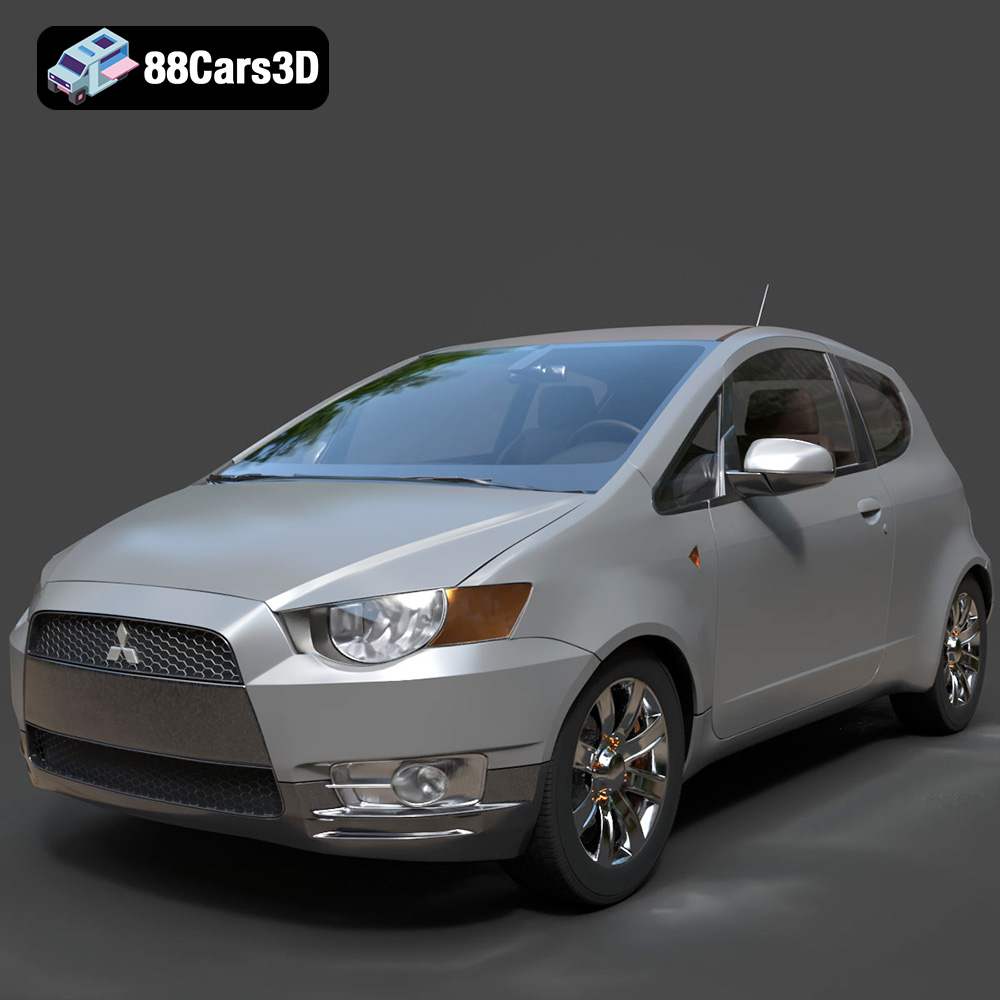
Texture: Yes
Material: Yes
Download the Mitsubishi Colt 3 Door 2008 3D Model featuring clean geometry, realistic detailing, and a fully modeled interior. Includes .blend, .fbx, .obj, .glb, .stl, .ply, .unreal, and .max formats for rendering, simulation, and game development.
Price: $10
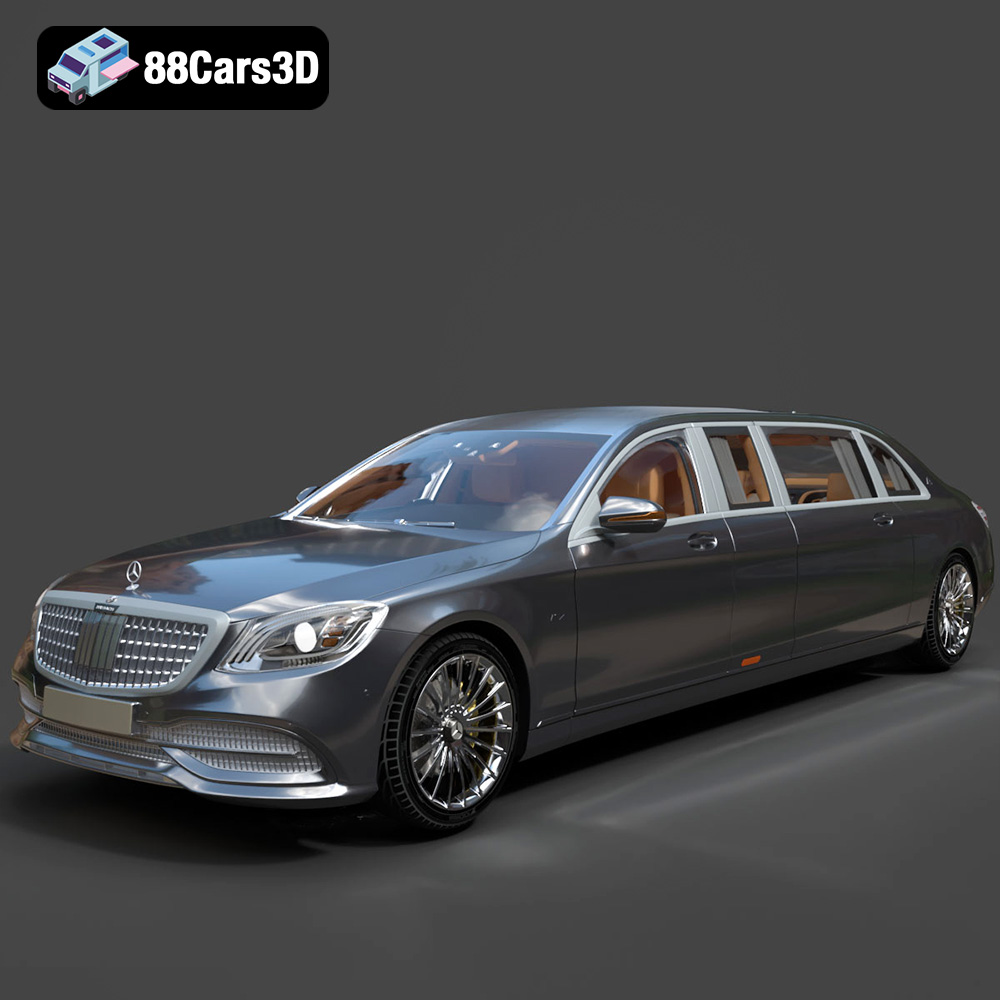
Texture: Yes
Material: Yes
Download the Mercedes-Benz S650 Pullman 3D Model featuring clean geometry, realistic detailing, and a fully modeled interior. Includes .blend, .fbx, .obj, .glb, .stl, .ply, .unreal, and .max formats for rendering, simulation, and game development.
Price: $95.99
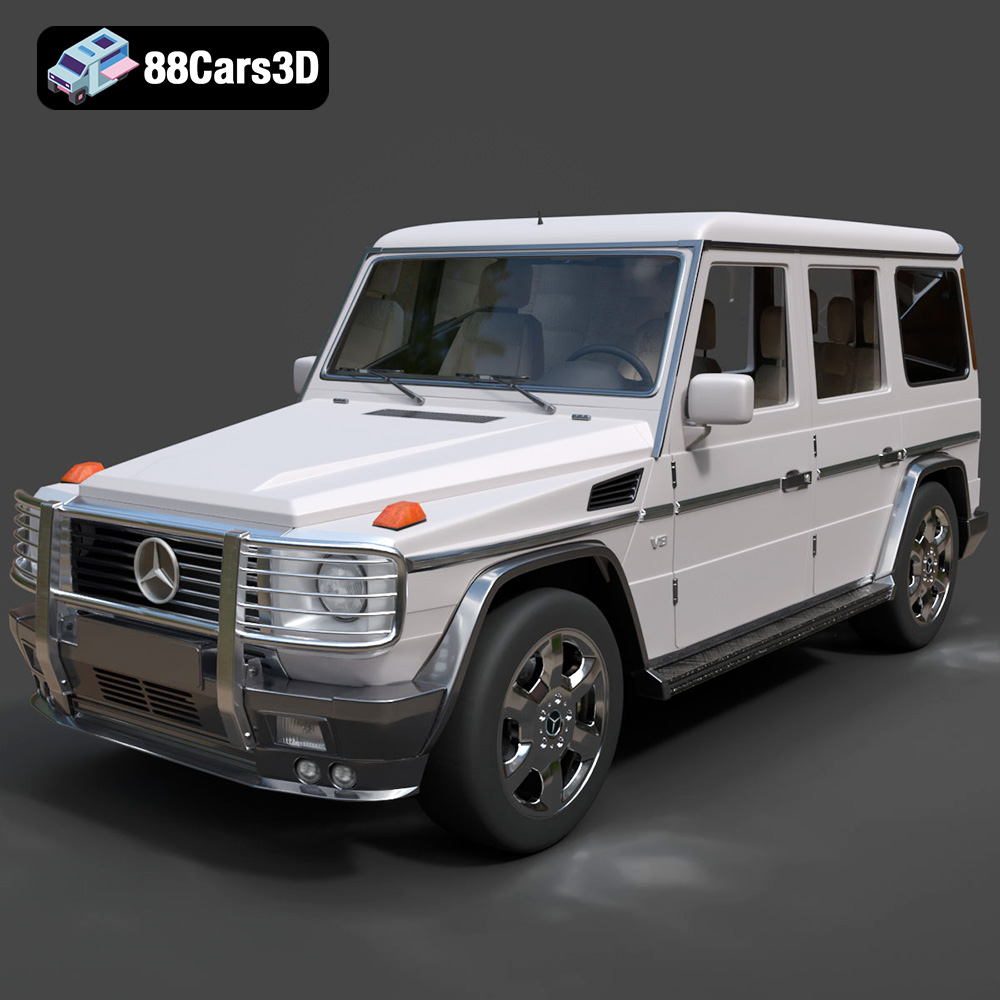
Texture: Yes
Material: Yes
Download the Mercedes G-Class SUV 2024 3D Model featuring clean geometry, realistic detailing, and a fully modeled interior. Includes .blend, .fbx, .obj, .glb, .stl, .ply, .unreal, and .max formats for rendering, simulation, and game development.
Price: $10

Texture: Yes
Material: Yes
Download the Volvo XC90 R-Design 2015 3D Model featuring clean geometry, realistic detailing, and a fully modeled interior. Includes .blend, .fbx, .obj, .glb, .stl, .ply, .unreal, and .max formats for rendering, simulation, and game development.
Price: $10

