⚡ FLASH SALE: Get 60% OFF All Premium 3D & STL Models! ⚡

“`html
The world of 3D printing has revolutionized model making, especially for automotive enthusiasts. The ability to bring your dream car to life, in miniature form, is now within reach. But achieving a perfect 3D printed car model requires a deep understanding of the entire process, from selecting the right STL file to applying the final coat of paint. This comprehensive guide will walk you through every step, providing the technical insights and practical tips needed to elevate your 3D printing game. We’ll cover everything from understanding STL file structure and optimizing your 3D printer settings to mastering support structures and post-processing techniques. Whether you’re a seasoned 3D printing veteran or just starting out, this guide will equip you with the knowledge to create stunning 3D printed car models. Platforms like 88cars3d.com offer print-ready STL files specifically designed for this purpose, making the process even more accessible.
In this guide, you’ll learn:
The STL (stereolithography) file format is the backbone of 3D printing. It represents the surface geometry of a 3D object using a mesh of triangles. For car models, the quality of the STL file directly impacts the final print. A poorly designed STL can lead to jagged edges, missing details, and ultimately, a disappointing result. When downloading models from marketplaces such as 88cars3d.com, you can be assured of the quality of the model, but it is still important to check a few key things.
An STL file consists of a list of triangles, each defined by three vertices and a normal vector. The normal vector indicates the direction the triangle faces. A good STL file has a dense mesh in areas with fine details and a less dense mesh in flatter areas. Look for models with a consistent and even mesh distribution. Avoid files with large triangles or gaps in the mesh. Software like MeshLab or Netfabb Basic can be used to visualize the mesh and identify potential problems. A properly constructed STL will be “manifold,” meaning it encloses a single volume without any holes or self-intersections. Non-manifold meshes are a common source of printing errors.
Before printing, it’s crucial to check the STL file for errors. Common errors include:
Software like Meshmixer, Netfabb Basic, and Blender can be used to repair these errors. Meshmixer’s “Make Solid” function is particularly useful for automatically fixing many common issues. Netfabb offers more advanced repair tools but often requires a subscription. Blender allows for manual mesh editing, providing the most control but requiring more skill. Always run a mesh analysis tool after making repairs to ensure the STL file is clean and ready for printing.
The right 3D printer settings are critical for achieving high-quality car model prints. These settings vary depending on whether you are using an FDM (Fused Deposition Modeling) or resin printer. FDM printers extrude melted plastic filament layer by layer, while resin printers use UV light to cure liquid resin. Each technology has its own strengths and weaknesses.
For FDM printing, key settings include layer height, infill density, print speed, and temperature. A lower layer height (e.g., 0.1mm or 0.12mm) will result in smoother surfaces and finer details, but it will also increase print time. For car models, consider using a smaller nozzle size (e.g., 0.4mm or even 0.25mm) to further improve detail resolution. Infill density affects the strength and weight of the model. A higher infill density (e.g., 20-25%) is recommended for parts that need to be structurally sound, such as the chassis or wheels. Print speed should be adjusted based on the complexity of the model and the capabilities of your printer. Start with a moderate speed (e.g., 40-60mm/s) and adjust as needed. The optimal printing temperature will depend on the material being used. PLA typically prints well between 200-220°C, while ABS requires higher temperatures (230-250°C) and a heated bed.
Resin printing offers superior detail and surface finish compared to FDM. Key settings include layer height, exposure time, and lift speed. Resin printers use a projector or LCD screen to selectively cure layers of liquid resin. Lower layer heights (e.g., 0.025mm or 0.05mm) are common for resin printing, resulting in incredibly smooth surfaces. Exposure time determines how long each layer is exposed to UV light. Too little exposure will result in undercured parts, while too much exposure can lead to overcuring and loss of detail. Experiment to find the optimal exposure time for your resin and printer. Lift speed affects how quickly the build platform moves between layers. A slower lift speed can help prevent warping and improve adhesion. Resin printing requires careful post-processing, including washing the parts in isopropyl alcohol (IPA) and curing them under UV light.
Support structures are essential for printing car models with overhangs and complex geometries. They provide temporary support to prevent parts from collapsing during the printing process. However, generating and removing supports can be challenging. Incorrect support placement can damage the model’s surface or make removal difficult. Optimizing support settings is crucial for achieving a clean and successful print.
Slicing software like Cura, PrusaSlicer, and Simplify3D offer both automatic and manual support generation. Automatic support generation is convenient but often produces excessive or poorly placed supports. Manual support generation gives you more control over the process, allowing you to strategically place supports where they are needed most and avoid areas that are difficult to reach. Consider using a combination of both techniques: start with automatic supports and then manually edit them to optimize their placement and density. Programs like Meshmixer allow you to add tree-like supports manually for specific areas.
The type of support material and interface layers can significantly impact the ease of support removal. For FDM printing, soluble support materials like PVA (Polyvinyl Alcohol) can be used in dual-extrusion printers. These materials dissolve in water, leaving behind a clean and smooth surface. Interface layers are thin layers of material placed between the support structure and the model. These layers provide a smoother transition and make it easier to separate the supports from the model. Experiment with different interface layer settings to find the optimal balance between support adhesion and removability.
Post-processing is the final stage in the 3D printing workflow, where you refine and enhance the printed model. Common post-processing techniques include removing support structures, sanding, filling, priming, and painting. These steps are crucial for achieving a professional-looking finish.
Sanding is used to smooth out layer lines and imperfections on the surface of the model. Start with a coarse grit sandpaper (e.g., 220 grit) to remove major imperfections, then gradually move to finer grits (e.g., 400, 600, 800 grit) to achieve a smooth surface. Wet sanding can help reduce dust and improve the finish. Filling is used to fill in gaps, seams, and other imperfections. Epoxy-based fillers or automotive body fillers are commonly used. Apply the filler in thin layers and allow it to dry completely before sanding. For larger gaps, consider using a two-part epoxy putty. Ensure proper ventilation and wear appropriate safety gear when sanding and filling.
Priming is essential for creating a uniform surface for painting. A good primer will also help the paint adhere better and prevent it from soaking into the plastic. Use a spray primer specifically designed for plastics. Apply the primer in thin, even coats, allowing each coat to dry completely before applying the next. After priming, you can apply paint. Acrylic paints and enamel paints are popular choices for 3D printed models. Use an airbrush for the best results, applying thin, even coats. Multiple thin coats are better than one thick coat, which can lead to runs and drips. Allow the paint to dry completely before applying a clear coat to protect the paint and add a glossy finish. High-quality car model paint sets are available at hobby stores and online. Research the specific paint codes for the car model you are replicating to achieve an accurate color match.
Even with careful planning and preparation, 3D printing can sometimes be challenging. Common issues include warping, delamination, stringing, and elephant’s foot. Understanding the causes of these issues and how to address them is essential for achieving consistent and reliable print results.
Warping occurs when the corners of the print lift off the build plate. This is often caused by poor bed adhesion or temperature fluctuations. To prevent warping, ensure that your build plate is clean and level. Use a bed adhesion aid, such as hairspray or a glue stick. Increase the bed temperature and reduce the ambient temperature around the printer. Enclosing the printer can help maintain a consistent temperature. Delamination occurs when the layers of the print separate from each other. This is often caused by insufficient bed temperature or poor layer adhesion. Increase the printing temperature and reduce the print speed. Ensure that the first layer is properly adhered to the bed. Consider using a brim or raft to improve adhesion. For ABS, an enclosure is almost mandatory to prevent warping and delamination due to its high shrinkage rate.
Stringing occurs when thin strands of plastic are left between different parts of the print. This is often caused by excessive retraction or printing at too high of a temperature. Increase the retraction distance and speed. Reduce the printing temperature. Ensure that the filament is dry and free of moisture. Elephant’s foot is a phenomenon where the bottom layers of the print are wider than the rest of the model. This is often caused by printing the first layer too close to the bed. Increase the Z-offset to create a small gap between the nozzle and the bed. Reduce the bed temperature. Adjust the flow rate for the first layer.
3D printing car models is a rewarding but technically demanding hobby. By understanding the nuances of STL files, optimizing your 3D printer settings, mastering support structures, and applying effective post-processing techniques, you can achieve stunning results. Remember to always start with a high-quality STL file, such as those available on platforms like 88cars3d.com, and take the time to carefully calibrate your printer and fine-tune your settings. Don’t be afraid to experiment and learn from your mistakes. With practice and patience, you’ll be creating professional-quality 3D printed car models in no time.
Your next steps should be:
“`

Texture: Yes
Material: Yes
Download the Chevrolet Camaro 1970 3D Model featuring clean geometry, realistic detailing, and a fully modeled interior. Includes .blend, .fbx, .obj, .glb, .stl, .ply, .unreal, and .max formats for rendering, simulation, and game development.
Price: $10

Texture: Yes
Material: Yes
Download the Mercedes-AMG GT 2015 3D Model featuring clean geometry, realistic detailing, and a fully modeled interior. Includes .blend, .fbx, .obj, .glb, .stl, .ply, .unreal, and .max formats for rendering, simulation, and game development.
Price: $88.99
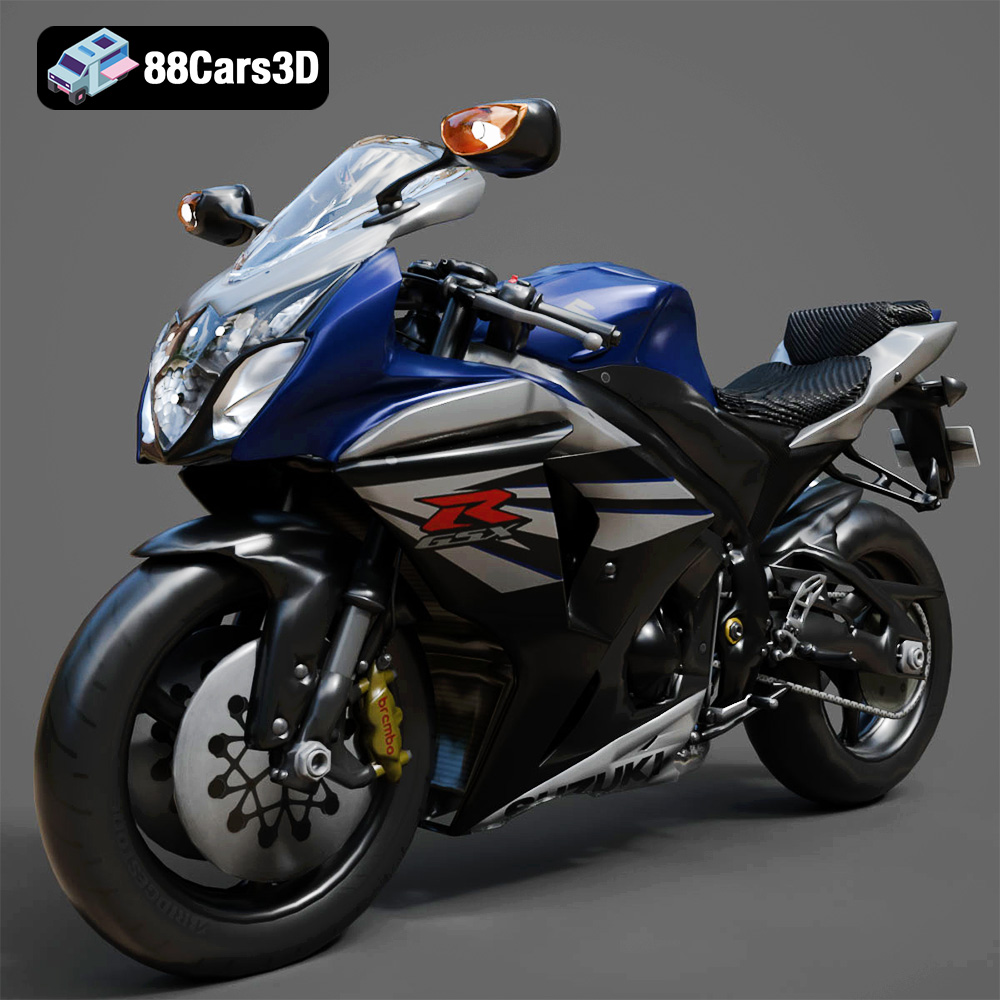
Texture: Yes
Material: Yes
Download the Suzuki GSX-R 1000 3D Model featuring clean geometry, realistic detailing, and a fully modeled interior. Includes .blend, .fbx, .obj, .glb, .stl, .ply, .unreal, and .max formats for rendering, simulation, and game development.
Price: $10
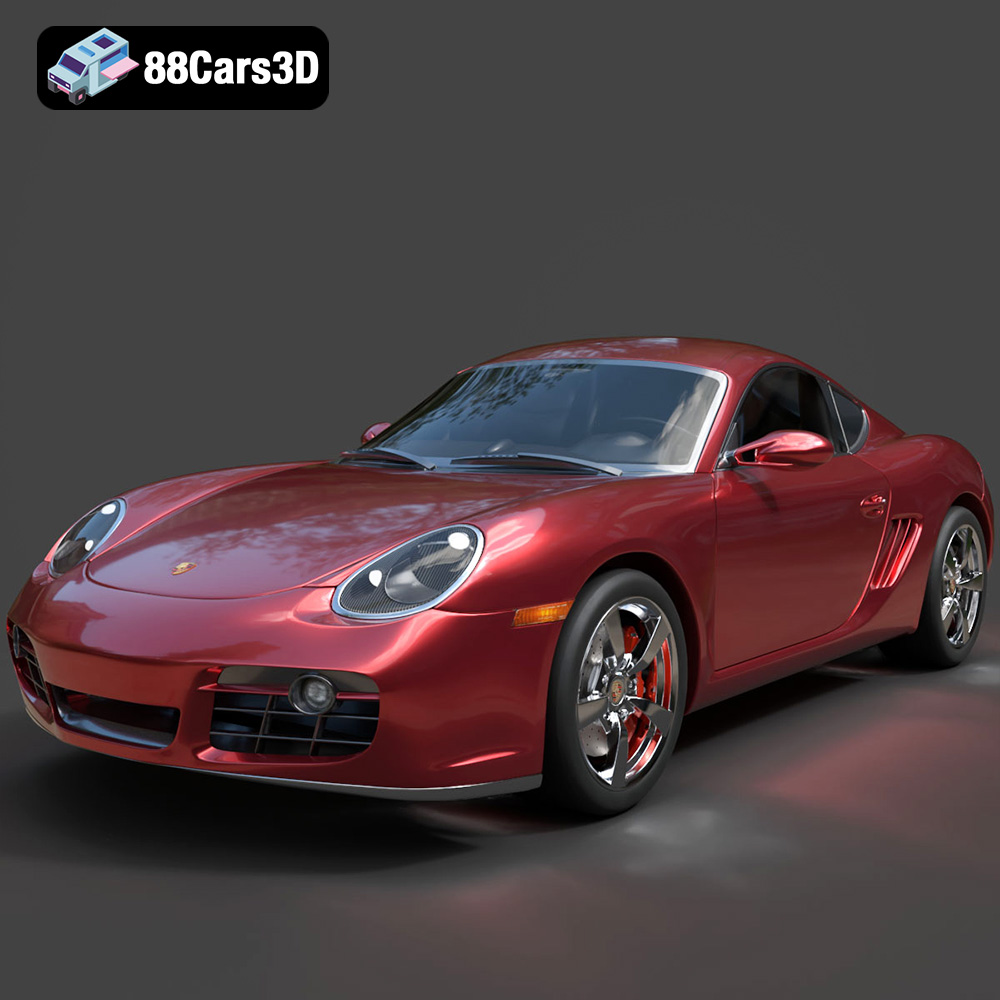
Texture: Yes
Material: Yes
Download the Porsche Cayman S 2024 3D Model featuring clean geometry, realistic detailing, and a fully modeled interior. Includes .blend, .fbx, .obj, .glb, .stl, .ply, .unreal, and .max formats for rendering, simulation, and game development.
Price: $10

Texture: Yes
Material: Yes
Download the Holden Commodore Sportwagon 2017 3D Model featuring clean geometry, realistic detailing, and a fully modeled interior. Includes .blend, .fbx, .obj, .glb, .stl, .ply, .unreal, and .max formats for rendering, simulation, and game development.
Price: $10

**Meta Description:**
Texture: Yes
Material: Yes
Download the Toyota Crown Majesta 2009 3D Model with luxury detailing, clean topology, and a fully modeled interior. Available in .blend, .fbx, .obj, .glb, .stl, .ply, .unreal, and .max formats for rendering, simulation, and game development.
Price: $4.99

**Meta Description:**
Texture: Yes
Material: Yes
Download the Toyota AE86 Levin 1983 1987 3D Model featuring realistic exterior and interior detailing. Includes .blend, .fbx, .obj, .glb, .stl, .ply, .unreal, and .max formats for rendering, simulation, and game development.
Price: $9.99

Texture: Yes
Material: Yes
Download the Toyota Mark 2 2001 3D Model featuring clean geometry, realistic detailing, and a fully modeled interior. Includes .blend, .fbx, .obj, .glb, .stl, .ply, .unreal, and .max formats for rendering, simulation, and game development.
Price: $4.99

Texture: Yes
Material: Yes
Download the Toyota Celica 2000 3D Model featuring clean geometry, realistic detailing, and a fully modeled interior. Includes .blend, .fbx, .obj, .glb, .stl, .ply, .unreal, and .max formats for rendering, simulation, and game development.
Price: $4.99

Download the Toyota Camry US 2012 3D Model featuring clean geometry, realistic detailing, and a fully modeled interior. Includes .blend, .fbx, .obj, .glb, .stl, .ply, .unreal, and .max formats for rendering, simulation, and game development.
Price: $4.99

