⚡ FLASH SALE: Get 60% OFF All Premium 3D & STL Models! ⚡

“`html
The world of 3D printing has revolutionized model making, allowing enthusiasts and professionals alike to create intricate and detailed replicas with unprecedented precision. For automotive aficionados, the ability to 3D print car models is particularly exciting. However, achieving perfect results requires a deep understanding of the entire process, from selecting the right STL file to mastering slicing parameters and post-processing techniques. This comprehensive guide will walk you through every step involved in 3D printing stunning car models, covering everything from file preparation to advanced optimization, ensuring your prints are museum-quality.
In this article, we’ll explore the intricacies of STL files, the nuances of FDM and resin printing, and the essential software tools needed to bring your favorite car models to life. We’ll delve into the specifics of slicing parameters, support generation, material selection, and post-processing techniques. Whether you’re a seasoned 3D printing veteran or just starting your journey, this guide will equip you with the knowledge and skills necessary to consistently produce high-quality 3D printed car models. Platforms like 88cars3d.com offer print-ready STL files, making the process even more accessible. Let’s dive in!
The STL (Stereolithography) file format is the cornerstone of 3D printing. It represents the surface geometry of a 3D object as a collection of triangles. The quality of your STL file directly impacts the final print, so understanding its structure and potential issues is crucial.
The number of triangles used to represent the model determines its resolution. A higher triangle count results in a smoother surface but increases file size and processing time. Conversely, a low triangle count can lead to faceting, where the curved surfaces appear blocky. When downloading models from marketplaces such as 88cars3d.com, pay attention to the listed triangle count. A good balance is crucial for efficient printing without sacrificing visual fidelity. For car models, aiming for a triangle count that captures subtle curves and details is paramount. Consider a model with approximately 500,000 to 1,000,000 triangles for a detailed car model.
A “manifold” mesh is a closed, watertight surface. Non-manifold meshes, containing holes, self-intersections, or flipped normals, are a common source of printing errors. Software like Meshmixer, Netfabb, and Blender offer tools for repairing STL files. Meshmixer’s “Make Solid” function is particularly useful for automatically fixing many common mesh errors. Netfabb provides more advanced repair tools, including automatic part fixing and mesh healing. Before slicing, always run your STL file through a mesh repair tool to ensure a successful print. Look for errors like “open edges” or “inverted faces” and correct them accordingly. Remember, even minor imperfections in the STL file can lead to significant printing problems.
Slicing is the process of converting a 3D model into a series of layers that the 3D printer can understand. The slicing software allows you to control numerous parameters that significantly affect the final print quality. Choosing the correct settings is essential for achieving the desired level of detail and structural integrity in your car models.
Layer height determines the vertical resolution of the print. Smaller layer heights (e.g., 0.1mm or 0.05mm) produce smoother surfaces and finer details but increase print time. Larger layer heights (e.g., 0.2mm or 0.3mm) print faster but may result in visible layer lines. For car models, a layer height of 0.1mm to 0.15mm is often a good compromise between quality and speed. Print speed also plays a crucial role. Slower speeds generally result in better adhesion and reduced warping, especially for intricate parts. A print speed of 40-60 mm/s is recommended for detailed car models. Experiment with these settings to find the optimal balance for your specific printer and filament.
Infill refers to the internal structure of the 3D printed object. The infill pattern and density affect the model’s strength, weight, and print time. Common infill patterns include grid, honeycomb, gyroid, and triangle. For car models, a gyroid or honeycomb infill provides a good balance of strength and weight. The infill density is usually expressed as a percentage. A higher density (e.g., 20-30%) provides greater strength but increases material consumption and print time. For models intended for display, a lower density (e.g., 10-15%) may suffice. Consider increasing the infill density for areas requiring high structural support, such as the chassis or axles.
Support structures are temporary structures that provide stability and prevent sagging in overhanging sections of the 3D model during printing. They are essential for complex geometries, but their removal can be challenging and potentially damage the printed part. Mastering support generation and removal is vital for achieving clean and accurate prints of car models.
Most slicing software offers automatic support generation. While convenient, automatically generated supports may not always be optimal. They can be excessive in some areas and insufficient in others. Manual support placement allows for greater control, enabling you to add supports only where needed and avoid placing them on critical surfaces. Software like PrusaSlicer and Cura allow for manual support editing. Concentrate supports on overhangs exceeding 45 degrees. Use thinner supports for easier removal, but ensure they are strong enough to prevent collapse during printing. For example, consider a support pillar diameter of 1-2mm for FDM printing.
Some 3D printers support the use of dissolvable support materials, such as PVA (Polyvinyl Alcohol) for PLA (Polylactic Acid) or HIPS (High Impact Polystyrene) for ABS (Acrylonitrile Butadiene Styrene). These materials dissolve in water or other solvents, leaving behind a clean surface. For FDM printing, the distance between support and model can impact the surface finish. Adding an interface layer (a denser layer between the support and the model) can improve surface quality but make removal more difficult. Experiment with different interface layer settings to find the best balance for your material and printer. For resin printing, consider using a lower support density and smaller contact points to minimize scarring during removal.
The choice of material significantly impacts the appearance, durability, and functionality of your 3D printed car model. Different materials offer varying properties in terms of strength, flexibility, temperature resistance, and surface finish. Selecting the appropriate material is critical for achieving the desired results.
PLA is a biodegradable thermoplastic known for its ease of printing and low warping tendency. It’s an excellent choice for beginners and for models that don’t require high heat resistance. PETG (Polyethylene Terephthalate Glycol-modified) offers a good balance of strength, flexibility, and temperature resistance. It’s more durable than PLA and less prone to warping than ABS. ABS is a strong and heat-resistant thermoplastic commonly used in automotive applications. However, it’s more challenging to print than PLA or PETG due to its higher warping tendency and requires a heated bed and enclosed printer. For detailed car models, PETG often strikes a great balance between printability and durability. If high temperature resistance is necessary (e.g., for models displayed in direct sunlight), ABS is the better choice, but requires careful printer calibration and potentially an enclosure. Typical printing temperatures are 200-220°C for PLA, 230-250°C for PETG, and 235-255°C for ABS.
Resin printing (SLA/DLP) offers exceptional detail and smooth surfaces, making it ideal for intricate car models. Standard resins are relatively inexpensive and produce good results. Tough resins offer higher strength and impact resistance. Flexible resins provide some degree of flexibility, useful for parts that need to bend without breaking. For car models, a standard resin can provide sufficient detail and strength for display purposes. If the model will be handled frequently, a tough resin might be a better choice. Experiment with different resin types to find the best fit for your needs. Layer heights for resin printing are typically in the range of 0.025mm to 0.05mm, providing extremely fine details. Exposure times need to be carefully calibrated for each resin to ensure proper curing.
Post-processing refers to the steps taken after printing to refine the appearance and functionality of the 3D printed model. This can include removing support structures, sanding, filling, priming, painting, and assembling multiple parts. Effective post-processing is crucial for achieving a professional, high-quality finish on your 3D printed car models.
Sanding removes layer lines and imperfections from the surface of the print. Start with coarse grit sandpaper (e.g., 220 grit) and gradually move to finer grits (e.g., 400, 600, 800 grit) for a smooth finish. Filling is used to fill in any remaining imperfections or gaps. Bondo or spot putty are commonly used fillers. Apply the filler sparingly and sand it smooth after it has dried. Priming provides a uniform surface for painting and helps the paint adhere better. Use a primer designed for plastics. Apply several thin coats of primer, allowing each coat to dry completely before applying the next. Sand lightly between coats of primer for an even smoother finish. Remember to wear a mask and eye protection during sanding and filling to avoid inhaling dust particles.
Painting adds color and realism to your car model. Use high-quality acrylic paints designed for model making. Apply several thin coats of paint, allowing each coat to dry completely before applying the next. Consider using an airbrush for a more even and professional finish. Decals can add realistic details such as logos, numbers, and racing stripes. Apply decals carefully, using a decal setting solution to ensure they adhere properly to the surface. Clear coating protects the paint and decals and provides a glossy or matte finish. Assemble multiple parts using super glue or epoxy. Ensure that all parts fit together properly before applying glue. Use clamps or tape to hold the parts in place while the glue dries. Pay attention to the order of assembly to avoid trapping parts or making it difficult to access certain areas.
Despite careful planning and execution, 3D printing is prone to various issues that can compromise the quality of your prints. Understanding these common problems and knowing how to troubleshoot them is essential for achieving consistent results.
Warping occurs when the corners of the print lift off the build plate due to uneven cooling. This is more common with ABS and other materials that shrink significantly during cooling. To prevent warping, ensure the bed is properly leveled and heated. Use a bed adhesion aid such as glue stick, hairspray, or painter’s tape. Enclosing the printer can also help to maintain a more consistent temperature and reduce warping. A brim or raft can significantly improve bed adhesion, especially for parts with small contact areas. A brim is a single-layer outline around the base of the model, while a raft is a multi-layer platform that the model is printed on. Experiment with different bed temperatures and adhesion methods to find what works best for your material and printer. For PLA, a bed temperature of 60°C is usually sufficient, while ABS typically requires 100-110°C.
Stringing occurs when the printer extrudes plastic while moving between different parts of the model, leaving thin strands of material behind. Blobs are small accumulations of plastic on the surface of the print. Stringing and blobs are often caused by incorrect retraction settings. Retraction refers to the printer pulling back the filament when it moves between different parts of the model. Increase the retraction distance and speed to reduce stringing. Lowering the printing temperature can also help. Ensure that the filament is dry, as moisture can contribute to stringing and blobs. Calibrate your printer’s extrusion multiplier to ensure that it is extruding the correct amount of material. Over-extrusion can lead to blobs and other imperfections. For example, a retraction distance of 5-7mm and a retraction speed of 40-60 mm/s are good starting points for PLA. Adjust these settings as needed based on your specific printer and filament.
3D printing car models is a rewarding but technically demanding process. Mastering the fundamentals of STL files, slicing parameters, support structures, material selection, and post-processing techniques is crucial for achieving consistently high-quality results. By understanding the nuances of FDM and resin printing, and by troubleshooting common printing issues, you can unlock the full potential of 3D printing and create stunning replicas of your favorite cars. Remember to leverage resources such as online communities, tutorials, and marketplaces like 88cars3d.com to further enhance your skills and access high-quality 3D models. With practice and dedication, you’ll be able to produce museum-quality 3D printed car models that will impress even the most discerning automotive enthusiasts.
Take the time to experiment with different settings, materials, and techniques to find what works best for your specific printer and desired outcome. Don’t be afraid to try new things and push the boundaries of what’s possible. Happy printing!
“`

Texture: Yes
Material: Yes
Download the Mercedes S-Class 2024 3D Model featuring clean geometry, realistic detailing, and a fully modeled interior. Includes .blend, .fbx, .obj, .glb, .stl, .ply, .unreal, and .max formats for rendering, simulation, and game development.
Price: $10

Texture: Yes
Material: Yes
Download the Chevrolet Camaro 1970 3D Model featuring clean geometry, realistic detailing, and a fully modeled interior. Includes .blend, .fbx, .obj, .glb, .stl, .ply, .unreal, and .max formats for rendering, simulation, and game development.
Price: $10

Texture: Yes
Material: Yes
Download the Mercedes-AMG GT 2015 3D Model featuring clean geometry, realistic detailing, and a fully modeled interior. Includes .blend, .fbx, .obj, .glb, .stl, .ply, .unreal, and .max formats for rendering, simulation, and game development.
Price: $88.99
Texture: Yes
Material: Yes
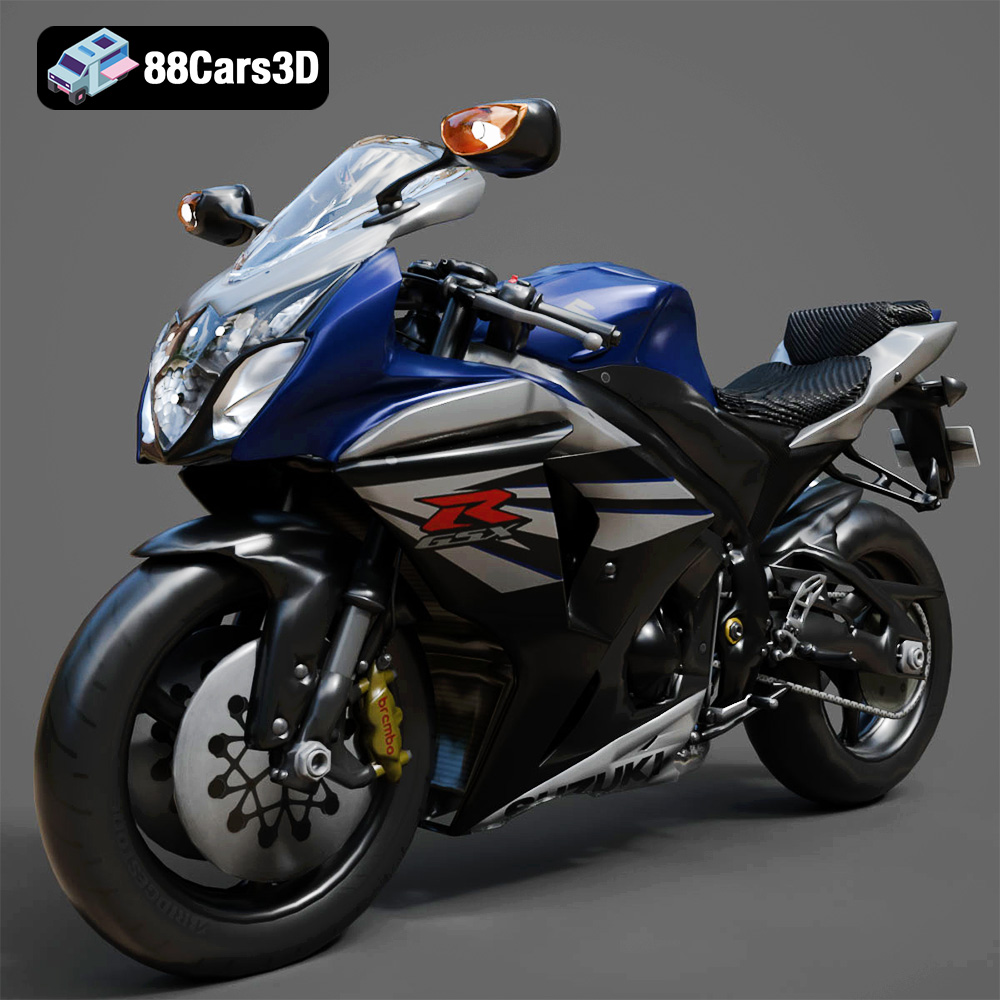
Download the Suzuki GSX-R 1000 3D Model featuring clean geometry, realistic detailing, and a fully modeled interior. Includes .blend, .fbx, .obj, .glb, .stl, .ply, .unreal, and .max formats for rendering, simulation, and game development.
Price: $10
Texture: Yes
Material: Yes
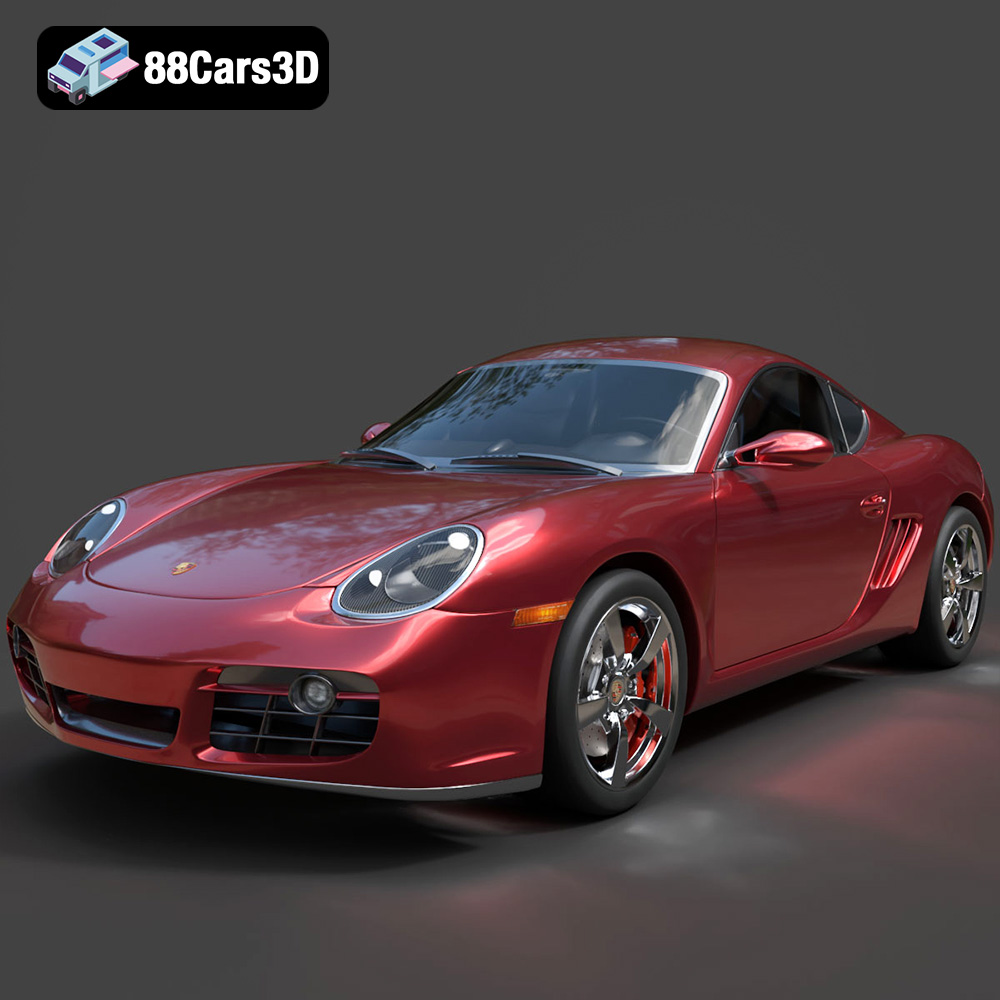
Download the Porsche Cayman S 2024 3D Model featuring clean geometry, realistic detailing, and a fully modeled interior. Includes .blend, .fbx, .obj, .glb, .stl, .ply, .unreal, and .max formats for rendering, simulation, and game development.
Price: $10

Texture: Yes
Material: Yes
Download the Holden Commodore Sportwagon 2017 3D Model featuring clean geometry, realistic detailing, and a fully modeled interior. Includes .blend, .fbx, .obj, .glb, .stl, .ply, .unreal, and .max formats for rendering, simulation, and game development.
Price: $10
Texture: Yes
Material: Yes
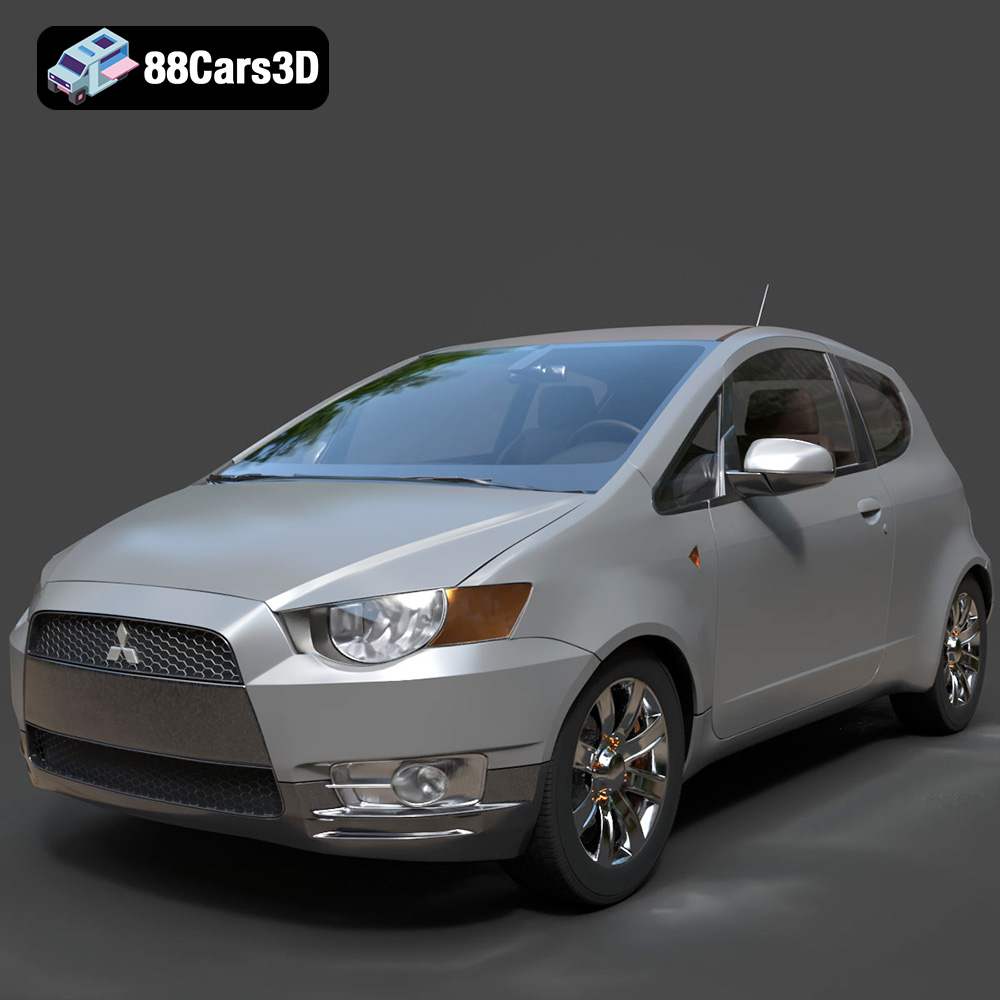
Download the Mitsubishi Colt 3 Door 2008 3D Model featuring clean geometry, realistic detailing, and a fully modeled interior. Includes .blend, .fbx, .obj, .glb, .stl, .ply, .unreal, and .max formats for rendering, simulation, and game development.
Price: $10
Texture: Yes
Material: Yes
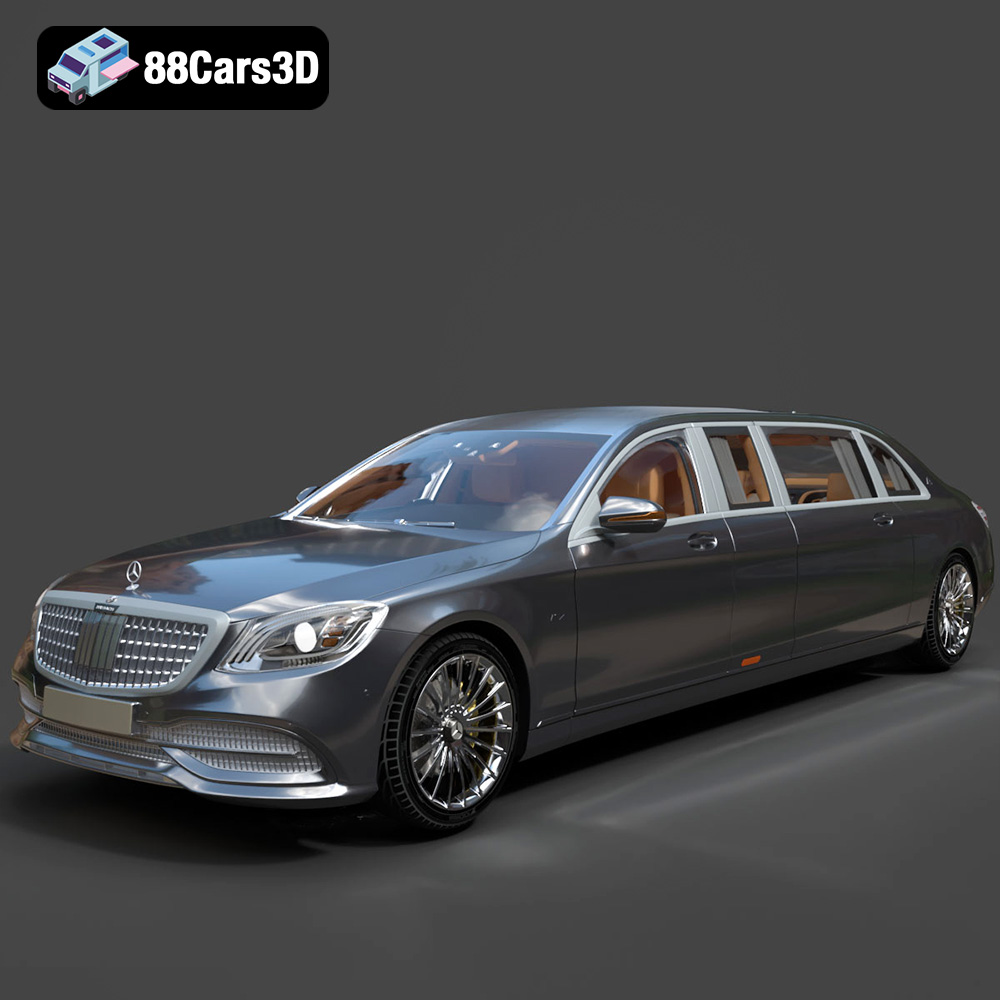
Download the Mercedes-Benz S650 Pullman 3D Model featuring clean geometry, realistic detailing, and a fully modeled interior. Includes .blend, .fbx, .obj, .glb, .stl, .ply, .unreal, and .max formats for rendering, simulation, and game development.
Price: $95.99
Texture: Yes
Material: Yes
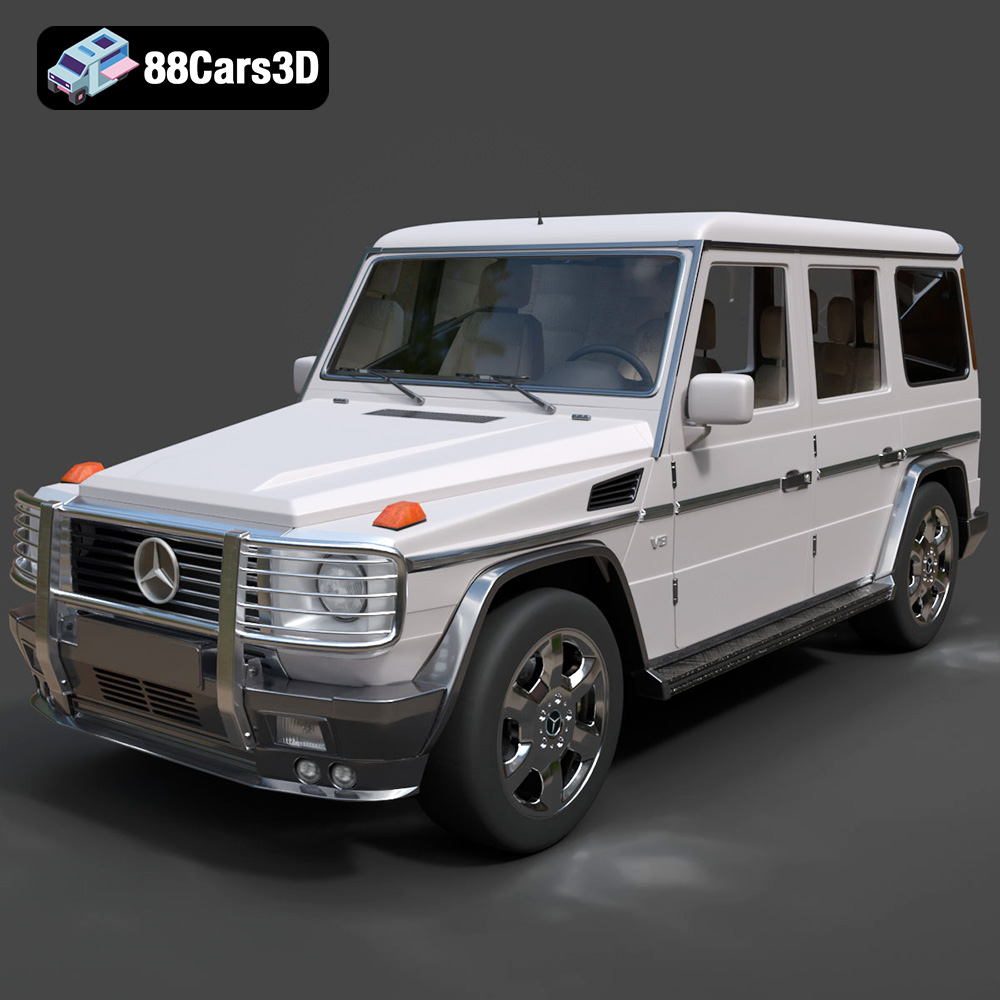
Download the Mercedes G-Class SUV 2024 3D Model featuring clean geometry, realistic detailing, and a fully modeled interior. Includes .blend, .fbx, .obj, .glb, .stl, .ply, .unreal, and .max formats for rendering, simulation, and game development.
Price: $10

Texture: Yes
Material: Yes
Download the Volvo XC90 R-Design 2015 3D Model featuring clean geometry, realistic detailing, and a fully modeled interior. Includes .blend, .fbx, .obj, .glb, .stl, .ply, .unreal, and .max formats for rendering, simulation, and game development.
Price: $10

