⚡ FLASH SALE: Get 60% OFF All Premium 3D & STL Models! ⚡

“`html
3D printing has revolutionized model making, offering enthusiasts and professionals unprecedented control over the creation of intricate and detailed objects. Nowhere is this more apparent than in the realm of automotive model printing. Whether you’re a hobbyist seeking to build a collection of classic cars, an engineer prototyping a new design, or an educator demonstrating CAD principles, understanding the nuances of 3D printing car models is crucial. This comprehensive guide will walk you through every stage of the process, from selecting the right STL file to applying the final coat of paint. We’ll cover essential topics like STL file structure, slicing parameters, support structures, material selection, and post-processing techniques, equipping you with the knowledge to consistently produce high-quality, eye-catching car models.
In this article, you’ll discover how to prepare your STL files for optimal printing, fine-tune your 3D printer settings for incredible detail, master support generation and removal, and achieve a flawless finish on your printed models. We’ll delve into both FDM and resin printing methods, exploring their respective strengths and weaknesses, and provide troubleshooting tips for common printing issues. By the end, you’ll have the skills and confidence to tackle even the most challenging car model projects.
The STL (Stereolithography) file format is the de facto standard for 3D printing. It represents a 3D object’s surface as a collection of triangles, also known as a mesh. The quality and integrity of this mesh directly impact the final print. When downloading models from marketplaces such as 88cars3d.com, it’s essential to understand the STL file’s characteristics and how they affect the printing process.
The number of triangles used to represent the object determines its resolution. A higher triangle count results in a smoother surface and finer details, but also increases file size and processing time during slicing. A low triangle count can lead to visible facets and a less refined appearance. For car models, especially those with complex curves, a sufficiently high triangle count is necessary to capture the sleek lines and intricate details accurately.
Tip: Before printing, inspect the STL file in a mesh editing software like MeshMixer or Blender. Zoom in on curved surfaces to check for visible facets. If present, consider remeshing the model to increase the triangle count.
A “manifold” mesh is one that is closed and doesn’t have any holes, self-intersections, or non-watertight edges. 3D printers require manifold geometry to accurately interpret the object. Non-manifold geometry can lead to slicing errors, incomplete prints, or even printer crashes. Common mesh errors include:
Workflow for Mesh Repair: Software like Netfabb, MeshMixer, and online STL repair services can automatically detect and fix these errors. The typical workflow involves importing the STL file, running a diagnostic to identify errors, and applying automated or manual repair tools to fix the issues. Always verify the repaired mesh to ensure that the geometry is correct and no important details have been lost.
Slicing is the process of converting a 3D model (STL file) into a set of instructions that the 3D printer can understand. These instructions define the path the printer’s nozzle (in FDM) or laser (in resin) will follow to create the object layer by layer. The slicer software allows you to control various parameters that significantly impact the print’s quality, strength, and speed.
Layer height is the thickness of each individual layer printed. A smaller layer height results in a smoother surface finish and finer details, but it also increases print time. Common layer heights for car models range from 0.05mm to 0.2mm for FDM printing and 0.02mm to 0.05mm for resin printing. For highly detailed areas like grilles, lights, and emblems, using a smaller layer height is recommended. Consider using adaptive layer height features in slicers like PrusaSlicer, which automatically adjust layer height based on the model’s geometry, optimizing for both detail and speed.
Trade-off: Remember that reducing layer height dramatically increases print time. A print at 0.1mm layer height will take roughly twice as long as the same print at 0.2mm layer height.
Infill refers to the internal structure of the 3D printed object. It provides strength and rigidity while reducing material usage. Infill density is expressed as a percentage, with 0% being completely hollow and 100% being solid. For car models, an infill density of 15-25% is generally sufficient for structural integrity. Common infill patterns include:
Tip: For areas that require extra strength, such as mounting points for wheels or axles, consider increasing the infill density locally using modifiers in your slicing software.
Support structures are temporary structures that are printed to support overhanging features and prevent them from collapsing during printing. They are crucial for printing complex geometries, especially those found in car models, such as spoilers, mirrors, and wheel arches. Generating and removing supports effectively is essential for achieving a clean and accurate final print.
There are several types of support structures, each with its own advantages and disadvantages:
Software Settings: In your slicing software, you can control the density, angle, and placement of support structures. Experiment with different settings to find the optimal balance between support strength and ease of removal. For delicate areas, consider using finer support settings and a lower support density to minimize scarring.
Removing supports can be a delicate process, as you want to avoid damaging the printed model. Here are some tips for effective support removal:
Resin Printing Tip: For resin prints, use warm water to soften the supports before removal. Be careful not to scratch the model during support removal.
The choice of material significantly impacts the appearance, strength, and durability of your 3D printed car model. The two primary 3D printing technologies used for car models are FDM (Fused Deposition Modeling) and resin printing (SLA/DLP/LCD), each offering different material options and characteristics.
FDM printing uses thermoplastics, which are melted and extruded through a nozzle to build the object layer by layer. Common FDM materials for car models include:
Nozzle Temperature and Bed Adhesion: PLA typically prints at 190-220°C with a bed temperature of 60°C. PETG prints at 220-250°C with a bed temperature of 70-80°C. ABS prints at 230-260°C with a bed temperature of 90-110°C. Use bed adhesion aids like glue stick or hairspray to prevent warping, especially with ABS.
Resin printing uses liquid photopolymers that are cured by UV light. Resin printing offers significantly higher resolution and detail compared to FDM printing, making it ideal for intricate car models.
Resin Curing and Post-Processing: After printing, resin models need to be washed in isopropyl alcohol (IPA) to remove uncured resin. They then need to be cured under UV light to fully harden the resin. Use a dedicated UV curing station for best results. Proper curing is essential for achieving optimal strength and preventing the model from becoming sticky or brittle.
Post-processing is the final stage in the 3D printing workflow, where you refine the printed model to achieve the desired appearance and functionality. This typically involves sanding, painting, and assembly. Proper post-processing can transform a raw 3D print into a professional-looking car model.
Sanding is used to remove layer lines and other imperfections from the surface of the printed model. Start with coarse sandpaper (e.g., 220 grit) and gradually work your way up to finer grits (e.g., 400, 600, 800 grit). Wet sanding can help to reduce dust and create a smoother finish. For hard-to-reach areas, use small sanding sponges or files.
Filling Imperfections: If there are significant gaps or imperfections, use a filler primer or spot putty to fill them in. Sand the filler smooth after it has dried completely.
Painting is used to add color and realism to the car model. Use spray paint or airbrush for best results. Apply several thin coats of paint, allowing each coat to dry completely before applying the next. Use masking tape to protect areas that you don’t want to paint. For a glossy finish, apply a clear coat after the paint has dried.
Detailing: Add details such as window trim, lights, and emblems using fine-tip paintbrushes or markers. Decals can also be used to add logos and other markings. Consider using weathering techniques to create a more realistic, aged look.
If your car model consists of multiple parts, you will need to assemble them. Use glue or screws to attach the parts together. Ensure that the parts are aligned correctly before the glue dries. Consider using jigs or clamps to hold the parts in place while the glue sets.
Tip: Platforms like 88cars3d.com offer print-ready STL files that are designed with assembly in mind, often including features like interlocking parts or alignment pins to simplify the assembly process.
Even with careful preparation and optimal settings, 3D printing can sometimes present challenges. Understanding common printing issues and how to troubleshoot them is essential for achieving consistent and high-quality results.
Warping occurs when the printed part lifts off the build plate during printing, often due to uneven cooling or poor bed adhesion. This is more common with materials like ABS. To prevent warping:
Stringing occurs when the nozzle oozes material during travel moves, leaving thin strands of plastic between different parts of the print. Blobs are small lumps of plastic that accumulate on the surface of the print. To prevent stringing and blobs:
Layer shifting occurs when the printer’s axes skip steps, causing the layers to misalign. This can be caused by:
Mastering the art of 3D printing car models requires a blend of technical knowledge, creative problem-solving, and meticulous attention to detail. By understanding the intricacies of STL files, slicing parameters, support structures, material selection, and post-processing techniques, you can consistently produce stunning and accurate replicas of your favorite automobiles. From optimizing layer height and infill density to mastering support removal and painting techniques, each step plays a crucial role in achieving a flawless final product.
The journey of 3D printing is one of continuous learning and experimentation. Don’t be afraid to try new materials, settings, and techniques to push the boundaries of what’s possible. Remember to always start with a well-prepared STL file and carefully consider your printing parameters based on the specific model and material you are using. By following the guidelines outlined in this comprehensive guide, you’ll be well-equipped to tackle even the most challenging car model projects and bring your automotive dreams to life. So, fire up your 3D printer and start creating!
“`

Texture: Yes
Material: Yes
Download the Mercedes S-Class 2024 3D Model featuring clean geometry, realistic detailing, and a fully modeled interior. Includes .blend, .fbx, .obj, .glb, .stl, .ply, .unreal, and .max formats for rendering, simulation, and game development.
Price: $10

Texture: Yes
Material: Yes
Download the Chevrolet Camaro 1970 3D Model featuring clean geometry, realistic detailing, and a fully modeled interior. Includes .blend, .fbx, .obj, .glb, .stl, .ply, .unreal, and .max formats for rendering, simulation, and game development.
Price: $10

Texture: Yes
Material: Yes
Download the Mercedes-AMG GT 2015 3D Model featuring clean geometry, realistic detailing, and a fully modeled interior. Includes .blend, .fbx, .obj, .glb, .stl, .ply, .unreal, and .max formats for rendering, simulation, and game development.
Price: $88.99

Texture: Yes
Material: Yes
Download the Suzuki GSX-R 1000 3D Model featuring clean geometry, realistic detailing, and a fully modeled interior. Includes .blend, .fbx, .obj, .glb, .stl, .ply, .unreal, and .max formats for rendering, simulation, and game development.
Price: $10

Texture: Yes
Material: Yes
Download the Porsche Cayman S 2024 3D Model featuring clean geometry, realistic detailing, and a fully modeled interior. Includes .blend, .fbx, .obj, .glb, .stl, .ply, .unreal, and .max formats for rendering, simulation, and game development.
Price: $10

Texture: Yes
Material: Yes
Download the Holden Commodore Sportwagon 2017 3D Model featuring clean geometry, realistic detailing, and a fully modeled interior. Includes .blend, .fbx, .obj, .glb, .stl, .ply, .unreal, and .max formats for rendering, simulation, and game development.
Price: $10
Texture: Yes
Material: Yes
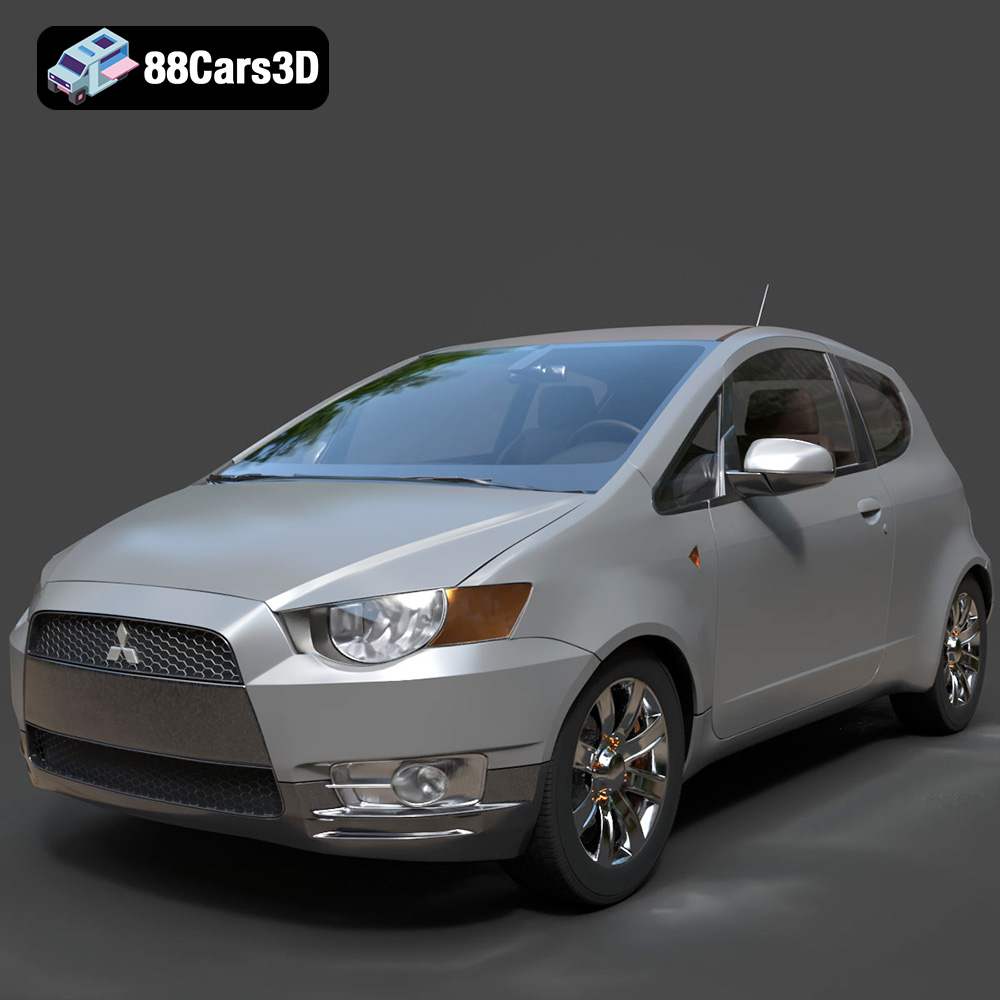
Download the Mitsubishi Colt 3 Door 2008 3D Model featuring clean geometry, realistic detailing, and a fully modeled interior. Includes .blend, .fbx, .obj, .glb, .stl, .ply, .unreal, and .max formats for rendering, simulation, and game development.
Price: $10
Texture: Yes
Material: Yes
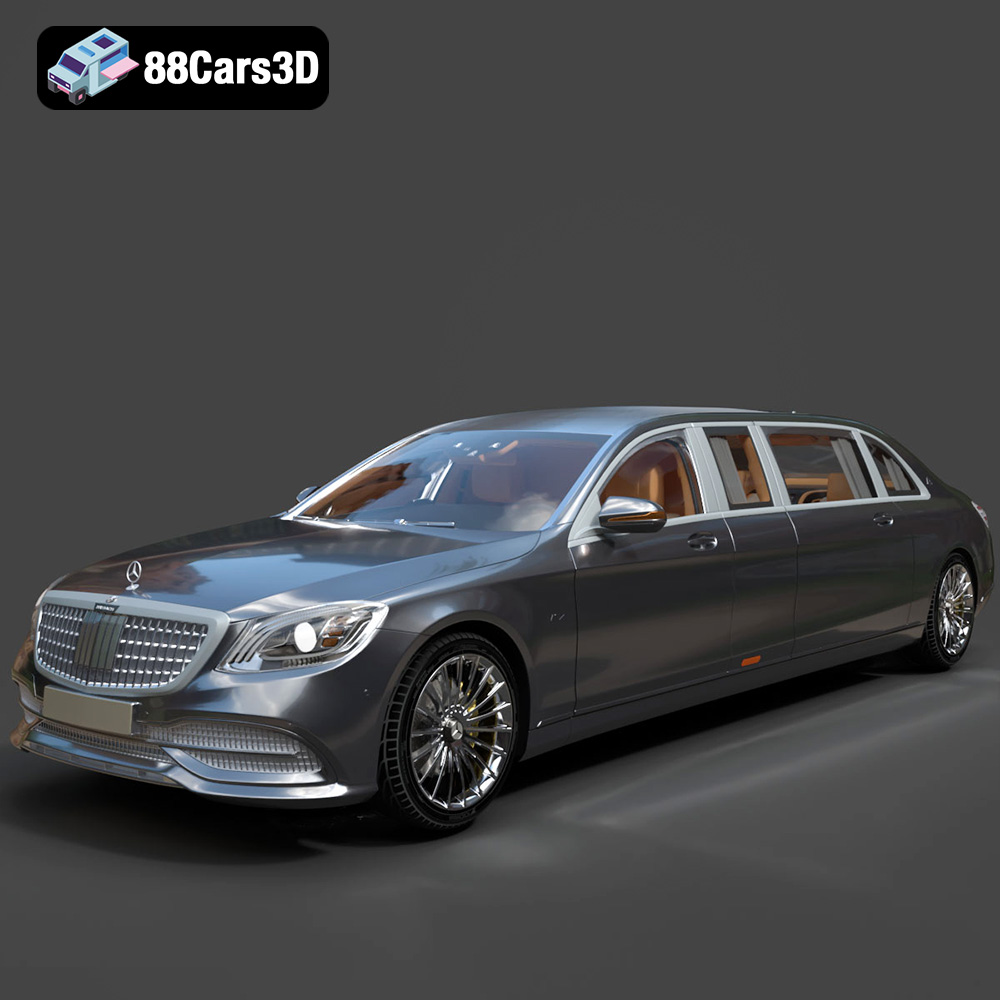
Download the Mercedes-Benz S650 Pullman 3D Model featuring clean geometry, realistic detailing, and a fully modeled interior. Includes .blend, .fbx, .obj, .glb, .stl, .ply, .unreal, and .max formats for rendering, simulation, and game development.
Price: $95.99
Texture: Yes
Material: Yes
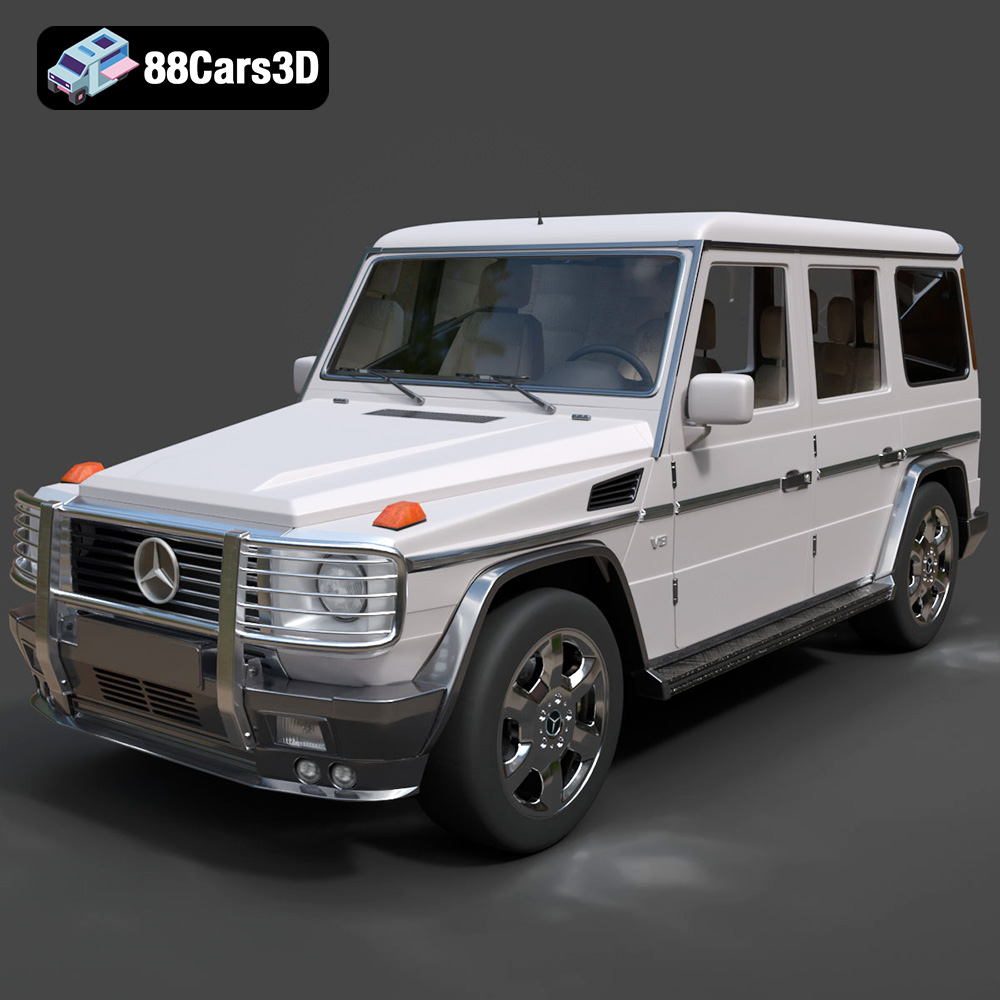
Download the Mercedes G-Class SUV 2024 3D Model featuring clean geometry, realistic detailing, and a fully modeled interior. Includes .blend, .fbx, .obj, .glb, .stl, .ply, .unreal, and .max formats for rendering, simulation, and game development.
Price: $10

Texture: Yes
Material: Yes
Download the Volvo XC90 R-Design 2015 3D Model featuring clean geometry, realistic detailing, and a fully modeled interior. Includes .blend, .fbx, .obj, .glb, .stl, .ply, .unreal, and .max formats for rendering, simulation, and game development.
Price: $10

