⚡ FLASH SALE: Get 60% OFF All Premium 3D & STL Models! ⚡

The world of automotive visualization has undergone a seismic shift. Static, pre-rendered images and lengthy video production cycles are rapidly being replaced by dynamic, interactive, and photorealistic real-time experiences. At the heart of this revolution is Unreal Engine, a powerhouse tool that has expanded far beyond its gaming origins to become the industry standard for creating stunning automotive marketing materials, design reviews, virtual showrooms, and configurators. The ability to iterate on designs, lighting, and materials instantly, and to empower customers with interactive control, has changed the game. However, harnessing this power requires a deep understanding of the engine’s workflows, from initial model preparation to final pixel-perfect rendering.
This comprehensive guide will walk you through the entire process of taking a high-quality 3D car model and transforming it into a breathtaking, interactive visualization inside Unreal Engine 5. We will explore project setup, advanced material creation, leveraging cutting-edge features like Lumen and Nanite for unparalleled realism and detail, scripting interactivity with Blueprints, and optimizing your project for flawless performance. Whether you are an automotive designer, a 3D artist, or a visualization specialist, this article will provide you with the technical knowledge and professional best practices needed to elevate your automotive projects and unlock the full potential of real-time rendering.
A successful automotive visualization project begins long before you start creating beautiful materials or lighting. Laying a solid foundation through proper project configuration and meticulous model preparation is a non-negotiable step that will save you countless hours of troubleshooting down the line. Getting these initial steps right ensures that the engine is configured for maximum quality and that your 3D car model is imported cleanly and efficiently.
While Unreal Engine offers various templates, for high-end visualization, it’s often best to start with a Blank template with “Starter Content” disabled. This gives you a clean slate, free from unnecessary assets. From here, you must configure your project for high-fidelity rendering.
Edit > Plugins and ensure plugins like “HDRI Backdrop” are enabled for easy environment lighting setups.Edit > Project Settings. Under the “Engine > Rendering” section, make the following critical adjustments:
These settings prime your project for photorealistic results, but they are demanding on hardware. Always ensure your system meets the recommended specifications for these features.
The quality of your final render is directly proportional to the quality of your source asset. Sourcing a high-quality, production-ready asset from a specialized marketplace like 88cars3d.com is crucial. These models are designed with clean topology, proper UV unwrapping, and a logical object hierarchy, which are vital for a smooth workflow in Unreal Engine.
When importing your model (typically as an FBX or USD file), pay close attention to the import dialog:
After import, perform a quick validation. Drag the model into a basic level, check for any smoothing errors or scale issues, and ensure all components are present and correctly pivoted for potential animations like opening doors.
The soul of a realistic car model lies in its materials. Unreal Engine’s Material Editor is an incredibly powerful node-based system that allows you to create complex, physically accurate surfaces. Understanding the principles of Physically Based Rendering (PBR) is fundamental to creating materials that react convincingly to light. A PBR workflow typically uses a set of textures—Base Color, Metallic, Roughness, and Normal—to define a surface’s properties.
Automotive paint is one of the most complex materials to replicate digitally due to its multiple layers. Unreal Engine’s Clear Coat shading model is tailor-made for this. Here’s a breakdown of how to construct a flexible, multi-layered car paint material:
By using parameters for color and roughness values, you can create a single “Master Material” and then generate Material Instances from it to quickly create dozens of color variations without recompiling shaders.
Beyond the paint, other materials are crucial for a believable result.
Lighting can make or break the realism of your automotive visualization. Unreal Engine 5’s Lumen is a fully dynamic global illumination and reflections system that provides stunning, realistic lighting in real-time without the need for light baking. It accurately simulates how light bounces off surfaces, illuminating indirect areas and creating soft, believable shadows and reflections.
Lumen works by tracing rays against a simplified representation of the scene, allowing for real-time bounced light and reflections. This means that if you place a bright red object next to a white wall, the wall will realistically pick up a red tint from the bounced light. For automotive visualization, this is critical. The reflections on the car’s body will accurately represent not just the light sources, but also the bounced light from the floor and surrounding objects, grounding the vehicle in its environment.
A classic studio setup is perfect for showcasing a vehicle. Here’s a professional workflow:
One of the most significant advancements in real-time graphics is Nanite, Unreal Engine’s virtualized micropolygon geometry system. Nanite intelligently streams and processes only the geometric detail you can perceive, effectively eliminating constraints related to polygon counts and draw calls. This is a transformative technology for automotive visualization, where capturing every minute detail of a vehicle is paramount.
Traditionally, highly detailed models (often millions of polygons) had to be manually optimized with Levels of Detail (LODs) to run in real-time. Nanite automates this, allowing you to import and render film-quality assets directly. Nanite works by dividing the mesh into clusters of triangles and then selecting and drawing only the clusters needed for the current view at the appropriate level of detail. This means a 10-million-polygon car model can be rendered with virtually the same performance cost as a 50,000-polygon model. Nanite truly shines when fed with incredibly detailed assets, such as the high-poly 3D car models available from specialized providers, as it can render every bolt, seam, and emblem with perfect clarity.
Using Nanite is remarkably simple. After importing your high-poly car model, locate the Static Mesh assets in the Content Browser. You can enable Nanite in two ways:
Unreal Engine will process the meshes, which may take a few moments. You can verify that Nanite is working by using the “Nanite Visualization” modes in the level viewport, which show you the clusters and triangles being rendered. It’s a fantastic tool for diagnostics and learning, and you can find more detailed information on visualization modes in the official Unreal Engine documentation at https://dev.epicgames.com/community/unreal-engine/learning.
The true power of real-time rendering lies in interactivity. With Unreal Engine’s Blueprint visual scripting system, you can create engaging experiences like automotive configurators, animated feature demonstrations, and explorable interiors without writing a single line of code. Blueprint provides a node-based interface to build complex logic and interactions.
One of the most common applications is a paint color configurator. Here is a simplified workflow:
Animating parts and changing camera views adds another layer of engagement.
Once your scene is built, lit, and interactive, the final step is to capture it, either as a high-resolution still image, a cinematic video sequence, or a packaged real-time application. This stage also involves performance profiling and optimization to ensure a smooth experience for the end-user.
Sequencer is Unreal Engine’s powerful, non-linear cinematic editing tool. It allows you to animate objects, cameras, materials, and more on a timeline.
For the absolute highest quality output, use the Movie Render Queue (MRQ), accessible from the Window menu. It is a significant improvement over legacy rendering methods.
If your project is an interactive application, performance is key. Use Unreal’s built-in profiling tools to identify bottlenecks.
We’ve journeyed through the complete pipeline of creating a state-of-the-art automotive visualization in Unreal Engine 5. We began by establishing a robust project foundation, meticulously preparing and importing our 3D model. We then dove deep into the art of PBR material creation to build believable surfaces, from multi-layered car paint to realistic glass and chrome. We harnessed the power of Lumen to cast dynamic, photorealistic light and reflections across our scene, and we leveraged the game-changing technology of Nanite to render our vehicle with unprecedented geometric detail. Finally, we brought our creation to life with Blueprint interactivity and explored professional techniques for rendering cinematic sequences and optimizing real-time performance.
The convergence of powerful real-time engines like Unreal and the availability of premium, production-ready assets has democratized high-end visualization. The barrier to entry has never been lower, yet the ceiling for quality has never been higher. By mastering these workflows, you can create experiences that were once the exclusive domain of major automotive brands and VFX houses. With a powerful foundation like Unreal Engine and a high-fidelity asset from a resource like 88cars3d.com, you have all the tools you need to build the next generation of automotive configurators, marketing cinematics, and interactive virtual showrooms.
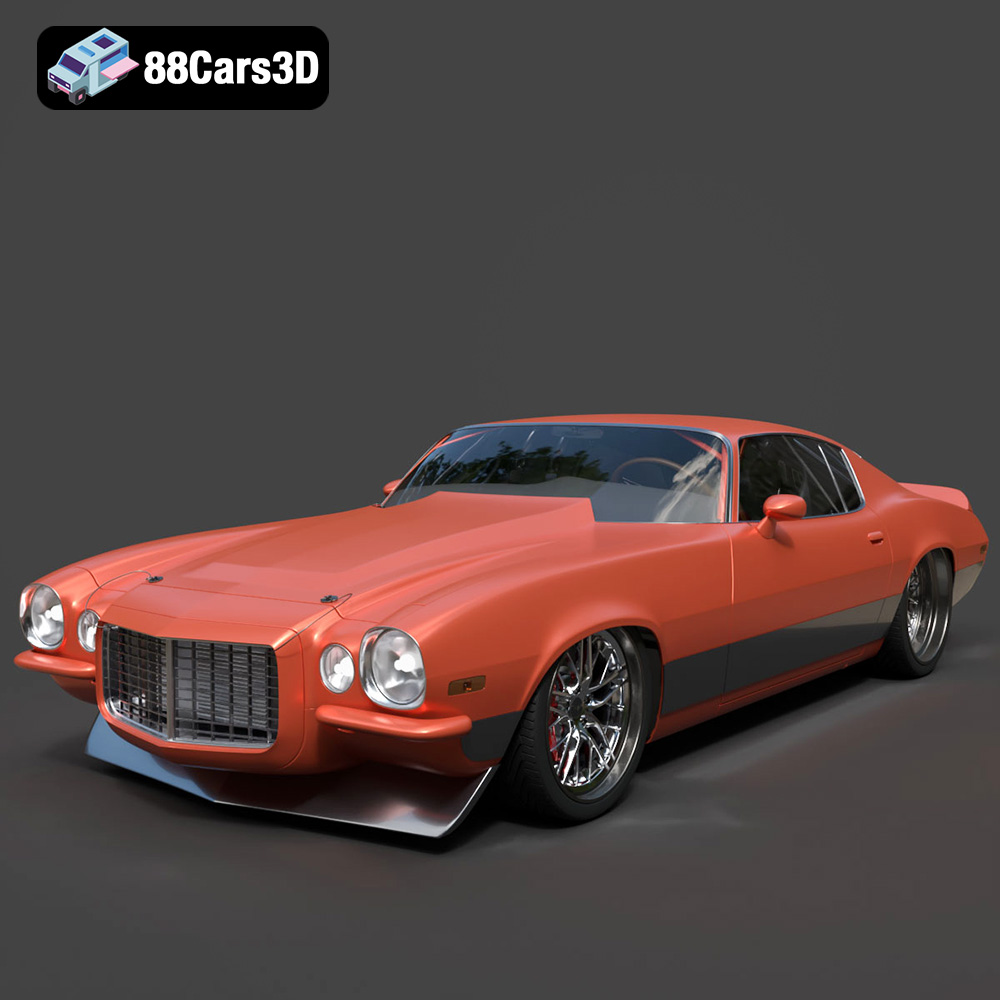
Texture: Yes
Material: Yes
Download the Chevrolet Camaro 1970 3D Model featuring clean geometry, realistic detailing, and a fully modeled interior. Includes .blend, .fbx, .obj, .glb, .stl, .ply, .unreal, and .max formats for rendering, simulation, and game development.
Price: $10
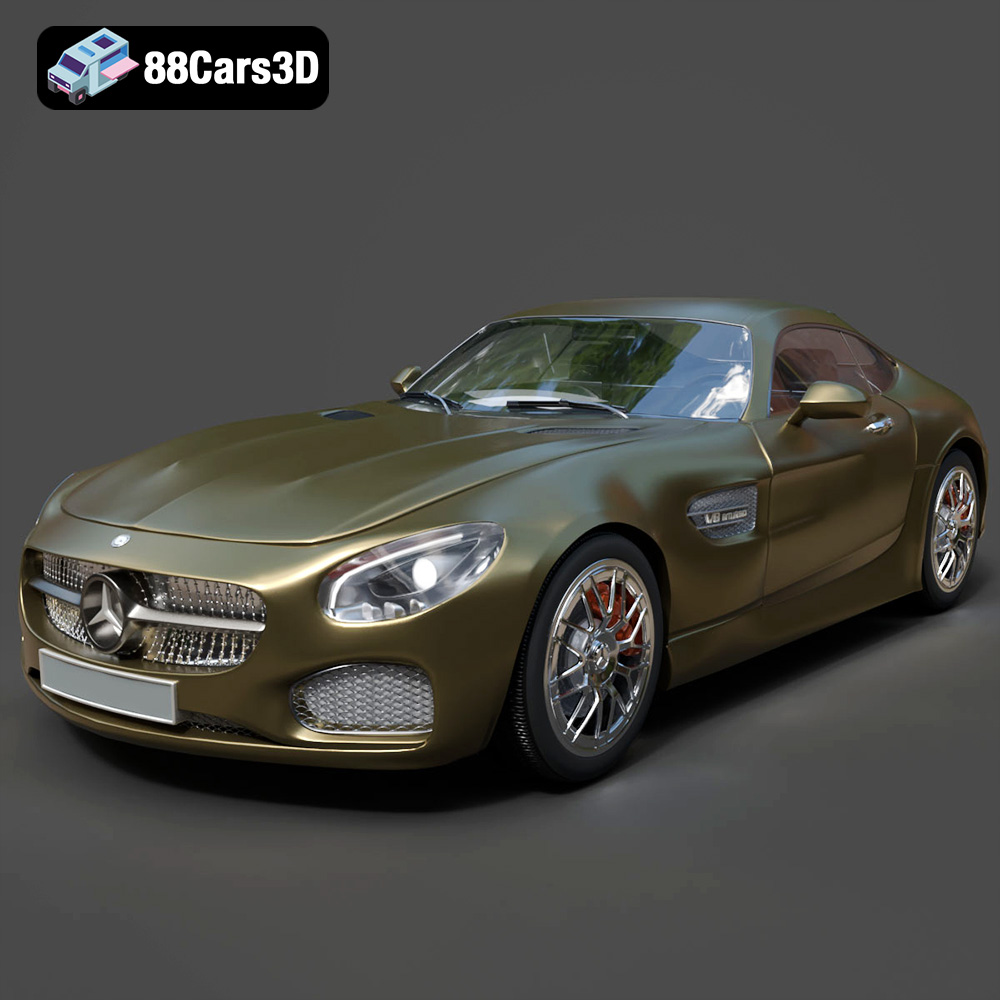
Texture: Yes
Material: Yes
Download the Mercedes-AMG GT 2015 3D Model featuring clean geometry, realistic detailing, and a fully modeled interior. Includes .blend, .fbx, .obj, .glb, .stl, .ply, .unreal, and .max formats for rendering, simulation, and game development.
Price: $88.99
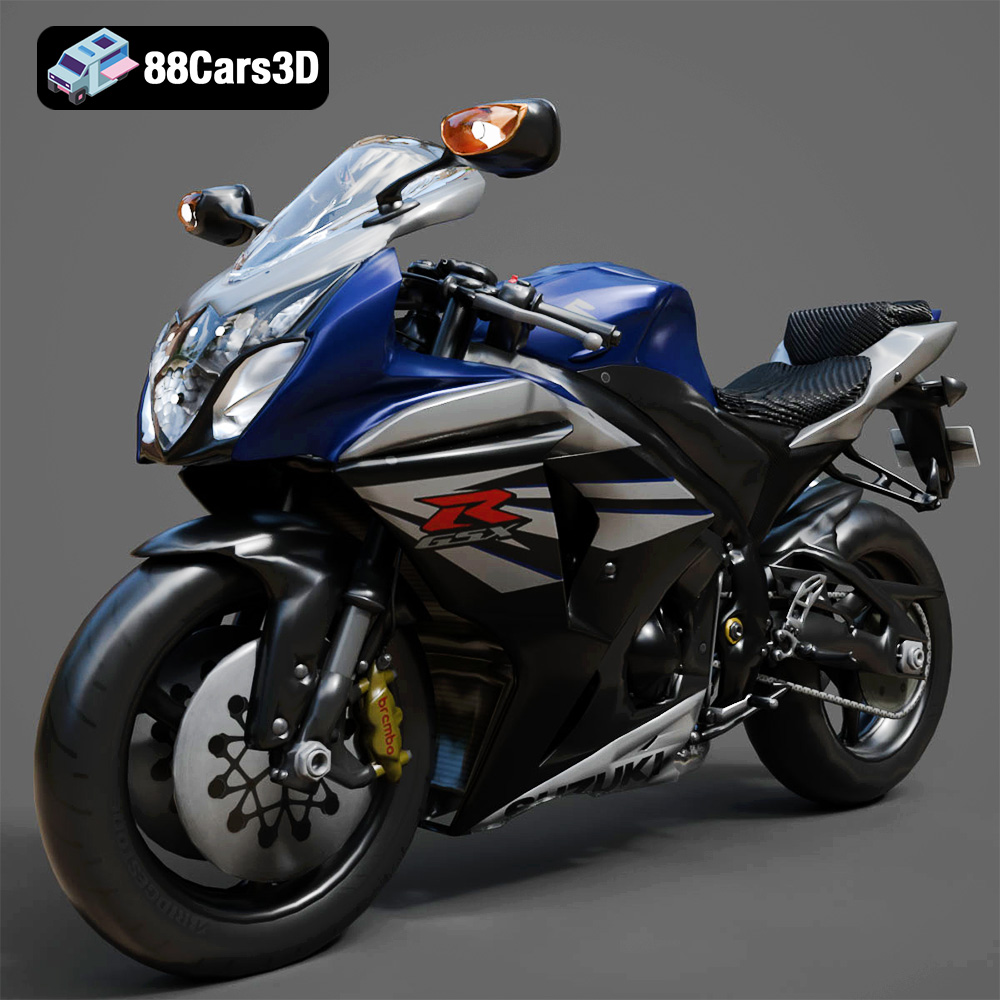
Texture: Yes
Material: Yes
Download the Suzuki GSX-R 1000 3D Model featuring clean geometry, realistic detailing, and a fully modeled interior. Includes .blend, .fbx, .obj, .glb, .stl, .ply, .unreal, and .max formats for rendering, simulation, and game development.
Price: $10
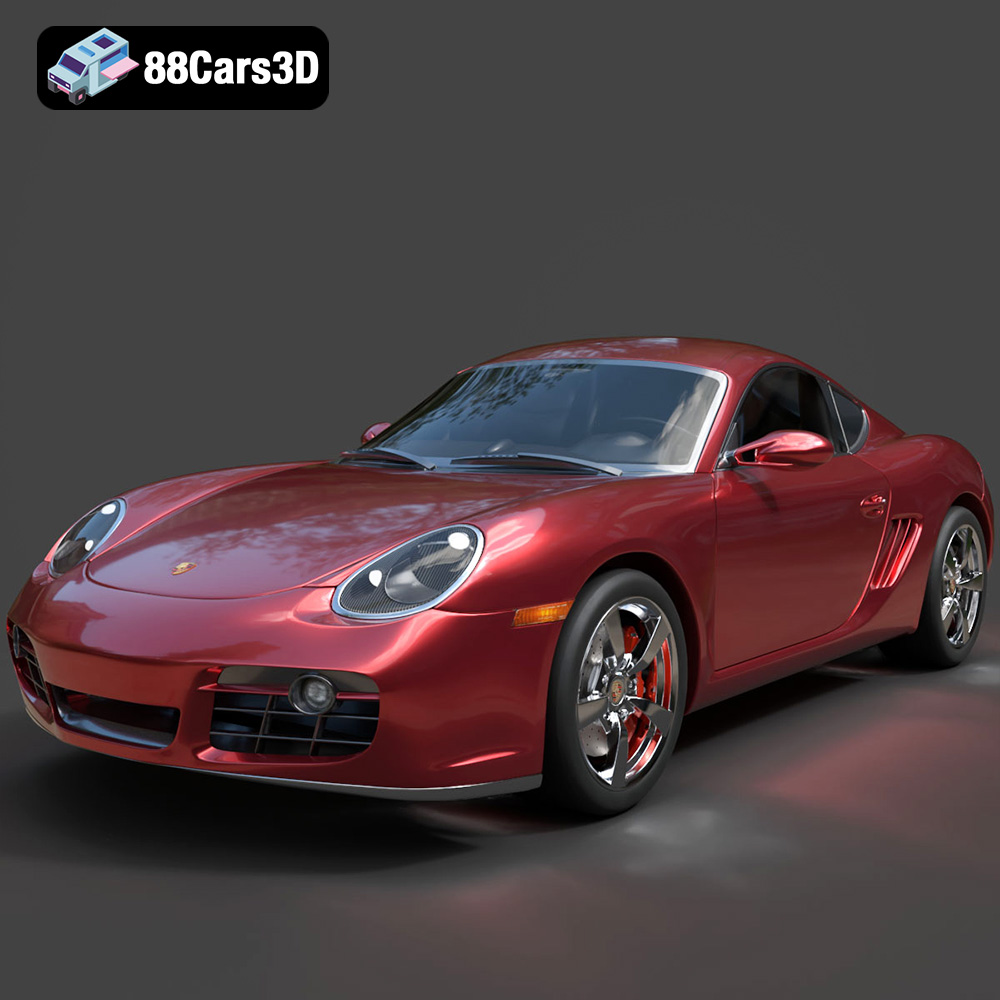
Texture: Yes
Material: Yes
Download the Porsche Cayman S 2024 3D Model featuring clean geometry, realistic detailing, and a fully modeled interior. Includes .blend, .fbx, .obj, .glb, .stl, .ply, .unreal, and .max formats for rendering, simulation, and game development.
Price: $10
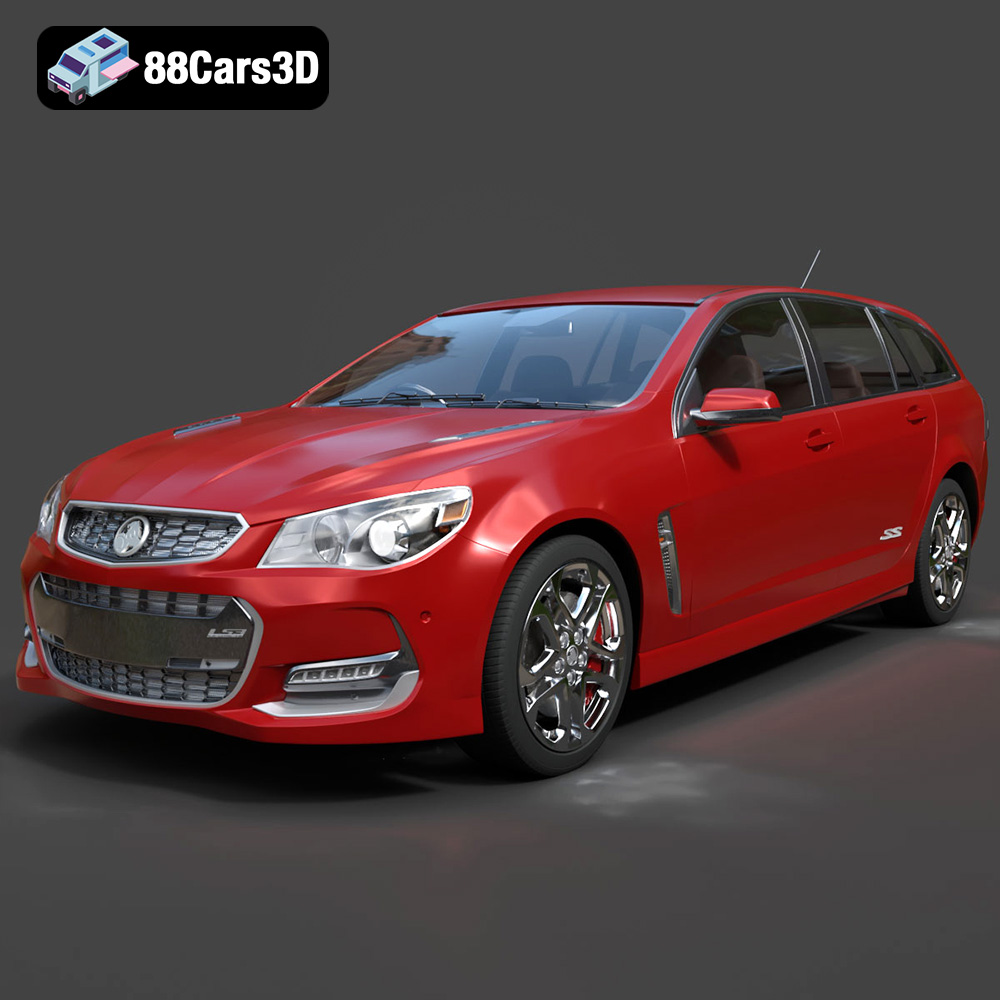
Texture: Yes
Material: Yes
Download the Holden Commodore Sportwagon 2017 3D Model featuring clean geometry, realistic detailing, and a fully modeled interior. Includes .blend, .fbx, .obj, .glb, .stl, .ply, .unreal, and .max formats for rendering, simulation, and game development.
Price: $10
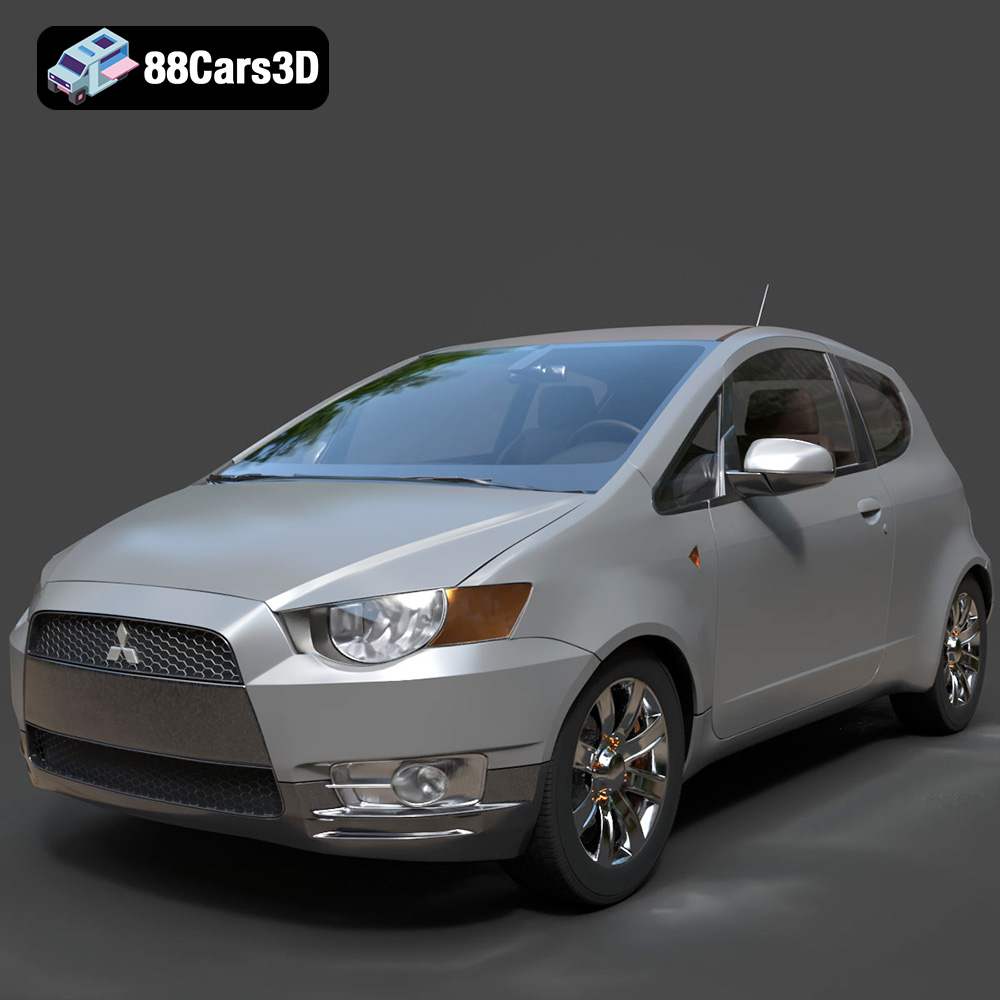
Texture: Yes
Material: Yes
Download the Mitsubishi Colt 3 Door 2008 3D Model featuring clean geometry, realistic detailing, and a fully modeled interior. Includes .blend, .fbx, .obj, .glb, .stl, .ply, .unreal, and .max formats for rendering, simulation, and game development.
Price: $10

**Meta Description:**
Texture: Yes
Material: Yes
Download the Toyota Crown Majesta 2009 3D Model with luxury detailing, clean topology, and a fully modeled interior. Available in .blend, .fbx, .obj, .glb, .stl, .ply, .unreal, and .max formats for rendering, simulation, and game development.
Price: $4.99

**Meta Description:**
Texture: Yes
Material: Yes
Download the Toyota AE86 Levin 1983 1987 3D Model featuring realistic exterior and interior detailing. Includes .blend, .fbx, .obj, .glb, .stl, .ply, .unreal, and .max formats for rendering, simulation, and game development.
Price: $9.99

Texture: Yes
Material: Yes
Download the Toyota Mark 2 2001 3D Model featuring clean geometry, realistic detailing, and a fully modeled interior. Includes .blend, .fbx, .obj, .glb, .stl, .ply, .unreal, and .max formats for rendering, simulation, and game development.
Price: $4.99

Texture: Yes
Material: Yes
Download the Toyota Celica 2000 3D Model featuring clean geometry, realistic detailing, and a fully modeled interior. Includes .blend, .fbx, .obj, .glb, .stl, .ply, .unreal, and .max formats for rendering, simulation, and game development.
Price: $4.99

