⚡ FLASH SALE: Get 60% OFF All Premium 3D & STL Models! ⚡

The world of automotive visualization has been revolutionized by real-time rendering, and Unreal Engine 5 stands at the forefront of this transformation. Gone are the days of lengthy offline render times and static imagery. Today, developers and artists can create photorealistic, fully interactive automotive experiences, from dynamic car configurators to immersive virtual showrooms and cinematic marketing content. The power to craft these scenes is more accessible than ever, but achieving professional-grade results requires a deep understanding of the engine’s capabilities and a methodical workflow. This guide is designed to be your comprehensive roadmap, taking you from a high-quality 3D car model to a polished, optimized, and interactive final product within Unreal Engine.
In this deep dive, we will explore the essential stages of bringing a vehicle to life in UE5. We’ll start with the crucial first steps of project setup and asset preparation, ensuring your foundation is solid. From there, we’ll navigate the intricacies of the import process, master the art of creating stunning PBR materials—especially the notoriously complex car paint shader—and illuminate your scene with the groundbreaking power of Lumen. We will then unlock the potential for interactivity using Blueprint visual scripting and explore how cutting-edge features like Nanite can handle unprecedented geometric detail. Finally, we’ll cover the critical discipline of optimization to ensure your creation runs smoothly across a range of hardware. Whether you’re a 3D artist, game developer, or visualization specialist, this article will equip you with the technical knowledge to elevate your automotive projects.
Before importing a single polygon, establishing a robust project foundation is paramount. A well-configured Unreal Engine project and a meticulously prepared 3D model will prevent countless headaches down the line and set the stage for a smooth, efficient workflow. This initial phase is about making informed decisions that align with your project’s final goal, whether it’s a high-fidelity cinematic or a performance-critical VR experience. The quality of your source asset is non-negotiable; starting with a clean, well-constructed model is the single most important factor for achieving photorealism.
When creating a new project for automotive visualization, selecting the correct template and settings is your first step. For the highest visual fidelity, start with the ‘Games’ or ‘Film/Video & Live Events’ category.
The 3D model itself needs to be “Unreal-ready.” Sourcing high-quality game assets from marketplaces such as 88cars3d.com can save significant time, as these models are often built with clean topology and proper hierarchy for real-time use. Regardless of the source, perform these checks in your preferred Digital Content Creation (DCC) software (e.g., Blender, 3ds Max, Maya):
Importing your 3D car model into Unreal Engine is more than just a drag-and-drop operation. The settings you choose in the import dialog box have a significant impact on performance, material setup, and your ability to interact with the model later. Understanding the different import options and file formats will ensure your automotive asset arrives in the engine exactly as you intend.
While Unreal Engine supports numerous formats, FBX and USD are the industry standards for complex assets like vehicles.
For most users, exporting the vehicle as a single FBX file with a clean hierarchy is the most straightforward and effective method.
When you import an FBX file, a detailed options dialog appears. For a car model, pay close attention to the following:
After importing, Unreal will create a folder containing all the individual Static Meshes, Materials, and Textures. It’s best practice to then create a new Blueprint Class (Actor) and assemble your car within it by adding the Static Mesh components. This creates a single, self-contained asset that is easy to manage, move, and script.
The perceived realism of your vehicle hinges almost entirely on the quality of its materials. Unreal Engine’s node-based Material Editor is an incredibly powerful tool for creating physically accurate surfaces. For automotive assets, the primary challenge is recreating complex materials like multi-layered car paint, brushed metals, textured plastics, and realistic glass. This requires a solid understanding of Physically Based Rendering (PBR) principles.
Standard PBR materials are not enough for high-quality car paint. You need to leverage the Clear Coat shading model in the Material Editor. This simulates a layer of varnish over a base paint layer, which is essential for achieving that deep, glossy automotive finish.
Beyond the paint, other materials complete the vehicle’s look:
Lighting is what breathes life and emotion into your scene. Unreal Engine 5’s Lumen Global Illumination and Reflections system provides stunning dynamic lighting out of the box, but mastering it for automotive showcases requires a nuanced approach. Combining Lumen with traditional lighting techniques will give you the control needed to produce commercial-quality renders.
Lumen is a fully dynamic global illumination system, meaning light bounces realistically around the scene in real-time. For automotive visualization, this is revolutionary.
While an HDRI provides a great base, professional shots require deliberate key, fill, and rim lights, just like in real-world photography.
The true power of real-time rendering lies in interactivity. Unreal Engine provides a suite of tools that allow you to move beyond static renders and create engaging experiences like car configurators, animated showcases, and even drivable vehicle simulations. Blueprint, Sequencer, and the Chaos Vehicle system are your primary tools for this.
Blueprint is Unreal Engine’s visual scripting system, enabling you to create complex logic without writing a single line of code. A simple paint color configurator is a perfect entry point.
This same logic can be extended to swap wheels, change interior trim, or toggle lights, forming the basis of a complete automotive configurator.
Sequencer is Unreal’s professional, non-linear cinematic editing tool. It’s perfect for creating high-quality marketing videos, camera fly-throughs, and animated component showcases.
Achieving photorealism is only half the battle; ensuring your application runs at a smooth, consistent framerate is equally important. This is especially true for interactive experiences like VR showrooms or game development. Unreal Engine 5 offers powerful tools like Nanite and traditional optimization techniques to manage performance.
Nanite is Unreal Engine’s virtualized micropolygon geometry system. It allows you to import and render 3D models with millions of polygons in real-time without the traditional need for manual Level of Detail (LOD) creation or normal map baking for the main body mesh. For high-poly 3D car models, Nanite is a game-changer.
For components that cannot use Nanite (or for projects targeting lower-end hardware), traditional optimization methods are essential.
We’ve journeyed through the complete workflow of transforming a static 3D car model into a dynamic, photorealistic, and interactive asset within Unreal Engine 5. By focusing on a strong foundation through proper project setup and asset preparation, you pave the way for success. Mastering the PBR Material Editor is key to achieving visual fidelity, while leveraging the combined power of Lumen and traditional lighting techniques will make your vehicle shine. The true potential of real-time is unlocked with the interactivity of Blueprint and the cinematic capabilities of Sequencer. Finally, intelligent optimization using groundbreaking features like Nanite alongside proven methods like LODs ensures your stunning creation performs beautifully.
The world of automotive visualization is no longer just about creating pretty pictures; it’s about crafting immersive experiences. The skills and techniques outlined here are your toolkit for building the next generation of car configurators, virtual test drives, and compelling marketing content. The journey begins with a high-quality asset, and from there, the power of Unreal Engine provides a nearly limitless canvas for your creativity. Now is the time to find your perfect model, launch the engine, and start building.

Texture: Yes
Material: Yes
Download the Chevrolet Camaro 1970 3D Model featuring clean geometry, realistic detailing, and a fully modeled interior. Includes .blend, .fbx, .obj, .glb, .stl, .ply, .unreal, and .max formats for rendering, simulation, and game development.
Price: $10

Texture: Yes
Material: Yes
Download the Mercedes-AMG GT 2015 3D Model featuring clean geometry, realistic detailing, and a fully modeled interior. Includes .blend, .fbx, .obj, .glb, .stl, .ply, .unreal, and .max formats for rendering, simulation, and game development.
Price: $88.99

Texture: Yes
Material: Yes
Download the Suzuki GSX-R 1000 3D Model featuring clean geometry, realistic detailing, and a fully modeled interior. Includes .blend, .fbx, .obj, .glb, .stl, .ply, .unreal, and .max formats for rendering, simulation, and game development.
Price: $10

Texture: Yes
Material: Yes
Download the Porsche Cayman S 2024 3D Model featuring clean geometry, realistic detailing, and a fully modeled interior. Includes .blend, .fbx, .obj, .glb, .stl, .ply, .unreal, and .max formats for rendering, simulation, and game development.
Price: $10

Texture: Yes
Material: Yes
Download the Holden Commodore Sportwagon 2017 3D Model featuring clean geometry, realistic detailing, and a fully modeled interior. Includes .blend, .fbx, .obj, .glb, .stl, .ply, .unreal, and .max formats for rendering, simulation, and game development.
Price: $10
Texture: Yes
Material: Yes
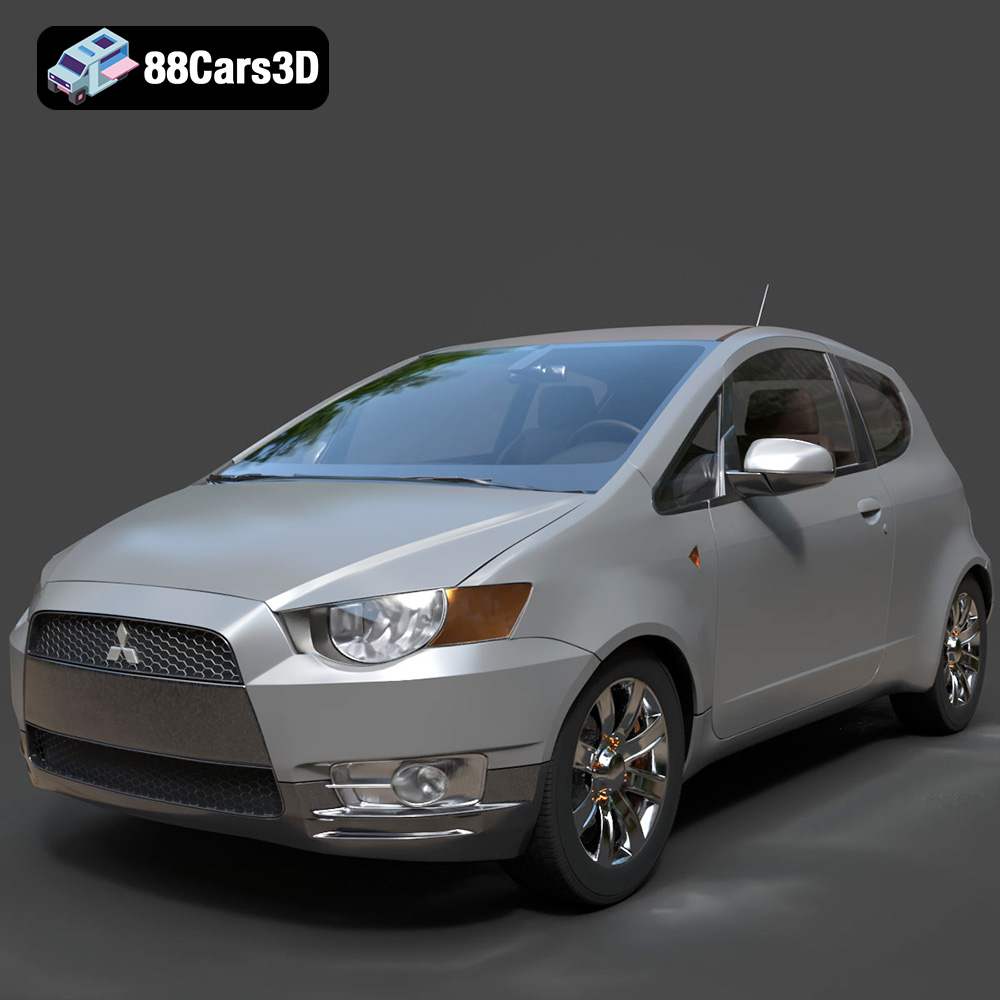
Download the Mitsubishi Colt 3 Door 2008 3D Model featuring clean geometry, realistic detailing, and a fully modeled interior. Includes .blend, .fbx, .obj, .glb, .stl, .ply, .unreal, and .max formats for rendering, simulation, and game development.
Price: $10
Texture: Yes
Material: Yes
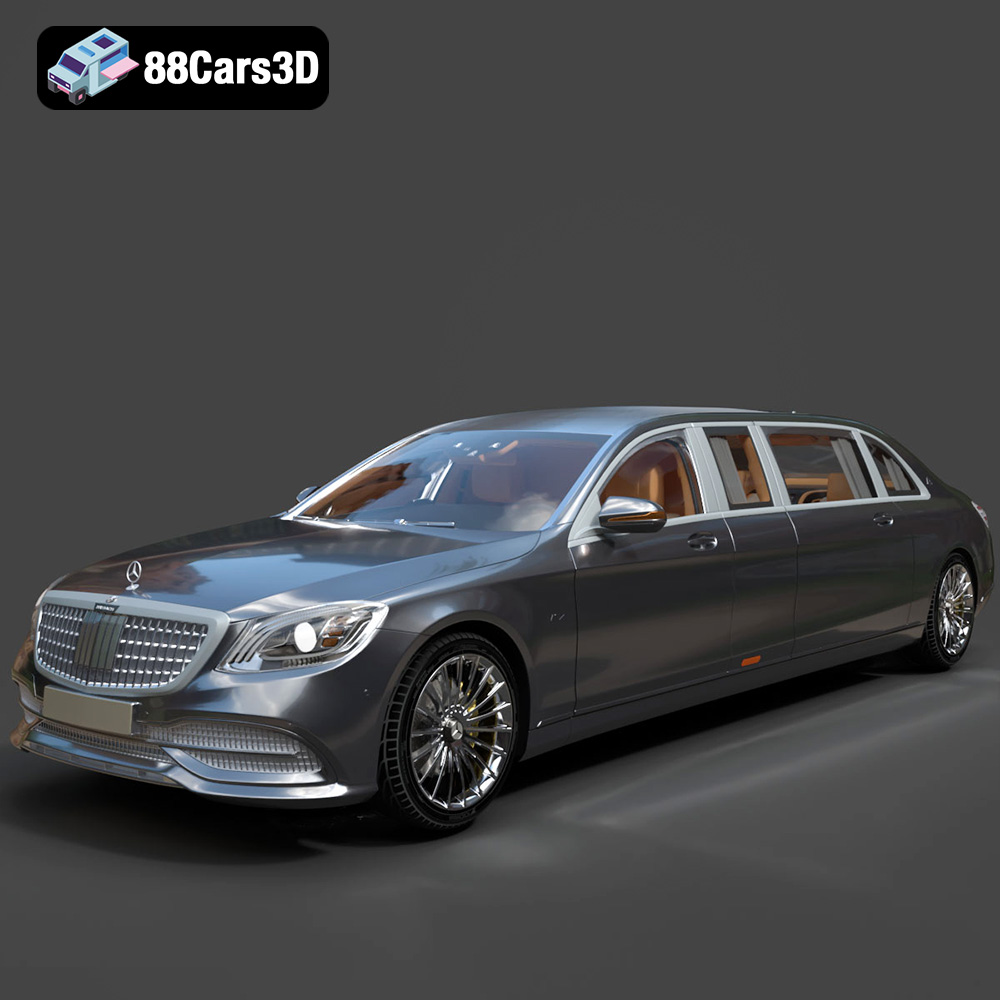
Download the Mercedes-Benz S650 Pullman 3D Model featuring clean geometry, realistic detailing, and a fully modeled interior. Includes .blend, .fbx, .obj, .glb, .stl, .ply, .unreal, and .max formats for rendering, simulation, and game development.
Price: $10
Texture: Yes
Material: Yes
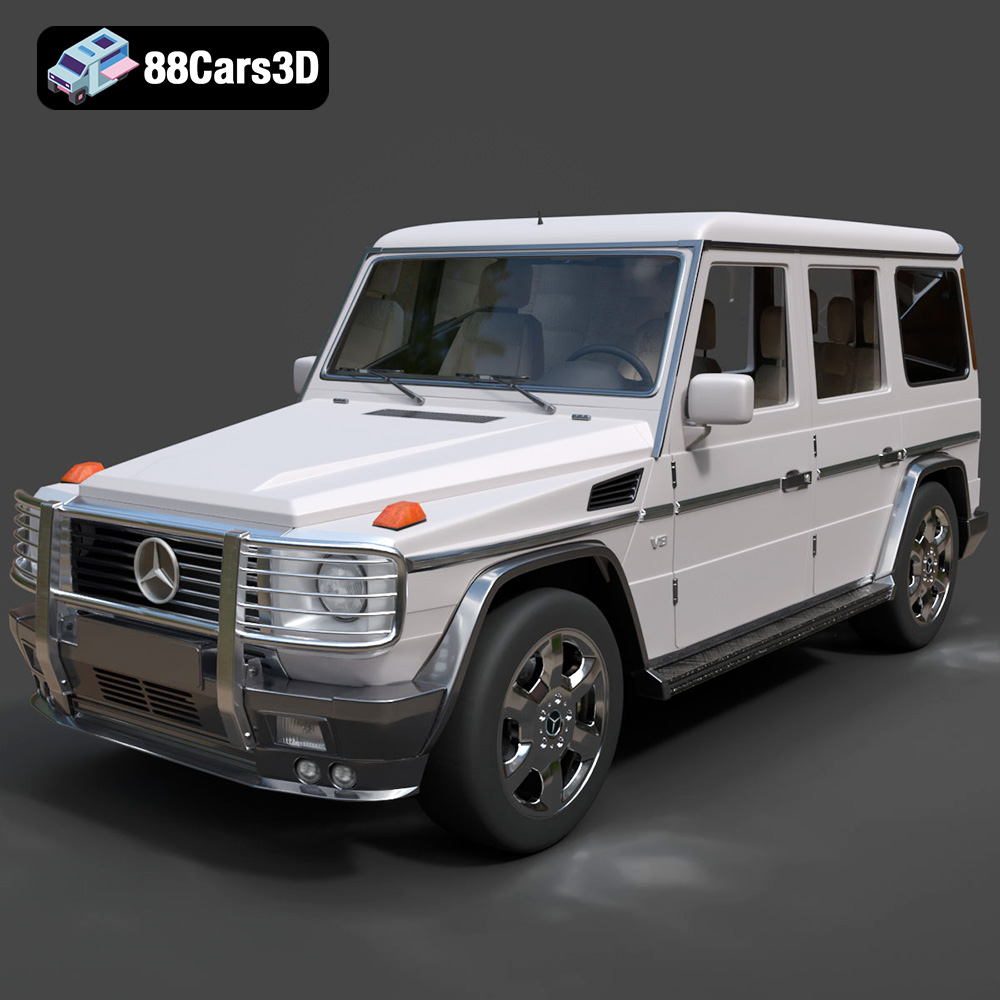
Download the Mercedes G-Class SUV 2024 3D Model featuring clean geometry, realistic detailing, and a fully modeled interior. Includes .blend, .fbx, .obj, .glb, .stl, .ply, .unreal, and .max formats for rendering, simulation, and game development.
Price: $10
Texture: Yes
Material: Yes
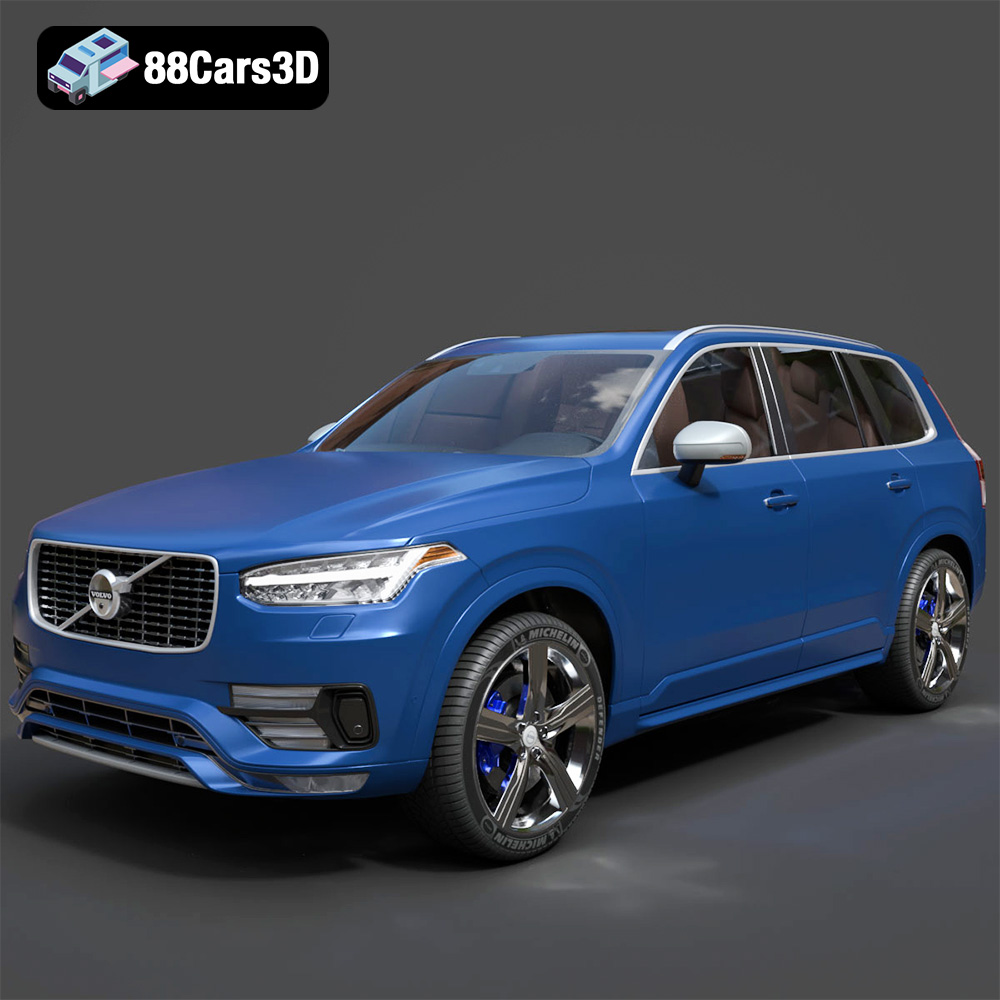
Download the Volvo XC90 R-Design 2015 3D Model featuring clean geometry, realistic detailing, and a fully modeled interior. Includes .blend, .fbx, .obj, .glb, .stl, .ply, .unreal, and .max formats for rendering, simulation, and game development.
Price: $10

**Meta Description:**
Texture: Yes
Material: Yes
Download the Toyota Crown Majesta 2009 3D Model with luxury detailing, clean topology, and a fully modeled interior. Available in .blend, .fbx, .obj, .glb, .stl, .ply, .unreal, and .max formats for rendering, simulation, and game development.
Price: $4.99

