⚡ FLASH SALE: Get 60% OFF All Premium 3D & STL Models! ⚡

“`html
The allure of 3D printing lies in its ability to transform digital designs into tangible objects. For automotive enthusiasts, this translates to the exciting possibility of creating detailed, personalized car models. However, achieving high-quality results requires a solid understanding of the 3D printing process, from STL file preparation to post-processing techniques. This comprehensive guide will walk you through the intricacies of 3D printing car models, covering essential aspects such as file optimization, printer settings, slicing strategies, and material selection. Whether you’re a seasoned maker or a curious beginner, this article will provide you with the knowledge and practical tips to elevate your 3D printed car model projects.
We’ll delve into the specifics of working with STL files, exploring mesh repair techniques and best practices for preparing your models for printing. We’ll also cover the critical differences between FDM and resin printing, helping you choose the right technology for your desired outcome. Furthermore, we will examine support structure generation, optimization, and removal, along with essential post-processing techniques to achieve a professional finish. Prepare to dive deep into the world of 3D printing and unlock the potential to create stunning, detailed car models that you’ll be proud to display.
The STL (Stereolithography) file format is the cornerstone of 3D printing. It represents a 3D object as a collection of interconnected triangles, forming a mesh. The quality and accuracy of this mesh directly impact the final print quality. A well-structured STL file is crucial for successful 3D printing, ensuring accurate representation and preventing common printing issues. When downloading models from marketplaces such as 88cars3d.com, you can generally expect high-quality STL files. However, understanding the underlying principles is always beneficial.
Mesh density refers to the number of triangles used to represent the object’s surface. A higher density results in a smoother, more detailed model but also increases file size and processing time. For car models, especially those with intricate details, a balance must be struck between detail and practicality. Lower resolution models might exhibit visible facets or stair-stepping, particularly on curved surfaces. Aim for a mesh density that captures the essential details without overwhelming your 3D printer’s processing capabilities. A good starting point is to ensure that the model looks smooth when zoomed in within your slicing software.
A “manifold” mesh is a closed, watertight surface, essential for 3D printing. Non-manifold meshes contain errors like holes, self-intersections, or flipped normals, which can cause slicing software to malfunction and lead to print failures. Repairing these errors is a critical step in preparing STL files. Software like Meshmixer, Netfabb, and even the built-in repair tools in PrusaSlicer and Cura can automatically detect and fix many common mesh errors. Before slicing any STL file, especially one sourced from less reputable sources, always run it through a mesh repair tool. This preventative measure can save significant time and material by preventing failed prints.
Slicing is the process of converting a 3D model into a series of 2D layers that the 3D printer can understand and build upon. Slicing software, such as Cura or PrusaSlicer, allows you to control numerous parameters that significantly impact print quality, speed, and strength. Optimizing these settings is crucial for achieving the desired results when printing car models. Remember, the “best” settings vary depending on the specific printer, material, and model.
Layer height determines the thickness of each printed layer. Lower layer heights result in smoother surfaces and finer details, but also increase print time. For car models where surface finish is important, a layer height of 0.1mm to 0.15mm is often recommended. However, for larger models or less critical parts, increasing the layer height to 0.2mm or 0.25mm can significantly reduce print time without drastically sacrificing quality. Finding the right balance is key. For example, printing a small, highly detailed emblem might warrant a 0.05mm layer height, while a large chassis component could be printed at 0.2mm.
Infill refers to the internal structure of the 3D printed object. Infill density, expressed as a percentage, determines how much material is used to fill the interior. Higher infill densities increase strength and weight but also consume more material and increase print time. For car models, the optimal infill density depends on the intended use. For display models, a lower infill density (10-15%) is usually sufficient. However, if the model is intended for functional use or needs to withstand stress, a higher infill density (20-30%) may be necessary. Infill patterns, such as grid, gyroid, or honeycomb, also affect strength and print time. Gyroid infill offers excellent strength-to-weight ratio and is a good choice for parts that need to be durable.
Support structures are temporary structures that provide support to overhanging features during 3D printing. These structures prevent the model from collapsing or warping during the printing process. Generating and removing supports effectively is a critical skill for achieving successful prints, especially for complex car models with intricate geometries and overhanging elements. Poorly designed or improperly removed supports can leave unsightly marks or damage the model.
Slicing software typically offers both automatic and manual support generation options. Automatic support generation is a quick and easy way to add supports, but it may not always be optimal, often resulting in excessive support material and difficult-to-remove structures. Manual support generation allows for more precise control, enabling you to place supports strategically only where they are needed. This can significantly reduce material waste and improve the surface finish of the printed model. Learning to manually add supports is a valuable skill for any 3D printing enthusiast.
The interface between the support structure and the model is crucial for easy removal. A well-defined support interface allows for clean separation without damaging the model’s surface. Adjusting the support interface density and pattern can significantly impact the ease of removal. Using a specialized support material, such as HIPS for ABS or PVA for PLA (in dual-extrusion printers), can further simplify the removal process. For standard supports, sharp tools like hobby knives or flush cutters can be used to carefully remove the supports. Applying gentle heat from a heat gun can sometimes soften the supports and make them easier to remove.
Print orientation refers to the position of the model on the build plate. Choosing the optimal print orientation can significantly impact print quality, support requirements, and bed adhesion. Bed adhesion refers to the ability of the first layer to stick to the build plate, which is essential for preventing warping and print failures. Proper bed adhesion is particularly important for larger car models that require extended print times.
The ideal print orientation minimizes the need for support structures while maximizing contact with the build plate. Orienting the model to reduce overhangs can significantly reduce support material and print time. For car models, consider orienting the chassis with the flattest surface facing down to maximize bed adhesion. However, this might introduce the need for more supports on the upper surfaces. Experimenting with different orientations and analyzing the resulting support requirements in your slicing software is key to finding the optimal solution.
Several techniques can improve bed adhesion. Cleaning the build plate with isopropyl alcohol (IPA) is essential for removing oils and contaminants. Applying a thin layer of adhesive, such as glue stick or hairspray, can further enhance adhesion. Using a heated bed is also crucial for many materials, such as ABS and PETG, as it helps to keep the first layer warm and prevents warping. Adjusting the Z-offset, the distance between the nozzle and the build plate, is also critical for ensuring proper first layer adhesion. Too high, and the filament won’t stick; too low, and the nozzle will drag and potentially clog. Experimenting with different materials, such as PEI sheets or textured build plates, can also improve bed adhesion.
The choice of 3D printing material and technology (FDM vs. Resin) significantly impacts the final appearance, strength, and detail of your printed car model. FDM (Fused Deposition Modeling) uses a thermoplastic filament, while Resin printing utilizes liquid photopolymer resins. Each technology has its own strengths and weaknesses, making them suitable for different applications. Understanding these differences is crucial for selecting the right approach for your specific project.
FDM printing is the most common and affordable 3D printing technology. PLA (Polylactic Acid) is a biodegradable thermoplastic known for its ease of use and low printing temperature. It’s a great choice for beginners and for printing display models. PETG (Polyethylene Terephthalate Glycol) offers improved strength and temperature resistance compared to PLA. It’s a good all-around material for car models that require some durability. ABS (Acrylonitrile Butadiene Styrene) is a strong and heat-resistant thermoplastic often used in automotive applications. However, it requires higher printing temperatures and is more prone to warping, making it more challenging to print. When using FDM, remember to adjust temperatures, print speeds and cooling based on the filament manufacturer’s recommendations. Nozzle sizes also impact the level of detail, with smaller nozzles (0.25mm-0.4mm) providing finer details for smaller scale models.
Resin printing offers superior detail and surface finish compared to FDM printing. SLA (Stereolithography), DLP (Digital Light Processing), and LCD (Liquid Crystal Display) are all types of resin printing. Resin printers use liquid photopolymer resins that are cured by UV light. Resin printing is ideal for producing highly detailed car models with smooth surfaces, such as miniatures or complex engine components. However, resin printers are generally more expensive than FDM printers, and the resins themselves can be costly and require careful handling. Furthermore, resin prints often require post-processing, such as washing and curing, to remove uncured resin and achieve optimal strength and durability. When downloading models from platforms like 88cars3d.com that offer print-ready STL files, consider whether FDM or resin printing is more suitable for the level of detail in the model.
Post-processing refers to the steps taken after 3D printing to improve the appearance, strength, and functionality of the printed object. For car models, post-processing is crucial for achieving a professional finish that rivals injection-molded parts. Common post-processing techniques include sanding, filling, priming, painting, and assembly.
Sanding is used to smooth out layer lines and remove imperfections from the 3D printed surface. Start with a coarse grit sandpaper (e.g., 220 grit) and gradually move to finer grits (e.g., 400, 600, 800 grit) to achieve a smooth finish. Filling is used to fill in gaps, holes, and imperfections. Epoxy-based fillers or specialized 3D printing fillers are commonly used. Priming provides a smooth, uniform surface for painting and helps the paint adhere better to the plastic. Apply multiple thin coats of primer, sanding lightly between each coat.
Painting is used to add color and detail to the car model. Use acrylic or enamel paints specifically designed for plastics. Apply multiple thin coats of paint for a smooth, even finish. Consider using an airbrush for finer details and a more professional look. Clear coating protects the paint and adds a glossy or matte finish. Assembly involves connecting the different parts of the car model together. Use glue or screws to join the parts securely. Pay attention to alignment and ensure that all parts fit together properly. Decals can be added for additional details, such as logos and racing stripes.
3D printing car models is a rewarding endeavor that combines technical skills with creative expression. By understanding the intricacies of STL files, mastering slicing parameters, optimizing support structures, and selecting the right materials and post-processing techniques, you can create stunning, detailed car models that you’ll be proud to display. The journey involves continuous learning and experimentation, but the results are well worth the effort.
Remember to start with simple models and gradually progress to more complex projects. Don’t be afraid to experiment with different settings and materials to find what works best for your printer and your desired outcome. Platforms like 88cars3d.com offer a wide selection of high-quality, print-ready STL files, providing a great starting point for your 3D printing journey. So, dive in, explore the possibilities, and unleash your creativity to bring your dream car models to life. The next step is to choose your model, prepare the files, and start printing!
“`
Texture: Yes
Material: Yes
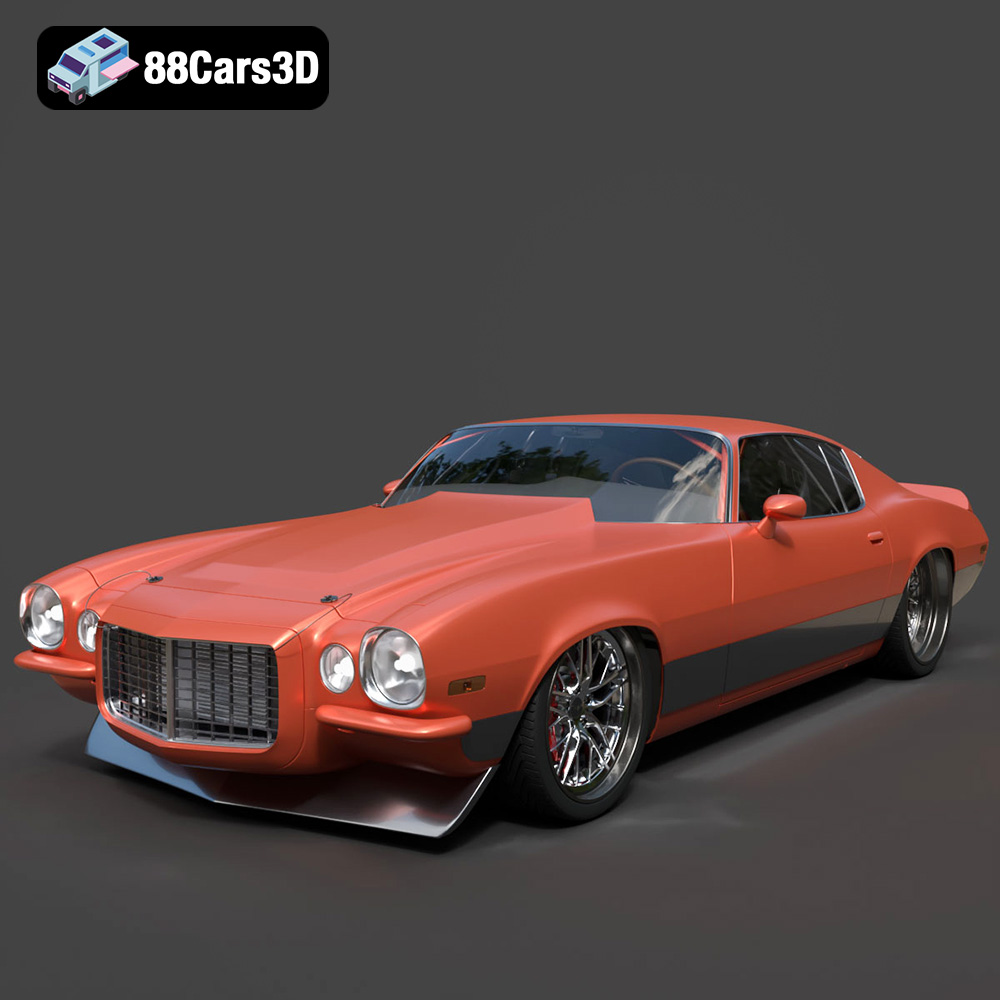
Download the Chevrolet Camaro 1970 3D Model featuring clean geometry, realistic detailing, and a fully modeled interior. Includes .blend, .fbx, .obj, .glb, .stl, .ply, .unreal, and .max formats for rendering, simulation, and game development.
Price: $10

Texture: Yes
Material: Yes
Download the Mercedes-AMG GT 2015 3D Model featuring clean geometry, realistic detailing, and a fully modeled interior. Includes .blend, .fbx, .obj, .glb, .stl, .ply, .unreal, and .max formats for rendering, simulation, and game development.
Price: $88.99
Texture: Yes
Material: Yes
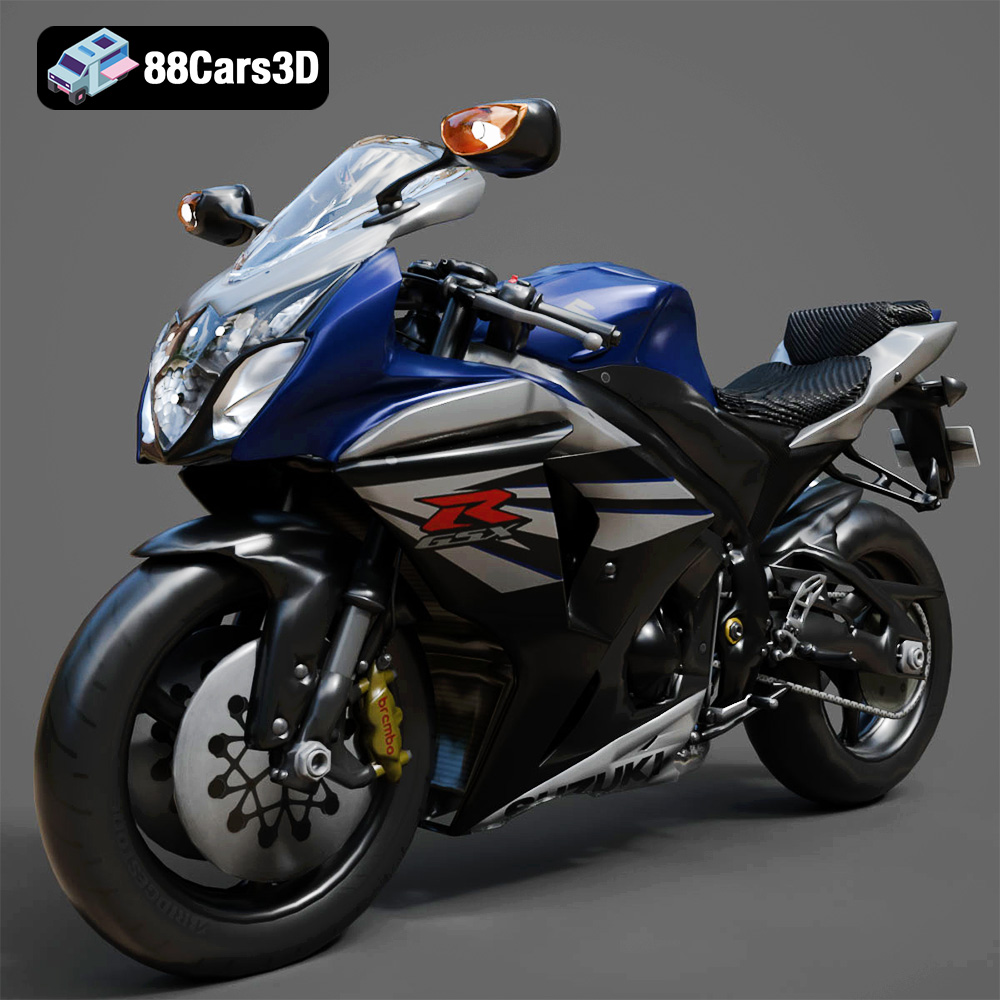
Download the Suzuki GSX-R 1000 3D Model featuring clean geometry, realistic detailing, and a fully modeled interior. Includes .blend, .fbx, .obj, .glb, .stl, .ply, .unreal, and .max formats for rendering, simulation, and game development.
Price: $10
Texture: Yes
Material: Yes
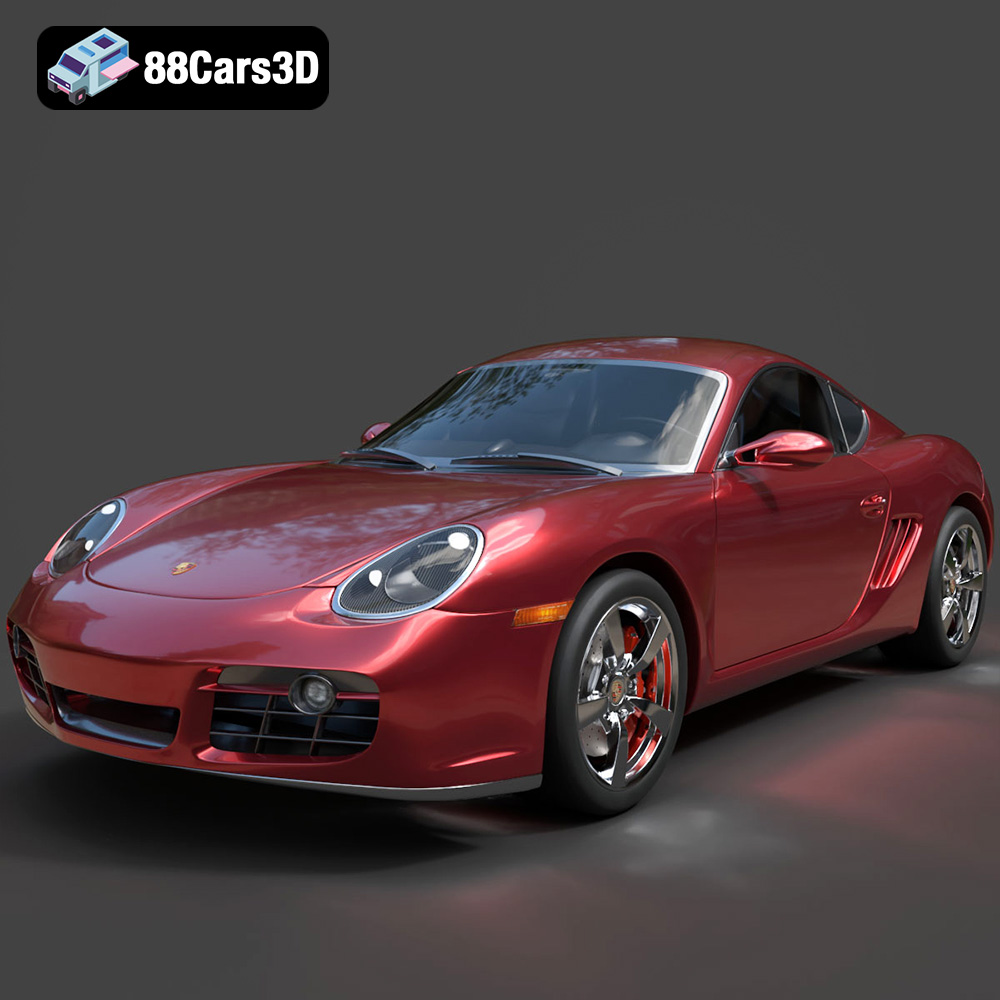
Download the Porsche Cayman S 2024 3D Model featuring clean geometry, realistic detailing, and a fully modeled interior. Includes .blend, .fbx, .obj, .glb, .stl, .ply, .unreal, and .max formats for rendering, simulation, and game development.
Price: $10

Texture: Yes
Material: Yes
Download the Holden Commodore Sportwagon 2017 3D Model featuring clean geometry, realistic detailing, and a fully modeled interior. Includes .blend, .fbx, .obj, .glb, .stl, .ply, .unreal, and .max formats for rendering, simulation, and game development.
Price: $10

**Meta Description:**
Texture: Yes
Material: Yes
Download the Toyota Crown Majesta 2009 3D Model with luxury detailing, clean topology, and a fully modeled interior. Available in .blend, .fbx, .obj, .glb, .stl, .ply, .unreal, and .max formats for rendering, simulation, and game development.
Price: $4.99

**Meta Description:**
Texture: Yes
Material: Yes
Download the Toyota AE86 Levin 1983 1987 3D Model featuring realistic exterior and interior detailing. Includes .blend, .fbx, .obj, .glb, .stl, .ply, .unreal, and .max formats for rendering, simulation, and game development.
Price: $9.99

Texture: Yes
Material: Yes
Download the Toyota Mark 2 2001 3D Model featuring clean geometry, realistic detailing, and a fully modeled interior. Includes .blend, .fbx, .obj, .glb, .stl, .ply, .unreal, and .max formats for rendering, simulation, and game development.
Price: $4.99

Texture: Yes
Material: Yes
Download the Toyota Celica 2000 3D Model featuring clean geometry, realistic detailing, and a fully modeled interior. Includes .blend, .fbx, .obj, .glb, .stl, .ply, .unreal, and .max formats for rendering, simulation, and game development.
Price: $4.99

Download the Toyota Camry US 2012 3D Model featuring clean geometry, realistic detailing, and a fully modeled interior. Includes .blend, .fbx, .obj, .glb, .stl, .ply, .unreal, and .max formats for rendering, simulation, and game development.
Price: $4.99

