⚡ FLASH SALE: Get 60% OFF All Premium 3D & STL Models! ⚡

“`html
The world of 3D printing has opened up incredible possibilities for automotive enthusiasts, hobbyists, and model makers. Printing your own car models offers a level of customization and detail previously unimaginable. But achieving flawless prints requires a deep understanding of the entire process, from sourcing high-quality STL files to mastering your 3D printer settings. This comprehensive guide will walk you through every step, providing the knowledge and techniques you need to bring your dream car models to life. We’ll explore STL file preparation, optimal slicing parameters, support structure strategies, material selection, and post-processing techniques. Get ready to dive deep into the art of 3D printing car models and unlock a world of creativity!
The STL (Stereolithography) file format is the standard for 3D printing. It represents the surface geometry of a 3D object as a collection of triangles. Understanding the structure and nuances of STL files is crucial for successful 3D printing. When downloading models from marketplaces such as 88cars3d.com, you’ll want to ensure the files are well-prepared for printing.
The density of the triangle mesh directly impacts the smoothness and detail of your printed model. A higher triangle count results in a smoother surface but also increases file size and processing time. Finding the right balance is key. Look for STL files with optimized mesh topology, where triangles are distributed efficiently to capture details without unnecessary complexity. Poor mesh topology can lead to artifacts and printing errors.
Before slicing, it’s crucial to inspect your STL file for errors such as non-manifold geometry (edges shared by more than two triangles), holes, or self-intersections. These errors can cause slicing failures and print defects. Software like Meshmixer, Netfabb, or even the built-in repair tools in slicers like Cura and PrusaSlicer can automatically detect and fix many of these issues. It’s recommended to always repair your STL file before proceeding.
Key steps for STL file preparation:
Slicing software takes your STL file and converts it into a series of instructions (G-code) that your 3D printer can understand. The slicing process involves defining layer height, infill density, support structures, and other critical parameters that determine the quality and strength of your final print. Choosing the correct slicer and mastering its settings is essential for 3D printing car models.
Several slicing parameters significantly affect the outcome of your car model print. Layer height determines the resolution in the Z-axis. A smaller layer height (e.g., 0.1mm) yields finer details but increases print time. Infill density controls the internal structure of the model, balancing strength and material usage. For car models, a moderate infill (15-25%) is typically sufficient unless structural integrity is paramount. Print speed influences the quality and adhesion of layers. Slower speeds generally result in better quality but increase print time. Temperature settings (nozzle and bed) depend on the material used and should be optimized for proper adhesion and layer bonding.
Cura and PrusaSlicer are two popular and powerful slicing software options. Cura offers a wide range of settings and plugins, while PrusaSlicer is known for its ease of use and excellent default profiles. Both software packages allow you to customize support structures, adjust infill patterns, and optimize print settings for specific materials. Experimenting with different settings is crucial to find the optimal configuration for your printer and model.
Example Settings (PLA on FDM):
Support structures are essential for 3D printing models with overhangs or bridging sections. They provide a temporary scaffolding that prevents these features from collapsing during printing. The generation and removal of support structures can be a tricky process, and it’s crucial to optimize support settings to minimize material usage and ensure easy removal without damaging the model.
There are various types of support structures, including linear supports, tree supports, and custom supports. Linear supports are the most common and offer good stability but can be difficult to remove from intricate areas. Tree supports are more material-efficient and easier to remove, but may not be suitable for all geometries. Custom supports allow you to manually place supports where needed, providing the most control over support generation.
Proper support placement is crucial for successful printing. Focus on supporting overhangs that exceed 45 degrees and bridging sections. Avoid placing supports on visible surfaces whenever possible to minimize post-processing. Optimize support settings such as support density, support angle, and support interface layer to balance support strength and ease of removal. Often platforms like 88cars3d.com offer models pre-supported which saves time.
Tips for Support Optimization:
The choice of material significantly impacts the strength, appearance, and functionality of your 3D-printed car model. Common 3D printing materials include PLA, PETG, ABS, and various resins. Each material has its own properties, advantages, and disadvantages.
PLA (Polylactic Acid) is a biodegradable thermoplastic known for its ease of use and low printing temperature. It’s a good choice for beginners and models that don’t require high strength or heat resistance. PETG (Polyethylene Terephthalate Glycol) offers a good balance of strength, flexibility, and heat resistance. It’s a versatile material suitable for a wide range of applications. ABS (Acrylonitrile Butadiene Styrene) is a strong and durable thermoplastic known for its high impact resistance and heat resistance. However, it requires higher printing temperatures and is prone to warping.
Resin printing (SLA and DLP) offers superior resolution and detail compared to FDM printing. It’s ideal for producing highly detailed car models with smooth surfaces. However, resin printing can be more expensive and requires post-processing steps such as washing and curing. Different resin types are available, including standard resins, tough resins, and flexible resins, each with its own properties and applications.
Material Selection Guide:
Post-processing involves refining and finishing your 3D-printed car model to achieve the desired appearance and functionality. This may include removing support structures, sanding, painting, and assembling multiple parts.
Carefully remove support structures using tools such as pliers, cutters, or a heat gun. Be cautious not to damage the model during removal. Sand the surface of the model to remove layer lines and smooth out imperfections. Start with coarse sandpaper and gradually move to finer grits for a smooth finish.
Apply a primer to the model to prepare it for painting. Choose paints specifically designed for plastic models. Apply multiple thin coats for a smooth and even finish. Assemble multiple parts using glue or screws, depending on the design of the model. Consider using specialized modeling glues for stronger bonds.
Post-Processing Techniques:
Even with careful preparation and optimal settings, 3D printing can sometimes present challenges. Understanding common issues and their solutions is crucial for achieving consistent and successful prints.
Warping occurs when the corners of the model lift off the build plate. This can be caused by insufficient bed adhesion or temperature fluctuations. Ensure your build plate is properly leveled and heated. Use a bed adhesion aid such as glue stick, hairspray, or painter’s tape. Layer delamination occurs when layers separate during printing. This can be caused by insufficient nozzle temperature or poor layer bonding. Increase the nozzle temperature and reduce the print speed to improve layer adhesion.
Stringing occurs when molten filament oozes from the nozzle during travel moves. This can be caused by excessive nozzle temperature or retraction settings. Reduce the nozzle temperature and increase the retraction distance and speed. Blobs and zits are small imperfections on the surface of the model. This can be caused by inconsistent extrusion or retraction settings. Calibrate your extruder and adjust retraction settings to minimize these issues.
Troubleshooting Tips:
Let’s consider a real-world example: printing a detailed 1:24 scale model of a classic sports car. We’ll use an STL file sourced from a platform like 88cars3d.com and outline the process step-by-step.
By following these steps and paying attention to detail, you can achieve a stunning 1:24 scale car model that showcases the power of 3D printing.
3D printing car models is a rewarding and challenging endeavor. By understanding the intricacies of STL files, mastering slicing parameters, optimizing support structures, selecting the right materials, and refining your post-processing techniques, you can unlock a world of creative possibilities. Remember to experiment with different settings and techniques to find what works best for your printer and model. Embrace the learning process, and don’t be afraid to troubleshoot and learn from your mistakes. With dedication and practice, you’ll be printing stunning car models that will impress and inspire. Now, go forth and bring your dream cars to life, one layer at a time!
“`

Texture: Yes
Material: Yes
Download the Mercedes S-Class 2024 3D Model featuring clean geometry, realistic detailing, and a fully modeled interior. Includes .blend, .fbx, .obj, .glb, .stl, .ply, .unreal, and .max formats for rendering, simulation, and game development.
Price: $10
Texture: Yes
Material: Yes
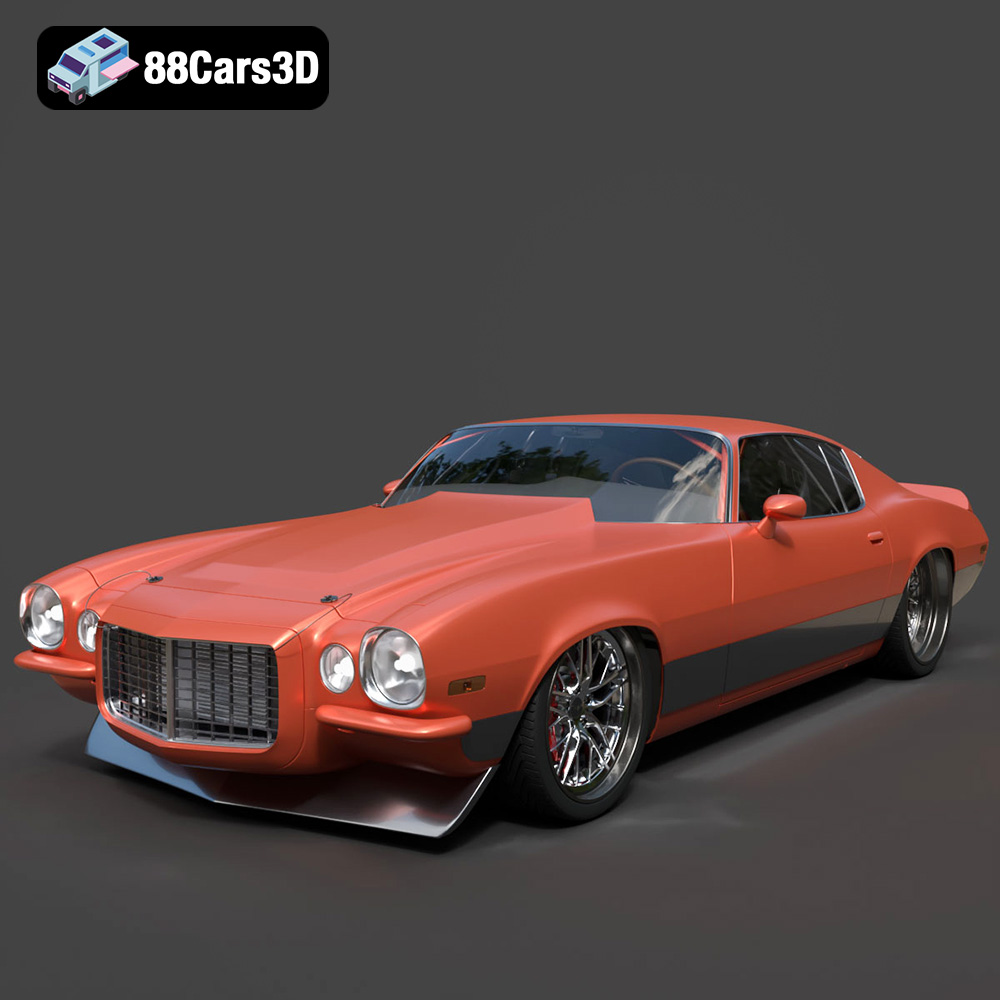
Download the Chevrolet Camaro 1970 3D Model featuring clean geometry, realistic detailing, and a fully modeled interior. Includes .blend, .fbx, .obj, .glb, .stl, .ply, .unreal, and .max formats for rendering, simulation, and game development.
Price: $10
Texture: Yes
Material: Yes
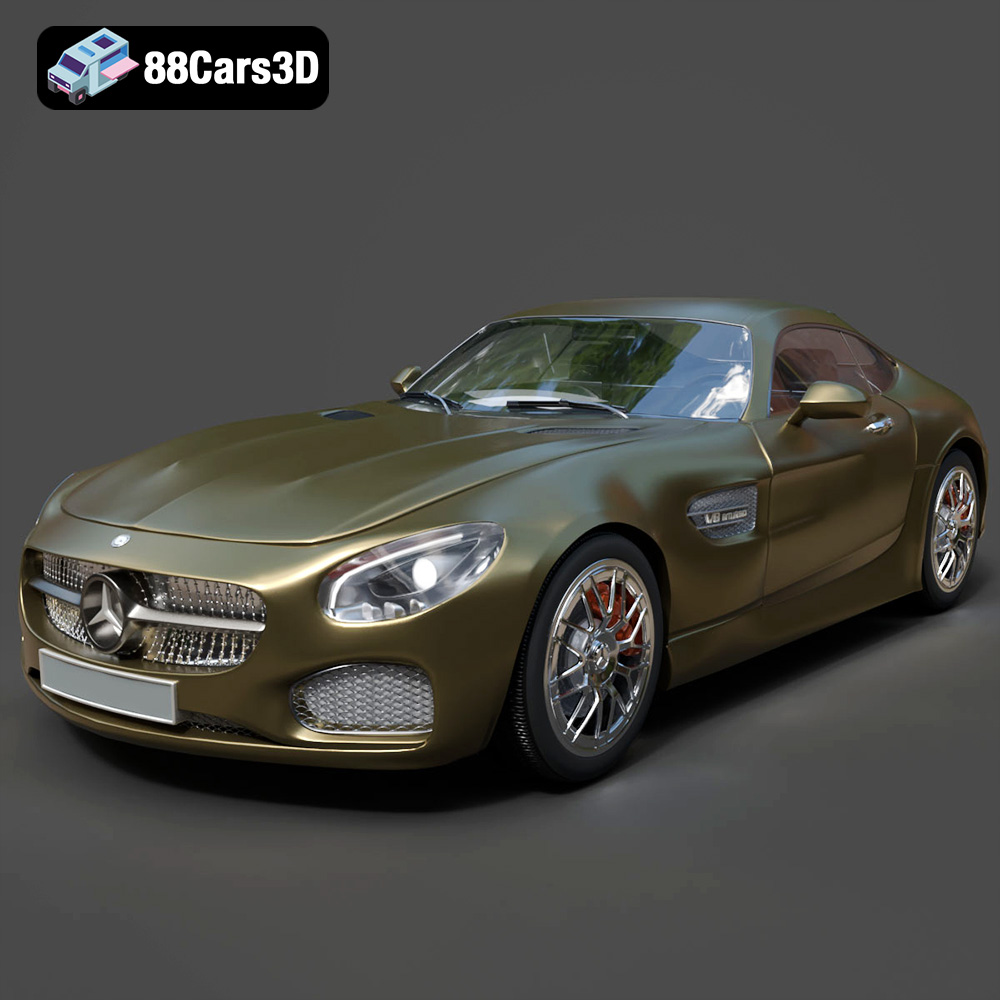
Download the Mercedes-AMG GT 2015 3D Model featuring clean geometry, realistic detailing, and a fully modeled interior. Includes .blend, .fbx, .obj, .glb, .stl, .ply, .unreal, and .max formats for rendering, simulation, and game development.
Price: $88.99
Texture: Yes
Material: Yes
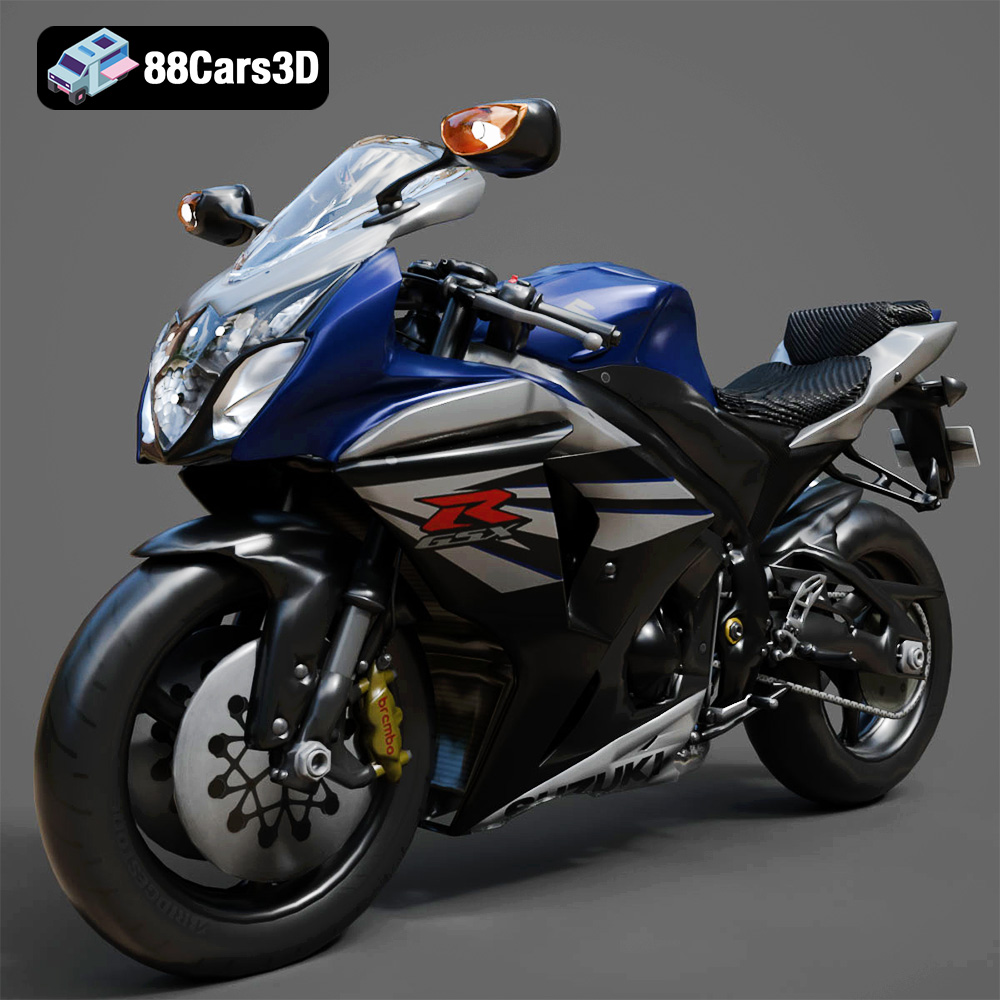
Download the Suzuki GSX-R 1000 3D Model featuring clean geometry, realistic detailing, and a fully modeled interior. Includes .blend, .fbx, .obj, .glb, .stl, .ply, .unreal, and .max formats for rendering, simulation, and game development.
Price: $10
Texture: Yes
Material: Yes
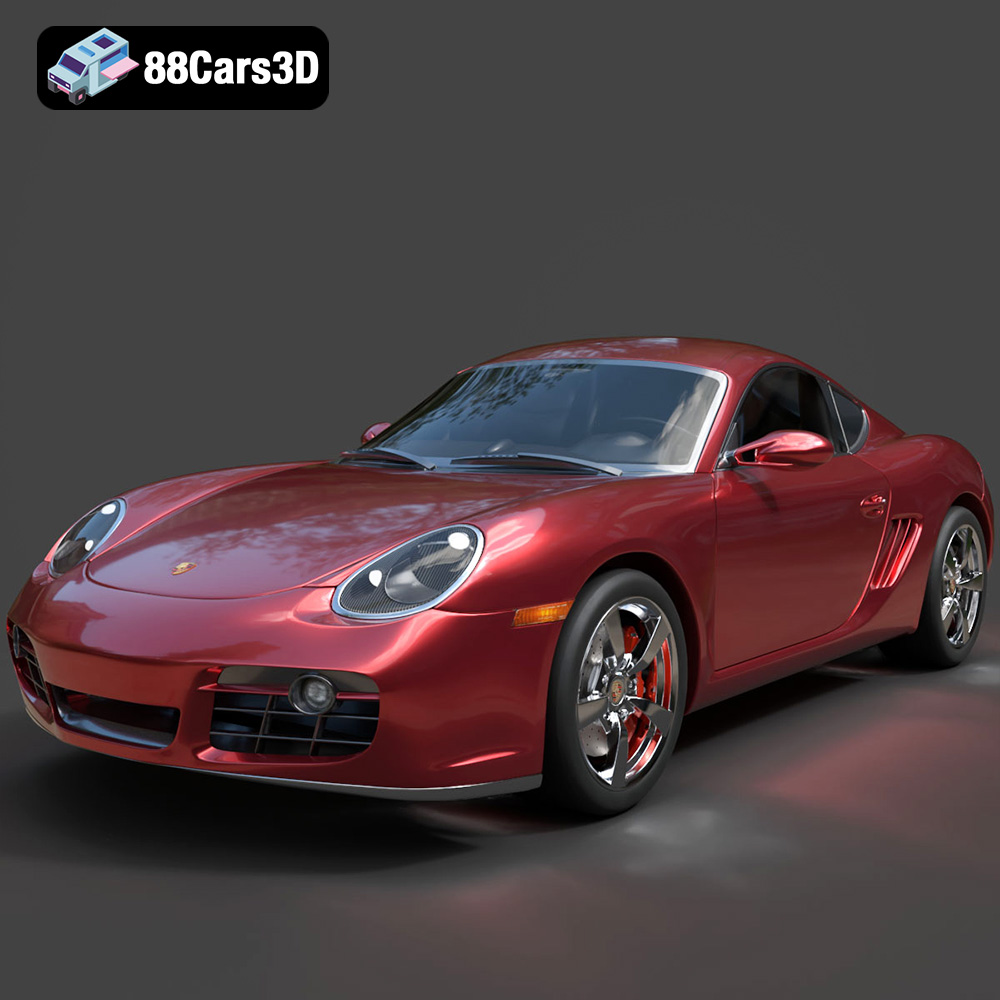
Download the Porsche Cayman S 2024 3D Model featuring clean geometry, realistic detailing, and a fully modeled interior. Includes .blend, .fbx, .obj, .glb, .stl, .ply, .unreal, and .max formats for rendering, simulation, and game development.
Price: $10

Texture: Yes
Material: Yes
Download the Holden Commodore Sportwagon 2017 3D Model featuring clean geometry, realistic detailing, and a fully modeled interior. Includes .blend, .fbx, .obj, .glb, .stl, .ply, .unreal, and .max formats for rendering, simulation, and game development.
Price: $10
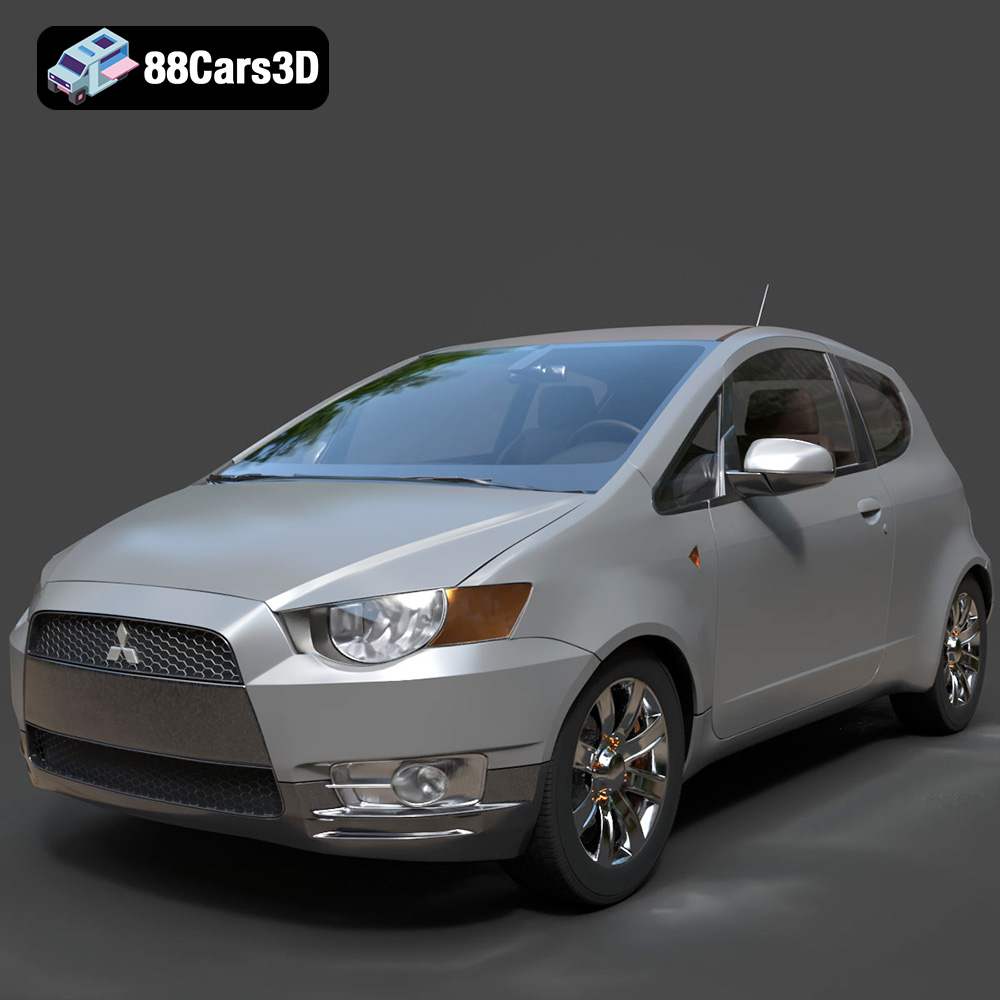
Texture: Yes
Material: Yes
Download the Mitsubishi Colt 3 Door 2008 3D Model featuring clean geometry, realistic detailing, and a fully modeled interior. Includes .blend, .fbx, .obj, .glb, .stl, .ply, .unreal, and .max formats for rendering, simulation, and game development.
Price: $10
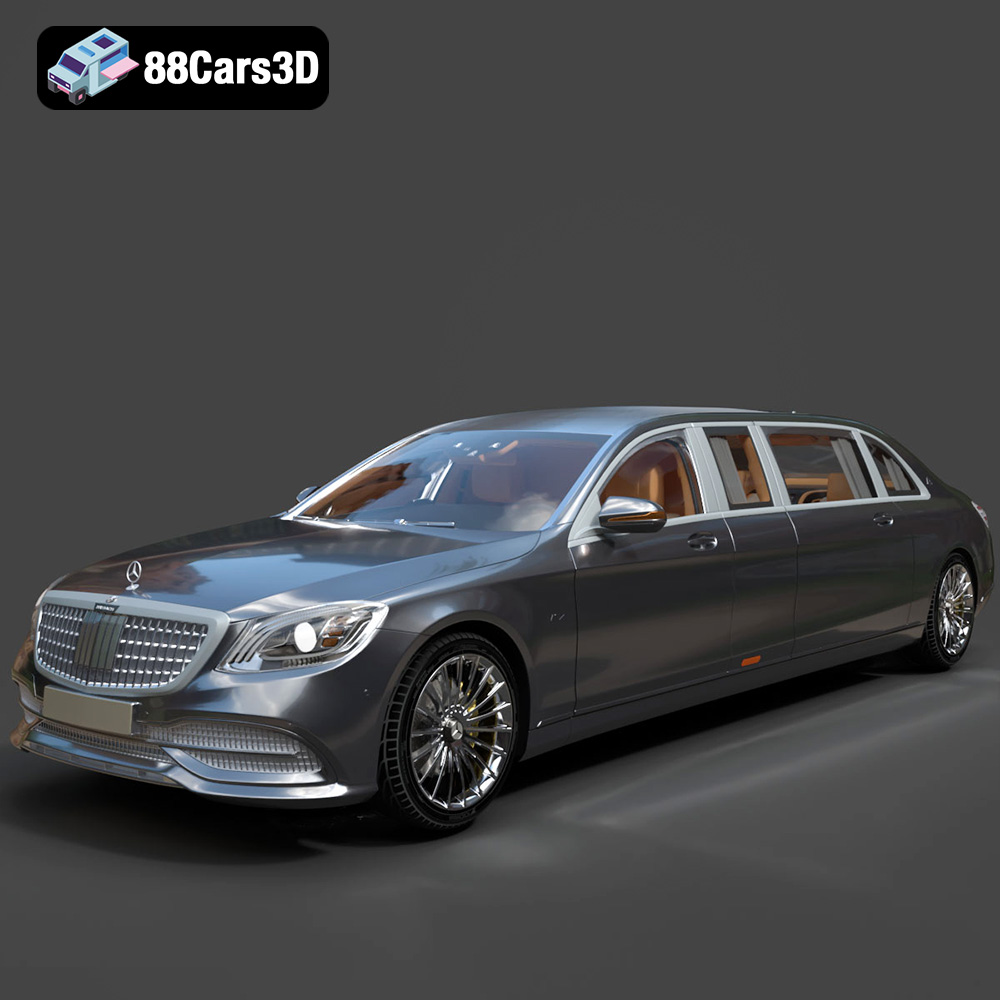
Texture: Yes
Material: Yes
Download the Mercedes-Benz S650 Pullman 3D Model featuring clean geometry, realistic detailing, and a fully modeled interior. Includes .blend, .fbx, .obj, .glb, .stl, .ply, .unreal, and .max formats for rendering, simulation, and game development.
Price: $95.99
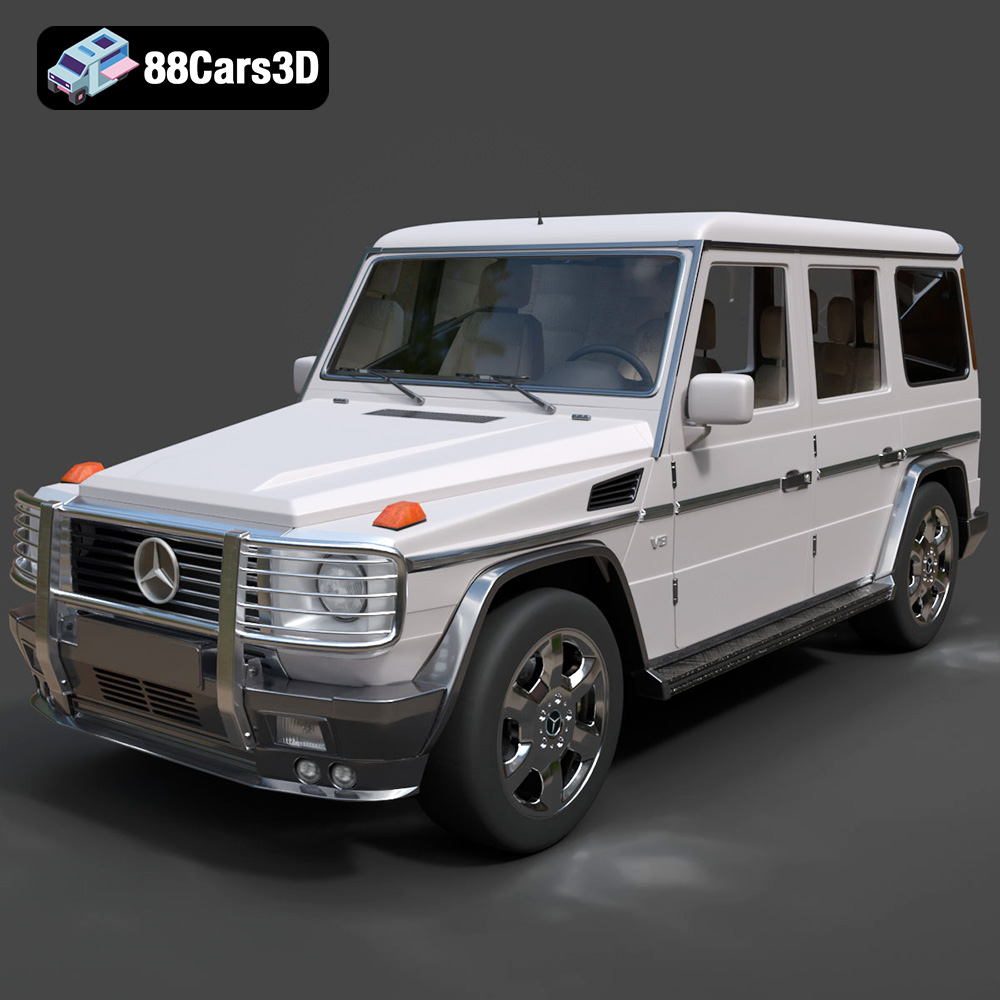
Texture: Yes
Material: Yes
Download the Mercedes G-Class SUV 2024 3D Model featuring clean geometry, realistic detailing, and a fully modeled interior. Includes .blend, .fbx, .obj, .glb, .stl, .ply, .unreal, and .max formats for rendering, simulation, and game development.
Price: $10

Texture: Yes
Material: Yes
Download the Volvo XC90 R-Design 2015 3D Model featuring clean geometry, realistic detailing, and a fully modeled interior. Includes .blend, .fbx, .obj, .glb, .stl, .ply, .unreal, and .max formats for rendering, simulation, and game development.
Price: $10

