⚡ FLASH SALE: Get 60% OFF All Premium 3D & STL Models! ⚡

“`html
The world of 3D printing offers incredible opportunities for enthusiasts and professionals alike, especially when it comes to creating intricate car models. From showcasing iconic designs to prototyping new concepts, 3D printing allows you to bring your automotive visions to life. However, achieving stunning results requires a deep understanding of STL files, printer settings, slicing techniques, and material considerations. This comprehensive guide will walk you through every stage of the process, transforming you from a beginner into a skilled 3D car model creator. We’ll cover everything from preparing your STL files and optimizing your printer settings to mastering post-processing techniques. So, buckle up and prepare to embark on a journey into the exciting realm of 3D printed automotive artistry.
At the heart of 3D printing lies the STL (stereolithography) file format. STL files represent the surface geometry of a 3D object using a collection of triangles. The quality of your final print heavily depends on the integrity and resolution of your STL file. When downloading models from marketplaces such as 88cars3d.com, you’re already benefiting from expertly crafted STL files. However, understanding the nuances of STL files will empower you to troubleshoot issues and optimize your printing process.
Mesh topology refers to the arrangement and connectivity of triangles in an STL file. A well-designed mesh has evenly distributed triangles and avoids long, skinny triangles, which can lead to printing artifacts. Resolution, on the other hand, determines the level of detail captured in the model. Higher resolution means more triangles and a smoother surface, but it also increases file size and processing time. Finding the right balance is crucial. For car models, especially those with complex curves, a higher resolution is generally preferred to accurately capture the design.
Before printing, it’s essential to inspect your STL file for errors such as holes, non-manifold edges, and flipped normals. These errors can cause printing failures or result in a distorted final product. Software like Meshmixer, Netfabb, and Blender offer powerful tools for repairing STL files. For example, Meshmixer’s “Make Solid” function can automatically close holes and ensure a watertight mesh. Netfabb offers advanced analysis and repair tools, ideal for identifying and fixing complex mesh issues. Even seemingly perfect STL files downloaded from platforms like 88cars3d.com can sometimes benefit from a quick check and repair to ensure optimal print results. Remember to always export your repaired file back in STL format.
Achieving high-quality 3D printed car models requires careful attention to your printer settings. These settings control various aspects of the printing process, including layer height, print speed, temperature, and bed adhesion. The optimal settings will vary depending on your printer type (FDM or resin), the material you’re using, and the desired level of detail.
Layer height is a critical parameter that directly affects print resolution and print time. A smaller layer height results in finer details and smoother surfaces, but it also increases print time. For car models, a layer height of 0.1mm to 0.15mm is generally recommended for FDM printers to capture intricate features. For resin printers, layer heights can be even smaller, often ranging from 0.025mm to 0.05mm, resulting in exceptionally detailed prints. Consider the scale of your car model when choosing a layer height. For larger models, you might be able to get away with slightly larger layer heights to save time, while smaller, more detailed models will benefit from finer layers.
Print speed and temperature are intertwined parameters that influence the quality of your printed car model. Printing too fast can lead to under-extrusion, poor layer adhesion, and warping. Printing too slow can cause over-extrusion and stringing. The optimal print speed depends on the material you’re using. For PLA, a speed of 40-60 mm/s is a good starting point. For ABS, a slightly slower speed of 30-50 mm/s is often preferred. Temperature settings are equally crucial. PLA typically prints at around 200-220°C, while ABS requires higher temperatures, typically between 230-250°C. Bed temperature is also important for adhesion. A heated bed set to 60°C for PLA and 100-110°C for ABS helps to prevent warping.
Slicing is the process of converting a 3D model into a set of instructions that your 3D printer can understand. Slicing software like Cura, PrusaSlicer, and Simplify3D take your STL file and generate G-code, which contains the commands for controlling the printer’s movements, extrusion, and temperature. Mastering slicing techniques is essential for achieving flawless car prints.
Support structures are temporary structures that provide support for overhanging features during printing. Car models often have complex shapes with significant overhangs, such as spoilers, mirrors, and wheel arches. Without proper support structures, these features will collapse or warp during printing. Slicing software offers various support generation options, including tree supports, linear supports, and grid supports. Tree supports are particularly effective for complex geometries as they use less material and are easier to remove. Experiment with different support settings to find the optimal configuration for your car model. Consider the support density and angle to minimize material usage while ensuring adequate support. Also, pay attention to the support placement to avoid scarring the visible surfaces of your model.
Infill refers to the internal structure of your 3D printed car model. It determines the strength, weight, and print time of the object. Slicing software offers various infill patterns, such as grid, honeycomb, gyroid, and triangles. The choice of infill pattern and density depends on the intended use of the model. For purely aesthetic models, a low infill density (e.g., 10-15%) is sufficient. For models that require structural integrity, a higher infill density (e.g., 20-30%) is recommended. The gyroid infill pattern offers excellent strength-to-weight ratio and is a good choice for car models that need to be both lightweight and durable. Experiment with different infill patterns and densities to find the optimal balance for your specific needs.
The choice between FDM (Fused Deposition Modeling) and resin printing significantly impacts the appearance, strength, and overall quality of your 3D printed car model. FDM printing uses filaments like PLA, ABS, and PETG, while resin printing uses liquid resins that are cured by UV light. Each technology has its strengths and weaknesses, making them suitable for different applications.
FDM printing is a versatile and cost-effective option for 3D printing car models. PLA is a popular choice for beginners due to its ease of use and biodegradability. ABS offers higher strength and heat resistance but requires a heated bed and good ventilation. PETG combines the best of both worlds, offering good strength, heat resistance, and ease of printing. FDM printing is ideal for larger car models and prototypes where dimensional accuracy and strength are important. However, FDM prints typically have visible layer lines, which may require post-processing to achieve a smooth surface. When printing with FDM, consider the nozzle size. A smaller nozzle (e.g., 0.25mm or 0.4mm) will produce finer details, but it will also increase print time.
Resin printing offers unmatched detail and surface finish, making it ideal for creating highly detailed car models. Resin printers use liquid resins that are cured by UV light, resulting in exceptionally smooth surfaces and intricate details. Resin printing is particularly well-suited for small-scale car models and miniatures where fine details are crucial. However, resin prints tend to be more brittle than FDM prints and may require post-curing to achieve optimal strength. Also, resin printing can be more expensive than FDM printing due to the cost of the resin and the need for specialized equipment. When printing with resin, ensure proper ventilation and wear gloves to protect yourself from the resin. After printing, rinse the model with isopropyl alcohol (IPA) to remove any uncured resin.
Post-processing is an essential step in the 3D printing process, especially for car models where aesthetics are paramount. Post-processing techniques can improve the surface finish, enhance the details, and add color to your 3D printed car model. The specific techniques you use will depend on the material you’ve printed with (FDM or resin) and the desired level of detail.
Sanding is a common post-processing technique used to remove layer lines and smooth the surface of FDM prints. Start with coarse sandpaper (e.g., 220 grit) to remove larger imperfections and then gradually move to finer grits (e.g., 400, 600, 800, 1000 grit) to achieve a smooth surface. Wet sanding can help to reduce dust and prevent the sandpaper from clogging. For resin prints, sanding is typically less necessary due to the smoother surface finish. However, you may still need to sand away support marks or any minor imperfections. After sanding, use a primer to fill in any remaining imperfections and create a smooth base for painting.
Painting is the final step in the post-processing process, allowing you to add color and realism to your 3D printed car model. Use acrylic paints or spray paints specifically designed for plastic models. Apply thin, even coats of paint to avoid runs and drips. Consider using an airbrush for a professional-looking finish. After painting, apply a clear coat to protect the paint and add a glossy or matte finish. Decals can be added to enhance the realism of your car model. For example, you can add racing stripes, logos, or license plates. Platforms like 88cars3d.com offer print-ready STL files optimized for painting, making the post-processing stage even more streamlined.
Even with careful preparation and optimized settings, 3D printing can sometimes present challenges. Understanding common printing issues and how to troubleshoot them is essential for achieving successful results. This section will cover some of the most common problems encountered when printing car models and provide practical solutions.
Warping occurs when the corners of your 3D printed car model lift off the print bed during printing. This is often caused by poor bed adhesion or uneven cooling. To prevent warping, ensure that your print bed is properly leveled and clean. Use a bed adhesive such as glue stick, hairspray, or painter’s tape to improve adhesion. A heated bed is also essential for preventing warping, especially when printing with ABS. Enclosing your printer can help to maintain a consistent temperature and reduce warping. Also, consider adding a brim or raft to your model to increase the surface area in contact with the print bed.
Stringing occurs when the printer extrudes filament while moving between different parts of the model, leaving thin strands of plastic behind. Blobs, on the other hand, are small, unwanted deposits of plastic on the surface of the print. Both of these issues are often caused by incorrect temperature settings or retraction settings. To prevent stringing and blobs, adjust your retraction distance and speed. Lowering the printing temperature can also help. Make sure your filament is dry, as moisture can contribute to these problems. If you’re still experiencing issues, try increasing the travel speed of the printer.
3D printing car models is a rewarding and challenging endeavor. By understanding the intricacies of STL files, mastering printer settings and slicing techniques, choosing the right materials, and perfecting post-processing methods, you can create stunningly detailed and accurate replicas of your favorite vehicles. Remember to experiment with different settings and techniques to find what works best for your specific printer and materials. Don’t be afraid to troubleshoot and learn from your mistakes. With practice and patience, you’ll be able to produce 3D printed car models that are the envy of every automotive enthusiast. The key takeaways are: prioritize high-quality STL files (consider platforms like 88cars3d.com), meticulously optimize your printer settings for the chosen material, and don’t underestimate the power of post-processing. Now, go forth and bring your automotive dreams to life, one layer at a time!
“`

Texture: Yes
Material: Yes
Download the Mercedes S-Class 2024 3D Model featuring clean geometry, realistic detailing, and a fully modeled interior. Includes .blend, .fbx, .obj, .glb, .stl, .ply, .unreal, and .max formats for rendering, simulation, and game development.
Price: $10
Texture: Yes
Material: Yes
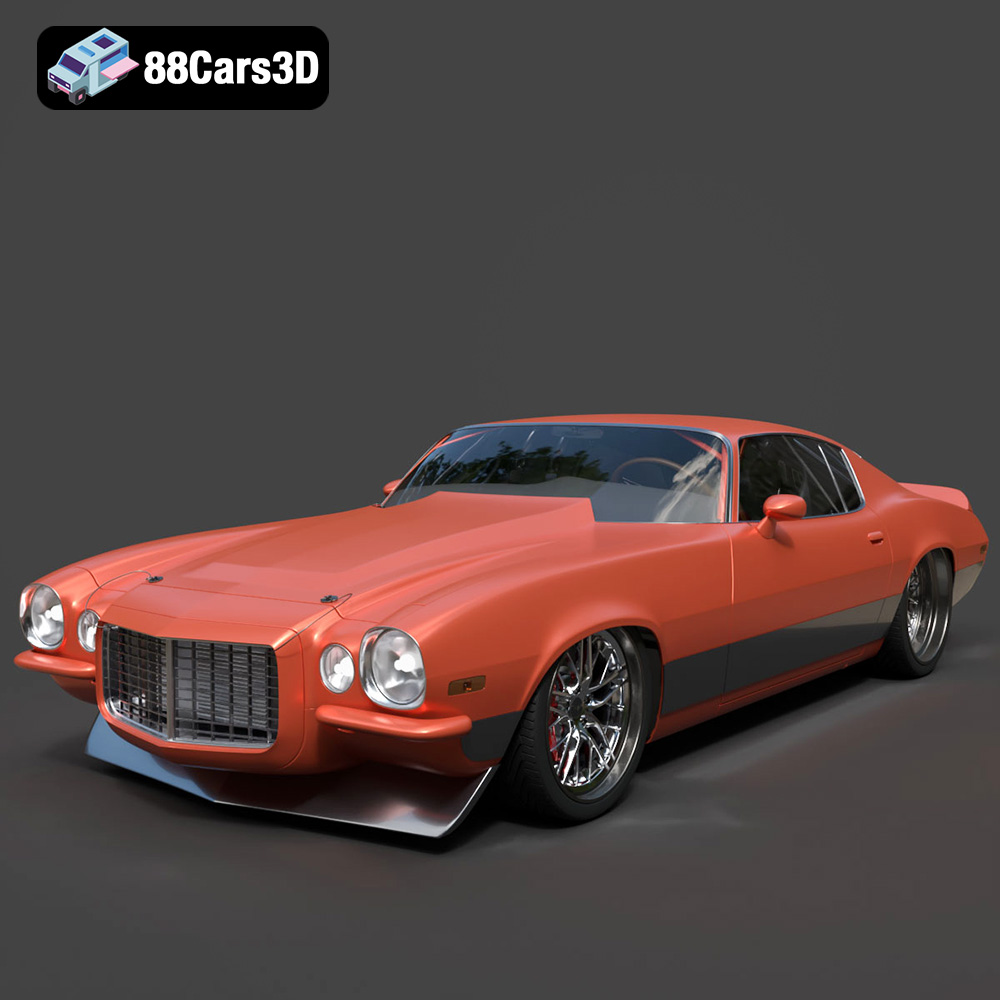
Download the Chevrolet Camaro 1970 3D Model featuring clean geometry, realistic detailing, and a fully modeled interior. Includes .blend, .fbx, .obj, .glb, .stl, .ply, .unreal, and .max formats for rendering, simulation, and game development.
Price: $10
Texture: Yes
Material: Yes
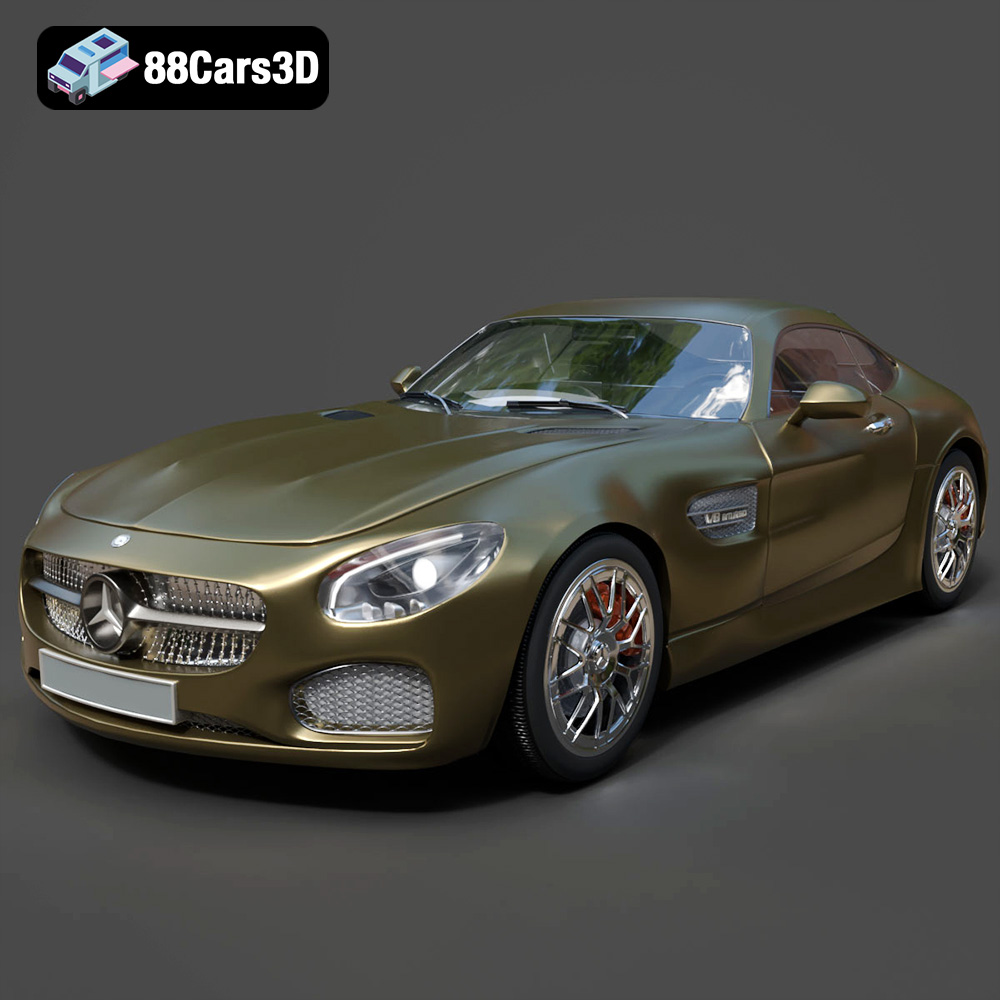
Download the Mercedes-AMG GT 2015 3D Model featuring clean geometry, realistic detailing, and a fully modeled interior. Includes .blend, .fbx, .obj, .glb, .stl, .ply, .unreal, and .max formats for rendering, simulation, and game development.
Price: $88.99
Texture: Yes
Material: Yes
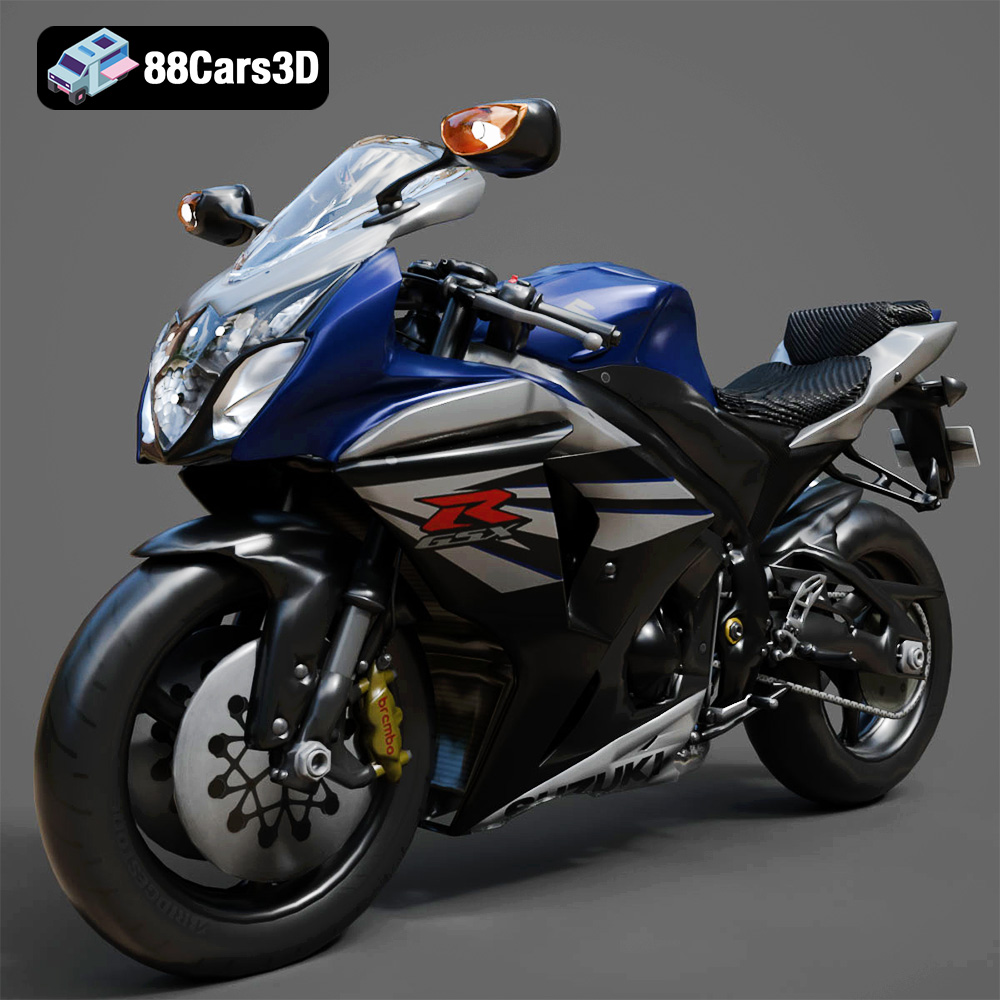
Download the Suzuki GSX-R 1000 3D Model featuring clean geometry, realistic detailing, and a fully modeled interior. Includes .blend, .fbx, .obj, .glb, .stl, .ply, .unreal, and .max formats for rendering, simulation, and game development.
Price: $10
Texture: Yes
Material: Yes
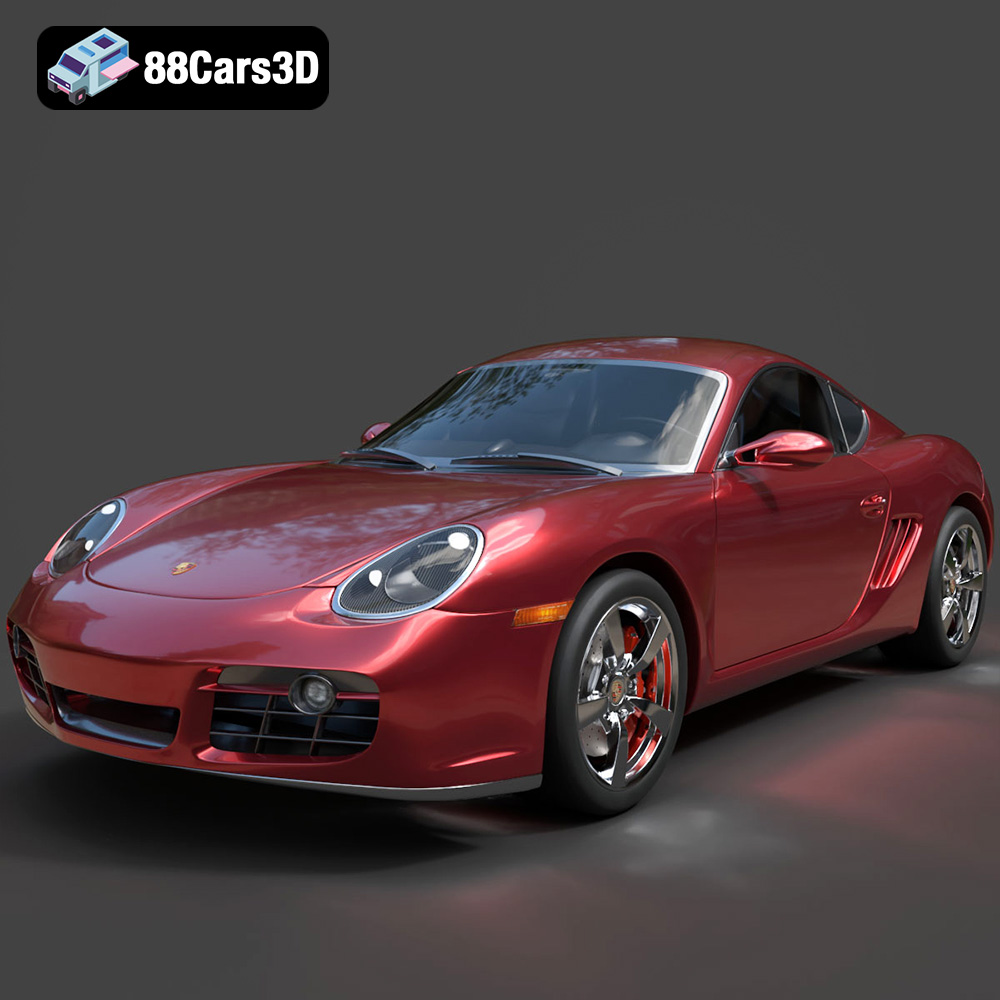
Download the Porsche Cayman S 2024 3D Model featuring clean geometry, realistic detailing, and a fully modeled interior. Includes .blend, .fbx, .obj, .glb, .stl, .ply, .unreal, and .max formats for rendering, simulation, and game development.
Price: $10
Texture: Yes
Material: Yes
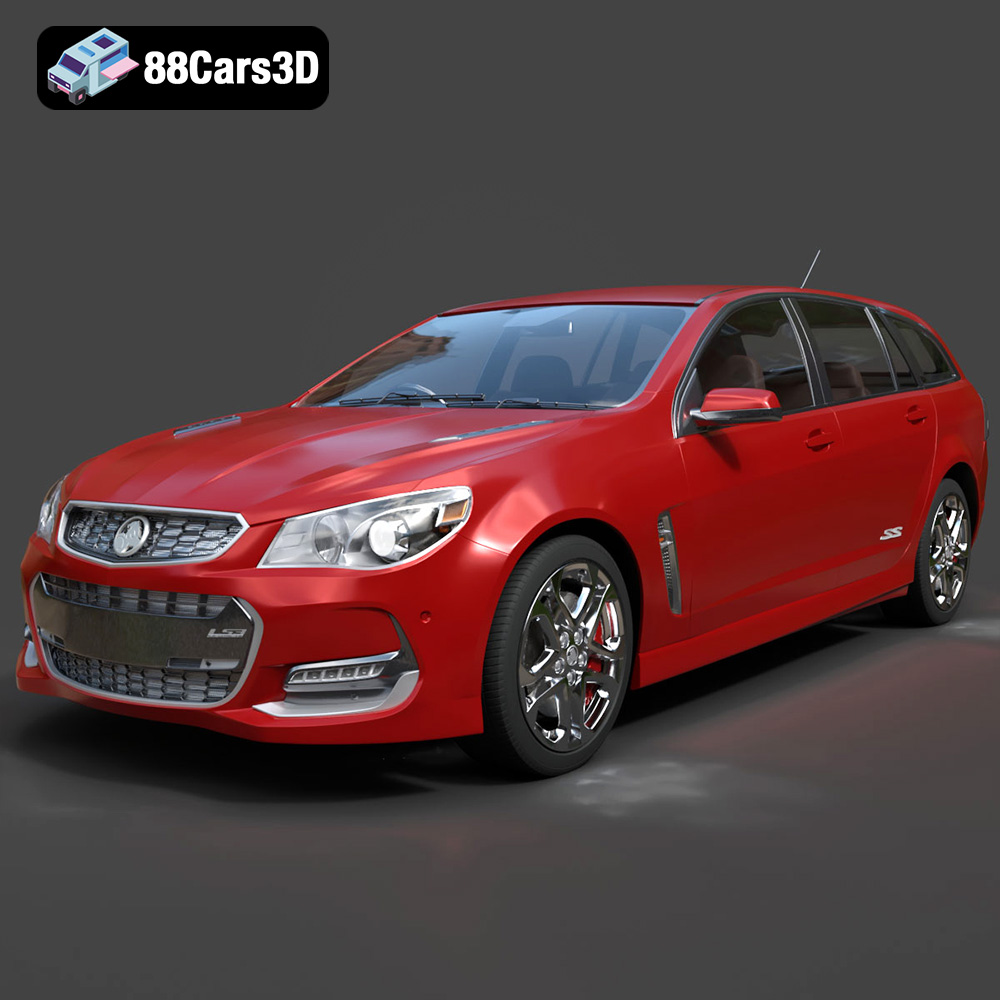
Download the Holden Commodore Sportwagon 2017 3D Model featuring clean geometry, realistic detailing, and a fully modeled interior. Includes .blend, .fbx, .obj, .glb, .stl, .ply, .unreal, and .max formats for rendering, simulation, and game development.
Price: $10
Texture: Yes
Material: Yes
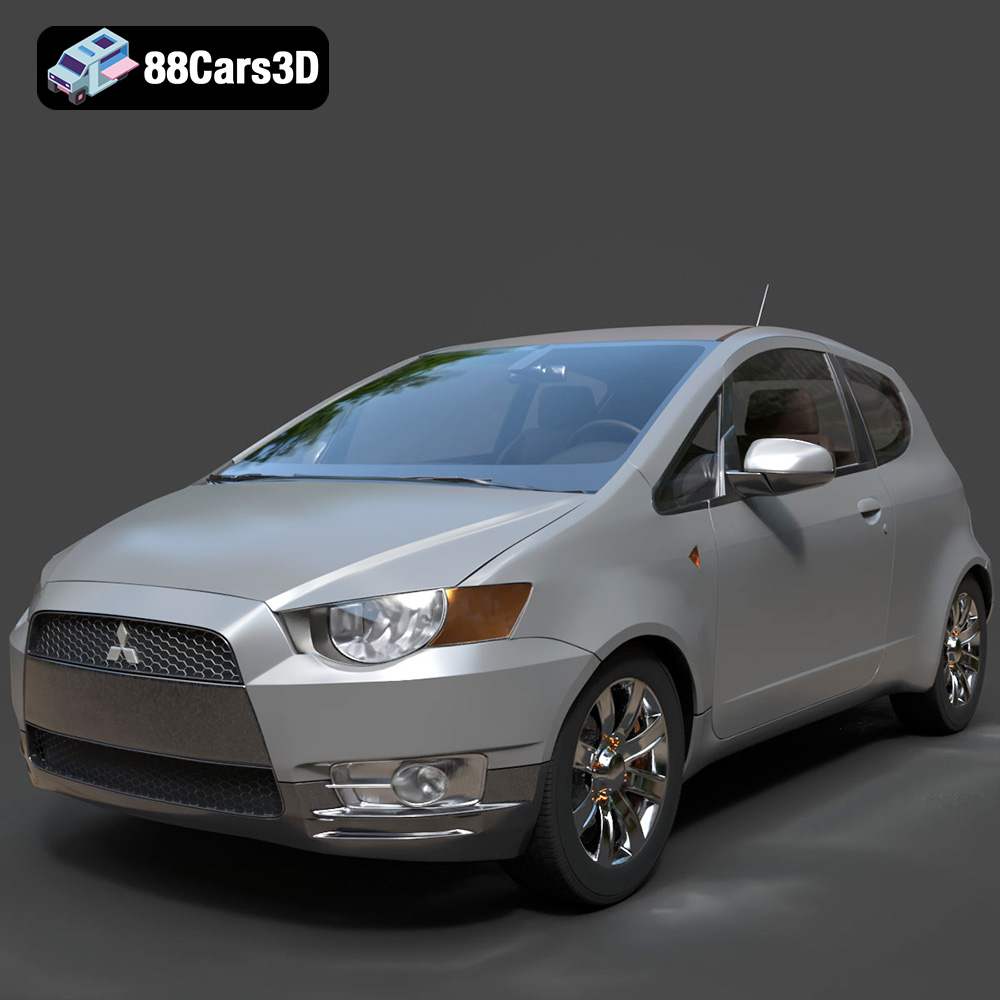
Download the Mitsubishi Colt 3 Door 2008 3D Model featuring clean geometry, realistic detailing, and a fully modeled interior. Includes .blend, .fbx, .obj, .glb, .stl, .ply, .unreal, and .max formats for rendering, simulation, and game development.
Price: $10
Texture: Yes
Material: Yes
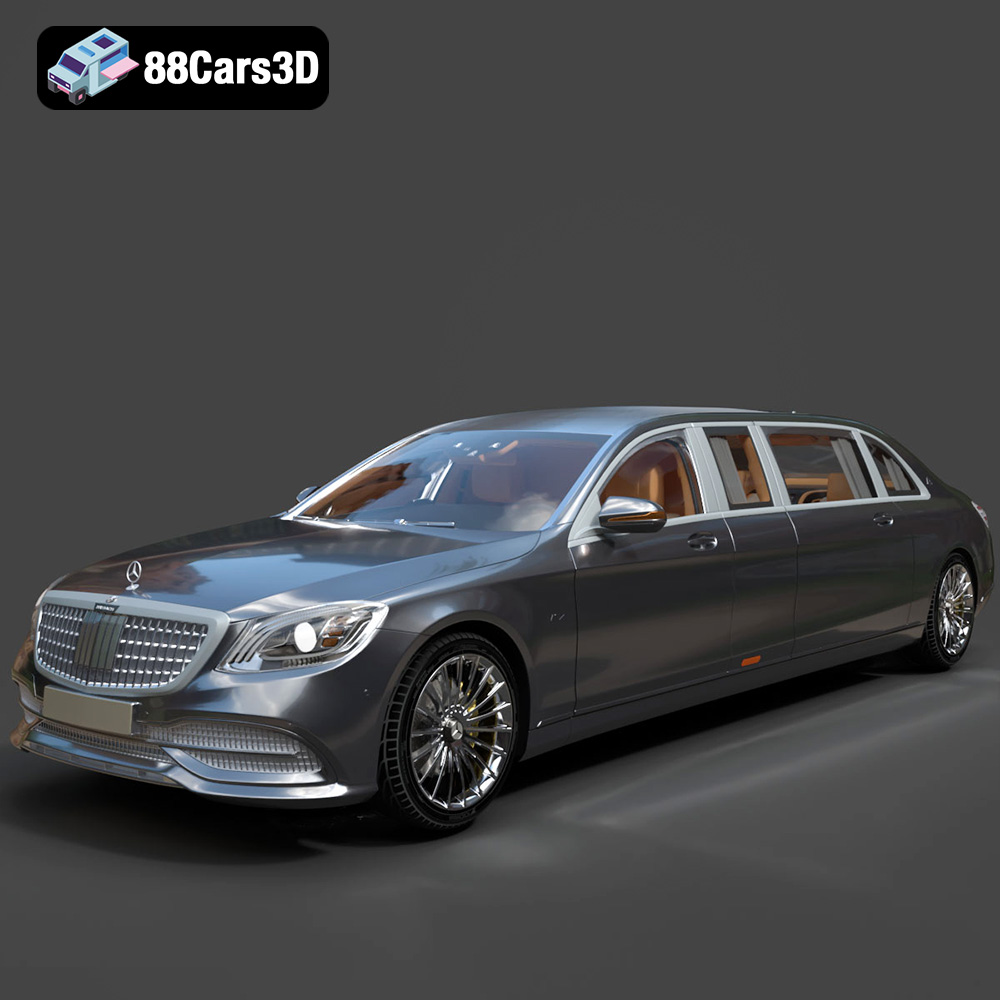
Download the Mercedes-Benz S650 Pullman 3D Model featuring clean geometry, realistic detailing, and a fully modeled interior. Includes .blend, .fbx, .obj, .glb, .stl, .ply, .unreal, and .max formats for rendering, simulation, and game development.
Price: $95.99
Texture: Yes
Material: Yes
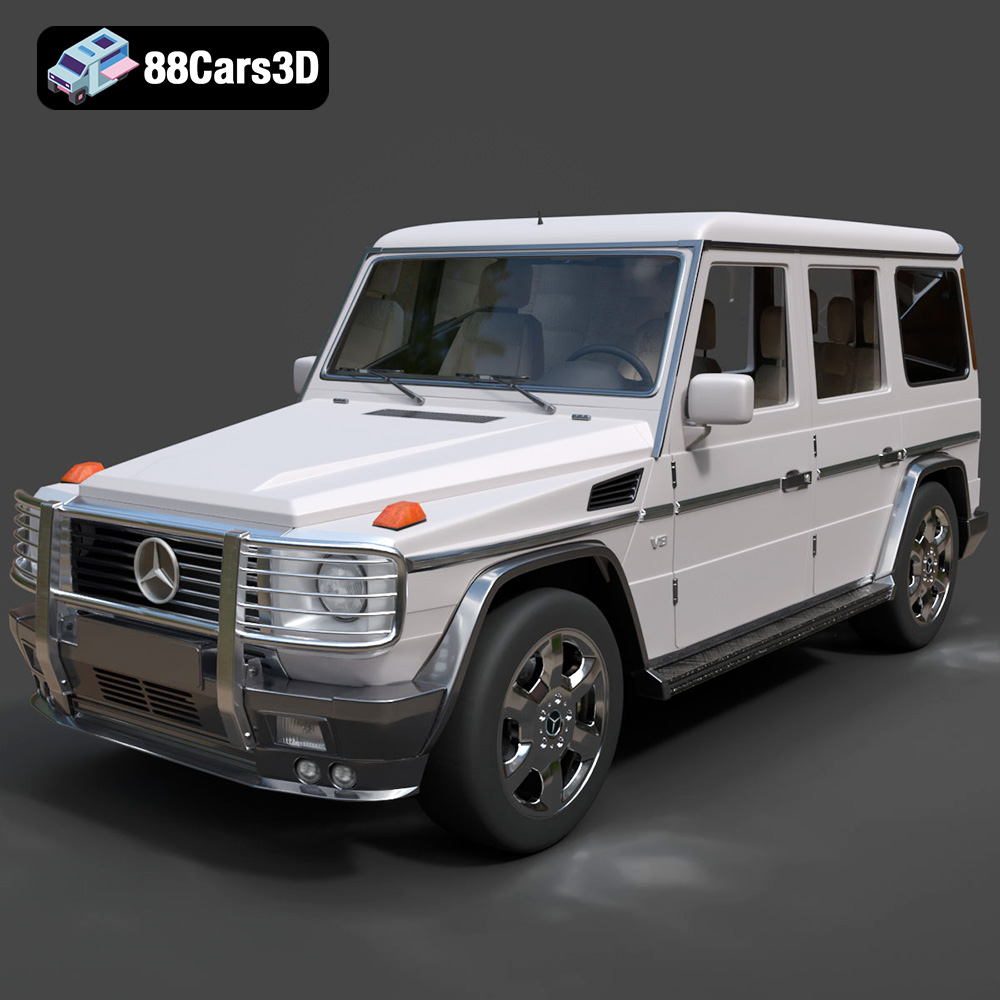
Download the Mercedes G-Class SUV 2024 3D Model featuring clean geometry, realistic detailing, and a fully modeled interior. Includes .blend, .fbx, .obj, .glb, .stl, .ply, .unreal, and .max formats for rendering, simulation, and game development.
Price: $10

Texture: Yes
Material: Yes
Download the Volvo XC90 R-Design 2015 3D Model featuring clean geometry, realistic detailing, and a fully modeled interior. Includes .blend, .fbx, .obj, .glb, .stl, .ply, .unreal, and .max formats for rendering, simulation, and game development.
Price: $10

