⚡ FLASH SALE: Get 60% OFF All Premium 3D & STL Models! ⚡

“`html
The world of 3D printing has opened up incredible possibilities for hobbyists, engineers, and automotive enthusiasts alike. The ability to create tangible, detailed replicas of your favorite cars is now within reach, thanks to platforms like 88cars3d.com that offer high-quality, printable car models. However, transforming a digital STL file into a flawless 3D printed model requires a solid understanding of the process, from file preparation to post-processing. This comprehensive guide will walk you through every step, covering STL file structure, slicing parameters, material selection, and troubleshooting common printing issues. Whether you’re a seasoned 3D printing expert or just starting out, this article will equip you with the knowledge and techniques to achieve professional-quality results.
In this article, we will cover: the intricacies of STL files and their impact on print quality, how to optimize your slicing software settings for car models, advanced techniques for generating and removing support structures, choosing the right 3D printing material for your project, essential printer calibration and maintenance tips, and effective post-processing methods to refine your finished model.
The STL (Stereolithography) file format is the workhorse of 3D printing. It represents a 3D object as a collection of connected triangles, forming a surface mesh. The finer the triangles (higher resolution), the smoother and more detailed the final print will be. However, a higher resolution also means a larger file size and potentially longer processing times. Understanding the structure of an STL file is crucial for troubleshooting printing issues and optimizing your models for the best possible results. When downloading models from marketplaces such as 88cars3d.com, you can be sure of getting watertight, manifold meshes, specifically designed for 3D printing.
The density of the triangle mesh directly affects the smoothness of curved surfaces in your 3D print. A low-resolution mesh will exhibit noticeable facets, while a high-resolution mesh will appear smoother. Balancing mesh density is key. For car models, focus on high resolution for visible exterior surfaces and allow lower resolution for internal, less critical areas. Aim for a triangle size of around 0.1-0.3mm for external surfaces. You can often adjust mesh density in your 3D modeling software (Blender, Meshmixer) before exporting to STL.
A ‘manifold’ mesh is one where every edge is shared by exactly two triangles, creating a closed, continuous surface. A ‘watertight’ mesh has no holes or gaps. Both are essential for successful 3D printing. Non-manifold geometry can confuse slicing software, leading to errors and print failures. Use mesh repair tools (Netfabb Basic, Meshmixer) to identify and fix issues like inverted normals, holes, and intersecting faces before slicing. Many modern slicers have built-in repair functions, but it’s always best to address issues at the source.
Slicing is the process of converting a 3D model into a series of 2D layers that the 3D printer can understand. The slicing software takes the STL file and generates G-code, a set of instructions that control the printer’s movements, temperature, and extrusion. The slicing parameters you choose directly impact the print quality, strength, and printing time. For car models, it’s crucial to fine-tune these settings to capture intricate details and ensure structural integrity. Here’s how:
Layer height is the thickness of each individual layer of plastic. Lower layer heights (e.g., 0.1mm or 0.05mm) result in smoother surfaces and finer details, but also increase printing time significantly. Higher layer heights (e.g., 0.2mm or 0.3mm) are faster but may sacrifice surface quality. For car models, experiment with layer heights between 0.08mm and 0.15mm for optimal balance. Remember that decreasing layer height by half will roughly double the print time. Consider using adaptive layer height, where the slicer automatically adjusts layer height based on the model’s geometry – thinner layers for curves and thicker layers for flat surfaces.
Infill is the internal structure of the 3D print. Infill density, expressed as a percentage, determines how much of the interior space is filled. Higher infill densities increase strength but also consume more material and take longer to print. For decorative car models, a low infill density (10-20%) is often sufficient. For functional or load-bearing parts, increase the infill to 50% or higher. Experiment with different infill patterns (e.g., gyroid, honeycomb, grid) to find the best combination of strength and material usage. Gyroid infill offers excellent strength-to-weight ratio and is a good choice for complex geometries.
Support structures are temporary scaffolding that provides support for overhanging features during the 3D printing process. Without supports, overhanging parts would simply collapse due to gravity. Generating and removing supports effectively is crucial for achieving clean, accurate prints, especially for car models with intricate curves, spoilers, and complex bodywork. Different slicing software offers various support generation options, each with its pros and cons.
Careful support placement is essential to minimize scarring and material waste. Consider using manual support placement options to precisely control where supports are generated. Focus supports on areas with steep overhangs (greater than 45 degrees) and minimize their contact with visible surfaces. Tree supports (also known as branch supports) are often a good option for car models as they require less material and leave fewer marks. Adjust support density and angle to optimize support strength and ease of removal. Increasing the support interface density improves adhesion to the model but can make removal more difficult.
Removing supports cleanly without damaging the model requires patience and the right tools. Start by gently breaking away the bulk of the supports with pliers or snips. Use a sharp knife or scraper to carefully remove any remaining support material. For delicate areas, consider using a heat gun to soften the support material before removal. Dissolvable supports (using materials like HIPS with ABS or PVA with PLA) are an excellent option for complex models, but require a dual-extrusion printer. Always wear safety glasses when removing supports to protect your eyes from flying debris.
The choice of material significantly impacts the appearance, durability, and functionality of your 3D printed car model. Common 3D printing materials include PLA, PETG, ABS, and various resin types. Each material has its own unique properties, printing requirements, and post-processing options. Selecting the right material for your specific project is crucial for achieving the desired results.
PLA (Polylactic Acid): A biodegradable thermoplastic derived from renewable resources. PLA is easy to print, has low warping, and is suitable for decorative models. However, it’s not as strong or heat-resistant as other materials. Recommended printing temperature: 190-220°C, bed temperature: 60°C.
PETG (Polyethylene Terephthalate Glycol-modified): A stronger and more durable alternative to PLA. PETG has good impact resistance, chemical resistance, and is slightly more flexible. It’s also more heat-resistant than PLA. Recommended printing temperature: 230-250°C, bed temperature: 70-80°C.
ABS (Acrylonitrile Butadiene Styrene): A strong and heat-resistant thermoplastic commonly used in automotive parts. ABS is more challenging to print than PLA or PETG, as it’s prone to warping and requires a heated enclosure. Recommended printing temperature: 230-260°C, bed temperature: 80-110°C.
Resin printing (SLA/DLP/LCD) offers significantly higher resolution and detail compared to FDM printing. Resin is a liquid photopolymer that is cured by UV light. Resin prints are ideal for intricate car models with fine details, but they are generally more brittle than FDM prints. There are many different types of resin available, each with its own specific properties, such as standard resin, tough resin, and flexible resin. Proper ventilation and safety precautions are essential when working with resin. Layer heights down to 0.025mm are achievable, allowing for incredibly smooth surfaces.
Proper printer calibration and regular maintenance are essential for achieving consistent and high-quality 3D prints. A well-calibrated printer will produce accurate dimensions, minimize warping, and improve adhesion. Regular maintenance will prevent clogs, ensure smooth movement, and extend the lifespan of your printer. Platforms like 88cars3d.com ensure the models will print well, but printer maintenance is essential.
A properly leveled bed is crucial for first-layer adhesion. If the bed is not level, the first layer may not stick properly, leading to warping or print failure. Use the printer’s built-in bed leveling procedure or manually adjust the bed leveling screws. Clean the build plate with isopropyl alcohol before each print to remove any oils or residue. Use bed adhesion aids such as glue stick, hairspray, or painter’s tape to improve adhesion, especially for materials like ABS. Automatic bed leveling (ABL) is a great feature to look for in a 3D printer, as it automatically compensates for minor imperfections in the bed surface.
A clogged nozzle can cause under-extrusion, layer shifting, and print failure. Regularly clean the nozzle with a needle or wire brush. Perform a cold pull to remove stubborn clogs. Store filament in a dry, airtight container with desiccant to prevent moisture absorption. Wet filament can cause stringing, popping, and poor layer adhesion. Consider using a filament dryer to remove moisture from filament before printing.
Post-processing techniques are essential for refining your 3D printed car model and achieving a professional finish. Post-processing includes removing support marks, sanding, filling gaps, priming, painting, and applying clear coats. The specific techniques you use will depend on the material, the desired finish, and your skill level.
Sanding is used to remove support marks and smooth out layer lines. Start with coarse sandpaper (e.g., 220 grit) to remove major imperfections, then gradually move to finer grits (e.g., 400, 600, 800, 1000 grit) to achieve a smooth surface. Wet sanding can help reduce dust and improve the finish. For ABS, consider using acetone vapor smoothing to melt the surface and create a glossy finish (exercise extreme caution when working with acetone). Be careful not to sand away too much detail, especially on edges and corners.
Priming provides a smooth, uniform surface for painting. Use a spray primer specifically designed for plastics. Apply several thin coats of primer, allowing each coat to dry completely before applying the next. Sand the primed surface with fine-grit sandpaper to remove any imperfections. Use automotive-grade paints for a durable and realistic finish. Apply multiple thin coats of paint, allowing each coat to dry completely. Use masking tape to create clean lines and define different areas. Apply a clear coat to protect the paint and add a glossy finish.
3D printing car models is a rewarding and challenging hobby that requires a blend of technical knowledge and artistic skill. By understanding the intricacies of STL files, mastering slicing parameters, selecting the right materials, and implementing effective post-processing techniques, you can transform digital designs into stunning physical replicas. Remember to calibrate your printer regularly, maintain your equipment, and experiment with different settings to find what works best for your specific printer and materials. With practice and patience, you’ll be able to create 3D printed car models that are the envy of every automotive enthusiast. So, download your first STL file from a reputable source like 88cars3d.com and embark on your 3D printing journey today! Don’t be afraid to experiment and learn from your mistakes. Each print is a learning opportunity, and the more you practice, the better you’ll become.
Here are some actionable next steps:
“`

Texture: Yes
Material: Yes
Download the Mercedes S-Class 2024 3D Model featuring clean geometry, realistic detailing, and a fully modeled interior. Includes .blend, .fbx, .obj, .glb, .stl, .ply, .unreal, and .max formats for rendering, simulation, and game development.
Price: $10

Texture: Yes
Material: Yes
Download the Chevrolet Camaro 1970 3D Model featuring clean geometry, realistic detailing, and a fully modeled interior. Includes .blend, .fbx, .obj, .glb, .stl, .ply, .unreal, and .max formats for rendering, simulation, and game development.
Price: $10

Texture: Yes
Material: Yes
Download the Mercedes-AMG GT 2015 3D Model featuring clean geometry, realistic detailing, and a fully modeled interior. Includes .blend, .fbx, .obj, .glb, .stl, .ply, .unreal, and .max formats for rendering, simulation, and game development.
Price: $88.99

Texture: Yes
Material: Yes
Download the Suzuki GSX-R 1000 3D Model featuring clean geometry, realistic detailing, and a fully modeled interior. Includes .blend, .fbx, .obj, .glb, .stl, .ply, .unreal, and .max formats for rendering, simulation, and game development.
Price: $10

Texture: Yes
Material: Yes
Download the Porsche Cayman S 2024 3D Model featuring clean geometry, realistic detailing, and a fully modeled interior. Includes .blend, .fbx, .obj, .glb, .stl, .ply, .unreal, and .max formats for rendering, simulation, and game development.
Price: $10

Texture: Yes
Material: Yes
Download the Holden Commodore Sportwagon 2017 3D Model featuring clean geometry, realistic detailing, and a fully modeled interior. Includes .blend, .fbx, .obj, .glb, .stl, .ply, .unreal, and .max formats for rendering, simulation, and game development.
Price: $10
Texture: Yes
Material: Yes
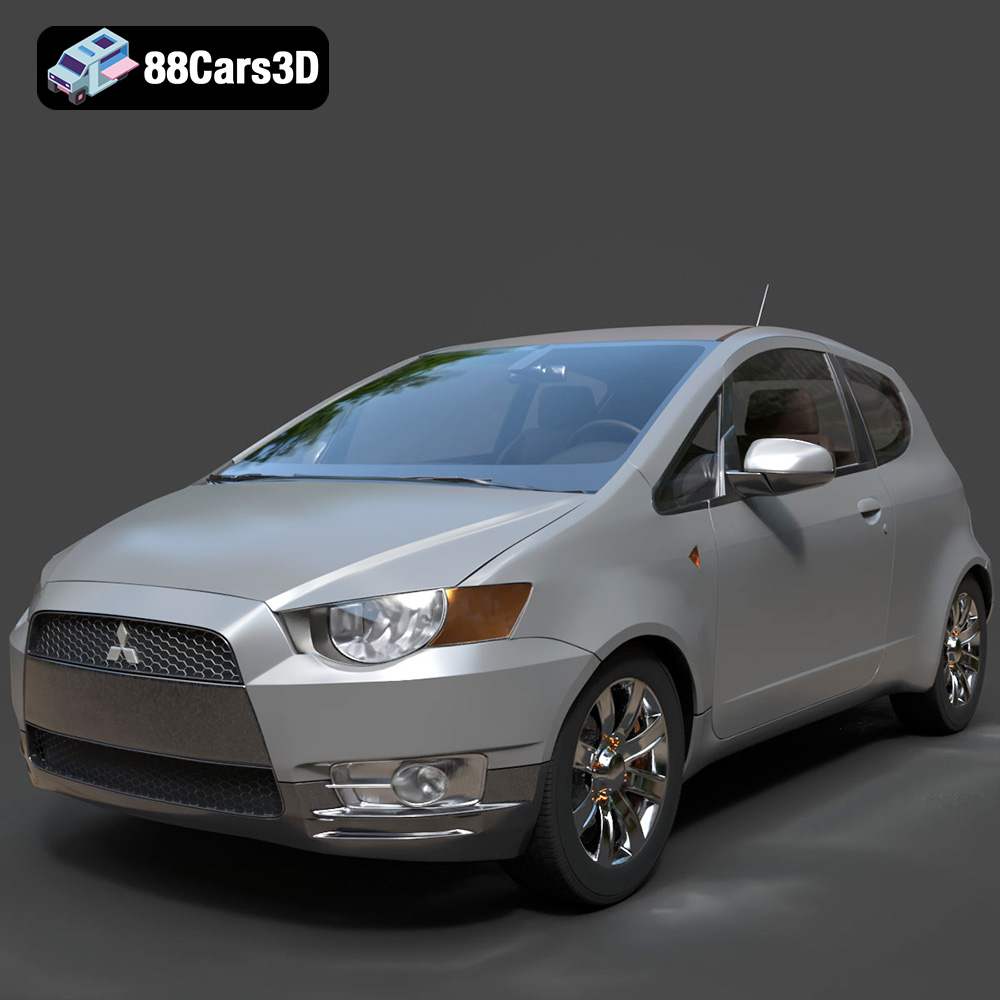
Download the Mitsubishi Colt 3 Door 2008 3D Model featuring clean geometry, realistic detailing, and a fully modeled interior. Includes .blend, .fbx, .obj, .glb, .stl, .ply, .unreal, and .max formats for rendering, simulation, and game development.
Price: $10
Texture: Yes
Material: Yes
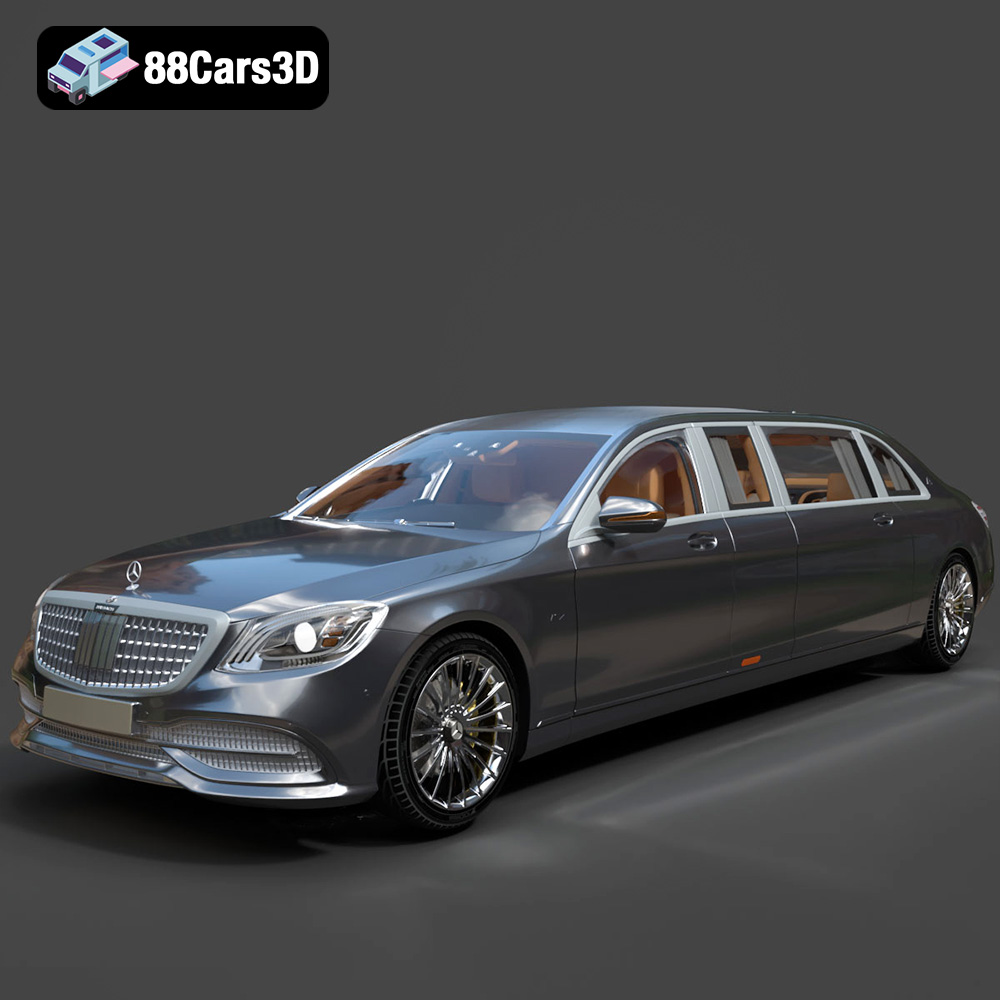
Download the Mercedes-Benz S650 Pullman 3D Model featuring clean geometry, realistic detailing, and a fully modeled interior. Includes .blend, .fbx, .obj, .glb, .stl, .ply, .unreal, and .max formats for rendering, simulation, and game development.
Price: $95.99
Texture: Yes
Material: Yes
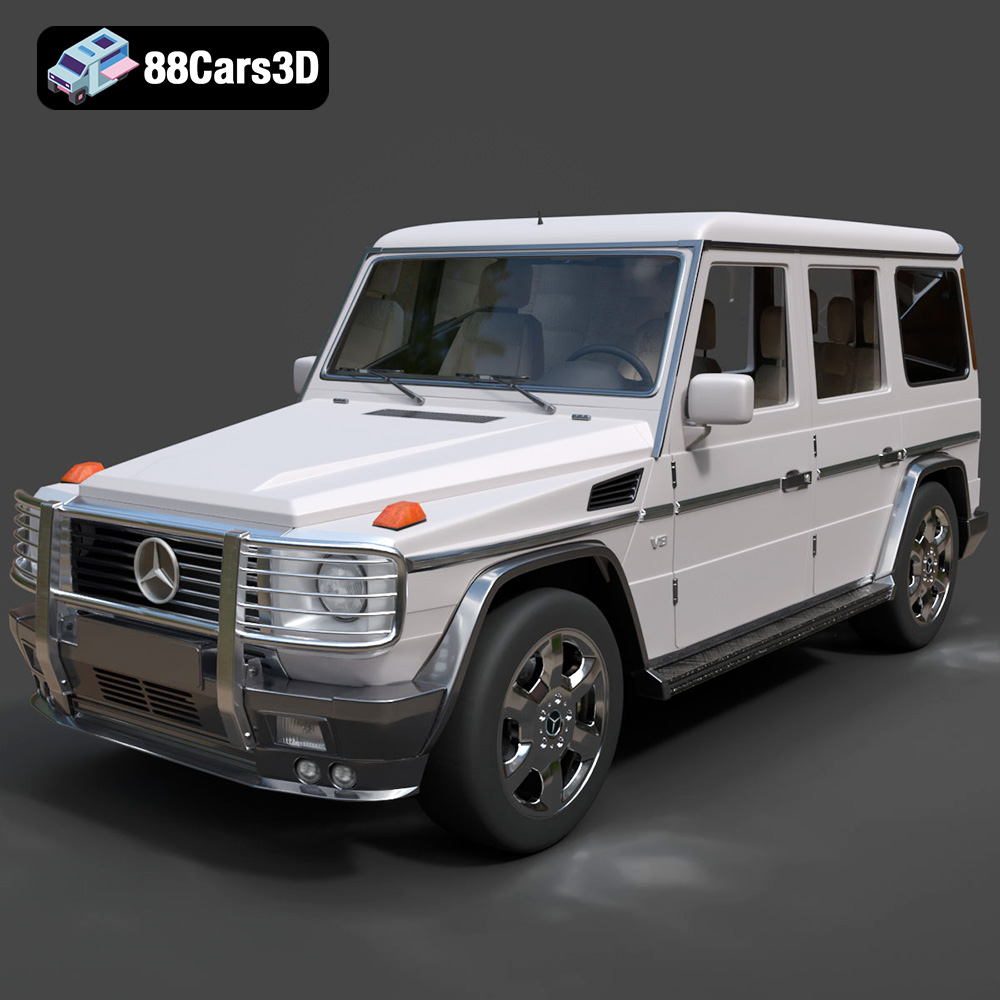
Download the Mercedes G-Class SUV 2024 3D Model featuring clean geometry, realistic detailing, and a fully modeled interior. Includes .blend, .fbx, .obj, .glb, .stl, .ply, .unreal, and .max formats for rendering, simulation, and game development.
Price: $10

Texture: Yes
Material: Yes
Download the Volvo XC90 R-Design 2015 3D Model featuring clean geometry, realistic detailing, and a fully modeled interior. Includes .blend, .fbx, .obj, .glb, .stl, .ply, .unreal, and .max formats for rendering, simulation, and game development.
Price: $10

