⚡ FLASH SALE: Get 60% OFF All Premium 3D & STL Models! ⚡

The quest for visual perfection in automotive rendering has long been a driving force for 3D artists and designers. With each generation of real-time engines, the line between virtual and reality blurs further. Unreal Engine 5 stands at the forefront of this revolution, offering unparalleled tools for creating stunning, photorealistic visuals.
While powerful, achieving true photorealistic automotive rendering in UE5 requires a deep understanding of its material system and lighting capabilities. A generic shader simply won’t cut it when simulating the complex interplay of light on a vehicle’s surface. From the subtle glint of metallic flakes to the deep reflections of a clear coat, every detail contributes to the illusion of reality. This comprehensive guide will walk you through mastering automotive paint shaders and lighting within Unreal Engine 5, transforming your vehicle renders from good to breathtaking.
Before diving into Unreal Engine 5’s material editor, it’s crucial to understand the physical properties of real-world automotive paint. It’s not a single layer, but a sophisticated system designed to protect, color, and shine. A convincing PBR car paint shader must accurately represent these layers and their interactions with light.
The base coat provides the primary color of the vehicle. This layer is usually quite opaque and can range from solid colors to intricate metallic or pearlescent pigments. In a PBR workflow, the base coat primarily contributes to the “Base Color” and “Metallic” properties, defining how much light is absorbed and how much is reflected as colored diffuse light.
For solid colors, this might be a simple uniform color. For more complex paints, texture maps can introduce subtle variations, though often the complexity comes from the layers above it. The base coat’s roughness will influence how much light scatters and how vibrant the primary color appears before the clear coat is applied.
This is where automotive paint truly comes alive. Metallic flakes are tiny, often aluminum, particles suspended within the base coat. They are typically oriented somewhat randomly but tend to lie parallel to the surface. These flakes are highly reflective, scattering light in a way that causes the paint to shimmer and change appearance depending on the viewing angle and light source. This is the essence of the metallic flake effect.
Pearlescent pigments, on the other hand, are often mica-based and create a “color shift” effect, appearing as different hues from various angles. While technically distinct, both contribute to the dynamic, multi-dimensional look of high-quality automotive finishes. Simulating these effects accurately is critical for realism in an Unreal Engine 5 car material.
The final and perhaps most visually impactful layer is the clear coat. This transparent, highly glossy layer serves multiple purposes: it protects the underlying paint from UV light and scratches, and it provides the deep, mirror-like reflections that are characteristic of polished car finishes. The clear coat significantly influences the overall perceived depth and quality of the paint.
Its primary PBR parameters are its high metallic value (making it highly reflective) and its low roughness. A perfectly smooth clear coat will produce sharp, undistorted reflections, while a slightly rougher clear coat will diffuse reflections, giving a satin or matte finish. Understanding how to build an effective clear coat material setup is paramount.
Now that we understand the layers, let’s translate this knowledge into a robust PBR car paint shader in Unreal Engine 5. We’ll leverage a master material approach, allowing for easy instance creation and variation.
Begin by creating a new Material in the Content Browser. This will be our master material. The goal is to make it modular and artist-friendly. We’ll rely heavily on Material Parameters, allowing artists to adjust properties like color, flake intensity, and clear coat roughness without modifying the master graph directly.
A good starting point involves creating parameter groups for Base Coat, Flakes, Clear Coat, and Utility. This organizes your material editor for ease of use. Remember, a well-structured material is just as important as the logic within it.
For the base color, use a ‘VectorParameter’ node for the primary paint color. This allows for quick color adjustments. For metallic paints, set the ‘Metallic’ input of the main material node to 1. For non-metallic (solid) paints, a value of 0 is appropriate. You can expose this as a ‘ScalarParameter’ to switch between metallic and non-metallic base types.
The base coat’s ‘Roughness’ is also crucial. For a typical car paint, this will be quite low, but not zero, as the clear coat will handle the ultimate shine. Connect a ‘ScalarParameter’ for BaseRoughness, allowing for subtle adjustments to the underlying texture’s specularity.
Unreal Engine 5’s default material model includes dedicated ‘ClearCoat’ and ‘ClearCoatRoughness’ inputs, which are absolutely essential for photorealistic automotive rendering. Connect a ‘ScalarParameter’ (e.g., ‘ClearCoatIntensity’) to the ‘ClearCoat’ input. A value of 1 signifies a fully present clear coat.
For ‘ClearCoatRoughness’, use another ‘ScalarParameter’ (e.g., ‘ClearCoatRoughnessValue’). This is where you control the glossiness of the top layer. Values close to 0 will produce highly reflective, mirror-like surfaces, while higher values will result in a more diffused, satin look. Typically, automotive clear coats demand very low roughness values (e.g., 0.01 – 0.05) for that factory-fresh shine. This dedicated clear coat material setup greatly simplifies the process compared to older engine versions.
Achieving a convincing metallic flake effect is one of the more challenging aspects but yields significant visual rewards. There are several approaches, but a common and effective one involves using a detail normal map combined with a custom material function.
For a more advanced Unreal Engine 5 car material, consider using a custom code node or material function that calculates flake orientation based on a pseudo-random seed per pixel, providing a more dynamic and less repetitive look. This requires a deeper dive into HLSL, but the results can be stunning.
The beauty of a master material is the ability to create material instances. For every property you want to tweak (Base Color, ClearCoatRoughness, FlakeIntensity, etc.), convert your constants to ‘ScalarParameter’ or ‘VectorParameter’ nodes. Organize them into logical groups to keep your material instance editor clean and intuitive. This iterative workflow is essential for fine-tuning the exact look and feel of your vehicle’s paint. You can find excellent starting points for these materials by exploring models from 88cars3d.com, which often come with well-structured materials.
Even the most meticulously crafted shader will fall flat without compelling lighting. Lighting is responsible for revealing the form, reflections, and nuances of your Unreal Engine 5 car material. Effective automotive lighting scenarios require a blend of environmental and direct light sources.
HDRIs are indispensable for photorealistic automotive rendering. They provide both realistic environment reflections and believable ambient lighting. A high-quality HDRI captures a full spherical luminance map of a real-world location, meaning your car will reflect its surroundings accurately.
Import your HDRI as a Cube Map texture. Then, use it with a ‘Sky Light’ actor. Ensure your Sky Light’s ‘Source Type’ is set to ‘SLS Captured Scene’ or ‘SLS Specified Cubemap’ (if you’re using a static cubemap). Rotate the Sky Light to position the “sun” or brightest part of the environment, which will affect the overall lighting and reflections on your vehicle. The quality and resolution of your HDRI significantly impact the realism of your reflections, especially on the clear coat.
A ‘Directional Light’ typically represents the sun or a primary, distant light source. It’s crucial for strong shadows and bright, crisp specular highlights that define the vehicle’s edges and curves. Position your directional light to create dynamic shadows that ground the car in its environment.
For realistic sun, match the directional light’s direction and color temperature to that of your HDRI’s sun. Adjust its intensity to avoid blown-out highlights. Shadows cast by a directional light should be sharp but can be softened through ray tracing (discussed next) or by adjusting source radius for rasterized shadows.
As mentioned, the ‘Sky Light’ is essential for capturing ambient light and environment reflections from your HDRI. It fills in the areas not directly hit by the directional light, preventing harsh, unrealistic black shadows. The Sky Light also projects the environment onto reflective surfaces, which is critical for the clear coat and metallic elements of your Unreal Engine 5 car material.
Ensure ‘Real-Time Capture’ is enabled on your Sky Light if you’re making changes to the environment or moving objects. For static scenes, a pre-captured sky light can be more performant. Pay attention to the intensity and color of the Sky Light to ensure it complements your primary light source.
Beyond the primary sun and sky, ‘Rect Lights’ or ‘Spot Lights’ can serve as fill lights or simulated reflectors. These are invaluable for lifting shadows, emphasizing specific design lines, or creating interesting specular reflections that sculpt the car’s body. Use them sparingly and strategically, often with very low intensity, to gently shape the contours.
Consider placing subtle rect lights to simulate studio softboxes if aiming for a showroom look. Their reflections on the clear coat can be very aesthetically pleasing. However, for outdoor automotive lighting scenarios, these should be used with extreme subtlety to maintain realism.
Unreal Engine 5’s Lumen Global Illumination and Reflections system, along with Virtual Shadow Maps (VSMs), are revolutionary for achieving dynamic photorealistic automotive rendering. Lumen provides incredibly realistic indirect lighting and reflections, making light bounce around the scene naturally without pre-baked lightmaps. This means changes to your lighting or environment are reflected instantly and accurately.
Virtual Shadow Maps offer incredibly detailed, high-resolution shadows over vast distances, crucial for a car model with intricate details like grilles and panel gaps. Ensure these features are enabled in your project settings to take full advantage of UE5’s rendering power for your automotive scenes.
For the pinnacle of visual fidelity, real-time ray tracing UE5 is a game-changer. It simulates light behavior with unparalleled accuracy, resulting in reflections, global illumination, and shadows that were previously only possible with offline renderers. For photorealistic automotive rendering, ray tracing is practically a necessity.
First, ensure ray tracing is enabled in your Unreal Engine project. Go to Edit > Project Settings > Engine > Rendering. Scroll down to the ‘Ray Tracing’ section and enable ‘Ray Tracing’ and ‘Support Hardware Ray Tracing’. Restart the editor for changes to take effect.
You’ll also want to enable ‘Support Global Clip Plane for Planar Reflections’ and ‘Support compute skin cache’ for optimal performance with certain features. Remember that ray tracing is GPU-intensive, so a capable graphics card is recommended.
Ray-traced reflections are arguably the most impactful ray tracing feature for automotive models. They provide physically accurate reflections on glossy surfaces like your car’s clear coat. Unlike screen-space reflections (SSR) which can only reflect what’s visible on screen, RTR can reflect off-screen objects and accurately handle complex geometric interactions.
To enable RTR for your scene, ensure the ‘Reflections’ method for your Post Process Volume is set to ‘Ray Tracing’. Adjust the ‘Max Roughness’ to control which materials receive ray-traced reflections (typically you want very low roughness for car paint). The result will be incredibly crisp, detailed, and environmentally aware reflections that elevate your Unreal Engine 5 car material to a new level.
While Lumen handles global illumination dynamically, ray-traced global illumination offers an alternative path for even more precise light bounces. RTGI calculates how light reflects and bounces between surfaces, illuminating areas indirectly. This adds subtle color bleeding and softness to your scene, making it feel more coherent and natural.
You can enable RTGI in your Post Process Volume under the ‘Global Illumination’ section, setting the method to ‘Ray Tracing’. Experiment with ‘Samples Per Pixel’ and ‘Bounces’ to balance visual quality and performance. This feature, alongside Lumen, ensures every part of your automotive scene is bathed in realistic ambient light.
Ray-traced shadows provide highly accurate and soft shadows, which are critical for grounding your vehicle realistically within its environment. Unlike traditional shadow maps, ray-traced shadows correctly account for translucency and can produce varying levels of softness based on light source size and distance.
To use them, ensure ‘Ray Traced Shadows’ is enabled for your directional light (and other relevant lights like spotlights). In your Post Process Volume, you can further refine shadow settings. The subtle gradients and accurate contact shadows produced by real-time ray tracing UE5 significantly enhance the realism of any photorealistic automotive rendering.
While powerful, ray tracing can be demanding. Here are some tips for optimization:
Achieving truly immersive photorealistic automotive rendering involves more than just core shaders and lighting. Advanced techniques and consideration for modern workflows like virtual production can elevate your work.
As you gain experience, consider creating custom Material Functions for reusable shader logic. For instance, a function for the metallic flake effect can be called in multiple materials, promoting consistency and efficiency. You can also explore complex material blends to simulate dirt, dust, or weathering effects on the car paint, adding layers of realism. Using techniques like Layered Materials can allow for non-destructive blending of different surface properties.
The Post Process Volume is your final artistic control center. Subtle color grading can enhance the mood and aesthetic of your scene. Bloom can simulate the natural scattering of light around bright areas, making highlights glow. A slight vignette can draw the viewer’s eye to the center of the frame (your car). Lens flare and depth of field can further enhance cinematic qualities. Use these effects judiciously; too much can quickly detract from realism.
Unreal Engine 5 is a powerhouse for virtual production automotive workflows. This involves integrating high-fidelity 3D car models into real-time environments, often composited with live-action footage. Key considerations include:
The ability to render a vehicle in real-time, with accurate reflections and global illumination, opens up incredible possibilities for automotive advertising, film, and design visualization, reducing the need for expensive physical prototypes and shoots.
While realism is the goal, performance often dictates what’s achievable in real-time. Always profile your scenes. Use Unreal Engine’s built-in profilers (e.g., Stat Unit, Stat GPU) to identify bottlenecks. Optimize textures, mesh complexity, and light settings. Understand the trade-offs between visual fidelity and frame rate, especially if targeting interactive experiences or VR. Prioritize the visual elements that contribute most to the perceived realism, such as the clear coat and environmental reflections.
Mastering Unreal Engine 5 car material creation and lighting is an iterative journey that blends technical understanding with artistic vision. By dissecting the physical properties of automotive paint into base coat, metallic flakes, and clear coat, we’ve laid the groundwork for a robust PBR car paint shader. We then explored the critical clear coat material setup and techniques for simulating the dynamic metallic flake effect.
Beyond materials, understanding automotive lighting scenarios—from HDRIs and directional lights to fill lights—is essential for revealing the vehicle’s form and enhancing its reflections. Finally, leveraging the power of real-time ray tracing UE5 and integrating it into virtual production automotive workflows unlocks unprecedented levels of realism and flexibility.
The tools within Unreal Engine 5 empower artists to create truly stunning photorealistic automotive rendering. Embrace experimentation, meticulously observe real-world vehicles, and continuously refine your techniques. For those looking for high-quality, production-ready automotive models to kickstart their projects, remember that resources like 88cars3d.com offer an excellent foundation. Dive in, experiment, and let your creativity shine on the digital asphalt!
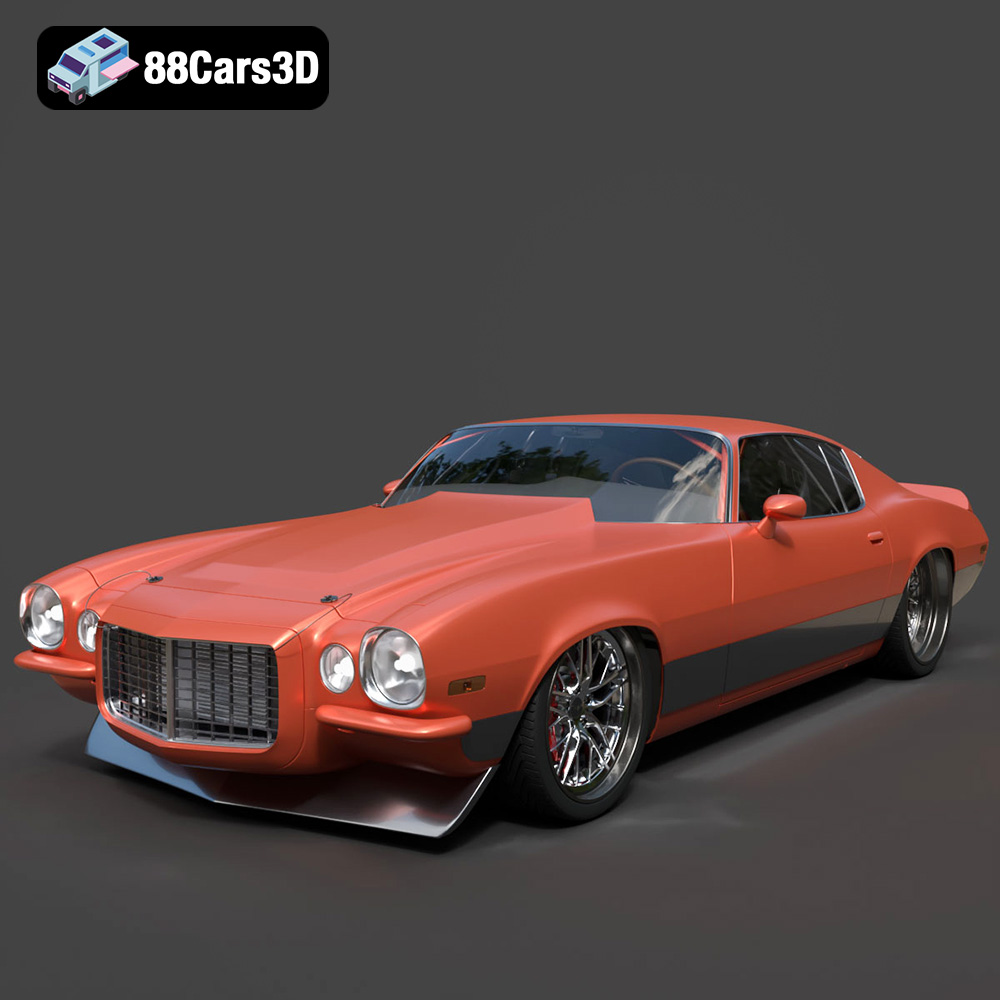
Texture: Yes
Material: Yes
Download the Chevrolet Camaro 1970 3D Model featuring clean geometry, realistic detailing, and a fully modeled interior. Includes .blend, .fbx, .obj, .glb, .stl, .ply, .unreal, and .max formats for rendering, simulation, and game development.
Price: $10
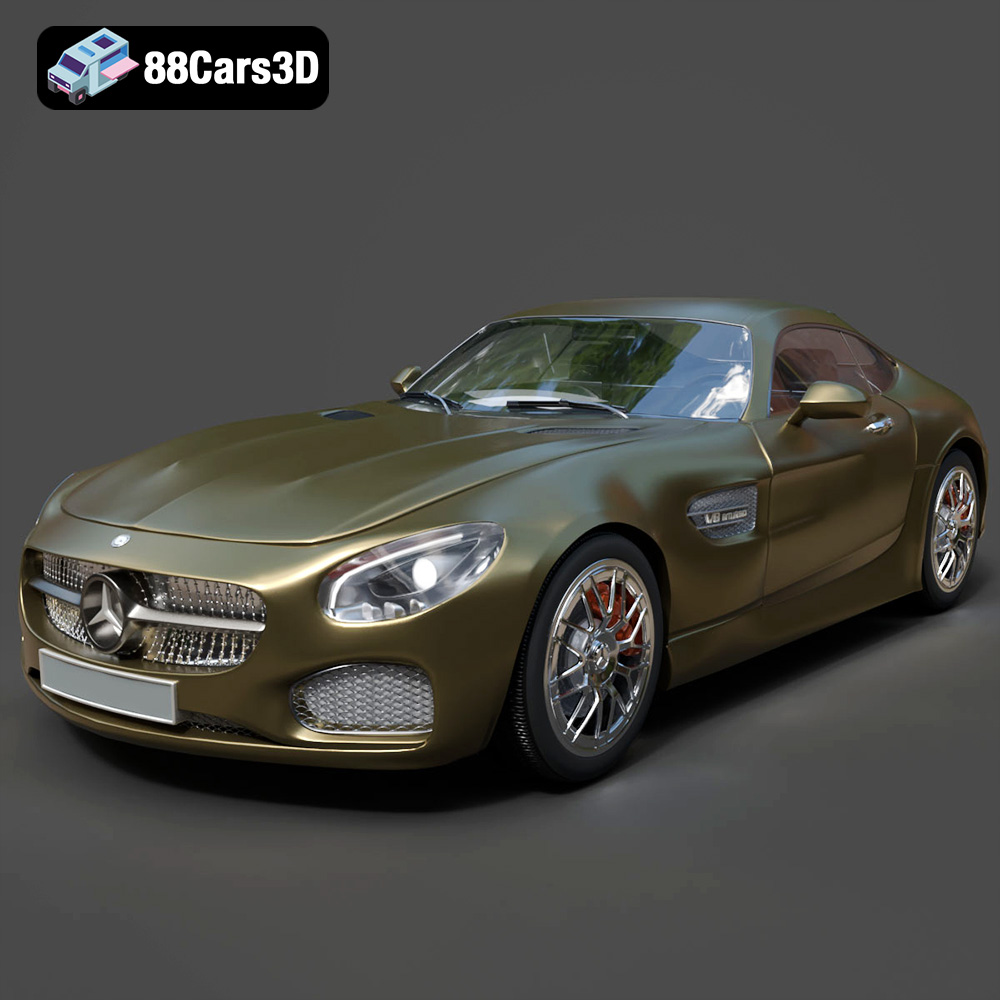
Texture: Yes
Material: Yes
Download the Mercedes-AMG GT 2015 3D Model featuring clean geometry, realistic detailing, and a fully modeled interior. Includes .blend, .fbx, .obj, .glb, .stl, .ply, .unreal, and .max formats for rendering, simulation, and game development.
Price: $88.99
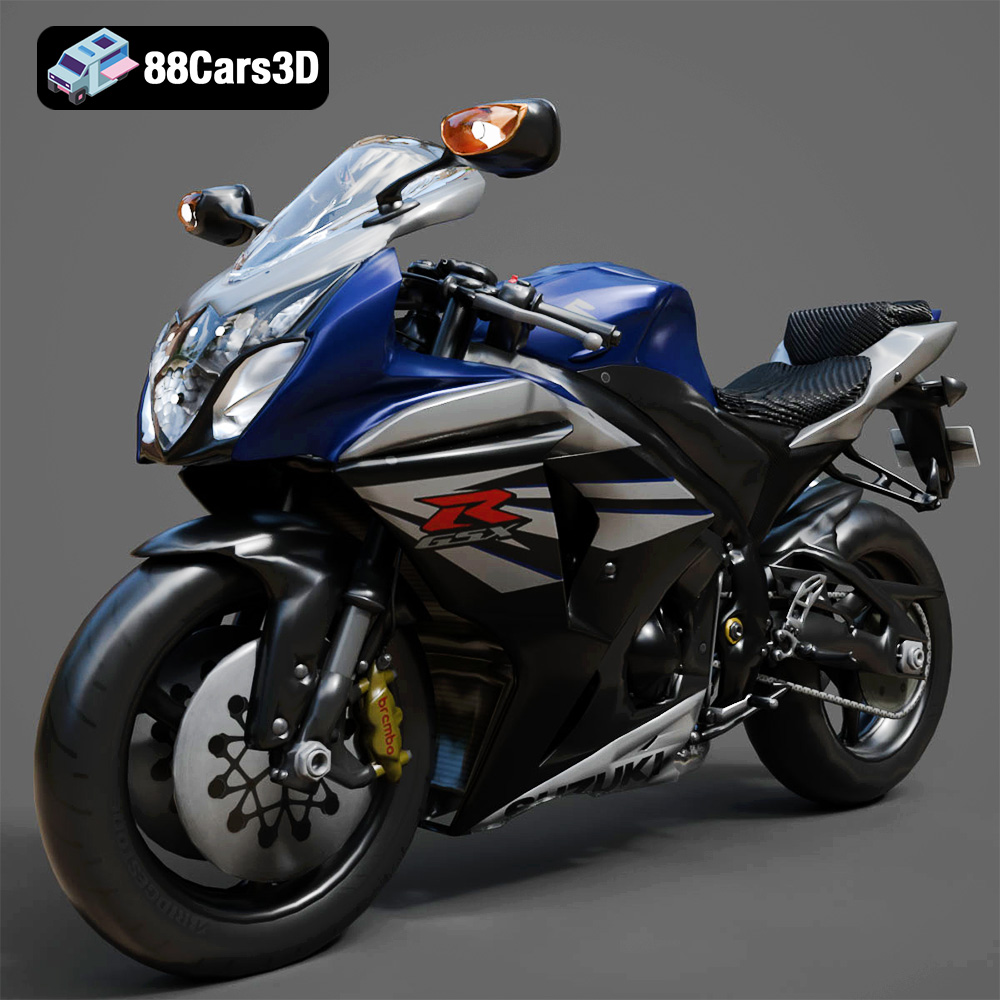
Texture: Yes
Material: Yes
Download the Suzuki GSX-R 1000 3D Model featuring clean geometry, realistic detailing, and a fully modeled interior. Includes .blend, .fbx, .obj, .glb, .stl, .ply, .unreal, and .max formats for rendering, simulation, and game development.
Price: $10
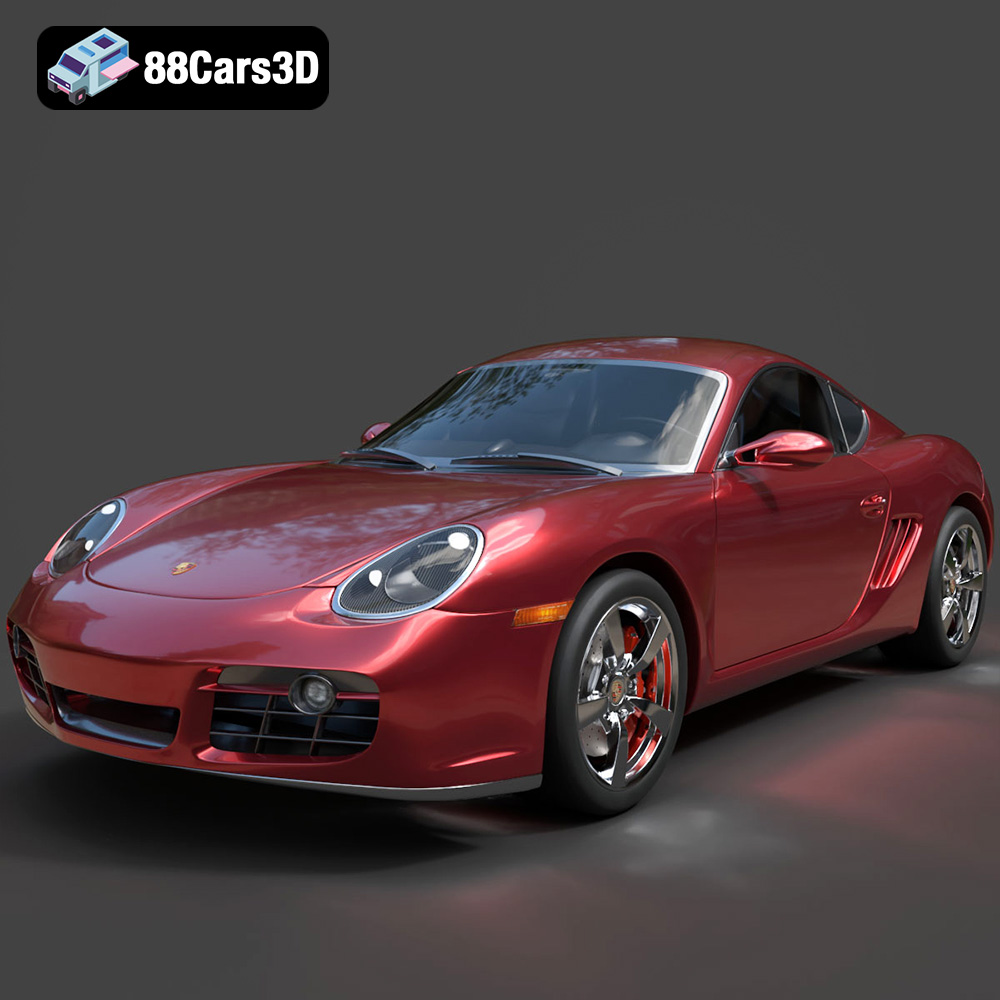
Texture: Yes
Material: Yes
Download the Porsche Cayman S 2024 3D Model featuring clean geometry, realistic detailing, and a fully modeled interior. Includes .blend, .fbx, .obj, .glb, .stl, .ply, .unreal, and .max formats for rendering, simulation, and game development.
Price: $10
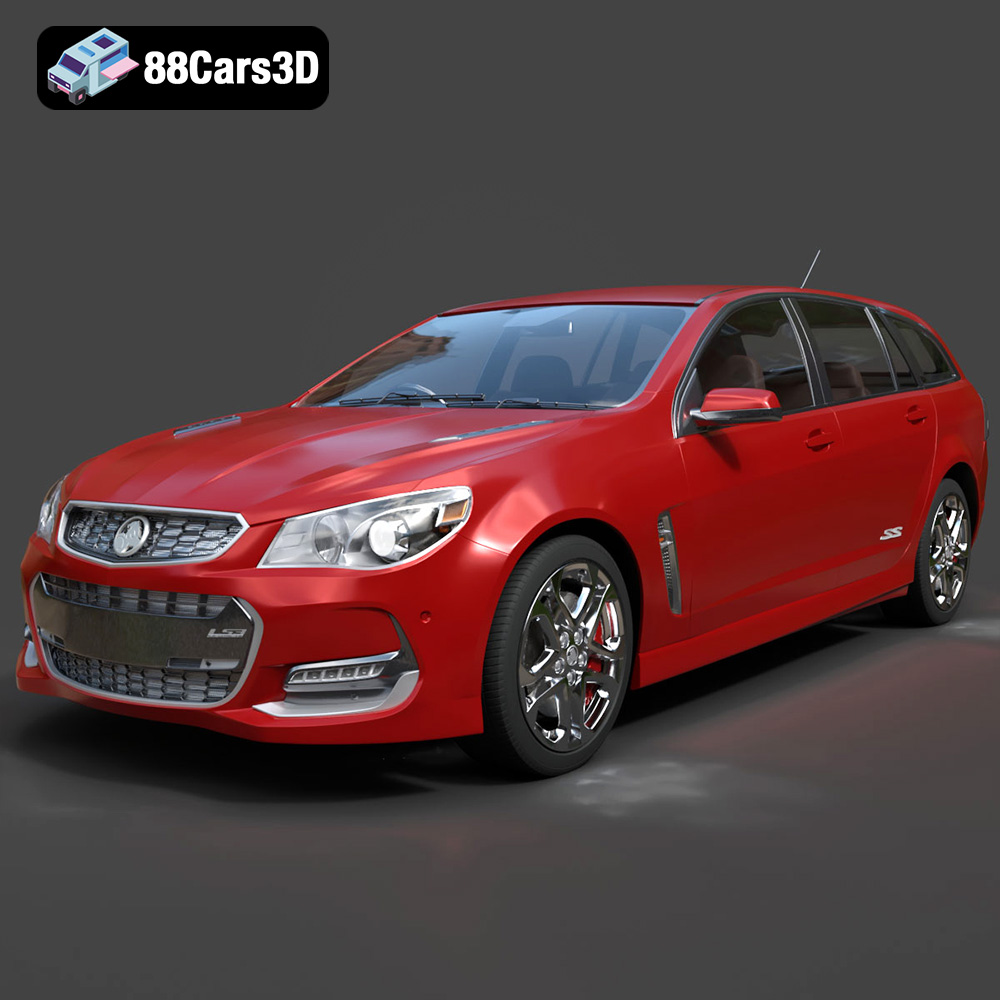
Texture: Yes
Material: Yes
Download the Holden Commodore Sportwagon 2017 3D Model featuring clean geometry, realistic detailing, and a fully modeled interior. Includes .blend, .fbx, .obj, .glb, .stl, .ply, .unreal, and .max formats for rendering, simulation, and game development.
Price: $10
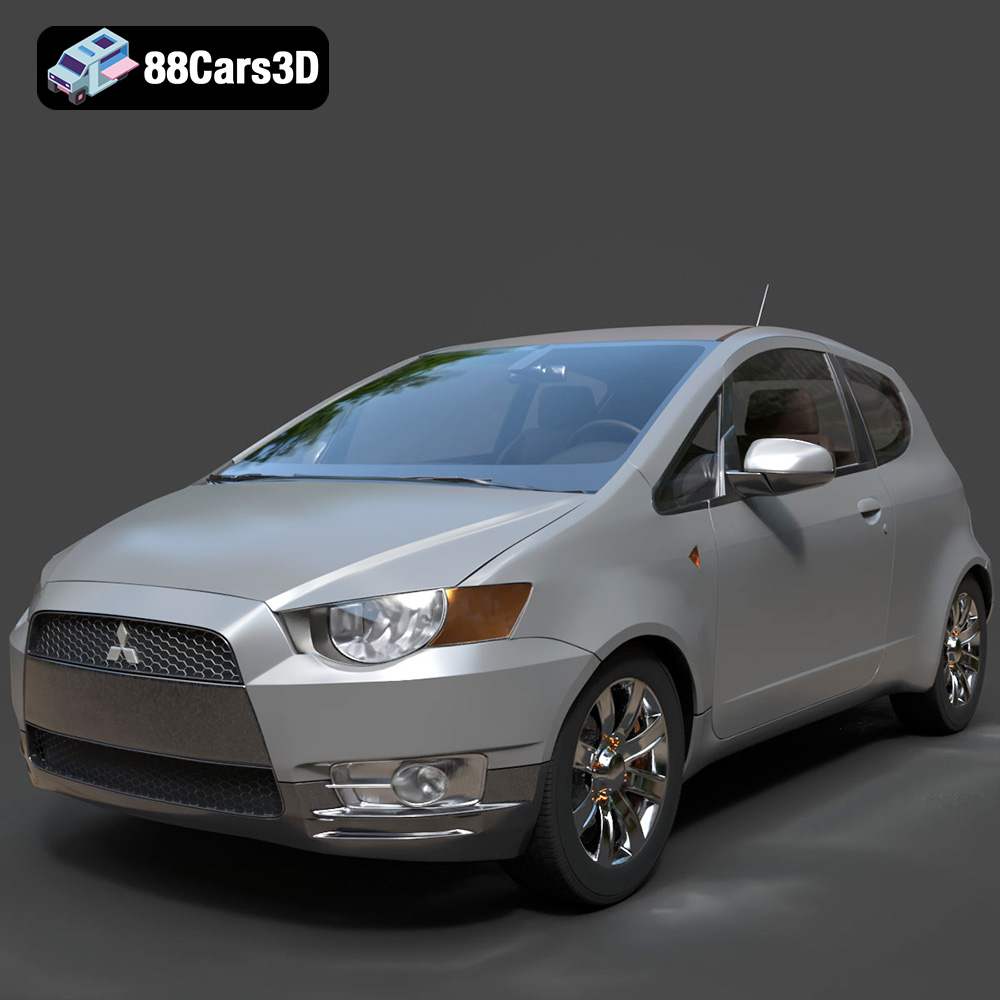
Texture: Yes
Material: Yes
Download the Mitsubishi Colt 3 Door 2008 3D Model featuring clean geometry, realistic detailing, and a fully modeled interior. Includes .blend, .fbx, .obj, .glb, .stl, .ply, .unreal, and .max formats for rendering, simulation, and game development.
Price: $10
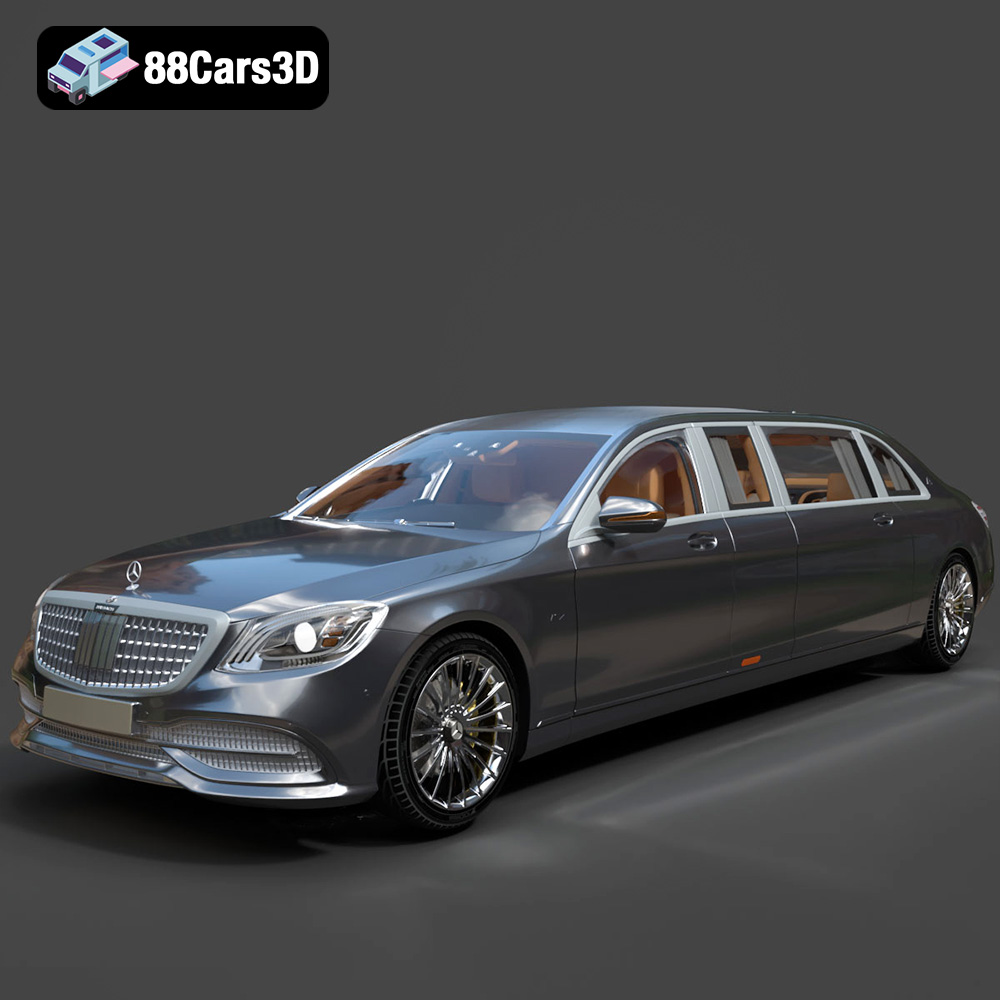
Texture: Yes
Material: Yes
Download the Mercedes-Benz S650 Pullman 3D Model featuring clean geometry, realistic detailing, and a fully modeled interior. Includes .blend, .fbx, .obj, .glb, .stl, .ply, .unreal, and .max formats for rendering, simulation, and game development.
Price: $10
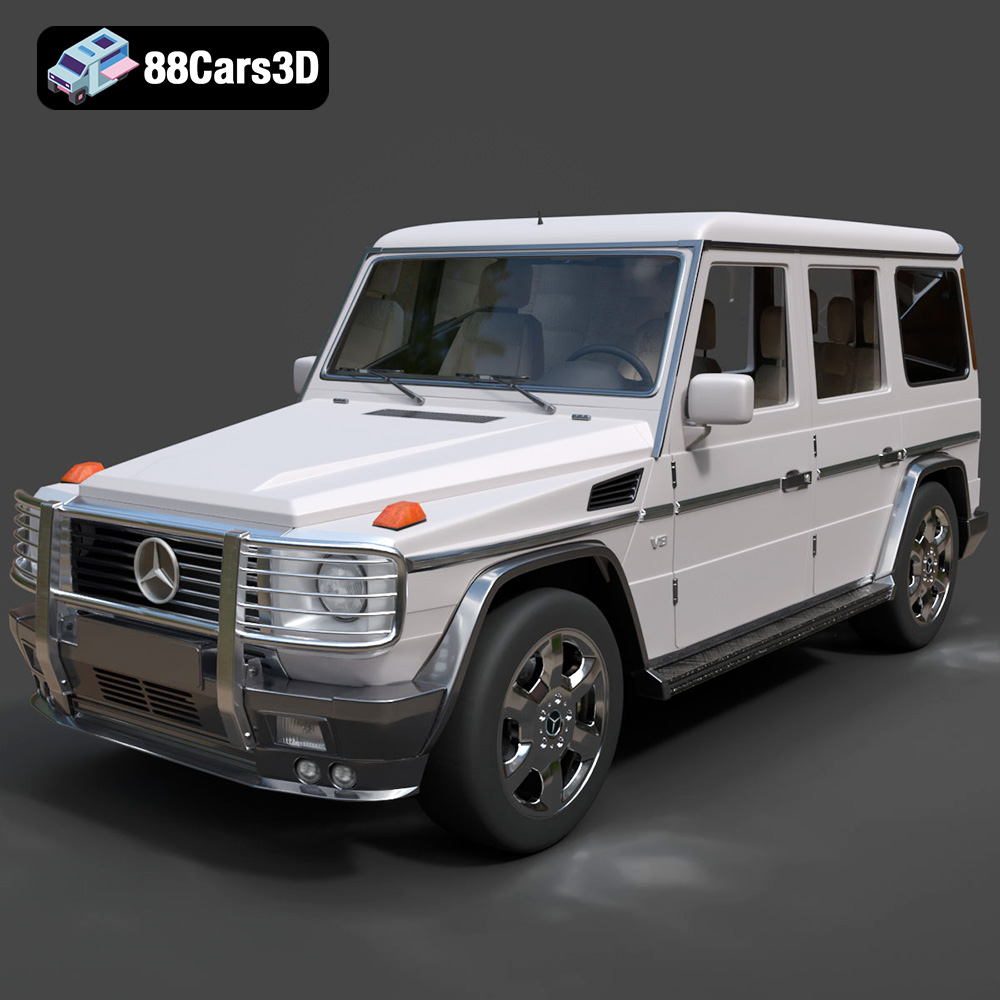
Texture: Yes
Material: Yes
Download the Mercedes G-Class SUV 2024 3D Model featuring clean geometry, realistic detailing, and a fully modeled interior. Includes .blend, .fbx, .obj, .glb, .stl, .ply, .unreal, and .max formats for rendering, simulation, and game development.
Price: $10

**Meta Description:**
Texture: Yes
Material: Yes
Download the Toyota Crown Majesta 2009 3D Model with luxury detailing, clean topology, and a fully modeled interior. Available in .blend, .fbx, .obj, .glb, .stl, .ply, .unreal, and .max formats for rendering, simulation, and game development.
Price: $4.99

**Meta Description:**
Texture: Yes
Material: Yes
Download the Toyota AE86 Levin 1983 1987 3D Model featuring realistic exterior and interior detailing. Includes .blend, .fbx, .obj, .glb, .stl, .ply, .unreal, and .max formats for rendering, simulation, and game development.
Price: $9.99

Texture: Yes
Material: Yes
Download the Toyota Mark 2 2001 3D Model featuring clean geometry, realistic detailing, and a fully modeled interior. Includes .blend, .fbx, .obj, .glb, .stl, .ply, .unreal, and .max formats for rendering, simulation, and game development.
Price: $4.99

Texture: Yes
Material: Yes
Download the Toyota Celica 2000 3D Model featuring clean geometry, realistic detailing, and a fully modeled interior. Includes .blend, .fbx, .obj, .glb, .stl, .ply, .unreal, and .max formats for rendering, simulation, and game development.
Price: $4.99

Download the Toyota Camry US 2012 3D Model featuring clean geometry, realistic detailing, and a fully modeled interior. Includes .blend, .fbx, .obj, .glb, .stl, .ply, .unreal, and .max formats for rendering, simulation, and game development.
Price: $4.99

Texture: Yes
Material: Yes
Download the Toyota GT 86 2013 3D Model featuring clean geometry, realistic detailing, and a fully modeled interior. Includes .blend, .fbx, .obj, .glb, .stl, .ply, .unreal, and .max formats for rendering, simulation, and game development.
Price: $4.99

Texture: Yes
Material: Yes
Download the Toyota Mark X 2010 3D Model featuring clean geometry, realistic detailing, and a fully modeled interior. Includes .blend, .fbx, .obj, .glb, .stl, .ply, .unreal, and .max formats for rendering, simulation, and game development.
Price: $4.99

Texture: Yes
Material: Yes
Download the Toyota Allion 2008 3D Model featuring clean geometry, realistic detailing, and a fully modeled interior. Includes .blend, .fbx, .obj, .glb, .stl, .ply, .unreal, and .max formats for rendering, simulation, and game development.
Price: $4.99

Texture: Yes
Material: Yes
Download the Toyota Avensis 2005 3D Model featuring clean geometry, realistic detailing, and a fully modeled interior. Includes .blend, .fbx, .obj, .glb, .stl, .ply, .unreal, and .max formats for rendering, simulation, and game development.
Price: $4.99

Texture: Yes
Material: Yes
Download the Toyota Camry Solara 2006 3D Model featuring clean geometry, realistic detailing, and a fully modeled interior. Includes .blend, .fbx, .obj, .glb, .stl, .ply, .unreal, and .max formats for rendering, simulation, and game development.
Price: $4.99

Texture: Yes
Material: Yes
Download the Skoda Superb 2009 3D Model featuring clean geometry, realistic detailing, and a fully modeled interior. Includes .blend, .fbx, .obj, .glb, .stl, .ply, .unreal, and .max formats for rendering, simulation, and game development.
Price: $4.99

Texture: Yes
Material: Yes
Download the Skoda Superb 2006 3D Model featuring clean geometry, realistic detailing, and a fully modeled interior. Includes .blend, .fbx, .obj, .glb, .stl, .ply, .unreal, and .max formats for rendering, simulation, and game development.
Price: $4.99

Texture: Yes
Material: Yes
Download the Ford Mustang Shelby Super Snake Concept 2018 3D Model featuring clean geometry, realistic detailing, and a fully modeled interior. Includes .blend, .fbx, .obj, .glb, .stl, .ply, .unreal, and .max formats for rendering, simulation, and game development.
Price: $4.99

Texture: Yes
Material: Yes
Download the Porsche Cayenne Turbo 2018 3D Model featuring clean geometry, realistic detailing, and a fully modeled interior. Includes .blend, .fbx, .obj, .glb, .stl, .ply, .unreal, and .max formats for rendering, simulation, and game development.
Price: $4.99

Texture: Yes
Material: Yes
Download the Chevrolet Lacetti Sedan 2004 3D Model featuring clean geometry, realistic detailing, and a fully modeled interior. Includes .blend, .fbx, .obj, .glb, .stl, .ply, .unreal, and .max formats for rendering, simulation, and game development.
Price: $4.99

Texture: Yes
Material: Yes
Download the Skoda Rapid 2013 3D Model featuring clean geometry, realistic detailing, and a fully modeled interior. Includes .blend, .fbx, .obj, .glb, .stl, .ply, .unreal, and .max formats for rendering, simulation, and game development.
Price: $4.99

Texture: Yes
Material: Yes
Download the Skoda Octavia A5-007 3D Model featuring clean geometry, realistic detailing, and a fully modeled interior. Includes .blend, .fbx, .obj, .glb, .stl, .ply, .unreal, and .max formats for rendering, simulation, and game development.
Price: $4.99

Texture: Yes
Material: Yes
Download the Skoda Fabia 2023 3D Model featuring clean geometry, realistic detailing, and a fully modeled interior. Includes .blend, .fbx, .obj, .glb, .stl, .ply, .unreal, and .max formats for rendering, simulation, and game development.
Price: $4.99

Texture: Yes
Material: Yes
Download the Skoda Fabia 2007 3D Model featuring clean geometry, realistic detailing, and a fully modeled interior. Includes .blend, .fbx, .obj, .glb, .stl, .ply, .unreal, and .max formats for rendering, simulation, and game development.
Price: $4.99

Texture: Yes
Material: Yes
Download the Honda VFR 1200 F 2015 3D Model featuring clean geometry, realistic detailing, and a fully modeled interior. Includes .blend, .fbx, .obj, .glb, .stl, .ply, .unreal, and .max formats for rendering, simulation, and game development.
Price: $4.99

Texture: Yes
Material: Yes
Download the Subaru BRZ 2025 3D Model featuring clean geometry, realistic detailing, and a fully modeled interior. Includes .blend, .fbx, .obj, .glb, .stl, .ply, .unreal, and .max formats for rendering, simulation, and game development.
Price: $4.99

Texture: Yes
Material: Yes
Download the SsangYong Rodius 2007 3D Model featuring clean geometry, realistic detailing, and a fully modeled interior. Includes .blend, .fbx, .obj, .glb, .stl, .ply, .unreal, and .max formats for rendering, simulation, and game development.
Price: $4.99

Texture: Yes
Material: Yes
Download the Subaru Impreza 1992 3D Model featuring clean geometry, realistic detailing, and a fully modeled interior. Includes .blend, .fbx, .obj, .glb, .stl, .ply, .unreal, and .max formats for rendering, simulation, and game development.
Price: $4.99

Texture: Yes
Material: Yes
Download the Subaru Impreza 2005 3D Model featuring clean geometry, realistic detailing, and a fully modeled interior. Includes .blend, .fbx, .obj, .glb, .stl, .ply, .unreal, and .max formats for rendering, simulation, and game development.
Price: $4.99

Texture: Yes
Material: Yes
Download the Spyker C8-007 2004 3D Model featuring clean geometry, realistic detailing, and a fully modeled interior. Includes .blend, .fbx, .obj, .glb, .stl, .ply, .unreal, and .max formats for rendering, simulation, and game development.
Price: $4.99

Texture: Yes
Material: Yes
Download the Smart Roadster 2003 3D Model featuring clean geometry, realistic detailing, and a fully modeled interior. Includes .blend, .fbx, .obj, .glb, .stl, .ply, .unreal, and .max formats for rendering, simulation, and game development.
Price: $4.99

Texture: Yes
Material: Yes
Download the Skoda Roomster 2007 3D Model featuring clean geometry, realistic detailing, and a fully modeled interior. Includes .blend, .fbx, .obj, .glb, .stl, .ply, .unreal, and .max formats for rendering, simulation, and game development.
Price: $4.99

Texture: Yes
Material: Yes
Download the Subaru Impreza Sport Wagon 3D Model featuring clean geometry, realistic detailing, and a fully modeled interior. Includes .blend, .fbx, .obj, .glb, .stl, .ply, .unreal, and .max formats for rendering, simulation, and game development.
Price: $4.99

Texture: Yes
Material: Yes
Download the Skoda Octavia A7 2017 3D Model featuring clean geometry, realistic detailing, and a fully modeled interior. Includes .blend, .fbx, .obj, .glb, .stl, .ply, .unreal, and .max formats for rendering, simulation, and game development.
Price: $4.99

Texture: Yes
Material: Yes
Download the Suzuki SX4-002 3D Model featuring clean geometry, realistic detailing, and a fully modeled interior. Includes .blend, .fbx, .obj, .glb, .stl, .ply, .unreal, and .max formats for rendering, simulation, and game development.
Price: $4.99

Texture: Yes
Material: Yes
Download the Tesla Model S 2024 3D Model featuring clean geometry, realistic detailing, and a fully modeled interior. Includes .blend, .fbx, .obj, .glb, .stl, .ply, .unreal, and .max formats for rendering, simulation, and game development.
Price: $4.99

Texture: Yes
Material: Yes
Download the Subaru Impreza WRX STi-002 3D Model featuring clean geometry, realistic detailing, and a fully modeled interior. Includes .blend, .fbx, .obj, .glb, .stl, .ply, .unreal, and .max formats for rendering, simulation, and game development.
Price: $4.99

Texture: Yes
Material: Yes
Download the Subaru Impreza WRX STi Sedan 3D Model featuring clean geometry, realistic detailing, and a fully modeled interior. Includes .blend, .fbx, .obj, .glb, .stl, .ply, .unreal, and .max formats for rendering, simulation, and game development.
Price: $4.99

Texture: Yes
Material: Yes
Download the Subaru Legacy 2009 3D Model featuring clean geometry, realistic detailing, and a fully modeled interior. Includes .blend, .fbx, .obj, .glb, .stl, .ply, .unreal, and .max formats for rendering, simulation, and game development.
Price: $4.99

Texture: Yes
Material: Yes
Download the Suzuki Swift 2024 3D Model featuring clean geometry, realistic detailing, and a fully modeled interior. Includes .blend, .fbx, .obj, .glb, .stl, .ply, .unreal, and .max formats for rendering, simulation, and game development.
Price: $4.99

Texture: Yes
Material: Yes
Download the Suzuki Liana Sedan 2004 3D Model featuring clean geometry, realistic detailing, and a fully modeled interior. Includes .blend, .fbx, .obj, .glb, .stl, .ply, .unreal, and .max formats for rendering, simulation, and game development.
Price: $4.99

Texture: Yes
Material: Yes
Download the Subaru Outback 2024 3D Model featuring clean geometry, realistic detailing, and a fully modeled interior. Includes .blend, .fbx, .obj, .glb, .stl, .ply, .unreal, and .max formats for rendering, simulation, and game development.
Price: $4.99

Texture: Yes
Material: Yes
Download the Subaru Legacy 2003 3D Model featuring clean geometry, realistic detailing, and a fully modeled interior. Includes .blend, .fbx, .obj, .glb, .stl, .ply, .unreal, and .max formats for rendering, simulation, and game development.
Price: $4.99

Texture: Yes
Material: Yes
Download the Subaru Legacy Touring Wagon 3D Model featuring clean geometry, realistic detailing, and a fully modeled interior. Includes .blend, .fbx, .obj, .glb, .stl, .ply, .unreal, and .max formats for rendering, simulation, and game development.
Price: $4.99

Texture: Yes
Material: Yes
Download the Toyota Mark II (X100) 3D Model featuring clean geometry, realistic detailing, and a fully modeled interior. Includes .blend, .fbx, .obj, .glb, .stl, .ply, .unreal, and .max formats for rendering, simulation, and game development.
Price: $4.99

Texture: Yes
Material: Yes
Download the Toyota Corona 1985 3D Model featuring clean geometry, realistic detailing, and a fully modeled interior. Includes .blend, .fbx, .obj, .glb, .stl, .ply, .unreal, and .max formats for rendering, simulation, and game development.
Price: $4.99

Texture: Yes
Material: Yes
Download the Toyota Mark II X81 1990 3D Model featuring clean geometry, realistic detailing, and a fully modeled interior. Includes .blend, .fbx, .obj, .glb, .stl, .ply, .unreal, and .max formats for rendering, simulation, and game development.
Price: $4.99

Texture: Yes
Material: Yes
Download the Toyota iQ EV 2012 3D Model featuring clean geometry, realistic detailing, and a fully modeled interior. Includes .blend, .fbx, .obj, .glb, .stl, .ply, .unreal, and .max formats for rendering, simulation, and game development.
Price: $4.99

Texture: Yes
Material: Yes
Download the Toyota Aygo 2013 3D Model featuring clean geometry, realistic detailing, and a fully modeled interior. Includes .blend, .fbx, .obj, .glb, .stl, .ply, .unreal, and .max formats for rendering, simulation, and game development.
Price: $4.99

Texture: Yes
Material: Yes
Download the Toyota Crown S180 2005 3D Model featuring clean geometry, realistic detailing, and a fully modeled interior. Includes .blend, .fbx, .obj, .glb, .stl, .ply, .unreal, and .max formats for rendering, simulation, and game development.
Price: $4.99

Texture: Yes
Material: Yes
Download the Toyota Celica 2004 3D Model featuring clean geometry, realistic detailing, and a fully modeled interior. Includes .blend, .fbx, .obj, .glb, .stl, .ply, .unreal, and .max formats for rendering, simulation, and game development.
Price: $4.99

Texture: Yes
Material: Yes
Download the Toyota Corolla AE100 1992 3D Model featuring clean geometry, realistic detailing, and a fully modeled interior. Includes .blend, .fbx, .obj, .glb, .stl, .ply, .unreal, and .max formats for rendering, simulation, and game development.
Price: $4.99

Texture: Yes
Material: Yes
Download the Toyota Mark II X110 2000 3D Model featuring clean geometry, realistic detailing, and a fully modeled interior. Includes .blend, .fbx, .obj, .glb, .stl, .ply, .unreal, and .max formats for rendering, simulation, and game development.
Price: $4.99

Texture: Yes
Material: Yes
Download the Toyota Corolla 2020 3D Model featuring clean geometry, realistic detailing, and a fully modeled interior. Includes .blend, .fbx, .obj, .glb, .stl, .ply, .unreal, and .max formats for rendering, simulation, and game development.
Price: $4.99

Texture: Yes
Material: Yes
Download the Toyota Yaris 2020 3D Model featuring clean geometry, realistic detailing, and a fully modeled interior. Includes .blend, .fbx, .obj, .glb, .stl, .ply, .unreal, and .max formats for rendering, simulation, and game development.
Price: $4.99

Texture: Yes
Material: Yes
Download the Volkswagen Beetle 2012 3D Model featuring clean geometry, realistic detailing, and a fully modeled interior. Includes .blend, .fbx, .obj, .glb, .stl, .ply, .unreal, and .max formats for rendering, simulation, and game development.
Price: $4.99

Texture: Yes
Material: Yes
Download the Toyota Matrix 2005 3D Model featuring clean geometry, realistic detailing, and a fully modeled interior. Includes .blend, .fbx, .obj, .glb, .stl, .ply, .unreal, and .max formats for rendering, simulation, and game development.
Price: $4.99

Texture: Yes
Material: Yes
Download the Toyota Yaris Sedan 3D Model featuring clean geometry, realistic detailing, and a fully modeled interior. Includes .blend, .fbx, .obj, .glb, .stl, .ply, .unreal, and .max formats for rendering, simulation, and game development.
Price: $4.99

Texture: Yes
Material: Yes
Download the Volkswagen Golf R-004 2024 3D Model featuring clean geometry, realistic detailing, and a fully modeled interior. Includes .blend, .fbx, .obj, .glb, .stl, .ply, .unreal, and .max formats for rendering, simulation, and game development.
Price: $4.99

Texture: Yes
Material: Yes
Download the Volkswagen Golf 5 Door 2010 3D Model featuring clean geometry, realistic detailing, and a fully modeled interior. Includes .blend, .fbx, .obj, .glb, .stl, .ply, .unreal, and .max formats for rendering, simulation, and game development.
Price: $4.99

Texture: Yes
Material: Yes
Download the Toyota Premio 2010 3D Model featuring clean geometry, realistic detailing, and a fully modeled interior. Includes .blend, .fbx, .obj, .glb, .stl, .ply, .unreal, and .max formats for rendering, simulation, and game development.
Price: $4.99

Texture: Yes
Material: Yes
Download the Toyota Opa 2000 3D Model featuring clean geometry, realistic detailing, and a fully modeled interior. Includes .blend, .fbx, .obj, .glb, .stl, .ply, .unreal, and .max formats for rendering, simulation, and game development.
Price: $4.99

Texture: Yes
Material: Yes
Download the Volkswagen Polo 5 Door 2010 3D Model featuring clean geometry, realistic detailing, and a fully modeled interior. Includes .blend, .fbx, .obj, .glb, .stl, .ply, .unreal, and .max formats for rendering, simulation, and game development.
Price: $4.99

Texture: Yes
Material: Yes
Download the Toyota Prius 2024 3D Model featuring clean geometry, realistic detailing, and a fully modeled interior. Includes .blend, .fbx, .obj, .glb, .stl, .ply, .unreal, and .max formats for rendering, simulation, and game development.
Price: $4.99

Texture: Yes
Material: Yes
Download the Toyota Yaris 1999 3D Model featuring clean geometry, realistic detailing, and a fully modeled interior. Includes .blend, .fbx, .obj, .glb, .stl, .ply, .unreal, and .max formats for rendering, simulation, and game development.
Price: $4.99

Texture: Yes
Material: Yes
Download the Toyota Supra 2020 3D Model featuring clean geometry, realistic detailing, and a fully modeled interior. Includes .blend, .fbx, .obj, .glb, .stl, .ply, .unreal, and .max formats for rendering, simulation, and game development.
Price: $4.99

Texture: Yes
Material: Yes
Download the Volkswagen New Beetle 2000 3D Model featuring clean geometry, realistic detailing, and a fully modeled interior. Includes .blend, .fbx, .obj, .glb, .stl, .ply, .unreal, and .max formats for rendering, simulation, and game development.
Price: $14.99

Texture: Yes
Material: Yes
Download the Volkswagen Jetta 2005 3D Model featuring clean geometry, realistic detailing, and a fully modeled interior. Includes .blend, .fbx, .obj, .glb, .stl, .ply, .unreal, and .max formats for rendering, simulation, and game development.
Price: $4.99

Texture: Yes
Material: Yes
Download the Volkswagen Golf 3-Door 3D Model featuring clean geometry, realistic detailing, and a fully modeled interior. Includes .blend, .fbx, .obj, .glb, .stl, .ply, .unreal, and .max formats for rendering, simulation, and game development.
Price: $14.99

Texture: Yes
Material: Yes
Download the Volvo V70 2005 3D Model featuring clean geometry, realistic detailing, and a fully modeled interior. Includes .blend, .fbx, .obj, .glb, .stl, .ply, .unreal, and .max formats for rendering, simulation, and game development.
Price: $14.99

Texture: Yes
Material: Yes
Download the Volkswagen Bora 2004 3D Model featuring clean geometry, realistic detailing, and a fully modeled interior. Includes .blend, .fbx, .obj, .glb, .stl, .ply, .unreal, and .max formats for rendering, simulation, and game development.
Price: $14.99

Texture: Yes
Material: Yes
Download the Volkswagen Lupo 3D Model featuring clean geometry, realistic detailing, and a fully modeled interior. Includes .blend, .fbx, .obj, .glb, .stl, .ply, .unreal, and .max formats for rendering, simulation, and game development.
Price: $5.99

Texture: Yes
Material: Yes
Download the Volkswagen Passat B5 2000 3D Model featuring clean geometry, realistic detailing, and a fully modeled interior. Includes .blend, .fbx, .obj, .glb, .stl, .ply, .unreal, and .max formats for rendering, simulation, and game development.
Price: $5.99

Texture: Yes
Material: Yes
Download the Volkswagen Passat CC 3D Model featuring clean geometry, realistic detailing, and a fully modeled interior. Includes .blend, .fbx, .obj, .glb, .stl, .ply, .unreal, and .max formats for rendering, simulation, and game development.
Price: $5.99

Texture: Yes
Material: Yes
Download the Volkswagen Golf V 2006 3D Model featuring clean geometry, realistic detailing, and a fully modeled interior. Includes .blend, .fbx, .obj, .glb, .stl, .ply, .unreal, and .max formats for rendering, simulation, and game development.
Price: $5.99

Texture: Yes
Material: Yes
Download the Volvo S60 R-Design 3D Model featuring clean geometry, realistic detailing, and a fully modeled interior. Includes .blend, .fbx, .obj, .glb, .stl, .ply, .unreal, and .max formats for rendering, simulation, and game development.
Price: $5.99

Texture: Yes
Material: Yes
Download the Volkswagen Passat 2025 3D Model featuring clean geometry, realistic detailing, and a fully modeled interior. Includes .blend, .fbx, .obj, .glb, .stl, .ply, .unreal, and .max formats for rendering, simulation, and game development.
Price: $5.99

Texture: Yes
Material: Yes
Download the Volkswagen Passat Variant B6 2005 3D Model featuring clean geometry, realistic detailing, and a fully modeled interior. Includes .blend, .fbx, .obj, .glb, .stl, .ply, .unreal, and .max formats for rendering, simulation, and game development.
Price: $5.99

Texture: Yes
Material: Yes
Download the Volkswagen Phaeton W12 2004 3D Model featuring clean geometry, realistic detailing, and a fully modeled interior. Includes .blend, .fbx, .obj, .glb, .stl, .ply, .unreal, and .max formats for rendering, simulation, and game development.
Price: $5.99

Texture: Yes
Material: Yes
Download the Volkswagen Scirocco 2015 3D Model featuring clean geometry, realistic detailing, and a fully modeled interior. Includes .blend, .fbx, .obj, .glb, .stl, .ply, .unreal, and .max formats for rendering, simulation, and game development.
Price: $5.99

Texture: Yes
Material: Yes
Download the Volvo S60 2024 3D Model featuring clean geometry, realistic detailing, and a fully modeled interior. Includes .blend, .fbx, .obj, .glb, .stl, .ply, .unreal, and .max formats for rendering, simulation, and game development.
Price: $5.99

Texture: Yes
Material: Yes
Download the Volkswagen Polo 3D Model featuring clean geometry, realistic detailing, and a fully modeled interior. Includes .blend, .fbx, .obj, .glb, .stl, .ply, .unreal, and .max formats for rendering, simulation, and game development.
Price: $5.99

Texture: Yes
Material: Yes
Download the Volkswagen Golf 5-Doors 3D Model featuring clean geometry, realistic detailing, and a fully modeled interior. Includes .blend, .fbx, .obj, .glb, .stl, .ply, .unreal, and .max formats for rendering, simulation, and game development.
Price: $5.99

Texture: Yes
Material: Yes
Download the Volvo C70 T5 2000 3D Model featuring clean geometry, realistic detailing, and a fully modeled interior. Includes .blend, .fbx, .obj, .glb, .stl, .ply, .unreal, and .max formats for rendering, simulation, and game development.
Price: $5.99

Texture: Yes
Material: Yes
Download the Volvo S40 Sedan 2004 3D Model featuring clean geometry, realistic detailing, and a fully modeled interior. Includes .blend, .fbx, .obj, .glb, .stl, .ply, .unreal, and .max formats for rendering, simulation, and game development.
Price: $5.99

Texture: Yes
Material: Yes
Download the Volvo C30 BEV 2012 3D Model featuring clean geometry, realistic detailing, and a fully modeled interior. Includes .blend, .fbx, .obj, .glb, .stl, .ply, .unreal, and .max formats for rendering, simulation, and game development.
Price: $5.99

Texture: Yes
Material: Yes
Download the Volvo C70 1998 3D Model featuring clean geometry, realistic detailing, and a fully modeled interior. Includes .blend, .fbx, .obj, .glb, .stl, .ply, .unreal, and .max formats for rendering, simulation, and game development.
Price: $5.99

Texture: Yes
Material: Yes
Download the Mazda B-Series 3D Model featuring clean geometry, realistic detailing, and a fully modeled interior. Includes .blend, .fbx, .obj, .glb, .stl, .ply, .unreal, and .max formats for rendering, simulation, and game development.
Price: $5.99

Texture: Yes
Material: Yes
Download the Mercsedes Benz Z3-006 3D Model featuring clean geometry, realistic detailing, and a fully modeled interior. Includes .blend, .fbx, .obj, .glb, .stl, .ply, .unreal, and .max formats for rendering, simulation, and game development.
Price: $5.99

Texture: Yes
Material: Yes
Download the Mazda RX-7 3D Model featuring clean geometry, realistic detailing, and a fully modeled interior. Includes .blend, .fbx, .obj, .glb, .stl, .ply, .unreal, and .max formats for rendering, simulation, and game development.
Price: $5.99

Texture: Yes
Material: Yes
Download the Volvo VCC-003 3D Model featuring clean geometry, realistic detailing, and a fully modeled interior. Includes .blend, .fbx, .obj, .glb, .stl, .ply, .unreal, and .max formats for rendering, simulation, and game development.
Price: $5.99

Texture: Yes
Material: Yes
Download the Mercedes-Benz SLR McLaren 2005 3D Model featuring clean geometry, realistic detailing, and a fully modeled interior. Includes .blend, .fbx, .obj, .glb, .stl, .ply, .unreal, and .max formats for rendering, simulation, and game development.
Price: $5.99

Texture: Yes
Material: Yes
Download the GAZ 3110 Pickup 3D Model featuring clean geometry, realistic detailing, and a fully modeled interior. Includes .blend, .fbx, .obj, .glb, .stl, .ply, .unreal, and .max formats for rendering, simulation, and game development.
Price: $5.99

Texture: Yes
Material: Yes
Download the Mazda 626 GF 1997 3D Model featuring clean geometry, realistic detailing, and a fully modeled interior. Includes .blend, .fbx, .obj, .glb, .stl, .ply, .unreal, and .max formats for rendering, simulation, and game development.
Price: $5.99

Texture: Yes
Material: Yes
Download the Volvo S80 2011 3D Model featuring clean geometry, realistic detailing, and a fully modeled interior. Includes .blend, .fbx, .obj, .glb, .stl, .ply, .unreal, and .max formats for rendering, simulation, and game development.
Price: $5.99

Texture: Yes
Material: Yes
Download the Volkswagen Touran restyle-006 3D Model featuring clean geometry, realistic detailing, and a fully modeled interior. Includes .blend, .fbx, .obj, .glb, .stl, .ply, .unreal, and .max formats for rendering, simulation, and game development.
Price: $5.99

Texture: Yes
Material: Yes
Download the Skoda Octavia Scout 3D Model featuring clean geometry, realistic detailing, and a fully modeled interior. Includes .blend, .fbx, .obj, .glb, .stl, .ply, .unreal, and .max formats for rendering, simulation, and game development.
Price: $5.99

