⚡ FLASH SALE: Get 60% OFF All Premium 3D & STL Models! ⚡

The world of automotive visualization has been revolutionized by real-time rendering, and at the forefront of this transformation is Unreal Engine 5. Gone are the days of waiting hours or even days for a single frame to render. Today, artists, designers, and marketers can create stunningly photorealistic, interactive, and cinematic experiences at the click of a button. From dynamic online car configurators to immersive virtual showrooms and high-octane virtual production shoots, Unreal Engine provides a complete suite of tools to bring automotive designs to life with unprecedented fidelity and speed. However, harnessing this power requires a deep understanding of its core systems and a methodical workflow.
This comprehensive guide is your roadmap to mastering automotive visualization in Unreal Engine 5. We will deconstruct the entire process, starting from project setup and asset preparation, diving deep into the nuances of creating flawless PBR materials like car paint, and exploring the groundbreaking lighting capabilities of Lumen. We’ll also cover how to leverage Nanite for incredible geometric detail, build interactive experiences with Blueprint, and produce cinematic-quality renders using Sequencer. Whether you are a seasoned 3D artist new to real-time workflows or an Unreal Engine developer looking to specialize in automotive rendering, this article will provide you with the technical knowledge and best practices to elevate your projects to a professional standard.
A successful automotive visualization project begins long before you start creating beautiful lighting or materials. A solid foundation built on a correctly configured project and meticulously prepared assets is non-negotiable. This initial stage ensures a smooth workflow, optimal performance, and the highest possible visual fidelity down the line. Neglecting these first steps often leads to frustrating technical hurdles and compromised final results.
When creating a new project in Unreal Engine, you’re presented with several templates. For automotive visualization, the Architecture, Engineering, and Construction (AEC) or the dedicated Automotive templates are excellent starting points. These templates come with pre-configured settings and plugins that are ideal for high-fidelity rendering. Key settings to enable include:
Setting your project up correctly from the start prevents the need to fix fundamental rendering or performance issues later in the production cycle.
The centerpiece of your scene is the vehicle itself. The quality of your 3D car model will directly impact the final render. The foundation of any great render is a high-quality asset. Marketplaces like 88cars3d.com specialize in providing game-ready and visualization-ready 3D car models with clean topology, proper UV mapping, and PBR textures, saving you countless hours of preparation. When importing your model (typically as an FBX or USD file), pay close attention to the import settings:
Materials are what give a 3D model its sense of realism. In automotive visualization, materials like multi-layered car paint, brushed aluminum, textured rubber, and clear glass are critical to selling the illusion of a physical object. The Unreal Engine Material Editor is an incredibly powerful node-based system that allows for the creation of virtually any surface imaginable. Understanding its core principles is key to achieving photorealism.
A convincing car paint material is arguably the most complex and important shader in any automotive scene. It’s not a simple color; it’s a multi-layered surface with a base coat, metallic flakes, and a top clear coat. Here’s a breakdown of how to build one in the Material Editor:
Using Material Instances is crucial here. Create one master car paint material and then create instances from it to change colors, flake intensity, and other properties without recompiling the entire shader.
Beyond car paint, other materials complete the vehicle. Here are some quick tips:
Lumen is Unreal Engine 5’s fully dynamic global illumination and reflections system. It is a game-changer for automotive visualization, enabling you to achieve near offline-render quality in real-time without the need for light baking. Lumen simulates how light bounces around a scene, creating soft, realistic indirect lighting and accurate reflections that are crucial for showcasing the complex curves of a vehicle.
A virtual photo studio is a classic setup for showcasing vehicles. It provides controlled lighting and reflections that highlight the car’s design. Here’s how to create one with Lumen:
For outdoor scenes, Unreal Engine provides a powerful atmospheric lighting system that works seamlessly with Lumen.
Lumen’s ability to render these complex lighting interactions dynamically means you can create cinematic time-lapses or allow users to change the time of day interactively without any pre-computation.
One of the biggest challenges in real-time rendering has always been the trade-off between geometric detail and performance. High-polygon models, especially those derived from CAD data, were historically impossible to use directly in a real-time engine. Nanite, Unreal Engine 5’s virtualized micropolygon geometry system, completely shatters this limitation.
Nanite is a revolutionary technology that intelligently streams and renders only the geometric detail you can perceive. It breaks down high-polygon meshes into tiny clusters and seamlessly swaps between them on the fly, allowing for film-quality assets with millions of polygons to be rendered in real time with minimal performance overhead. Nanite truly shines when fed with high-polygon assets, such as the detailed 3D car models you can find on platforms like 88cars3d.com, allowing you to render cinematic-quality detail without the tedious process of manual polygon reduction or normal map baking.
Enabling Nanite is as simple as checking a box in the Static Mesh editor. However, there are some best practices for automotive assets:
Real-time rendering isn’t just about creating static images or videos; it’s about creating interactive experiences. Unreal Engine’s Blueprint visual scripting system empowers artists and designers to build complex interactivity without writing a single line of code. For automotive visualization, this is perfect for creating car configurators, interactive tours, and functional demonstrations.
One of the most common applications is a car configurator. Here is a simplified workflow using Blueprint and Unreal Motion Graphics (UMG) for the UI:
This same principle can be extended to change wheel styles (by swapping Static Mesh components), interior trims, and more.
You can bring your vehicle to life by adding more interactions. For example, to make a door open:
For headlights, you can create a parameter in your headlight material to control its emissive strength. In Blueprint, you can create a function to toggle this parameter’s value between 0 (off) and a high number (e.g., 50) for an on/off effect.
For creating high-end marketing videos, commercials, and cinematic shorts, Unreal Engine’s Sequencer is the tool of choice. It is a professional, non-linear editing and animation tool that lives right inside the engine, allowing you to choreograph complex scenes, control cameras, and render pristine final frames.
Instead of using the standard camera, always use the Cine Camera Actor for cinematic work. It provides properties that mimic a real-world professional camera:
When you’re ready to export your cinematic, the Movie Render Queue is the definitive tool. It offers significant advantages over the legacy renderer, providing better quality and more control.
We’ve journeyed through the complete pipeline of creating world-class automotive visualizations in Unreal Engine 5. From the critical first steps of project setup and sourcing high-quality 3D car models to the intricacies of PBR material creation, the dynamic power of Lumen lighting, the geometric freedom of Nanite, the interactive potential of Blueprint, and the cinematic polish of Sequencer. Each component is a powerful tool on its own, but when combined, they form an ecosystem that empowers creators to produce visuals and experiences that were once the exclusive domain of offline rendering giants.
The key takeaway is that success lies in a methodical approach. Building on a solid foundation of well-prepared assets and a correctly configured project allows you to fully leverage the engine’s advanced features. The real-time nature of UE5 encourages experimentation—so test different lighting setups, iterate on materials instantly, and build interactive prototypes quickly. The barrier between idea and execution has never been lower. As a next step, dive deeper into the official Unreal Engine documentation which offers a wealth of knowledge on every tool we’ve discussed. You can explore it at https://dev.epicgames.com/community/unreal-engine/learning. The journey into real-time rendering is an ongoing one, but with these principles in hand, you are well-equipped to create the future of automotive visualization.

Texture: Yes
Material: Yes
Download the Chevrolet Camaro 1970 3D Model featuring clean geometry, realistic detailing, and a fully modeled interior. Includes .blend, .fbx, .obj, .glb, .stl, .ply, .unreal, and .max formats for rendering, simulation, and game development.
Price: $10

Texture: Yes
Material: Yes
Download the Mercedes-AMG GT 2015 3D Model featuring clean geometry, realistic detailing, and a fully modeled interior. Includes .blend, .fbx, .obj, .glb, .stl, .ply, .unreal, and .max formats for rendering, simulation, and game development.
Price: $88.99

Texture: Yes
Material: Yes
Download the Suzuki GSX-R 1000 3D Model featuring clean geometry, realistic detailing, and a fully modeled interior. Includes .blend, .fbx, .obj, .glb, .stl, .ply, .unreal, and .max formats for rendering, simulation, and game development.
Price: $10

Texture: Yes
Material: Yes
Download the Porsche Cayman S 2024 3D Model featuring clean geometry, realistic detailing, and a fully modeled interior. Includes .blend, .fbx, .obj, .glb, .stl, .ply, .unreal, and .max formats for rendering, simulation, and game development.
Price: $10

Texture: Yes
Material: Yes
Download the Holden Commodore Sportwagon 2017 3D Model featuring clean geometry, realistic detailing, and a fully modeled interior. Includes .blend, .fbx, .obj, .glb, .stl, .ply, .unreal, and .max formats for rendering, simulation, and game development.
Price: $10
Texture: Yes
Material: Yes
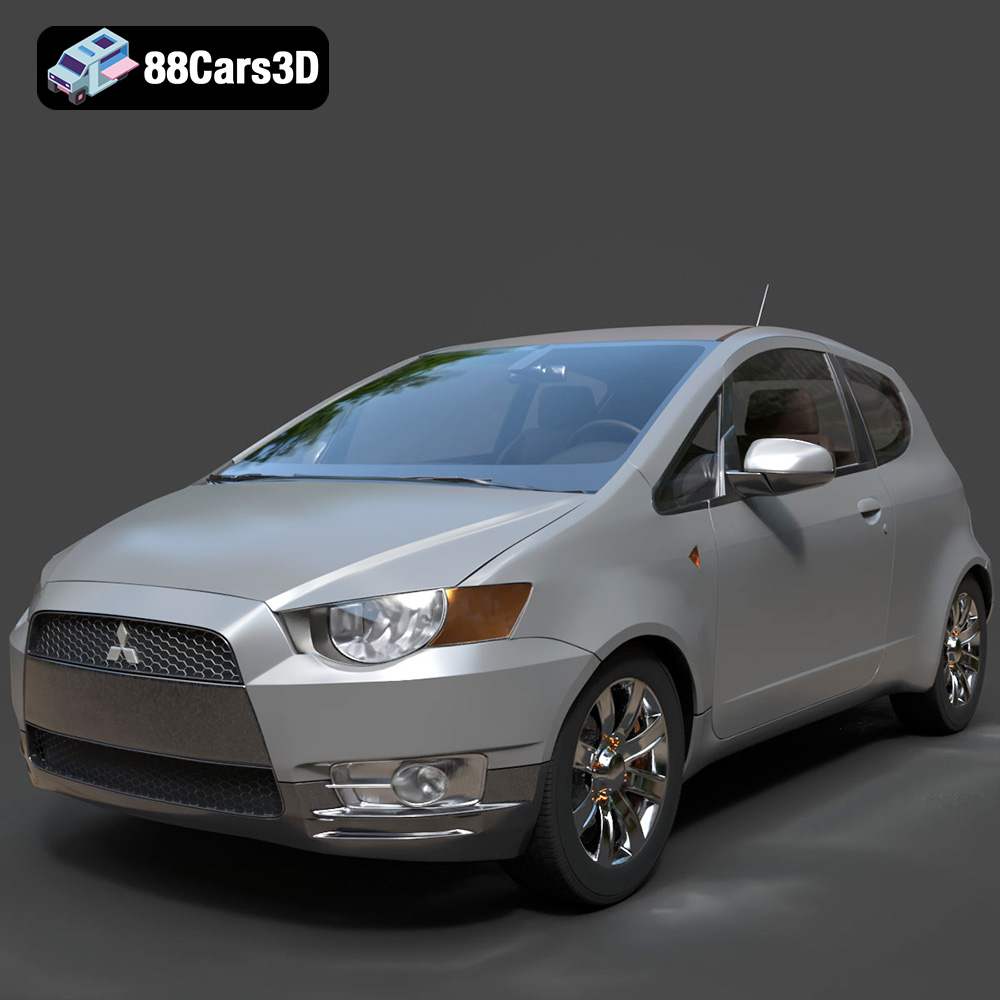
Download the Mitsubishi Colt 3 Door 2008 3D Model featuring clean geometry, realistic detailing, and a fully modeled interior. Includes .blend, .fbx, .obj, .glb, .stl, .ply, .unreal, and .max formats for rendering, simulation, and game development.
Price: $10
Texture: Yes
Material: Yes
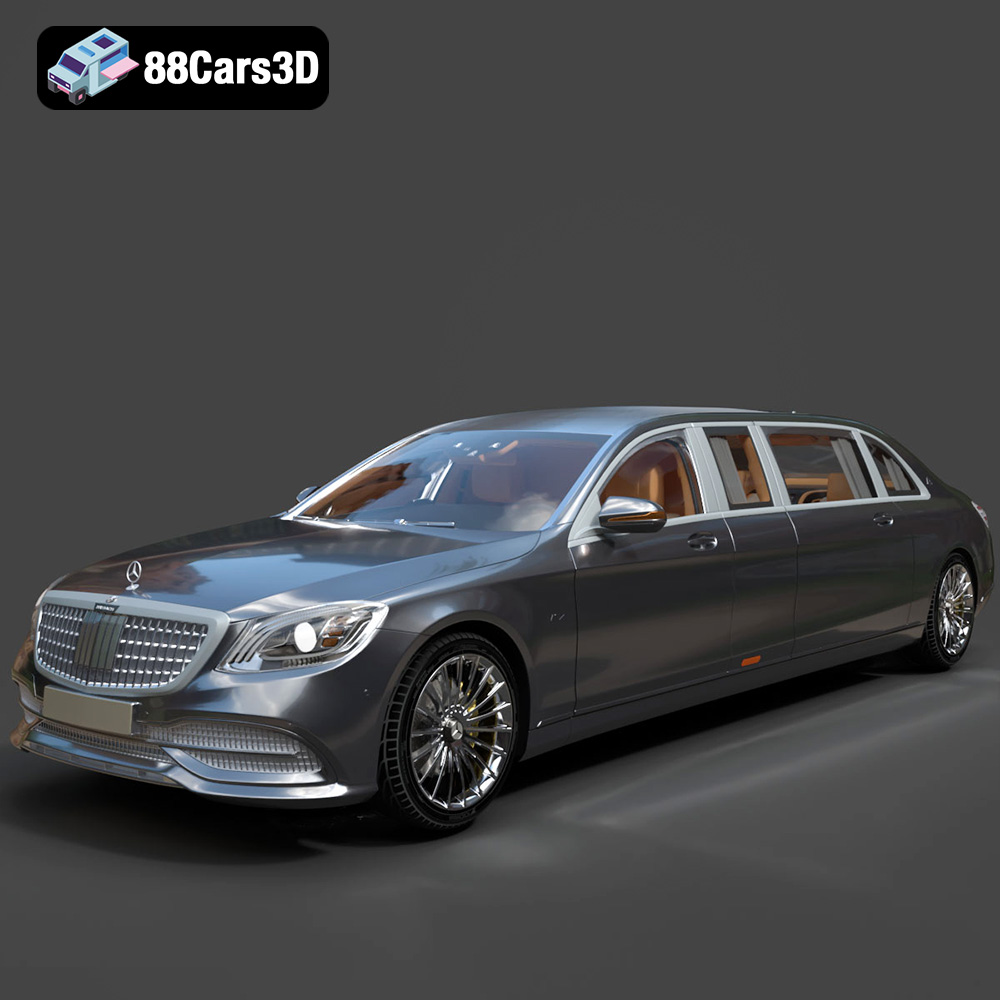
Download the Mercedes-Benz S650 Pullman 3D Model featuring clean geometry, realistic detailing, and a fully modeled interior. Includes .blend, .fbx, .obj, .glb, .stl, .ply, .unreal, and .max formats for rendering, simulation, and game development.
Price: $10
Texture: Yes
Material: Yes
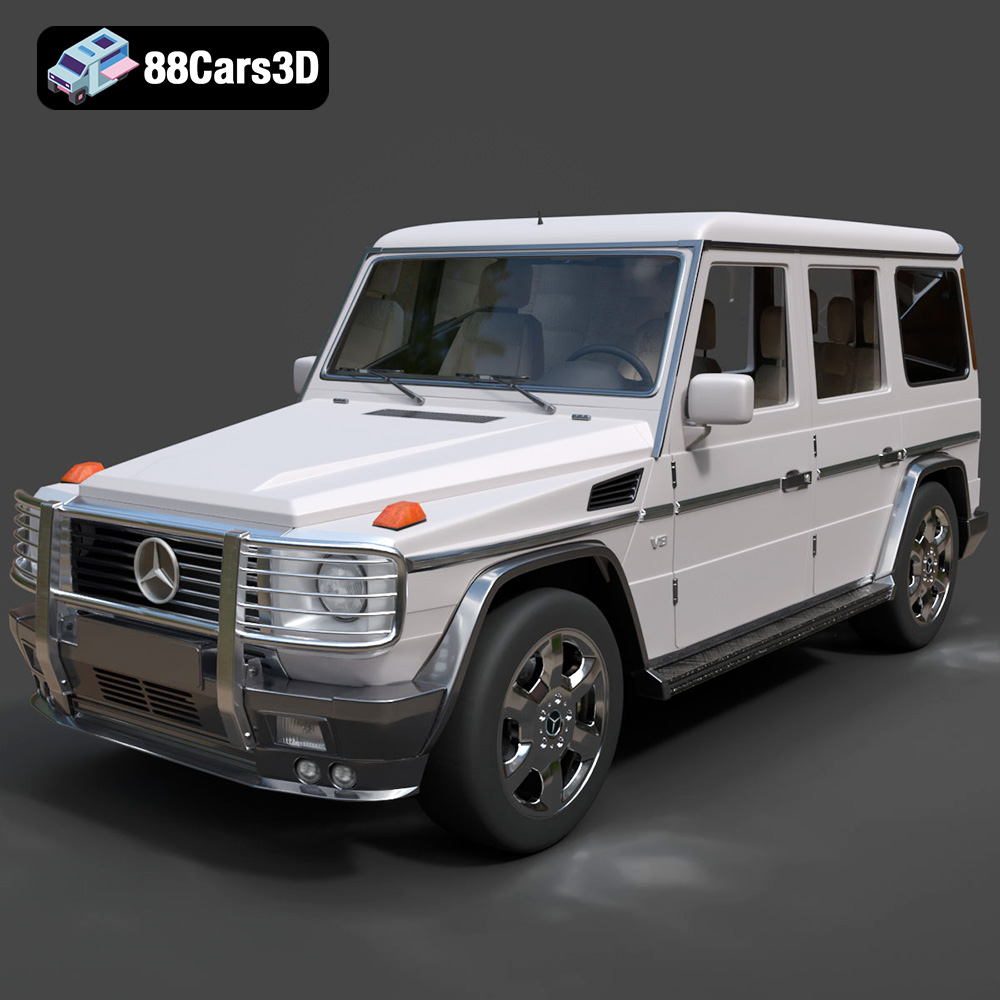
Download the Mercedes G-Class SUV 2024 3D Model featuring clean geometry, realistic detailing, and a fully modeled interior. Includes .blend, .fbx, .obj, .glb, .stl, .ply, .unreal, and .max formats for rendering, simulation, and game development.
Price: $10
Texture: Yes
Material: Yes
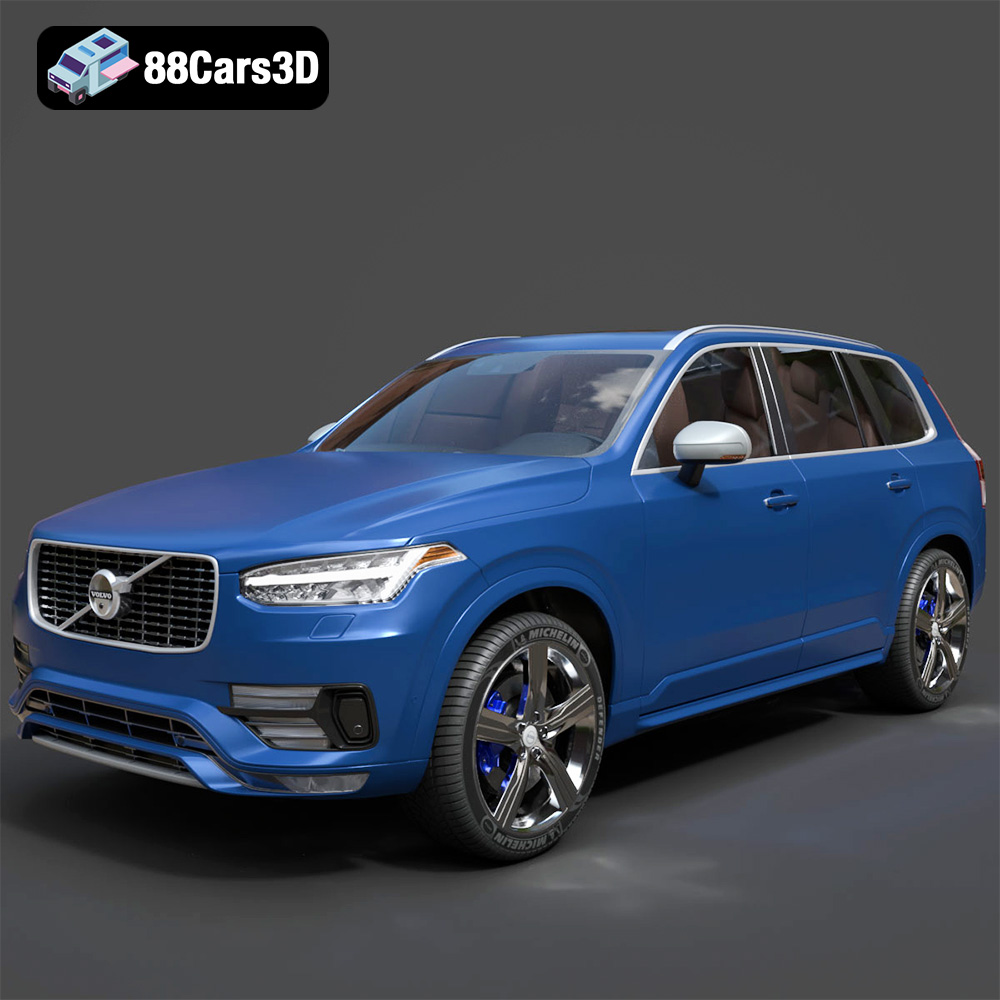
Download the Volvo XC90 R-Design 2015 3D Model featuring clean geometry, realistic detailing, and a fully modeled interior. Includes .blend, .fbx, .obj, .glb, .stl, .ply, .unreal, and .max formats for rendering, simulation, and game development.
Price: $10

**Meta Description:**
Texture: Yes
Material: Yes
Download the Toyota Crown Majesta 2009 3D Model with luxury detailing, clean topology, and a fully modeled interior. Available in .blend, .fbx, .obj, .glb, .stl, .ply, .unreal, and .max formats for rendering, simulation, and game development.
Price: $4.99

