⚡ FLASH SALE: Get 60% OFF All Premium 3D & STL Models! ⚡

“`html
The world of automotive visualization has been revolutionized by real-time rendering, and at the forefront of this transformation is Unreal Engine. What was once the exclusive domain of lengthy, offline CGI renders is now achievable in real-time, offering unprecedented levels of interactivity, speed, and photorealism. For designers, marketers, and developers, this means the ability to create stunning car configurators, immersive VR test drives, and cinematic marketing content faster and more dynamically than ever before. This guide is your roadmap to harnessing this power. We will journey from initial project setup and model preparation to mastering advanced features like Nanite virtualized geometry and Lumen’s dynamic global illumination. You will learn the essential workflows for creating breathtakingly realistic PBR materials for car paint and glass, scripting interactive features with Blueprint, and producing polished cinematic sequences. By the end, you’ll have a comprehensive understanding of how to take a high-quality 3D car model and transform it into a stunning, interactive, real-time experience in Unreal Engine 5.
Before any creative work can begin, a solid technical foundation is essential. Properly configuring your Unreal Engine project and preparing your 3D assets are the most critical first steps. This stage ensures that you have the right tools enabled, your performance targets are set, and your models are optimized for a smooth, efficient workflow. Rushing this process can lead to significant technical debt and performance bottlenecks down the line, so taking the time to get it right is a professional imperative. We’ll start by selecting the appropriate project template and enabling the plugins that are crucial for high-end visualization.
When creating a new project in Unreal Engine, you’re presented with several templates. For automotive visualization, the Architecture, Engineering, and Construction (AEC) or Film/Video & Live Events templates are excellent starting points. These presets automatically enable key settings and plugins for high-fidelity rendering.
Crucially, ensure that your project’s rendering settings are configured for photorealism. Navigate to Project Settings > Engine > Rendering. Here, you must enable “Support Hardware Ray Tracing” if you have a compatible GPU (Nvidia RTX 20-series or newer, AMD RX 6000-series or newer) to get the most out of Lumen. Set the “Dynamic Global Illumination Method” and “Reflection Method” both to Lumen. This combination provides stunning, real-time bounced light and reflections that are essential for realistic automotive scenes.
The quality of your final render is directly tied to the quality of your source asset. Using professionally crafted 3D car models is non-negotiable. Marketplaces such as 88cars3d.com provide models that are specifically designed for real-time rendering, featuring clean topology, proper UV unwrapping, and logical material assignments. These models are typically provided in FBX or USD formats, which are ideal for Unreal Engine.
During the FBX import process, pay close attention to the following options:
A car’s visual appeal is defined by its surfaces: the deep, multi-layered paint, the flawless glass, the polished chrome, and the textured leather of the interior. In Unreal Engine, these surfaces are brought to life through the Material Editor using a Physically Based Rendering (PBR) workflow. A PBR approach simulates how light interacts with materials in the real world, and mastering it is the key to photorealism. We will focus on creating a flexible master car paint material that can be easily customized for any color and finish.
Automotive paint is not a simple, single-color surface. It has a base coat, metallic flakes, and a top clear coat. Simulating this layered effect is crucial. The best practice is to create a “Master Material” and then use Material Instances to create variations.
Here’s a breakdown of a typical car paint material setup in the Unreal Material Editor:
Beyond the paint, other materials complete the vehicle’s realism.
Unreal Engine 5’s Nanite virtualized geometry system is arguably the most significant leap forward for real-time rendering in a decade. Traditionally, artists spent countless hours creating multiple Levels of Detail (LODs) for complex models to maintain performance. Nanite effectively automates this process on a micro-level, allowing you to render film-quality, high-polygon assets in real-time without significant performance degradation. For automotive visualization, this means you can use your CAD or cinematic-quality models directly in the engine, preserving every curve, bolt, and detail.
Nanite works by analyzing the 3D model and breaking it down into tiny, intelligent clusters of triangles. At runtime, it determines which clusters are visible and how much detail they require based on their screen size, then streams only the necessary data to the GPU. This means a car model with 10 million polygons will have virtually the same performance impact as a 50,000 polygon model when viewed from a distance.
When you import a high-quality model from a source like 88cars3d.com, enabling the “Build Nanite” option is all you need to do to start. You can verify a mesh is Nanite-enabled by opening it in the Static Mesh Editor and checking the “Nanite Settings” or by using the Nanite Visualization view mode in the main viewport (Lit > Nanite Visualization > Triangles).
The benefits are immense:
However, there are a few considerations to keep in mind:
Lighting is what breathes life and emotion into a scene. Unreal Engine 5’s Lumen is a fully dynamic global illumination and reflections system that provides stunning, realistic lighting that reacts instantly to changes in the scene. For automotive visualization, this is a game-changer. It means you can move the sun, change light colors, or even have headlights dynamically illuminate the environment without needing to wait for lightmaps to bake. Lumen provides the diffuse bounced lighting and glossy reflections that make a car feel grounded and integrated into its environment.
Assuming you enabled Lumen in your project settings, setting up a basic lighting environment is straightforward. The key is to use a combination of a directional light for the sun and a Sky Light to capture ambient lighting from the environment.
Raw lighting is only half the story. The Post Process Volume is where you fine-tune the final image. Add one to your scene and set its “Infinite Extent (Unbound)” property to true to make it affect the entire level.
The true power of real-time rendering lies in interactivity. With Unreal Engine’s Blueprint visual scripting system, you can create dynamic experiences like automotive configurators without writing a single line of code. Blueprint allows you to visually script logic using nodes and wires, making it accessible to artists and designers. We’ll outline how to create a simple car configurator that allows a user to change the paint color at the press of a key.
First, you need to convert your imported car model into a Blueprint Actor. This contains all the car’s components (meshes, lights) in a single, controllable package.
Now, let’s add the interactive logic in the Event Graph.
With this simple script, you now have a basic but functional car configurator. This same logic can be extended to open doors (using timelines to animate rotation), turn on headlights (by toggling light visibility), or swap out different wheel styles (by changing static meshes).
Beyond interactive applications, Unreal Engine is a powerhouse for creating high-end cinematic content. Sequencer is Unreal’s multi-track editor, a tool very similar to video editing software like Adobe Premiere or DaVinci Resolve, but for creating real-time 3D animations. You can animate cameras, objects, materials, and more to produce stunning marketing videos, commercials, and short films.
Creating a cinematic starts with a Level Sequence. From the main toolbar, click the clapperboard icon and choose “Add Level Sequence.” This creates a new Sequence asset and opens the Sequencer editor.
To elevate your shots from basic animation to cinematic storytelling, use these professional techniques:
For more in-depth tutorials on these powerful tools, the official Unreal Engine documentation is an invaluable resource that is constantly updated with best practices. You can explore it at https://dev.epicgames.com/community/unreal-engine/learning to deepen your knowledge of Sequencer and other engine features.
While Unreal Engine 5’s tools like Nanite and Lumen handle much of the heavy lifting, optimization is still a crucial discipline, especially when targeting a wide range of hardware or demanding platforms like VR and AR. A smooth, high-framerate experience is paramount for user immersion and professional delivery. Running at a consistent 60, 90, or even 120 FPS requires a deep understanding of performance bottlenecks.
You can’t optimize what you can’t measure. Unreal Engine provides powerful built-in profiling tools.
Once you’ve identified a bottleneck, here are some common strategies:
Unreal Engine 5 has democratized the creation of photorealistic, real-time automotive visualization. By combining the power of its core features—the raw geometric detail of Nanite, the dynamic lighting of Lumen, the interactivity of Blueprint, and the cinematic storytelling of Sequencer—you can produce content that rivals traditional offline renders in a fraction of the time. The journey from a high-quality game asset to a fully realized interactive experience is a process of building upon a solid foundation. It begins with meticulous project setup and the selection of premium 3D car models, progresses through the artistic craft of PBR material creation and lighting, and culminates in the technical execution of interactive and cinematic elements.
The workflows outlined here provide a comprehensive starting point. The next step is to apply them. Start a new project, source a high-fidelity model, and begin experimenting. Challenge yourself to build a simple car configurator or animate a short, dynamic camera pass. By putting these principles into practice, you’ll not only develop a deeper understanding of the tools but also unlock the immense creative potential that real-time rendering offers to the automotive industry. The road to mastery is through hands-on creation, and there has never been a better time to start your engine.
“`

Texture: Yes
Material: Yes
Download the Chevrolet Camaro 1970 3D Model featuring clean geometry, realistic detailing, and a fully modeled interior. Includes .blend, .fbx, .obj, .glb, .stl, .ply, .unreal, and .max formats for rendering, simulation, and game development.
Price: $10

Texture: Yes
Material: Yes
Download the Mercedes-AMG GT 2015 3D Model featuring clean geometry, realistic detailing, and a fully modeled interior. Includes .blend, .fbx, .obj, .glb, .stl, .ply, .unreal, and .max formats for rendering, simulation, and game development.
Price: $88.99

Texture: Yes
Material: Yes
Download the Suzuki GSX-R 1000 3D Model featuring clean geometry, realistic detailing, and a fully modeled interior. Includes .blend, .fbx, .obj, .glb, .stl, .ply, .unreal, and .max formats for rendering, simulation, and game development.
Price: $10

Texture: Yes
Material: Yes
Download the Porsche Cayman S 2024 3D Model featuring clean geometry, realistic detailing, and a fully modeled interior. Includes .blend, .fbx, .obj, .glb, .stl, .ply, .unreal, and .max formats for rendering, simulation, and game development.
Price: $10
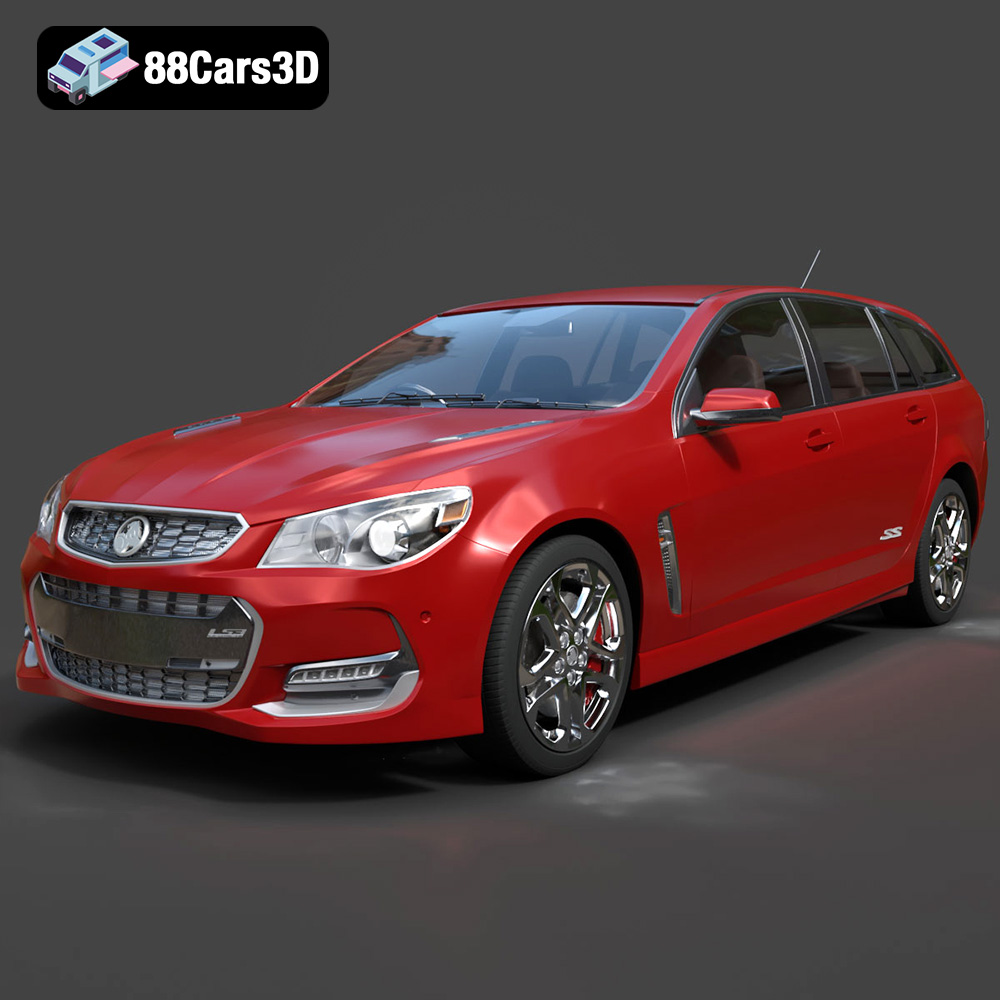
Texture: Yes
Material: Yes
Download the Holden Commodore Sportwagon 2017 3D Model featuring clean geometry, realistic detailing, and a fully modeled interior. Includes .blend, .fbx, .obj, .glb, .stl, .ply, .unreal, and .max formats for rendering, simulation, and game development.
Price: $10
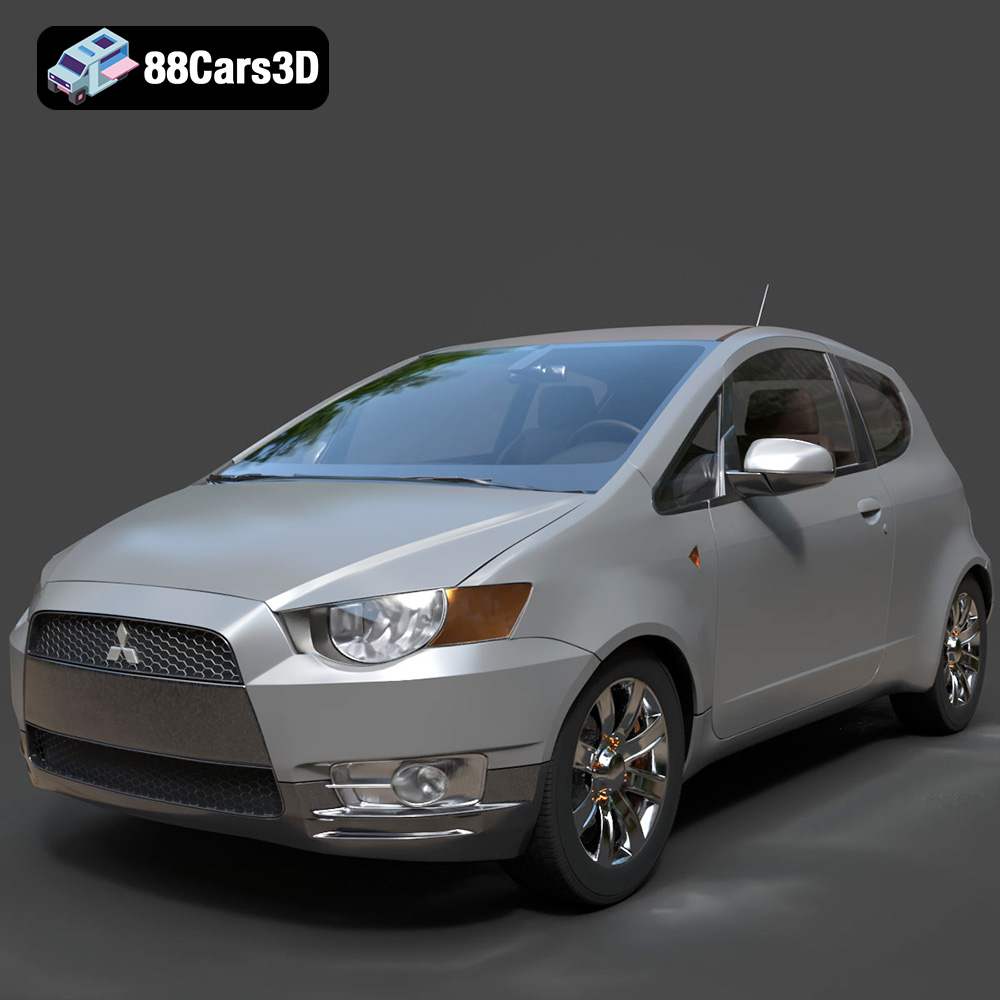
Texture: Yes
Material: Yes
Download the Mitsubishi Colt 3 Door 2008 3D Model featuring clean geometry, realistic detailing, and a fully modeled interior. Includes .blend, .fbx, .obj, .glb, .stl, .ply, .unreal, and .max formats for rendering, simulation, and game development.
Price: $10
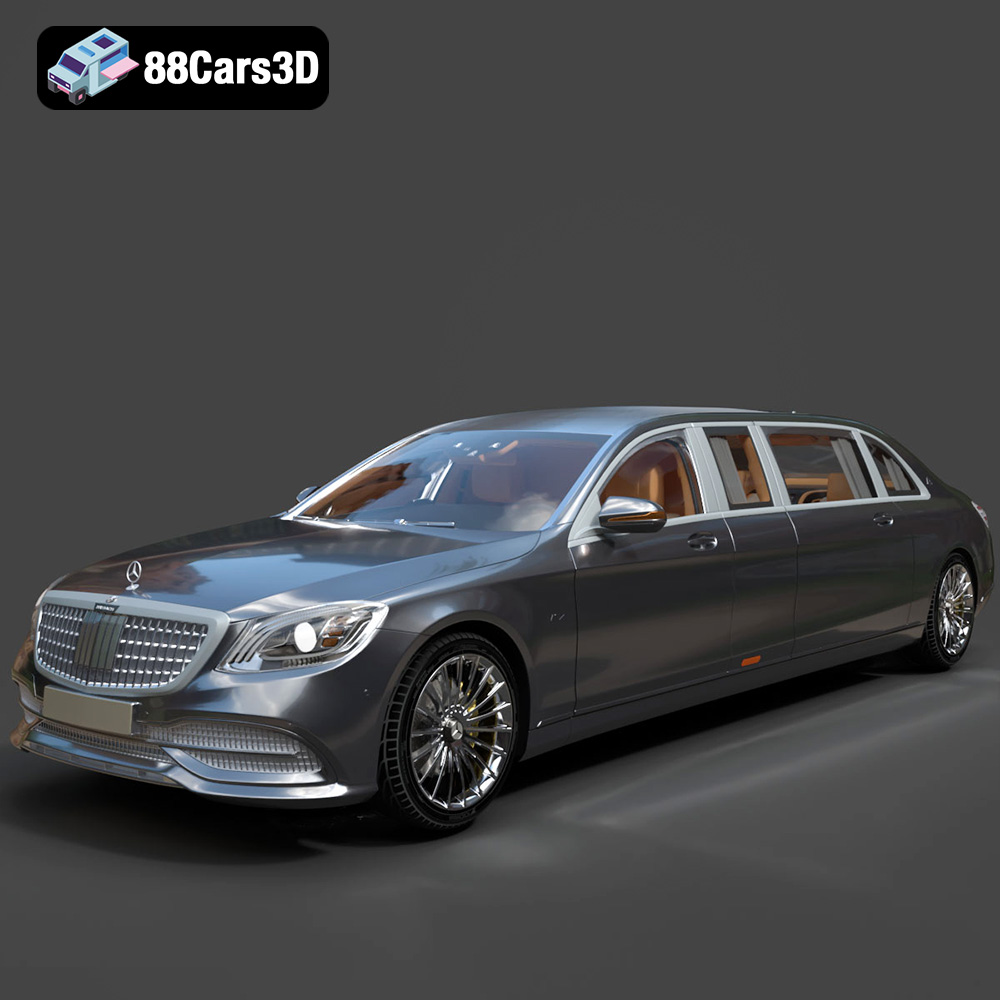
Texture: Yes
Material: Yes
Download the Mercedes-Benz S650 Pullman 3D Model featuring clean geometry, realistic detailing, and a fully modeled interior. Includes .blend, .fbx, .obj, .glb, .stl, .ply, .unreal, and .max formats for rendering, simulation, and game development.
Price: $10
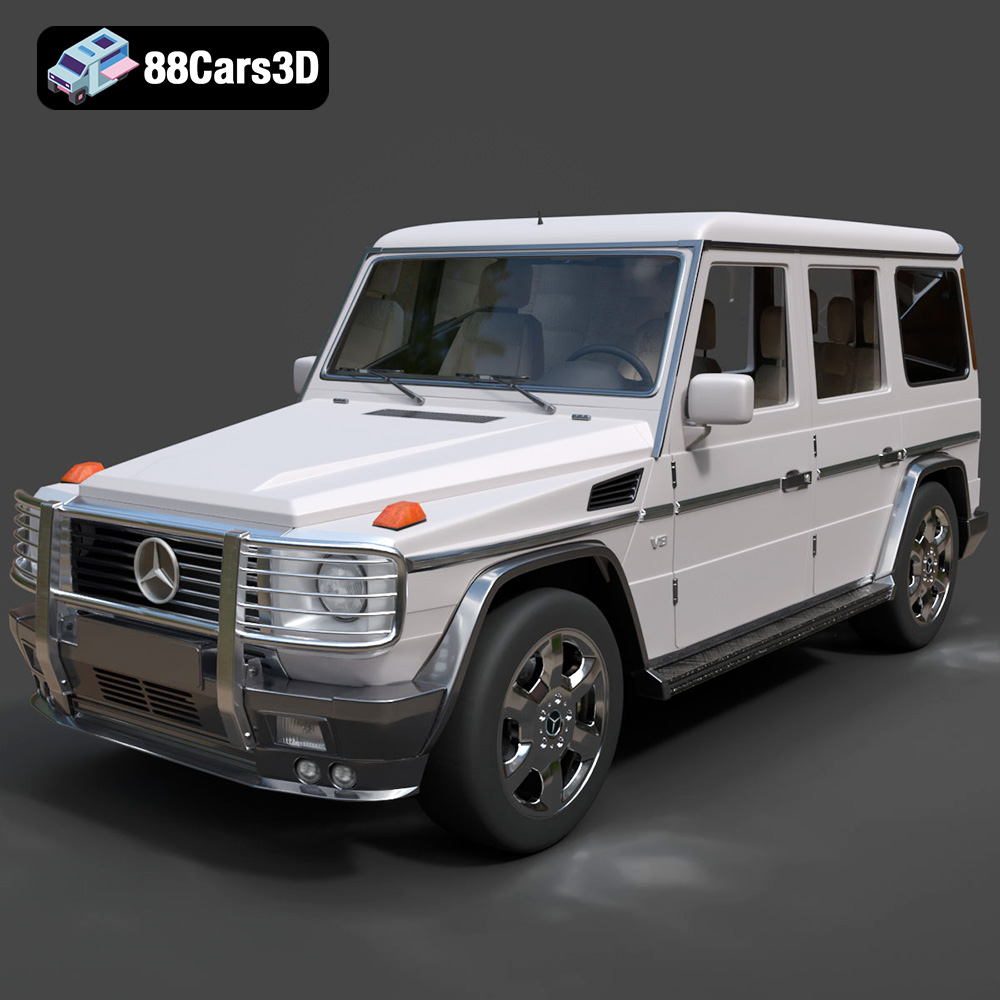
Texture: Yes
Material: Yes
Download the Mercedes G-Class SUV 2024 3D Model featuring clean geometry, realistic detailing, and a fully modeled interior. Includes .blend, .fbx, .obj, .glb, .stl, .ply, .unreal, and .max formats for rendering, simulation, and game development.
Price: $10
Texture: Yes
Material: Yes
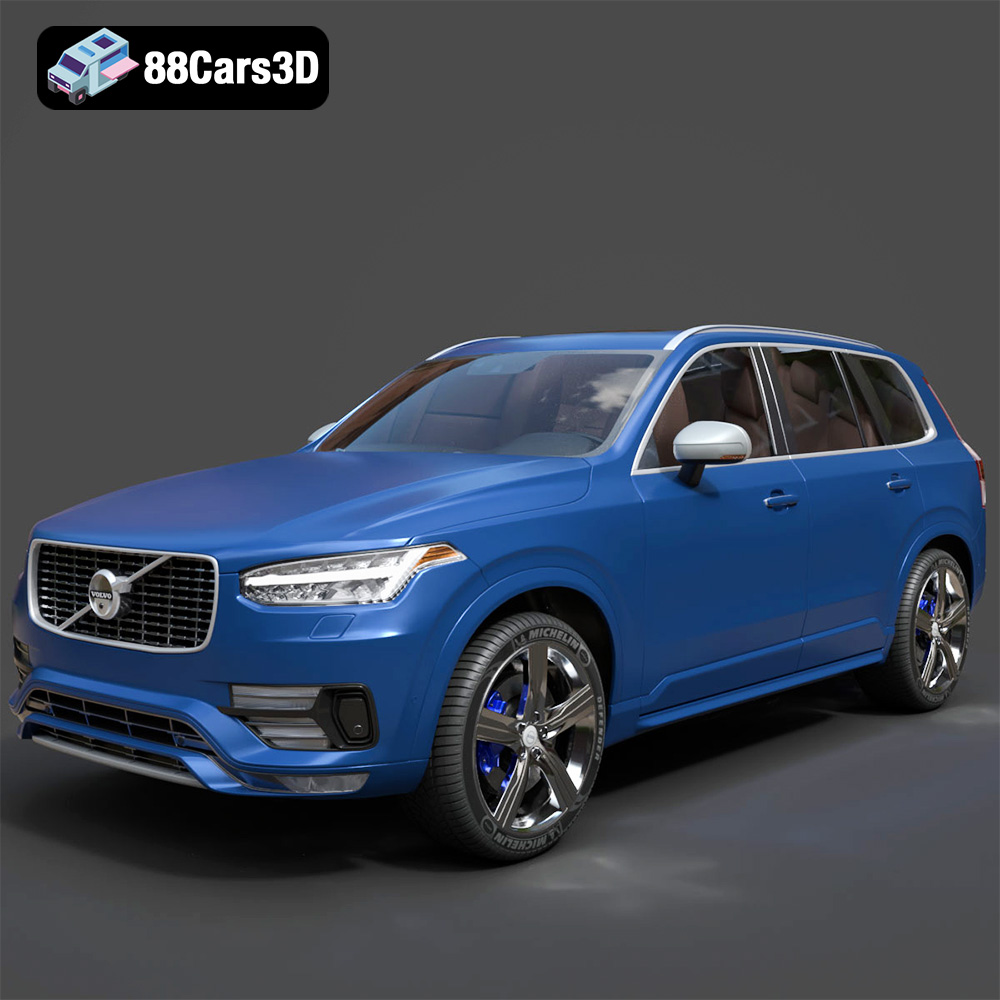
Download the Volvo XC90 R-Design 2015 3D Model featuring clean geometry, realistic detailing, and a fully modeled interior. Includes .blend, .fbx, .obj, .glb, .stl, .ply, .unreal, and .max formats for rendering, simulation, and game development.
Price: $10

**Meta Description:**
Texture: Yes
Material: Yes
Download the Toyota Crown Majesta 2009 3D Model with luxury detailing, clean topology, and a fully modeled interior. Available in .blend, .fbx, .obj, .glb, .stl, .ply, .unreal, and .max formats for rendering, simulation, and game development.
Price: $4.99

